Most people overlook the importance of fiber in their diet, especially when it comes to Indian cuisine. Fiber plays a vital role in digestion, heart health, and maintaining a healthy weight. In this blog post, you’ll discover various Indian foods that are packed with fiber, helping you make informed choices for your meals. From lentils to whole grains, these options are not only nutritious but also delicious, ensuring you enjoy your culinary experience while boosting your fiber intake.
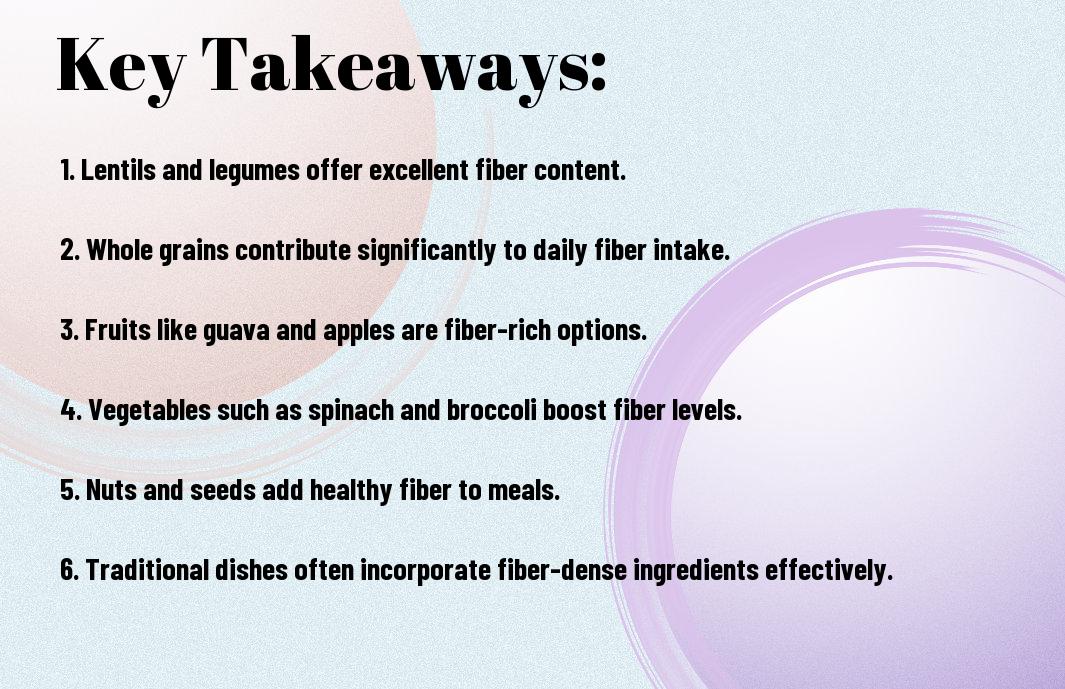
Key Takeaways:
- Legumes: Foods like lentils, chickpeas, and various beans are excellent sources of fiber, contributing significantly to a healthy diet.
- Whole Grains: Quinoa, brown rice, and whole wheat products are high in fiber and offer nutritional benefits over refined grains.
- Fruits and Vegetables: Certain Indian fruits and vegetables, such as guava, oranges, broccoli, and spinach, are rich in fiber, promoting digestive health.
Importance of Fiber in the Diet
Fiber plays an vital role in your diet, contributing to overall health and well-being. It aids in digestion, helps maintain a healthy weight, and can prevent various health issues. By incorporating fiber-rich foods into your meals, you can improve gut health and regulate blood sugar levels, making it a vital component of your nutritional intake.
Health Benefits of Fiber
Health benefits of fiber extend beyond digestion; it also reduces the risk of chronic diseases such as heart disease and diabetes. High-fiber foods can help lower cholesterol levels, stabilize blood sugar, and promote a feeling of fullness, which aids in weight management. Including sufficient fiber in your diet supports your overall health.
Recommended Daily Intake
Among health experts, the general recommendation for daily fiber intake is about 25 grams for women and 38 grams for men. This amount can vary based on your age, dietary needs, and activity level.
Even though the recommended intake is a solid guideline, your personal needs may vary. If you’re considering increasing your fiber intake, do so gradually to avoid digestive discomfort. Focus on incorporating a variety of fiber sources such as whole grains, legumes, fruits, and vegetables to meet and even exceed these recommendations, ultimately enhancing your health and digestion.
High-Fiber Indian Foods
If you’re looking to incorporate more fiber into your diet, exploring traditional Indian foods is a fantastic option. Indian cuisine offers a wealth of high-fiber ingredients, making it easier for you to boost your fiber intake while enjoying delicious meals. From whole grains to legumes, there are plenty of choices to help you achieve your dietary goals.
Whole Grains
Below are some wholesome grains like whole wheat, barley, and brown rice that can significantly increase your fiber intake. These grains not only provide crucial nutrients but also help in improving digestion and maintaining stable blood sugar levels. Including them in your daily meals can be a simple yet effective way to add fiber to your diet.
Legumes and Pulses
Around Indian households, you’ll find an array of legumes and pulses such as lentils, chickpeas, and kidney beans, which are excellent sources of fiber. Incorporating these ingredients into your meals can make for hearty and nutritious dishes that keep you feeling full and satisfied.
Another great aspect of legumes and pulses is their versatility. You can enjoy them in a variety of dishes, from dals and curries to salads and soups. Not only do they offer an abundance of fiber, but they also provide protein, making them a perfect addition to a balanced diet.
Vegetables High in Fiber
Around the Indian subcontinent, a vibrant selection of fibrous vegetables such as spinach, broccoli, and carrots can elevate your fiber consumption. Including these colorful vegetables in your meals will not only provide a boost of fiber but also crucial vitamins and minerals for overall health.
Also, incorporating a diverse range of these vegetables into your diet encourages better digestion and helps maintain a healthy weight. You can enjoy them in curries, stir-fries, or as simple steamed sides to reap their full benefits.
Fruits Rich in Fiber
Among the various fruits available, options like guava, pomegranate, and bananas stand out for their high fiber content. Adding these fruits to your diet is an excellent way to enhance your fiber intake while also satisfying your sweet tooth with natural sugars.
This combination of fiber-rich fruits not only aids in digestion but also promotes heart health. You can enjoy them as snacks, in smoothies, or even as toppings for your breakfast, making it easy to integrate more fiber into your daily routine.
Popular Indian Dishes with High Fiber Content
For those looking to incorporate more fiber into their diet, Indian cuisine offers a plethora of delicious options. From lentil-based curries to vegetable-rich preparations, you can enjoy flavorful dishes while boosting your fiber intake. These ingredients not only contribute to better digestion but also keep you feeling fuller for longer—perfect for a healthy lifestyle!
Dal and Pulses-based Recipes
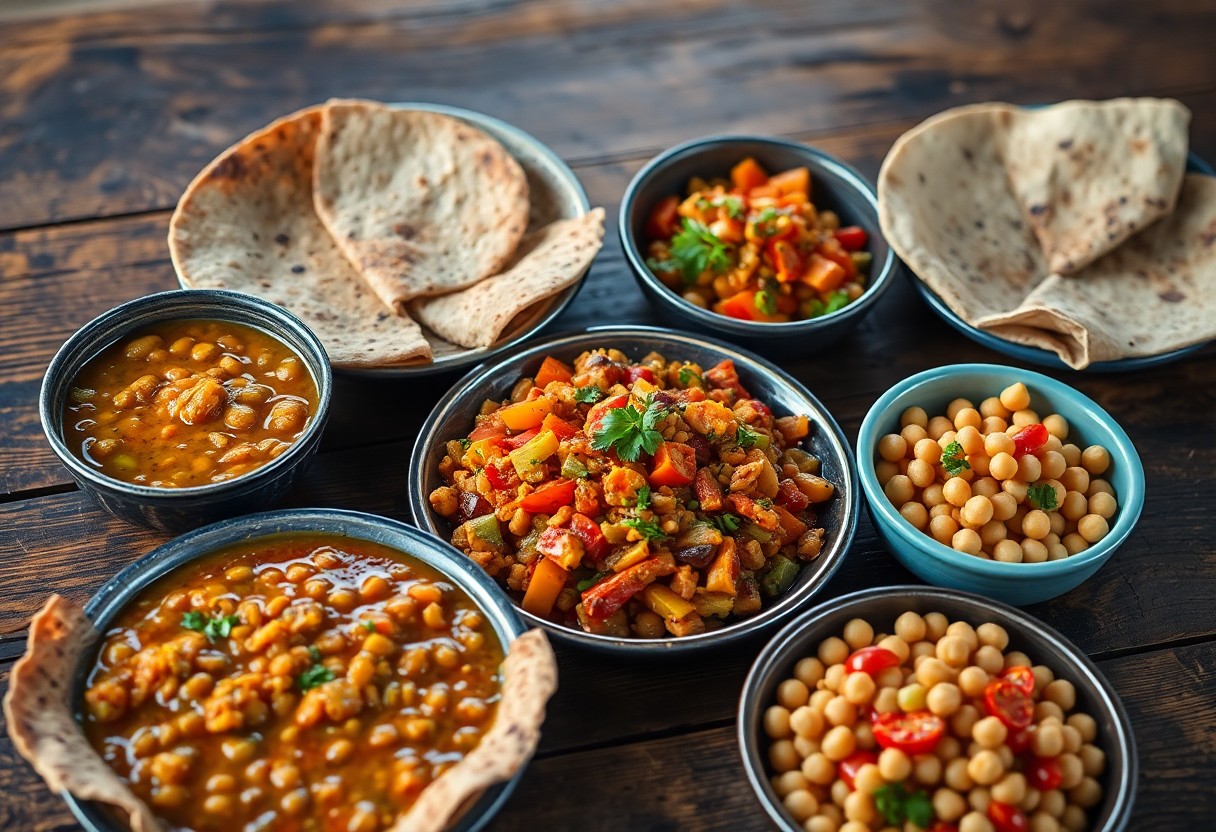
One of the best sources of fiber in Indian cuisine comes from dal and pulses. Dishes like chana dal, moong dal, and kidney beans are packed with nutrients. They can be easily added to your meals, providing you with a hearty base as well as a significant fiber boost to support digestive health.
Mixed Vegetable Curries
By incorporating mixed vegetable curries into your diet, you can easily increase your fiber intake. These colorful dishes are made with a variety of vegetables that not only bring vibrant flavors but also offer a blend of crucial nutrients and fiber. Enjoying these curries can enhance the nutritional value of your meals, making them wholesome and satisfying.
Hence, mixed vegetable curries allow you to experiment with seasonal vegetables while ensuring you obtain a diverse array of fibers. Popular preparations like baingan bharta, bhindi masala, and aloo-gobhi are great examples that keep your meals exciting and nutrient-rich. You can enjoy them with rice or flatbreads, creating a balanced meal that helps meet your daily fiber requirements.
Fiber-rich Flatbreads
Behind the many varieties of Indian flatbreads, like whole wheat chapatis, besan (gram flour) rotis, and multigrain parathas, lies a wealth of dietary fiber. These breads not only act as a great accompaniment to your meals but also contribute to your daily fiber intake in an enjoyable way.
In fact, opting for fiber-rich flatbreads can significantly enhance your overall health. Whole grain options, such as jowar or bajra rotis, provide additional nutrients and help maintain digestive health. You can easily swap out refined flour options for whole grains to create a more nutritious meal that supports your health goals.
Tips to Increase Fiber Intake in Indian Cooking
Unlike many Western cuisines, Indian cooking offers abundant opportunities to enhance your fiber intake. Here are some tips:
- Incorporate whole grains over refined ones.
- Opt for legumes such as lentils and chickpeas.
- Add more vegetables to your meals.
- Use seeds and nuts as toppings or snacks.
- Experiment with high-fiber flours like whole wheat or multigrain.
Perceiving these changes can greatly improve your overall wellness.
Cooking Techniques
One effective way to boost fiber in your dishes is by using cooking techniques that preserve the fiber content of ingredients. Steaming, sautéing, and roasting are excellent methods that can help maintain the integrity of fiber-rich foods while enhancing flavors. Select cooking methods that require minimal water to retain necessary nutrients and maximize the fiber benefits in your meals.
Ingredient Substitutions
Increase your fiber intake by making thoughtful ingredient substitutions in your recipes. Consider replacing white rice with brown rice or quinoa, or swapping out white flour for whole wheat or chickpea flour to create more fiber-rich dishes.
Ingredient substitutions can be a simple yet effective way to enhance the nutritional value of your meals. For instance, when baking, using mashed fruits, like bananas or apples, can replace refined sugars while adding fiber. Additionally, adding grated vegetables to doughs or batters not only boosts fiber but also enriches the flavor and texture of your dishes. Making these small changes can lead to significant improvements in your daily fiber consumption.
Common Misconceptions About Fiber
Once again, fiber is often misunderstood. Many people assume that only fruits and vegetables are rich in fiber, overlooking the diverse range of Indian foods that can boost your intake. You can discover more about 7 Indian Foods Rich In Fiber that can be easily incorporated into your diet. By expanding your knowledge on the topic, you can make better choices for your health and well-being.
Myths vs. Facts
An important fact to understand is that high-fiber diets can benefit everyone, not just those looking to lose weight. Many people mistakenly believe that fiber is only for weight management, but it is crucial for digestive health, heart health, and overall wellness. Including a variety of fiber-rich foods is key to reaping these benefits.
Misunderstanding Fiber Sources
Misconceptions about fiber sources can lead to a limited diet that may not meet your nutritional needs. Fiber is found in many plant-based foods, including grains, legumes, nuts, and seeds, in addition to fruits and vegetables. Understanding where to find fiber-rich options can help you create a balanced and nutritious diet.
Fiber plays a significant role in your overall health, yet many people underestimate the sources available, especially in Indian cuisine. Whole grains like brown rice and whole wheat, as well as legumes such as lentils and chickpeas, are excellent fiber sources. Incorporating these foods into your meals can increase your fiber intake and provide you with crucial nutrients that support digestive health.
To wrap up
Now that you are aware of the Indian foods high in fiber, such as lentils, whole grains, and leafy greens, you can easily incorporate these nutritious options into your diet. Focusing on items like chickpeas, oats, and brown rice can enhance your fiber intake while providing crucial nutrients. Embracing traditional dishes like dal and vegetable curries will not only improve your digestive health but also enrich your overall well-being. By making these mindful choices, you can enjoy flavorful meals while promoting a healthy lifestyle.
FAQ
Q: Which Indian foods are particularly high in fiber?
A: Some Indian foods that are high in fiber include whole grains such as brown rice and whole wheat chapati, legumes like lentils (dal), chickpeas (chole), and kidney beans (rajma). Vegetables such as spinach, broccoli, and carrots, along with fruits like guava, pears, and apples also provide significant fiber content.
Q: How can I incorporate high-fiber Indian foods into my diet?
A: You can incorporate high-fiber Indian foods by including dals and legumes in your meals, preparing whole grain dishes such as khichdi using brown rice and lentils, and opting for chapatis made from whole wheat flour. Adding a variety of vegetables to sabzi (cooked dishes) and including fruits in your snacks can also help boost fiber intake.
Q: Are there specific high-fiber snacks in Indian cuisine?
A: Yes, there are several high-fiber snacks in Indian cuisine. Options include roasted chickpeas, whole grain khakra, moong dal chaat, and mixed vegetable cutlets made with oats or brown rice. These snacks not only provide fiber but also keep you satisfied for longer periods.
Q: Can high-fiber Indian foods help with digestion?
A: Yes, high-fiber Indian foods can significantly aid in digestion. Fiber adds bulk to the stool, making it easier to pass and reducing the risk of constipation. Additionally, it supports gut health by promoting the growth of beneficial bacteria in the digestive tract.
Q: What is the recommended daily fiber intake, and how can Indian foods help meet this?
A: The recommended daily fiber intake varies by age and sex but generally falls between 25 to 38 grams for adults. Incorporating high-fiber Indian foods like legumes, whole grains, fruits, and vegetables can help meet this requirement efficiently. For instance, a serving of dal can provide about 8 grams of fiber, while a whole wheat chapati contributes around 2-3 grams.