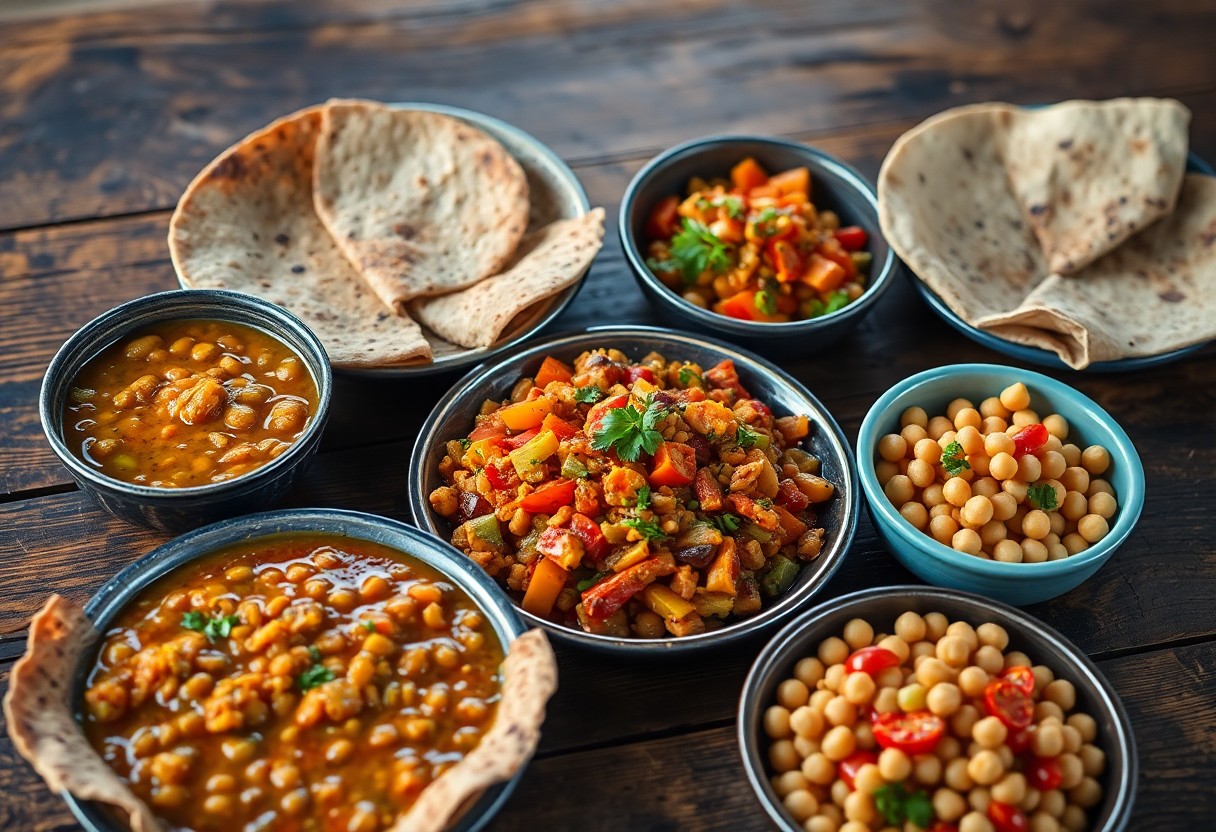
Indian

What are India's top 10 foods

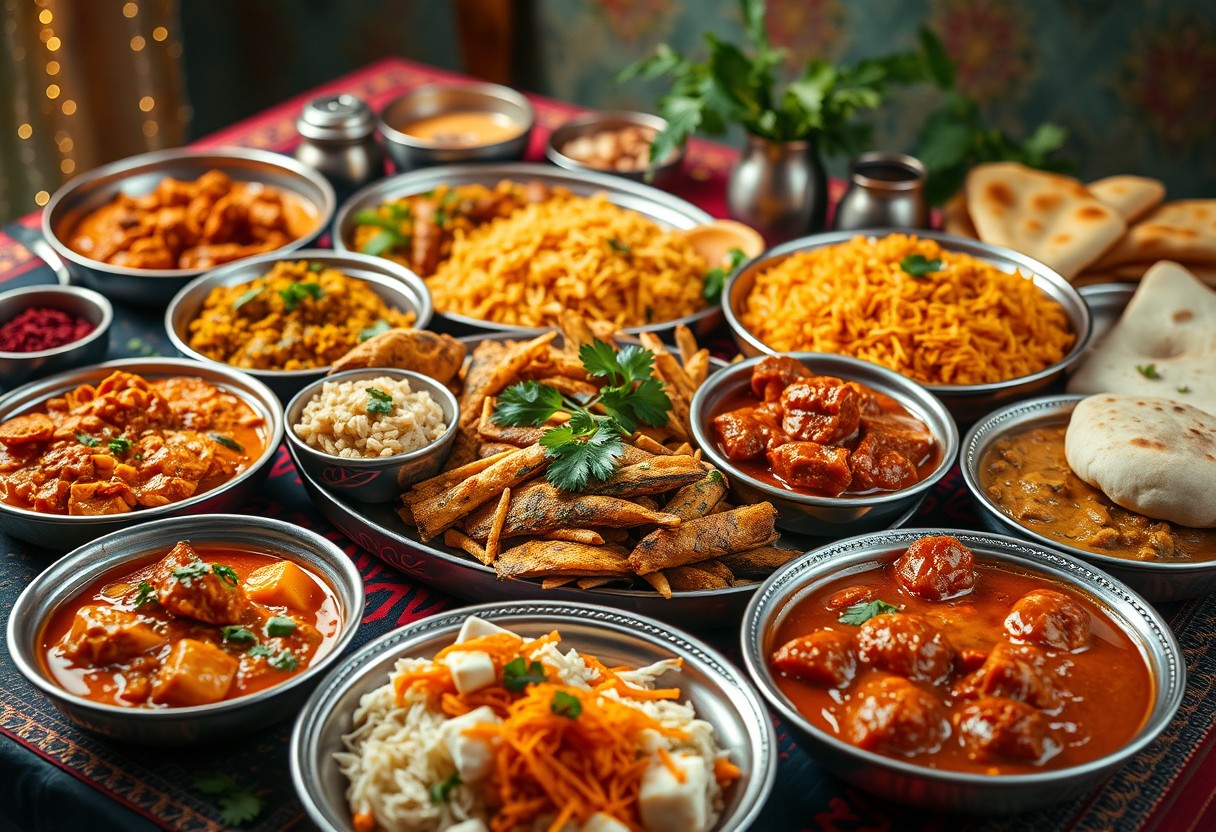
You will discover a vibrant tapestry of flavors and aromas that define India’s culinary landscape. From spicy curries to sweet delicacies, the country’s diverse regional cuisines offer a unique experience for every palate. Whether you are a seasoned food lover or a curious traveler, exploring the Top 10 traditional foods to try in India will enhance your appreciation of its rich culinary heritage. Get ready to begin on a delicious journey through India’s most iconic dishes!

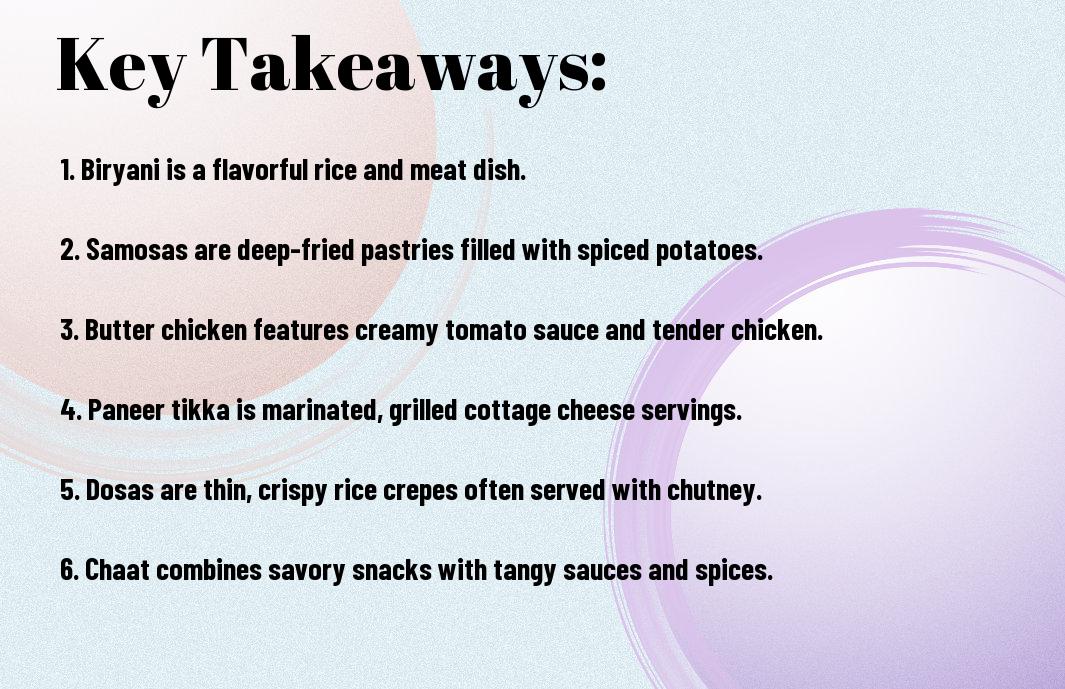
Key Takeaways:

  • Diverse Flavors: India’s top foods showcase a wide range of spices and flavors, reflecting its rich culinary heritage.
  • Regional Varieties: Each region in India offers unique signature dishes, highlighting local ingredients and traditions.
  • Popular Dishes: Iconic foods such as Biryani, Masala Dosa, and Butter Chicken are beloved not just in India but around the world.

Overview of Indian Cuisine

While Indian cuisine is renowned for its diverse flavors and rich heritage, it also encompasses a wide range of culinary traditions influenced by geography, culture, and history. You’ll find that each dish tells a unique story, reflecting the ingredients, cooking techniques, and cultural practices of various regions across the country. From spicy curries to fragrant rice dishes, Indian food offers a sensory experience that is both satisfying and memorable.

Regional Variations

Any exploration of Indian cuisine reveals its remarkable regional variations. Each state boasts distinct culinary traditions, influenced by local ingredients, climate, and cultural practices. Whether you savor the tangy flavors of South Indian sambar or the hearty richness of North Indian butter chicken, you’ll discover a tapestry of tastes that showcases India’s culinary diversity.

Ingredients and Spices

Variations in Indian cuisine also stem from its use of a wide array of ingredients and spices. Spices such as cumin, coriander, turmeric, and garam masala form the backbone of many dishes, infusing them with depth and character. Each region has its own signature blend, enhancing the complexity and allure of the food you enjoy.

A careful selection of fresh vegetables, legumes, dairy products, and meats further enriches Indian meals. You’ll find that Indian cooking celebrates seasonal ingredients, making each dish unique to the time of year. This emphasis on spices and fresh produce not only creates vibrant flavors but also promotes health benefits, making Indian cuisine a holistic culinary experience.

Top 10 Foods in India

Clearly, India is a treasure trove of flavors, offering a vast array of culinary delights. The diverse regions of the country contribute to a rich tapestry of dishes, each with unique ingredients, styles, and traditions. Here are India’s top 10 foods that every food lover must try.

Biryani

On a culinary journey, Biryani stands out as a regal delight. This fragrant rice dish, layered with marinated meat or vegetables, is infused with aromatic spices and often garnished with fried onions and boiled eggs. Originating from Persian influences, each region in India offers its own unique twist on Biryani, making it a must-try.

Masala Dosa

The Masala Dosa is a beloved South Indian crepe that offers a delicious combination of crispy texture and savory filling. Made from fermented rice and lentil batter, it’s filled with spiced mashed potatoes and served with an array of chutneys, making it perfect for breakfast or any time of day.

Understanding the popularity of the Masala Dosa, you will find it not just in restaurants but also as a street food staple across India. The batter is thinly spread on a hot griddle, resulting in a golden, crunchy exterior that perfectly complements the soft, spicy filling. The combination of flavors and textures makes it a delightful treat for any palate.

Butter Chicken

Dosa is often accompanied by various chutneys, and among them, Butter Chicken deserves special mention. Creamy, rich, and slightly sweet, this dish consists of tender chicken pieces cooked in a tomato-based curry rich in butter and cream, making it a comfort food favorite across the nation.

This North Indian classic has transcended borders, capturing the hearts of food enthusiasts worldwide. Often served with naan or rice, Butter Chicken offers a luscious, velvety experience that you won’t forget. The balance of spices in the sauce enhances the dish, ensuring every bite is a decadent journey into India’s culinary richness.

Rogan Josh

Chicken Rogan Josh is a signature dish of Kashmiri cuisine, characterized by its deep red color, which comes from the use of Kashmiri red chili. This slow-cooked curry features tender lamb or goat meat, cooked in a blend of aromatic spices, creating a warm and aromatic taste that’s truly satisfying.

Another highlight of Rogan Josh is its unique flavor profile, achieved through a careful balance of spices such as cardamom, cinnamon, and cloves. This dish, often served with rice or bread, showcases the essence of Kashmiri cooking and is a must-try when exploring India’s diverse culinary landscape.

Chole Bhature

Chole Bhature is a classic North Indian dish featuring spicy chickpeas served with deep-fried bread, known as bhature. This combination is not only delicious but also hearty and filling, making it a popular choice for meals throughout the day.

Chole, the spicy chickpea curry, is infused with a blend of spices and served hot, while bhature provides a delightful contrast, offering a soft interior and crispy exterior. This dish is a favorite among street food lovers and is often enjoyed with pickles and yogurt, adding an extra layer of flavor to the experience.

Paneer Tikka

Foods like Paneer Tikka are a delightful vegetarian option that showcases Indian spices beautifully. Marinated chunks of paneer (Indian cottage cheese) are skewered with vegetables and grilled until perfectly charred, making for a flavorful appetizer or side dish.

Rogan flavors are the essence of Paneer Tikka, with robust marinades typically made from yogurt and a mix of spices like cumin, coriander, and garam masala. The grilling process adds a smoky touch that elevates the taste, making it a favorite at barbecues and celebrations alike.

Samosa

Biryani finds competition in India’s beloved Samosa, a deep-fried pastry filled with spiced potatoes and peas. Crispy and golden on the outside, with a savory filling, Samosas are an iconic snack that is enjoyed at tea time or during festive occasions.

India’s streets brim with vendors selling these delectable treats, often accompanied by tangy tamarind or mint chutney. Each bite is a crunchy, flavorful indulgence that embodies the heart and soul of Indian snacking culture. Don’t miss out on this classic dish during your culinary adventures in India.

Vada Pav

Butter Vada Pav is a popular Mumbai street food that consists of a spiced potato fritter served in a bread roll. Topped with chutneys and often accompanied by fried green chili, this dish offers a burst of flavors and textures in every bite.

Rogan influences in Vada Pav can be seen in the vibrant spices that characterize the potato filling. Served hot, this culinary gem is perfect for a quick snack or meal on the go, symbolizing the essence of Mumbai’s bustling food scene.

Paneer Tikka, Samosa, Vada Pav, and more await your taste buds, showcasing the diversity of India’s top foods. Each dish tells a story through its flavors, inviting you to indulge in the rich culinary heritage of the country.

Palak Paneer

Now, if you’re looking for a dish that perfectly balances nutrition and flavor, Palak Paneer should be on your list. This vibrant North Indian dish features fresh spinach purée paired with cubes of soft paneer (Indian cottage cheese). You’ll find that the creamy texture of paneer complements the rich, earthy flavor of the spinach, making it a favorite among many. Often enhanced with spices such as cumin and garam masala, Palak Paneer is not only delicious but also packed with iron, vitamins, and protein, making it a wholesome addition to your meal.

Pani Puri

Pani Puri is a delightful street food that you simply must try. This iconic snack consists of crispy, hollow puris filled with a spicy and tangy mix of tamarind water, chickpeas, and potatoes. When you bite into one, the explosion of flavors will tantalize your taste buds. You can customize the filling to suit your palate, adding more spice or sweetness based on your preference. It’s a fun and interactive experience that’s perfect for sharing with friends or enjoying as a quick treat on a busy day.

Cultural Significance of Indian Foods

Your understanding of Indian cuisine goes beyond mere flavors; it encompasses a deep cultural heritage that has evolved over centuries. Each dish tells a story, reflecting the diverse regions and communities of India. You can explore this rich culinary landscape through resources like 49 Traditional Indian Foods to Taste in 2024.

Festivals and Celebrations

One major aspect that underscores the cultural significance of Indian foods is their central role in festivals and celebrations. Each festival, be it Diwali or Eid, is marked by special dishes that bring families together and explore the country’s rich culinary diversity, reinforcing communal bonds and traditions.

Traditional Cooking Methods

Foods in India are prepared using traditional cooking methods that have been passed down through generations. These methods not only enhance the taste but also carry cultural significance, reflecting an understanding of regional ingredients and techniques tailored to the local climate.

Methods of cooking vary widely across India, involving techniques like slow cooking, steaming, and frying. Utensils such as tandoors (clay ovens) and pressure cookers play a vital role, influencing the texture and flavor of dishes. Utilizing spices and herbs in specific ways also adds layers of complexity to the flavors, ensuring that each dish is unique and steeped in tradition.

Final Words

With this in mind, exploring India’s top 10 foods opens up a vibrant world of flavors and traditions that reflect the country’s rich culinary heritage. From the iconic biryani and spicy masalas to sweet treats like gulab jamun, each dish tells a story that enhances your dining experience. Embrace these delightful offerings to not only satisfy your palate but also to deepen your appreciation for the diverse culture that India has to offer. So, let your taste buds begin on this flavorful journey, and savor every bite!

FAQ about India’s Top 10 Foods

Q: What are the top 10 foods of India?

A: India’s top 10 foods include Biryani, Masala Dosa, Butter Chicken, Paneer Tikka, Chole Bhature, Samosa, Rogan Josh, Pani Puri, Tandoori Chicken, and Gulab Jamun. Each of these dishes represents the diverse culinary traditions across various regions of India, showcasing a wide array of flavors and cooking techniques.

Q: What is Biryani and why is it popular?

A: Biryani is a fragrant rice dish made with basmati rice, meat (like chicken, mutton, or fish), and a blend of spices, often including saffron and cardamom. It is popular for its rich taste, aroma, and the unique method of cooking that involves layering marinated meat with partially cooked rice, then cooking it all together to create a flavorful dish. Biryani varies by region, with each version offering distinct flavors and ingredients.

Q: How is Masala Dosa prepared?

A: Masala Dosa is a thin, crispy pancake made from fermented rice and lentil batter, filled with a spiced mashed potato filling. It is prepared by spreading the batter on a hot griddle until golden brown and crispy. The filling typically consists of boiled potatoes, onions, mustard seeds, and curry leaves, seasoned with various spices. Masala Dosa is usually served with coconut chutney and sambar (a lentil-based vegetable stew).

Q: What makes Butter Chicken a favorite?

A: Butter Chicken, known as Murgh Makhani, is a creamy and mildly spiced dish made with tender pieces of chicken cooked in a rich tomato-based sauce with butter and cream. Its balanced flavors, along with its smooth texture, make it a comforting and appealing dish. Butter Chicken is commonly paired with naan or rice, and its popularity has spread globally, introducing more people to Indian cuisine.

Q: What are the origins of Samosa?

A: Samosas are a popular snack in India, known for their crispy golden-brown exterior and spiced filling, which can include potatoes, peas, or lentils. The origins of samosas can be traced back to the Middle East, but they were adapted and embraced by Indian cuisine over centuries. Today, they are a beloved street food and are often served with tamarind or mint chutney for added flavor.

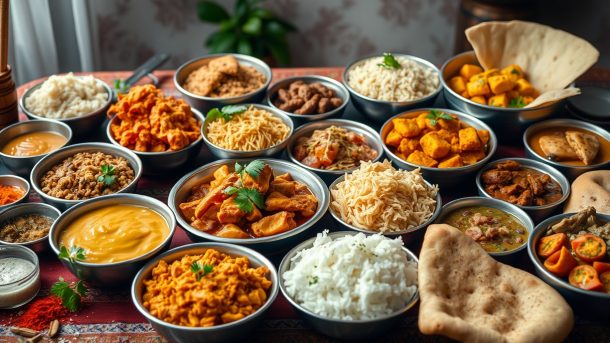
What is India's most eaten food

Cuisine plays a pivotal role in defining the cultural landscape of India, where diverse flavors and ingredients mingle to create a culinary mosaic. As you explore the vast culinary heritage, you might wonder what dish holds the title of India’s most eaten food. Understanding this can deepen your appreciation for the country’s rich gastronomic traditions and offer insights into what fuels the daily lives of millions. Join us as we explore into the food that connects people across regions and social backgrounds—comforting, delicious, and deeply rooted in Indian culture.

Key Takeaways:

  • Rice: A staple food for a majority of the population, rice is a key component of Indian meals, especially in the southern and eastern regions.
  • Wheat: Widely consumed in the form of bread such as chapati and naan, wheat is necessary in northern and western India.
  • Diverse Cuisine: India’s culinary diversity means that food preferences vary significantly across regions, with local ingredients and traditions shaping what is most commonly eaten.

Overview of Indian Cuisine

Before submerging into what India’s most eaten food is, it’s vital to appreciate the rich tapestry of Indian cuisine that has evolved over centuries. The flavors, ingredients, and cooking techniques vary dramatically across regions, reflecting the country’s diverse cultural heritage. Whether you are a fan of spices or mild flavors, Indian cuisine offers something for everyone and showcases the gastronomic richness found throughout the subcontinent.

Diversity of Flavors

On your culinary journey through India, you will marvel at the incredible diversity of flavors. Each dish tells a story of the region’s history, traditions, and ingredients. You will encounter a harmonious balance of spices, ranging from the pungent and fiery to the aromatic and subtle, creating an explosion of taste that captivates your senses.

Regional Specialties

Cuisine plays a pivotal role in defining the unique identity of each Indian state. You will find that varying climates, agricultural practices, and cultural influences result in distinct regional specialties. Northern regions may boast rich, creamy gravies, while coastal areas offer fresh seafood and coconut-based dishes. The variety enhances your culinary experience as you explore India’s vast food landscape.

Understanding regional specialties is vital when appreciating Indian cuisine fully. Each state has its signature dishes that utilize local ingredients and traditional cooking methods. For instance, Punjab is famous for its buttery curries and tandoori breads, while Kerala is renowned for its use of coconut and spices in savory and sweet dishes. By familiarizing yourself with these specialties, you will gain insight into the diverse culinary landscape that shapes your perception of what India’s most eaten food could be.

The Staple Foods of India

Even amidst the diverse culinary landscape, staple foods hold a central place in India’s daily diet, often forming the foundation of meals across the country. These staples are not only imperative sources of energy but also reflect the rich agricultural heritage of the subcontinent.

Rice

Foods such as rice serve as a primary carbohydrate source for millions in India. Predominantly consumed in the southern and eastern regions, rice is versatile, appearing in various forms—from steamed and fried to being a key ingredient in famous dishes like biryani and payasam.

Wheat

On the other hand, wheat is another major staple, particularly in the northern and western parts of India. It is commonly used to make roti, paratha, and numerous other unleavened breads, which accompany a vast array of dishes.

Wheat’s significance as a staple extends beyond just its nutritional value. You will find it prevalent in countless regional dishes, with each area adopting its unique style—be it the flaky parathas of Punjab or the soft bhakris of Maharashtra. This adaptability ensures wheat remains integral to India’s culinary identity.

Lentils

For many Indians, lentils are an imperative protein source, often served as dal—a staple in every household. Rich in both flavor and nutrients, lentils come in various varieties, such as moong, masoor, and toor, each adding its part to the harmonious blend of Indian cuisine.

Staple foods like lentils not only cater to your nutritional needs but also offer a plethora of culinary options. The simplicity of prepping lentils allows for creative culinary expression, whether you prefer them spiced in a curry or served in a soup, making them a beloved component of your meals.

Popular Dishes Across India

Your culinary journey through India would be incomplete without exploring its most beloved dishes. From the aromatic spices to the diverse regional flavors, there is so much to discover. Curious about What to eat in India? Top 100 Indian Foods? Let’s investigate some of the popular dishes that define the Indian palate.

Biryani

Popular in various regions, Biryani is a fragrant rice dish cooked with spices and marinated meat or vegetables. Each variety, from Hyderabadi to Lucknowi, offers a unique flavor profile, making it a staple for special occasions and daily meals alike.

Dosa

One of the most cherished breakfast items, Dosa is a thin, crispy pancake made from fermented rice and lentil batter. This versatile dish can be served with a variety of fillings, including spiced potatoes or paneer, and is usually accompanied by chutneys and sambar.

Dosa is not just a dish, but an experience. Originating from South India, it has gained popularity across the country, with many regional variations. You can find plain Dosa, Masala Dosa, and even cheese Dosa in restaurants, catering to diverse taste preferences.

Curry Varieties

The Indian curry landscape is incredibly vast, combining elements from various regions. Curries can range from creamy and rich to tangy and spicy, utilizing different bases like tomatoes, coconut milk, or yogurt.

With thousands of varieties, each region boasts its own unique curry styles, such as North Indian curries typically enriched with dairy and spices, while South Indian curries often feature coconut and tamarind. Exploring these dishes will give you a taste of India’s culinary richness and diversity.

Cultural Significance of Food

Now, understanding the cultural significance of food in India is necessary to appreciate its diversity and richness. Food is not merely a necessity for survival; it is a vital part of social interactions, celebrations, and traditions. The way you consume food, the dishes you prepare, and the rituals surrounding meals all reflect the intricate tapestry of Indian society.

Festivals and Food

With every festival celebrated in India, specific dishes take center stage, symbolizing the occasion’s spirit and significance. Whether it’s the sweet treats of Diwali, the savory delights during Eid, or the elaborate feasts of Pongal, each festival offers you a glimpse into the myriad flavors and cooking styles that define the regional cuisines of India.

Traditional Eating Practices

For many Indians, traditional eating practices often reflect the values of sharing, respect, and harmony. Meals are typically communal, encouraging you to gather with family and friends, fostering bonds over shared experiences. The practice of eating with your hands, particularly in South Indian culture, emphasizes the connection with food and enhances your sensory experience as you savor every bite.

Food plays a crucial role in your daily life, offering a sense of identity and belonging. In traditional Indian households, meals often follow a specific order, starting with the simplest dishes and escalating to the more complex ones. Moreover, the custom of serving elders first showcases the respect held for them within your family structure, reinforcing social bonds. As you engage in these practices, you not only nourish your body but also connect with your culture and heritage on a deeper level.

Conclusion

Following this exploration of India’s culinary landscape, it’s clear that rice, lentils, and wheat-based breads dominate the everyday diet. As you navigate India’s diverse food offerings, you can appreciate how each region uniquely incorporates these staples into their meals. Understanding these preferences not only enhances your culinary knowledge but also enriches your experience when trying traditional Indian dishes. Embrace the vast flavors and textures that make Indian cuisine a remarkable highlight of your gastronomic journey.

FAQ

Q: What is India’s most eaten food?

A: The most eaten food in India varies by region and culture, but rice and wheat are staples for a majority of the population. Rice is predominantly consumed in the southern and eastern states, while wheat is more common in the northern and western regions. Additionally, various types of lentils, vegetables, and spices are staple ingredients that accompany these foods.

Q: How does the diversity of food reflect India’s culture?

A: India’s food diversity is a reflection of its rich cultural heritage, regional variations, and historical influences. Each state has its own unique cuisine, influenced by local ingredients, weather conditions, and traditions. For example, South India is known for its rice-based dishes and coconut, while North India features more wheat-based dishes accompanied by dairy products and meats.

Q: Are there any common dishes that are popular throughout India?

A: Yes, some common dishes are popular throughout India despite regional differences. Examples include biryani, a flavorful rice dish often made with meat or vegetables; paneer butter masala, a creamy curry made with Indian cottage cheese; and dosas, a type of fermented rice and lentil crepe. These dishes have become widespread due to their popularity and adaptability to different tastes.

Q: What role does street food play in India?

A: Street food plays a significant role in Indian cuisine, offering a wide variety of affordable and quick meal options. It is a beloved aspect of Indian culture, allowing people from various backgrounds to gather and enjoy flavorful snacks like pani puri, samosas, and chaat. Street food is not only popular among locals but also a must-try experience for tourists visiting India.

Q: How do dietary restrictions impact food choices in India?

A: Dietary restrictions in India are influenced by religion, culture, and personal choice. For example, many Hindus follow a vegetarian diet, while Muslims and Christians may avoid pork and beef, respectively. Additionally, some communities, like Jains, adhere to strict vegetarianism with further restrictions. These dietary practices shape what is commonly eaten in different regions and create a rich tapestry of culinary options that cater to diverse preferences.

What are the top 10 Indian dishes

It’s crucial for any food enthusiast to explore the rich and diverse culinary heritage of India. With an array of regional specialties, each dish tells a unique story that reflects the culture and traditions of the land. This post will guide you through the top 10 Indian dishes that you simply must try, whether you’re a seasoned traveler or new to Indian cuisine. To get a broader perspective, you might want to check out how others perceive these dishes by reading the TasteAtlas Shares List Of Top 10 Best And Worst Indian … culinary rankings.

Key Takeaways:

  • Diverse Flavors: India’s top dishes showcase a rich tapestry of flavors, spices, and cooking techniques that vary significantly across regions.
  • Signature Dishes: Iconic dishes like Biryani, Masala Dosa, and Butter Chicken represent the culinary identity of India and are loved globally.
  • Cultural Significance: Many Indian dishes are tied to cultural traditions and festivals, highlighting the importance of food in social and religious practices.

Overview of Indian Cuisine

The Indian cuisine is a rich tapestry of flavors, aromas, and textures that reflect the country’s vibrant culture and history. With its diverse culinary traditions, it offers an unparalleled gastronomic experience that you simply cannot miss. If you are curious about the Top 10 traditional foods to try in India, this journey into Indian cuisine will prepare your palate for some incredible dishes.

Regional Diversity

Indian cuisine showcases an impressive regional diversity that varies greatly from one state to another. Each region has its own specialties, influenced by local ingredients, climate, and cultural practices. You will find everything from the spicy curries of the south to the rich, creamy gravies of the north, ensuring that your culinary adventures in India will be as varied as they are delightful.

Key Ingredients

To understand Indian cuisine, you must familiarize yourself with its key ingredients. Staples such as rice, wheat, and lentils form the foundation of many meals, while spices like cumin, coriander, and turmeric play a vital role in flavoring dishes. You will also discover the significance of fresh vegetables and herbs, which add both flavor and nutrition to your meals.

Another important aspect of Indian cooking is the use of dairy products like yogurt and ghee, which enrich dishes and provide a distinctive taste. Together, these ingredients create a harmonious balance of flavors—spicy, sweet, tangy, and savory—that you will come to appreciate as you explore the depth of Indian cuisine.

The Top 10 Indian Dishes

Now that you’ve set your culinary sights on Indian cuisine, let’s probe the top 10 dishes that you absolutely must try. Each dish represents a unique blend of flavors and traditions that will submerge your senses in the vibrant culture of India.

Biryani

With its rich history and mouthwatering aroma, Biryani is a regal dish that combines fragrant basmati rice with succulent meat or vegetables, seasoned with a symphony of spices. Whether you prefer Hyderabadi or Lucknowi Biryani, this dish promises an unforgettable dining experience.

Butter Chicken

Chicken cooked in a creamy, spiced tomato sauce, Butter Chicken is a timeless favorite that hails from the Punjab region. This dish is often served with naan or rice, making it the perfect comfort food for any occasion.

A staple in Indian cuisine, Butter Chicken is known for its luxurious texture and flavor profile, which includes a hint of sweetness balanced by aromatic spices. You’ll find that this dish not only tantalizes your taste buds but also warms your heart with every bite.

Masala Dosa

For a flavor-packed breakfast, Masala Dosa is your go-to dish. This crispy, fermented rice and lentil crepe is filled with a spiced potato mixture and is typically served with coconut chutney and sambar.

Indian breakfasts are vibrant, and Masala Dosa perfectly encapsulates this. Originating from South India, this dish is beloved for its crunchy texture and savory filling, offering a delicious start to your day. Pair it with tangy chutneys for an absolutely delightful experience.

Paneer Tikka

One of the most popular vegetarian dishes, Paneer Tikka consists of marinated cubes of paneer (Indian cottage cheese) grilled to perfection. Served with mint chutney, this dish bursts with flavor and smokiness.

Tikka cooking enhances the flavors of the paneer, blending with spices like cumin and coriander, resulting in an irresistible appetizer. Your taste buds will dance with delight, making it the perfect party starter or evening snack.

Rogan Josh

For those craving a hearty curry, Rogan Josh is a must-try. This aromatic lamb dish features tender pieces simmered in a rich gravy infused with spices like cardamom and cloves, creating a mouthwatering culinary experience.

Paneer is often the star attraction in many Indian dishes, but with Rogan Josh, lamb takes the spotlight. Originating from Kashmir, this dish is known for its vibrant color and aromatic spices, making it not just a meal, but a feast for the senses.

Chaat

To satisfy your street food cravings, Chaat is the way to go. This savory snack blends crispy fried dough, boiled potatoes, chickpeas, and a medley of chutneys, creating a symphony of textures and flavors.

This delightful dish epitomizes the spirit of Indian street food, providing you with vibrant tastes and aromas in every bite. Chaat is perfect for sharing with friends or savoring as a quick snack while you’re on the go.

Samosa

Indian cuisine wouldn’t be complete without Samosas. These crispy pastries are filled with a delightful mixture of spiced potatoes, peas, or meat, and are best enjoyed with tangy tamarind sauce.

Another favorite among snack lovers, Samosas are a staple at any festive Indian gathering. Their golden-brown, flaky exterior holds savory fillings that create an explosion of flavor, making them an irresistible treat. Enjoy them fresh out of the fryer for the best experience!

Palak Paneer

Indian vegetarian dishes shine with Palak Paneer, a creamy spinach curry featuring cubes of paneer. This dish is not only nutritious but also packed with flavor, making it a popular choice among veggie lovers.

For instance, when you indulge in Palak Paneer, you’re not just savoring a meal; you’re enjoying the health benefits of spinach combined with the richness of paneer. Whether you choose to serve it with naan or rice, this dish provides comfort and satisfaction in every bite.

Tandoori Naan

To fully appreciate Indian cuisine, you cannot overlook Tandoori Naan, a delicious, oven-baked flatbread that is a staple at many Indian tables. This versatile bread is made from refined flour, yogurt, and a hint of yeast, making it soft, fluffy, and slightly crispy on the outside. Traditionally cooked in a tandoor, or clay oven, it absorbs a smoky flavor that enhances your dining experience. You can enjoy it plain or stuffed with various fillings such as garlic, cheese, or potatoes, making Tandoori Naan a perfect accompaniment to rich curries and gravies.

Gulab Jamun

Gulab Jamun is a beloved Indian dessert that you must try if you have a sweet tooth. These small, round balls are made from khoya (reduced milk) and are fried until golden brown before being soaked in a fragrant sugar syrup flavored with rosewater and cardamom. The result is a delectable treat that is soft, moist, and bursting with flavor. You can serve Gulab Jamun warm or at room temperature, and it pairs beautifully with a scoop of vanilla ice cream for an indulgent dessert experience. Your guests will surely be impressed!

Cultural Significance of Indian Dishes

After exploring the flavors and diversity of Indian cuisine, it becomes evident that each dish you encounter carries deep cultural significance, rooted in traditions and shared experiences. These dishes are not just food items; they serve as a reflection of the country’s rich history, regional practices, and communal bonds that unite people across varying backgrounds.

Festivals and Celebrations

Dishes play a pivotal role during festivals and celebrations in India, where the act of sharing food becomes a joyous expression of community and gratitude. Each festival features specific delicacies that symbolize prosperity, spirituality, and togetherness, enhancing the festive atmosphere and strengthening familial ties.

Culinary Traditions

With a myriad of culinary traditions across India, each region boasts its own unique cooking techniques, ingredients, and flavors that contribute to the richness of its cuisine. These traditions are often passed down through generations, allowing you to connect with cultural heritage while enjoying age-old recipes that have evolved over time.

To appreciate these culinary traditions fully, you must research into the stories behind the dishes. Every meal represents the amalgamation of local spices, seasonal ingredients, and historical influences, all converging to create a delightful gastronomic experience. By embracing these traditions, you not only savor the flavors but also gain a deeper understanding of the identity and uniqueness of Indian culture.

To wrap up

Conclusively, exploring the top 10 Indian dishes enriches your culinary repertoire and introduces you to the vibrant flavors of India’s diverse cuisine. From the iconic biryani to the comforting butter chicken, each dish offers a unique taste experience that reflects regional traditions. As you commence on this gastronomic journey, you will not only satisfy your palate but also gain a deeper appreciation for India’s rich cultural heritage. So, gather your ingredients, try out these renowned dishes, and elevate your cooking skills to impress friends and family alike.

FAQ

Q: What are the top 10 Indian dishes?

A: The top 10 Indian dishes that are widely celebrated for their flavor and cultural significance include:

  • 1. Biryani: A fragrant rice dish cooked with aromatic spices, meat (like chicken or mutton), and sometimes vegetables.
  • 2. Butter Chicken: A rich and creamy curry made with marinated chicken cooked in a tomato-based sauce, famous for its buttery flavor.
  • 3. Masala Dosa: A crispy fermented crepe made from rice and lentils, filled with spiced mashed potatoes, often served with chutneys.
  • 4. Palak Paneer: A vegetarian dish made with paneer (cottage cheese) in a smooth spinach gravy, seasoned with spices.
  • 5. Rogan Josh: A flavorful lamb curry from Kashmir, known for its deep red color and aromatic spices.
  • 6. Chole Bhature: A combination of spicy chickpea curry (chole) served with deep-fried bread (bhature), popular in North India.
  • 7. Samosa: A crispy pastry filled with spiced potatoes and peas, commonly served as a snack or appetizer.
  • 8. Tandoori Chicken: Chicken marinated in yogurt and spices, then cooked at high temperatures in a tandoor (clay oven), giving it a smoky flavor.
  • 9. Dal Makhani: A creamy lentil dish that is slow-cooked with butter and spices, often enjoyed with naan or rice.
  • 10. Pani Puri: A popular street food consisting of hollow, crispy puris filled with spicy tamarind water, potatoes, and chickpeas.

Q: Are these dishes vegetarian or non-vegetarian?

A: The top 10 Indian dishes include both vegetarian and non-vegetarian options. For example, butter chicken and rogan josh are typically non-vegetarian, while dishes like masala dosa, palak paneer, and dal makhani cater to vegetarians. India has a rich variety of vegetarian and non-vegetarian cuisine, ensuring options for all dietary preferences.

Q: What are some popular spices used in Indian cooking?

A: Indian cuisine is known for its bold and diverse use of spices. Some popular spices include:

  • Cumin: Adds an earthy flavor, commonly used in curries and rice dishes.
  • Coriander: Used both in seed and powder form, it has a citrusy flavor that enhances many dishes.
  • Turmeric: Known for its vibrant yellow color, it is a key ingredient in curries and has anti-inflammatory properties.
  • Garam Masala: A blend of ground spices that adds warmth and complexity to dishes.
  • Chili Powder: Provides heat and color, available in various varieties for different spice levels.

Q: Can I find these dishes in restaurants outside India?

A: Yes, many Indian restaurants around the world offer a range of these popular dishes. Restaurants may adapt these dishes slightly to cater to local tastes, but you can generally find authentic versions of the top Indian dishes in most major cities. Some restaurants may also specialize in particular regional cuisines for a more authentic experience.

Q: Are there any regional variations of these dishes?

A: Yes, Indian cuisine varies significantly across different regions, and so do the dishes. For instance:

  • Biryani: There are multiple regional variations like Hyderabadi Biryani and Kolkata Biryani, each with unique flavors and cooking techniques.
  • Butter Chicken: While it originated in North India, each restaurant may have its own secret recipe or regional twist.
  • Samosas: Fillings can vary greatly, with different regions using lentils, meat, or paneer.

These variations enrich the culinary experience, making Indian cuisine diverse and exciting to explore!

Which food is very popular in India

Many culinary delights await you in India, a land known for its rich and diverse food culture. From the spicy curries of the south to the delectable sweets of the north, Indian cuisine offers something for everyone. If you are curious about what makes Indian food so special, you might want to explore The Top 10 Best Indian Dishes And Recipes to get a taste of this vibrant culinary heritage.

Key Takeaways:

  • Variety: India is known for its diverse cuisine, with various regional dishes that cater to different tastes and preferences.
  • Spices: Indian food is famous for its rich use of spices, which enhance flavors and create unique dishes.
  • Popular Dishes: Iconic dishes such as Biryani, Butter Chicken, and Dosa are widely loved both in India and internationally.

Popular Indian Cuisines

Your culinary journey through India is bound to be exciting, as the country offers a rich tapestry of flavors and dishes. Each region has its own unique styles and specialties that showcase the diversity of Indian cuisine.

North Indian Dishes

Any exploration of North Indian cuisine will introduce you to hearty dishes like butter chicken, naan, and an array of rich, creamy curries. This region is known for its use of dairy, vibrant spices, and tandoori cooking techniques that create a delightful gastronomic experience.

South Indian Delicacies

On the other hand, South Indian delicacies offer a lighter yet flavorful approach to dining, featuring dishes like dosa, idli, and sambar. These dishes are characterized by the use of rice and lentils, along with coconut and curry leaves, which enhance their aromatic qualities.

The uniqueness of South Indian cuisine lies in its distinctive preparation methods and regional variations. From the crispy dosas of Karnataka to the spicy Chettinad chicken from Tamil Nadu, each dish reflects the local culture and ingredients available, promising a memorable experience for your taste buds.

East Indian Flavors

With its focus on seafood, rice, and mustard oil, East Indian flavors present a different yet enticing culinary experience. Biryani, pitha, and fish curry are just a few examples of the delicious dishes hailing from this region, often accompanied by stylish regional twists.

Plus, the Eastern states, especially West Bengal, are famed for their sweets like rasgulla and sandesh, adding a delightful conclusion to any meal. The influence of Bengali cuisine enriches your culinary repertoire, offering flavors that are both subtle and intense.

West Indian Specialties

Southwestern cuisine features a diverse array of dishes such as pav bhaji, dhokla, and vindaloo, representing the bold and vibrant flavors of this coastal region. West Indian specialties are often characterized by a unique mix of spices and fresh ingredients.

Cuisines like Gujarati and Maharashtrian present a delectable array of vegetarian options, while Goan cuisine is heavily influenced by seafood and Portuguese flavors. Each dish tells a story of the local culture and uses techniques that have been passed down through generations, making each bite a true reflection of the region’s heritage.

Street Food Culture

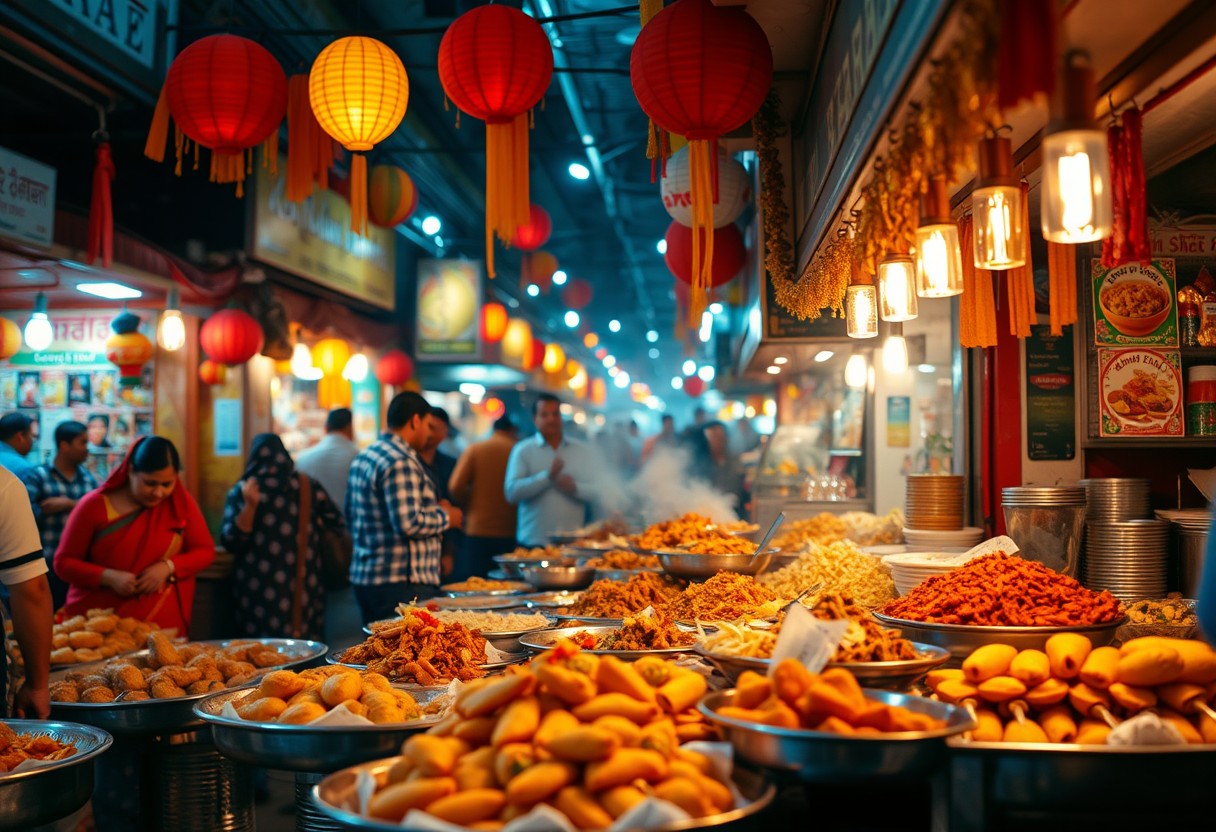
Little do many realize that India’s street food culture is a vibrant tapestry of flavors, aromas, and culinary creativity. The bustling streets across cities and towns are filled with vendors serving delicious snacks that are both affordable and satisfying. Street food is not just a meal; it’s an experience that showcases the country’s diverse culinary heritage.

Iconic Street Foods

The rich variety of iconic street foods in India is truly mesmerizing, ranging from spicy pani puri to the crispy aloo tikki. Each dish comes with its unique set of flavors and textures, making every bite a delightful journey. Not only are these foods delicious, but they also reflect the local culture and traditions, inviting you to explore a world of taste.

Regional Variations

One of the most fascinating aspects of Indian street food is its regional variations. Each state boasts its specialties, showcasing local ingredients and culinary styles, which adds to the rich tapestry of flavors. From Mumbai’s vada pav to Kolkata’s kathi rolls, you can find a unique street food dish tailored to the region’s palate.

Variations in street food across India ensure a diverse range of options for your taste buds. For instance, the spiciness of street food in the south contrasts with the milder flavors found in the north. Coastal regions introduce fresh seafood, while northern states offer a plethora of wheat-based snacks. These regional delicacies not only satisfy your hunger but also give you a taste of the cultural essence of each locality.

Importance in Daily Life

On a daily basis, street food plays a significant role in the lives of many Indians, acting as a convenient and affordable meal option. Whether you’re rushing to work or seeking a late-night snack, these street vendors have something to offer for every occasion, making them an integral part of everyday living.

With the fast-paced lifestyle many people lead, street food also provides a sense of community and connection. As you gather with friends at a local stall after a long day, sharing stories over delicious samosas or spicy bhel puri strengthens social bonds. These casual dining experiences create lasting memories, making street food an vital aspect of India’s culinary and social landscape.

Festive Foods

After exploring the culinary richness of India, it’s important to highlight the vibrant festive foods that play a crucial role in the country’s celebrations. Each festival comes with its own unique set of dishes, showcasing regional diversity and cultural significance. This is where food becomes a medium to connect with loved ones and honor traditions.

Traditional Sweets

With every festival, traditional sweets are an integral part of the celebration, symbolizing joy and prosperity. Popular treats like Gulab Jamun, Jalebi, and Ladoo are made with rich ingredients, often shared among family and friends. These confections are not only delicious but also carry the essence of festivity, marking special occasions with sweetness.

Savory Dishes for Celebrations

Celebrations in India are often accompanied by a variety of savory dishes that tantalize your taste buds. From biryanis to samosas, each dish is thoughtfully prepared, infused with spices that reflect the regional flavors of the country. These dishes are typically served during gatherings and add a savory depth to the celebratory atmosphere.

Another reason these savory dishes are cherished during celebrations is their role in communal dining. Families and friends gather around, savoring elaborate platters of dishes like Paneer Tikka or Chole Bhature. This not only enhances the festive experience but also fosters a sense of togetherness, making your celebrations unforgettable. Embracing these savory delights during festivals allows you to enjoy the rich tapestry of India’s culinary heritage while creating lasting memories.

Summing up

The array of popular foods in India is as diverse as its culture, and as you explore the culinary landscape, you will find iconic dishes like biryani, butter chicken, and dosa that capture the essence of Indian flavors. Each region offers unique specialties, so you can enjoy street food like chaat or indulge in sweet treats like gulab jamun. Embracing these dishes will not only satisfy your palate but also give you a deeper understanding of India’s rich heritage. Whatever your preference, there is a delicious Indian dish waiting for you to discover.

FAQ

Q: What is the most popular food in India?

A: One of the most popular foods in India is Biryani. Biryani is a fragrant rice dish made with basmati rice, a blend of spices, and marinated meat (like chicken, lamb, or fish) or vegetables. Each region of India has its own version of Biryani, with unique ingredients and preparation methods, making it a beloved dish across the country.

Q: What vegetarian dishes are popular in India?

A: India is known for its diverse and rich vegetarian cuisine. Some popular vegetarian dishes include Paneer Tikka (grilled cheese cubes marinated in spices), Dal Makhani (a creamy lentil dish), and Chole Bhature (spiced chickpeas served with deep-fried bread). Additionally, regional specialties like Masala Dosa (a crispy rice crepe filled with spiced potatoes) are widely enjoyed.

Q: Are there any street foods that are popular in India?

A: Yes, India is famous for its vibrant street food culture. Some of the most popular street foods include Pani Puri (crisp hollow puris filled with spicy water), Vada Pav (a potato fritter served in a bun), and Pav Bhaji (a spicy vegetable mash served with buttered bread). Street food vendors can be found in nearly every city, offering these delicious quick bites to locals and tourists alike.

Q: Which Indian dishes are popular during festivals?

A: During Indian festivals, special dishes are prepared to celebrate the occasion. For example, during Diwali, sweets like Gulab Jamun (deep-fried dough balls soaked in sugar syrup) and Jalebi (syrupy, spiral-shaped fried batter) are popular. At Pongal, a harvest festival in South India, dishes like Pongal (a rice and lentil dish) and various savory and sweet rice preparations are cherished.

Q: What are some popular desserts in India?

A: Indian cuisine features a wide variety of delectable desserts. Some iconic sweets include Rasgulla (soft, spongy cheese balls soaked in sugar syrup), Kheer (rice pudding made with milk, sugar, and cardamom), and Barfi (a fudge-like sweet made from condensed milk and flavored with various ingredients). Each region has its own traditional sweets that are enjoyed on different occasions throughout the year.

Which Indian food is high in fiber

Most people overlook the importance of fiber in their diet, especially when it comes to Indian cuisine. Fiber plays a vital role in digestion, heart health, and maintaining a healthy weight. In this blog post, you’ll discover various Indian foods that are packed with fiber, helping you make informed choices for your meals. From lentils to whole grains, these options are not only nutritious but also delicious, ensuring you enjoy your culinary experience while boosting your fiber intake.

Key Takeaways:

  • Legumes: Foods like lentils, chickpeas, and various beans are excellent sources of fiber, contributing significantly to a healthy diet.
  • Whole Grains: Quinoa, brown rice, and whole wheat products are high in fiber and offer nutritional benefits over refined grains.
  • Fruits and Vegetables: Certain Indian fruits and vegetables, such as guava, oranges, broccoli, and spinach, are rich in fiber, promoting digestive health.

Importance of Fiber in the Diet

Fiber plays an vital role in your diet, contributing to overall health and well-being. It aids in digestion, helps maintain a healthy weight, and can prevent various health issues. By incorporating fiber-rich foods into your meals, you can improve gut health and regulate blood sugar levels, making it a vital component of your nutritional intake.

Health Benefits of Fiber

Health benefits of fiber extend beyond digestion; it also reduces the risk of chronic diseases such as heart disease and diabetes. High-fiber foods can help lower cholesterol levels, stabilize blood sugar, and promote a feeling of fullness, which aids in weight management. Including sufficient fiber in your diet supports your overall health.

Recommended Daily Intake

Among health experts, the general recommendation for daily fiber intake is about 25 grams for women and 38 grams for men. This amount can vary based on your age, dietary needs, and activity level.

Even though the recommended intake is a solid guideline, your personal needs may vary. If you’re considering increasing your fiber intake, do so gradually to avoid digestive discomfort. Focus on incorporating a variety of fiber sources such as whole grains, legumes, fruits, and vegetables to meet and even exceed these recommendations, ultimately enhancing your health and digestion.

High-Fiber Indian Foods

If you’re looking to incorporate more fiber into your diet, exploring traditional Indian foods is a fantastic option. Indian cuisine offers a wealth of high-fiber ingredients, making it easier for you to boost your fiber intake while enjoying delicious meals. From whole grains to legumes, there are plenty of choices to help you achieve your dietary goals.

Whole Grains

Below are some wholesome grains like whole wheat, barley, and brown rice that can significantly increase your fiber intake. These grains not only provide crucial nutrients but also help in improving digestion and maintaining stable blood sugar levels. Including them in your daily meals can be a simple yet effective way to add fiber to your diet.

Legumes and Pulses

Around Indian households, you’ll find an array of legumes and pulses such as lentils, chickpeas, and kidney beans, which are excellent sources of fiber. Incorporating these ingredients into your meals can make for hearty and nutritious dishes that keep you feeling full and satisfied.

Another great aspect of legumes and pulses is their versatility. You can enjoy them in a variety of dishes, from dals and curries to salads and soups. Not only do they offer an abundance of fiber, but they also provide protein, making them a perfect addition to a balanced diet.

Vegetables High in Fiber

Around the Indian subcontinent, a vibrant selection of fibrous vegetables such as spinach, broccoli, and carrots can elevate your fiber consumption. Including these colorful vegetables in your meals will not only provide a boost of fiber but also crucial vitamins and minerals for overall health.

Also, incorporating a diverse range of these vegetables into your diet encourages better digestion and helps maintain a healthy weight. You can enjoy them in curries, stir-fries, or as simple steamed sides to reap their full benefits.

Fruits Rich in Fiber

Among the various fruits available, options like guava, pomegranate, and bananas stand out for their high fiber content. Adding these fruits to your diet is an excellent way to enhance your fiber intake while also satisfying your sweet tooth with natural sugars.

This combination of fiber-rich fruits not only aids in digestion but also promotes heart health. You can enjoy them as snacks, in smoothies, or even as toppings for your breakfast, making it easy to integrate more fiber into your daily routine.

Popular Indian Dishes with High Fiber Content

For those looking to incorporate more fiber into their diet, Indian cuisine offers a plethora of delicious options. From lentil-based curries to vegetable-rich preparations, you can enjoy flavorful dishes while boosting your fiber intake. These ingredients not only contribute to better digestion but also keep you feeling fuller for longer—perfect for a healthy lifestyle!

Dal and Pulses-based Recipes

One of the best sources of fiber in Indian cuisine comes from dal and pulses. Dishes like chana dal, moong dal, and kidney beans are packed with nutrients. They can be easily added to your meals, providing you with a hearty base as well as a significant fiber boost to support digestive health.

Mixed Vegetable Curries

By incorporating mixed vegetable curries into your diet, you can easily increase your fiber intake. These colorful dishes are made with a variety of vegetables that not only bring vibrant flavors but also offer a blend of crucial nutrients and fiber. Enjoying these curries can enhance the nutritional value of your meals, making them wholesome and satisfying.

Hence, mixed vegetable curries allow you to experiment with seasonal vegetables while ensuring you obtain a diverse array of fibers. Popular preparations like baingan bharta, bhindi masala, and aloo-gobhi are great examples that keep your meals exciting and nutrient-rich. You can enjoy them with rice or flatbreads, creating a balanced meal that helps meet your daily fiber requirements.

Fiber-rich Flatbreads

Behind the many varieties of Indian flatbreads, like whole wheat chapatis, besan (gram flour) rotis, and multigrain parathas, lies a wealth of dietary fiber. These breads not only act as a great accompaniment to your meals but also contribute to your daily fiber intake in an enjoyable way.

In fact, opting for fiber-rich flatbreads can significantly enhance your overall health. Whole grain options, such as jowar or bajra rotis, provide additional nutrients and help maintain digestive health. You can easily swap out refined flour options for whole grains to create a more nutritious meal that supports your health goals.

Tips to Increase Fiber Intake in Indian Cooking

Unlike many Western cuisines, Indian cooking offers abundant opportunities to enhance your fiber intake. Here are some tips:

  • Incorporate whole grains over refined ones.
  • Opt for legumes such as lentils and chickpeas.
  • Add more vegetables to your meals.
  • Use seeds and nuts as toppings or snacks.
  • Experiment with high-fiber flours like whole wheat or multigrain.

Perceiving these changes can greatly improve your overall wellness.

Cooking Techniques

One effective way to boost fiber in your dishes is by using cooking techniques that preserve the fiber content of ingredients. Steaming, sautéing, and roasting are excellent methods that can help maintain the integrity of fiber-rich foods while enhancing flavors. Select cooking methods that require minimal water to retain necessary nutrients and maximize the fiber benefits in your meals.

Ingredient Substitutions

Increase your fiber intake by making thoughtful ingredient substitutions in your recipes. Consider replacing white rice with brown rice or quinoa, or swapping out white flour for whole wheat or chickpea flour to create more fiber-rich dishes.

Ingredient substitutions can be a simple yet effective way to enhance the nutritional value of your meals. For instance, when baking, using mashed fruits, like bananas or apples, can replace refined sugars while adding fiber. Additionally, adding grated vegetables to doughs or batters not only boosts fiber but also enriches the flavor and texture of your dishes. Making these small changes can lead to significant improvements in your daily fiber consumption.

Common Misconceptions About Fiber

Once again, fiber is often misunderstood. Many people assume that only fruits and vegetables are rich in fiber, overlooking the diverse range of Indian foods that can boost your intake. You can discover more about 7 Indian Foods Rich In Fiber that can be easily incorporated into your diet. By expanding your knowledge on the topic, you can make better choices for your health and well-being.

Myths vs. Facts

An important fact to understand is that high-fiber diets can benefit everyone, not just those looking to lose weight. Many people mistakenly believe that fiber is only for weight management, but it is crucial for digestive health, heart health, and overall wellness. Including a variety of fiber-rich foods is key to reaping these benefits.

Misunderstanding Fiber Sources

Misconceptions about fiber sources can lead to a limited diet that may not meet your nutritional needs. Fiber is found in many plant-based foods, including grains, legumes, nuts, and seeds, in addition to fruits and vegetables. Understanding where to find fiber-rich options can help you create a balanced and nutritious diet.

Fiber plays a significant role in your overall health, yet many people underestimate the sources available, especially in Indian cuisine. Whole grains like brown rice and whole wheat, as well as legumes such as lentils and chickpeas, are excellent fiber sources. Incorporating these foods into your meals can increase your fiber intake and provide you with crucial nutrients that support digestive health.

To wrap up

Now that you are aware of the Indian foods high in fiber, such as lentils, whole grains, and leafy greens, you can easily incorporate these nutritious options into your diet. Focusing on items like chickpeas, oats, and brown rice can enhance your fiber intake while providing crucial nutrients. Embracing traditional dishes like dal and vegetable curries will not only improve your digestive health but also enrich your overall well-being. By making these mindful choices, you can enjoy flavorful meals while promoting a healthy lifestyle.

FAQ

Q: Which Indian foods are particularly high in fiber?

A: Some Indian foods that are high in fiber include whole grains such as brown rice and whole wheat chapati, legumes like lentils (dal), chickpeas (chole), and kidney beans (rajma). Vegetables such as spinach, broccoli, and carrots, along with fruits like guava, pears, and apples also provide significant fiber content.

Q: How can I incorporate high-fiber Indian foods into my diet?

A: You can incorporate high-fiber Indian foods by including dals and legumes in your meals, preparing whole grain dishes such as khichdi using brown rice and lentils, and opting for chapatis made from whole wheat flour. Adding a variety of vegetables to sabzi (cooked dishes) and including fruits in your snacks can also help boost fiber intake.

Q: Are there specific high-fiber snacks in Indian cuisine?

A: Yes, there are several high-fiber snacks in Indian cuisine. Options include roasted chickpeas, whole grain khakra, moong dal chaat, and mixed vegetable cutlets made with oats or brown rice. These snacks not only provide fiber but also keep you satisfied for longer periods.

Q: Can high-fiber Indian foods help with digestion?

A: Yes, high-fiber Indian foods can significantly aid in digestion. Fiber adds bulk to the stool, making it easier to pass and reducing the risk of constipation. Additionally, it supports gut health by promoting the growth of beneficial bacteria in the digestive tract.

Q: What is the recommended daily fiber intake, and how can Indian foods help meet this?

A: The recommended daily fiber intake varies by age and sex but generally falls between 25 to 38 grams for adults. Incorporating high-fiber Indian foods like legumes, whole grains, fruits, and vegetables can help meet this requirement efficiently. For instance, a serving of dal can provide about 8 grams of fiber, while a whole wheat chapati contributes around 2-3 grams.

What are five traditional foods in India

Indian cuisine is a vibrant tapestry of flavors, spices, and diverse culinary traditions that reflect the country’s rich cultural heritage. If you’re curious about the distinct tastes that define this cuisine, knowing about five traditional foods will certainly enhance your culinary experience. From aromatic biryanis to tangy chutneys, each dish tells a story of regional uniqueness and historical significance. Explore the authentic flavors and ingredients that make these foods a staple in Indian homes by delving deeper into Indian cuisine.

Key Takeaways:

  • Biryani: A flavorful rice dish made with marinated meat and aromatic spices, often served during celebrations and gatherings.
  • Paneer Tikka: A popular vegetarian dish consisting of marinated paneer (Indian cottage cheese) grilled to perfection.
  • Dosa: A thin and crispy crepe made from fermented rice and lentil batter, typically enjoyed with various chutneys and sambar.
  • Butter Chicken: A rich and creamy chicken curry cooked with a blend of spices, butter, and tomatoes, known for its delightful taste.
  • Rogan Josh: A traditional Kashmiri lamb dish, seasoned with aromatic spices, giving it a distinctive flavor and vibrant color.

Biryani

A fragrant and flavorful dish, biryani is a beloved staple of Indian cuisine that combines aromatic basmati rice, tender meat (or vegetables), and an array of spices. You might be surprised to learn that this dish has origins that stretch back to ancient times in Persia and has since been adapted to various regions across India. If you want to discover more about The Most Popular Indian Dishes — Denver, CO, biryani certainly deserves a spot on that list.

Historical Significance

Historical accounts suggest that biryani was introduced to India by the Mughals, who refined it into the delicious dish we know today. It is believed that the dish was originally a royal meal, prepared for the soldiers as a one-pot meal that was easy to cook and eat on the battlefield. Over time, it became cherished across various cultures and social classes in India.

Regional Variations

Regional variations of biryani are numerous, reflecting the diverse culinary landscape of India. From the spiced layers of Hyderabadi biryani to the tangy notes of Kolkata biryani, each version showcases local ingredients and preferences, ensuring that there is a biryani to suit every palate.

Another noteworthy example is the Lucknowi biryani, famous for its delicate flavors achieved through a slow cooking technique, while the Thalassery biryani offers a distinctive taste from the Malabar region, using coconut oil and unique spices. Each variety represents the rich tapestry of Indian culture, making biryani not just a meal but an experience steeped in history and tradition.

Masala Dosa

Some of the most loved traditional foods in India stem from the diverse culinary culture, and Masala Dosa is undoubtedly one of them. This crispy, savory crepe made from fermented rice and lentil batter is typically filled with a spiced potato mixture. Originating from South India, it has gained immense popularity across the nation and beyond, often served with coconut chutney and sambar. The perfect balance of textures and flavors makes it a delightful experience for anyone who tries it.

Ingredients and Preparation

An necessary part of creating a delicious Masala Dosa is knowing the right ingredients and method. The primary components include rice, urad dal (black gram), and a variety of spices such as mustard seeds, curry leaves, and turmeric for the filling. The batter is fermented overnight, then poured onto a hot griddle to form a thin crepe. Once crispy, you fill it with a spiced potato mix, fold it, and serve alongside chutneys and sambar for an authentic taste.

Cultural Importance

One of the key aspects of Masala Dosa is its cultural significance in Indian cuisine. This dish is not just a staple for breakfast; it has transcended mealtime to become a symbol of South Indian hospitality and culinary mastery. You will often find Masala Dosa being offered in homes during special occasions and festivals, showcasing the warmth and generosity of Indian culture.

Preparation of Masala Dosa is steeped in tradition, often involving family recipes passed down through generations. You may find that during festivals or gatherings, preparing this dish becomes a communal activity, emphasizing the importance of togetherness and shared experiences. Each family may have its twist on the filling or presentation, but the essence of Masala Dosa remains a beloved comfort food that resonates with many, illustrating the rich tapestry of Indian culinary heritage.

Butter Chicken

Unlike many dishes that have a single origin story, Butter Chicken, or Murgh Makhani, boasts a rich and intriguing history influenced by various culinary traditions. It was created in the 1950s at the Moti Mahal restaurant in Delhi, blending nuggets of marinated, tandoori-cooked chicken in a luxurious tomato and butter sauce. This culinary innovation not only showcased the fusion of Mughlai flavors but also made Indian cuisine more accessible and appealing globally.

Origin and Evolution

Chicken simmered in a creamy, savory sauce is at the heart of Butter Chicken’s appeal. The dish evolved from leftover tandoori chicken, repurposed into a vibrant recipes that highlighted the fragrant spices and rich ingredients of Indian cuisine. Over time, it has become a beloved staple in restaurants and homes, often served with a side of naan or rice.

Accompaniments and Side Dishes

Origin across India, Butter Chicken is frequently enjoyed with an array of accompaniments that enhance your dining experience. You can pair it with soft naan, fragrant basmati rice, or even parathas, allowing the flavorful sauce to be mopped up or soaked in. Additionally, you may find raita, a refreshing yogurt-based side, served alongside to balance the dish’s richness.

Plus, these accompaniments not only complement the creamy texture of the Butter Chicken but also elevate your meal to a complete feast. Including a variety of chutneys and pickles can add contrasting flavors, while a simple salad provides a fresh crunch. This variety ensures that you can customize your plate to suit your taste preferences, offering a delightful experience every time you indulge in this iconic dish.

Paneer Tikka

Many people around the world have fallen in love with Paneer Tikka, a beloved Indian appetizer made from marinated chunks of paneer (Indian cottage cheese) that are grilled to perfection. Traditionally served with mint chutney, this dish showcases the rich flavors of Indian spices, making it a popular choice at parties and festivities. It’s a delightful blend of health and taste, and you can easily make it at home or find it in restaurants across India. Whether you’re a vegetarian or simply looking to explore authentic Indian cuisine, Paneer Tikka will undoubtedly impress your palate.

Recipe and Cooking Techniques

To prepare Paneer Tikka, you start by marinating cubes of paneer in a mixture of yogurt, spices like cumin, coriander, and garam masala, along with some ginger-garlic paste. After allowing the paneer to soak in the flavors for a few hours, you can skewer them with vegetables such as bell peppers and onions. The skewers are then grilled or baked until they develop a smoky flavor and golden-brown appearance, enhancing their appeal. Serve with a side of mint chutney for a refreshing contrast.

Vegetarian Appeal

Recipe enthusiasts often praise Paneer Tikka for its unique position in vegetarian cuisine. The dish is not only rich in protein but also a fantastic option for those who enjoy a burst of flavors without relying on meat. With its hearty texture and delightful spices, it caters perfectly to vegetarians and health-conscious individuals alike, making it a staple in many households and restaurants.

The versatility of Paneer Tikka allows you to customize it based on your taste preferences. You can experiment with different marinades, add more vegetables to the skewers, or even create a fusion dish by using alternative grilling methods. Whether served as an appetizer or as part of a main course, Paneer Tikka stands out as a satisfying vegetarian option that can please even the most discerning meat-eaters!

Samosa

For anyone who loves street food, the samosa is a must-try. These deep-fried pastries filled with a spiced mixture of potatoes, peas, and sometimes meat are beloved by many. Typically served with tangy tamarind or mint chutney, samosas can be found at roadside stalls and markets across India. Their crispy exterior and flavorful filling make them a popular snack for school children, office workers, and families alike as they balance flavor, convenience, and affordability.

Street Food Culture

An vital part of India’s vibrant street food culture, samosas bring people together. Whether you’re enjoying a quick bite on the way to work or sharing them with friends during a festive gathering, these triangular treats are more than just food—they are a social experience. You’ll often find vendors skilled in the art of making samosas, adding an extra layer of excitement to the moment as they serve piping hot, freshly made versions right out of the fryer.

Variations Across India

Samosa is truly a versatile dish that varies significantly throughout India. Each region puts its unique spin on this classic, utilizing local spices, ingredients, and cooking methods. In Punjab, for example, you’ll find samosas stuffed with a rich mixture of mashed potatoes and spices, while in Bengal, they might be filled with a savory mix of lentils and spices. As you travel through the South, expect to find variations such as the vegetable-packed Mysore samosa, highlighting how this delightful snack adapts to the tastes of the locals.

Food is an integral part of India’s identity, and the samosa is a shining example of this culinary diversity. You can indulge in countless variations, from the traditional potato-stuffed versions to innovative takes featuring different meats or even sweet fillings. The excitement of trying regional samosas can enhance your culinary adventure, allowing you to experience India’s rich flavors and unique cultures through this beloved snack.

Summing up

Summing up, India’s rich culinary landscape offers an array of traditional foods that reflect its vibrant culture and diverse regions. You can explore the iconic Biryani, savor the flavors of Masala Dosa, relish the sweetness of Gulab Jamun, enjoy the hearty Chole Bhature, and embrace the warmth of a traditional Thali. Each dish invites you on a journey through India’s heritage, blending spices and techniques that have been passed down through generations. As you discover these foods, you’ll gain a deeper appreciation for the country’s gastronomic traditions.

FAQ

Q: What are five traditional foods in India?

A: India is famous for its rich culinary heritage, which varies greatly across regions. Five traditional foods that are widely celebrated include:

  • 1. Biryani: A fragrant rice dish cooked with spices, meat (such as chicken, mutton, or beef), and sometimes vegetables and eggs. It is particularly famous in regions like Hyderabad and Awadh for its unique flavors.
  • 2. Masala Dosa: A thin, crispy crepe made from fermented rice and lentil batter, typically filled with spiced potatoes. It is served with chutney and sambar (a lentil-based vegetable stew) and is a staple breakfast item in South India.
  • 3. Rogan Josh: A slow-cooked meat curry from Kashmir, known for its aromatic spices and deep red color, often made with lamb or goat. It is usually served with rice or naan and is part of the traditional Kashmiri cuisine.
  • 4. Paneer Tikka: A vegetarian dish made with marinated chunks of paneer (Indian cottage cheese) grilled or baked along with bell peppers and onions. It is typically served as an appetizer and is popular in many North Indian households.
  • 5. Chole Bhature: A combination of spicy chickpeas (chole) served with deep-fried bread (bhature). This dish is especially popular in North India, often enjoyed as a hearty breakfast or lunch.

Q: How is Indian cuisine influenced by its cultural diversity?

A: Indian cuisine is immensely influenced by its diverse cultures, religions, and geographical regions. Each state in India boasts unique ingredients, cooking techniques, and traditional recipes that reflect the local customs and available resources. For instance, coastal regions typically include more seafood, while northern states may feature dairy products prominently. Additionally, religious beliefs can dictate the types of permissible ingredients, such as vegetarianism in Hinduism and fasting practices in Islam, leading to a rich variety of dishes that cater to different tastes and dietary requirements.

Q: Are there any common spices used in traditional Indian foods?

A: Yes, Indian cuisine is renowned for its use of spices that create bold and complex flavors. Some common spices include:

  • Cumin: Adds a warm, earthy flavor to various dishes.
  • Coriander: Offers a fresh, citrusy taste and is used in both ground and seed form.
  • Turmeric: Known for its vibrant yellow color and health benefits, often used in curries.
  • Garam Masala: A blend of spices that varies by region, typically added towards the end of cooking for an aromatic finish.
  • Chili Powder: Adds heat and spiciness to dishes, with different varieties providing varying levels of spice.
Skip to content