Nutrition

What food has 7g of fibre

Most people overlook the importance of dietary fibre, which is important for digestive health. If you’re aiming to boost your fibre intake, you’ll be pleased to know that numerous foods pack about 7g of fibre per serving. This blog post will guide you through various delicious options that can help you reach your daily fibre goals effortlessly. By incorporating these foods into your meals, you can enhance your overall well-being while enjoying the rich flavors they offer.

Key Takeaways:

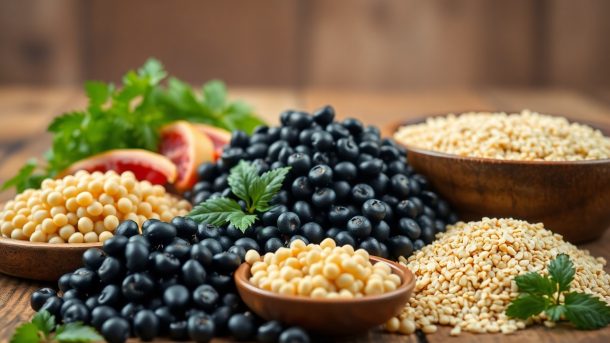
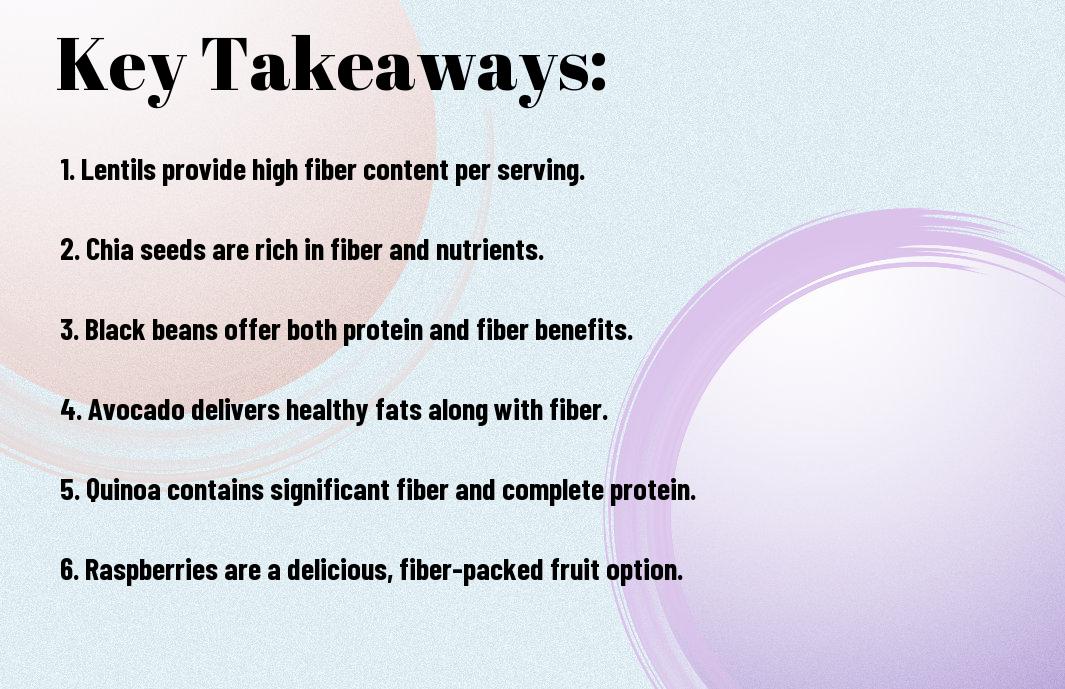
  • Legumes: Foods like lentils and black beans are excellent sources of fiber, offering around 7g per serving.
  • Whole Grains: Certain whole grains, such as oats and barley, can provide 7g of fiber, making them a great addition to your diet.
  • Fruits and Vegetables: Some fruits, like avocados, and vegetables, like broccoli, also contain about 7g of fiber, enhancing your overall fiber intake.

Importance of Dietary Fiber

Your digestive health can greatly benefit from an adequate intake of dietary fiber. It aids in maintaining bowel regularity, helps lower cholesterol levels, and contributes to a feeling of fullness after meals, which can support healthy weight management. For more information, check out these Fiber Facts.

Health Benefits

An increased fiber intake can lead to numerous health benefits, including improved heart health, better blood sugar control, and a reduced risk of certain gastrointestinal diseases. Fiber helps slow down digestion, which can enhance nutrient absorption and stabilize blood sugar levels. Eating a fiber-rich diet can also mitigate the risk of developing chronic conditions over time.

Recommended Daily Intake

Along with reaping the benefits of fiber, knowing the recommended daily intake is important for making informed food choices. Adults should aim for about 25 to 30 grams of fiber daily, depending on age and sex. Incorporating a variety of fiber-rich foods into your meals can help you reach this goal.

In addition to general guidelines, individual needs may vary based on factors such as age, gender, and activity level. It’s beneficial to aim for a balance of soluble and insoluble fiber by consuming whole grains, fruits, vegetables, nuts, and legumes. Keeping track of your intake can help ensure you meet your fiber requirements for optimal health.
Foods Containing 7g of Fiber

Now, incorporating foods that contain 7g of fiber into your diet can significantly enhance your health. Fiber plays an important role in digestion, helping to maintain a healthy gut and prevent constipation. By choosing a variety of foods, you can easily achieve your daily fiber goals while enjoying a range of flavors and textures.

Whole Grains

Containing whole grains like quinoa, barley, and bulgur can provide you with 7g of fiber per serving. These grains not only deliver substantial fiber but also important nutrients like B vitamins, iron, and magnesium that are beneficial for your overall health.

Legumes

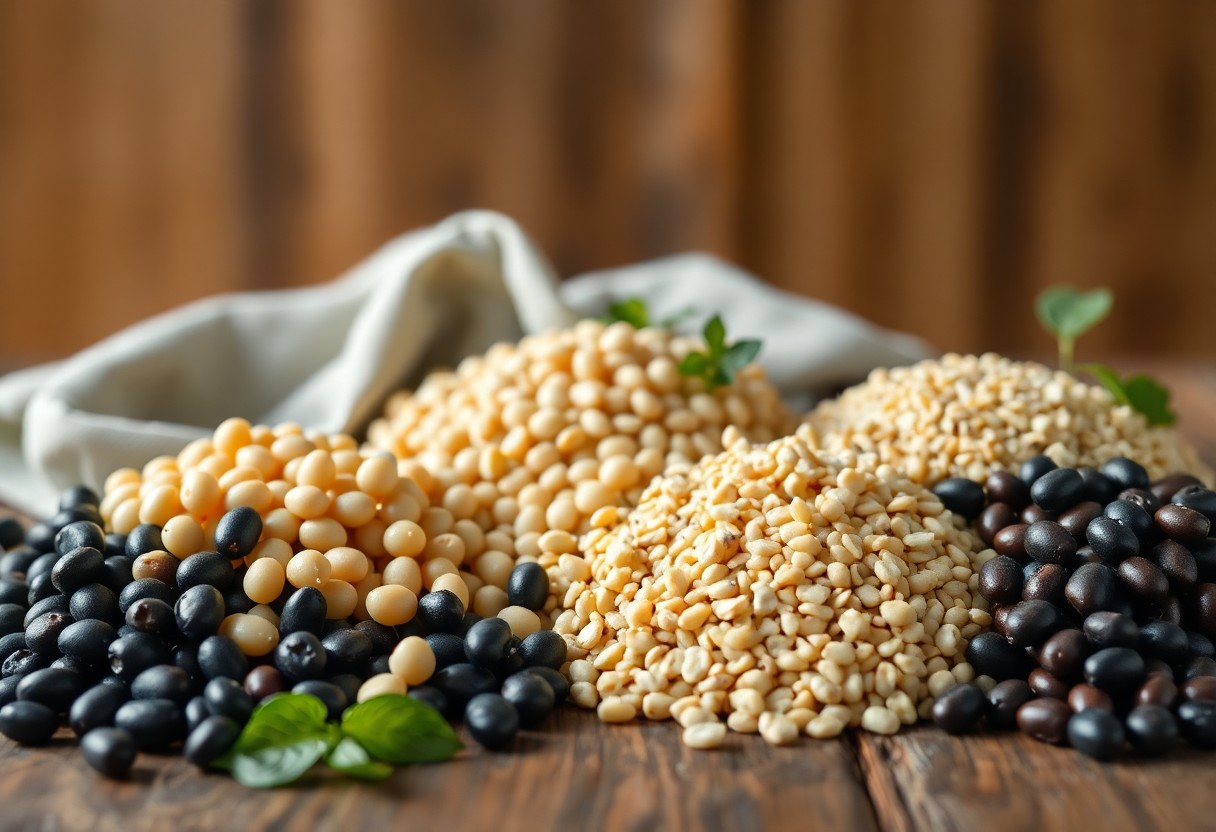
Any serving of legumes, including lentils, chickpeas, and black beans, yields around 7g of fiber. They are versatile and can be added to soups, salads, and main dishes for a hearty and nutritious boost.

Due to their high fiber and protein content, legumes provide lasting satiety and can help you manage weight while enhancing your heart health. As they are also low in fat and cholesterol-free, incorporating them into your meals can promote overall well-being.

Fruits

Beside legumes, fruits like avocados, raspberries, and pears are excellent sources of fiber, each offering around 7g per serving. Fresh fruits not only add variety to your meals but also bring important vitamins, minerals, and antioxidants to your diet.

Considering the wide array of fruits available, you can easily mix and match to keep your meals interesting. Incorporating a variety of colors and types can ensure you maximize your nutrient intake while enjoying the natural sweetness of fruits.

Vegetables

Around 7g of fiber can be found in a serving of vegetables such as artichokes, broccoli, and Brussels sprouts. Adding these fiber-rich vegetables to your plate can enhance the nutritional value of your meals significantly.

Fruits that are high in fiber, like these vegetables, help support healthy digestion, and can improve your cholesterol levels. Including a colorful mix of both in your meals not only benefits your health but also makes your plate visually appealing.
How to Incorporate Fiber-Rich Foods into Your Diet

Once again, including fiber-rich foods in your diet can be simple and enjoyable. Start by adding fruits, vegetables, whole grains, and legumes to your meals. Aim for a balanced plate that features these foods, and experiment with new recipes. Gradually increasing your fiber intake will help your digestive system adjust, making it easier to enjoy the benefits of your fiber-rich choices.

Meal Planning Tips

By planning your meals ahead of time, you can ensure that you include sufficient fiber in your diet. Consider the following tips:

  • Prepare a weekly menu with fiber-rich recipes.
  • Incorporate whole grains as sides.
  • Stock up on fruits and vegetables for easy snacking.

The variety in your meals will keep you motivated to maintain a fiber-rich diet.

Snack Ideas

About incorporating fiber into your snacks can be a delightful experience. Choose snacks that are not only filling but also promote your overall health. Consider options like fresh fruit, nuts, or whole-grain crackers, which can provide a satisfying crunch.

Hence, keeping healthy snacks on hand will make it easier for you to reach your fiber goals. You can prepare snack-sized portions of veggies with hummus or yogurt with granola, ensuring you have fiber-rich choices available throughout the day.

Common Misconceptions about Fiber

All fibers are not created equal, and many people often misunderstand their functions. You might think that all fiber aids in digestion or that any high-fiber food is automatically good for you. However, not all fiber has the same effects on your body, and the source of fiber can significantly impact its health benefits. Understanding the nuances of fiber types and their roles in your diet is crucial for optimizing your nutrition.

Soluble vs. Insoluble Fiber

By knowing the difference between soluble and insoluble fiber, you can make more informed dietary choices. Soluble fiber dissolves in water and can help lower blood cholesterol and glucose levels. On the other hand, insoluble fiber does not dissolve and is vital for promoting regular bowel movements and overall gut health. Including both types in your diet ensures you receive a variety of health benefits, enhancing your overall wellness.

Too Much Fiber

Any dietary component can lead to issues when consumed in excess, and fiber is no exception. Overloading your diet with fiber can lead to digestive discomfort, bloating, and gas, affecting your overall well-being. It’s crucial to gradually increase your fiber intake and keep a balanced diet to avoid these unwanted effects.

Even healthy foods can cause problems if you consume them in excessive amounts. If you suddenly increase your fiber intake or indulge in high-fiber foods without sufficient hydration, you may experience constipation or cramping. To optimize your fiber consumption, aim for a gradual increase in intake, balanced with plenty of water to support digestion and prevent discomfort.

Additional Sources of Fiber

After exploring foods that contain 7g of fiber, it’s vital to look into additional sources that can help you meet your daily fiber needs. Incorporating a variety of fiber-rich options into your diet can support digestive health, enhance satiety, and contribute to overall well-being. Foods like legumes, whole grains, nuts, seeds, and fruits can help boost your fiber intake significantly. Including these diverse options in your meals will not only make your diet more enjoyable but also provide vital nutrients your body requires.

Supplements

One effective way to increase your fiber intake is through supplements. These products can be a convenient option if you’re struggling to get enough fiber from your diet. Fiber supplements come in various forms, such as powders, capsules, or chewable tablets. They can help you achieve your daily fiber goals while also supporting gut health. However, it’s important to consult with a healthcare professional before starting any new supplement regimen to ensure it’s appropriate for your needs.

Alternative Foods

On your quest for fiber, you might also consider alternative foods that are often overlooked. Items such as chia seeds, quinoa, and avocados are excellent sources of fiber as well. Chia seeds can easily be added to smoothies or yogurt, while quinoa serves as a nutritious base for salads or bowls. Avocados not only add creaminess to your dishes but are also packed with fiber and healthy fats, making them a perfect addition to your diet.

For instance, incorporating these alternative foods into your meals can significantly enhance your fiber intake. You can sprinkle chia seeds on your morning oatmeal, use quinoa as a substitute for rice, or enjoy sliced avocado on whole grain toast. By diversifying your food choices, you’ll not only boost your fiber levels but also add flavor and variety to your meals. Balancing different fiber-rich foods ensures you don’t get bored with your diet while reaping all the health benefits fiber has to offer.

Final Words

Hence, including foods rich in fiber, like lentils, black beans, and avocados, can significantly enhance your diet. Aim for items that provide around 7g of fiber per serving, as they can support your digestive health and promote satiety. You can easily incorporate these into your meals, helping you meet your nutritional goals. By making conscious choices about the foods you eat, you’re taking important steps towards a healthier lifestyle.

FAQ

Q: What foods typically contain 7g of fiber?

A: There are several foods rich in fiber that can provide around 7g per serving. These include a cup of cooked lentils, a medium avocado, a cup of raspberries, or a half-cup of black beans. Additionally, whole grain products like certain brands of whole grain bread and cereal can also offer this amount. Always check nutritional labels for exact content.

Q: How can I incorporate 7g of fiber into my meals?

A: To add 7g of fiber to your meals, try including a cup of cooked beans in your salad, topping your morning oatmeal with fresh berries, or using whole grain bread for your sandwiches. Snacking on nuts like almonds or walnuts, or enjoying an avocado can also help you meet your fiber goals. Mixing different fiber sources throughout the day can enhance your overall intake.

Q: Why is fiber important in my diet?

A: Fiber plays a significant role in digestive health by helping to regulate bowel movements, preventing constipation, and promoting a healthy gut microbiome. Additionally, fiber can assist in maintaining a healthy weight by keeping you feeling fuller for longer and may help lower cholesterol levels. Including fiber-rich foods in your diet is beneficial for overall well-being.

Q: Are there any downsides to consuming too much fiber?

A: While fiber is beneficial, excessive intake can lead to discomfort, bloating, and gas. It’s necessary to increase fiber in your diet gradually and ensure you drink plenty of water. The recommended daily intake varies by age and sex, with adult women generally needing about 25g and men about 38g. Adjusting your intake according to your body’s responses is advisable.

Q: Can I get fiber from drinks or supplements?

A: While whole foods are the best source of fiber, some drinks and supplements can provide it too. Fiber-enriched smoothies, juices, or specific fiber supplements can offer additional fiber. However, whole foods not only deliver fiber but also provide vital nutrients and health benefits that supplements alone may not offer. Therefore, aiming for a variety of fiber-rich whole foods is recommended.

How can I get 100% fiber daily

Most people fall short of their daily fiber intake, which is imperative for maintaining digestive health and overall well-being. By understanding how to incorporate fiber-rich foods into your meals and snacks, you can easily reach that 100% daily recommendation. This blog post will guide you through practical tips and strategies for increasing your fiber intake, ensuring you make informed choices that benefit your health while enjoying a variety of delicious foods.

Key Takeaways:

  • Incorporate whole foods: Focus on consuming a variety of whole foods such as fruits, vegetables, whole grains, nuts, and seeds to boost your daily fiber intake.
  • Read nutrition labels: Pay attention to the fiber content listed on food packaging. Opt for products with higher fiber content to easily track your intake.
  • Gradual increase: Introduce fiber-rich foods into your diet gradually to avoid digestive discomfort, ensuring a smoother transition to 100% daily intake.

Understanding Fiber

Before you can reach your daily fiber goals, it’s imperative to understand what fiber is and how it functions in your body. Fiber is a type of carbohydrate that your body cannot digest. Unlike other carbs that break down into sugar molecules, fiber remains intact as it passes through your digestive system, promoting healthy digestion and satiety.

Definition and Types of Fiber

Above, we touched on the definition of fiber. To further clarify, there are two main types of fiber: soluble and insoluble. Soluble fiber dissolves in water and helps regulate blood sugar, while insoluble fiber adds bulk to your stool and aids in digestion. Here’s a quick breakdown:

Type of Fiber Benefits
Soluble Helps lower cholesterol and manage blood sugar
Insoluble Aids digestion and prevents constipation
Fermentable Feeds beneficial gut bacteria
Non-fermentable Passes through the digestive tract without breaking down
Functional Processed fibers added to foods for health benefits

Any thorough understanding of fiber will enable you to identify it in your diet and choose foods rich in both types for balanced nutrition.

Health Benefits of Adequate Fiber Intake

Along with aiding digestion, proper fiber intake offers a myriad of health benefits. A diet high in fiber can help you maintain a healthy weight, reduce the risk of heart disease, and lower your cholesterol levels. It can also enhance your digestive health and regulate blood sugar levels, leading to better overall wellness.

Fiber plays an important role in your health. By integrating sufficient fiber into your diet, you may experience improved bowel regularity, a lower risk of chronic diseases, and enhanced gut health. Additionally, fiber-rich foods tend to be more filling, which can help you manage hunger and keep your appetite in check. Prioritizing fiber not only supports your digestive system but also contributes to your overall well-being.

Daily Fiber Requirements

There’s a specific amount of fiber you need each day to maintain your health and well-being. This daily fiber requirement can vary based on several factors, including age, sex, and overall diet. Meeting these needs can support digestive health, regulate blood sugar, and even help with weight management, making it important to understand what you’re aiming for in your daily intake.

Recommended Daily Fiber Intake

Requirements for fiber intake generally suggest that adults aim for about 25 grams per day for women and 38 grams for men. However, you should ensure that your sources of fiber are varied and nutritious, integrating whole grains, fruits, vegetables, legumes, and nuts into your daily meals to reach these targets effectively.

Impact of Age and Gender on Fiber Needs

Fiber requirements change with age and can differ between genders. As you age, your body’s needs evolve, impacting how much fiber you should consume for optimal health.

A significant factor influencing your fiber needs is your age and gender. For instance, children require less fiber than adults, while older adults may need slightly less than what younger adults do. Additionally, women generally have lower fiber requirements compared to men due to differences in body composition and metabolism. Understanding these nuances can help you fine-tune your daily fiber intake to better suit your lifecycle stage and maintain your overall health.

High-Fiber Foods

After understanding the importance of fiber in your diet, it’s time to explore high-fiber foods that can help you reach your daily intake goals. Incorporating a variety of fruits, vegetables, whole grains, and legumes into your meals will ensure a rich fiber content, aiding digestion and promoting overall health. Each food group contributes unique nutrients along with fiber, so varying your selections will not only keep your meals interesting but also provide a balanced approach to nutrition.

Fruits and Vegetables

Among the best sources of fiber, fruits and vegetables are necessary for your daily fiber intake. Options like berries, apples, carrots, and broccoli are not only delicious but also packed with dietary fiber, enhancing your meals while offering a host of vitamins and minerals. Aim to include a rainbow of produce in your diet for optimal health benefits.

Whole Grains and Legumes

Foods such as brown rice, quinoa, lentils, and chickpeas are excellent sources of fiber. They are not only filling but also rich in necessary nutrients, making them a perfect addition to your daily meals. Incorporating whole grains and legumes into your diet will significantly contribute to your fiber intake while also providing energy and promoting digestive health.

And don’t forget, cooking whole grains and legumes can be simple and versatile. Use them in salads, soups, or as a side dish to complement your meals. By choosing whole instead of refined grains, you maximize fiber consumption while enjoying the robust flavors that these foods can bring. Experimenting with different recipes can make including them in your diet an enjoyable experience.

Strategies to Increase Fiber Intake

Once again, incorporating fiber into your diet can be made easier with strategic planning. Create a balance of whole grains, fruits, vegetables, legumes, nuts, and seeds to reach your goal. You might find guidance on How to eat 100g of fiber a day? : r/PlantBasedDiet helpful in formulating your meal plan. Additionally, consider adding fiber-rich foods gradually to avoid digestive discomfort, and drink ample water to assist with the increased fiber intake.

Meal Planning and Preparation

Among the best ways to ensure you meet your fiber goals is through effective meal planning and preparation. Start each week by identifying high-fiber recipes and stocking your kitchen with plenty of whole foods. Preparing meals in advance allows you to have nutritious options readily available, making it less likely for you to resort to processed snacks or meals.

Smart Snacking Choices

For maintaining a high fiber intake, choosing the right snacks can make all the difference. Opt for options like raw veggies with hummus, popcorn, or whole grain crackers paired with nut butter to keep your snacks both satisfying and fiber-rich.

With various snack options available, you can easily incorporate more fiber into your daily routine. Consider combining different foods like fruit and nut butter or yogurt and granola to boost fiber while satisfying your cravings. Preparing your snacks ahead of time can also help you stay on track with your fiber goals and minimize unhealthy choices when hunger strikes.

Common Fiber Myths

Many individuals believe that all fiber is created equal, but that’s far from true. Different types of fiber serve various functions in your body, and knowing the differences can help you get the most benefits. Additionally, there are misconceptions regarding how much fiber you actually need. To debunk these myths and learn practical tips, check out 16 Easy Ways to Eat More Fiber.

Misconceptions About Fiber

To optimize your fiber intake, it’s necessary to distinguish between soluble and insoluble fiber. Many people think they only need one type or don’t consume enough variety. Both types play significant roles in your digestive health, appetite control, and overall well-being. Make sure your diet includes both types for maximum benefits.

Clarifying Fiber Intake and Digestion

Before submerging into your daily fiber goals, it’s important to understand how your body processes different types of fiber. Soluble fiber dissolves in water, forming a gel-like substance that can help regulate blood sugar levels and lower cholesterol. Insoluble fiber, on the other hand, adds bulk to your stool and aids in bowel movement regularity.

In fact, understanding the roles of soluble and insoluble fiber can help you tailor your diet to meet your personal health needs. Soluble fiber is found in foods like oats, apples, and legumes, while insoluble fiber is abundant in whole grains, nuts, and vegetables. By incorporating a diverse range of fiber-rich foods into your daily meals, you support your digestion and overall health more effectively.

Monitoring Fiber Intake

Unlike just counting calories, keeping track of your fiber intake can significantly enhance your digestive health and overall well-being. To achieve 100% of your daily fiber goal, you need to stay mindful of the fiber content in the foods you consume. By regularly monitoring your intake, you can identify patterns, make informed choices, and ensure you’re meeting your nutritional needs effectively.

Tools and Apps for Tracking

By utilizing various tools and apps designed for tracking fiber and other nutrients, you can simplify the process of monitoring your intake. Many apps allow you to log your meals and automatically calculate the fiber content, making it easier to stay on track with your daily goals. This technology can also provide insights into your eating habits, helping you make better dietary decisions.

Adjusting Your Diet Accordingly

Adjusting your diet to meet your fiber goals may involve incorporating more high-fiber foods into your meals and snacks. Start by substituting white bread with whole grain options, adding legumes to your salad, or snacking on fruits and vegetables throughout the day. You can also reinstate fiber-rich grains like quinoa or barley into your meals. Keep experimenting with recipes and ingredients to discover new favorites that will help you reach your daily fiber milestones.

Further, consider gradually increasing your fiber intake to avoid discomfort, allowing your digestive system to adapt. Track how different foods affect your body and adjust accordingly. Creating a fiber-rich eating plan can provide variety while ensuring you’re not overwhelmed by new additions to your diet. Take note of your progress and make changes as needed to consistently attain your fiber goals.

Summing up

Summing up, achieving 100% fiber daily is entirely feasible by incorporating a diverse range of high-fiber foods into your meals. Focus on whole grains, legumes, fruits, and vegetables, ensuring you maintain variety and color on your plate. Gradually increase your fiber intake to help your digestive system adapt, and drink plenty of water to aid fiber’s benefits. Planning meals ahead and snacking on fiber-rich options can make this goal easier. By prioritizing fiber in your diet, you can enhance your overall health and well-being.

FAQ

Q: What foods are high in fiber that can help me reach my daily intake?

A: To reach your daily fiber goal, incorporate a variety of high-fiber foods into your meals. Examples include whole grains such as oats and quinoa, legumes like lentils and black beans, fruits such as raspberries, pears, and apples, and vegetables including broccoli, carrots, and Brussels sprouts. Additionally, nuts and seeds can add both fiber and healthy fats to your diet.

Q: How much fiber do I need each day?

A: The recommended daily intake of fiber varies by age and sex. Generally, adult women should aim for about 25 grams of fiber per day, while adult men should target around 38 grams. However, individual needs can differ, so it might be beneficial to consult a healthcare provider for personalized recommendations.

Q: How can I gradually increase my fiber intake to avoid digestive discomfort?

A: To prevent any digestive discomfort when increasing fiber intake, it is advisable to do so gradually. Start by adding a small amount of high-fiber foods to your meals and slowly increase portion sizes over several days or weeks. Additionally, staying well-hydrated by drinking plenty of water can help manage any potential bloating or gas.

Q: Can fiber supplements help me reach my daily fiber goals?

A: Yes, fiber supplements can be useful for some individuals to help meet their daily fiber requirements. However, it’s best to aim for fiber from whole food sources where possible, as they provide additional nutrients, vitamins, and minerals. If considering fiber supplements, it’s advisable to consult a healthcare professional for guidance on the best type and dosage.

Q: What are some easy ways to add fiber to my daily meals?

A: There are several simple ways to include more fiber in your meals. You can start your day with a fiber-rich breakfast cereal or oatmeal, add beans or lentils to soups and salads, choose whole grain bread and pasta instead of refined options, snack on fruits and vegetables, and incorporate nuts and seeds into your yogurt or salads. Planning meals that focus on these fiber-rich ingredients can make it easier to meet your daily goals.

What are whole fruits

It’s important to understand what whole fruits are, as they play a significant role in a healthy diet. Whole fruits refer to the unprocessed, intact forms of fruits that offer the full range of nutrients and dietary benefits. Unlike fruit juices or dried fruits, whole fruits retain their fiber, vitamins, and minerals, promoting better digestion and overall health. By incorporating whole fruits into your meals and snacks, you can enhance your nutritional intake and enjoy their natural flavors without added sugars or preservatives.

Key Takeaways:

  • Definition: Whole fruits are fresh, unprocessed fruits that contain all edible parts, including skin, flesh, and seeds, providing maximum nutritional benefits.
  • Nutrient Density: Whole fruits are rich in vital nutrients such as vitamins, minerals, and dietary fiber, which contribute to overall health and well-being.
  • Natural Sweetness: Whole fruits contain natural sugars, making them a healthier alternative to processed snacks and desserts.
  • Health Benefits: Regular consumption of whole fruits can reduce the risk of chronic diseases, support digestion, and promote heart health.
  • Variety: There is a wide range of whole fruits available, including apples, bananas, berries, oranges, and many more, offering diverse flavors and nutrients.

Definition of Whole Fruits

To understand what whole fruits are, it’s important to explore their definition and unique characteristics. Whole fruits are fruits that are consumed in their natural state, unaltered by processing or refining. This means they retain their full nutritional profile, including vitamins, minerals, fiber, and antioxidants. Whole fruits can be eaten fresh, dried, frozen, or even cooked, but they should remain intact without being juiced or pureed.

Definition and Characteristics

Definition: Whole fruits are unprocessed fruits that provide the complete range of nutrients, including fiber, vitamins, and minerals. They maintain their natural structure and integrity, allowing you to benefit fully from their health-promoting properties.

Comparison to Processed Fruits

With the rise of convenience foods, it’s crucial to recognize the differences between whole fruits and processed fruits. The table below summarizes these variations:

Comparison of Whole Fruits and Processed Fruits

Whole Fruits Processed Fruits
Retain all natural nutrients Often depleted of nutrients
High in fiber Low in fiber
Natural sugars Added sugars
No synthetic additives May contain preservatives and additives

Fruits provide a wealth of health benefits, including important vitamins, antioxidants, and dietary fiber. In contrast, processed fruits often undergo refinement, which strips away beneficial nutrients and adds sugars or preservatives. This means that while processed fruits might be convenient, they won’t deliver the same nutritional punch as whole fruits. Prioritizing whole fruits in your diet ensures that you consume the best possible form of fruit for your health.

Nutritional Benefits

The nutritional benefits of whole fruits are innumerable and play a vital role in maintaining a balanced diet. Whole fruits are packed with important vitamins, minerals, dietary fiber, and antioxidants, all of which contribute to overall health and well-being. For a comprehensive List of Whole Fruits, you can explore various options to include in your diet.

Vitamins and Minerals

With an array of vitamins and minerals, whole fruits serve as a natural source of nutrition. You’ll find that fruits like citrus provide vitamin C, while bananas are rich in potassium. These nutrients are important for bodily functions, immune support, and maintaining energy levels.

Dietary Fiber Content

For optimal digestive health, including whole fruits in your diet can significantly boost your dietary fiber intake. Fiber helps regulate digestion, keeps you feeling fuller longer, and aids in blood sugar management, making whole fruits a wise choice for your meals and snacks.

A diverse range of whole fruits such as apples, pears, and berries are excellent sources of dietary fiber. Not only does fiber help in maintaining a healthy weight, but it also supports heart health by helping to lower cholesterol levels. By making whole fruits a staple in your diet, you ensure that you’re getting enough fiber for your health needs.

Antioxidants and Phytonutrients

Content wise, whole fruits are abundant in antioxidants and phytonutrients, which play crucial roles in fighting oxidative stress and inflammation. These compounds enhance your overall health by supporting cellular repair and boosting your immune system.

The richness of antioxidants, such as flavonoids found in berries and carotenoids in oranges, can help protect your body from chronic diseases. Incorporating a variety of whole fruits into your diet will not only satisfy your taste buds but also provide important nutrients that work synergistically to promote long-term health benefits.

Health Impact

Once again, whole fruits prove to be a cornerstone of a balanced diet, significantly influencing your overall health and well-being. They are not only packed with crucial nutrients but can also help combat various diseases, making them a vital part of your daily intake.

Role in Disease Prevention

Role in disease prevention is one of the most significant health impacts of whole fruits. Regular consumption can lower the risk of chronic diseases, including heart disease and type 2 diabetes, due to their high content of vitamins, antioxidants, and fiber.

Effects on Digestion

Digestion is greatly enhanced by the fiber-rich nature of whole fruits. They help regulate bowel movements, prevent constipation, and promote gut health, ensuring your digestive system functions effectively.

The fiber in whole fruits acts as a prebiotic, feeding the beneficial bacteria in your gut. This not only supports healthy digestion but also aids in the absorption of nutrients. By incorporating a variety of whole fruits into your diet, you can help maintain optimal digestive health and prevent digestive disorders.

Weight Management

For effective weight management, whole fruits can be a valuable ally. Their high water and fiber content can help you feel full longer, reducing the likelihood of overeating.

Effects of incorporating whole fruits into your diet extend beyond mere satiety. They are lower in calories compared to processed snacks and can satisfy your sweet cravings naturally. By choosing whole fruits regularly, you can contribute to a sustainable weight management strategy that doesn’t sacrifice nutrition or enjoyment in your meals.

Incorporating Whole Fruits into Diet

All fruits are packed with important vitamins, minerals, and fiber, making them a crucial part of a healthy diet. Integrating whole fruits into your daily meals can enhance your overall nutrition and promote better health. Here are some tips to help you maximize the benefits of whole fruits.

Tips for Selection and Storage

For selecting and storing whole fruits, it’s important to choose fresh, ripe specimens that show no signs of bruising or spoilage. Proper storage can prolong the freshness and flavor:

  • Choose seasonal fruits for optimal taste and nutrition.
  • Store fruits at room temperature to ripen, then refrigerate to extend their shelf life.
  • Keep cut fruits in an airtight container to prevent browning.

Perceiving the subtle differences in ripeness and texture will help you select the best fruits for your enjoyment.

Creative Ways to Enjoy Whole Fruits

To make the most out of whole fruits, consider incorporating them into your meals and snacks in imaginative ways. You can slice them into your morning oatmeal, throw them in a smoothie, or use them in salads for an extra burst of flavor.

Plus, there are endless options to creatively incorporate whole fruits into your diet. Try baking apples with a sprinkle of cinnamon for a heartwarming dessert, or make fruit kabobs with your favorite combinations for a fun and nutritious snack. You can also experiment with savory dishes by adding fruits like mango or pineapple to salsas and grilled meats. This twist on traditional meals can enhance flavors while keeping your diet fresh and exciting.

To wrap up

As a reminder, whole fruits are nutrient-rich foods that provide imperative vitamins, minerals, and fiber while maintaining their natural structure. By incorporating whole fruits into your diet, you not only enhance your overall health but also support better digestion and weight management. For more in-depth information on the benefits of WHOLE FRUITS, consider exploring reliable resources that outline their valuable health contributions.

FAQ

Q: What are whole fruits?

A: Whole fruits are fruits that are consumed in their natural state without any processing or alteration. This means the fruit is eaten as it is, including the skin, flesh, and seeds, if applicable. Whole fruits provide vital nutrients, fiber, and water, making them an important part of a balanced diet.

Q: Why are whole fruits considered healthier than fruit juices or processed fruit products?

A: Whole fruits are typically healthier than fruit juices or processed fruit products for several reasons. First, they contain more fiber, which aids in digestion, helps control blood sugar levels, and promotes a feeling of fullness. Second, whole fruits have a lower glycemic index compared to fruit juices, meaning they cause a slower rise in blood sugar levels. Finally, whole fruits do not contain added sugars, preservatives, or artificial ingredients often found in processed fruit products.

Q: How can I incorporate more whole fruits into my diet?

A: Incorporating more whole fruits into your diet can be simple and enjoyable. Start by keeping a variety of whole fruits readily accessible at home or work, such as apples, bananas, berries, and oranges. Aim to add fruit to your meals, such as adding berries to oatmeal or slices of banana to your yogurt. You can also make fruit a healthy snack option between meals or blend a mix of whole fruits into smoothies. Experiment with different fruits to find out which ones you enjoy the most.

How can I get 25g of fiber a day

There’s a simple yet effective way to enhance your diet by incorporating more fiber, which is vital for digestive health and overall wellness. To reach the recommended 25g of fiber a day, focus on adding a variety of high-fiber foods – Nutrition and healthy eating into your meals. From fruits and vegetables to whole grains and legumes, you have plenty of delicious options that can help you achieve your daily fiber goals.

Key Takeaways:

  • Incorporate Fruits and Vegetables: Aim to fill half your plate with fruits and vegetables during meals; options like berries, apples, broccoli, and carrots are high in fiber.
  • Choose Whole Grains: Select whole grain products such as whole grain bread, brown rice, and oatmeal instead of refined grains to boost your fiber intake.
  • Snack Wisely: Opt for high-fiber snacks like nuts, seeds, and legumes; these can add substantial fiber content to your daily diet.

Understanding Fiber

Understanding fiber is imperative to improving your overall health. Fiber is a type of carbohydrate your body cannot digest, and it plays a significant role in maintaining digestive health, stabilizing blood sugar levels, and aiding weight management. By increasing fiber intake, you can help support your body’s functions effectively and improve your well-being.

Types of Dietary Fiber

A variety of dietary fibers exists, each offering unique benefits:

  • Soluble Fiber: Dissolves in water and can help lower cholesterol.
  • Insoluble Fiber: Adds bulk to your stool and aids in regular bowel movements.
  • Functional Fiber: This is added to foods and has beneficial health effects.
  • Prebiotic Fiber: Fuels beneficial gut bacteria and enhances gut health.
  • Fermentable Fiber: Can be broken down in the colon, producing beneficial compounds.

Recognizing the different types of fiber can guide you in making dietary choices that meet your fiber goals.

Type of Fiber Function
Soluble Fiber Helps lower cholesterol
Insoluble Fiber Aids in digestion
Functional Fiber Added for health benefits
Prebiotic Fiber Supports gut health

Health Benefits of Fiber

Benefits of fiber extend beyond digestive health; it supports various bodily functions and overall wellness. A high-fiber diet can reduce the risk of chronic diseases, improve heart health, and aid in weight management.

To experience the full benefits of fiber, focus on incorporating both soluble and insoluble types into your diet. Increasing fiber gradually helps your body adjust, preventing discomfort. Fiber-rich foods, such as fruits, vegetables, whole grains, and legumes, can contribute to your daily intake while promoting a healthy gut microbiome and reducing the risk of developing certain health issues.

Daily Fiber Requirements

Even though fiber is often overlooked, it’s an crucial part of your diet that supports digestion and overall health. Dietary guidelines recommend consuming around 25g of fiber daily for adults, but this need may vary depending on your age, gender, and lifestyle. Incorporating diverse fiber-rich foods into your meals can help you meet this requirement and provide additional health benefits.

Recommended Intake for Different Age Groups

Between the ages of 1 and 3, it’s advised to aim for about 19g of fiber daily, while children aged 4 to 8 should target 25g. For adolescents aged 9 to 18, the intake increases to 26g for girls and 31g for boys. Adults should aim for 25g for women and 38g for men, ensuring you adjust your intake as you progress through different life stages.

Importance of Meeting Fiber Goals

Between the numerous benefits, a proper fiber intake can significantly improve your digestive health while supporting heart health and weight management. Fiber plays a role in lowering cholesterol levels, regulating blood sugar, and promoting a healthy gut microbiome.

Consequently, consistently meeting your fiber goals can help reduce the risk of developing various chronic diseases, such as heart disease, diabetes, and certain types of cancer. Additionally, sufficient fiber intake contributes to satiety, making it easier for you to control your appetite and maintain a healthy weight. By prioritizing fiber-rich foods in your daily diet, you empower your body to function optimally and achieve better overall health.

High-Fiber Foods

Keep in mind that incorporating high-fiber foods into your diet is imperative for reaching your goal of 25g of fiber each day. Focus on adding a variety of fruits, vegetables, whole grains, and legumes to your meals. These foods not only provide fiber but also deliver other important nutrients that promote overall health. To make it easier, try to plan your meals and snacks around these fiber-rich options for effective results.

Fruits and Vegetables

After selecting fruits and vegetables, opt for those that are naturally high in fiber, like raspberries, pears, broccoli, and artichokes. These foods not only help you reach your daily fiber goal but also offer vitamins, minerals, and antioxidants that support your health. Aim to fill half your plate with fruits and vegetables to reap the benefits while enjoying their delicious, varied flavors.

Whole Grains and Legumes

For an effective way to boost your fiber intake, add whole grains and legumes to your diet. Foods such as brown rice, quinoa, lentils, and chickpeas are all excellent sources of fiber. Incorporating these options can significantly improve your daily fiber intake.

Legumes, in particular, are incredibly versatile and can be used in a variety of dishes, from soups to salads and even dips. Including just a half-cup of cooked beans or lentils in your meals can add around 8-10g of fiber, making it a simple way to increase your intake. Whole grains like oats and barley are also rich in fiber and provide a hearty base for meals, ensuring you stay full and satisfied.

Easy Ways to Increase Fiber Intake

Despite the common misconception that increasing fiber is complicated, there are simple methods to boost your intake. Start by incorporating more whole grains, legumes, fruits, and vegetables into your meals. You can also swap out refined products for their whole grain counterparts. Consider adding seeds and nuts to your dishes for an extra fiber punch, and explore fiber supplements if necessary. With these strategies, you can easily reach your daily fiber goals and reap the health benefits they offer.

Meal Planning Tips

Above all, planning your meals can significantly enhance your fiber consumption. Here are some tips to consider:

  • Choose meals that incorporate beans, lentils, or whole grains.
  • Plan for at least one fruit or vegetable in every meal.
  • Keep a variety of high-fiber options on hand for easy access.

Any thoughtful planning will lead to a more fiber-rich diet, making it easier to achieve your daily goals.

Snack Ideas Rich in Fiber

On your journey to increase fiber intake, snacking can play a key role. Replace typical snack foods with options that not only satisfy your cravings but also offer a wealth of fiber.

And, you can opt for snacks like raw vegetables with hummus, air-popped popcorn, or a handful of nuts. Consider yogurt topped with berries, whole grain crackers with avocado, or apple slices with nut butter for delicious and filling options. Incorporating these snacks into your daily routine will help you effortlessly boost your fiber intake while enjoying tasty treats.

Common Fiber Myths

Once again, it’s time to debunk some common myths surrounding dietary fiber. Many people mistakenly believe that all fiber is the same and claim that increasing fiber intake is only beneficial for digestive health. In truth, different types of fiber serve various functions in the body, and you need a balanced approach to reap all the advantages. Misunderstandings about fiber can lead you to overlook its power in supporting overall health, weight management, and even heart health.

Myths About Fiber and Digestion

About fiber and digestion, it’s often thought that more fiber always equals better digestion. While fiber promotes digestive health, certain individuals may experience bloating or discomfort if they increase fiber too quickly. Your body needs time to adjust to higher fiber intake, so it’s important to increase your fiber gradually while staying hydrated.

Misconceptions about Fiber-Rich Foods

Common misconceptions about fiber-rich foods lead many people astray in their dietary choices. For instance, some individuals believe that all whole-grain products are high in fiber, but this isn’t always the case. It’s crucial to check labels, as some products can be misleading. Focus on consuming whole foods like fruits, vegetables, legumes, and nuts for optimal fiber intake.

Digestion plays a key role in understanding fiber-rich foods. Many processed items masquerade as healthy but may lack the necessary fiber content. You might also think that only bran cereals or whole-wheat bread count towards your fiber goals, but incorporating a variety of fruits, vegetables, and legumes into your diet can significantly improve your fiber intake. Aiming for diverse sources of fiber not only aids digestion but also provides a wide range of nutrients that enhance your overall health.

Tracking Fiber Intake

After you decide to increase your fiber intake, tracking it is necessary to understand your current consumption levels. By keeping a detailed record of the foods you eat, you can better plan your meals to reach the target of 25 grams of fiber daily. Consider reading Increase Fiber Intake: How to Get 25-35 Grams Daily for practical tips on achieving your fiber goals.

Tools and Apps for Monitoring

Behind every successful dietary change are effective tools and apps that help you monitor your fiber intake. Numerous apps can simplify tracking your daily meals, enabling you to record and analyze your fiber consumption effortlessly. Look for user-friendly options that offer detailed nutritional breakdowns to keep you on track.

Assessing Your Fiber Consumption

Beside monitoring your intake, assessing your fiber consumption is necessary to making informed adjustments. Regularly review your food logs to identify patterns in your eating habits, recognizing where you may need to incorporate more fiber-rich foods.

A thorough assessment of your fiber consumption involves examining your dietary choices and understanding where you might be lacking. Look for opportunities to swap low-fiber options with whole grains, fruits, and vegetables, ensuring you stay informed and engaged in your dietary journey.

To wrap up

Considering all points, achieving 25g of fiber a day is entirely feasible by making thoughtful dietary choices. Start by incorporating a variety of fruits, vegetables, whole grains, legumes, nuts, and seeds into your meals and snacks. Aim for high-fiber foods like beans, oats, and berries, and consider adding chia or flaxseeds to your smoothies or yogurts. Additionally, gradually increase your fiber intake to avoid digestive discomfort. By planning balanced meals and keeping healthy snacks on hand, you’ll easily meet your fiber goals and support your overall health.

Q: What are some fiber-rich foods I can incorporate into my diet?

A: To reach 25g of fiber a day, include foods such as beans, lentils, whole grains (like oats and brown rice), nuts, seeds, fruits (such as apples, bananas, and berries), and vegetables (like broccoli, carrots, and sweet potatoes). Aim for a variety of these foods in your meals and snacks for optimal fiber intake.

Q: How can I easily add fiber to my breakfast?

A: Start your day with whole grain options such as oatmeal or whole grain toast. You can also add chia seeds or ground flaxseeds to smoothies or yogurt. Topping your oatmeal with fruits like berries, sliced bananas, or apples can further boost your fiber intake.

Q: Is it important to gradually increase my fiber intake?

A: Yes, it is beneficial to gradually increase your fiber intake to avoid gastrointestinal discomfort, such as bloating or gas. Introduce fiber-rich foods slowly over several days or weeks, allowing your digestive system to adjust to the higher fiber consumption.

Q: How can I keep track of my daily fiber intake effectively?

A: You can track your fiber intake using mobile apps or food journals. Many apps allow you to input the foods you eat and provide nutritional information, making it easy to see how much fiber you consume throughout the day. Consider setting a goal in these apps to stay motivated.

Q: Are there any potential side effects of consuming too much fiber?

A: Consuming fiber is generally beneficial, but excessive intake can lead to digestive issues such as bloating, gas, and cramping. It’s important to balance fiber with fluids and maintain a varied diet. If you experience discomfort, consider adjusting your fiber intake to find a comfortable level for your body.

Is honey a whole food

Honey is often celebrated for its sweetness and potential health benefits, but you may wonder if it qualifies as a whole food. As you explore this topic, it’s important to understand what whole foods are and how honey fits into this category. Whole foods are minimally processed and retain their natural nutrients, making them a vital part of a healthy diet. To help you dive deeper, check out these 190 results for “honey” and discover more about this natural sweetener.

Key Takeaways:

  • Natural Product: Honey is a natural substance produced by bees through the nectar of flowers, indicating it is minimally processed.
  • Nutrient-Rich: It contains various nutrients, including vitamins, minerals, and antioxidants, making it a valuable addition to a balanced diet.
  • Not Refined: Unlike many processed sweeteners, honey does not undergo refining, which supports its classification as a whole food.
  • Potential Health Benefits: Honey has various health benefits, such as antibacterial properties and soothing effects on sore throats.
  • Caloric Content: While honey is a whole food, it’s important to consume it in moderation due to its high natural sugar content.

What is a Whole Food?

For anyone striving for a healthier lifestyle, understanding what constitutes a whole food is necessary. Whole foods are minimally processed foods that are as close to their natural state as possible. This means they retain most of their necessary nutrients and avoid additives or artificial ingredients typically found in processed foods.

Definition of Whole Foods

Food that is considered whole often includes fruits, vegetables, whole grains, nuts, seeds, and high-quality animal products. These foods are typically free from harmful preservatives and are rich in vitamins, minerals, and fiber, making them a pivotal part of a nutritious diet.

Nutritional Characteristics

Any whole food you include in your diet offers a wealth of nutrients in their most beneficial forms. These foods are dense in vitamins, minerals, antioxidants, and dietary fiber, which provide your body with the resources it needs to function optimally.

Characteristics of whole foods differentiate them from their processed counterparts; they are naturally low in added sugars, unhealthy fats, and sodium. Instead, whole foods offer necessary macronutrients and micronutrients, promoting overall health, minimizing the risk of chronic diseases, and aiding in weight management. By choosing whole foods, you not only fuel your body effectively but also support your long-term well-being.

Honey: Composition and Benefits

You may be wondering about the composition and health benefits of honey. It’s often touted as a natural sweetener with more to offer than just sweetness. For a community discussion on this topic, check out Honey : r/WholeFoodsPlantBased.

Nutritional Profile of Honey

On the surface, honey is primarily composed of sugars, including fructose and glucose, making it a quick source of energy. It also contains trace amounts of vitamins, minerals, and antioxidants. These compounds can vary depending on the floral source of the honey, contributing to its unique flavors and potential health benefits.

Health Benefits of Honey

For many, honey serves as more than just a natural sweetener; it is also valued for its health properties. Raw honey is known for its antioxidant, antimicrobial, and anti-inflammatory effects, which may support immune function and overall health.

It’s important to note that while honey has beneficial properties, moderation is key. The antioxidants found in honey, such as flavonoids and phenolic acids, have been linked to reducing the risk of chronic diseases. Additionally, the natural sugars in honey can provide instant energy and may aid in soothing sore throats. Always remember, however, that honey should not be given to children under one year due to the risk of botulism.

Honey’s Classification as a Whole Food

After exploring the various nutritional aspects of honey, you may wonder about its classification as a whole food. Whole foods are defined as foods that are minimally processed and free from additives, making them closer to their natural state. If you’re interested in high-quality honey, you can check out Honey at Whole Foods Market to find options that align with this definition.

Processing and Purity Standards

Processing plays a crucial role in determining the purity of honey. Raw honey is typically unfiltered and unpasteurized, preserving its natural enzymes, vitamins, and minerals. This aligns with whole food standards, as it maintains the integrity of the honey without adding or removing components.

Comparisons with Other Natural Sweeteners

Honey offers unique benefits compared to other natural sweeteners. Here’s how it stacks up:

Sweeteners Comparison

Sweetener Nutritional Benefits
Honey Rich in antioxidants, enzymes, and vitamins.
Maple Syrup Contains manganese and zinc.
Agave Nectar Low glycemic index but high in fructose.

When considering sweeteners for your diet, honeys provide not only sweetness but also additional health benefits due to their antioxidant properties and potential antimicrobial effects. By opting for raw honey, you ensure you’re selecting a sweetener that adheres to whole food principles while enhancing your meals naturally.

Conclusion

Now that you understand honey’s nutritional profile and its minimal processing, you can appreciate its classification as a whole food. While it offers natural sweetness and various health benefits, be mindful of moderation due to its high sugar content. Incorporating honey into your diet can enhance your meals and provide a wholesome alternative to refined sugars, as long as you choose quality, raw varieties. Ultimately, it’s your choice on how to best use honey within the framework of a balanced diet.

FAQ

Q: Is honey considered a whole food?

A: Yes, honey is generally considered a whole food. Whole foods are those that are minimally processed and free from additives or artificial substances. Honey is a natural sweetener produced by bees from the nectar of flowers and contains natural sugars, trace vitamins, minerals, and antioxidants. Although it does undergo some processing (such as filtering), it retains most of its natural properties, making it fit within the whole food category when consumed in moderation.

Q: What are the nutritional benefits of honey as a whole food?

A: Honey possesses various nutritional benefits that classify it as a whole food. It is primarily made up of natural sugars, such as fructose and glucose, which provide a quick source of energy. Honey also contains small amounts of vitamins (such as B vitamins), minerals (such as calcium and iron), and antioxidants that can help protect against cell damage. Additionally, certain types of honey, such as raw or Manuka honey, have been attributed with antibacterial and anti-inflammatory properties, enhancing their health benefits.

Q: Can honey be considered a healthier alternative to refined sugars?

A: Many people consider honey a healthier alternative to refined sugars due to its natural origins and additional nutrients. Unlike white sugar, which is highly processed and devoid of beneficial compounds, honey contains trace amounts of vitamins, minerals, and antioxidants. However, it’s important to consume honey in moderation, as it is still high in sugars and calories. While honey may offer certain benefits over refined sugars, it is necessary to be mindful of overall sugar intake for optimal health.

Is papaya high in fiber

Just as you explore ways to enhance your dietary fiber intake, understanding the fiber content in papaya can be enlightening. This tropical fruit not only tantalizes your taste buds but also offers a wealth of health benefits. As you consider incorporating papaya into your meals, it’s necessary to know how much fiber it provides and how it supports your digestive health. In this post, you’ll discover the fiber content of papaya and how it fits into your nutritional goals.

Key Takeaways:

  • Fiber Content: Papaya is a good source of dietary fiber, which aids in digestion.
  • Health Benefits: Consumption of fiber-rich foods like papaya can promote gut health and help in weight management.
  • Daily Intake: Incorporating papaya can contribute to meeting the recommended daily fiber intake for a balanced diet.

Nutritional Profile of Papaya

While exploring the nutritional benefits of papaya, you’ll find that it’s a powerhouse of vitamins, minerals, and antioxidants. This tropical fruit is not only rich in vitamin C and A, but also boasts a variety of B vitamins. For a detailed breakdown of its nutrients, you can refer to Papayas, raw – FoodData Central – USDA. Including papaya in your diet can contribute to overall health and digestive wellness.

Fiber Content in Papaya

Behind its delicious taste, papaya is also an excellent source of dietary fiber. A single serving can provide you with a significant amount of fiber, supporting your digestive health and helping to regulate your bowel movements. Including fiber-rich foods like papaya in your diet can aid in overall gut function and promote a feeling of fullness.

Comparison with Other Fruits

Alongside its fiber content, you might wonder how papaya stacks up against other fruits. Here’s a quick comparison of fiber content in selected fruits:

Fruit Fiber Content (per 100g)

Papaya 1.7g
Apple 2.4g
Banana 2.6g
Orange 2.4g

Fruits are a fantastic source of fiber, and when comparing papaya to others, you’ll notice it offers a moderate amount. Each fruit has its unique benefits and varying fiber content. Opting for a variety of fruits can help you meet your daily fiber needs while enjoying a range of flavors and textures.

Fruit Fiber Content Comparison

Papaya 1.7g
Strawberry 2.0g
Mango 1.6g
Blueberry 2.4g

Health Benefits of Dietary Fiber

Even a modest intake of dietary fiber can significantly enhance your overall health. It supports regular bowel movements, helps maintain optimal cholesterol levels, and contributes to a reduced risk of chronic diseases such as heart disease and diabetes. By incorporating high-fiber foods into your diet, you can promote feelings of fullness, making it easier to manage your weight and improve your gut health. It’s an imperative component of a balanced diet that delivers numerous health benefits.

Digestive Health

An adequate fiber intake is imperative for maintaining digestive health. Fiber adds bulk to your stool, making it easier to pass and preventing constipation. It also supports a healthy gut microbiome by serving as a prebiotic, which nourishes beneficial bacteria in your digestive tract. By including fiber-rich foods in your diet, you can promote regularity and improve your overall digestive function.

Weight Management

Management of your weight can be effectively supported by a high-fiber diet. Fiber-rich foods tend to be more filling, allowing you to feel satisfied sooner and for longer periods. This means you’re less likely to overeat, which can positively impact your calorie intake and weight. When you choose foods that are high in fiber, you provide your body with the imperative nutrients it needs, while also promoting healthier eating habits.

In fact, studies have shown that individuals who consume a diet high in fiber are more successful at maintaining weight loss and preventing obesity. Fiber slows down digestion and the absorption of calories, helping to stabilize blood sugar levels and reduce cravings. By prioritizing fiber in your meals, you can cultivate a healthier relationship with food, making it easier to meet your weight management goals and sustain them over time.

Factors Affecting Fiber Content in Papaya

Despite the nutritional benefits of papaya, its fiber content can vary due to several factors:

  • Fruit ripeness
  • Preparation methods
  • Growing conditions
  • Varietal differences

Thou should pay attention to these aspects to optimize the fiber intake from this delicious fruit.

Ripeness and Preparation Methods

Above all, the ripeness of papaya plays a significant role in its fiber content. As the fruit transitions from green to ripe, the fiber concentration may change, affecting its utility in your diet. Additionally, how you prepare the papaya, such as whether you eat it raw, cooked, or as a smoothie, will also impact the overall fiber you get from it.

Serving Size and Consumption

Ripeness and preparation directly influence how much papaya you consume and its fiber content. The amount of papaya you choose to include in your meal or snack significantly affects your overall fiber intake. If you enjoy a larger serving of this tropical fruit, you’ll naturally benefit from more dietary fiber, enhancing your digestive health.

For instance, a serving size of one cup of papaya contains about 2.5 grams of fiber. This makes it a great choice if you’re looking to increase your fiber intake without resorting to supplements. Adjusting your serving size based on your dietary goals can be an effective strategy to maximize the nutritional benefits of papaya while enjoying its sweet, refreshing taste.

Recommended Daily Fiber Intake

Many nutrition experts recommend a daily fiber intake of 25 grams for adult women and 38 grams for adult men. This amount can vary based on age, lifestyle, and individual health needs, but these guidelines provide a strong foundation for maintaining digestive health. Ensuring you meet these recommendations is crucial for promoting overall well-being and can help you achieve a balanced diet that supports your body’s needs.

Adults and Fiber Needs

Adults typically need a healthy intake of fiber to support digestion and regulate bowel movements. Women should aim for about 25 grams per day, while men benefit from a target of around 38 grams. Meeting these needs can help maintain healthy cholesterol levels, control blood sugar, and support weight management, which ultimately contributes to your overall health.

Incorporating Papaya into a Balanced Diet

Behind a nutritious diet, papaya can be a fantastic addition to enhance your fiber intake while supplying crucial vitamins and antioxidants. Including papaya as a snack, in smoothies, or salads can make meeting your daily fiber requirements enjoyable and delicious.

Consequently, by incorporating papaya into your meals, you gain not only a rich source of fiber but also important nutrients like vitamin C and folate. This tropical fruit can help diversify your fiber sources, making it easier to achieve your daily goals. By enjoying papaya regularly, you foster better digestive health and enhance the overall quality of your diet.

Potential Side Effects of Excess Fiber

Keep in mind that while fiber is beneficial, consuming it in excessive amounts can lead to unwanted side effects. Overloading on fiber may lead to discomfort and digestive issues. It’s imperative to find a balance in your diet to enjoy the benefits of fiber without facing these potential drawbacks.

Gastrointestinal Issues

At high levels, fiber can cause gastrointestinal discomfort, including bloating, gas, and cramping. These symptoms occur when your digestive system struggles to process an overload of fiber quickly. It’s important to introduce fiber gradually into your diet, allowing your body to adjust and minimize these side effects.

Individual Sensitivities

Potential variances in individual sensitivities to fiber can influence your experience with it. Some people might tolerate high fiber intake well, while others may feel discomfort even with moderate amounts. Monitoring your body’s reactions will help you determine the right fiber level for your diet.

The variability in individual sensitivities hinges on factors like genetics, existing digestive disorders, and overall diet composition. If you find that you are particularly sensitive to fiber, consider consulting a healthcare professional for tailored advice. Adjusting your intake and choosing the right types of fiber can mitigate symptoms you may experience.

To wrap up

Ultimately, if you are looking to boost your fiber intake, adding papaya to your diet can be a beneficial choice. This tropical fruit is not only tasty but also a good source of dietary fiber, which can aid digestion and promote overall gut health. For more insights on the health benefits and potential risks associated with papaya, you can check out this informative article on Papaya fruit: Health benefits, uses, and risks.

FAQ

Q: Is papaya high in fiber?

A: Yes, papaya is considered to be a good source of dietary fiber. A single medium-sized papaya can provide around 5 grams of fiber, which contributes to digestive health and can aid in preventing constipation.

Q: How does the fiber content in papaya compare to other fruits?

A: While papaya provides a decent amount of fiber, fruits such as pears, apples, and berries generally have higher fiber content per serving. However, papaya is still a healthy option and offers other nutritional benefits, including vitamins and antioxidants.

Q: What are the health benefits of fiber found in papaya?

A: The fiber in papaya can help promote regular bowel movements, which is vital for digestive health. It also helps manage blood sugar levels by slowing down sugar absorption. Additionally, fiber can contribute to a feeling of fullness, which may assist with weight management.

Q: Can I increase my fiber intake by including papaya in my diet?

A: Including papaya in your diet can help boost your overall fiber intake, especially if you combine it with other high-fiber foods like whole grains, nuts, and seeds. Incorporating a variety of fiber sources is beneficial for achieving optimal digestive health.

Q: Are there any potential side effects of consuming too much papaya fiber?

A: While fiber is generally beneficial, consuming it in excessive amounts can lead to digestive issues, such as bloating or gas. It’s important to increase fiber intake gradually and ensure adequate water consumption to minimize potential discomfort. A balanced diet is key to enjoying the health benefits of fiber.

Are bananas high in fiber

You may be wondering about the fiber content of bananas and how it can impact your diet. Bananas are widely recognized for their convenience and sweetness, but they also pack a nutritious punch. In this article, you will discover how much fiber is in a banana, its health benefits, and how incorporating this fruit into your meals can support your digestive health. Understanding the fiber content in bananas can help you make informed choices for a balanced diet.

Key Takeaways:

  • High Fiber Content: Bananas are a good source of dietary fiber, aiding in digestion and promoting gut health.
  • Types of Fiber: The fiber in bananas includes both soluble and insoluble types, which can help regulate blood sugar levels and support digestive health.
  • Daily Intake: Incorporating bananas into your diet can help you meet the recommended daily fiber intake, which is necessary for overall well-being.

Nutritional Profile of Bananas

To understand the value of bananas in your diet, it’s vital to consider their nutritional profile. Bananas are a rich source of vitamins, minerals, and dietary fiber, making them an excellent addition to a balanced diet. For a comprehensive guide, check out The Ultimate High-Fiber Grocery List, which can help you incorporate more high-fiber foods into your meals.

Fiber Content in Bananas

Across the board, bananas deliver a moderate amount of fiber. A medium-sized banana typically contains about 3 grams of dietary fiber, which can aid in digestion and contribute to your daily fiber intake.

Comparison with Other Fruits

Profile your fruit intake by comparing bananas with other fruits regarding fiber content. The following table outlines the fiber content in various popular fruits, allowing you to see how bananas stack up:

Fruit Fiber Content (grams per medium serving)
Banana 3
Apple 4
Orange 3
Strawberries 3

Bananas and Fiber Comparison

Bananas offer a convenient option in your quest for dietary fiber. While they provide a moderate fiber boost, it’s beneficial to include a variety of fruits in your diet to meet your fiber goals effectively. You can see in the table above how bananas compare to other fruits, ensuring you enjoy a diverse range of flavors and nutritional benefits in your meals.

Health Benefits of Dietary Fiber

Some of the most important health benefits of dietary fiber include improved digestion, enhanced heart health, and better weight management. By incorporating fiber-rich foods into your diet, you can promote regular bowel movements, which can help prevent constipation and other digestive issues. Additionally, high-fiber foods can help you feel fuller for longer, making it easier to maintain a healthy weight. Further, fiber has been shown to help lower cholesterol levels, contributing to overall cardiovascular health.

Digestive Health

With adequate fiber intake, you can support your digestive health significantly. Fiber helps to regulate bowel movements by adding bulk to your stool, making it easier to pass. This can help reduce constipation and promote a healthier gut. Furthermore, fiber nourishes the beneficial bacteria in your gut, supporting a balanced digestive microbiome that is linked to overall health.

Heart Health

Dietary fiber plays a vital role in maintaining heart health. Regularly consuming high-fiber foods can help lower bad cholesterol levels, reducing the risk of heart disease. When you integrate fiber into your diet, the soluble fiber found in foods like oats and fruits binds to cholesterol, aiding its removal from the body. This process helps to maintain healthy blood pressure and contribute to overall cardiovascular well-being.

This combined effect of lowering cholesterol, regulating blood sugar, and promoting a healthy weight makes fiber an imperative component of your heart-healthy diet. By including various fiber sources, such as whole grains, beans, fruits, and vegetables, you support your heart and blood vessels, ultimately leading to a longer and healthier life.

Recommended Daily Fiber Intake

After understanding the benefits of dietary fiber, it’s vital to know the recommended daily intake. For optimal health, adults should aim for about 25 grams of fiber per day for women and 38 grams for men. This amount can help support digestion, prevent constipation, and may lower the risk of chronic diseases. Incorporating a variety of fiber-rich foods, including fruits, vegetables, whole grains, and legumes, can help you achieve these daily goals.

Guidelines for Adults

Above all, following fiber intake guidelines is critical for maintaining your overall health. It’s advisable to gradually increase your fiber intake and drink plenty of water to help your digestive system adjust. By doing so, you will not only enjoy the benefits of improved digestion but also promote heart health and potentially reduce cholesterol levels.

Incorporating Bananas into Your Diet

Behind the simple act of adding bananas to your meals lies a myriad of health benefits. Including bananas in your diet is easy and delicious, whether you have them as a snack, blend them in smoothies, or add them to cereals and yogurt. These versatile fruits can not only satisfy your sweet cravings but also contribute to your daily fiber intake.

Bananas are a great way to boost your fiber consumption while also providing vital vitamins and minerals. On average, a medium banana offers around 3 grams of dietary fiber, making it a convenient addition to various meals. You can enjoy them sliced on whole-grain toast, mixed into oatmeal, or even frozen and blended for a refreshing treat. By incorporating bananas into your diet regularly, you can help achieve your fiber intake goals without sacrificing flavor.

Myths and Facts about Bananas and Fiber

All fruits have unique nutritional profiles, and bananas are often the subject of various myths regarding their fiber content. While they are commonly perceived as low in fiber compared to some other fruits, it is important to examine the facts. Understanding the truth about bananas can help you make better dietary choices that meet your fiber needs.

Common Misconceptions

Against popular belief, bananas do contain dietary fiber, with a medium banana providing around 3 grams. Some people mistakenly think bananas lack fiber entirely or that they are only good for other nutrients like potassium. This misconception can lead you to overlook their potential benefits as a part of a fiber-rich diet.

Scientific Evidence

Facts about bananas and fiber show that they offer soluble fiber, which can aid in digestion and promote heart health. Studies indicate that incorporating bananas into your diet can help improve bowel regularity and contribute to the recommended daily fiber intake.

This fiber content in bananas can support your overall gut health by facilitating better digestion and regular bowel movements. Additionally, soluble fiber is known to help lower cholesterol levels and stabilize blood sugar, making bananas a nutritious choice not just for tasty snacks, but for contributing to your daily fiber goals as well.

Other Sources of Dietary Fiber

Now, if you’re looking to boost your fiber intake beyond bananas, there are plenty of other sources to consider. These include whole grains, vegetables, legumes, fruits, nuts, and seeds. Incorporating a variety of these foods into your diet can help you meet your daily fiber needs and promote digestive health.

Whole Grains

At breakfast or any meal, whole grains like oats, quinoa, brown rice, and whole-wheat bread are fantastic sources of dietary fiber. They not only provide necessary nutrients but also keep you full longer, making them a smart addition to your meals.

Vegetables and Legumes

After whole grains, vegetables and legumes stand out as excellent fiber-rich options. You can easily incorporate foods like broccoli, carrots, lentils, and chickpeas into your daily meals to enhance your fiber intake.

It’s beneficial to vary your vegetable and legume choices, as they offer different types of fiber that can support gut health. Aim for a rainbow of colors in your vegetable intake and include legumes in soups, salads, or as stand-alone dishes to maximize nutrients and fiber. This diverse approach not only improves your fiber consumption but also adds flavor and texture to your meals.

Final Words

Presently, if you’re seeking a fiber-rich fruit, bananas are a great choice for your diet. With about 3 grams of fiber per medium-sized banana, they can help support your digestive health and keep you feeling full. Incorporating bananas into your meals can be an easy and tasty way to enhance your fiber intake. So, next time you’re looking for a nutritious snack, consider reaching for a banana to boost your fiber levels and enjoy its various health benefits.

FAQ

Q: Are bananas high in fiber?

A: Yes, bananas are considered a good source of dietary fiber. A medium-sized banana contains about 3 grams of fiber, which contributes to around 10% of the recommended daily intake for adults.

Q: What type of fiber do bananas contain?

A: Bananas contain both soluble and insoluble fiber. Soluble fiber can help lower blood cholesterol levels and regulate blood sugar, while insoluble fiber supports digestive health by promoting regular bowel movements.

Q: How can consuming bananas impact digestive health?

A: Eating bananas can be beneficial for digestive health due to their fiber content. The fiber in bananas can help prevent constipation and promote regularity, while the natural sugars and starches in bananas can contribute to gut health by supporting beneficial gut bacteria.

Q: How do bananas compare to other fruits in terms of fiber content?

A: Bananas provide a moderate amount of fiber compared to other fruits. While certain fruits like raspberries and pears offer higher fiber content, bananas still help contribute to overall fiber intake and are a convenient option for a quick snack.

Q: Can eating bananas help with weight management?

A: Yes, including bananas in a balanced diet can support weight management. The fiber in bananas can promote a sense of fullness, reducing the likelihood of overeating. They also provide vital nutrients while being low in calories, making them a healthy snack choice.

Why avoid junk food

With the convenience and tempting flavors of junk food all around you, it can be challenging to resist indulging in these tasty but harmful treats. In this article, let’s explore into the reasons why avoiding junk food is crucial for your health and well-being. Discover how making mindful choices about what you eat can positively impact your overall health, energy levels, and longevity. Let’s explore the hidden dangers of junk food and empower you to make informed decisions about your diet for a healthier future.

Key Takeaways:

  • Poor Nutritional Value: Junk food is typically high in calories, saturated fats, sugars, and low in important nutrients like vitamins, minerals, and fiber.
  • Negative Health Effects: Regular consumption of junk food can lead to obesity, heart disease, diabetes, high blood pressure, and other serious health issues.
  • Impact on Mental Health: Eating junk food can also have a negative impact on mental health, contributing to mood swings, fatigue, and decreased cognitive function.

The Hidden Dangers of Junk Food

Your health is greatly impacted by the food choices you make. Junk food is filled with unhealthy ingredients that can have serious consequences on your well-being. It’s important to understand the hidden dangers of consuming these unhealthy food options.

Unhealthy Ingredients

Any time you indulge in junk food, you are exposing yourself to a variety of unhealthy ingredients such as artificial preservatives, additives, and trans fats. These can lead to weight gain, heart problems, and other health issues in the long run. Consuming junk food regularly can also increase your risk of developing chronic diseases like diabetes and hypertension.

High Sugar Content

An excessive amount of sugar is another peril of consuming junk food. Sugar can be found in high quantities in sodas, candies, and processed snacks. Overconsumption of sugar can not only lead to weight gain but also increase your risk of developing type 2 diabetes and other metabolic disorders. It’s imperative to be mindful of your sugar intake and opt for healthier alternatives to satisfy your sweet cravings.

Understanding the high sugar content in junk food is crucial for making informed choices about your diet. Reading labels and being aware of hidden sugars in processed foods can help you avoid potential health issues associated with excessive sugar consumption. By making conscious decisions to limit your intake of sugary junk foods, you can protect your overall health and well-being in the long term.

The Impact on Our Health

Weight Gain and Obesity

An unhealthy diet high in junk food can often lead to weight gain and obesity. Junk food is typically high in calories, unhealthy fats, sugars, and low in vital nutrients. Consuming these empty calories regularly can easily lead to overconsumption and eventually result in an unhealthy increase in body weight. The convenience and addictive nature of junk food can make it challenging to control portion sizes, leading to a surplus of calorie intake and subsequent weight gain.

Increased Risk of Chronic Diseases

One of the most significant impacts of regularly consuming junk food is the increased risk of chronic diseases such as type 2 diabetes, heart disease, and certain types of cancer. These diseases are often linked to poor diet choices, including the consumption of highly processed and sugary foods. The excessive intake of unhealthy fats and sugars in junk food can disrupt your body’s metabolism, raise your blood sugar levels, and lead to inflammation, increasing the risk of developing these serious health conditions.

It is vital to be mindful of the long-term effects of consuming junk food. Over time, the cumulative damage caused by a diet high in processed foods can have severe implications for your overall health and well-being. Making healthier food choices and limiting your intake of junk food can significantly reduce the risk of developing these chronic diseases.

Energy Crashes and Mood Swings

Any temporary pleasure derived from consuming junk food is often followed by energy crashes and mood swings. Foods high in sugar and refined carbs can cause rapid spikes and crashes in blood sugar levels, leaving you feeling fatigued, irritable, and craving more unhealthy snacks to boost your energy temporarily. This vicious cycle can disrupt your productivity, mood stability, and overall quality of life.

Plus, the excessive consumption of junk food can also affect your brain health and cognitive function. Research has shown that a diet high in processed foods is associated with a higher risk of mental health disorders such as depression and anxiety. By choosing nutritious, whole foods over junk food, you can support your mental well-being and maintain a more balanced and stable mood throughout the day.

The Consequences of Regular Consumption

Not only does indulging in junk food lead to immediate feelings of sluggishness and guilt, but it can also have long-term consequences on your health. According to Junk Foods to Avoid! – Precision Orthopedics & Sports Medicine, regular consumption of junk food can result in various health issues that may impact your overall well-being.

Nutrient Deficiencies

Deficiencies in imperative vitamins and minerals like calcium, iron, and vitamin D can occur when you rely heavily on junk food for your meals. These nutrient deficiencies can impair various bodily functions, leading to fatigue, weakened immunity, and poor bone health.

Gut Health Imbalance

With regular consumption of junk food, you disrupt the balance of good and bad bacteria in your gut. This imbalance can result in digestive issues such as bloating, gas, and even more serious conditions like irritable bowel syndrome (IBS). Additionally, a compromised gut health can impact your body’s ability to absorb nutrients properly.

Plus, the high levels of unhealthy fats and sugars in junk food can contribute to inflammation in the body, which is linked to chronic diseases like obesity, diabetes, and heart disease.

Skin Problems and Premature Aging

Nutrient deficiencies from a diet high in junk food can manifest on your skin, leading to issues like acne, dryness, and dullness. Additionally, the excess sugar in junk food can contribute to glycation, a process that accelerates aging by breaking down collagen and elastin in the skin.

Another consequence of regular consumption of junk food is the increased risk of developing wrinkles and fine lines prematurely. The lack of imperative nutrients and antioxidants in junk food can leave your skin more susceptible to damage from environmental factors and oxidative stress, speeding up the aging process.

The Psychological Factors Behind Junk Food Addiction

Many psychological factors contribute to the addiction to junk food. Here are some of the key reasons:

  • Emotional Eating
  • Convenience and Marketing Strategies
  • Social Pressures and Peer Influence

Emotional Eating

To start, emotional eating plays a significant role in the consumption of junk food. Turning to comfort foods like ice cream or pizza when you are feeling stressed, sad, or bored is a common habit. These foods often provide temporary relief and a sense of comfort, which can reinforce the behavior.

Convenience and Marketing Strategies

Factors like the easy accessibility of junk food and persuasive marketing strategies employed by food companies also contribute to the addiction. For instance, fast-food chains strategically place their restaurants near schools and workplaces, making it convenient for you to grab a quick, but unhealthy meal on the go.

Marketing tactics such as colorful packaging, catchy jingles, and celebrity endorsements can create a strong craving for these foods, even when you are not hungry. The constant bombardment of tempting advertisements can make it challenging to resist the urge to indulge in junk food regularly.

Social Pressures and Peer Influence

Behind the psychological factors of junk food addiction are social pressures and peer influence. When you see friends, family, or colleagues regularly consuming and enjoying junk food, you may feel pressured to join in. The desire to fit in or be part of a group can lead you to make unhealthy food choices, even if you know they are not good for your health.

For instance, in social gatherings or parties, the presence of junk food as the main snack option can make it difficult to opt for healthier alternatives. The fear of standing out or being judged may push you towards indulging in foods you would typically avoid.

The Benefits of a Balanced Diet

Improved Energy Levels

Unlike junk food, a balanced diet consisting of a variety of nutrient-dense foods provides you with sustained energy throughout the day. By fueling your body with the right mix of carbohydrates, protein, and healthy fats, you can avoid the energy crashes that often accompany consuming sugary and processed foods.

Enhanced Mental Clarity

One key benefit of a balanced diet is enhanced mental clarity. Diet plays a crucial role in cognitive function, memory, and overall brain health. By incorporating foods rich in antioxidants, omega-3 fatty acids, and vitamins, you can support optimal brain function and improve your concentration and focus.

To further boost your mental clarity, consider adding foods like blueberries, nuts, seeds, and fatty fish to your diet. These foods are known for their brain-boosting properties and can help enhance your cognitive abilities.

Stronger Immune System

Sticking to a balanced diet is necessary for maintaining a stronger immune system. Nutrient-rich foods such as fruits, vegetables, whole grains, and lean proteins provide the vitamins, minerals, and antioxidants your body needs to fend off infections and illnesses.

Energy levels are closely tied to the strength of your immune system. By consuming a variety of foods that support immune function, you can better protect your body against common colds, flu, and other illnesses, allowing you to feel your best year-round.

Making the Switch: Tips for a Healthier Lifestyle

Now that you’ve decided to cut out junk food from your diet, it’s time to make some positive changes towards a healthier lifestyle. Here are some practical tips to help you transition to a diet that promotes well-being:

  • Gradual Changes and Goal Setting: If you’re used to consuming a lot of junk food, sudden elimination may be challenging. Start by gradually reducing the amount of junk food you eat and replacing it with healthier options. Setting specific goals, such as “I will only have one sugary snack per day,” can help you stay on track. For more tips on eliminating junk food, you can refer to Six Ways to Eliminate Junk Food in Your Diet.

Gradual Changes and Goal Setting

One effective way to transition to a healthier diet is by making gradual changes and setting clear goals. Rather than drastically cutting out all junk food at once, start by identifying the worst offenders in your diet and slowly reducing their consumption. By setting achievable goals, you can track your progress and make sustainable changes over time. The key is to be patient with yourself and celebrate small victories along the way. The journey to a healthier lifestyle is a marathon, not a sprint.

Meal Planning and Grocery Shopping

For better control over your food choices, consider meal planning and thoughtful grocery shopping. By planning your meals ahead of time, you can ensure that you have healthy ingredients on hand and minimize the temptation to reach for quick, unhealthy options. Make a grocery list based on your planned meals and stick to it to avoid impulse buys that may derail your efforts. Additionally, try to shop the perimeter of the grocery store where fresh produce, lean proteins, and whole grains are typically located, while avoiding the center aisles filled with processed foods.

To create a sustainable healthy eating habit, consider investing time in planning your meals and snacks for the week. By doing so, you can ensure that you have nutritious options readily available and reduce the likelihood of resorting to junk food when hunger strikes. Additionally, making a detailed grocery list and sticking to it can help you avoid impulse purchases that may not align with your health goals. Keep in mind, a well-thought-out shopping trip can set the tone for a week of nutritious and satisfying meals.

Healthy Alternatives and Recipes

Lifestyle changes are more manageable when you have tasty and nutritious alternatives at your fingertips. Explore new recipes that feature whole, unprocessed ingredients and experiment with different cooking techniques to add variety to your meals. Stock up on fresh fruits and vegetables, whole grains, lean proteins, and healthy fats to create balanced and satisfying dishes that will keep you energized throughout the day.

Planning your meals around nutrient-dense foods like colorful vegetables, lean proteins, and whole grains can help you discover a whole new world of healthy and delicious eating. Incorporating flavorful herbs and spices, trying out new cooking methods like grilling or steaming, and exploring different cuisines can make your meals exciting and enjoyable. By focusing on whole foods and mindful preparation, you can elevate your eating experience and nourish your body with the nutrition it deserves.

Summing up

The harmful effects of consuming junk food are well-documented, and it is crucial to avoid these types of foods for the sake of your health. By steering clear of junk food, you are prioritizing your well-being and reducing your risk of developing various chronic diseases. Recall, you are what you eat, so choose wholesome and nutritious options that will nourish your body and mind.

FAQ

Q: Why should we avoid junk food?

A: Consuming junk food regularly can lead to various health issues such as obesity, heart disease, diabetes, and high blood pressure.

Q: What are the nutritional drawbacks of junk food?

A: Junk food is typically high in saturated fats, trans fats, sugar, and salt, while being low in important nutrients like vitamins, minerals, and fiber.

Q: How can avoiding junk food benefit overall health?

A: By avoiding junk food, you can improve your overall health, maintain a healthy weight, boost your energy levels, and reduce the risk of developing chronic diseases.

Is fast food good everyday

With the convenience and affordability of fast food, it may be tempting to indulge in it daily. However, have you ever stopped to consider the long-term effects on your health and well-being? In this blog post, we will probe into the pros and cons of consuming fast food every day, exploring how it can impact your overall health and offering tips for making more informed choices about your daily diet.

Key Takeaways:

  • Limit Consumption: Fast food should not be consumed every day due to its high levels of unhealthy fats, sugars, and sodium.
  • Nutritional Deficiencies: Eating fast food regularly can lead to nutritional deficiencies in important vitamins, minerals, and fiber that are crucial for good health.
  • Health Risks: Regular consumption of fast food has been linked to various health risks including obesity, heart diseases, diabetes, and high blood pressure. It is important to maintain a balanced diet by including a variety of nutrient-rich foods in one’s daily meals.

The Convenience Factor

Before exploring into whether fast food is good to have every day, it’s imperative to consider the convenience factor that draws many people towards it. Fast food is all about saving time in a busy world, offering quick and easy meal options for those on the go.

Saving Time in a Busy World

Saving time is crucial in today’s fast-paced society, where schedules are packed, and time is a precious commodity. Fast food establishments provide a convenient solution for those days when you’re swamped with work, errands, or other responsibilities. Instead of spending hours shopping for ingredients, preparing a meal, and cleaning up afterward, you can grab a quick bite to eat at a fast-food restaurant and continue with your day.

The Ease of Accessibility

Factor in the ease of accessibility that fast food offers, with drive-thru options available in most locations, making it a go-to choice for many busy individuals. For instance, when you’re running late for a meeting or stuck in traffic, being able to quickly swing by a fast-food joint and grab a meal without leaving your car can be a lifesaver. The convenience of fast food extends beyond just saving time; it’s also about being readily available when you need it most.

Nutritional Value

The High Calorie and Fat Content

Even though fast food may be convenient and tasty, it often lacks the nutritional value that your body needs to function at its best. For example, fast food is typically high in calories and saturated fats, which can contribute to weight gain and increase your risk of developing health issues like heart disease and diabetes.

Lack of Essential Vitamins and Minerals

High consumption of fast food can lead to a lack of vital vitamins and minerals in your diet. This is because fast food often lacks sufficient amounts of fruits, vegetables, and whole grains, which are important sources of vitamins, minerals, and dietary fiber that your body needs to stay healthy.

Plus, the cooking methods used in fast food preparation, such as deep-frying, can lead to a loss of nutrients in the food. This means that even if you are consuming some vitamins and minerals from fast food, they may not be as beneficial to your body due to the cooking process.

The Impact on Overall Health

ValueEven though fast food may be convenient and budget-friendly, it can have a significant impact on your overall health. Consuming fast food regularly can lead to weight gain, high cholesterol, high blood pressure, and an increased risk of chronic diseases. This can have long-term consequences on your health and well-being.

Understanding the nutritional value of the food you eat is vital for maintaining a healthy lifestyle. By choosing whole, nutrient-dense foods over fast food options, you can ensure that you are providing your body with the necessary vitamins, minerals, and nutrients it needs to thrive.

The Psychological Aspect

Emotional Eating and Fast Food

For an in-depth look at how fast food affects your body, you can read about Fast Food’s Effects on 8 Areas of the Body. Emotional eating is a common phenomenon where individuals use food as a coping mechanism for stress, sadness, or other emotions. Fast food, with its convenience and affordability, can easily become a go-to choice during times of emotional distress. However, these foods are often high in sugar, fat, and salt, which may provide a temporary feeling of comfort but can lead to negative impacts on your overall well-being in the long run.

The Role of Advertising in Shaping Our Choices

Fast food companies invest significant resources in advertising to create a strong allure around their products. These advertisements often portray fast food as tasty, fun, and a source of happiness. Marketing strategies target your emotions and desires, making you more likely to crave and choose fast food options over healthier alternatives. The constant exposure to these persuasive messages can subconsciously influence your food choices and behaviors.

Another aspect of advertising’s role in shaping our choices is the way it normalizes fast food consumption. Through strategic placements in movies, TV shows, and social media, fast food becomes ingrained in popular culture as a convenient and enjoyable option for meals and snacks. This normalization can make it challenging to resist the temptation of fast food, especially when surrounded by societal cues that suggest it is the norm.

The Social Pressure to Conform

Choices regarding food are often influenced by social pressures to conform to certain norms or expectations. When everyone around you is indulging in fast food without giving much thought to its health implications, you may feel compelled to do the same to fit in. The fear of standing out or being judged for making healthier choices can push you towards opting for fast food even when you know it’s not the best decision for your well-being.

Psychological factors, such as emotional eating, the impact of advertising, and social pressures, play a significant role in how we perceive and consume fast food on a regular basis. Being aware of these influences can help you make more conscious choices that align with your health goals and overall happiness.

The Environmental Impact

After exploring the nutritional implications of consuming fast food every day, it’s time to explore into the environmental impact it has. Fast food chains are notorious for their excessive use of packaging, leading to a significant amount of waste that ends up in landfills and oceans.

Packaging Waste and Its Consequences

With the convenience of fast food comes a hidden cost – packaging waste. From plastic containers to paper wrappers, the sheer volume of packaging used for one meal is astonishing. Unfortunately, much of this packaging is not biodegradable and adds to the growing pollution crisis our planet is facing. The consequences of this packaging waste are dire, with marine life often mistaking plastic for food, leading to ecosystem imbalances and harm to wildlife.

The Carbon Footprint of Fast Food Production

Packaging isn’t the only environmental concern when it comes to fast food. The carbon footprint of fast food production is substantial, with the industrial farming of livestock being a significant contributor to greenhouse gas emissions. The transportation of ingredients and the energy-intensive processes involved in mass-producing fast food also add to this carbon footprint.

Understanding the carbon footprint of fast food production is necessary in realizing the environmental impact of your daily food choices. By opting for fast food every day, you are unknowingly contributing to the acceleration of climate change and environmental degradation.

Sustainable Alternatives to Traditional Fast Food

One way to mitigate the environmental impact of fast food is to explore sustainable alternatives. Choosing food options that prioritize locally sourced, organic ingredients can significantly reduce the carbon footprint associated with your meals. Additionally, supporting eateries that use eco-friendly packaging and practices can help minimize waste and promote sustainability in the food industry.

Fast food doesn’t have to be synonymous with environmental harm. By making conscious choices and opting for sustainable alternatives, you can enjoy the convenience of fast food without compromising the health of our planet.

The Economic Perspective

The Cost of Fast Food on a Daily Basis

Your daily consumption of fast food may seem convenient and affordable, but have you considered the long-term costs it incurs on your health and wallet? While fast food chains offer quick and cheap options, frequent indulgence can lead to health issues like obesity, heart disease, and diabetes, resulting in hefty medical bills down the road. Additionally, the seemingly low upfront cost of fast food meals may add up over time, draining your financial resources.

The Impact on Local Economies and Small Businesses

Perspective is key when evaluating the impact of fast food on local economies and small businesses. While multinational fast food chains may create jobs and contribute to the economy, they often overshadow smaller, local eateries that struggle to compete. This shift towards large fast food corporations can lead to a homogenized dining culture, erasing the unique flavors and experiences that small businesses bring to communities.

Small businesses are the lifeblood of local economies, adding character and diversity to neighborhoods. By supporting these establishments over fast food chains, you not only preserve the charm of your community but also help sustain the livelihoods of independent entrepreneurs.

The Role of Government Subsidies in the Fast Food Industry

To understand the full picture of the fast food industry, it’s imperative to probe into the role of government subsidies. These subsidies, often provided to agriculture sectors that produce key ingredients for fast food, can artificially lower the cost of production for big fast food chains. This, in turn, perpetuates the cycle of cheap, unhealthy food options dominating the market, influencing consumer choices and fueling the demand for fast food.

In considering the impact of government subsidies on the fast food industry, one must reflect on how these policies shape our food landscape and influence our daily dietary decisions. By recognizing the role of subsidies in promoting certain food industries, you can make more informed choices about the foods you consume and support businesses that align with your values.

The Social Consequences

The Normalization of Unhealthy Eating Habits

Not all habits are beneficial. When fast food becomes a daily choice, it can lead to the normalization of unhealthy eating habits. The convenience and affordability of fast food may make it tempting to rely on it frequently, but this can contribute to poor dietary choices and overconsumption of calories, fats, and sugars.

The Influence on Children’s Eating Habits

To influence a child’s development is to shape their future. The exposure to fast food from a young age can have a lasting impact on children’s eating habits. When fast food is regularly consumed in childhood, it can create a preference for processed and unhealthy foods, setting the stage for potential health issues later in life.

The influence of fast food marketing targeted at children through toys, colorful packaging, and appealing mascots can further solidify these unhealthy eating habits. This can lead to a cycle of poor nutrition that not only affects the child’s health but also their relationship with food as they grow.

The Impact on Community Health and Well-being

Plus, communities are not immune to the effects of widespread fast food consumption. The prevalence of fast food restaurants in neighborhoods can contribute to a decline in community health and well-being. When fast food becomes a staple in the local food environment, it can lead to higher rates of obesity, diabetes, and other diet-related diseases among residents.

Habits formed within a community can influence the health outcomes of its members. The accessibility and affordability of fast food compared to healthier options can perpetuate poor dietary choices, affecting the overall well-being of the community as a whole.

Understanding the Importance of Balanced Nutrition

Understanding the social consequences of relying on fast food as a daily dietary option is crucial. By acknowledging the normalization of unhealthy eating habits, the influence on children’s developing food preferences, and the impact on community health and well-being, you can make more informed choices about your food consumption. Balanced nutrition is key to maintaining your health and the well-being of those around you.

To wrap up

Considering all points discussed in this article, it is evident that consuming fast food every day may not be the healthiest choice for your overall well-being. While it may be convenient and satisfying in the short term, the long-term consequences on your health, weight, and energy levels can be significant. It’s important to prioritize nutritious, balanced meals for your daily diet to maintain a healthy lifestyle.

Do not forget, moderation is key when it comes to fast food. Enjoy it occasionally as a treat, but be mindful of the potential negative effects it can have on your body if consumed regularly. Your health is a valuable asset, so make informed choices about the foods you consume to ensure a happy and healthy future.

Q: Is it healthy to eat fast food everyday?

A: Consuming fast food on a daily basis can lead to health problems such as obesity, high blood pressure, and heart disease due to its high levels of unhealthy fats, sugars, and sodium.

Q: Can fast food be a part of a balanced diet if eaten occasionally?

A: Yes, fast food can be enjoyed in moderation as part of a balanced diet. It is important to choose healthier options, such as grilled chicken sandwiches or salads, and to balance fast food with nutrient-dense foods like fruits, vegetables, and whole grains.

Q: What are some tips for making healthier choices at fast food restaurants?

A: To make healthier choices at fast food restaurants, opt for grilled or baked items instead of fried, choose water or unsweetened beverages instead of sugary drinks, and include more vegetables by swapping fries for a side salad. It’s also helpful to check the nutritional information provided by the restaurant and to avoid super-sized or extra-large portions.

Why is fast food junk food

With fast-paced lifestyles and convenience at the forefront, it’s easy to see why fast food has become a staple in your diet. However, have you ever stopped to think about why it’s often referred to as “junk food”? Let’s probe into the reasons behind why fast food may not be the healthiest option for your body and well-being.

Key Takeaways:

  • High in unhealthy ingredients: Fast food is often high in added sugars, saturated fats, and sodium, which can contribute to various health problems.
  • Lack of nutrients: Many fast food items lack crucial nutrients like vitamins, minerals, and fiber, leading to an unbalanced diet.
  • Highly processed: Fast food is heavily processed, which can strip away natural nutrients and lead to poor nutritional value in the final product.

The Definition of Junk Food

Your indulgence in fast food comes with the baggage of consuming what is commonly known as junk food. But what exactly classifies a meal as junk food? Let’s probe into the definition of this culinary culprit.

Nutritional Value

Nutritional value plays a pivotal role in categorizing food as junk. Fast food lacks necessary nutrients like vitamins, minerals, and fiber, while being high in unhealthy fats, sugar, and salt. This imbalance can lead to various health issues in the long run if consumed frequently.

Ingredients and Additives

Any food item laden with artificial ingredients, preservatives, and additives usually falls under the junk food category. These substances are added to enhance flavor, texture, and shelf life but offer little to no nutritional benefit. Excessive consumption of such additives has been linked to adverse health effects.

For instance, many fast food items contain high fructose corn syrup, artificial flavors, and colors, which not only lack nutritional value but may also have negative impacts on your health when consumed in excess. Being mindful of these additives can help you make healthier choices when it comes to food selection.

The Rise of Fast Food Industry

Historical Background

Fast food as we know it today has its roots in the post-World War II era. In the 1950s, the fast food industry started to boom in America with the growth of franchised restaurants like McDonald’s, Burger King, and KFC. These restaurants offered quick, convenient, and affordable meals that catered to the busy lifestyles of Americans.

Marketing Strategies

Industry giants like McDonald’s revolutionized the way food was marketed to the masses. Their clever advertising campaigns targeted children and families, creating a culture of convenience and indulgence around fast food. Through slogans, mascots, and toy giveaways, fast food companies ingrained themselves into popular culture, making their products appealing and irresistible.

To further entice consumers, fast food chains strategically placed their restaurants near schools, workplaces, and busy intersections. The convenience of grabbing a quick meal on the go became a norm, shaping eating habits and preferences for generations to come.

The Unhealthy Truth About Fast Food

High Calorie and Fat Content

Many fast food options are loaded with high calories and unhealthy fats, making them a significant contributor to weight gain and obesity. These foods are often deep-fried or processed with added oils and sugars, increasing their caloric content and negating any nutritional value they may have had.

Low in Essential Nutrients

Fast food is typically low in imperative nutrients such as vitamins, minerals, and fiber. When you consume fast food regularly, you may be missing out on the vital nutrients your body needs to function properly. This can lead to deficiencies and overall poor health over time.

Another issue with fast food is its lack of diversity in terms of food groups. Most fast food items revolve around simple carbs, unhealthy fats, and protein sources that are often laden with preservatives and additives. This imbalance in nutrients can have long-term consequences on your health.

Link to Chronic Diseases

Essential research has shown a strong link between frequent fast food consumption and the development of chronic diseases such as heart disease, diabetes, and obesity. The high levels of saturated fats, trans fats, and sodium in fast food can wreak havoc on your cardiovascular system and metabolism, leading to serious health conditions.

This highlights the importance of being mindful of your fast food intake and opting for healthier, balanced meal options whenever possible. Making small changes in your eating habits can have a significant impact on your long-term health and well-being.

The Impact on Public Health

Obesity Epidemic

Keep in mind that fast food is a major contributor to the obesity epidemic that is sweeping the nation. When you regularly consume fast food, you are loading your body with high levels of unhealthy fats, sugars, and calories. These meals often lack vital nutrients and fiber, leading to overeating and weight gain.

Increased Risk of Diabetes and Heart Disease

Epidemic

Fast food consumption has been linked to an increased risk of developing serious health conditions such as diabetes and heart disease. The excessive intake of processed sugars and unhealthy fats in fast food can lead to insulin resistance, weight gain, and ultimately, type 2 diabetes. Additionally, the high levels of sodium in fast food can contribute to hypertension and cardiovascular diseases.

A

Moreover, the harmful trans fats found in many fast food items can raise bad cholesterol levels in your body, further increasing the risk of heart disease. It’s vital to be mindful of these health risks and consider healthier food options to protect your well-being in the long run.

Effects on Mental Health

Any

It’s crucial to note that your food choices can also impact your mental health. Studies have shown that a diet high in fast food and processed foods may increase the risk of mental health disorders such as depression and anxiety. The lack of vital nutrients in fast food can affect brain function and mood regulation, potentially leading to negative mental health outcomes.

Public

By being aware of the detrimental effects that fast food can have on your physical and mental well-being, you can make informed choices to prioritize your health. Consider opting for whole, nutrient-rich foods that nourish your body and support overall wellness. Your health is precious, so take the necessary steps to care for it wisely.

The Environmental Cost of Fast Food

Packaging Waste

For every fast-food meal you consume, think about the amount of packaging waste that is generated. From the paper wrappers to the plastic cups and utensils, fast food is notorious for producing excessive amounts of single-use packaging that typically ends up in landfills or polluting our oceans. By choosing fast food, you are contributing to this environmental burden of packaging waste that takes hundreds of years to decompose.

Resource Depletion

The fast-food industry heavily relies on natural resources for its production processes. Agriculture for meat and crops, water for cooking and processing, and fossil fuels for transportation all play a significant role. The demand for these resources by the fast-food industry can lead to overexploitation and depletion of natural ecosystems. This can result in deforestation, water scarcity, and habitat destruction, impacting biodiversity and the overall health of the planet.

Depletion of natural resources due to the fast-food industry can have far-reaching consequences, affecting not only the environment but also communities that rely on these resources for their livelihoods. By being mindful of your consumption choices and opting for sustainable food options, you can help mitigate the negative effects of resource depletion.

Contribution to Climate Change

With the widespread production and consumption of fast food, the industry significantly contributes to climate change. Livestock farming for meat production releases greenhouse gases like methane and carbon dioxide, while the transportation of ingredients and finished products adds to the carbon footprint. These practices exacerbate global warming and environmental degradation.

For instance, deforestation for cattle ranching to meet the demand for fast-food burgers not only leads to habitat loss but also releases stored carbon into the atmosphere, further intensifying the effects of climate change. By reducing your intake of fast food and choosing more sustainable food options, you can play a part in mitigating the harmful impact of the fast-food industry on our planet’s climate.

The Social and Economic Consequences

Exploitation of Workers

All too often, fast food chains exploit their workers to keep costs low and profits high. As an individual who enjoys quick meals at these establishments, you may not realize the harsh realities faced by the workers behind the scenes. Many employees in fast food restaurants are paid minimum wage or even less, forced to work long hours without proper breaks or compensation. This exploitation of workers not only impacts their quality of life but also contributes to wider economic inequalities.

Unfair Business Practices

For fast food giants, unfair business practices are all too common. From dodging taxes to underpaying suppliers, these corporations prioritize profit margins over ethical considerations. This means that while you might be enjoying a cheap meal, there are systemic issues at play that perpetuate exploitation and inequality within the industry.

To add to the issue of unfair business practices, fast food chains often engage in aggressive marketing tactics that target vulnerable populations, such as children and low-income communities. By promoting unhealthy food choices through enticing advertisements and promotions, they contribute to the rising rates of obesity and other health problems in these communities.

Impact on Local Communities

Social and economic consequences of fast food extend beyond worker exploitation and unfair business practices. The establishment of these chains in local communities can lead to a decline in small businesses, loss of cultural diversity, and even negative health outcomes. By dominating the market and offering cheap, unhealthy options, fast food outlets can displace local eateries and contribute to the homogenization of food choices.

With the shift towards fast food consumption, communities lose out on the social aspects of dining and supporting local businesses. This not only affects the economic sustainability of the community but also diminishes the sense of connection and belonging that comes from shared meals and local culinary traditions. As you grab a quick meal from a fast food chain, consider the broader implications it has on the fabric of your community.

Summing up

To wrap up, fast food is considered junk food due to its high levels of unhealthy fats, sugars, and sodium. Consuming fast food frequently can lead to various health problems such as obesity, heart disease, and diabetes. Additionally, the lack of important nutrients in fast food can leave you feeling unsatisfied and craving more unhealthy options. It is important to be mindful of your fast food consumption and prioritize fresh, whole foods to maintain a balanced and healthy diet.

Q: Why is fast food considered junk food?

A: Fast food is considered junk food because it is typically high in calories, unhealthy fats, and added sugars. It tends to be low in nutrients like fiber, vitamins, and minerals. Consuming too much fast food can contribute to weight gain, obesity, and various health problems.

Q: How does frequent consumption of fast food affect health?

A: Frequent consumption of fast food can have negative effects on health. It can lead to an increased risk of obesity, heart disease, type 2 diabetes, and other chronic conditions. Fast food is often high in sodium, which can contribute to high blood pressure and an increased risk of stroke.

Q: What are some healthier alternatives to fast food?

A: Some healthier alternatives to fast food include preparing meals at home using fresh ingredients, opting for whole foods like fruits, vegetables, lean proteins, and whole grains. In addition, choosing restaurants that offer healthier options like salads, grilled proteins, and whole grain options can help reduce the consumption of unhealthy fast food.

Skip to content