Nutrition

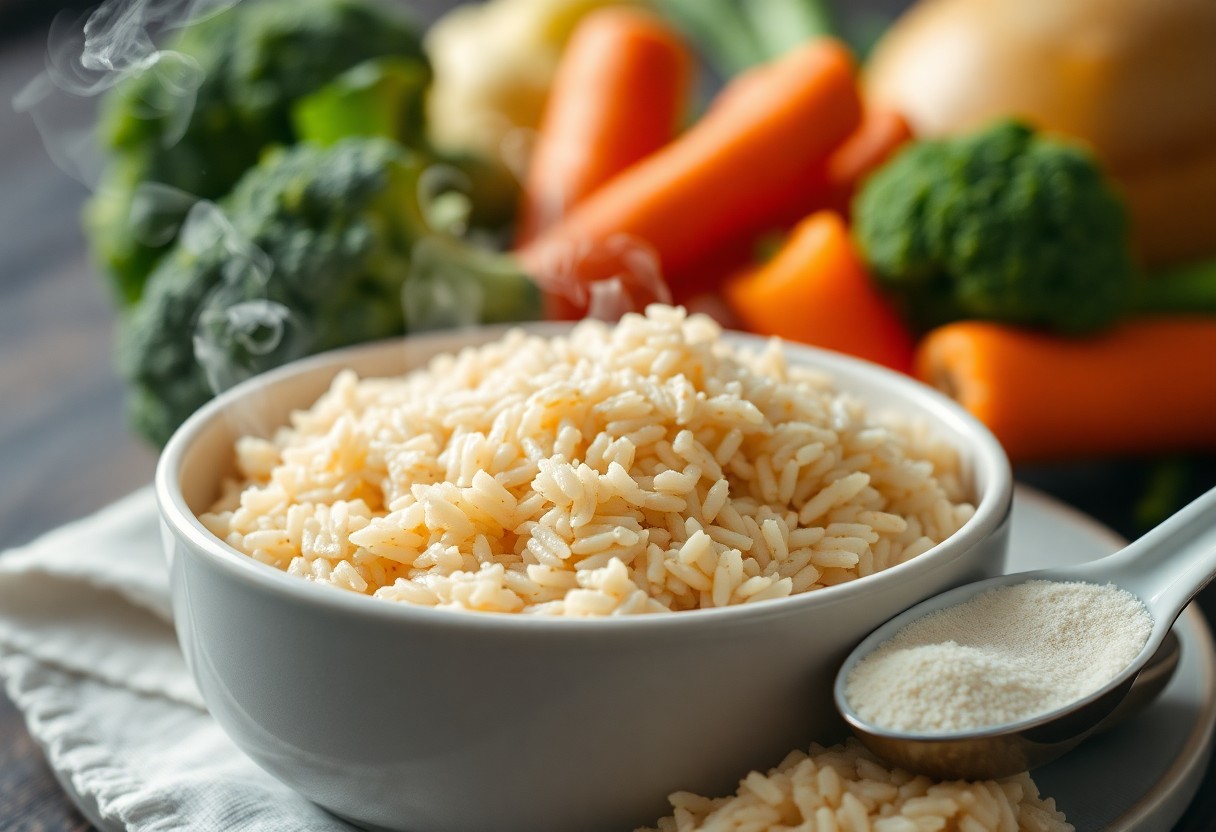
Is rice high in fiber

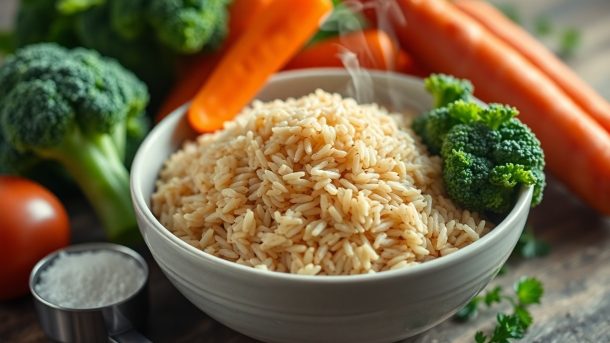
Fiber plays a vital role in your digestive health, and you may wonder whether rice is a good source of it. While rice is a staple in many diets worldwide, its fiber content can vary significantly depending on the type you choose. In this blog post, we’ll explore the differences between white, brown, and other varieties of rice, helping you understand their fiber levels and how they fit into your nutrition needs.

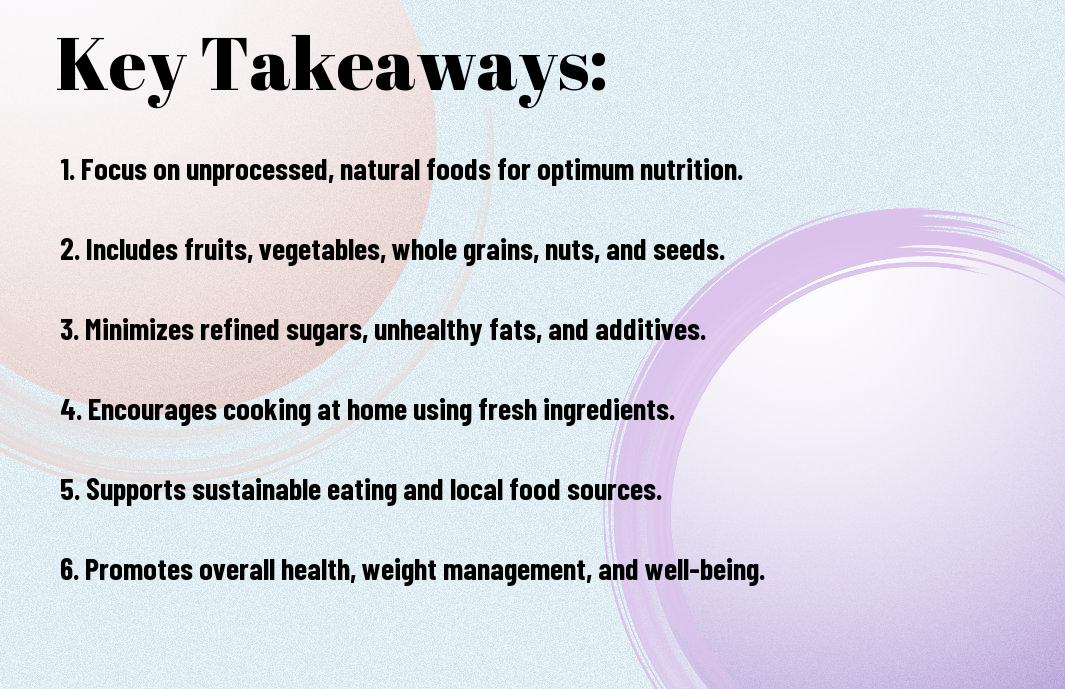
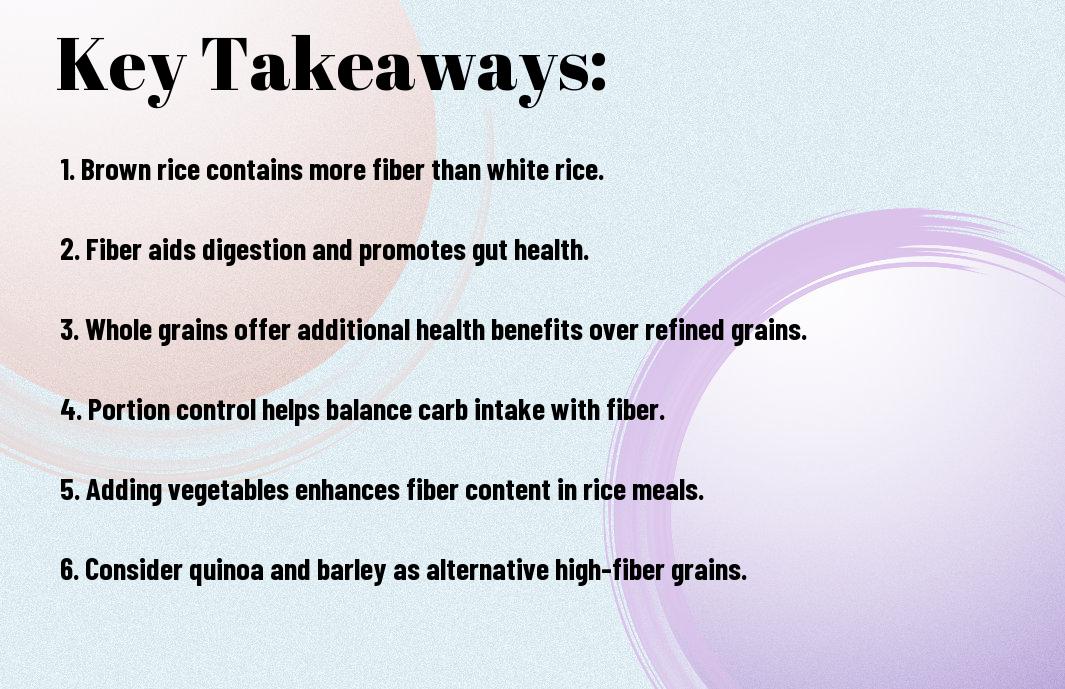
Key Takeaways:

  • White Rice: Typically low in fiber due to the removal of the bran and germ during processing.
  • Brown Rice: A whole grain option that retains its bran and germ, making it significantly higher in fiber compared to white rice.
  • Dietary Benefits: Incorporating high-fiber rice options can aid in digestion and provide a sense of fullness, beneficial for weight management.

Understanding Dietary Fiber

While many people tend to overlook the importance of dietary fiber, it plays a vital role in your overall health. Fiber is a type of carbohydrate that your body cannot digest, aiding in digestion, regulating blood sugar levels, and promoting a feeling of fullness, which can assist in weight management. Including a variety of fiber-rich foods in your diet can significantly enhance your well-being.

Types of Dietary Fiber

While dietary fiber is generally categorized into soluble and insoluble types, understanding these differences helps improve your dietary choices.

  • Soluble Fiber: Dissolves in water; helps lower blood cholesterol and glucose levels.
  • Insoluble Fiber: Does not dissolve in water; aids in digestion and adds bulk to stool.
  • Fermentable Fiber: Fermented in the colon; supports gut health.
  • Non-Fermentable Fiber: Passes through the digestive tract unchanged; promotes regularity.
  • Functional Fiber: Added to foods or supplements; has health benefits.

Knowing the different types of dietary fiber can aid you in selecting the right foods to meet your health goals.

Type of Fiber Description
Soluble Fiber Dissolves in water, regulating blood sugar and cholesterol.
Insoluble Fiber Does not dissolve, promoting digestive health.
Fermentable Fiber Supports gut health through fermentation.
Non-Fermentable Fiber Promotes bowel regularity.
Functional Fiber Added to foods for health benefits.

Health Benefits of Fiber

Benefits of dietary fiber extend beyond digestion; it also supports heart health, encourages weight management, and may even lower the risk of certain diseases. Incorporating fiber into your diet can help regulate blood sugar levels, improve cholesterol profiles, and enhance gut flora.

The consumption of adequate fiber can lead to improved gastrointestinal health, reduced risk of obesity, and better control of blood sugar levels. Fiber also acts as a prebiotic, feeding the beneficial bacteria in your gut, contributing to a balanced microbiome. By prioritizing fiber-rich foods, you actively support your health and well-being.
Nutritional Profile of Rice

There’s a diverse array of rice varieties available, each with its unique nutritional profile. Generally, rice is a rich source of carbohydrates but varies in micronutrients and fiber content. While it provides energy and is gluten-free, the amount of dietary fiber can significantly differ between types, which may impact your digestion and overall health. Understanding these differences can help you choose the right rice type to suit your nutritional needs.

Comparing White Rice and Brown Rice

Fiber Content Comparison

White Rice 0.6 grams of fiber per 100 grams
Brown Rice 3.5 grams of fiber per 100 grams

One clear distinction between white rice and brown rice is their fiber content. White rice undergoes processing that removes the bran and germ, leading to lower fiber levels. In contrast, brown rice retains these parts, making it a more fiber-rich option, which can be beneficial for your digestive health.

Fiber Content in Different Rice Varieties

Fiber content in rice varies significantly among different types. Generally, whole grain options will yield higher fiber levels compared to their refined counterparts. Varieties such as brown rice and wild rice offer more dietary fiber, while white rice may not provide the same benefits.

Comparing various rice types can help you identify which options are best suited to your dietary goals. For instance, while brown rice boasts around 3.5 grams of fiber per 100 grams, other whole grain varieties like wild rice can contain even higher amounts. This increased fiber not only aids digestion but also supports sustained energy levels. Thus, selecting a fiber-rich variety can enhance your overall diet while providing vital nutrients.

Factors Affecting Fiber Levels in Rice

Despite its reputation as a staple food, the fiber content in rice can significantly vary. Several factors contribute to these differences:

  • Type of rice (white, brown, wild)
  • Growing conditions (soil quality, climate)
  • Post-harvest handling
  • Processing methods
  • Cooking techniques

This means that not all rice provides the same fiber benefits.

Processing Methods

Above all, the way rice is processed plays a key role in its fiber content. For instance, white rice undergoes milling that removes the bran and germ, which are the parts rich in fiber. Conversely, brown rice retains these components, resulting in higher fiber levels. Understanding these distinctions can help you make healthier choices when selecting rice.

Cooking Techniques

Above the processing methods, how you cook rice can also impact its fiber levels. Different techniques, like boiling or steaming, can alter the nutritional profile slightly, but the effect on fiber is minimal compared to the type of rice selected. Opting for whole grain preparations may retain more of the natural fiber found in the grain.

With the right cooking techniques, you can maximize the fiber content of rice. For example, using a longer cooking time or a method that allows for water absorption helps keep more nutrients intact, especially when preparing whole grain varieties. Additionally, incorporating rice into a dish with fiber-rich ingredients like vegetables or beans can enhance the overall fiber content of your meal.

Health Implications of Low Fiber Intake

Keep in mind that a low fiber intake can lead to various health issues, including digestive disorders and chronic diseases. Increasing your fiber consumption is crucial for maintaining overall health. For insights on the nutritional differences, you can refer to this article on Brown Rice vs. White Rice: Nutrient Comparison.

Digestive Health

Below average fiber in your diet may result in digestive complications such as constipation or bloating. Fiber plays an crucial role in promoting regular bowel movements and can help prevent gastrointestinal discomfort.

Chronic Diseases

Before addressing the impact of low fiber intake, it’s important to recognize that insufficient fiber can increase your risk for various chronic diseases, including heart disease and diabetes. These conditions often arise from poor dietary choices.

Due to inadequate fiber consumption, your body may not effectively regulate blood sugar levels, leading to insulin resistance. Furthermore, low fiber diets can elevate cholesterol levels, increasing your risk for cardiovascular issues. Prioritizing fiber-rich foods can significantly enhance your long-term health and reduce the likelihood of developing such ailments.

Alternatives to Rice for Higher Fiber Content

Not all grains are created equal, and if you’re searching for alternatives to rice that boast higher fiber content, consider options like quinoa, barley, or farro. These whole grains are not only delicious but also provide a significant increase in fiber per serving compared to standard white rice. By incorporating these alternatives into your meals, you can easily boost your dietary fiber intake while enjoying diverse flavors and textures.

Whole Grains

Grains such as oats, brown rice, and whole wheat pasta offer more fiber than their refined counterparts. Incorporating these whole grains into your diet helps you meet your fiber goals while providing imperative nutrients. Opting for whole grains in your meals can enhance overall health and support digestive function.

Legumes and Vegetables

One of the best ways to increase your fiber intake is by including legumes and fibrous vegetables in your diet. Beans, lentils, chickpeas, and vegetables like broccoli and Brussels sprouts are not only excellent fiber sources but also packed with vitamins and minerals. These options can easily replace rice as a nutritious base for your meals, bringing added flavor and texture.

With legumes and vegetables, you have the opportunity to create satisfying and healthy dishes rich in fiber and nutrients. Incorporating these foods into your meals can enhance satiation and support digestive health, making them ideal partners in your quest for better meals. You might find that they easily adapt to various cuisines, offering you a wealth of options to explore while boosting your daily fiber intake.
Popular Myths About Rice and Fiber

After exploring the relationship between rice and fiber, you might come across several common myths that can lead to misconceptions. Many believe that all rice varieties, especially white rice, lack fiber entirely. Others think that consuming rice will negatively impact your fiber intake, causing digestive issues. These myths can mislead you regarding rice’s nutritional benefits and how it fits into a balanced diet.

Common Misconceptions

Myths surrounding rice often exaggerate its low fiber content or suggest that it’s not a good choice for a healthy diet. Some individuals may claim that rice should be eliminated from your meals if you aim to increase your dietary fiber. This can cause unnecessary fear regarding including rice in your meals.

Scientific Clarifications

Across various studies, it’s clear that rice can vary in fiber content depending on the type. While white rice has lower fiber than brown rice, it doesn’t mean you should avoid rice altogether. Understanding these distinctions can empower you to make informed choices.

But knowing the specifics can change your perspective on rice. Brown rice, for instance, retains its bran and germ, making it a higher-fiber option compared to white rice. While white rice may have lower fiber, it can still be part of a fiber-rich diet when combined with higher fiber foods like vegetables, legumes, or whole grains. By incorporating a variety of foods, you can ensure a well-rounded intake that supports your health goals.

Summing up

Upon reflecting, you should recognize that rice, particularly white rice, is not high in fiber compared to whole grains and other fibrous foods. If you’re looking to increase your fiber intake, consider incorporating brown rice or mixing rice with other high-fiber foods such as beans or vegetables. Making informed choices about your diet can significantly impact your overall health and well-being, so prioritize fiber-rich options to support digestive health.

FAQ

Q: Is rice high in fiber compared to other grains?

A: Rice is generally lower in fiber compared to whole grains like oats, barley, and quinoa. Brown rice contains more fiber than white rice because it retains the bran and germ, whereas white rice is milled and polished, stripping away much of its fiber content. Including whole grains in your diet can improve fiber intake significantly compared to white rice.

Q: How does the fiber content of brown rice compare to white rice?

A: Brown rice has a higher fiber content than white rice. A cup of cooked brown rice contains about 3.5 grams of fiber, while the same serving of cooked white rice has only about 0.6 grams of fiber. This makes brown rice a better option for those looking to increase their fiber consumption.

Q: Are there any health benefits linked to the fiber in rice?

A: Yes, the fiber found in brown rice can aid in digestion, help maintain a healthy weight, and lower the risk of developing certain diseases, such as heart disease and diabetes. Fiber helps regulate blood sugar levels and can contribute to improved gastrointestinal health.

Q: Can I still get fiber from rice-based dishes?

A: Yes, you can still incorporate fiber into rice-based dishes by adding other fiber-rich ingredients. For instance, combining brown rice with vegetables, legumes, and nuts can enhance the fiber content of the meal. Opting for dishes that include whole grains or adding high-fiber ingredients can help achieve a more balanced intake.

Q: Should I avoid rice completely if I want to increase my fiber intake?

A: There’s no need to avoid rice altogether, especially if you enjoy it. Instead, consider choosing brown rice or other whole grain alternatives and combine rice with fiber-rich foods to enhance your overall fiber intake without eliminating a staple food from your diet.
What is the highest fiber food

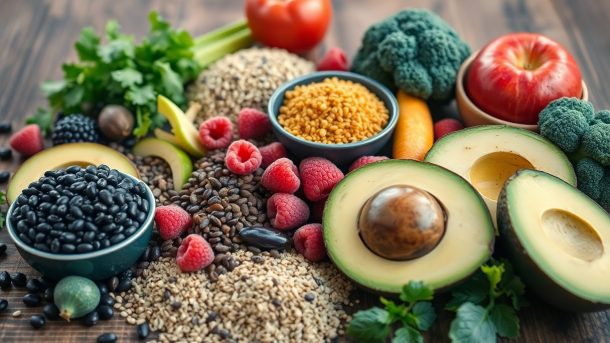
Nutrition plays a key role in your overall health, and dietary fiber is one of the most necessary components for maintaining a well-balanced diet. If you’re looking to boost your fiber intake, understanding which foods pack the highest fiber content can significantly benefit your digestive health and help you feel fuller for longer. This blog post will guide you through the top high-fiber foods you should incorporate into your meals for enhanced nutrition and overall wellness.

Key Takeaways:

  • Legumes: Foods such as lentils, black beans, and chickpeas are among the highest in fiber content, providing substantial health benefits.
  • Fruits and Vegetables: Certain fruits like raspberries and vegetables such as artichokes and broccoli are excellent sources of dietary fiber.
  • Whole Grains: Foods like oats, quinoa, and barley are packed with fiber, which supports digestive health and helps maintain a balanced diet.

Understanding Fiber

Before exploring into the highest fiber foods, it’s important to understand what fiber is and its role in your diet. Fiber, a type of carbohydrate, plays a significant role in digestive health by supporting regular bowel movements and maintaining gut health. If you’re curious about high-fiber options, check out 29 High-Fiber Foods That Support Digestive Health.

Types of Dietary Fiber

For a better grasp of fiber, it’s important to know there are two main types: soluble and insoluble. Both types contribute differently to your diet and health. Here’s a breakdown:

Soluble Fiber Dissolves in water and can help lower cholesterol.
Insoluble Fiber Does not dissolve in water and promotes regular bowel movements.
Sources Fruits, vegetables, legumes, whole grains.
Benefits Supports heart health and digestive regularity.
Recommendations Include a mix of both in your diet.

After understanding the two fiber types, you can better incorporate them into your meals.

Health Benefits of Fiber

Fiber plays a significant role in maintaining your overall health. It aids digestion, helps control blood sugar levels, and can even assist in weight management. By including sufficient fiber in your diet, you’re likely to enjoy a healthier lifestyle.

This dietary component also contributes to reducing the risk of chronic diseases, including heart disease and diabetes. By incorporating a variety of fiber-rich foods, you can improve your gut health, which can lead to enhanced nutrient absorption and overall well-being.

Top Fiber-Rich Foods

Now that you understand the importance of fiber in your diet, it’s time to explore some of the top fiber-rich foods that can help you achieve optimal health. Incorporating a variety of these foods can not only boost your fiber intake but also support digestion and overall wellness. From fruits and vegetables to legumes and whole grains, you’ll find that there are plenty of delicious options available to enhance your meals.

Legumes and Pulses

Behind whole grains, legumes and pulses are among the best sources of dietary fiber. Varieties like lentils, chickpeas, and black beans pack a powerful fiber punch, helping to keep you full longer and support healthy digestion. Additionally, these foods are affordable and versatile, making them an easy addition to salads, soups, and stews.

Whole Grains

Before you probe your next meal, consider adding whole grains to your plate for an extra boost of fiber. Foods such as quinoa, brown rice, oatmeal, and whole wheat bread are not only rich in fiber but also provide a range of crucial nutrients that benefit your overall health. Whole grains can lower cholesterol levels, regulate blood sugar, and improve digestive health.

Even small changes, like swapping white rice for brown rice or choosing whole wheat pasta over regular pasta, can significantly increase your fiber intake and enhance your meal’s nutritional profile. Incorporating whole grains into your diet can help you maintain energy levels and promote a feeling of fullness, making them an excellent choice for weight management and digestive support.

Vegetables High in Fiber

Despite often being overlooked, vegetables are an excellent source of dietary fiber, which aids in digestion and supports overall health. Incorporating a variety of fiber-rich vegetables into your meals can help you meet your daily fiber goals while enhancing flavor and texture. From leafy greens to root vegetables, making these choices can significantly boost your nutrient intake and keep your digestive system functioning optimally.

Leafy Greens

Above all, leafy greens like spinach, kale, and Swiss chard are packed with fiber and necessary vitamins. These versatile vegetables can easily be added to salads, smoothies, or cooked dishes to enhance both nutrition and taste while supporting your gut health.

Cruciferous Vegetables

Across the varieties of cruciferous vegetables, you will find broccoli, cauliflower, Brussels sprouts, and cabbage, all rich in fiber. Incorporating these vegetables into your diet can help you achieve better digestive health while providing necessary nutrients.

Another benefit of cruciferous vegetables is their unique composition of antioxidants, which can help protect your body from oxidative stress. Eating a variety of these fiber-rich options can promote satiety, making them perfect for anyone looking to manage their weight while enjoying a delicious array of flavors in their meals.

Fruits That Pack a Fiber Punch

Not all fruits are created equal when it comes to fiber content. Some varieties offer a substantial amount of dietary fiber that can significantly contribute to your daily intake, helping to promote healthy digestion and keep you feeling full. Incorporating these fiber-rich fruits into your diet can enhance your overall health while satisfying your sweet tooth.

Berries

Between strawberries, raspberries, blueberries, and blackberries, berries stand out as fiber powerhouses. Just a cup of raspberries provides about 8 grams of fiber, while blackberries closely follow with 7 grams. Their vibrant colors and delicious flavors make it easy to include them in your meals or snacks, boosting your fiber intake effortlessly.

Apples and Pears

After berries, apples and pears are excellent choices to boost your fiber consumption. A medium-sized apple with its skin can provide around 4 grams of fiber, while a medium pear offers about 5 to 6 grams. Both fruits are versatile and can be enjoyed raw, added to salads, or incorporated into baked goods, making fiber intake tasty and enjoyable.

This versatility not only enhances your meals but also helps you achieve your nutritional goals. Choosing whole fruits rather than processed options ensures you get the maximum fiber benefits. Aim to keep the skins on for an added fiber boost, and consider mixing apples and pears into smoothies or oatmeal for a delicious, fiber-rich start to your day.

Nuts and Seeds as Fiber Sources

For those seeking to enhance your fiber intake, nuts and seeds are excellent options. Both offer a significant amount of fiber along with healthy fats, making them great for snacking or adding to meals. To discover 24 High-Fiber Foods For Optimal Health, consider incorporating a variety of nuts and seeds into your diet for maximum benefits.

Chia Seeds

Behind their tiny appearance, chia seeds pack a powerful fiber punch, providing around 10 grams of fiber per ounce. When you add them to your smoothies or puddings, they not only enhance the texture but also keep you feeling fuller longer, promoting overall digestive health.

Almonds and Walnuts

Seeds such as almonds and walnuts are fantastic sources of both fiber and nutrients. You can enjoy a handful as a quick snack, or sprinkle them on your salads and oatmeal for additional fiber and crunch. These nuts not only contribute to meeting your daily fiber goals but also provide heart-healthy fats for overall wellness.

This combination of fiber, protein, and healthy fats makes almonds and walnuts imperative additions to your pantry. Eating them regularly can aid in digestion, help maintain steady blood sugar levels, and support weight management, ultimately enhancing your overall health and vitality.

Tips for Increasing Fiber Intake

All you need to do is make small adjustments to your diet to boost your fiber intake effectively. Consider these strategies:

  • Start your day with a high-fiber breakfast, like oatmeal or whole grain cereal.
  • Incorporate beans or lentils into your salads and soups.
  • Swap white bread and pasta for whole grain versions.
  • Snack on fruits, vegetables, and nuts instead of processed snacks.
  • Gradually add fiber-rich foods to your meals to avoid digestive discomfort.

Any effort to increase your fiber intake can lead to long-term benefits for your health.

Gradual Introduction of Fiber

About introducing fiber into your diet gradually is vital to avoid potential digestive issues. Start with a small amount and gradually increase it over several days or weeks. This will help your body adjust without causing bloating or discomfort, making the transition smoother and more manageable for you.

Pairing with Other Nutrients

With fiber-rich foods, pairing them with other vital nutrients can enhance overall health. Foods high in protein, healthy fats, and vitamins complement fiber, making meals more balanced and satisfying.

And when you consume fiber alongside other nutrients, you may find that it improves satiety, keeping you fuller longer. For instance, pair your fiber-rich fruits with a dab of nut butter for healthy fats or mix legumes with whole grains for a complete protein source. This not only helps in nutrient absorption but also supports better digestion, making your meals more enjoyable and nutritious.

To wrap up

Upon reflecting, you will find that the highest fiber foods are typically plant-based, with beans, lentils, and certain fruits and vegetables leading the pack. Incorporating these foods into your diet can significantly boost your fiber intake, promoting digestive health and overall well-being. Prioritizing high-fiber foods, such as chia seeds and whole grains, can enhance your nutrient profile and support long-term health. By making informed choices about your food selections, you empower yourself to achieve better digestive harmony and improved vitality.

FAQ

Q: What is the highest fiber food?

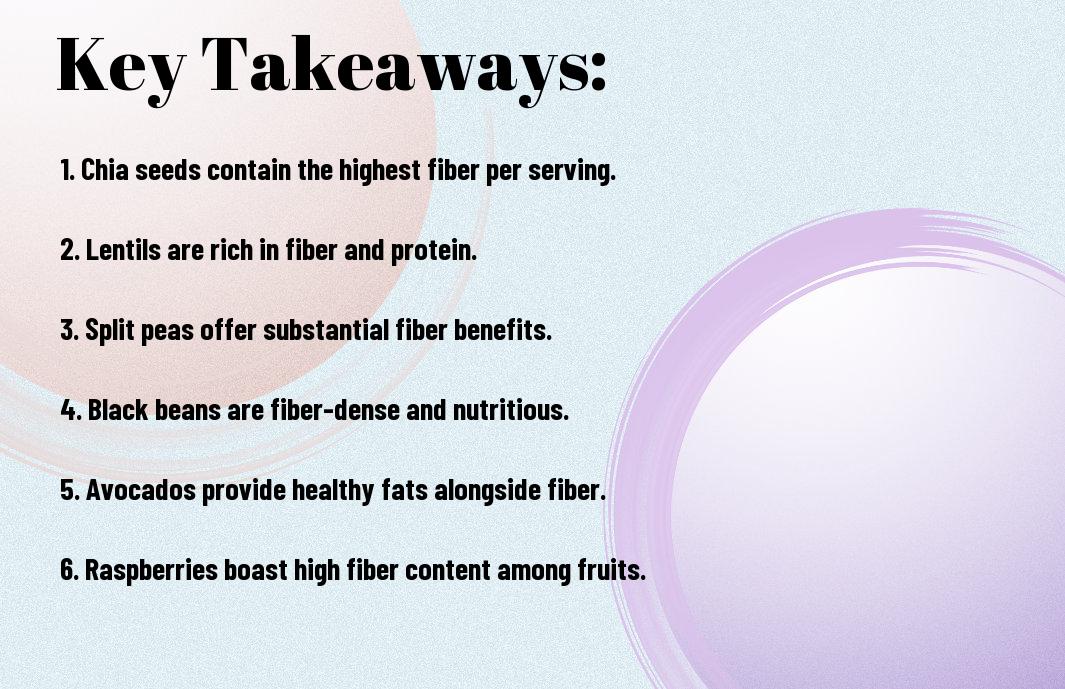
A: The highest fiber food is typically considered to be chia seeds, which offer about 34 grams of fiber per 100 grams. Other notable high-fiber foods include split peas, lentils, black beans, and artichokes, all of which are excellent sources of dietary fiber.

Q: How can I incorporate high fiber foods into my diet?

A: You can incorporate high-fiber foods into your diet by adding beans and legumes to soups and salads, including whole grains like quinoa and barley in your meals, snacking on nuts and seeds, and consuming plenty of fruits and vegetables such as raspberries, pears, and broccoli. Smoothies that include spinach or kale can also boost fiber intake.

Q: What are the health benefits of consuming high fiber foods?

A: Consuming high-fiber foods has numerous health benefits, including improved digestion, better blood sugar control, reduced cholesterol levels, and enhanced weight management. High-fiber diets can also lower the risk of developing chronic diseases, such as heart disease and certain types of cancer.

Q: Can I get enough fiber from just fruits and vegetables?

A: While fruits and vegetables are excellent sources of fiber, relying solely on them may not provide enough fiber for optimal health. It’s beneficial to include a range of high-fiber foods such as whole grains, legumes, nuts, and seeds in your diet to meet the recommended daily fiber intake, which is about 25 grams for women and 38 grams for men.

Q: Are there any risks associated with consuming too much fiber?

A: Yes, consuming too much fiber, especially in a short period, can lead to digestive discomfort, bloating, gas, and cramps. It is advisable to increase fiber intake gradually and ensure adequate fluid consumption to help manage these effects. Always consult a healthcare provider if you experience severe discomforty after dietary changes.

Does cucumber have fiber

Cucumber is often celebrated for its refreshing taste and high water content, but when it comes to fiber, you might wonder how it stacks up. As you explore the nutritional profile of cucumbers, you’ll find that while they are low in calories, they do contain some dietary fiber that can contribute to your overall intake. In this post, we will research into the fiber content of cucumbers, their health benefits, and how they can fit into your diet.

Key Takeaways:

  • Cucumber Content: Cucumbers contain a small amount of fiber, primarily found in their skin.
  • Health Benefits: The fiber in cucumbers supports digestion and can contribute to a healthy diet.
  • Hydration: With a high water content and some fiber, cucumbers help maintain hydration and can aid in feeling full.

Nutritional Profile of Cucumbers

The nutritional profile of cucumbers is quite impressive, as they are low in calories and rich in water content. This makes them an excellent choice for hydration while providing vital vitamins and minerals. Cucumbers are primarily composed of carbohydrates, but these are mainly in the form of simple sugars and fiber. The combination of these elements contributes to their health benefits, making cucumbers a popular addition to various diets.

Overview of Cucumber Composition

On examining the composition of cucumbers, you will find that they are made up of about 95% water, which contributes to their refreshing nature. They also contain vitamins such as K and C, along with various antioxidants that can aid in maintaining overall health. The balance of nutrients ensures that cucumbers can be enjoyed in many culinary applications while supporting your dietary needs.

Fiber Content in Cucumbers

Around 1 gram of fiber can be found in a 100-gram serving of cucumbers, which may not seem high but plays a role in digestion. This relatively low fiber content is mostly insoluble fiber, which helps in adding bulk to your stool and promotes regular bowel movements. Including cucumbers in your diet can still contribute to your overall fiber intake when combined with other fiber-rich foods.

Content-wise, while cucumbers may not be the highest source of fiber compared to other vegetables, their inclusion in your diet can provide supplemental fiber benefits. By pairing them with other fiber sources like whole grains, fruits, and legumes, you can enhance your dietary fiber intake effectively. Incorporating cucumbers in salads, smoothies, or as snacks helps diversify your fiber sources while enjoying their crisp texture and refreshing taste.

Types of Dietary Fiber

If you’re looking to enhance your diet with fiber, it’s important to know the two primary types: soluble and insoluble fiber. Each type offers unique benefits to your health. Here’s a breakdown:

Type Description
Soluble Fiber Dissolves in water, forming a gel-like substance.
Insoluble Fiber Does not dissolve in water, adding bulk to your stool.
Sources Found in oats, fruits, and legumes (soluble); whole grains and vegetables (insoluble).
Benefits Aids in digestion and heart health (soluble); promotes regularity (insoluble).
Daily Intake Aim for 25-30 grams combined for optimal health.

Assume that including a variety of fiber sources will enhance your overall well-being.

Soluble Fiber

One of the key benefits of soluble fiber is its ability to help lower cholesterol levels and manage blood sugar. Foods high in soluble fiber, such as oats, beans, fruits, and psyllium, can aid in heart health and improve gut function. By incorporating these foods into your diet, you support a balanced digestive system and promote overall wellness.

Insoluble Fiber

Around 30% of your daily fiber intake should come from insoluble fiber. This type is crucial for maintaining regular bowel movements and preventing constipation. It adds bulk to your stool and helps food pass more quickly through the digestive tract, promoting gut health.

The best sources of insoluble fiber are whole grains, nuts, seeds, and the skins of many fruits and vegetables. By adding these items to your meals, you can enhance your fiber intake significantly. It’s important to gradually increase your insoluble fiber consumption and drink plenty of water to avoid any digestive discomfort. This approach will help keep your digestive system functioning smoothly and aid in maintaining a healthy weight.

Health Benefits of Fiber

Now that you understand the importance of fiber in your diet, it’s vital to explore its health benefits. Fiber aids in digestion, helps regulate blood sugar levels, and can even lower cholesterol. Including fiber-rich foods like cucumbers in your meals can promote overall health and well-being. For more details, check out this informative resource on Cucumber Nutrition Facts and Health Benefits.

Digestive Health

Fiber plays a significant role in digestive health. It adds bulk to your stool, facilitating easy and regular bowel movements, which can prevent constipation. With your diet complemented by fiber-rich foods like cucumbers, you support a healthy digestive system, ensuring that nutrients are absorbed effectively.

Weight Management

Above all, fiber is an excellent aid in weight management. It keeps you feeling fuller longer, reducing the temptation to snack between meals. As you consume more fiber-based foods, you may find that you eat fewer calories overall, which can help you maintain or lose weight.

But incorporating fiber-rich foods into your meals doesn’t mean you have to sacrifice taste. In fact, adding cucumbers, which are both low in calories and high in water content, can enhance the flavors of your dishes while keeping you satisfied. You can enjoy cucumbers in salads, sandwiches, or as a refreshing snack, making it easier to reach your daily fiber goals without compromising on your favorite foods.

Comparing Cucumbers to Other Vegetables

For those looking to enhance their diet with fiber, it’s helpful to compare cucumbers with other vegetables. Cucumbers may not be the highest in fiber, but they offer volume and hydration, making them a great addition to your meals.

Vegetable Fiber Content (per 100g)
Cucumber 0.5g
Broccoli 2.6g
Carrot 2.8g
Spinach 2.2g

Fiber Content in Common Vegetables

For a clearer perspective on fiber intake, you might want to know the fiber content in common vegetables. This comparison not only provides insight into each vegetable’s nutritional profile but also helps you make informed choices to boost your diet.

Nutritional Advantages of Cucumbers

Content in vitamins and minerals, cucumbers can fit well into your healthy eating plan. They are low in calories and have a high water content, making them an excellent option for hydration while you manage your weight.

But cucumbers offer more than just low calories; they are a source of potassium, which is vital for heart health and maintaining proper muscle function. Additionally, their antioxidant properties can support your overall wellness by reducing inflammation in the body. By incorporating cucumbers into your diet, you not only enjoy their crunchy texture but also reap various health benefits that contribute to a balanced lifestyle.

Recommended Serving Sizes

Unlike many vegetables, you can enjoy cucumbers without overwhelming your diet. A typical serving size is about one cup of sliced cucumber, which contains only approximately 16 calories. This amount offers a refreshing addition to salads, sandwiches, and snacks, making it easy for you to incorporate cucumbers into your meals without adding excessive calories.

Daily Fiber Intake Guidelines

Behind every healthy diet are guidelines that suggest you consume a certain amount of fiber daily. For adults, the recommended daily intake is around 25 grams for women and 38 grams for men. Including fiber-rich foods in your diet not only promotes digestive health but can also help you manage your weight and reduce your risk of chronic diseases.

How to Incorporate Cucumbers into Your Diet

An easy way to add cucumbers to your meals is by slicing them into salads, sandwiches, or wraps. They can also be enjoyed as a crunchy snack with hummus or yogurt dip. Adding cucumber slices to your water or iced tea can enhance flavor while keeping you hydrated.

Fiber from cucumbers is minimal compared to other vegetables; however, they can still play a role in a well-rounded diet. You can mix cucumbers with other fiber-rich foods such as beans, whole grains, or other vegetables to increase your total fiber intake. Keeping cucumbers as a staple in your kitchen provides you with a versatile ingredient that supports your overall health goals.

Common Misconceptions About Cucumbers

Keep in mind that many people hold misconceptions about cucumbers and their nutritional benefits. For instance, while cucumbers may seem like just a refreshing snack, you might be surprised to learn about their health advantages. To explore more, check out this article on Are Cucumbers Good for You?.

Myths About Fiber in Cucumbers

Cucumbers are often thought to lack fiber entirely, which is not entirely true. While they contain a low amount of fiber compared to some other vegetables, every bit contributes to your daily intake. Including cucumbers in your diet still aids hydration and adds some variety to your fiber sources.

The Role of Cucumbers in a Balanced Diet

Fiber plays a significant role in maintaining digestive health, and cucumbers can be a part of that equation. They help keep you hydrated while providing some dietary fiber, albeit in smaller amounts compared to other vegetables.

Plus, including cucumbers in your meals not only adds a refreshing touch but also helps balance your overall intake of nutrients. Their low-calorie count makes them an excellent choice for snacking or adding crunch to salads, encouraging you to consume a variety of foods that support your well-being.

To wrap up

Ultimately, cucumbers do contain fiber, albeit in smaller amounts compared to other vegetables and fruits. Incorporating cucumbers into your diet can offer hydration and a refreshing crunch, along with some dietary fiber that can aid in digestion. While they may not be your primary source of fiber, they can still support your overall nutrient intake and contribute to a balanced diet. So, consider adding cucumbers to your meals for both flavor and health benefits.

FAQ

Q: Does cucumber contain dietary fiber?

A: Yes, cucumbers do contain dietary fiber, although the amount is relatively low compared to other fruits and vegetables. The fiber in cucumbers primarily resides in the skin. Eating cucumbers with the skin on allows you to maximize your fiber intake while benefiting from other vital nutrients.

Q: How much fiber is in a cucumber?

A: A medium-sized cucumber (about 200 grams) contains around 1 to 2 grams of dietary fiber. While this may not seem significant, incorporating cucumbers into a balanced diet can contribute to your overall daily fiber intake.

Q: What are the health benefits of the fiber in cucumbers?

A: The fiber in cucumbers can help support digestive health by promoting regular bowel movements and preventing constipation. Additionally, fiber can play a role in maintaining a healthy weight, as it helps increase feelings of fullness and may reduce overall calorie intake.

Q: Can people get enough fiber from cucumbers alone?

A: While cucumbers do provide some dietary fiber, they should not be the sole source for meeting daily fiber requirements. It’s important to consume a variety of fiber-rich foods, such as whole grains, legumes, fruits, and other vegetables, to ensure you’re getting enough fiber for overall health.

Q: Are there any other nutrients in cucumbers besides fiber?

A: Yes, cucumbers are not only a source of fiber but also contain various vitamins and minerals. They are particularly rich in vitamins K and C, as well as potassium and magnesium. C cucumbers have high water content, which can aid in hydration and promote overall well-being.

Are onions good for you

Over the years, you’ve probably wondered about the health benefits of onions. This versatile vegetable is not only a staple in many dishes, but it also offers numerous nutritional advantages that can enhance your well-being. Packed with vitamins, minerals, and antioxidants, onions can contribute to your overall health when included in your diet. In this post, we’ll explore the various ways onions can benefit you and why they deserve a spot in your meals.

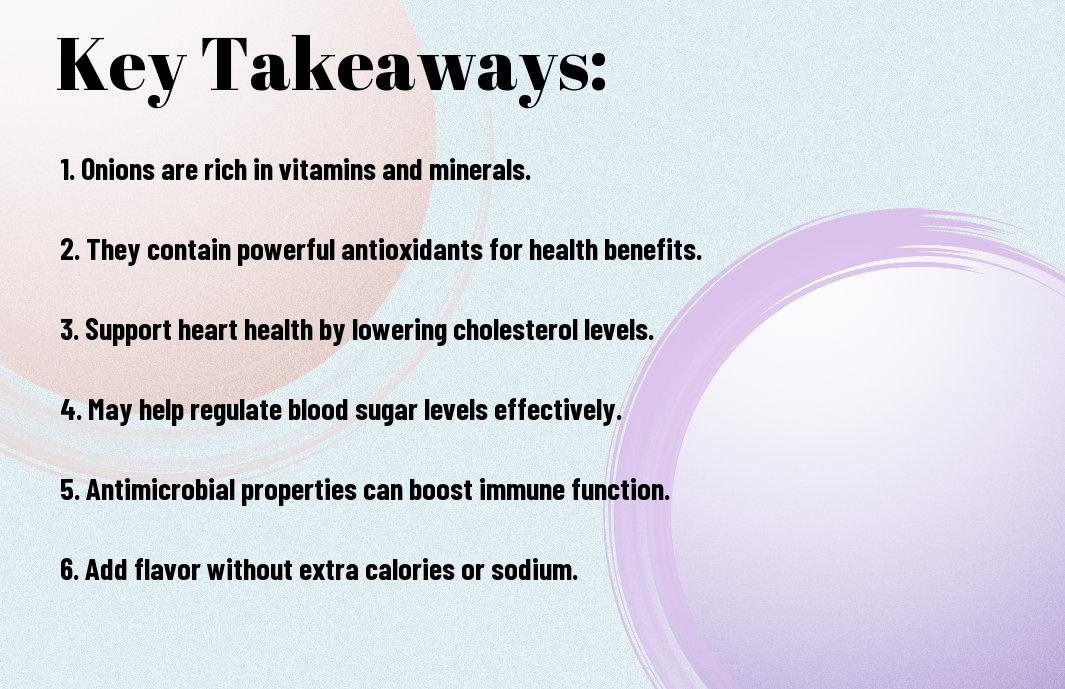
Key Takeaways:

  • Rich in Nutrients: Onions are loaded with vitamins and minerals such as vitamin C, vitamin B6, and potassium, contributing to overall health.
  • Antioxidant Properties: They contain antioxidants, including quercetin, which can help reduce inflammation and protect cells from damage.
  • Heart Health: Consuming onions may support heart health by improving cholesterol levels and lowering blood pressure, thereby reducing the risk of cardiovascular disease.

Nutritional Profile of Onions

For your overall health, onions provide a rich array of nutrients. They are low in calories yet packed with vitamins, minerals, and antioxidants, contributing to various health benefits. A typical onion contains small amounts of fiber, vitamin C, vitamin B6, and folate, making it a versatile ingredient in your diet that can enhance the nutritional value of your meals.

Vitamins and Minerals

Nutritional content in onions includes necessary vitamins and minerals such as vitamin C, which supports your immune system, and folate, known for its role in cell division and overall health. In addition, onions provide potassium, which assists in regulating blood pressure and maintaining proper muscle function, making them a beneficial addition to your diet.

Antioxidants

Nutritional benefits of onions extend to their rich antioxidant content, which helps protect your cells from damage caused by free radicals. Onions contain flavonoids, particularly quercetin, which exhibit anti-inflammatory properties and may contribute to heart health. Including onions in your meals can enhance your antioxidant intake, further supporting your well-being.

For instance, studies have shown that quercetin can help reduce blood pressure and inflammation, making onions a heart-friendly food choice. Additionally, the antioxidants in onions may play a role in lowering the risk of chronic diseases, such as diabetes and certain types of cancer. By incorporating onions into your diet, you can significantly boost your intake of beneficial compounds that support your long-term health.

Health Benefits of Onions

It’s no secret that onions are packed with nutrients and offer various health benefits. Rich in vitamins, minerals, and antioxidants, they contribute to improved immune function, digestive health, and can even aid in respiratory issues. Incorporating onions into your diet can enhance overall well-being and help you prevent chronic diseases, making them a worthwhile addition to your meals.

Heart Health

Between the numerous studies conducted, it’s evident that onions can support heart health. Their high content of antioxidants, particularly quercetin, may help reduce inflammation and lower blood pressure, ultimately leading to a decreased risk of heart disease. By including onions in your diet, you are actively promoting a healthier heart.

Anti-inflammatory Properties

Between the various compounds found in onions, the anti-inflammatory properties stand out. These compounds can help combat chronic inflammation in your body, which is linked to various health issues, including heart disease, diabetes, and certain cancers.

This natural anti-inflammatory effect may be attributed to sulfur compounds and flavonoids present in onions. Regularly consuming onions can help reduce markers of inflammation, promoting better overall health. By adding onions to your daily meals, you can harness their potential to fight inflammation and support your body’s natural defenses.

Onions and Digestive Health

Your digestive health can benefit significantly from incorporating onions into your diet. Rich in vitamins, minerals, and antioxidants, onions may help improve gut function, support regular bowel movements, and enhance the overall health of your digestive system. Including onions in your meals can contribute to a happier, healthier gut.

Dietary Fiber

With their impressive dietary fiber content, onions assist in maintaining a healthy digestive tract. Fiber is necessary for promoting regular bowel movements and preventing constipation. By consuming onions, you add a flavorful source of fiber that aids in digestion, allowing your body to process foods more efficiently.

Prebiotics

Around 80% of your immune system resides in your gut, making it necessary to nurture your digestive health with prebiotic foods, such as onions. These plant-based compounds serve as food for beneficial gut bacteria, promoting a balanced microbiome. A healthy microbiome enhances digestion, boosts immunity, and reduces inflammation, contributing to your overall well-being.

Prebiotics play a vital role in supporting the growth and activity of beneficial gut bacteria, which are necessary for optimal digestive health. When you consume onions, the prebiotic fibers they contain can stimulate the growth of good bacteria like bifidobacteria and lactobacilli. By enhancing the diversity and abundance of these microorganisms, onions help create a healthier gut environment that supports digestion and aids in nutrient absorption.

Potential Risks and Allergies

Not everyone can enjoy onions without concern. Some individuals may experience digestive issues or allergic reactions when consuming onions, which can lead to discomfort. Symptoms such as itching, swelling, or gastrointestinal distress can indicate an intolerance or allergy. Pay attention to your body’s reactions when including onions in your diet to ensure they contribute positively to your health.

Food Sensitivities

At times, you may find that certain foods, including onions, do not sit well with your digestive system. If you experience bloating, gas, or stomach upset after eating onions, it could be a sign of food sensitivity. Consider tracking your symptoms and discussing them with a healthcare professional to determine the best dietary approach for you.

Interaction with Medications

An awareness of how onions might interact with your medications is crucial for maintaining your health. Onions may influence the effectiveness of certain medications, particularly blood thinners like warfarin. If you’re on such medications, consult your healthcare provider for personalized guidance on onion consumption while taking them.

A thorough understanding of potential interactions will help you manage your health effectively. Onions contain compounds that can impact blood clotting, which means you should keep your doctor informed about your intake. This will help you maintain a safe balance while benefiting from the nutrients onions offer. Always prioritize open communication with your healthcare team when introducing any dietary changes, particularly if you’re on medication.

Culinary Uses of Onions

To enhance your culinary creations, onions serve as a foundational ingredient in many dishes worldwide. From soups and stews to salads and sandwiches, the unique properties of onions allow them to add depth and character to various cuisines. You can enjoy them raw in salads for a zesty kick or sautéed to unlock their natural sweetness, demonstrating their rich range of flavor profiles.

Flavor Enhancer

After discovering the array of flavors onions provide, you’ll find they are much more than a simple ingredient. Their ability to meld with other flavors makes them an indispensable element in cooking. You can use onions to introduce mild sweetness or a savory umami depth, transforming a basic dish into a gourmet experience.

Versatility in Cooking

Culinary applications of onions are virtually limitless, allowing you to experiment across various cooking methods. From caramelizing and roasting to pickling and grilling, you can incorporate onions into countless dishes that cater to your taste preferences. Their adaptability makes them suitable for both quick meals and elaborate recipes, ensuring that you can effortlessly elevate any meal.

Flavor combinations can be exciting when you use onions, whether you choose sweet varieties like Vidalia or robust types like red onions. You can toss them into stir-fries, braise them with meats, or even caramelize them for a rich topping. Adjusting how you incorporate onions allows you to discover new textures and flavors, showcasing your culinary skills in every kitchen endeavor.

Conclusion

Drawing together the information on onions, you can appreciate their numerous health benefits, including their rich antioxidant content and anti-inflammatory properties. Incorporating onions into your diet can enhance your overall well-being, providing imperative nutrients that support your immune system and heart health. For a deeper understanding of onions’ nutritional value and health advantages, you can explore more in this article on Are Onions Good for You? Health Benefits & Nutrition Facts.

FAQ

Q: Are onions healthy to eat?

A: Yes, onions are considered very healthy as they are low in calories but packed with nutrients. They contain vitamins such as vitamin C, B vitamins (including folate), and minerals like potassium. Additionally, they are rich in dietary fiber and antioxidants, which can contribute to overall health.

Q: What are the health benefits of consuming onions?

A: Onions offer several health benefits, including anti-inflammatory properties, improved heart health, and potential cancer-fighting qualities. Their antioxidants may help protect cells from damage, and compounds like quercetin can reduce blood pressure and lower cholesterol levels, promoting cardiovascular health.

Q: Can onions help with digestive health?

A: Yes, onions can aid in digestive health because they are a good source of fiber, particularly inulin, which acts as a prebiotic. This means they support the growth of beneficial gut bacteria, which can enhance digestion and overall gut health.

Q: Are there any downsides to eating onions?

A: While onions are generally healthy for most people, some individuals may experience digestive discomfort, such as gas or bloating, due to their high fiber content and certain sugars. Additionally, those with sulfur allergies or certain gastrointestinal conditions may want to limit their intake.

Q: How can I incorporate onions into my diet?

A: There are many ways to include onions in your diet. They can be eaten raw in salads, grilled, roasted, or sautéed in various dishes. Onions can enhance the flavor of soups, stews, and sauces, making them a versatile ingredient in both cooking and meal prep.

What is the Speciality of chicken

Over centuries, chicken has been a staple in diets worldwide, and for good reason. Its versatility in flavor and ability to adapt to various cooking methods make it a standout ingredient in many cultures. In this article, explore the special qualities of chicken that make it a beloved choice for your meals and discover why it continues to be a favorite protein source in kitchens everywhere.

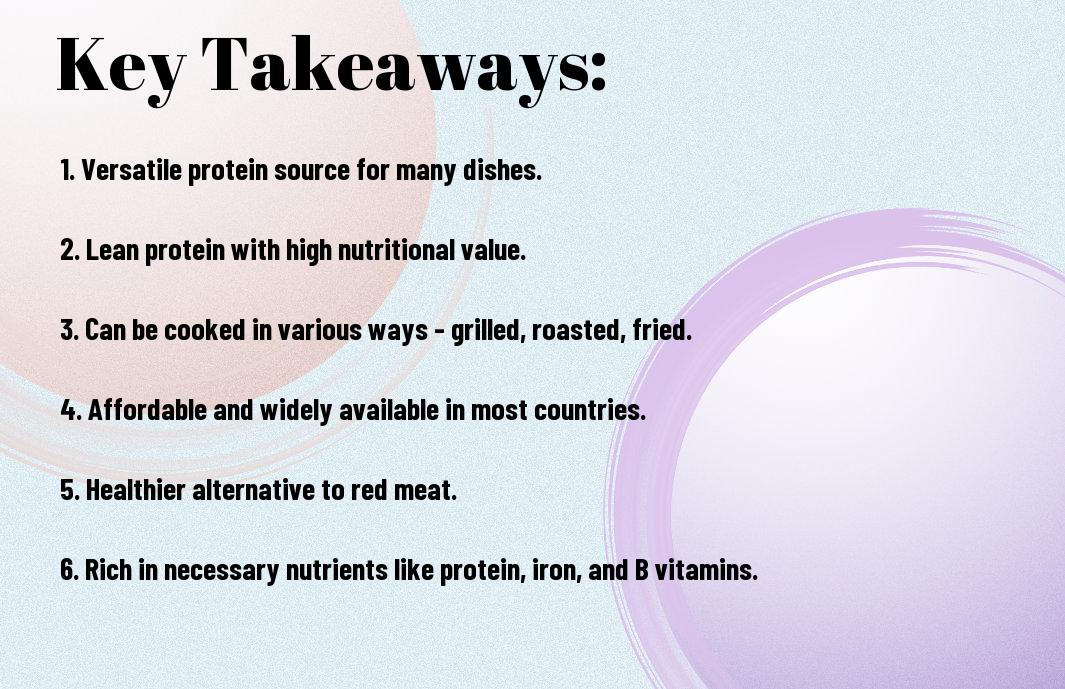
Key Takeaways:

  • Lean Protein: Chicken is a great source of lean protein, which helps in muscle growth and repair.
  • Versatility: Chicken can be cooked in various ways and is used in a wide range of dishes from different cuisines.
  • Nutrient Rich: Chicken is rich in imperative nutrients like vitamins B6 and B12, niacin, and selenium, which are important for overall health.

Origins of Chicken

For centuries, chickens have been an crucial part of human agriculture and diet. Understanding the origins of chickens provides a fascinating glimpse into the history of this beloved bird.

History of Domestication

History tells us that chickens were domesticated from the Red Junglefowl in Southeast Asia around 6000 years ago. The process of domestication transformed these birds from their wild ancestors into the domestic chickens we know today. This shift allowed humans to raise chickens for their eggs, meat, and feathers, marking the beginning of a long and fruitful relationship between chickens and humans.

Ancient Civilizations and Chicken

Chicken played a crucial role in the diets and cultures of ancient civilizations such as the ancient Egyptians, Greeks, and Romans. In these societies, chickens were not only a source of food but also held symbolic and religious significance. For instance, chickens were often used in sacrificial ceremonies or as oracles, believed to possess mystical powers and the ability to communicate with the divine.

Nutritional Profile

Some of the key components of chicken that make it a nutritional powerhouse include its protein content, fats, cholesterol, as well as vitamins and minerals.

Protein Content

Profile: Chicken is well-known for being a rich source of protein. Protein is crucial for various bodily functions and is crucial for building and repairing tissues. A 3-ounce serving of chicken breast can provide you with around 27 grams of high-quality protein, making it an excellent choice for meeting your protein needs.

Fat and Cholesterol

Profile: On average, chicken is relatively low in fat compared to other protein sources like beef or pork. The fat content in chicken can vary depending on the cut and cooking method. Additionally, chicken is lower in cholesterol compared to red meats, making it a heart-healthy protein option.

Plus, when you opt for skinless chicken breasts or remove the skin before cooking, you can further reduce the fat content, making it a lean protein choice for your well-balanced diet.

Vitamins and Minerals

Profile: In addition to being a great source of protein, chicken also contains vital vitamins and minerals that are crucial for overall health. Chicken is a good source of B vitamins such as niacin, B6, and B12, which play a crucial role in metabolism and energy production.

Minerals such as selenium, phosphorus, and zinc are also found in chicken, contributing to various physiological functions in your body, including immune function, bone health, and DNA synthesis.

Culinary Versatility

Global Cuisine and Chicken Dishes

To truly understand the specialty of chicken, you must explore its culinary versatility across various global cuisines. One of the remarkable aspects of chicken is how it adapts to different flavors and cooking styles, making it a staple ingredient in countless dishes worldwide. Whether you savor the spicy tandoori chicken from India, the comforting chicken pot pie from America, or the fragrant coq au vin from France, each culture has its unique way of showcasing the deliciousness of chicken. The adaptability of chicken allows it to be the star of both humble home-cooked meals and extravagant restaurant dishes.

Cooking Methods and Techniques

To elevate your chicken dishes, understanding different cooking methods and techniques is key. Cooking chicken can be as simple as roasting a whole bird in the oven or as complex as mastering the art of sous vide cooking. By grilling, frying, baking, or braising chicken, you can achieve a variety of textures and flavors that cater to your preferences. Experimenting with marinades, spices, and cooking times can transform a basic chicken dish into a culinary masterpiece.

Cooking chicken sous vide involves sealing the chicken in a bag and cooking it in a temperature-controlled water bath for an extended period. This method ensures that the chicken cooks evenly and retains its moisture, resulting in tender and succulent meat. By incorporating such advanced techniques into your cooking repertoire, you can take your chicken dishes to the next level and impress your family and friends with restaurant-quality meals.

Dishes

Whether you prefer traditional recipes or modern innovations, chicken’s culinary versatility provides endless possibilities for creating delicious meals. From classic favorites like fried chicken and chicken curry to trendy dishes like chicken avocado toast and chicken lettuce wraps, there is a chicken dish to suit every palate. Embrace the specialty of chicken by exploring different cuisines, cooking techniques, and flavor combinations to elevate your culinary experience.

Breeds and Varieties

Once again, when it comes to chickens, there is a wide variety of breeds and varieties to choose from, each with its own unique characteristics and traits. Understanding the different types of chicken breeds can help you choose the right one for your needs and preferences.

Heritage Breeds

The heritage breeds of chickens are old-fashioned breeds that have been raised by farmers for generations. These breeds are known for their hardiness, excellent foraging abilities, and rich flavors. Some popular heritage breeds include the Rhode Island Red, Plymouth Rock, and Sussex. If you are looking for chickens that can thrive in a more natural environment and provide delicious, flavorful meat and eggs, heritage breeds may be the right choice for you.

Commercial Breeds

Breeds developed for commercial purposes are specifically bred for traits such as fast growth, high egg production, and uniform size. These breeds are commonly used in large-scale poultry operations for meat and egg production. Some well-known commercial breeds include the Cornish Cross for meat production and the White Leghorn for egg-laying.

Understanding the differences between heritage and commercial breeds can help you make informed decisions about the type of chickens you want to raise. While commercial breeds are efficient in production, heritage breeds often offer more diverse characteristics and flavors.

Exotic and Rare Breeds

Exotic and rare chicken breeds are less common and often prized for their unique appearances and characteristics. These breeds may have specific traits such as ornate feathers, distinctive colors, or special abilities. While they may not be as widely available as commercial breeds, exotic and rare breeds can add an interesting and exotic element to your flock.

Exploring exotic and rare chicken breeds can be a rewarding experience, allowing you to discover lesser-known varieties and contribute to the conservation of rare breeds. Keep in mind that these breeds may require special care due to their unique traits and characteristics.

Health Benefits

High-Quality Protein

For a nutrient-packed meal option, chicken is an excellent source of high-quality protein that can benefit your overall health. Protein is important for building and repairing tissues in your body, making it crucial for muscle growth, immune function, and maintaining a healthy metabolism. Including chicken in your diet can help you meet your daily protein requirements and support your active lifestyle.

Rich in Antioxidants

Antioxidants are compounds that help protect your cells from damage caused by free radicals, which can contribute to various chronic diseases and aging. Chicken contains antioxidants such as selenium, vitamin E, and vitamin C that can help reduce inflammation and oxidative stress in your body.

A diet rich in antioxidants from foods like chicken can have a positive impact on your overall health, supporting your immune system and reducing the risk of conditions like heart disease and cancer. Including antioxidant-rich foods in your diet, such as chicken, can contribute to your well-being and longevity.

Brain Health and Chicken Consumption

With its rich nutrient profile, chicken can also support your brain health and cognitive function. Antioxidants present in chicken, such as vitamin E, can help protect your brain cells from damage and support neurotransmitter function. Including chicken in your diet can provide important nutrients that support your brain health and potentially reduce the risk of cognitive decline as you age.

Cultural Significance

Symbolism and Folklore

Unlike other animals, chickens have a rich history of symbolism and folklore in various cultures around the world. Any poultry farmer will tell you that chickens are not just birds but hold special significance in different societies. In some cultures, they are symbols of prosperity, fertility, and even protection from evil spirits. For example, in Chinese mythology, the rooster is associated with honesty, fortitude, and a sense of timekeeping.

Chicken in Art and Literature

Any art enthusiast or literary buff will recognize the presence of chickens in various creative works throughout history. Cultural representations of chickens can be found in ancient manuscripts, paintings, and even contemporary novels. Chickens have been depicted as symbols of domesticity, freedom, and even absurdity in different artistic expressions.

Cultural depictions of chickens in art and literature often reflect societal attitudes towards these birds, showcasing their dual nature as both a source of sustenance and a subject of aesthetic fascination.

Chicken in Modern Pop Culture

For modern audiences, chickens have become more than just barnyard animals. They have made their mark in contemporary pop culture through various mediums such as film, television, and advertising. Chickens are no longer just seen as a food source but have evolved into quirky characters and mascots in popular media.

To some extent, the modern fascination with chickens in pop culture continues to reflect our complex relationship with these animals, blurring the lines between their utilitarian value and their symbolic significance in our cultural imagination.

Summing up

So, what is the speciality of chicken? From its versatility in cooking to its nutritional benefits, chicken is a popular choice for many households around the world. You can explore various cooking techniques and recipes to make delicious and healthy meals with this poultry. If you want to discover more about the health benefits and recipes of chicken, check out Chicken: Important Facts, Health Benefits, and Recipes.

Q: What makes chicken a popular choice for meals?

A: Chicken is a popular choice for meals because it is a versatile protein that can be prepared in numerous ways, such as baked, fried, grilled, or roasted. It also pairs well with a variety of seasonings and sauces, making it a favorite among many cuisines.

Q: Is chicken a healthy protein option?

A: Yes, chicken is considered a healthy protein option as it is low in saturated fat and high in protein. It is also a good source of vitamins and minerals, such as B vitamins, phosphorus, and selenium. Opting for lean cuts of chicken, such as chicken breast, can further enhance its nutritional value.

Q: What sets chicken apart from other meats?

A: One of the main features that sets chicken apart from other meats is its mild flavor, which allows it to easily absorb the flavors of marinades and seasonings. Additionally, chicken is quick to cook, making it a convenient option for busy schedules. Its affordability and wide availability also contribute to its popularity.

Is tomato high in fiber

It’s imperative to understand the nutritional profile of foods you eat, and tomatoes are no exception. You may be wondering if tomatoes are high in fiber and how they can benefit your digestive health. In this post, we will explore the fiber content in tomatoes, their health benefits, and how you can incorporate them into your diet for optimal nutrition. Armed with this knowledge, you can make informed choices to enhance your overall well-being.

Key Takeaways:

  • Moderate Fiber Content: Tomatoes contain a moderate amount of fiber, making them a good choice for a balanced diet.
  • Digestive Health: The fiber in tomatoes can aid in digestive health, promoting regular bowel movements.
  • Overall Nutrition: Besides fiber, tomatoes are rich in vitamins and antioxidants, contributing to overall nutritional benefits.

Nutritional Profile of Tomatoes

A tomato is a nutrient-dense fruit that packs a variety of vitamins and minerals necessary for your health. It is low in calories yet provides a significant amount of Vitamin C, potassium, and folate, all of which play vital roles in your overall well-being. Furthermore, tomatoes are an excellent source of antioxidants, particularly lycopene, which may offer protective benefits against certain diseases. Adding tomatoes to your diet can contribute to better heart health, skin improvement, and enhanced immune function.

Breakdown of Macronutrients

Profile of a medium tomato reveals that it contains about 22 calories, 5 grams of carbohydrates, and less than 1 gram of fat. With 1 gram of protein, tomatoes are not a major source of this macronutrient but play a supportive role in your diet. The carbohydrate content mainly consists of natural sugars and dietary fiber, with the latter contributing to digestive health.

Fiber Content in Raw vs. Cooked Tomatoes

Below the surface, tomatoes offer a modest amount of dietary fiber, roughly 1.5 grams in a medium raw tomato. However, when you cook tomatoes, some of this fiber content alters through the cooking process. While the total fiber may remain similar, the bioavailability of the nutrients can increase, enhancing your body’s absorption and utilization of the beneficial compounds present.

Macronutrients in tomatoes provide necessary health benefits; however, the fiber content does vary between raw and cooked forms. Cooking tomatoes breaks down their cell walls, which can make some nutrients more available to you. Although raw tomatoes retain slightly higher fiber content per serving, cooked tomatoes bring out richness in flavor while potentially delivering enhanced antioxidants. To maximize health benefits, it’s advisable to enjoy both raw and cooked tomatoes in your meals.

Health Benefits of Fiber

Some of the notable health benefits of fiber include improved digestive health, better weight management, and reduced risk of chronic diseases. Incorporating fiber-rich foods like Tomatoes 101: Nutrition Facts and Health Benefits into your diet can support these outcomes and promote overall well-being.

Importance of Dietary Fiber

With adequate dietary fiber in your diet, you can support healthy digestion and maintain balanced cholesterol levels. Fiber contributes to a feeling of fullness, which may help you manage your weight effectively while reducing the risk of cardiovascular disease.

Role of Fiber in Digestive Health

With fiber-rich foods, you can enhance your digestive health by improving bowel regularity and preventing constipation. Additionally, a fiber-rich diet can foster beneficial gut bacteria that play a role in digestive processes.

Fiber acts as a broom, sweeping through your digestive tract and helping food to pass smoothly. By promoting regular bowel movements, it reduces the risk of gastrointestinal issues. This is especially important for you if you often experience bloating or discomfort. Furthermore, fiber helps maintain the health of your intestines and supports the growth of good bacteria, which can enhance your overall digestive health.

Tomatoes as a Source of Fiber

Now, when you think of fiber sources, tomatoes might not be the first food that comes to mind. However, they are indeed a healthy addition to your diet, contributing to digestive health. A medium tomato contains about 1.5 grams of fiber, which can help you reach your daily fiber goals when paired with other fiber-rich foods.

Comparison with Other High-Fiber Foods

At a glance, it’s helpful to compare tomatoes to other well-known high-fiber options. The following table highlights the fiber content of various foods:

High-Fiber Food Comparison

Food Fiber Content (grams per 100g)
Tomatoes 1.5
Avocado 7.0
Black Beans 8.7
Chia Seeds 34.4

Incorporating Tomatoes into a Fiber-Rich Diet

An effective way to enhance your fiber intake is by incorporating tomatoes into a fiber-rich diet. You can enjoy them raw in salads, blended into soups, or roasted as a side dish. Utilizing tomatoes in meals allows you to benefit from their fiber content while also enjoying their rich taste and nutritional benefits.

Comparison to other foods shows that while tomatoes are not the highest source of fiber, they can play a significant role in a well-rounded diet. By adding tomatoes to your meals alongside other fiber-rich foods like legumes and whole grains, you’ll not only enhance flavor but also boost your overall fiber intake for improved digestive health.

Common Misconceptions about Tomato Fiber

All tomatoes are often misunderstood when it comes to their nutritional value, particularly in relation to fiber. Many assume that because they are low-calorie and juicy, they offer negligible fiber content. However, this view fails to recognize that tomatoes do provide a good source of fiber, contributing to your daily intake while also delivering important vitamins and minerals. By dismissing tomatoes as fiber-deficient, you might be overlooking an important component of a balanced diet.

Myths Surrounding Tomato Nutrition

Across various diets and nutrition discussions, myths about tomatoes persist, leading many to underestimate their health benefits. Some believe that tomatoes are merely a watery vegetable with little nutritional substance, while others claim that their acidic nature makes them a poor choice for digestion. In reality, tomatoes contain antioxidants, vitamins, and yes, a decent amount of fiber that can fit seamlessly into your meals. By clearing up these misconceptions, you can better appreciate the role tomatoes play in dietary health.

Clarifying Tomato’s Place in a Healthy Diet

The inclusion of tomatoes in your daily diet can elevate your health in multiple ways. Thanks to their rich content of vitamins and minerals combined with a decent fiber profile, tomatoes can support digestion, heart health, and even weight management. They can be easily incorporated into salads, sauces, and snack options, bringing flavor and nutrition without adding excess calories.

To maximize the benefits of tomatoes, consider incorporating them in different forms, such as raw, cooked, or as part of sauces. This versatility ensures you can enjoy their health benefits while also adding variety to your meals. By including tomatoes in your diet, you not only enjoy their flavor but also enhance your overall nutritional intake, helping you maintain a well-rounded diet that supports your health goals.

Overall Dietary Recommendations

For a balanced diet, incorporating a variety of fiber sources is important. Aim to include fruits, vegetables, whole grains, legumes, nuts, and seeds in your meals. This not only enhances your digestion but also contributes to overall health. By prioritizing diverse food options, you can help ensure that you meet your nutrient needs and support a healthy lifestyle.

Daily Fiber Intake Guidelines

Across various age groups, the daily fiber intake recommendations differ. Generally, adult men should aim for about 38 grams daily, while adult women should target around 25 grams. Tailoring these guidelines to your personal health and dietary needs is important for optimal wellness.

Balancing Fiber Sources

One effective strategy for meeting your fiber goals is to balance different sources in your diet. Diverse fiber types can enhance digestive health and better support your body’s functions.

Due to the varying types of fiber—soluble and insoluble—it’s beneficial to include foods from both categories. Soluble fiber, found in oats and apples, can help lower cholesterol, while insoluble fiber, present in whole grains and vegetables, promotes regularity. By incorporating a mix of these elements into your meals, you’ll maximize the health benefits and enjoyment of your food.

Practical Tips for Increasing Fiber Intake

After incorporating more fiber-rich foods into your diet, consider these practical tips to boost your overall intake:

  • Add legumes like beans and lentils into soups and salads.
  • Choose whole grains over refined grains for bread and pasta.
  • Snack on fruits, vegetables, and nuts instead of processed snacks.
  • Include seeds, such as chia or flaxseeds, in smoothies or yogurt.

The key is to gradually increase fiber in your diet for optimal digestive health.

Recipes to Enhance Fiber in Diet

By experimenting with fiber-rich recipes, you can create delicious meals that help you meet your daily fiber goals. Try incorporating whole grain pasta with roasted vegetables or making a hearty bean chili. Smoothies loaded with spinach, fruity berries, and whole oats can also contribute significant fiber while being refreshing. Challenge yourself to find new ingredients that not only satisfy your hunger but also enhance your fiber intake.

Recommendations for Fresh vs. Processed Tomatoes

Around the kitchen, deciding between fresh and processed tomatoes can impact your fiber consumption. Fresh tomatoes offer more fiber and crucial nutrients. In contrast, processed varieties, like canned tomatoes or tomato sauce, may have added sugars or preservatives that can diminish their health benefits. Opt for fresh tomatoes when possible to maximize your fiber intake and nutritional value.

Increasing your fiber intake through fresh tomatoes is beneficial, as they provide the best combination of flavor and nutrition. For versatile cooking, use fresh tomatoes in salads, salsas, or as toppings for various dishes. If you choose processed options, look for products without added sugars and preservatives to maintain the healthiest choice. Balancing both fresh and processed varieties allows you to enjoy the taste while ensuring that you get the fiber you need for your dietary goals.

Conclusion

Conclusively, while tomatoes are not exceptionally high in fiber compared to other fruits and vegetables, they do contribute positively to your fiber intake. Each medium-sized tomato offers about 1.5 grams of fiber, which can aid digestion and promote heart health. Incorporating tomatoes into your meals not only enhances flavor but also supports a balanced diet. For more information on the benefits of tomatoes, you can explore Tomatoes: Benefits, Nutrition, and Facts.

FAQ

Q: Is tomato high in fiber?

A: Tomatoes are a low-calorie food and do contain some fiber, but they are not classified as high-fiber vegetables. A medium-sized tomato has about 1.5 grams of fiber. While tomatoes are not particularly high in fiber compared to other foods like beans, whole grains, and leafy greens, they can still contribute to your daily fiber intake when included in a balanced diet.

Q: What are the health benefits of fiber in tomatoes?

A: The fiber content in tomatoes contributes to digestive health by promoting regular bowel movements and preventing constipation. Fiber also helps in maintaining a healthy weight by making you feel fuller for longer, which can reduce overall calorie intake. While the fiber level in tomatoes is modest, every bit contributes to your daily recommended intake.

Q: How can I incorporate tomatoes into a high-fiber diet?

A: To enhance your fiber intake while including tomatoes in your diet, you can pair them with other high-fiber foods. For instance, add sliced tomatoes to whole grain sandwiches, salads with beans or lentils, or pasta dishes that use whole grain noodles. This combination will help you achieve a higher total fiber content in your meals.

Q: Are raw tomatoes higher in fiber than cooked tomatoes?

A: The fiber content in tomatoes is relatively stable whether they are consumed raw or cooked; however, cooking tomatoes can break down some of their cell walls, potentially making the fiber more accessible for digestion. Both raw and cooked tomatoes can be beneficial, so it’s good to include a mix of both in your diet to enjoy their unique flavors and health benefits.

Q: Can I get sufficient fiber from tomatoes alone?

A: Relying on tomatoes alone for fiber is not advisable, as their fiber content is relatively low compared to other fruits and vegetables. It is important to include a variety of fiber-rich foods in your diet, such as whole grains, legumes, nuts, seeds, and other vegetables and fruits. This variety will help you meet the recommended daily fiber intake for better overall health.

How can I get 30g of fiber a day

Most people find it challenging to meet the recommended daily intake of fiber, which is about 30 grams. Ensuring you consume enough fiber is necessary for maintaining digestive health and can aid in weight management. In this post, you will discover practical tips and food choices that can help you easily reach this target, from incorporating more fruits and vegetables to choosing whole grains and legumes. By understanding the best sources of fiber and adjusting your diet, you can effortlessly enhance your nutrition and support your overall wellness.

Key Takeaways:

  • Incorporate Whole Grains: Choose whole grain bread, pasta, and brown rice, which are higher in fiber compared to their refined counterparts.
  • Add Fruits and Vegetables: Aim for at least 5 servings of fruits and vegetables daily; options like berries, apples, carrots, and broccoli are great fiber sources.
  • Snack Smartly: Opt for high-fiber snacks such as nuts, seeds, and legumes, which can help you reach your 30g fiber goal throughout the day.

Understanding Fiber

Before you can increase your fiber intake, it’s important to understand what fiber is and how it works in your body. Fiber is a type of carbohydrate that the body can’t digest, and it plays a key role in maintaining digestive health, regulating blood sugar levels, and keeping your heart healthy.

Types of Fiber

About fiber, there are two main types: soluble and insoluble. Each type offers different health benefits and is found in various foods:

Type Sources
Soluble Fiber Oats, beans, fruits, and chia seeds
Insoluble Fiber Whole grains, nuts, and vegetables
Benefits Helps with digestion and promotes feelings of fullness
Daily Intake Aim for 30 grams a day
  • Soluble fiber dissolves in water and helps lower cholesterol.
  • Insoluble fiber adds bulk to the stool and aids in digestion.
  • A variety of high-fiber foods exists, including fruits, vegetables, nuts, and whole grains.
  • Incorporating different fibers into your diet can enhance health benefits.
  • After understanding these types, you can plan your meals accordingly.

Health Benefits of Fiber

To improve your overall well-being, incorporating more fiber into your diet can significantly contribute to numerous health benefits. It aids in digestion, regulates blood sugar levels, lowers cholesterol, and helps you maintain a healthy weight.

Fiber plays an necessary role in preventing constipation and promoting a healthy gut. Additionally, fiber-rich diets may lower the risk of developing heart disease, diabetes, and certain types of cancer. By making conscious choices to include fiber in your meals, you’re investing in long-term health and vitality.

Recommended Daily Intake

Any adult should aim for about 25 to 30 grams of fiber each day, depending on age and sex. Meeting this target can enhance your digestive health, aid weight management, and reduce the risk of chronic diseases. Understanding your individual fiber needs is vital for maintaining a balanced diet and improving your overall well-being.

Dietary Guidelines

Against common misconceptions, achieving your fiber intake can be simple by incorporating a diverse range of foods into your meals. The Dietary Guidelines for Americans suggest focusing on whole grains, fruits, vegetables, legumes, and nuts to help you reach this goal.

Sources of Fiber

After reviewing dietary guidelines, you’ll find that fiber sources are abundant and varied. Emphasizing whole foods such as fruits, vegetables, beans, and whole grains not only adds flavor to your meals but also helps you meet your fiber intake effortlessly.

Hence, incorporating a variety of fiber-rich sources into your diet is key. Aim for foods like lentils, chickpeas, oats, and berries, as they are loaded with fiber and vital nutrients. Snacking on nuts, seeds, and fresh fruits can also significantly contribute to your daily fiber intake while promoting satiety. By diversifying your meals with these items, you can easily achieve your target of 30 grams of fiber each day.

Practical Tips for Increasing Fiber Intake

Many people struggle to reach their daily fiber goals, but incorporating simple strategies can help. Consider these tips to boost your fiber intake:

  • Start your day with whole grain cereals.
  • Add legumes to salads and soups.
  • Choose whole grain bread over white bread.
  • Snack on nuts, seeds, and fruits.
  • Incorporate veggies into every meal.

Knowing these strategies can empower you to easily increase your fiber consumption.

Meal Planning

An effective way to ensure you get enough fiber is through thoughtful meal planning. Start by identifying high-fiber foods you enjoy, such as whole grains, fruits, and vegetables. Create a weekly menu that incorporates these items, and aim to include a mix of different sources to keep your meals balanced and interesting.

Snack Options

On your journey to 30g of fiber a day, snacking can play an important role. Selecting fiber-rich snacks can make a significant difference in your daily intake. Instead of reaching for processed snacks, opt for fruits, raw vegetables, whole grain crackers, or air-popped popcorn.

With some creativity, you can transform your snacking habits to include high-fiber options. Consider preparing veggie sticks with hummus, yogurt topped with berries and granola, or baked sweet potato fries as delicious alternatives. These snacks not only satisfy your hunger but also contribute to your fiber goals effortlessly.

High-Fiber Foods to Incorporate

For achieving your daily fiber goal, various high-fiber foods can be easily integrated into your meals. Start by exploring fruits, vegetables, whole grains, legumes, nuts, and seeds, all of which offer significant fiber content. Aim to fill your plate with a colorful array of these foods throughout the day. By strategically incorporating them into your meals and snacks, you can effortlessly reach 30 grams of fiber while also enjoying a variety of flavors and textures.

Fruits and Vegetables

Fruits are an excellent source of fiber, providing not only imperative vitamins but also satisfying sweetness. Incorporate berries, apples, pears, and oranges into your snacks or breakfasts. Vegetables like broccoli, Brussels sprouts, and carrots are fiber-rich and can enhance your meals. Aim for a mix of both fruits and vegetables, as they supply nutrients and promote digestive health.

Whole Grains and Legumes

Among the best sources of fiber, whole grains and legumes offer a filling addition to your diet. Integrate whole grain options like oats, quinoa, brown rice, and whole wheat bread into your meals. Legumes, such as lentils, chickpeas, and beans, provide not only fiber but also protein, making them a powerful ally in achieving your fiber goals.

Understanding how whole grains and legumes contribute to your fiber intake is imperative for creating balanced meals. Whole grains are less processed than refined grains, retaining their bran and germ, which are fiber-rich parts. Similarly, legumes pack a significant fiber punch, often containing 5 to 15 grams of fiber per serving. By incorporating a variety of whole grains and legumes into your diet, you can enhance both gut health and satisfaction, keeping you feeling fuller for longer.

Overcoming Challenges

Your journey to achieving 30g of fiber a day can present various challenges, from busy schedules to food preferences that may not naturally include fiber-rich options. Recognizing these hurdles is necessary as it empowers you to make strategic choices that elevate your fiber intake. By understanding potential obstacles, you can create a practical plan that seamlessly incorporates fiber into your daily routine.

Common Obstacles

By acknowledging common obstacles such as lack of meal planning, limited access to fresh produce, and fiber-related digestive discomfort, you can better equip yourself for success. These challenges can deter you from reaching your daily fiber goal, but awareness is the first step towards overcoming them.

Solutions and Strategies

Between integrating more whole foods, meal prepping, and gradually increasing your intake, there are effective strategies to ensure you reach your fiber goals daily. Emphasizing a balanced diet filled with fruits, vegetables, legumes, and whole grains can significantly enhance your fiber consumption without feeling overwhelmed.

In fact, incorporating fiber-rich snacks, like nuts or veggies with hummus, can help you stay mindful of your daily intake. Planning meals in advance and preparing dishes that spotlight legumes or whole grains can also make a significant difference. Gradually increasing your fiber intake allows your digestive system to adjust efficiently, minimizing discomfort. Utilize apps or food journals to track your fiber consumption, ensuring you hit that target of 30g while keeping your meals enjoyable and diverse.

Monitoring Your Fiber Intake

All you need for success is the right approach to monitoring your fiber intake. Keeping track of what you eat each day can help you meet your 30g fiber goal. Consider using tools to simplify this process, and explore resources like 5 Ways to 30g of Fibre a Day that offer practical tips on increasing your fiber consumption.

Tracking Tools

Behind every successful fiber goal is effective tracking. Utilize apps that allow you to log your meals and monitor fiber content easily. Many of these tools provide insights on your eating habits, helping you stay accountable and adjust portions to ensure you hit your daily target.

Adjusting Your Diet

Below are some strategies to adjust your diet for optimal fiber intake. Focus on incorporating high-fiber foods into every meal, such as fruits, vegetables, whole grains, and legumes. This gradual addition will make it easier for your digestive system to adapt.

Even small changes can lead to success in reaching your fiber goals. Start by swapping white bread for whole grain, adding beans to soups and salads, or snacking on fruits and vegetables. By making these adjustments, you can enjoy a more fiber-rich diet while reaping the benefits of enhanced digestion and overall health.

Summing up

Following this guide, you can easily reach your goal of 30g of fiber daily by incorporating a variety of high-fiber foods into your meals, such as fruits, vegetables, whole grains, legumes, and nuts. Start your day with a fiber-rich breakfast, keep healthy snacks on hand, and choose whole grain options for lunch and dinner. If you find it challenging, you’re not alone; check out this discussion on How on gods green earth am I supposed to get 30 grams of … for additional tips and support.

FAQ

Q: What are some high-fiber foods I can include in my diet to reach 30g of fiber a day?

A: To achieve 30g of fiber, consider incorporating the following high-fiber foods into your meals:
– Beans and lentils: 1 cup of cooked lentils has around 16g of fiber.
– Whole grains: 1 cup of cooked quinoa offers about 5g of fiber, while a slice of whole-grain bread provides around 2-3g.
– Fruits: A medium apple with skin has about 4g, and a banana contains roughly 3g.
– Vegetables: 1 cup of broccoli contains around 5g. Adding a variety of these foods can help you meet your fiber goal.

Q: How should I plan my meals to ensure I consume enough fiber throughout the day?

A: Meal planning can play a significant role in reaching your fiber goal.
– Start your day with a high-fiber breakfast such as oatmeal topped with berries and chia seeds.
– For lunch, consider a salad with leafy greens, chickpeas, and a variety of colorful veggies.
– Snack on fruits, nuts, or whole grain crackers between meals.
– Finally, have a dinner featuring whole grains like brown rice or quinoa, accompanied by a generous serving of vegetables. Spreading fiber intake throughout the day can help you reach your target comfortably.

Q: Can fiber supplements help me reach my 30g daily target?

A: Yes, fiber supplements can be useful if you’re struggling to consume enough fiber from food alone. Options like psyllium husk, inulin, or wheat dextrin can add extra fiber to your diet. However, it’s best to focus on whole foods, as they provide additional nutrients and health benefits. If you choose to use supplements, drink plenty of water to aid digestion and avoid potential discomfort.

Q: Are there any side effects of consuming too much fiber at once?

A: Increasing fiber intake too rapidly can lead to digestive issues such as bloating, gas, or cramping. It’s advisable to gradually introduce fiber-rich foods into your diet over several days or weeks. Additionally, ensure that you drink plenty of water to help fiber perform its digestive role effectively. If you experience persistent discomfort, consult a healthcare professional.

Q: How can I track my fiber intake to ensure I’m meeting my daily goal?

A: To monitor your fiber intake effectively, consider using a food diary or a nutrition tracking app. These tools can help you log meals and snacks and calculate total fiber consumption. Reading nutrition labels can also provide valuable insights, as they typically list the fiber content per serving. By keeping track of what you eat, you can make adjustments to achieve that 30g daily fiber goal.

Is banana high in fiber

Fiber is an vital component of your diet, and bananas are often touted for their nutritional benefits. If you’re looking to increase your fiber intake, you might wonder how bananas stack up. While they’re not the highest fiber fruit, they do provide a decent amount, contributing to your overall daily fiber goals. In this post, we will explore the fiber content of bananas, their health benefits, and how they fit into a well-rounded diet. For more insights about high-fiber options, check out these High-fiber foods – Nutrition and healthy eating.

Key Takeaways:

  • Bananas contain dietary fiber, which is beneficial for digestive health.
  • One medium banana provides approximately 3 grams of fiber.
  • bananas in your diet can enhance overall fiber intake.

Nutritional Profile of Bananas

For anyone looking to improve their diet, understanding the nutritional profile of bananas is crucial. These fruits are not only delicious but are also packed with crucial nutrients, including vitamins, minerals, and carbohydrates. Each medium banana provides around 105 calories, 3 grams of fiber, and a variety of vitamins, particularly vitamin C and B6, which are important for your overall health. Bananas are also known for their potassium content, making them a great snack option for those looking to manage blood pressure and support muscle function.

Fiber Content in Bananas

Around 3 grams of dietary fiber can be found in a medium-sized banana. This fiber plays a significant role in digestive health, assisting in maintaining regular bowel movements and promoting a feeling of fullness. Including bananas in your diet can help you meet your daily fiber needs, especially if you pair them with other fiber-rich foods.

Comparison with Other Fruits

Between bananas and other fruits, you’ll find varying fiber content. Here’s a look at how bananas stack up against some popular fruits:

Fiber Content Comparison

Banana (Medium) 3 grams
Apple (Medium) 4 grams
Orange (Medium) 3 grams
Strawberries (1 cup) 3 grams

Due to its moderate fiber content, bananas provide a balanced option alongside other fruits. While they may not be the highest in fiber, they do offer numerous health benefits and can easily fit into a fiber-rich diet when consumed with other fruits and vegetables. If you’re aiming for a diverse fiber intake, consider mixing bananas with apples or pears, which have higher fiber levels, for a more fiber-complete meal.

Health Benefits of Fiber

Some of the most noteworthy benefits of including fiber in your diet include improved digestive health, better heart function, and enhanced blood sugar control. A fiber-rich diet can help you maintain a healthy weight, prevent constipation, and reduce the risk of chronic diseases. Incorporating fiber sources, such as bananas, into your daily meals can support your overall well-being and promote a healthier lifestyle.

Digestive Health

Beside promoting regular bowel movements, fiber plays a significant role in maintaining your digestive health. It helps to bulk up stool and facilitate its passage through your digestive tract, reducing the likelihood of constipation and digestive discomfort. Including fiber-rich foods can help you feel fuller longer, further supporting your digestive system.

Heart Health

By including ample fiber in your diet, you contribute to improved heart health. Fiber can help to lower cholesterol levels, which reduces the risk of heart disease. Foods high in soluble fiber can bind to cholesterol in your digestive system, aiding in its elimination from your body and thereby helping to maintain optimal heart function.

With a focus on heart health, it’s important to understand that fiber-rich foods can also assist in regulating blood pressure and maintaining a healthy weight. These effects contribute to a reduced risk of cardiovascular issues over time. By choosing fiber-packed options like bananas, you’re not just benefiting from their delicious taste but also actively supporting your heart’s well-being. A balanced diet filled with various fiber sources helps ensure your heart remains strong and healthy.

Recommended Daily Fiber Intake

All adults should aim for a daily fiber intake of about 25 to 30 grams per day, depending on age and gender. This level of fiber consumption is vital for maintaining digestive health, supporting weight management, and reducing the risk of chronic diseases. By incorporating a variety of fiber-rich foods into your diet, you can easily meet these recommendations and enjoy the numerous health benefits that come with adequate fiber intake.

General Guidelines

Among the best strategies for meeting your daily fiber goals is to consume a mix of soluble and insoluble fibers. Soluble fibers, found in foods like oats and beans, can help lower cholesterol levels, while insoluble fibers, found in whole grains and vegetables, promote regular bowel movements. Aim for a balanced diet that includes fruits, vegetables, whole grains, and legumes to ensure you’re getting the fiber you need.

How Bananas Fit In

At about 3 grams of fiber per medium-sized banana, this fruit can significantly contribute to your daily fiber intake. Bananas are especially rich in soluble fiber, which is known to aid in digestion and promote feelings of fullness.

In fact, incorporating bananas into your diet can be a delicious and convenient way to increase your fiber intake. You can enjoy them as a quick snack, add them to smoothies, or slice them onto cereals and yogurt for a nutritious breakfast. Along with their natural sweetness, bananas offer important nutrients like potassium and vitamin C, making them a well-rounded choice for your daily fiber goals. By including bananas and other fiber-rich foods in your meals, you can help support overall digestive health and wellbeing.

Ways to Incorporate Bananas into Your Diet

Keep bananas at the forefront of your diet by adding them to smoothies, oatmeal, or yogurt for a nutrient boost. You can also snack on them fresh, freeze for later use in desserts, or slice them onto whole-grain toast with nut butter for a satisfying treat. With their versatility, bananas can easily enhance numerous meals, making them a staple in your kitchen.

Recipes and Meal Ideas

Into your daily meals, bananas can be blended into smoothies, added to pancakes for natural sweetness, or sliced into cereal. You can also incorporate them into baking recipes like banana bread or muffins. The options are endless, allowing you to experiment and discover delightful ways to enjoy this fiber-rich fruit.

Pairing with Other High-Fiber Foods

Other high-fiber foods work exceptionally well with bananas to create balanced meals or snacks. Consider pairing them with whole grains, nuts, or seeds to increase your fiber intake while enjoying a variety of textures and flavors.

A great way to maximize the health benefits of bananas is by combining them with other fiber-rich foods. For example, you can toss sliced bananas into a salad with quinoa and chickpeas or mix them into a whole grain cereal topped with nuts and berries. This not only enhances the flavor but also diversifies your nutrient profile, encouraging a healthy digestive system while keeping you satiated for longer.

Common Misconceptions about Bananas and Fiber

To understand the relationship between bananas and fiber, it’s vital to clarify various misconceptions that often arise. Many people believe that bananas are not a significant source of fiber due to their soft texture and sweet taste. However, this perception overlooks the fact that bananas contain dietary fiber, which can play a role in your overall digestive health. It’s important to evaluate bananas in the context of your entire diet rather than dismissing them outright.

Misunderstanding Fiber Sources

Sources of dietary fiber are often varied and not always recognized. While fruits such as bananas may not have the highest fiber content compared to other foods like beans or whole grains, they still contribute positively to your fiber intake. When assessing fiber sources, it’s beneficial to consider a range of fruits, vegetables, and grains that together can help you meet your daily fiber requirements.

Debunking Myths

Sources of misinformation can lead to incorrect assumptions about bananas and their fiber content. Many believe that ripe bananas lose nutritional value, including fiber. In reality, while the fiber form may change as a banana ripens, you still obtain fiber benefits regardless of its ripeness. This means you can incorporate bananas into your diet without concern over their fiber contribution dropping significantly.

Considering the various claims surrounding bananas, it’s important to focus on facts rather than myths. Bananas provide soluble fiber, which can aid digestion and help regulate blood sugar levels. The type of fiber in bananas can also contribute to a feeling of fullness, supporting weight management. Additionally, the overall nutrition profile of bananas includes important vitamins and minerals, making them a valuable fruit in your diet alongside other fiber sources.

To wrap up

The banana is indeed a good source of dietary fiber, providing you with about 3 grams per medium-sized fruit. Including bananas in your diet can enhance your digestive health and help you feel satiated. If you’re looking to increase your fiber intake, incorporating bananas along with other fiber-rich foods can be beneficial. This combination can support your overall well-being and contribute to a balanced diet.

FAQ

Q: Is banana high in fiber?

A: Yes, bananas are considered a good source of dietary fiber. A medium-sized banana typically contains about 3 grams of fiber, which contributes to the recommended daily intake for adults. This fiber content helps to support digestive health and can aid in maintaining a healthy weight.

Q: What type of fiber do bananas contain?

A: Bananas primarily contain soluble fiber, particularly pectin. Soluble fiber can help slow the digestion of carbohydrates, leading to improved blood sugar levels. Bananas also include some insoluble fiber, which helps to add bulk to the stool and promotes regular bowel movements.

Q: How can eating bananas contribute to my daily fiber intake?

A: Incorporating bananas into your diet can help you meet your daily fiber goals. Depending on your age and gender, the recommended daily fiber intake is about 25 to 38 grams. By adding a banana to your breakfast, snack time, or smoothie, you can easily boost your fiber consumption and enjoy the other nutritional benefits bananas provide.

Q: Are there any health benefits associated with the fiber in bananas?

A: Yes, the fiber in bananas offers several health benefits. It can promote healthy digestion, reduce the risk of constipation, and support heart health by helping to lower cholesterol levels. Additionally, the fiber may aid in weight management by promoting a feeling of fullness, which can reduce overall calorie intake.

Q: How does the fiber content in bananas compare to other fruits?

A: While bananas contain a moderate amount of fiber, there are fruits with higher fiber content, such as raspberries, pears, and blackberries. However, bananas are still a valuable addition to a fiber-rich diet due to their other nutritional benefits, including potassium and vitamin C. Including a variety of fruits will help ensure you get a range of nutrients and fibers.

What is a whole food diet

With the increasing focus on health and wellness, you may wonder what a whole food diet entails. Essentially, a whole food diet emphasizes consuming unprocessed or minimally processed foods that are close to their natural state, such as fruits, vegetables, whole grains, nuts, and seeds. By prioritizing these nutrient-dense foods, you can improve your overall health and well-being. For a deeper understanding, check out What ARE Whole Foods? : r/WholeFoodsPlantBased.

Key Takeaways:

  • Whole Foods: A whole food diet emphasizes the consumption of unprocessed or minimally processed foods, such as fruits, vegetables, grains, nuts, seeds, and legumes.
  • Nutrient Density: Whole foods are typically more nutrient-dense than processed foods, providing crucial vitamins, minerals, and antioxidants that support overall health.
  • Reduced Additives: This diet limits the intake of artificial additives, preservatives, and high amounts of sugar and sodium, promoting cleaner eating patterns.
  • Health Benefits: Adopting a whole food diet can lead to various health benefits, including better weight management, improved digestion, and lower risk of chronic diseases.
  • Sustainability: A whole food diet often encourages local and seasonal food choices, which can also benefit the environment and support sustainable farming practices.

Understanding Whole Foods

A whole food diet emphasizes the consumption of unprocessed or minimally processed foods that are free from artificial additives. For a deeper dive on this topic, visit Whole Foods – NYC Health.

Definition of Whole Foods

Understanding whole foods begins with recognizing them as those that are in their natural form or have undergone minimal processing. These foods retain their original nutrients and are devoid of added sugars, unhealthy fats, and synthetic ingredients. You can think of whole foods as the most natural forms of food you can consume.

Types of Whole Foods

Any whole food can generally be categorized into several types that you can easily incorporate into your diet. These include:

  • Fruits and vegetables: Fresh, frozen, or dried.
  • Whole grains: Brown rice, quinoa, and whole oats.
  • Nuts and seeds: Almonds, chia seeds, and walnuts.
  • Legumes: Beans, lentils, and peas.
  • Animal proteins: Grass-fed meats, eggs, and wild-caught fish.

Perceiving whole foods in these categories can make it easier for you to choose healthier options.

Type Examples
Fruits Apples, Bananas, Berries
Vegetables Spinach, Carrots, Broccoli
Whole Grains Brown Rice, Quinoa, Barley
Nuts Almonds, Walnuts, Cashews
Legumes Chickpeas, Lentils, Kidney Beans

Another crucial aspect to consider is the difference between whole foods and processed foods. Processed foods often contain added ingredients that compromise their nutritional value. When you focus on whole foods, you inherently embrace healthier eating habits. Whole foods can also provide you with more energy and vitality, as you are consuming nutrient-dense and flavorful options.

  • Minimally processed: Foods in their closest form.
  • No added sugars: Enhances natural sweetness.
  • Rich in nutrients: Supports overall well-being.
  • Variety of textures: Makes meals enjoyable.
  • Supports local farmers: Promotes sustainable practices.

Perceiving these benefits inspires you to make informed and healthier choices in your everyday meals.

Benefit Impact
Nutritious Enhances your health
Flavorful Makes meals enjoyable
Sustainable Supports local economies
Versatile Offers meal variety
Energy-boosting Improves physical performance

Benefits of a Whole Food Diet

The benefits of adopting a whole food diet extend beyond mere nutrition, impacting your overall health, wellbeing, and even the environment. By focusing on unprocessed, natural foods, you can enhance your lifestyle in various beneficial ways.

Nutritional Advantages

Any whole food diet provides an abundance of imperative nutrients, such as vitamins, minerals, and antioxidants that are often stripped away in processed foods. This nutrient density can lead to improved energy levels and better digestion, ultimately fostering a more balanced and holistic approach to your overall health.

Impact on Health and Wellbeing

Food choices play a crucial role in your overall health, and a whole food diet can significantly enhance your physical and mental wellbeing. By incorporating whole foods, you may experience reduced inflammation, improved mood, and better weight management, leading to a more vibrant life.

Impact on health is deeply intertwined with nutrition. As you consume more whole foods, your body benefits from the natural fiber and nutrients that support critical bodily functions. This can lead to decreased risks of chronic diseases, enhanced immune function, and improved mental clarity. By making conscious dietary choices, you create a solid foundation for long-term health and wellness.

Environmental Considerations

Benefits also extend to the environment when you adopt a whole food diet. By prioritizing locally sourced and seasonal produce, you reduce your carbon footprint and support sustainable farming practices, making a positive impact on the planet.

A whole food diet not only nourishes your body but also contributes to a healthier planet. Choosing organic, seasonal, and local foods can decrease reliance on industrial farming, which often harms ecosystems. By making these mindful choices, you’re part of a larger movement towards sustainability, reducing waste, and conserving resources for future generations.

How to Implement a Whole Food Diet

After deciding to adopt a whole food diet, implementing it into your daily routine is key to success. This approach can transform your eating habits, but it’s necessary to understand the key principles to ensure you’re on the right track.

Key Principles to Follow

For a successful whole food diet, focus on consuming unprocessed, natural foods, while avoiding added sugars, refined grains, and synthetic additives. Prioritize fresh fruits, vegetables, whole grains, legumes, nuts, and seeds. Remember that the quality of your food matters, so opt for organic and seasonal produce whenever possible.

Grocery Shopping Tips

Principles of whole food shopping involve making informed choices that align with a healthier lifestyle. Start by planning your meals for the week, creating a shopping list filled with whole foods to avoid impulse purchases. When at the store, look for items that are minimally processed and check ingredient labels.

  • Always prioritize fresh produce over packaged options.
  • Select whole grains like quinoa, brown rice, or oats instead of refined versions.
  • Explore the bulk section for nuts, seeds, and legumes to save money.
  • Recognizing a reliable store that emphasizes fresh and local products can enhance your shopping experience.

Meal Preparation Strategies

Meal prepping is an necessary practice to sustain your whole food diet. By preparing healthy meals in advance, you eliminate the temptation of reaching for processed options on busy days.

It can be beneficial to set aside a day each week to prepare your meals. Cook in bulk and store individual portions in containers so that you have ready-to-eat options throughout the week. Incorporate diverse recipes to keep your meals exciting, and consider involving the whole family in the preparation process for added fun and creativity.

Common Misconceptions About Whole Foods

To fully grasp the benefits of a whole food diet, it’s important to address the common misconceptions that often surround it. These misunderstandings can lead to confusion about what whole foods really entail and how they fit into your lifestyle. By clarifying these points, you’ll be better equipped to make informed decisions about your nutrition.

Whole Foods vs. Processed Foods

Whole foods are ingredients that are minimally processed and free from artificial additives, while processed foods often contain preservatives, fillers, and other synthetic ingredients. When you choose whole foods, you focus on items like fruits, vegetables, whole grains, and nuts, ensuring your diet is nutrient-dense and beneficial for your health.

Cost Considerations

Foods in their whole form can sometimes be more expensive than their processed counterparts, leading to the belief that a whole food diet is not affordable. However, many whole foods, especially seasonal produce and bulk items, can be cost-effective, allowing you to nourish your body without breaking the bank.

To balance your budget, consider shopping for in-season produce, which can often be less expensive and fresher. Buying in bulk can also reduce costs, especially for staples like grains and legumes. Planning your meals can help you make the most of these foods, ensuring that you avoid waste and maximize your grocery spending.

Accessibility and Availability

Considerations about accessibility often arise when discussing whole foods, as not all communities have equal access to fresh produce and whole grain options. This perceived lack can deter individuals from embracing a whole food diet, leading to questions about its feasibility.

The availability of whole foods varies greatly depending on your location, but many grocery stores and farmer’s markets are increasingly focusing on offering fresh, whole options. Emphasizing local foods can enhance accessibility and support community agriculture. By exploring various shopping venues and considering frozen or canned whole foods when fresh options aren’t available, you can still enjoy the benefits of a whole food diet regardless of your situation.

Conclusion

Taking this into account, a whole food diet emphasizes consuming foods that are as close to their natural state as possible. This means prioritizing fruits, vegetables, whole grains, nuts, seeds, and lean proteins while minimizing processed foods and added sugars. By adopting this dietary approach, you can enhance your overall health, increase energy levels, and reduce the risk of chronic diseases. Embracing whole foods allows you to nourish your body and create lasting habits for a healthier lifestyle.

FAQ

Q: What is a whole food diet?

A: A whole food diet emphasizes the consumption of foods that are minimally processed and close to their natural state. This includes fruits, vegetables, whole grains, nuts, seeds, legumes, and animal products that are free from added sugars, preservatives, and artificial ingredients. The primary focus is on obtaining nutrients from natural sources, which supports overall health and well-being.

Q: What are the benefits of following a whole food diet?

A: Following a whole food diet has numerous benefits, including improved nutritional intake, better digestion, weight management, and increased energy levels. Whole foods tend to be richer in vitamins, minerals, and fiber, contributing to better overall health. Additionally, reducing processed foods may lower the risk of chronic diseases such as heart disease, diabetes, and obesity. Adopting this diet can also promote better mental clarity and mood stability.

Q: Are there any downsides to a whole food diet?

A: While a whole food diet is largely beneficial, there can be downsides for some individuals. It may require more time and effort for meal preparation and planning, which can be challenging for those with busy lifestyles. Additionally, some people may find it difficult to adjust their palate away from processed foods, leading to initial cravings. It’s also important to ensure that the diet is balanced and includes a variety of food groups to avoid nutrient deficiencies, particularly for those with specific dietary needs.

How can I get 100 of daily fiber

With a targeted approach, increasing your daily fiber intake to 100 grams can be simple and effective for your overall health. Fiber, crucial for digestion and maintaining steady energy levels, can be easily incorporated into your meals and snacks. This guide will provide you with practical tips and meal ideas to help you reach that ambitious fiber goal. From choosing high-fiber foods to understanding portion sizes, you’ll discover actionable strategies to enhance your diet while enjoying a variety of tasty options.

Key Takeaways:

  • Incorporate Fruits and Vegetables: Aim to include a variety of high-fiber fruits like apples, bananas, and berries, as well as vegetables such as broccoli, carrots, and leafy greens in your meals.
  • Choose Whole Grains: Opt for whole grain products like oats, quinoa, and brown rice which significantly boost your daily fiber intake compared to refined grains.
  • Add Legumes and Nuts: Include beans, lentils, and a handful of nuts or seeds in your diet, as they are excellent sources of fiber and can be easily added to salads, soups, or snacks.

Understanding Daily Fiber Requirements

As you strive for better health, understanding your daily fiber requirements is necessary. The Academy of Nutrition and Dietetics recommends that adult women aim for about 25 grams and men for around 38 grams of fiber each day. However, most people fall short of these recommendations. To enhance your overall well-being, it’s important to recognize how much fiber you should incorporate into your diet daily.

What is Fiber?

By definition, fiber is a plant-based carbohydrate that your body cannot digest. Unlike other carbohydrates, it passes through your digestive system intact, aiding in digestion and helping to maintain regular bowel movements. Fiber is mainly found in fruits, vegetables, whole grains, legumes, and nuts, making it an necessary component of a balanced diet.

Benefits of a High-Fiber Diet

High-fiber diets can lead to numerous health benefits, including improved digestive health and better weight management. When you consume an adequate amount of fiber, you’ll likely feel fuller longer, aiding in appetite control and reducing the likelihood of overeating. Additionally, a high-fiber diet can lower your risk of heart disease and type 2 diabetes, supporting long-term health and wellness.

It also promotes healthy gut bacteria, which plays a significant role in overall health. Fiber-rich foods help regulate blood sugar levels and can decrease cholesterol, protecting your heart health. Embracing a high-fiber diet can lead to sustainable health improvements, making it an empowering choice for your dietary habits.

Types of Fiber

The primary types of fiber you should be aware of are soluble and insoluble fiber. Each serves a distinct purpose in your diet:

  • Soluble Fiber
  • Insoluble Fiber
Type of Fiber Benefits
Soluble Fiber Helps regulate blood sugar and lowers cholesterol.
Insoluble Fiber Aids in digestive health and prevents constipation.
Sources Fruits, oats, beans, vegetables.
Sources Whole grains, nuts, seeds.
Overall Impact Promotes gut health and overall well-being.

Recognizing the differences between these two fiber types can help you make informed choices for your daily intake.

Soluble Fiber

At the core of many healthy diets, soluble fiber dissolves in water, forming a gel-like substance. This type of fiber slows digestion, helping to manage blood sugar levels and cholesterol effectively. You can find soluble fiber in foods such as oats, beans, apples, and citrus fruits, making it easier than ever to incorporate it into your meals.

Insoluble Fiber

With its unique composition, insoluble fiber does not dissolve in water. Instead, it adds bulk to your stool and promotes regular bowel movements. This form of fiber is found in whole grains, fruits, vegetables, and nuts. Including insoluble fiber in your diet is imperative for maintaining digestive health.

Plus, insoluble fiber plays a vital role in preventing constipation and promoting a healthy gut. By consuming foods rich in insoluble fiber, you support regular bowel function and reduce the risk of digestive disorders. Aim to incorporate a variety of fiber sources in your daily meals to reap the full benefits for your health.

Foods High in Fiber

Unlike many diets that focus solely on calorie count, incorporating high-fiber foods into your meals can significantly enhance your digestive health. Incorporate options like beans, lentils, avocados, and whole grains into your diet for maximum benefits. For a detailed list, check out the Top High-Fiber Foods to Help Your Digestive Health.

Fruits and Vegetables

Across various recipes and meals, incorporating a colorful variety of fruits and vegetables is imperative for increasing your fiber intake. Fruits like raspberries, apples, and pears, along with vegetables such as broccoli and Brussels sprouts, are not only delicious but also packed with fiber.

Whole Grains

Among the best sources of fiber, whole grains play an important role in your diet. Foods like quinoa, barley, and whole wheat products offer substantial fiber, helping you reach your daily requirements while promoting overall health.

With many options available, you can easily integrate whole grains into breakfast or lunch. Consider switching to whole grain bread or pasta, starting your day with oatmeal, or adding barley to soups. This not only boosts fiber but also enhances the flavor and texture of your meals.

Legumes and Nuts

By adding legumes and nuts to your meals, you can effortlessly increase your fiber intake. Beans, lentils, and chickpeas are excellent sources, while nuts like almonds and walnuts provide added texture and taste.

Nuts are also beneficial beyond fiber; they deliver healthy fats and protein, making them a balanced snack option. A handful of mixed nuts or a serving of your favorite legume not only meets your fiber goals but also supports overall health, keeping you full and satisfied throughout the day.

Meal Planning for 100g of Fiber

For effective meal planning to reach 100g of daily fiber, it’s imperative to balance your meals with high-fiber foods throughout the day. Start with fiber-rich breakfasts such as oatmeal topped with fruits, lunch options like whole grain wraps filled with legumes and vegetables, and dinner featuring a hearty quinoa salad. Snacking on nuts, seeds, and fresh veggies can also keep your fiber intake on track.

Sample Meal Plans

About incorporating diverse foods in your daily meal plan, consider a day that includes overnight oats with chia seeds for breakfast, a lentil stew for lunch, and a chickpea salad for dinner. Adding snacks such as popcorn or a handful of almonds can help you effortlessly reach your fiber goal.

Tips for Incorporating Fiber

Behind achieving your fiber goals are simple strategies to make fiber a regular part of your diet. You can enhance meals by swapping refined grains for whole grains, including beans in salads or soups, and snacking wisely. Here are some ways to increase fiber intake:

  • Choose whole grain bread and pasta.
  • Add extra vegetables to your dishes.
  • Incorporate legumes in salads and meals.
  • Snack on fruits, nuts, or raw vegetables.

Assume that these methods can lead to a more fiber-rich diet, enhancing your health.

Plus, being intentional about your fiber intake can significantly impact your overall nutrition. You might benefit from gradually increasing your fiber consumption, as sudden changes can cause discomfort. Keep your meals varied and seasonal. Here’s how to further boost fiber in your diet:

  • Add flaxseeds or chia seeds to smoothies.
  • Opt for fruits with edible skins, like apples and pears.
  • Experiment with different legumes like lentils or black beans.
  • Incorporate high-fiber snacks like granola bars or high-fiber cereals.

Assume that incorporating these changes can ease the way to achieving that daily fiber target.

Supplementing Fiber Intake

After adopting a fiber-rich diet, you might still find it challenging to reach the 100 grams of daily fiber you desire. In such cases, supplementing your fiber intake could be a practical solution. Fiber supplements, available in various forms, can help you bridge the gap and ensure you’re meeting your daily fiber goals without completely overhauling your meals.

Fiber Supplements

Beside whole foods, fiber supplements can significantly boost your intake. They come in various types, such as psyllium husk, inulin, and methylcellulose, each contributing to your fiber count in different ways. When choosing a fiber supplement, be sure to select one that suits your dietary needs and preferences.

When to Consider Supplements

To determine if fiber supplements are right for you, consider your current dietary habits and lifestyle. If you struggle to consume enough whole foods rich in fiber, or if you have specific health conditions that may require additional fiber, supplements may provide a practical avenue to enhance your nutritional intake.

Intake of fiber supplements can offer a convenient solution to help you meet your daily goals. If you have busy days that hinder your ability to prepare high-fiber meals, or if you’re in the process of transitioning to a fiber-rich diet, these supplements can play an important role in preventing digestive discomfort and ensuring you’re not falling short of your daily fiber needs.

Overcoming Common Challenges

Despite your best efforts, increasing your fiber intake may come with some hurdles. You may experience digestive discomfort, such as bloating or gas, as your body adjusts to higher fiber levels. It’s crucial to find a balance that allows you to reap the benefits without feeling overwhelmed. Gradually incorporating fiber-rich foods and staying hydrated can ease this transition, ensuring you can enjoy the positive effects of fiber in your diet.

Digestive Adaptation

Challenges can arise when your body is adjusting to increased fiber intake. It’s crucial to introduce fiber gradually so your digestive system can adapt over time. Begin with small amounts of high-fiber foods and slowly increase the portion sizes to minimize discomfort and allow your gut to acclimate.

Avoiding Fiber Overload

Any increase in fiber should be approached with caution to prevent feeling overwhelmed. As you aim for 100 grams of fiber a day, it’s important to monitor your intake and avoid consuming too much fiber too quickly. Balance is key; enjoy a variety of fiber sources while considering portion sizes to maintain your digestive comfort.

The right approach to avoiding fiber overload involves incorporating a diverse range of fiber sources, such as fruits, vegetables, legumes, whole grains, and nuts, while keeping a close eye on your serving sizes. Strive for a gradual increase in your daily fiber intake, allowing your digestive system to adjust. This mindful approach ensures you obtain the necessary fiber without overwhelming your body, helping you feel your best as you reach your daily goals.

Final Words

Conclusively, to achieve 100 grams of daily fiber, you should focus on incorporating a diverse range of high-fiber foods into your diet. Include plenty of fruits, vegetables, legumes, whole grains, nuts, and seeds, while also considering fiber supplements if necessary. Gradually increase your intake to prevent digestive discomfort and drink plenty of water to help your body adjust. By planning your meals and snacks around fiber-rich options, you’ll not only meet your goal but also enhance your overall health and well-being.

FAQ: How can I get 100 grams of daily fiber?

Q: What are some high-fiber foods I can include in my diet?

A: To reach 100 grams of daily fiber, consider incorporating foods such as beans and legumes (like lentils, chickpeas, and black beans), whole grains (oats, quinoa, and brown rice), fruits (raspberries, pears, and apples), vegetables (broccoli, Brussels sprouts, and carrots), and nuts and seeds (chia seeds, flaxseeds, and almonds). These foods are dense in fiber and can effectively help you meet your daily goals.

Q: How can I progressively increase my fiber intake?

A: It’s best to gradually increase your fiber intake to prevent digestive discomfort. Start by adding an extra serving of fruits or vegetables to your meals, such as a side salad or a piece of fruit for a snack. You can also swap out refined grains for whole grains in your meals over time. This helps your digestive system adjust to a higher fiber intake without causing bloating or gas.

Q: Are fiber supplements a good option for reaching 100 grams daily?

A: Fiber supplements can be a helpful way to increase your fiber intake, but they should not replace whole foods. Supplements can provide a concentrated source of fiber, which can assist in reaching your goal. However, whole foods offer additional nutrients, vitamins, and minerals that are important for overall health. If considering supplements, consult with a healthcare professional first.

Q: What is the best time to consume fiber throughout the day?

A: Spreading your fiber intake throughout the day can optimize digestive health and help avoid discomfort. Incorporate high-fiber foods into each meal and snack. For example, start your day with a high-fiber breakfast cereal, enjoy a bean salad for lunch, and include a variety of vegetables in your dinner. Snacks like fruits, nuts, or whole-grain crackers can also contribute to your fiber intake.

Q: What are some delicious high-fiber recipes I can try?

A: There are numerous recipes that can help boost your daily fiber intake. Consider making a hearty lentil soup, chickpea salad, or overnight oats topped with chia seeds and berries. You could also prepare a quinoa and black bean bowl or blend spinach into a smoothie with fruit and a scoop of flaxseed. These meals are not only rich in fiber but also flavorful and satisfying.

Skip to content