Nutrition

Is peanut butter a whole food

Snack time often brings thoughts of creamy peanut butter, but have you ever wondered if it’s considered a whole food? Understanding the classification of peanut butter is crucial for making informed dietary choices. Whole foods refer to those that are minimally processed and retain their natural form, offering maximum nutritional benefits. In this post, we’ll explore whether peanut butter fits into this category and how it can impact your health.

Key Takeaways:

  • Whole Food Definition: Whole foods are typically unprocessed or minimally processed foods that retain their natural state.
  • Processing Levels: Commercially produced peanut butter often contains additives like sugar and oils, making it less of a whole food compared to natural, unsweetened varieties.
  • Natural Alternatives: Choosing natural peanut butter made from just peanuts (and possibly salt) is a better option for those seeking whole food alternatives.

Understanding Whole Foods

To make informed dietary choices, you must first grasp what whole foods encompass. Whole foods are those that are minimally processed and free from artificial additives, preservatives, or enhancements. They include fruits, vegetables, nuts, seeds, whole grains, and legumes, providing you with vital nutrients in their most natural forms.

Definition of Whole Foods

One of the defining characteristics of whole foods is their integrity; they retain their natural structure and composition, making them more beneficial for your health. Unlike processed foods, which often have numerous components added or removed, whole foods offer nutrients as nature intended, ensuring you receive the maximum health benefits.

Nutritional Benefits of Whole Foods

Foods that fall under the category of whole foods are packed with vital nutrients, including vitamins, minerals, antioxidants, and fiber. These components not only support your overall health but also aid in preventing chronic diseases, maintaining a healthy weight, and enhancing digestive health.

A primary advantage of consuming whole foods is their high nutrient density, meaning you receive a vast array of nutrients with fewer calories. This can support your energy levels and overall wellness without unnecessary additives or empty calories. Incorporating whole foods into your diet also helps you feel fuller longer, making it easier to manage your weight while providing the nourishment your body craves.

The Composition of Peanut Butter

While peanut butter may seem straightforward, its composition varies significantly based on how it is processed and what ingredients are used. Understanding these differences is key to determining whether it qualifies as a whole food.

Ingredients in Commercial Peanut Butter

Any commercial peanut butter you come across often contains additives such as sugar, hydrogenated oils, and salt. These ingredients are added not only to enhance flavor but also to improve shelf life and texture. Consequently, these added ingredients can detract from the health benefits you expect from peanut butter and may even lead to undesired health effects if consumed in excess.

Natural vs. Processed Peanut Butter

Peanut butter can generally be classified into two categories: natural and processed. Natural peanut butter usually contains just ground peanuts and possibly a pinch of salt, while processed varieties often include various additives and stabilizers.

Another factor to consider is that natural peanut butter retains more of the nutritional value of peanuts, as it is minimally processed. This means you’ll benefit from higher levels of protein, healthy fats, and important vitamins and minerals found in whole peanuts. In contrast, the added sugars and oils in processed peanut butter can undermine its potential health benefits. Therefore, choosing natural peanut butter is a more wholesome option if you aim for a nutritious diet.

Peanut Butter and Whole Food Criteria

Many people ponder whether peanut butter fits the definition of a whole food. This discussion often revolves around the nutritional aspects of peanut butter and its processing methods. For a deeper exploration into this topic, you can check out the conversation about Is peanut butter WFPB? : r/PlantBasedDiet, where individuals share their insights and opinions.

Nutrient Density

Nutrient density is a crucial aspect when considering whether peanut butter qualifies as a whole food. You’ll find that peanut butter is packed with important nutrients, including healthy fats, protein, fiber, vitamins, and minerals, making it a beneficial addition to your diet in moderation.

Presence of Additives

The presence of additives significantly influences your evaluation of peanut butter as a whole food. Many commercial brands include sugar, oils, and preservatives, which detracts from its purity. Therefore, it’s important to scrutinize ingredient lists when selecting peanut butter.

To ensure you’re choosing a more whole-food-oriented option, look for natural or organic peanut butter made with minimal ingredients, ideally just peanuts and possibly a pinch of salt. By doing so, you maintain the integrity of the nutrients while avoiding unnecessary additives that can compromise the health benefits associated with peanut butter.

Health Implications of Peanut Butter Consumption

Notably, peanut butter offers several health implications worth considering. It can be a delicious and nutritious addition to your diet when consumed in moderation.

Potential Benefits

Health benefits of peanut butter include its rich supply of protein, healthy fats, and vital vitamins and minerals. These nutrients can contribute to heart health, weight management, and improved satiety, helping you feel fuller for longer.

Potential Drawbacks

Benefits of peanut butter consumption may be outweighed by potential drawbacks, especially if you are not careful about serving sizes or ingredient choices. Excessive consumption can lead to unwanted weight gain, increased sodium intake, or allergic reactions if you have a peanut allergy.

For instance, many commercial peanut butter products contain added sugars, oils, and preservatives that can diminish their health benefits. If you’re mindful of your health, choosing natural peanut butter with minimal ingredients is crucial. Additionally, a caloric density means that overindulgence can quickly lead to an excess of calories in your diet, which might undermine your health goals.

Final Words

Taking this into account, while peanut butter is made from whole peanuts, its classification as a whole food can vary based on its ingredients and processing. If you choose natural options with minimal additives, such as salt or oil, you can enjoy the nutritious benefits of a whole food. However, be mindful of processed varieties that may contain added sugars and preservatives, which detract from their healthfulness. Ultimately, your choice of peanut butter can align with your dietary goals by prioritizing unprocessed, minimal-ingredient products.

FAQ

Q: Is peanut butter considered a whole food?

A: Peanut butter can be considered a whole food if it is made from just peanuts and possibly a small amount of salt. Whole foods are minimally processed and retain most of their natural nutrients. However, many commercial peanut butter products include added sugars, oils, and preservatives, making them less of a whole food. To categorize peanut butter as a whole food, it’s best to look for varieties labeled “natural” or “100% peanuts.”

Q: What are the health benefits of whole-food peanut butter?

A: Whole-food peanut butter, made from only ground peanuts, offers several health benefits. It is a rich source of protein, healthy fats, vitamins (like E and B vitamins), minerals (such as magnesium, phosphorus, and potassium), and antioxidants. Consuming whole-food peanut butter can also support heart health, maintain weight, and provide a feeling of satiety, which can help with weight management.

Q: How can I identify if my peanut butter is a whole food?

A: To determine if peanut butter is a whole food, check the ingredient list on the label. True whole-food peanut butter should have only one or two ingredients: peanuts and optionally salt. Be cautious of products that list additional ingredients like sugar, hydrogenated oils, or other preservatives, as these signify a more processed product.

Q: Can I make my own whole-food peanut butter at home?

A: Yes, making your own whole-food peanut butter at home is quite simple! All you need are dry roasted peanuts and a food processor. Just blend the peanuts until they reach your desired consistency—smooth or chunky. If you prefer a little salt for flavor, you can add it during the blending process. Homemade peanut butter will have no additives and is a great way to enjoy a whole food option.

Q: Are there any alternatives to peanut butter that are also whole foods?

A: Yes, there are several alternatives to peanut butter that can also be considered whole foods. Nut butters made from almonds, cashews, or hazelnuts can offer similar nutritional benefits when made from just the respective nuts and salt. Additionally, seed butters like sunflower seed butter and pumpkin seed butter can serve as excellent whole-food alternatives for those with nut allergies, preserving the nutrition found in whole foods.

Is chapati high in fiber

Just because chapati is a staple in many diets does not mean it’s not important to consider its nutritional value. If you’re looking to increase your fiber intake, you might be wondering whether chapati can contribute to your dietary goals. In this post, we’ll explore the fiber content of chapati, how it compares to other foods, and what this means for your overall health. Understanding the role of chapati in your diet can help you make informed choices.

Key Takeaways:

  • Whole Wheat Variety: Chapatis made from whole wheat flour are higher in fiber compared to those made from refined flour.
  • Fiber Content: A typical chapati can provide a good amount of dietary fiber, aiding in digestion.
  • Balanced Diet: Including chapatis in meals can contribute to an overall fiber-rich diet when paired with other fiber sources.

Nutritional Profile of Chapati

While chapati is primarily known for its carbohydrate content, it also provides important nutrients that contribute to your overall health. Made from whole wheat flour, chapati is a source of important vitamins and minerals, including B vitamins, iron, and magnesium. The balance of macronutrients in chapati makes it a favorable choice for a nutritious meal, especially when paired with vegetables or legumes for added benefits.

Key Ingredients

One of the main ingredients in chapati is whole wheat flour, which is rich in dietary fiber. This ingredient not only helps you feel fuller for longer but also aids in digestion. Additional components include water and salt, which work together to create the dough that forms the base for your chapati. By using these ingredients, chapati offers a wholesome accompaniment to various dishes.

Fiber Content Comparison

At a glance, the fiber content of chapati can vary depending on the type of flour used. The following table compares the fiber content of chapati made from whole wheat flour versus refined flour:

Fiber Content in Chapati

Type of Flour Fiber per 100g
Whole Wheat Flour 10.7g
Refined Flour 2.7g

Understanding the fiber content in chapati is important for making informed dietary choices. Whole wheat chapatis are significantly higher in fiber compared to those made with refined flour. Fiber is imperative for maintaining digestive health and can help control blood sugar levels. Therefore, opting for whole wheat chapati can enhance your meals with substantial nutritional value.

Health Benefits of Fiber

Benefit Description
Improved Digestion Fiber aids in regular bowel movements.
Weight Management Fiber promotes satiety, helping you manage hunger.
Heart Health High fiber intake can lower cholesterol levels.

Health Benefits of High-Fiber Foods

Now, incorporating high-fiber foods into your diet offers a plethora of health benefits. These foods support digestive health, aid in weight management, and can even help to lower your risk of chronic diseases. As you prioritize fiber in your meals, you will likely notice improvements in your overall well-being, energy levels, and satiety after meals.

Digestive Health

Around 70 million people in the U.S. suffer from digestive disorders, and dietary fiber plays a pivotal role in maintaining gut health. Consuming high-fiber foods promotes regular bowel movements and prevents constipation. By enhancing the health of your gut microbiome, fiber-rich foods can also improve your digestion and reduce the risk of intestinal diseases.

Weight Management

For those looking to manage weight, high-fiber foods can be your best ally. Fiber-rich options tend to be more filling, which can help you control your appetite and reduce the likelihood of overeating. This means you’ll feel satisfied for longer periods, allowing you to maintain a healthy weight more effortlessly.

But simply incorporating fiber into your diet isn’t enough. Pairing high-fiber foods with a balanced diet and regular physical activity will maximize your weight management efforts. Focus on whole grains, fruits, and vegetables, as these not only provide fiber but also necessary nutrients that support overall health. By prioritizing your fiber intake, you empower yourself to reach and maintain your weight goals effectively.

Factors Affecting Fiber Content in Chapati

After considering the fiber content in chapati, several factors influence its nutritional value. These include:

  • Type of flour used
  • Cooking methods
  • Additional ingredients

Assume that varying these factors can significantly impact your chapati’s overall fiber content.

Type of Flour Used

Flour plays a vital role in determining the fiber content of chapati. Whole wheat flour is often preferred for its higher fiber concentration compared to refined flour. Opting for alternative flours, like millet or barley, can also increase fiber levels. Your choice of flour directly affects the nutritional benefits you gain from your meal.

Cooking Methods

Content preparation methods can influence the fiber retention in chapati. Different cooking techniques may alter the fiber’s digestibility or nutritional value.

It is vital to consider that high-heat cooking methods, like frying, can reduce fiber content, while traditional tandoor or flat cooking preserves more of the nutrients. Steaming or using a non-stick pan can also maintain the integrity of the fibers. Ultimately, the way you prepare chapati can either enhance or diminish its health benefits.

Alternative High-Fiber Options

Unlike chapati, there are several alternative high-fiber options available that can provide an excellent source of dietary fiber for your meals. Integrating foods like beans, lentils, whole grains, and fruits into your diet can significantly enhance your fiber intake and support digestive health. These alternatives offer diverse flavors and textures, ensuring that your meals remain both nutritious and enjoyable.

Whole Wheat Variants

HighFiber whole wheat variants of chapati can offer a better fiber profile compared to the traditional version. Incorporating whole wheat flour not only enhances the taste but also packs in crucial nutrients and dietary fiber, making it a wholesome choice for your meals.

Other Fiber-Rich Flatbreads

To expand your fiber-rich options, consider exploring other types of flatbreads made from ingredients like millet, sorghum, or barley. These alternatives can easily replace chapati and provide various health benefits, including higher fiber content and a unique taste to your dishes.

Hence, experimenting with other fiber-rich flatbreads can add diversity to your diet while boosting your fiber intake. Options such as jowar roti, bajra roti, and ragi flatbreads are excellent choices that can complement your meals with their rich nutritional profiles. Incorporating these alternatives not only enhances your culinary experiences but also supports your overall health and well-being.

Common Misconceptions About Chapati

Despite its popularity, many misconceptions surround chapati, especially regarding its nutritional content. Some believe that chapati is unhealthy or low in imperative nutrients. However, this flatbread offers a range of benefits, particularly when made from whole wheat flour. It’s important to differentiate between myths and facts to better understand the value of chapati in your diet.

Myths vs. Facts

Below are some common myths about chapati debunked with factual information. One prevalent myth is that chapati is solely responsible for weight gain. In truth, moderation and overall diet are key factors to a healthy lifestyle, making chapati a viable option when consumed mindfully.

Understanding Dietary Fiber

Fiber is an imperative component of a balanced diet, playing a significant role in digestion and overall health. It helps regulate bowel movements and can contribute to feeling full, which may aid in weight management.

Facts show that dietary fiber can also help lower cholesterol and control blood sugar levels, improving heart health. In terms of chapati, when prepared using whole wheat flour, you gain a nutritious source of dietary fiber that enhances its health benefits. By incorporating chapati into your meals, you can leverage these advantages while enjoying a delicious staple of many cuisines.

Practical Tips for Increasing Fiber Intake

For those looking to boost their fiber intake, incorporating simple strategies into your diet can make a difference. Consider the following tips to enhance your fiber consumption:

  • Choose whole grain options over refined grains.
  • Incorporate legumes, nuts, and seeds into your meals.
  • Add fruits and vegetables to every meal.
  • Snack on high-fiber foods like popcorn or raw veggies.
  • Gradually increase fiber intake to avoid digestive discomfort.

This combination of choices can help you achieve a healthier, high-fiber diet.

Combining Foods

Any time you prepare food, think about how you can combine items to boost fiber content. For example, pairing a whole grain like brown rice or quinoa with legumes, such as lentils or chickpeas, creates a satisfying meal that is rich in fiber. Additionally, combining fruits and vegetables with whole grain bread or wraps can also enhance the fiber in your dishes, leading to better digestive health.

Serving Suggestions

For a variety of flavorful and high-fiber meals, think about the different ways you can serve your food. You can make a delightful fiber-rich bowl by mixing together whole grains, beans, and an assortment of colorful vegetables topped with a light dressing. Another idea is to wrap your high-fiber fillings, like hummus or mashed avocado, in whole grain tortillas or alongside fibrous snacks like raw carrots or celery sticks.

With these serving suggestions, you can explore diverse meal options that are not only nourishing but also engaging to prepare. Mixing various high-fiber ingredients keeps your meals exciting while ensuring that you meet your daily fiber needs efficiently. You can also try different spices and sauces to elevate the flavor, making it enjoyable to consume more fiber.

To wrap up

So, if you’re looking to increase your fiber intake, whole wheat chapati can be an excellent addition to your diet. By choosing chapati made from whole wheat flour, you not only enjoy a delicious staple but also benefit from its high fiber content, which can aid in digestion and promote overall health. For more insights, you can check out this post by Rotimatic – Whole wheat chapati is high in fiber, protein…. Incorporating chapati into your meals can help you feel fuller for longer and maintain a balanced diet.

FAQ

Q: Is chapati a good source of fiber?

A: Yes, chapati can be a good source of fiber, especially if made from whole wheat flour. Whole wheat flour retains the bran and germ of the grain, which are rich in dietary fiber. Incorporating chapati into your diet can contribute to your overall fiber intake when consumed as part of a balanced diet.

Q: How much fiber is in a serving of chapati?

A: A typical serving of chapati (approximately 60 grams) contains about 2-3 grams of dietary fiber. The exact amount may vary based on the type of flour used and the thickness of the chapati. Using whole wheat flour generally increases the fiber content compared to refined flour.

Q: What health benefits does fiber in chapati provide?

A: Fiber in chapati offers several health benefits, including improved digestion, regulation of blood sugar levels, and a lower risk of heart disease. It also helps promote a feeling of fullness, which may assist in weight management. Regular consumption of fiber-rich foods like chapati supports overall gut health.

Q: How can I increase the fiber content in chapati?

A: To boost the fiber content of chapati, you can mix whole wheat flour with other high-fiber flours, such as millet or oat flour. Additionally, you can incorporate seeds such as flaxseed or chia seeds into the dough. Adding finely chopped vegetables can also enhance the nutritional profile and fiber content of the chapati.

Q: Are there any alternatives to chapati for high fiber content?

A: Yes, there are several alternatives to chapati that are high in fiber. Options include millet roti, barley chapati, or dosa made from urad dal (black gram) and fermented rice. Additionally, whole grain breads, legumes, and various vegetables can provide significant dietary fiber, allowing for a diverse and fiber-rich diet.

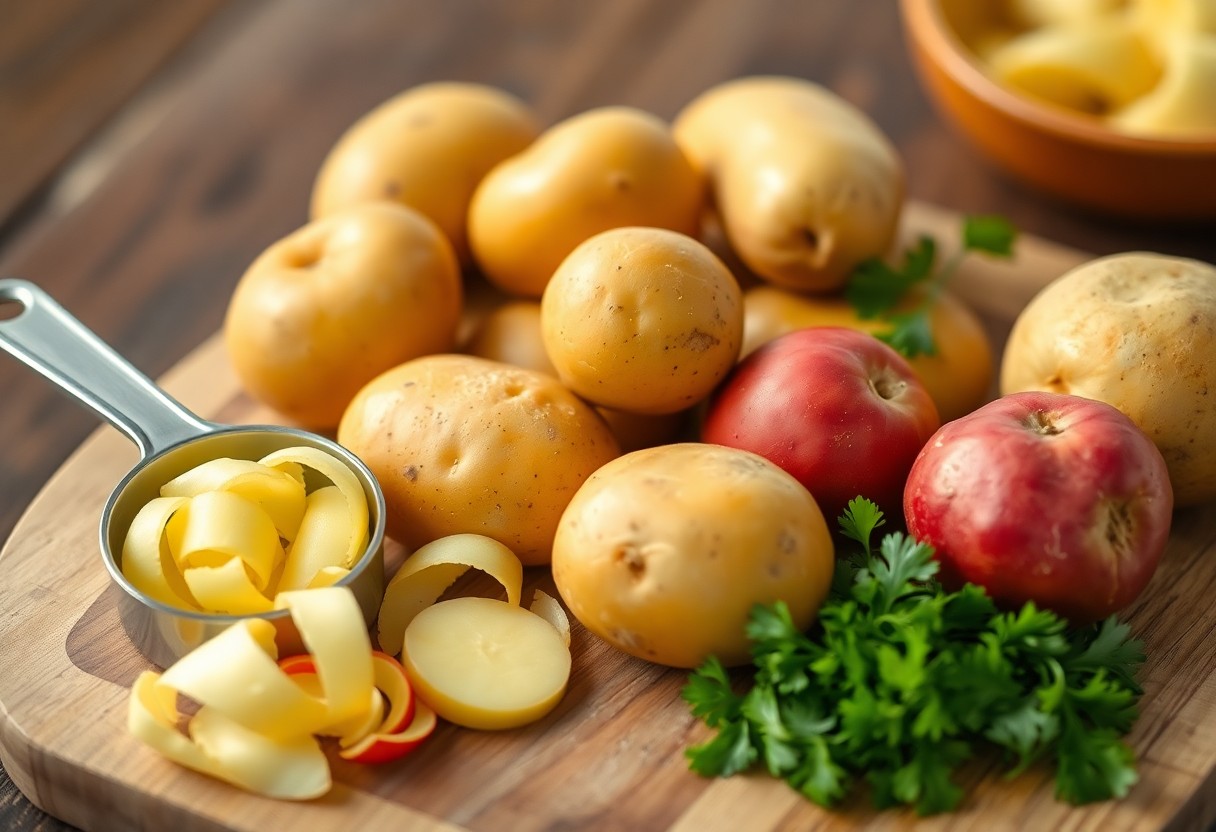
Do potatoes have fiber

Over the years, you may have wondered about the nutritional benefits of potatoes, particularly regarding their fiber content. Understanding how this versatile vegetable can contribute to your diet is vital for making informed food choices. Potatoes can be a good source of dietary fiber, which is important for digestive health. To learn more about the exact nutrient profile of potatoes, you can check out the Potato Nutrition Facts | Nutrients, Calories, Benefits of a … page, where you’ll find detailed information on how potatoes fit into a balanced diet.

Key Takeaways:

  • Fiber Content: Potatoes contain dietary fiber, which can aid in digestive health.
  • Skin Benefits: Most of the fiber is found in the skin, so consuming potatoes with the skin on maximizes fiber intake.
  • Variety Matters: Different types of potatoes may have varying fiber levels, with sweet potatoes generally offering higher fiber content.

Understanding Dietary Fiber

For a balanced diet, understanding dietary fiber is vital. It plays a significant role in maintaining digestive health, regulating blood sugar levels, and promoting a feeling of fullness. Including fiber-rich foods in your meals can enhance overall well-being and support weight management. With a variety of sources available, knowing how to incorporate fiber into your diet can yield multiple health benefits.

Definition of Fiber

Fiber is a type of carbohydrate that the body cannot digest. Unlike other carbohydrates that break down into sugar molecules, fiber passes through the digestive system relatively intact. This trait allows it to support gut health, aid digestion, and help in the prevention of certain diseases.

Types of Dietary Fiber

Along with its various health benefits, dietary fiber is categorized into two types: soluble and insoluble fiber. Each type has its unique role in health:

Type Description
Soluble Fiber Dissolves in water, helps lower blood cholesterol and glucose levels.
Insoluble Fiber Does not dissolve in water, adds bulk to stool and aids in digestion.
Sources Oats, legumes, fruits (soluble); whole grains, nuts, vegetables (insoluble).
Benefits Promotes heart health, regulates bowel movements, reduces the risk of some diseases.
Recommended Intake 25 grams per day for women, 38 grams per day for men.

Considering the two types of dietary fiber, it is important to recognize their different benefits for your health. Incorporating a balanced mix of both soluble and insoluble fiber can optimize digestive health and enhance overall nutritional intake:

  • Eat oats, beans, and fruits for soluble fiber.
  • Include whole grains, seeds, and vegetables for insoluble fiber.
  • Gradually increase fiber intake to avoid digestive discomfort.
  • Stay hydrated to help fiber do its job effectively.
  • Track your fiber consumption to ensure you meet daily requirements.

Recognizing the differences between soluble and insoluble fibers can help you make informed choices that contribute to your health. By understanding how these fibers work and how to incorporate them into your meals, you can enhance your digestive health and overall well-being.

Nutritional Profile of Potatoes

Some nutritionists consider potatoes a powerhouse of vital nutrients. They provide a variety of important vitamins and minerals, making them a versatile addition to your diet. Potatoes are particularly rich in vitamin C, B vitamins, and potassium, all of which contribute to your overall health. Additionally, their high water content makes them a low-calorie option, while their carbohydrate content provides a significant energy source. This nutritional profile makes potatoes a valuable food for various health objectives.

Macronutrients in Potatoes

Macronutrients in potatoes primarily include carbohydrates, proteins, and minimal fats. A medium-sized potato offers about 37 grams of carbohydrates, providing energy for your daily activities. The protein content is around 4 grams, making it a moderate source of this macronutrient. Importantly, potatoes contain negligible amounts of fat, making them a healthy, low-fat food choice that can be enjoyed in various culinary preparations without adding unnecessary calories.

Micronutrients in Potatoes

One of the standout features of potatoes is their rich micronutrient profile, which includes vital vitamins and minerals. These nutrients play significant roles in your body’s functions, supporting everything from immune health to bone strength. A potato is a good source of potassium, which helps regulate blood pressure, and vitamin C, which is important for skin health and immune function.

Hence, including potatoes in your diet can contribute to meeting your daily micronutrient requirements. Not only do they furnish you with vitamins and minerals, but they also provide antioxidants like flavonoids, which can help combat oxidative stress. By incorporating a variety of potatoes—such as sweet, red, and Yukon gold—into your meals, you can enhance your nutritional intake and enjoy their unique flavors and textures.

Fiber Content in Potatoes

Once again, potatoes are a surprisingly good source of dietary fiber, particularly when you consume them with the skin. A medium-sized potato contains about 2-4 grams of fiber, depending on its variety. Fiber aids in digestion and can help you feel fuller for longer, making potatoes a sensible choice in your diet. By including both white and sweet potatoes in your meals, you can easily boost your fiber intake.

Comparison of White and Sweet Potatoes

On average, white and sweet potatoes have different fiber contents, making them both valuable additions to your diet. See the breakdown below:

Fiber Content Comparison

Type of Potato Fiber Content per Medium Potato
White Potato 2-3 grams
Sweet Potato 4 grams

Impact of Cooking Methods on Fiber

Below, the method you choose to cook your potatoes can affect their fiber content. Whether you bake, boil, or fry them, the cooking process may influence how much fiber remains intact. It’s important to be mindful of the cooking techniques you use to preserve the nutritional benefits of potatoes.

For instance, baking or steaming potatoes allows you to maintain their fiber content better than frying or overcooking. When you boil potatoes, some of the soluble fiber may leach into the water, resulting in a slightly lower fiber intake. To maximize fiber consumption, opt for methods that keep the skin on and limit water exposure, ensuring you enjoy their health benefits fully.

Health Benefits of Fiber

To understand why fiber is crucial for your health, consider its various benefits. Incorporating adequate fiber into your diet can enhance your overall well-being. It helps regulate digestion, maintain healthy cholesterol levels, and support heart health. Ensuring you get enough fiber daily can lead to improved metabolic function and a reduced risk of chronic diseases.

Digestive Health

An ample intake of fiber significantly benefits your digestive system. It aids in preventing constipation by promoting regular bowel movements and fostering a healthy gut environment. This can help alleviate bloating and discomfort, ensuring your digestive tract operates efficiently.

Heart Health

Above all, fiber plays a vital role in maintaining heart health. A diet rich in fiber can lower cholesterol levels, reducing the risk of heart disease. It helps manage your blood pressure and promotes overall cardiovascular health, making it an crucial component of your diet.

Indeed, integrating fiber-rich foods like potatoes into your meals can have a profound impact on your heart health. Soluble fiber, specifically, can help decrease bad cholesterol levels while boosting good cholesterol, leading to improved heart function. Additionally, fiber-rich diets can aid in weight management, reducing stress on your heart. By prioritizing fiber in your diet, you empower your cardiovascular system to function efficiently, ultimately supporting a longer, healthier life.

Recommendations for Fiber Intake

Keep in mind that incorporating sufficient fiber into your diet is necessary for digestive health and overall well-being. You can find useful discussions and insights about fiber intake, particularly related to potatoes, in the Reddit thread Are potatoes healthy? : r/nutrition.

Daily Fiber Requirements

For adults, the recommended daily intake of fiber varies: women should aim for about 25 grams, while men need approximately 38 grams. Adjusting your diet to meet these guidelines can help enhance your digestive function and support long-term health.

Sources of Dietary Fiber

Fiber comes from a variety of plant-based foods, enhancing your meals while promoting better health.

For instance, fruits, vegetables, whole grains, legumes, nuts, and seeds are excellent sources of dietary fiber. Foods like apples, broccoli, lentils, and oats provide substantial amounts of fiber and can easily be incorporated into your meals. Additionally, selecting whole-grain versions of bread and pasta can further help you meet your dietary fiber goals.

Misconceptions About Potatoes and Fiber

After exploring the nutritional profile of potatoes, it’s important to address common misconceptions. Many people believe potatoes lack significant fiber content due to their starchy nature. However, when consumed with their skin, potatoes can provide a notable amount of dietary fiber, which plays a vital role in digestive health. This misunderstanding can lead you to overlook potatoes as a beneficial food option in a balanced diet.

Potatoes as a “Heavy” Food

Around the world, potatoes are often labeled as a “heavy” food that contributes to weight gain. This stigma may lead you to avoid them entirely. The truth is, while potatoes are rich in carbohydrates, they can be part of a healthy diet when consumed in moderation and prepared in a balanced manner. Their fiber content can actually help you feel full, potentially aiding in weight management when incorporated wisely.

Fiber Sources Beyond Vegetables

Against the common belief that fiber only comes from vegetables, various food groups can be rich in fiber. Whole grains, legumes, nuts, and seeds also contribute significantly to your daily fiber intake. This broader perspective allows you to diversify your diet and discover new sources of fiber that may suit your preferences better. Plus, you can incorporate foods like oats, beans, and quinoa alongside potatoes to easily boost your fiber intake while enjoying a well-rounded meal. By embracing a variety of fiber sources, you’ll support your gut health and overall wellbeing effectively.

FAQ

Q: Do potatoes contain fiber?

A: Yes, potatoes do contain fiber. The amount of fiber can vary depending on the type and cooking method. For example, a medium-sized potato with the skin can provide approximately 2-4 grams of dietary fiber.

Q: What type of fiber is found in potatoes?

A: Potatoes primarily contain insoluble fiber, which helps promote healthy digestion. They also have some soluble fiber, which can aid in lowering cholesterol levels and stabilizing blood sugar levels.

Q: Is there a difference in fiber content between white and sweet potatoes?

A: Both white potatoes and sweet potatoes contain fiber, but sweet potatoes typically have slightly more fiber than white potatoes. A cooked sweet potato may offer about 4 grams of fiber compared to a similar-sized white potato, which may have around 2-3 grams.

Q: How can I maximize the fiber content when eating potatoes?

A: To maximize fiber intake, consider leaving the skin on when cooking or consuming potatoes, as a significant portion of the fiber is found in the skin. Additionally, baking, boiling, or steaming potatoes is preferable to frying, as these methods preserve more of the fiber content.

Q: Can increasing fiber from potatoes help with weight management?

A: Yes, increasing fiber intake from potatoes can aid in weight management. Fiber-rich foods can promote a feeling of fullness, which may help reduce overall calorie intake. Incorporating potatoes into a balanced diet can be beneficial for those looking to manage their weight.

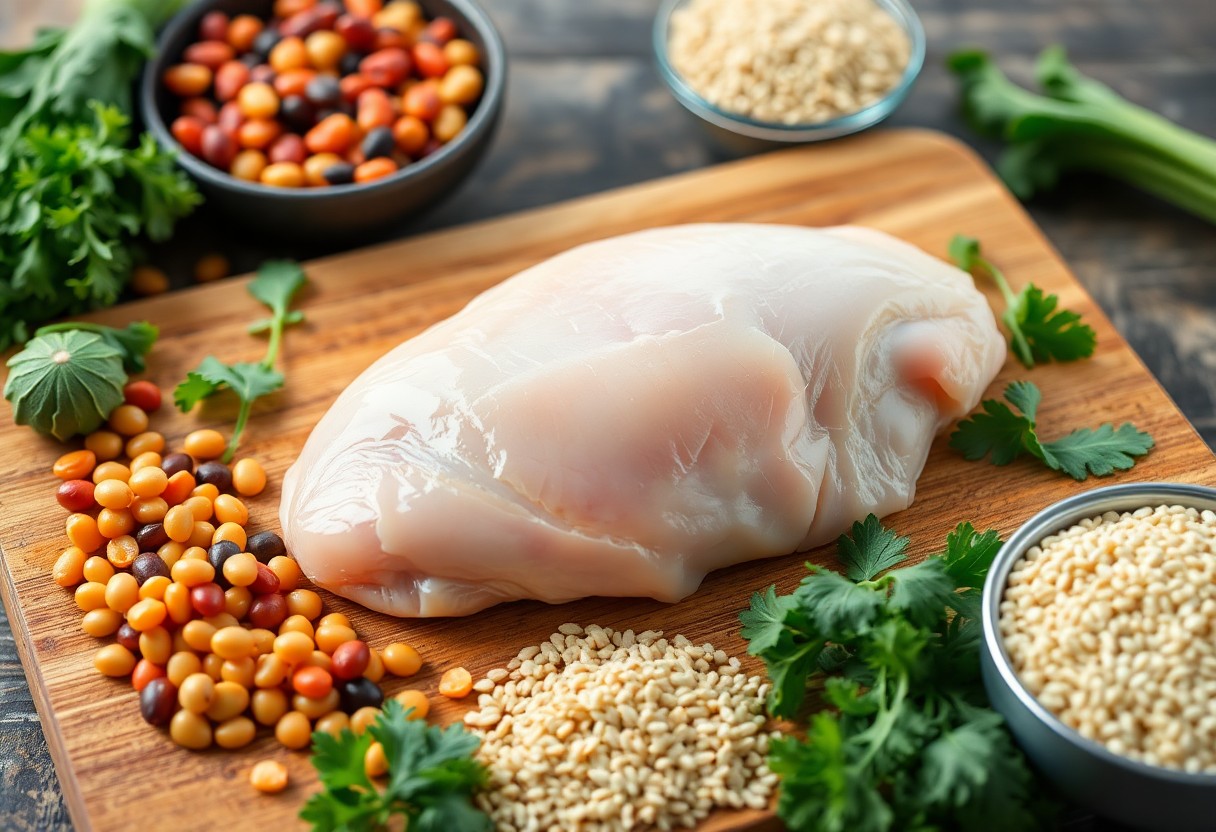
Is chicken high in fiber

Many people seek to understand the nutritional content of their favorite foods, and chicken is no exception. As you look to maintain a balanced diet, it’s important to know that chicken, while rich in protein and low in carbohydrates, does not provide a significant amount of fiber. This blog post will guide you through what fiber is, its role in your diet, and how chicken fits into your overall nutritional plan, empowering you to make informed dietary choices.

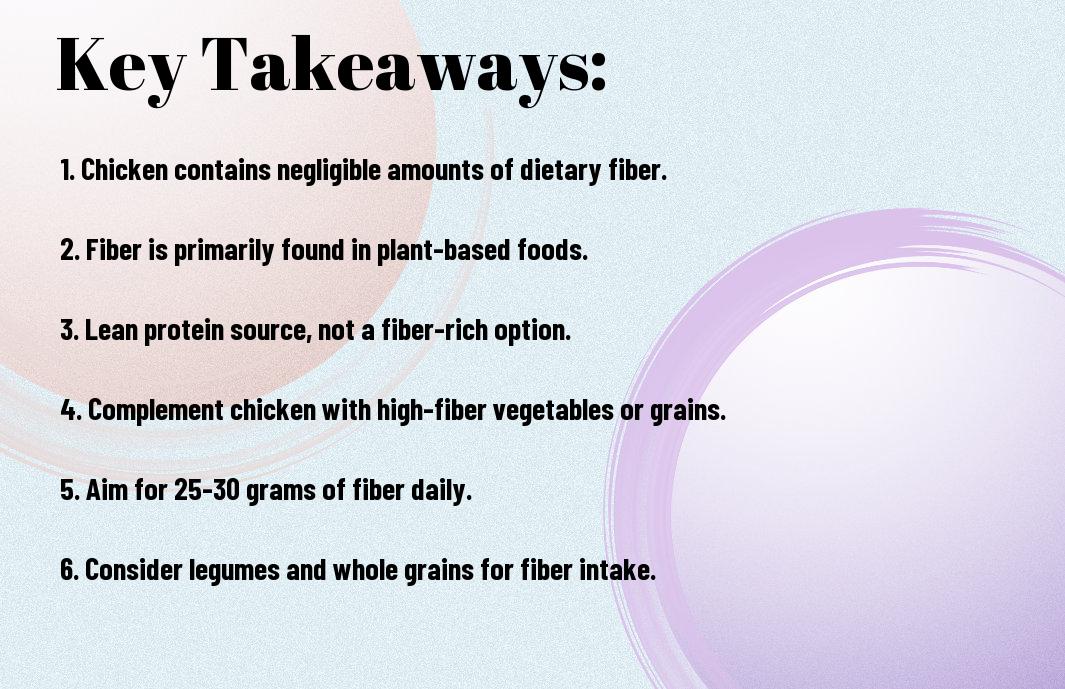
Key Takeaways:

  • Chicken is not a fiber source:
  • Dietary fiber is primarily found in plant-based foods such as fruits, vegetables, legumes, and whole grains, not in meat.
  • fiber intake, focus on incorporating more plant foods into your diet alongside chicken.

Nutritional Overview of Chicken

Before you include chicken in your diet, it’s important to understand its nutritional profile. Chicken is a lean source of protein, packed with imperative nutrients that support various bodily functions. Whether you choose white or dark meat, chicken offers a versatile option for numerous dishes while providing substantial health benefits.

Protein Content

Below the surface, chicken is renowned for its high protein content, making it an excellent choice for muscle building and repair. A standard serving size can provide you with over 25 grams of protein, imperative for your daily dietary needs, especially if you lead an active lifestyle.

Other Nutrients

About chicken’s nutritional value, it also contains important vitamins and minerals that play significant roles in your overall health. Nutrients such as vitamin B6, niacin, phosphorus, and selenium contribute to energy metabolism and immune function.

In addition, chicken is a source of zinc and iron, which are vital for maintaining good health. Zinc supports your immune system and assists in wound healing, while iron is important for the production of red blood cells. Including chicken as part of a balanced diet can help you achieve optimal nutrient intake and promote better health overall.

Understanding Fiber

Any discussion about nutrition should include fiber, as it plays an crucial role in maintaining good health. Fiber is a type of carbohydrate that your body cannot digest, helping to regulate digestion, control blood sugar levels, and support heart health. Educating yourself on fiber can lead to improved dietary choices and better overall well-being.

Definition of Fiber

Definition: Fiber is an indigestible portion of plant foods that passes through your digestive system without being broken down. It comes in two forms: soluble and insoluble, each providing unique health benefits.

Types of Fiber

Between the two main types of fiber, you will find that they contribute to your health in different ways:

Type of Fiber Function
Soluble Fiber Absorbs water, aids in cholesterol management
Insoluble Fiber Promotes regular bowel movements
Prebiotic Fiber Feeds beneficial gut bacteria
Functional Fiber Added to foods for health benefits
Resistant Starch Acts like fiber in your digestive system

Types of fiber can be classified further based on their sources and effects on health. Each type has specific foods associated with it, such as:

  • Oats and barley for soluble fiber
  • Whole grains and nuts for insoluble fiber
  • Garlic and onions for prebiotic fiber
  • Inulin and psyllium for functional fiber
  • Green bananas and lentils for resistant starch

Any fiber type you include in your diet can help improve digestion and overall health.

Fiber Sources Health Benefits
Fruits (e.g., apples, oranges) High in vitamins and hydration
Vegetables (e.g., carrots, broccoli) Low in calories, fiber-packed
Legumes (e.g., lentils, beans) Rich in protein and fiber
Whole Grains (e.g., brown rice, quinoa) Supports heart health
Nuts & Seeds (e.g., almonds, chia seeds) Packed with healthy fats

Increasing the types of fiber in your diet can lead to a wide range of benefits, including better digestion and heart health. Any variety you choose contributes positively to your overall nutritional needs.

Fiber Content in Chicken

Now, you might be surprised to learn that chicken is not a significant source of fiber. While it provides vital protein and vitamins, the fiber content is negligible. For a well-rounded diet, it’s important to incorporate other fiber-rich foods alongside your chicken. Explore more about dietary fiber at Don’t Skip Out On the Fiber – Dr. Lifestyle Clinic.

Comparison with Other Foods

After evaluating chicken’s fiber content, it’s beneficial to compare it with other foods. Below is a summary in the table:

Fiber Content Comparison

Food Item Fiber Content (per 100g)
Chicken 0g
Broccoli 2.6g
Lentils 7.9g
Oats 10.1g

Common Misconceptions

By associating chicken primarily with protein, you may overlook its lack of fiber. While it’s an excellent source of nutrients, it’s not the answer for your daily fiber needs.

With many believing that animal proteins contribute to fiber intake, it’s vital to clarify this misunderstanding. The truth is that only plant-based foods provide fiber. For a balanced diet, you should focus on including vegetables, fruits, legumes, and whole grains alongside your protein sources, ensuring you meet your fiber needs effectively.

Dietary Recommendations for Fiber

Many health experts suggest incorporating more fiber into your diet due to its numerous benefits, including improved digestion and health maintenance. You can explore the Role of Dietary Fiber in Poultry Nutrition – PMC for insights on how fiber plays a role in various diets, including those related to poultry.

Daily Fiber Intake

Around 25 to 30 grams of fiber per day is often recommended for adults. This amount can vary based on individual health needs and dietary choices, so assessing your unique requirements can help you meet this goal.

High-Fiber Foods

Around 70% of your daily fiber intake can come from a variety of high-fiber foods, such as fruits, vegetables, legumes, and whole grains. These foods provide vital nutrients while also helping you reach your fiber goals.

At your next grocery store visit, focus on adding fruits like apples and bananas, vegetables such as broccoli and carrots, and legumes like lentils and beans to your cart. Whole grains, including oats and quinoa, should also be part of your diet. Incorporating these foods can enhance your fiber intake while providing other vital vitamins and minerals for a balanced diet.

Incorporating Chicken into a High-Fiber Diet

Your meals can be both satisfying and high in fiber when you incorporate chicken alongside fiber-rich ingredients. Consider adding lean chicken to salads filled with leafy greens, beans, and whole grains, or toss it into stir-fries packed with colorful vegetables and brown rice. Spicing things up with herbs and spices can enhance flavors without compromising on nutrition. The key is to balance your meals with a variety of fiber sources for optimal health benefits.

Meal Ideas

About adding chicken to your high-fiber diet, consider flavorful combinations such as a grilled chicken and quinoa salad topped with avocado and black beans, or a hearty chicken and vegetable soup with lentils. You can also create chicken tacos using whole-grain tortillas, loaded with cabbage and salsa for an extra fiber boost.

Balanced Nutrition

Diet plays an important role in your overall well-being, and pairing chicken with high-fiber foods can enhance your nutrition profile. By including veggies, legumes, and whole grains in your meals, you ensure a good balance of proteins, carbohydrates, and vital nutrients. This combination supports digestion, helps maintain a healthy weight, and provides sustained energy throughout the day.

Incorporating various high-fiber foods alongside chicken not only boosts your fiber intake but also enhances your meal’s nutritional value. Foods like beans, lentils, whole grains, and non-starchy vegetables provide the vital fibers needed for a balanced diet. Additionally, this approach fosters better satiety, keeping you full longer while reducing the risk of overeating. A well-rounded plate marrying lean protein and fiber-rich foods will undoubtedly support your journey towards optimal health.

To wrap up

As a reminder, chicken is not high in fiber, as it is primarily a protein source with minimal carbohydrate content. If you are looking to increase your fiber intake for better digestive health, you should focus on incorporating more fruits, vegetables, legumes, and whole grains into your diet. Understanding the role of various food groups will help you make informed choices for a balanced nutrition plan that supports your overall health.

FAQ

Q: Is chicken a good source of dietary fiber?

A: Chicken is not a source of dietary fiber. Fiber is primarily found in plant-based foods like fruits, vegetables, grains, and legumes. Chicken, being an animal product, contains no fiber. Therefore, if you’re looking to increase your fiber intake, you should focus on incorporating more plant foods into your diet.

Q: What are the health benefits of dietary fiber?

A: Dietary fiber offers several health benefits including improved digestive health, better blood sugar control, and reduced risk of heart disease. It helps in regulating bowel movements, can aid in weight management by promoting a feeling of fullness, and supports a healthy gut microbiome. Since chicken does not contain fiber, it is important to pair it with fiber-rich foods.

Q: How much fiber should I include in my daily diet?

A: The recommended daily intake of fiber varies by age and gender. On average, adult women should aim for about 25 grams of fiber per day, while adult men should aim for approximately 38 grams. It’s advisable to include a variety of fiber-rich foods such as whole grains, fruits, vegetables, nuts, and seeds to meet these recommendations.

Q: What are some high-fiber foods to eat with chicken?

A: To complement chicken dishes, consider incorporating high-fiber foods such as quinoa, brown rice, beans, lentils, leafy green vegetables, or whole-grain bread. Adding these foods can boost the fiber content of your meal and provide additional nutrients that are beneficial for overall health.

Q: Can I get enough fiber on a diet that includes a lot of chicken?

A: Yes, you can still ensure adequate fiber intake while consuming chicken, but it requires mindful meal planning. Since chicken itself does not provide fiber, focus on including a variety of fiber-rich foods throughout the day. Incorporating fruits, vegetables, whole grains, and legumes into your meals can help meet your fiber needs while enjoying chicken as a protein source.

Is a potato a whole food

Fiber is an imperative component of a healthy diet, and you might wonder if potatoes fit into this category as a whole food. In this blog post, we will explore the nutritional profile of potatoes, their benefits, and how they can be incorporated into your meals. You’ll learn why many people consider them a wholesome option, and if you’re following specific dietary guidelines, like the Whole30 program, discover how Potatoes Are Now Whole30-Approved (and Here’s Why). Understanding these aspects can help you make informed choices about the foods you consume.

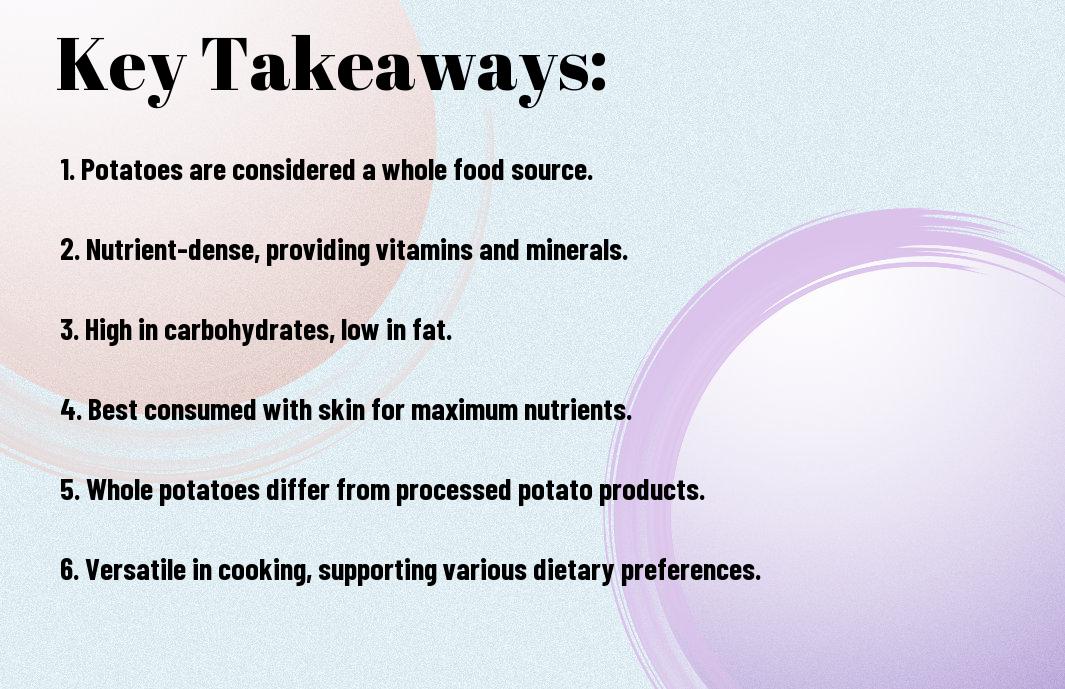
Key Takeaways:

  • Whole Food Classification: A potato is considered a whole food as it is a natural, unprocessed food that contains all its original parts.
  • Nutritional Value: Potatoes are packed with necessary nutrients, including vitamins, minerals, and fiber, making them a healthy addition to a balanced diet.
  • Culinary Versatility: Potatoes can be prepared in various ways, further highlighting their status as a whole food that can fit into different meals and cuisines.

Understanding Whole Foods

Definition of Whole Foods

On a fundamental level, whole foods are foods that are minimally processed and free from artificial ingredients. They are natural, nutrient-dense foods that retain their original form, such as fruits, vegetables, grains, nuts, and seeds. You should aim to incorporate these foods into your diet as they offer numerous health benefits compared to processed alternatives.

Health Benefits of Whole Foods

One of the key advantages of whole foods is that they are packed with important nutrients, fibers, and antioxidants that support overall health. By choosing whole foods, you empower your body with the vitamins and minerals it needs to function optimally and combat chronic diseases. You might find that incorporating these foods leads to improved digestion, better weight management, and enhanced energy levels.

Whole foods are beneficial because they provide your body with an array of nutrients without the added sugars, unhealthy fats, and preservatives commonly found in processed foods. This means better heart health, stable blood sugar levels, and a lower risk of obesity. Emphasizing whole foods in your diet supports your long-term well-being and helps you make healthier eating choices.

Examples of Whole Foods

Definition of whole foods includes an array of options such as fresh fruits, vegetables, whole grains, nuts, seeds, and legumes. You can also include minimally processed dairy and animal products like eggs and unprocessed meats. Incorporating these into your meals will help you maximize the benefits and flavor of your diet.

It is important to remember that whole foods come in many forms. Think of incorporating a variety of foods like leafy greens, berries, quinoa, and avocados into your daily meals. By diversifying your choices, you ensure a balanced intake of nutrients and enjoy a wide range of flavors and textures on your plate.

Nutritional Profile of Potatoes

There’s no denying that potatoes are a popular staple food around the world. Understanding their nutritional profile can help you make more informed dietary choices. Potatoes provide a range of macronutrients and micronutrients, which can be beneficial when included as part of a balanced diet.

Macronutrients in Potatoes

Profile of potatoes reveals that they are primarily composed of carbohydrates, making them a significant energy source. A medium-sized potato contains about 30 grams of carbohydrates, 2 grams of protein, and less than 1 gram of fat. This unique macronutrient composition makes them ideal for fueling your daily activities.

Micronutrients in Potatoes

Nutritional value extends beyond macronutrients; potatoes are also rich in vital micronutrients. They are a good source of vitamins C and B6, potassium, and magnesium, which are vital for various bodily functions. Including potatoes in your diet can contribute to improved nutrient intake.

This variety of micronutrients found in potatoes supports immune function, aids in energy metabolism, and helps regulate blood pressure. Incorporating potatoes into balanced meals can enhance your overall nutrient profile, ensuring you receive key vitamins and minerals vital for health.

Glycemic Index of Potatoes

Any discussion about potatoes should include their glycemic index (GI), which measures how quickly a carbohydrate-containing food raises your blood glucose levels. Potatoes typically have a medium to high GI, depending on the variety and cooking method.

Index indicates that foods with a high GI can cause rapid spikes in blood sugar, which may not be ideal for everyone. However, combining potatoes with healthy fats or proteins can slow down absorption, making their glycemic response more gradual. Being mindful of portion sizes and preparation methods can help you enjoy potatoes as part of a balanced diet.

Potatoes in the Diet

Keep in mind that potatoes can be a versatile and nutritious component of your diet, offering necessary vitamins and minerals. They are rich in vitamin C, vitamin B6, potassium, and fiber, allowing you to incorporate them into meals that support overall health while satisfying your palate.

Role of Potatoes in Nutrition

An important aspect of potatoes is their carbohydrate content, which provides a great source of energy. In addition to carbs, they contain antioxidants that can help protect your cells from damage and promote well-being. This combination makes potatoes a valuable addition to a balanced diet.

Cooking Methods and Their Impact on Health

Potatoes can be prepared in various ways, each affecting their nutritional profile and overall health benefits. From baking to frying, the healthfulness of your potato dishes can significantly change depending on how you cook them.

With cooking methods like boiling or steaming, you can preserve the most nutrients while keeping calories lower. Conversely, frying can add unhealthy fats and excess calories, potentially negating many of the health benefits potatoes offer. Being mindful of how you prepare your potatoes can help you maximize their health potential.

Potatoes vs. Other Carbohydrate Sources

The comparison between potatoes and other carbohydrate sources is key to understanding their value in your diet. While whole grains and legumes also provide beneficial nutrients, potatoes offer unique advantages in terms of their ease of preparation and satisfying texture.

The versatility of potatoes allows you to include them in a wide range of dishes, making them a convenient choice when balancing your carbohydrate intake. They can replace or complement other sources, such as rice or pasta, while still delivering vitamins and minerals your body needs for optimal health.

Conclusion

From above, you can see that a potato is considered a whole food, as it is minimally processed and contains a variety of necessary nutrients. Eating potatoes in their whole form allows you to benefit from their fiber, vitamins, and minerals without the additives found in more processed foods. By incorporating whole potatoes into your diet, you can enjoy a versatile and nutritious food that supports your overall health and well-being.

FAQ

Q: Is a potato considered a whole food?

A: Yes, a potato is considered a whole food. Whole foods are generally defined as foods that are minimally processed and are not significantly altered from their natural state. Potatoes, when consumed whole and not processed into forms like chips or fries, retain their nutritional value and are classified as whole foods due to their natural form and nutrient density.

Q: What nutritional benefits do whole potatoes offer?

A: Whole potatoes are rich in necessary nutrients such as vitamins C and B6, potassium, and dietary fiber. They also provide antioxidants and various phytonutrients. Eating potatoes in their whole form can contribute to a balanced diet and support digestive health due to their fiber content.

Q: Are sweet potatoes and regular potatoes both considered whole foods?

A: Yes, both sweet potatoes and regular potatoes are considered whole foods. They are both unprocessed and provide a range of nutrients. While they differ slightly in their flavor profiles and nutrient content, both types of potatoes can be included in a healthy diet as whole foods when prepared without excessive processing.

Q: Can potatoes be part of a healthy diet if they are high in carbohydrates?

A: Yes, potatoes can be part of a healthy diet even though they are high in carbohydrates. The carbohydrates found in potatoes are complex carbs, which provide energy and fiber. When eaten in moderation and as part of a balanced diet, whole potatoes can contribute positively to overall health. It’s important to consider how they are prepared and served, opting for methods like baking or boiling over frying.

Q: How should I prepare potatoes to maintain their whole food benefits?

A: To maintain the whole food benefits of potatoes, it is best to avoid high-fat cooking methods like frying. Instead, opt for healthier preparation methods such as baking, steaming, or boiling. Keeping the skins on can also enhance their fiber content and nutrient retention. Additionally, avoid adding excessive salt or rich sauces to keep them a healthy whole food option.

Are apples high in fiber

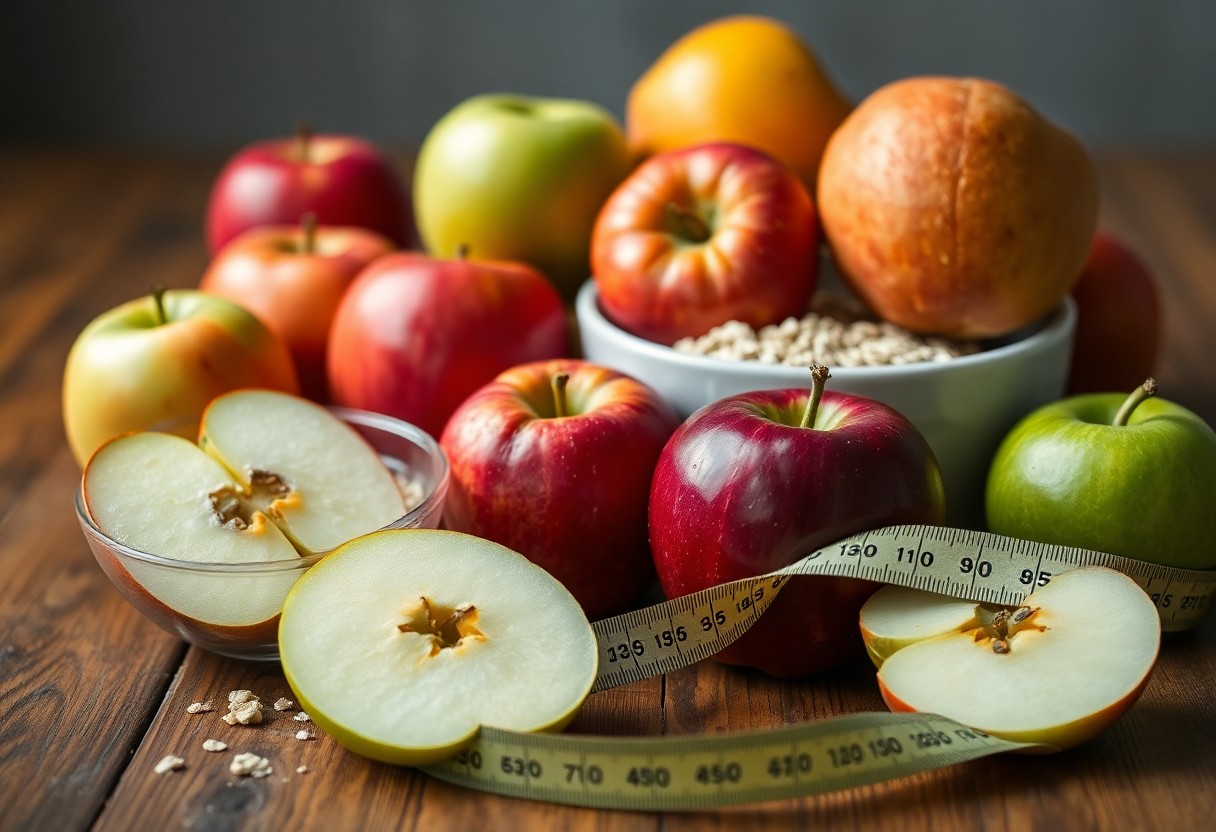
You may be wondering about the fiber content of apples and how they fit into your diet. Apples are not only delicious but also a fantastic source of dietary fiber, which plays a significant role in digestion and overall health. In this post, we’ll explore the fiber benefits found in apples, how they compare to other fruits, and tips on how to incorporate them into your meals for maximum health benefits.

Key Takeaways:

  • Fiber Content: Apples are a good source of dietary fiber, helping to promote digestive health.
  • Types of Fiber: They contain both soluble and insoluble fiber, which can aid in cholesterol management and regularity.
  • Health Benefits: Consuming fiber-rich foods like apples can support heart health and weight management.

Nutritional Profile of Apples

To appreciate the health benefits of apples, it’s crucial to understand their nutritional profile. Apples are low in calories yet rich in vitamins, minerals, and antioxidants. They provide a significant source of dietary fiber, which is vital for digestive health. Including apples in your diet can help you meet your daily nutritional needs while also enjoying a deliciously sweet snack.

General Nutritional Values

General nutritional values for a medium-sized apple (about 182 grams) include approximately 95 calories, 25 grams of carbohydrates, and 4 grams of dietary fiber. Additionally, apples contain a range of vitamins and minerals such as vitamin C, potassium, and various phytochemicals beneficial for your health.

Fiber Content Comparison

Below is a fiber content comparison of apples with other common fruits:

Fiber Content Comparison (per 100g)

Fruit Fiber (grams)
Apple 2.4
Banana 2.6
Orange 2.4
Pear 3.1

This comparison highlights that while apples provide a decent amount of fiber, they are on par with oranges and slightly lower than bananas and pears. Choosing a variety of fruits in your diet, including apples, will help you achieve your desired fiber intake for enhanced digestive health.

Health Benefits of Fiber in Apples

It is well-known that apples are not only delicious but also packed with health-promoting fiber. This soluble fiber can help regulate blood sugar levels, lower cholesterol, and promote a feeling of fullness—all of which contribute to overall well-being and a healthier diet. Including apples in your daily intake ensures you gain the myriad benefits fiber provides, supporting your journey towards optimal health.

Digestive Health

The fiber found in apples plays a significant role in supporting your digestive health. This natural roughage helps to keep your bowel movements regular, preventing constipation and promoting a healthy gut. Additionally, fiber acts as a prebiotic, feeding your beneficial gut bacteria and creating a balanced microbiome that contributes to overall digestive wellness.

Weight Management

Across various studies, apples have been highlighted as an excellent addition to a weight management plan due to their fiber content. Eating apples can help you feel fuller for longer, reducing the likelihood of overeating or indulging in unhealthy snacks between meals.

Considering the relationship between fiber and appetite control, incorporating apples into your diet can be a strategic choice for managing your weight. The combination of fiber and water in apples not only adds volume to your meals but also slows digestion, ensuring that you stay satiated longer. By choosing apples as a healthy snack or part of your meals, you are taking a positive step towards achieving and maintaining your desired weight.

Different Varieties of Apples and Their Fiber Content

Many different apple varieties exist, each with varying fiber content. In particular, apples such as Fuji, Granny Smith, and Gala offer beneficial fiber levels that can help support your digestive health. For more detailed insights, check out this resource on Apples: Benefits, nutrition, and tips.

Common Varieties

Varieties like Honeycrisp and Jonagold not only offer a delightful taste but also contribute to your fiber intake. Honeycrisp apples, for instance, provide around four grams of fiber per medium-sized fruit, making them an excellent choice for a healthy snack.

Regional Varieties

Fiber content can also vary with apples grown in different regions. Apples from cooler climates tend to be crisper and may offer slightly different nutritional profiles than those from warmer areas.

Even within a single country, the local growing conditions, soil composition, and climate can influence the fiber content in apples. Exploring various regional varieties can enhance your experience and knowledge about apples while giving you the opportunity to benefit from the diverse nutritional aspects they offer.

Ways to Incorporate More Apples into Your Diet

Now, finding ways to add apples to your daily routine can be both enjoyable and beneficial for your health. You can slice them up as a convenient snack with nut butter, toss them into your breakfast oatmeal, or mix them into salads for a sweet crunch. With such versatility, incorporating apples into your meals can enhance not only flavor but also your fiber intake.

Fresh Consumption

Behind every healthy diet, fresh apples play a significant role. You can grab an apple on your way out the door, pack them in your lunch for a refreshing afternoon snack, or enjoy them at breakfast. Their natural sweetness makes them an easy choice for a satisfying and nutritious option throughout your day.

Recipes and Culinary Uses

Above all, apples can elevate countless recipes in your kitchen. You might consider baking them into pies, blending them into smoothies, or adding them to savory dishes like pork or chicken for an unexpected flavor twist. Apples can transform your meals and offer a delicious way to boost your fiber intake.

Ways to utilize apples in your culinary adventures can be creative and fun. For instance, a classic apple crisp or a warm apple cider can make for comforting desserts, while adding them to stir-fries or salads can provide a refreshing balance. You can also try mixing diced apples into your granola or yogurt for a nutritious twist. The possibilities are endless, allowing you to explore the delicious ways apples can enhance your daily meals.

Myths and Misconceptions About Apples and Fiber

Unlike some beliefs, apples are not the ultimate source of fiber, but they do offer a healthy amount. Many people think that just because apples are natural and widely consumed, they must be loaded with fiber. However, understanding their fiber content in comparison to other fruits and vegetables is necessary in assessing their role in your diet.

Common Myths

About apples, there’s a common myth that they contain an exceptional amount of fiber compared to other fruits. While apples certainly contribute to your daily fiber intake, they are not necessarily more fiber-rich than other options like pears or berries, which might have a higher soluble fiber content.

Scientific Clarifications

Behind the misconceptions, scientific research indicates that the fiber content in apples varies by type and preparation method. Fresh apples with skins offer more fiber than peeled ones, but they still average around 4 grams per medium apple, which is lower than some other fruits and vegetables.

Plus, understanding the types of fiber found in apples is important. Apples are a good source of both soluble and insoluble fiber, with soluble fiber aiding in heart health and digestion, while insoluble fiber helps maintain bowel regularity. So, while apples are nutritious and beneficial for your health, diversifying your fruit choices can maximize your fiber intake.

Expert Opinions on Apple Fiber

After researching various studies and expert opinions, it’s evident that apples are a valuable source of dietary fiber. Many health professionals emphasize that incorporating fiber-rich foods like apples into your diet can help improve digestive health. For more information, check out the Top High-Fiber Foods to Help Your Digestive Health.

Nutritional Experts

For nutritional experts, apples stand out as a snack that combines taste with health benefits. Their soluble fiber, especially pectin, plays a significant role in lowering cholesterol levels and promoting gut health, making them a smart addition to your diet.

Dietary Guidelines

Guidelines from dietary experts recommend that adults consume about 25 to 30 grams of fiber daily for optimal health. Including fiber-rich foods like apples can help you meet this goal, enhancing your overall well-being.

Expert opinions suggest that meeting your daily fiber requirements can lead to improved digestive function and reduced risk of chronic diseases. By integrating apples into your meals, you not only enjoy their delicious flavor but also boost your fiber intake effectively.

Conclusion

Now that you know apples are indeed high in fiber, you can easily incorporate them into your diet for better digestive health and increased satiety. With about 4 grams of fiber in a medium-sized apple, these fruits can help you meet your daily dietary needs while providing crucial nutrients and antioxidants. So, next time you’re looking for a healthy snack, consider reaching for an apple to boost your fiber intake and enhance your overall well-being.

FAQ

Q: Are apples high in fiber?

A: Yes, apples are considered a good source of dietary fiber. A medium-sized apple with the skin contains about 4 grams of fiber, which is approximately 14% of the daily recommended intake for adults. This fiber content contributes to digestive health and can help maintain a balanced diet.

Q: What type of fiber do apples contain?

A: Apples primarily contain two types of fiber: soluble and insoluble. Soluble fiber can help lower cholesterol and regulate blood sugar levels, while insoluble fiber aids in digestion by promoting regular bowel movements. Both types contribute significantly to overall health.

Q: Do I need to eat the skin to get the fiber from apples?

A: Yes, the skin of the apple contains a substantial amount of its fiber content. Eating apples with the skin on allows you to maximize the fiber intake, as peeling them removes a significant portion of this nutrient. Therefore, it is generally recommended to consume apples unpeeled for the best health benefits.

Q: How do apples compare to other fruits in terms of fiber content?

A: Apples have a moderate fiber content compared to other fruits. For instance, berries like raspberries and blackberries are higher in fiber per serving. However, apples are still a great option due to their accessibility, taste, and versatility in various dishes, making them a beneficial addition to your diet.

Q: Can eating apples help with weight loss due to their fiber content?

A: Yes, incorporating apples into a weight loss plan can be beneficial. The fiber in apples can promote a feeling of fullness and reduce overall calorie intake. Additionally, the natural sugars in apples can satisfy sweet cravings without the additional calories found in processed snacks. This combination makes apples a healthy choice for those looking to manage their weight effectively.

Are dates high in fiber

Just as you explore ways to improve your diet, you may wonder about the fiber content of various foods, including dates. These naturally sweet fruits are not only delicious but also packed with beneficial nutrients, making them a popular choice for healthy snacking. In this post, you’ll discover how dates can contribute to your daily fiber intake, the health benefits associated with fiber, and tips on incorporating dates into your meals. Let’s probe into the fiber content of dates and how they can be a valuable addition to your diet.

Key Takeaways:

  • High in Fiber: Dates are considered a good source of dietary fiber, which is important for digestive health.
  • Health Benefits: Including dates in your diet may promote regularity and help prevent constipation due to their fiber content.
  • Natural Sweetener: Dates offer a healthier alternative to refined sugars, providing both sweetness and fiber in recipes.

Nutritional Profile of Dates

For those looking to enhance their diet, dates are not only a delightful treat but also a nutrient-dense food option. Rich in natural sugars, vitamins, and minerals, they provide vital nourishment. A typical serving of dates can supply you with energy and a variety of micronutrients like potassium, magnesium, and vitamin B6, making them a beneficial addition to your daily intake.

Fiber Content in Dates

Nutritional analysis shows that dates are a significant source of dietary fiber. This fiber content aids in digestion and promotes gut health. A serving of dates can contribute to your daily fiber needs, helping you maintain a balanced diet and support overall health.

Comparison with Other Fiber Sources

Other natural foods can be compared to dates regarding fiber content. Below is a brief comparison that highlights their fiber contribution.

Fiber Content Comparison

Food Item Fiber (grams per 100g)
Dates 8
Oats 10
Chia Seeds 34
Apples 2.4

For instance, while dates provide a good amount of fiber, they are not the highest source available. Foods such as chia seeds have a notably higher fiber content, which can better complement your fiber intake goals. Understanding these comparisons helps you make informed dietary choices and combine different foods to achieve adequate fiber consumption.

Additional Fiber Sources Comparison

Food Item Fiber (grams per serving)
Almonds (28g) 3.5
Blueberries (100g) 2.4
Broccoli (100g) 2.6

Health Benefits of Fiber

If you are looking to improve your overall health, incorporating fiber into your diet can be beneficial. Fiber not only aids in digestion but also supports heart health and enhances weight management. Dates are an excellent source of fiber, which can help you experience these benefits firsthand. To learn more, check out 8 Proven Health Benefits of Dates.

Digestive Health

Besides providing a rich source of fiber, dates can significantly improve your digestive health. The fiber in dates helps promote regular bowel movements, effectively preventing constipation. By adding dates into your diet, you can enhance the functioning of your digestive system and enjoy a more comfortable gastrointestinal experience.

Cardiovascular Benefits

To support your heart health, incorporating fiber-rich foods like dates into your diet is a smart choice. The fiber found in dates can help lower cholesterol levels and reduce the risk of heart disease. By choosing dates as a natural snack, you’re taking an important step toward a healthier cardiovascular system.

Due to their high fiber content, dates help in lowering cholesterol levels, which is necessary for maintaining a healthy heart. Additionally, the antioxidants in dates can also support cardiovascular health by combating inflammation and reducing the risk of arterial plaque buildup. Therefore, including dates in your diet can contribute positively to your heart’s well-being.

Daily Fiber Recommendations

Now, ensuring you meet your daily fiber requirements is vital for gut health and overall well-being. The recommended daily intake for adults ranges from 25 to 38 grams, depending on factors such as age and sex. By understanding these recommendations, you can better plan your meals and snacks to include a variety of fiber-rich foods, such as fruits, vegetables, whole grains, and legumes, helping you to achieve optimal nutrition.

Factors Influencing Fiber Needs

At various stages of life and under certain health conditions, your fiber needs may fluctuate. Several factors can influence these requirements:

  • Your age
  • Sex
  • Physical activity level
  • Health status

The amount of fiber your body needs might change, so it’s important to adjust your intake accordingly.

Incorporating Dates into Your Diet

Influencing your dietary choices can lead to healthier habits, and dates can be an excellent addition to your meals. You can enjoy dates as a naturally sweet snack, add them to smoothies, or chop them up in salads and baked goods for extra flavor and nutrition. Their chewy texture also makes them a delightful substitute for refined sugars in various recipes.

Diet can greatly benefit from the inclusion of dates, as they are not only high in natural sugars but also packed with fiber, vitamins, and minerals. Just a few dates can provide a significant fiber boost, making them an easy way to help you meet your daily requirements. Experiment with different recipes, like energy balls or oat bars, to enjoy this nutritious fruit while enhancing your overall fiber intake.

Potential Downsides of Consuming Dates

Unlike many other fruits, dates are calorie-dense and high in natural sugars. While they provide numerous health benefits, consuming them in excess can lead to unwanted weight gain and spikes in blood sugar levels. Being mindful of your intake is necessary to avoid these potential drawbacks, especially if you are managing your weight or blood sugar levels.

Sugar Content Concerns

After enjoying the sweet taste of dates, it’s important to consider their sugar content. Dates are rich in naturally occurring sugars, primarily fructose and glucose. While these sugars provide quick energy, consuming too many can lead to high blood sugar levels, making it necessary to monitor your portions, especially if you have diabetes or are sensitive to sugar.

Portion Control

Dates are quite rich in flavor and nutrients, which makes it easy to overindulge. It’s integral to practice portion control to fully enjoy the benefits while minimizing risks associated with excessive sugar and calories. A small serving, generally around 2-4 dates, is often sufficient to satisfy your sweet cravings without tipping the scale.

Consequently, being aware of how many dates you consume in one sitting can help maintain a balanced diet without compromising your health. Dates are enjoyable as a snack or ingredient in various dishes, so consider measuring a small amount each time you indulge. This approach allows you to relish their sweetness while keeping your overall sugar intake in check.

Cooking and Using Dates

After exploring the nutritional benefits of dates, you might want to incorporate them into your cooking. Dates are not only versatile but also add a natural sweetness to your dishes. You can use them in smoothies, cereals, or salads to elevate flavor and texture. They can also be blended into sauces or dressings to create a rich, caramel-like taste. By incorporating dates into your meals, you can enjoy their unique flavor while reaping their health benefits.

Popular Recipes Featuring Dates

Below are some delightful recipes that highlight dates in delicious ways. You can create energy balls by blending dates with nuts and seeds, or try baking them into oatmeal cookies for a chewy, sweet treat. Dates can also be added to savory dishes like tagines or rice pilafs, providing a lovely contrast to spices. The possibilities are endless when it comes to creating scrumptious meals that include this nutritious fruit.

Creative Ways to Include Dates in Meals

Along with traditional recipes, you can find numerous creative methods to add dates to your meals. Adding chopped dates to your morning oatmeal or yogurt can enhance the sweetness while providing fiber. Use them as a topping for pancakes or waffles, or blend them into a dressing for salads to impart a unique flavor. Their natural stickiness also makes them ideal for binding ingredients in homemade granola or nut bars.

And as you experiment with incorporating dates into your meals, consider stuffing them with nut butter or cream cheese for an easy snack. You might also blend dates into smoothies for a natural sweetener or use them as a sugar substitute in baked goods. By thinking outside the box, you can enjoy dates in various ways, enriching both your recipes and your diet. Their sweet, caramel-like flavor will keep you coming back for more while boosting your fiber intake and overall nutrition.

Conclusion

So, when considering your dietary choices, dates can be a valuable addition due to their high fiber content. Incorporating these sweet fruits into your meals can help support your digestive health, keep you satiated longer, and contribute to your overall nutrient intake. By adding dates to your diet, you can easily boost your fiber levels and enjoy a delicious snack at the same time.

FAQ

Q: Are dates high in fiber?

A: Yes, dates are high in dietary fiber. A typical serving of dates contains around 7 grams of fiber, which helps support digestive health and promotes a feeling of fullness.

Q: What type of fiber do dates contain?

A: Dates contain both soluble and insoluble fiber. Soluble fiber can help regulate blood sugar levels and lower cholesterol, while insoluble fiber aids in digestion and helps prevent constipation.

Q: How do dates compare to other high-fiber foods?

A: While dates are not the highest fiber option compared to foods like legumes, whole grains, or certain fruits and vegetables (like raspberries or artichokes), they are still a rich source of fiber. Incorporating dates into your diet can contribute to your daily fiber intake effectively.

Q: Can eating dates help with digestive issues?

A: Yes, the high fiber content in dates can be beneficial for digestive health. Fiber helps to maintain regular bowel movements and can relieve constipation by adding bulk to stool. However, it’s important to consume them in moderation, as excessive fiber intake in a short period can lead to digestive discomfort.

Q: How can I incorporate dates into my diet for more fiber?

A: There are many delicious ways to add dates to your diet. You can eat them whole as a snack, chop them up and add them to oatmeal or yogurt, use them as a natural sweetener in smoothies, or even incorporate them into baked goods like energy bars or muffins for added fiber and flavor.

What is special food for chicken

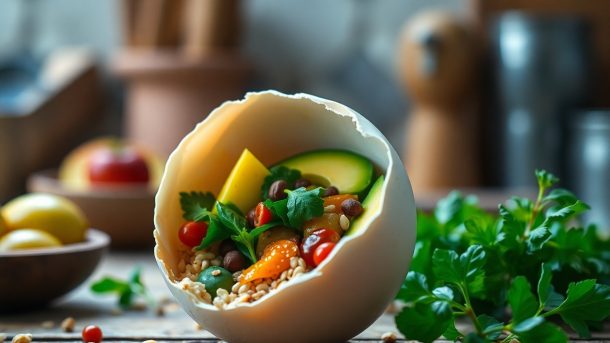
Most of the time, when you think about raising chickens, you might also wonder what special food they need to thrive. Chickens are wonderful creatures that can provide you with delicious and nutritious eggs, but in order to do so, they require a specific diet. In this blog post, you will learn about the special food that is important for keeping your chickens healthy and happy. So, let’s probe the world of chicken nutrition and discover what makes their diet unique.

Key Takeaways:

  • High protein content: Chicken require a diet rich in protein to support their growth and egg production.
  • Essential nutrients: Special chicken food typically contains vitamins, minerals, and amino acids necessary for the bird’s health and well-being.
  • A balanced diet: Chicken feed should be formulated to provide a balanced combination of protein, carbohydrates, fats, and other nutrients to meet their specific dietary needs.

Nutritional Needs of Chickens

Protein Requirements

A crucial component of a chicken’s diet is protein. Protein is crucial for growth, development, and overall health of your flock. As a chicken owner, you must ensure that your feathered friends receive an adequate amount of protein in their diet. Chickens require about 16-20% protein in their feed, especially during critical stages like egg production or growth phases.

Calcium and Phosphorus Needs

The balance of calcium and phosphorus in a chicken’s diet is vital for eggshell formation, bone strength, and overall health. You must provide your chickens with a diet that includes sufficient levels of calcium and phosphorus. Laying hens, for example, require higher levels of calcium to support egg production. Most commercial chicken feeds are formulated to meet these specific needs, but you can also supplement their diet with crushed oyster shells or ground limestone.

Understanding the specific nutritional needs of your chickens is crucial for their health and productivity. By ensuring they receive the right balance of protein, calcium, and phosphorus, you can help your flock thrive and lay healthy eggs. Paying attention to these nutritional requirements will not only benefit your chickens but also contribute to the overall well-being of your flock.

Types of Special Food for Chickens

Any well-informed chicken owner knows that providing the right feed is crucial for the health and productivity of their flock. There are different types of special food formulated to meet the specific nutritional needs of chickens based on their age and purpose. Here are some varieties of special food for chickens:

Layer Feed for Egg-Laying Hens Starter Feed for Young Chicks
A balanced diet rich in calcium and protein to support egg production. Nutrient-dense formula with higher protein content to promote growth and development.
Formulated with added vitamins and minerals for strong eggshells. Includes medication to prevent common chick diseases like coccidiosis.
After about 20 weeks of age, switch to layer feed for optimal egg production. Transition chicks to grower feed after 8 to 10 weeks of age.

Layer Feed for Egg-Laying Hens

On your farm, when you have hens that are laying eggs regularly, it’s crucial to provide them with a specialized layer feed. This feed is designed to support their specific needs for calcium and protein, which are important for producing strong eggshells and quality eggs. Layer feed is typically fortified with vitamins and minerals to ensure your hens stay healthy and productive.

Starter Feed for Young Chicks

Special attention needs to be given to the diet of your young chicks to ensure they grow up healthy and strong. Starter feed is specifically formulated to meet the high nutritional requirements of growing chicks, with a higher protein content to support their rapid growth. This feed often contains medication to prevent common diseases that can affect young chicks, giving them the best start in life.

When raising chicks, it’s important to provide them with the right feed from the beginning to set them up for success in their development and future egg-laying or meat production roles. Starter feed plays a critical role in ensuring your chicks get the necessary nutrients to thrive and grow into healthy adult chickens.

Broiler Feed for Meat Production

With your focus on raising chickens for meat production, you’ll want to provide them with a specialized broiler feed that is formulated to support rapid growth and efficient meat production. Broiler feed typically contains higher levels of protein to promote muscle development and weight gain in a short period.

Chicks destined for meat production have different nutritional needs compared to those raised for egg-laying purposes. By supplying them with the right broiler feed, you can ensure they reach their full potential in terms of size and weight, resulting in high-quality meat for your table.

Grains and Cereals for Chickens

All grains are not created equal when it comes to feeding your chickens. Let’s explore the difference between whole grains and processed grains to understand their impact on your flock.

Whole Grains vs. Processed Grains

Whole grains, such as whole corn and whole oats, retain their nutritional value and fiber content, providing a more wholesome source of energy for your chickens. On the other hand, processed grains like cracked corn and rolled oats may have some of their nutrients stripped away during processing. When choosing grains for your chickens, opt for whole grains whenever possible to ensure they receive the maximum nutritional benefits.

Oats, Barley, and Wheat as Chicken Feed

To provide a balanced diet for your chickens, consider incorporating oats, barley, and wheat into their feed. These grains are rich in necessary nutrients like carbohydrates, protein, and vitamins, which are important for promoting overall health and egg production in your flock.

The protein content in oats, barley, and wheat helps support muscle development in chickens, while the carbohydrates provide a source of energy for their daily activities. Additionally, the vitamins and minerals present in these grains contribute to maintaining strong bones and feathers, as well as supporting the immune system of your chickens.

Fruits and Vegetables for Chickens

Once again, incorporating a variety of fruits and vegetables into your chickens’ diet can provide them with imperative nutrients while offering a tasty treat.

Fresh Fruits like Apples and Berries

For your feathered friends, fresh fruits like apples and berries can be a delightful addition to their diet. Apples are rich in vitamins and antioxidants, while berries offer a burst of flavor and a dose of beneficial nutrients. Be sure to cut the fruits into small, manageable pieces to prevent choking hazards and make it easier for your chickens to enjoy.

Leafy Greens like Kale and Spinach

Kale and spinach are excellent choices when it comes to leafy greens for your chickens. These greens are packed with vitamins and minerals that can contribute to overall health and wellbeing. Offering a mix of kale and spinach can help provide a diverse range of nutrients to support your chickens’ vitality.

Kale and spinach are rich in vitamins A, C, and K, as well as minerals like calcium and iron. These nutrients are imperative for healthy bone development, immune function, and overall vitality, making leafy greens a valuable addition to your chickens’ diet.

Root Vegetables like Carrots and Sweet Potatoes

Kale and sweet potatoes can provide a nutritious boost to your chickens’ diet. These root vegetables are loaded with vitamins and minerals that can support your chickens’ health and wellbeing. Including a variety of root vegetables like carrots and sweet potatoes can offer a range of nutrients to keep your chickens in top condition.

Carrots are high in beta carotene, which can promote healthy vision and immune function in chickens. Sweet potatoes are an excellent source of fiber and vitamins A and C, supporting digestion and overall health. By including root vegetables like carrots and sweet potatoes in your chickens’ diet, you can help ensure they receive a well-rounded and nutritious meal.

Treats and Supplements for Chickens

For more information on how to properly feed your chickens for their health and optimal egg production, you can check out Feeding Chickens for Health and the Best Eggs. This will give you a comprehensive guide on the best practices to ensure your chickens are well-fed and healthy.

Healthy Treat Options like Sunflower Seeds

Any chicken keeper knows that treats are a fun way to bond with your feathered friends. Sunflower seeds are a popular and healthy choice as they are high in protein, vitamins, and minerals. You can toss them to your flock as a tasty snack or scatter them in the coop for a fun foraging activity.

Calcium Supplements for Strong Bones

Sunflower seeds are not only a tasty treat for your chickens but also a great source of calcium. Calcium is imperative for strong bones and eggshell formation in laying hens. You can provide additional calcium supplements such as crushed oyster shell or eggshells to ensure your chickens have all the nutrients they need for healthy growth and egg production.

Healthy bones are crucial for your chickens’ overall well-being. By offering calcium supplements in addition to their regular feed, you are helping them maintain strong bones and preventing issues like soft-shelled eggs. Make sure to provide these supplements in a separate dish so your chickens can access them freely as needed.

Avoiding Harmful Foods for Chickens

Toxic Substances like Avocado and Onions

Despite the joy of feeding your chickens a variety of foods, it is crucial to be aware of items that can be harmful to their health. Certain foods like avocado and onions contain toxic substances that can be harmful to chickens, causing symptoms ranging from mild digestive upset to more severe cases of poisoning.

High-Sodium Foods and their Risks

Their excitement for treats may have you wondering about feeding your chickens various foods, but it is important to be cautious. High-sodium foods pose risks to your chickens’ health, leading to issues like dehydration and kidney problems.

It is imperative to avoid feeding your chickens foods high in salt, such as chips, processed foods, and excessive amounts of bread. These can lead to health issues that may impact your chickens’ well-being and productivity. Stick to offering them healthy, natural treats to ensure their optimal health and happiness.

Final Words

Hence, it is necessary to understand the nutritional needs of your chickens to ensure they lead healthy and productive lives. By providing them with a balanced diet that includes a variety of grains, proteins, vitamins, and minerals, you can help them thrive and lay nutritious eggs. Be mindful of, happy and healthy chickens start with the right kind of special food tailored to their needs.

Q: What are special foods for chickens?

A: Chickens thrive on a balanced diet that includes a mixture of grains, vegetables, fruits, and proteins. Special foods for chickens can include mealworms, black soldier fly larvae, and other bird-friendly treats.

Q: Can chickens eat table scraps?

A: Yes, chickens can eat table scraps, but it’s important to avoid feeding them anything toxic or harmful. They can enjoy leftovers such as vegetables, fruits, bread, rice, and pasta in moderation.

Q: How do I provide a balanced diet for my chickens?

A: To provide a balanced diet for your chickens, make sure to offer a combination of commercial chicken feed, fresh fruits and vegetables, grains like corn and oats, and protein sources such as mealworms or insects. Additionally, ensure they have access to fresh, clean water at all times.

What dishes are high in fiber

Most people don’t realize how important fiber is for digestive health and overall wellness. By incorporating high-fiber dishes into your meals, you can enhance your nutrient intake and promote better gut function. If you’re looking for ideas, try exploring options that include whole grains, beans, fruits, and vegetables. For a comprehensive approach, check out this 30-Day High-Fiber Anti-Inflammatory Dinner Plan. In this blog post, you’ll discover various delicious and healthy dishes that can help you meet your fiber goals.

Key Takeaways:

  • Legumes: Foods like lentils, chickpeas, and black beans are exceptionally high in fiber, making them an excellent choice for boosting fiber intake.
  • Whole Grains: Whole grain products such as quinoa, brown rice, and whole wheat bread offer substantial fiber content compared to their refined counterparts.
  • Fruits and Vegetables: Many fruits (like raspberries and pears) and vegetables (such as broccoli and artichokes) provide significant amounts of fiber while also being rich in vitamins and minerals.

Understanding Fiber

The importance of fiber in your diet cannot be overstated. Fiber plays a vital role in digestive health, aiding in regular bowel movements and preventing constipation. Incorporating fiber into your meals can also help maintain a healthy weight and lower the risk of chronic diseases. By understanding the different types of fiber and their benefits, you can make informed choices that support your overall well-being.

Types of Dietary Fiber

With two primary types of dietary fiber, it’s imperative to integrate both into your diet for optimal health. Each type offers unique benefits:

  • Soluble fiber – dissolves in water, helps lower cholesterol, and stabilizes blood sugar.
  • Insoluble fiber – does not dissolve in water, adds bulk to stool, and aids in digestion.

Thou shalt include a mix of both types for balanced nutrition.

Type Examples
Soluble Fiber Oats, legumes, fruits
Insoluble Fiber Whole grains, nuts, vegetables
Benefits of Soluble Lowers cholesterol, controls sugar levels
Benefits of Insoluble Promotes bowel health, prevents constipation

Health Benefits of Fiber

Below are some significant health benefits of incorporating fiber into your diet. By adding fiber-rich foods to your meals, you can enjoy better digestion, improved heart health, and reduced risks of certain diseases. Fiber can help regulate blood sugar levels and manage weight by promoting a feeling of fullness.

Also, fiber plays a role in maintaining healthy gut bacteria, which can enhance your immune system and overall well-being. Including adequate amounts of fiber in your diet is an easy way to make positive changes in your health, ensuring you feel satisfied and energized throughout the day.

High-Fiber Vegetables

There’s a wide array of vegetables that you can incorporate into your diet to boost your fiber intake. Leafy greens, broccoli, Brussels sprouts, carrots, and artichokes are just a few examples of high-fiber options that not only enhance your meals but also contribute to overall digestive health. Including these vegetables in your daily meals helps to ensure that you get the fiber your body needs.

Best Choices for Fiber Content

Between the various vegetables available, artichokes, broccoli, and Brussels sprouts stand out with their impressive fiber content. A serving of artichokes contains about 10 grams of fiber, while broccoli and Brussels sprouts offer around 5 grams per serving, making them excellent choices for those looking to increase their fiber intake.

Preparation Methods

About how you prepare your vegetables can significantly impact their fiber retention and nutritional value. Steaming, roasting, or sautéing with minimal water preserves the fiber and crucial nutrients while emphasizing their natural flavors, allowing you to enjoy them at their best.

Choices like steaming broccoli or roasting Brussels sprouts with olive oil enhance their taste while keeping their fiber intact. Avoid methods like boiling, which can lead to nutrient loss. You might also consider eating vegetables raw in salads or dips to maximize fiber intake. Experimenting with various cooking techniques can make high-fiber vegetables a tasty addition to your meals.

High-Fiber Fruits

Despite common perceptions, fruits can be an excellent source of dietary fiber. Incorporating a variety of high-fiber fruits into your diet not only aids in digestion but also helps maintain a healthy weight and reduce the risk of certain diseases. Fruits like raspberries, pears, and apples offer a delicious way to boost your fiber intake, making them a fantastic addition to your meals or snacks.

Most Fiber-Rich Options

Before you choose your next fruit, consider some of the options that pack the highest fiber punch. Raspberries lead the charge, delivering about 8 grams per cup, followed closely by pears, which offer about 5-6 grams depending on their size. Apples, especially with the skin, provide around 4 grams of fiber per medium fruit. Don’t overlook figs and bananas as well!

Eating Tips

For optimal benefits, you can enhance your fiber intake by following these simple tips:

  • Start your day with a smoothie that includes high-fiber fruits.
  • Snack on whole fruits instead of fruit juices, which lack fiber.
  • Add fruits to your salads or yogurt for a healthy boost.
  • Mix dried fruits like apricots or prunes into your trail mix.
  • Recognizing the role of fiber-rich fruits can elevate your overall nutrition.

The key to integrating high-fiber fruits into your meals is to keep them accessible and varied.

  • Opt for seasonal fruits for the best flavor and freshness.
  • Prepare fruit salads or fruit-infused water for refreshing snacks.
  • Experiment with baking fruits into healthy desserts.
  • Combine fruits with nuts or seeds for added texture and fiber.
  • Recognizing your preferences will make it easier to consume more fibrous fruits consistently.

Whole Grains and Legumes

Keep your meals nutritious by incorporating whole grains and legumes, which are excellent sources of dietary fiber. Whole grains such as oats, quinoa, and brown rice not only provide fiber but also crucial vitamins and minerals. Legumes, including lentils, chickpeas, and black beans, are fiber powerhouses that can be added to various dishes, enhancing both nutrition and flavor. Including these foods in your diet can promote digestive health and improve overall well-being.

Identifying High-Fiber Grains

Before you can make healthy choices, it’s crucial to identify which grains are high in fiber. Look for whole grain options like whole wheat bread, barley, and bulgur. These grains should be listed as “100% whole grain” on packaging. Consider checking the nutrition label for fiber content, aiming for at least 3 grams of fiber per serving, which indicates a substantial fiber source for your diet.

Incorporating Legumes into Your Diet

On your journey to enhance your fiber intake, consider adding legumes to your meals. They are versatile and can be included in soups, salads, or as a meat substitute. You can also blend them into smoothies for added creaminess or use them in spreads like hummus. Legumes can also be easy to prepare, with numerous canned options available for quick meal solutions.

Consequently, the more you include legumes in your meals, the more you’ll appreciate their nutritional benefits. Start with simple recipes that highlight their flavors, like a hearty chili or a refreshing bean salad. You can even try experimenting with different types of legumes to keep your meals interesting and satisfy your taste buds. By creatively incorporating legumes into your diet, you’ll not only boost your fiber intake but also enhance your overall meal variety and health benefits.

High-Fiber Snacks

Your snacking choices can significantly impact your fiber intake. Opting for high-fiber snacks not only satisfies your cravings but also provides health benefits, including better digestion and longer-lasting energy. Some delicious options include nut mixes, whole grain crackers, and fresh fruits or veggies, all packed with fiber to keep you feeling full and nourished in between meals.

Nutritious Snack Options

Behind every satisfying snack lies a variety of nutritious options rich in fiber. Foods like hummus paired with carrots, air-popped popcorn, and chia seed pudding not only taste great but also provide important nutrients that promote overall health. By incorporating these fiber-rich snacks into your diet, you can easily meet your daily fiber goals.

Recipes for Quick Snacks

At any time of day, you might find yourself in need of a quick, fiber-rich snack. Homemade options are often the best choices, allowing you to control ingredients and maximize nutrition. Simple recipes like overnight oats, avocado toast on whole grain bread, or energy balls made from oats and nut butter can easily fit into your busy lifestyle while elevating your fiber intake.

Due to the increasing awareness of health and wellness, creating quick snacks at home has become a popular trend. These recipes can be tailored to suit your preferences and dietary needs while ensuring you get the fiber your body craves. They require minimal time and effort, helping you stay on track with your fiber goals even on the busiest days. So, gather your ingredients, and you’ll have nutritious, fiber-packed snacks at your fingertips in no time!

Meal Ideas for Increasing Fiber Intake

Many individuals finding it challenging to meet their daily fiber needs can benefit from incorporating various meal ideas into their routine. By focusing on fiber-rich ingredients, you can easily enhance your meals, promoting better digestion and overall health. Whether you’re seeking to boost your breakfast, lunch, or dinner, there are plenty of delicious options available to help you achieve your daily fiber goals.

Breakfast Recipes

Meal prep can be a game changer when it comes to increasing your fiber intake. Start your day with smoothies loaded with spinach, chia seeds, and oats, or opt for whole grain toast topped with avocado and sliced tomatoes. A bowl of high-fiber cereal topped with fruits like berries or bananas can also be a satisfying, nutritious choice to fuel your morning.

Lunch and Dinner Suggestions

Before stepping into lunch and dinner options, consider integrating a variety of legumes and whole grains into your meals. Quinoa salads packed with black beans, corn, and bell peppers, or lentil soups with carrots and spinach can greatly enhance your fiber intake while providing scrumptious flavors. Whole grain pastas with vegetable-rich marinara sauces are also a fantastic way to enjoy fiber-filled dishes.

Plus, don’t shy away from experimenting with seasonal vegetables in your main dishes, as they can further enrich your meals. Roasting a medley of Brussels sprouts, sweet potatoes, and carrots tossed in olive oil can create a delightful side that adds fiber and nutrients. Additionally, incorporating fiber-dense ingredients like chickpeas or edamame into stir-fries not only boosts the fiber content but also delivers delicious, satisfying meals to your table.

Conclusion

Considering all points, incorporating high-fiber dishes into your diet can significantly enhance your overall health. Foods like beans, lentils, whole grains, vegetables, and fruits provide crucial fiber that supports digestion and can aid in weight management. By choosing meals that include these fiber-rich ingredients, you can improve your well-being while enjoying a variety of delicious flavors. Aim to diversify your plate to ensure you receive adequate fiber for optimal health.

FAQ

Q: What are some examples of high-fiber dishes?

A: High-fiber dishes often include those made with legumes, whole grains, fruits, and vegetables. Examples include a black bean salad, quinoa with roasted vegetables, oatmeal topped with berries, lentil soup, and whole grain pasta with a tomato and spinach sauce.

Q: How can I increase the fiber content in my meals?

A: To boost fiber in your meals, try incorporating more whole foods. Add beans or legumes to salads, choose whole grain bread over white bread, include fruits with the skin on, and opt for brown rice instead of white rice. Snacking on nuts, seeds, or popcorn can also add fiber throughout your day.

Q: Are there specific fiber-rich fruits and vegetables I should focus on?

A: Yes, some fiber-rich fruits and vegetables include raspberries, pears, apples (with skin), bananas, carrots, broccoli, and artichokes. Incorporating these into your diet can significantly increase your daily fiber intake.

Q: How much fiber should I aim to consume each day?

A: The recommended daily fiber intake is about 25 grams for women and 38 grams for men. However, individual needs may vary based on factors such as age, activity level, and overall health. Gradually increasing your fiber intake can help avoid digestive discomfort.

Q: Can high-fiber dishes help with weight management?

A: Yes, high-fiber dishes can assist with weight management. Foods rich in fiber tend to be more filling, which can help control appetite and reduce overall calorie intake. Additionally, fiber supports digestion and can aid in maintaining a healthy weight when included as part of a balanced diet.

Are eggs high in fiber

There’s a common misconception that eggs are a good source of dietary fiber, but the reality is quite different. In this post, you’ll learn about the fiber content of eggs and explore how they fit into a balanced diet. While they provide crucial nutrients like protein and healthy fats, you might be surprised to find that eggs contain virtually no fiber at all. Let’s examine into the reasons why incorporating fiber-rich foods is important for your health and how eggs can complement those sources in your meals.

Key Takeaways:

  • Eggs do not contain fiber.
  • Dietary fiber is primarily found in plant-based foods.
  • protein intake but should be paired with fiber-rich foods.

Understanding Fiber

Your knowledge of fiber is vital for maintaining a healthy diet. Fiber is a type of carbohydrate that the body cannot digest, and it plays a vital role in promoting digestive health, managing weight, and lowering the risk of chronic diseases. By incorporating adequate fiber into your diet, you can enhance your overall well-being and improve bodily functions.

Definition of Fiber

Fiber is a naturally occurring substance found in plant foods that helps support digestion and overall health. It is categorized into two main types: soluble and insoluble, each contributing differently to your nutritional needs. Soluble fiber absorbs water and forms a gel-like substance, while insoluble fiber adds bulk to your stool and aids in moving food through the digestive tract.

Types of Fiber

Fiber comes in two primary types that play different roles in your health. These include:

  • Soluble Fiber: Dissolves in water; helps lower cholesterol and regulate blood sugar levels.
  • Insoluble Fiber: Does not dissolve in water; promotes regularity and prevents constipation.
Type Characteristics
Soluble Fiber Helps lower cholesterol and manage blood sugar levels.
Insoluble Fiber Aids in digestion and prevents constipation.
Sources Oats, beans, fruits, vegetables.
Health Benefits Supports heart health and digestive function.
Daily Recommendation 25-30 grams for adults.

Also, understanding the types of fiber aids in making healthier food choices. Incorporating a mix of both soluble and insoluble fiber into your diet can greatly enhance your well-being. Look for foods rich in fiber to ensure you reap the benefits:

  • Fruits like apples and berries for soluble fiber.
  • Vegetables like carrots and celery for insoluble fiber.
Food Type of Fiber
Oats Soluble Fiber
Whole Wheat Insoluble Fiber
Legumes (Beans) Soluble Fiber
Broccoli Insoluble Fiber
Apples Soluble Fiber

Nutritional Composition of Eggs

There’s a rich nutritional profile in eggs that makes them a staple in many diets. They are not only high in protein but also provide vital fats, vitamins, and minerals. A single large egg generally contains around 70 calories, with various nutrients packaged neatly within its shell, making it a versatile food choice for your meals. This combination of nutrients supports your overall health, aiding in muscle growth and repair, as well as providing energy for daily activities.

Macronutrients in Eggs

Around six grams of protein is contained in each large egg, which is vital for your body’s growth and repair. In addition to protein, eggs provide a small amount of carbohydrates, typically less than one gram, and approximately five grams of fat. The majority of the fat is unsaturated, which is beneficial for heart health, making eggs a balanced choice for incorporating macronutrients into your diet.

Micronutrients in Eggs

To understand the benefits of eggs, explore the wealth of micronutrients they offer. Each egg is a source of various vitamins and minerals, including vitamin A, vitamin D, vitamin B12, riboflavin, selenium, and choline. These micronutrients play significant roles in supporting your immune system, promoting eye health, and aiding in metabolism.

Macronutrients in eggs are complemented by an impressive array of micronutrients. For instance, vitamin D not only supports bone health but also plays a role in mood regulation. Choline is vital for brain function and cell membrane integrity, contributing to mental clarity and cognitive health. Additionally, selenium acts as a powerful antioxidant, supporting your body’s defense mechanisms. By including eggs in your diet, you can benefit from both the macronutrient and micronutrient profile they offer, enhancing your overall nutritional intake.

Fiber Content in Eggs

Once again, it’s important to note that eggs are not high in fiber. A typical large egg contains virtually no fiber at all. If you’re looking for ways to boost your fiber intake at breakfast, consider incorporating fiber-rich foods like fruits, whole grains, or vegetables. For inspiration, check out 25 High-Fiber Breakfast Ideas for a Healthy Stomach.

Are Eggs Naturally High in Fiber?

An egg is primarily a source of protein and healthy fats, but it doesn’t offer any dietary fiber. If you are focusing on increasing your fiber consumption, you will need to look beyond eggs for those nutrients.

Comparison with Other Foods

Across various food options, eggs stand out for their excellent protein content but fall flat on fiber. Here’s a quick comparison:

Comparison of Fiber Content

Food Item Fiber Content (grams)
Large Egg 0
Avocado (1 medium) 9
Oats (1 cup, cooked) 4
Chia Seeds (1 oz) 10

Hence, if you compare the fiber content of eggs to other foods, it’s clear that eggs do not contribute to your dietary fiber intake. Opting for fiber-rich foods alongside your eggs can help achieve a balanced, nutritious meal.

Conclusion on Fiber Content

Food Item Fiber Content (grams)
Broccoli (1 cup, cooked) 5
Whole Wheat Bread (1 slice) 2
Quinoa (1 cup, cooked) 5

Health Benefits of Fiber

After incorporating fiber into your diet, you may notice numerous health benefits that contribute to overall well-being. Fiber aids in proper digestion, supports a healthy gut microbiome, and helps in weight management. Additionally, a fiber-rich diet can contribute to lower cholesterol levels and improved blood sugar control, which plays a vital role in reducing your risk of chronic diseases. By focusing on fiber, you can promote important bodily functions and cultivate long-term health benefits.

Digestion and Gut Health

Beside promoting regular bowel movements, fiber is important for maintaining a healthy gut environment. It acts as a prebiotic, feeding beneficial gut bacteria that aid digestion. A fiber-rich diet fosters better nutrient absorption while reducing your chances of developing gastrointestinal issues, such as constipation or irritable bowel syndrome (IBS). Embracing fiber in your meals can help enhance your digestive health over time.

Heart Health and Disease Prevention

Above all, you should know that fiber plays a significant role in heart health and disease prevention. A diet rich in fiber can lower cholesterol levels and reduce blood pressure, thus lowering your risk of heart disease. Fiber also helps regulate blood sugar levels, making it vital for preventing type 2 diabetes.

Heart health is a priority in maintaining your overall well-being, and fiber contributes significantly to this aspect of health. By consuming soluble fiber, you can help your body remove excess cholesterol, leading to improved heart functioning. Regular fiber intake not only stabilizes blood sugar levels but also reduces inflammation, which is vital for preventing cardiovascular diseases. As you increase your fiber consumption, you’re taking important steps toward safeguarding your heart and enhancing your overall health.

Dietary Sources of Fiber

All sources of dietary fiber come from plant-based foods. These include fruits, vegetables, legumes, nuts, seeds, and whole grains. Fiber plays an necessary role in digestion and overall health, helping you maintain a balanced diet. By incorporating a variety of these foods into your meals, you can easily increase your fiber intake and enjoy its numerous benefits for your body.

Whole Foods Rich in Fiber

Below are some excellent whole foods that are rich in fiber: beans, lentils, oats, chia seeds, quinoa, apples, pears, and leafy greens. These foods not only provide you with fiber but also come packed with necessary vitamins, minerals, and antioxidants, enhancing your overall nutritional profile.

Incorporating Fiber into Your Diet

On your journey to a fiber-rich lifestyle, start by gradually adding high-fiber foods to your daily meals. You can swap refined grains for whole grains, incorporate legumes into salads or soups, and snack on fruits and vegetables throughout the day.

In fact, increasing your fiber intake can be an enjoyable process. Try experimenting with new recipes that feature legumes or whole grains, add more fruits and veggies to your smoothies, or replace traditional snacks with nuts and seeds. Keeping a variety of fiber-rich foods on hand makes it easier for you to maintain a well-rounded diet, promote digestive health, and feel satisfied for longer periods after meals.

The Role of Eggs in a Balanced Diet

Not only are eggs a rich source of high-quality protein, but they also provide crucial vitamins and minerals that contribute to overall health. Including eggs in your diet allows you to enjoy versatility in meal preparation while ensuring you are fueling your body with important nutrients. When incorporated into a balanced diet, eggs can support muscle development, brain function, and overall wellness, making them a valuable addition to your daily meals.

Egg Consumption Recommendations

Above the age of 19, the American Heart Association suggests that you can safely consume up to one egg per day as part of a heart-healthy diet. However, your individual health conditions and dietary needs may affect these recommendations, so it’s always wise to talk to a healthcare professional about your specific situation.

Combining Eggs with High-Fiber Foods

Eggs provide you with a solid protein base, which can be deliciously complemented by incorporating high-fiber foods into your meals. By pairing eggs with items like whole grain toast, leafy greens, or avocado, you enhance both the nutrient density and fiber content of your dishes.

With this combination, you not only make your meals more filling but also balance the macronutrients effectively. A breakfast of scrambled eggs served on whole grain bread with spinach or a frittata loaded with vegetables can keep you satisfied longer, aiding digestion and promoting a healthy gut. This approach allows you to meet your daily fiber intake recommendations while enjoying the benefits of both protein from eggs and fiber from your chosen accompaniments.

Summing up

With this in mind, you should know that eggs are not high in fiber, as they contain virtually none. While they are a great source of protein and necessary nutrients, you need to complement your meals with high-fiber foods for a balanced diet. Incorporate foods such as fruits, vegetables, legumes, and whole grains to meet your fiber needs effectively. For more insight on dietary fiber, consider checking out this resource on 31 High-Fiber Foods You Should Eat.

FAQ

Q: Are eggs high in fiber?

A: No, eggs are not high in fiber. In fact, eggs contain no dietary fiber at all. They are primarily composed of protein and fats, making them a good source of nutrients but not a source of fiber.

Q: Why is fiber important in a diet?

A: Fiber is important for various reasons. It aids in digestion, helps maintain bowel health, lowers cholesterol levels, and can contribute to a feeling of fullness. A diet high in fiber can also help manage blood sugar levels and reduce the risk of diseases such as diabetes and heart disease.

Q: What foods are rich in fiber?

A: Foods that are rich in fiber include fruits (such as apples, bananas, and berries), vegetables (like broccoli, carrots, and leafy greens), legumes (such as beans, lentils, and chickpeas), whole grains (like oats, brown rice, and quinoa), and nuts and seeds. Incorporating these foods into your diet can help increase your fiber intake.

Q: Can I get enough fiber if I eat eggs regularly?

A: While eggs are nutritious, they should not be relied upon as a source of fiber. If you consume eggs regularly, it is important to include other high-fiber foods in your diet to meet your daily fiber requirements. The recommended daily fiber intake is about 25 grams for women and 38 grams for men.

Q: How can I increase my fiber intake in meals that include eggs?

A: To increase fiber intake while enjoying eggs, consider adding high-fiber ingredients to your egg dishes. For example, you can include vegetables like spinach, tomatoes, and bell peppers in an omelette or serve eggs alongside whole grain toast or avocado. You can also incorporate legumes by adding beans to a breakfast burrito or salad.

Skip to content