Most of the time, when you think about raising chickens, you might also wonder what special food they need to thrive. Chickens are wonderful creatures that can provide you with delicious and nutritious eggs, but in order to do so, they require a specific diet. In this blog post, you will learn about the special food that is important for keeping your chickens healthy and happy. So, let’s probe the world of chicken nutrition and discover what makes their diet unique.
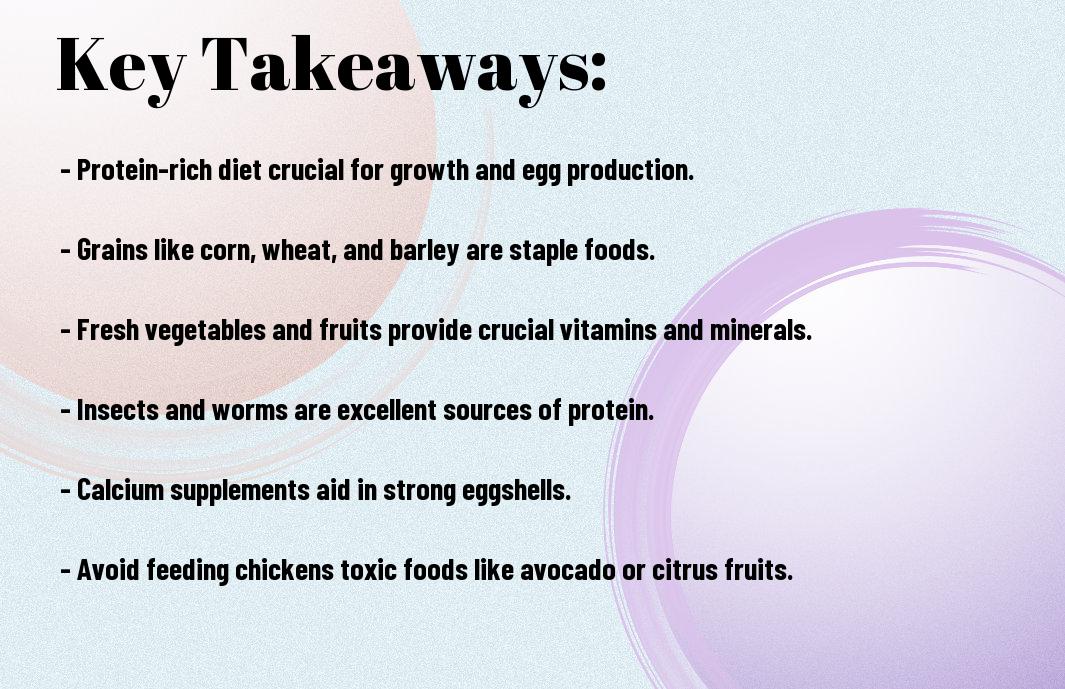
Key Takeaways:
- High protein content: Chicken require a diet rich in protein to support their growth and egg production.
- Essential nutrients: Special chicken food typically contains vitamins, minerals, and amino acids necessary for the bird’s health and well-being.
- A balanced diet: Chicken feed should be formulated to provide a balanced combination of protein, carbohydrates, fats, and other nutrients to meet their specific dietary needs.
Nutritional Needs of Chickens
Protein Requirements
A crucial component of a chicken’s diet is protein. Protein is crucial for growth, development, and overall health of your flock. As a chicken owner, you must ensure that your feathered friends receive an adequate amount of protein in their diet. Chickens require about 16-20% protein in their feed, especially during critical stages like egg production or growth phases.
Calcium and Phosphorus Needs
The balance of calcium and phosphorus in a chicken’s diet is vital for eggshell formation, bone strength, and overall health. You must provide your chickens with a diet that includes sufficient levels of calcium and phosphorus. Laying hens, for example, require higher levels of calcium to support egg production. Most commercial chicken feeds are formulated to meet these specific needs, but you can also supplement their diet with crushed oyster shells or ground limestone.
Understanding the specific nutritional needs of your chickens is crucial for their health and productivity. By ensuring they receive the right balance of protein, calcium, and phosphorus, you can help your flock thrive and lay healthy eggs. Paying attention to these nutritional requirements will not only benefit your chickens but also contribute to the overall well-being of your flock.
Types of Special Food for Chickens
Any well-informed chicken owner knows that providing the right feed is crucial for the health and productivity of their flock. There are different types of special food formulated to meet the specific nutritional needs of chickens based on their age and purpose. Here are some varieties of special food for chickens:
| Layer Feed for Egg-Laying Hens | Starter Feed for Young Chicks |
|---|---|
| A balanced diet rich in calcium and protein to support egg production. | Nutrient-dense formula with higher protein content to promote growth and development. |
| Formulated with added vitamins and minerals for strong eggshells. | Includes medication to prevent common chick diseases like coccidiosis. |
| After about 20 weeks of age, switch to layer feed for optimal egg production. | Transition chicks to grower feed after 8 to 10 weeks of age. |
Layer Feed for Egg-Laying Hens
On your farm, when you have hens that are laying eggs regularly, it’s crucial to provide them with a specialized layer feed. This feed is designed to support their specific needs for calcium and protein, which are important for producing strong eggshells and quality eggs. Layer feed is typically fortified with vitamins and minerals to ensure your hens stay healthy and productive.
Starter Feed for Young Chicks
Special attention needs to be given to the diet of your young chicks to ensure they grow up healthy and strong. Starter feed is specifically formulated to meet the high nutritional requirements of growing chicks, with a higher protein content to support their rapid growth. This feed often contains medication to prevent common diseases that can affect young chicks, giving them the best start in life.
When raising chicks, it’s important to provide them with the right feed from the beginning to set them up for success in their development and future egg-laying or meat production roles. Starter feed plays a critical role in ensuring your chicks get the necessary nutrients to thrive and grow into healthy adult chickens.
Broiler Feed for Meat Production
With your focus on raising chickens for meat production, you’ll want to provide them with a specialized broiler feed that is formulated to support rapid growth and efficient meat production. Broiler feed typically contains higher levels of protein to promote muscle development and weight gain in a short period.
Chicks destined for meat production have different nutritional needs compared to those raised for egg-laying purposes. By supplying them with the right broiler feed, you can ensure they reach their full potential in terms of size and weight, resulting in high-quality meat for your table.
Grains and Cereals for Chickens
All grains are not created equal when it comes to feeding your chickens. Let’s explore the difference between whole grains and processed grains to understand their impact on your flock.
Whole Grains vs. Processed Grains
Whole grains, such as whole corn and whole oats, retain their nutritional value and fiber content, providing a more wholesome source of energy for your chickens. On the other hand, processed grains like cracked corn and rolled oats may have some of their nutrients stripped away during processing. When choosing grains for your chickens, opt for whole grains whenever possible to ensure they receive the maximum nutritional benefits.
Oats, Barley, and Wheat as Chicken Feed
To provide a balanced diet for your chickens, consider incorporating oats, barley, and wheat into their feed. These grains are rich in necessary nutrients like carbohydrates, protein, and vitamins, which are important for promoting overall health and egg production in your flock.
The protein content in oats, barley, and wheat helps support muscle development in chickens, while the carbohydrates provide a source of energy for their daily activities. Additionally, the vitamins and minerals present in these grains contribute to maintaining strong bones and feathers, as well as supporting the immune system of your chickens.
Fruits and Vegetables for Chickens
Once again, incorporating a variety of fruits and vegetables into your chickens’ diet can provide them with imperative nutrients while offering a tasty treat.
Fresh Fruits like Apples and Berries
For your feathered friends, fresh fruits like apples and berries can be a delightful addition to their diet. Apples are rich in vitamins and antioxidants, while berries offer a burst of flavor and a dose of beneficial nutrients. Be sure to cut the fruits into small, manageable pieces to prevent choking hazards and make it easier for your chickens to enjoy.
Leafy Greens like Kale and Spinach
Kale and spinach are excellent choices when it comes to leafy greens for your chickens. These greens are packed with vitamins and minerals that can contribute to overall health and wellbeing. Offering a mix of kale and spinach can help provide a diverse range of nutrients to support your chickens’ vitality.
Kale and spinach are rich in vitamins A, C, and K, as well as minerals like calcium and iron. These nutrients are imperative for healthy bone development, immune function, and overall vitality, making leafy greens a valuable addition to your chickens’ diet.
Root Vegetables like Carrots and Sweet Potatoes
Kale and sweet potatoes can provide a nutritious boost to your chickens’ diet. These root vegetables are loaded with vitamins and minerals that can support your chickens’ health and wellbeing. Including a variety of root vegetables like carrots and sweet potatoes can offer a range of nutrients to keep your chickens in top condition.
Carrots are high in beta carotene, which can promote healthy vision and immune function in chickens. Sweet potatoes are an excellent source of fiber and vitamins A and C, supporting digestion and overall health. By including root vegetables like carrots and sweet potatoes in your chickens’ diet, you can help ensure they receive a well-rounded and nutritious meal.
Treats and Supplements for Chickens
For more information on how to properly feed your chickens for their health and optimal egg production, you can check out Feeding Chickens for Health and the Best Eggs. This will give you a comprehensive guide on the best practices to ensure your chickens are well-fed and healthy.
Healthy Treat Options like Sunflower Seeds
Any chicken keeper knows that treats are a fun way to bond with your feathered friends. Sunflower seeds are a popular and healthy choice as they are high in protein, vitamins, and minerals. You can toss them to your flock as a tasty snack or scatter them in the coop for a fun foraging activity.
Calcium Supplements for Strong Bones
Sunflower seeds are not only a tasty treat for your chickens but also a great source of calcium. Calcium is imperative for strong bones and eggshell formation in laying hens. You can provide additional calcium supplements such as crushed oyster shell or eggshells to ensure your chickens have all the nutrients they need for healthy growth and egg production.
Healthy bones are crucial for your chickens’ overall well-being. By offering calcium supplements in addition to their regular feed, you are helping them maintain strong bones and preventing issues like soft-shelled eggs. Make sure to provide these supplements in a separate dish so your chickens can access them freely as needed.
Avoiding Harmful Foods for Chickens
Toxic Substances like Avocado and Onions
Despite the joy of feeding your chickens a variety of foods, it is crucial to be aware of items that can be harmful to their health. Certain foods like avocado and onions contain toxic substances that can be harmful to chickens, causing symptoms ranging from mild digestive upset to more severe cases of poisoning.
High-Sodium Foods and their Risks
Their excitement for treats may have you wondering about feeding your chickens various foods, but it is important to be cautious. High-sodium foods pose risks to your chickens’ health, leading to issues like dehydration and kidney problems.
It is imperative to avoid feeding your chickens foods high in salt, such as chips, processed foods, and excessive amounts of bread. These can lead to health issues that may impact your chickens’ well-being and productivity. Stick to offering them healthy, natural treats to ensure their optimal health and happiness.
Final Words
Hence, it is necessary to understand the nutritional needs of your chickens to ensure they lead healthy and productive lives. By providing them with a balanced diet that includes a variety of grains, proteins, vitamins, and minerals, you can help them thrive and lay nutritious eggs. Be mindful of, happy and healthy chickens start with the right kind of special food tailored to their needs.
Q: What are special foods for chickens?
A: Chickens thrive on a balanced diet that includes a mixture of grains, vegetables, fruits, and proteins. Special foods for chickens can include mealworms, black soldier fly larvae, and other bird-friendly treats.
Q: Can chickens eat table scraps?
A: Yes, chickens can eat table scraps, but it’s important to avoid feeding them anything toxic or harmful. They can enjoy leftovers such as vegetables, fruits, bread, rice, and pasta in moderation.
Q: How do I provide a balanced diet for my chickens?
A: To provide a balanced diet for your chickens, make sure to offer a combination of commercial chicken feed, fresh fruits and vegetables, grains like corn and oats, and protein sources such as mealworms or insects. Additionally, ensure they have access to fresh, clean water at all times.