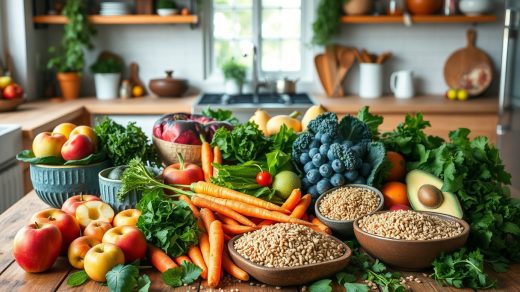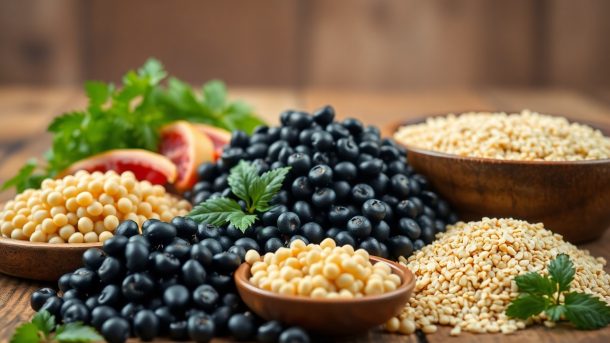
Most people overlook the importance of dietary fibre, which is important for digestive health. If you’re aiming to boost your fibre intake, you’ll be pleased to know that numerous foods pack about 7g of fibre per serving. This blog post will guide you through various delicious options that can help you reach your daily fibre goals effortlessly. By incorporating these foods into your meals, you can enhance your overall well-being while enjoying the rich flavors they offer.
Key Takeaways:
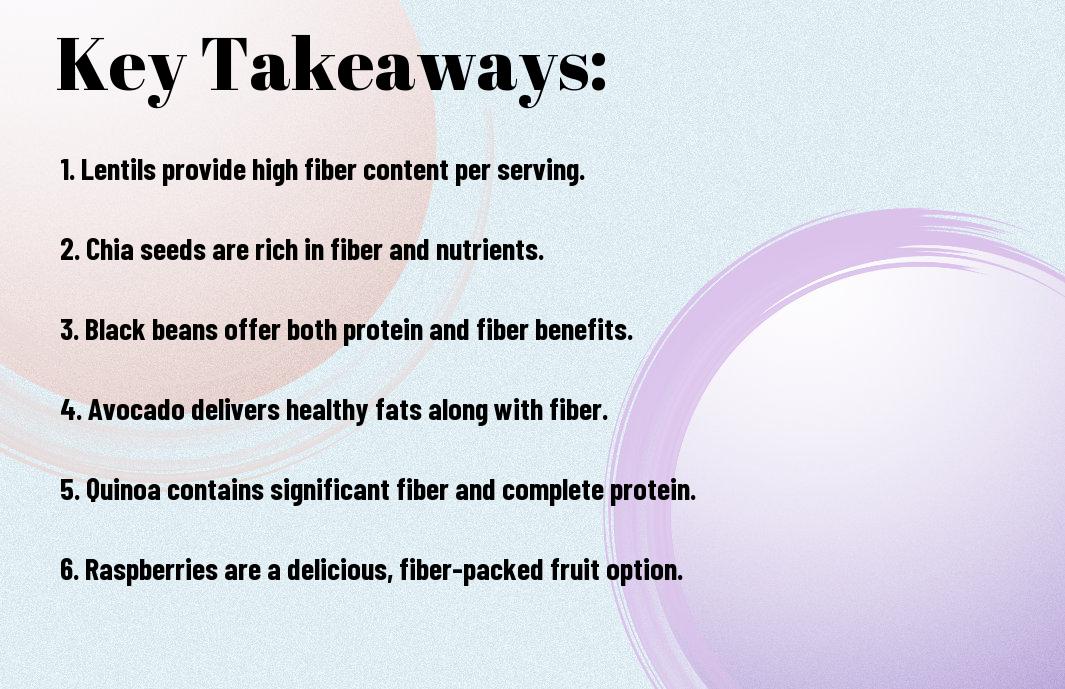
- Legumes: Foods like lentils and black beans are excellent sources of fiber, offering around 7g per serving.
- Whole Grains: Certain whole grains, such as oats and barley, can provide 7g of fiber, making them a great addition to your diet.
- Fruits and Vegetables: Some fruits, like avocados, and vegetables, like broccoli, also contain about 7g of fiber, enhancing your overall fiber intake.
Importance of Dietary Fiber
Your digestive health can greatly benefit from an adequate intake of dietary fiber. It aids in maintaining bowel regularity, helps lower cholesterol levels, and contributes to a feeling of fullness after meals, which can support healthy weight management. For more information, check out these Fiber Facts.
Health Benefits
An increased fiber intake can lead to numerous health benefits, including improved heart health, better blood sugar control, and a reduced risk of certain gastrointestinal diseases. Fiber helps slow down digestion, which can enhance nutrient absorption and stabilize blood sugar levels. Eating a fiber-rich diet can also mitigate the risk of developing chronic conditions over time.
Recommended Daily Intake
Along with reaping the benefits of fiber, knowing the recommended daily intake is important for making informed food choices. Adults should aim for about 25 to 30 grams of fiber daily, depending on age and sex. Incorporating a variety of fiber-rich foods into your meals can help you reach this goal.
In addition to general guidelines, individual needs may vary based on factors such as age, gender, and activity level. It’s beneficial to aim for a balance of soluble and insoluble fiber by consuming whole grains, fruits, vegetables, nuts, and legumes. Keeping track of your intake can help ensure you meet your fiber requirements for optimal health.
Foods Containing 7g of Fiber
Now, incorporating foods that contain 7g of fiber into your diet can significantly enhance your health. Fiber plays an important role in digestion, helping to maintain a healthy gut and prevent constipation. By choosing a variety of foods, you can easily achieve your daily fiber goals while enjoying a range of flavors and textures.
Whole Grains
Containing whole grains like quinoa, barley, and bulgur can provide you with 7g of fiber per serving. These grains not only deliver substantial fiber but also important nutrients like B vitamins, iron, and magnesium that are beneficial for your overall health.
Legumes
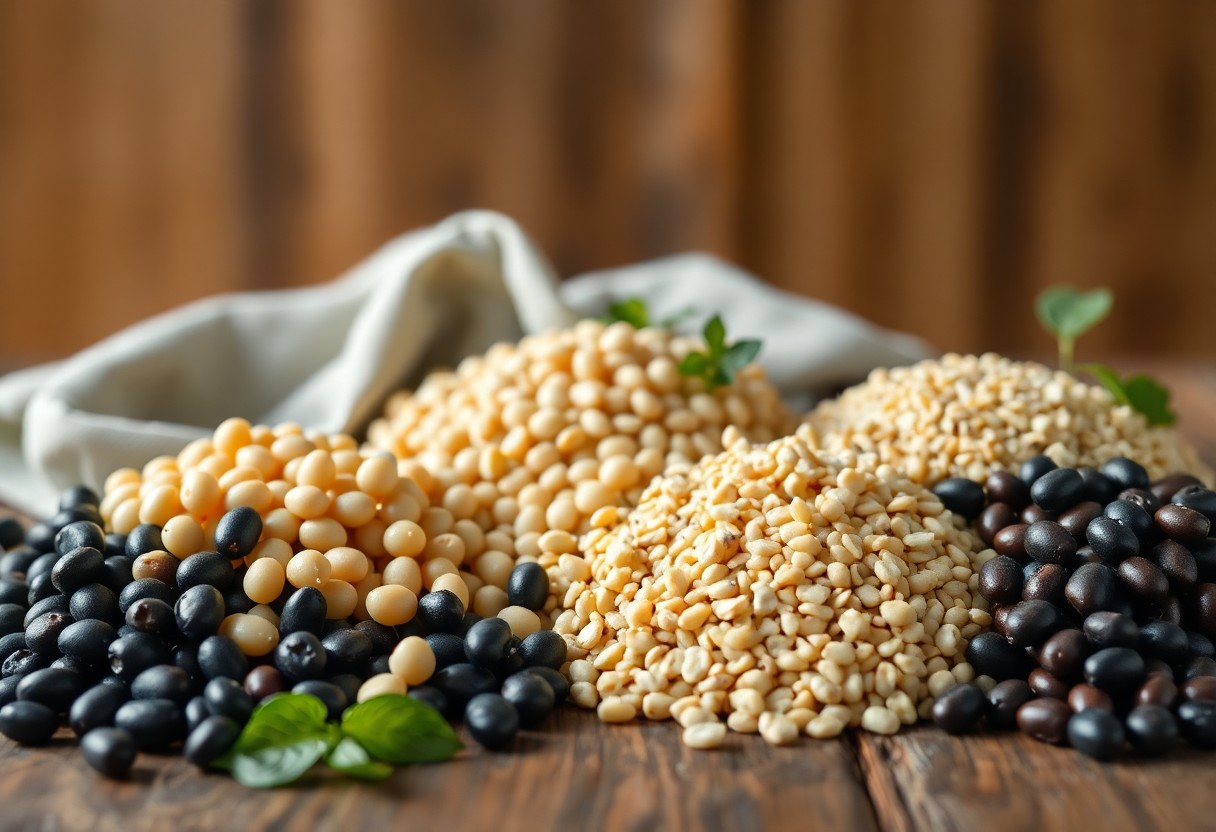
Any serving of legumes, including lentils, chickpeas, and black beans, yields around 7g of fiber. They are versatile and can be added to soups, salads, and main dishes for a hearty and nutritious boost.
Due to their high fiber and protein content, legumes provide lasting satiety and can help you manage weight while enhancing your heart health. As they are also low in fat and cholesterol-free, incorporating them into your meals can promote overall well-being.
Fruits
Beside legumes, fruits like avocados, raspberries, and pears are excellent sources of fiber, each offering around 7g per serving. Fresh fruits not only add variety to your meals but also bring important vitamins, minerals, and antioxidants to your diet.
Considering the wide array of fruits available, you can easily mix and match to keep your meals interesting. Incorporating a variety of colors and types can ensure you maximize your nutrient intake while enjoying the natural sweetness of fruits.
Vegetables
Around 7g of fiber can be found in a serving of vegetables such as artichokes, broccoli, and Brussels sprouts. Adding these fiber-rich vegetables to your plate can enhance the nutritional value of your meals significantly.
Fruits that are high in fiber, like these vegetables, help support healthy digestion, and can improve your cholesterol levels. Including a colorful mix of both in your meals not only benefits your health but also makes your plate visually appealing.
How to Incorporate Fiber-Rich Foods into Your Diet
Once again, including fiber-rich foods in your diet can be simple and enjoyable. Start by adding fruits, vegetables, whole grains, and legumes to your meals. Aim for a balanced plate that features these foods, and experiment with new recipes. Gradually increasing your fiber intake will help your digestive system adjust, making it easier to enjoy the benefits of your fiber-rich choices.
Meal Planning Tips
By planning your meals ahead of time, you can ensure that you include sufficient fiber in your diet. Consider the following tips:
- Prepare a weekly menu with fiber-rich recipes.
- Incorporate whole grains as sides.
- Stock up on fruits and vegetables for easy snacking.
The variety in your meals will keep you motivated to maintain a fiber-rich diet.
Snack Ideas
About incorporating fiber into your snacks can be a delightful experience. Choose snacks that are not only filling but also promote your overall health. Consider options like fresh fruit, nuts, or whole-grain crackers, which can provide a satisfying crunch.
Hence, keeping healthy snacks on hand will make it easier for you to reach your fiber goals. You can prepare snack-sized portions of veggies with hummus or yogurt with granola, ensuring you have fiber-rich choices available throughout the day.
Common Misconceptions about Fiber
All fibers are not created equal, and many people often misunderstand their functions. You might think that all fiber aids in digestion or that any high-fiber food is automatically good for you. However, not all fiber has the same effects on your body, and the source of fiber can significantly impact its health benefits. Understanding the nuances of fiber types and their roles in your diet is crucial for optimizing your nutrition.
Soluble vs. Insoluble Fiber
By knowing the difference between soluble and insoluble fiber, you can make more informed dietary choices. Soluble fiber dissolves in water and can help lower blood cholesterol and glucose levels. On the other hand, insoluble fiber does not dissolve and is vital for promoting regular bowel movements and overall gut health. Including both types in your diet ensures you receive a variety of health benefits, enhancing your overall wellness.
Too Much Fiber
Any dietary component can lead to issues when consumed in excess, and fiber is no exception. Overloading your diet with fiber can lead to digestive discomfort, bloating, and gas, affecting your overall well-being. It’s crucial to gradually increase your fiber intake and keep a balanced diet to avoid these unwanted effects.
Even healthy foods can cause problems if you consume them in excessive amounts. If you suddenly increase your fiber intake or indulge in high-fiber foods without sufficient hydration, you may experience constipation or cramping. To optimize your fiber consumption, aim for a gradual increase in intake, balanced with plenty of water to support digestion and prevent discomfort.
Additional Sources of Fiber
After exploring foods that contain 7g of fiber, it’s vital to look into additional sources that can help you meet your daily fiber needs. Incorporating a variety of fiber-rich options into your diet can support digestive health, enhance satiety, and contribute to overall well-being. Foods like legumes, whole grains, nuts, seeds, and fruits can help boost your fiber intake significantly. Including these diverse options in your meals will not only make your diet more enjoyable but also provide vital nutrients your body requires.
Supplements
One effective way to increase your fiber intake is through supplements. These products can be a convenient option if you’re struggling to get enough fiber from your diet. Fiber supplements come in various forms, such as powders, capsules, or chewable tablets. They can help you achieve your daily fiber goals while also supporting gut health. However, it’s important to consult with a healthcare professional before starting any new supplement regimen to ensure it’s appropriate for your needs.
Alternative Foods
On your quest for fiber, you might also consider alternative foods that are often overlooked. Items such as chia seeds, quinoa, and avocados are excellent sources of fiber as well. Chia seeds can easily be added to smoothies or yogurt, while quinoa serves as a nutritious base for salads or bowls. Avocados not only add creaminess to your dishes but are also packed with fiber and healthy fats, making them a perfect addition to your diet.
For instance, incorporating these alternative foods into your meals can significantly enhance your fiber intake. You can sprinkle chia seeds on your morning oatmeal, use quinoa as a substitute for rice, or enjoy sliced avocado on whole grain toast. By diversifying your food choices, you’ll not only boost your fiber levels but also add flavor and variety to your meals. Balancing different fiber-rich foods ensures you don’t get bored with your diet while reaping all the health benefits fiber has to offer.
Final Words
Hence, including foods rich in fiber, like lentils, black beans, and avocados, can significantly enhance your diet. Aim for items that provide around 7g of fiber per serving, as they can support your digestive health and promote satiety. You can easily incorporate these into your meals, helping you meet your nutritional goals. By making conscious choices about the foods you eat, you’re taking important steps towards a healthier lifestyle.
FAQ
Q: What foods typically contain 7g of fiber?
A: There are several foods rich in fiber that can provide around 7g per serving. These include a cup of cooked lentils, a medium avocado, a cup of raspberries, or a half-cup of black beans. Additionally, whole grain products like certain brands of whole grain bread and cereal can also offer this amount. Always check nutritional labels for exact content.
Q: How can I incorporate 7g of fiber into my meals?
A: To add 7g of fiber to your meals, try including a cup of cooked beans in your salad, topping your morning oatmeal with fresh berries, or using whole grain bread for your sandwiches. Snacking on nuts like almonds or walnuts, or enjoying an avocado can also help you meet your fiber goals. Mixing different fiber sources throughout the day can enhance your overall intake.
Q: Why is fiber important in my diet?
A: Fiber plays a significant role in digestive health by helping to regulate bowel movements, preventing constipation, and promoting a healthy gut microbiome. Additionally, fiber can assist in maintaining a healthy weight by keeping you feeling fuller for longer and may help lower cholesterol levels. Including fiber-rich foods in your diet is beneficial for overall well-being.
Q: Are there any downsides to consuming too much fiber?
A: While fiber is beneficial, excessive intake can lead to discomfort, bloating, and gas. It’s necessary to increase fiber in your diet gradually and ensure you drink plenty of water. The recommended daily intake varies by age and sex, with adult women generally needing about 25g and men about 38g. Adjusting your intake according to your body’s responses is advisable.
Q: Can I get fiber from drinks or supplements?
A: While whole foods are the best source of fiber, some drinks and supplements can provide it too. Fiber-enriched smoothies, juices, or specific fiber supplements can offer additional fiber. However, whole foods not only deliver fiber but also provide vital nutrients and health benefits that supplements alone may not offer. Therefore, aiming for a variety of fiber-rich whole foods is recommended.