Nutrition

What is Health Food

Wellness starts with the food you consume. In terms of your health, choosing the right foods is crucial. Have you ever wondered what constitutes as health food? According to Healthy eating and diet guidelines, health food is nutrient-dense, low in unhealthy fats, sugars, and refined grains, and promotes overall well-being. Let’s explore the world of health food and how it can benefit your body and mind.

Key Takeaways:

  • Whole foods: Health food generally refers to foods that are minimally processed and made up of whole, natural ingredients.
  • Nutrient-dense: Health foods are rich in necessary nutrients like vitamins, minerals, and antioxidants, which are beneficial for overall wellbeing.
  • Low in additives: Health foods are often free from artificial ingredients, preservatives, and added sugars, making them a better choice for maintaining a healthy diet.

Defining Health Food

The Concept of Health Food

The concept of health food can vary depending on who you ask, but at its core, it refers to foods that are believed to be beneficial to your overall health and well-being. These foods are often nutrient-dense, meaning they provide a high amount of vitamins, minerals, and other important nutrients, with minimal unhealthy components like added sugars, unhealthy fats, and artificial additives.

Historical Context of Health Food

Historically, the idea of health food dates back centuries, with ancient civilizations like the Greeks and Romans valuing certain foods for their medicinal properties. In more recent times, the health food movement gained popularity in the late 19th and early 20th centuries, with the establishment of health food stores and the promotion of natural, whole foods for health and wellness.

It was during the 1960s and 1970s that the health food movement really took off, with an increased interest in organic farming, vegetarianism, and whole foods. This era saw the rise of iconic health food stores and the popularization of foods like tofu, yogurt, and granola as staples of a healthy diet.

Nutritional Value

While the term “health food” can encompass a wide range of items, one key aspect that defines it is its nutritional value. Understanding the nutrients present in your food can help you make informed choices that support your overall well-being.

Macronutrients: Carbohydrates, Proteins, and Fats

With carbohydrates, proteins, and fats being the primary macronutrients your body needs, it’s necessary to include a balance of these in your diet. Carbohydrates provide energy, proteins are crucial for building and repairing tissues, while fats play a role in cell function and hormone production.

Micronutrients: Vitamins and Minerals

The micronutrients, vitamins, and minerals are equally important, albeit needed in smaller quantities. These substances are vital for various functions in your body, such as bone health, immune system support, and energy production. Including a variety of fruits, vegetables, whole grains, and lean proteins in your diet can help ensure you get an adequate intake of these necessary nutrients.

The balance of vitamins and minerals in your diet can impact your overall health and well-being. It’s necessary to consume a variety of foods to ensure you’re meeting your body’s requirements for these vital nutrients.

Phytochemicals and Antioxidants

It’s not just about macronutrients and micronutrients when it comes to health food. Phytochemicals and antioxidants found in plant-based foods can also contribute to your well-being. These compounds have been linked to various health benefits, including reducing inflammation, supporting heart health, and protecting against certain diseases.

Carbohydrates rich in phytochemicals can be found in fruits, vegetables, whole grains, and legumes. Including a variety of colorful foods in your diet can help you benefit from the different types of phytochemicals that each plant food offers.

Fats play a crucial role in the absorption of certain antioxidants, such as vitamin E and beta-carotene. Choosing healthy fats like those found in avocados, nuts, and seeds can help ensure you’re getting the most out of these beneficial compounds.

Types of Health Food

Now, let’s examine the different types of health foods that can help you maintain a nutritious diet. Perceiving the benefits of incorporating these foods into your meals can significantly impact your overall well-being.

Fresh Fruits and Vegetables

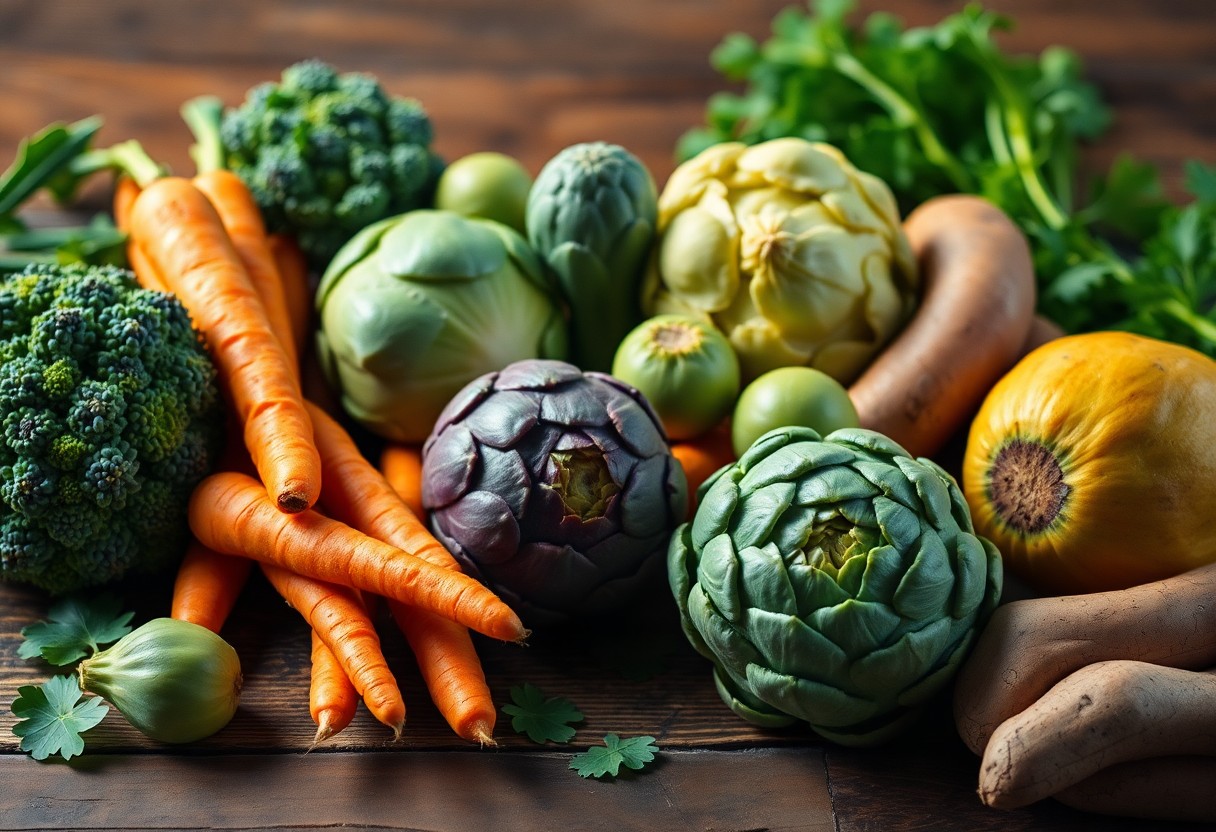
Any nutritionist will tell you that fresh fruits and vegetables are important components of a healthy diet. Packed with vitamins, minerals, and antioxidants, these colorful foods help boost your immune system and reduce the risk of chronic diseases. By incorporating a variety of fruits and vegetables into your meals, you can ensure that your body receives a wide range of nutrients important for optimal health.

Whole Grains and Legumes

Legumes like beans, lentils, and chickpeas are excellent sources of protein and fiber. They are low in fat and high in nutrients, making them a great addition to plant-based diets. For instance, whole grains such as quinoa, brown rice, and oats provide important vitamins and minerals, as well as fiber that aids in digestion and helps you feel full longer.

Lean Proteins and Healthy Fats

Healthy proteins like skinless poultry, fish, and tofu are rich in important amino acids that support muscle growth and repair. Pairing these proteins with healthy fats from sources like avocados, nuts, and olive oil can help reduce inflammation in the body and improve heart health. Including a variety of lean proteins and healthy fats in your diet can help you feel satisfied and energized throughout the day.

Benefits of Health Food

Not all foods are created equal when it comes to their impact on your health. Choosing health foods can benefit you in various ways, from weight management to chronic disease prevention to mental health and mood enhancement.

Weight Management and Energy Boost

An important benefit of consuming health foods is their ability to help you manage your weight and boost your energy levels. Health foods are typically lower in unhealthy fats, sugars, and calories, making them ideal choices for maintaining a healthy weight. Additionally, these foods are rich in imperative nutrients, such as vitamins, minerals, and antioxidants, which can provide you with sustained energy throughout the day.

Chronic Disease Prevention and Management

Disease prevention and management are crucial aspects of maintaining overall health and well-being. Choosing health foods can significantly reduce your risk of developing chronic conditions such as heart disease, diabetes, and certain types of cancer.

For instance, incorporating a variety of fruits, vegetables, whole grains, lean proteins, and healthy fats into your diet can help regulate blood sugar levels, lower cholesterol, and reduce inflammation in the body, all of which play a key role in preventing and managing chronic diseases.

Mental Health and Mood Enhancement

An often overlooked benefit of consuming health foods is their positive impact on mental health and mood. Research has shown that a diet rich in fruits, vegetables, nuts, seeds, and fatty fish can help improve cognitive function, reduce symptoms of depression and anxiety, and enhance overall mood.

Another important aspect to consider is the connection between gut health and mental health. Health foods that support a healthy gut microbiome, such as probiotic-rich foods like yogurt and fermented vegetables, can help improve your mood and overall mental well-being.

Common Misconceptions

Many people have misconceptions about what constitutes health food. It’s important to understand the true meaning of healthy eating and not fall for marketing gimmicks or fad diets. If you’re unsure about what defines healthy food, you can learn more about it here.

Debunking Fad Diets and Quick Fixes

An important aspect of health food is debunking fad diets and quick fixes that promise unrealistic results. Be mindful of, sustainable health is achieved through long-term, balanced eating habits rather than short-term restrictive diets. Be wary of any diet that eliminates entire food groups or promotes drastic weight loss in a short period, as these approaches can be harmful to your health in the long run.

Separating Fact from Fiction in Health Food Marketing

Debunking myths in health food marketing is crucial for making informed choices about your diet. Manufacturers often use buzzwords like “natural,” “organic,” or “low-fat” to appeal to health-conscious consumers. However, these labels can be misleading, and it’s necessary to look beyond the marketing claims. Reading ingredient lists, nutritional information, and understanding food labels can help you separate fact from fiction and make better decisions for your health.

Incorporating Health Food into Your Lifestyle

Meal Planning and Grocery Shopping Tips

Shopping for health food can be made easier with a bit of planning. Keep a list of nutritious staples like whole grains, fresh fruits and vegetables, lean proteins, and healthy fats. Before heading to the store, plan your meals for the week to avoid impulse buys and ensure you have everything you need to create balanced, nutritious meals.

  • Focus on fresh, whole foods rather than processed items.
  • Choose a variety of colors when selecting fruits and vegetables to ensure you’re getting a range of nutrients.
  • Don’t shop on an empty stomach to avoid buying unhealthy snacks.

This mindful approach to shopping can help you incorporate health food seamlessly into your lifestyle, making it easier to stick to nutritious choices.

Cooking and Preparing Health Food at Home

Meal preparation plays a crucial role in incorporating health food into your lifestyle. With a little planning, you can save time and ensure that nutritious meals are readily available. Stock your kitchen with crucial tools like a good set of knives, cutting boards, and storage containers to make cooking and meal prep efficient and enjoyable.

Experiment with new recipes and cooking techniques to keep things interesting. Try roasting, grilling, steaming, or stir-frying your vegetables to bring out different flavors and textures. Making your meals at home allows you to control the ingredients and portion sizes, helping you maintain a healthy diet.

Eating Out and Ordering Health Food

One of the challenges of incorporating health food into your lifestyle is navigating restaurant menus and takeout options. Look for restaurants that offer fresh, locally sourced ingredients and prioritize whole foods. When dining out, opt for dishes that are grilled, roasted, or steamed rather than fried or sautéed in heavy oils.

Incorporating health food into your lifestyle doesn’t mean you have to give up dining out. By making mindful choices and being aware of portion sizes, you can enjoy restaurant meals while staying true to your commitment to healthy eating.

To wrap up

Following this exploration of what health food entails, you now have a better understanding of the importance of consuming nutrient-dense foods that provide important vitamins, minerals, and antioxidants to support your overall well-being. Remember that health food is not about strict dieting or deprivation; rather, it is about making informed choices that nourish your body and mind.

By focusing on whole, unprocessed foods, you can enhance your health, boost your immunity, and increase your energy levels. Incorporating a variety of fruits, vegetables, whole grains, lean proteins, and healthy fats into your diet can help you achieve optimal health and vitality. So next time you choose your meals, think about selecting foods that will nourish and sustain you in the long run.

Q: What is health food?

A: Health food is any food that is considered beneficial to one’s health. These foods are typically whole, minimally processed, and rich in nutrients such as vitamins, minerals, and antioxidants.

Q: How can I identify health food?

A: Health foods are often found in the produce section of the grocery store and include fruits, vegetables, whole grains, nuts, seeds, and lean proteins. Look for foods that are high in fiber, low in added sugars and unhealthy fats, and have a short ingredient list.

Q: What are the benefits of eating health food?

A: Eating health food can help improve overall health, boost energy levels, support weight management, and reduce the risk of chronic diseases such as heart disease, diabetes, and certain cancers. Additionally, a diet rich in health food can support a strong immune system and promote good digestion.

Why is Food Important

Most of you may not realize just how crucial food is to your overall well-being. It’s not just about satisfying your hunger; the food you consume fuels your body, providing necessary nutrients to keep you healthy and energized. From supporting your immune system to improving your mood and cognitive function, the quality of your food choices can significantly impact your overall health. In this informative post, we will research into the reasons why paying attention to what you eat is so important for your health and well-being.

Key Takeaways:

  • Nourishment: Food is imperative for providing the body with the necessary nutrients to function properly and maintain good health.
  • Cultural Significance: Food plays a significant role in cultural traditions, celebrations, and social gatherings, connecting people through shared experiences and memories.
  • Emotional Connection: Food can evoke strong emotions and memories, creating a sense of comfort, joy, and nostalgia in individuals.

The Basics of Nutrition

The Newsletters: The Importance of Food in Our Lives: Finding … are filled with valuable information about nutrition and how it impacts your health. Understanding the basics of nutrition is crucial for maintaining a healthy lifestyle. By knowing what your body needs, you can make informed choices about the foods you eat.

Macronutrients: Carbohydrates, Proteins, and Fats

Basics of nutrition start with macronutrients: carbohydrates, proteins and fats. These are the building blocks of your diet, providing you with energy, supporting growth and repair of tissues, and regulating various bodily functions. Carbohydrates are your body’s primary source of energy, found in fruits, vegetables, and grains. Proteins are crucial for muscle development and repair and can be found in meat, dairy, and plant-based sources. Fats are important for cell function, hormone production, and energy storage, found in oils, nuts, and avocados.

Micronutrients: Vitamins and Minerals

Macronutrients are important, but so are micronutrients: vitamins and minerals. These are crucial for various bodily functions, from boosting your immune system to supporting bone health. Vitamins are organic compounds that your body needs in small amounts, such as Vitamin C found in citrus fruits. Minerals are inorganic substances that play crucial roles, like calcium for strong bones and teeth. Including a variety of fruits, vegetables, whole grains, and lean proteins in your diet ensures you get a full spectrum of crucial vitamins and minerals.

Carbohydrates are crucial for providing your body with energy. They are broken down into glucose, which fuels your brain and muscles. Choosing whole grains over refined carbohydrates like white bread and sugar helps maintain stable blood sugar levels and provides long-lasting energy throughout the day. Incorporating a balance of carbohydrates, proteins, and fats in each meal supports overall health and well-being.

Energy and Performance

There’s no denying that food plays a crucial role in providing the energy you need to perform your daily activities effectively. How Food Fuels Our Bodies

How Food Fuels Our Bodies

On a basic level, food is the fuel that powers your body, much like the gasoline that fuels a car. Each nutrient you consume – carbohydrates, proteins, fats, vitamins, and minerals – plays a specific role in providing energy and supporting various bodily functions. Carbohydrates, for example, are your body’s preferred source of energy, especially during high-intensity activities.

Moreover, the quality of the food you consume matters just as much as the quantity. Opting for whole, nutrient-dense foods ensures that your body receives a steady supply of energy along with important nutrients to function optimally.

The Impact of Food on Athletic Performance

On the flip side, the impact of food on athletic performance cannot be overstated. Whether you’re a professional athlete or a casual gym-goer, what you eat directly influences how well you perform during physical activities. Consuming the right balance of macronutrients (carbohydrates, proteins, and fats) and micronutrients (vitamins and minerals) can enhance your endurance, strength, and overall athletic performance.

Food acts as fuel for your muscles, providing the energy they need to perform at their best. A well-rounded diet that includes a variety of fruits, vegetables, whole grains, lean proteins, and healthy fats can help you recover faster, prevent fatigue, and improve your overall fitness level.

Health and Wellness

Many experts agree that food plays a crucial role in your overall health and wellness. According to topic 1. why we need to eat well, the food choices you make can greatly impact your risk of developing chronic diseases such as heart disease, diabetes, and certain types of cancer. By consuming a balanced diet rich in fruits, vegetables, whole grains, lean proteins, and healthy fats, you can help prevent these conditions and maintain optimal health.

The Role of Food in Preventing Chronic Diseases

Diseases such as heart disease, diabetes, and cancer are often linked to poor dietary habits. By fueling your body with nutrient-dense foods, you can support your immune system, reduce inflammation, and promote proper organ function. It’s important to pay attention to what you eat and make choices that nourish your body and protect it from potential health risks.

Nutrition and Mental Health

One aspect of health that is often overlooked is the connection between nutrition and mental well-being. The food you eat can have a significant impact on your mood, energy levels, and overall mental clarity. Research has shown that a diet high in processed foods and sugars can contribute to feelings of anxiety, depression, and fatigue. On the other hand, a diet rich in whole foods such as fruits, vegetables, and healthy fats can support a positive mood and improve cognitive function.

Understanding the importance of nutrition for both your physical and mental health can empower you to make informed choices about the foods you consume. By prioritizing whole, nutrient-dense foods in your diet, you can support your overall well-being and enhance your quality of life.

Food and Society

The Cultural Significance of Food

Food is not just sustenance; it is an integral part of our cultural identity. The foods we eat, how we prepare them, and when we eat them often reflect our heritage, traditions, and values. Sharing a meal with family and friends can strengthen bonds and create lasting memories. Different cuisines from around the world offer a glimpse into the diverse cultures and histories of people.

Food Insecurity and Social Justice

To truly understand the importance of food in society, you must also consider food insecurity and social justice. Food insecurity, where individuals lack access to enough food for an active, healthy life, is a pressing issue affecting millions globally. Addressing food insecurity requires not only ensuring an adequate food supply but also tackling systemic issues such as poverty, inequality, and food distribution.

The fight for social justice in the food system is important to ensure that all individuals have equal access to nutritious food. Advocating for policies that promote food equity and supporting initiatives that improve food security are crucial steps in creating a more just society.

The Environmental Impact of Food

Now, when it comes to the environmental impact of food, it’s crucial to consider sustainable agriculture and farming practices. By supporting sustainable methods such as organic farming, agroforestry, and permaculture, you can help reduce the use of harmful chemicals, protect biodiversity, and promote soil health. Sustainable agriculture also focuses on water conservation, waste reduction, and the overall well-being of farmworkers and rural communities. When you choose foods produced through sustainable practices, you are not only nourishing your body but also supporting a healthier planet for future generations.

Sustainable Agriculture and Farming Practices

To further reduce the environmental impact of your food choices, consider the carbon footprint of your diet. The carbon footprint is the total amount of greenhouse gases (GHGs) produced directly and indirectly to support your lifestyle – in this case, through the production, transportation, and disposal of the food you consume. Plant-based diets generally have a lower carbon footprint compared to diets high in animal products, as livestock farming is a significant contributor to GHG emissions. By incorporating more fruits, vegetables, legumes, nuts, and whole grains into your meals, you can help lower your carbon footprint and lessen the burden on the environment.

The Carbon Footprint of Our Diets

Diets high in processed foods, especially those that are heavily packaged and transported long distances, also contribute to a higher carbon footprint. Opting for locally sourced, seasonal, and minimally processed foods can help reduce the carbon emissions associated with food production and distribution. Additionally, choosing products with eco-friendly packaging and supporting companies with sustainable practices can further minimize the environmental impact of your diet. By being mindful of the carbon footprint of your food choices, you can play a part in mitigating climate change and promoting a more sustainable food system.

Food Choices and Habits

Keep in mind that the food choices you make every day can have a profound impact on your overall health and well-being. By being more mindful of what you eat, you can nourish your body with the nutrients it needs to function at its best. Choosing whole, unprocessed foods can provide you with imperative vitamins, minerals, and antioxidants that support your immune system, boost your energy levels, and even improve your mood.

Mindful Eating and Intuitive Nutrition

With mindful eating, you can pay more attention to your body’s hunger and fullness cues, helping you make healthier food choices and avoid overeating. Intuitive nutrition focuses on trusting your body to guide you in choosing foods that make you feel good physically and mentally. By listening to your body’s signals and cravings, you can develop a more balanced and sustainable approach to nourishing yourself.

Breaking Unhealthy Food Habits and Patterns

Food habits and patterns are deeply ingrained behaviors that can be challenging to change, but it is possible with dedication and awareness. By recognizing your triggers for unhealthy eating habits, such as stress or boredom, you can take steps to break free from them. Switching up your routines, seeking healthier alternatives, and practicing mindful eating can help you overcome these patterns and establish a more positive relationship with food.

Understanding the reasons behind your unhealthy food habits is imperative in order to address and change them effectively. Whether it’s emotional eating, eating out of convenience, or using food as a coping mechanism, being aware of these patterns can empower you to make healthier choices. Remember that breaking unhealthy food habits is a journey, and it’s okay to seek support from a healthcare provider or nutritionist if needed.

Conclusion

Summing up, food plays a crucial role in your overall health, well-being, and quality of life. By consuming a balanced diet rich in nutrients, vitamins, and minerals, you can fuel your body with the energy it needs to function optimally. Additionally, food provides a sense of cultural identity, social connection, and enjoyment that enhances your life in various ways. Keep in mind, making conscious choices about the foods you eat can have a significant impact on your physical and mental health, so choose wisely and savor each meal!

Q: Why is food important for our body?

A: Food is important for our body as it provides vital nutrients, vitamins, and minerals that are necessary for various bodily functions. It fuels our energy levels, supports growth and repair of tissues, helps in maintaining a healthy weight, and boosts our immune system.

Q: How does food impact our overall health?

A: The food we consume directly affects our overall health. A well-balanced diet can help prevent chronic diseases such as heart disease, diabetes, and obesity. It also plays a crucial role in mental health, as certain foods can improve mood, concentration, and cognitive function.

Q: What are the consequences of poor eating habits?

A: Poor eating habits can lead to various health issues, including nutrient deficiencies, weight gain, digestive problems, and an increased risk of developing chronic diseases. It can also negatively impact our energy levels, mood, and overall quality of life.

What is a healthy fast food

With the hustle and bustle of daily life, grabbing a quick bite from a fast food joint may seem like the easiest option. However, not all fast food has to be unhealthy. By making mindful choices, you can still enjoy a convenient meal that is nutritious and good for you. In this article, we will explore what qualities make a fast food option a healthier choice and provide you with tips on how to make better decisions when you’re on the go.

Key Takeaways:

  • Ingredients: Healthy fast food should be made with fresh, whole ingredients like vegetables, fruits, lean proteins, and whole grains.
  • Preparation: The preparation method is important in determining the healthiness of fast food. Grilled or baked options are better choices than fried foods.
  • Portion Control: Pay attention to portion sizes when choosing healthy fast food options. Opt for smaller-sized meals or share larger portions to avoid overeating.

Defining Healthy Fast Food

Nutritional Guidelines

Fast food doesn’t have to be synonymous with unhealthy choices. When looking for healthy options, make sure to check the nutritional guidelines. Choose items that are lower in saturated fats, trans fats, added sugars, and sodium. Opt for menu items that are high in fiber, protein, vitamins, and minerals to support your overall health.

Debunking Common Myths

Common misconceptions about fast food often lead us to believe that all fast food is unhealthy. This is not always the case. Many fast-food chains now offer healthier alternatives, including salads, grilled proteins, and fresh fruit options. It’s important to remember that you can make smart choices even when eating on the go.

It’s a misconception that fast food is always high in calories. In reality, many fast food restaurants now offer calorie-controlled options that can fit into a balanced diet. By paying attention to portion sizes and choosing wisely, you can enjoy a quick meal without sacrificing your health goals.

The Rise of Healthy Fast Food Chains

Some fast-food chains are adapting to meet the growing demand for healthier options. Market trends and consumer demand are pushing traditional fast-food giants to include more nutritious choices on their menus. The rise of health-conscious consumers has led to a shift in the industry, with a surge in the popularity of healthier fast-food alternatives.

Market Trends and Consumer Demand

On one hand, consumers today are more informed about the impact of their food choices on their health. As a result, they are seeking out options that are made with fresh ingredients, less processed food, and lower in unhealthy fats and sugars. This has prompted fast-food chains to revamp their menus to cater to these changing preferences and provide healthier alternatives.

Successful Business Models

With the success of niche players like salad-focused chains and restaurants offering customizable, nutritious bowls, traditional fast-food companies are also adopting similar strategies. They are integrating technology to streamline ordering processes, offering online nutritional information, and partnering with suppliers to source high-quality ingredients. These changes are aimed at appealing to health-conscious consumers while still maintaining the speed and convenience that fast food is known for.

Demand for healthy fast food is on the rise, driven by an increasing awareness of the importance of eating well-balanced meals even on the go. By offering menus that prioritize fresh, wholesome ingredients and transparent preparation methods, fast-food chains are tapping into a lucrative market that values both convenience and nutritional value.

Key Ingredients for Healthy Fast Food

Many sources such as Healthy Fast Food Options: Find the Healthiest Fast Food emphasize the importance of choosing the right ingredients to make fast food healthier. By incorporating whole foods and plant-based options, along with lean protein sources, you can enjoy fast food that is both tasty and nutritious.

Whole Foods vs. Processed Foods

To make healthier fast food choices, opt for whole foods over processed foods whenever possible. Whole foods are in their natural state and provide vital nutrients like vitamins, minerals, and fiber that are often lacking in processed foods. Whole foods include fruits, vegetables, whole grains, nuts, seeds, and lean proteins. Processed foods, on the other hand, are often high in unhealthy fats, sugars, and additives that can negatively impact your health.

Plant-Based Options

Foods derived from plants, such as fruits, vegetables, legumes, nuts, and seeds, offer a wide range of nutrients and health benefits. Plant-based options are rich in fiber, vitamins, minerals, and antioxidants, making them excellent choices for healthy fast food. By incorporating more plant-based foods into your diet, you can improve your overall health and reduce your risk of chronic diseases like heart disease, diabetes, and obesity.

Plant-based options can include veggie burgers, tofu stir-fries, lentil salads, or grain bowls filled with a variety of colorful vegetables and flavorful toppings. These options are not only delicious but also satisfying and nutrient-dense, making them a great choice for healthy fast food.

Lean Protein Sources

Fast food doesn’t have to be synonymous with greasy burgers and fried chicken. Choosing lean protein sources like grilled chicken, turkey, fish, tofu, or legumes can help you create healthier fast food options. Lean proteins are vital for building and repairing tissues, supporting immune function, and promoting satiety, making them an important component of a balanced diet.

Sources of lean protein can be incorporated into salads, wraps, bowls, or sandwiches for a satisfying and nutritious meal. By choosing lean proteins instead of high-fat options, you can significantly reduce the calorie and fat content of your fast food while still enjoying delicious flavors and textures.

Healthy Fast Food Options

Salads and Bowls

All fast-food restaurants offer salads and bowls that can be a healthy option for you. These dishes are usually loaded with fresh vegetables, lean protein, and a variety of delicious toppings. Opt for a salad with grilled chicken or tofu, and choose vinaigrette dressing on the side to control the amount of added calories.

Grilled Chicken and Fish

On the menu, you’ll find grilled chicken and fish options that are lower in fat and calories compared to fried items. Grilled proteins are a great source of lean protein and can be paired with a side of steamed veggies or a small salad for a well-balanced meal.

Veggie Burgers and Sandwiches

Options like veggie burgers and sandwiches can be a nutritious alternative to traditional fast-food burgers. These plant-based options are usually packed with fiber and vitamins, making them a satisfying choice for your meal. Look for whole grain buns and load up on extra veggies for added nutrition.

Nutrition Labeling and Transparency

Reading Labels Like a Pro

Nutrition labeling on fast food packaging can be overwhelming, but it is crucial for making informed choices about what you eat. When scanning a nutrition label, focus on key components like serving size, calories, saturated fats, sodium, and added sugars. Note, the ingredients are listed by quantity, so the first few ingredients are the most prominent in the product. Be wary of long lists of ingredients that are hard to pronounce or understand.

Hidden Ingredients to Watch Out For

One thing to be cautious of is hidden ingredients in fast food items. These can include artificial trans fats, high fructose corn syrup, and excessive sodium levels. Artificial trans fats can increase bad cholesterol levels and lower good cholesterol in the body, leading to a higher risk of heart disease. High fructose corn syrup, a common sweetener in fast food, has been linked to obesity and diabetes. Excessive sodium intake is also a concern, as it can contribute to high blood pressure and other health issues.

Labeling on fast food products can sometimes be misleading, with terms like ‘low-fat’ or ‘natural’ giving a false sense of healthiness. It’s important to read the entire nutrition label and not just the front of the package to understand the true nutritional content of the food you are consuming. Note, the more transparent a company is about its ingredients and nutritional values, the better it is for you to make an informed choice about what you eat.

Cooking Methods Matter

Grilling vs. Frying

After selecting a healthy fast food option, the cooking method used can greatly impact its nutritional value. Concerning grilling versus frying, grilling is generally a healthier option. Grilling allows excess fats to drip off the food, resulting in a lower overall fat content. Additionally, grilling helps retain more nutrients in the food compared to frying, where the high heat and oil can lead to nutrient loss.

Steaming and Roasting

For a healthier fast food choice, consider dishes that are steamed or roasted. Steaming involves cooking food over boiling water, which helps retain most of the food’s nutrients while keeping the calorie content low. Roasting, on the other hand, uses dry heat in an oven to cook the food, enhancing its natural flavors without the need for excessive oils or fats.

This cooking method is especially beneficial for vegetables, as steaming and roasting can help preserve their vitamins and minerals, making them a nutritious addition to your fast food meal.

Conclusion

With these considerations in mind, you can now make more informed choices when it comes to selecting healthy options at fast food restaurants. Remember to prioritize whole, unprocessed foods, opt for grilled or baked items over fried, and be cautious of hidden sugars and excessive fats. By being mindful of your choices and making small adjustments, you can enjoy a convenient meal without compromising your health.

Next time you find yourself in need of a quick meal on the go, take a moment to consider your options and choose wisely. With a little awareness and some simple guidelines, you can navigate the world of fast food in a way that benefits your well-being and keeps you feeling energized and nourished.

Q: Is it possible to find healthy options at fast food restaurants?

A: Yes, it is possible to find healthy options at fast food restaurants. Many fast food chains now offer menu items that are lower in calories, fat, and sodium, such as salads, grilled chicken sandwiches, and fruit cups.

Q: How can I make healthier choices when dining at a fast food restaurant?

A: To make healthier choices at a fast food restaurant, look for menu items that are grilled or baked instead of fried, opt for water or unsweetened beverages instead of sugary drinks, and choose side dishes like a side salad or fruit cup instead of fries. You can also ask for dressings and sauces on the side to control portion sizes.

Q: Are there any fast food chains that specialize in healthy options?

A: Yes, there are fast food chains that specialize in offering healthier menu options. Some examples include Subway, which offers a variety of fresh sandwiches and salads, and Chipotle, where you can customize your meal with fresh ingredients like lean proteins, vegetables, and whole grains.

What's the healthiest fast-food

There’s a way to both enjoy the convenience of fast-food and make healthier choices for your body. In a world where grabbing a quick meal is a norm, knowing how to navigate fast-food options can make a significant impact on your health. Let’s explore some of the best choices you can make when it comes to fast-food, keeping your well-being in mind.

Key Takeaways:

  • Choose grilled options: Opt for grilled proteins like grilled chicken or fish instead of fried options to reduce saturated fat intake.
  • Load up on vegetables: Look for fast-food items that are loaded with vegetables to increase fiber and nutrient intake.
  • Watch out for hidden sugars: Be cautious of condiments and sauces that may contain high amounts of hidden sugars, as they can contribute to excess calorie intake.

The Fast-Food Landscape

The Rise of Fast-Food Culture

While fast food has been a staple in many people’s diets for years, it’s necessary to understand the roots of this culture. An integral part of modern life, fast-food restaurants have become ubiquitous, offering convenience and quick meals at affordable prices. With the rise of fast-food chains in the mid-20th century, eating out became more accessible, reshaping how people consume food.

The Dark Side of Fast-Food: Unhealthy Options

Rise of drive-thrus and dollar menus, it’s no secret that fast food can be tempting but detrimental to your health. The abundance of fried, greasy, and sugary options can lead to obesity, heart disease, and other health issues. Despite efforts to introduce healthier choices on menus, many fast-food establishments still prioritize profits over the well-being of their customers.

While fast food may be convenient, it’s necessary to be wary of the long-term consequences of a diet high in unhealthy fats, sugars, and calories. Making informed choices about where and what you eat can help you navigate the fast-food landscape and prioritize your health.

Nutritional Considerations

Macronutrients: Protein, Carbs, and Fats

Now, when evaluating the healthiness of fast-food options, it’s vital to consider the macronutrient content. Protein, carbs, and fats are the three primary macronutrients your body needs for energy and overall function. For a balanced meal, look for options that provide a good balance of these macronutrients. Protein is crucial for muscle repair and overall satiety, while carbs provide energy, and healthy fats are vital for various bodily functions.

Micronutrients: Vitamins and Minerals

With regards to micronutrients like vitamins and minerals, it’s important to choose fast-food options that offer a variety of these vital nutrients. Vitamins and minerals are crucial for maintaining overall health, supporting various bodily functions, and preventing deficiencies. A diverse range of micronutrients can help boost your immune system, improve energy levels, and support overall well-being.

Consuming a variety of fruits and vegetables can provide you with vital vitamins like A, C, and K, as well as minerals such as calcium, magnesium, and potassium. These nutrients are vital for optimal health and can help protect against chronic diseases and promote overall vitality.

The Importance of Fiber and Water Content

Macronutrients such as fiber and water are often overlooked but are crucial for overall health. Fiber helps regulate digestion, promotes satiety, and supports a healthy gut microbiome. Water is vital for hydration, regulating body temperature, and ensuring that bodily functions run smoothly.

Considerations

For instance, opting for a salad with plenty of colorful veggies, lean protein, and a dressing on the side can provide you with a nutrient-dense meal that is rich in fiber and water content. By choosing fast-food options with a focus on fiber and water, you can better support your overall health and well-being.

Healthier Fast-Food Options

Grilled Chicken Sandwiches: A Better Choice

With all the tempting fried options on fast-food menus, choosing a grilled chicken sandwich can be a healthier alternative. Grilled chicken is a lean source of protein and tends to be lower in saturated fats compared to fried chicken. Pair it with whole-grain bread and loaded with veggies for a satisfying and nutritious meal on the go.

Salads with Lean Protein: A Nutritious Option

Sandwiches aren’t your only option for a quick and healthy meal at a fast-food restaurant. Opting for a salad with lean protein, such as grilled chicken or tofu, can provide you with crucial nutrients while keeping calories in check. Choose a variety of colorful vegetables and a light dressing to add flavor without compromising on health benefits.

Another benefit of choosing a salad with lean protein is that it can help you stay fuller for longer, thanks to the combination of fiber, protein, and healthy fats. This can prevent the urge to snack on less healthy options later in the day, making it a smart choice for both your immediate and long-term health goals.

Veggie Burgers: A Plant-Based Alternative

To add more plant-based options to your fast-food choices, consider trying a veggie burger. Made with ingredients like black beans, quinoa, and vegetables, veggie burgers can be a tasty and satisfying alternative to traditional meat burgers. Look for options that are grilled or baked rather than fried for a healthier meal.

Grilled veggie burgers can be a great source of fiber, vitamins, and minerals while being lower in saturated fats compared to meat-based burgers. By choosing a plant-based alternative, you can reduce your carbon footprint and support sustainable food practices while enjoying a delicious and nutritious meal.

Fast-Food Chains Leading the Way

Not all fast-food chains are created equal when it comes to offering healthier options. Some have taken proactive steps to provide customers with better choices that prioritize quality ingredients and sustainable practices.

Panera Bread: A Leader in Clean Food

An example of a fast-food chain that has been leading the way in offering healthier options is Panera Bread. With a commitment to using clean ingredients free from artificial additives, they have positioned themselves as a go-to choice for those looking for a more nutritious meal on the go.

Chipotle Mexican Grill: Commitment to Sustainability

Sustainability is at the core of Chipotle Mexican Grill’s philosophy. They source organic and locally grown produce whenever possible, and have taken steps to ensure that their meat comes from responsibly raised animals. This commitment to sustainability not only benefits the environment but also contributes to the overall healthiness of their menu offerings.

Another noteworthy aspect of Chipotle Mexican Grill’s approach is their transparency. They provide detailed information about where their ingredients come from, allowing customers to make informed choices about what they eat.

Subway: A Sandwich Chain with Healthy Options

Subway is another fast-food chain that has made strides in offering healthier options to customers. With customizable sandwich choices that include plenty of fresh vegetables and lean protein options, you can create a balanced meal that fits your dietary preferences.

It is vital to note that while these fast-food chains offer healthier options, it’s still important to make mindful choices when ordering. Opt for whole-grain bread, plenty of vegetables, and lean protein sources to create a well-rounded meal that supports your health goals.

Menu Hacks for Healthier Eating

To make healthier choices when dining at fast-food restaurants, it’s important to be mindful of what you’re ordering. One way to do this is by customizing your order based on healthier options. Check out the Healthiest Fast Food Menu Items to get an idea of which items to look for. This can help you identify lower-calorie, lower-fat, and lower-sodium choices on the menu.

Customizing Your Order: Tips and Tricks

  • Opt for grilled protein, like chicken or fish, instead of fried options.
  • Choose a side salad or fruit cup instead of fries to increase your intake of vitamins and minerals.
  • Ask for dressings and sauces on the side so you can control the amount you use.

Knowing how to navigate the menu and make simple swaps can significantly impact the nutritional value of your meal. By making informed choices, you can enjoy fast food without compromising your health goals.

Avoiding Unhealthy Add-Ons: Sauces and Toppings

One key aspect of creating a healthier fast-food meal is being mindful of the sauces and toppings you choose. Many condiments, like mayo-based sauces and creamy dressings, can add excess calories, sugar, and fat to your meal. Opt for lighter options such as mustard, salsa, or vinegar-based dressings to enhance flavor without the extra calories.

Portion Control: The Key to Healthy Fast-Food

To maintain a balanced diet while eating fast food, it’s crucial to practice portion control. Fast food portions are often larger than recommended serving sizes, leading to overconsumption of calories and nutrients. When ordering, consider splitting a meal with a friend or opting for smaller-sized options to help manage your portion sizes and prevent overeating.

Fast food can be a convenient choice for a quick meal, but with a few mindful choices, you can make it a healthier option while still enjoying the occasional treat.

The Role of Marketing and Labeling

Deceptive Marketing Tactics: What to Watch Out For

Marketing plays a significant role in the fast-food industry, often luring customers in with appealing ads and promotions. However, it’s important to be aware of deceptive marketing tactics that can mislead you into making unhealthy choices. Be cautious of advertisements that emphasize supersized portions, excessive cheese or sauce, and promotions that offer free sugary beverages with meals. These tactics can make unhealthy options seem more appealing than they actually are.

Reading Labels: A Guide to Healthy Fast-Food Choices

To make informed choices when selecting fast food, take the time to read and understand the nutritional information provided on menu boards and packaging. Look for options that are lower in saturated fats, trans fats, sodium, and added sugars. Choose meals that include lean proteins, whole grains, and plenty of vegetables. Many fast-food chains now offer healthier alternatives and provide detailed nutritional information to help you make better choices.

This way, you can select meals that align with your health goals and avoid hidden pitfalls that may sabotage your efforts to eat healthily.

The Impact of Food Labeling on Consumer Choice

Labeling regulations have a significant impact on consumer choice when it comes to fast food. Clear and accurate nutritional information allows you to make informed decisions about the food you eat. When food establishments provide detailed labeling, you can easily compare different menu items and choose options that better suit your dietary needs.

Healthy food labeling empowers you to take control of your health and make choices that support your well-being.

Summing up

Hence, when it comes to choosing healthy options at fast-food restaurants, remember that it is crucial to prioritize fresh ingredients, lean proteins, whole grains, and plenty of vegetables in your meals. Making mindful choices and being aware of portion sizes can help you make healthier decisions even when dining out. By being conscious of your choices and opting for nutrient-dense options, you can still enjoy the convenience of fast-food while taking care of your health.

FAQ

Q: What makes a fast-food option healthy?

A: A healthy fast-food option is typically lower in saturated fats, trans fats, sodium, and added sugars. It should contain plenty of vegetables, whole grains, lean proteins, and healthy fats.

Q: Can fast-food be a part of a healthy diet?

A: Yes, fast-food can be a part of a healthy diet if you make mindful choices. Look for options that are grilled or baked instead of fried, opt for smaller portion sizes, choose water or unsweetened beverages, and include plenty of vegetables.

Q: Are there any specific fast-food items that can be considered healthy?

A: Yes, certain fast-food items can be healthier choices than others. For example, grilled chicken sandwiches, salads with lean protein and vinaigrette dressing, and fruit cups are generally healthier options compared to burgers, fried foods, and sugary drinks.

What are the 7 main foods

There’s a wealth of information surrounding the necessary foods that contribute to a balanced diet. Understanding the seven main food groups can help you make informed choices about your nutrition and overall health. By incorporating these staple foods into your meals, you can ensure that you receive a broad spectrum of nutrients. In this blog post, you will learn about these key food categories and how they can benefit your diet and well-being.

Key Takeaways:

  • Variety of Nutrients: The 7 main foods encompass a wide range of nutrients necessary for maintaining health.
  • Balanced Diet: Incorporating these foods supports a balanced diet that contributes to overall well-being.
  • Culinary Versatility: Each of the 7 main foods can be prepared in various ways, offering numerous culinary options for meals.

The Importance of a Balanced Diet

To maintain optimal health and well-being, it is crucial to understand the importance of a balanced diet. A balanced diet includes a variety of foods that provide vital nutrients your body needs to function effectively. This not only fuels your daily activities but also plays a significant role in reducing the risk of chronic diseases.

Nutritional Value of Foods

Diet plays a vital role in providing your body with the necessary nutrients, such as carbohydrates, proteins, vitamins, and minerals. Each food group contributes different nutritional elements that work synergistically to enhance your overall health. Incorporating a diverse range of foods ensures that you receive adequate nourishment to support your bodily functions.

Impact on Health

Diet influences your overall health profoundly, affecting everything from your energy levels to your immune system. Consuming a balanced diet can help manage your weight, improve mood, and promote better digestion. Conversely, an imbalanced diet can lead to nutritional deficiencies and chronic illnesses, which can significantly hinder your quality of life.

Understanding the impact of your dietary choices is vital for fostering a healthier lifestyle. By prioritizing a balanced intake of different food groups, you empower your body to perform at its best. This proactive approach can mitigate health risks and enhance your physical and mental well-being, ultimately leading you toward a more vibrant and fulfilling life.

Overview of the 7 Main Foods

Clearly, understanding the seven main foods is key to maintaining a healthy and balanced diet. These categories—grains, fruits, vegetables, proteins, dairy, fats and oils, and sweets and treats—provide the imperative nutrients your body needs to function optimally.

Grains

One of the imperative food groups, grains are rich in carbohydrates, serving as the body’s main energy source. Whole grains, such as brown rice and quinoa, are particularly beneficial as they provide additional fiber and nutrients.

Fruits

Foods such as fruits are vital in your diet, offering a wide array of vitamins, minerals, and antioxidants. Incorporating a variety of colorful fruits can enhance your overall health and help in preventing chronic diseases.

The consumption of fruits not only boosts your immune system but also promotes better skin health and aids digestion. Whether you enjoy them raw, in smoothies, or as part of a dish, their natural sweetness is a delicious way to nourish your body.

Vegetables

Vegetables are another cornerstone of healthy eating, packed with imperative vitamins, minerals, and fiber. Incorporating a diverse range of vegetables into your meals helps to ensure you get the nutrients your body craves.

Understanding the importance of vegetables can transform your health. They are low in calories and high in nutrients, making them integral for weight management and overall well-being. Eating plenty of leafy greens, cruciferous vegetables, and colorful options can significantly enhance your nutritional intake.

Proteins

An imperative building block of the body, proteins are critical for growth, repair, and overall health. Including a variety of protein sources, such as meat, beans, and legumes, can keep your diet balanced and fulfilling.

With proteins being crucial for muscle development and immune function, ensuring adequate intake in your diet is important. They also help with satiety, keeping you full and satisfied between meals, which can aid in weight management efforts.

Dairy

For those who include it in their diet, dairy products are excellent sources of calcium, vitamin D, and protein. Choices like milk, yogurt, and cheese offer imperative nutrients that promote bone health and muscle function.

This group of foods can serve as a delicious way to meet your daily nutritional needs. Opting for low-fat or non-fat options can provide the benefits without excessive calories, making dairy a versatile ingredient in various meals and snacks.

Fats and Oils

Foods in the fats and oils category are often misunderstood but are crucial for a balanced diet. Healthy fats, such as avocados, nuts, and olive oil, fulfill your body’s energy needs while supporting vital functions like nutrient absorption.

Oils rich in unsaturated fats can help lower cholesterol levels and reduce the risk of heart disease. Incorporating these healthy fats into your diet, alongside limiting saturated fats, can enhance your overall nutritional profile and maintain heart health.

Sweets and Treats

Grains often form the base of many sweets and treats, such as cakes and cookies, that can be enjoyed occasionally. While they can be tempting, it’s imperative to consume these items in moderation to maintain a healthy balance in your diet.

Fats, found in chocolates and pastries, contribute to the richness and flavor of these treats. However, being mindful of portion sizes and frequency can help you indulge without compromising your health goals.

Health Benefits of Each Food Category

Not only do different food categories provide various nutrients necessary for your health, but they also contribute to your overall well-being. To better understand these health benefits, you can read more about THE 7 DIFFERENT FOOD GROUPS.

Grains and Energy

An necessary part of your diet, grains serve as a primary source of energy due to their high carbohydrate content. Whole grains, in particular, provide fiber and other vital nutrients that aid in digestion and help maintain stable energy levels throughout the day.

Fruits and Vitamins

One of the most vibrant food categories, fruits are packed with vitamins, minerals, and antioxidants that support your health. Regular consumption of fruits can enhance your immune system, promote healthy skin, and lower the risk of chronic diseases.

Understanding the importance of fruits in your diet means recognizing their role in providing necessary vitamins like vitamin C and A. These nutrients not only help in maintaining optimal health but also play a key role in protecting your body from illness and oxidative stress.

Vegetables and Minerals

Vegetables are crucial for providing you with necessary minerals that support various bodily functions. They are rich in fiber, vitamins, and antioxidants, helping maintain a balanced diet while promoting heart and digestive health.

Benefits of including a variety of vegetables in your diet cannot be overstated. They help with weight management, reduce inflammation, and improve overall health, making them a vital component for a nutritious lifestyle.

Proteins and Muscle Development

Each meal you consume should ideally contain protein to support muscle development and repair. Proteins are the building blocks of your body and help maintain muscle mass, particularly important if you’re active or looking to maintain physical fitness.

Food that is high in protein, like lean meats, beans, and nuts, plays a vital role in your bodily functions, aiding not only in muscle growth but also in hormone production and immune system support. Ensuring you get enough protein can enhance your physical performance and recovery.

Dairy and Bone Health

Food from the dairy category is rich in calcium and vitamin D, both of which are crucial for maintaining strong bones and teeth. Incorporating dairy products into your diet can significantly contribute to bone density and overall skeletal health.

Category of dairy, including yogurt and cheese, offers necessary nutrients that support bone health as you age. Maintaining a healthy intake of dairy products can help prevent osteoporosis and other bone-related disorders, ensuring lasting strength in your skeletal system.

Fats and Healthy Living

The right kinds of fats, such as those found in avocados, nuts, and olive oil, are necessary for your overall health. Healthy fats are beneficial for brain function, hormone production, and absorbing fat-soluble vitamins, making them a critical part of your diet.

Development of healthy eating habits that include the right fats can lower your risk of heart disease and promote better cognitive function. Balancing your fat intake can lead to improved health and well-being.

Moderation with Sweets

Any diet that seeks to be healthy must incorporate sweets in moderation. While they can provide a quick source of energy and pleasure, excessive sugar consumption can lead to health issues, including obesity and diabetes.

Proteins and complex carbohydrates are better alternatives to satisfy your sweet tooth without the adverse effects associated with high sugar intake. Keeping sweets in moderation can help you maintain a balanced diet while enjoying occasional treats.

Conclusion

Ultimately, understanding the 7 main foods—meat, dairy, fruits, vegetables, cereals, fats, and sugary foods—can enhance your nutrition and overall well-being. By incorporating these vitals into your diet, you ensure a balanced intake of nutrients that support your health. For a deeper historical context on the importance of these food groups, you may find the article on World War Wednesdays: The Basic Seven enlightening. Embrace these staples to improve your dietary habits effectively.

FAQ

Q: What are the 7 main foods?

A: The 7 main foods often referred to in nutrition are:
1. Fruits – Rich in vitamins, minerals, and fiber, they are important for a healthy diet. Examples include apples, bananas, and berries.
2. Vegetables – Crucial for their nutrients and antioxidants. Leafy greens like spinach and cruciferous veggies like broccoli fall into this category.
3. Grains – Whole grains such as brown rice, quinoa, and whole-wheat products provide energy and important nutrients.
4. Proteins – Sources include meat, fish, eggs, legumes, and nuts, vital for muscle repair and overall health.
5. Dairy – Milk, cheese, and yogurt offer calcium and protein, important for bone health.
6. Fats – Healthy fats from sources like avocados, olive oil, and nuts are necessary for cell function and energy.
7. Sugars – While often viewed negatively, natural sugars found in fruits and honey can provide quick energy when consumed in moderation.

Q: Why are these 7 foods important for a balanced diet?

A: These food groups provide important nutrients that the body needs to function properly. Fruits and vegetables offer vitamins and minerals that boost immunity and overall health. Grains supply energy and fiber, promoting digestive health. Proteins are crucial for muscle maintenance and repair. Dairy provides calcium for strong bones and teeth. Healthy fats support hormone production and brain health, while sugars, when kept within limits, can offer immediate energy. Eating a variety of these foods ensures that one’s nutritional needs are met, helping to prevent deficiencies and promoting overall well-being.

Q: How can I incorporate these 7 foods into my daily meals?

A: Incorporating these foods can be simple:
– Start your day with a smoothie that includes fruits and spinach (vegetable).
– For lunch, opt for a salad loaded with a variety of vegetables and a protein source like chicken or chickpeas.
– Snack on nuts or yogurt for a dose of healthy fats and dairy.
– At dinner, make a stir-fry using whole grains like brown rice, lots of vegetables, and a lean protein like fish or tofu.
– Remember to pay attention to portion sizes, especially with fats and sugars, to maintain a balanced diet.

Q: Are there any foods within these categories that I should avoid?

A: While the 7 main foods are generally healthy, moderation is key. Some foods, even if they fall into these categories, can be unhealthy if consumed excessively or in less nutritious forms. For instance, choose whole-fat dairy products in moderation rather than processed cheeses and yogurts high in added sugars. Also, be cautious with sweets and refined carbohydrates under the sugar category, opting instead for natural sources of sweetness like fruits. It’s important to focus on unprocessed or minimally processed options to maximize health benefits.

Q: Can the 7 main foods support specific dietary needs or restrictions?

A: Yes, the 7 main food categories can be adapted to suit various dietary needs. For example, individuals with lactose intolerance can choose dairy alternatives like almond milk or lactose-free yogurt. Vegans can find plant-based proteins in legumes, nuts, and whole grains while ensuring they get enough vitamins and minerals from fruits and vegetables. Those with gluten sensitivities can opt for gluten-free grains like quinoa and rice. It’s always best to consult with a healthcare professional or nutritionist when modifying your diet to meet specific health goals.

What is fast food pdf

There’s a vast world of knowledge waiting for you to explore in fast food PDFs. Dive into the details and uncover the truth behind this convenient yet controversial food choice. Discover the facts about fast food in this informative The Facts About Fast Food resource, and arm yourself with valuable insights on this ubiquitous dietary option.

Key Takeaways:

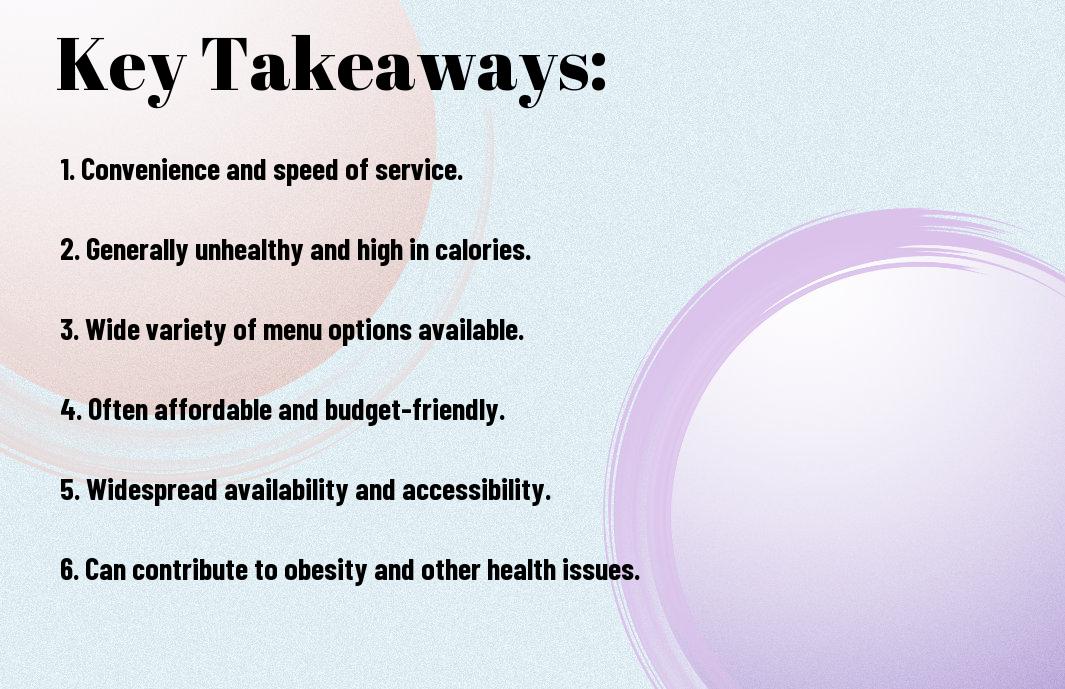
  • Definition: Fast food is a type of food that is prepared quickly and is typically served in restaurants where food is prepared in advance and kept hot or reheated to order.
  • Characteristics: Fast food is known for its convenience, affordability, and standardized taste across various locations.
  • Impact: Fast food consumption has been linked to health issues such as obesity, heart disease, and diabetes due to its high levels of fat, sugar, and calories.

Definition and History

While fast food is a ubiquitous presence in modern society, understanding its origins and evolution can provide valuable insights into its impact on our culture and eating habits.

Origins of Fast Food

An exploration of the origins of fast food reveals that the concept dates back centuries, with examples such as ancient Roman fish-and-chip stands and quick food options in China. However, the modern fast food industry as we know it today emerged in the United States in the early 20th century.

Evolution of the Industry

One key development in the evolution of the fast food industry was the introduction of the assembly-line system by pioneers like White Castle and McDonald’s. This innovation allowed for increased efficiency in food preparation and served as a blueprint for the standardized processes that became synonymous with fast food chains.

Furthermore, the globalization of fast food chains in the latter part of the 20th century brought about a homogenization of tastes and preferences across different cultures. This phenomenon has sparked debates about the impact of fast food on public health and culinary diversity.

History

Throughout its history, fast food has undergone significant changes, reflecting shifts in consumer preferences, dietary trends, and societal values. By tracing the evolution of the industry, you can gain a deeper understanding of how fast food has shaped our modern food landscape.

Characteristics

Assuming you’re curious about the distinctive traits of fast food, let’s examine into its key characteristics that set it apart from other types of dining experiences.

Convenience and Accessibility

On your busy days when time is precious, fast food outlets offer a convenient solution. The easy accessibility of these restaurants, whether drive-thru options or nearby locations, ensures that you can grab a quick meal without much hassle.

Standardized Menu and Production

Standardized menu items are a hallmark of fast food establishments. This means that no matter where you go, you can expect the same burger or fries to taste identical. The production processes are streamlined and consistent to ensure that your favorite meal is replicated with remarkable precision.

Standardized menu items not only guarantee a familiar taste across different locations but also play a part in maintaining efficiency in food preparation. By adhering strictly to set recipes and cooking methods, fast food chains can deliver meals quickly, enhancing the overall customer experience.

Quick Service and Affordable Pricing

To cater to your need for speed, fast food restaurants excel in providing quick service. Whether you’re in a rush during lunch hour or simply craving a snack on the go, the promptness of ordering and receiving your meal is a defining characteristic of the fast food industry.

Understanding the significance of affordability in today’s fast-paced world, fast food chains offer budget-friendly options that appeal to a wide customer base. This accessibility to quick and inexpensive meals has solidified fast food’s role as a go-to choice for many individuals looking for a convenient dining experience.

Types of Fast Food

Despite the variety of cuisines, fast food can generally be categorized into a few main types. Here is a breakdown of the most common fast food options you’ll come across:

  • Burgers and Sandwiches
  • Pizza and Italian-American
  • Mexican and Tex-Mex
  • Asian-Inspired and Fusion

Assume that when you step into a fast food restaurant, you’ll likely find options falling under one of these categories. Let’s explore deeper into each type of fast food.

Burgers and Sandwiches Pizza and Italian-American
Mexican and Tex-Mex Asian-Inspired and Fusion

Burgers and Sandwiches

Burgers are the quintimportant fast food choice. With variations ranging from classic beef patties to veggie burgers, you can customize your burger to suit your taste preferences. Sandwiches, on the other hand, offer a quick and easy grab-and-go option with fillings like deli meats, cheese, and vegetables between slices of bread.

Pizza and Italian-American

The aroma of freshly baked pizza is unmistakable in any fast food joint. Whether you opt for a traditional pepperoni pizza or a gourmet vegetarian option, pizza is a versatile choice that appeals to a wide audience. Italian-American dishes like pasta and garlic bread are also popular items on fast food menus.

This type of fast food often features hearty portions and rich flavors, making it a favorite for those looking for a filling and satisfying meal. Whether you crave a slice of pizza or a comforting bowl of pasta, the pizza and Italian-American category has something for everyone.

Mexican and Tex-Mex

With vibrant flavors and spicy kicks, Mexican and Tex-Mex fast food options are perfect for those who enjoy a bit of heat in their meals. From tacos and burritos to nachos and quesadillas, these dishes are typically made with ingredients like seasoned meats, beans, cheese, and salsa.

A blend of traditional Mexican cuisine with Texan influences, Tex-Mex food is a popular choice for those who love bold flavors and hearty portions. Whether you’re in the mood for a zesty taco or a cheesy enchilada, the Mexican and Tex-Mex category offers a delicious array of options to satisfy your cravings.

Asian-Inspired and Fusion

With a mix of flavors from various Asian cuisines, Asian-inspired and fusion fast food dishes offer a unique culinary experience. From sushi rolls and rice bowls to stir-fried noodles and dumplings, these options showcase the diversity of Asian flavors in a convenient and accessible format.

For instance, you can enjoy a bowl of teriyaki chicken with steamed rice or savor the fusion of Korean BBQ flavors in a burrito. The fusion of different Asian cuisines with Western influences creates a new and exciting twist on traditional dishes, appealing to those seeking bold and innovative flavors in their fast food choices.

Nutritional Value and Health Concerns

Many people turn to fast food for its convenience and affordability, but these quick meals often come with a hefty price when it comes to your health. One of the main concerns with fast food is its high calorie and fat content.

High Calorie and Fat Content

Fast food items are typically loaded with calories, saturated fats, and trans fats, which can contribute to weight gain and increase your risk of developing health issues such as obesity, heart disease, and diabetes. These foods are often deep-fried or cooked in unhealthy oils, adding unnecessary calories and fats to your diet.

Additives and Preservatives

One of the lesser-known concerns of fast food is the high usage of additives and preservatives to enhance flavors, colors, and shelf life. These additives can have negative effects on your health, ranging from allergies to long-term health implications.

Many fast food items contain artificial flavors, colors, and preservatives to prolong their shelf life and enhance taste. These additives may contribute to inflammation in the body, digestive issues, and even potentially increase the risk of certain cancers.

Impact on Public Health

Value

When a large portion of the population relies on fast food as their primary source of nutrition, it can have widespread effects on public health. The high levels of calories, unhealthy fats, and additives in fast food can lead to a rise in obesity rates, cardiovascular diseases, and other chronic conditions.

Impact on Public Health

One

The prevalence of fast food establishments in communities can also contribute to issues like food deserts, where access to fresh, healthy foods is limited. This lack of access further exacerbates health disparities and contributes to the cycle of poor dietary habits and health outcomes.

Additives

Economic and Environmental Impact

Job Creation and Economic Growth

Impact: Fast food chains play a significant role in job creation and economic growth. The industry provides vast employment opportunities, from front-of-house positions such as cashiers and servers to back-of-house roles like cooks and managers. This sector employs millions of people worldwide, contributing to the overall economy by offering entry-level positions and career advancement opportunities.

Waste Management and Sustainability

Management: Waste management and sustainability are crucial considerations in the fast food industry. With high volumes of disposable packaging, food waste, and energy consumption, fast food establishments face sustainability challenges. Many chains are implementing initiatives to reduce single-use plastics, increase recycling efforts, and source ingredients from sustainable suppliers to minimize their environmental impact.

The management of waste in fast food outlets involves proper disposal methods for plastics, paper products, organic waste, and cooking oils. Sustainable practices, such as composting food waste, using biodegradable packaging, and investing in energy-efficient appliances, are becoming more common to address environmental concerns.

Globalization and Cultural Homogenization

Globalization: Fast food chains are key players in the process of cultural homogenization brought about by globalization. These establishments often promote standardized menus and branding strategies worldwide, leading to a sense of familiarity regardless of location. While convenient and efficient, this phenomenon raises debates about the erosion of traditional cuisines and local dining experiences.

To mitigate the impact of cultural homogenization, some fast food companies are incorporating regional flavors and ingredients into their menus to cater to diverse preferences. By embracing local culinary traditions, these chains can strike a balance between global consistency and cultural appreciation.

Marketing and Advertising Strategies

Not only does the fast food industry rely heavily on marketing and advertising to promote their products, but they also use specific strategies to target different groups of consumers.

Targeting Children and Families

One of the most controversial aspects of fast food marketing is its targeting of children and families. By using colorful advertisements, toys in kids’ meals, and popular cartoon characters, fast food chains make their meals appealing to children. Additionally, many fast food restaurants offer family deals and promotions to attract parents looking for convenient and affordable meal options for their families.

Branding and Loyalty Programs

With fierce competition in the fast food industry, branding plays a crucial role in attracting and retaining customers. Fast food chains invest heavily in creating strong brand identities that resonate with their target audience. Loyalty programs, such as rewards cards and mobile apps, are also commonly used to encourage repeat business and customer loyalty.

The use of catchy slogans, memorable jingles, and iconic logos helps fast food companies stay top of mind for consumers. By building a strong brand image and offering incentives for customer loyalty, these chains create a sense of trust and familiarity with their customers.

Social Media and Digital Campaigns

The fast food industry has fully embraced social media and digital marketing to reach a larger audience and engage with customers on a more personal level. Platforms like Instagram, Facebook, and Twitter are used to showcase new products, run promotions, and interact with followers in real-time. Digital campaigns, including online ads and influencers collaborations, have become a cornerstone of fast food marketing strategies in the digital age.

Any successful fast food chain knows the power of social media in shaping consumer perceptions and driving sales. By leveraging the vast reach and instant communication that social media offers, these companies can create buzz around their brand and products, influencing consumer behavior and preferences.

Branding is not just about logos and slogans; it’s about creating a distinct identity that resonates with your target audience. Through consistent messaging and experiences, fast food chains can build long-lasting relationships with their customers, ensuring repeat business and brand loyalty.

Final Words

From above and beyond, you have investigated deep into fast food with this informative PDF. You have gained insights into the origins, impact on health, and cultural significance of fast food in modern society. Armed with this knowledge, you are better equipped to make informed choices about your diet and lifestyle.

Be mindful of, moderation is key when it comes to indulging in fast food treats. With a balanced approach, you can enjoy the convenience and flavors of fast food while prioritizing your health and well-being. So, next time you’re craving a quick meal on-the-go, think back to what you have learned and make a mindful decision that aligns with your values and goals.

Q: What is fast food?

A: Fast food refers to food that is prepared quickly and sold for immediate consumption. It is typically high in calories, fats, sugars, and salt and is associated with convenience and affordability.

Q: Why is fast food consumption concerning?

A: Fast food consumption has been linked to various health issues such as obesity, heart disease, diabetes, and high blood pressure due to its high levels of unhealthy ingredients. It is important to consume fast food in moderation and balance it with healthier food options.

Q: How can I make healthier choices when eating fast food?

A: To make healthier choices when eating fast food, opt for items that are grilled or baked instead of fried, choose water or unsweetened beverages instead of sugary drinks, and add more vegetables or fruits to your meal. It is also helpful to pay attention to portion sizes and avoid super-sized meal options.

How to avoid fast food

There’s no denying that fast food can be convenient, but the impact it can have on your health is undeniable. If you’re looking to make healthier choices and avoid the pitfalls of fast food, there are steps you can take to steer clear of those tempting drive-thru windows. By making small changes in your habits and planning ahead, you can take control of your diet and make better choices for your overall well-being. Here are some tips to help you navigate away from fast food options and toward a healthier lifestyle.

Key Takeaways:

  • Eat at home: Cooking at home allows you to control the ingredients and portion sizes of your meals.
  • Plan your meals: Planning your meals ahead of time can help you avoid the temptation of grabbing fast food on busy days.
  • Bring snacks: Keep healthy snacks on hand to curb hunger and prevent the need to stop for fast food.

Identifying Fast Food Traps

Convenience vs. Health

The convenience of fast food can be alluring, especially when you’re short on time or energy. However, it’s crucial to prioritize your health over convenience. An easy way to avoid falling into the fast food trap is to plan ahead by preparing meals in advance or knowing where to find healthier options when you’re on the go.

Marketing Strategies to Watch Out For

Health-conscious consumers like yourself must be mindful of the marketing strategies used by fast-food chains to entice you. From colorful packaging to tempting promotions, these tactics are designed to make you crave their products. Be cautious of exaggerated health claims or misleading portion sizes that can easily lead you astray from your wellness goals.

Marketing in the fast-food industry often focuses on creating a sense of urgency or scarcity to encourage impulse purchases. By understanding these sneaky tactics, you can make more informed choices and steer clear of falling into the fast food trap.

Planning Ahead

If you want to avoid the temptation of grabbing fast food on busy days, planning ahead is key. By taking the time to prepare meals and snacks in advance, you can ensure that you have healthy options readily available when hunger strikes.

Meal Prep Strategies

On Sunday evenings, set aside some time to plan your meals for the week ahead. Think about easy-to-make dishes that you can batch cook and portion out for lunches or dinners. Cooking in bulk not only saves you time during the week but also helps you resist the urge to swing by a fast-food restaurant out of convenience.

Healthy Snacking Options

Ahead of your busiest days, stock up on nutritious snacks to have on hand when hunger pangs hit. Opt for snacks like cut-up veggies with hummus, a handful of mixed nuts, or Greek yogurt with berries. By having these healthy options easily accessible, you can satisfy your cravings without reaching for unhealthy fast food alternatives.

Additionally, carrying a small cooler bag with some of these snacks can be a game-changer when you’re on the go. This way, you won’t be caught off guard and tempted to indulge in a quick but unhealthy fast-food meal.

Navigating Social Pressures

Once again, avoiding fast food can be challenging, especially when you are faced with social pressures to indulge in unhealthy meals. However, with the right strategies, you can stay committed to your goal of eating healthily and avoiding fast food temptations.

Saying No to Fast Food Invitations

On occasions when friends or colleagues invite you to grab fast food, it can be tough to decline without feeling rude. Remember that it’s okay to prioritize your health and well-being. Politely decline the invitation by suggesting alternative dining options or proposing a non-food-related activity, such as going for a walk or meeting for a coffee at a cozy cafe.

Finding Healthy Alternatives with Friends

Pressures from peers can influence your food choices, but you can turn these moments into opportunities to discover new healthy alternatives. Suggest dining at restaurants that offer nutritious options, such as salads, grilled proteins, or vegetable-based dishes. By leading the way in choosing healthier alternatives, you can inspire your friends to make better food choices as well.

Invitations to fast food outings can test your commitment to a healthy diet, but by staying true to your goals and suggesting healthier alternatives, you can enjoy social gatherings without compromising your well-being.

Breaking the Cycle

Identifying Emotional Triggers

Any successful attempt to avoid fast food starts with understanding your emotional triggers that lead you to crave it. This article on How to Stop Eating Junk Food: 9 Tips and Tricks can guide you through recognizing patterns in your emotions that drive you towards unhealthy food choices. By identifying these triggers, you can take proactive steps to address them and make healthier decisions.

Finding Healthier Coping Mechanisms

Finding healthier coping mechanisms to deal with stress, boredom, or other emotional triggers is important in breaking the cycle of fast food consumption. Instead of turning to junk food in times of need, explore alternative activities that bring you comfort and relaxation. Whether it’s going for a walk, practicing mindfulness, or engaging in a hobby, finding positive outlets can help you manage your emotions without resorting to unhealthy eating habits. By replacing the association between emotional distress and fast food with healthier options, you can gradually shift towards a more balanced and nourishing approach to food.

Cycle: Be mindful of, breaking the cycle of relying on fast food is a journey that requires patience and self-awareness. By taking small steps towards identifying your emotional triggers and finding healthier coping mechanisms, you can gradually change your relationship with food and make long-lasting improvements to your well-being.

Healthy Alternatives

All avoiding fast food doesn’t mean you have to compromise on taste or convenience. By opting for healthy alternatives, you can still enjoy delicious meals without the guilt. Here are some tips to help you make better choices:

Cooking at Home Made Easy

One of the best ways to avoid fast food is by cooking your meals at home. It may seem daunting at first, but with a little planning and preparation, you can make cooking at home a breeze. Start by stocking your kitchen with crucial ingredients like whole grains, lean proteins, and a variety of fruits and vegetables. Invest in basic cooking tools like a good knife, cutting board, and a non-stick pan to make the process easier and more enjoyable.

Exploring New Recipes

Easy. One way to make cooking at home more interesting is by exploring new recipes. Don’t be afraid to try new ingredients or cooking techniques – you might discover a new favorite dish! Look for simple and healthy recipes online or in cookbooks, and gradually expand your culinary skills. Cooking can be a fun and rewarding experience, allowing you to experiment with flavors and create meals that are tailored to your taste preferences.

With a bit of practice, you’ll soon find that cooking at home is not only healthier but also more satisfying than grabbing fast food. Bear in mind, the key is to start small and gradually build your confidence in the kitchen. Happy cooking!

Overcoming Cravings

Despite your best intentions to avoid fast food, cravings can still strike and tempt you to indulge in unhealthy options. However, there are strategies you can employ to overcome these cravings and stay on track with your healthy eating goals.

Identifying Nutrient Deficiencies

Any sudden or intense cravings for fast food could indicate underlying nutrient deficiencies in your body. For example, craving sugary treats may signal a need for more chromium, carbon, phosphorus, sulfur, or tryptophan in your diet. By understanding the root cause of your cravings, you can address them by making healthier food choices that provide the necessary nutrients your body is lacking.

Satisfying Cravings with Whole Foods

On occasions when you feel the urge to indulge in fast food, try satisfying your cravings with nutrient-dense whole foods instead. Choose options like fresh fruits, vegetables, nuts, seeds, and whole grains to provide your body with necessary vitamins, minerals, and fiber while helping you feel full and satisfied. You can also experiment with different cooking methods and flavor combinations to make your meals more enjoyable and satisfying.

Foods like avocado, dark chocolate, Greek yogurt, and hummus can also be excellent alternatives to fast food when you’re craving something creamy, salty, or sweet. By being mindful of your food choices and opting for whole, unprocessed options, you can effectively curb your cravings and support your overall health and well-being.

Staying on Track

Your journey to avoid fast food is a commendable decision for your health and well-being. To stay on track, it’s crucial to be aware of the effects of fast food on your body and mind. Understanding these impacts can serve as a powerful motivator to keep you focused on your goal. Check out more about the Fast food effects: Short-term, long-term, physical, mental … to reinforce your commitment to a healthier lifestyle.

Tracking Progress and Setbacks

On your journey to avoiding fast food, it’s crucial to track your progress and setbacks. By keeping a food diary or using a mobile app to monitor your eating habits, you can identify patterns and make necessary adjustments. Be mindful of, setbacks are a natural part of the process, so don’t get discouraged. Use them as learning opportunities to strengthen your determination and resilience.

Celebrating Small Victories

Victories, no matter how small, deserve to be celebrated on your fast food avoidance journey. Whether you successfully resisted the temptation of a drive-thru or opted for a homemade meal instead, acknowledge and reward yourself for these achievements. By recognizing and celebrating your progress, you’ll boost your confidence and motivation to continue making healthy choices. A healthy lifestyle is built on a series of small wins, so revel in each victory along the way.

Conclusion

Hence, by being mindful of your choices, planning ahead, and prioritizing your health, you can successfully avoid fast food temptations and opt for more nutritious alternatives. Remember that small changes in your habits can lead to significant improvements in your overall well-being and quality of life. Stay committed to your health goals and enjoy the benefits of making healthier food choices.

Q: Why should I avoid fast food?

A: Fast food is often high in unhealthy fats, sugars, and additives, which can contribute to weight gain, high cholesterol, and other health issues. Additionally, frequent consumption of fast food has been linked to an increased risk of chronic conditions such as heart disease, diabetes, and hypertension.

Q: What are some tips for avoiding fast food?

A: 1. Plan and prepare meals ahead of time to have healthier options readily available.
2. Opt for restaurants that offer healthier choices such as salads, grilled proteins, and whole grains.
3. Carry nutritious snacks like fruits, nuts, or granola bars to curb cravings when on the go.
4. Practice mindful eating by savoring each bite and listening to your body’s hunger cues to avoid impulsive fast food decisions.

Q: How can I make healthier choices when dining out?

A: 1. Look for menu items that are grilled, steamed, or baked instead of fried.
2. Choose water or unsweetened beverages over sugary sodas or high-calorie drinks.
3. Ask for dressings and sauces on the side to control the amount you consume.
4. Request substitutions like whole grain bread or extra vegetables to increase the nutritional value of your meal.

Why is junk food bad

Most of the time, when you indulge in that tempting bag of chips or sugary soda, you might not realize the harmful effects that junk food can have on your health. Processed foods high in sugar, salt, and unhealthy fats can lead to weight gain, heart disease, diabetes, and other serious health issues. By understanding why junk food is bad for you, you can make more informed decisions about what you eat and prioritize your health and well-being.

Key Takeaways:

  • High in sugar and unhealthy fats: Junk food is often high in added sugars and unhealthy fats, which can contribute to weight gain and various health issues.
  • Lacks necessary nutrients: Junk food provides little to no necessary nutrients like vitamins, minerals, and fiber, leading to nutrient deficiencies and poor overall health.
  • Linked to chronic diseases: Regular consumption of junk food has been linked to an increased risk of chronic diseases like obesity, heart disease, diabetes, and certain types of cancer.

The Unhealthy Ingredients

A Junk food and your health article explains why certain ingredients in junk food can have detrimental effects on your health. Let’s research into some of these unhealthy components.

High Sugar Content

For many junk foods, high sugar content is a major concern. Excessive sugar intake can lead to weight gain, obesity, type 2 diabetes, and other health issues. Moreover, foods high in sugar lack necessary nutrients, offering only empty calories that can leave you feeling hungry shortly after consumption.

Excessive Salt and Fat

One of the main problems with junk food is its excessive salt and fat content. Consuming too much salt can contribute to high blood pressure, heart disease, and stroke. Additionally, the high levels of unhealthy fats, such as trans fats and saturated fats, in junk food can raise your cholesterol levels and increase your risk of cardiovascular problems.

Excessive consumption of salt and fat found in junk food can disrupt your body’s natural balance, leading to various health complications over time. It’s important to be mindful of your intake of these harmful substances to safeguard your well-being.

Artificial Additives and Preservatives

One concern with junk food is the presence of artificial additives and preservatives. These substances are often included to extend shelf life, enhance flavor, or improve texture. However, many artificial additives have been linked to adverse health effects like allergies, hyperactivity, and even cancer.

Ingredients in junk food may contain artificial colors, flavors, and preservatives that can be harmful to your overall health. Opting for whole, unprocessed foods can help you avoid these potentially hazardous additives and preservatives, supporting better long-term health outcomes.

Negative Impact on Physical Health

Weight Gain and Obesity

Obesity is a significant health concern associated with consuming junk food regularly. Little do you realize that these foods are often high in calories, unhealthy fats, and sugars, leading to weight gain over time. When you regularly indulge in junk foods such as burgers, pizzas, fries, and sodas, you are likely consuming more calories than your body needs. These excess calories get stored as fat, eventually leading to weight gain and an increased risk of obesity.

Increased Risk of Chronic Diseases

Increased consumption of junk food is linked to a higher risk of chronic diseases such as heart disease, type 2 diabetes, and certain cancers. When you rely on junk food as a significant part of your diet, you are depriving your body of vital nutrients while loading it with unhealthy ingredients. This imbalance can lead to long-term health issues that may affect you in the future.

Another reason why junk food contributes to an increased risk of chronic diseases is its high levels of unhealthy fats, sugars, and salt. These ingredients, when consumed in excess, can lead to inflammation in the body, insulin resistance, high blood pressure, and elevated cholesterol levels. Over time, these factors can contribute to the development of serious health conditions that could have been prevented with a balanced diet.

Energy Crashes and Digestive Issues

Issues with energy levels and digestion are commonly experienced by individuals who consume junk food frequently. When you rely on sugary snacks and fast food meals, you may notice that your energy levels spike and then crash shortly after consuming these foods. This rollercoaster effect is due to the quick spike in blood sugar followed by a rapid drop, leaving you feeling tired and sluggish.

Furthermore, junk food is often low in fiber, which is vital for digestive health. When your diet lacks fiber from fruits, vegetables, and whole grains, you may experience digestive issues such as constipation and bloating. These problems can impact your overall well-being and make you feel uncomfortable on a daily basis.

The Psychological Effects

Many factors contribute to why junk food is bad for you, including its psychological effects. These effects can impact your mood, behavior, and even cognitive function.

Mood Swings and Depression

Psychological research has shown that consuming junk food regularly can lead to mood swings and even depression. The high levels of sugar and unhealthy fats in these foods can cause fluctuations in blood sugar levels, leading to irritability, fatigue, and sadness. Over time, this rollercoaster of emotions can contribute to the development of more serious mental health issues like depression.

Addiction and Cravings

An additional psychological effect of junk food is its addictive nature. The combination of sugar, salt, and unhealthy fats can trigger the brain’s reward center, leading to cravings and overeating. This addictive cycle can be hard to break, as your brain begins to crave these unhealthy foods more and more, making it challenging to resist temptations.

Plus, the more you consume junk food, the more your taste buds adapt to the intense flavors, making healthier options like fruits and vegetables less appealing. This can create a cycle of dependency on junk food, making it difficult to make healthier choices.

Impact on Cognitive Function

Cognitive function can also be affected by a diet high in junk food. Studies have shown that diets rich in sugar and unhealthy fats can impair cognitive skills such as memory, attention, and learning. So, next time you reach for that bag of chips or sugary drink, think about how it might not only affect your waistline but also your ability to think clearly and perform at your best.

The Environmental Consequences

Resource Depletion and Waste

Your consumption of junk food contributes to resource depletion and excessive waste. The production of junk food requires vast amounts of natural resources such as water, land, and energy. These resources are often sourced unsustainably, leading to environmental degradation and depletion. Additionally, the excessive packaging of junk food products results in massive amounts of waste that end up in landfills, further damaging the environment.

Contribution to Climate Change

Your choice to indulge in junk food plays a significant role in contributing to climate change. The production and transportation of junk food items release a substantial amount of greenhouse gases into the atmosphere, primarily carbon dioxide and methane. These gases are major contributors to the greenhouse effect, leading to global warming and climatic disturbances.

Plus, the deforestation often associated with the expansion of agricultural land for growing ingredients used in junk food production accelerates climate change by reducing the number of trees available to absorb carbon dioxide from the atmosphere.

Unfair Labor Practices

Your support of the junk food industry perpetuates unfair labor practices in the agricultural sector. Workers involved in producing ingredients for junk food are often subjected to poor working conditions, low wages, and exploitation. Many laborers, including farmers and farmworkers, endure long hours of labor without receiving fair compensation or adequate protection.

Environmental degradation caused by these unfair labor practices also affects local communities and ecosystems, leading to social injustices and economic disparities in the regions where junk food ingredients are sourced.

The Marketing Deception

Unlike the wholesome images and promises portrayed in junk food marketing campaigns, the reality of these products often falls far short of their advertised claims. Through deceptive marketing tactics, the junk food industry misleads consumers into believing that their products are healthier or more nutritious than they actually are. This marketing deception plays a significant role in perpetuating the consumption of harmful junk foods.

Misleading Labels and Claims

Misleading labels and claims on junk food packaging can confuse consumers about the actual nutritional content of the products they are buying. Phrases like “low-fat,” “natural,” or “organic” may give the impression of healthfulness, but these terms can be used deceptively to sell products that are still high in sugar, salt, and unhealthy fats. As a result, you may unknowingly consume foods that are contributing to health issues like obesity, diabetes, and heart disease.

Targeting Vulnerable Populations

Marketing tactics employed by the junk food industry often target vulnerable populations, such as children and low-income communities. Through colorful packaging, cartoon characters, and promotional tie-ins with popular movies or TV shows, junk food companies entice children to pester their parents for these unhealthy products. Additionally, low-income neighborhoods are disproportionately saturated with fast food restaurants and convenience stores selling cheap, unhealthy fare, making it harder for residents to access nutritious options.

Deception plays a significant role in the promotion of junk food to vulnerable populations, leading to long-term health consequences for those who are most susceptible to the industry’s tactics. By appealing to children’s desires and exploiting economic disparities, junk food marketers contribute to the cycle of poor dietary choices and negative health outcomes in these communities.

Manipulating Nutritional Information

Vulnerable populations are particularly susceptible to the manipulation of nutritional information by the junk food industry. Food labels can be confusing, and serving sizes are often unrealistically small, making it easy to underestimate the true amount of unhealthy ingredients you are consuming. Additionally, marketing campaigns that highlight isolated “healthy” ingredients in a product can distract from the overall unhealthy nature of the food.

For instance, a sugary cereal may boast about being fortified with vitamins and minerals, but this does not negate the fact that it is still loaded with sugar and lacking in imperative nutrients. By strategically manipulating nutritional information, junk food companies deceive consumers into believing they are making better choices than they actually are, further perpetuating the cycle of poor dietary habits and negative health outcomes.

Social and Cultural Impacts

Once again, the social and cultural impacts of junk food consumption cannot be understated. From normalizing unhealthy eating habits to influencing children and perpetuating socio-economic disparities, junk food has pervasive effects on society.

Normalization of Unhealthy Eating

An abundance of junk food options in your environment can lead to the normalization of unhealthy eating habits. When sugary, salty, and processed foods are readily available and heavily marketed, it becomes easier to choose these options over nutritious alternatives. Over time, this normalization can contribute to a culture where consuming junk food regularly is seen as the norm, rather than the exception.

Influence on Children and Adolescents

Adolescents are particularly vulnerable to the influence of junk food marketing and societal norms. Constant exposure to advertisements promoting fast food and sugary snacks can shape their preferences and consumption patterns from a young age. It’s vital to recognize that the choices made in childhood and adolescence can have long-lasting effects on health outcomes later in life.

It is crucial to educate children and adolescents about the importance of a balanced diet and the potential consequences of excessive junk food consumption. Empowering young individuals to make informed food choices can help them develop healthy eating habits that will benefit them in the long term.

Perpetuating Socio-Economic Disparities

Eating a diet high in junk food is often linked to socio-economic factors. People in lower-income brackets may have limited access to affordable, nutritious options and instead rely on cheaper, energy-dense but nutrient-poor junk food. This perpetuates a cycle where those facing economic hardships are at a higher risk of poor dietary choices and related health issues.

Eating a diet based on junk food can further exacerbate existing health disparities, as these foods are often linked to obesity, diabetes, and cardiovascular diseases. The lack of access to healthier alternatives in certain communities reinforces these socio-economic disparities in health outcomes.

Influence from various sources, including food marketing, cultural norms, and economic factors, all play a role in shaping our food choices and consumption patterns. Recognizing these influences is the first step towards making informed decisions about our diet and advocating for healthier food environments for all members of society.

Conclusion

Considering all points discussed in this article, it is clear that junk food is detrimental to your health in many ways. From contributing to obesity and heart disease to causing inflammation and affecting mental health, the negative effects of consuming junk food are significant. By understanding these consequences, you can make more informed choices about what you eat and strive to prioritize healthier alternatives for the betterment of your overall well-being.

Bear in mind, the next time you are tempted by that bag of chips or sugary soda, think about the long-term impact it can have on your health. Opting for nutritious, whole foods instead can lead to a healthier lifestyle and a reduced risk of chronic diseases. By being mindful of your food choices and making small changes towards a more balanced diet, you can take control of your health and well-being in the long run.

Q: What is junk food?

A: Junk food refers to highly processed foods that are low in nutrients and high in calories, sugar, salt, and unhealthy fats.

Q: Why is junk food bad for your health?

A: Junk food is bad for your health because it can lead to various health problems such as obesity, heart disease, high blood pressure, diabetes, and other chronic conditions due to its high levels of unhealthy ingredients.

Q: How can you avoid consuming junk food?

A: To avoid consuming junk food, you can opt for healthier alternatives such as fresh fruits and vegetables, whole grains, lean proteins, and nuts. It is also important to read food labels, plan your meals ahead of time, and limit your intake of processed and fast foods.

What are the key points of fast food

Convenience is just one of the many aspects that make fast food a popular choice for many individuals today. As far as fast food, you’re not just looking at a quick meal option but also a variety of flavors and choices to suit your taste buds. Consider the affordability and speed of service that fast food establishments offer, allowing you to grab a meal on the go without breaking the bank. However, it’s crucial to weigh the pros and cons of consuming fast food regularly, as it can impact your overall health and well-being in the long run.

Key Takeaways:

  • Convenience: Fast food is known for its quick service and easy accessibility, making it a popular choice for busy individuals.
  • Price: Fast food is typically more affordable than dining at a sit-down restaurant, making it budget-friendly for many consumers.
  • Taste and Variety: Fast food offers a wide range of flavors and menu options, catering to different tastes and preferences.

Definition and History

Before delving into the intricacies of the fast-food industry, it’s important to understand its roots and how it has evolved over the years. Fast food is a type of mass-produced food that is prepared and served quickly at affordable prices. It is designed for convenience and typically lacks intricate preparation methods found in traditional dining establishments.

Origins of Fast Food

To trace the origins of fast food, you have to go back to ancient civilizations where street vendors sold ready-to-eat food to passersby. However, the modern concept of fast food as we know it today can be attributed to the development of the hamburger in the early 20th century. Fast forward to the post-World War II era, and you see the rise of iconic fast-food chains like McDonald’s, paving the way for the industry’s rapid expansion.

Evolution of the Industry

Evolution of the fast-food industry has been marked by innovation and adaptation to changing consumer preferences. As consumer demand for healthier options and transparency in food sourcing increased, fast-food chains began offering salads, grilled options, and even plant-based alternatives on their menus. Additionally, advancements in technology have revolutionized the way fast food is prepared, ordered, and delivered to customers, creating a more seamless and efficient experience for diners.

Another notable evolution in the industry is the emphasis on sustainability and social responsibility. Many fast-food chains are now taking steps to reduce their environmental impact by implementing recycling programs, sourcing ethically produced ingredients, and supporting local communities through various initiatives. This shift towards a more sustainable approach not only benefits the environment but also resonates with customers who are increasingly conscious of the ethical practices of the businesses they support.

Convenience and Accessibility

Clearly, one of the key points of fast food is its convenience and accessibility. Fast food restaurants are strategically located in numerous neighborhoods, shopping centers, and along highways, making them easily reachable for a quick meal on the go.

Location and Operating Hours

The location of fast food chains is designed with your convenience in mind. You’ll find them in busy areas, near work or schools, and even in airports and train stations. Additionally, most fast food restaurants have extended operating hours, some even open 24/7, allowing you to satisfy your cravings at any time of the day or night.

Drive-Thru and Delivery Options

Location plays a crucial role in the popularity of drive-thru and delivery options provided by fast food chains. Drive-thru services are available at most outlets, enabling you to grab a quick meal without leaving the comfort of your car. Moreover, with the rise of food delivery services, getting your favorite fast food items delivered to your doorstep has never been easier.

Drive-thru and delivery options are designed to make your fast food experience even more convenient. Whether you’re in a rush or simply prefer the convenience of enjoying your meal at home, these services cater to your needs.

Affordability and Value

Unlike 15 Facts and Statistics About The Fast Food Industry that emphasize the fast-paced nature of the fast-food industry, affordability and value play a crucial role in why so many people gravitate towards these convenient dining options. From college students on a budget to families looking for a quick meal on the go, fast food provides a wallet-friendly option that doesn’t break the bank.

Pricing Strategies

To keep prices low and attract customers, fast-food chains employ various pricing strategies. Value menus offer items at discounted rates, making it affordable for you to grab a quick bite without spending too much. Limited-time promotions and combo deals also entice you to purchase more for less, ensuring that you get a satisfying meal without compromising your budget.

Portion Sizes and Meal Deals

Strategies surrounding portion sizes and meal deals are designed to provide you with the best bang for your buck. Whether it’s supersized meals that offer extra value or bundled deals that include multiple items at a discounted price, fast-food chains make sure that you feel like you’re getting a good deal when you choose to dine with them. These options not only save you money but also offer convenience by providing everything you need in one package.

Plus, with the option to customize your order to fit your appetite and preferences, you have the flexibility to create a meal that suits your budget and cravings. Whether you opt for a value meal with a drink and fries or prefer a larger combo for sharing, fast-food chains ensure that there’s something for everyone at a price point that works for you.

Nutrition and Health Concerns

Calorie Counts and Nutritional Content

For many individuals, fast food is a convenient option for meals on the go. However, it is important to be mindful of the calorie counts and nutritional content of these foods. An average fast food meal can easily surpass your daily recommended intake of calories, saturated fats, and sodium. It is crucial to make informed choices by checking nutritional information provided by fast food chains and opting for healthier menu options.

The Impact of Fast Food on Public Health

Nutritional experts have raised concerns about the impact of fast food on public health. Consuming fast food regularly can lead to a variety of health issues such as obesity, heart disease, and diabetes. The high levels of unhealthy fats, sugars, and processed ingredients in fast food can have long-term detrimental effects on your overall well-being. Making conscious decisions to limit your intake of fast food and opting for healthier alternatives can significantly improve your health in the long run.

Fast food consumption has been linked to the rise in obesity rates and other chronic health conditions in many countries. By understanding the potential risks associated with frequent fast food intake, you can take proactive steps to prioritize your health and well-being. Remember that moderation and balance are key when it comes to incorporating fast food into your diet.

Marketing and Advertising

Despite the controversy surrounding fast food and its impact on health, there is no denying that the industry excels in marketing and advertising. Fast food chains invest billions of dollars each year to create enticing campaigns to lure customers through their doors. From catchy jingles to celebrity endorsements, fast food companies spare no expense in promoting their products.

Target Audiences and Demographics

Demographics play a crucial role in the marketing strategies of fast food chains. They carefully analyze data to identify their target audiences and tailor their advertising accordingly. Whether it’s families looking for convenient meal options, young adults seeking affordable choices, or busy professionals needing quick lunches, fast food companies know how to appeal to each demographic group.

Branding and Menu Engineering

To successful fast food chains, branding is everything. They invest heavily in creating a strong brand identity that resonates with their target audience. From logos and slogans to packaging and store design, every aspect of the brand is meticulously designed to create a lasting impression. Menu engineering is another vital aspect of fast food marketing. Chains carefully craft their menus to maximize profits by strategically placing high-profit items, creating combo meals, and upselling customers.

Understanding the psychology of consumer behavior is key to effective branding and menu engineering in the fast food industry. By analyzing trends, preferences, and buying habits, fast food chains can continuously adapt and innovate to stay ahead of the competition. This constant evolution is what keeps customers coming back for more.

Environmental Impact

Now, let’s probe into the environmental impact of fast food. This industry has a significant effect on our planet through various factors such as packaging and waste management.

Packaging and Waste Management

Waste generated by fast-food chains, including single-use packaging, cups, straws, and food waste, contributes to environmental pollution. These items often end up in landfills or oceans, harming wildlife and ecosystems. As a consumer, you can make a difference by opting for brands that prioritize sustainable packaging and recycling initiatives. By reducing your reliance on single-use items and properly disposing of waste, you can play a role in minimizing the environmental footprint of fast food.

Sustainable Practices in the Industry

The fast-food industry is gradually adopting more sustainable practices to mitigate its environmental impact. Some chains are incorporating recyclable or compostable packaging, implementing energy-efficient measures in their operations, and sourcing ingredients from sustainable suppliers. These efforts aim to reduce carbon emissions, conserve resources, and promote accountability within the industry.

The industry’s shift towards sustainability is a positive step forward, but it requires ongoing commitment and innovation to truly make a substantial difference. By supporting fast-food companies that prioritize sustainability and advocating for eco-friendly practices, you can contribute to a greener future for the industry.

Summing up

With these considerations in mind, it is clear that the key points of fast food revolve around convenience, affordability, and taste. Fast food offers an easy solution for busy individuals who are looking for a quick meal on the go. It is also accessible to a wide range of people due to its low cost, making it a popular choice for many. However, it is crucial to be mindful of the nutritional value of fast food options and to consume them in moderation to maintain a balanced diet and a healthy lifestyle.

Q: What are the key points of fast food?

A: Fast food is known for its quick service and convenient options for on-the-go meals. Some key points of fast food include:

  • Convenience: Fast food restaurants offer quick and easy meal options for busy individuals or families.
  • Affordability: Fast food is typically priced lower than sit-down restaurants, making it a budget-friendly choice for many consumers.
  • Varied Menu: Fast food chains offer a wide range of menu items, including burgers, fries, sandwiches, salads, and more, catering to different tastes and preferences.
  • Global Reach: Fast food chains have expanded globally, making these familiar options available in many countries worldwide.
  • Controversies: Fast food has been criticized for its high levels of salt, sugar, and unhealthy fats, leading to concerns about its impact on health and wellness.

Q: How does fast food impact health?

A: While fast food offers convenience and affordability, it is often high in calories, unhealthy fats, sodium, and sugar. Consuming fast food regularly can lead to health issues such as obesity, high cholesterol, diabetes, and heart disease. It is important to balance fast food consumption with healthier meal choices and regular exercise to maintain overall health.

Q: What are some tips for making healthier choices at fast food restaurants?

A: To make healthier choices at fast food restaurants, consider the following tips:

  • Opt for grilled or baked items instead of fried options.
  • Choose water, unsweetened tea, or a small serving of soda instead of sugary beverages.
  • Select side salads, fruit cups, or yogurt parfaits as alternatives to fries or onion rings.
  • Look for menu items with lean protein, whole grains, and plenty of vegetables.
  • Pay attention to portion sizes and avoid super-sized or extra-large meals.

By making mindful choices and being aware of nutritional content, you can enjoy fast food occasionally while still prioritizing your health.

Which vegetables have high fiber

Over the years, incorporating high-fiber vegetables into your diet can significantly enhance your overall health and digestion. Fiber plays a vital role in maintaining a healthy gut, regulating blood sugar levels, and fostering a feeling of fullness, which can aid in weight management. In this post, you’ll discover a variety of fiber-rich vegetables that you can easily add to your meals, boosting both your nutrient intake and culinary enjoyment. Let’s explore which vegetables you can choose to elevate your fiber consumption and support your wellness journey.

Key Takeaways:

  • Leafy Greens: Vegetables like spinach, kale, and Swiss chard are excellent sources of fiber and contribute to overall digestive health.
  • Legumes: Beans, lentils, and peas are among the highest fiber vegetables, providing substantial amounts of both soluble and insoluble fiber.
  • Root Vegetables: Carrots, beets, and sweet potatoes not only offer fiber but also come packed with vital vitamins and minerals.

The Importance of Dietary Fiber

Your diet plays a pivotal role in maintaining optimal health, and dietary fiber is an crucial component. It aids in digestion, helps regulate blood sugar levels, and plays a significant role in reducing the risk of chronic diseases. Incorporating high-fiber vegetables into your meals can enhance your overall well-being and promote a healthier lifestyle.

Health Benefits of Fiber

Before you overlook fiber’s importance, consider its numerous health benefits. Fiber supports a healthy digestive system, helps maintain a healthy weight, and can contribute to heart health by lowering cholesterol levels. It also plays a role in enhancing satiety, ensuring you feel full longer and reduce snacking on processed foods.

Recommended Daily Intake

Between the ages of 19 and 50, women should aim for about 25 grams, while men should target around 38 grams of fiber daily. After age 50, these amounts decrease slightly due to changes in dietary needs.

It’s crucial to focus on incorporating a variety of fiber sources into your diet, including fruits, vegetables, whole grains, and legumes. Gradually increasing your fiber intake can also help your digestive system adjust. Be sure to drink plenty of water to assist with fiber’s beneficial effects on your body, enhancing digestion and overall comfort.

Top High-Fiber Vegetables

Some vegetables are particularly rich in fiber, which can enhance digestion and promote overall health. These high-fiber choices not only keep you feeling full for longer but also support gut health and regulate blood sugar levels. Incorporating them into your diet can be an excellent strategy to meet your daily fiber needs.

Legumes

Across the vegetable family, legumes stand out for their remarkable fiber content. Beans, lentils, and peas are not only packed with fiber but also offer a robust amount of protein, making them a favorite for those seeking plant-based options.

Cruciferous Vegetables

Around your plate, you may find various cruciferous vegetables, such as broccoli, Brussels sprouts, and cauliflower. These veggies are not only high in fiber but also contain vital vitamins and antioxidants that can contribute to your overall well-being.

With their unique combination of fiber, vitamins, and minerals, cruciferous vegetables offer numerous health benefits. They may help decrease inflammation and reduce the risk of chronic diseases. Incorporating these vegetables into your meals can enhance both flavor and nutritional value.

Root Vegetables

With a hearty texture, root vegetables like carrots, sweet potatoes, and beets provide a good source of fiber. They are versatile ingredients that can add natural sweetness and a nutritional boost to various dishes.

Vegetables like sweet potatoes and beets are excellent for promoting digestive health due to their high fiber content. Incorporating them into your meals can also help regulate your blood sugar levels, making them beneficial for those monitoring their carbohydrate intake.

Green Leafy Vegetables

On your plate, green leafy vegetables such as spinach, kale, and collard greens contribute significant fiber alongside a host of other nutrients. They are not only low in calories but also dense in vitamins, making them an ideal choice for a healthy diet.

Root vegetables like spinach and kale are vital for promoting digestive health and can easily be added to your salads, smoothies, or as a side dish. Their fiber content is great for maintaining gut health while ensuring you get valuable nutrients in your diet.

Cooking Methods to Retain Fiber

Once again, the way you prepare your vegetables can significantly impact their fiber content. To maximize fiber retention, opt for cooking methods such as steaming, microwaving, or roasting, as these techniques preserve more nutrients compared to boiling. If you prefer boiling, consider using the vegetable water in soups or sauces to capture lost fiber. Additionally, try to cook your vegetables with their skins on whenever possible, as many fibers are found in or just under the skin. These simple adjustments can help you enjoy the full benefits of fiber in your meals.

Incorporating High-Fiber Vegetables into Your Diet

Not all vegetables are created equal when it comes to fiber content, and by incorporating high-fiber varieties into your meals, you can enhance your overall nutrition. Start by adding leafy greens like spinach and kale to your salads, or include roasted Brussels sprouts and broccoli as side dishes. You can also blend vegetables such as carrots, zucchini, and beans into soups or smoothies for a fiber boost. Experiment with different cooking methods to find what you enjoy most, and aim to fill half your plate with these fiber-rich vegetables at each meal to truly benefit from their health advantages.

Common Misconceptions About Fiber

Now, you might believe that fiber is just about preventing constipation, but that’s just one part of its benefits. Many people underestimate how fiber can support heart health, improve digestion, and even aid in weight management. Another misconception is that all fiber sources are the same; however, soluble and insoluble fibers serve different purposes in your body. By understanding these distinctions, you can make informed choices that enhance your overall health and well-being.

Other Sources of Dietary Fiber

Despite focusing primarily on vegetables, you can find dietary fiber in a variety of other foods. Whole grains like oats, brown rice, and quinoa are excellent sources, offering not only fiber but also crucial nutrients. Legumes, such as lentils, chickpeas, and black beans, can significantly boost your fiber intake. Additionally, fruits like berries, apples, and pears contribute to your daily fiber goals. Nuts and seeds also pack a fiber punch and can easily be added to your snacks or meals. Incorporating these foods into your diet is a simple way to enhance your overall fiber consumption.

Final Words

Ultimately, incorporating high-fiber vegetables into your diet can significantly enhance your digestive health and overall wellbeing. You can choose from a variety of fiber-rich options such as broccoli, lentils, and Brussels sprouts to boost your intake. These vegetables not only contribute to a balanced diet but also help you feel fuller for longer, aiding in weight management. By making conscious choices to include these fibrous foods, you can take important steps toward a healthier lifestyle and improved nutritional habits.

FAQ

Q: Which vegetables are highest in fiber?

A: Vegetables that are particularly high in fiber include artichokes, broccoli, Brussels sprouts, carrots, and sweet potatoes. Artichokes are among the highest, providing about 10 grams of fiber per medium vegetable. Broccoli and Brussels sprouts follow closely with around 5 grams per cup. Carrots and sweet potatoes are also excellent sources, offering about 4 grams and 6 grams of fiber per cup, respectively.

Q: How does fiber benefit my digestive health?

A: Fiber plays a significant role in promoting healthy digestion. It adds bulk to the stool, making it easier to pass and reducing the risk of constipation. Additionally, a diet rich in fiber can contribute to achieving a balanced gut microbiome, which is crucial for overall digestive health. It may also help in preventing gastrointestinal disorders such as diverticulitis.

Q: Can I get enough fiber from vegetables alone?

A: While vegetables are an excellent source of fiber, it is recommended to consume a variety of fiber-rich foods to meet daily fiber needs. Combining vegetables with whole grains, fruits, legumes, and nuts can ensure you receive an adequate amount of fiber. The recommended daily intake for adults is 25 grams for women and 38 grams for men, which can be achieved through a balanced diet.

Q: Are cooked vegetables as high in fiber as raw vegetables?

A: Cooking vegetables can lead to some loss of fiber content, but the difference is often minimal. In fact, cooking can sometimes enhance the absorption of certain nutrients, making the vegetables more beneficial overall. However, to maximize fiber intake, it’s good to include both raw and cooked vegetables in your diet.

Q: How can I incorporate high-fiber vegetables into my meals?

A: Incorporating high-fiber vegetables into your meals can be simple and enjoyable. You can add them to salads, stir-fries, soups, or smoothies. Roasting or steaming vegetables retains their nutrients while enhancing their flavor. Consider making vegetable-based snacks like carrot sticks or hummus with roasted Brussels sprouts for a tasty fiber boost throughout the day.

Tastes of Health UK Skip to content