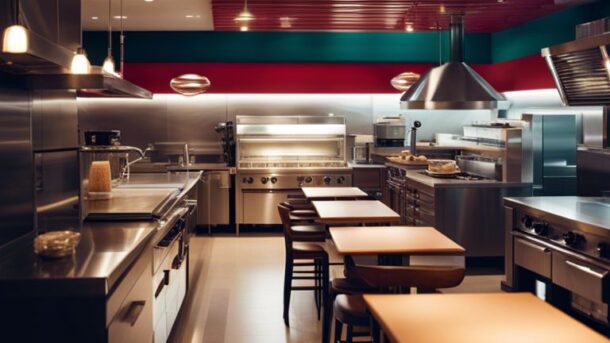
Fasten your seatbelt as we probe the world of fast food and fast casual dining. Have you ever wondered about the nuances that separate grabbing a quick bite from a fast food joint versus enjoying a more laid-back meal at a fast casual restaurant? In this article, we explore the distinctions between the two popular dining options and help you navigate your way through the culinary landscape. If you’re curious to learn more, check out Fast Casual vs Fast Food – A Comparative Guide for a deeper dive.
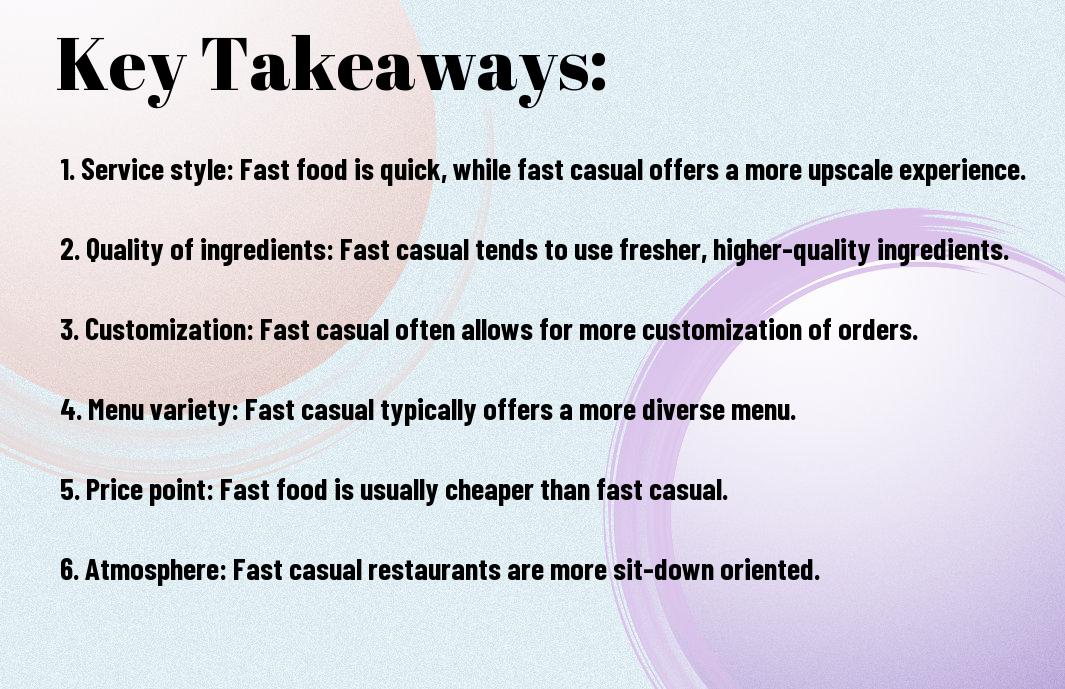
Key Takeaways:
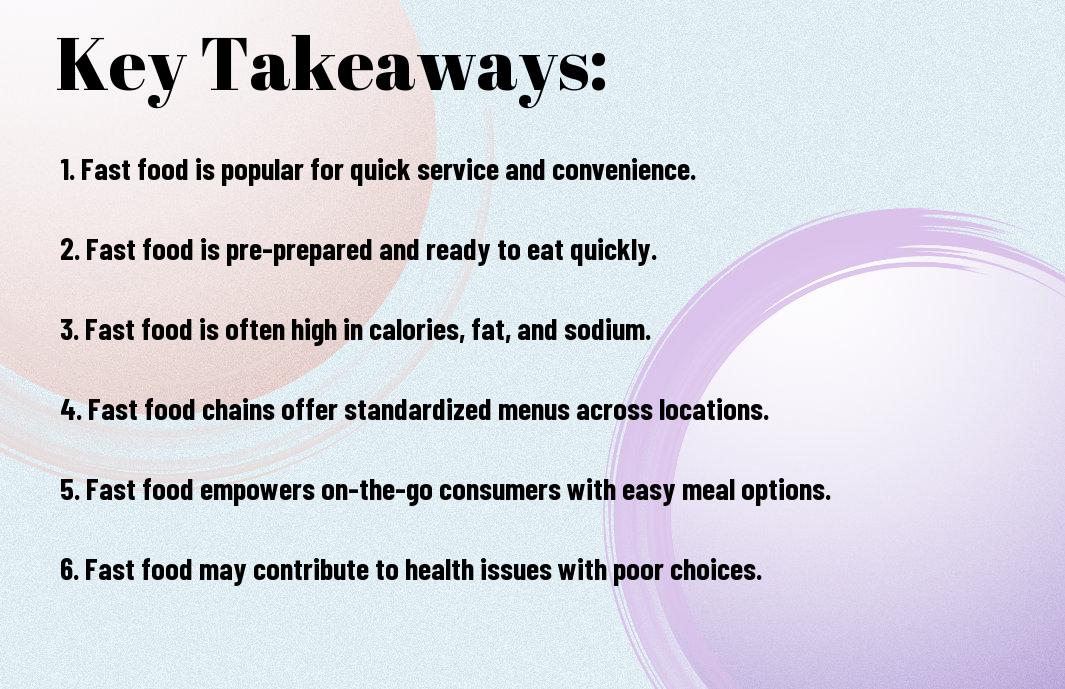
- Customization: Fast casual restaurants offer more customizable and healthier options compared to fast food chains.
- Service: Fast casual restaurants typically provide better service with features such as table delivery and higher quality ingredients.
- Price: Fast casual restaurants are often slightly more expensive than fast food chains, but the higher quality of food justifies the price difference.
Defining Fast Food
Origins and Evolution
Evolution. The concept of fast food can be traced back to ancient civilizations, where people would consume pre-prepared foods sold by street vendors for quick and convenient meals. However, the modern fast food industry as we know it today emerged in the 20th century, with the rise of iconic chains like McDonald’s and Burger King.
Characteristics of Traditional Fast Food
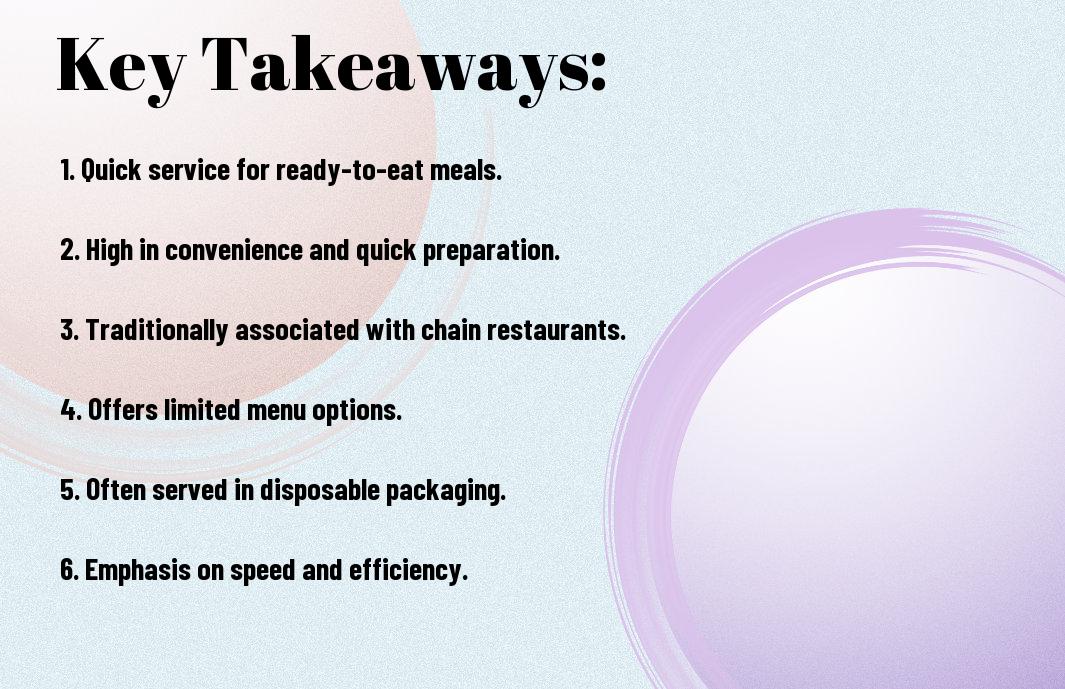
Evolution. Traditional fast food is characterized by its emphasis on speed, affordability, and convenience. These establishments typically have a limited menu, offer items for takeaway or drive-thru, and prioritize efficiency in service to cater to the on-the-go consumer.
It’s important to note that traditional fast food often involves standardized menu items, assembly-line production processes, and a focus on uniformity across locations. This uniformity allows fast food chains to deliver consistent experiences to customers wherever they may be.
The Rise of Fast Casual
There’s a growing trend in the food industry that has caught the attention of many: the rise of fast casual restaurants. If you’re curious about what sets these establishments apart from traditional fast food chains, you can learn more about the differences between a quick service restaurant and fast casual dining here.
Emergence of a New Category
Rise of fast casual restaurants marks a shift in consumer preferences towards healthier, higher-quality food options that are still served quickly. These establishments offer a middle ground between fast food and casual dining, providing a more upscale experience without the long wait times often associated with sit-down restaurants.
Key Features of Fast Casual Restaurants
- Customizable menu options
- Fresh, high-quality ingredients
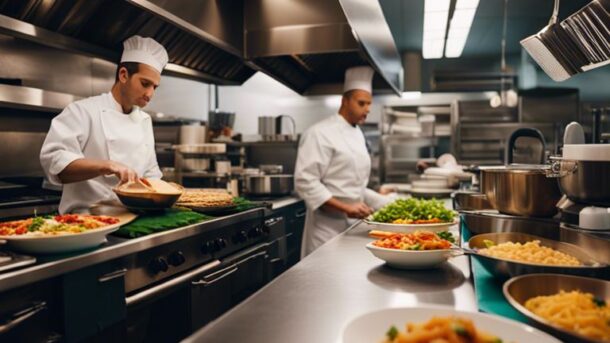
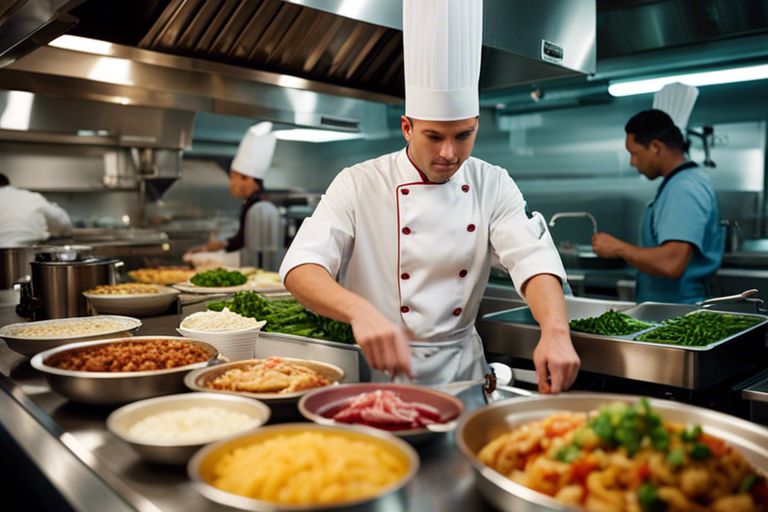
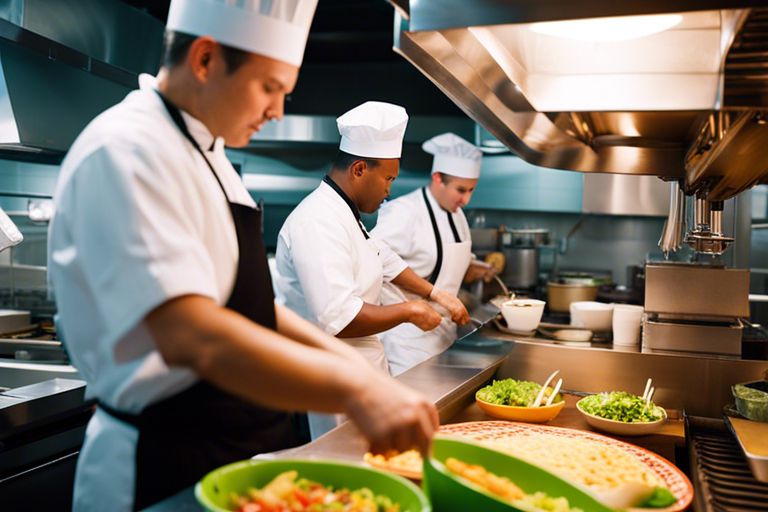
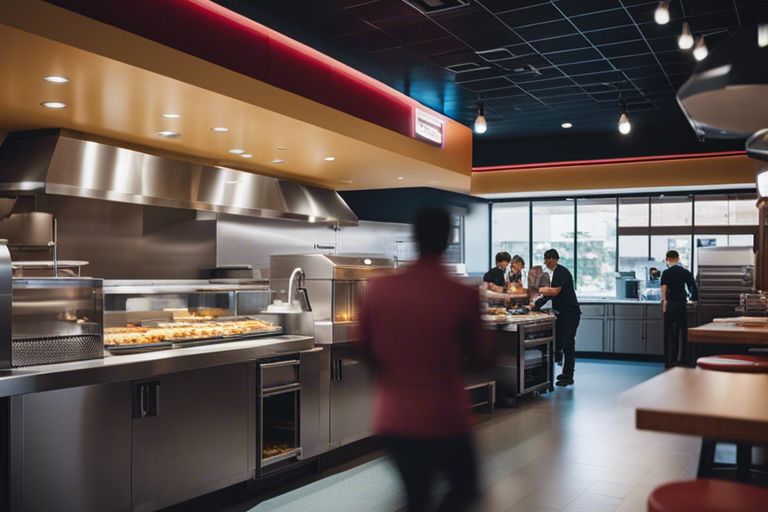
- Open kitchen concept
- Modern and inviting ambiance
Any meal on-the-go can be a more fulfilling and enjoyable experience when you opt for a fast casual restaurant.
Fast casual restaurants have gained popularity for their emphasis on customization, allowing you to tailor your meal to your preferences. With a focus on fresh ingredients and quicker service than traditional dining establishments, these eateries offer a convenient yet satisfying dining experience.
Emergence of fast casual restaurants has disrupted the food industry by combining the speed of fast food with the quality of casual dining, appealing to consumers looking for a balance between convenience and culinary excellence.
Menu and Pricing
Fast Food: Affordable and Standardized
After taking a look at the menus of fast food chains, you’ll notice that they often offer affordable pricing with standardized options. These chains have set menus that remain consistent across locations, providing you with familiar choices no matter where you go. The pricing is usually budget-friendly, making it convenient for those looking for a quick and inexpensive meal on the go.
Fast Casual: Upscale Options and Customization
To understand the difference, fast-casual establishments like Chipotle or Panera Bread offer upscale options with a focus on customization. At these restaurants, you have the opportunity to tailor your meal to your liking, choosing ingredients and toppings to create a personalized dish. While the pricing may be slightly higher compared to fast food, the quality of ingredients and the made-to-order nature of your meal add value to the overall dining experience.
The atmosphere at fast-casual restaurants also tends to be more inviting, with modern decor and comfortable seating arrangements that make you feel like you’re dining in a trendy bistro rather than a traditional fast food joint. This blend of quality ingredients, customization, and ambiance contributes to a slightly elevated dining experience compared to fast food.
Service Style and Ambiance
Fast Food: Quick and Efficient
Fast food restaurants are known for their quick and efficient service. You can expect to place your order at the counter, receive your food within minutes, and be on your way in no time. The focus is on speed and convenience, with limited interaction with the staff beyond placing your order.
Fast Casual: Comfortable and Inviting
For fast casual establishments, the service style is more relaxed and the ambiance is comfortable and inviting. You can typically expect to order at the counter or at a kiosk, and then have your food brought to your table. The atmosphere is more upscale than traditional fast food restaurants, with a focus on a pleasant dining experience.
For instance, fast casual restaurants often have modern decor, comfortable seating, and sometimes even offer beer and wine options. It’s a step up from fast food in terms of both service and ambiance, making it a popular choice for those looking for a quick meal in a more pleasant setting.
Quality and Sourcing
Fast Food: Processed and Mass-Produced
Many people tend to associate fast food with processed and mass-produced ingredients. When you walk into a typical fast-food restaurant, you may not give much thought to where the food comes from or how it was made. The emphasis in fast food is on speed and convenience, leading to a reliance on pre-packaged and highly processed foods that are often high in salt, sugar, and unhealthy fats. This type of food is optimized for consistency and efficiency in large quantities.
Fast Casual: Fresh and Sustainably Sourced
Unlike fast food, fast casual restaurants prioritize fresh and sustainably sourced ingredients. When you step into a fast casual eatery, you may notice a more transparent approach to food preparation. Fast casual establishments often highlight locally sourced produce, organic meats, and sustainable seafood on their menus. This focus on quality ingredients contributes to a more wholesome and flavorful dining experience.
Fast casual restaurants like to emphasize the quality and origins of their ingredients. By sourcing produce from local farms and prioritizing sustainable practices, these establishments aim to provide you with a healthier and more environmentally conscious dining option. This commitment to quality and sourcing sets fast casual apart from traditional fast-food chains.
Target Market and Demographics
Fast Food: Broad Appeal and Convenience
Not everyone has the luxury of time to sit down for a long meal, which is where fast food establishments come in handy. They cater to a wide range of demographics, from working professionals looking for a quick lunch to families seeking an affordable dining option. Fast food chains often offer value meals and convenient drive-thru options to accommodate busy schedules.
Fast Casual: Health-Conscious and Affluent Consumers
Demographics play a significant role in the success of fast casual restaurants. Their target market is often health-conscious individuals who are willing to pay a bit more for higher quality ingredients and freshly prepared meals. These establishments appeal to more affluent consumers who prioritize healthier food options in a relaxed dining environment.
Plus, fast casual restaurants tend to attract a younger crowd, including millennials and Gen Z, who value transparency in food sourcing and are willing to spend extra for a dining experience that aligns with their values.
To wrap up
Presently, you should have a clear understanding of the differences between fast food and fast casual dining. Fast food establishments typically offer quick, convenient, and inexpensive options, often with drive-thru services and a focus on consistency and speed. On the other hand, fast casual restaurants offer higher quality ingredients, more customization options, a trend towards healthier menu choices, and a slightly higher price point than traditional fast food chains.
By knowing the distinctions between these two categories of dining, you can make more informed choices about where to eat based on your preferences for speed, convenience, price, and overall dining experience. Whether you’re in the mood for a quick bite on the go or a more relaxed meal with fresh, customizable options, understanding the difference between fast food and fast casual dining can help you make the best choice for your next meal.
FAQ
Q: What is the difference between fast food and fast casual?
A: Fast food restaurants typically offer quick service, limited menu options, and pre-cooked or frozen ingredients. Fast casual restaurants, on the other hand, provide higher quality food, made-to-order dishes, and often have a more diverse menu selection.
Q: How is the food quality different between fast food and fast casual restaurants?
A: Fast food restaurants prioritize speed and efficiency over food quality, often using processed ingredients and additives. Fast casual restaurants focus on fresher, higher-quality ingredients, often sourced locally, to provide a healthier and more flavorful dining experience.
Q: Are the prices similar between fast food and fast casual establishments?
A: Fast food restaurants generally have lower prices than fast casual restaurants due to their lower operating costs and cheaper ingredients. Fast casual restaurants may have slightly higher prices, but offer better value in terms of quality and portion sizes.