Food

What is a protein dinner

Most of the time, when you sit down to enjoy your dinner, you want to make sure you are fueling your body with the right nutrients. A protein dinner can be a great way to ensure you are getting the vital building blocks your body needs to function at its best. From lean meats to plant-based options like tofu and legumes, there are plenty of delicious ways to incorporate protein into your evening meal. In this blog post, we will explore the benefits of a protein dinner and provide you with some tasty recipe ideas to try out for yourself.

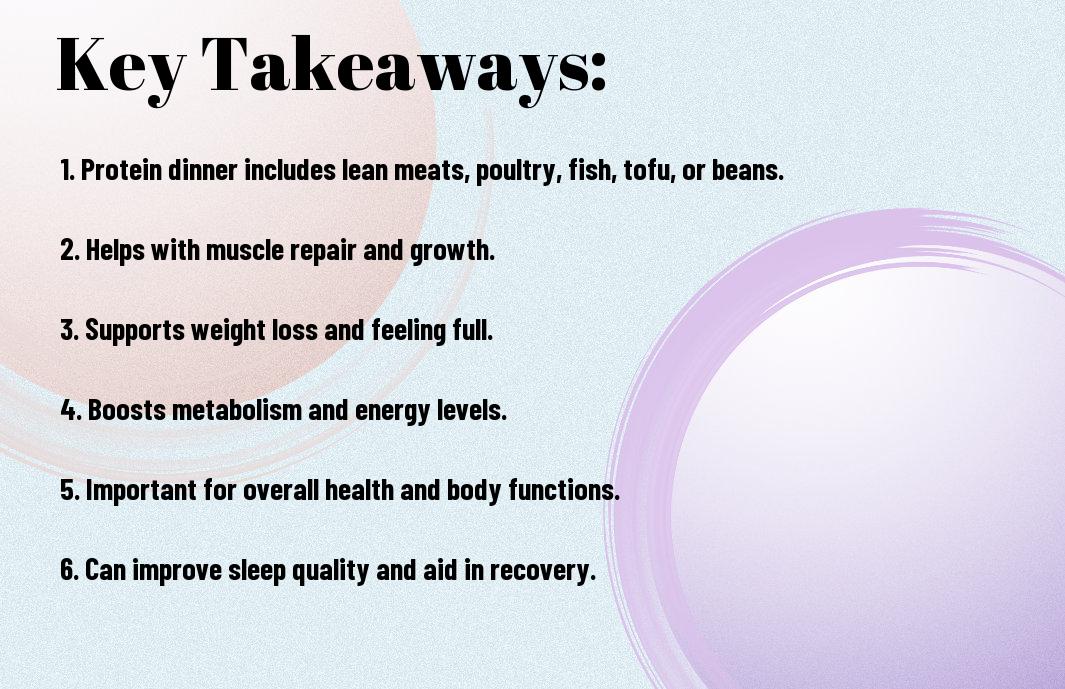
Key Takeaways:

  • Protein is Essential: Protein dinners are important as protein is vital for the growth and repair of tissues in the body.
  • Diverse Protein Sources: Protein dinners can include a variety of sources such as lean meats, poultry, fish, tofu, legumes, and nuts.
  • Satiety and Weight Management: Including protein in your evening meal can help keep you full, manage weight, and prevent excessive snacking.
Defining Protein Dinner

While you may have come across the term “protein dinner,” it’s vital to understand what it truly means. A protein dinner is a meal that primarily focuses on incorporating protein-rich foods as the main source of nutrients. This type of dinner typically includes a variety of protein sources such as lean meats, poultry, fish, tofu, legumes, and dairy products.

The Concept of Protein-Rich Meals

An important aspect of protein dinners is ensuring that you are consuming an adequate amount of protein to support various bodily functions. Proteins are made up of amino acids, which are the building blocks of tissues, muscles, and organs in your body. Including a sufficient amount of protein in your meals helps with muscle repair, immune function, hormone production, and overall health.

Importance of Protein in Our Diet

One significant reason why protein is crucial in your diet is that it helps you feel full and satisfied after a meal. Unlike carbohydrates, protein takes longer to digest, keeping you feeling satiated for a more extended period. This can be particularly helpful if you are trying to manage your weight or avoid unhealthy snacking between meals.

This nutrient is also vital for maintaining and building muscle mass, especially for those who are physically active or looking to improve their fitness levels. Additionally, protein plays a vital role in supporting the growth and repair of tissues in your body, making it an indispensable part of a healthy diet.

Types of Protein Dinner

Any protein dinner can be a mix of animal and plant-based proteins, providing a well-rounded meal. Here are some common types of protein dinners:

Animal-Based Protein Sources

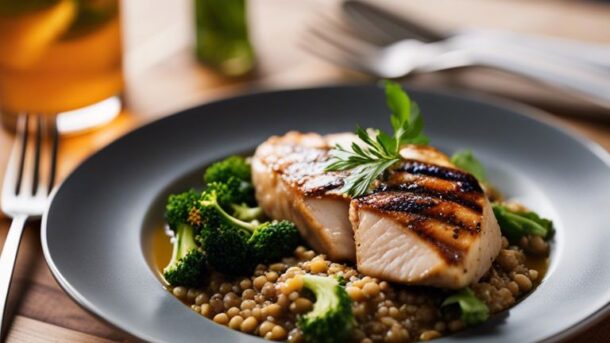
Protein from animal sources includes meat, poultry, fish, eggs, and dairy products. These foods are high in necessary amino acids, the building blocks of protein. Your protein dinner can include options like grilled chicken, salmon fillets, lean beef, or a serving of Greek yogurt.

Any protein dinner with animal-based sources can be a great way to get a complete protein profile and necessary nutrients like vitamin B12, iron, and zinc. It’s important to vary your sources to ensure you get a diverse range of nutrients in your meals.

Plant-Based Protein Sources

Sources of plant-based protein include legumes, nuts, seeds, tofu, tempeh, and whole grains. These foods are rich in fiber, antioxidants, and phytonutrients, making them beneficial for your overall health. Your protein dinner can feature options like lentil curry, quinoa salad, chickpea stew, or almond-crusted tofu.

Plant-based protein sources are typically lower in saturated fats and cholesterol, making them heart-healthy choices for your meals. Including a variety of plant-based proteins in your diet can also help reduce your carbon footprint and promote sustainability.

Combination of Both

Plant-based proteins can complement animal proteins in your protein dinner to create a balanced and nutritious meal. Including a mix of both sources can increase the diversity of nutrients in your diet, providing a range of vitamins, minerals, and antioxidants.

Plant-based proteins such as beans and lentils can add fiber and micronutrients to your meal, while animal proteins offer high-quality protein and necessary nutrients. Combining both sources in your protein dinner ensures you get a well-rounded and satisfying meal.
Benefits of Protein Dinner

Weight Management

Management of your weight is crucial for overall health and well-being. Including a protein-rich dinner in your diet can be beneficial for weight management. Proteins are known to be more satiating than carbohydrates or fats, which means they can help you feel full and satisfied for longer periods. By incorporating proteins into your dinner, you may reduce overall calorie intake throughout the day, aiding in weight loss or weight maintenance.

Muscle Growth and Repair

Management of muscle growth and repair is imperative for those looking to stay active and maintain a healthy lifestyle. Proteins are the building blocks of muscles, and consuming them at dinner can support muscle recovery and growth. Including protein sources like lean meats, poultry, fish, tofu, or legumes in your evening meal can provide your body with the necessary nutrients to repair and build muscle tissue.

With adequate protein intake at dinner, especially after a workout or physical activity, you can promote muscle recovery and enhance your body’s ability to repair and strengthen muscles.

Improved Satiety

Management of hunger and cravings can be challenging when trying to maintain a healthy diet. Choosing a protein-packed dinner can help improve satiety levels and prevent unnecessary snacking or overeating later in the evening. Proteins take longer to digest than carbohydrates, keeping you feeling full and satisfied, which can be beneficial for controlling overall calorie intake and supporting weight management goals.

Benefits of including protein in your dinner extend beyond just satiety; it can also help stabilize blood sugar levels, reduce cravings for unhealthy snacks, and support a more balanced and nutritious diet overall.

Planning a Protein Dinner

Once again, planning a protein dinner is imperative for ensuring you get the nutrients your body needs while enjoying a satisfying meal. By incorporating protein-rich foods into your dinner routine, you can create a balanced and delicious meal that will keep you sustained throughout the evening.

Meal Prep Strategies

Dinner can often be a hectic time, but with some meal prep strategies, you can make the process smoother and more efficient. Consider batch cooking your proteins, such as grilled chicken, tofu, or lentils, at the beginning of the week. This way, you can easily add them to salads, stir-fries, or wraps for a quick and protein-packed dinner.

Incorporating Protein-Rich Foods

With a variety of protein-rich foods to choose from, such as lean meats, seafood, beans, and dairy products, incorporating them into your dinner can be quite simple. Try to include at least one source of protein in your meal to help you feel full and satisfied. For a plant-based option, quinoa, chickpeas, or edamame can be excellent choices.

Balancing Macronutrients

Prep your dinner plate with a balance of macronutrients by incorporating protein, carbohydrates, and healthy fats. This balance can help stabilize your blood sugar levels and keep you energized throughout the evening. Bear in mind, portion control is key to ensuring you are getting the right amounts of each nutrient.

This approach to planning a protein dinner ensures that you are getting a well-rounded meal that will nourish your body and support your overall health and well-being.

Protein Dinner Ideas

Many delicious and nutritious options are available when it comes to crafting a protein-rich dinner. Whether you’re aiming for something quick and easy, looking for global inspirations, or seeking seasonal variations, there are endless possibilities to explore and enjoy.

Quick and Easy Recipes

On busy weeknights, you may not have much time to spend in the kitchen. Consider whipping up a simple grilled chicken salad, turkey lettuce wraps, or a protein-packed stir-fry with your favorite veggies. These meals are not only speedy to make but also satisfying and full of flavor.

Global Inspirations

One way to add excitement to your protein dinners is by drawing inspiration from cuisines around the world. Try making Greek souvlaki with tzatziki sauce, spicy Indian chickpea curry, or Japanese teriyaki salmon. Exploring different flavors and cooking styles can introduce new and delicious ways to incorporate protein into your diet.

It’s fascinating how various cultures have their unique approaches to preparing protein-rich meals. By incorporating international recipes into your dinner rotation, you can broaden your culinary horizons and discover a world of exciting flavors and ingredients.

Seasonal Variations

It’s necessary to adapt your protein dinners to the changing seasons to make the most of fresh, seasonal produce. In the summer, consider grilling lean cuts of meat or fish alongside vibrant vegetables. During the fall, hearty stews with beans and root vegetables can be a comforting and protein-packed option for chilly evenings.

Inspirations for seasonal variations can be found all around you, from the farmer’s market offerings to the seasonal specials at your favorite grocery store. Embracing the flavors of each season can elevate your protein dinners, making them not only delicious but also aligned with the natural rhythms of the year.

Another Subsection Title

Additional ideas for protein dinner variations could include incorporating plant-based proteins like tofu, tempeh, or legumes into your meals. These options provide a different nutritional profile while still offering a satisfying and protein-rich dining experience.

Common Misconceptions

Your journey to understanding protein dinners may come with some common misconceptions that can cloud your judgment. Let’s debunk these myths to set the record straight.

Debunking Protein Myths

Misconceptions about protein often revolve around animal sources being the only way to meet your protein needs. However, many plant-based foods like beans, lentils, quinoa, and tofu are excellent sources of protein. You don’t need to rely solely on meat to have a protein-rich meal.

Separating Fact from Fiction

An important aspect to consider in separating fact from fiction when it comes to protein dinners is understanding that protein is vital, but it’s not the only nutrient you need. A well-rounded meal should include a variety of nutrients like carbohydrates, fats, vitamins, and minerals to support your overall health and well-being.

Myths about protein being the sole focus of a meal can lead to imbalanced nutrition. Remember to prioritize diversity in your diet to ensure you’re getting all the vital nutrients your body needs to thrive.
Final Words

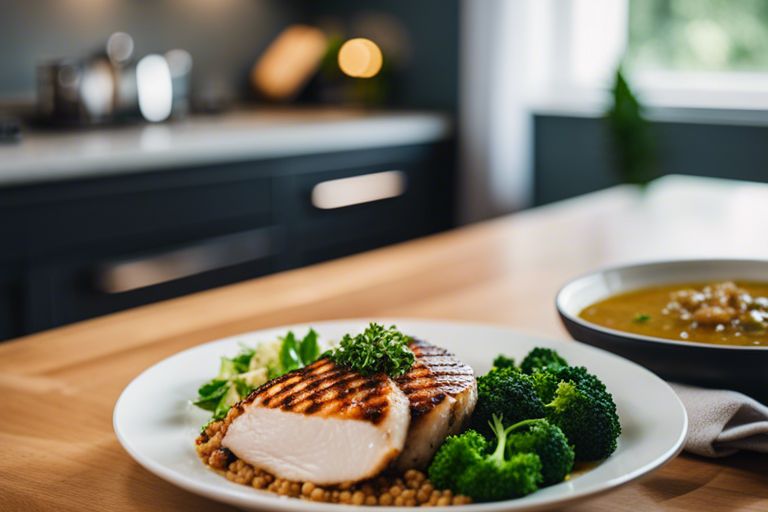
Conclusively, understanding what constitutes a protein dinner can greatly enhance your overall health and well-being. By incorporating a balance of proteins, such as lean meats, fish, tofu, and legumes, into your evening meals, you can ensure that you are fueling your body with important nutrients to support muscle growth, repair, and overall function. Note, a protein dinner doesn’t have to be complicated or time-consuming; simple meals like grilled chicken with quinoa and roasted vegetables can provide all the protein your body needs.

Q: What is a protein dinner?

A: A protein dinner is a meal that is primarily focused on including foods that are high in protein. This can include various types of meat, poultry, seafood, tofu, tempeh, beans, lentils, and dairy products such as Greek yogurt and cottage cheese.

Q: Why is it important to have a protein dinner?

A: Protein is an necessary nutrient that plays a crucial role in building and repairing tissues, supporting immune function, and helping you feel full and satisfied. Having a protein-rich dinner can help you meet your daily protein needs, support muscle growth and repair, and aid in weight management by promoting satiety.

What are some examples of protein dinner options?

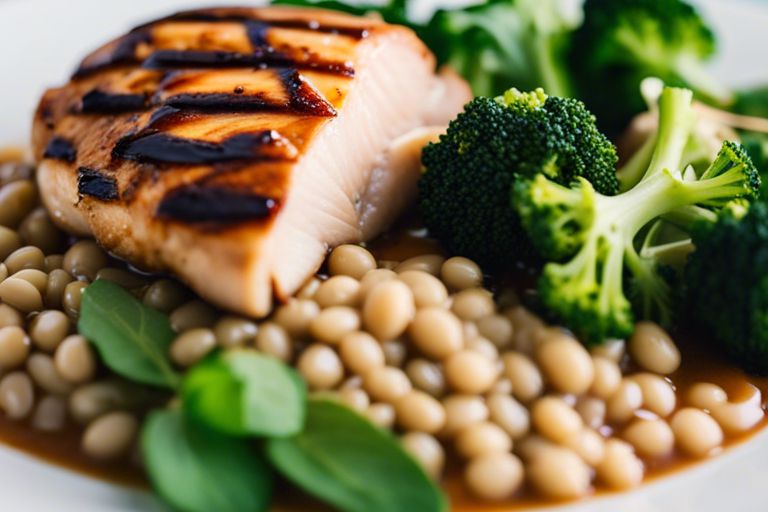
A: Some examples of protein dinner options include grilled chicken with roasted vegetables, salmon with quinoa and steamed broccoli, tofu stir-fry with brown rice, lentil soup with a side of salad, Greek yogurt parfait with nuts and fruit, and black bean tacos with avocado and salsa.

Which food is 100% protein

It’s time to probe the world of protein-packed foods. Have you ever wondered which food is 100% protein? In this informative guide, we will explore the answer to this question and introduce you to some surprising sources of pure protein. By the end of this read, you’ll have a better understanding of which foods can give your body a protein boost like no other.

Key Takeaways:

  • There is no food that is 100% protein: All foods have a combination of macronutrients including protein, carbohydrates, and fats.
  • Some foods have a higher protein content: Foods like lean meats, fish, eggs, dairy products, tofu, and legumes are examples of foods that are rich in protein.
  • A balanced diet is important: While protein is important for overall health, it is crucial to consume a variety of foods to meet all nutritional needs.

Defining Protein

What is protein?

For you to understand why certain foods are labeled as “100% protein,” it’s crucial to have a clear definition of what protein is. Proteins are large molecules made up of smaller units called amino acids. These amino acids are crucial for various bodily functions, such as building and repairing tissues, supporting immune function, and producing enzymes and hormones. In short, proteins are the building blocks of life.

Importance of protein in our diet

Protein is an crucial macronutrient that your body needs to function properly. When you consume protein-rich foods, your body breaks down the protein into amino acids, which are then used to support various bodily functions. Adequate protein intake is crucial for muscle growth and repair, maintaining healthy skin and hair, and supporting a strong immune system.

Plus, protein is also important for weight management because it helps you feel full and satisfied after meals, reducing the chances of unhealthy snacking. Incorporating sources of lean protein into your diet can help you stay energized and maintain a healthy weight.

High-Protein Foods

Lean meats

Assuming you are looking to increase your protein intake, lean meats are an excellent choice. Options such as skinless chicken breast, turkey, and lean cuts of beef or pork are high in protein and low in fat. These meats not only provide you with the protein your body needs for muscle growth and repair but also offer important nutrients like iron and zinc.

Fish and seafood

Fish, such as salmon, tuna, and mackerel, are packed with protein and heart-healthy omega-3 fatty acids. Seafood like shrimp, crab, and lobster are also great sources of protein. Including a variety of fish and seafood in your diet can help you meet your protein requirements while reaping the benefits of their nutrient-rich profile.

HighProtein: Fish and seafood are not only high in protein but also low in saturated fats, making them a healthy choice for your overall well-being.

Eggs and dairy products

HighProtein: Eggs and dairy products, such as yogurt, cheese, and milk, are rich in high-quality protein. They also contain important vitamins and minerals like calcium and vitamin D, which are important for bone health and overall immunity. Incorporating eggs and dairy into your diet can help you achieve your protein goals while enjoying the versatility and deliciousness they offer.

The higher protein content in eggs and dairy products can be beneficial for muscle building and weight management.

Legumes and beans

Lean: Legumes and beans, including chickpeas, lentils, and black beans, are plant-based sources of protein that are also high in fiber. These options are not only protein-rich but also contribute to your daily fiber intake, which is important for digestive health and weight management. Adding legumes and beans to your meals can help you diversify your protein sources and enjoy a range of nutrients in your diet.

Legumes: Legumes and beans are not only versatile in cooking but also budget-friendly and sustainable options for meeting your protein needs.

The Quest for 100% Protein

Is it possible to find a food with 100% protein?

Not all foods are created equal when it comes to their protein content. While many foods contain protein, finding a food that is 100% protein is quite a challenge. Most foods have a combination of macronutrients such as carbohydrates, fats, and proteins, making it difficult to find a food that is purely protein.

Debunking myths about high-protein foods

One common myth about high-protein foods is that they are all created equal. While some foods are indeed high in protein, they may also contain high amounts of unhealthy fats or added sugars. It’s important to choose high-protein foods that are also nutrient-dense and beneficial for your overall health.

Myths surrounding high-protein foods can lead to misconceptions about the best sources of protein for your diet. It’s crucial to do your research and choose a variety of protein sources to ensure you are meeting your nutritional needs while enjoying a balanced and healthy diet.

Animal-Derived Options

Whey protein isolate

Now, let’s talk about whey protein isolate. This form of protein is derived from milk and is one of the most popular options among fitness enthusiasts. Whey protein isolate undergoes further processing to remove almost all carbohydrates and fats, leaving you with a protein content of around 90-95% per serving. This high protein concentration makes it a great choice for those looking to increase their protein intake without consuming extra calories.

Egg white protein

Isolate.

Now, if you’re looking for a protein source that is highly bioavailable and easily digestible, egg white protein is a fantastic option. Egg white protein isolates are made by separating the yolks from the whites and then drying and processing the whites into a powdered form. This results in a protein-rich supplement that is free from cholesterol and fats, making it a lean protein source for your diet. Egg white protein is also rich in crucial amino acids, making it a complete protein for muscle recovery and growth.

Gelatin and collagen

On

Now, when it comes to gelatin and collagen, these protein sources may not be as high in protein content as whey or egg white protein isolates, but they offer unique benefits for your overall health. Gelatin is derived from collagen, a structural protein found in animal connective tissues, and both are known for their positive effects on joint health, skin elasticity, and gut function. Incorporating gelatin or collagen into your diet can provide you with these additional benefits alongside a moderate amount of protein.

For instance, collagen peptides are hydrolyzed forms of collagen that are easily absorbed by the body, making them a convenient way to boost your protein intake while supporting your skin, hair, and joint health. Including gelatin in your diet through homemade bone broth or collagen powders can also offer similar benefits, making these animal-derived protein sources a valuable addition to your nutrition regimen.

Plant-Based Alternatives

Once again, if you are looking to increase your protein intake with plant-based options, you have a variety of choices to consider. According to 100 Healthiest Foods With the Highest Protein, pea protein isolate is one excellent option.

Pea protein isolate

An excellent plant-based protein option is pea protein isolate. This protein source is derived from yellow split peas and is known for its high protein content. Pea protein isolate is not only rich in protein but also contains necessary amino acids, making it a complete protein source.

Rice protein

Protein derived from rice is another plant-based protein alternative that you can incorporate into your diet. Rice protein is hypoallergenic and easily digestible, making it a suitable option for individuals with dietary restrictions or sensitive stomachs.

PlantBased

Hemp protein

PlantBased, hemp protein is a popular plant-based protein source that is gaining recognition for its nutritional benefits. Hemp protein is derived from hemp seeds and is rich in protein, fiber, and healthy fats. Additionally, hemp protein contains all necessary amino acids, making it a complete protein source.

To enhance your protein intake with plant-based alternatives, consider incorporating pea protein isolate, rice protein, or hemp protein into your meals and snacks. These plant-based proteins not only provide your body with necessary nutrients but also support your overall health and wellness goals.

Comparing Protein Sources

Despite the vast array of protein sources available, not all proteins are created equal. In terms of comparing protein sources, several factors play a role in determining their quality. Let’s investigate into the key metrics used to evaluate protein sources and help you make informed choices for your dietary needs.

Protein efficiency ratio (PER)

For starters, the Protein Efficiency Ratio (PER) measures the weight gained by a growing animal per gram of protein consumed. It is a valuable metric for assessing protein quality and how well it supports growth and development. In the PER scale, egg protein scores a perfect 1.0, indicating its exceptional quality. Other high-quality protein sources include milk and fish, which also score high on the PER scale.

Biological value (BV)

For evaluating protein quality, another crucial metric to consider is Biological Value (BV). BV measures the proportion of absorbed protein that is retained in the body for growth and maintenance. It provides insights into how efficiently the body can utilize the protein from a specific source. Protein sources such as eggs and whey protein have high BV scores, indicating that they are easily digestible and provide a high proportion of crucial amino acids for bodily functions.

A ratio of 100 represents an ideal biological value, indicating that all the protein consumed is utilized efficiently by the body. This makes eggs a standout protein source due to their high biological value and excellent amino acid profile, making them a complete protein source crucial for various bodily functions.

Net protein utilization (NPU)

For a comprehensive view of protein quality, Net Protein Utilization (NPU) is another crucial metric to consider. NPU measures the percentage of ingested protein that is actually retained and used by the body. It provides valuable insights into how efficiently a protein source can be utilized to meet the body’s protein needs. Protein sources such as soy and quinoa have high NPU scores, indicating that they are efficiently utilized by the body.

This holistic view of protein quality, considering metrics like PER, BV, and NPU, can guide you in selecting protein sources that best meet your nutritional requirements. By understanding these metrics, you can make informed choices to ensure you are getting high-quality protein sources that support your overall health and well-being.

Final Words

On the whole, understanding that there is no food that is 100% protein is crucial in maintaining a balanced and healthy diet. Be mindful of, your body needs a variety of nutrients, including carbohydrates, fats, vitamins, and minerals, in addition to protein, for optimal function. By incorporating a diverse range of foods in your meals, you can ensure that you are meeting all your nutritional needs and supporting your overall well-being. Enjoy your meals knowing that you are nourishing your body with a diverse array of nutrients!

FAQ

Q: Which food is 100% protein?

A: Foods that are 100% protein include egg whites, chicken breast, turkey breast, tuna, tilapia, and tempeh.

Q: Are there any vegetarian options that are 100% protein?

A: Yes, tempeh is a vegetarian option that is 100% protein. Tempeh is a fermented soybean product that is a great source of plant-based protein.

Q: How can I incorporate high-protein foods into my diet?

A: You can incorporate high-protein foods into your diet by incorporating them into meals and snacks. For example, you can add chicken breast to salads, snack on tuna with whole grain crackers, or have a protein shake with egg white protein powder.

What is India traditional food

Over thousands of years, India has cultivated a rich tapestry of traditional foods that reflect its diverse cultures, regions, and culinary practices. You will discover that Indian traditional food is not just about spices and flavors; it represents a deep connection to the land, its history, and the people. From aromatic curries to delectable sweets, these dishes are often prepared with age-old recipes and local ingredients. This blog post will guide you through the imperative aspects of traditional Indian cuisine, helping you appreciate its significance in global gastronomy.

Key Takeaways:

  • Diversity: India’s traditional food reflects a rich variety of regional cuisines shaped by geography, culture, and history.
  • Spices: The use of spices like cumin, coriander, turmeric, and cardamom is central to enhancing flavors and providing health benefits.
  • Vegetarianism: A significant portion of traditional Indian cuisine is vegetarian, influenced by cultural and religious practices, especially in Hinduism.
  • Cooking Techniques: Traditional cooking methods include tandoor baking, slow cooking, and steaming, which contribute to the unique flavors and textures of Indian dishes.
  • Festivals and Rituals: Food plays a vital role in celebrations and rituals, with different sweets and dishes prepared for festivals like Diwali and Holi.

Historical Background

The historical evolution of traditional Indian food is a fascinating journey shaped by various influences over millennia. From ancient civilizations to colonial rule, each epoch has left a lasting imprint on the culinary landscape of India. By exploring these historical contexts, you can better appreciate the depth and richness of Indian cuisine today.

Ancient Influences

Influences from ancient civilizations such as the Indus Valley and Vedic cultures laid the foundation for what we now recognize as traditional Indian food. The availability of local ingredients, alongside the introduction of grain cultivation and diverse agricultural practices, shaped the early dietary habits. As a result, you see a mix of regional flavors and cooking techniques that form the core of India’s culinary heritage.

Colonial Impact

Influences from colonial powers significantly transformed Indian cuisine, introducing new ingredients and cooking methods. The arrival of British, Dutch, and Portuguese traders brought spices, vegetables, and even techniques like baking that were previously unknown in India.

It is vital to note that colonial impact was not merely about the introduction of foreign elements; it also led to the fusion of traditional recipes with Western ingredients, leading to the birth of unique dishes. This blending process created an entirely new culinary dimension, enhancing the complexity and diversity of Indian cuisine as you know it today. By understanding these historical layers, you can appreciate how traditional Indian food continues to evolve while retaining its authentic roots.

Regional Cuisines

Clearly, India’s culinary landscape is as diverse as its culture, with each region offering unique flavors and cooking styles that reflect local traditions and ingredients. Exploring these regional cuisines not only enriches your palate but also provides insight into the’s rich heritage.

North Indian Cuisine

On your journey through North Indian cuisine, you will discover dishes that are hearty and often cooked with rich gravies. Staples like naan, biryani, and butter chicken are common, reflecting the use of dairy products, spices, and flavorful meats. This region is known for its warm and robust flavors, perfect for the colder climate.

South Indian Cuisine

South Indian cuisine is distinguished by its vibrant use of rice, lentils, and a plethora of spices, offering a range of vegetarian and non-vegetarian options. Dishes like dosas, idlis, and sambar are foundational and showcase the region’s emphasis on flavors that are tangy and aromatic.

North Indian dishes are typically heavier, relying on rich gravies made with cream, tomatoes, and abundant spices. In contrast, South Indian meals feature lighter ingredients, utilizing fermented batter for dosas and rice for idlis, often accompanied by coconut chutneys and tangy sambar. The variety in textures and tastes ensures a sensory delight.

East Indian Cuisine

Regional cuisine in East India is characterized by its seafood, rice, and unique flavors, influenced by the various cultures that reside in the region. Popular dishes include fish curry, rasgulla, and a range of vegetarian preparations that highlight local vegetables and spices.

Indian East Indian cuisine takes pride in its coastal ingredients and fragrant spices, with Bengal being particularly famous for its fish dishes. The use of mustard oil and poppy seeds enhances the taste, while sweets like rasgullas and sandesh are integral parts of the region’s culinary offerings, making it a paradise for both savory and sweet lovers.

West Indian Cuisine

To experience West Indian cuisine is to indulge in a variety of dishes that are as colorful as the landscapes of the region. It combines rich, spicy flavors and unique ingredients, with staples like dal bati churma and dhokla representing the diverse culinary practices found here.

This region’s cuisine varies dramatically from state to state, with Gujarat favoring vegetarian dishes and Maharashtra known for its seafood and spicy curries. The use of ingredients like coconut, peanuts, and jaggery further enriches the flavors, ensuring that West Indian cuisine stands out in its boldness and vibrancy.

Traditional Ingredients

After exploring the rich tapestry of Indian cuisine, it is crucial to probe into the traditional ingredients that make these dishes so unique. From aromatic spices to hearty grains, each component plays a crucial role in defining the flavors of India. If you’re interested in discovering Traditional Indian Dishes That Are Loved Across The Globe, understanding these ingredients can enhance your culinary knowledge and appreciation.

Spices and Herbs

Any discussion about Indian cuisine would be incomplete without mentioning its myriad spices and herbs. These ingredients are responsible for the bold flavors and vibrant colors characteristic of the dishes. Common examples include cumin, coriander, turmeric, and cardamom, each contributing its own unique aroma and taste to create a mouthwatering experience.

Grains and Pulses

Grains are the cornerstone of Indian meals, with rice and various types of wheat forming the base. They provide crucial carbohydrates and are often paired with lentils, which are rich in protein. You’ll find that each region has its own preferred grains, ranging from basmati rice in the north to the coarser varieties found in the south.

To truly appreciate the significance of grains and pulses in Indian cooking, consider that they not only satisfy hunger but also foster a sense of community. Meals often revolve around shared dishes, featuring staples like dal (lentil stew) and various kinds of bread, which are integral to family and social gatherings.

Dairy Products

Grains form the base of your meals, and dairy products complement them perfectly. Yogurt, paneer (fresh cheese), and ghee (clarified butter) are commonly used ingredients that add creaminess and depth to many Indian dishes. They also help balance the heat from spices, providing a more rounded flavor profile.

It’s worth noting that dairy products play a significant role in traditional Indian cooking. They are not just used for flavor but also for their health benefits, as they are an excellent source of calcium and probiotics. Incorporating these ingredients into your meals can enhance both taste and nutrition, making your culinary experience more wholesome.

Cooking Techniques

Unlike many other cuisines, Indian traditional food is characterized by a diverse range of cooking techniques that elevate the flavors and showcase the country’s rich culinary heritage. From grilling to slow cooking, the methods vary regionally and are often influenced by local ingredients. If you’re curious about the array of Indian dishes to explore, check out 49 Traditional Indian Foods to Taste in 2024.

Tandoor Cooking

Any discussion of Indian cooking techniques would be incomplete without mentioning the tandoor, a traditional clay oven. This method not only imparts a distinctive smoky flavor to the food but also helps lock in moisture, making dishes like tandoori chicken and naan notably succulent and aromatic.

Slow Cooking Methods

An crucial part of Indian cooking involves slow cooking, which allows spices to meld beautifully and flavors to deepen. This technique is vital in dishes like biryani and various curries, where patience pays off in layers of complexity.

With slow cooking, you’re not just preparing a meal; you’re engaging in a process that nurtures the food, making it tender and rich in taste. This method often involves simmering ingredients over low heat for extended periods, enabling the spices to infuse thoroughly and creating a harmonious balance of flavors that is a hallmark of Indian cuisine.

Fermentation and Curing

To preserve food and enhance flavors, fermentation and curing are widely practiced in Indian cooking. These techniques not only increase shelf life but also enrich the nutritional profile and taste of various dishes, like dosa and idli.

Methods such as fermentation involve transforming ingredients through the action of bacteria and yeast, resulting in tangy flavors and increased digestibility. Curing, on the other hand, can be seen in the preparation of pickles and certain types of cheeses, adding a unique, savory depth to your meals that is iconic in Indian cuisine.

Final Words

Conclusively, understanding India’s traditional food is crucial for appreciating its rich cultural heritage. You’ll discover that each dish tells a story, reflecting regional diversity, local ingredients, and historical influences. Whether you’re savoring a spicy curry or a sweet treat, each bite is an invitation to connect with the vibrant tapestry of Indian traditions. So, as you explore Indian cuisine, remember that it’s not just about the flavors, but also about the cultural significance and communal bonds tied to each meal, enriching your culinary journey.

FAQ

Q: What are some popular traditional Indian dishes?

A: India is renowned for its diverse and rich culinary heritage. Some popular traditional dishes include:

  • Biriyani: A fragrant rice dish cooked with spices, meat (such as chicken, lamb, or beef), and occasionally vegetables.
  • Dal Makhani: A creamy lentil dish made with black lentils and kidney beans, cooked slowly with spices and butter.
  • Samosas: Deep-fried pastries stuffed with spiced potatoes, peas, or meat, often served with chutney.
  • Butter Chicken: A rich and creamy tomato-based curry with marinated chicken, often served with naan bread.
  • Idli: Steamed rice cakes typically served with sambar (a spicy lentil soup) and coconut chutney.

Q: How does regional diversity influence traditional Indian food?

A: India’s culinary landscape is vast and varied, heavily influenced by regional resources, climate, and culture. Different states and regions in India have their unique flavors and cooking styles. For example:

  • North India: Known for rich gravies, breads (like naan and roti), and dairy-based dishes, with dishes like paneer tikka and chole bhature.
  • South India: Renowned for its rice-based dishes, dosa (fermented crepes), and sambhar, often featuring a mix of spices and coconut.
  • East India: Famous for sweets like rasgulla and sandesh, and seafood dishes from Bengal, often flavored with mustard and poppy seeds.
  • West India: Includes a variety of flavors, with Gujarati cuisine known for its sweet and savory dishes, while Rajasthani cuisine features spicy lentils and bread.

Q: What is the significance of spices in traditional Indian cooking?

A: Spices play a crucial role in Indian cuisine, not only for flavoring but also for their health benefits. Spices like turmeric, cumin, coriander, and garam masala are staples that enhance taste and aroma. Additionally:

  • Health Benefits: Many spices are known for their medicinal properties; for instance, turmeric does have anti-inflammatory benefits, while cumin aids digestion.
  • Preservation: Historically, spices were used to preserve food, which was particularly important in the warm climates of India.
  • Cultural Significance: Spices carry cultural weight, often reflecting regional customs and traditions in their use and preparation methods.

Which Indian state food is best

Most food enthusiasts find themselves captivated by the incredible diversity of Indian cuisine, each state offering its own unique flavors and culinary traditions. In this blog post, you will explore the distinct characteristics of various Indian state foods, helping you understand what sets them apart and which cuisine might be the best fit for your tastebuds. From the spicy curries of the South to the rich sweets of the North, your culinary adventure through India’s regional delicacies awaits.

Key Takeaways:

  • Diverse Regional Cuisines: India boasts a wide variety of regional cuisines, each with unique flavors, ingredients, and cooking techniques that reflect local cultures and traditions.
  • Popular States: Some of the most renowned food states include Punjab, Kerala, and Gujarat, celebrated for their distinct dishes like butter chicken, seafood curries, and traditional thalis.
  • Spice Usage: Different states utilize spices to varying degrees, making spice selection a crucial factor in determining the best regional food, with some states being more liberal with their use than others.
  • Vegetarian vs. Non-Vegetarian: India’s culinary landscape is marked by a mix of vegetarian and non-vegetarian options, with states like Rajasthan and Gujarat favoring vegetarian dishes, while states like West Bengal and Kerala are known for their fish and seafood.
  • Influence of Culture: The best state food often reflects a fusion of history, culture, and geography, impacting ingredients and recipes that have evolved over centuries, making each state’s cuisine unique and appealing.

The Culinary Diversity of India

Before exploring into the various regional cuisines, it’s imperative to recognize that India’s culinary landscape is incredibly diverse. Each state boasts its unique flavors, cooking techniques, and ingredients, creating a rich tapestry of gastronomical experiences. If you’re curious about regional preferences, you may want to consider which state’s food is the most delicious in India?

North Indian Cuisine

Cuisine from North India is characterized by its rich and creamy dishes, often made with a variety of spices, dairy, and lentils. Signature items like butter chicken, paneer tikka, and biryani are popular, alongside an array of breads such as naan and paratha. North Indian meals are hearty and flavorful, reflecting the cultural heritage of the region.

South Indian Cuisine

With its emphasis on rice, lentils, and vegetables, South Indian cuisine is a vibrant celebration of flavors. Signature dishes include dosas, idlis, and sambar, accompanied by coconut chutney. The cuisine is typically lighter and incorporates a variety of spices that give it a unique zest.

This diverse culinary tradition varies across states. For example, Tamil Nadu boasts a variety of rice-based dishes and snacks, while Kerala offers delicacies infused with coconut and seafood. The use of fresh ingredients and aromatic spices creates a tantalizing experience that showcases the region’s agricultural richness.

East Indian Cuisine

To appreciate East Indian cuisine is to embrace the bold flavors of fish, rice, and local spices. Signature dishes like macher jhol (fish curry) and pakhala bhata (fermented rice) highlight the region’s love for freshness and depth of flavor. The culinary traditions here often reflect coastal influences and agricultural practices.

Indian cuisine from the east features a delightful balance of sweetness and spice, often achieved through the use of mustard oil and panch phoron (a five-spice blend). Each state, from Odisha to West Bengal, has its distinctive cooking methods and flavors that contribute to this diverse culinary landscape.

West Indian Cuisine

The West Indian culinary scene is a vibrant mixture of flavors and influences, heavily incorporated with spices and coconut. Signature dishes include dhokla, vindaloo, and various seafood preparations. The use of jaggery, coconut, and a medley of spices defines the cuisine in this region.

Cuisine from Western India often reflects the cultural diversity of the area, showcasing flavors influenced by various communities. From the spicy curries of Maharashtra to the sweet treats of Gujarat, West Indian food emphasizes bold flavors, vibrant colors, and a mix of sweet and savory tastes that are sure to captivate your palate.

Criteria for Evaluating State Foods

One of the most rewarding aspects of exploring Indian cuisine is evaluating the vast array of state foods. To make an informed decision about which state food is the best, you should consider multiple criteria that highlight each dish’s unique attributes, including taste, nutritional value, cultural significance, and popularity among locals and tourists.

Taste and Flavor Profiles

Flavor is integral to any culinary experience, and Indian state foods are no exception. Each state boasts its own distinct flavor profiles due to the local ingredients, spices, and cooking techniques used. You will find everything from the tangy flavors of West Bengal’s seafood dishes to the robust spices of Punjab’s curries, enriching your palate with a myriad of tastes.

Nutritional Value

Nutritional value is an imperative aspect when evaluating state foods, as it directly impacts your health. A dish that not only delights your taste buds but also provides imperative nutrients is ideal. You will want to assess ingredients that are rich in vitamins, minerals, and other health benefits.

For instance, many state dishes are rich in lentils, vegetables, and whole grains, offering fiber and antioxidants imperative for a balanced diet. You can appreciate localized ingredients that contribute to the nutritional profile of each dish, making them not just a meal but a wholesome experience for you.

Cultural Significance

To fully appreciate Indian state foods, you must consider their cultural significance. Each dish tells a story, representing unique traditions, festivals, and regional practices. Your understanding of these foods will enhance your culinary journey, as you connect gastronomic experiences with cultural narratives.

A dish like Dhokla from Gujarat is not only a tasty snack but also a representation of the state’s agricultural heritage and festive traditions. By recognizing such cultural ties, you can develop a deeper appreciation for the variety and history embedded in each state’s cuisine.

Popularity among Locals and Tourists

Criteria for evaluating state foods should also include their popularity among locals and tourists. A dish that people enjoy often has qualities that resonate beyond its region, enhancing its appeal. As you explore various state foods, your awareness of their popularity will inform your choices as well.

Popularity can serve as a testament to the flavors, presentation, and experience a dish delivers. For example, dishes such as Biryani from Hyderabad or Vada Pav from Maharashtra not only carry local acclaim but have also captured the taste buds of visitors from around the world. This widespread approval often indicates a dish’s merit within the larger context of Indian cuisine.

Top Indian State Foods Ranked

Not all Indian foods are created equal, and if you’re wondering Which Region of India has the Best Food?, this ranking of state cuisines is for you. Prepare your taste buds for a culinary journey through some of the most delectable dishes from different regions of India.

Punjab: The Richness of Butter Chicken

Indian cuisine is famed for its rich flavors, and Punjab stands out with its mouth-watering Butter Chicken. This dish combines tender chicken marinated in spices and yogurt, which is then gently simmered in a creamy, buttery tomato sauce. It’s a perfect representation of Punjabi hospitality and richness, making it a beloved dish both in India and abroad.

Kerala: The Aromatic Dishes of the South

Ranked among the finest, Kerala offers an array of aromatic dishes that are a true feast for the senses. The flavors are influenced by the state’s lush landscapes and coastal culture, featuring ingredients like coconut, seafood, and spices. Each meal reflects Kerala’s culinary heritage, making it a unique destination for food enthusiasts.

Chicken, fish, and vegetables are often prepared in rich coconut curries or enjoyed in the classic dish called ‘Sadya.’ This traditional feast showcases a variety of flavors served on a banana leaf, inviting you to explore the aromatic fusion of spices typical of Kerala’s cuisine. It’s an experience you surely don’t want to miss.

Bengal: The Sweetness of Rasgulla

Aromatic and enticing, Bengali cuisine is known for its emphasis on freshness and flavor. Among its many delights, Rasgulla stands out as a beloved dessert made from soft paneer balls soaked in sugar syrup. This sweet treat is a symbol of Bengal’s culinary brilliance and is celebrated during festivals and special occasions.

Bengal’s sweets like Rasgulla are not just limited to desserts; they symbolize the warmth and hospitality of its people. The technique of making these delectable treats has been passed down through generations, making them a timeless favorite. Enjoying these sweets provides a delightful glimpse into the rich traditions of Bengal’s cuisine.

Gujarat: The Harmony of Sweet and Savory

Rasgulla may have your sweet tooth enchanted, but Gujarat offers a delightful harmony of sweet and savory flavors, best showcased in dishes like Dhokla and Thepla. The balance of flavors in Gujarati cuisine is remarkable, often incorporating unique twists that make every bite an enjoyable experience.

Gujarat’s culinary repertoire includes a variety of vegetarian dishes infused with spices, along with sweet treats like Undhiyu. This combination creates a spectrum of tastes that reflect the region’s culture and agricultural richness. When you think of Gujarati food, you think of wholesome, nutritious meals that provide comfort alongside delightful sweetness.

Summing Up

Summing up, determining which Indian state food is the best is a subjective endeavor, as each state boasts a unique culinary heritage that reflects its culture and history. You can explore regional specialties to decide which resonates most with your palate. To explore deeper into this gastronomic journey, consider checking out this resource on 49 Traditional Indian Foods to Taste in 2024, which will help you further understand and appreciate the diverse flavors of India.

Q: Which Indian state is known for having the best food and why?

A: While it’s subjective to determine the “best” Indian state food, many food enthusiasts often point to states like Punjab and Kerala for their unique culinary traditions. Punjab is renowned for its rich and hearty dishes such as butter chicken, sarson da saag, and makki di roti, characterized by bold flavors and generous use of spices and dairy. On the other hand, Kerala is famous for its use of fresh seafood, coconut, and spices, offering dishes like puttu, appam, and various fish curries. Both states showcase the diversity of Indian cuisine, making it difficult to rank one above the other definitively.

Q: What are some distinct features of Indian state cuisines that make them unique?

A: Each Indian state boasts its own culinary identity based on regional ingredients, climate, and cultural influences. For instance, the northeastern states utilize bamboo shoots and fermented dishes, while states like Gujarat feature a blend of sweet and savory elements in their meals, reflecting their agricultural produce. The use of specific spices also varies; for example, Maharashtrian cuisine often uses goda masala, while South Indian food is known for its use of curry leaves and mustard seeds. These distinct features highlight the rich tapestry of flavors and techniques across India’s states.

Q: How can one explore and experience the best foods from various Indian states?

A: Exploring the best foods from various Indian states can be done through multiple avenues. One can start by visiting local Indian restaurants that specialize in regional cuisines, giving a taste of authentic flavors. Additionally, participating in food festivals or cultural events can introduce individuals to array of regional dishes. Cooking classes focusing on specific state cuisines can also provide hands-on experience. Lastly, traveling to different states in India offers the most immersive experience, allowing individuals to savor local delicacies directly from their places of origin.

What food is pure protein

There’s always confusion around which foods are pure protein, but it’s crucial to understand that certain foods are excellent sources of this crucial nutrient. In the context of pure protein, you want to focus on foods that are nearly all protein and minimal in fats and carbohydrates. By incorporating these foods into your diet, you can ensure you’re getting the protein your body needs to function at its best.

Key Takeaways:

  • Animal sources: Foods like chicken breast, turkey, fish, eggs, and lean cuts of beef are rich in pure protein.
  • Plant-based sources: Legumes, tofu, tempeh, quinoa, and edamame are good sources of plant-based pure protein.
  • Supplements: Protein powders and bars can also be a convenient way to increase your protein intake, especially for athletes and individuals with higher protein needs.

Protein Basics

What is protein?

On your quest to understand what foods are pure protein, you first need to grasp the basics of what protein actually is. Proteins are crucial macronutrients made up of amino acids, which are often referred to as the building blocks of life. There are 20 different amino acids that can combine in various ways to form a wide range of proteins that carry out important functions in your body.

Importance of protein in the diet

Basics: Protein plays a crucial role in your diet as it is necessary for the growth, repair, and maintenance of tissues in your body. When you consume protein-rich foods, your body breaks down the protein into amino acids, which are then used to build and repair muscles, skin, hair, and other tissues. This macronutrient also plays a key role in the production of enzymes, hormones, and other crucial chemicals in your body.

With a better understanding of the significance of protein in your diet, you can make informed choices about incorporating protein-rich foods into your meals to support your overall health and well-being.

Animal-Based Pure Protein Sources

Assuming you want to incorporate more pure protein into your diet, you may be looking for animal-based sources. For a comprehensive list of foods that are almost pure protein, you can refer to this article on 11 Foods That Are Almost Pure Protein.

Lean Meats

One excellent source of pure protein is lean meats such as chicken, turkey, and lean cuts of beef. These meats are not only high in protein but also low in fat, making them a great option for those looking to increase their protein intake without consuming excess calories.

Fish and Seafood

An important source of pure protein comes from fish and seafood. These foods are not only rich in protein but also provide important omega-3 fatty acids, which are beneficial for heart health and overall well-being.

For instance, salmon is a great choice as it is not only packed with protein but also contains healthy fats that are good for your body. Other options like tuna, mackerel, and shrimp are also excellent sources of protein.

Eggs

Pure protein can be found in eggs, which are a versatile and nutrient-rich food. Eggs are a complete protein source, meaning they contain all the important amino acids your body needs to function properly. You can enjoy eggs in various ways, such as boiled, scrambled, or poached, to increase your protein intake.

To maximize the protein content, you can opt for egg whites, which are almost pure protein and contain minimal fat and calories.

Dairy Products

With dairy products like Greek yogurt, cottage cheese, and milk, you can add more pure protein to your diet. These foods are not only high in protein but also rich in calcium, which is important for bone health. Incorporating dairy products into your meals and snacks can help you meet your protein needs while also getting other important nutrients.

It is important to choose low-fat or fat-free options to keep your overall calorie and fat intake in check while still benefiting from the protein content in dairy products.

Plant-Based Pure Protein Sources

Many plant-based foods are excellent sources of pure protein. They are not only nutritious but also help reduce your carbon footprint. Here are some great options to consider incorporating into your diet:

Legumes

An easy way to get a protein boost in your meals is by adding legumes such as lentils, chickpeas, and black beans. These plant-based powerhouses are not only high in protein but also packed with fiber, vitamins, and minerals. You can enjoy them in soups, salads, stews, or even as a meat substitute in dishes like vegetarian chili or bean burgers.

Nuts and seeds

Protein-packed nuts and seeds like almonds, chia seeds, and hemp seeds are versatile and nutrient-dense additions to your diet. They can be sprinkled on top of yogurt, oatmeal, or salads for an extra protein punch. Nuts and seeds also contain healthy fats that are beneficial for heart health and provide you with a variety of important vitamins and minerals.

Protein is crucial for your body’s overall health and functioning. Nuts and seeds are a great way to increase your protein intake, especially if you are following a plant-based diet.

Whole grains

To ensure you are getting a complete source of protein, it’s important to include whole grains like quinoa, brown rice, and oats in your diet. These grains not only provide protein but also offer fiber, antioxidants, and other important nutrients. You can use them as a base for meals, as a side dish, or even in baked goods like bread and muffins.

With the right combination of whole grains and other plant-based foods, you can easily meet your daily protein needs while enjoying a well-rounded and delicious diet.

Soy products

NutsSoy products like tofu, tempeh, and edamame are excellent sources of protein and contain all the important amino acids your body needs. They are also versatile ingredients that can be used in a variety of dishes, from stir-fries to smoothies. Soy products are a great option for vegetarians and vegans looking to increase their protein intake without consuming meat.

The versatility of soy products makes them a valuable addition to your plant-based diet. They can help you meet your protein requirements while adding a delicious texture to your meals.

High-Protein Foods with Minimal Carbohydrates

Despite the popular belief that all high-protein foods are laden with carbs, there are actually plenty of options that are low in carbohydrates. When you’re looking to increase your protein intake while keeping carbs to a minimum, consider incorporating the following foods into your diet:

Meat and poultry

Any lean cuts of meat and poultry are excellent sources of protein with minimal carbohydrates. Opt for skinless chicken breasts, turkey, lean cuts of beef, or pork tenderloin. These protein-rich options will help you meet your nutritional needs without significantly increasing your carb intake.

Fish and seafood

High-protein and low-carb, fish and seafood are fantastic choices to add variety to your diet. Options like salmon, tuna, shrimp, and cod are not only packed with protein but also rich in vital omega-3 fatty acids, which are beneficial for heart health.

Plus, fish and seafood are quick to cook and can be easily incorporated into salads, stir-fries, or grilled dishes, making them convenient options for busy days when you need a nutritious meal in a pinch.

Eggs and dairy

With their high protein content and minimal carbohydrates, eggs and dairy products are versatile ingredients that can be used in a variety of dishes. Eggs are not only a great source of protein but also rich in vital nutrients like choline and vitamin B12.

Vegetarian options

An array of plant-based foods can provide you with the protein you need while keeping the carbs in check. Legumes, tofu, tempeh, and edamame are excellent vegetarian sources of protein that can be easily incorporated into your meals.

Meat substitutes like seitan and textured vegetable protein (TVP) can also be used to create high-protein, low-carb dishes that are satisfying and delicious.

Pure Protein Foods for Specific Diets

Vegan pure protein sources

With a plant-based diet, it’s important to ensure you’re getting enough protein. Good vegan sources of pure protein include tofu, tempeh, edamame, seitan, and lentils. These foods are not only rich in protein but also provide necessary nutrients like iron and calcium.

Gluten-free pure protein sources

Vegan protein sources are often naturally gluten-free, making them a great choice for those with gluten sensitivities or celiac disease. Legumes, nuts, seeds, and quinoa are all gluten-free pure protein sources that can easily be incorporated into your diet.

Understanding where your protein comes from is key when following a gluten-free diet. Look for whole, unprocessed foods to ensure you’re not accidentally consuming hidden sources of gluten.

Low-carb pure protein sources

Lowcarb diets can still be rich in protein with the right food choices. Opt for eggs, chicken, turkey, fish, and Greek yogurt as pure protein sources that are also low in carbohydrates. These foods can help you meet your protein needs without compromising your carb intake.

Protein is an necessary macronutrient that plays a critical role in various functions in your body, including muscle repair and growth. By incorporating these pure protein sources into your diet, you can ensure you’re meeting your protein requirements while adhering to your specific dietary preferences.

Common Misconceptions about Pure Protein Foods

After indulging in a variety of Protein Snacks, you might come across some misconceptions about pure protein foods. Let’s debunk these myths and separate fact from fiction to help you make informed decisions about your diet.

Debunking myths about protein-rich foods

myths

Separating fact from fiction

fact

from protein bars to shakes, there are many convenient options available that are high in protein.

Final Words

Ultimately, understanding what foods are pure protein can help you make more informed choices about your diet and ensure that you are meeting your nutritional needs. By incorporating a variety of protein sources into your meals, such as lean meats, seafood, dairy products, legumes, nuts, and seeds, you can provide your body with the imperative building blocks it needs to function properly. Remember to also consider factors like portion sizes and cooking methods to make the most out of the protein-rich foods you consume.

FAQ

Q: What type of food is considered pure protein?

A: Pure protein foods are those that contain a high percentage of protein with minimal carbohydrates and fats. Examples include chicken breast, turkey, tuna, egg whites, and tofu.

Q: Why is protein important in our diet?

A: Protein is crucial for building and repairing tissues, supporting immune function, and regulating hormones. It also helps keep you feel full and satisfied after meals.

Q: How much protein should I consume daily?

A: The recommended daily intake of protein varies depending on factors such as age, weight, and activity level. As a general guideline, aim to consume about 0.8 to 1 gram of protein per kilogram of body weight per day.

Can food poisoning recover by itself

Many of you may wonder if food poisoning can resolve on its own without medical intervention. Concerning food poisoning, it’s crucial to understand its symptoms, causes, and treatment options to ensure a quick and safe recovery. To learn more about food poisoning treatment and what to expect, check out this informative article on Food Poisoning Treatment: What to Expect.

Key Takeaways:

  • Food poisoning can resolve on its own: In most cases, mild cases of food poisoning can resolve without medical intervention.
  • Stay hydrated: It is important to stay hydrated while recovering from food poisoning to prevent dehydration.
  • Consult a doctor if symptoms persist: If symptoms of food poisoning persist or worsen, it is important to seek medical attention for proper diagnosis and treatment.

What is Food Poisoning?

Definition and Causes

The term ‘food poisoning’ refers to illnesses caused by consuming contaminated food or beverages. This contamination can occur due to bacteria, viruses, parasites, or their toxins. Common causes include improper food handling, storage, or cooking; consuming raw or undercooked foods; and cross-contamination.

Common Symptoms

Common symptoms of food poisoning include nausea, vomiting, diarrhea, stomach cramps, and fever. These symptoms can vary depending on the type of contaminant and the individual’s tolerance level. In severe cases, food poisoning can lead to dehydration and require medical attention.

Plus, symptoms of food poisoning typically appear within hours to a few days after consuming contaminated food or beverages. It is imperative to stay hydrated and rest to help your body recover. If symptoms persist or worsen, seek medical help.

The Body’s Natural Response

Immune System Reaction

An vital component of your body’s natural response to food poisoning is your immune system. When harmful bacteria or toxins enter your system through contaminated food, your immune system kicks into gear to fight off the invaders. Symptoms like nausea, vomiting, and diarrhea are actually signs that your body is working hard to get rid of the offending pathogens.

Self-Recovery Mechanisms

To aid in your recovery, your body employs various mechanisms to help flush out the toxins and bacteria causing the food poisoning. One of these mechanisms is increased fluid intake, which helps to rehydrate your body and assist in the elimination of the harmful substances. Additionally, your body may induce vomiting and diarrhea as a way to expel the toxins quickly.

It is important to support your body’s self-recovery mechanisms by staying well-hydrated and getting plenty of rest. In most cases, mild to moderate cases of food poisoning will resolve on their own within a few days as your body successfully fights off the infection.

Factors Affecting Recovery

After experiencing food poisoning, several factors can influence your recovery. Here are some key aspects to consider:

  • Severity of Poisoning: The severity of your food poisoning can impact how quickly you recover. Mild cases may resolve on their own within a few days, while more severe cases may require medical treatment. Knowing when to seek medical help is crucial. For more information on treatment options, you can visit Treatment for Food Poisoning – NIDDK.

Recovery: Severity of Poisoning

On the journey to recovery, the severity of your food poisoning plays a significant role in determining the timeline and required interventions.

Individual Health Status

On a personal level, your individual health status can also affect how quickly you bounce back from food poisoning. Factors such as your overall health, immune system strength, and any pre-existing conditions can impact your recovery process.

For instance, individuals with weakened immune systems or underlying health issues may take longer to recover from food poisoning compared to those who are generally healthy. It’s necessary to listen to your body and seek medical attention if needed.

Timely Medical Intervention

Poisoning can sometimes be severe and may require prompt medical intervention to ensure a full recovery. Timely medical treatment, such as intravenous fluids or medication, can help alleviate symptoms and prevent complications.

For instance, if you experience persistent vomiting, high fever, dehydration, or bloody stools, seeking medical assistance promptly is crucial. Keep in mind, your health is paramount, and getting the necessary medical care can speed up your recovery process.

Can Food Poisoning Recover on Its Own?

Mild Cases: When Recovery is Possible

Food poisoning can vary in severity, with mild cases often resolving on their own. If you are experiencing mild symptoms such as nausea, vomiting, and diarrhea, your body may be able to fight off the infection without medical intervention. It is important to stay hydrated and get plenty of rest to help your body recover.

Moderate Cases: When Medical Attention is Crucial

On the other hand, moderate cases of food poisoning may require medical attention. If your symptoms persist or worsen, it is important to seek help from a healthcare provider. In some cases, antibiotics or other medications may be necessary to treat the infection and prevent complications.

It is important to monitor your symptoms closely and seek medical help if you experience severe abdominal pain, high fever, or bloody diarrhea. These could be signs of a more serious infection that requires immediate treatment to avoid potential complications.

Severe Cases: When Hospitalization is Necessary

When food poisoning leads to severe dehydration, organ dysfunction, or other serious complications, hospitalization may be necessary. In these cases, you may require intravenous fluids, antibiotics, and other intensive treatments to help your body recover and prevent further harm.

When experiencing severe symptoms such as extreme lethargy, confusion, or difficulty breathing, do not hesitate to seek emergency medical care. Prompt treatment can make a significant difference in your recovery and prevent long-term health consequences.

Complications and Risks

Dehydration and Electrolyte Imbalance

Now, if you experience food poisoning, it’s imperative to be aware of potential complications such as dehydration and electrolyte imbalance. Vomiting and diarrhea can lead to significant fluid loss, which in turn can result in dehydration. Dehydration can be serious, especially for young children, older adults, and individuals with weakened immune systems.

Long-term Health Consequences

Any delay in seeking treatment for food poisoning can result in long-term health consequences. With severe cases, food poisoning can lead to complications such as kidney damage, chronic arthritis, and even neurological disorders. It’s crucial to monitor your symptoms and seek medical attention if they worsen or persist.

With imbalance in electrolytes and dehydration from food poisoning, your body may struggle to function properly. This can lead to weakness, confusion, irregular heartbeats, and even seizures. If you experience any of these symptoms, it’s important to seek medical care immediately.

Increased Risk of Future Infections

Infections caused by certain foodborne pathogens can also increase your risk of future infections. To prevent this, it’s crucial to practice good food hygiene and ensure that you are consuming properly cooked and stored foods. By taking these precautions, you can reduce your risk of contracting foodborne illnesses in the future.

To avoid complications and reduce the risk of future infections, it’s imperative to follow proper food safety guidelines. This includes storing food at the correct temperatures, avoiding cross-contamination, and washing your hands thoroughly before handling food. By being vigilant about food safety practices, you can protect yourself and your loved ones from foodborne illnesses.

Preventing Food Poisoning

Safe Food Handling Practices

Not practicing safe food handling can increase your risk of food poisoning. Make sure to wash your hands thoroughly before and after handling food, especially raw meats and vegetables. Use separate cutting boards for raw meats and ready-to-eat foods to prevent cross-contamination. Cook foods to their recommended internal temperatures and refrigerate leftovers promptly.

Proper Hygiene and Storage

Food poisoning can also be prevented by maintaining proper hygiene and storage practices. Any perishable foods should be refrigerated promptly and stored at the correct temperature to prevent bacterial growth. Check expiration dates on food packages and discard any items that are past their prime.

Another important aspect of proper hygiene and storage is to clean your refrigerator regularly to prevent any cross-contamination between different foods. Make sure to store raw meats on the bottom shelf to avoid any drips onto ready-to-eat foods below.

Avoiding High-Risk Foods

With food poisoning, prevention is key. Avoiding high-risk foods like raw or undercooked meats, unpasteurized dairy products, and raw shellfish can significantly reduce your chances of getting sick. Opt for pasteurized dairy products and fully cooked meats to minimize your risk.

Handling fruits and vegetables with care is also important in preventing food poisoning. Wash produce thoroughly before consuming, especially if you plan to eat it raw. This simple step can help remove any potential bacteria or contaminants present on the surface of the produce.

Conclusion

Following this discussion, it is important to note that while mild cases of food poisoning can often resolve on their own with rest and hydration, it is crucial to seek medical attention if symptoms persist or worsen. It is always better to err on the side of caution when it comes to your health. Prompt treatment can help prevent dehydration and other complications that may arise from food poisoning.

Bear in mind, your well-being is of the utmost importance. If you suspect you have food poisoning and are unsure of the severity of your symptoms, do not hesitate to consult a healthcare professional. They can provide guidance on the best course of action to ensure a speedy recovery and prevent further complications.

FAQ

Q: Can food poisoning recover by itself?

A: In most cases, food poisoning will resolve on its own within a few days. However, it is important to stay hydrated and get plenty of rest. If symptoms persist or worsen, it is advisable to consult a healthcare provider.

Q: What are the common symptoms of food poisoning?

A: Common symptoms of food poisoning include nausea, vomiting, diarrhea, stomach cramps, and fever. These symptoms can vary in severity depending on the type of bacteria or virus causing the food poisoning.

Q: When should I seek medical help for food poisoning?

A: You should seek medical help for food poisoning if you experience severe symptoms such as persistent vomiting, high fever, bloody stools, dehydration, or signs of neurological symptoms. It is always better to consult a healthcare provider if you are unsure about the severity of your condition.

Does food poisoning cause fever

It’s necessary to understand the relationship between food poisoning and fever. When your body detects harmful bacteria or viruses from contaminated food, it can trigger a response that includes a rise in body temperature. This fever is your body’s way of fighting off the infection. In this blog post, we will explore the connection between food poisoning and fever, symptoms to watch out for, and when to seek medical attention. So, if you’ve ever wondered whether food poisoning can cause fever, keep reading to find out more.

Key Takeaways:

  • Food poisoning can cause fever: In many cases, food poisoning can lead to a fever as the body tries to fight off the infection caused by consuming contaminated food.
  • Fever is a common symptom of food poisoning: Along with symptoms like nausea, vomiting, and diarrhea, fever is a common indicator of food poisoning and can help in diagnosing the condition.
  • Consult a healthcare professional: If you suspect you have food poisoning and are experiencing a fever, it is important to seek medical advice for proper diagnosis and treatment.

What is Food Poisoning?

The world of food poisoning can be a scary one to navigate. Before we research into the different aspects of this topic, it’s important to understand what food poisoning actually is.

Definition and Causes

The term “food poisoning” refers to an illness caused by consuming contaminated food or water. The source of contamination could be bacteria, viruses, parasites, or toxins produced by these germs. Food poisoning can occur at any stage, from production to preparation to storage. The most common causes include improper food handling, inadequate cooking, and cross-contamination.

Common Types of Food Poisoning

To shed more light on the subject, here are some common types of food poisoning you should be aware of:

  • Salmonella
  • E. coli
  • Listeria
  • Norovirus
  • Botulism

The symptoms of food poisoning can vary depending on the type of contaminant involved. Common symptoms include nausea, vomiting, diarrhea, abdominal pain, and fever. The treatment for food poisoning typically involves staying hydrated and allowing the illness to run its course, although in severe cases, medical intervention may be necessary.

What is Fever?

Definition and Symptoms

One of the ways your body responds to an infection or illness is by developing a fever. Fever is a temporary increase in your body temperature, usually a sign that your immune system is fighting off an infection. Symptoms of a fever include feeling hot to the touch, shivering, sweating, and general discomfort.

How Fever Relates to Infection

Symptoms may vary depending on the underlying cause of the fever. Infections from bacteria, viruses, or fungi can trigger the body to release chemicals that raise the temperature set point in your brain, leading to a fever. This elevated body temperature creates an inhospitable environment for pathogens, aiding in your body’s defense mechanisms against the infection.

How Fever Relates to Infection

Fever is your body’s way of fighting off infections and is often a sign that your immune system is actively working to protect you. By increasing your body temperature, fever can help to speed up the activities of white blood cells and other immune responses, ultimately aiding in the healing process. In some cases, a fever may also help your body to recover more quickly from an illness.

The Connection Between Food Poisoning and Fever

Many people wonder whether food poisoning can cause a fever. The answer is yes, it can. When your body detects harmful bacteria or toxins from contaminated food, it triggers an immune response that can lead to symptoms such as fever. Let’s explore how food poisoning can trigger a fever and the role of toxins and infection in this process.

How Food Poisoning Triggers Fever

Fever is your body’s natural response to infections or toxins. When you consume contaminated food, such as undercooked meat or unpasteurized dairy, harmful bacteria like Salmonella or E. coli can enter your system. Your body recognizes these invaders as dangerous and releases chemicals to fight them off. This immune response can lead to an increase in body temperature, resulting in a fever.

The Role of Toxins and Infection

Poisoning from toxins produced by bacteria like Staphylococcus aureus can also cause fever. These toxins can disrupt your body’s normal functions, leading to symptoms like nausea, vomiting, and fever. In some cases, the presence of infection along with these toxins can worsen the symptoms and prolong the duration of your illness.

Another important aspect to consider is the severity of the food poisoning. Mild cases may only result in a slight fever, while more severe cases can lead to high fever, dehydration, and other complications. It is crucial to seek medical attention if you suspect food poisoning, especially if you experience persistent fever or severe symptoms.

Symptoms of Food Poisoning-Induced Fever

Common Symptoms

The symptoms of food poisoning can vary depending on the source of contamination and your body’s response. The most common symptoms include nausea, vomiting, diarrhea, abdominal cramps, and fever. If you have food poisoning-induced fever, your body temperature may rise above the normal range of 98.6 degrees Fahrenheit (37 degrees Celsius). The fever is your body’s way of fighting off the harmful bacteria or toxins that have entered your system through contaminated food.

Severe Symptoms and Complications

Any serious case of food poisoning can lead to severe symptoms and complications that require immediate medical attention. Symptoms such as dehydration, severe abdominal pain, bloody stools, and high fever are indicators of a more critical condition. In some cases, foodborne illnesses can progress to more severe complications like organ damage or septicemia if left untreated.

For instance, certain types of bacteria like E. coli and Salmonella can cause severe dehydration due to excessive fluid loss from vomiting and diarrhea. If not addressed promptly, dehydration can lead to electrolyte imbalances, kidney failure, or even death. Therefore, it is crucial to seek medical help if you experience any of these severe symptoms.

Diagnosis and Treatment

After reading the blog post Are You Sure It Wasn’t Food Poisoning?, you might be wondering about the diagnosis and treatment for food poisoning in case you experience symptoms like fever.

Medical Tests and Examinations

Examinations for food poisoning may involve a physical exam by a healthcare provider to assess your symptoms and medical history. In some cases, your doctor may order laboratory tests, such as a stool culture, blood tests, or urine tests, to determine the exact cause of your illness. These tests can help identify the specific bacteria, virus, or parasite responsible for the food poisoning.

Treatment Options and Home Remedies

Medical treatment for food poisoning often focuses on managing symptoms like fever, nausea, and diarrhea. Your doctor may recommend staying hydrated with water or electrolyte drinks, resting, and avoiding solid foods until your symptoms improve. In some cases, if dehydration is severe, you may need intravenous (IV) fluids to replenish lost fluids and electrolytes. Options for home remedies may include consuming bland foods like toast, rice, bananas, and applesauce to ease digestion and gradually reintroduce solid foods as you recover.

Prevention is Key

For overall well-being and to avoid the discomfort of food poisoning, prevention is necessary. By following safe food handling practices and being cautious about high-risk foods, you can significantly reduce your chances of falling ill from contaminated food.

Safe Food Handling Practices

Safe food handling practices are crucial in preventing foodborne illnesses. Always wash your hands thoroughly before and after handling food, and make sure to keep your kitchen surfaces, utensils, and cutting boards clean. Separate raw meats from other foods to prevent cross-contamination, and ensure that meat and seafood are cooked to the proper internal temperatures. Refrigerate leftovers promptly and avoid consuming expired or spoiled foods.

Avoiding High-Risk Foods

Practices such as avoiding raw or undercooked meats, unpasteurized dairy products, and raw sprouts can help lower your risk of food poisoning. These foods are more likely to harbor harmful bacteria such as E. coli and Salmonella, which can cause foodborne illnesses. Additionally, be cautious with buffet-style or potluck meals, as these environments can increase the risk of cross-contamination.

Prevention is key when it comes to food poisoning. By being mindful of safe food handling practices and avoiding high-risk foods, you can protect yourself and your loved ones from the unpleasant symptoms of foodborne illnesses.

To wrap up

On the whole, it is important to note that while food poisoning can indeed cause fever, it is not always a definitive symptom. Other common symptoms such as nausea, vomiting, diarrhea, and abdominal pain are more indicative of food poisoning. However, if you do experience a fever along with these symptoms after consuming questionable food, it is advisable to seek medical attention to determine the underlying cause and receive appropriate treatment. Remember to always practice good food safety habits to prevent food poisoning in the first place.

Q: Can food poisoning cause fever?

A: Yes, food poisoning can cause fever. Fever is a common symptom of food poisoning, often occurring along with other symptoms such as nausea, vomiting, diarrhea, and abdominal pain.

Q: How long does a fever last with food poisoning?

A: The duration of a fever caused by food poisoning can vary depending on the type of bacteria or toxin ingested. In general, fever associated with food poisoning may last anywhere from a few hours to several days.

Q: When should I seek medical attention for fever related to food poisoning?

A: It is advisable to seek medical attention if you have a fever along with severe symptoms such as persistent vomiting, diarrhea, dehydration, bloody stools, or if the fever is accompanied by other serious symptoms. Additionally, if the fever persists for more than a couple of days, it is recommended to consult a healthcare professional.

Can we eat curd in food poisoning

Poisoning can be a distressing experience, leaving you wondering what to eat to soothe your stomach. Concerning food poisoning, certain foods like curd can either worsen or improve your symptoms. While curd is generally safe to consume during food poisoning, it’s vital to consider the cause of the poisoning and your specific symptoms before adding it to your diet. Let’s explore whether curd can be your friend or foe when battling food poisoning.

Key Takeaways:

  • Curd can aggravate food poisoning: Consuming curd during food poisoning can worsen the symptoms as it is a dairy product that can be difficult to digest while the stomach is already compromised.
  • It may not be the best choice: Although some people believe that curd can help in reducing inflammation in the stomach during food poisoning, it is generally not recommended due to the risk of exacerbating the condition.
  • Stick to bland, easily digestible foods: When dealing with food poisoning, it is better to opt for bland and easily digestible foods such as plain rice, toast, and clear broth to help soothe the stomach and aid in recovery.

The Benefits of Curd

Before exploring whether you can eat curd when experiencing food poisoning, it’s vital to understand the benefits this dairy product can offer. For centuries, curd has been used as a natural remedy for various health issues, including food poisoning. According to Home Remedies For Food Poisoning – By Dr. Harendra Ji, curd contains vital nutrients and active cultures that can aid in the healing process.

Probiotics and Gut Health

Curd is rich in probiotics, which are beneficial bacteria that support your gut health. These live cultures can help restore the balance of good bacteria in your digestive system, which may be disrupted during food poisoning. By consuming curd, you introduce these healthy bacteria into your gut, potentially speeding up the recovery process.

Soothing Digestive Issues

On top of the probiotics, curd also has a soothing effect on your digestive system. The cool temperature and creamy texture of curd can help calm inflammation and irritation in your gut, providing relief from symptoms like nausea, vomiting, and diarrhea. Including curd in your diet when you have food poisoning may help ease discomfort and promote healing.

With its nutrient content, probiotics, and soothing properties, curd can be a valuable addition to your diet when dealing with food poisoning. Incorporating this dairy product into your meals may help support your gut health and alleviate digestive issues, aiding in a quicker recovery.

Food Poisoning 101

Some instances of food poisoning can leave you feeling miserable, with symptoms ranging from mild discomfort to severe illness. It’s important to understand the causes, symptoms, and common types of food poisoning to protect yourself and your loved ones.

Causes and Symptoms

On occasion, food can become contaminated with harmful bacteria, viruses, parasites, or toxins, leading to food poisoning. Common symptoms of food poisoning include nausea, vomiting, diarrhea, abdominal pain, fever, and weakness. These symptoms can appear within hours of consuming contaminated food and may vary in severity.

Common Types of Food Poisoning

  • Salmonella
  • E. coli
  • Listeria
  • Norovirus

Any type of food can potentially cause food poisoning if not handled or cooked properly. Salmonella, E. coli, Listeria, and Norovirus are among the most common types of food poisoning. Each of these pathogens can cause a range of symptoms, from mild digestive upset to serious illness.

Salmonella Raw poultry, eggs, and produce
E. coli Undercooked ground beef, raw fruits and vegetables
Listeria Soft cheeses, deli meats, sprouts
Norovirus Contaminated water, ready-to-eat foods

Recognizing the symptoms of food poisoning and seeking prompt medical attention is crucial in preventing complications and aiding recovery. It is imperative to stay well-informed about food safety practices to reduce the risk of foodborne illnesses.

Can Curd Help in Food Poisoning?

After experiencing the symptoms of food poisoning, you may wonder if curd can aid in your recovery. Let’s explore the potential benefits of curd in dealing with food poisoning.

The Role of Probiotics in Recovery

One way curd may help in food poisoning is through its probiotic content. Probiotics are beneficial bacteria that can help restore the balance of good bacteria in your gut. When you consume curd, you are introducing these healthy bacteria into your digestive system, which may help to improve your gut health and aid in the recovery process.

Curd as a Natural Remedy

Remedy

Another reason curd is considered a natural remedy for food poisoning is its soothing properties. Curd has a cooling effect on the digestive system, which can help calm inflammation and discomfort in your gut. Additionally, the smooth texture of curd can be easy on your stomach, making it a gentle option to consume when you are recovering from food poisoning.

Food poisoning can leave you feeling weak and dehydrated. Including curd in your diet can also help replenish lost nutrients and electrolytes, providing your body with the nourishment it needs to recover efficiently.

How Curd Works Against Food Poisoning

Unlike many other foods that you may be wary of consuming during food poisoning, curd can actually be beneficial. It has probiotics, which are good bacteria that can help restore the balance in your gut and aid in digestion.

Restoring Gut Balance

Balance is key when it comes to recovering from food poisoning. The probiotics in curd help replenish the healthy bacteria in your gut that might have been depleted due to the illness. This can help speed up the recovery process and ease symptoms like diarrhea or stomach cramps. Including curd in your diet can promote a healthy gut environment and support your body in fighting off the toxins.

Reducing Inflammation

Restoring your gut health is crucial in reducing inflammation in your body. Curd contains anti-inflammatory properties that can help soothe the digestive system and reduce any irritation caused by food poisoning. By consuming curd, you are helping to calm down the inflammatory response and give your gut the chance to heal.

Reducing inflammation is important during food poisoning as it can help alleviate symptoms such as bloating, nausea, and discomfort. Curd can be a soothing and gentle option to include in your diet as you recover from the effects of consuming contaminated food.

Precautions and Considerations

Choosing the Right Type of Curd

Choosing the right type of curd is important when considering consuming it during food poisoning. Opt for fresh, plain curd without any added flavorings or sugar. The live cultures present in plain curd can help in restoring the balance of good bacteria in your gut, aiding in the recovery process.

Storage and Handling

An important aspect to consider when including curd in your diet during food poisoning is proper storage and handling. Ensure that the curd is stored in the refrigerator at the recommended temperature to maintain its freshness and prevent the growth of harmful bacteria. Additionally, always use a clean spoon to take out the required amount of curd to avoid contamination.

This will help in preserving the integrity of the curd and reduce the risk of further contamination during food poisoning. By following these storage and handling guidelines, you can safely incorporate curd into your diet as a source of probiotics to aid in your recovery.

Combining Curd with Other Remedies

Once again, when dealing with food poisoning, it is crucial to combine curd with other remedies to aid your recovery. Remember to refer to resources like What to Eat While Recovering From Food Poisoning for a comprehensive guide on food choices during this time.

Herbal Teas and Spices

Remedies such as herbal teas and spices can complement the benefits of curd in combating food poisoning. Herbal teas like ginger or peppermint can help soothe your stomach and alleviate nausea and cramps. Additionally, spices like cumin, coriander, and fennel can aid digestion and reduce bloating or gas, enhancing the overall effectiveness of curd in your recovery process.

Rest and Hydration

One crucial aspect of recovering from food poisoning is rest and hydration. Make sure you give your body the time it needs to heal by resting adequately. Hydrating with water, clear broths, or electrolyte-rich beverages can help flush out toxins and maintain your body’s fluid balance, supporting the curd in replenishing beneficial gut bacteria and promoting digestion.

For instance, sipping on warm herbal teas or consuming hydrating foods like watermelon can further boost your hydration levels and aid in the recovery process alongside curd.

Summing up

Conclusively, when it comes to food poisoning, it is generally safe to consume curd. In fact, curd can help restore the healthy bacteria in your gut and aid in digestion. However, it is important to assess your symptoms and consult a healthcare professional if you are unsure about whether to eat curd or any other dairy products while recovering from food poisoning. Remember to listen to your body and make choices that support your recovery.

Q: Is it safe to eat curd during food poisoning?

A: In most cases, it is safe to eat curd during food poisoning as it contains probiotics that can help restore the balance of good bacteria in the gut. However, if you are experiencing severe symptoms like vomiting and diarrhea, it is best to consult a healthcare professional before consuming curd.

Q: How can curd help during food poisoning?

A: Curd contains live cultures of beneficial bacteria that can help improve digestion and boost the immune system. These probiotics can aid in restoring the balance of gut flora that may have been disrupted during food poisoning, promoting better overall gut health.

Q: Are there any types of curd that should be avoided during food poisoning?

A: While plain, unsweetened curd is generally safe to eat during food poisoning, it is best to avoid flavored or sweetened varieties that may contain added sugars or artificial ingredients. These additives can potentially worsen symptoms of food poisoning and disrupt the healing process of the gut.

Can food poisoning affect urine

Your urine, while often overlooked, can actually provide valuable insights into your health. In the case of food poisoning, the toxins produced by bacteria or viruses can indeed impact the color, smell, and frequency of your urine. Understanding these changes can help you recognize the signs of food poisoning early on and take appropriate action to recover quickly. Let’s research into how food poisoning can affect your urine and what it signifies for your overall well-being.

Key Takeaways:

  • Food poisoning can affect urine color: Consuming contaminated food can lead to changes in urine color, such as dark yellow or orange due to dehydration or presence of toxins in the body.
  • Dehydration is a common symptom of food poisoning: Dehydration can cause urine to become more concentrated and darker in color, indicating the body’s need for more fluids.
  • Presence of blood in urine may indicate severe food poisoning: In severe cases of food poisoning, especially if it affects the kidneys or urinary tract, blood may appear in the urine, which requires immediate medical attention.

What is Food Poisoning?

While you have probably heard of food poisoning before, you may not be entirely clear on what it actually is. Food poisoning is a condition caused by consuming contaminated food or beverages. This contamination can occur due to bacteria, viruses, parasites, or toxins that have contaminated the food during preparation or storage.

Definition and Causes

On your journey to understanding food poisoning, it’s crucial to know that it is not a single type of illness but rather a broad term encompassing various conditions that result from ingesting harmful substances. The most common causes of food poisoning include bacteria like Salmonella, Campylobacter, and E. coli, viruses such as norovirus and hepatitis A, and parasites like Giardia and Cryptosporidium. These organisms can find their way into your food through improper handling, cooking, or storage.

Common Types of Food Poisoning

To probe deeper into food poisoning, let’s explore some of the common types that you may encounter. Here are five prevalent types of food poisoning:

1. Salmonellosis Caused by the Salmonella bacteria found in contaminated food, especially poultry, eggs, and unpasteurized milk.
2. Campylobacter Infection Linked to consuming undercooked poultry or contaminated water.
3. E. coli Infection Usually contracted from eating undercooked ground beef or contaminated produce.
4. Norovirus Infection Often spread through contaminated food or water and causes stomach flu-like symptoms.
5. Listeriosis Caused by the Listeria bacteria found in unpasteurized dairy products and deli meats.

After experiencing symptoms of food poisoning, it’s crucial to seek medical attention if they persist or worsen. Importantly, proper hydration is crucial to prevent dehydration caused by vomiting and diarrhea.

The Urinary System

Overview of Urine Production

Some of the body’s waste products are filtered out of your blood by your kidneys. To produce urine, the kidneys extract waste and excess substances from the blood through tiny filtering units called nephrons. These waste products, along with water and electrolytes, then form urine, which travels to your bladder through tubes called ureters.

Functions of the Kidneys

Kidneys play a crucial role in maintaining your body’s overall health. They not only filter waste from your blood to produce urine but also help regulate blood pressure, balance electrolytes, and stimulate the production of red blood cells. Additionally, the kidneys play a role in activating Vitamin D, necessary for maintaining healthy bones.

A common misconception is that the kidneys only function to filter waste, but they have a variety of necessary functions that are vital for your well-being. So, taking care of your kidneys is crucial for overall health.

The Connection Between Food Poisoning and Urine

How Toxins Affect the Urinary System

Connection. All food poisoning results from consuming contaminated food or beverages that contain harmful bacteria, viruses, parasites, or toxins. When these toxins enter your body, they can affect various organs, including your urinary system. The toxins can put a strain on your kidneys as they work to filter out and eliminate these harmful substances from your body through urine.

Changes in Urine Color and Odor

An important aspect of the connection between food poisoning and urine is the changes it can cause in the color and odor of your urine. When your body is trying to rid itself of toxins from the food poisoning, you may notice changes such as darker urine or a strong odor. These changes can be a sign that your body is working hard to eliminate the toxins, and it is crucial to stay hydrated to help flush them out more effectively.

Plus, if you experience persistent changes in your urine color or odor after suspected food poisoning, it is vital to seek medical attention. These changes could indicate a more severe issue or complication that needs to be addressed by a healthcare professional.

Symptoms of Food Poisoning in Urine

Many times, the effects of food poisoning can manifest in various ways, including changes in your urine. Watching out for unusual urine characteristics can sometimes provide valuable clues that you may have contracted food poisoning.

Abnormal Urine Characteristics

To identify potential food poisoning symptoms in your urine, pay attention to any abnormal characteristics such as unusual color, strong odor, cloudiness, or the presence of blood. These changes could be a sign that your body is trying to eliminate toxins through your urinary system.

Increased Urination Frequency

Urine may be produced more frequently if you are experiencing food poisoning. This increase in urination frequency could be your body’s way of flushing out the harmful substances that have entered your system. It is vital to stay hydrated during this time to help support your body’s detoxification process.

Another common symptom related to food poisoning and urine is urgency and incontinence. If you find yourself rushing to the bathroom more often and having difficulty holding your urine, it could be a result of the body’s response to the toxins ingested.

How Food Poisoning Affects Kidney Function

Acute Kidney Injury

Not all cases of food poisoning will affect your kidney function, but in some instances, particularly severe cases, it can lead to acute kidney injury. Acute kidney injury occurs when your kidneys suddenly become unable to filter waste products from your blood. This can be caused by infections or toxins, like those found in certain types of food poisoning.

On the bright side, in most cases of food poisoning, your kidneys will recover fully once the infection passes. However, it is necessary to stay hydrated and seek medical attention if you experience symptoms such as decreased urine output, swelling, or persistent nausea and vomiting, as these could be signs of acute kidney injury.

Chronic Kidney Disease

Chronic kidney disease is a long-term condition where your kidneys are unable to function correctly. While most cases of food poisoning do not lead to chronic kidney disease, repeated episodes of severe food poisoning or certain types of foodborne infections can increase your risk of developing this condition.

Chronic kidney disease is a serious condition that requires ongoing management, including dietary changes, medications, and sometimes dialysis or kidney transplant. It is necessary to protect your kidney health by practicing good food safety habits and seeking prompt treatment for any severe cases of food poisoning.

Function: Your kidneys play a crucial role in filtering waste and excess fluids from your blood, regulating blood pressure, and producing necessary hormones. Ensuring your kidneys are healthy is vital for your overall well-being and longevity.

Complications and Risks

Dehydration and Electrolyte Imbalance

An important complication of food poisoning is dehydration and electrolyte imbalance. After experiencing food poisoning, you may have frequent diarrhea and vomiting, leading to a significant loss of fluids and necessary electrolytes such as sodium and potassium. This imbalance can affect your kidneys’ ability to function properly and regulate urine production.

Sepsis and Kidney Failure

For some people, severe cases of food poisoning can result in sepsis and kidney failure. Sepsis is a potentially life-threatening condition where the body’s response to infection causes widespread inflammation. This can lead to impaired kidney function, affecting their ability to filter waste and produce urine properly.

In cases of sepsis and kidney failure due to food poisoning, immediate medical attention is crucial. If you experience symptoms such as extreme fatigue, confusion, decreased urine output, or abdominal pain after a bout of food poisoning, seek medical help promptly.

Complications

Complications from food poisoning affecting urine can range from mild dehydration to more severe conditions like sepsis and kidney failure. It is necessary to monitor your symptoms closely and seek medical advice if you experience any concerning signs or symptoms after a suspected episode of food poisoning.

Prevention and Treatment

Food Safety Tips

Keep your kitchen clean and sanitized to prevent cross-contamination between raw and cooked foods. Cook meats thoroughly, and make sure to wash fruits and vegetables before consumption. Refrigerate leftovers promptly and avoid consuming expired or spoiled foods. When dining out, choose reputable restaurants with good hygiene practices.

  • Avoid consuming undercooked meats or eggs.
  • Always wash your hands before handling food.
  • Store raw meats at the bottom of the refrigerator to prevent juices from dripping onto other foods.

Assume that all foods, even those that appear fresh, can harbor harmful bacteria that can lead to food poisoning if not handled properly.

Medical Intervention and Antibiotics

The use of antibiotics for food poisoning treatment is usually reserved for severe cases or specific bacterial infections. In most cases, food poisoning is self-limiting, and your body can clear the infection on its own without the need for medical intervention. However, if you experience persistent symptoms, such as high fever, blood in your stools, or dehydration, seek medical attention.

Food poisoning caused by certain bacteria, such as Salmonella or E. coli, may require antibiotics to clear the infection and prevent complications. Your healthcare provider will determine the appropriate course of treatment based on the type of bacteria causing the food poisoning and your overall health status.

Treatment

If you suspect you have food poisoning, the best course of action is to stay hydrated and rest. Drink plenty of fluids to prevent dehydration and avoid solid foods until your symptoms improve. In severe cases, medical treatment may be necessary to manage symptoms and provide relief. Consult a healthcare professional if your symptoms persist or worsen.

Summing up

So, can food poisoning affect urine? In short, yes. The presence of certain toxins in food poisoning can lead to symptoms like dehydration, changes in urine color, and even the presence of blood in the urine. It’s important to pay attention to these signs and seek medical attention if you suspect food poisoning may be affecting your urine.

Recall, staying well-hydrated and seeking treatment promptly can help alleviate these symptoms and prevent further complications. Your health is important, so listen to your body and take action if you notice any unusual changes in your urine after a bout of food poisoning.

FAQ

Q: Can food poisoning affect urine?

A: Yes, food poisoning can affect urine. Symptoms of food poisoning such as dehydration, fever, and changes in electrolyte levels can impact the color and odor of urine.

Q: How does food poisoning impact urine color?

A: Food poisoning can lead to dehydration, causing urine to become more concentrated and darker in color. In some cases, substances produced by the body in response to food poisoning can also change the color of urine.

Q: Are there any other ways food poisoning can affect urine?

A: Yes, food poisoning can also affect the odor of urine. Changes in metabolism and the body’s response to toxins can lead to a distinct and often unpleasant smell in the urine during and after a food poisoning episode.

How to check poison in food at home

You value the safety of your family and want to ensure that the food you serve is free from harmful substances. In this informative guide, we will discuss simple ways for you to check for poison in your food right in your own kitchen. By following these easy steps, you can feel confident in the quality of the food you prepare and consume.

Key Takeaways:

  • Use Your Senses: Use your senses of sight, smell, and taste to detect any signs of spoilage or contamination in the food.
  • Understand Expiry Dates: Check the expiry dates on food packaging and discard items that have passed their expiration date.
  • Perform Simple Tests: Perform simple tests like the sniff test, taste test, and visually inspecting the food to ensure its safety for consumption.

Common Types of Food Poisoning

Your health is paramount, and being aware of common types of food poisoning can help you stay safe.

  • Bacterial Contamination
  • Viral Contamination
  • Chemical Contamination

Perceiving the signs of food poisoning early on can make a significant difference in your well-being and recovery.

Bacterial Contamination

Contamination from bacteria such as Salmonella, E. coli, and Listeria can occur in various food items. These bacteria can multiply rapidly in food that is not stored or cooked properly, leading to foodborne illnesses. Symptoms of bacterial contamination may include diarrhea, vomiting, and stomach cramps.

Inadequate cooking, improper storage temperatures, and cross-contamination between raw and cooked foods are common causes of bacterial contamination in the kitchen.

Viral Contamination

On the other hand, viral contamination, such as norovirus and hepatitis A, can also pose a threat to food safety. These viruses are highly contagious and can spread easily through contaminated food or water. Symptoms of viral contamination may include nausea, fever, and fatigue.

Common sources of viral contamination in food include infected food handlers who do not practice proper hygiene, as well as contaminated water used in food preparation.

Chemical Contamination

Food can also be contaminated by chemicals such as pesticides, heavy metals, and food additives. These contaminants can enter the food supply chain through various means, including agricultural practices, food processing, and packaging. Ingesting foods contaminated with chemicals can lead to poisoning and long-term health effects.

With the rise of industrialized agriculture and food production, the risk of chemical contamination in food has increased. It is imperative to be mindful of where your food comes from and how it is produced to reduce the risk of chemical contamination in your diet.

Visual Inspection

Clearly, one way to determine if your food is safe to eat is through visual inspection. While modern technology offers devices like the Pocket device for food poisoning detection, you can also rely on your senses to assess the food’s condition.

Check for Slime or Mold

An easy way to visually inspect food for potential contamination is by checking for slime or mold. Any signs of sliminess or mold growth indicate that the food has started to spoil and should be discarded immediately to avoid the risk of food poisoning.

Look for Unusual Odors

Check the food for any unusual odors that may indicate spoilage or contamination. Certain foods, when spoiled, emit a strong and unpleasant smell that is a clear sign that they are no longer safe to eat. Trust your sense of smell to alert you to any potential dangers lurking in your food.

The presence of an unusual odor can be a warning sign that the food has gone bad, even if it looks fine at first glance. If you detect any off-putting smells coming from your food, it’s best to err on the side of caution and throw it away to prevent any potential health risks.

Inspect for Insect Infestation

One aspect of visual inspection involves checking for signs of insect infestation in your food storage areas. Insects such as pantry moths or beetles can contaminate your food supply, leading to potential health hazards if consumed accidentally.

For instance, if you notice small holes in food packaging, webbing, or tiny fecal pellets, it’s likely that insects have infiltrated your food storage. In such cases, it’s important to discard the infested items and thoroughly clean the storage area to prevent further contamination of other food items.

Smell and Taste Tests

Identify Off Smells

On a regular basis, you should be checking the smell of your food before consuming it. If you notice any off smells such as a rancid odor, ammonia-like smell, or a moldy scent coming from your food, it is best to steer clear of it. These are indicators that the food may have spoiled or been contaminated in some way.

Be Cautious of Unusual Tastes

For unusual tastes in your food, such as bitter, metallic, or soapy flavors, it is important to be cautious. These flavors are often associated with chemical contamination or spoilage. If you detect any strange tastes in your food, it is advisable to refrain from eating it.

Furthermore, if you come across any food that tastes different than usual or has an unfamiliar flavor, err on the side of caution and avoid consuming it. Unusual tastes can sometimes be an indication of contamination or spoilage that could potentially be harmful to your health.

Trust Your Instincts

Understanding that your sense of smell and taste are powerful tools in detecting tainted food, it is crucial to trust your instincts. If something doesn’t smell right or tastes off, it’s best to listen to your body’s warning signals and avoid eating the food. Your body’s natural defense mechanisms are designed to protect you from consuming harmful substances.

On top of that, always pay attention to any gut feelings or instincts you may have about a particular food item. If you have a strong feeling that something is wrong with the food, it’s better to be safe than sorry and discard it.

Kitchen Safety Precautions

Handle Food Safely

Precautions should always be taken when handling food in your kitchen. Make sure to wash your hands thoroughly before and after handling food to prevent the spread of any contaminants. Additionally, use separate cutting boards and utensils for raw meats and fresh produce to avoid cross-contamination.

Store Food Properly

An important aspect of kitchen safety is storing food properly to prevent the growth of harmful bacteria. Ensure that your refrigerator is set to the appropriate temperature to keep perishable foods fresh. Seal leftovers in airtight containers and discard any expired items to maintain food safety.

This includes properly organizing your refrigerator to avoid any spills that could lead to contamination. Raw meat should always be stored on the lowest shelf to prevent any drips onto other foods.

Clean and Sanitize Surfaces

This step is vital to avoid food poisoning. Regularly clean and sanitize all kitchen surfaces, including countertops, cutting boards, and utensils. Use hot, soapy water to clean surfaces thoroughly, and then sanitize with a mixture of water and bleach to kill any lingering bacteria.

Surfaces where you prepare food should be sanitized after every use to prevent the spread of harmful bacteria. Pay special attention to areas where raw meat or eggs have been in contact to avoid cross-contamination.

Common Poisonous Substances

Now, let’s explore some common poisonous substances that may be found in food. These substances can have serious health implications if consumed in large quantities or over extended periods of time.

Heavy Metals

On the list of common poisonous substances found in food are heavy metals like lead, mercury, cadmium, and arsenic. These metals can contaminate food through various sources such as soil, water, air, or industrial pollution. Regular consumption of food contaminated with heavy metals can lead to severe health issues like organ damage, neurological problems, and even cancer.

Pesticide Residues

One of the most common ways food can become contaminated is through pesticide residues. Pesticides are chemicals used to protect crops from pests, but residues can remain on the produce even after washing. Exposure to high levels of pesticide residues in food has been linked to adverse health effects, including hormone disruption, developmental issues, and even cancer.

With the rise of industrial agriculture, the use of pesticides has become widespread, increasing the potential for contamination in our food supply. It is necessary to be mindful of the fruits and vegetables you consume and consider purchasing organic produce to minimize exposure to pesticide residues.

Food Additives

The use of food additives in processed foods is another concern when it comes to potential poisoning. Additives like artificial sweeteners, preservatives, and food colorings can have harmful effects on health, especially when consumed in excess. Common symptoms of food additive poisoning include headaches, allergic reactions, and digestive issues.

The best way to avoid consuming harmful food additives is to opt for whole, unprocessed foods whenever possible. Reading food labels carefully and choosing products with minimal ingredients can help reduce your exposure to these potentially toxic substances.

Pesticide residues, heavy metals, and food additives are just a few examples of common poisonous substances that can be found in food. By being vigilant about the foods you consume and making informed choices, you can better protect yourself and your family from potential harm.

Advanced Testing Methods

Many advanced testing methods can be used to check for poison in food at home. Here are some techniques you can employ:

  1. pH Testing
    Method Use
    pH Strips Determine the acidity or alkalinity of a substance
  2. Enzyme-Linked Immunosorbent Assay (ELISA)

    With Enzyme-Linked Immunosorbent Assay (ELISA), you can detect the presence of specific proteins or toxins in food. This method involves using antibodies to bind to the target substance, which is then detected through color changes or fluorescence.

    Testing: The Enzyme-Linked Immunosorbent Assay (ELISA) is highly sensitive and can detect even trace amounts of poison in food. It is commonly used in laboratories for food safety testing.

    Gas Chromatography-Mass Spectrometry (GC-MS)

    An advanced technique, Gas Chromatography-Mass Spectrometry (GC-MS) can separate and analyze complex mixtures of chemicals in food. This method is highly accurate and can identify specific compounds present, including toxins or contaminants.

    Assay: Gas Chromatography-Mass Spectrometry (GC-MS) is a powerful tool for detecting poisons in food due to its ability to separate and analyze compounds with high precision. It is frequently employed in forensic and research settings for food analysis.

    Conclusively

    By following the methods outlined in this article on how to check poison in food at home, you can protect yourself and your loved ones from potential harm caused by contaminated or unsafe food. Remember to always be vigilant when purchasing and preparing food, and to follow proper food safety guidelines to minimize the risk of ingesting harmful substances.

    It is important to stay informed and educated about the sources of food poisoning and the potential dangers that may lurk in the food we consume. By taking proactive steps to ensure the safety of the food you eat, you can help safeguard your health and well-being, as well as that of your family. Stay safe and enjoy your meals with peace of mind knowing that you have the knowledge to identify and prevent food poisoning risks in your own home.

    Q: Why is it important to check for poison in food at home?

    A: It is important to check for poison in food at home to ensure the safety and well-being of yourself and your family. Consuming contaminated food can lead to serious health issues and even death.

    Q: How can I check for poison in food at home?

    A: One way to check for poison in food at home is to look for any unusual changes in the color, texture, or smell of the food. You can also use a home testing kit to detect common food contaminants.

    Q: What should I do if I suspect that food may be poisoned?

    A: If you suspect that food may be poisoned, do not consume it. Contact a poison control center or seek medical help immediately. It is important to act quickly to prevent further harm.

Skip to content