simon weiner

What are the key points of fast food

Convenience is just one of the many aspects that make fast food a popular choice for many individuals today. As far as fast food, you’re not just looking at a quick meal option but also a variety of flavors and choices to suit your taste buds. Consider the affordability and speed of service that fast food establishments offer, allowing you to grab a meal on the go without breaking the bank. However, it’s crucial to weigh the pros and cons of consuming fast food regularly, as it can impact your overall health and well-being in the long run.

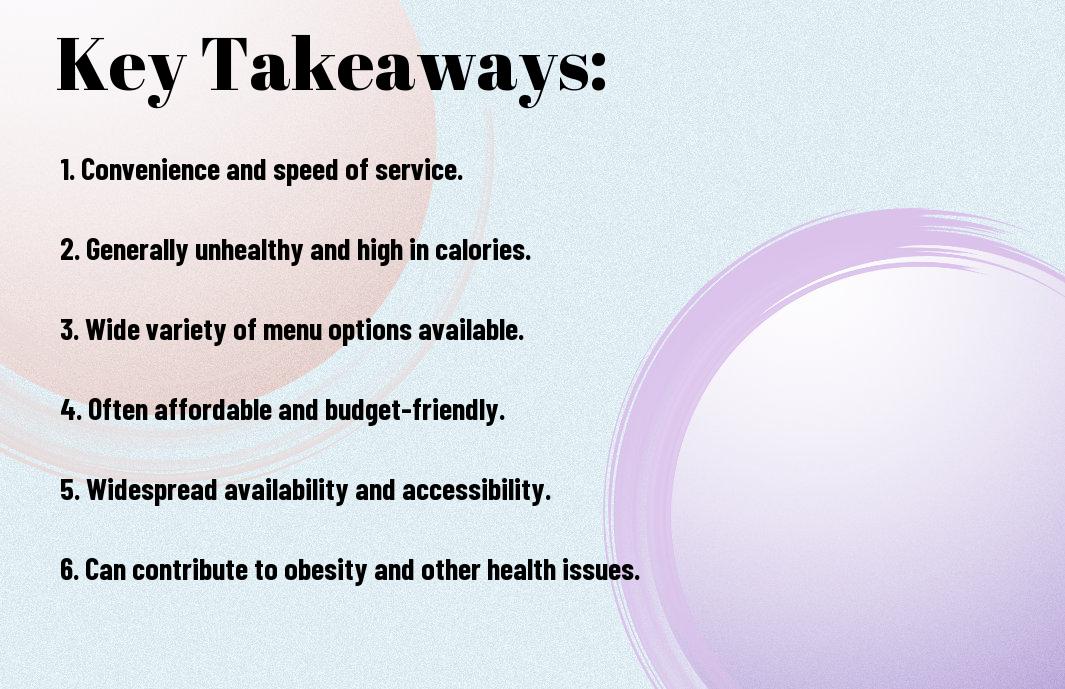
Key Takeaways:

  • Convenience: Fast food is known for its quick service and easy accessibility, making it a popular choice for busy individuals.
  • Price: Fast food is typically more affordable than dining at a sit-down restaurant, making it budget-friendly for many consumers.
  • Taste and Variety: Fast food offers a wide range of flavors and menu options, catering to different tastes and preferences.
Definition and History

Before delving into the intricacies of the fast-food industry, it’s important to understand its roots and how it has evolved over the years. Fast food is a type of mass-produced food that is prepared and served quickly at affordable prices. It is designed for convenience and typically lacks intricate preparation methods found in traditional dining establishments.

Origins of Fast Food

To trace the origins of fast food, you have to go back to ancient civilizations where street vendors sold ready-to-eat food to passersby. However, the modern concept of fast food as we know it today can be attributed to the development of the hamburger in the early 20th century. Fast forward to the post-World War II era, and you see the rise of iconic fast-food chains like McDonald’s, paving the way for the industry’s rapid expansion.

Evolution of the Industry

Evolution of the fast-food industry has been marked by innovation and adaptation to changing consumer preferences. As consumer demand for healthier options and transparency in food sourcing increased, fast-food chains began offering salads, grilled options, and even plant-based alternatives on their menus. Additionally, advancements in technology have revolutionized the way fast food is prepared, ordered, and delivered to customers, creating a more seamless and efficient experience for diners.

Another notable evolution in the industry is the emphasis on sustainability and social responsibility. Many fast-food chains are now taking steps to reduce their environmental impact by implementing recycling programs, sourcing ethically produced ingredients, and supporting local communities through various initiatives. This shift towards a more sustainable approach not only benefits the environment but also resonates with customers who are increasingly conscious of the ethical practices of the businesses they support.

Convenience and Accessibility

Clearly, one of the key points of fast food is its convenience and accessibility. Fast food restaurants are strategically located in numerous neighborhoods, shopping centers, and along highways, making them easily reachable for a quick meal on the go.

Location and Operating Hours

The location of fast food chains is designed with your convenience in mind. You’ll find them in busy areas, near work or schools, and even in airports and train stations. Additionally, most fast food restaurants have extended operating hours, some even open 24/7, allowing you to satisfy your cravings at any time of the day or night.

Drive-Thru and Delivery Options

Location plays a crucial role in the popularity of drive-thru and delivery options provided by fast food chains. Drive-thru services are available at most outlets, enabling you to grab a quick meal without leaving the comfort of your car. Moreover, with the rise of food delivery services, getting your favorite fast food items delivered to your doorstep has never been easier.

Drive-thru and delivery options are designed to make your fast food experience even more convenient. Whether you’re in a rush or simply prefer the convenience of enjoying your meal at home, these services cater to your needs.

Affordability and Value

Unlike 15 Facts and Statistics About The Fast Food Industry that emphasize the fast-paced nature of the fast-food industry, affordability and value play a crucial role in why so many people gravitate towards these convenient dining options. From college students on a budget to families looking for a quick meal on the go, fast food provides a wallet-friendly option that doesn’t break the bank.

Pricing Strategies

To keep prices low and attract customers, fast-food chains employ various pricing strategies. Value menus offer items at discounted rates, making it affordable for you to grab a quick bite without spending too much. Limited-time promotions and combo deals also entice you to purchase more for less, ensuring that you get a satisfying meal without compromising your budget.

Portion Sizes and Meal Deals

Strategies surrounding portion sizes and meal deals are designed to provide you with the best bang for your buck. Whether it’s supersized meals that offer extra value or bundled deals that include multiple items at a discounted price, fast-food chains make sure that you feel like you’re getting a good deal when you choose to dine with them. These options not only save you money but also offer convenience by providing everything you need in one package.

Plus, with the option to customize your order to fit your appetite and preferences, you have the flexibility to create a meal that suits your budget and cravings. Whether you opt for a value meal with a drink and fries or prefer a larger combo for sharing, fast-food chains ensure that there’s something for everyone at a price point that works for you.

Nutrition and Health Concerns

Calorie Counts and Nutritional Content

For many individuals, fast food is a convenient option for meals on the go. However, it is important to be mindful of the calorie counts and nutritional content of these foods. An average fast food meal can easily surpass your daily recommended intake of calories, saturated fats, and sodium. It is crucial to make informed choices by checking nutritional information provided by fast food chains and opting for healthier menu options.

The Impact of Fast Food on Public Health

Nutritional experts have raised concerns about the impact of fast food on public health. Consuming fast food regularly can lead to a variety of health issues such as obesity, heart disease, and diabetes. The high levels of unhealthy fats, sugars, and processed ingredients in fast food can have long-term detrimental effects on your overall well-being. Making conscious decisions to limit your intake of fast food and opting for healthier alternatives can significantly improve your health in the long run.

Fast food consumption has been linked to the rise in obesity rates and other chronic health conditions in many countries. By understanding the potential risks associated with frequent fast food intake, you can take proactive steps to prioritize your health and well-being. Remember that moderation and balance are key when it comes to incorporating fast food into your diet.

Marketing and Advertising

Despite the controversy surrounding fast food and its impact on health, there is no denying that the industry excels in marketing and advertising. Fast food chains invest billions of dollars each year to create enticing campaigns to lure customers through their doors. From catchy jingles to celebrity endorsements, fast food companies spare no expense in promoting their products.

Target Audiences and Demographics

Demographics play a crucial role in the marketing strategies of fast food chains. They carefully analyze data to identify their target audiences and tailor their advertising accordingly. Whether it’s families looking for convenient meal options, young adults seeking affordable choices, or busy professionals needing quick lunches, fast food companies know how to appeal to each demographic group.

Branding and Menu Engineering

To successful fast food chains, branding is everything. They invest heavily in creating a strong brand identity that resonates with their target audience. From logos and slogans to packaging and store design, every aspect of the brand is meticulously designed to create a lasting impression. Menu engineering is another vital aspect of fast food marketing. Chains carefully craft their menus to maximize profits by strategically placing high-profit items, creating combo meals, and upselling customers.

Understanding the psychology of consumer behavior is key to effective branding and menu engineering in the fast food industry. By analyzing trends, preferences, and buying habits, fast food chains can continuously adapt and innovate to stay ahead of the competition. This constant evolution is what keeps customers coming back for more.
Environmental Impact

Now, let’s probe into the environmental impact of fast food. This industry has a significant effect on our planet through various factors such as packaging and waste management.

Packaging and Waste Management

Waste generated by fast-food chains, including single-use packaging, cups, straws, and food waste, contributes to environmental pollution. These items often end up in landfills or oceans, harming wildlife and ecosystems. As a consumer, you can make a difference by opting for brands that prioritize sustainable packaging and recycling initiatives. By reducing your reliance on single-use items and properly disposing of waste, you can play a role in minimizing the environmental footprint of fast food.

Sustainable Practices in the Industry

The fast-food industry is gradually adopting more sustainable practices to mitigate its environmental impact. Some chains are incorporating recyclable or compostable packaging, implementing energy-efficient measures in their operations, and sourcing ingredients from sustainable suppliers. These efforts aim to reduce carbon emissions, conserve resources, and promote accountability within the industry.

The industry’s shift towards sustainability is a positive step forward, but it requires ongoing commitment and innovation to truly make a substantial difference. By supporting fast-food companies that prioritize sustainability and advocating for eco-friendly practices, you can contribute to a greener future for the industry.
Summing up

With these considerations in mind, it is clear that the key points of fast food revolve around convenience, affordability, and taste. Fast food offers an easy solution for busy individuals who are looking for a quick meal on the go. It is also accessible to a wide range of people due to its low cost, making it a popular choice for many. However, it is crucial to be mindful of the nutritional value of fast food options and to consume them in moderation to maintain a balanced diet and a healthy lifestyle.

Q: What are the key points of fast food?

A: Fast food is known for its quick service and convenient options for on-the-go meals. Some key points of fast food include:

  • Convenience: Fast food restaurants offer quick and easy meal options for busy individuals or families.
  • Affordability: Fast food is typically priced lower than sit-down restaurants, making it a budget-friendly choice for many consumers.
  • Varied Menu: Fast food chains offer a wide range of menu items, including burgers, fries, sandwiches, salads, and more, catering to different tastes and preferences.
  • Global Reach: Fast food chains have expanded globally, making these familiar options available in many countries worldwide.
  • Controversies: Fast food has been criticized for its high levels of salt, sugar, and unhealthy fats, leading to concerns about its impact on health and wellness.

Q: How does fast food impact health?

A: While fast food offers convenience and affordability, it is often high in calories, unhealthy fats, sodium, and sugar. Consuming fast food regularly can lead to health issues such as obesity, high cholesterol, diabetes, and heart disease. It is important to balance fast food consumption with healthier meal choices and regular exercise to maintain overall health.

Q: What are some tips for making healthier choices at fast food restaurants?

A: To make healthier choices at fast food restaurants, consider the following tips:

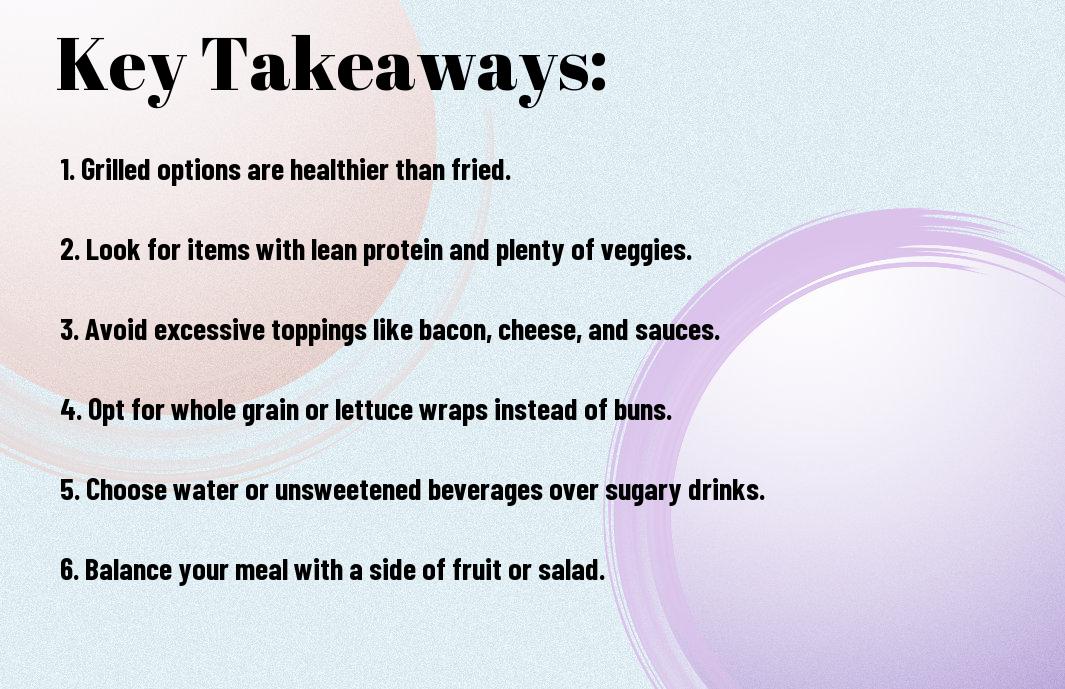
  • Opt for grilled or baked items instead of fried options.
  • Choose water, unsweetened tea, or a small serving of soda instead of sugary beverages.
  • Select side salads, fruit cups, or yogurt parfaits as alternatives to fries or onion rings.
  • Look for menu items with lean protein, whole grains, and plenty of vegetables.
  • Pay attention to portion sizes and avoid super-sized or extra-large meals.

By making mindful choices and being aware of nutritional content, you can enjoy fast food occasionally while still prioritizing your health.

What is an example of a whole food diet

It’s crucial to understand what constitutes a whole food diet to improve your overall health. This dietary approach emphasizes unprocessed foods that are as close to their natural state as possible, making them nutrient-dense and beneficial for your body. Examples include fruits, vegetables, whole grains, nuts, seeds, and lean proteins. By adopting these food choices, you can nourish your body effectively while avoiding refined sugars, trans fats, and artificial additives that often accompany processed foods. This post will guide you through a typical day of eating on a whole food diet.

Key Takeaways:

  • Whole Foods consist of minimally processed items such as fruits, vegetables, whole grains, nuts, and seeds.
  • A whole food diet emphasizes natural ingredients, avoiding refined sugars, synthetic additives, and heavily processed items.
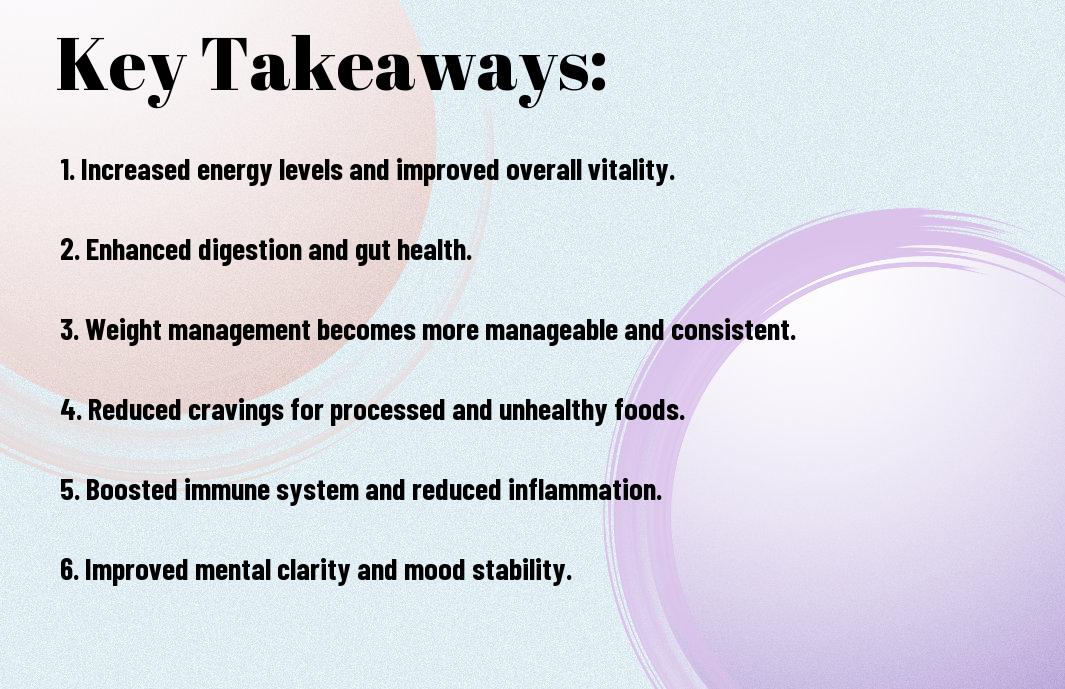
  • Incorporating a variety of whole foods can lead to improved health outcomes, including better digestion and enhanced nutrient intake.

Understanding Whole Foods

A whole food diet emphasizes eating foods in their natural, unprocessed state. Whole foods include fruits, vegetables, whole grains, nuts, seeds, and legumes, as they remain as close to their original form as possible, retaining their crucial nutrients and health benefits.

Definition of Whole Foods

With whole foods, you focus on items that are minimally processed and free from artificial ingredients. These foods are typically nutrient-dense, offering a wide range of vitamins, minerals, and fibers that are crucial for optimal health.

Benefits of Whole Foods

The benefits of incorporating whole foods into your diet are extensive. These foods can lead to improved overall health, better digestion, enhanced energy levels, and reduced risk of chronic diseases, making them a vital component of your nutritional choices.

Understanding the benefits of whole foods means recognizing how they can positively impact your well-being. By choosing whole foods, you allow your body to intake vital nutrients without the unnecessary additives found in processed options. This can help you maintain a healthy weight, improve heart health, support your immune system, and increase your energy. Ultimately, a whole food diet fosters a lifetime of healthy eating habits that enhance your quality of life.

Whole Foods vs. Processed Foods

Foods that are labeled as processed typically contain added sugars, unhealthy fats, and preservatives, which can detract from their nutritional value. In contrast, whole foods provide you with the nutrients your body craves without the extra additives that can lead to health issues.

Whole foods and processed foods significantly differ in their impact on your health. Whole foods are rich in crucial nutrients and can promote optimal bodily functions, while processed foods are often stripped of these nutrients and can lead to weight gain and health complications. By making conscious choices to prioritize whole foods, you’re taking important steps toward a healthier lifestyle that nourishes your body and mind.

Components of a Whole Food Diet

Clearly, a whole food diet is built around natural, unprocessed ingredients that nourish your body. By focusing on whole foods, you can enhance your overall health and well-being. For a detailed perspective on the components of this diet, check out the Whole Foods Diet Guide: Meal Plans and Shopping Lists.

Fruits and Vegetables

Whole fruits and vegetables are the cornerstone of a whole food diet. These nutrient-dense foods are packed with vitamins, minerals, and antioxidants. Incorporating a variety of colors and types ensures that you receive a broad spectrum of nutrients, promoting overall health and vitality.

Whole Grains

Food that is whole grain offers extensive health benefits, including improved digestion and sustained energy levels. Whole grains maintain their bran, germ, and endosperm, unlike refined grains, providing more fiber and important nutrients.

This means that when you opt for whole grains such as brown rice, quinoa, or whole-wheat bread, you are fueling your body with beneficial nutrients that can enhance satiety, regulate blood sugar, and support heart health. By swapping out refined grains for whole options, you make a healthier choice that lasts.

Nuts and Seeds

On your journey toward a whole food diet, don’t overlook the importance of nuts and seeds. These foods are rich in healthy fats, protein, and fiber, making them perfect for snacking or adding to meals for a nutritious boost.

To incorporate nuts and seeds effectively, consider including a variety in your daily diet. Almonds, walnuts, chia seeds, and flaxseeds can provide important fatty acids and nutrients. They can be added to smoothies, yogurt, or salads, enhancing both flavor and nutritional value.

Legumes

Whole legumes like beans, lentils, and peas are excellent sources of plant-based protein and fiber. By including them in your meals, you not only enhance your nutrient intake but also promote digestive health.

The health benefits of legumes are significant; they can help regulate blood sugar, lower cholesterol levels, and keep you feeling fuller longer. By incorporating varieties such as black beans, chickpeas, and lentils into salads, soups, or stews, you can achieve a satisfying and nutritious meal.

Examples of Whole Food Meals

All whole food meals are packed with nutrients and flavor, offering a delightful way to nourish your body. Below are some fantastic whole food meal ideas to inspire your culinary journey.

Breakfast Ideas

For a wholesome breakfast, consider oatmeal topped with fresh berries and a sprinkle of nuts. This powerhouse meal provides fiber and antioxidants, setting a healthy tone for your day.

Lunch Options

An excellent lunch option includes a hearty quinoa salad filled with diced vegetables, chickpeas, and a lemon-tahini dressing. This meal not only fills you up but also provides sustained energy throughout the afternoon.

With various textures and flavors, this quinoa salad is among the best choices as it combines protein from chickpeas and healthy fats from tahini. Switching up the vegetables allows you to enjoy a different taste every day, keeping your meals exciting and nutritious.

Dinner Suggestions

Ideas for dinner might include grilled salmon served with steamed broccoli and sweet potato. This combination delivers important omega-3 fatty acids, vitamins, and minerals.

Lunch should be about balance and nourishment, and this dinner suggestion exemplifies just that. By varying your vegetables and incorporating herbs or spices, you can create delightful variations of this meal, ensuring that dinner is never boring while still following your whole food diet.

Snack Choices

Suggestions for snacks include apple slices with almond butter or a handful of mixed nuts. These options provide a healthy dose of energy between meals without compromising your whole food principles.

For instance, blending fruits and vegetables into a smoothie can serve as an excellent mid-afternoon boost. By adding ingredients like spinach or kale, you elevate your snack game while ensuring you stay aligned with your whole food diet goals.

Tips for Transitioning to a Whole Food Diet

Despite the challenges, transitioning to a whole food diet can be a rewarding journey toward better health. Here are some tips to help you make the shift:

  • Start small by incorporating more whole foods into your meals.
  • Focus on seasonal fruits and vegetables to enhance flavor and nutrition.
  • Experiment with whole grains like quinoa, brown rice, and farro.
  • Gradually remove processed foods from your pantry.
  • Keep healthy snacks on hand to avoid temptation.

Perceiving this transition as a gradual process rather than an overnight change will make it easier to stick to a whole food diet.

Meal Planning

Transitioning to a whole food diet often begins with effective meal planning. By preparing balanced meals in advance, you can ensure that whole foods are a regular part of your diet. Start by selecting recipes that use fresh ingredients and planning your grocery list accordingly. This will make it easier to avoid impulse buys and keep your meals nutritious.

Reading Labels

On your journey to a whole food diet, reading labels is vital. You should always check ingredient lists and avoid products that include additives, preservatives, and artificial ingredients. Aim to choose foods that have minimal processing and are as close to their natural state as possible.

Labels can be misleading, as many products claim to be healthy while still containing processed ingredients. When shopping, you want to look for items with short ingredient lists—ideally, just one or two ingredients. This will help you identify truly whole foods and steer clear of processed options that can hinder your dietary goals.

Cooking at Home

An effective way to adopt a whole food diet is to start cooking at home more often. When you prepare your meals, you have complete control over the ingredients you use. This ensures you maximize the nutrition in your meals while minimizing unhealthy additives that often come with takeout or pre-packaged meals.

Whole foods allow for endless creativity in the kitchen. You can experiment with various cooking techniques, such as roasting, steaming, and sautĂ©ing vegetables. Harness the power of herbs and spices to bring out the natural flavors, and you’ll find that cooking at home becomes a pleasurable and rewarding experience.

Conclusion

From above, it’s clear that a whole food diet focuses on consuming minimally processed foods, such as fruits, vegetables, whole grains, nuts, seeds, and lean proteins. By incorporating these nutrient-dense options into your meals, you not only enhance your overall well-being but also provide your body with the crucial nutrients it needs. Embracing this dietary approach can lead to improved health outcomes and a more satisfying relationship with food. As you explore various whole food options, you empower yourself to make choices that benefit your body and mind.

FAQ

Q: What is a whole food diet?

A: A whole food diet focuses on consuming foods that are minimally processed and free from artificial ingredients and additives. It emphasizes fruits, vegetables, whole grains, nuts, seeds, and legumes, aiming for foods that are closest to their natural state.

Q: Can you provide an example of a whole food diet meal plan?

A: Certainly! An example of a one-day meal plan on a whole food diet might include:
– Breakfast: Oatmeal topped with fresh berries and a sprinkle of nuts
– Lunch: A salad with mixed greens, cherry tomatoes, chickpeas, avocado, and olive oil dressing
– Snack: A piece of whole fruit, such as an apple or banana
– Dinner: Grilled salmon with steamed broccoli and quinoa

Q: Are whole foods always organic?

A: No, while many whole foods can be organic, not all whole foods are necessarily organic. The key aspect is that whole foods are unprocessed or minimally processed. You can find whole foods in both organic and conventional forms. Prioritizing whole foods is more important than their organic status.

Q: What are some benefits of following a whole food diet?

A: Following a whole food diet can offer numerous benefits, including improved overall health, better weight management, increased energy levels, and a reduced risk of chronic diseases such as heart disease and diabetes. Whole foods are generally rich in necessary nutrients, fiber, and antioxidants, contributing to better health and well-being.

Q: Are there any foods that should be avoided on a whole food diet?

A: Yes, on a whole food diet, it’s recommended to avoid processed foods such as refined sugars, artificial additives and preservatives, packaged snacks, and fast foods. Instead, focus on whole, single-ingredient foods that are natural and free from processing for better health outcomes.

Is pasta a whole food

There’s a common perception that pasta, a staple in many diets, is not a whole food. But what does this really mean for your meals? In this blog post, you’ll discover the distinction between whole food and processed varieties, as well as how different types of pasta can fit into your nutritional goals. You’ll gain insights into ingredients, preparation methods, and whether you can enjoy pasta while adhering to a balanced diet.

Key Takeaways:

  • Definition of Whole Food: Whole foods are minimally processed foods that are free from artificial ingredients, preservatives, and additives.
  • Type of Pasta: Not all pasta is considered a whole food; whole grain or whole wheat pasta retains more nutrients and fiber compared to refined pasta.
  • Health Considerations: Choosing whole grain pasta can offer health benefits, such as improved digestion and a lower glycemic index, making it a better option within a balanced diet.

Defining Whole Foods

Before exploring whether pasta fits into the whole food category, it’s imperative to understand what whole foods are. Whole foods are foods that are minimally processed and free from artificial ingredients, providing maximum nutritional benefits. These foods retain their natural state, ensuring you receive all the vitamins, minerals, and fiber that are integral to a healthy diet.

Characteristics of Whole Foods

Any food that is in its natural state or minimally processed can be considered a whole food. These foods are typically unrefined, free from additives, and rich in imperative nutrients. Whole foods allow you to experience the full spectrum of flavors and health benefits without the interference of artificial substances.

Examples of Whole Foods

One common example of whole foods includes fruits and vegetables, such as apples, spinach, and carrots. Additionally, whole grains like brown rice and quinoa, as well as nuts, seeds, and legumes, also fall under this category. These foods not only nourish your body but also play a vital role in supporting overall health.

Whole foods can be defined by their lack of processing and preservation of their natural nutrients. When you think of whole foods, imagine items that you might find in their original form, such as fresh produce, eggs, or unprocessed meats. These options are rich in vitamins, minerals, and fiber, contributing to a balanced diet and improved well-being. Emphasizing these foods can significantly enhance your health-conscious choices.

Understanding Pasta

While pasta is a beloved staple in many diets around the world, it’s important to clarify what it truly is. Pasta, made from durum wheat and water, varies widely in form, texture, and nutritional content. If you’re exploring the world of food and ingredients, you might come across discussions, such as those on Pasta/noodles? : r/WholeFoodsPlantBased, that interrogate the classification of pasta as a whole food.

Types of Pasta

Any pasta you encounter falls into several categories. The most common types include:

  • Fresh Pasta
  • Dried Pasta
  • Whole Wheat Pasta
  • Gluten-Free Pasta
  • Asian Noodles

Assume that your health goals dictate which type you choose, as each type offers different nutritional benefits.

Type Characteristics
Fresh Pasta Made with eggs, rich in flavor, requires shorter cooking time.
Dried Pasta Common in supermarkets, made from semolina flour, long shelf life.
Whole Wheat Pasta Higher in fiber and nutrients, denser texture.
Gluten-Free Pasta Made from rice, corn, or lentils, suitable for gluten intolerance.
Asian Noodles Diverse range, often made from rice or buckwheat flour, suited for stir-fries.

Nutritional Composition

The nutrition of pasta can vary greatly depending on the type and how it’s prepared. Key components include carbohydrates, which provide energy, along with protein, fiber, vitamins, and minerals.

Composition of pasta is predominantly carbohydrate-rich, usually making up about 70-75% of the total weight. In whole wheat varieties, you’ll find higher fiber content, which aids in digestion and provides a sense of fullness. Furthermore, vitamins such as B-complex contribute to energy metabolism, while vital minerals like iron play critical roles in your body’s oxygen transport mechanism. When dicking out pasta, consider not only the type but also how it fits into your dietary needs.

Whole Wheat vs. Processed Pasta

Once again, the debate about whole grains versus processed foods arises when discussing pasta. Whole wheat pasta is often touted as a healthier alternative to its refined counterpart, offering numerous benefits for those looking to maintain a balanced diet.

Whole Wheat Pasta Benefits

The benefits of whole wheat pasta are extensive, as it provides more fiber, vitamins, and minerals than processed varieties. This type of pasta retains the bran and germ of the wheat, enhancing its nutritional profile. As a result, you may find it aids in digestion and helps keep you feeling full longer, promoting better weight management.

Nutritional Comparison with Refined Pasta

Any discussion of pasta nutrition necessitates a comparison between whole wheat and refined pasta. Below is a simplified table highlighting key nutritional differences:

Nutritional Comparison

Component Whole Wheat Pasta (1 cup cooked) Refined Pasta (1 cup cooked)
Calories 174 221
Protein 7.5g 8.1g
Fiber 6.3g 2.5g
Carbohydrates 37g 42g

Wheat is a complex grain, and its whole form packs a powerful nutritional punch. Whole wheat pasta’s higher fiber content not only supports digestive health but also contributes to long-lasting energy levels. Additionally, it is lower in calories and carbohydrates, making it a favorable option for those monitoring their intake for wellness purposes.

Detailed Nutritional Breakdown

Component Whole Wheat Pasta (1 cup cooked) Refined Pasta (1 cup cooked)
Iron 1.1 mg 0.9 mg
Magnesium 37 mg 24 mg
B Vitamins More present Less present

Overall, you can see that whole wheat pasta offers more than just a satisfying meal; it can serve as a significant source of necessary nutrients that refined pasta lacks. Embracing whole wheat pasta could lead to more balanced meals and improved health outcomes, making it a choice worth considering.

Final Words

Considering all points, you can conclude that pasta, in its refined form, is not considered a whole food, as it usually lacks crucial nutrients found in whole grains. However, whole grain or alternative types of pasta can offer more nutritional benefits, contributing to a balanced diet. To ensure you’re making the healthiest choices, focus on the pasta varieties that retain their grain’s nutrients, and incorporate them into meals that include fresh vegetables, lean proteins, and healthy fats for a well-rounded dish.

FAQ about “Is Pasta a Whole Food”

Q: What does it mean for a food to be classified as a whole food?

A: Whole foods are typically defined as foods that are minimally processed and as close to their natural state as possible. They include fruits, vegetables, whole grains, nuts, seeds, and legumes. Whole foods retain their vital nutrients and are free from additives, preservatives, and artificial ingredients.

Q: Is all pasta considered a whole food?

A: Not all pasta is considered a whole food. Traditional pasta made from refined wheat flour is processed and lacks some of the nutrients found in whole grains. However, whole grain pasta, made from whole wheat flour or other whole grain flours, can be classified as a whole food because it retains the bran, germ, and endosperm of the grain, providing more fiber and nutrients.

Q: What are the health benefits of whole grain pasta compared to regular pasta?

A: Whole grain pasta offers several health benefits over regular pasta, including higher fiber content, which aids digestion and promotes satiety. It also typically has a lower glycemic index, which helps to stabilize blood sugar levels. Additionally, whole grain pasta is richer in vitamins and minerals, such as B vitamins, iron, and magnesium, making it a more nutritious choice.

Q: Can I make pasta at home using whole food ingredients?

A: Yes, you can make pasta at home using whole food ingredients! Many recipes combine whole grain flours, such as whole wheat or spelt, with simple ingredients like eggs and water to create fresh, whole food pasta. This allows you to control the ingredients and avoid additives found in commercial pasta.

Q: Is there a difference in taste or texture between whole grain pasta and regular pasta?

A: Yes, there can be a noticeable difference in taste and texture between whole grain pasta and regular pasta. Whole grain pasta often has a nuttier flavor and a firmer texture due to the bran and germ content. Some people may prefer this heartier taste, while others may find traditional pasta to be softer and more neutral in flavor. Experimenting with different types of whole grain pasta can help you find a variety that suits your palate.

What are 10 junk foods

Cravings hitting hard? We’ve all been there, eyeing that bag of chips or box of cookies. But do you know what exactly qualifies as junk food? Here, let me walk you through 10 classic offenders that might be lurking in your pantry. From sugary treats to salty snacks, we’ll uncover the top culprits that tickle your taste buds but might not be the best for your health. So, grab a seat and get ready to indulge in some guilty pleasure knowledge about these 10 popular junk foods.

Key Takeaways:

  • Junk foods are usually high in calories, sugar, and unhealthy fats.
  • Common examples of junk foods include chips, candy, soda, and cookies.
  • Consuming junk foods regularly can lead to weight gain, heart diseases, and other health problems.

The Guilty Pleasures

Fried Delights

To satisfy your cravings for something crispy and savory, you often find yourself reaching for a bag of chips, greasy fries, or even some deep-fried onion rings. While you may know these indulgences aren’t the healthiest choice, the satisfying crunch and rich flavors always seem worth it in the moment. Whether you’re enjoying them as a side dish or a standalone snack, fried delights never fail to hit the spot.

Salty Snacks

Salty snacks are your go-to guilty pleasure when you’re in need of a quick and easy snack. Whether it’s buttery popcorn, cheesy puffs, or salted pretzels, you can’t resist the addictive combination of salt and crunch. These snacks may not be the most nutritious option, but the burst of flavor and satisfying texture make them hard to resist.

Indulging in salty snacks every now and then can be a fun treat, but it’s necessary to enjoy them in moderation. Opt for healthier alternatives like air-popped popcorn or whole-grain pretzels when you’re looking to satisfy your salty cravings without going overboard on unhealthy ingredients.

The Sweet Tooth Section

Even Junk food and your health experts agree that satisfying your sweet tooth with junk foods can lead to negative consequences for your body. From sugary snacks to calorie-laden desserts, here are some of the worst offenders in the sweet tooth section of the junk food aisle.

Baked Goods Gone Wrong

One of the biggest culprits in the baked goods category are the pre-packaged pastries that line the shelves of convenience stores. These treats are often loaded with trans fats, refined sugars, and artificial flavors that can wreak havoc on your health. Indulging in these sugary delights may give you a temporary sugar rush, but the long-term effects on your waistline and overall well-being can be significant.

Candy Overload

The temptation of brightly colored candies can be hard to resist, but be warned – indulging in a candy overload can have serious consequences for your health. The high sugar content in candies can lead to weight gain, tooth decay, and even contribute to the development of chronic diseases like diabetes. It’s important to enjoy these treats in moderation and be mindful of the impact they can have on your body.

The temptation of brightly colored candies can be hard to resist, but be warned – indulging in a candy overload can have serious consequences for your health. The high sugar content in candies can lead to weight gain, tooth decay, and even contribute to the development of chronic diseases like diabetes. It’s important to enjoy these treats in moderation and be mindful of the impact they can have on your body.

The Crunchy Crew

For the Crunchy Crew, nothing beats the satisfying crunch of a delicious snack. If you’re a part of this team, you know that when it comes to junk food, the crunchier, the better! Let’s look into two categories that make up the ultimate crunchy snacks – chips and crisps, and crackers and cookies.

Chips and Crisps Galore

Crisps are a staple in the world of junk food. These thinly sliced, deep-fried potatoes (or other veggies) are coated in delicious and addictive flavors that keep you coming back for more. Whether you prefer classic potato chips, spicy jalapeno crisps, or tangy salt and vinegar chips, there’s a flavor for every crunch enthusiast out there.

Crackers and Cookies

Galore away with crackers and cookies – the crunchy siblings of the junk food world. Crackers come in all shapes and sizes, from buttery Ritz crackers to crispy wheat thins. Pair them with your favorite cheese or dip for the ultimate snack experience. And let’s not forget about cookies – crunchy on the outside, chewy on the inside, these sweet treats are perfect for satisfying your sweet tooth cravings.

Understanding the appeal of crackers and cookies is easy when you realize just how versatile they are. Whether you’re enjoying a simple butter cracker with your soup or indulging in a decadent chocolate chip cookie, these crunchy snacks are sure to bring a smile to your face.

The Savory Squad

All your favorite savory snacks have come together to form the ultimate junk food squad. These indulgent treats are delicious but oh-so-bad for you. Let’s investigate the world of processed meats and canned goods to uncover their true flavors.

Processed Meats Unleashed

Any self-respecting junk food lover knows the irresistible allure of processed meats. From salty bacon to greasy hot dogs, these savory delights are packed with flavor, preservatives, and enough sodium to last you a week. While they may satisfy your taste buds in the moment, overindulging in these processed delights can wreak havoc on your health.

Canned Goods Catastrophe

Processed meats are just the tip of the iceberg when it comes to savory junk food. Canned goods offer a convenient way to indulge in savory delights like sodium-packed soups, greasy chili, and mystery meat stews. These pantry staples may seem harmless, but hidden beneath the layers of grease and preservatives lies a catastrophic blend of unhealthy ingredients.

Processed meats and canned goods are often loaded with excess salt, unhealthy fats, and artificial additives that can have detrimental effects on your health. This deadly combination can lead to high blood pressure, heart disease, and weight gain. So next time you reach for that can of processed soup or slice of deli meat, remember the savory squad’s true colors lurking beneath the surface. Choose your snacks wisely and opt for healthier alternatives to satisfy your cravings without sacrificing your well-being.

The Beverage Bandits

Sugary Drinks on the Loose

One of the most notorious junk foods lurking in everyday life is sugary drinks. They may seem innocent, colorful, and refreshing, but don’t be fooled by their sweet facade. These beverage bandits can wreak havoc on your health without you even realizing it. From sodas to fruit drinks, these sugary culprits can lead to weight gain, tooth decay, and even contribute to the risk of developing chronic diseases like diabetes.

Caffeine-Fueled Chaos

The caffeine-fueled chaos caused by energy drinks and coffee concoctions is another threat in the world of junk foods. These beverages promise a quick pick-me-up, but at what cost? The jittery highs and crashing lows after consuming these drinks can leave you feeling more drained than energized. They can disrupt your sleep patterns, increase anxiety levels, and even lead to dependency on caffeine to function throughout the day.

The temptation to reach for that sugary soda or highly caffeinated energy drink may be strong, especially when you’re feeling tired or sluggish. However, being aware of the potential harm they can cause and finding healthier alternatives to quench your thirst and boost your energy levels is crucial in keeping the beverage bandits at bay.

The Midnight Munchies

Many times, late at night, when the world is quiet and your stomach starts to grumble, the allure of indulging in some delicious junk food becomes irresistible. Whether you’re binge-watching your favorite TV show or burning the midnight oil, the temptation to satisfy your cravings with some unhealthy snacks can be hard to resist.

Late-Night Pizza Parties

The clock strikes midnight, and suddenly the idea of ordering a greasy, gooey pizza sounds like the best decision you’ve ever made. The convenience of delivery, the melty cheese, the variety of toppings – it’s a temptation that’s hard to pass up. Before you know it, you’re exploring into a slice (or two, or three) of heavenly goodness, momentarily forgetting about any diet plans you may have had.

Post-Dinner Snack Attacks

The dinner plates have been cleared, the kitchen is quiet, but your hunger pangs are not. The post-dinner snack attack hits, and you find yourself scouring the pantry for something to munch on. Chips, cookies, ice cream – all these temptations call out to you, promising a moment of sugary satisfaction. It’s easy to justify just one more treat before bed, but we all know how that slippery slope goes.

Plus, the cozy feeling of indulging in your favorite junk food late at night can be a comforting ritual, a way to reward yourself after a long day or simply a way to unwind. However, it’s important to be mindful of these indulgences and not let them become a habit that could impact your health in the long run. Enjoy your late-night treats in moderation, and savor each bite without guilt. Your taste buds may thank you, even if your waistline doesn’t!

Summing up

As a reminder, indulging in junk foods every now and then can be a fun treat, but it’s crucial to be mindful of your consumption. The list of 10 junk foods provided in this article gives you an idea of some popular unhealthy choices. If you’re curious to learn more about unhealthy junk foods, you can check out The 15 Unhealthiest Junk Foods in America for further insights.

FAQ

Q: What are considered junk foods?

A: Junk foods are typically high in calories, sugar, and fat, and low in nutrients. Some common examples include candy, chips, sugary drinks, fast food, and pastries.

Q: Why are junk foods unhealthy?

A: Junk foods are considered unhealthy because they often lack crucial nutrients such as vitamins, minerals, and fiber. They can also lead to weight gain, high cholesterol, and other health problems when consumed in excess.

Q: Can I still enjoy junk foods in moderation?

A: While it’s okay to indulge in junk foods occasionally, it’s important to consume them in moderation. It’s best to focus on a balanced diet that includes plenty of fruits, vegetables, whole grains, and lean proteins for overall health and well-being.

Is coconut oil a whole food

Coconut oil, often lauded for its numerous health benefits, raises an important question: Is it considered a whole food? Understanding the definition of whole foods can help you determine whether this popular oil fits into your dietary choices. Whole foods are typically unprocessed or minimally processed foods that maintain their natural state, providing you with crucial nutrients. In this post, you’ll explore the characteristics of coconut oil and whether it truly qualifies as a whole food, allowing you to make informed decisions about your nutrition.

Key Takeaways:

  • Coconut Oil is Processed: Unlike whole foods, which are minimally processed and retain their natural state, coconut oil is extracted from coconuts and undergoes processing.
  • Nutrition Profile: Coconut oil lacks many of the nutrients found in whole coconuts, such as fiber, vitamins, and minerals, making it less beneficial compared to whole foods.
  • Usage in Diet: While coconut oil can be used as a cooking fat, it should be consumed in moderation as part of a balanced diet that prioritizes whole food sources.

Understanding Whole Foods

Before delving into whether coconut oil qualifies as a whole food, it’s vital to understand the concept of whole foods and what sets them apart from processed options.

Definition of Whole Foods

To clarify, whole foods are minimally processed or refined foods that retain their natural state and contain no artificial additives or preservatives. They are as close to their original form as possible, making them a cornerstone of a healthy diet.

Characteristics of Whole Foods

To recognize whole foods, you can look for several defining characteristics. These foods typically have high nutritional value and are rich in vitamins, minerals, and fiber while being free of added sugars and unhealthy fats.

For instance, whole foods like fruits, vegetables, whole grains, nuts, and seeds provide your body with vital nutrients. They often have a shorter ingredient list, if any, and you can often recognize them by their natural colors, textures, and flavors. This quality makes whole foods not only healthier choices but also more satisfying and energizing.

Examples of Whole Foods

Any food that is consumed in its natural state or with minimal processing is considered a whole food. This includes fresh produce, legumes, whole grains, nuts, and seeds.

Understanding the breadth of whole foods allows you to make informed choices in your diet. By incorporating a variety of whole foods into your meals, you can enhance your overall health and well-being. Choosing these foods not only nourishes your body but also supports a sustainable lifestyle.

The Composition of Coconut Oil

While exploring the health benefits and culinary uses of coconut oil, it’s helpful to understand its composition. Coconut oil primarily consists of fats, particularly saturated fats that are often misunderstood in the context of modern dietary discussions. For a closer look at high-quality coconut oil options, check out Organic Unrefined Coconut Oil Virgin, 14 fl oz.

Nutritional Profile

Composition of coconut oil reveals that it contains approximately 90% saturated fat, predominantly medium-chain triglycerides (MCTs), which are quickly metabolized for energy. Additionally, coconut oil provides small amounts of vitamins E and K, alongside various antioxidants.

Types of Coconut Oil

Coconut oil can be categorized into several types based on its extraction and processing methods, impacting both flavor and nutritional properties. Understanding these distinctions can enhance your selection process:

  • Virgin coconut oil
  • Refined coconut oil
  • Cold-pressed coconut oil
  • Fractionated coconut oil
  • Organic coconut oil

Thou will find that these variations serve different purposes in cooking and skin care, ensuring you have options that suit your needs.

Type Description
Virgin Coconut Oil Extracted from fresh coconut meat without chemicals.
Refined Coconut Oil Processed for a neutral flavor and higher smoke point.
Cold-Pressed Coconut Oil Extracted without heat to preserve nutrients.
Fractionated Coconut Oil Contains only medium-chain triglycerides; liquid at room temperature.
Organic Coconut Oil Made from coconuts grown without pesticides or chemicals.

Processing Methods

Types of coconut oil are influenced by the processing methods employed, which can affect flavor, nutritional content, and cooking versatility. The processes include cold-pressing, refining, and chemical extraction, each leading to different characteristics.

It is necessary to choose the right processing method based on your intended use. For example, virgin coconut oil retains more nutrients, while refined versions are often more suitable for high-heat cooking:

  • Cold-pressed retains more health benefits.
  • Refined is ideal for frying.
  • Organic options ensure fewer chemicals.
  • Fractionated is used in cosmetics.
  • Unrefined maintains aroma and flavor.

Thou will discover that understanding these methods can empower your choices for cooking and personal care.

Processing Method Description
Cold-Pressing Gentle extraction maintaining nutrient integrity.
Refining Removes impurities and enhances smoke point.
Chemical Extraction Uses solvents to extract oil; less nutritious.
Hydrogenation Solidifies oil, affecting health benefits.
Organic Processing Avoids synthetic chemicals throughout production.

Coconut Oil in Diet

All in all, integrating coconut oil into your diet can be a flavorful choice, but it’s important to understand its role and implications for health. For a deeper exploration, take a look at Coconut Oil–The Ultimate Guide.

Health Benefits

For many, coconut oil is praised for its potential health benefits, including its ability to boost metabolism, provide quick energy, and support healthy skin and hair. The medium-chain triglycerides (MCTs) found in coconut oil may also aid in weight management.

Potential Risks

An important consideration when using coconut oil is its saturated fat content. These fats can raise your LDL cholesterol levels, which may increase the risk of heart disease if consumed in excess.

Understanding the implications of consuming high levels of saturated fat is crucial. While coconut oil can be part of a balanced diet, moderation is key. You should limit your intake, especially if you have a predisposition to heart-related issues. It’s advisable to monitor your overall fat consumption and consult with a health professional if you’re uncertain about its suitability for your diet.

Recommended Usage

With a good balance, you can effectively incorporate coconut oil into your meals. Aim for 1-2 tablespoons per day, ensuring it complements a diverse diet rich in fruits, vegetables, and whole grains.

Diet plays a vital role in your overall health, and coconut oil can be one element of that diet. You might consider using it in cooking or baking, but remember that moderation is vital. By combining coconut oil with other nutrient-dense foods, you can enjoy its unique flavor and benefits responsibly.

Final Words

Now that you have explored the question of whether coconut oil qualifies as a whole food, it’s vital to understand that, while it is derived from the coconut fruit, it is processed and lacks the fiber and nutrients found in whole foods. Therefore, while it can be a part of a balanced diet, you should consider it more as an ingredient rather than a whole food itself. Emphasizing a diverse range of whole foods in your diet will ensure you receive the comprehensive nutritional benefits necessary for optimal health.

FAQ

Q: Is coconut oil considered a whole food?

A: Coconut oil is not considered a whole food. Whole foods are natural foods that are unprocessed and unrefined, such as fruits, vegetables, grains, and legumes. Coconut oil, being a refined product derived from coconuts, lacks the fiber and nutrients found in the whole coconut fruit itself. Therefore, while it is derived from a whole food, coconut oil does not meet the criteria to be classified as one.

Q: What is the difference between coconut oil and whole coconut?

A: The key difference lies in the processing and nutritional content. Whole coconut contains not only oil but also dietary fiber, water, vitamins, and minerals. In contrast, coconut oil is primarily composed of saturated fats and lacks the fiber and most of the nutrients present in the whole fruit. Consuming whole coconut provides a broader range of health benefits compared to just using its oil.

Q: Can coconut oil be part of a whole food diet?

A: While coconut oil itself is not a whole food, it can still be included in a whole food diet in moderation. If someone is following a whole food diet, they should primarily focus on consuming unprocessed foods. Coconut oil can be used as a cooking fat or in recipes, but it should not replace whole food sources of crucial nutrients, such as avocados, nuts, seeds, and oily fish.

Q: Are there health benefits to consuming coconut oil despite it not being a whole food?

A: Yes, coconut oil offers some health benefits, primarily due to its high content of medium-chain triglycerides (MCTs), which can provide quick energy and may support weight management. Some studies suggest that MCTs can boost metabolism and promote fat loss, but these effects vary by individual. However, it’s important to note that these benefits do not outweigh the advantages of consuming whole coconut or other whole food sources.

Q: How should coconut oil be used in a healthy diet?

A: Coconut oil can be used as a healthy cooking oil for sautéing and baking due to its high smoke point. However, it should be used in moderation to avoid excessive consumption of saturated fat, which may affect heart health. A balanced approach includes using coconut oil alongside a variety of whole foods, ensuring a well-rounded nutrient intake from fruits, vegetables, whole grains, and proteins while incorporating coconut oil as a flavorful addition.

Is biryani junk food

Most people love the rich flavors and fragrant spices of biryani, but have you ever stopped to wonder if it qualifies as a junk food? In this thought-provoking blog post, we explore into the age-old debate of whether biryani can be classified as junk food or not. To find out more about whether your favorite dish falls into the category of unhealthy foods, read the article Is Biryani Healthy or Unhealthy? – Fitness Food Factory.

Key Takeaways:

  • Biryani is not inherently junk food: Biryani can be a nutritious and balanced meal with the right ingredients and cooking methods.
  • It depends on the ingredients and cooking method: Biryani can be unhealthy if made with excessive amounts of oil, deep-fried ingredients, and processed meats.
  • Portion control and moderation are key: Enjoying biryani in moderation and balancing it with healthier food choices can make it a part of a balanced diet.

Defining Junk Food

To determine if biryani falls under the category of junk food, it’s crucial to understand what constitutes junk food. Generally, junk food is defined as food that is high in calories, sugar, salt, and unhealthy fats but low in necessary nutrients like vitamins, minerals, and fiber.

Nutritional Value

Value. When assessing if a particular dish is categorized as junk food, it’s necessary to consider its nutritional value. A meal high in empty calories, saturated fats, and added sugars, but lacking in necessary nutrients like proteins, healthy fats, vitamins, and minerals, is typically classified as junk food.

Processing and Preparation Methods

Preparation. Another crucial aspect to consider when determining if biryani can be classified as junk food is the processing and preparation methods involved in making the dish. Many junk foods undergo extensive processing, which often involves the addition of preservatives, artificial flavors, and colors to enhance taste and prolong shelf life.

The processing and preparation methods used for making junk food often involve deep-frying, excessive use of oil, and high-temperature cooking methods, all of which can contribute to the unhealthy nature of the final product.

The Origins of Biryani

Even before you research into the debate on whether biryani is junk food or not, it’s necessary to understand the origins of this beloved dish. Biryani is a rich, aromatic rice dish that originated in the Indian subcontinent, with roots tracing back to the Mughal Empire in the Indian subcontinent during the 16th century. The dish is a perfect blend of Indian spices, fragrant rice, and either meat or vegetables, cooked together to create a flavorful and satisfying meal.

Historical Significance

For centuries, biryani has been considered a symbol of hospitality and celebration in South Asian cultures. Its rich history is embedded in the royal kitchens of the Mughal emperors, where it was created as a symbol of extravagance and luxury. Over time, biryani evolved from a dish served in royal courts to a beloved staple in households and restaurants across the world.

Cultural Importance

Significance to South Asian culture, biryani is more than just a dish – it’s a way to bring people together, celebrate special occasions, and express love and warmth. Whether it’s a family gathering, a festive event, or a simple meal with loved ones, biryani holds a special place in the hearts of many. The dish’s popularity transcends boundaries and has become a global favorite, enjoyed by people of all backgrounds.

Origins of biryani reveal a rich tapestry of flavors and traditions that have stood the test of time, making it a cherished dish that continues to be embraced and celebrated by people worldwide.

Nutritional Breakdown of Biryani

Macronutrients: Carbohydrates, Protein, and Fat

Now, let’s research into the macronutrient breakdown of biryani. Typically, biryani is a rich dish that contains a good amount of carbohydrates from the rice and protein from the meat or vegetables. The rice in biryani provides complex carbohydrates, giving you a sustained release of energy. The protein content of biryani can come from various sources like chicken, lamb, or beans, making it a filling and satisfying meal.

Micronutrients: Vitamins and Minerals

On the micronutrient front, biryani also offers some vitamins and minerals depending on its ingredients. The vegetables and spices used in biryani can provide important micronutrients like vitamin C, vitamin A, iron, and potassium. These nutrients play a crucial role in various bodily functions and help support your overall health.

The blend of spices like turmeric, cumin, and coriander not only adds flavor to biryani but also contributes to its nutritional value. These spices are known for their antioxidant and anti-inflammatory properties, further enhancing the health benefits of this delicious dish.

Breakdown

When you enjoy biryani in moderation as part of a balanced diet, it can be a flavorful and nutritious meal option. By including a variety of ingredients like lean protein, vegetables, and whole grains, you can create a healthier version of biryani that satisfies your taste buds and nourishes your body.

The Dark Side of Biryani

Despite the debate on whether biryani can be considered healthy or not, it’s crucial to look at the darker aspects of this beloved dish. If you’re interested in exploring more about this topic, you can check out the Biryani Debate: Healthy or Not-so-Healthy? forum for different perspectives.

Dark High Calorie Count

In the matter of biryani, one of the major concerns is its high calorie content. Traditional biryani recipes are often rich in ghee, oil, and meat, leading to a calorie bomb that can contribute to weight gain if consumed in excess. It’s important to be mindful of your portion sizes when indulging in this flavorful dish to avoid consuming more calories than your body needs.

Unhealthy Fats and Oils

Biryani is typically prepared using generous amounts of ghee, oil, or butter to enhance its taste and aroma. These fats can add significant amounts of unhealthy saturated fats to the dish, which may raise your cholesterol levels and pose risks to your heart health. Opting for lighter versions or reducing the amount of fats used in the preparation can help make your biryani a healthier choice without compromising on taste.

Side

Sodium Content

Another aspect to consider is the sodium content in biryani. The use of salt, spices, and store-bought masalas can contribute to a high sodium intake, which is linked to hypertension and other health issues. By being mindful of the sodium content in your biryani and using natural flavor enhancers like herbs and spices, you can enjoy a flavorful meal without excessive salt.

Calorie

When enjoying biryani, it’s crucial to be aware of its calorie count, fats, and sodium content to make informed choices about your diet and overall health. By making small adjustments to the traditional recipe, you can still savor the delicious flavors of biryani while promoting a healthier lifestyle. Note, moderation is key when it comes to enjoying any dish, including biryani.

The Role of Portion Control

Serving Sizes

Unlike some traditional junk foods like burgers and fries, biryani can actually be a nutritious and balanced meal. The key lies in controlling your portion sizes. While a small serving of biryani can provide a good mix of protein, carbohydrates, and imperative nutrients, overindulging can lead to consuming excess calories and unhealthy amounts of fats.

Mindful Eating

Role Playing a crucial role in your quest for healthier eating habits, mindful eating can help you enjoy biryani without going overboard. By paying attention to your hunger cues and eating slowly, you can savor each bite and feel satisfied with a smaller portion. Additionally, being mindful of your food choices can help you appreciate the flavors and textures of biryani, making the experience more fulfilling.

Serving yourself a moderate portion of biryani, alongside a generous helping of salad or vegetables, can help create a balanced meal that nourishes your body while satisfying your cravings. By practicing portion control and mindful eating, you can enjoy biryani as a wholesome and satisfying dish, without it being classified as junk food.

Comparing Biryani to Other Popular Dishes

After discussing the nutritional aspects of biryani, let’s compare it to other popular dishes to see how it stacks up. Below is a comparison table showing how biryani fares against pizza, burgers, and fried chicken in terms of key nutritional factors.

Biryani Pizza
Rich in flavor with a blend of spices, vegetables, and protein. High in carbohydrates and saturated fats, especially with extra cheese and processed meats.

Pizza

An all-time favorite, pizza offers a combination of carbohydrates, fats, and proteins. However, be cautious of the extra cheese and processed meats, which can increase calorie and fat content. When compared to biryani, pizza tends to be higher in saturated fats and lower in fiber and nutrients from vegetables.

Burgers

For burger lovers, the juicy patty sandwiched between soft buns can be irresistible. However, burgers often come with high-calorie counts due to the fatty meats, cheese, and sauces. When compared to biryani, burgers may lack the diverse range of spices and vegetables that add nutritional value to the dish.

Another fast-food favorite is fried chicken, known for its crispy skin and tender meat. While delicious, fried chicken is typically deep-fried, leading to higher fat and calorie content compared to biryani. Be mindful of portion sizes and frequency of consumption to maintain a balanced diet.

Fried Chicken

Chicken biryani vs. fried chicken – both offer protein but differ in preparation and nutritional content. Fried chicken tends to be higher in unhealthy fats due to the frying process, which can contribute to health issues if consumed excessively.

Popular fast-food choices like pizza, burgers, and fried chicken have their own appeal, but when it comes to nutritional value and balance, biryani stands out with its combination of rice, protein, and flavorful spices. Make informed choices based on your dietary preferences and health goals to enjoy a variety of delicious meals.

Summing up

The debate on whether biryani is considered junk food ultimately comes down to personal perspectives and definitions. While some may see it as an unhealthy indulgence due to its high calorie and fat content, others view it as a flavorful and satisfying meal made with nutritious ingredients. The decision on whether to include biryani in your diet as a treat or a staple ultimately depends on your individual health goals and dietary preferences. It’s important to remember that balance is key, and enjoying a variety of foods in moderation is always a good approach to maintaining a healthy lifestyle.

Q: Is biryani considered junk food?

A: No, biryani is not classified as junk food. It is a flavorful and popular dish that consists of rice, meat (such as chicken, mutton, or beef), and various spices. It is a traditional dish in many cultures and is enjoyed by people worldwide.

Q: Is biryani unhealthy?

A: While biryani can be high in calories due to the rice and sometimes rich ingredients, it is not necessarily unhealthy when consumed in moderation. Biryani can be balanced by incorporating vegetables, lean proteins, and whole grains to make it a nutritious meal option.

Q: Can biryani be a part of a balanced diet?

A: Yes, biryani can be included in a balanced diet when consumed along with other nutritious foods. It is important to practice portion control and choose healthier cooking methods to enjoy biryani as part of a well-rounded meal plan.

What's the healthiest fast food

Many of us often find ourselves on the go and in need of a quick meal, but it can be challenging to make healthy choices when it comes to fast food. In this blog post, we will explore some of the healthiest options available at popular fast food chains, allowing you to make better decisions for your well-being. By understanding the ingredients and nutrition information, you can still enjoy the convenience of fast food without compromising your health.

Key Takeaways:

  • Focusing on Fresh Options: Opt for fast food items that incorporate fresh ingredients such as salads and grilled proteins.
  • Watching Portion Sizes: Be mindful of portion sizes and opt for smaller sizes or sharing options to avoid consuming excess calories.
  • Choosing Grilled Over Fried: When possible, choose grilled rather than fried items to cut down on unhealthy fats and calories.

The Fast Food Landscape

Before we probe what the healthiest fast food options are, let’s take a look at the fast food landscape and how it has evolved over the years. Fast food has become a staple in many people’s diets due to its convenience, affordability, and accessibility. It’s no surprise that with our busy lifestyles, grabbing a quick meal on the go has become the norm.

The Rise of Fast Food Culture

Culture has played a significant role in the rise of fast food. The fast pace of life in today’s society has led to a greater demand for quick and convenient meal options. Fast food chains have capitalized on this demand by offering a wide variety of menu items that cater to different tastes and preferences. As a result, fast food has become ingrained in our culture as a quick and easy solution for hunger pangs.

The Concerns Surrounding Fast Food

Landscape: Despite its popularity, there are growing concerns surrounding the health implications of regularly consuming fast food. Fast food is often high in calories, saturated fats, sugars, and sodium, which can contribute to weight gain, high cholesterol, and other health issues. Additionally, fast food is often processed and lacking in crucial nutrients, making it a less than ideal choice for a balanced diet.

Nutritional Guidelines

Assuming you are looking to make healthier choices when dining out, it’s crucial to consider certain nutritional guidelines. It can be challenging to navigate the sea of fast-food options, but arming yourself with knowledge can help you make better decisions. For a comprehensive list of healthy fast food options, check out 40 Healthy Fast Food Options for When You’re Eating Out.

Macronutrients: What to Look For

Nutritional experts recommend paying attention to the macronutrients in your fast food choices. Look for options that are balanced in protein, carbohydrates, and healthy fats. Protein is crucial for muscle repair and growth, while carbohydrates provide energy. Opt for sources of healthy fats like avocados or nuts, which are beneficial for heart health.

Micronutrients: The Hidden Heroes

On the micronutrient front, vitamins and minerals play a crucial role in your overall health. These micronutrients can often be overlooked, but they are the hidden heroes in your diet. Include sources of vitamins and minerals like leafy greens, colorful vegetables, and fruits to ensure you are getting the necessary nutrients for optimal functioning.

It’s crucial to remember that a well-rounded diet includes a variety of micronutrients to support your body’s different functions. Be mindful of incorporating a rainbow of fruits and vegetables into your fast-food meals for a nutrient boost.

Calorie Count: A Delicate Balance

On the calorie front, it’s crucial to strike a delicate balance. While it’s tempting to indulge in high-calorie fast food options, be mindful of portion sizes and your overall caloric intake. Opt for lighter options like salads with lean protein or grilled chicken sandwiches to keep your calorie count in check.

Micronutrients, such as vitamins and minerals, often accompany lower-calorie options like salads and grilled proteins. These choices not only help you manage your weight but also provide crucial nutrients for your overall well-being.

The Healthiest Fast Food Options

Grilled Chicken Sandwiches: A Surprisingly Good Choice

To make healthier choices when eating fast food, consider opting for grilled chicken sandwiches. These sandwiches are lower in saturated fats compared to fried options, making them a smart choice for those looking to watch their fat intake. Pair your sandwich with a side salad or fruit cup for a well-rounded meal that’s both satisfying and nutritious.

Salads with a Twist: Adding Protein and Flavor

Healthiest fast food options often include salads with added protein such as grilled chicken, shrimp, or tofu. These protein-packed salads not only help keep you full longer but also provide important nutrients your body needs to function optimally. To enhance the flavor of your salad, try adding a variety of colorful vegetables, nuts, seeds, and a light vinaigrette dressing.

It’s important to pay attention to the dressing you choose, as some options can be high in added sugars and unhealthy fats. Opt for oil-based dressings or ask for dressing on the side to control the amount you use.

Veggie Burgers: A Plant-Based Option

Protein-packed veggie burgers are a great plant-based option for those looking to cut back on their meat consumption. Made from ingredients like black beans, quinoa, lentils, and vegetables, these burgers are not only delicious but also provide a good source of fiber and important nutrients. Plus, many fast-food chains offer veggie burger options that can be customized to suit your taste preferences.

Plus, choosing a veggie burger over a traditional beef burger can help lower your intake of saturated fats and cholesterol, which may benefit your heart health in the long run.

The Not-So-Healthy Options

Fried Foods: The Unhealthiest of Them All

Options like fried chicken, french fries, and onion rings may be tempting, but they are some of the unhealthiest items on fast-food menus. These foods are typically deep-fried in unhealthy oils, increasing their calorie and trans fat content. Consuming too many fried foods can contribute to weight gain, heart disease, and other health issues.

Processed Meats: A Cancer Risk?

Them are another unhealthy option commonly found in fast-food outlets. Processed meats like bacon, hot dogs, and sausage have been linked to an increased risk of cancer, particularly colorectal cancer. These meats often contain preservatives and additives that can be harmful to your health when consumed in excess.

Processed meats should be enjoyed in moderation, if at all. If you choose to indulge in these items, opt for smaller portions and balance your meal with healthier choices like fresh fruits and vegetables.

Sugary Drinks: A Recipe for Disaster

Processed beverages like soda, sweetened iced tea, and energy drinks are loaded with sugar and empty calories. Consuming these sugary drinks regularly can lead to weight gain, tooth decay, and an increased risk of type 2 diabetes. It’s best to avoid these drinks altogether or indulge in them sparingly as an occasional treat.

Disaster strikes when you make sugary drinks a regular part of your diet. Swap them out for healthier options like water, unsweetened tea, or freshly squeezed juices to quench your thirst without the detrimental effects of excessive sugar consumption.

Healthy Hacks for Your Fast Food Run

Customizing Your Order: Make it Work for You

Not all fast food has to be unhealthy. With a few simple tweaks, you can make your order work for your health goals. To start, consider customizing your order by asking for substitutions or omissions. For example, swap out that sugary soda for a bottle of water or unsweetened tea. Opt for grilled chicken instead of fried, and ask for extra veggies on your burger or sandwich.

Portion Control: The Key to Balance

Control your portions to keep your fast food meal in check. It can be easy to overindulge when faced with super-sized options, but remember that balance is key. Opt for smaller sizes, skip the upsells for larger portions, and listen to your body’s hunger cues. Choosing a kids’ meal or splitting a larger entree with a friend can help you enjoy your favorite fast food guilt-free.

It’s vital to pay attention to portion sizes when consuming fast food. By being mindful of how much you’re eating, you can prevent overeating and maintain a balanced diet.

Avoiding Add-Ons: A Simple yet Effective Trick

Your fast food order can quickly escalate in calories and unhealthy additives when you start piling on the extras. Instead of loading up on cheese, bacon, and extra sauces, opt for simpler toppings like lettuce, tomato, and onion. These add freshness and flavor without the unnecessary calories and fat. By avoiding add-ons, you can enjoy your fast food meal without derailing your health goals.

Hacks like avoiding add-ons are a simple yet effective way to make healthier choices when dining out. By being selective about what you add to your meal, you can enjoy your fast food guilt-free.

Fast Food Chains Leading the Way

Now let’s take a look at some fast food chains that are setting the standard for healthier options and more sustainable practices.

Panera Bread: A Leader in Clean Food

For those looking for fast food that is more on the “clean eating” side, Panera Bread is a great option. They have made a commitment to using clean ingredients, which means no artificial preservatives, sweeteners, flavors, or colors in their food. Additionally, Panera offers a wide range of menu items that cater to different dietary preferences, including vegetarian, vegan, and gluten-free options.

Chipotle Mexican Grill: A Commitment to Sustainability

One fast food chain that has been leading the way in terms of sustainability is Chipotle Mexican Grill. They focus on serving “food with integrity,” which means using responsibly sourced ingredients, including antibiotic-free meats and organic produce. Chipotle is also committed to supporting local farmers and promoting ethical farming practices.

One of the key initiatives that Chipotle has implemented is their Food With Integrity program, which aims to source ingredients that are raised or grown in ways that support the environment, animal welfare, and the farming community.

Subway: A Fresh Take on Fast Food

Chains like Subway have been incorporating more fresh and customizable options into their menus, allowing you to choose exactly what goes into your meal. With a variety of fresh veggies, lean proteins, and whole grain bread options, Subway offers a healthier alternative to traditional fast food fare. Additionally, they have made a commitment to reducing artificial ingredients and using more natural products in their food preparation.

Grill

It’s important to note that while these fast food chains are making strides towards healthier options, it’s still important to make informed choices when dining out. Pay attention to portion sizes, opt for grilled or roasted options over fried, and load up on veggies whenever possible. By making mindful choices, you can enjoy fast food while still prioritizing your health and well-being.

To wrap up

With these considerations in mind, it is clear that making healthier choices at fast food restaurants is possible. By opting for grilled or baked items, choosing water or unsweetened beverages, and selecting salads with dressing on the side, you can prioritize your health even when eating on the go. Remember to listen to your body’s hunger cues and to eat mindfully, savoring each bite, regardless of where you are dining.

While fast food may not always be the most nutritious option, with a little awareness and intention, you can make choices that align with your well-being. By being conscious of portion sizes, opting for whole food ingredients, and choosing wisely from the menu, you can enjoy a meal out without compromising your health goals. Ultimately, taking the time to consider your options and make informed choices at fast food establishments can contribute to your overall health and well-being.

FAQ

Q: What makes fast food unhealthy?

A: Fast food is often high in calories, saturated fats, sodium, and added sugars, which can contribute to health issues such as obesity, heart disease, and high blood pressure.

Q: Are there healthier options at fast food restaurants?

A: Yes, many fast food restaurants now offer healthier alternatives such as salads, grilled chicken sandwiches, and fruit cups. It’s important to look for options that are lower in calories and saturated fats.

Q: How can I make healthier choices when eating fast food?

A: To make healthier choices at fast food restaurants, opt for grilled or baked options instead of fried, choose water or unsweetened beverages instead of sugary drinks, and add extra vegetables to your meal. It’s also a good idea to watch portion sizes and avoid super-sized meals.

What to drink on a whole food diet

Many individuals journeying into a whole food diet often overlook the importance of their beverage choices. Staying hydrated is crucial, but understanding what drinks align with your dietary goals can enhance your overall well-being. While water should be your primary beverage, there are several nutrient-rich options to consider. For comprehensive guidance on this lifestyle, check out Everything You Need to Know About the Whole Foods Diet.

Key Takeaways:

  • Water is Essential: Staying hydrated with plenty of water is crucial on a whole food diet, as it supports overall health and aids in digestion.
  • Natural Juices: Opt for fresh, 100% fruit or vegetable juices without additives, which can provide vitamins and antioxidants while keeping your diet clean.
  • Herbal Teas: Incorporating herbal teas can offer flavor and health benefits without added sugars or preservatives, making them a great choice for a whole food lifestyle.

Understanding Whole Food Diets

The whole food diet emphasizes consuming foods that are as close to their natural state as possible. This approach encourages you to focus on foods that are minimally processed and free from artificial additives, preservatives, and refined ingredients. By incorporating whole foods into your meals, you can enhance your overall nutrition and improve your health.

Definition of Whole Foods

For you, whole foods are unrefined or minimally processed foods that include fruits, vegetables, whole grains, nuts, seeds, and legumes. These foods retain their natural nutrients and are typically free from artificial ingredients, making them an imperative component of a balanced diet.

Benefits of Whole Food Diets

Definition of a whole food diet goes beyond just what you eat; it also encompasses health and wellness benefits. You might find that adopting a whole food diet can lead to improved energy levels, better digestion, and enhanced mental clarity. By prioritizing these nutrient-dense foods, you can also support your immune system and promote long-term health.

Diets rich in whole foods have been linked to lower risks of chronic diseases, including heart disease, diabetes, and obesity. Additionally, the fiber and nutrients found in whole foods can help you maintain a healthy weight while keeping you feeling full and satisfied. Incorporating these types of foods into your meals can lead to a more balanced diet, ultimately resulting in a healthier lifestyle overall.

Beverages to Include

Little changes in your beverage choices can significantly enhance your whole food diet. Opting for natural, unprocessed drinks will help you stay hydrated, energized, and nourished. Here are some great beverages to include in your daily routine.

Water: The Essential Choice

Choice of beverage matters, and water is the most necessary drink you can have. It not only hydrates your body but also aids in digestion, removes toxins, and maintains overall bodily functions. Aim to drink plenty of water throughout the day to support your whole food lifestyle.

Herbal Teas: A Natural Alternative

To make your beverage repertoire exciting, consider herbal teas as a soothing and healthy option. They come in various flavors and offer numerous health benefits. From chamomile to peppermint, these natural alternatives are caffeine-free and can support better digestion and relaxation.

This diversity means you can enjoy a warm cup of herbal tea not just for pleasure, but also for their health-enhancing properties. Herbal teas can be a calming ritual that adds flavor without added sugars or calories, making them a perfect companion to your whole food diet.

Freshly Squeezed Juices: Nutrient Powerhouses

Powerhouses of nutrition, freshly squeezed juices can be an exciting component of your beverage options. They are loaded with vitamins and minerals extracted directly from fruits and vegetables, making them a delightful way to boost your intake of necessary nutrients.

Freshly prepared juices allow you to combine various fruits and vegetables, providing a concentrated source of nutrients and hydration. They can offer quick energy boosts and taste so much better than store-bought varieties, which often contain preservatives and added sugars.

Smoothies: Blending Health

With the convenience of blending, smoothies are an excellent choice for integrating more whole foods into your diet. You can blend fruits, vegetables, nuts, and seeds into a delicious drink that packs a nutritional punch.

Blending allows you to create a thick, creamy beverage that can serve as a meal replacement or a nourishing snack. You can customize your smoothies to include your favorite whole foods, ensuring you benefit from their fiber, vitamins, and minerals, making them a fantastic addition to your whole food journey.

Beverages to Limit or Avoid

Now that you’re exploring into the world of whole foods, it’s vital to know which beverages might undermine your healthy eating goals. For an in-depth look at whole-food, plant-based diets, check out the Whole-Foods, Plant-Based Diet: A Detailed Beginner’s Guide.

Sugary Drinks: The Hidden Dangers

Limit your intake of sugary drinks, as they are loaded with empty calories and can lead to weight gain, diabetes, and other health issues. These beverages, often high in sugar and low in nutrition, are not aligned with a whole food diet.

Processed Juices: More Harm Than Good

To maintain the integrity of your whole food diet, be cautious about processed juices, which often contain added sugars and preservatives that diminish their nutritional value.

Than simply relying on fruit juice for vitamins, it’s typically better to eat the whole fruit. Whole fruits provide fiber that helps slow sugar absorption, whereas processed juices can spike your blood sugar levels. When you choose juices, opt for freshly squeezed options without added sugars, or better yet, consume whole fruits.

Alcohol: Weighing the Pros and Cons

Avoid excessive alcohol consumption, as it can derail your wellness journey, but it’s worth considering the potential benefits and drawbacks.

Pros and Cons of Alcohol

Pros Cons
May provide social enjoyment Can contribute to weight gain
Some studies suggest moderate consumption might lower heart disease risk Increased risk of liver disease
Can enhance culinary flavors Interferes with nutrient absorption
Contains antioxidants in some types (like red wine) Can lead to addiction-related issues

Alcohol consumption can have mixed effects on your health, so consider moderation if you choose to indulge. The potential benefits can be outweighed by the risks if consumed irresponsibly. Prioritizing whole food choices can often take precedence over alcoholic options.

Artificially Sweetened Beverages: A Red Flag

For those following a whole food diet, artificially sweetened beverages should be avoided, as they contain synthetic ingredients that can disrupt your goals for holistic health.

Another concern with these products is that they may encourage your sweet tooth and lead to cravings for more sugary foods. Additionally, studies have suggested that artificial sweeteners might have adverse effects on your gut health, making it crucial to steer clear of these beverages to stay on track with your nutrition. Choose naturally sweetened beverages or stick to plain water, herbal teas, or fresh juices instead.

Practical Tips for Staying Hydrated

Despite the many options available, staying hydrated on a whole food diet can feel overwhelming. Here are some practical tips to help you maintain optimal hydration:

  • Carry a reusable water bottle to monitor your intake.
  • Set reminders to drink water throughout the day.
  • Infuse your water with fruits, herbs, or vegetables for added flavor.
  • Avoid dehydrating beverages such as sugary sodas and caffeine-heavy drinks.
  • Always drink a glass of water before meals.

Thou shall remain committed to your hydration goals for a healthier lifestyle.

Keeping It Simple: Flavoring Water

Hydrated individuals often enjoy a refreshing beverage experience by flavoring their water. Simple additions like slices of lemon, cucumber, berries, or fresh mint can make a significant difference. Not only do they enhance the taste, but they also contribute to your overall nutrient intake, making hydration feel less like a chore.

Meal Pairings: Optimal Beverage Choices

An excellent way to enhance your meals is by choosing the right beverages to pair with them. Water is always a great option, but herbal teas and infused waters can add an extra layer of enjoyment while complementing your whole food diet.

This means that when you consume a hearty vegetable stir-fry, a glass of ginger tea may uplift the flavors, whereas a lemon-infused water can brighten the taste of fish dishes. By considering how different beverages interact with your meal’s ingredients, you can make more mindful, enjoyable choices that align with your whole food diet.

DIY Beverage Recipes: Getting Creative

Recipes for homemade beverages allow you to explore unique flavors while staying within your whole food parameters. Experimenting with fresh ingredients such as fruits, herbs, and even spices can lead to delightful combinations that keep hydration interesting.

For instance, craft a refreshing basil lime drink by muddling fresh basil leaves with lime juice and adding sparkling water. Alternatively, you can prepare a simple berry fennel infusion by steeping fresh fennel fronds with mixed berries in water overnight. Not only do these DIY recipes enhance your hydration routine, but they also allow you to enjoy healthful ingredients.

Final Words

Summing up, when you launch on a whole food diet, your drink choices should align with the principles of whole and unprocessed nutrition. Focus on water as your primary beverage, but don’t overlook the benefits of herbal teas, homemade smoothies, and fresh-pressed juices made from whole fruits and vegetables. These options not only hydrate you but also supply crucial nutrients. Avoid sugary drinks and processed beverages to ensure you get the most out of your whole food journey. Recall, what you drink is just as vital as what you eat for optimal health.

FAQ

Q: What types of beverages are recommended on a whole food diet?

A: On a whole food diet, it’s recommended to consume beverages that are as close to their natural state as possible. This includes water, herbal teas, freshly squeezed juices, smoothies made with whole fruits and vegetables, and plant-based milks (like almond or oat milk) without added sugars or artificial ingredients. Avoid processed drinks like sugary sodas, energy drinks, and pre-packaged smoothies with additives.

Q: Can I drink coffee or tea on a whole food diet?

A: Yes, you can enjoy coffee and tea on a whole food diet in moderation. Opt for black coffee or herbal teas without added sweeteners or creamers. If you prefer, you can add a splash of plant-based milk or a natural sweetener like honey or maple syrup, but be mindful of the amounts to keep it aligned with whole food principles.

Q: Is alcohol allowed on a whole food diet?

A: Alcohol can be consumed in moderation on a whole food diet, but it’s imperative to choose options that fit within whole food guidelines. This means opting for natural wines without added sugars or preservatives and avoiding cocktails that contain processed mixers. Always ensure to drink responsibly and be aware of how alcohol can affect your health and well-being.

Q: What about flavored waters and store-bought juices?

A: Flavored waters often contain added sugars, artificial flavors, or preservatives, which are not compatible with a whole food diet. Similarly, many store-bought juices are processed and may contain added sugars or concentrates. If you want flavored water, consider infusing your water with fresh fruits, herbs, or vegetables. For juices, make your own at home using a juicer, ensuring they are made from whole fruits and vegetables without added ingredients.

Q: Are there any specific hydration recommendations on a whole food diet?

A: Staying hydrated is crucial while on a whole food diet. Aim to drink at least 8 cups (64 ounces) of water a day, though this can vary based on individual needs and activity levels. Always listen to your body and drink when you’re thirsty. Incorporating hydrating whole foods like fruits and vegetables can also contribute to your overall fluid intake.

What happens when you start eating whole foods

It’s fascinating how your body responds when you embrace a whole foods diet. As you start incorporating more fruits, vegetables, whole grains, and lean proteins into your meals, you may experience increased energy levels, improved digestion, and weight management benefits. Your palate will become accustomed to richer flavors, and you might even find yourself craving nutrient-dense foods over processed options. To dive deeper into the transformative effects of this lifestyle, check out Whole-Foods Diet 101: A Complete Beginner’s Guide.

Key Takeaways:

  • Improved Nutritional Intake: Transitioning to whole foods boosts your intake of vital vitamins, minerals, and antioxidants, leading to better overall health.
  • Enhanced Energy Levels: Whole foods provide sustained energy due to their natural fibers and nutrients, reducing energy crashes often associated with processed foods.
  • Better Digestion: A diet rich in whole foods promotes gut health and improves digestion, as they are typically higher in fiber compared to processed options.

Understanding Whole Foods

Your journey towards healthier eating begins with understanding what whole foods are. These foods not only nourish your body but also embody the essence of natural nutrition. Whole foods generally refer to items that are minimally processed and free from artificial additives, enabling you to consume food in its most natural state.

Definition of Whole Foods

For the purpose of this discussion, whole foods are defined as foods that are consumed in their most natural form, without added sugars, preservatives, or artificial ingredients. These foods are typically unrefined and provide important nutrients that support your overall health.

Types of Whole Foods

For the most part, whole foods can be categorized into several types, each offering unique benefits. Below is a table that illustrates different types of whole foods:

Type Description
Fruits Natural sources of vitamins, minerals, and antioxidants.
Vegetables Rich in fiber and important nutrients for a balanced diet.
Whole Grains Unrefined grains that contain all parts of the grain kernel.
Nuts and Seeds Healthy fats and proteins that promote heart health.
Legumes Rich in protein and fiber, offering various health benefits.
  • Understanding these categories will help you make informed dietary choices.
  • Each category provides unique nutrients important for your health.
  • Focusing on whole foods can improve your overall diet quality.
  • Incorporating a variety of these foods is key to balanced nutrition.
  • Knowing how these whole foods fit into your lifestyle is crucial for lasting change.

Plus, to further illustrate the types of whole foods, consider the diverse options available within each category. Here’s a breakdown to help you explore:

Category Examples
Fruits Berries, apples, oranges
Vegetables Spinach, carrots, broccoli
Whole Grains Brown rice, quinoa, oats
Nuts and Seeds Almonds, chia seeds, walnuts
Legumes Chickpeas, lentils, black beans
  • With so many options, you can easily incorporate a variety of whole foods into your diet.
  • Exploring different fruits and vegetables can keep meals exciting and nutritious.
  • Variety ensures you receive a broad spectrum of nutrients.
  • Mixing and matching whole grains can enhance texture and flavor in your meals.
  • Knowing your whole food options empowers you to make better dietary choices.

Benefits of Whole Foods

It is imperative to understand the numerous benefits of incorporating whole foods into your diet. These natural and unprocessed foods provide a myriad of positive effects on your health and well-being.

Nutritional Value

Nutritional value plays a significant role in determining the healthfulness of any food. Whole foods are packed with imperative vitamins, minerals, and antioxidants that help your body function optimally, providing you with the nutrients necessary for maintaining your health and preventing chronic diseases.

Impact on Weight Management

To effectively manage your weight, you need a diet that satisfies your body’s nutritional needs while promoting a healthy metabolism. Whole foods can aid in weight management by providing nourishing, low-calorie options that keep you feeling full longer, ultimately reducing your cravings for unhealthy snacks.

Another factor to consider is that whole foods tend to have a lower glycemic index compared to processed options, which helps stabilize blood sugar levels. This stabilization leads to fewer spikes in hunger, allowing you to maintain a more consistent energy level throughout the day and avoid overindulging during meals.

Enhanced Energy Levels

An increased intake of whole foods can significantly enhance your energy levels. These foods provide a slow release of energy, ensuring that you feel more energized and less fatigued throughout the day.

Levels of sustained energy become especially important as you engage in daily activities or exercise. When you nourish your body with whole foods, you’ll find that your endurance and overall physical performance improve, making it easier to stay active and engaged in your life.

Transitioning to Whole Foods

Keep in mind that transitioning to whole foods doesn’t have to be overwhelming. You can start by gradually replacing processed items in your pantry with whole food alternatives. Begin with simple swaps, such as substituting white rice with quinoa or opting for whole grain bread instead of white bread. Aim to incorporate more fruits and vegetables into your meals, and soon, you’ll find that whole foods become more prominent in your diet.

Steps to Incorporate Whole Foods

Whole foods are all about simplicity and nutrition. Begin your journey by educating yourself on which foods fit the whole foods category, such as fresh produce, nuts, seeds, whole grains, and legumes. Create a shopping list that focuses on these items while eliminating processed snacks and refined ingredients. With time, your taste buds will adjust, making it easier to choose whole foods over their processed counterparts.

Overcoming Challenges

Challenges may arise as you shift your eating habits, but understanding these obstacles can help you navigate them. You might experience cravings for convenience foods or feel overwhelmed by meal preparation. It’s crucial to anticipate these hurdles and remind yourself of your health goals, allowing you to stay motivated and focused on the benefits of whole foods.

Foods that are convenient, like ready-made meals or snacks, can tempt you during your transition. Instead, focus on preparing your own meals and keeping wholesome snacks on hand. By dedicating time each week for meal prep and convenience, you’ll find it easier to avoid processed options and remain committed to your whole foods journey.

Meal Planning Strategies

Whole food meal planning is necessary to ensure you enjoy a diverse and balanced diet. Start by selecting one or two new recipes each week that emphasize whole food ingredients, and make sure to plan meals that can use leftovers creatively, reducing waste and saving time.

With thoughtful meal planning, you can set yourself up for success. Create a weekly menu that includes breakfast, lunch, and dinner, focusing on incorporating fresh ingredients and whole grains. This strategy not only helps you maintain your commitment to whole foods but also saves you time and money while making your meals more exciting and nutritious.

Summing up

As a reminder, when you start eating whole foods, you’re likely to experience improved energy levels, better digestion, and enhanced overall health. Your body benefits from nutrient-dense foods that are less processed, which can lead to a healthier weight, and improved mental clarity. Embracing a whole foods diet also encourages you to make mindful food choices, ultimately fostering a positive relationship with what you eat. For more detailed insights and practical resources, check out the Whole Foods Diet Guide: Meal Plans and Shopping Lists.

FAQ

Q: What are whole foods and how do they differ from processed foods?

A: Whole foods are natural, unprocessed foods that are free from artificial additives and preservatives. They include fruits, vegetables, whole grains, nuts, seeds, and legumes. Unlike processed foods, which often contain refined sugars, unhealthy fats, and other additives, whole foods retain their natural nutrients and are typically higher in fiber, vitamins, and minerals. By choosing whole foods over processed options, you can nourish your body more effectively.

Q: What noticeable changes can I expect in my body after starting a whole foods diet?

A: When you start eating whole foods, many people report increased energy levels, improved digestion, and better mood regulation. Your body may begin to detoxify from the additives and preservatives found in processed foods, which can result in temporary symptoms like headaches or fatigue as toxins are eliminated. However, over time, you may experience weight loss, clearer skin, and enhanced overall health as your diet becomes richer in necessary nutrients.

Q: Will switching to whole foods impact my cravings for junk food?

A: Yes, making the transition to whole foods can significantly impact your cravings for junk food. Initially, you may experience withdrawal symptoms such as cravings for sugar or salty snacks. However, as your body adapts to a diet rich in whole foods, many people find that their cravings diminish. Whole foods tend to be more satiating due to their higher fiber content, which helps regulate hunger hormones and can reduce the desire for unhealthy snacks.

Q: Can eating whole foods lead to better health outcomes?

A: Absolutely! Numerous studies have shown that adopting a whole foods diet can lead to improved health outcomes, including lower risks of chronic diseases such as heart disease, diabetes, and obesity. Whole foods are packed with antioxidants, anti-inflammatory compounds, and necessary nutrients that support immune function and overall well-being. Furthermore, a whole foods diet encourages healthier habits, which can contribute to long-term health and longevity.

Q: How can I effectively transition to a whole foods diet?

A: Transitioning to a whole foods diet can be achieved gradually to make it more manageable. Start by incorporating more whole foods into your meals, such as adding fresh fruits and vegetables, whole grains, and lean proteins. Begin by replacing processed snacks with healthier alternatives like nuts, seeds, or fruit. Plan your meals in advance to ensure you have whole food options readily available. Educate yourself on whole food recipes and experiment with cooking to discover new flavors and combinations.

What are 15 unhealthy foods

You may think you’re making healthy choices, but some foods are sneakily packed with sugars, fats, and empty calories that can harm your body. In this article, we will research into 15 common foods that you might want to reconsider including in your diet. By being aware of these unhealthy options, you can make more informed decisions when it comes to nourishing your body and promoting your overall well-being.

Key Takeaways:

  • Highly-Processed Foods: Foods high in added sugars, unhealthy fats, and artificial ingredients can be detrimental to our health.
  • Trans Fats: Found in fried foods, baked goods, and margarine, trans fats are known to increase the risk of heart disease.
  • Sugary Beverages: Beverages like soda, energy drinks, and sweetened coffees can contribute to weight gain and have negative health effects.

Sugary Drinks

For many people, sugary drinks are a common choice when it comes to quenching thirst or grabbing a quick beverage. However, these drinks can be incredibly detrimental to your health due to their high sugar content and lack of nutritional value.

Soda and Its Devastating Effects

Drinks like soda are loaded with sugar, with a single can containing more than the recommended daily limit. The high sugar content can lead to weight gain, increased risk of type 2 diabetes, and dental issues. Additionally, the phosphoric acid in soda can weaken your bones over time, increasing the risk of fractures and osteoporosis.

Fruit Juices: Not as Healthy as You Think

Fruit juices are often perceived as a healthy choice, but in reality, they can be just as bad as soda. While they may contain some vitamins and minerals, they are also packed with sugar and lack the fiber found in whole fruits. This can cause blood sugar levels to spike and lead to weight gain over time.

This is not to say that you should never enjoy a glass of juice, but it’s necessary to do so in moderation and opt for whole fruits whenever possible to reap the full nutritional benefits.

Energy Drinks: A Recipe for Disaster

Any energy drink may seem like a quick fix for a mid-afternoon slump or a long night ahead, but the ingredients in these beverages can have serious consequences for your health. Packed with caffeine, sugar, and artificial additives, energy drinks can cause irregular heartbeats, increased anxiety, and even cardiac issues in some cases.

With so many healthier options available to boost your energy levels, it’s best to steer clear of energy drinks and opt for natural sources of energy like a balanced diet, regular exercise, and sufficient sleep.

Refined Carbohydrates

Clearly, refined carbohydrates are one of the main culprits contributing to poor health and weight gain. These processed foods lack important nutrients and fiber, leading to quick spikes in blood sugar levels and energy crashes.

White Bread: The Silent Killer

One of the most common sources of refined carbohydrates is white bread. Despite its popularity, white bread offers little nutritional value and is quickly converted into sugar in your body, causing a rapid rise in blood glucose levels.

Pasta and Its Glycemic Index

With pasta being a staple in many diets, it’s important to consider its impact on your health. Pasta, especially the refined white varieties, has a high glycemic index, meaning it can lead to fluctuations in blood sugar levels and increased hunger shortly after consumption.

Another factor to consider with pasta is portion control and the type of sauce you pair it with. Opting for whole grain pasta and incorporating more vegetables and lean protein into your dish can help mitigate the negative effects of refined carbohydrates.

Bagels and Croissants: More Harm than Good

White bagels and buttery croissants may be tasty breakfast options, but they are packed with refined carbohydrates and offer little in terms of satiety or lasting energy. These pastries can lead to sugar crashes and increased cravings throughout the day.

Good alternatives to bagels and croissants include whole grain options like whole grain toast or a whole grain English muffin topped with avocado or nut butter for a more balanced and nutritious start to your day.

Processed Meats

Unlike whole cuts of meat, processed meats are often packed with unhealthy additives and preservatives that can pose serious risks to your health. From hot dogs to bacon and canned meats, here’s a closer look at some of the most common processed meats to steer clear of in your diet.

Hot Dogs: A Cocktail of Preservatives

Preservatives found in hot dogs, such as nitrates and nitrites, are often used to enhance color and flavor while extending shelf life. However, these additives have been linked to an increased risk of cancer and other health issues. Consuming hot dogs regularly can lead to a higher intake of sodium, saturated fats, and harmful chemicals, making them a poor choice for your overall well-being.

Bacon and Sausages: The Cancer Connection

With bacon and sausages, the risk of cancer is a significant concern. These processed meats contain high levels of saturated fats, sodium, and additives like nitrates, which have been classified as carcinogens by the World Health Organization. Regular consumption of bacon and sausages has been linked to a higher incidence of colorectal cancer and other health problems, making them a food to limit in your diet.

Meats like bacon and sausages have been a staple in many diets for years, but it’s necessary to be aware of the potential health risks they pose. By reducing your intake of processed meats and opting for healthier protein sources, you can help lower your risk of developing chronic diseases and maintain better overall health.

Canned Meats: A Toxic Mix

Connection

Dogs

Fried Foods

Keep in mind that fried foods are often loaded with unhealthy fats and calories. They may taste delicious, but they can wreak havoc on your health if consumed in excess.

French Fries: The Ultimate Villain

To start, French fries are a classic favorite, but they are also one of the worst offenders when it comes to fried foods. These crispy treats are typically soaked in oil, causing them to absorb unhealthy fats that can contribute to high cholesterol and weight gain.

Fried Chicken: A Heart Attack Waiting to Happen

Chicken that is breaded and deep-fried might be a popular choice, but it’s a heart attack waiting to happen. The combination of fatty skin, oily breading, and deep frying creates a calorie-dense meal that can increase your risk of heart disease and other health issues.

Attack: If you indulge in fried chicken regularly, you may be putting your cardiovascular health at serious risk. It’s best to enjoy this dish in moderation and opt for healthier cooking methods like baking or grilling.

Doughnuts: Sugar-Coated Poison

Villain: Doughnuts may be a sweet temptation, but they are vitally sugar-coated poison. These fried treats are not only high in unhealthy fats from the frying process but also packed with refined sugars that can spike your blood sugar levels and lead to weight gain.

Waiting: Consuming doughnuts regularly can contribute to increased inflammation in your body, setting the stage for chronic diseases like diabetes and heart problems. It’s best to limit your intake of these sugary confections and opt for healthier sweet treats instead.

High-Sodium Foods

To learn more about unhealthy foods that are loaded with sodium, you should check out the article on 25 Unhealthy Foods You Need to Know: Your Ultimate ….

Canned Soups: A Sodium Bomb

Canned soups may seem like a quick and easy meal option, but they are often packed with sodium to enhance flavor and preserve the ingredients. Unfortunately, this means you could be consuming way more sodium than is healthy for you in just one serving of soup.

Frozen Meals: Convenience at a Cost

Cost-effectiveness and convenience are two common reasons why many opt for frozen meals; however, these pre-packaged meals are often loaded with sodium as a preservative. This high sodium content can contribute to high blood pressure and other health issues.

For instance, even seemingly healthy frozen options like frozen vegetables with sauces can be hiding high amounts of sodium. Be sure to check the nutrition labels and opt for low-sodium or sodium-free options whenever possible.

Sauces and Condiments: Hidden Dangers

Sodium is a common ingredient in many sauces and condiments, including soy sauce, ketchup, and salad dressings. These seemingly innocent additions to your meals can significantly increase your daily sodium intake without you even realizing it.

Condiments like mayonnaise and barbecue sauce can be surprising sources of sodium as well. Be mindful of the portions you use to avoid consuming excessive amounts of sodium without even realizing it. Opt for homemade versions or low-sodium alternatives to reduce your sodium intake.

Foods High in Added Sugars

Not all foods are created equal when it comes to added sugars. Consuming foods high in added sugars can have negative impacts on your health, including weight gain, increased risk of Type 2 diabetes, and even heart disease.

Baked Goods: A Sugar Overload

Overload your system with sugary baked goods like cakes, cookies, and pastries. These treats not only taste delicious but are often loaded with added sugars that can quickly add up. Consuming too many baked goods can lead to energy crashes, weight gain, and an increased risk of developing chronic diseases.

Candy and Chocolate: A Toxic Treat

For a quick sugar fix, you might reach for candy or chocolate, but be cautious of the hidden sugars in these treats. While they may satisfy your sweet tooth in the moment, the high sugar content can lead to spikes in blood sugar levels and cravings for more sweets. Over time, regularly indulging in these toxic treats can negatively impact your health.

This is why it’s important to be mindful of your consumption of candy and chocolate and enjoy them in moderation as occasional treats rather than daily indulgences.

Yogurt and Granola: Not as Healthy as You Think

The next time you reach for yogurt and granola as a “healthy” snack or breakfast option, think again. While these foods may seem nutritious, many varieties are packed with added sugars to enhance flavor. This can turn your seemingly healthy choice into a sugary trap that can contribute to weight gain and other health issues.

The key is to read labels carefully and opt for plain yogurt and granola with no added sugars. You can always add natural sweetness with fresh fruits or a drizzle of honey for a healthier alternative.

Conclusion

From above, you have learned about 15 unhealthy foods that you should avoid consuming regularly to maintain a healthy diet and lifestyle. By being mindful of your food choices and opting for nutritious alternatives, you can protect your health and well-being in the long run. Keep in mind, the key to a balanced diet is moderation and making informed decisions about what you fuel your body with.

If you wish to further explore additional unhealthy foods and drinks to avoid, you can check out this informative article on 16 Very Unhealthy Foods And Drinks You Should Avoid. By educating yourself on the impact of certain foods on your health, you empower yourself to make healthier choices for a happier and more vibrant life.

FAQ

Q: What are considered unhealthy foods?

A: Unhealthy foods are typically high in added sugars, saturated fats, and sodium. Examples include fast food, processed snacks, sugary drinks, and fried foods.

Q: Why are unhealthy foods bad for you?

A: Unhealthy foods can contribute to weight gain, increase the risk of chronic diseases such as heart disease and diabetes, and have a negative impact on overall health and well-being.

Q: How can I reduce unhealthy foods in my diet?

A: You can reduce unhealthy foods in your diet by choosing whole, unprocessed foods such as fruits, vegetables, whole grains, lean proteins, and healthy fats. Also, reading food labels, cooking at home more often, and practicing moderation with treats can help improve your eating habits.

Skip to content