simon weiner

What is junk food 10 points

You might think you know what junk food is, but there are some key points that you may not have considered. From high levels of sugar and unhealthy fats to minimal nutritional value, junk food can impact your health in various ways. In this insightful blog post, we will probe into 10 crucial points that define what junk food really is and how it can affect your well-being. So, grab a healthy snack and let’s explore the world of junk food together!

Key Takeaways:

  • Junk food is high in empty calories: Junk food typically contains a lot of added sugars, fats, and salt, providing little nutritional value.
  • Junk food lacks crucial nutrients: Foods that fall under the category of junk food often lack important nutrients like vitamins, minerals, and fiber that are crucial for a healthy diet.
  • Regular consumption can lead to health problems: Consuming junk food on a regular basis can contribute to obesity, heart disease, diabetes, and other health issues.

Definition of Junk Food

Before delving into the specifics of junk food, it’s vital to understand its definition. Junk food refers to food products that are high in calories, low in nutrients, and often loaded with sugars, fats, and salt. These foods typically lack vital vitamins, minerals, and fiber, making them an unhealthy choice for your diet.

Historical Background

Historically, the concept of junk food dates back to the early 20th century when processed foods became more prevalent. These convenient, ready-to-eat options were often filled with artificial ingredients and preservatives to prolong shelf life. As the food industry grew, so did the availability of these unhealthy food choices, leading to concerns about their impact on public health.

Modern-Day Classification

Classification of junk food in modern times includes a wide range of items such as sugary beverages, fast food, processed snacks, and desserts high in calories and low in nutritional value. These foods are designed to be convenient and tasty, often leading to overconsumption and negative health effects. With the rise of the fast-food industry and increased advertising of these products, junk food has become a significant part of many people’s diets.

In the matter of classifying junk food, the key factors to consider are its high levels of unhealthy additives like sugar, salt, and trans fats, as well as the lack of vital nutrients. These foods often provide empty calories that can lead to weight gain and various health issues if consumed regularly.

Characteristics of Junk Food

High Calorie Count

There’s one key characteristic that defines junk food: its high calorie count. These foods are typically packed with calories, often coming from unhealthy sources like sugar and fats. A single serving of junk food can easily exceed your daily recommended calorie intake, leading to weight gain over time.

Low Nutritional Value

Food labeled as junk often lacks imperative nutrients like vitamins, minerals, and fiber. These items may offer a quick energy boost due to their high sugar content, but they do little to support your overall health and well-being. When you consume junk food regularly, you’re depriving your body of the necessary nutrients it needs to function optimally.

Another consequence of consuming foods with low nutritional value is that they can leave you feeling hungry soon after eating. Since these items lack the nutrients that promote feelings of fullness and satiety, you may find yourself reaching for more junk food soon after finishing a meal.

High Sugar Content

An important aspect of junk food is its high sugar content. These foods are often loaded with added sugars, which can spike your blood sugar levels and lead to energy crashes later on. When you consume excessive amounts of sugar regularly, you put yourself at risk for health issues like obesity, diabetes, and heart disease.

With the overconsumption of sugary junk foods, your taste buds can become accustomed to high levels of sweetness, making healthier, more natural foods like fruits and vegetables seem less appealing in comparison.

Unhealthy Fats and Oils

Any discussion of junk food would be incomplete without mentioning the unhealthy fats and oils commonly found in these items. Trans fats, saturated fats, and hydrogenated oils are often used in the production of junk food to enhance flavor and texture. These fats can raise your bad cholesterol levels and increase your risk of developing heart disease over time.

Fats found in junk food are highly processed and offer little to no nutritional value, contributing to weight gain and poor overall health when consumed regularly.

Types of Junk Food

Unlike healthy, nutrient-dense foods, junk food offers little to no nutritional value and is typically high in calories, unhealthy fats, sugars, and salts. When considering junk food, there are several types that you may encounter in your daily life. Here are some common categories:

Processed Snacks Fried Foods
Sugary Drinks Refined Carbohydrates

Processed Snacks

The world of processed snacks is vast, offering a variety of options such as chips, crackers, cookies, and candies. These items are typically high in unhealthy fats, sugars, and additives that can lead to weight gain and other health issues if consumed in excess.

Fried Foods

Processed with high temperatures and unhealthy oils, fried foods like french fries, fried chicken, and onion rings are popular choices for those craving a crispy indulgence. However, these foods are often loaded with saturated and trans fats, which can raise your cholesterol levels and increase the risk of heart disease.

It is important to be mindful of your consumption of fried foods and opt for healthier cooking methods like baking, grilling, or steaming whenever possible.

Sugary Drinks

Sugary drinks include sodas, fruit drinks, energy drinks, and sweetened teas. These beverages are packed with added sugars that can contribute to weight gain, tooth decay, and an increased risk of developing type 2 diabetes. Consuming sugary drinks regularly can also lead to poor hydration and potentially harmful effects on your overall health.

This is why it is crucial to read labels carefully and choose water, unsweetened tea, or infused water as refreshing and healthier alternatives to sugary drinks.

Refined Carbohydrates

Refined carbohydrates like white bread, pastries, and sugary cereals have been processed to remove fiber and nutrients, leaving behind simple sugars that can cause spikes in blood sugar levels. These foods offer little nutritional value and can lead to weight gain, insulin resistance, and an increased risk of chronic diseases.

To improve your diet, focus on whole grains like brown rice, quinoa, and whole wheat bread, which provide vital nutrients and fiber to support your overall health.

Health Risks Associated with Junk Food

Obesity and Weight Gain

An crucial fact to consider when looking at the impact of junk food on your health is that it can significantly contribute to obesity and weight gain. According to Junk-Food Facts, consuming foods high in unhealthy fats, sugars, and calories on a regular basis can lead to an imbalance in your energy intake and expenditure, resulting in weight gain over time. An excessive intake of junk food can disrupt your body’s metabolism and increase fat storage, making it challenging to maintain a healthy weight.

Increased Risk of Chronic Diseases

Another critical aspect to consider is the increased risk of chronic diseases associated with a diet high in junk food. Gain a deeper understanding of how consuming junk food regularly can elevate your risk of developing chronic conditions such as heart disease, type 2 diabetes, and hypertension. With the high levels of added sugars, unhealthy fats, and artificial ingredients present in most junk foods, your body can experience inflammation, insulin resistance, and elevated blood pressure, all precursors to chronic diseases.

Negative Impact on Gut Health

An important consideration when evaluating the effects of junk food on your overall well-being is its negative impact on gut health. Increased consumption of processed and high-fat foods can disrupt the balance of good and bad bacteria in your gut, leading to digestive issues, inflammation, and a weakened immune system. This imbalance can result in symptoms such as bloating, gas, and discomfort, affecting your overall health and well-being.

Energy Crashes and Mood Swings

With junk food’s high levels of refined sugars and processed ingredients, you may experience frequent energy crashes and mood swings throughout the day. Increased consumption of sugary snacks and beverages can cause rapid spikes and drops in your blood sugar levels, leading to feelings of fatigue, irritability, and difficulty concentrating. The temporary energy boost from junk food is often followed by a crash, leaving you feeling drained and craving more unhealthy snacks to regain energy.

How Junk Food Affects Children

Impact on Growth and Development

Junk food can have a detrimental impact on your child’s growth and development. Consuming foods high in sugar, salt, and unhealthy fats can lead to nutrient deficiencies, which are crucial for proper growth during childhood. Vitamins and minerals play a key role in supporting bone development, brain function, and overall health.

Increased Risk of Childhood Obesity

Obesity is a serious concern among children, and junk food consumption is a major contributing factor. Foods like sugary snacks, fast food meals, and carbonated drinks are high in calories but low in nutritional value. This imbalance can lead to weight gain and an increased risk of obesity in children.

Children who are overweight or obese are more likely to develop health issues such as type 2 diabetes, high blood pressure, and heart disease at a young age. It is vital to monitor your child’s diet and encourage healthy eating habits to prevent the negative effects of childhood obesity.

Negative Influence on Eating Habits

Eating junk food regularly can have a negative influence on your child’s eating habits. Foods that are high in sugar and artificial ingredients can alter taste preferences and make healthier options less appealing. This can lead to a cycle of poor food choices and unhealthy eating habits that persist into adulthood.

Exposure to advertising and peer pressure can also influence your child’s food choices, making it challenging to encourage nutritious eating habits. It is vital to educate your child about the importance of a balanced diet and model healthy eating behaviors to set a positive example.

The Role of Marketing in Promoting Junk Food

Once again, marketing plays a significant role in promoting junk food to consumers like you. Through strategic advertising tactics and targeted campaigns, the food industry often influences your choices without you even realizing it.

Targeting Vulnerable Demographics

For vulnerable demographics, such as children and teenagers, marketing strategies for junk food can be particularly impactful. Advertisers use colorful packaging, cartoon characters, and catchy jingles to appeal to younger audiences, making it challenging for you to resist the temptation of these unhealthy products.

Misleading Advertising Claims

Advertising can often be misleading when it comes to junk food. Claims like “low-fat,” “natural,” or “organic” may give you the impression that a product is healthier than it actually is. This can lead you to make choices based on false information, ultimately influencing your diet in a negative way.

With these tactics, marketers are able to create a sense of trust and reliability around their products, even if they are far from nutritious. It’s crucial for you to be aware of these strategies and carefully read labels to make informed decisions about the foods you consume.

Influencing Consumer Choices

To further influence your choices, marketing techniques often create a sense of urgency or scarcity around junk food products. Limited edition flavors, promotional deals, and social media influencers all play a role in shaping your preferences and encouraging you to opt for unhealthy snacks or meals.

Plus, the placement of junk food in strategic locations, such as at eye level in supermarkets or at the checkout counter, can subconsciously prompt you to make impulse purchases. By understanding how marketing tactics work, you can better navigate these influences and make choices that align with your health goals.

To wrap up

To wrap up, junk food is any type of food that is high in calories, sugars, fats, and salts, but low in important nutrients like vitamins, minerals, and fiber. It may taste good and be convenient, but consuming too much can lead to various health issues like obesity, heart disease, and diabetes. Knowing what classifies as junk food and being mindful of your consumption can help you make healthier choices and improve your overall well-being.

Q: What is junk food?

A: Junk food refers to highly processed and unhealthy foods that are typically high in calories, sugars, fats, and salt but low in vital nutrients such as vitamins, minerals, and fiber.

Q: Why is junk food considered unhealthy?

A: Junk food is considered unhealthy because it lacks nutritional value and often contains high amounts of unhealthy fats, sugars, and additives, which can contribute to obesity, diabetes, heart disease, and other health problems if consumed in excess.

Q: What are examples of common junk foods?

A: Examples of common junk foods include fast food burgers, fries, pizza, sugary snacks like candy and cookies, sugary drinks such as soda, energy drinks, and certain types of chips and packaged snacks. These foods are often convenient, tasty, and inexpensive but should be consumed in moderation as part of a balanced diet.

Is A Banana a whole food

There’s a lot of debate around what constitutes a ‘whole food,’ and you might find yourself questioning whether a banana fits the bill. Whole foods are generally defined as foods that are minimally processed and free from artificial ingredients, and bananas are a prime example of this. Packed with imperative nutrients and health benefits, you can explore the 11 Evidence-Based Health Benefits of Bananas to understand why they are considered a staple in a healthy diet.

Key Takeaways:

  • Whole Food Definition: A banana is considered a whole food because it is a natural, unprocessed food that contains no artificial ingredients.
  • Nutritional Value: Bananas are rich in necessary nutrients such as potassium, vitamin C, and dietary fiber, making them a valuable part of a balanced diet.
  • Health Benefits: Consuming whole foods like bananas can promote better digestion, heart health, and sustained energy levels due to their natural sugars and fiber content.

Defining Whole Foods

For many, the term “whole food” conjures images of health and wellness. Whole foods are those that are minimally processed and free from artificial ingredients, preserving their natural state. This definition emphasizes the importance of choosing foods that offer maximum nutritional benefits without unnecessary additives.

Criteria for Whole Foods

With the increasing interest in nutrition, there are specific criteria that you can use to determine if a food qualifies as a whole food. These include being unrefined or minimally processed, containing no added sugars, artificial preservatives, or colors, and being close to its natural state. Foods that meet these criteria are typically nutrient-dense and beneficial for your overall health.

Examples of Whole Foods

Whole foods include a variety of items you might already enjoy, such as fruits, vegetables, nuts, seeds, whole grains, and legumes. These foods provide vital vitamins, minerals, and fiber, making them key components of a balanced diet. Incorporating these foods into your meals can help you achieve optimal nutrition.

To help you better understand what whole foods may look like in your daily diet, consider fresh fruits like apples and oranges, vegetables like spinach and broccoli, and grains like quinoa and brown rice. These items, along with legumes such as lentils and chickpeas, form the foundation of a wholesome eating plan. By focusing on these types of foods, you can enhance your nutrient intake and support your health goals effectively.

Nutritional Profile of Bananas

One of the most accessible and popular fruits, bananas offer a surprisingly robust nutritional profile that can benefit your overall health. Not only are they convenient to eat, but they are also rich in important nutrients that can support various bodily functions.

Vitamins and Minerals

Profile your daily intake with bananas, as they are an excellent source of several vital vitamins and minerals. They are especially high in vitamin C, which supports your immune system, and vitamin B6, crucial for metabolic processes. Additionally, bananas provide potassium, an important mineral that helps maintain balanced blood pressure and promotes heart health.

Dietary Fiber Content

Fiber plays a significant role in your overall digestive health, and bananas are a good source. By incorporating bananas into your diet, you can enhance your fiber intake, which is important for preventing constipation and promoting regular bowel movements.

Another benefit of the dietary fiber found in bananas is its potential to aid in weight management. The fiber content helps you feel fuller for longer periods, reducing the urge to snack on less nutritious options. Furthermore, the soluble fiber in bananas can support healthy cholesterol levels, making them a smart choice for your overall well-being.

The Role of Bananas in a Balanced Diet

All fruits contribute to a balanced diet, and bananas are no exception. They offer a convenient and tasty option that can easily be incorporated into your meals or snacks. Rich in vitamins and minerals, you can enhance your nutrition by including Bananas in your food repertoire. Their natural sweetness also makes them a healthier alternative to processed snacks.

Benefits of Including Bananas

With their high potassium content and dietary fiber, bananas can help regulate blood pressure and promote digestive health. Additionally, the antioxidants found in bananas contribute to overall well-being, providing you with a quick energy boost, which is especially beneficial before or after workouts.

Potential Drawbacks

Bananas can be high in sugar, which may pose a concern if consumed excessively. You must be mindful of your overall carbohydrate intake, especially if you’re following specific dietary guidelines.

For instance, some individuals may experience digestive discomfort when consuming large quantities of bananas due to their fiber content. This can lead to bloating or an upset stomach, especially for those who are not accustomed to a high-fiber diet. Always consider your personal health needs and consult a healthcare professional if you have concerns about including bananas in your balanced diet.

Final Words

Presently, understanding whether a banana is a whole food can clarify your dietary choices. A banana is indeed considered a whole food, as it is a plant-based item that is consumed in its natural state without any processing. You can confidently incorporate bananas into your nutrition as they provide crucial vitamins and minerals. By choosing whole foods like bananas, you enhance your diet with nutrient-rich options that support your overall health.

FAQ

Q: Is a banana considered a whole food?

A: Yes, a banana is considered a whole food. Whole foods are foods that are minimally processed and free from artificial substances. Bananas are natural fruits that provide imperative nutrients such as vitamins, minerals, and fiber, making them a whole food option.

Q: What nutrients are found in bananas?

A: Bananas are rich in several nutrients, including potassium, vitamin C, vitamin B6, and dietary fiber. Potassium is crucial for heart health and regulating blood pressure, while vitamin C supports the immune system. Vitamin B6 is important for brain health, and fiber aids in digestion and can help regulate blood sugar levels.

Q: Can bananas be part of a whole food diet?

A: Absolutely! Bananas can be an excellent component of a whole food diet. They are not only nutritious but also versatile, making them a great addition to smoothies, oatmeal, or eaten on their own. Since whole food diets emphasize eating unprocessed or minimally processed foods, bananas fit perfectly into this category.

Q: Are there any processing methods that change a banana’s whole food status?

A: Yes, when bananas are processed (for example, canned in syrup, made into banana chips with added sugars or preservatives, or incorporated into baked goods with artificial ingredients), they may lose their status as a whole food. Whole bananas eaten in their natural form remain a nutritious option, whereas processed versions may contain added sugars, fats, or preservatives.

Q: How do bananas compare nutritionally to other whole fruits?

A: While all fruits have unique nutritional profiles and benefits, bananas are particularly high in potassium and carbohydrate content, making them an excellent energy source. Compared to fruits like berries, which are lower in sugar and higher in antioxidants, bananas may be more beneficial for immediate energy needs, while berries can be better for overall antioxidant intake. Including a variety of whole fruits in your diet can help ensure you receive a broad spectrum of nutrients.

Are carrots high in fiber

Over the years, you may have heard various claims about the health benefits of carrots, particularly their fiber content. Understanding whether carrots are high in fiber can help you make informed dietary choices. In this post, we’ll probe into the nutritional profile of carrots, exploring their fiber content and how they can contribute to your overall digestive health. Get ready to enhance your knowledge about this vibrant vegetable and its impact on your well-being.

Key Takeaways:

  • Carrots contain dietary fiber: Carrots are a good source of fiber, which is beneficial for digestive health.
  • Fiber content varies: The fiber content in carrots can vary depending on how they are prepared and consumed (raw, cooked, or juiced).
  • Contributes to daily intake: Incorporating carrots into your diet can help in meeting the recommended daily fiber intake, which is crucial for overall health.

Nutritional Profile of Carrots

The nutritional profile of carrots makes them a valuable addition to your diet. They are low in calories and packed with crucial nutrients that support your overall health.

Macro-nutrients

Carrots are primarily made up of carbohydrates, providing approximately 10 grams per medium-sized carrot. They contain minimal protein and fat, making them a low-calorie food choice, while also offering dietary fiber that aids digestion and promotes satiety.

Micro-nutrients

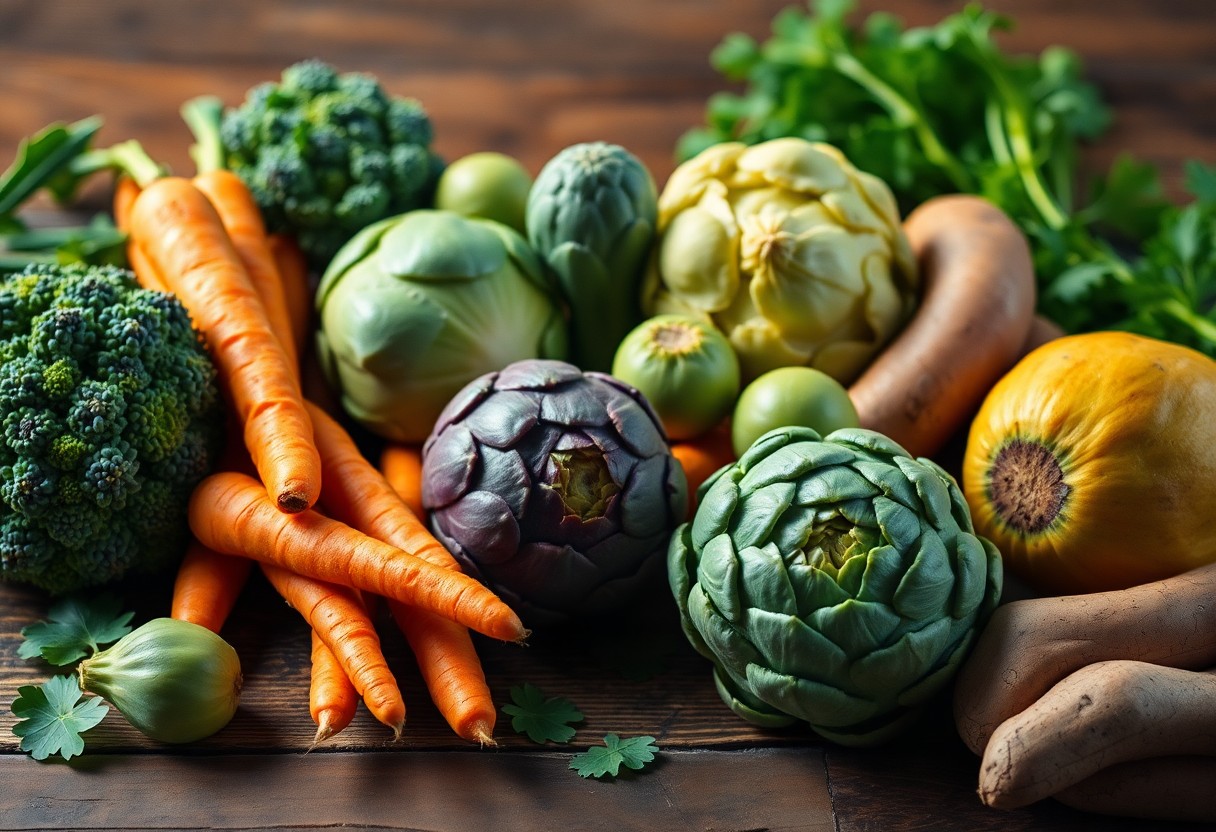
On the micro-nutrient front, carrots are a rich source of vitamins and minerals, including vitamin A, vitamin K, potassium, and antioxidants, which are crucial for maintaining your health and well-being.

Understanding the micro-nutrient content of carrots highlights their role in promoting good vision, supporting immune function, and maintaining healthy skin. Vitamin A, in particular, is crucial for eye health, helping prevent conditions such as night blindness. By incorporating carrots into your meals, you can ensure you’re receiving these vital nutrients effectively.

Fiber Content in Carrots

While you may enjoy snacking on carrots, you might be wondering about their fiber content. Carrots are indeed a great source of dietary fiber, which is necessary for maintaining digestive health. If you’re looking to incorporate more high-fiber foods into your diet, consider checking out this resource on High-fiber foods – Nutrition and healthy eating.

Types of Fiber

Any diet rich in fiber includes two main types: soluble and insoluble fiber. Each type plays an important role in your overall health.

  • Soluble fiber helps lower cholesterol and stabilize blood sugar levels.
  • Insoluble fiber promotes regular bowel movements and aids in digestion.
  • Both types contribute to a feeling of fullness, which may assist in weight management.
  • Fiber from carrots primarily consists of insoluble fiber.
  • Perceiving these benefits will encourage you to include more fiber-rich foods in your meals.
Type of Fiber Function
Soluble Fiber Lowers cholesterol and regulates blood sugar.
Insoluble Fiber Promotes regular digestion and bowel health.
Dietary Contribution Essential for weight management and fullness.
Sources Includes oats, fruits, and vegetables.
Carrots’ Role Rich in mainly insoluble fiber.

Comparison with Other Vegetables

Comparison of carrots with other vegetables can be quite enlightening when considering their fiber content. Generally, you’ll find that carrots offer a moderate amount of fiber compared to other veggie options.

Vegetables Fiber Content per 100g

Vegetable Fiber (g)
Carrots 2.8
Broccoli 2.6
Spinach 2.2
Brussels Sprouts 3.8
Cauliflower 2.0

For instance, while carrots contain approximately 2.8 grams of fiber per 100 grams, other vegetables like Brussels sprouts lead with about 3.8 grams. This shows that while carrots are a healthy option, some alternatives provide a higher fiber yield.

Additional Comparison of Fiber Content

Vegetable Fiber Difference (g)
Carrots vs. Broccoli +0.2
Carrots vs. Spinach +0.6
Carrots vs. Brussels Sprouts -1.0
Carrots vs. Cauliflower +0.8

Ultimately, you should consider mixing various vegetables into your diet to ensure you’re getting a range of nutrients and fiber benefits. Choosing diverse options will maximize your overall fiber intake and promote better digestive health.

Health Benefits of Consuming Fiber

Unlike many other nutrients, fiber offers a range of health benefits that can significantly contribute to your overall well-being. Incorporating foods high in fiber: Boost your health with fiber-rich foods into your diet is an effective way to harness these advantages.

Digestive Health

Any fiber-rich food, such as carrots, can improve your digestive health by promoting regular bowel movements and preventing constipation. Fiber adds bulk to your stool, making it easier for your body to eliminate waste efficiently.

Heart Health

Heart health is another crucial area where integrating fiber into your diet can make a significant difference. Consuming adequate amounts of soluble fiber can help lower your cholesterol levels, thus decreasing your risk of heart disease.

A diet rich in fiber not only improves your cholesterol levels but also helps regulate blood pressure and inflammation. Whole foods like fruits, vegetables, and whole grains contain nutrients that work together with fiber to promote better heart health, protecting you against cardiovascular issues.

Weight Management

The role of fiber in weight management can greatly benefit you if you’re looking to maintain or lose weight. High-fiber foods keep you feeling fuller for longer, which can help reduce overall calorie intake.

To effectively manage your weight, incorporating fiber into your meals can help you feel satisfied without consuming excess calories. Foods rich in fiber tend to be less energy-dense, meaning you can enjoy larger portions while still staying within your dietary goals.

Final Words

With this in mind, you can confidently include carrots as a nutritious part of your diet, as they are indeed a great source of fiber. Their high fiber content not only aids in digestion but also helps you feel fuller for longer, supporting your overall health. By incorporating carrots into your meals, you can enjoy their numerous health benefits while boosting your fiber intake. Bear in mind, a balanced diet rich in fiber is vital for maintaining your well-being, and carrots can play a significant role in that journey.

FAQ about Carrots and Fiber

Q: Are carrots high in fiber compared to other vegetables?

A: Carrots are a good source of dietary fiber, but they are not the highest among all vegetables. On average, a medium-sized raw carrot (about 61 grams) contains approximately 1.7 grams of fiber. Compared to vegetables like broccoli or Brussels sprouts, which can have around 4 grams of fiber per cup, carrots are moderately high in fiber but not the top choice for fiber content.

Q: What health benefits do the fiber in carrots provide?

A: The fiber in carrots provides numerous health benefits, including promoting digestive health by preventing constipation and encouraging regular bowel movements. It can also help manage weight by increasing the feeling of fullness, thereby reducing overall calorie intake. Additionally, dietary fiber contributes to heart health by helping to lower cholesterol levels and stabilize blood sugar levels.

Q: How can I include more carrots in my diet to increase fiber intake?

A: There are many ways to include more carrots in your diet. You can eat them raw as snacks, add shredded carrots to salads, steam or roast them as a side dish, or blend them into soups and smoothies. Incorporating carrots into baked goods, like muffins or breads, is also a great way to boost fiber content. Aim for a variety of preparations to keep your meals interesting.

Q: Do cooked carrots have more or less fiber than raw carrots?

A: Cooking carrots can slightly reduce their fiber content, but the difference is minimal. Generally, raw carrots retain their crispy texture and high fiber levels, while cooking them softens the fiber structure. However, cooking can also enhance the bioavailability of certain nutrients, so both raw and cooked carrots offer health benefits. To maximize fiber intake, consider a balance of both forms in your diet.

Q: Can carrot juice be a good source of fiber?

A: Carrot juice is not a good source of fiber compared to whole carrots. During the juicing process, most of the fiber is eliminated, leaving mostly the juice and nutrients like vitamins and minerals. If you want to benefit from the fiber in carrots, consuming them whole or in other forms (like smoothies, which include the pulp) is a better option than drinking juice alone.

What is the famous food of Pakistan

Most food enthusiasts are eager to explore the diverse and rich culinary heritage of Pakistan. With its vibrant flavors and unique dishes, Pakistani cuisine offers an array of meals that reflect the country’s cultural diversity. From the sizzling street food to traditional family recipes, you’ll discover that each region has its own signature dishes, showcasing the influence of various cultures and ingredients. In this blog post, you will learn about some of the most famous foods of Pakistan and the stories behind them, enriching your understanding of this fascinating cuisine.

Key Takeaways:

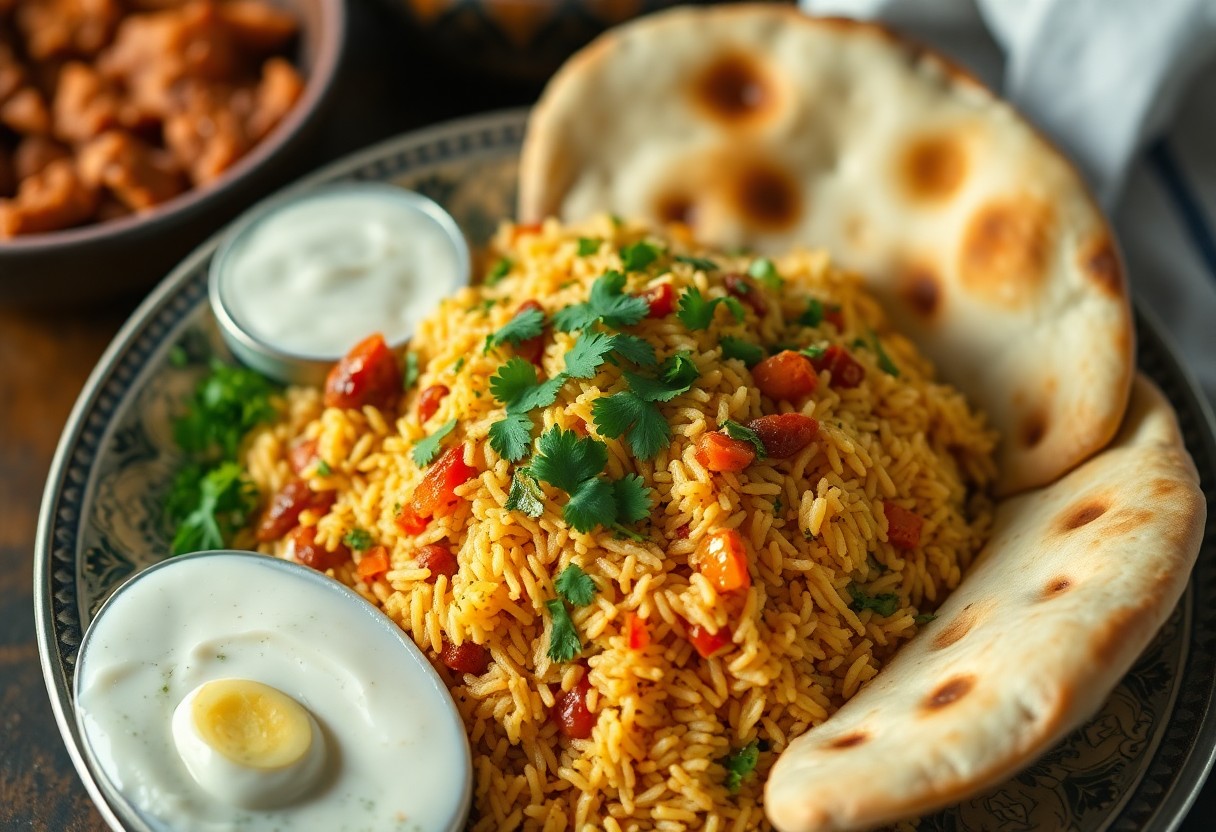
  • Biryani: A renowned rice dish known for its rich flavors and aromatic spices, often made with marinated meat and served with raita.
  • Nihari: A slow-cooked stew typically made with beef or lamb, traditionally enjoyed as a breakfast dish and often paired with naan.
  • Samosas: Popular savory snacks, these deep-fried pastries are filled with spiced potatoes or meat, widely enjoyed as appetizers or street food.

The Culinary Heritage of Pakistan

A tapestry of flavors and traditions, the culinary heritage of Pakistan reflects centuries of history, blending influences from diverse cultures and regions. Each dish tells a story, connecting you to the people and places that shaped them. From the rich spices of Punjab to the aromatic kebabs of Sindh, every province has its unique contributions, making Pakistani cuisine a vibrant and robust experience for food lovers.

Regional Influences

Heritage plays a significant role in shaping the flavors and cooking methods across Pakistan’s regions. You can see how geographical diversity, climate, and local ingredients create distinct culinary styles. For example, the Balochistan province offers hearty, meat-centric dishes, while the fertile lands of Punjab are known for their rice and lentil-based offerings. The blend of these regional influences makes Pakistani cuisine extraordinarily varied and flavorful.

Historical Context

About the culinary landscape of Pakistan, its historical context reveals a rich tapestry woven from various civilizations, including the Indus Valley, Mughal Empire, and British colonial influences. As you explore, you’ll find how these historical periods not only enriched the flavors but also introduced new customs and ingredients into the Pakistani kitchen.

Contextually, each wave of conquest, trade, and cultural exchange has left a mark on the culinary practices of the region. This evolution led to the incorporation of spices, cooking techniques, and food philosophies, giving you a glimpse into Pakistan’s rich history through its food. From Mughal influences on biryani to the simplicity of traditional rustic dishes, every bite connects you to centuries of shared heritage and cultural dialogue.

Iconic Dishes

If you are exploring Pakistani cuisine, you cannot miss the iconic dishes that define its rich culinary heritage. Each dish tells a story of tradition and flavor, showcasing the diverse influences that come together to create a unique dining experience. Whether you prefer spicy, savory, or aromatic, there’s something for everyone among the beloved classics of Pakistan.

Biryani

Any food enthusiast will tell you that biryani is the crown jewel of Pakistani cuisine. This flavorful rice dish, featuring marinated meat and fragrant spices, captures the essence of culinary diversity. With various regional variations, biryani has a loyal following that appreciates its tempting aroma and satisfying taste.

Nihari

At the heart of Pakistani comfort food lies nihari, a slow-cooked stew that is traditionally enjoyed during breakfast. Steeping in flavor, it consists of tender meat simmered for hours with a blend of spices, creating a rich and hearty dish. Garnished with ginger, cilantro, and a squeeze of lemon, nihari is often served with naan or parathas, making it a perfect way to start your day or enjoy a late-night feast.

Dishes like nihari evoke a sense of home, with their warmth and depth of flavor that resonate with your taste buds. This beloved dish not only fills your stomach but also warms your soul, reflecting the age-old traditions of family gatherings and shared meals. As you savor each bite, you’ll appreciate the rich history that has shaped this iconic delicacy into a staple of Pakistani culinary culture.

Street Food Delights

For food lovers, exploring the Customs and Cuisine of Pakistan is an unforgettable experience. Street food in Pakistan offers a feast of flavors, with stands lining the busy streets, filling the air with tempting aromas. From spicy snacks to refreshing drinks, the vibrant street food culture is a taste of the country’s rich culinary heritage.

Golgappa

Along your culinary journey, don’t miss out on Golgappa, a popular street snack that consists of crisp, hollow puris filled with spicy tamarind water, chickpeas, and potatoes. Each bite is a burst of flavor that will tantalize your taste buds and leave you wanting more.

Chaat

At the heart of Pakistani street food is Chaat, a delightful mix of flavors and textures that has gained immense popularity. Chaat comes in various forms, with combinations of chickpeas, potatoes, yogurt, and spices, all drizzled with tangy chutneys.

The beauty of Chaat lies in its versatility and the way it brings people together. You can find variations like Aloo Chaat or Dahi Puri, each offering a unique taste experience. The crunchy, savory, and sweet elements create a symphony of flavors that make it a must-try for anyone exploring the streets of Pakistan.

Traditional Sweets

After a delightful meal, you can’t miss the traditional sweets that Pakistan has to offer. These sweets are not only a staple during festive seasons but also an integral part of everyday celebrations. Whether you enjoy them in their simplest forms or infused with various flavors, these irresistible treats are a must-try for anyone wanting to experience the country’s rich culinary culture.

Jalebi

Jalebi is a popular sweet that features bright orange spirals, known for its crispy texture and sugary syrup. You’ll find it being served hot, often accompanied by a side of yogurt. Its unique shape and delicious flavor make it a favorite not just in Pakistan, but across South Asia. Don’t miss the chance to indulge in this irresistibly sweet delight!

Gulab Jamun

Besides Jalebi, Gulab Jamun also stands out as one of Pakistan’s cherished desserts, consisting of deep-fried dough balls soaked in fragrant sugar syrup. You’ll immediately be drawn in by its rich flavor and soft, melt-in-your-mouth texture. These delectable bites are commonly served at weddings and special occasions, making them a true symbol of celebration.

Hence, indulging in Gulab Jamun is an experience you won’t want to miss. Made from khoya (reduced milk), the dough balls are deep-fried to a golden brown before being immersed in a syrup infused with cardamom and rose water. This sweet treat not only satisfies your sweet tooth but also encapsulates the warmth and hospitality of Pakistani culture. Make sure to add it to your must-try list when exploring traditional Pakistani sweets!

Popular Beverage Choices

Despite its diverse cuisine, Pakistan is equally renowned for its beverage choices that complement the delicious dishes, which you can explore in The 6 Most Popular Pakistani Dishes To Try – Recette Magazine. From traditional teas to refreshing drinks, you’ll find that these beverages not only enhance your meal experience but also provide a glimpse into Pakistan’s rich cultural heritage.

Chai

An integral part of Pakistani culture, chai or tea is enjoyed daily and often served to guests as a sign of hospitality. Made from black tea, milk, and spices, this beloved beverage comes in various styles, allowing you to experience its different flavors with every sip.

Lassi

Popular among both locals and visitors, lassi is a traditional yogurt-based drink that is perfect for combating the heat. This refreshing beverage is made by blending yogurt with water, spices, and sometimes fruit, resulting in a creamy and flavorful treat.

Also, you can find various types of lassi, including sweet versions with sugar and fruit or savory options mixed with spices. Whether you prefer a classic mango lassi or plain salted lassi, this delightful drink is sure to quench your thirst and provide a taste of authentic Pakistani flavor.

Cultural Significance of Food

Keep in mind that food in Pakistan is not just about sustenance; it embodies the rich cultural tapestry and traditions of the nation. Each dish carries stories of heritage, showcasing regional variations and the influences of various communities. You will find that meals often serve as a medium for social interaction, fostering a sense of belonging and unity among families and friends.

Festivals and Celebrations

Below the surface of everyday life, food plays a central role in Pakistan’s festivals and celebrations. During occasions like Eid, weddings, and cultural festivals, elaborate feasts are prepared, allowing you to partake in joyful gatherings while indulging in the country’s diverse culinary offerings. Each dish reflects the spirit of the occasion, making food an integral part of the celebration.

Family Gatherings

With family gatherings, the act of sharing meals becomes a ceremonial event where bonds are strengthened and memories are created. You might find that traditional dishes like biryani, karahi, or nihari are enjoyed together, reflecting the values of togetherness and hospitality deeply embedded in Pakistani culture.

It is during these family gatherings that the true essence of Pakistani cuisine shines through. The preparation of food is often a collective effort, with family members coming together to create classic dishes. This not only helps in passing down culinary traditions but also reinforces familial ties, making every meal a cherished occasion. The aroma of spices fills the air, sparking conversations, laughter, and shared stories, showcasing the warmth and love that define these gatherings.

Summing up

On the whole, your exploration of Pakistani cuisine reveals a rich tapestry of flavors that reflects the country’s diverse culture. From the iconic biryani and succulent kebabs to the flavorful nihari and sweet treats like jalebi, each dish tells a story of tradition and hospitality. As you investigate into these culinary delights, you not only savor the taste but also gain insight into the history and customs that shape Pakistani food culture. Embrace this gastronomic journey, and you’ll undoubtedly find beloved favorites that resonate with your palate.

FAQ

Q: What is the most famous dish of Pakistan?

A: The most famous dish of Pakistan is Biryani. This flavorful rice dish is made with basmati rice, meat (such as chicken, beef, or goat), and a blend of spices that create a rich and aromatic flavor. Different regions in Pakistan have their own variations, but all are celebrated for their unique tastes and cooking techniques.

Q: What are some traditional Pakistani street foods?

A: Pakistani street food is known for its bold flavors and variety. Some popular options include Chaat (a savory snack made with chickpeas, potatoes, and various chutneys), Golgappa or Pani Puri (crispy hollow balls filled with spicy water), and Nihari (a slow-cooked meat stew served with naan). Street food vendors can typically be found in bustling markets throughout cities like Lahore and Karachi.

Q: How does Pakistani cuisine vary by region?

A: Pakistani cuisine varies significantly by region, reflecting the diverse cultures and climates of the country. For instance, Sindh is known for its spicy flavors and curry dishes, while Punjab specializes in hearty meals such as Saag and Makki di Roti. Khyber Pakhtunkhwa offers unique items like Chapli Kebab, and Baluchistan is recognized for its grilling techniques, especially in dishes like Sajji.

Q: What are some popular Pakistani desserts?

A: Pakistani desserts are rich and often incorporate ingredients like milk, sugar, and nuts. Popular desserts include Gulab Jamun (sweet syrup-soaked dough balls), Kheer (rice pudding), and Jalebi (crispy fried spirals soaked in syrup). These sweets are often enjoyed during celebrations or special occasions, marking the festive spirit of the culture.

Q: What role does bread play in Pakistani meals?

A: Bread is an important component of everyday meals in Pakistan, often accompanying most dishes. The most common type is Naan, which is a soft, leavened flatbread. Other varieties include Roti (unleavened bread) and Paratha (layered and flaky bread). Bread is typically used to scoop up curries and other dishes, making it a staple part of the dining experience.

What is a fast in food

Food fasting can be a powerful tool for improving your health and well-being. When you fast, you give your body a break from digesting food, allowing it to focus on repairing and rejuvenating itself. It is crucial to understand the different types of fasting and their effects on your body. To learn more about the benefits of fasting, check out To Fast or Not to Fast.

Key Takeaways:

  • Definition: A fast in food involves abstaining from consuming certain foods or drinks for a specified period of time.
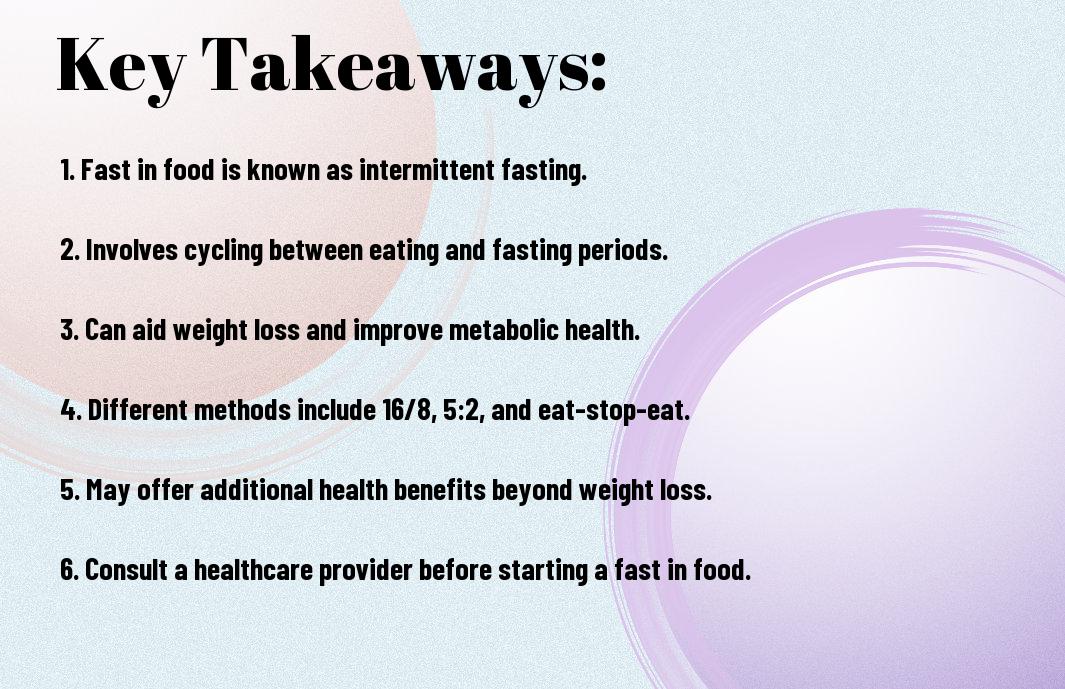
  • Types of Fasts: Fasts in food can vary, including intermittent fasting, water fasting, juice fasting, and religious fasts.
  • Purpose: Fasting in food can have various purposes such as weight loss, detoxification, spiritual reasons, or improving overall health.

Definition of Fasting

To truly understand the concept of fasting, it’s crucial to explore into its historical context and explore how it has evolved over time.

Historical context of fasting

Fasting has been practiced for centuries across various cultures and religions for spiritual, health, and even political reasons. In ancient times, fasting was believed to cleanse the body and mind, promoting clarity and purification. Some cultures observed fasting as a way to demonstrate discipline and self-control. In religious contexts, fasting is often associated with sacrifice and seeking a deeper connection with a higher power.

Modern interpretation of fasting

To understand fasting in today’s context, it’s vital to recognize that it has taken on new meanings beyond the traditional practices. In modern times, fasting is often linked to health and wellness trends, with intermittent fasting gaining popularity for its potential benefits such as weight management, improved metabolism, and increased energy levels.

Plus, fasting in the contemporary world is not limited to abstaining from food but also includes concepts like digital fasting, where individuals take a break from technology to promote mindfulness and mental well-being.

Types of Fasting

Clearly, there are various types of fasting that people practice for different reasons. Each type of fasting involves abstaining from food or reducing food intake for a specific period. Here are some common types of fasting:

Intermittent Fasting Prolonged Fasting
Water Fasting Juice Fasting

Intermittent Fasting

Any form of fasting that cycles between periods of eating and fasting is considered intermittent fasting. This type of fasting is popular for its flexibility and potential health benefits. Common methods include the 16/8 method, where you fast for 16 hours and eat within an 8-hour window, or the 5:2 method, where you eat normally for five days and restrict calories for two non-consecutive days.

Prolonged Fasting

Intermittent fasting typically involves shorter fasting periods, while prolonged fasting extends the fasting duration to several days or even weeks. Prolonged fasting can be challenging and should be approached with caution, preferably under the guidance of a healthcare provider. It is imperative to stay hydrated and ensure proper nutrient intake during prolonged fasting.

Types of fasting can have various effects on your body and overall well-being. Each type offers unique benefits and considerations, so it’s imperative to choose a fasting method that aligns with your health goals and lifestyle.

Water Fasting

For some people, water fasting involves consuming only water for a specified period, typically ranging from 24 hours to several days. Water fasting is believed to help detoxify the body, promote weight loss, and improve metabolic health. However, it is crucial to consult a healthcare professional before attempting a water fast, especially if you have underlying health conditions.

This approach to fasting may not be suitable for everyone, and it’s important to listen to your body’s signals and adjust your fasting routine accordingly. Always prioritize your health and well-being when experimenting with different fasting methods.

Juice Fasting

To detoxify the body and boost nutrient intake, some people opt for juice fasting, where they consume only fresh fruit and vegetable juices for a designated period. Juice fasting provides imperative vitamins, minerals, and antioxidants while giving the digestive system a break. However, juice fasting may lack imperative nutrients like protein and fats, so it’s imperative to ensure a balanced diet before and after the fast.

This type of fasting can be a refreshing way to reset your eating habits and increase your intake of micronutrients. Remember to consult a healthcare provider or nutritionist before commenceing on a juice fast to ensure it aligns with your health goals.

Benefits of Fasting

Weight loss and improved metabolism

Your body can experience weight loss and improved metabolism through fasting. When you fast, your body is forced to use stored fat for energy, leading to weight loss. Additionally, fasting can enhance your metabolic rate, making it more efficient in burning calories even after the fast is over.

Improved mental clarity and focus

Benefits of fasting extend to improved mental clarity and focus. When you fast, your body enters a state of ketosis where it uses ketones for energy, providing a steady fuel source to your brain. This can result in enhanced focus, concentration, and mental acuity.

Fasting has been linked to increased production of brain-derived neurotrophic factor (BDNF), a protein that promotes neural health, cognitive function, and mood regulation. By boosting BDNF levels, fasting can support your overall brain health and cognitive performance.

Enhanced autophagy and cellular cleaning

Improved autophagy and cellular cleaning are key benefits of fasting. Autophagy is a process where your body removes damaged cells and debris, promoting cellular rejuvenation and overall health. Fasting triggers autophagy, allowing your body to cleanse and renew its cells, which can have anti-aging and longevity benefits.

By enhancing autophagy, fasting supports the removal of toxic proteins and waste products from cells, helping to optimize cellular function and reduce the risk of various age-related diseases. This cellular rejuvenation process can contribute to your overall well-being and vitality.

Increased human growth hormone production

Focus on increased human growth hormone (HGH) production can be a significant benefit of fasting. HGH is a hormone that plays a crucial role in growth, metabolism, and muscle strength. Fasting can stimulate the production of HGH, which can aid in fat loss, muscle gain, and overall body composition improvements.

Higher levels of HGH due to fasting can also promote collagen production, enhance skin elasticity, and support tissue repair and regeneration. This hormonal response to fasting can have positive effects on your physical health, appearance, and athletic performance.

How Fasting Affects the Body

Insulin sensitivity and blood sugar regulation

Unlike when you are constantly consuming food throughout the day, fasting allows your body to regulate insulin sensitivity and blood sugar levels more effectively. When you fast, your body is not constantly digesting food, which gives your pancreas a break from producing insulin. This break can improve insulin sensitivity, making it easier for your body to regulate blood sugar levels efficiently.

Hormonal responses to fasting

Body hormones play a crucial role in how fasting affects your body. When you fast, your body undergoes hormonal changes that can impact various functions. For instance, fasting can increase the production of norepinephrine, a hormone that helps your body burn fat for energy. Additionally, fasting may also lead to higher levels of growth hormone, which can aid in muscle preservation and repair.

Effects on digestion and gut health

Sugar sensitivity, when you fast, your digestive system gets a chance to rest and reset. Giving your gut a break from constant digestion can improve gut health by allowing the gut lining to repair and replenish healthy bacteria. This break can also help reduce inflammation in the gut and improve overall digestive function.

Impact on immune system function

Plus, fasting can have a positive impact on your immune system function. An extended fast gives your immune system a break from constantly fighting off pathogens and allows it to focus on repairing and rejuvenating immune cells. This can help improve overall immune function and reduce inflammation in the body.

Preparing for a Fast

All Intermittent fasting: What are the benefits? begins with preparation. Setting clear goals and expectations is crucial before launching on a fasting regimen. One of the primary goals of fasting may be weight loss, improved metabolic health, or simply to reset your eating habits. By outlining what you hope to achieve, you can tailor your fasting approach to suit your objectives and monitor your progress effectively.

Setting goals and expectations

One important aspect of setting goals for fasting is to be realistic about what you aim to achieve. Define what success looks like for you, whether it’s losing a specific amount of weight, gaining more energy, or improving your overall health. By understanding what you want to accomplish, you can stay motivated throughout your fasting journey and adjust your plan accordingly based on your progress.

Consulting a healthcare professional

Healthcare professionals can offer valuable guidance when it comes to fasting, especially if you have underlying health conditions or concerns. Before starting any fasting regimen, it’s crucial to consult with your healthcare provider to ensure that fasting is safe and appropriate for you. They can provide personalized recommendations based on your medical history and help you set realistic goals that align with your overall health objectives.

goalsWhen consulting with a healthcare professional, be sure to discuss any medications you are taking, existing health conditions, and any concerns you may have about fasting. Your healthcare provider can help you navigate potential risks and benefits associated with fasting, ensuring that you launch on your fasting journey with confidence and support.

Gradually introducing fasting into your routine

On the journey towards fasting, it’s imperative to ease into the process gradually. Rather than diving headfirst into an intense fasting routine, consider starting with shorter fasting periods or intermittent fasting schedules. By gradually introducing fasting into your routine, you allow your body to adjust to the changes and minimize potential side effects like fatigue or cravings.

Gradually By slowly increasing the duration of your fasting periods over time, you can build up your fasting tolerance and assess how your body responds to different fasting protocols. This approach can help you find a fasting routine that is sustainable in the long run and tailored to your individual needs and preferences.

Stocking your pantry with healthy foods

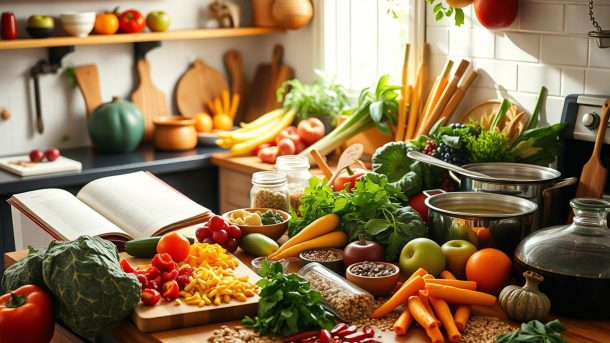
On your fasting journey, the foods you consume during your eating window play a significant role in supporting your overall health and well-being. For instance, ensuring that your pantry is stocked with nutrient-dense foods like whole grains, lean proteins, fruits, and vegetables can help you make healthier food choices during your feeding periods. By filling your kitchen with wholesome ingredients, you can stay on track with your fasting goals and nourish your body with imperative nutrients.

Common Challenges and Concerns

Hunger and cravings

Cravings can be one of the biggest challenges you face when fasting from food. Your body is used to a certain routine and intake, so when you suddenly change that, it’s natural to experience cravings for your favorite foods. It’s necessary to stay strong and remind yourself of the reasons why you’re fasting. Keep yourself busy with activities that can distract you from thinking about food, such as reading a book or going for a walk.

Common Energy crashes and fatigue

Common energy crashes and fatigue can occur when you’re fasting from food. Your body may be adjusting to the change in routine, which can lead to temporary dips in energy levels. It’s important to listen to your body and rest when needed during this time. Make sure to stay hydrated and incorporate light activities like yoga or stretching to help alleviate fatigue.

Social and emotional challenges

An important aspect of fasting from food is the social and emotional challenges that can arise. You may feel isolated or left out during meal times with friends or family. It’s necessary to communicate your fasting goals and reasons to your loved ones, so they can provide support and understanding. Find alternative ways to connect socially that don’t revolve around food, such as going for a hike or attending a virtual event.

Dealing with criticism and skepticism

With fasting from food, you may encounter criticism and skepticism from others who don’t understand your choices. It’s necessary to remember that you’re fasting for yourself and your health, not to please others. Stay confident in your decision and politely educate others on the benefits of fasting if they question you. Surround yourself with a supportive community that uplifts and encourages your fasting journey.

To wrap up

Drawing together all the information presented in this article, we have explored the concept of what a fast in food is. We have learned that fasting in the context of food can vary from intermittent fasting for health benefits to religious practices like Ramadan. Understanding the different purposes and methods of fasting in food can help you make informed decisions about incorporating fasting into your lifestyle.

Whether you are looking to improve your health, spiritual connection, or simply explore new ways of eating, it is imperative to approach fasting in food with mindfulness and awareness of your body’s needs. By experimenting with different fasting techniques and listening to your body’s cues, you can find what works best for you and incorporate fasting as a beneficial practice in your life.

Q: What is fasting in food?

A: Fasting in food refers to abstaining from certain or all foods for a designated period of time. This practice is often done for religious, spiritual, health, or weight loss reasons.

Q: What are the benefits of fasting in food?

A: Fasting in food can have several potential benefits, including weight loss, improved digestion, detoxification, increased mental clarity, and potentially lower risks of certain chronic diseases.

Q: How should I prepare for a fast in food?

A: Before starting a fast in food, it is important to consult with a healthcare professional, particularly if you have any underlying health conditions. It is also imperative to stay hydrated, plan out your meals before and after the fast, and gradually ease into and out of the fasting period.

What is called fast food

With your busy schedule, you often find yourself grabbing a quick meal on the go from a fast-food restaurant. But have you ever wondered why it’s called ‘fast food’? In this article, we will examine into the origins of this term and explore the reasons behind it. For more insights, you can also check out Why is fast food called ‘fast food’?.

Key Takeaways:

  • Convenience: Fast food is known for its quick service and easy accessibility, making it a popular choice for those who are on the go.
  • Processed Ingredients: Fast food often uses pre-prepared and processed ingredients, which may not always be the healthiest option for regular consumption.
  • Global Appeal: Fast food chains have expanded worldwide, leading to a global appeal and recognition of popular fast food brands.

Definition of Fast Food

Origins of the Term

For many people, the term “fast food” conjures up images of hamburgers, fries, and drive-thru windows. But have you ever wondered where this term actually originated? The term “fast food” was first popularized in the 1950s, referring to food that was quick, convenient, and served to customers in a hurry. It became synonymous with quick-service restaurants that offered a limited menu and focused on speed and efficiency.

Evolution of the Concept

An interesting evolution occurred in the fast-food industry over the decades. What started as a simple concept of quick and convenient meals has transformed into a global phenomenon, with fast-food chains expanding rapidly and adapting to different cultures and tastes. Today, fast food encompasses a wide range of cuisines, including pizza, tacos, sushi, and more, offering something for everyone, no matter their preferences.

It is fascinating to see how the concept of fast food has evolved to cater to diverse palates and lifestyles. With innovations in technology and changes in consumer preferences, the fast-food industry continues to adapt and thrive, providing convenient and delicious options for people on the go.

Characteristics of Fast Food

Quick Service

Any fast food establishment prides itself on providing quick service to its customers. When you’re on the go and looking for a quick bite to eat, fast food restaurants are designed to get you your meal in no time. The efficiency in taking orders, preparing food, and serving customers is a defining characteristic of fast food.

Affordable Prices

Food at fast food restaurants is known for its affordability. When you’re craving a meal but don’t want to spend a lot of money, fast food is a convenient option. You can get a satisfying meal at a fraction of the cost of a sit-down restaurant.

This affordability makes fast food a popular choice for individuals and families looking to save money while enjoying a quick and tasty meal. The value for the price you pay is a significant factor that keeps people coming back to their favorite fast food joints.

Standardized Menu

Fast food chains are known for their standardized menus, offering the same items at all locations. Whether you’re in New York City or Los Angeles, you can expect the menu items to be consistent in taste and quality. This uniformity allows customers to know what to expect when they walk into a fast food restaurant.

Menu items at fast food chains are carefully curated to appeal to a wide range of palates. You’ll find classic items like burgers, fries, chicken nuggets, and milkshakes that have stood the test of time. The familiarity of the menu and the consistency in taste are part of what makes fast food so popular.

Types of Fast Food

Despite the negative reputation fast food sometimes gets for being unhealthy, there’s a wide variety of options available that cater to different tastes and preferences. When you think of fast food, the first things that may come to mind are burgers, fries, and sodas. However, the world of fast food is much more diverse than that. Here are some common types of fast food you can find:

  • Burgers and Sandwiches
  • Pizza and Italian
  • Asian-Style and Ethnic
  • Snacks and Beverages

Burgers and Sandwiches

To start, burgers and sandwiches are classic fast food options that have stood the test of time. Whether you prefer a juicy burger with all the toppings or a simple sandwich on the go, fast food chains offer a wide range of choices to satisfy your cravings. From traditional cheeseburgers to gourmet chicken sandwiches, there’s something for everyone in this category.

Recognizing the popularity of burgers and sandwiches, fast food restaurants have expanded their menus to include healthier options like grilled chicken sandwiches, veggie burgers, and wraps. If you’re looking for a quick and filling meal, burgers and sandwiches are a reliable choice.

Pizza and Italian

Pizza is another beloved fast food option that has become a staple in many people’s diets. Whether you prefer classic cheese pizza or loaded with toppings, fast food pizza chains offer a variety of choices to suit your taste. In addition to pizza, Italian fast food options like pasta dishes, calzones, and garlic bread are also popular choices for a quick and tasty meal.

Fast food pizzas are often made to order, allowing you to customize your toppings and crust preferences. With convenient delivery and takeout options, pizza is a go-to choice for a comforting and satisfying meal.

Ethnic cuisines, such as Asian-style dishes, have also found their place in the fast food industry. From Chinese takeout to Mexican burritos, these flavorful options provide a unique twist on traditional fast food fare.

Asian-Style and Ethnic

Ethnic fast food options offer a taste of global flavors in a convenient and accessible way. Whether you’re in the mood for spicy stir-fried noodles or flavorful curry dishes, Asian-style fast food restaurants serve up a wide range of dishes to tantalize your taste buds.

Recognizing the demand for diverse and authentic flavors, fast food chains have introduced ethnic options that cater to a multicultural palate. Whether you’re craving sushi, kebabs, or tacos, you can find a variety of ethnic fast food options to satisfy your hunger.

In the context of snacks and beverages, fast food chains offer a plethora of options to keep you satisfied between meals. From crispy fries and onion rings to refreshing sodas and milkshakes, there’s no shortage of tasty treats to indulge in.

Snacks and Beverages

Italian fast food options like garlic knots, arancini, and cannoli provide a tasty and authentic experience in a quick and convenient format. Whether you’re looking for a savory snack or a sweet treat, Italian fast food has something for everyone to enjoy.

Whether you’re in the mood for a classic cheeseburger or a gourmet sandwich, fast food options cater to a variety of tastes and preferences. With their convenient locations and quick service, fast food chains are a popular choice for a quick and satisfying meal on the go.

History of Fast Food

All throughout history, fast food has evolved and become a staple of modern-day convenience. Let’s explore into the past to understand how this phenomenon came to be.

Early Beginnings

Beginnings of fast food can be traced back to ancient Rome, where street vendors sold “thermopolia” – hot prepared food. However, the concept really took off in the United States in the late 19th century with the proliferation of diners and fast-food restaurants. These eateries offered quick and affordable meals to those on the go, setting the stage for what would become a booming industry.

Post-War Expansion

For fast food, the post-war period marked a significant expansion. The 1950s and 1960s saw the rise of iconic brands like McDonald’s and KFC, which popularized the concept of standardized, mass-produced food. Drive-through windows and efficient service became synonymous with fast food chains, catering to the fast-paced lifestyle of the era.

The post-war expansion of fast food was fueled by the booming economy and the rise of car culture. Drive-ins and drive-throughs became the norm, allowing customers to grab a quick meal without even leaving their vehicles. This convenience factor further propelled the fast food industry to new heights, making it a mainstay in American culture.

Globalization and Franchising

Understanding the impact of globalization and franchising on the fast food industry is key to appreciating its widespread reach. As American brands expanded overseas, they brought with them a taste of Western culture and cuisine. The standardization of menus and recipes allowed for consistency across locations, ensuring that customers could expect the same experience no matter where they dined.

Expansion into international markets through franchising agreements has been a driving force behind the globalization of fast food. Local entrepreneurs are able to open their own branches of well-known chains, further cementing the presence of these brands worldwide. This practice has not only led to the ubiquity of fast food but also contributed to the homogenization of global food culture.

Impact of Fast Food

On Health and Nutrition

Impact of fast food on health and nutrition is significant. Your consumption of fast food, which is often high in calories, saturated fats, sugars, and sodium, can lead to weight gain and various health problems such as obesity, heart disease, and diabetes. Additionally, fast food lacks imperative nutrients like fiber, vitamins, and minerals that are necessary for maintaining good health.

On the Environment

To understand the impact of fast food on the environment, look at the excessive packaging, producing massive amounts of waste that end up in landfills. The farming practices for meat and crops used in fast food production contribute to deforestation, water pollution, and greenhouse gas emissions. These environmental consequences of fast food production are unsustainable and harmful to the planet.

This environmental impact extends to the transportation of ingredients and products across long distances, increasing carbon emissions and contributing to climate change. Fast food chains often prioritize convenience and cost-efficiency over sustainability, leading to detrimental effects on the environment.

On Local Communities

This reliance on fast food chains can have negative effects on local communities. The presence of fast food establishments can lead to homogenization of food options, pushing out local eateries and businesses that are integral to the community’s identity. Additionally, the low wages and lack of job security in the fast food industry can contribute to economic disparities within local communities.

With the proliferation of fast food chains, there is a decrease in support for local farmers and producers, as these chains often source ingredients from industrial farms and large-scale suppliers. This shift away from local sourcing can have economic repercussions for small-scale farmers and producers in the community.

Cultural Significance of Fast Food

Not only is fast food a convenient option for a quick meal on the go, but it also holds significant cultural value in society. From social gatherings to emotional connections and even representation in media and pop culture, fast food plays a multifaceted role in our lives.

Social Gatherings and Events

Events are often accompanied by fast food, whether it’s a birthday party, a sporting event, or a casual get-together with friends. Fast food restaurants provide a convenient and affordable option for catering large gatherings, making it a staple choice for many occasions. It’s not just about the food; it’s also about the experience and the memories created through these shared meals.

Emotional Connections and Nostalgia

Emotional connections to fast food can stem from childhood memories of weekend trips to the drive-thru or the comfort of indulging in a favorite meal during tough times. The nostalgia associated with certain fast food items can evoke strong emotions and transport you back to simpler times. These emotional connections can create a sense of comfort and familiarity in a fast-paced world.

Nostalgia for fast food goes beyond personal experiences and extends to its portrayal in media and pop culture. The iconic imagery of fast food chains, the catchy jingles in commercials, and even the representation of fast food in movies and TV shows all contribute to its nostalgic appeal. These cultural references not only shape our perceptions of fast food but also reinforce its place in society as a recognizable and enduring symbol of modern life.

With its deep-rooted cultural significance, fast food continues to hold a special place in our hearts and remains a constant presence in our lives, shaping not just our dining choices but also our memories and experiences.

Final Words

Conclusively, fast food is more than just a quick and convenient meal option; it has become a cultural phenomenon that has shaped the way we eat and live. Understanding the origins, impact, and different types of fast food can help you make informed choices about your diet and lifestyle. Whether you indulge in a fast-food treat occasionally or make it a regular part of your routine, being aware of what goes into these meals can empower you to take control of your health and wellness.

FAQ

Q: What is considered fast food?

A: Fast food is typically defined as food that is prepared and served quickly in restaurants, often with limited service and in a pre-cooked or pre-packaged form. Common examples include burgers, fries, pizza, fried chicken, and sandwiches.

Q: Why is fast food called ‘fast’?

A: Fast food gets its name because it is designed to be quickly prepared and served to customers. The goal is to provide a meal in a short amount of time, making it a convenient option for people on the go or those looking for a quick meal.

Q: What are some characteristics of fast food?

A: Some characteristics of fast food include affordability, convenience, standardized menu items, quick service, and often high levels of fat, sugar, and calories. Fast food restaurants are known for their drive-thru service, limited seating, and emphasis on speed and efficiency in food preparation and delivery.

What is India specially known for

Culture is the heart of India, a country famed for its rich tapestry woven from diverse traditions, languages, and religions. You will find that India is renowned for its vibrant festivals, exquisite cuisine, and ancient art forms, all of which reflect its historical significance and modern evolution. Whether it’s the majestic architecture of the Taj Mahal, the spirituality of its many temples, or the colorful celebrations of Diwali and Holi, your journey through India will reveal a depth of heritage that continues to inspire and fascinate people worldwide.

Key Takeaways:

  • Diverse Culture: India is renowned for its rich and diverse cultural heritage, encompassing various languages, religions, festivals, and traditions.
  • Historical Landmarks: The country is home to iconic historical sites, such as the Taj Mahal, showcasing its architectural grandeur and historical significance.
  • Culinary Variety: India offers a vast array of cuisines known for their bold flavors and unique spices, making it a culinary paradise for food lovers.

Rich Cultural Heritage

The rich cultural heritage of India is a tapestry woven from diverse traditions, languages, and customs, making it a land of unparalleled cultural significance. With a deep-rooted history, India is renowned for its unique practices, which you can explore further in this interesting article on 16 Unique Culture of India: Customs & Indian Traditions.

Traditional Arts and Crafts

Any exploration of India’s cultural heritage leads you to its vibrant traditional arts and crafts, which vary from region to region. From intricate handloom weaving to exquisite pottery, each craft reflects the local traditions and artistry that have been passed down through generations.

Festivals and Celebrations

One of the most captivating aspects of Indian culture is its myriad of festivals and celebrations. These events not only mark significant occasions in the calendar but also showcase the country’s incredible diversity and unity in diversity.

Rich in color and sound, India’s festivals like Diwali, Holi, Eid, and Christmas bring people together, transcending boundaries of religion and region. During these celebrations, you can experience an amalgamation of joy, feasting, music, and dance, making every festival a feast for the senses. The sense of community and togetherness you feel during these festive occasions exemplifies the cultural richness that India proudly cherishes.

Diverse Cuisine

Any visit to India promises a culinary adventure, where you will discover an incredible array of flavors and ingredients that reflect its rich cultural heritage. The country is a true melting pot of spices, traditions, and cooking techniques, with each region offering unique dishes that highlight local produce and historical influences. From the aromatic curries of the north to the fiery seafood of the south, Indian cuisine invites you to explore a world of tastes that evoke the essence of its diverse communities.

Regional Specialties

At every corner of India, you will find regional specialties that showcase the unique agricultural bounty and historical influences of the area. In the Punjab, enjoy buttery naan and rich butter chicken, while in West Bengal, savor the delicate fish curry known as “shorshe ilish.” The coastal regions, like Goa, tantalize you with spicy vindaloo and prawn curry, while the streets of Mumbai lure you in with flavorful street food like vada pav and pav bhaji. Each dish tells a story of its place, allowing you to taste the heart of India where you are.

Global Influence of Indian Food

One of the most fascinating aspects of Indian cuisine is its global influence, transcending borders to capture the appetites of food lovers worldwide. From the aromatic spice blends used in curry powders to the popularity of naan and biryani in restaurants across the globe, Indian food has made a significant impact on international dining.

Due to its vibrant colors and bold flavors, Indian cuisine has won the hearts of many, leading to the emergence of Indian restaurants in cities far beyond its borders. You will find Indian dishes embraced in diverse culinary fusions, such as Indian-inspired tacos and sushi rolls. The globalization of Indian food reflects not just a flavor of spices but also a cultural exchange, where your taste buds can experience the essence of a rich culinary tradition right in your hometown.

Historical Landmarks

Your journey through India is incomplete without exploring its myriad historical landmarks, each telling stories of rich cultural heritage and remarkable pasts. From ancient forts to majestic palaces, these sites encapsulate the essence of India’s history and artistry, inviting you to explore the legacies left behind by dynasties and civilizations. Whether it’s the awe-inspiring ruins of Hampi or the architectural wonder of Agra Fort, each landmark offers a unique glimpse into the vibrant tapestry of India’s past.

UNESCO World Heritage Sites

With 40 UNESCO World Heritage Sites, India stands as a testament to its historical and cultural treasures. These sites range from the stunning temples of Khajuraho to the breathtaking landscapes of the Western Ghats, each representing a unique aspect of India’s diverse heritage. As you visit these sites, you’ll not only appreciate their beauty but also understand their significance in the global context of history and preservation.

Architectural Marvels

At every corner of India, you encounter architectural marvels that blend artistry with engineering prowess. Landmarks like the Taj Mahal and the intricate carvings of the Hoysala temples showcase India’s rich craftsmanship and attention to detail. Each structure tells a story of the time it was built, reflecting the social and cultural dynamics of its era.

This captivating diversity in architecture ranges from the simple elegance of ancient temples to the grandeur of Mughal palaces. The use of various materials—like sandstone, marble, and intricate tile work—adds depth to the aesthetic appeal. Beyond sheer beauty, these architectural wonders capture the spirit of innovation, as designers fused traditional styles with unique local elements, making every structure a masterpiece worthy of admiration and reflection.

Spiritual and Religious Diversity

After centuries of coexistence, India stands as a testament to spiritual and religious diversity, showcasing a rich tapestry of beliefs and practices. You will find an array of traditions, philosophies, and spiritual paths, each contributing to the nation’s cultural mosaic. This unique blend encourages mutual respect and understanding, making it a fascinating place for those keen to explore the depths of human spirituality.

Major Religions Practiced

Religious practices in India are incredibly varied and include Hinduism, Buddhism, Jainism, Sikhism, Islam, and Christianity, among others. You will encounter vibrant festivals, rituals, and ceremonies reflecting the deep-rooted faith of millions. Each religion offers distinctive teachings and community experiences, enriching your understanding of the world around you.

Pilgrimage Sites

Beside daily worship and rituals, India’s wealth of pilgrimage sites draws millions of devotees seeking spiritual solace and enlightenment. These sacred locations greatly enhance your spiritual journey, allowing you to connect with centuries of history and tradition.

Sites such as Varanasi, Haridwar, Amritsar, and Bodh Gaya are just a few examples where you can immerse yourself in profound spiritual experiences. Each destination holds historical significance and boasts unique architectural beauty, inviting you to reflect and find peace. Exploring these pilgrimage sites not only enriches your spiritual understanding but also connects you with like-minded individuals sharing similar quests for meaning and connection.

Contributions to Science and Technology

Many recognize India as a remarkable contributor to science and technology, with a legacy that spans centuries. Your understanding of this nation’s innovations will reveal how they have impacted various fields, from mathematics to space exploration. Indian scholars have historically enhanced global knowledge, and modern advancements continue to shape the technological landscape today.

Historic Innovations

The ancient Indians made significant strides in various scientific fields, including mathematics, astronomy, and medicine. You will find that mathematicians like Aryabhata and Brahmagupta laid the groundwork for concepts such as zero and algebra, which have shaped mathematical understanding worldwide. These innovations form the bedrock upon which many modern scientific developments stand.

Modern Advancements

Across the 21st century, India has emerged as a hub of technological innovation and scientific research. Your awareness of India’s achievements in space exploration, information technology, and pharmaceuticals showcases how the country is at the forefront of addressing global challenges, from healthcare to sustainable development.

Further pursuing advancements, India’s space agency, ISRO, has made headlines with missions such as Mangalyaan and Chandrayaan, which demonstrate India’s capabilities in interplanetary exploration. In the tech sector, India dominates the global software industry, providing cutting-edge services and solutions. With a thriving startup ecosystem and a focus on research and development, you can see how India continues to contribute solutions addressing various societal challenges and push the boundaries of what is possible in science and technology.

Natural Wonders

Despite being known for its rich culture and history, India is home to a myriad of natural wonders that will captivate your senses. From the majestic Himalayas to the serene backwaters of Kerala, the diversity of its landscapes is truly breathtaking. For an in-depth exploration of this enchanting land, check out What is India Famous For? 23 Lesser-Known Facts about ….

Unique Biodiversity

One of the most striking features of India is its unique biodiversity. You can find a vast range of ecosystems, from lush tropical rainforests to arid deserts, supporting countless species of flora and fauna. This rich biological tapestry is home to several endangered species, making India a vital area for conservation efforts.

Scenic Landscapes

Between the towering peaks of the Himalayas and the golden sands of the Thar Desert, India’s landscapes offer a feast for the eyes. From lush greenery in the Western Ghats to the breathtaking beaches of Goa, you will find diverse terrains that invite exploration and provide a remarkable backdrop for your adventures.

With its varying climates and topographies, India showcases stunning panoramic views that you won’t want to miss. The vibrant colors of the sunset over the Ganges, the tranquil beauty of the Dal Lake, and the sprawling tea gardens of Darjeeling are just a few examples of the picturesque landscapes that will leave you in awe. Each region holds its own charm, inviting you to immerse yourself in nature’s beauty.

Final Words

So, as you explore the rich tapestry of culture, history, and diversity that India offers, you will come to appreciate its vibrant traditions, exquisite cuisine, and spiritual heritage. From the awe-inspiring architecture of ancient temples to the bustling markets filled with rich textiles, you will find something that resonates with your interests. India is not just a destination; it is an experience that will deepen your understanding of the world. Your journey through this colorful nation will undeniably leave a lasting impression.

FAQ

Q: What is India specially known for in terms of its cultural heritage?

A: India is known for its rich cultural heritage that showcases an array of traditions, languages, and art forms. With over 2,000 distinct ethnic groups and more than 1,600 spoken languages, Indian culture is incredibly diverse. Traditional art forms, like classical dances such as Bharatanatyam and Kathak, and visual arts like Madhubani paintings, highlight its artistic wealth. The country also celebrates a multitude of festivals, each reflecting its varied cultural influences, from Diwali, the Festival of Lights, to Eid and Christmas.

Q: What are some of the iconic cuisines that India is famous for?

A: Indian cuisine is renowned worldwide for its bold flavors, aromatic spices, and diverse regional dishes. Each region boasts unique culinary traditions, such as North Indian cuisine known for its rich curries and breads like naan and paratha, while South Indian food features dosas and idlis. Additionally, Andhra Pradesh is known for its spicy dishes, Bengal for its sweets like rasgulla, and Maharashtra for its street food such as vada pav. The use of spices, including cumin, coriander, and cardamom, plays a significant role in creating the distinct taste of Indian food.

Q: In what ways is India recognized for its contributions to spirituality and philosophy?

A: India is recognized as a global center for spirituality and philosophical thought, being the birthplace of major religions such as Hinduism, Buddhism, Jainism, and Sikhism. Philosophical traditions such as Vedanta and Yoga have gained worldwide acceptance, emphasizing the pursuit of knowledge and inner peace. Spiritual landmarks like Varanasi, the Ganges River, and temples like the Golden Temple in Amritsar attract millions of pilgrims and tourists seeking spiritual experiences. The concepts of meditation and mindfulness have also gained popularity, predominantly attributed to Indian philosophy.

Q: What are some significant historical sites that India is known for?

A: India boasts a plethora of historical sites that reflect its rich past and architectural marvels. The Taj Mahal in Agra is globally recognized as a symbol of love and is a UNESCO World Heritage Site. Other notable sites include the forts and palaces of Rajasthan, ancient temples in Khajuraho, and the ruins of Hampi. The country is dotted with historic cities like Delhi, with its blend of Mughal and British architecture, and Varanasi, one of the oldest living cities in the world. These sites contribute significantly to understanding India’s historical narrative and architectural evolution.

Q: What role does India’s wildlife and natural beauty play in its global identity?

A: India is known for its diverse wildlife and breathtaking natural landscapes, making it a prime destination for eco-tourism. The country is home to numerous national parks and wildlife sanctuaries, such as Ranthambore and Jim Corbett National Park, which protect species like the Bengal tiger, Indian elephant, and one-horned rhinoceros. India’s varied geography includes the majestic Himalayas, the lush Western Ghats, and beautiful beaches along the coastline. This rich biodiversity and natural beauty enhance India’s appeal as a destination for nature lovers and adventure travelers.

What is 100% whole food diet

It’s imperative to understand the fundamentals of a 100% whole food diet, which emphasizes consuming minimally processed, natural foods. This approach predominantly includes fruits, vegetables, whole grains, nuts, and legumes that are free from additives and artificial ingredients. By focusing on these nutrient-dense choices, you can enhance your overall health, boost energy levels, and foster better digestion. In this post, you’ll discover the key components of a whole food diet and how implementing these principles can transform your eating habits for the better.

Key Takeaways:

  • Whole Foods: A 100% whole food diet consists exclusively of unprocessed or minimally processed foods, such as fruits, vegetables, whole grains, nuts, and seeds.
  • Nutrient Density: This type of diet emphasizes high nutrient density, meaning it focuses on foods that provide imperative vitamins, minerals, and health benefits without added sugars, unhealthy fats, or artificial ingredients.
  • Health Benefits: Adopting a whole food diet can lead to improved health outcomes, including better weight management, increased energy levels, and a reduced risk of chronic diseases.

Understanding Whole Foods

For anyone seeking to enhance their dietary habits, understanding whole foods is vital. Whole foods are natural and unprocessed items that retain their original nutrients, fiber, and flavor. These foods include fruits, vegetables, whole grains, legumes, nuts, and seeds, all of which are minimally altered from their natural state. By focusing on whole foods, you can nourish your body with the vitamins and minerals it requires for optimal health.

Definition of Whole Foods

For you, whole foods represent foods that are as close to their natural state as possible. These include fresh fruits and vegetables, whole grains, and nuts, which are not overly processed or refined. Foods like these maintain their authentic flavor and nutritional quality, providing your body with vital nutrients without any artificial additives or preservatives.

Nutritional Benefits

Whole foods greatly contribute to your overall health and wellness. Whole foods are generally rich in vital vitamins, minerals, and antioxidants, which can bolster your immune system and support various bodily functions. By choosing whole foods, you can also improve your digestive health due to their high fiber content, which promotes regularity and helps maintain a healthy gut microbiome.

For instance, incorporating a variety of whole foods into your daily meals can lead to significant health benefits. You may experience increased energy levels, improved mood, and better weight management. The antioxidants and phytochemicals found in whole foods can help reduce inflammation and lower the risk of chronic diseases. By prioritizing whole foods in your diet, you are vitally setting the foundation for a healthier lifestyle that will nourish both your body and mind.

Key Components of a 100% Whole Food Diet

Some of the key components of a 100% whole food diet include a variety of fruits, vegetables, whole grains, nuts, seeds, legumes, and healthy fats. Each of these elements plays a crucial role in providing important nutrients, supporting overall health, and promoting well-being. Incorporating these foods into your daily meals not only enhances the taste but also ensures that you are fueling your body with the best possible ingredients.

Fruits and Vegetables

Diet research emphasizes the importance of consuming a wide array of fruits and vegetables. These food groups are rich in vitamins, minerals, and antioxidants, which are vital for your immune function and overall health. By including a diverse mix of colors and types, you can ensure that your body receives an abundance of nutrients to thrive.

Whole Grains

Grains are an important component of a whole food diet, with whole grains providing more nutrients than their refined counterparts. Whole grains, such as oats, quinoa, and brown rice, contain valuable vitamins, minerals, and fiber, which aid digestion and promote a feeling of fullness. These grain options are also beneficial in maintaining steady energy levels throughout the day.

Understanding whole grains is key to optimizing your whole food diet. Unlike refined grains, which lose much of their nutritional value during processing, whole grains retain all parts of the grain—bran, germ, and endosperm. This results in higher fiber content, which supports digestive health and regulates blood sugar levels, keeping you satisfied longer and minimizing cravings.

Nuts and Seeds

The addition of nuts and seeds to your diet can significantly enhance your overall nutrition. These foods are packed with healthy fats, protein, and important nutrients like magnesium, vitamin E, and omega-3 fatty acids. Incorporating a variety of nuts and seeds into your meals can help you meet your dietary needs while adding delicious flavors and textures.

Seeds are an often-overlooked source of nutrients that can elevate the quality of your diet. Chia seeds, flaxseeds, and pumpkin seeds provide a rich source of fiber and healthy fats, which are important for heart health. Including these small but mighty foods can boost your energy and contribute to improved skin health, making them an excellent choice for your whole food journey.

Legumes

Legumes are another foundational element of a whole food diet, as they offer a wealth of protein, fiber, and important nutrients. Beans, lentils, and peas can provide a vegan source of protein, making them a valuable addition to your meals, especially if you’re looking to reduce meat consumption.

Fruits and vegetables are enhanced by legumes, which promote a balanced diet. Legumes not only help stabilize blood sugar levels but also contribute to feelings of fullness, making them an excellent choice for sustainable weight management. Combining legumes with grains, such as rice or quinoa, can also create complete proteins, ensuring your body gets all the important amino acids it needs.

Healthy Fats

Fruits and vegetables can be combined with healthy fats to create a nourishing meal. Healthy fats, found in sources like avocados, olive oil, and fatty fish, are vital for hormone regulation and can help absorb fat-soluble vitamins from your diet. Including these fats in moderation will allow for a balanced and satisfying diet.

Nuts and avocados serve as excellent sources of healthy fats, which support your body’s overall function. These fats are integral to heart health and assist in maintaining healthy cholesterol levels. By focusing on incorporating healthy fats into your meals, you can improve the quality of your diet while enjoying flavorful and nutrient-rich foods that nourish your body.

Transitioning to a Whole Food Diet

Despite the initial challenges, transitioning to a whole food diet can be a rewarding journey towards better health. You can make this transition smoothly with the right approach and mindset.

Practical Tips for Beginners

Tips for getting started include gradual changes in your eating habits. Focus on incorporating whole foods into your meals one at a time.

  • Start by swapping processed snacks for fresh fruits or vegetables.
  • Experiment with cooking at home using whole ingredients.
  • Read labels to identify hidden additives in packaged foods.
  • Stock your pantry with wholesome staples like grains, nuts, and legumes.

The goal is to make whole foods the foundation of your diet.

Meal Planning Strategies

Beginners often find meal planning imperative for a successful transition to whole foods. By planning your meals ahead of time, you can ensure that you’re choosing nutritious ingredients and avoiding processed options.

Strategies such as creating a weekly meal plan, prepping ingredients, and cooking in batches can help streamline your cooking process. Utilizing seasonal produce can also minimize costs while ensuring freshness. Remember to build a diverse menu to keep your meals exciting and enjoyable.

Overcoming Challenges

Tips for overcoming challenges during this transition include staying positive and patient with yourself. The process may take time, and it’s okay to adjust your plan as you learn.

Acknowledge that cravings for processed foods may occur and have a plan in place for when they do. Finding substitutes for your favorite snacks using whole food versions can be helpful. Connect with others who are on the same journey for support and inspiration as you adapt to your new lifestyle.

Potential Concerns and Misconceptions

All diets come with their concerns and misconceptions, and a 100% whole food diet is no exception. Understanding these potential challenges can empower you to make informed choices about your nutrition and lifestyle.

Cost Implications

One common misconception is that a whole food diet is prohibitively expensive. While organic or specialty items can add up, focusing on seasonal and bulk foods can help. By shopping smart and prioritizing whole foods over processed alternatives, you can still maintain a budget-friendly approach.

Time Commitment

For many, the thought of preparing whole foods may seem time-consuming. However, with appropriate meal planning and batch cooking, the time required can be significantly reduced. You might find that dedicating just a few hours each week can make daily meal preparation easier and more efficient.

Cost is another factor to consider. While initial meal prep may seem extensive, think of it as an investment in your health. With a bit of effort, you can streamline the cooking process, making it less daunting. Meal planning and prepping ingredients in advance can help you save time during the week and ensure you have healthy options ready to go when you’re busy.

Availability of Whole Foods

One significant concern is the availability of whole foods, especially if you live in an area with limited access to fresh produce. Although this may seem challenging, many stores are increasingly stocking whole food options, and local farmers’ markets can be excellent resources. Additionally, frozen and dried whole foods are often just as nutritious and can ease accessibility issues.

The truth is, as the demand for whole foods grows, more retailers are responding accordingly. You can increase your access by exploring different shopping venues, such as online grocery stores or co-ops that prioritize fresh and local options. Thus, even if you’re initially faced with limited choices, exploring alternatives can significantly broaden your access to wholesome foods in the long run.

Summing up

To wrap up, a 100% whole food diet emphasizes consuming unprocessed, nutrient-dense foods in their natural state, such as fruits, vegetables, whole grains, nuts, and seeds. By choosing this diet, you prioritize your health and well-being, as it encourages mindful eating and reduces exposure to additives and preservatives found in processed foods. Adopting this lifestyle can lead to improved energy levels, better digestion, and overall enhanced wellness, providing you with a solid foundation for a healthier life.

FAQ

Q: What is a 100% whole food diet?

A: A 100% whole food diet is a nutrition plan that emphasizes the consumption of foods in their most natural state, without any processing or refinement. This includes foods that are unrefined and unprocessed, such as fruits, vegetables, whole grains, legumes, nuts, and seeds. The focus is on nutrient-dense foods that provide a wealth of vitamins, minerals, and fiber while avoiding added sugars, unhealthy fats, and artificial additives.

Q: What are the benefits of a 100% whole food diet?

A: The benefits of a 100% whole food diet include improved overall health, weight management, enhanced digestion, and increased energy levels. Whole foods are often lower in calories and higher in nutrients, which can help with weight loss. Additionally, this diet can reduce the risk of chronic diseases such as heart disease, diabetes, and certain cancers due to its emphasis on nutrient-rich, anti-inflammatory foods. It can also lead to improved gut health due to the high fiber content found in many whole foods.

Q: Are there any drawbacks to a 100% whole food diet?

A: While a 100% whole food diet has many benefits, there can be some challenges. Transitioning to this diet may require significant changes in meal planning and preparation, which can be time-consuming. It may also restrict certain foods that people enjoy, such as processed snacks or convenience foods, which could lead to feelings of deprivation. Additionally, those with specific dietary needs or conditions may find it difficult to meet all of their nutritional requirements on a strict whole food diet without careful planning.

Q: Can I still enjoy treats on a 100% whole food diet?

A: Yes, you can enjoy treats on a 100% whole food diet, but they will look different than traditional treats. Instead of reaching for processed snacks or desserts full of sugar and unhealthy fats, you can create healthier versions using whole food ingredients. For example, you can make energy balls from dates and nuts, or bake with whole grain flours and natural sweeteners like honey or maple syrup. The idea is to be creative and find satisfying alternatives that align with the principles of whole foods.

Q: How do I get started on a 100% whole food diet?

A: To get started on a 100% whole food diet, begin by assessing your current eating habits and gradually introduce more whole foods into your meals. Focus on incorporating a variety of fruits and vegetables, choose whole grains like quinoa and brown rice, and include legumes, nuts, and seeds as staples in your diet. Plan your meals ahead of time and experiment with new recipes that highlight whole food ingredients. It’s also helpful to read food labels, avoiding anything with artificial additives or refined ingredients, to ensure that your food choices align with a whole food diet.

Which vegetables have high fiber

Over the years, incorporating high-fiber vegetables into your diet can significantly enhance your overall health and digestion. Fiber plays a vital role in maintaining a healthy gut, regulating blood sugar levels, and fostering a feeling of fullness, which can aid in weight management. In this post, you’ll discover a variety of fiber-rich vegetables that you can easily add to your meals, boosting both your nutrient intake and culinary enjoyment. Let’s explore which vegetables you can choose to elevate your fiber consumption and support your wellness journey.

Key Takeaways:

  • Leafy Greens: Vegetables like spinach, kale, and Swiss chard are excellent sources of fiber and contribute to overall digestive health.
  • Legumes: Beans, lentils, and peas are among the highest fiber vegetables, providing substantial amounts of both soluble and insoluble fiber.
  • Root Vegetables: Carrots, beets, and sweet potatoes not only offer fiber but also come packed with vital vitamins and minerals.

The Importance of Dietary Fiber

Your diet plays a pivotal role in maintaining optimal health, and dietary fiber is an crucial component. It aids in digestion, helps regulate blood sugar levels, and plays a significant role in reducing the risk of chronic diseases. Incorporating high-fiber vegetables into your meals can enhance your overall well-being and promote a healthier lifestyle.

Health Benefits of Fiber

Before you overlook fiber’s importance, consider its numerous health benefits. Fiber supports a healthy digestive system, helps maintain a healthy weight, and can contribute to heart health by lowering cholesterol levels. It also plays a role in enhancing satiety, ensuring you feel full longer and reduce snacking on processed foods.

Recommended Daily Intake

Between the ages of 19 and 50, women should aim for about 25 grams, while men should target around 38 grams of fiber daily. After age 50, these amounts decrease slightly due to changes in dietary needs.

It’s crucial to focus on incorporating a variety of fiber sources into your diet, including fruits, vegetables, whole grains, and legumes. Gradually increasing your fiber intake can also help your digestive system adjust. Be sure to drink plenty of water to assist with fiber’s beneficial effects on your body, enhancing digestion and overall comfort.

Top High-Fiber Vegetables

Some vegetables are particularly rich in fiber, which can enhance digestion and promote overall health. These high-fiber choices not only keep you feeling full for longer but also support gut health and regulate blood sugar levels. Incorporating them into your diet can be an excellent strategy to meet your daily fiber needs.

Legumes

Across the vegetable family, legumes stand out for their remarkable fiber content. Beans, lentils, and peas are not only packed with fiber but also offer a robust amount of protein, making them a favorite for those seeking plant-based options.

Cruciferous Vegetables

Around your plate, you may find various cruciferous vegetables, such as broccoli, Brussels sprouts, and cauliflower. These veggies are not only high in fiber but also contain vital vitamins and antioxidants that can contribute to your overall well-being.

With their unique combination of fiber, vitamins, and minerals, cruciferous vegetables offer numerous health benefits. They may help decrease inflammation and reduce the risk of chronic diseases. Incorporating these vegetables into your meals can enhance both flavor and nutritional value.

Root Vegetables

With a hearty texture, root vegetables like carrots, sweet potatoes, and beets provide a good source of fiber. They are versatile ingredients that can add natural sweetness and a nutritional boost to various dishes.

Vegetables like sweet potatoes and beets are excellent for promoting digestive health due to their high fiber content. Incorporating them into your meals can also help regulate your blood sugar levels, making them beneficial for those monitoring their carbohydrate intake.

Green Leafy Vegetables

On your plate, green leafy vegetables such as spinach, kale, and collard greens contribute significant fiber alongside a host of other nutrients. They are not only low in calories but also dense in vitamins, making them an ideal choice for a healthy diet.

Root vegetables like spinach and kale are vital for promoting digestive health and can easily be added to your salads, smoothies, or as a side dish. Their fiber content is great for maintaining gut health while ensuring you get valuable nutrients in your diet.

Cooking Methods to Retain Fiber

Once again, the way you prepare your vegetables can significantly impact their fiber content. To maximize fiber retention, opt for cooking methods such as steaming, microwaving, or roasting, as these techniques preserve more nutrients compared to boiling. If you prefer boiling, consider using the vegetable water in soups or sauces to capture lost fiber. Additionally, try to cook your vegetables with their skins on whenever possible, as many fibers are found in or just under the skin. These simple adjustments can help you enjoy the full benefits of fiber in your meals.

Incorporating High-Fiber Vegetables into Your Diet

Not all vegetables are created equal when it comes to fiber content, and by incorporating high-fiber varieties into your meals, you can enhance your overall nutrition. Start by adding leafy greens like spinach and kale to your salads, or include roasted Brussels sprouts and broccoli as side dishes. You can also blend vegetables such as carrots, zucchini, and beans into soups or smoothies for a fiber boost. Experiment with different cooking methods to find what you enjoy most, and aim to fill half your plate with these fiber-rich vegetables at each meal to truly benefit from their health advantages.

Common Misconceptions About Fiber

Now, you might believe that fiber is just about preventing constipation, but that’s just one part of its benefits. Many people underestimate how fiber can support heart health, improve digestion, and even aid in weight management. Another misconception is that all fiber sources are the same; however, soluble and insoluble fibers serve different purposes in your body. By understanding these distinctions, you can make informed choices that enhance your overall health and well-being.

Other Sources of Dietary Fiber

Despite focusing primarily on vegetables, you can find dietary fiber in a variety of other foods. Whole grains like oats, brown rice, and quinoa are excellent sources, offering not only fiber but also crucial nutrients. Legumes, such as lentils, chickpeas, and black beans, can significantly boost your fiber intake. Additionally, fruits like berries, apples, and pears contribute to your daily fiber goals. Nuts and seeds also pack a fiber punch and can easily be added to your snacks or meals. Incorporating these foods into your diet is a simple way to enhance your overall fiber consumption.

Final Words

Ultimately, incorporating high-fiber vegetables into your diet can significantly enhance your digestive health and overall wellbeing. You can choose from a variety of fiber-rich options such as broccoli, lentils, and Brussels sprouts to boost your intake. These vegetables not only contribute to a balanced diet but also help you feel fuller for longer, aiding in weight management. By making conscious choices to include these fibrous foods, you can take important steps toward a healthier lifestyle and improved nutritional habits.

FAQ

Q: Which vegetables are highest in fiber?

A: Vegetables that are particularly high in fiber include artichokes, broccoli, Brussels sprouts, carrots, and sweet potatoes. Artichokes are among the highest, providing about 10 grams of fiber per medium vegetable. Broccoli and Brussels sprouts follow closely with around 5 grams per cup. Carrots and sweet potatoes are also excellent sources, offering about 4 grams and 6 grams of fiber per cup, respectively.

Q: How does fiber benefit my digestive health?

A: Fiber plays a significant role in promoting healthy digestion. It adds bulk to the stool, making it easier to pass and reducing the risk of constipation. Additionally, a diet rich in fiber can contribute to achieving a balanced gut microbiome, which is crucial for overall digestive health. It may also help in preventing gastrointestinal disorders such as diverticulitis.

Q: Can I get enough fiber from vegetables alone?

A: While vegetables are an excellent source of fiber, it is recommended to consume a variety of fiber-rich foods to meet daily fiber needs. Combining vegetables with whole grains, fruits, legumes, and nuts can ensure you receive an adequate amount of fiber. The recommended daily intake for adults is 25 grams for women and 38 grams for men, which can be achieved through a balanced diet.
Q: Are cooked vegetables as high in fiber as raw vegetables?

A: Cooking vegetables can lead to some loss of fiber content, but the difference is often minimal. In fact, cooking can sometimes enhance the absorption of certain nutrients, making the vegetables more beneficial overall. However, to maximize fiber intake, it’s good to include both raw and cooked vegetables in your diet.

Q: How can I incorporate high-fiber vegetables into my meals?

A: Incorporating high-fiber vegetables into your meals can be simple and enjoyable. You can add them to salads, stir-fries, soups, or smoothies. Roasting or steaming vegetables retains their nutrients while enhancing their flavor. Consider making vegetable-based snacks like carrot sticks or hummus with roasted Brussels sprouts for a tasty fiber boost throughout the day.

How to define fast food

Most individuals have their own perception of what fast food is, but defining it precisely can be tricky. According to Livestrong, fast food is often characterized by its convenience, quick service, and lower cost compared to traditional sit-down restaurants. To explore deeper into understanding fast food and its impact on health, you can explore more about What Is Fast Food, Exactly?.

Key Takeaways:

  • Fast food can be defined by its speed of service: Fast food typically refers to food that is quickly prepared and served to customers, allowing for quick and convenient dining experiences.
  • Key characteristics of fast food include affordability and uniformity: Fast food is often priced competitively and offers consistent menu items across different locations, ensuring a familiar and budget-friendly dining option for customers.
  • Popular examples of fast food chains include McDonald’s, KFC, and Subway: These well-known chains are synonymous with fast food, further exemplifying the convenience and accessibility associated with this dining category.

The Origins of Fast Food

For What Qualifies as “Fast Food” : r/fastfood, the definition of fast food has evolved over time. Understanding the origins of fast food can give you a deeper insight into what defines this popular dining option.

Historical context

Fast food as we know it today has roots that trace back to ancient civilizations where street vendors sold quick and tasty snacks to passersby. However, the modern concept of fast food really took off in post-World War II America, with the rise of franchises like McDonald’s and Burger King. These chains revolutionized the industry by offering affordable, quick meals that catered to the increasingly fast-paced lifestyle of the era.

Evolution of convenience food

On your quest to define fast food, it’s crucial to acknowledge the evolution of convenience food. As society advanced technologically and culturally, so did the demand for quick and easy meal options. The rise of television dinners in the 1950s and the proliferation of microwaveable meals in the following decades are clear examples of this evolution. These innovations blurred the lines between homemade meals and restaurant dining, paving the way for the fast food industry we know today.

Plus, as globalization took hold and people’s schedules became busier, the need for accessible and efficient dining options grew. This shift in consumer behavior further propelled the fast food industry forward, solidifying its place in the culinary landscape.

Characteristics of Fast Food

Even though it may seem obvious what fast food is, there are specific characteristics that define this type of cuisine. From quick preparation and service to standardized menu items, fast food has unique features that distinguish it from other types of food.

Quick preparation and service

An crucial characteristic of fast food is the rapid preparation and service of meals. Whether you are in a rush or looking for a quick and convenient meal option, fast food establishments are known for their efficiency in getting your order ready in a matter of minutes. This speedy service is a key factor in the popularity of fast food, making it a go-to choice for many individuals with busy lifestyles.

Affordable pricing

On top of quick service, another hallmark of fast food is its affordable pricing. Fast food restaurants often offer value menus and combo deals that make meals cost-effective and budget-friendly. This makes it an accessible option for people looking for a quick bite to eat without breaking the bank. Additionally, the competitive pricing of fast food has contributed to its widespread popularity and appeal across different demographics.

Affordable pricing is a significant factor that sets fast food apart from other dining options. With meals priced lower than many sit-down restaurants, fast food allows you to enjoy a meal on the go without spending a substantial amount of money. This affordability makes fast food a convenient choice for individuals looking for a quick, satisfying meal without the high price tag.

Standardized menu items

For fast food restaurants, having a standardized menu is crucial for maintaining consistency across different locations. This means that no matter where you go, you can expect the same menu items, quality, and taste. From popular burgers and fries to signature sandwiches and drinks, fast food chains are known for their uniformity in offerings. This allows customers to know exactly what to expect when they visit their favorite fast food joint.

For fast food establishments, maintaining standardized menu items is key to building brand loyalty and trust among customers. By offering the same menu items at every location, customers can rely on consistency in taste and quality, making it easier for them to return for their favorite meals time and time again.

Types of Fast Food

Not all fast food is created equal. There are various types of fast food that you can choose from depending on your preferences and cravings. Here are some popular options to consider:

Burgers and sandwiches Pizza and Italian-inspired
Asian-style and ethnic options Snack-based fast food

Burgers and sandwiches

For a quick and satisfying meal on the go, burgers and sandwiches are a popular choice. Whether you prefer a classic cheeseburger or a loaded chicken sandwich, fast-food chains offer a variety of options to satisfy your cravings. With convenient drive-thru service and affordable prices, burgers and sandwiches are a convenient choice for a busy day.

Pizza and Italian-inspired

Any time you crave a delicious slice of pizza or Italian-inspired dish, fast-food restaurants have you covered. From traditional pepperoni pizza to gourmet toppings like arugula and prosciutto, you can customize your order to suit your taste preferences. With the option for delivery or takeout, enjoying a pizza night has never been easier.

As far as pizza and Italian-inspired fast food, you have the choice of classic favorites or trying something new and adventurous. Whether you’re in the mood for a traditional Margherita pizza or a trendy cauliflower crust option, fast-food chains offer a variety of choices to satisfy your cravings. With convenient ordering options and quick service, you can enjoy a taste of Italy without leaving your home.

Asian-style and ethnic options

Types of Asian-style and ethnic fast food can also be found in many fast-food chains. Whether you’re in the mood for some savory stir-fry, spicy curry, or flavorful sushi rolls, these options provide a break from the typical burger and fries. With a blend of flavors and ingredients, Asian-style and ethnic fast food offer a diverse range of choices for your next meal.

Italian-inspired fast food options can provide a taste of Italy on the go. From cheesy calzones to creamy pasta dishes, fast-food restaurants offer a variety of Italian-inspired options to satisfy your cravings. With the convenience of drive-thru or delivery service, you can enjoy a comforting bowl of pasta or a crispy panini without the hassle of cooking.

Snack-based fast food

With a focus on smaller portions and snack-sized treats, snack-based fast food is perfect for satisfying your cravings in between meals. Whether you’re in the mood for some crispy chicken tenders, cheesy mozzarella sticks, or sweet cinnamon twists, these options offer a quick and tasty snack to keep you going throughout the day.

The world of fast food is diverse and offers a wide range of options to suit your cravings and preferences. Whether you’re in the mood for a classic burger, a flavorful slice of pizza, or a savory Asian-inspired dish, fast-food chains have something for everyone. So next time you’re in a rush or looking for a quick bite to eat, consider the various types of fast food available to satisfy your hunger.

Nutritional Value of Fast Food

High calorie and fat content

Unlike home-cooked meals that you prepare with fresh ingredients, fast food tends to be high in calories and fats. Any typical fast food meal from popular chains can contain close to a day’s worth of calories and unhealthy fats. These foods are often deep-fried or loaded with high-fat condiments, which contribute to their calorie-dense nature.

Low in necessary nutrients

Value your health by recognizing that fast food is often laden with empty calories and lacks necessary nutrients your body needs to thrive. Consuming fast food regularly can lead to deficiencies in vitamins, minerals, and other necessary nutrients crucial for your overall well-being. Make a conscious effort to incorporate more whole foods like fruits, vegetables, lean proteins, and whole grains into your diet to ensure you are meeting your nutritional requirements.

Impact on public health

High consumption of fast food has a significant impact on public health, contributing to the rising rates of obesity, heart disease, and other chronic conditions. Any reliance on fast food as a primary source of nutrition can lead to long-term health consequences for individuals and society as a whole. By reducing your intake of fast food and opting for healthier alternatives, you can play a role in improving public health outcomes.

The Impact of Fast Food on Society

Convenience vs. health trade-off

Many people choose fast food for its convenience, but this often comes at a cost to your health. The easy accessibility and quick service of fast food restaurants can be tempting when you’re in a rush or on the go. However, the high levels of salt, sugar, and unhealthy fats in fast food can have detrimental effects on your overall well-being. Making healthier, home-cooked meals may take a bit more time and effort, but the long-term benefits for your health are well worth it.

Environmental impact of packaging and waste

The environmental impact of fast food goes beyond just the health considerations. Any time you order fast food, you contribute to the mounting problem of packaging waste. The containers, wrappers, and utensils used in fast food packaging often end up in landfills, contributing to pollution and environmental degradation. This cycle of single-use plastics and waste is harmful to our planet and future generations.

For instance, consider bringing your own reusable containers and utensils when you plan to eat fast food on the go. This small change in your habits can significantly reduce the amount of waste you generate and contribute to a more sustainable future.

Influence on food culture and traditions

The prevalence of fast food in society has had a profound influence on food culture and traditions. Health is often sacrificed for the sake of convenience, leading to a shift in the way we view and consume food. The emphasis on quick and easy meals has led to a decline in home-cooked meals and shared family dining experiences. As a result, traditional cooking methods and recipes are at risk of being lost in the fast-paced world of fast food.

health The prioritization of speed and efficiency over nutrition and quality has reshaped our relationship with food and how we gather around the table. It’s crucial to recognize the impact of fast food on our food culture and take steps to preserve traditional culinary practices for future generations.

Influence When you choose to support local and sustainable food sources, you not only prioritize your health but also contribute to the preservation of food traditions and cultural heritage. By making conscious decisions about the food you eat, you can help shape a healthier and more diverse food landscape for years to come.

Defining Fast Food in Modern Times

Keep in mind that the definition of fast food has evolved in modern times. While traditional fast food chains like McDonald’s and Burger King still dominate the market, there has been a rise in fast-casual and gourmet options that offer a more upscale and healthier twist on quick-service dining.

The rise of fast-casual and gourmet options

Times have changed, and so have consumer preferences. The rise of fast-casual dining establishments like Chipotle and Panera Bread has introduced a new player in the fast food industry. These options offer fresh ingredients, customizable menu items, and a more inviting atmosphere than traditional fast food joints.

Changing consumer expectations and preferences

fastcasual dining has also influenced consumer expectations and preferences for fast food. Nowadays, people are more conscious about the quality of ingredients, sourcing practices, and overall health impact of their food choices. This shift has prompted many fast food chains to revamp their menus, offering healthier options and transparency about their sourcing and preparation methods.

Fast food is no longer just about convenience and speed; it’s also about providing customers with tasty, wholesome choices that align with their values and dietary needs.

The role of technology in fast food delivery

To meet the demands of an increasingly tech-savvy consumer base, many fast food chains have embraced technology in the form of online ordering, mobile apps, and delivery services. This integration of technology has made it easier than ever for you to enjoy your favorite fast food meals with just a few taps on your smartphone.

With the rise of delivery apps and in-house delivery services, you can now enjoy the convenience of fast food without having to leave your home or office. This advancement in technology has transformed the fast food industry, making it more accessible and convenient for consumers.

To wrap up

As a reminder, defining fast food is not just about the speed of service or the types of food offered. It is also about the convenience factor and the impact it has on our health and the environment. By being more mindful of your food choices and where they come from, you can make more informed decisions about what you consume.

Recall, fast food doesn’t have to be unhealthy or harmful. With a little effort and research, you can find fast food options that are both delicious and nutritious. By taking control of your food choices, you can make a positive impact on your well-being and the world around you. So next time you’re craving some fast food, think about what you’re really feeding your body and make a choice that aligns with your values and health goals.

Q: What is fast food?

A: Fast food refers to convenient and quickly prepared food items that are typically high in calories, sugar, salt, and fat. These foods are often served in restaurants where customers can get their meals quickly through drive-thru or takeout services.

Q: Why is fast food considered unhealthy?

A: Fast food is considered unhealthy due to its high levels of unhealthy ingredients such as saturated fats, trans fats, and sugars. Regular consumption of fast food can lead to various health issues, including obesity, high blood pressure, heart disease, and diabetes.

Q: Are there healthier options available at fast food restaurants?

A: While many fast food options are unhealthy, some restaurants offer healthier choices such as salads, grilled chicken sandwiches, and fruit cups. It’s important to check the nutritional information and choose wisely when dining at fast food establishments to make healthier choices.

Skip to content