simon weiner

Is peanut butter a whole food

Snack time often brings thoughts of creamy peanut butter, but have you ever wondered if it’s considered a whole food? Understanding the classification of peanut butter is crucial for making informed dietary choices. Whole foods refer to those that are minimally processed and retain their natural form, offering maximum nutritional benefits. In this post, we’ll explore whether peanut butter fits into this category and how it can impact your health.

Key Takeaways:

  • Whole Food Definition: Whole foods are typically unprocessed or minimally processed foods that retain their natural state.
  • Processing Levels: Commercially produced peanut butter often contains additives like sugar and oils, making it less of a whole food compared to natural, unsweetened varieties.
  • Natural Alternatives: Choosing natural peanut butter made from just peanuts (and possibly salt) is a better option for those seeking whole food alternatives.

Understanding Whole Foods

To make informed dietary choices, you must first grasp what whole foods encompass. Whole foods are those that are minimally processed and free from artificial additives, preservatives, or enhancements. They include fruits, vegetables, nuts, seeds, whole grains, and legumes, providing you with vital nutrients in their most natural forms.

Definition of Whole Foods

One of the defining characteristics of whole foods is their integrity; they retain their natural structure and composition, making them more beneficial for your health. Unlike processed foods, which often have numerous components added or removed, whole foods offer nutrients as nature intended, ensuring you receive the maximum health benefits.

Nutritional Benefits of Whole Foods

Foods that fall under the category of whole foods are packed with vital nutrients, including vitamins, minerals, antioxidants, and fiber. These components not only support your overall health but also aid in preventing chronic diseases, maintaining a healthy weight, and enhancing digestive health.

A primary advantage of consuming whole foods is their high nutrient density, meaning you receive a vast array of nutrients with fewer calories. This can support your energy levels and overall wellness without unnecessary additives or empty calories. Incorporating whole foods into your diet also helps you feel fuller longer, making it easier to manage your weight while providing the nourishment your body craves.

The Composition of Peanut Butter

While peanut butter may seem straightforward, its composition varies significantly based on how it is processed and what ingredients are used. Understanding these differences is key to determining whether it qualifies as a whole food.

Ingredients in Commercial Peanut Butter

Any commercial peanut butter you come across often contains additives such as sugar, hydrogenated oils, and salt. These ingredients are added not only to enhance flavor but also to improve shelf life and texture. Consequently, these added ingredients can detract from the health benefits you expect from peanut butter and may even lead to undesired health effects if consumed in excess.

Natural vs. Processed Peanut Butter

Peanut butter can generally be classified into two categories: natural and processed. Natural peanut butter usually contains just ground peanuts and possibly a pinch of salt, while processed varieties often include various additives and stabilizers.

Another factor to consider is that natural peanut butter retains more of the nutritional value of peanuts, as it is minimally processed. This means you’ll benefit from higher levels of protein, healthy fats, and important vitamins and minerals found in whole peanuts. In contrast, the added sugars and oils in processed peanut butter can undermine its potential health benefits. Therefore, choosing natural peanut butter is a more wholesome option if you aim for a nutritious diet.

Peanut Butter and Whole Food Criteria

Many people ponder whether peanut butter fits the definition of a whole food. This discussion often revolves around the nutritional aspects of peanut butter and its processing methods. For a deeper exploration into this topic, you can check out the conversation about Is peanut butter WFPB? : r/PlantBasedDiet, where individuals share their insights and opinions.

Nutrient Density

Nutrient density is a crucial aspect when considering whether peanut butter qualifies as a whole food. You’ll find that peanut butter is packed with important nutrients, including healthy fats, protein, fiber, vitamins, and minerals, making it a beneficial addition to your diet in moderation.

Presence of Additives

The presence of additives significantly influences your evaluation of peanut butter as a whole food. Many commercial brands include sugar, oils, and preservatives, which detracts from its purity. Therefore, it’s important to scrutinize ingredient lists when selecting peanut butter.

To ensure you’re choosing a more whole-food-oriented option, look for natural or organic peanut butter made with minimal ingredients, ideally just peanuts and possibly a pinch of salt. By doing so, you maintain the integrity of the nutrients while avoiding unnecessary additives that can compromise the health benefits associated with peanut butter.

Health Implications of Peanut Butter Consumption

Notably, peanut butter offers several health implications worth considering. It can be a delicious and nutritious addition to your diet when consumed in moderation.

Potential Benefits

Health benefits of peanut butter include its rich supply of protein, healthy fats, and vital vitamins and minerals. These nutrients can contribute to heart health, weight management, and improved satiety, helping you feel fuller for longer.

Potential Drawbacks

Benefits of peanut butter consumption may be outweighed by potential drawbacks, especially if you are not careful about serving sizes or ingredient choices. Excessive consumption can lead to unwanted weight gain, increased sodium intake, or allergic reactions if you have a peanut allergy.

For instance, many commercial peanut butter products contain added sugars, oils, and preservatives that can diminish their health benefits. If you’re mindful of your health, choosing natural peanut butter with minimal ingredients is crucial. Additionally, a caloric density means that overindulgence can quickly lead to an excess of calories in your diet, which might undermine your health goals.

Final Words

Taking this into account, while peanut butter is made from whole peanuts, its classification as a whole food can vary based on its ingredients and processing. If you choose natural options with minimal additives, such as salt or oil, you can enjoy the nutritious benefits of a whole food. However, be mindful of processed varieties that may contain added sugars and preservatives, which detract from their healthfulness. Ultimately, your choice of peanut butter can align with your dietary goals by prioritizing unprocessed, minimal-ingredient products.

FAQ

Q: Is peanut butter considered a whole food?

A: Peanut butter can be considered a whole food if it is made from just peanuts and possibly a small amount of salt. Whole foods are minimally processed and retain most of their natural nutrients. However, many commercial peanut butter products include added sugars, oils, and preservatives, making them less of a whole food. To categorize peanut butter as a whole food, it’s best to look for varieties labeled “natural” or “100% peanuts.”

Q: What are the health benefits of whole-food peanut butter?

A: Whole-food peanut butter, made from only ground peanuts, offers several health benefits. It is a rich source of protein, healthy fats, vitamins (like E and B vitamins), minerals (such as magnesium, phosphorus, and potassium), and antioxidants. Consuming whole-food peanut butter can also support heart health, maintain weight, and provide a feeling of satiety, which can help with weight management.

Q: How can I identify if my peanut butter is a whole food?

A: To determine if peanut butter is a whole food, check the ingredient list on the label. True whole-food peanut butter should have only one or two ingredients: peanuts and optionally salt. Be cautious of products that list additional ingredients like sugar, hydrogenated oils, or other preservatives, as these signify a more processed product.

Q: Can I make my own whole-food peanut butter at home?

A: Yes, making your own whole-food peanut butter at home is quite simple! All you need are dry roasted peanuts and a food processor. Just blend the peanuts until they reach your desired consistency—smooth or chunky. If you prefer a little salt for flavor, you can add it during the blending process. Homemade peanut butter will have no additives and is a great way to enjoy a whole food option.

Q: Are there any alternatives to peanut butter that are also whole foods?

A: Yes, there are several alternatives to peanut butter that can also be considered whole foods. Nut butters made from almonds, cashews, or hazelnuts can offer similar nutritional benefits when made from just the respective nuts and salt. Additionally, seed butters like sunflower seed butter and pumpkin seed butter can serve as excellent whole-food alternatives for those with nut allergies, preserving the nutrition found in whole foods.

Is chapati high in fiber

Just because chapati is a staple in many diets does not mean it’s not important to consider its nutritional value. If you’re looking to increase your fiber intake, you might be wondering whether chapati can contribute to your dietary goals. In this post, we’ll explore the fiber content of chapati, how it compares to other foods, and what this means for your overall health. Understanding the role of chapati in your diet can help you make informed choices.

Key Takeaways:

  • Whole Wheat Variety: Chapatis made from whole wheat flour are higher in fiber compared to those made from refined flour.
  • Fiber Content: A typical chapati can provide a good amount of dietary fiber, aiding in digestion.
  • Balanced Diet: Including chapatis in meals can contribute to an overall fiber-rich diet when paired with other fiber sources.

Nutritional Profile of Chapati

While chapati is primarily known for its carbohydrate content, it also provides important nutrients that contribute to your overall health. Made from whole wheat flour, chapati is a source of important vitamins and minerals, including B vitamins, iron, and magnesium. The balance of macronutrients in chapati makes it a favorable choice for a nutritious meal, especially when paired with vegetables or legumes for added benefits.

Key Ingredients

One of the main ingredients in chapati is whole wheat flour, which is rich in dietary fiber. This ingredient not only helps you feel fuller for longer but also aids in digestion. Additional components include water and salt, which work together to create the dough that forms the base for your chapati. By using these ingredients, chapati offers a wholesome accompaniment to various dishes.

Fiber Content Comparison

At a glance, the fiber content of chapati can vary depending on the type of flour used. The following table compares the fiber content of chapati made from whole wheat flour versus refined flour:

Fiber Content in Chapati

Type of Flour Fiber per 100g
Whole Wheat Flour 10.7g
Refined Flour 2.7g

Understanding the fiber content in chapati is important for making informed dietary choices. Whole wheat chapatis are significantly higher in fiber compared to those made with refined flour. Fiber is imperative for maintaining digestive health and can help control blood sugar levels. Therefore, opting for whole wheat chapati can enhance your meals with substantial nutritional value.

Health Benefits of Fiber

Benefit Description
Improved Digestion Fiber aids in regular bowel movements.
Weight Management Fiber promotes satiety, helping you manage hunger.
Heart Health High fiber intake can lower cholesterol levels.

Health Benefits of High-Fiber Foods

Now, incorporating high-fiber foods into your diet offers a plethora of health benefits. These foods support digestive health, aid in weight management, and can even help to lower your risk of chronic diseases. As you prioritize fiber in your meals, you will likely notice improvements in your overall well-being, energy levels, and satiety after meals.

Digestive Health

Around 70 million people in the U.S. suffer from digestive disorders, and dietary fiber plays a pivotal role in maintaining gut health. Consuming high-fiber foods promotes regular bowel movements and prevents constipation. By enhancing the health of your gut microbiome, fiber-rich foods can also improve your digestion and reduce the risk of intestinal diseases.

Weight Management

For those looking to manage weight, high-fiber foods can be your best ally. Fiber-rich options tend to be more filling, which can help you control your appetite and reduce the likelihood of overeating. This means you’ll feel satisfied for longer periods, allowing you to maintain a healthy weight more effortlessly.

But simply incorporating fiber into your diet isn’t enough. Pairing high-fiber foods with a balanced diet and regular physical activity will maximize your weight management efforts. Focus on whole grains, fruits, and vegetables, as these not only provide fiber but also necessary nutrients that support overall health. By prioritizing your fiber intake, you empower yourself to reach and maintain your weight goals effectively.

Factors Affecting Fiber Content in Chapati

After considering the fiber content in chapati, several factors influence its nutritional value. These include:

  • Type of flour used
  • Cooking methods
  • Additional ingredients

Assume that varying these factors can significantly impact your chapati’s overall fiber content.

Type of Flour Used

Flour plays a vital role in determining the fiber content of chapati. Whole wheat flour is often preferred for its higher fiber concentration compared to refined flour. Opting for alternative flours, like millet or barley, can also increase fiber levels. Your choice of flour directly affects the nutritional benefits you gain from your meal.

Cooking Methods

Content preparation methods can influence the fiber retention in chapati. Different cooking techniques may alter the fiber’s digestibility or nutritional value.

It is vital to consider that high-heat cooking methods, like frying, can reduce fiber content, while traditional tandoor or flat cooking preserves more of the nutrients. Steaming or using a non-stick pan can also maintain the integrity of the fibers. Ultimately, the way you prepare chapati can either enhance or diminish its health benefits.

Alternative High-Fiber Options

Unlike chapati, there are several alternative high-fiber options available that can provide an excellent source of dietary fiber for your meals. Integrating foods like beans, lentils, whole grains, and fruits into your diet can significantly enhance your fiber intake and support digestive health. These alternatives offer diverse flavors and textures, ensuring that your meals remain both nutritious and enjoyable.

Whole Wheat Variants

HighFiber whole wheat variants of chapati can offer a better fiber profile compared to the traditional version. Incorporating whole wheat flour not only enhances the taste but also packs in crucial nutrients and dietary fiber, making it a wholesome choice for your meals.

Other Fiber-Rich Flatbreads

To expand your fiber-rich options, consider exploring other types of flatbreads made from ingredients like millet, sorghum, or barley. These alternatives can easily replace chapati and provide various health benefits, including higher fiber content and a unique taste to your dishes.

Hence, experimenting with other fiber-rich flatbreads can add diversity to your diet while boosting your fiber intake. Options such as jowar roti, bajra roti, and ragi flatbreads are excellent choices that can complement your meals with their rich nutritional profiles. Incorporating these alternatives not only enhances your culinary experiences but also supports your overall health and well-being.

Common Misconceptions About Chapati

Despite its popularity, many misconceptions surround chapati, especially regarding its nutritional content. Some believe that chapati is unhealthy or low in imperative nutrients. However, this flatbread offers a range of benefits, particularly when made from whole wheat flour. It’s important to differentiate between myths and facts to better understand the value of chapati in your diet.

Myths vs. Facts

Below are some common myths about chapati debunked with factual information. One prevalent myth is that chapati is solely responsible for weight gain. In truth, moderation and overall diet are key factors to a healthy lifestyle, making chapati a viable option when consumed mindfully.

Understanding Dietary Fiber

Fiber is an imperative component of a balanced diet, playing a significant role in digestion and overall health. It helps regulate bowel movements and can contribute to feeling full, which may aid in weight management.

Facts show that dietary fiber can also help lower cholesterol and control blood sugar levels, improving heart health. In terms of chapati, when prepared using whole wheat flour, you gain a nutritious source of dietary fiber that enhances its health benefits. By incorporating chapati into your meals, you can leverage these advantages while enjoying a delicious staple of many cuisines.

Practical Tips for Increasing Fiber Intake

For those looking to boost their fiber intake, incorporating simple strategies into your diet can make a difference. Consider the following tips to enhance your fiber consumption:

  • Choose whole grain options over refined grains.
  • Incorporate legumes, nuts, and seeds into your meals.
  • Add fruits and vegetables to every meal.
  • Snack on high-fiber foods like popcorn or raw veggies.
  • Gradually increase fiber intake to avoid digestive discomfort.

This combination of choices can help you achieve a healthier, high-fiber diet.

Combining Foods

Any time you prepare food, think about how you can combine items to boost fiber content. For example, pairing a whole grain like brown rice or quinoa with legumes, such as lentils or chickpeas, creates a satisfying meal that is rich in fiber. Additionally, combining fruits and vegetables with whole grain bread or wraps can also enhance the fiber in your dishes, leading to better digestive health.

Serving Suggestions

For a variety of flavorful and high-fiber meals, think about the different ways you can serve your food. You can make a delightful fiber-rich bowl by mixing together whole grains, beans, and an assortment of colorful vegetables topped with a light dressing. Another idea is to wrap your high-fiber fillings, like hummus or mashed avocado, in whole grain tortillas or alongside fibrous snacks like raw carrots or celery sticks.

With these serving suggestions, you can explore diverse meal options that are not only nourishing but also engaging to prepare. Mixing various high-fiber ingredients keeps your meals exciting while ensuring that you meet your daily fiber needs efficiently. You can also try different spices and sauces to elevate the flavor, making it enjoyable to consume more fiber.

To wrap up

So, if you’re looking to increase your fiber intake, whole wheat chapati can be an excellent addition to your diet. By choosing chapati made from whole wheat flour, you not only enjoy a delicious staple but also benefit from its high fiber content, which can aid in digestion and promote overall health. For more insights, you can check out this post by Rotimatic – Whole wheat chapati is high in fiber, protein…. Incorporating chapati into your meals can help you feel fuller for longer and maintain a balanced diet.

FAQ

Q: Is chapati a good source of fiber?

A: Yes, chapati can be a good source of fiber, especially if made from whole wheat flour. Whole wheat flour retains the bran and germ of the grain, which are rich in dietary fiber. Incorporating chapati into your diet can contribute to your overall fiber intake when consumed as part of a balanced diet.

Q: How much fiber is in a serving of chapati?

A: A typical serving of chapati (approximately 60 grams) contains about 2-3 grams of dietary fiber. The exact amount may vary based on the type of flour used and the thickness of the chapati. Using whole wheat flour generally increases the fiber content compared to refined flour.

Q: What health benefits does fiber in chapati provide?

A: Fiber in chapati offers several health benefits, including improved digestion, regulation of blood sugar levels, and a lower risk of heart disease. It also helps promote a feeling of fullness, which may assist in weight management. Regular consumption of fiber-rich foods like chapati supports overall gut health.

Q: How can I increase the fiber content in chapati?

A: To boost the fiber content of chapati, you can mix whole wheat flour with other high-fiber flours, such as millet or oat flour. Additionally, you can incorporate seeds such as flaxseed or chia seeds into the dough. Adding finely chopped vegetables can also enhance the nutritional profile and fiber content of the chapati.

Q: Are there any alternatives to chapati for high fiber content?

A: Yes, there are several alternatives to chapati that are high in fiber. Options include millet roti, barley chapati, or dosa made from urad dal (black gram) and fermented rice. Additionally, whole grain breads, legumes, and various vegetables can provide significant dietary fiber, allowing for a diverse and fiber-rich diet.

Are junk foods safe

Safe #Junk What exactly are you putting into your body when you indulge in those tempting bags of chips or sugary treats? In this informative blog post, we will investigate into the safety of junk foods and explore the potential risks associated with consuming these convenient yet questionable food options. By the end, you will have a better understanding of whether your favorite guilty pleasures are truly safe for you to enjoy.

Key Takeaways:

  • Junk foods contain high levels of preservatives, artificial ingredients, and trans fats which can be harmful to your health.
  • Regular consumption of junk foods can lead to obesity, heart disease, diabetes, and other health problems.
  • It is important to balance your diet by limiting the intake of junk foods and focusing on whole, nutrient-rich foods.

Defining Junk Food

While the term “junk food” is commonly used, it is necessary to clearly define what falls under this category.

What constitutes junk food?

On the surface, junk food typically refers to foods that are high in calories, sugars, unhealthy fats, and low in nutrients. These foods often contain high levels of additives, preservatives, and artificial ingredients. They are usually highly processed and offer little to no nutritional value, making them a poor choice for your overall health.

Common examples of junk food

With fast-food burgers, fries, sugary beverages, candy bars, and packaged snacks being common examples of junk food, these choices are often convenient but come with health risks. These items are often designed to be addictive, leading to overconsumption and potential health issues such as obesity, diabetes, and heart disease.

Nutritional Value of Junk Food

One important aspect to consider when evaluating the safety of junk foods is their nutritional value. While convenient and tasty, junk foods often lack important nutrients and can lead to various health problems in the long run.

Macronutrient imbalance

Food high in junk food lacks balance in macronutrients – proteins, fats, and carbohydrates. This can lead to excessive consumption of unhealthy fats and sugars while not providing enough protein and fiber that your body needs to function properly.

High sugar and salt content

Sugar and salt are often added in large amounts to junk foods to enhance their taste. The high sugar content can lead to spikes in blood sugar levels and weight gain, while excessive salt intake can contribute to hypertension and other cardiovascular issues.

With a diet high in junk food, you may experience an imbalance in your intake of important vitamins and minerals. Fruits, vegetables, and whole grains, which are rich sources of these nutrients, are often lacking in junk food.

Health Risks Associated with Junk Food

Obesity and weight-related issues

The consumption of junk food can lead to weight gain and obesity due to their high calorie, sugar, and fat content. The excessive intake of these foods can disrupt your body’s metabolism, making it difficult to maintain a healthy weight.

Increased risk of chronic diseases

With regular consumption of junk food, you are exposing yourself to an increased risk of chronic diseases such as type 2 diabetes, heart disease, and hypertension. These foods often lack crucial nutrients and fiber while being loaded with unhealthy fats and additives, contributing to the development of these conditions.

Plus, the high levels of sodium present in many junk foods can lead to high blood pressure and other cardiovascular issues, further raising your risk of developing serious health conditions.

Negative impact on gut health

Obesity resulting from the consumption of junk food can disrupt the balance of bacteria in your gut, leading to digestive issues and inflammation. This imbalance can weaken your immune system and make you more susceptible to infections and diseases.

Negative effects on gut health can also affect your overall well-being, as a healthy gut is crucial for proper nutrient absorption and maintaining your body’s natural defenses against harmful pathogens.

Additives and Preservatives in Junk Food

Keep Fast food effects: Short-term, long-term, physical, mental …

Artificial flavor enhancers and colorants

An important aspect to consider when consuming junk food is the use of artificial flavor enhancers and colorants. These additives are often added to improve the taste and visual appeal of processed foods. However, they can have negative health effects. Artificial flavor enhancers may trick your brain into craving more of these foods, leading to overconsumption. Similarly, artificial colorants have been linked to potential behavioral issues, especially in children.

Preservatives and their potential harm

Artificial preservatives are commonly found in junk food to extend their shelf life. While these additives may seem beneficial for keeping food fresh, they can have harmful effects on your health. With prolonged consumption, preservatives in junk food have been associated with various health issues, including allergic reactions, asthma, and even cancer. It is necessary to be mindful of the preservatives present in the junk foods you consume and consider opting for fresher, whole food alternatives.

With the abundance of preservatives in junk food, it’s crucial to be aware of their potential impact on your gut microbiome.

Impact on gut microbiome

Preservatives in junk food can disrupt the balance of bacteria in your gut microbiome. Your gut microbiome plays a crucial role in digestion, nutrient absorption, and overall immune function. When exposed to high amounts of preservatives, the diversity of beneficial bacteria in your gut may decrease, leading to digestive issues and compromising your overall health.

Junk food consumption not only affects your immediate health but can also have long-term consequences on your overall well-being. It’s necessary to prioritize whole, unprocessed foods to support a healthy gut microbiome and overall wellness.

The Psychological Aspect of Junk Food

Unlike Junk Foods to Avoid! – Precision Orthopedics & Sports Medicine, indulging in junk food goes beyond just a physical act; it can have a deep psychological impact on your well-being. Let’s research into the psychological aspects that make junk food consumption so compelling.

Emotional eating and junk food cravings

For many people, junk food serves as a source of comfort during times of stress or sadness. The salty, sweet, and fatty tastes in these foods can trigger the brain to release feel-good chemicals, leading to a temporary mood boost. However, relying on junk food to cope with emotions can create a cycle of emotional eating and reinforce unhealthy cravings.

Marketing tactics and manipulation

Food marketing plays a significant role in shaping your food choices, often using appealing packaging, catchy slogans, and celebrity endorsements to make junk food irresistible. The industry invests heavily in research to understand consumer behavior and create products that are not just tasty but also addictive. Be mindful of how marketing tactics can influence your preferences and lead you to consume more junk food than you intended.

Regulation and Labeling of Junk Food

Current regulations and loopholes

Despite efforts to regulate the junk food industry, there are still significant loopholes that allow manufacturers to market unhealthy products. Many countries have regulations in place that dictate what can be classified as junk food, but these definitions can vary widely. For example, some countries may consider sugary beverages as junk food, while others do not. This variation in definitions creates opportunities for companies to exploit loopholes and market their products as being healthier than they actually are.

The importance of clear labeling

Junk food labels can often be misleading, making it challenging for consumers to make informed decisions about their food choices. Current labeling practices may not always clearly indicate the high levels of sugar, salt, or unhealthy fats present in these products. Clear and easily understandable labeling is crucial for helping you identify and avoid junk foods that can be detrimental to your health. Being able to quickly assess the nutritional content of a product can empower you to make healthier choices for you and your family.

Plus, clear labeling can also hold food manufacturers accountable for the products they produce. When companies are required to provide transparent and accurate information about their products, they are less likely to market unhealthy foods as nutritious options. By advocating for clear labeling practices, you can help create a more transparent food industry that prioritizes consumer health over profit margins.

International approaches to junk food regulation

Junk food regulation varies widely around the world, with some countries implementing strict policies to curb the consumption of unhealthy foods. For example, certain countries have imposed taxes on sugary beverages or restricted the marketing of junk food to children. These measures are aimed at reducing the prevalence of obesity and related diseases in their populations.

Final Words

Presently, it is important to be mindful of the foods we consume, especially junk foods. While they may be tempting and convenient, it is vital to consider the potential health risks associated with their consumption. By being aware of the ingredients in junk foods and making informed choices about what you eat, you can take steps to prioritize your health and well-being.

Do not forget, moderation is key. While it is okay to indulge in junk foods occasionally, making them a regular part of your diet may have negative impacts on your health. By being conscious of what you eat and making thoughtful choices, you can enjoy a balanced diet that supports your overall health and wellness.

Q: Are junk foods safe to eat?

A: While junk foods may taste delicious, they are often high in unhealthy fats, sugars, and sodium, which can lead to various health issues such as obesity, heart diseases, and diabetes. Consuming junk foods regularly may not be safe for your overall health.

Q: What are the potential risks of consuming junk foods?

A: Eating junk foods in excess can contribute to weight gain, raise cholesterol levels, increase the risk of developing high blood pressure, and lead to nutrient deficiencies. These factors combined can result in serious health problems over time.

Q: How can I enjoy junk foods in a safer way?

A: It is okay to indulge in junk foods occasionally as part of a balanced diet. You can make healthier choices by opting for smaller portions, choosing snacks that are lower in fats and sugars, and balancing them with plenty of fruits, vegetables, and whole grains in your daily meals.

Is olive oil a whole food

Just as you may be exploring the nutritional benefits of various cooking oils, it’s vital to clarify whether olive oil qualifies as a whole food. Whole foods are typically those that are minimally processed and retain their natural nutrients, like fruits, vegetables, and grains. In this post, we’ll investigate into the characteristics of olive oil and how it fits into the whole food category, helping you make informed choices for your health and diet.

Key Takeaways:

  • Definition of Whole Food: A whole food is minimally processed and retains its natural nutrients, making it integral to a healthy diet.
  • Olive Oil Extraction: Although derived from olives, the extraction process can result in varying degrees of processing, influencing its classification as a whole food.
  • Nutritional Benefits: Olive oil is rich in healthy fats and antioxidants, providing numerous health benefits, but its processing may limit its status as a whole food compared to consuming whole olives.

Understanding Whole Foods

Before exploring into whether olive oil is a whole food, it’s imperative to first understand what constitutes a whole food. Whole foods are typically minimally processed and free from artificial ingredients or preservatives, allowing you to consume foods as close to their natural state as possible.

Definition of Whole Foods

For a food to be considered whole, it must be unrefined or unprocessed, retaining its original nutrients and fibers. This means that whole foods are often found in the form in which they occur naturally, such as fruits, vegetables, grains, nuts, and seeds.

Characteristics of Whole Foods

An important characteristic of whole foods is their nutritional density. These foods provide a wealth of vitamins, minerals, and fiber, contributing to overall health and well-being. Whole foods are typically rich in antioxidants and phytochemicals, which can play a role in disease prevention and maintaining optimal health.

Additionally, whole foods are recognized for lacking added sugars, unhealthy fats, and artificial additives that can compromise your nutritional goals. When choosing whole foods, you often enjoy benefits such as improved digestion, sustained energy levels, and reduced risk of chronic diseases. This focus on clean, natural ingredients allows you to make informed dietary choices that can enhance your vitality.

Olive Oil: The Basics

Little do many know, olive oil is a cornerstone of healthy cooking and offers various forms to suit your culinary needs. Understanding the types available can help you choose the best one for your meals.

Types of Olive Oil

One of the primary distinctions among olive oils lies in their production methods and flavor profiles. Here’s a breakdown of the main types you may encounter:

Type Description
Extra Virgin Olive Oil Highest quality with low acidity, made from pure, cold-pressed olives.
Virgin Olive Oil Made from the same process as extra virgin but with slightly more acidity.
Pure Olive Oil A blend of virgin and refined oils with less flavor and aroma.
Light Olive Oil Refined oil with a lighter taste and higher smoke point, often used for frying.
Flavored Olive Oil Infused with herbs, spices, or fruits for unique tastes.
  • Extra Virgin Olive Oil is ideal for salads and drizzling.
  • Virgin Olive Oil offers a great balance for various dishes.
  • Pure Olive Oil works well for cooking at high temperatures.
  • Light Olive Oil is suitable for frying due to its smoke point.
  • Recognizing the best type for your needs can enhance your cooking experience.

Nutritional Profile of Olive Oil

Basics-wise, olive oil is rich in heart-healthy monounsaturated fats, particularly oleic acid. This component is known for its anti-inflammatory properties and potential benefits in reducing the risk of chronic diseases.

A closer look at the nutritional profile reveals that olive oil is not just about healthy fats; it also contains vitamins A, D, E, and K, along with antioxidants like polyphenols. These nutrients can help combat oxidative stress in the body, contributing to overall health. Choosing high-quality olive oil will ensure you receive these benefits while enhancing the flavors of your dishes. Integrating it into your daily diet could support your health journey significantly.

The Debate: Is Olive Oil a Whole Food?

Once again, the question of whether olive oil qualifies as a whole food sparks discussion among nutrition enthusiasts and health experts. While many embrace it for its numerous health benefits, others raise valid concerns about its classification.

Perspectives Supporting Olive Oil as a Whole Food

Supporting the notion that olive oil is a whole food, advocates point out that it is derived from the pressing of olives, maintaining vital nutrients such as healthy fats and antioxidants. Its rich monounsaturated fatty acids have been linked to various health benefits, including heart health and anti-inflammatory properties, making it a staple in Mediterranean diets.

Counterarguments

On the other hand, critics argue that olive oil, being a processed product, should not be classified as a whole food. They emphasize that many of the beneficial components found in whole olives are diminished during extraction and refinement processes.

For instance, whole olives provide fiber and a plethora of vitamins and minerals that the extraction process strips away. Moreover, some contend that relying too heavily on olive oil might lead to an overconsumption of calories, as it is energy-dense. This potential for caloric excess further complicates its status as a whole food, prompting necessary considerations for a balanced diet.

Summing up

With these considerations, it is vital for you to recognize that olive oil, while derived from whole olives, undergoes processing that can impact its classification as a whole food. While it offers numerous health benefits, including healthy fats and antioxidants, it lacks the fiber and phytonutrients found in whole olives. Therefore, if you aim for a diet rich in whole foods, it is advisable to complement olive oil with intact fruits and vegetables to optimize your nutrient intake and overall health.

FAQ

Q: Is olive oil considered a whole food?

A: Olive oil is not considered a whole food. Whole foods are typically defined as foods that are minimally processed and free from artificial ingredients. Olive oil is derived from olives through pressing and processing methods, which refine it from its whole food form, making it an oil rather than a solid food source.

Q: What are the health benefits of olive oil?

A: Olive oil, particularly extra virgin olive oil, is rich in monounsaturated fats and antioxidants, which can contribute to heart health. Studies have shown that it may lower the risk of heart disease, reduce inflammation, and provide protective effects against certain chronic diseases. However, it is important to use it as part of a balanced diet that includes a variety of whole foods.

Q: Can olive oil replace whole foods in my diet?

A: While olive oil can be a healthy addition to your diet, it should not replace whole foods. Whole foods such as fruits, vegetables, grains, and legumes provide crucial nutrients, fiber, and other health benefits that olive oil cannot offer. It’s best to use olive oil as a complement to a diet rich in whole foods.

Q: How is olive oil different from other types of oils?

A: Olive oil, especially extra virgin olive oil, is unique due to its high content of monounsaturated fats, antioxidants, and anti-inflammatory compounds. Unlike many other oils (such as canola or soybean oil), which may be highly processed, olive oil is often cold-pressed, retaining more nutrients. Its flavor profile also sets it apart, contributing distinct tastes to dishes.

Q: Should I choose extra virgin olive oil over regular olive oil?

A: Yes, extra virgin olive oil is generally a better choice than regular olive oil. Extra virgin olive oil is made from the first cold pressing of olives and contains higher levels of healthy compounds, such as polyphenols and antioxidants. It undergoes less processing, maintaining its natural flavors and nutrient qualities, making it a more wholesome option for cooking and dressings.

What is considered a whole food

Many people are curious about what defines a whole food and why it matters for your health. Whole foods are those that are minimally processed and free from artificial additives, providing you with crucial nutrients in their most natural state. By focusing on whole foods in your diet, you can enhance your overall well-being, support better digestion, and maintain a healthy weight. In this blog post, you will learn the key characteristics of whole foods and how they can positively impact your lifestyle.

Key Takeaways:

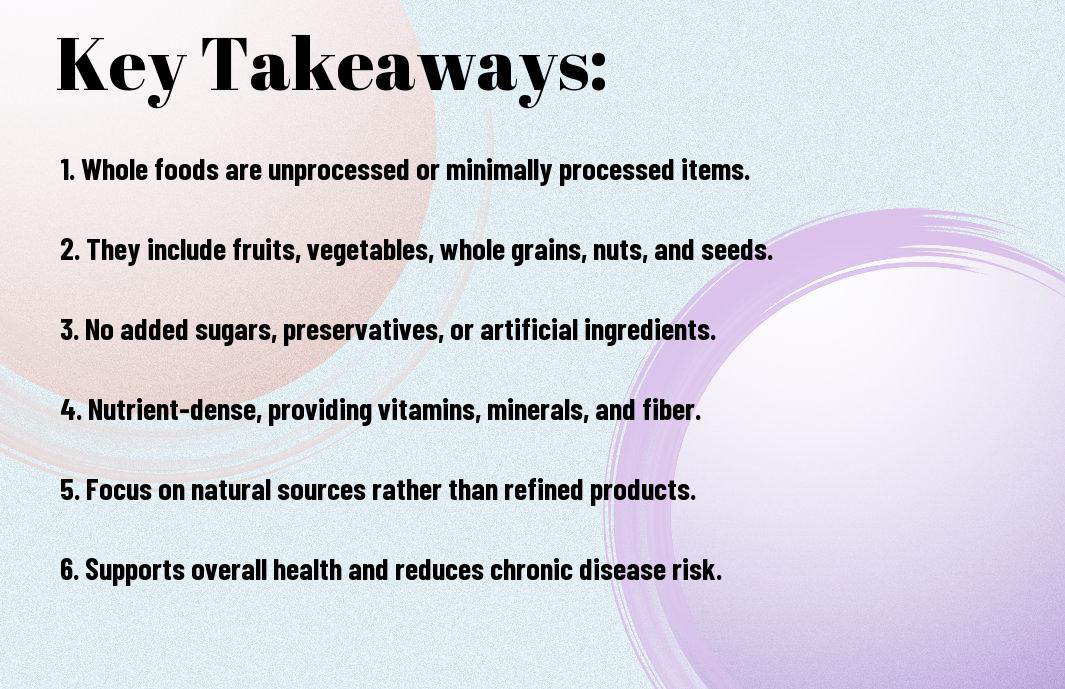
  • Minimally Processed: Whole foods are foods that have undergone little to no processing, preserving their natural state and nutritional content.
  • Natural Origin: They come from natural sources, such as plants and animals, and include fruits, vegetables, whole grains, nuts, seeds, and lean proteins.
  • Nutrient-Dense: Whole foods are typically rich in imperative nutrients, providing vitamins, minerals, and fiber, which contribute to overall health and well-being.

Understanding Whole Foods

While navigating the world of nutrition, understanding what constitutes whole foods is imperative for making healthier choices. Whole foods are minimally processed and are typically free from additives, preservatives, and artificial ingredients. They retain the majority of their natural state and nutritional value, helping you fuel your body effectively.

Definition of Whole Foods

The definition of whole foods revolves around natural ingredients that have undergone little to no processing. These foods are often in their original form and provide the vital nutrients your body requires for optimum health.

Types of Whole Foods

Types of whole foods can generally be categorized into various groups that promote a balanced diet. Here’s a breakdown of some main categories:

Type Examples
Fruits Apples, Bananas, Berries
Vegetables Carrots, Spinach, Broccoli
Whole Grains Brown Rice, Quinoa, Oats
Nuts and Seeds Almonds, Chia Seeds, Walnuts
Legumes Beans, Lentils, Peas

For instance, when you choose whole foods over processed options, you are selecting items like fresh fruits, vegetables, whole grains, nuts, and legumes. Each category contributes unique nutrients and benefits to your diet, enhancing your overall health.

  • Focusing on whole food options often leads to increased energy levels.
  • They help improve digestive health due to their high fiber content.
  • Whole foods can reduce the risk of chronic diseases.
  • They promote healthy weight management through nutrient density.
  • Perceiving whole foods as the foundation of your meals allows for greater health improvement.

Importantly, whole foods are integral to a balanced diet and contribute to long-term well-being. By incorporating more whole foods into your eating habits, you empower your body to thrive and maintain optimal health.

Nutritional Benefits

Now that you understand what whole foods are, it’s important to investigate into their nutritional benefits. Whole foods are packed with vital nutrients that support your overall health. They provide the proper balance of vitamins, minerals, and fiber crucial for maintaining optimal body function. For more insights, check out What is a whole-food, plant-based diet and why should you ….

Vitamins and Minerals

The nutritional profile of whole foods is one of their most significant benefits. They are rich in vital vitamins and minerals that play a vital role in bodily functions, from building strong bones to boosting your immune system. Incorporating a variety of these foods in your meals ensures you receive a comprehensive range of nutrients necessary for your well-being.

Fiber Content

Any discussion of whole foods must highlight their remarkable fiber content. Whole foods provide both soluble and insoluble fiber, which are vital for digestive health and can help you feel fuller longer. This can assist you in managing your weight and reducing the risk of chronic diseases.

Content from whole foods can significantly enhance your diet by improving digestion and promoting regular bowel movements. High-fiber options, such as fruits, vegetables, whole grains, and legumes, help regulate blood sugar levels and lower cholesterol. By consuming a fiber-rich diet, you support your gut health and ensure a more effective absorption of nutrients in your body.

Whole Foods vs. Processed Foods

For anyone looking to improve their diet, understanding the distinction between whole foods and processed foods is necessary. Whole foods are natural and unrefined, whereas processed foods have undergone various methods of alteration that strip them of their nutrients. If you’re curious about the differences between whole foods vs processed foods, you’re on the right track to making better food choices.

Differences in Nutritional Value

On average, whole foods offer a higher nutritional value compared to processed foods. Whole foods, such as fruits, vegetables, whole grains, and lean proteins, retain their necessary vitamins, minerals, and fiber. In contrast, processed foods often contain added sugars, unhealthy fats, and preservatives, leading to reduced nutrient density.

Impact on Health

For your overall health and well-being, the impact of food choices cannot be overstated. Consuming whole foods can enhance your health by promoting better digestion, stabilizing blood sugar levels, and reducing the risk of chronic diseases. On the other hand, a diet high in processed foods can lead to weight gain and increase the chances of developing conditions such as heart disease and diabetes.

Value the power of whole foods in your diet. By prioritizing these natural options, you support your body’s health through better nutrient absorption and fewer empty calories. Recall, the food you consume directly influences your energy levels, mood, and long-term health. Make conscious choices to embrace whole foods, and you’ll reap the benefits for years to come.

How to Incorporate Whole Foods into Your Diet

Not only can incorporating whole foods into your diet enhance your overall health, but it can also be a delicious and satisfying experience. Embracing these nutrient-rich options requires some thoughtful planning and smarter shopping choices.

Meal Planning Strategies

An effective way to ensure you’re eating more whole foods is to dedicate time to meal planning. Outline your meals for the week, focusing on including a variety of whole grains, fruits, vegetables, and lean proteins. This will help you stay organized and ensure you have all the necessary ingredients on hand, reducing the temptation to opt for less healthy choices.

Shopping Tips

An important aspect of incorporating whole foods into your diet is knowing how to navigate the grocery store. Start by making a shopping list that emphasizes whole foods, which will guide your selections and help you avoid the aisles filled with processed items. Prioritize shopping the perimeter of the store, where fresh produce, dairy, and meat are usually located. Any choices you make should focus on whole, unprocessed ingredients.

For instance, when shopping, consider the following tips to enhance your whole food intake:

  • Choose seasonal fruits and vegetables for peak freshness and flavor.
  • Opt for whole grains like quinoa, brown rice, or oats instead of refined options.
  • Select items with minimal ingredients, ideally nothing artificial.
  • Look for bulk bins for nuts, seeds, and grains to save money and reduce packaging waste.
  • Buy from local farmers’ markets to support sustainable agriculture.

Any time spent learning about whole food shopping means a healthier diet for you.

Summing up

Drawing together the crucial components of whole foods, it’s important to recognize that these are minimally processed foods that retain their natural nutrients. You should look for items like fresh fruits and vegetables, whole grains, nuts, seeds, and legumes, as they provide the vitamins, minerals, and fiber your body needs. When you prioritize whole foods in your diet, you support better health and well-being, making informed choices for your nutrition and overall lifestyle.

FAQ

Q: What is considered a whole food?

A: Whole foods are foods that are in their most natural state, minimally processed, and free from artificial substances. This includes fruits, vegetables, whole grains, nuts, seeds, legumes, and animal products that are unprocessed or minimally processed.

Q: Are all unprocessed foods considered whole foods?

A: Not all unprocessed foods are considered whole foods. For instance, some foods may be unprocessed but still contain added sugars or preservatives. Whole foods are specifically those that are not only unprocessed but also do not contain any additives, maintaining their natural composition.

Q: Can you provide examples of whole foods?

A: Yes, examples of whole foods include fresh fruits like apples and bananas, vegetables like spinach and carrots, whole grains such as brown rice and quinoa, as well as nuts like almonds and walnuts. They also include legumes like lentils and chickpeas, and animal products like eggs and pure meats without additives.

Q: Is it important to include whole foods in my diet?

A: Yes, incorporating whole foods into your diet is important for optimal health. Whole foods are rich in necessary nutrients, fiber, and antioxidants, which can help improve digestion, provide sustained energy levels, and reduce the risk of chronic diseases.

Q: How can I identify whole foods when shopping?

A: To identify whole foods while shopping, look for items that have minimal ingredients, ideally just one. Choose fruits and vegetables that are fresh and seasonal, select whole grains like brown rice or oats without additives, and opt for meat and dairy products that are labeled as organic or grass-fed without added hormones or antibiotics.

Do potatoes have fiber

Over the years, you may have wondered about the nutritional benefits of potatoes, particularly regarding their fiber content. Understanding how this versatile vegetable can contribute to your diet is vital for making informed food choices. Potatoes can be a good source of dietary fiber, which is important for digestive health. To learn more about the exact nutrient profile of potatoes, you can check out the Potato Nutrition Facts | Nutrients, Calories, Benefits of a … page, where you’ll find detailed information on how potatoes fit into a balanced diet.

Key Takeaways:

  • Fiber Content: Potatoes contain dietary fiber, which can aid in digestive health.
  • Skin Benefits: Most of the fiber is found in the skin, so consuming potatoes with the skin on maximizes fiber intake.
  • Variety Matters: Different types of potatoes may have varying fiber levels, with sweet potatoes generally offering higher fiber content.

Understanding Dietary Fiber

For a balanced diet, understanding dietary fiber is vital. It plays a significant role in maintaining digestive health, regulating blood sugar levels, and promoting a feeling of fullness. Including fiber-rich foods in your meals can enhance overall well-being and support weight management. With a variety of sources available, knowing how to incorporate fiber into your diet can yield multiple health benefits.

Definition of Fiber

Fiber is a type of carbohydrate that the body cannot digest. Unlike other carbohydrates that break down into sugar molecules, fiber passes through the digestive system relatively intact. This trait allows it to support gut health, aid digestion, and help in the prevention of certain diseases.

Types of Dietary Fiber

Along with its various health benefits, dietary fiber is categorized into two types: soluble and insoluble fiber. Each type has its unique role in health:

Type Description
Soluble Fiber Dissolves in water, helps lower blood cholesterol and glucose levels.
Insoluble Fiber Does not dissolve in water, adds bulk to stool and aids in digestion.
Sources Oats, legumes, fruits (soluble); whole grains, nuts, vegetables (insoluble).
Benefits Promotes heart health, regulates bowel movements, reduces the risk of some diseases.
Recommended Intake 25 grams per day for women, 38 grams per day for men.

Considering the two types of dietary fiber, it is important to recognize their different benefits for your health. Incorporating a balanced mix of both soluble and insoluble fiber can optimize digestive health and enhance overall nutritional intake:

  • Eat oats, beans, and fruits for soluble fiber.
  • Include whole grains, seeds, and vegetables for insoluble fiber.
  • Gradually increase fiber intake to avoid digestive discomfort.
  • Stay hydrated to help fiber do its job effectively.
  • Track your fiber consumption to ensure you meet daily requirements.

Recognizing the differences between soluble and insoluble fibers can help you make informed choices that contribute to your health. By understanding how these fibers work and how to incorporate them into your meals, you can enhance your digestive health and overall well-being.

Nutritional Profile of Potatoes

Some nutritionists consider potatoes a powerhouse of vital nutrients. They provide a variety of important vitamins and minerals, making them a versatile addition to your diet. Potatoes are particularly rich in vitamin C, B vitamins, and potassium, all of which contribute to your overall health. Additionally, their high water content makes them a low-calorie option, while their carbohydrate content provides a significant energy source. This nutritional profile makes potatoes a valuable food for various health objectives.

Macronutrients in Potatoes

Macronutrients in potatoes primarily include carbohydrates, proteins, and minimal fats. A medium-sized potato offers about 37 grams of carbohydrates, providing energy for your daily activities. The protein content is around 4 grams, making it a moderate source of this macronutrient. Importantly, potatoes contain negligible amounts of fat, making them a healthy, low-fat food choice that can be enjoyed in various culinary preparations without adding unnecessary calories.

Micronutrients in Potatoes

One of the standout features of potatoes is their rich micronutrient profile, which includes vital vitamins and minerals. These nutrients play significant roles in your body’s functions, supporting everything from immune health to bone strength. A potato is a good source of potassium, which helps regulate blood pressure, and vitamin C, which is important for skin health and immune function.

Hence, including potatoes in your diet can contribute to meeting your daily micronutrient requirements. Not only do they furnish you with vitamins and minerals, but they also provide antioxidants like flavonoids, which can help combat oxidative stress. By incorporating a variety of potatoes—such as sweet, red, and Yukon gold—into your meals, you can enhance your nutritional intake and enjoy their unique flavors and textures.

Fiber Content in Potatoes

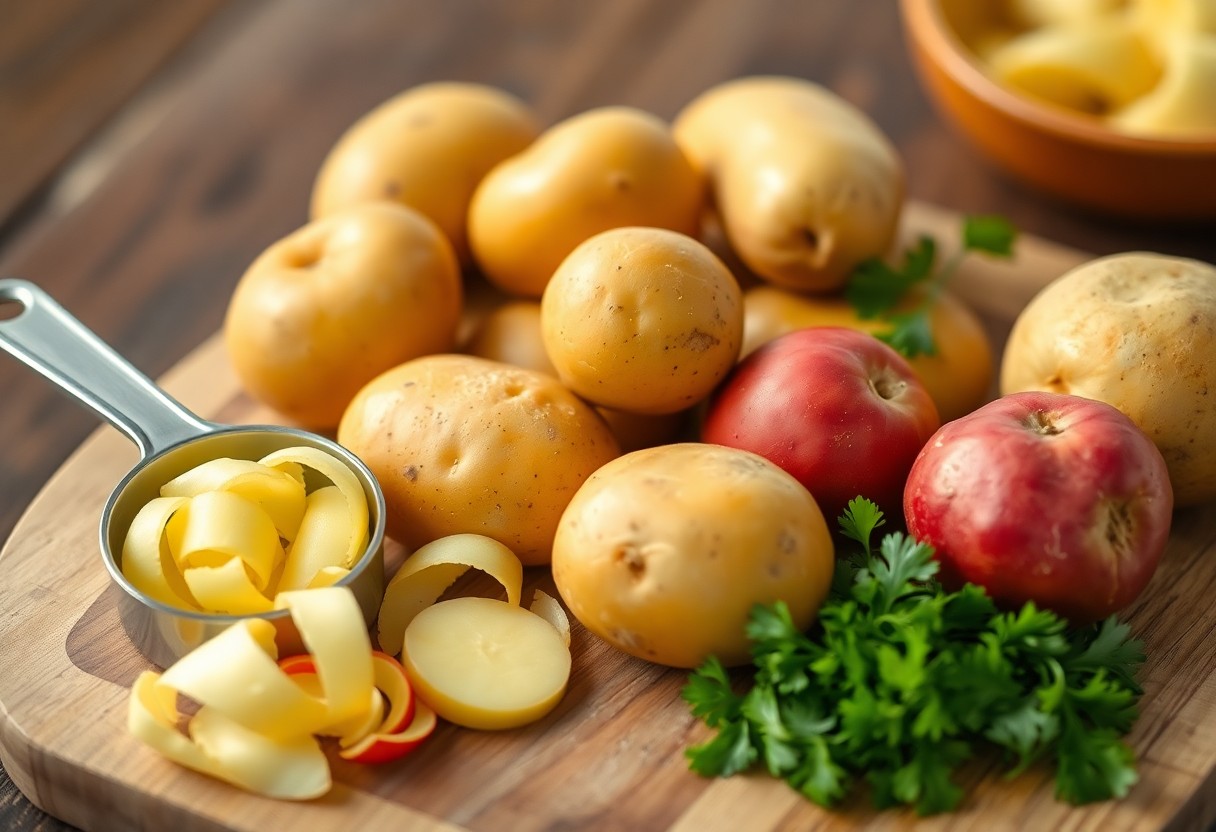
Once again, potatoes are a surprisingly good source of dietary fiber, particularly when you consume them with the skin. A medium-sized potato contains about 2-4 grams of fiber, depending on its variety. Fiber aids in digestion and can help you feel fuller for longer, making potatoes a sensible choice in your diet. By including both white and sweet potatoes in your meals, you can easily boost your fiber intake.

Comparison of White and Sweet Potatoes

On average, white and sweet potatoes have different fiber contents, making them both valuable additions to your diet. See the breakdown below:

Fiber Content Comparison

Type of Potato Fiber Content per Medium Potato
White Potato 2-3 grams
Sweet Potato 4 grams

Impact of Cooking Methods on Fiber

Below, the method you choose to cook your potatoes can affect their fiber content. Whether you bake, boil, or fry them, the cooking process may influence how much fiber remains intact. It’s important to be mindful of the cooking techniques you use to preserve the nutritional benefits of potatoes.

For instance, baking or steaming potatoes allows you to maintain their fiber content better than frying or overcooking. When you boil potatoes, some of the soluble fiber may leach into the water, resulting in a slightly lower fiber intake. To maximize fiber consumption, opt for methods that keep the skin on and limit water exposure, ensuring you enjoy their health benefits fully.

Health Benefits of Fiber

To understand why fiber is crucial for your health, consider its various benefits. Incorporating adequate fiber into your diet can enhance your overall well-being. It helps regulate digestion, maintain healthy cholesterol levels, and support heart health. Ensuring you get enough fiber daily can lead to improved metabolic function and a reduced risk of chronic diseases.

Digestive Health

An ample intake of fiber significantly benefits your digestive system. It aids in preventing constipation by promoting regular bowel movements and fostering a healthy gut environment. This can help alleviate bloating and discomfort, ensuring your digestive tract operates efficiently.

Heart Health

Above all, fiber plays a vital role in maintaining heart health. A diet rich in fiber can lower cholesterol levels, reducing the risk of heart disease. It helps manage your blood pressure and promotes overall cardiovascular health, making it an crucial component of your diet.

Indeed, integrating fiber-rich foods like potatoes into your meals can have a profound impact on your heart health. Soluble fiber, specifically, can help decrease bad cholesterol levels while boosting good cholesterol, leading to improved heart function. Additionally, fiber-rich diets can aid in weight management, reducing stress on your heart. By prioritizing fiber in your diet, you empower your cardiovascular system to function efficiently, ultimately supporting a longer, healthier life.

Recommendations for Fiber Intake

Keep in mind that incorporating sufficient fiber into your diet is necessary for digestive health and overall well-being. You can find useful discussions and insights about fiber intake, particularly related to potatoes, in the Reddit thread Are potatoes healthy? : r/nutrition.

Daily Fiber Requirements

For adults, the recommended daily intake of fiber varies: women should aim for about 25 grams, while men need approximately 38 grams. Adjusting your diet to meet these guidelines can help enhance your digestive function and support long-term health.

Sources of Dietary Fiber

Fiber comes from a variety of plant-based foods, enhancing your meals while promoting better health.

For instance, fruits, vegetables, whole grains, legumes, nuts, and seeds are excellent sources of dietary fiber. Foods like apples, broccoli, lentils, and oats provide substantial amounts of fiber and can easily be incorporated into your meals. Additionally, selecting whole-grain versions of bread and pasta can further help you meet your dietary fiber goals.

Misconceptions About Potatoes and Fiber

After exploring the nutritional profile of potatoes, it’s important to address common misconceptions. Many people believe potatoes lack significant fiber content due to their starchy nature. However, when consumed with their skin, potatoes can provide a notable amount of dietary fiber, which plays a vital role in digestive health. This misunderstanding can lead you to overlook potatoes as a beneficial food option in a balanced diet.

Potatoes as a “Heavy” Food

Around the world, potatoes are often labeled as a “heavy” food that contributes to weight gain. This stigma may lead you to avoid them entirely. The truth is, while potatoes are rich in carbohydrates, they can be part of a healthy diet when consumed in moderation and prepared in a balanced manner. Their fiber content can actually help you feel full, potentially aiding in weight management when incorporated wisely.

Fiber Sources Beyond Vegetables

Against the common belief that fiber only comes from vegetables, various food groups can be rich in fiber. Whole grains, legumes, nuts, and seeds also contribute significantly to your daily fiber intake. This broader perspective allows you to diversify your diet and discover new sources of fiber that may suit your preferences better. Plus, you can incorporate foods like oats, beans, and quinoa alongside potatoes to easily boost your fiber intake while enjoying a well-rounded meal. By embracing a variety of fiber sources, you’ll support your gut health and overall wellbeing effectively.

FAQ

Q: Do potatoes contain fiber?

A: Yes, potatoes do contain fiber. The amount of fiber can vary depending on the type and cooking method. For example, a medium-sized potato with the skin can provide approximately 2-4 grams of dietary fiber.

Q: What type of fiber is found in potatoes?

A: Potatoes primarily contain insoluble fiber, which helps promote healthy digestion. They also have some soluble fiber, which can aid in lowering cholesterol levels and stabilizing blood sugar levels.

Q: Is there a difference in fiber content between white and sweet potatoes?

A: Both white potatoes and sweet potatoes contain fiber, but sweet potatoes typically have slightly more fiber than white potatoes. A cooked sweet potato may offer about 4 grams of fiber compared to a similar-sized white potato, which may have around 2-3 grams.

Q: How can I maximize the fiber content when eating potatoes?

A: To maximize fiber intake, consider leaving the skin on when cooking or consuming potatoes, as a significant portion of the fiber is found in the skin. Additionally, baking, boiling, or steaming potatoes is preferable to frying, as these methods preserve more of the fiber content.

Q: Can increasing fiber from potatoes help with weight management?

A: Yes, increasing fiber intake from potatoes can aid in weight management. Fiber-rich foods can promote a feeling of fullness, which may help reduce overall calorie intake. Incorporating potatoes into a balanced diet can be beneficial for those looking to manage their weight.

Is samosa junk food

Junk food cravings can often lead you to wonder about the nutritional content of popular snacks like samosas. While undeniably delicious, samosas can be categorized as junk food due to their high fat and calorie content. Fried to crispy perfection and filled with spiced potatoes or meat, samosas may not be the healthiest choice for your diet. However, enjoying one occasionally as a treat is perfectly fine, just remember to balance it with healthier options in your meals.

Key Takeaways:

  • Samosa is a deep-fried snack: Samosas are typically deep-fried in oil, which increases their calorie and fat content, making them a less healthy choice.
  • Nutritional content varies: The ingredients used to make samosas can vary, so the nutritional content may vary as well. Some versions may have more veggies and less oil, making them healthier.
  • Enjoy in moderation: While samosas can be delicious, they are generally considered a type of junk food due to their high calorie and fat content. It’s best to enjoy them in moderation as part of a balanced diet.

Defining Junk Food

A Samosas versus burgers: The Great Indian Dilemma is a common debate when it comes to categorizing foods as junk or not. But what exactly qualifies as junk food? Junk food is typically defined as food that is high in calories, sugar, salt, and unhealthy fats, while being low in nutritional value. These foods often provide little to no benefits in terms of vitamins, minerals, or other important nutrients that your body needs to function properly. Instead, they are usually packed with empty calories that can lead to weight gain and various health issues.

Characteristics of Junk Food

On top of being high in unhealthy components such as sugar and saturated fats, junk food is also often processed and refined, stripping away any potential nutritional value. Additionally, junk food tends to be easily accessible, convenient, and affordable, making it a tempting choice when you’re in need of a quick snack or meal. The addictive nature of these foods, combined with clever marketing tactics, can also make it harder for you to resist indulging in them regularly.

Nutritional Value of Samosas

On the surface, samosas may seem like a tasty and satisfying snack option. However, when it comes to their nutritional value, they may fall into the category of junk food. Samosas are typically deep-fried, which can significantly increase their calorie and fat content. Additionally, the filling of samosas is often made with ingredients like potatoes and peas, which may not provide a wide range of important nutrients. While they can be a flavorful treat enjoyed in moderation, consuming samosas regularly as a staple part of your diet may not be the healthiest choice.

The key is to be mindful of your overall diet and make informed choices when it comes to the foods you consume regularly. While it’s okay to indulge in your favorite treats occasionally, relying on them as a significant portion of your diet can have negative effects on your health in the long run.

Historical Context of Samosas

Some people often wonder about the origins of samosas and how they have evolved over time. In this section, we will investigate into the historical context of this popular snack to shed some light on its interesting journey through the centuries.

Origins of Samosas

Samosas have a long and rich history that traces back to the Middle East before making their way to the Indian subcontinent. The earliest versions of samosas were believed to be triangular pastries filled with meat, vegetables, and spices. It is thought that these savory treats were introduced to India by traders or merchants traveling along the ancient Silk Road.

Evolution of Samosa Recipes

Samosas have undergone various transformations in terms of their fillings and shapes as they spread across different regions. From the traditional potato and pea filling in India to minced lamb or beef varieties in Middle Eastern countries, the diversity of samosa recipes reflects the fusion of cultures and culinary influences over time.

For instance, in Western countries, you may find unique interpretations of samosas filled with ingredients like cheese, spinach, or even sweet fillings like chocolate or fruit. This adaptability of samosas to suit different palates showcases the versatility and enduring popularity of this beloved snack around the world.

Nutritional Breakdown of Samosas

Calories and Macronutrients

Breakdown of the nutritional content of samosas shows that they are calorie-dense due to their fried pastry shell. A typical samosa can contain around 250-300 calories. The primary macronutrients in a samosa are carbohydrates and fats, with a smaller amount of protein.

Fat and Sodium Content

Calories in samosas come mainly from fats, as they are deep-fried. A single samosa can have 13-15 grams of fat, with a significant portion being saturated fats, which can raise your cholesterol levels. Additionally, samosas can be high in sodium, with one samosa providing around 300-400 milligrams of sodium.

This high fat and sodium content in samosas can lead to health issues such as weight gain, heart diseases, and high blood pressure if consumed in excess.

Presence of Additives and Preservatives

To enhance the taste and prolong the shelf life of samosas, manufacturers often add artificial additives and preservatives. These substances can include artificial colors, flavors, and preservatives like BHA and BHT. While these additives may improve the taste and appearance of samosas, they can be harmful to your health in the long run.

Presence of these additives and preservatives in samosas raises concerns about the overall nutritional quality and potential health risks associated with consuming these popular snacks regularly.

Comparing Samosas to Other Snacks

All information has its value, and when it comes to comparing samosas to other snack options, it’s imperative to understand how they stack up against popular choices. Let’s break it down for you in the following tables.

Samosas vs. Chips

Samosas Chips
Fried pastry with savory filling Deep-fried potato or corn snacks
Contains vegetables and spices Often high in salt and unhealthy fats

Samosas vs. Cookies

Samosas Cookies
Savory snack with a mix of flavors Sweet treat with high sugar content
Typically fried but can be baked for healthier option Often high in sugar and unhealthy fats

The comparison between samosas and cookies boils down to your preference for sweet or savory snacks. While cookies tend to be higher in sugar, samosas can be fried which may increase their calorie content. Ultimately, the choice between the two depends on your taste preferences and dietary considerations.

Samosas vs. Fresh Fruits

Samosas Fresh Fruits
Savory fried pastry with filling Natural, wholesome snack packed with vitamins and fiber
Higher in calories and fats Low in calories and high in nutrients

It is clear that fresh fruits offer a healthier alternative to samosas due to their nutritional value and lower calorie content. While samosas can be enjoyed in moderation as a tasty treat, incorporating fresh fruits into your snacking routine can provide imperative vitamins and minerals for your overall well-being.

The Role of Samosas in Modern Diets

Convenience and Accessibility

Unlike some other traditional foods, samosas are widely available and convenient to eat on the go. You can find them in many fast food restaurants, food stalls, and even supermarkets. This easy access makes them a popular choice for a quick and satisfying snack when you are out and about.

Cultural Significance and Emotional Connection

For many people, samosas hold a special place in their hearts as a reminder of cultural traditions and family gatherings. The process of making samosas can be a bonding experience, with generations coming together to prepare and enjoy these delicious treats. The familiar taste of a samosa can evoke feelings of nostalgia and comfort, making them more than just a snack.

The cultural significance of samosas extends beyond just the taste. They often feature prominently in celebrations and festivals, symbolizing unity and happiness. Whether you are enjoying a samosa at a party or simply craving a taste of home, these savory pastries can bring a sense of belonging and connection.

Impact on Health and Wellbeing

For many, samosas are considered a high-calorie, deep-fried indulgence that may not align with a balanced diet. While they are undeniably delicious, it is important to enjoy them in moderation to avoid potential health consequences. The fried pastry shell and often spicy filling can be heavy on the stomach and lead to digestive discomfort if consumed excessively.

However, you can make healthier choices when it comes to samosas by opting for baked instead of fried versions or incorporating more vegetables and lean protein into the filling. By being mindful of your samosa consumption and balancing it with other nutritious foods, you can still enjoy this tasty snack without compromising your health goals.

Debunking Myths and Misconceptions

Samosas as a Healthy Snack Option

To address the misconception of samosas being categorized as junk food, it’s important to understand that they can actually be a healthy snack option when prepared and consumed mindfully. Your perception of samosas as unhealthy may stem from the typical deep-fried preparation found in many fast-food outlets. However, by opting for baked or air-fried samosas made with wholesome ingredients like vegetables, lean proteins, and whole wheat flour, you can enjoy a nutritious and satisfying snack.

The Misconception of Samosas as a Traditional Food

Traditional samosas are an integral part of various cuisines around the world, including Indian, Middle Eastern, and African culinary traditions. While they are commonly enjoyed as street food or appetizers, their roots go back centuries, making them a cherished dish with cultural significance. When prepared at home using fresh ingredients and spices, samosas can serve as a delicious representation of traditional cooking methods and flavors.

Myths surrounding samosas often disregard their historical and cultural importance, reducing them to mere unhealthy indulgences. In reality, samosas reflect the culinary diversity and richness of traditional diets across different regions, highlighting the intricacies of flavor profiles and cooking techniques that have been passed down through generations.

Summing up

So, when it comes to the question “Is samosa junk food?”, the answer is both yes and no. While samosas can be considered a type of junk food due to their deep-fried nature and high calorie content, they also offer some nutritional value with their mix of vegetables, spices, and carbohydrates. Do not forget, moderation is key when it comes to enjoying samosas as part of your diet. Be mindful of portion sizes and try to balance your intake with healthier food options to maintain a well-rounded diet.

FAQ

Q: Is samosa considered junk food?

A: Samosa is often categorized as junk food due to its high calories, fat, and sodium content. It is deep-fried and made with refined flour, which makes it an unhealthy choice if consumed in excess.

Q: What makes samosa unhealthy?

A: The high amount of oil used in frying samosas increases their calorie and fat content significantly. Additionally, the outer pastry shell of samosas is made from refined flour, adding empty calories without providing much nutritional value.

Are there any healthier alternatives to traditional samosas?

A: Yes, you can make healthier versions of samosas by baking them instead of frying, using whole wheat or multigrain flour for the pastry, and filling them with a mix of vegetables and lean protein like chicken or tofu. These modifications can make samosas a better choice for those looking to enjoy this snack in a healthier way.

What is a fast food essay

With the rise of fast food culture, you may find yourself tasked with writing a fast food essay. This type of essay probes into the impact of fast food on society, health, economy, and culture. In this informative blog post, you will gain a better understanding of what a fast food essay entails, how to structure it, and key points to consider when writing one. By the end, you will be equipped with the knowledge to tackle this topic with confidence and clarity.

Key Takeaways:

  • Definition: A fast food essay is a type of academic writing that discusses the various aspects of fast food industry, its impact on health, society, and economy.
  • Focus Areas: Common topics covered in fast food essays include nutrition, effects of fast food consumption, role of fast food in modern lifestyle, and marketing strategies of fast food companies.
  • Research and Analysis: Fast food essays often require thorough research, critical analysis of data, and the ability to present well-argued opinions on the subject matter.

Definition of a Fast Food Essay

For many, the term “fast food essay” may seem like a contradictory combination of words. However, in the world of academic writing, a fast food essay refers to a type of composition that is quick to read, easy to digest, and designed to provide vital information or arguments in a concise manner.

Origins and Evolution

With the fast-paced lifestyle of modern society, the demand for quick and convenient forms of information has led to the development of the fast food essay. Just like how fast food restaurants provide quick meals for busy individuals, fast food essays offer a rapid way to consume knowledge or ideas.

Key Characteristics

Food in a fast food essay refers to the content being presented. Just like how fast food is often simple, familiar, and easily accessible, the content of a fast food essay is typically straightforward, easy to understand, and focuses on key points without unnecessary elaboration.

Essay in the context of a fast food essay denotes a structured piece of writing that presents information or arguments in a clear and organized manner. Similar to how a fast food meal is neatly packaged for convenience, a fast food essay is structured in a way that is easy to follow and allows for quick consumption of the main ideas.

Structure and Organization

You must be wondering about the structure and organization of a fast food essay. In this type of essay, just like any other informative/expository piece, it is crucial to have a clear and logical structure that leads the reader through your arguments and information seamlessly.

Typical Format

Structure your fast food essay like you would any other academic paper. Start with an introduction that presents the topic and provides some background information. Then, move on to the body paragraphs where you discuss different aspects of fast food culture, its impact on health, economy, and society. Make sure to support your points with evidence and examples. Finally, conclude by summarizing your main points and restating your thesis.

Essential Components

Any fast food essay should include a thesis statement that presents your main argument or point of view. Each body paragraph should focus on a single idea or topic related to fast food, providing evidence and analysis to support it. Additionally, make sure to use transition words and phrases to ensure a smooth flow between paragraphs and ideas.

Typical sources used in a fast food essay include research studies, statistics, expert opinions, and real-life examples. These sources help strengthen your arguments and provide credibility to your writing. Remember to properly cite any sources you use in your essay to avoid plagiarism.

Content and Style

Informal Tone

On your journey to crafting a compelling fast food essay, it is crucial to adopt an informal tone. This will help you connect with your audience on a more personal level, making your writing more engaging and relatable. George Orwell often used a straightforward and approachable style in his essays, allowing readers to grasp complex ideas with ease. By keeping your tone informal, you can make your essay more accessible and enjoyable to read.

Focus on Description

One effective way to enhance your fast food essay is by focusing on vivid descriptions. Describe the sights, smells, tastes, and textures of your favorite fast food dishes to paint a clear picture for your readers. By incorporating detailed descriptions, you can transport your audience to the bustling fast food joints you’re writing about, making the experience more immersive and memorable.

It’s important to remember that descriptive language adds depth and richness to your writing, helping you create a sensory experience for your readers. Whether you’re describing the crispy texture of a fried chicken sandwich or the savory aroma of a cheeseburger, vivid descriptions can make your fast food essay more vivid and engaging.

Use of Sensory Details

An crucial aspect of a captivating fast food essay is the use of sensory details. Incorporating sensory language that appeals to the five senses – sight, smell, taste, touch, and hearing – can make your writing more vivid and compelling. George Orwell often used sensory details in his essays to create a more immersive reading experience for his audience.

Understanding

Understanding the importance of an informal tone, focus on description, and the use of sensory details can help you craft a standout fast food essay. By incorporating these elements into your writing, you can create a compelling piece that resonates with your audience and brings the world of fast food to life on the page.

Purpose and Audience

Many individuals may be wondering what a fast food essay is and how it can be useful in an educational context.

Educational Context

An important aspect of a fast food essay is its ability to serve as a tool for learning and exploration in educational settings. As a student, you may encounter assignments that require you to analyze the impact of fast food on society, investigate into the marketing strategies of major fast food chains, or examine the health implications of consuming fast food regularly. By writing a fast food essay, you can develop critical thinking skills, enhance your research abilities, and broaden your knowledge on various topics related to the fast food industry.

Engaging the Reader

Purpose is crucial when drafting a fast food essay. By clearly establishing the objective of your essay, you can effectively engage and inform your audience. Whether you aim to persuade readers to make healthier food choices, raise awareness about the environmental impact of fast food production, or explore the cultural significance of fast food in different societies, having a clear purpose will guide your writing and keep your readers engaged throughout the essay.

Examples and Illustrations

Successful Fast Food Essays

Not sure where to start with your fast food essay? Looking at examples can give you a better idea of how to structure your own piece. You can check out this Descriptive Essay About Fast Food – 825 Words for inspiration. This essay provides detailed descriptions of various fast food items, engaging the reader’s senses and painting a vivid picture of the fast food experience.

Common Pitfalls to Avoid

Not everything about fast food essays is about success. There are also common pitfalls that you should be aware of to ensure your essay doesn’t fall short. One common mistake is being overly biased or opinionated in your writing. While it’s okay to express your opinions, make sure to support them with facts and evidence to maintain credibility.

Another pitfall to avoid is making sweeping generalizations about fast food and its impact. It’s imperative to provide specific examples or statistics to back up your claims and make your arguments more compelling and persuasive to the reader.

Tips for Writing a Fast Food Essay

Now, when you are tasked with writing a fast food essay, there are several key tips to keep in mind to ensure your essay is informative and engaging for the reader. To help you with this process, consider the following guidelines:

  • Brainstorming Ideas: Before you start writing, take some time to brainstorm ideas related to fast food. Think about the impact of fast food on health, the environment, or society. Consider different perspectives and angles to approach the topic.
  • Crafting a Compelling Introduction: The introduction of your fast food essay is crucial to capturing the reader’s attention. Start with a strong hook that relates to fast food, such as a shocking statistic or a thought-provoking question. Clearly outline the purpose of your essay and provide a brief overview of what the reader can expect.

Brainstorming Ideas

Brainstorming is a vital step in the essay writing process. Consider researching different fast food chains, their marketing strategies, or the nutritional value of their menu items. You could also explore the cultural significance of fast food in different regions or analyze the economic implications of the fast food industry.

Crafting a Compelling Introduction

Food is an integral part of our daily lives, and fast food has become a ubiquitous presence in modern society. When crafting your introduction, consider using descriptive language to paint a vivid picture of the fast food experience. Engage the reader’s senses by describing the sights, sounds, and smells associated with fast food consumption.

Using Vivid Language

For a fast food essay to truly resonate with the reader, it’s crucial to use vivid language that brings the topic to life. Describe the sensations of biting into a juicy burger, the crunch of crispy fries, or the sweetness of a milkshake. By appealing to the reader’s senses, you can create a more immersive and engaging reading experience.

Summing up

Considering all points discussed in the article, you now have a clear understanding of what a fast food essay is. It is an informative/expository piece of writing that aims to explain and describe the concept of a fast food essay with a clear and concise writing style. Inspired by the renowned writer, George Orwell, the tone of a fast food essay is straightforward and informative, ensuring that readers grasp the topic easily.

FAQ

Q: What is a fast food essay?

A: A fast food essay is an academic piece of writing that discusses various aspects of fast food industry, including its impact on health, society, economy, and environment. It explores the history of fast food, its popularity, controversies, and the influence it has on our daily lives.

Q: Why is it important to write about fast food?

A: It is important to write about fast food because it is a significant part of modern culture and society. Fast food plays a crucial role in shaping our eating habits, lifestyle choices, and overall health. By writing about fast food, we can raise awareness about its consequences, spark discussions, and promote healthier alternatives.

Q: What are some topics that can be covered in a fast food essay?

A: Some topics that can be covered in a fast food essay include the history of fast food chains, the impact of fast food on public health, the role of advertising in promoting fast food, the environmental effects of fast food packaging, the ethics of fast food production, and the influence of fast food on culture and society.

How to eat more fiber

Over the years, increasing your fiber intake has been linked to various health benefits, from better digestion to reduced risk of chronic diseases. By incorporating more fiber into your diet, you can not only improve your gut health but also maintain a steady weight and promote heart wellness. This post will guide you through simple strategies to boost your fiber consumption, making it easier to achieve the daily recommended intake without feeling deprived. Let’s explore how you can effortlessly enhance your meals with fiber-rich foods.

Key Takeaways:

  • Incorporate more fruits and vegetables into your meals, aiming for a variety of colors and types to increase fiber intake.
  • Choose whole grains instead of refined grains; opt for brown rice, whole-wheat bread, and oats to maximize fiber consumption.
  • Snack on nuts, seeds, and legumes to add fiber-rich options to your diet, making it easier to meet daily fiber goals.

Understanding Fiber

While fiber is an crucial part of a healthy diet, many people struggle to consume enough of it. It is important to know that fiber helps regulate digestion and can lower cholesterol levels. To learn more effective ways to increase your fiber intake, check out 8 tips for reaching your daily fiber intake.

Types of Fiber

To understand fiber better, it helps to differentiate its two main types:

Soluble Fiber Absorbs water and forms a gel-like substance
Insoluble Fiber Adds bulk to stool and aids in digestion
Sources Fruits, vegetables, legumes, whole grains
Benefits Helps manage weight and maintain blood sugar levels
Sources of Soluble Fiber Oats, beans, nuts, and seeds

Assume that incorporating both types into your diet will yield the most benefits.

Health Benefits of Fiber

Types of fiber offer numerous health benefits that enhance your overall well-being. A diet rich in fiber can help you maintain a healthy digestive system, promote satiety, and prevent overeating.

It also aids in regulating blood sugar levels, which is particularly beneficial for individuals with diabetes. Additionally, fiber has been linked to lower cholesterol levels and reduced risks of heart disease. By increasing your fiber intake, you empower your health and potentially ward off various chronic illnesses.

How Much Fiber Do You Need?

Some people may not realize that fiber needs vary from person to person. Generally, the recommended daily intake of fiber is around 25 grams for women and 38 grams for men. However, individual requirements depend on factors such as age, activity level, and overall health. Increasing your fiber gradually can lead to better digestive health and help you feel more satisfied throughout the day.

Recommended Daily Intake

After assessing your needs, it’s important to aim for the recommended daily intake of fiber. For most adults, this translates to approximately 25-30 grams per day. By focusing on whole foods rich in fiber, like fruits, vegetables, whole grains, and legumes, you can easily meet your goals and promote overall health.

Assessing Your Current Fiber Intake

Assessing your current fiber intake is the first step to making meaningful changes in your diet. Take some time to track what you eat for a few days, noting the fiber content in each item. This will help you identify which meals are lacking in fiber and areas where you can make improvements.

Much of your diet can impact your current fiber intake, as many processed foods tend to be low in this important nutrient. By becoming aware of your eating habits and the types of foods you consume, you can pinpoint gaps in your fiber consumption and explore ways to incorporate more fiber-rich options into your meals. Consider reading nutrition labels and utilizing online resources to keep track of your fiber intake effectively.

Best Sources of Dietary Fiber

Now that you understand the benefits of dietary fiber, discovering the best sources can help you boost your intake. Fiber-rich foods are vital for maintaining a healthy digestive system and overall well-being. Incorporating a variety of fiber-rich foods into your diet will not only enhance your meals but also contribute to your daily nutritional goals.

Fruits and Vegetables

Dietary fiber is abundant in fruits and vegetables, making them excellent choices for increasing your intake. Options like berries, apples, carrots, and broccoli are not only tasty but also packed with fiber. By adding these foods to your meals and snacks, you can enjoy their health benefits while keeping your fiber levels high.

Whole Grains

Along with fruits and vegetables, whole grains are a fantastic source of dietary fiber. Whole grain bread, brown rice, oats, and quinoa are just a few examples that can help you incorporate more fiber into your diet. Choosing whole grains over refined options ensures that you maximize your fiber intake, contributing to digestive health and satiety.

Another great aspect of whole grains is their versatility. You can use them in various dishes, from breakfast cereals to hearty grain salads. Swapping out white rice for brown rice or choosing whole grain pasta can make a significant difference in your fiber consumption without sacrificing flavor. It’s an easy change that can have lasting health benefits.

Legumes and Nuts

At the same time, legumes and nuts are excellent sources of fiber, offering both nutrition and crunch to your meals. Beans, lentils, chickpeas, almonds, and walnuts are packed with fiber and provide healthy fats, making them a great addition to your diet. Incorporating these foods can help you increase your fiber intake while enjoying a variety of flavors and textures.

Further enhancing your meals with legumes and nuts can also provide a satisfying source of protein. Consider adding chickpeas to salads, lentils to soups, or snacking on a handful of nuts for a quick energy boost. These foods not only help you meet your fiber goals but also contribute beneficial nutrients that support overall health.

Simple Strategies to Increase Fiber Intake

After identifying the importance of fiber, implementing simple strategies can help you boost your intake effectively. Start by incorporating more whole foods into your diet, such as fruits, vegetables, and whole grains. Gradually replace refined snacks with fiber-rich options like nuts and legumes. Cooking at home more often allows you to control ingredients, making it easier to add fiber into your meals seamlessly.

Meal Planning Tips

Across your weekly meals, plan for fiber-rich foods by creating a balanced menu. Include a variety of fruits, vegetables, and whole grains in your shopping list. Here are some helpful tips:

  • Choose whole grain options for bread, pasta, and rice.
  • Add beans or lentils into salads and soups.
  • Incorporate vegetables into snacks, like carrots and hummus.

Knowing these practical tips can make all the difference in achieving your fiber intake goals.

Snacking Smarter

For many, snacking is a significant opportunity to increase fiber intake throughout the day. Choosing the right snacks can effortlessly incorporate more fiber into your diet, preventing hunger while promoting digestive health.

Smarter snacking revolves around selecting items that are not only satisfying but also packed with fiber. Opt for snacks like air-popped popcorn, mixed nuts, or fruit with nut butter. You can also explore vegetable sticks paired with hummus or whole grain crackers. By making these choices, you enhance your fiber intake while providing your body with imperative nutrients.

Incorporating Fiber into Your Diet

Your journey to a fiber-rich diet can start by making simple changes to your daily meals. Focus on adding whole grains, legumes, fruits, and vegetables into your menu. Consider trying new recipes that highlight fiber-dense ingredients, and choose snacks that are high in fiber, such as nuts and seeds. Gradually increasing your fiber intake can help your digestive system adjust, making it easier for you to enjoy the benefits of a fiber-rich lifestyle.

Breakfast Ideas

For a fiber-packed breakfast, start your day with options like oatmeal topped with fresh fruits and nuts or a smoothie made with spinach, banana, and chia seeds. You could also consider whole-grain toast with avocado or nut butter, as these options not only provide fiber but also important nutrients to fuel your morning.

Lunch and Dinner Solutions

By incorporating legumes such as beans or lentils into your salads or main dishes, you can easily boost your fiber intake. Consider preparing stir-fries with plenty of vegetables, whole-grain pasta, or brown rice. Additionally, aim to have at least one fiber-rich vegetable at each meal, like broccoli or Brussels sprouts.

Even simple swaps can make a significant difference; for example, using brown rice instead of white rice, or whole-grain bread instead of refined bread can elevate the fiber content of your meals. Roasting veggies to add to your dishes or preparing hearty soups with legumes can also enhance fiber levels. The key is to experiment with different fiber sources, ensuring your meals are satisfying and nutritious.

Common Challenges and Solutions

Unlike many quick fixes in diets, increasing fiber intake can come with challenges. You might experience digestive discomfort or find it difficult to incorporate enough fiber into your meals. To tackle these issues, identify the sources of fiber that work best for you and gradually adjust your diet. Choosing versatile fiber-rich foods and planning your meals can help you overcome these obstacles effectively.

Overcoming Digestive Issues

Among the most common concerns when increasing fiber intake are digestive issues such as bloating, gas, or constipation. To mitigate these problems, start by introducing fiber slowly into your diet. Also, ensure you are drinking enough water to aid digestion and promote regular bowel movements. Keeping a balanced fiber intake will help your digestive system adjust more comfortably.

Staying Consistent with Fiber Intake

Staying consistent with your fiber intake can be a challenge, especially if you’re adjusting to new eating habits. To maintain a steady intake, plan your meals ahead and include a variety of fiber sources, such as whole grains, fruits, and vegetables, in your grocery list. This will ensure you always have high-fiber options available.

Also, consider incorporating fiber-rich snacks into your daily routine, such as nuts, seeds, or whole grain crackers. This can help bridge the gap between meals while keeping your fiber intake consistent. Setting reminders for meal prep and making shopping lists can simplify your efforts. By establishing these habits, you can enjoy the benefits of a fiber-rich diet with ease.

Final Words

Summing up, increasing your fiber intake can significantly improve your digestive health and overall well-being. You can achieve this by incorporating more whole grains, fruits, vegetables, legumes, and nuts into your meals. Consider making simple changes, such as opting for whole grain bread, snacking on raw fruits and veggies, or adding beans to salads. Gradually boost your fiber intake to allow your digestive system to adjust, and don’t forget to drink plenty of water to help manage the increased fiber. By making these dietary adjustments, you will foster better health and vitality.

FAQ

Q: Why is fiber important for my diet?

A: Fiber plays a significant role in digestive health, helping to regulate bowel movements and prevent constipation. Additionally, it can aid in weight management by promoting a feeling of fullness and may help lower cholesterol and blood sugar levels. Consuming adequate fiber can contribute to overall health and well-being.

Q: What are some high-fiber foods I can include in my meals?

A: Numerous foods are rich in fiber. Good options include fruits like berries, apples, and pears; vegetables such as broccoli, carrots, and leafy greens; whole grains like oats, quinoa, and brown rice; legumes such as beans, lentils, and chickpeas; and nuts and seeds. Incorporating a variety of these foods into your diet can help increase your fiber intake.

Q: How can I gradually increase my fiber intake?

A: It’s best to increase fiber intake gradually to give your digestive system time to adjust. Start by adding one additional serving of a high-fiber food each day, and then slowly incorporate more over time. For example, you might begin with a small bowl of fruits for breakfast or a side of vegetables at lunch. Make sure to increase your water intake as well, as fiber works best with adequate hydration.

Q: Are there any easy ways to boost fiber intake while cooking?

A: Yes, you can easily increase fiber content in meals by making simple substitutions. For instance, swap white rice for brown rice or quinoa, use whole grain pasta instead of regular pasta, and add legumes to soups, salads, or stews. You can also enhance smoothies with the addition of fruits, vegetables, or ground flaxseeds for extra fiber.

Q: Can I get enough fiber from supplements?

A: While fiber supplements can help, it’s generally best to obtain fiber from whole foods as they provide additional nutrients, vitamins, and minerals that supplements lack. If considering a supplement, consult a healthcare professional to ensure it aligns with your dietary needs and goals. Whole foods are typically more beneficial for overall health.

Is Chicken considered Whole Foods

Whole foods are often praised for their health benefits and nutritional value, but you may wonder if chicken fits into this category. Understanding the classification of chicken as a whole food is imperative to making informed dietary choices. In this post, you will learn about the attributes that define whole foods and how chicken aligns with these principles, helping you make better decisions for your meals and overall wellness.

Key Takeaways:

  • Definition of Whole Foods: Whole foods are minimally processed foods free from artificial ingredients and preservatives, focusing on natural sources.
  • Chicken as Whole Food: Fresh, unprocessed chicken can be classified as a whole food, provided it does not contain additives or fillers.
  • Varied Definitions: Some interpretations may differ based on cooking methods, seasoning, or additional ingredients that can affect the classification of chicken as a whole food.

What are Whole Foods?

A whole food is defined as any food that is in its most natural state, free from processed and artificial ingredients. If you’re curious about the specific benefits of incorporating whole foods into your diet, check out this valuable resource on What are Whole Foods? Health Benefits, Food List & Meal Plan. By understanding whole foods, you can make healthier food choices that benefit your overall well-being.

Definition of Whole Foods

An easy way to understand whole foods is to think of them as foods that are as close to their natural state as possible. This means they are unrefined, unprocessed, and free from additional sugars, salts, or fats. Whole foods include fruits, vegetables, nuts, seeds, whole grains, and certain animal products.

Types of Whole Foods

Any classification of whole foods can help you make informed decisions about your diet. The main types include:

  • Fruits
  • Vegetables
  • Nuts and seeds
  • Whole grains
  • Animal products (e.g., eggs, fish, chicken)

This classification aids in focusing on foods that provide necessary nutrients while avoiding processed alternatives.

Type of Whole Food Description
Fruits Natural sweeteners rich in vitamins and antioxidants.
Vegetables Low-calorie sources of necessary nutrients.
Nuts and Seeds Healthy fats and protein-packed snacks.
Whole Grains Fiber-rich carbohydrate sources for energy.
Animal Products Sourced proteins that are minimally processed.

As you explore the various types of whole foods, it’s necessary to recognize that incorporating a variety in your diet can significantly enhance your overall health. You may enjoy the different textures and flavors that each category brings:

  • Fruits provide a natural sweetness
  • Vegetables add crunch and vibrant colors
  • Nuts and seeds offer satisfying crunch
  • Whole grains provide hearty bases for meals
  • Animal products introduce rich protein sources

This diverse array helps ensure you receive a wide range of nutrients and benefits from your meals.

Nutritional Benefits

The nutritional benefits of whole foods are plentiful, as they are packed with vitamins, minerals, fiber, and antioxidants that support your health. By making the conscious choice to include whole foods in your diet, you are likely to experience improved energy levels, better digestion, and a stronger immune system.

This commitment to whole foods may lead to long-term health benefits, including reduced risk of chronic diseases like heart disease, diabetes, and obesity. Regular consumption can also enhance mental clarity and contribute to overall well-being. By prioritizing whole foods, you empower yourself to make healthier dietary choices that positively impact your life.

Nutritional Profile of Chicken

Clearly, understanding the nutritional profile of chicken is imperative to determine its status as a whole food. By examining both macronutrients and micronutrients, you can gain insight into the value chicken adds to your diet.

Macronutrients in Chicken

Chicken is a rich source of macronutrients, primarily composed of protein, which is imperative for muscle development and repair. Additionally, it contains varying amounts of fat, depending on the cut, and minimal carbohydrates, making it a favorable lean protein option for your meals.

Micronutrients in Chicken

An array of imperative vitamins and minerals can be found uniquely in chicken, contributing to its overall nutritional value. These micronutrients play vital roles in various body functions, enhancing your health and well-being.

Profile-wise, chicken is particularly notable for being a source of important micronutrients such as B vitamins, which aid in energy metabolism, and minerals like phosphorus and selenium, which support bone health and immune function. This rich nutrient composition makes chicken a valuable addition to your dietary framework.

Comparison with Other Protein Sources

To give you a better understanding of how chicken stacks up against other protein sources, here’s a quick comparison of several common options:

Protein Source Comparison

Protein Source Protein Content (per 100g)
Chicken Breast 31g
Beef 26g
Tofu 8g
Fish 22g

Another aspect to consider is that chicken generally has less saturated fat compared to beef, making it a healthier choice for those looking to manage their fat intake while still enjoying high-quality protein. The lean protein content of chicken can be an imperative part of your balanced diet, especially if you are aiming for muscle gain or weight maintenance.

Farm-Raised vs. Free-Range Chicken

Unlike their free-range counterparts, farm-raised chickens are often kept in confined spaces with limited movement. This not only affects their growth but also the overall nutritional value of the meat they provide.

Impact on Nutritional Quality

To ensure optimal nutritional quality, it is important to consider how the diet and living conditions of chickens affect their meat. Free-range chickens generally have access to a more varied diet, often resulting in higher levels of omega-3 fatty acids and vitamins compared to their farm-raised relatives.

Environmental Considerations

Quality chicken sourcing also plays a significant role in environmental sustainability. Free-range farming practices tend to yield a lower environmental footprint due to the natural behaviors of the animals, which can enrich the soil and promote biodiversity.

Farm-raised chicken operations often rely on intensive farming methods, which can lead to land degradation and water pollution. In contrast, free-range farms encourage more sustainable practices by allowing chickens to roam and forage naturally, thus supporting healthier ecosystems. Choosing free-range chicken not only benefits your health but also helps protect the environment.

Ethical Considerations

An important factor to consider when choosing chicken is the ethical treatment of animals. Free-range chickens typically enjoy a more humane existence, as they are allowed to roam and exhibit natural behaviors.

The ethical implications of your food choices are significant. By opting for free-range chicken, you support farming practices that prioritize animal welfare. In contrast, farm-raised chickens often face overcrowded and stressful conditions, raising serious concerns about their treatment. Your decision can make a positive impact on the lives of these animals and promote more ethical farming standards.

To wrap up

Following this, you can conclude that chicken can be considered a whole food when it remains unprocessed, such as in its fresh, raw state. However, when you encounter chicken that has been heavily processed or contains additives, it no longer fits the whole foods category. To make the healthiest choices for your diet, focus on sourcing high-quality, minimally processed chicken and incorporating it into balanced meals that align with your whole food principles.

FAQ

Q: Is chicken considered a whole food?

A: Yes, chicken is considered a whole food. Whole foods are foods that are minimally processed, meaning they are close to their natural state. Fresh chicken, particularly when it is unseasoned and unadulterated, falls into this category as it is a natural source of protein, vitamins, and minerals without added sugars, preservatives, or artificial ingredients.

Q: Are there different types of chicken, and do they all qualify as whole foods?

A: Yes, there are different types of chicken such as organic, free-range, and conventional. All fresh, unprocessed chicken types can be classified as whole foods. However, it’s important to check labels for any added ingredients or processing methods, as products like pre-seasoned or deli-style chicken may not qualify due to added preservatives or flavoring agents.

Q: Can chicken be part of a whole food diet?

A: Absolutely! Chicken can be a nutritious component of a whole food diet. It provides high-quality protein and can be paired with a variety of vegetables and whole grains to create balanced meals. Incorporating chicken as a whole food can support overall health and wellness when combined with other whole, minimally processed foods.

Q: Is cooked chicken still considered a whole food?

A: Cooked chicken is still considered a whole food as long as it is prepared without the addition of processed ingredients. Simple cooking methods like grilling, baking, or boiling without sauces or heavy seasonings maintain its classification as a whole food. Avoiding additives is key to ensuring it remains wholesome.

Q: Are chicken products like chicken broth or shredded chicken considered whole foods?

A: Chicken broth can be considered a whole food if it is homemade or made from high-quality, minimally processed ingredients without additives or preservatives. Similarly, shredded chicken made from cooked, unprocessed chicken is also a whole food. However, pre-packaged or processed versions may contain additives, which could disqualify them from being considered whole foods.
Skip to content