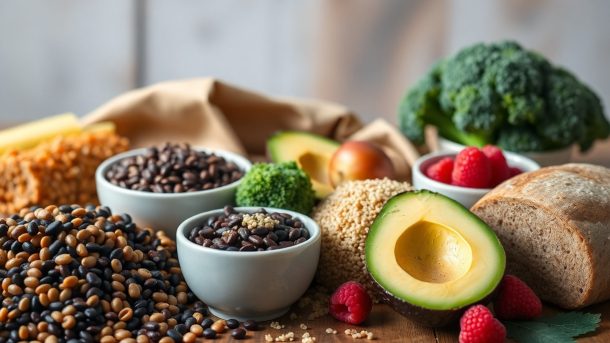
Foods rich in fiber play an vital role in your overall health and well-being. By incorporating high-fiber options into your diet, you can improve digestion, regulate blood sugar, and even support heart health. This post will probe into the various foods that pack the most fiber, helping you make informed choices for a nutrient-dense diet. From fruits and vegetables to whole grains and legumes, you’ll discover how these foods can benefit your lifestyle and promote better health outcomes.
Key Takeaways:
- Legumes: Foods like beans, lentils, and chickpeas are among the highest in fiber content, making them excellent choices for increasing dietary fiber.
- Whole grains: Options such as oats, quinoa, and brown rice provide substantial amounts of fiber, contributing to digestive health.
- Fruits and vegetables: Foods like raspberries, pears, and broccoli are fiber-rich, offering both nutrition and various health benefits.
The Importance of Fiber in Diet
A fiber-rich diet is imperative for maintaining optimal digestive health and overall well-being. Incorporating adequate amounts of fiber into your meals supports the regularity of bowel movements, aids in weight management, and helps to balance your blood sugar levels. It also plays a significant role in reducing the risk of chronic diseases like heart disease and diabetes. Focusing on fiber in your diet empowers you to improve your health significantly.
Health Benefits of Fiber
Below are several key health benefits associated with a high-fiber diet. Fiber helps regulate digestion, prevents constipation, and may reduce the risk of certain gastrointestinal diseases. Additionally, it contributes to heart health by lowering cholesterol levels, and it can aid in weight control by promoting a feeling of fullness. By ensuring you include ample fiber in your diet, you can enjoy these numerous health benefits.
Recommended Daily Intake
Intake recommendations for dietary fiber suggest aiming for 25 to 30 grams per day. This amount can vary based on age, sex, and individual health needs. By consciously including fiber-rich foods in your daily diet, you can easily achieve this target.
Adding a variety of fiber sources to your meals is a great approach to meeting your daily intake. Foods like fruits, vegetables, whole grains, legumes, and nuts are excellent choices. Not only do they provide imperative nutrients, but they also contain different types of fiber, ensuring you gain the full spectrum of fiber benefits. Planning your meals with these foods can help you reach and potentially exceed the recommended daily intake, enhancing your health and well-being.
High-Fiber Foods
While many are unaware, incorporating high-fiber foods into your diet can significantly enhance your overall health. Foods rich in fiber not only aid in digestion but also help maintain a healthy weight and reduce the risk of chronic diseases. To learn more about why dietary fiber is vital for a healthy diet, visit Dietary fiber: Essential for a healthy diet.
Fruits
Any fruit, especially those with skins, are excellent sources of fiber. Berries, apples, oranges, and pears can effortlessly boost your fiber intake while providing vital vitamins and antioxidants. Opting for whole fruits instead of juices is a simple way to maximize your fiber consumption.
Vegetables
Fruits and vegetables are both key players in a high-fiber diet. Vegetables like broccoli, Brussels sprouts, carrots, and sweet potatoes provide not only fiber but also a wealth of nutrients. They can be easily added to meals or enjoyed as snacks to boost your daily fiber intake.
At the core of a fiber-rich diet, vegetables stand out as a remarkable source due to their low calories and high nutrient density. Incorporating a variety of colorful vegetables into your meals can enhance fiber intake, improve digestion, and contribute to overall wellness. Consider steaming, roasting, or adding them to salads for an easy and nutritious fiber boost.
Whole Grains and Legumes
Now, incorporating whole grains and legumes into your diet is crucial for boosting fiber intake. Whole grains like oats, quinoa, and barley offer not just fiber but also a range of nutrients that support overall health. Legumes such as lentils, beans, and peas are not only high in fiber but also rich in protein, making them a fantastic addition to any meal. By including these foods, you can enhance digestion and promote a feeling of fullness.
Types of Whole Grains
Now, here are some popular types of whole grains you might consider adding to your diet:
- Brown rice
- Quinoa
- Barley
- Oats
- Whole wheat bread
Knowing your options can help you make more informed dietary choices.
| Whole Grain | Fiber Content (per cup cooked) |
| Brown Rice | 3.5 grams |
| Quinoa | 5 grams |
| Barley | 6 grams |
| Oats | 4 grams |
| Whole Wheat Bread | 2 grams |
Benefits of Legumes
Between their high fiber content and other nutritional benefits, legumes are an excellent addition to your meals. Rich in protein, vitamins, and minerals, they help stabilize blood sugar and improve gut health. Incorporating legumes into salads, soups, and stews can enhance flavors while also making your meals more filling.
Further, their versatility enables you to enjoy them in various forms, whether as refried beans in tacos or lentil soup. The fiber found in legumes not only helps with digestion but also plays a significant role in heart health by reducing cholesterol levels. By adding legumes to your diet, you actively support your long-term health and well-being.
Nuts and Seeds
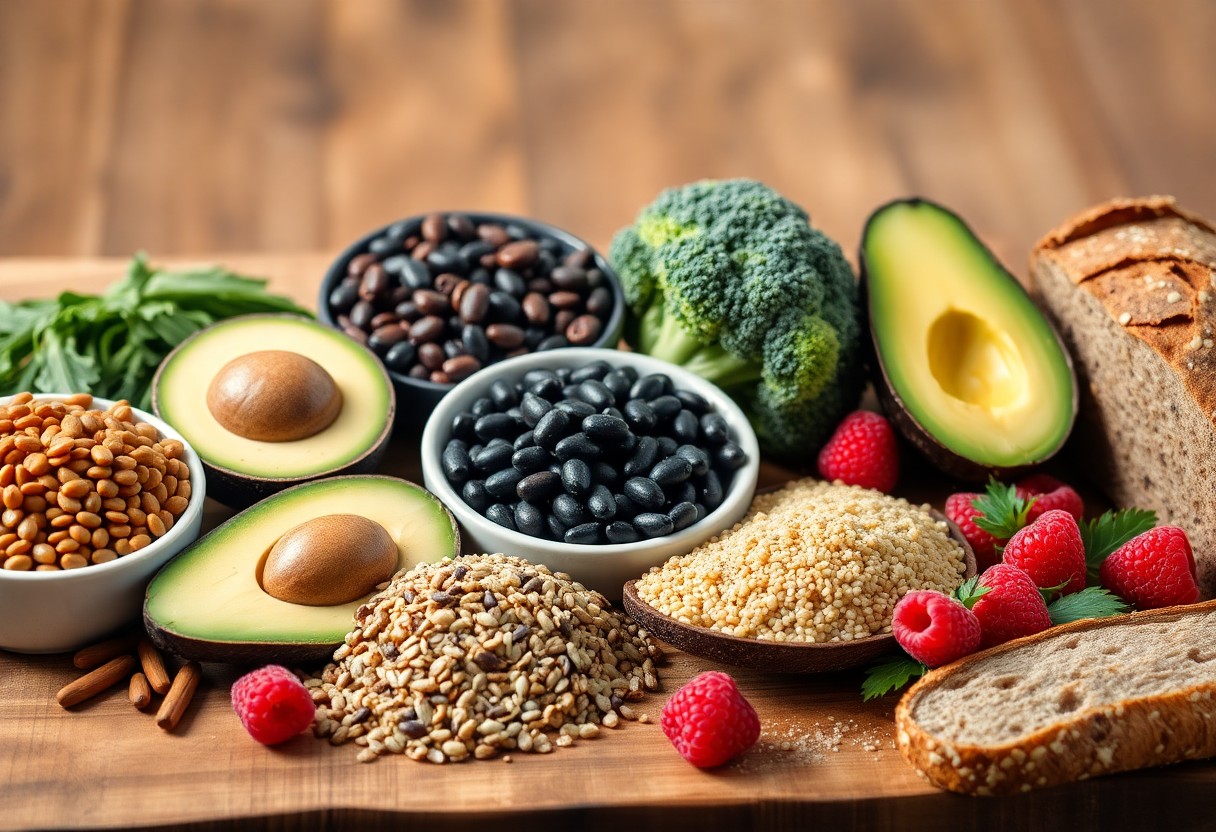
Not all snacks are created equal when it comes to nutrition, but nuts and seeds stand out as powerhouses of fiber. Incorporating these into your diet can aid digestion and promote a feeling of fullness, making them a fantastic addition to your meals and as grab-and-go snacks. Whether you enjoy them raw, roasted, or blended into your favorite dishes, nuts and seeds provide a delicious way to boost your fiber intake.
High-Fiber Nuts
On your quest for high-fiber nuts, consider varieties like almonds, pistachios, and pecans, which deliver impressive fiber content per serving. Snacking on just a handful can significantly enhance your daily fiber intake while also offering healthy fats and protein. Nut-based recipes are also a fantastic way to incorporate these fiber-filled treats into your diet.
Fiber-Rich Seeds
For those looking to increase their fiber intake, seeds like chia, flax, and pumpkin are excellent choices packed with nutrients. These tiny powerhouses not only provide fiber but also important fatty acids and proteins that contribute to a balanced diet. Adding them to smoothies, yogurt, and baked goods can elevate your fiber consumption easily.
Another great advantage of fiber-rich seeds is their versatility. Chia seeds, for instance, can absorb liquid and expand, making them perfect for puddings or as a thickening agent in smoothies. Flaxseeds, which can be ground for better nutrient absorption, can be added to oatmeal or sprinkled on salads. By incorporating a variety of seeds into your meals, you will ensure a well-rounded, fiber-rich diet that supports digestive health.
Supplements and Fortified Foods
Keep in mind that while whole foods are the most natural sources of fiber, supplements and fortified foods can help you meet your fiber intake goals. These options are especially beneficial if you struggle to consume enough fiber through your diet alone. They can easily be incorporated into your daily routine, providing a convenient way to enhance your fiber consumption.
Fiber Supplements
Above all, fiber supplements offer a concentrated source of fiber, available in various forms such as powders, capsules, and gummies. These can be particularly useful for individuals who have specific dietary restrictions or those who find it challenging to get enough fiber from food sources. However, it’s vital to incorporate them gradually into your diet to minimize digestive discomfort.
Fortified Products
Beside fiber supplements, fortified products can also be an excellent way to increase your fiber intake. Many manufacturers enrich cereals, bread, and snacks with additional fiber, making it easy to boost your consumption without altering your usual eating habits.
Fiber-fortified products often contain added fibers like inulin, psyllium, or oat bran, which can help you enjoy the benefits of increased fiber intake. When dicking out these products, check the nutrition labels to ensure they contain a substantial amount of fiber while also being low in added sugars and unhealthy fats. Incorporating these fortified options into your meals can create a practical approach to achieving a balanced diet.
Tips for Increasing Fiber Intake
Unlike many believe, adding fiber to your diet can be quite simple with a few strategic changes. Consider these tips to enhance your fiber intake:
- Start your day with a high-fiber breakfast, such as oatmeal or whole-grain toast.
- Incorporate legumes into soups and salads.
- Choose whole grains over refined grains in all your meals.
- Snack on fresh fruits, vegetables, or nuts instead of processed foods.
- Add chia seeds or flaxseeds to smoothies or yogurt for a fiber boost.
Perceiving fiber as an vital part of your meals will facilitate healthier, more satisfying eating habits. For more ideas, check out 22 High-Fiber Foods You Should Eat.
Meal Planning Strategies
At the beginning of each week, plan your meals around high-fiber foods to ensure that you consistently include fiber-rich options. Aim to create a diverse menu that highlights fruits, vegetables, whole grains, and legumes, making grocery shopping easier and healthier. Additionally, prep your meals in advance, allowing you to have nutritious and fiber-packed meals ready to go.
Cooking Techniques
One effective way to increase fiber intake is through cooking methods that preserve or enhance the fiber content of foods. Steaming or roasting vegetables helps keep their nutrients intact, while using whole grains in your recipes maximizes fiber benefits. Additionally, avoid peeling fruits and vegetables when possible, as the skins often contain significant fiber.
The key to maximizing fiber in your cooking is to explore various techniques and ingredients that promote fiber retention. For example, cooking legumes like beans and lentils not only boosts your fiber intake but can also enhance the flavors of your dishes. Preparing whole grains like quinoa and barley as side dishes instead of white rice or pasta can significantly up your fiber content as well.
Final Words
From above, you can see that incorporating a variety of fiber-rich foods into your diet is easy and beneficial for your health. Whole grains, legumes, fruits, and vegetables play a key role in boosting your fiber intake and promoting digestive wellness. You can improve your overall well-being by selecting high-fiber options such as beans, oats, berries, and leafy greens. By making these nutritional choices, you’re setting the foundation for a healthier lifestyle.
FAQ
Q: What are the highest fiber foods that I can include in my diet?
A: Some of the highest fiber foods include legumes like lentils and black beans, whole grains such as oats and quinoa, fruits like raspberries and pears, vegetables such as broccoli and Brussels sprouts, and nuts and seeds including chia seeds and almonds. Incorporating these foods can significantly increase your daily fiber intake.
Q: How does fiber in food contribute to digestive health?
A: Fiber plays an vital role in maintaining digestive health by adding bulk to the stool, which aids in preventing constipation. It also promotes regular bowel movements and supports a healthy gut microbiome by acting as a prebiotic, nourishing the beneficial bacteria in your intestines.
Q: Are there different types of dietary fiber, and which foods provide them?
A: Yes, there are two main types of dietary fiber: soluble and insoluble. Soluble fiber, found in foods like oats, fruits, and legumes, can help lower cholesterol and stabilize blood sugar levels. Insoluble fiber, found in whole grains, nuts, and vegetables, aids in digestion and prevents constipation. Incorporating a variety of fiber-rich foods ensures you’re getting both types.
Q: How can I increase my fiber intake without drastic changes to my diet?
A: You can gradually increase your fiber intake by making simple adjustments, such as opting for whole grain bread and pasta instead of refined options, adding legumes to salads and soups, snacking on fruits and nuts, and including more vegetables in your meals. Introduce these changes slowly to allow your digestive system to adjust.
Q: Can consuming too much fiber be harmful, and how much should I aim for daily?
A: While fiber is important for health, consuming excessively high amounts suddenly can lead to digestive discomfort, such as bloating and gas. The recommended daily intake for adults is about 25 grams for women and 38 grams for men, though individual needs may vary. It’s best to gradually increase fiber and drink plenty of water to minimize any adverse effects.