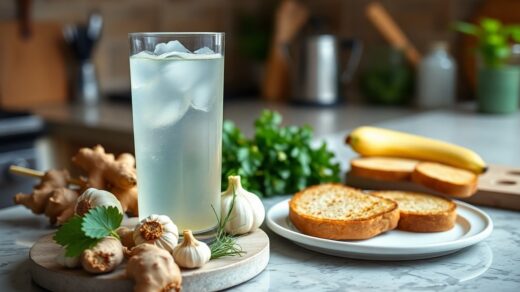
You wake up in the middle of the night feeling queasy and uncomfortable after indulging in a questionable meal earlier in the day. Your body is telling you that you may have food poisoning. But fear not, there is a simple and natural remedy that can help alleviate your symptoms – a soothing cup of ginger tea. Let’s explore how this powerful drink can help your body fight off food poisoning and get you back on your feet in no time.
Key Takeaways:
- Ginger tea: Ginger has natural anti-inflammatory properties that can help soothe the stomach and alleviate symptoms of food poisoning.
- Peppermint tea: Peppermint tea can help relieve digestive issues like bloating and gas, which are commonly associated with food poisoning.
- Electrolyte drinks: Consuming electrolyte drinks can help restore hydration and vital minerals lost due to vomiting or diarrhea caused by food poisoning.
Causes of Food Poisoning
Bacterial Contamination
The leading cause of food poisoning is bacterial contamination. Bacteria such as Salmonella, E. coli, and Campylobacter can thrive in improperly cooked or stored food, leading to illness when consumed. An estimated 48 million cases of foodborne illness occur each year in the United States due to bacterial contamination.
Viral Infections
With viral infections, pathogens such as norovirus and rotavirus are responsible for causing food poisoning. These viruses are highly contagious and can spread rapidly through contaminated food, water, or surfaces. Symptoms of viral food poisoning include nausea, vomiting, and diarrhea, which can last for several days.
It is imperative to practice good hygiene and food safety measures to prevent the spread of viral infections. Washing your hands thoroughly, cooking food to the proper temperature, and avoiding contact with sick individuals can help reduce the risk of viral food poisoning.
Parasitic Infestations
It is relatively rare, but parasitic infestations can also lead to food poisoning. Parasites like Giardia and Cryptosporidium can contaminate water sources and food, causing gastrointestinal symptoms when ingested. To prevent parasitic infestations, it is crucial to drink clean, filtered water and properly wash and cook food to kill any potential parasites.
To summarize, the main causes of food poisoning include bacterial contamination, viral infections, and parasitic infestations. By understanding these sources of illness and taking necessary precautions, you can protect yourself from foodborne illnesses and enjoy a healthy diet.
Symptoms of Food Poisoning
Some of the most common symptoms of food poisoning include nausea, vomiting, diarrhea, abdominal cramps, fever, and headaches. These symptoms can vary depending on the type of bacteria or virus that caused the food poisoning.
Nausea and Vomiting
One of the initial symptoms of food poisoning is often nausea, which may be followed by vomiting. This is your body’s way of trying to get rid of the toxins that are causing the illness. It’s necessary to stay hydrated during this time by sipping on water or electrolyte-rich drinks like coconut water or sports drinks to replenish lost fluids.
Diarrhea and Abdominal Cramps
With diarrhea and abdominal cramps, your body is trying to expel the harmful bacteria or viruses quickly. It’s crucial to stay near the restroom and avoid consuming solid foods until the symptoms ease up. Stick to a bland diet consisting of clear liquids like broth, ginger ale, or herbal teas to help soothe your stomach.
Plus, probiotic-rich foods like yogurt can help restore the balance of good bacteria in your gut, aiding in the recovery process. These foods can also help alleviate bloating and discomfort associated with diarrhea and abdominal cramps.
Fever and Headaches
Cramps, fever, and headaches are common signs that your body is fighting off an infection caused by food poisoning. It’s necessary to monitor your temperature and stay well-hydrated. Over-the-counter pain relievers like acetaminophen can help alleviate fever and headache symptoms.
For instance, if your fever persists for more than a couple of days or if you experience severe abdominal pain, it’s crucial to seek medical attention promptly. In some cases, food poisoning can lead to dehydration or more severe complications that require medical treatment.

Drinks That Can Help
Coconut Water
Keep hydrated with coconut water, a natural electrolyte-rich beverage that can help replenish fluids and necessary minerals lost during bouts of food poisoning. Coconut water is also gentle on the stomach and can aid in soothing digestive discomfort.
Ginger Ale
Any ginger ale can potentially help calm an upset stomach and alleviate nausea associated with food poisoning. The ginger in the soda has natural anti-inflammatory properties that can help ease gastrointestinal distress.
The carbonation in ginger ale can also provide relief by helping to reduce bloating and promote burping, which may help to expel trapped gas in the digestive system. Opt for a flat ginger ale if the carbonation exacerbates any discomfort.
Peppermint Tea
That warm cup of peppermint tea can be a soothing remedy for nausea and indigestion caused by food poisoning. Peppermint has carminative properties that can help relax the digestive tract and reduce spasms, potentially easing stomach cramps.
Help calm your upset stomach and alleviate digestive issues by sipping on peppermint tea throughout the day. The gentle aroma and flavor of peppermint can also help reduce the sensation of nausea and promote overall digestive comfort.
How These Drinks Work
Replenishing Electrolytes
To replenish your electrolytes, drinks like coconut water and sports drinks can be beneficial. The electrolytes in these beverages help restore your body’s balance of minerals like potassium and sodium, which can get depleted during food poisoning. This replenishment is important for maintaining proper hydration levels and supporting your body’s overall function.
Soothing the Stomach
Stomach-friendly drinks like ginger tea and peppermint tea can help calm an upset stomach. Ginger has natural anti-inflammatory properties, which can help reduce nausea and aid digestion. Peppermint is known for its ability to relax the muscles in the digestive tract, providing relief from cramping and bloating.
These soothing drinks can also help reduce irritation in the stomach lining, providing a gentle and comforting remedy for your symptoms.
Reducing Inflammation
Drinks like green tea and herbal teas can help reduce inflammation in the stomach. Green tea is rich in antioxidants that have anti-inflammatory properties, which can help ease discomfort caused by food poisoning. Herbal teas like chamomile and turmeric tea also have soothing effects on the digestive system, reducing inflammation and promoting healing.
For instance, chamomile tea can help relax the muscles in the stomach and intestines, reducing cramps and discomfort. Turmeric tea, with its active compound curcumin, has been shown to have strong anti-inflammatory effects, which can help alleviate symptoms of food poisoning.

Other Remedies to Consider
Activated Charcoal
Any time you have food poisoning, activated charcoal might help alleviate your symptoms. Activated charcoal can bind to toxins in your digestive system, helping your body eliminate them more efficiently. It can also reduce gas and bloating, common symptoms of food poisoning. You can find activated charcoal supplements at most health food stores or pharmacies. Be sure to follow the recommended dosage on the packaging.
Probiotics
The use of probiotics is another potential remedy for food poisoning. Probiotics are beneficial bacteria that can help restore balance in your gut microbiome, which may be disrupted during a bout of food poisoning. The introduction of these good bacteria can support your digestive system and help it recover more quickly.
The best sources of probiotics are yogurt, kefir, sauerkraut, and other fermented foods. You can also take probiotic supplements, which are available over the counter. Look for supplements that contain a variety of bacterial strains for maximum benefit.
Rest and Hydration
Hydration is key to recovering from food poisoning. Make sure you drink plenty of water, clear broths, and electrolyte-rich drinks to replenish fluids lost through vomiting and diarrhea. Rest is equally important – give your body the time it needs to recover by getting plenty of sleep and avoiding strenuous activities. Your immune system works best when you are well-rested.
Another good idea is to avoid heavy, greasy, or spicy foods until your symptoms subside. Stick to bland, easily digestible foods like toast, rice, bananas, and applesauce until you start feeling better.
Prevention is Key
Your health is valuable, and when it comes to food poisoning, prevention is crucial. Before finding yourself seeking relief from food poisoning symptoms, it’s important to understand how you can prevent it from happening in the first place. Refer to Food Poisoning Treatment: What to Expect to educate yourself on the treatment and prevention of foodborne illnesses.
Safe Food Handling Practices
For safe food handling, always wash your hands thoroughly before and after handling food, especially raw meats. Use separate cutting boards and utensils for raw meats and fresh produce to prevent cross-contamination. Ensure that your food is cooked to the appropriate internal temperature to kill harmful bacteria.
Avoiding High-Risk Foods
Anytime you can, avoid consuming high-risk foods such as undercooked meats, unpasteurized dairy products, and raw eggs. These foods are more likely to harbor harmful bacteria like Salmonella or E. coli, which are common culprits of food poisoning.
Practices such as washing fruits and vegetables thoroughly before consuming, storing leftovers promptly in the refrigerator, and avoiding expired or spoiled foods can significantly lower your risk of food poisoning.
Staying Hydrated
An important aspect of preventing and recovering from food poisoning is staying hydrated. Fluid loss from vomiting and diarrhea can lead to dehydration, so make sure to drink plenty of water, electrolyte-containing beverages, or clear broths to replenish lost fluids and electrolytes.
Another beneficial practice is consuming bland, easy-to-digest foods like crackers, toast, and bananas to restore nutrients and aid in recovery from food poisoning.
Conclusion
As a reminder, when dealing with food poisoning, it’s crucial to stay hydrated and choose the right beverages to help ease symptoms. Opting for clear fluids like water, electrolyte drinks, herbal teas, or ginger ale can help replenish lost fluids due to vomiting or diarrhea. Additionally, consuming warm liquids like clear broths or teas with ginger may help soothe an upset stomach and alleviate nausea. Remember to avoid caffeine, alcohol, and sugary drinks which can further aggravate symptoms.
Listening to your body and providing it with the necessary fluids and nutrients is key to recovering from food poisoning. By choosing the proper drinks and focusing on rest and hydration, you can help alleviate symptoms and promote a faster recovery. If symptoms persist or worsen, it is important to seek medical attention promptly.
Q: What drinks can help with food poisoning symptoms?
A: Drinks that can help with food poisoning symptoms include ginger tea, electrolyte drinks, herbal teas like peppermint or chamomile, and plain water. These drinks can help ease nausea, replenish lost fluids, and provide relief from symptoms like stomach cramps and diarrhea.
Q: How does ginger tea help with food poisoning?
A: Ginger tea is known for its anti-nausea properties and can help calm an upset stomach, reduce nausea, and alleviate digestive issues that often accompany food poisoning. The ginger in the tea can also help reduce inflammation in the stomach and improve overall digestion.
Q: Are there any drinks to avoid when experiencing food poisoning?
A: When experiencing food poisoning, it is best to avoid drinks that are high in sugar, caffeine, or alcohol, as these can further irritate the stomach and worsen symptoms. It is also important to avoid dairy products, as they can be harder to digest and exacerbate gastrointestinal discomfort.