Recovery

How many days will food poisoning last

With food poisoning affecting millions each year, it’s crucial for you to understand how long its symptoms may persist. Symptoms can vary based on the type of pathogen involved, but you might experience abdominal cramps, nausea, and diarrhea that can last anywhere from a few hours to several days. Knowing what to expect can help you manage your symptoms effectively and seek medical advice when necessary. This blog post will guide you through the typical duration of food poisoning, factors that influence its length, and when it’s time to consult a healthcare professional.

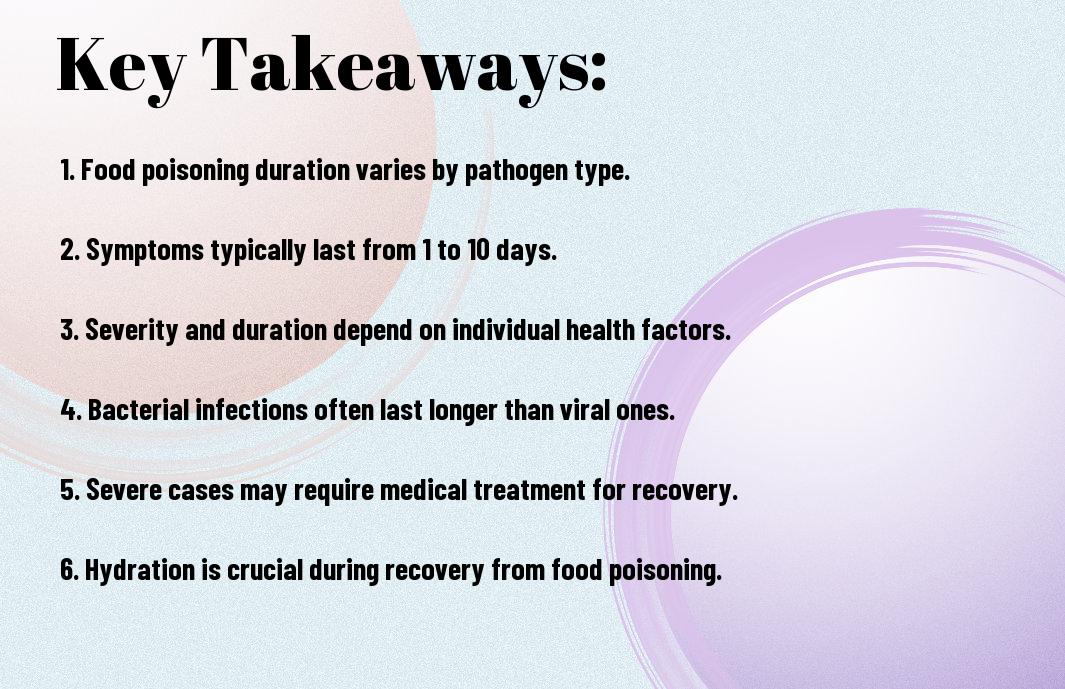
Key Takeaways:

  • Duration Varies: The length of food poisoning can range from 1 to several days, depending on the type of pathogen involved.
  • Common Symptoms: Symptoms such as nausea, vomiting, diarrhea, and abdominal cramps typically last for a few days, but may persist longer in some cases.
  • Seek Medical Attention: If symptoms are severe or last longer than a few days, it is important to seek medical attention to prevent complications.

Understanding Food Poisoning

To grasp the impact of food poisoning, it’s vital to understand what it is and how it occurs. Food poisoning is an illness caused by consuming contaminated food or beverages. The contaminants can include bacteria, viruses, parasites, or toxins, which can lead to various symptoms and health issues in affected individuals.

Definition of Food Poisoning

One of the most common health issues people face is food poisoning, which occurs when you ingest harmful pathogens or toxins present in contaminated food or drinks. Symptoms usually arise within hours or days after exposure and can often be severe.

Common Causes

To effectively prevent food poisoning, it’s vital to know its common causes. The most frequent culprits include bacteria like Salmonella, E. coli, and Listeria, as well as viruses such as norovirus. Cross-contamination, improper cooking, and inadequate food storage can increase the risk of exposure.

It’s important to note that food poisoning can arise from various sources, including improperly handled raw meats, unwashed fruits and vegetables, and contaminated water. Even seemingly harmless foods, like dairy products that are past their expiration date, can harbor harmful bacteria. By understanding these common causes, you can take proactive steps to mitigate your risk of food poisoning in your daily life.

Duration of Food Poisoning Symptoms

Some food poisoning cases can resolve on their own, while others may linger for several days. Understanding the typical duration of symptoms associated with various pathogens can help you gauge the severity of your situation and when to seek medical attention.

Typical Duration for Various Pathogens

Any different types of pathogens can cause food poisoning, and the duration of symptoms may vary significantly. For instance, symptoms from bacterial infections like Salmonella may last between 4 to 7 days, while those from viruses like Norovirus can resolve within 1 to 3 days. In contrast, parasites may cause symptoms lasting for weeks if not treated appropriately.

Factors Influencing the Duration

For your recovery from food poisoning, several factors play a crucial role in influencing how long your symptoms last. These include the type of pathogen responsible, your overall health, the amount of contaminated food consumed, and whether you have any pre-existing conditions:

  • Type of pathogen involved
  • Your immune system’s strength
  • Hydration levels
  • Underlying health issues
  • Timeliness of treatment

Knowing these factors can help you manage your symptoms more effectively and speed up recovery.

Duration can also be affected by how your body reacts to the infection and how well you care for yourself during this period. Easing your symptoms and understanding your body’s needs can make a significant difference in your recovery timeline:

  • Staying hydrated
  • Easting bland foods
  • Getting plenty of rest
  • Seeking medical attention when necessary

Knowing the signs of complications will help you decide when to consult healthcare professionals, ensuring your recovery is optimal and swift.

Symptoms and Their Management

All food poisoning can lead to a variety of uncomfortable symptoms, impacting your daily life. To understand how to alleviate these symptoms, you can refer to resources such as How Long Food Poisoning Lasts and What To Do About It.

Common Symptoms of Food Poisoning

The symptoms of food poisoning can vary widely but typically include nausea, vomiting, diarrhea, abdominal cramps, and fever. These symptoms can onset within hours of consuming contaminated food or may take days to appear, depending on the type of bacteria or virus involved.

When to Seek Medical Attention

Management of food poisoning can usually be done at home; however, there are specific circumstances when seeking medical attention is crucial. If you experience severe symptoms such as high fever, prolonged vomiting, or signs of dehydration, you should consult a healthcare professional.

Seek medical attention immediately if you notice symptoms such as blood in your stool, a fever over 101.5°F (38.6°C), or if you are unable to keep fluids down. Prompt medical care can help prevent further complications and ensure appropriate treatment for your condition.
To wrap up

Upon reflecting, it’s crucial to understand that the duration of food poisoning can vary significantly based on the type of contaminant and your individual health. Generally, symptoms may last anywhere from a few hours to several days, but they should subside after your body eliminates the toxins. If you experience severe symptoms or if they persist beyond a few days, it’s crucial to consult a healthcare professional. You can learn more about the Symptoms of Food Poisoning | Food Safety to better recognize the signs and seek appropriate care.

FAQ

Q: How long does food poisoning typically last?

A: The duration of food poisoning varies based on the causative agent. Generally, symptoms can last from a few hours to several days. Most mild cases resolve within 1 to 3 days, while more severe cases, especially those caused by bacteria like Salmonella or E. coli, can persist for up to a week or more.

Q: What factors influence the duration of food poisoning symptoms?

A: Several factors can influence how long food poisoning lasts, including the type of contaminant (bacteria, virus, or toxin), the individual’s overall health, age, immune system strength, and the amount of contaminated food consumed. Each of these can substantially affect recovery time.

Q: Can I still be contagious after my food poisoning symptoms have stopped?

A: Yes, depending on the pathogen responsible for the food poisoning, individuals can still be contagious after symptoms resolve. For example, norovirus can remain in the stool for several days after symptoms have cleared, so it’s important to maintain good hygiene practices during this time to avoid spreading the infection.

Q: Are there any long-term effects of food poisoning?

A: In some cases, food poisoning can lead to long-term health issues such as irritable bowel syndrome (IBS) or complications like kidney failure, especially after infections with certain bacteria like E. coli O157:H7. While most people recover completely, it’s important to monitor symptoms and seek medical attention if they persist or worsen.

Q: When should I seek medical attention for food poisoning?

A: You should seek medical attention if you experience severe symptoms such as high fever (over 102°F), prolonged vomiting that prevents you from keeping liquids down, severe dehydration signs (like dizziness or lightheadedness), or bloody diarrhea. If symptoms last more than a few days without improvement, it’s also advisable to consult a healthcare professional.

What to eat after vomiting

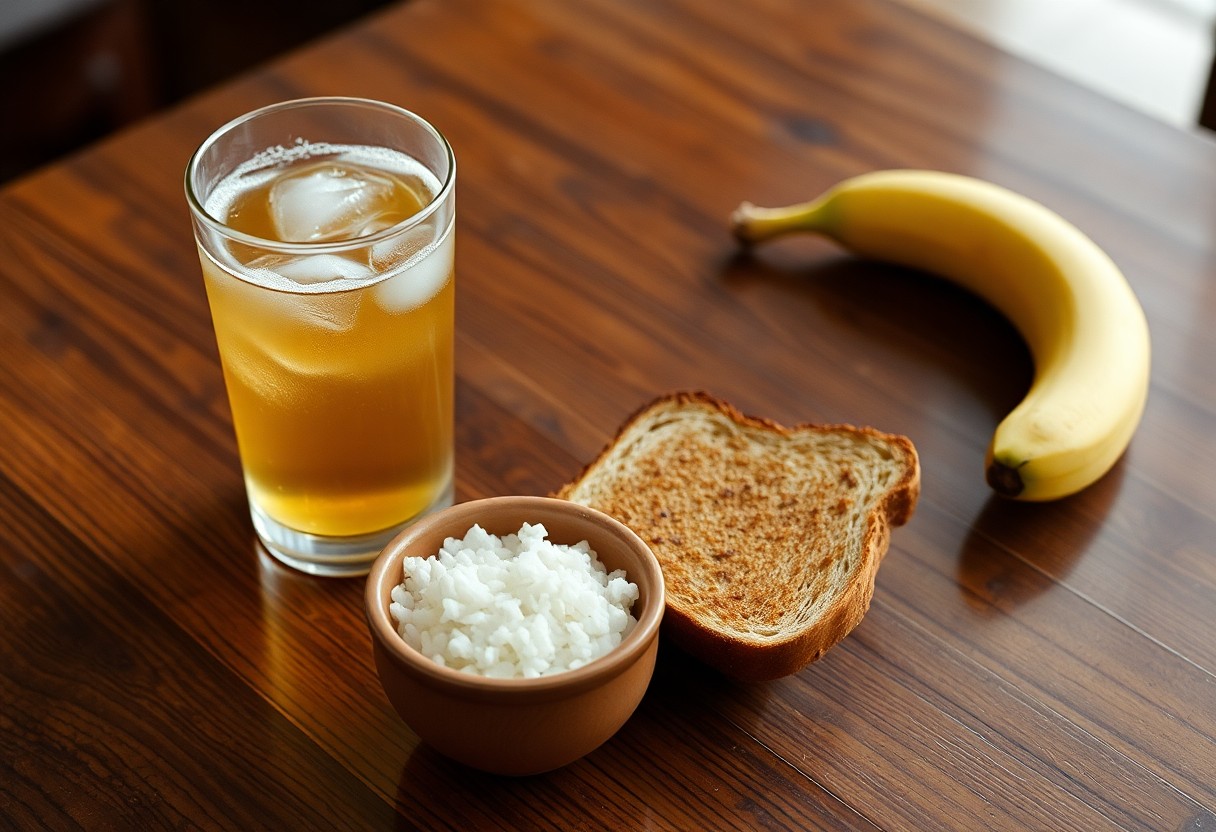
There’s a lot you might wonder about what to eat after experiencing vomiting, as your body needs gentle nourishment to recover. Initially, starting with bland foods is advisable to help your stomach settle. A good option is the BRAT Diet for Upset Stomach or Vomiting, which includes bananas, rice, applesauce, and toast. Gradually reintroducing other soft, easy-to-digest foods can also aid your recovery process, ensuring that you feel better sooner.

Key Takeaways:

  • Hydration: After vomiting, it is important to replenish lost fluids with water, herbal teas, or clear broths.
  • Gentle Foods: Introduce bland foods such as crackers, rice, or bananas to help ease your stomach back to normal.
  • Avoid Irritants: Stay away from spicy, fatty, or dairy foods initially, as they can aggravate the stomach further.

Understanding the Body’s Needs After Vomiting

Before you choose what to eat after vomiting, it’s important to understand your body’s needs during this recovery phase. Your stomach may be sensitive, and your body is likely depleted of nutrients and fluids. It’s important to approach food and hydration thoughtfully, as your digestive system may need time to adjust. Listening to your body’s signals will help guide your choices effectively.

Importance of Rehydration

For recovery after vomiting, rehydration is fundamental to restoring your body’s fluid balance. Vomiting can lead to significant fluid loss, making it vital to replenish electrolytes and fluids. Drinking clear fluids or electrolyte solutions can help you regain hydration and prevent further complications.

Nutritional Considerations

Across your recovery, focusing on easily digestible foods is important for your overall comfort and nutrition. Start with bland options like bananas, rice, applesauce, and toast, as they are gentle on your stomach while providing important nutrients.

Another key aspect of nutritional considerations is the gradual reintroduction of foods. Once you feel ready for solid food, opt for low-fat, easily digestible options to ensure that your stomach can handle them without exacerbating nausea. You might also want to incorporate small amounts of protein, such as boiled eggs or yogurt, which can assist in rebuilding lost nutrients while being gentle on your system.

Foods to Eat After Vomiting

One of the most important aspects of recovery after vomiting is choosing the right foods. Start with bland, easy-to-digest options that minimize irritation to your stomach. Foods like applesauce, plain toast, crackers, and bananas can help restore your energy levels and provide necessary nutrients. Stay hydrated with clear fluids such as water, broth, or electrolyte drinks to prevent dehydration.

Easy-to-Digest Options

One effective way to ease your digestive system back into routine is by opting for simple, easy-to-digest options. Foods like plain rice, boiled potatoes, and yogurt can be gentle on your stomach while providing some nourishment. These foods help settle your digestive tract, allowing you to gradually restore your appetite without overwhelming your system.

Gradual Reintroduction of Solid Foods

On your path to recovery, it’s important to introduce solid foods gradually. After feeling stable for a few hours post-vomiting, you can begin incorporating small portions of soft, bland foods into your diet. Start with one type of food at a time, monitoring how your body responds. If you tolerate these foods well, gradually expand your choices to include more complex items, but avoid high-fat or spicy foods until you are completely recovered.

After you’ve successfully added a few easy-to-digest foods, you can slowly increase your intake and variety. Start by trying small servings of foods you typically enjoy, and pay attention to any adverse reactions your body may have. If all goes well, you can continue to diversify your diet while maintaining a focus on nourishment and hydration. This gradual approach helps your digestive system reintegrate solid foods smoothly, reducing the chance of further discomfort.

Hydration Strategies

To aid your recovery after vomiting, prioritizing hydration is necessary. Your body loses significant fluids during this process, making it vital to replenish what has been lost. Start with small sips of clear liquids and gradually increase your intake as you feel more comfortable. Proper hydration can help restore balance in your body and support your overall healing process.

Fluids to Consider

By focusing on clear fluids, you can keep your hydration levels up without upsetting your stomach further. Water is the best option, but you might also consider electrolyte solutions or broths to replace lost nutrients. Herbal teas, coconut water, and diluted fruit juices can also be gentle on your stomach while providing hydration.

Avoiding Dehydration

Against dehydration’s negative effects, it’s important to keep your fluid intake consistent. Look for signs of dehydration such as dizziness, dry mouth, or dark urine, as these can indicate that you need to bolster your hydration. Taking small, frequent sips can help you manage nausea while ensuring you consume enough fluids over time.

Another effective approach is to set regular reminders to drink fluids, especially if you struggle with nausea. Carrying a water bottle can serve as a helpful visual cue, encouraging you to sip throughout the day. If you’re still feeling unwell, consider icy pops or electrolyte-infused beverages, as these can be easier to tolerate. By staying attentive to your hydration needs, you can support your recovery and avoid complications from dehydration.

Foods to Avoid After Vomiting

Despite feeling an urge to eat something, it’s important to avoid certain foods after vomiting. Greasy, heavy, or heavily spiced foods can irritate your stomach further, leading to prolonged discomfort and potentially more vomiting. Opting for easier-to-digest options will promote recovery and help your stomach settle.

Heavy and Greasy Foods

Vomiting can leave your stomach sensitive, making heavy and greasy foods hard to digest. Your body needs gentle nourishment, and reaching for fried or oily items may exacerbate nausea and upset your stomach. It’s advisable to steer clear of these foods until you’re feeling better.

Dairy Products and High-Fiber Foods

Before you indulge in dairy products or high-fiber foods, consider how your stomach is feeling. These foods can be tough to digest after vomiting and may lead to further gastrointestinal discomfort.

To avoid complications, it’s wise to hold off on dairy products, like milk and cheese, as they can be heavy on your stomach and may cause bloating or diarrhea. Similarly, high-fiber foods such as beans, lentils, and whole grains can be challenging for your system to handle while recovering. Introducing these items back into your diet should wait until you feel completely stable.

When to Seek Medical Attention

Keep an eye on your symptoms. If you experience persistent vomiting, severe abdominal pain, or signs of dehydration such as dry mouth, dizziness, or decreased urination, it’s important to seek medical attention. These symptoms can indicate a more serious underlying condition that may require professional care. Additionally, if you notice blood in your vomit or if your vomiting is accompanied by high fever, don’t hesitate to contact a healthcare provider.

Signs of Complications

Between typical discomfort and serious issues, watch for any signs of complications like severe headaches, chest pain, or confusion. If these symptoms arise alongside vomiting, it may signal a need for immediate medical evaluation. Recognizing these warning signs early can aid in the timely treatment of potential complications.

Duration of Symptoms

By keeping track of how long your symptoms persist, you can determine when to seek help. If vomiting lasts more than 24 hours or you find it difficult to keep any fluids down, it is advisable to consult a healthcare professional.
Symptoms lasting longer than expected can be concerning, as they may indicate an underlying issue. Persistent vomiting could lead to dehydration and nutritional deficiencies if not addressed. It’s vital to evaluate your overall condition, including any additional symptoms you may be experiencing, to ensure you get the appropriate care in a timely manner.

Tips for a Smooth Recovery

All efforts toward recovery can be enhanced with the right strategies. Consider the following tips:

  • Stay hydrated by sipping clear fluids.
  • Introduce bland foods gradually.
  • Avoid heavy or greasy meals.
  • Give your stomach time to settle.
  • Listen to your body’s hunger cues.

Thou must prioritize your recovery for a faster return to health.

Portion Control

To facilitate recovery, start with small portions of food. Gradually increase the amount as your body becomes more tolerant. This approach helps prevent overwhelming your stomach and allows you to gauge how well your body is responding to food post-vomiting.

Mindful Eating Practices

Practices like eating slowly and focusing on each bite can significantly aid your recovery. Engaging all your senses while eating helps you become more attuned to your body’s responses. This can lead to better digestion and satisfaction with smaller amounts of food.

Further, try eliminating distractions during meals to fully concentrate on what you’re consuming. This may include turning off electronic devices and finding a quiet space. By cultivating awareness of how foods make you feel, you can identify which options work best for your recovery and overall well-being.

Summing up

As a reminder, after vomiting, it’s important to reintroduce food gradually. Start with bland options like toast, crackers, or rice to ease your stomach back into digestion. Stay hydrated with clear liquids such as water, broth, or herbal tea. After a few hours, if you feel up to it, you may incorporate more nourishing foods like bananas or applesauce. Always listen to your body and avoid rich, spicy, or heavy foods until you fully recover. This approach helps to ensure your stomach settles and you regain your strength comfortably.

Q: What are the best foods to eat after vomiting?

A: After vomiting, it’s advisable to start with bland foods that are easy on the stomach. Some recommended options include plain toast, crackers, rice, bananas, and applesauce. These foods help settle the stomach and provide some nutrients without overloading the digestive system.

Q: How soon after vomiting can I eat?

A: It’s best to wait at least 30 to 60 minutes after vomiting before attempting to eat anything. Start with small sips of clear fluids to see how your stomach reacts. If you feel comfortable, you can gradually introduce solid foods.

Q: Should I drink liquids after vomiting?

A: Yes, staying hydrated is important after vomiting. Clear liquids, such as water, broth, or electrolyte solutions, can help replenish lost fluids. Start with small sips and gradually increase the amount if your stomach can tolerate it.

Q: Are there any foods to avoid after vomiting?

A: Yes, it’s best to avoid heavy, greasy, or spicy foods after vomiting, as they can irritate the stomach. Also, stay away from dairy products until you feel better, as they can sometimes be hard to digest following an episode of vomiting.

Q: How can I prevent nausea after eating post-vomiting?

A: To prevent nausea after eating, try to eat very small portions and focus on bland, easy-to-digest foods. Eating slowly and avoiding large meals can also help. Additionally, sitting upright for a while after eating can aid in digestion and reduce further nausea.

Will food poisoning go away on its own

With the discomfort and distress that food poisoning can bring, you may wonder if it will resolve without medical intervention. Most cases of food poisoning can indeed go away on their own as your body works to eliminate the toxins. However, understanding the symptoms, duration, and necessary care can help you gauge when it’s time to seek professional help. In this post, we will explore the typical recovery timeline, signs to watch for, and how you can support your body during this challenging time.

Key Takeaways:

  • Self-limiting nature: Most cases of food poisoning are mild and tend to resolve on their own without medical intervention.
  • Hydration is vital: Staying hydrated is important to replace lost fluids and prevent dehydration during recovery.
  • Seek medical attention: If symptoms persist or worsen, it’s important to consult a healthcare professional for further evaluation.

Understanding Food Poisoning

Before you can determine if food poisoning will resolve on its own, it’s important to have a solid understanding of what it entails. Food poisoning occurs when you consume contaminated food or beverages, leading to various gastrointestinal issues. The effects can range from mild discomfort to severe illness, depending on the contaminating agent and your overall health. Being aware of the causes and symptoms is vital to assess your situation accurately.

Common Causes

On many occasions, food poisoning is triggered by bacteria such as Salmonella or E. coli, viruses like Norovirus, or parasites. Contaminated food items can include undercooked meat, unwashed fruits and vegetables, or dairy products that have not been pasteurized. Poor hygiene practices in food preparation and storage are often significant contributors as well, making it imperative to ensure proper handling of your meals.

Symptoms and Diagnosis

Common symptoms of food poisoning include nausea, vomiting, diarrhea, abdominal cramps, and fever. These symptoms can begin within hours of eating contaminated food or may take days to appear, complicating your ability to pinpoint the source. A healthcare professional typically diagnoses food poisoning based on your symptoms and medical history, and may sometimes recommend tests to identify the specific cause.

Indeed, understanding the symptoms and the diagnostic process can help you take appropriate action. If you experience lasting or severe symptoms, it’s important to seek medical attention. Common signs such as persistent vomiting, high fever, or dehydration warrant a visit to your healthcare provider. Accurately identifying the cause can also assist in treatment decisions for both your recovery and the well-being of others who may have been exposed.

Duration of Food Poisoning

While the duration of food poisoning can vary, most cases resolve within 1 to 10 days without any specific treatment. Symptoms usually start within hours or days after consuming contaminated food or beverages. For more information on managing symptoms and what to expect, check out Food Poisoning Treatment: What to Expect.

Acute vs. Chronic Cases

The majority of food poisoning cases are acute, meaning they occur suddenly and resolve quickly. However, some individuals can develop prolonged symptoms, indicating a chronic condition that may require medical attention. In these situations, it is crucial to consult with a healthcare professional.

Factors Affecting Recovery Time

Any number of factors can influence how quickly you recover from food poisoning, including:

  • Your age and overall health
  • The type of pathogen involved
  • The severity of your symptoms
  • Whether you have any underlying health conditions

Any of these factors might prolong your recovery period. To aid your understanding, consider the following:

  • Hydration levels
  • Your nutritional intake during illness
  • Access to medical resources if symptoms worsen

Affecting your recovery time can lead to complications or prolong discomfort. Staying aware of your body’s signals and maintaining open communication with your healthcare provider is important for a smoother recovery.

Self-Care Measures

Despite the discomfort caused by food poisoning, there are several self-care measures you can take to ease your symptoms. Listening to your body is necessary; rest and allowing your digestive system to recover can expedite healing. It’s important to maintain hydration, as dehydration can worsen your condition. Gradually reintroducing bland foods as you feel better can also aid your recovery.

Hydration and Nutrition

About staying hydrated, you should focus on drinking plenty of fluids, such as water, herbal teas, and electrolyte solutions. Avoid caffeine and alcoholic beverages, as they can exacerbate dehydration. While your appetite may be diminished, gradually incorporating easy-to-digest foods like bananas, rice, and toast can provide necessary nutrients.

Home Remedies

SelfCare options for food poisoning can include various home remedies that may alleviate your symptoms. You can try ginger tea or peppermint, both known for their soothing effects on the digestive system. Additionally, consuming probiotic-rich foods, like yogurt, can help restore balance in your gut.

And while home remedies can provide relief, it’s necessary to be cautious. Natural solutions like apple cider vinegar might support digestion, but ensure you’re not overwhelming your stomach. If symptoms persist or worsen, seeking professional medical advice is advisable, as home remedies should complement, not replace, proper medical care.

When to Seek Medical Attention

All food poisoning cases can vary in severity, and while many resolve on their own, it’s important to know when to seek help. If you experience severe symptoms such as high fever, prolonged vomiting, or signs of dehydration, consult a healthcare professional. For comprehensive guidance on what to do, check out Treatment for Food Poisoning – NIDDK.

Warning Signs

Any persistent symptoms such as blood in your stool, frequent vomiting, or inability to keep fluids down warrant immediate medical attention. These signs could indicate a more serious infection requiring treatment.

High-Risk Groups

For certain populations, the risks associated with food poisoning can be more pronounced. This includes young children, elderly individuals, pregnant women, and those with weakened immune systems. They may experience complications more easily than the general population.

Hence, it is vital for you to be particularly vigilant if you belong to one of these high-risk groups. If you or someone in your care exhibits symptoms of food poisoning, prompt medical evaluation can help prevent complications. Your health and well-being should always take precedence, so don’t hesitate to seek help if needed.

Prevention Strategies

Keep your kitchen and food environment safe by following effective prevention strategies to reduce the risk of food poisoning. By being diligent with your food handling and preparation practices, you can protect yourself and your loved ones from harmful bacteria and viruses.

Safe Food Handling

Below are some important safe food handling practices you should adopt:

  • Wash your hands thoroughly with soap and water before preparing food.
  • Use separate cutting boards for raw meats and other foods.
  • Keep kitchen surfaces and utensils clean.
  • Store raw meat below other food items in the refrigerator.

Cooking and Storage Tips

One effective way to prevent food poisoning is to implement proper cooking and storage techniques:

  • Cook foods to their recommended internal temperatures.
  • Store leftovers within two hours of cooking.
  • Freeze foods if you don’t plan on using them within a few days.
  • Thaw food safely in the refrigerator, under cold running water, or in the microwave.

Hence, it is vital to pay attention to your cooking and storage practices to minimize risks. Regularly checking your refrigerator’s temperature and ensuring your food is properly sealed can aid in food safety. Always invest time in understanding food safety guidelines to protect your health and well-being.

  • Label and date leftovers.
  • Discard any food that looks or smells off.
  • Use a food thermometer for proper cooking.
  • Rotate food items to use older products first.

Misconceptions About Food Poisoning

Your understanding of food poisoning may be clouded by common myths that can lead to confusion. Many people believe it’s only caused by undercooked meat or expired food; however, food poisoning can result from various sources, including fruits and vegetables. These misconceptions can affect how you respond to symptoms and when to seek medical help.

Myths vs. Facts

Between the common beliefs surrounding food poisoning and the actual facts, it’s easy to get misled. For instance, many think that food poisoning symptoms appear immediately after ingestion, but it can take hours or even days for symptoms to manifest, depending on the type of bacteria involved.

Clarifying Misunderstandings

To combat these myths, it’s crucial to clarify key misunderstandings about food poisoning. Many assume that all foodborne illnesses originate from a single contaminated meal, while the reality is that you could have consumed a tainted item days before becoming ill. Understanding this helps you identify potential sources more accurately.

A clear grasp of these misunderstandings is vital for effective prevention and response. You may think that you need to avoid eating out entirely to prevent food poisoning, but practicing good food safety measures—like checking food temperatures and handling food correctly—can significantly reduce your risk. Educating yourself on these topics empowers you to make informed choices and recognize the symptoms required for timely intervention.

To wrap up

The good news is that most cases of food poisoning will resolve on their own within a few days, allowing your body to naturally eliminate the harmful bacteria or viruses. It’s important for you to stay hydrated, rest, and monitor your symptoms. However, if your symptoms persist or worsen, seeking medical attention is advisable to prevent complications. Being aware of your body’s signals will help you manage your recovery effectively.

FAQ

Q: Will food poisoning go away on its own?

A: Yes, in most cases, food poisoning will resolve on its own within a few hours to several days, depending on the severity of the illness and the specific type of pathogen involved. The body typically needs time to recover from the infection, and symptoms may improve as the body expels the toxins or bacteria.

Q: How long does it usually take for food poisoning symptoms to disappear?

A: The duration of food poisoning symptoms varies based on the cause and individual health. Symptoms can last anywhere from a few hours to several days. Most people start to feel better within 1 to 3 days, but some may experience lingering effects for a week or more. If symptoms persist beyond that, it’s advisable to seek medical attention.

Q: What symptoms indicate that I should seek medical help for food poisoning?

A: You should seek medical help if you experience severe symptoms such as high fever (over 101.5°F), prolonged vomiting, signs of dehydration (dry mouth, dizziness, decreased urine output), bloody stools, or if the symptoms last longer than three days. These could be signs of a more serious infection or complication.

Q: Are there any treatments I should take while waiting for food poisoning to go away on its own?

A: While waiting for food poisoning to resolve, it’s important to stay hydrated by drinking plenty of fluids such as water, broth, or electrolyte solutions. Avoid solid foods until you feel better, and gradually reintroduce bland foods like toast, crackers, or rice as your symptoms improve. Over-the-counter medications that relieve nausea or diarrhea should be used cautiously and it’s best to consult a healthcare provider before taking them.

Q: Can I prevent food poisoning from occurring in the first place?

A: Yes, food poisoning can often be prevented by following proper food safety practices. This includes washing hands thoroughly before handling food, cooking meat to the appropriate internal temperature, avoiding cross-contamination between raw and cooked foods, and storing perishable items at the correct temperatures. Being vigilant about food hygiene can greatly reduce the risk of foodborne illnesses.

How long after food poisoning can I eat normal food

There’s a lot to consider when you’ve experienced food poisoning, particularly regarding your diet afterward. You might be wondering when it’s safe to return to your normal eating habits. Knowing how to ease back into your meals is imperative for your recovery. While you may feel ready to dive back into your favorite foods, it’s important to give your body time to heal. For guidance on appropriate foods during recovery, check out this informative resource on What to Eat During and After Food Poisoning.

Key Takeaways:

  • Recovery Time: It’s generally advised to wait 24-48 hours after symptoms subside before returning to normal food.
  • Start Slowly: Begin with bland foods, such as crackers and toast, to gauge how your stomach reacts before reintroducing regular meals.
  • Stay Hydrated: Drink plenty of fluids during recovery, as hydration is key to helping your body heal from food poisoning.

Understanding Food Poisoning

The phenomenon of food poisoning can cause unsettling symptoms resulting from the consumption of contaminated food or beverages. This condition can stem from various pathogens, including bacteria, viruses, and parasites, which thrive in improperly handled or stored food. Your body may react with nausea, vomiting, diarrhea, and abdominal cramps as it attempts to rid itself of these harmful substances.

Common Causes of Food Poisoning

Around 48 million people in the U.S. experience food poisoning each year, largely due to improper food handling, cooking, or storage practices. Common culprits include undercooked meats, unwashed fruits and vegetables, contaminated water, and unpasteurized dairy products. Being aware of these risks can help you make safer food choices, reducing your chances of becoming ill.

Symptoms and Diagnosis

About 1 in 6 Americans face food poisoning symptoms annually, which typically manifest within hours or days after consuming contaminated food. Symptoms may include stomach cramps, diarrhea, vomiting, and fever. Diagnosing food poisoning often involves examining your symptoms, dietary history, and sometimes conducting tests to identify the specific pathogen involved.

In fact, the severity of symptoms can vary significantly depending on the type of contaminant and your body’s reaction to it. You should pay attention to how long your symptoms last and any additional signs, such as dehydration or persistent fever, which may require medical evaluation. Understanding these warning signs can guide you in taking the necessary steps to recover effectively and safely return to a normal diet.

Recovery Timeline

You can expect the recovery timeline from food poisoning to vary depending on the severity of your symptoms and overall health. Generally, most individuals start feeling better within a few days to a week, but it’s vital to listen to your body and not rush back to your regular diet too soon.

General Duration of Symptoms

Below are common durations for food poisoning symptoms:

  • Nausea: Usually lasts 24-48 hours
  • Vomiting: Typically subsides within 24-72 hours
  • Diarrhea: Can persist for several days, potentially up to a week

Factors Affecting Recovery

Against this backdrop, several factors can influence how quickly you recover from food poisoning, including:

  • Your age and health status
  • The type of foodborne pathogen involved
  • Your hydration levels and nutrition

Knowing how these factors interact can help you better understand your recovery process.

At the same time, additional elements may also impact your recovery, such as:

  • Previous medical conditions
  • Medication use
  • Stress and sleep quality

Knowing these aspects will better prepare you for managing your recovery timeline.

When to Reintroduce Normal Foods

Not every person recovers from food poisoning at the same rate. You’ll want to carefully assess your condition before reintroducing normal foods. It’s advisable to wait until any lingering symptoms have subsided, and you feel well enough to digest more complex meals. This often means starting back with gentle foods and gradually incorporating your usual diet as your body heals.

Signs of Recovery

Any improvement in your condition is a positive sign that your body is healing. Look for the absence of severe nausea, vomiting, or diarrhea, as well as an increase in your appetite. Feeling more energetic and less fatigued also indicates that you are on the right path to recovery and can consider reintroducing regular foods.

What to Start Eating First

Along with assessing your recovery, focusing on gentle foods at the start can help ease your transition back to normal meals. Start with bland items like toast, rice, bananas, and applesauce, which are less taxing on your digestive system. Gradually increase the variety of foods as your tolerance improves, ensuring that you choose nutritious options that support your recovery.

Start with easily digestible foods to minimize the risk of triggering any further symptoms. Choose simple carbohydrates and avoid spicy, heavy, or greasy foods initially. As your body adjusts, you can slowly reintroduce more complex items, paying attention to how you feel after each meal. This gentle approach helps you gauge your tolerance and ensures a smoother transition back to your regular eating habits.

Foods to Avoid During Recovery

To ensure a smooth recovery from food poisoning, it’s important to avoid certain foods that can hinder your healing process. Focus on gentle, easy-to-digest options and steer clear of heavy, greasy, and spicy meals. Also, consider avoiding dairy products temporarily, as they can sometimes irritate the digestive system. Hydration is key, so prioritize clear fluids such as broth and electrolyte drinks until you feel ready to reintroduce solid foods gradually.

High-Risk Foods

By eliminating high-risk foods from your diet during recovery, you reduce the chance of further complications. These include undercooked meats, raw seafood, unpasteurized dairy products, and any items that may have been left out at room temperature for too long. These foods can introduce new bacteria and worsen your condition, so it’s best to prioritize safety while your digestive system is healing.

Foods that May Aggravate Symptoms

The foods you consume while recovering from food poisoning can significantly impact your comfort and overall well-being. Certain items like high-fat and fried foods, caffeine, and spicy dishes may aggravate your symptoms, leading to additional discomfort. It’s wise to stay away from these items until you are fully healed.

That said, your body may respond differently, so pay attention to how specific foods affect you. Some individuals find that high-sugar items and fibrous vegetables also contribute to bloating and irritation. Instead, consider bland options such as toast, rice, and bananas as you gradually transition back to your regular diet, carefully noting any discomfort along the way.

Hydration and Nutrition Tips

After experiencing food poisoning, it’s crucial to focus on hydration and nutrition to aid your recovery. Here are some tips for staying nourished and hydrated:

  • Drink plenty of clear fluids, such as water, herbal teas, or broths.
  • Incorporate electrolyte drinks to replenish lost nutrients.
  • Start with bland foods like bananas, rice, applesauce, and toast.
  • Gradually reintroduce regular foods as your appetite improves.

Knowing the right steps to take can help accelerate your healing process.

Importance of Staying Hydrated

Among the many considerations post-food poisoning, staying hydrated is a top priority. Dehydration can occur quickly after episodes of vomiting or diarrhea, making it vital to replenish fluids and electrolytes. Aim to sip water consistently and consider electrolyte solutions to restore balance in your body.

Nutrient-Dense Foods for Recovery

Tips for recovering from food poisoning include incorporating nutrient-dense foods gradually. These foods assist in rebuilding your strength and restoring your body’s balance. Start with soft, easily digestible foods and slowly advance to more complex options as you feel better.

In addition to bland foods, consider incorporating options like steamed vegetables, lean proteins, and whole grains when you’re ready. Foods rich in probiotics, such as yogurt and kefir, can help restore gut health. Including foods high in vitamins and minerals will support your recovery process, allowing your body to heal effectively and regain strength after food poisoning.

Preventative Measures

Despite the discomfort food poisoning can cause, there are effective measures you can take to reduce your risk of contracting it in the first place.

Safe Food Handling Practices

With proper food handling, you can significantly lessen your chances of foodborne illnesses. Always wash your hands thoroughly with soap before handling food, and be sure to clean your kitchen surfaces regularly. Cook meat to safe internal temperatures and avoid cross-contamination by using separate cutting boards for raw meat and vegetables.

Recognizing Risk Factors

About 48 million people in the U.S. get sick from food poisoning each year. Understanding the risk factors involved can help you make informed choices about food safety. Some common risk factors include:

  • Consumption of undercooked meats
  • Eating unwashed fruits and vegetables
  • Using out-of-date ingredients
  • Improper storage of leftovers

After identifying these risk factors, you can take steps to avoid them when preparing or consuming food.

In addition to those risk factors, consider where you eat and the practices of the establishments you frequent. Some additional factors to be aware of include:

  • High-risk environments like buffets and street vendors
  • A lack of visible food safety protocols
  • Reports of foodborne illness outbreaks at specific locations

After evaluating these factors, you can make safer dining choices and ultimately reduce your risk of food poisoning.

Summing up

Following this, it’s advisable to wait at least 24 to 48 hours after your symptoms have resolved before returning to a normal diet. Start with bland, easy-to-digest foods like crackers, bananas, or rice to help ease your stomach back into regular eating. Gradually reintroduce other foods, listening to your body and avoiding anything heavy or spicy until you feel completely recovered. If symptoms persist beyond a few days, consult a healthcare professional for further guidance.

FAQ

Q: How long after food poisoning should I wait before eating normally?

A: After experiencing food poisoning, it’s generally advised to wait at least 24 to 48 hours before reintroducing normal foods. This allows your digestive system to recover and helps to reduce the chances of further irritation.

Q: What types of foods should I start with after food poisoning?

A: Initially, it’s best to start with bland, easy-to-digest foods such as toast, rice, bananas, and applesauce. Gradually introduce more complex foods as your symptoms improve and your stomach feels more settled.

Q: Are there specific foods to avoid after food poisoning?

A: Yes, you should avoid dairy products, fatty foods, spicy foods, and high-fiber foods for a few days after food poisoning, as these can further irritate your stomach. Stick to gentle foods until you feel fully recovered.

Q: Can I drink alcohol after experiencing food poisoning?

A: It is advisable to avoid alcohol for at least a few days after food poisoning. Alcohol can irritate the stomach and may prolong your recovery time, so it’s best to stick to clear fluids like water or tea initially.

Q: When should I consult a doctor regarding my diet after food poisoning?

A: If you experience severe symptoms, such as prolonged vomiting, diarrhea lasting more than 48 hours, or if your appetite doesn’t return within a few days, it is recommended to consult a doctor. They can provide personalized advice and check for any complications.

How long can food poisoning last

With the potential to disrupt your daily life, food poisoning is a prevalent concern that affects countless individuals every year. Understanding how long you can expect symptoms to last is crucial for managing your health and well-being. This guide will explore the various factors that influence the duration of food poisoning, including the type of pathogen involved and your individual health status. Knowing what to look for can help you take appropriate action, ensuring you recover as quickly as possible.

Key Takeaways:

  • Duration Varies: The duration of food poisoning can range from a few hours to several days, depending on the type of bacteria or virus involved.
  • Common Symptoms: Typical symptoms like nausea, vomiting, diarrhea, and stomach cramps may persist for 24 to 72 hours.
  • Severity Matters: Severe cases, particularly those caused by pathogens such as E. coli or Salmonella, can last up to a week or longer and may require medical intervention.
  • Hydration Is Crucial: Staying hydrated is important, especially if symptoms last for more than a couple of days, to avoid dehydration.
  • Seek Help If Needed: If symptoms persist beyond 5 days or worsen, it’s imperative to consult a healthcare professional for appropriate treatment.

Understanding Food Poisoning

The experience of food poisoning can often be unsettling and inconvenient. It’s vital to recognize what food poisoning entails, its common causes, and how to respond effectively. For a deeper look into How Long Food Poisoning Lasts and What To Do About It, you can follow the link to gain more insights.

Definition of Food Poisoning

One of the most common health issues you can encounter, food poisoning arises from consuming contaminated food or beverages. The contaminants may include bacteria, viruses, or parasites, leading to various symptoms that can affect your wellbeing.

Common Causes

To understand food poisoning better, knowing its common causes is crucial. In most cases, it is the ingestion of food contaminated by harmful pathogens that leads to foodborne illness.

Causes of food poisoning vary widely, but commonly include improper food handling, inadequate cooking, or cross-contamination between raw and cooked foods. Other significant factors include consuming expired or improperly stored foods, as well as seafood that may be tainted with harmful microorganisms. By being aware of these factors, you can take steps to minimize your risk and ensure the safety of your meals.

Duration of Symptoms

There’s no one-size-fits-all answer when it comes to the duration of food poisoning symptoms. The length of time you experience discomfort can vary based on several factors, including the type of pathogen involved, your overall health, and how quickly you receive treatment. For detailed information, you can refer to Food poisoning – Symptoms and causes.

Typical Timeframes

With most cases of food poisoning, symptoms typically appear within hours to a few days after exposure. Generally, your recovery can take anywhere from 24 hours to several days, depending on the specific bacteria or virus causing your illness. You may find that some symptoms, like nausea or fatigue, persist even after the more acute symptoms have subsided.

Factors Influencing Duration

Duration can be influenced by various factors, including the type of pathogen, your age, and any underlying health conditions you may have. Here are some key considerations:

  • Type of foodborne pathogen involved.
  • Your immune system’s strength.
  • Hydration and nutrition during illness.
  • Timeliness and effectiveness of treatment.

Knowing these factors can help you better understand your experience and recovery time.

Duration varies not just with the pathogen but also with how effectively you manage symptoms and care for yourself. For instance, staying hydrated can significantly impact your recovery timeline. Here are additional aspects to consider:

  • Previous experience with foodborne illnesses.
  • Access to medical care.
  • Overall lifestyle and health habits.

Knowing these can provide you with a clearer picture of what to expect during your recovery.

Timeframes

Timeframes can vary widely; therefore, it’s crucial to be prepared for a range of experiences. While most symptoms resolve within a few days, some specific illnesses linked to contaminated food sources might have longer-lasting effects. You should remain aware of any persisting symptoms and consult a healthcare professional if necessary.

Types of Food Poisoning

After understanding the effects of food poisoning, it’s important to recognize the different types that can affect your health. Each type of food poisoning has distinct characteristics and can stem from various sources. Below is a brief overview of the major types:

  • Bacterial Infections
  • Viral Infections
  • Parasitic Infections
  • Toxin-induced Poisoning
  • Chemical Food Poisoning

Knowing the type of food poisoning you may be dealing with can help you seek appropriate treatment and avoid future occurrences.

Type Description
Bacterial Infections Caused by harmful bacteria like Salmonella or E. coli.
Viral Infections Often stem from viruses like norovirus or hepatitis A.
Parasitic Infections Involve parasites such as Giardia or Cryptosporidium.
Toxin-induced Poisoning Related to toxins produced by bacteria or found in food.
Chemical Food Poisoning Results from chemicals like pesticides or heavy metals.

Bacterial Infections

One of the most common causes of food poisoning is bacterial infections. These occur when you consume food contaminated with pathogenic bacteria. Symptoms typically include diarrhea, stomach cramps, and fever. High-risk foods include undercooked meats, dairy products, and unwashed vegetables. Quick intervention is often necessary to manage symptoms effectively.

Viral Infections

Any virus can lead to food poisoning, often resulting in gastrointestinal symptoms. Common culprits include norovirus and hepatitis A, which are highly contagious. These infections can cause nausea, vomiting, and abdominal pain after the consumption of contaminated food or water. Understanding how these viruses spread can help you take preventive measures.

Bacterial pathogens, while a significant concern, are not the only infectious agents. Viral infections can spread rapidly in settings like cruise ships or events where food is shared. Ensuring proper personal hygiene and safe food handling practices can minimize your chances of infection. Regular hand washing and cooking foods to the right temperatures are key preventive strategies.

Parasitic Infections

An additional concern in food safety is parasitic infections, which result from consuming food or water containing parasites. Symptoms may range from mild gastrointestinal discomfort to severe illness. Common parasites include Giardia and Cryptosporidium, often found in contaminated water or undercooked food. Recognizing these sources can help you avoid infection.

Parasitic infections, although less common than bacterial or viral ones, can lead to long-term health issues if not treated. They thrive in unsanitary conditions, making it crucial for you to practice safe food preparation and proper sanitation. By maintaining cleanliness in your kitchen and ensuring that your food is cooked thoroughly, you can reduce your risk of these infections significantly.

Prevention and Management

Your health and safety are paramount when it comes to food consumption. Understanding how to prevent food poisoning can equip you with the tools to safeguard yourself and others.

Safe Food Handling Practices

To prevent food poisoning, always practice safe food handling techniques. This includes washing your hands before and after handling food, cooking meats to the appropriate internal temperatures, and ensuring that perishable items are stored at the right temperatures to inhibit bacterial growth. Regularly clean and sanitize surfaces and utensils to reduce the risk of contamination.

When to Seek Medical Attention

Handling food poisoning can be tricky, as symptoms can vary widely in severity. If you experience severe symptoms, such as high fever, persistent vomiting, or dehydration, it’s crucial to seek medical attention immediately.

Food poisoning can escalate quickly and may lead to serious complications if left untreated. Symptoms that merit immediate medical attention include blood in your stool, prolonged diarrhea lasting more than three days, and signs of dehydration such as dizziness, dry mouth, or decreased urination. Taking prompt action can help you avoid more severe health issues and ensure you receive appropriate treatment.

To wrap up

The duration of food poisoning can vary significantly depending on the type of pathogen involved and your overall health. Symptoms may last from a few hours to several days, and in some cases, complications can prolong your recovery. It’s vital to stay hydrated and consult a healthcare professional if your symptoms persist or worsen. For detailed information on the Symptoms of Food Poisoning | Food Safety, access reliable sources to help you recognize when to seek medical attention.

Q: How long can food poisoning symptoms last?

A: The duration of food poisoning symptoms can vary widely depending on the type of pathogen involved and the individual’s health. Generally, symptoms can last anywhere from a few hours to several days. For most healthy adults, symptoms from common foodborne illnesses like Salmonella or E. coli typically last between 1 to 7 days. However, in some cases, like with Norovirus, symptoms may resolve in as little as 24 to 48 hours. It’s important to stay hydrated and seek medical attention if symptoms persist or worsen.

Q: What factors affect the duration of food poisoning?

A: Several factors can influence how long food poisoning lasts. These include the specific bacteria, virus, or toxin that caused the illness, the individual’s overall health and immune system response, the amount of contaminated food consumed, and whether the person has any underlying health conditions. For instance, young children, the elderly, and those with compromised immune systems may experience longer-lasting symptoms. Additionally, certain pathogens, such as Listeria or Hepatitis A, can lead to prolonged illness and require medical intervention.

Q: When should I seek medical attention for food poisoning symptoms?

A: It’s crucial to seek medical attention if you experience severe symptoms of food poisoning, which may include persistent vomiting, high fever (above 101.5°F), blood in stool, severe dehydration, or if symptoms last longer than 3 days. Additionally, vulnerable populations like pregnant women, infants, the elderly, or individuals with weakened immune systems should consult a healthcare provider promptly. Early medical intervention can help manage symptoms and prevent complications.

What should I drink after recovering from food poisoning

You may be wondering what to drink after recovering from food poisoning to help rehydrate and restore your body. Staying hydrated is crucial, as your body loses fluids during illness, so it’s important to choose beverages that are gentle on your stomach. Options like electrolyte drinks, clear broths, and herbal teas can aid your recovery. To learn more about what foods can help you bounce back after food poisoning, check out this informative guide on What to Eat After Food Poisoning.

Key Takeaways:

  • Hydration is crucial: After recovering from food poisoning, it’s important to drink plenty of fluids to rehydrate your body.
  • Opt for clear liquids: Start with clear liquids like water, broth, and herbal tea to ease your digestive system back to normal.
  • Avoid sugary drinks: Steer clear of sodas and fruit juices, as their high sugar content can exacerbate dehydration.
  • Electrolyte solutions: Consider using oral rehydration solutions or drinks containing electrolytes to replenish lost minerals.
  • Gradual transition: Slowly reintroduce other beverages as your tolerance improves, prioritizing hydration and gut health.

Understanding Food Poisoning

To fully grasp what you may experience after food poisoning, it is crucial to understand what exactly leads to this condition. Food poisoning occurs when you consume contaminated food or beverages. Bacteria, viruses, and parasites are common culprits, often resulting from improper food handling, cooking, or storage.

Causes of Food Poisoning

Poisoning can arise from several sources, including undercooked meats, unwashed vegetables, and contaminated water. Cross-contamination during food preparation is also a significant risk. It’s necessary to be aware of these hazards to minimize your chances of experiencing food poisoning.

Common Symptoms

Food poisoning can manifest in various ways, with symptoms ranging from mild to severe. These symptoms may include nausea, vomiting, diarrhea, abdominal cramps, and fever. It’s necessary to recognize these signs to seek appropriate treatment and care.

Common symptoms of food poisoning typically appear within hours or days after ingestion of contaminated food. You may experience severe stomach pain or cramps alongside diarrhea, which may contain blood in some cases. Additionally, nausea and vomiting can lead to dehydration, necessitating careful monitoring of your hydration levels throughout the recovery process.

Recovery from Food Poisoning

Some individuals may experience lingering effects after recovering from food poisoning. It is crucial to focus on proper recovery steps to regain your strength and health. Key factors include hydration and understanding which foods are suitable for your digestive system as you begin to reintroduce them.

Importance of Hydration

To recover effectively from food poisoning, maintaining proper hydration is vital. Your body loses fluids through diarrhea and vomiting, which can lead to dehydration. Drinking water, herbal teas, or electrolyte solutions helps replenish lost fluids, ensuring your body can function properly as you recover.

Initial Dietary Recommendations

Importance of reintroducing food gradually cannot be overstated following a period of food poisoning. Begin with bland, easy-to-digest foods to allow your stomach to adjust. Foods such as toast, rice, bananas, and applesauce are typically recommended as they are gentle on the digestive system and provide vital nutrients without causing further irritation.

For instance, starting with a simple diet consisting of the BRAT foods (bananas, rice, applesauce, and toast) helps in easing your stomach back into normal functioning. These foods are low in fiber and easy to digest, minimizing the risk of triggering further digestive issues. As you feel more comfortable, slowly reintroduce other foods, listening to your body to gauge how well it tolerates each new item.

Recommended Beverages Post-Recovery

Now that you’ve recovered from food poisoning, it’s crucial to replenish your body with the right fluids. Here are some recommended beverages that will help you regain your strength and stay hydrated.

Electrolyte Solutions

The use of electrolyte solutions can be incredibly beneficial after experiencing food poisoning. These beverages help restore the important minerals your body loses due to dehydration, ensuring you recover more effectively.

Herbal Teas

Electrolyte solutions are a solid choice, but herbal teas are also gentle on the stomach and can aid digestion. They can provide warmth and comfort, which is often comforting during recovery.

A cup of herbal tea, such as ginger or peppermint, can help soothe any lingering digestive discomfort you may have. These teas not only hydrate but also contain properties that support your recovery process, making them an excellent addition to your post-illness routine.

Coconut Water

Coconut water is another fantastic option for rehydration, as it’s packed with natural electrolytes. Its light, refreshing taste makes it easy to consume, even when your appetite is still returning.

For instance, coconut water contains potassium and magnesium, which are important for maintaining proper bodily functions. Its natural sweetness can also help satisfy your thirst without overwhelming your system, making it an ideal choice for post-recovery hydration.

Broths and Soups

Coconut water plays a vital role in hydration, but don’t overlook the benefits of broths and soups. These warm liquids can be soothing and easy for your stomach to handle as you gradually reintroduce solid foods into your diet.

Recommended broths, such as chicken or vegetable soup, can not only provide hydration but also deliver necessary nutrients to help your body in the healing process. They are particularly beneficial for replenishing sodium levels while being gentle on your gut. Enjoy these soothing fluids to accelerate your recovery journey.

Beverages to Avoid

After recovering from food poisoning, it’s crucial to be mindful of your beverage choices to ensure a complete recovery. Certain drinks can irritate your digestive system and hinder your healing process, so be cautious about what you consume.

Caffeinated Drinks

To promote healing after food poisoning, it’s best to avoid caffeinated beverages like coffee, soda, and energy drinks. Caffeine can stimulate your digestive system and exacerbate irritation, leading to uncomfortable symptoms like stomach cramps and diarrhea.

Alcohol

With your body still recovering, alcohol should also be avoided. It can dehydrate you, putting additional stress on your system as it works to heal itself. Furthermore, alcohol can irritate your stomach and interfere with your digestion, making it harder for you to recover.

Beverages containing alcohol can also disrupt the balance of electrolytes in your body, which is particularly important after experiencing food poisoning. This can lead to further complications such as dehydration, increased nausea, and prolonged recovery time. Prioritize your health by steering clear of alcoholic drinks during your recovery period.

Sugary Beverages

With food poisoning, you should also limit or eliminate sugary drinks like soda, sweetened juices, and energy drinks. High sugar content can upset your stomach and may worsen symptoms like bloating or diarrhea.

Another reason to avoid sugary beverages is that they can contribute to a rapid spike and subsequent crash in blood sugar levels, which can leave you feeling more fatigued and unwell. Instead of reaching for these drinks, focus on hydration options that are gentle on your system and promote a smoother recovery process.

To wrap up

To wrap up, after recovering from food poisoning, it is crucial to stay hydrated and nourish your body. You should focus on drinking clear fluids, such as water, broth, and electrolyte solutions, to replenish lost fluids and maintain electrolyte balance. Gradually reintroducing bland foods can further aid your recovery. Note, it’s important to listen to your body and consult a healthcare professional if symptoms persist. For more information, check out the Treatment for Food Poisoning – NIDDK.

Q: What types of fluids are best to drink after recovering from food poisoning?

A: After recovering from food poisoning, it’s important to rehydrate your body. The best fluids to consume include clear broths, herbal teas, and electrolyte solutions, which help replenish lost fluids and electrolytes. Water is also crucial, and you may consider drinking coconut water or diluted fruit juices for added nutrients. Avoid caffeinated or alcoholic beverages, as they can lead to further dehydration.

Q: How can I gradually reintroduce solid foods along with liquids after food poisoning?

A: Once you begin to feel better and can tolerate fluids, it’s important to start reintroducing solid foods gradually. Begin with bland, easily digestible foods such as toast, rice, applesauce, or bananas (“BRAT” diet). Alongside these solids, continue to drink clear fluids. Pay attention to your body’s signals—if you start to feel unwell again, go back to more fluids and try solid foods later.

Q: Should I drink anything for digestive health after food poisoning?

A: Yes, after recovering from food poisoning, it can be beneficial to consume probiotic-rich beverages such as kefir or yogurt drinks, which can help restore the natural balance of gut bacteria. Herbal teas, especially ginger or peppermint tea, can also aid digestion and soothe the stomach. However, avoid sugary or overly acidic drinks, as they could irritate your stomach further.

How do you recover from food intoxication

There’s nothing quite as distressing as experiencing food intoxication, which can leave you feeling nauseous, fatigued, and uncomfortable. Knowing how to effectively recover is necessary for restoring your health and well-being. In this guide, you will learn practical steps to alleviate symptoms, rehydrate your body, and rebuild your strength, ensuring a smoother recovery process. Follow these expert recommendations to help you get back on your feet and reduce the risk of future incidents.

Key Takeaways:

  • Stay Hydrated: Drink plenty of fluids to prevent dehydration and help flush out toxins.
  • Rest: Give your body time to heal by getting adequate rest and avoiding strenuous activities.
  • Seek Medical Attention: Consult a healthcare professional if symptoms are severe or persistent, such as high fever or prolonged vomiting.
  • Eat Lightly: Start with bland foods, such as toast or rice, once symptoms improve to ease digestion.
  • Avoid Certain Foods: Stay away from dairy, fatty, or spicy foods until fully recovered to prevent aggravating your stomach.

Understanding Food Intoxication

Before you can effectively recover from food intoxication, it’s important to understand what it is and how it can affect you. This knowledge can help you take preventive measures in the future and recognize the symptoms early on.

Definition and Causes

On the surface, food intoxication refers to illness caused by consuming contaminated food or drink, containing toxins produced by bacteria, viruses, or parasites. Common causes include improper food handling, inadequate cooking, or consumption of spoiled food.

Common Symptoms

To effectively manage food intoxication, you need to recognize the common symptoms. These may include nausea, vomiting, diarrhea, stomach cramps, and fever. Symptoms can vary widely depending on the specific toxin involved.

Another important aspect to consider is that symptoms may not manifest immediately; the onset can occur within hours or even days after consuming contaminated food. This variability can make it challenging to identify the exact cause, making it vital to pay attention to your body’s signals.

Duration of Symptoms

Symptoms of food intoxication can last from several hours to a few days, depending on the type and amount of toxin ingested. It’s important to monitor your condition during this period.

Understanding the duration is key to knowing when to seek medical attention. While mild cases may resolve within 24 hours, more severe reactions can persist longer and may require medical intervention. Being aware of this can help you make informed decisions about your health and recovery process.

Immediate Actions to Take

Any form of food intoxication can provoke discomfort, and the immediate actions you take can significantly impact your recovery. It’s important to remain calm, assess the situation, and implement strategies that promote healing and alleviate symptoms.

Assessing the Severity

On experiencing symptoms such as nausea, vomiting, or abdominal pain, it’s crucial to assess the severity of your condition. Consider how quickly symptoms started after eating and any additional signs like fever or prolonged vomiting. If symptoms are severe, or if you experience blood in vomit or stool, seek medical attention immediately.

Hydration Techniques

Hydration is vital when recovering from food intoxication, as your body may lose fluids through vomiting or diarrhea. Aim to consume small sips of clear fluids like water, broth, or rehydration solutions. Avoid caffeinated beverages and alcohol, which can worsen dehydration.

A steady intake of fluids can help replenish the lost electrolytes and support your body in flushing out toxins. Start with clear liquids and gradually reintroduce more substantial fluids as tolerated. If you’re having difficulty keeping fluids down, opt for ice chips or popsicles to stay hydrated.

Dietary Adjustments

To facilitate healing, your diet should be light and easy to digest during your recovery period. Begin with bland foods such as toast, rice, bananas, or applesauce, and avoid rich or spicy items that may irritate your stomach.

This gradual approach allows your digestive system to rest and recover from the irritation caused by food intoxication. As you feel better, you can slowly reintroduce your regular diet, but be sure to listen to your body and stop if any symptoms return.

Home Remedies and Treatments

To recover from food intoxication, you may consider several home remedies and treatments that can alleviate your symptoms and support your body in the healing process. For detailed information on food poisoning, refer to the Food poisoning Information | Mount Sinai – New York.

Natural Remedies

For natural relief, staying hydrated is crucial. Consider sipping on clear liquids like ginger tea or broth, which can help settle your stomach. Additionally, consuming plain toast or crackers in small amounts may ease digestive upset. These gentle foods can provide some comfort while your body recovers.

Over-the-Counter Medications

Natural remedies can be effective, but over-the-counter medications may also play a role in your recovery. Products containing bismuth subsalicylate, such as Pepto-Bismol, can help treat symptoms like nausea and diarrhea, providing you with some relief from discomfort.

Plus, medications like loperamide can help reduce the frequency of diarrhea, allowing you to regain some normalcy. However, it’s imperative to consult your healthcare provider to determine the best over-the-counter options for your specific situation and ensure they are appropriate for your symptoms.

When to Seek Medical Help

To determine whether you need professional care, monitor your symptoms closely. If you experience severe dehydration, persistent vomiting, high fever, or blood in your stool, it is crucial to seek medical attention promptly.

OvertheCounter pain relievers like acetaminophen may help manage discomfort, but if symptoms worsen or do not improve within a couple of days, it’s vital to consult with a healthcare professional. They can provide guidance tailored to your condition and ensure that there are no complications arising from food intoxication.

Preventing Future Incidents

Keep your kitchen safe and your food enjoyable by implementing measures that promote food safety. Being proactive can make all the difference in avoiding the unpleasant experience of food intoxication. Here Are The Best Ways To Treat Food Poisoning

Safe Food Handling Practices

Food safety starts with proper handling practices in your kitchen. Always wash your hands, utensils, and surfaces before and after preparing food. Make sure to cook foods to the recommended temperatures and keep raw meats separate from vegetables and ready-to-eat items.

Importance of Food Storage

Food storage is critical in maintaining the quality and safety of your food. Store perishable items in the refrigerator promptly and keep canned goods in a cool, dry place. Be vigilant about checking expiration dates to avoid consuming spoiled food.

Preventing foodborne illnesses relies heavily on effective food storage practices. Make use of airtight containers and label your food items to track freshness. Pay attention to the different storage requirements for various types of food to minimize any risk of contamination or spoilage.

Awareness of Food Trends

Incidents of food intoxication can be linked to emerging food trends that may not always prioritize safety. You should always stay informed about the latest foods and ingredients that may introduce new risks.

It’s imperative to be aware of food trends, as they can sometimes lead to lower safety standards. Research and educate yourself about new dietary practices or products before incorporating them into your meals. Being proactive ensures that you are making informed choices that keep your health a priority.

Summing up

Hence, recovering from food intoxication involves staying hydrated, resting, and gradually reintroducing bland foods to your diet as your symptoms improve. It is important to monitor your body’s response and seek medical attention if symptoms worsen or persist. Additionally, avoiding the suspected contaminated food in the future can help prevent further incidents. Be mindful of, prioritizing your health and well-being should always come first. By taking the right steps, you can facilitate a smoother recovery process and return to your normal routine sooner.

Q: What are the initial steps I should take if I suspect food intoxication?

A: If you suspect food intoxication, the first step is to stay calm. Begin by removing any remaining food or drink that might have caused the issue. It’s crucial to hydrate, so drink clear fluids such as water or an electrolyte solution to prevent dehydration. Avoid solid foods until you feel more stable. If symptoms like severe nausea, vomiting, diarrhea, or fever occur, it might be necessary to seek medical attention. In severe cases, where you experience blood in stool or persistent high fever, calling a healthcare professional immediately is advised.

Q: How can I manage the symptoms of food intoxication at home?

A: Managing symptoms of food intoxication at home usually involves rest and hydration. Start by sipping on clear liquids such as water, broth, or electrolyte solutions to replenish lost fluids. Ginger tea or peppermint tea can help ease nausea. Once symptoms start to subside, you can gradually introduce bland foods like toast, rice, or bananas which are gentle on the stomach. Avoid dairy products, fatty foods, and spicy items until you feel completely better. Over-the-counter medications for nausea or diarrhea may provide relief, but consult with a healthcare provider before using them, particularly if symptoms are severe or persistent.

Q: When should I seek medical help for food intoxication?

A: You should seek medical help for food intoxication if you experience severe symptoms such as high fever (above 101.5°F), profuse vomiting or diarrhea lasting more than two days, signs of dehydration (such as dizziness, dry mouth, or reduced urine output), or if you see blood in your stool or vomit. Additionally, if you have underlying health conditions or if the symptoms affect vulnerable populations (like young children, pregnant women, elderly individuals, or people with compromised immune systems), it’s vital to get medical advice promptly. Don’t hesitate to contact a doctor if you have any concerns about your health during recovery.

What should I eat after food intoxication

Just experiencing food intoxication can leave you feeling vulnerable and uncertain about what to eat next. Your body requires specific nutrients to recover effectively, so it’s imperative to choose foods that are gentle on your digestive system and rich in vitamins to restore balance. In this guide, you’ll learn about the best options to help soothe your stomach, replenish lost fluids, and support your overall recovery process, ensuring you get back on your feet quickly and safely.

Key Takeaways:

  • Hydration: After food intoxication, it’s crucial to replenish fluids lost during vomiting or diarrhea. Drink clear liquids like water, broth, or electrolyte solutions.
  • Gentle Foods: Start with bland foods that are easy on the stomach, such as crackers, toast, or bananas, to help ease the digestive process.
  • Avoid Certain Foods: Stay away from rich, spicy, or greasy foods until you feel fully recovered, as these can irritate the stomach further.
  • Small Portions: Gradually reintroduce food in small quantities, allowing your body to adjust without overwhelming your digestive system.
  • Monitor Symptoms: Keep an eye on your body’s response to food intake; if symptoms persist or worsen, seek medical advice promptly.

Understanding Food Intoxication

A food intoxication occurs when you consume food contaminated with harmful bacteria, viruses, or toxins. It can lead to a range of unpleasant symptoms and can vary in severity depending on the causative agent. If you find yourself dealing with the aftermath of food poisoning, it’s crucial to know what steps to take for recovery. To learn more about proper dietary choices following food poisoning, check out What to Eat After Food Poisoning – Healthline.

Symptoms of Food Intoxication

For many, the symptoms of food intoxication can include nausea, vomiting, diarrhea, abdominal cramps, and fever. These symptoms typically manifest within hours or days after consuming contaminated food or beverages, depending on the pathogen involved.

Causes of Foodborne Illness

One of the primary causes of foodborne illness is the ingestion of food contaminated with harmful organisms, such as bacteria (like Salmonella or E. coli), viruses (like Norovirus), or parasites. These contaminants can lead to a variety of health issues, as your body attempts to fight off these intruders.

Another contributing factor is improper food handling practices, such as undercooking meat, cross-contamination, and inadequate refrigeration, which can amplify the risk of contamination. Your risk of food intoxication increases if you eat raw or undercooked foods, such as eggs, seafood, and meats. Being aware of these causes can help you make more informed food choices and reduce your chances of experiencing foodborne illnesses in the future.

Immediate Actions Post-Intoxication

Assuming you have just experienced food intoxication, it’s crucial to take immediate and appropriate actions to help your body recover. You may feel uncertain about what to consume next, but there are steps you can follow to ensure a smoother recovery. For more detailed guidance on what foods to eat, check out this article on What to Eat After Food Poisoning or a Stomach Bug.

Hydration Importance

One of the first things you should focus on is rehydrating your body. After experiencing food intoxication, your body may have lost significant fluids, leading to dehydration. Always opt for clear fluids such as water, broth, or oral rehydration solutions to help replenish lost electrolytes. Staying hydrated is crucial for helping your body flush out toxins and begin the healing process.

Foods to Avoid

Immediate consumption of certain foods can aggravate your already sensitive stomach and prolong your recovery. It’s best to steer clear of high-fat, spicy, or dairy-based items that may exacerbate nausea or digestive distress.

Post-intoxication, you should also avoid caffeine and alcohol, as these can irritate your stomach lining and lead to further dehydration. Foods that are overly fibrous, like whole grains and raw vegetables, should be limited as they may be difficult for your digestive system to handle while it’s still recovering. Pay attention to your body’s signals and introduce mild, easily digestible foods when you feel ready.

Recommended Foods for Recovery

Despite the discomfort you may be experiencing after food intoxication, choosing the right foods can significantly aid your recovery. Eating the right types of food can help restore your body’s balance and prevent further gastrointestinal distress. Here are some recommended food groups to help you bounce back effectively.

Easily Digestible Foods

The best initial approach includes incorporating easily digestible foods into your diet, such as plain rice, bananas, and applesauce. These foods can provide your body with vital energy while minimizing the risk of further digestive upset.

Probiotic-Rich Options

An excellent choice for recovery involves foods that are rich in probiotics, like yogurt, kefir, and fermented vegetables. Adding these to your diet can help replenish the beneficial bacteria in your gut, which may have been disrupted due to food intoxication.

Options like low-fat yogurt and kefir are especially effective in promoting gut health. They contain live cultures that aid digestion and bolster your immune system. Including these probiotic-rich foods in your meals can pave the way for a smoother recovery while improving your overall gut flora balance.

Nutrient-Dense Choices

An important aspect of your recovery involves incorporating nutrient-dense choices, like leafy greens, sweet potatoes, and lean proteins. These foods will provide your body with vital vitamins and minerals needed for healing.

A well-rounded diet featuring nutrient-dense foods can greatly enhance your recovery. Leafy greens are packed with vitamins A and K that support immune function, while sweet potatoes offer carbohydrates and fiber to restore your energy levels. Incorporating these elements into your meals can fortify your body for a healthier rebound.

Long-Term Dietary Considerations

Now that you’ve recovered from food intoxication, it’s crucial to think about how your long-term diet can support your health moving forward.

Building a Resilient Gut Microbiome

With a focus on incorporating diverse, nutrient-rich foods into your diet, you can help rebuild and strengthen your gut microbiome. Foods like fermented products, whole grains, fruits, and vegetables provide the necessary fiber and probiotics that support intestinal health and bolster your immune system.

Preventive Measures for Future Incidents

Measures to ensure you don’t experience food intoxication again involve being mindful of food safety practices. Always wash your hands before preparing food, keep raw and cooked foods separate, and ensure your food is cooked to the proper temperature. Avoid consuming expired products and be cautious when dining out.

Preventive actions extend beyond hygiene; it’s important to educate yourself on safe food storage and handling techniques. Regularly review your pantry for expiration dates and maintain proper refrigeration for perishable items. By staying informed and vigilant, you can greatly reduce the risk of foodborne illnesses in the future.

Summing up

With these considerations, after experiencing food intoxication, you should focus on rehydrating and gradually reintroducing bland foods into your diet. Start with clear fluids and electrolyte solutions to restore lost nutrients. Once you feel ready, opt for easily digestible foods such as bananas, rice, applesauce, and toast. Avoid rich or spicy foods until your digestion returns to normal. For more detailed guidance on what to eat post-intoxication, refer to the Eating, Diet, & Nutrition for Food Poisoning – NIDDK.

FAQ

Q: What types of food are recommended after experiencing food intoxication?

A: After food intoxication, it’s crucial to start with gentle foods that are easy on your digestive system. Recommended foods include bland options such as bananas, rice, applesauce, and toast (often referred to as the BRAT diet). Other suitable choices are clear broths, plain potatoes, and oatmeal. Avoid spicy, fatty, or dairy-heavy foods initially, as they can exacerbate nausea or diarrhea.

Q: How much should I eat after recovering from food intoxication?

A: After experiencing food intoxication, it is best to start with small portions. Begin with a few bites of bland food and gradually increase the amount as your body tolerates it. Listen to your body’s signals and avoid overloading your stomach. Typically, it is recommended to eat small, frequent meals instead of large ones until you’re fully recovered and can reintroduce a normal diet.

Q: When can I return to my regular diet after food intoxication?

A: You can start reintroducing your regular diet once you feel that your symptoms have significantly eased, usually within 24 to 48 hours after the initial onset of symptoms. Begin by adding more nutritious options like cooked vegetables, lean proteins, and healthy fats gradually. However, if symptoms persist for more than a couple of days, it’s advisable to consult a healthcare professional for further guidance.

What drink helps food poisoning go away

You wake up in the middle of the night feeling queasy and uncomfortable after indulging in a questionable meal earlier in the day. Your body is telling you that you may have food poisoning. But fear not, there is a simple and natural remedy that can help alleviate your symptoms – a soothing cup of ginger tea. Let’s explore how this powerful drink can help your body fight off food poisoning and get you back on your feet in no time.

Key Takeaways:

  • Ginger tea: Ginger has natural anti-inflammatory properties that can help soothe the stomach and alleviate symptoms of food poisoning.
  • Peppermint tea: Peppermint tea can help relieve digestive issues like bloating and gas, which are commonly associated with food poisoning.
  • Electrolyte drinks: Consuming electrolyte drinks can help restore hydration and vital minerals lost due to vomiting or diarrhea caused by food poisoning.

Causes of Food Poisoning

Bacterial Contamination

The leading cause of food poisoning is bacterial contamination. Bacteria such as Salmonella, E. coli, and Campylobacter can thrive in improperly cooked or stored food, leading to illness when consumed. An estimated 48 million cases of foodborne illness occur each year in the United States due to bacterial contamination.

Viral Infections

With viral infections, pathogens such as norovirus and rotavirus are responsible for causing food poisoning. These viruses are highly contagious and can spread rapidly through contaminated food, water, or surfaces. Symptoms of viral food poisoning include nausea, vomiting, and diarrhea, which can last for several days.

It is imperative to practice good hygiene and food safety measures to prevent the spread of viral infections. Washing your hands thoroughly, cooking food to the proper temperature, and avoiding contact with sick individuals can help reduce the risk of viral food poisoning.

Parasitic Infestations

It is relatively rare, but parasitic infestations can also lead to food poisoning. Parasites like Giardia and Cryptosporidium can contaminate water sources and food, causing gastrointestinal symptoms when ingested. To prevent parasitic infestations, it is crucial to drink clean, filtered water and properly wash and cook food to kill any potential parasites.

To summarize, the main causes of food poisoning include bacterial contamination, viral infections, and parasitic infestations. By understanding these sources of illness and taking necessary precautions, you can protect yourself from foodborne illnesses and enjoy a healthy diet.

Symptoms of Food Poisoning

Some of the most common symptoms of food poisoning include nausea, vomiting, diarrhea, abdominal cramps, fever, and headaches. These symptoms can vary depending on the type of bacteria or virus that caused the food poisoning.

Nausea and Vomiting

One of the initial symptoms of food poisoning is often nausea, which may be followed by vomiting. This is your body’s way of trying to get rid of the toxins that are causing the illness. It’s necessary to stay hydrated during this time by sipping on water or electrolyte-rich drinks like coconut water or sports drinks to replenish lost fluids.

Diarrhea and Abdominal Cramps

With diarrhea and abdominal cramps, your body is trying to expel the harmful bacteria or viruses quickly. It’s crucial to stay near the restroom and avoid consuming solid foods until the symptoms ease up. Stick to a bland diet consisting of clear liquids like broth, ginger ale, or herbal teas to help soothe your stomach.

Plus, probiotic-rich foods like yogurt can help restore the balance of good bacteria in your gut, aiding in the recovery process. These foods can also help alleviate bloating and discomfort associated with diarrhea and abdominal cramps.

Fever and Headaches

Cramps, fever, and headaches are common signs that your body is fighting off an infection caused by food poisoning. It’s necessary to monitor your temperature and stay well-hydrated. Over-the-counter pain relievers like acetaminophen can help alleviate fever and headache symptoms.

For instance, if your fever persists for more than a couple of days or if you experience severe abdominal pain, it’s crucial to seek medical attention promptly. In some cases, food poisoning can lead to dehydration or more severe complications that require medical treatment.

Drinks That Can Help

Coconut Water

Keep hydrated with coconut water, a natural electrolyte-rich beverage that can help replenish fluids and necessary minerals lost during bouts of food poisoning. Coconut water is also gentle on the stomach and can aid in soothing digestive discomfort.

Ginger Ale

Any ginger ale can potentially help calm an upset stomach and alleviate nausea associated with food poisoning. The ginger in the soda has natural anti-inflammatory properties that can help ease gastrointestinal distress.

The carbonation in ginger ale can also provide relief by helping to reduce bloating and promote burping, which may help to expel trapped gas in the digestive system. Opt for a flat ginger ale if the carbonation exacerbates any discomfort.

Peppermint Tea

That warm cup of peppermint tea can be a soothing remedy for nausea and indigestion caused by food poisoning. Peppermint has carminative properties that can help relax the digestive tract and reduce spasms, potentially easing stomach cramps.

Help calm your upset stomach and alleviate digestive issues by sipping on peppermint tea throughout the day. The gentle aroma and flavor of peppermint can also help reduce the sensation of nausea and promote overall digestive comfort.

How These Drinks Work

Replenishing Electrolytes

To replenish your electrolytes, drinks like coconut water and sports drinks can be beneficial. The electrolytes in these beverages help restore your body’s balance of minerals like potassium and sodium, which can get depleted during food poisoning. This replenishment is important for maintaining proper hydration levels and supporting your body’s overall function.

Soothing the Stomach

Stomach-friendly drinks like ginger tea and peppermint tea can help calm an upset stomach. Ginger has natural anti-inflammatory properties, which can help reduce nausea and aid digestion. Peppermint is known for its ability to relax the muscles in the digestive tract, providing relief from cramping and bloating.

These soothing drinks can also help reduce irritation in the stomach lining, providing a gentle and comforting remedy for your symptoms.

Reducing Inflammation

Drinks like green tea and herbal teas can help reduce inflammation in the stomach. Green tea is rich in antioxidants that have anti-inflammatory properties, which can help ease discomfort caused by food poisoning. Herbal teas like chamomile and turmeric tea also have soothing effects on the digestive system, reducing inflammation and promoting healing.

For instance, chamomile tea can help relax the muscles in the stomach and intestines, reducing cramps and discomfort. Turmeric tea, with its active compound curcumin, has been shown to have strong anti-inflammatory effects, which can help alleviate symptoms of food poisoning.

Other Remedies to Consider

Activated Charcoal

Any time you have food poisoning, activated charcoal might help alleviate your symptoms. Activated charcoal can bind to toxins in your digestive system, helping your body eliminate them more efficiently. It can also reduce gas and bloating, common symptoms of food poisoning. You can find activated charcoal supplements at most health food stores or pharmacies. Be sure to follow the recommended dosage on the packaging.

Probiotics

The use of probiotics is another potential remedy for food poisoning. Probiotics are beneficial bacteria that can help restore balance in your gut microbiome, which may be disrupted during a bout of food poisoning. The introduction of these good bacteria can support your digestive system and help it recover more quickly.

The best sources of probiotics are yogurt, kefir, sauerkraut, and other fermented foods. You can also take probiotic supplements, which are available over the counter. Look for supplements that contain a variety of bacterial strains for maximum benefit.

Rest and Hydration

Hydration is key to recovering from food poisoning. Make sure you drink plenty of water, clear broths, and electrolyte-rich drinks to replenish fluids lost through vomiting and diarrhea. Rest is equally important – give your body the time it needs to recover by getting plenty of sleep and avoiding strenuous activities. Your immune system works best when you are well-rested.

Another good idea is to avoid heavy, greasy, or spicy foods until your symptoms subside. Stick to bland, easily digestible foods like toast, rice, bananas, and applesauce until you start feeling better.

Prevention is Key

Your health is valuable, and when it comes to food poisoning, prevention is crucial. Before finding yourself seeking relief from food poisoning symptoms, it’s important to understand how you can prevent it from happening in the first place. Refer to Food Poisoning Treatment: What to Expect to educate yourself on the treatment and prevention of foodborne illnesses.

Safe Food Handling Practices

For safe food handling, always wash your hands thoroughly before and after handling food, especially raw meats. Use separate cutting boards and utensils for raw meats and fresh produce to prevent cross-contamination. Ensure that your food is cooked to the appropriate internal temperature to kill harmful bacteria.

Avoiding High-Risk Foods

Anytime you can, avoid consuming high-risk foods such as undercooked meats, unpasteurized dairy products, and raw eggs. These foods are more likely to harbor harmful bacteria like Salmonella or E. coli, which are common culprits of food poisoning.

Practices such as washing fruits and vegetables thoroughly before consuming, storing leftovers promptly in the refrigerator, and avoiding expired or spoiled foods can significantly lower your risk of food poisoning.

Staying Hydrated

An important aspect of preventing and recovering from food poisoning is staying hydrated. Fluid loss from vomiting and diarrhea can lead to dehydration, so make sure to drink plenty of water, electrolyte-containing beverages, or clear broths to replenish lost fluids and electrolytes.

Another beneficial practice is consuming bland, easy-to-digest foods like crackers, toast, and bananas to restore nutrients and aid in recovery from food poisoning.

Conclusion

As a reminder, when dealing with food poisoning, it’s crucial to stay hydrated and choose the right beverages to help ease symptoms. Opting for clear fluids like water, electrolyte drinks, herbal teas, or ginger ale can help replenish lost fluids due to vomiting or diarrhea. Additionally, consuming warm liquids like clear broths or teas with ginger may help soothe an upset stomach and alleviate nausea. Remember to avoid caffeine, alcohol, and sugary drinks which can further aggravate symptoms.

Listening to your body and providing it with the necessary fluids and nutrients is key to recovering from food poisoning. By choosing the proper drinks and focusing on rest and hydration, you can help alleviate symptoms and promote a faster recovery. If symptoms persist or worsen, it is important to seek medical attention promptly.

Q: What drinks can help with food poisoning symptoms?

A: Drinks that can help with food poisoning symptoms include ginger tea, electrolyte drinks, herbal teas like peppermint or chamomile, and plain water. These drinks can help ease nausea, replenish lost fluids, and provide relief from symptoms like stomach cramps and diarrhea.

Q: How does ginger tea help with food poisoning?

A: Ginger tea is known for its anti-nausea properties and can help calm an upset stomach, reduce nausea, and alleviate digestive issues that often accompany food poisoning. The ginger in the tea can also help reduce inflammation in the stomach and improve overall digestion.

Q: Are there any drinks to avoid when experiencing food poisoning?

A: When experiencing food poisoning, it is best to avoid drinks that are high in sugar, caffeine, or alcohol, as these can further irritate the stomach and worsen symptoms. It is also important to avoid dairy products, as they can be harder to digest and exacerbate gastrointestinal discomfort.

What to eat after food poisoning

You’ve experienced the uncomfortable symptoms of food poisoning, but now it’s time to focus on recovery. In the matter of replenishing your body after a bout of food poisoning, certain foods can help soothe your stomach and restore crucial nutrients. In this article, you’ll learn about the best foods to eat after food poisoning to aid in your recovery process and get you back to feeling your best.

Key Takeaways:

  • Stay Hydrated: Drink plenty of water and clear fluids to prevent dehydration caused by diarrhea and vomiting.
  • BRAT Diet: Stick to bland foods like bananas, rice, applesauce, and toast to ease digestion and provide necessary nutrients.
  • Avoid Irritating Foods: Steer clear of spicy, greasy, or fatty foods that could further upset your stomach while it is still recovering.

Causes of Food Poisoning

Before we investigate into what you should eat after experiencing food poisoning, it’s vital to understand the common causes of this unpleasant condition. Food poisoning can be caused by bacterial contamination, viral infections, and parasitic infestations.

Bacterial Contamination

Food contaminated with harmful bacteria such as Salmonella, E. coli, and Listeria can cause food poisoning. These bacteria can multiply quickly in food left at unsafe temperatures or prepared in unhygienic conditions. Symptoms of bacterial food poisoning typically include nausea, vomiting, diarrhea, and stomach cramps.

Viral Infections

With viral infections like norovirus and rotavirus, food poisoning can occur when you consume food or water contaminated with the virus. These viruses spread easily and can cause gastroenteritis, leading to symptoms like diarrhea, vomiting, and stomach pain.

Contamination of food by infected food handlers or inadequate food hygiene practices in food preparation can lead to viral food poisoning. It’s crucial to practice good food hygiene to prevent the spread of viruses that cause food poisoning.

Parasitic Infestations

To prevent parasitic infestations like Giardia and Cryptosporidium, avoid consuming contaminated water or food. These parasites can cause severe gastrointestinal symptoms like diarrhea, stomach cramps, and fatigue. It’s important to ensure proper sanitation and water purification to reduce the risk of parasitic food poisoning.

Causes of food poisoning can vary, but maintaining good food hygiene practices and choosing foods from reputable sources can help reduce your risk of experiencing this unpleasant condition.

Symptoms of Food Poisoning

Mild Symptoms

Any bout of food poisoning can leave you feeling miserable. Mild symptoms may include nausea, vomiting, stomach cramps, diarrhea, and a general feeling of weakness or fatigue. In most cases, these symptoms will resolve on their own within a few days without any specific treatment.

Severe Symptoms

Poisoning from contaminated food can lead to more severe symptoms such as high fever, severe dehydration, bloody stools, and persistent vomiting. If you experience these symptoms, it’s vital to seek medical attention immediately to prevent further complications.

A severe case of food poisoning can be dangerous, especially for vulnerable populations such as young children, elderly individuals, and those with weakened immune systems. Prompt medical treatment can help prevent serious complications and ensure a speedier recovery.

Long-term Effects

Severe food poisoning can sometimes have long-term effects on your health. In some cases, you may experience ongoing digestive issues such as irritable bowel syndrome (IBS), food intolerances, or changes in your gut bacteria. These effects can persist long after the initial bout of food poisoning has resolved.

It’s vital to pay attention to your body and follow up with your healthcare provider if you notice any lingering symptoms after a case of food poisoning. They can help you manage any long-term effects and ensure that you get the right treatment to support your recovery.

Hydration is Key

Importance of Fluid Intake

To recover from food poisoning, your body needs adequate hydration. When you are experiencing symptoms like diarrhea and vomiting, your body loses a significant amount of fluids, leading to dehydration. Replenishing these lost fluids is crucial for your body to function properly and aid in the recovery process.

Electrolyte Balance

An crucial aspect of hydration after food poisoning is maintaining the balance of electrolytes in your body. Electrolytes like sodium, potassium, and chloride are vital for various bodily functions, including muscle contractions and nerve impulses. When you lose fluids through vomiting and diarrhea, you also lose electrolytes, which can lead to imbalances and further complications.

Balance your electrolytes by consuming electrolyte-rich fluids like coconut water or sports drinks. These beverages not only provide hydration but also replenish the electrolytes lost during illness, helping you recover more effectively.

Herbal Teas and Broths

To soothe your stomach and provide additional hydration, herbal teas and broths are excellent choices after food poisoning. Herbal teas like ginger or peppermint can help ease digestive discomfort and reduce nausea. Broths, such as chicken or vegetable broth, are easy to digest and provide crucial nutrients to support your recovery.

Broths are particularly beneficial as they are gentle on the stomach and can help you stay hydrated while providing some much-needed nourishment. Additionally, the warmth of teas and broths can be comforting and help relax your digestive system during this time of recovery.

Bland Foods for Recovery

Keep your meals simple and gentle on your stomach as you recover from food poisoning. Bland foods can help ease symptoms and provide your body with easy-to-digest nutrients.

Bananas and Rice

Bananas are easy on the stomach and provide vital nutrients like potassium. Pair them with plain white rice, which is gentle on digestion and helps bulk up stool to ease diarrhea. This combination can help replenish lost nutrients and settle your stomach.

Applesauce and Toast

With applesauce and toast, you get a combination of soluble fiber from the apples and easy-to-digest carbohydrates from the toast. The mild flavors are gentle on your stomach and can provide you with some energy to aid in your recovery.

Plain Crackers and Ginger

Ginger has natural properties that can help ease nausea and settle your stomach. Pairing it with plain crackers provides a bland but effective option for settling your stomach. The crackers can also help absorb excess stomach acid, further aiding in your recovery.

Bland foods are your best bet when recovering from food poisoning. They are easy to digest and do not irritate your stomach, allowing your body to focus on healing. Remember to stay hydrated and gradually reintroduce more solid foods as you start feeling better.

Easy-to-Digest Foods

Not all foods are equal when it comes to recovering from food poisoning. After a bout of stomach upset, it’s important to choose easy-to-digest foods that will not further irritate your digestive system. Here are some gentle options to consider:

Chicken Soup

To soothe your stomach and provide hydration, opt for warm and comforting chicken soup. The broth is easy on your digestive system, while the chicken provides a gentle source of protein. The vegetables in the soup offer some nutrients without overwhelming your stomach, making it a perfect choice for recovering from food poisoning.

Boiled Vegetables

Any boiled vegetables can be a great addition to your diet post-food poisoning. Cooking vegetables until they are soft and easily mashable makes them easier for your body to break down and absorb nutrients from. Boiled vegetables also provide important vitamins and minerals that can support your recovery.

Another benefit of boiled vegetables is that they retain more water, which can contribute to your overall hydration levels. This is especially important after experiencing food poisoning, as dehydration can be a common side effect of vomiting and diarrhea. So, make sure to include plenty of boiled vegetables in your meals to help replenish your body’s fluid levels.

Lean Protein Sources

One way to rebuild your strength after food poisoning is by incorporating lean protein sources into your diet. Options such as grilled chicken, turkey, or fish can provide the necessary protein your body needs for healing without putting excess strain on your digestive system. These lean protein sources are easier to digest compared to heavier meats like beef or pork, making them a smart choice for your recovery.

Understanding the importance of including protein in your recovery diet is crucial for repairing any damage caused by the food poisoning. Protein plays a key role in building and repairing tissues, which can help you bounce back quicker from the illness. So, be sure to incorporate lean protein sources into your meals to support your body’s recovery process.

Foods to Avoid

Once again, if you are recovering from food poisoning, it’s important to be mindful of what you eat to aid your recovery process. For a comprehensive guide on what foods to avoid during this time, you can refer to What to Eat After Food Poisoning – Healthline.

Spicy and Fatty Foods

Any spicy and fatty foods should be avoided after a bout of food poisoning. These types of foods can irritate your stomach and digestive system, potentially causing discomfort and prolonging your recovery. It’s best to stick to bland, easily digestible foods until your stomach is back to normal.

High-Fiber Foods

Avoid high-fiber foods such as whole grains, seeds, and raw vegetables in the initial stages of recovering from food poisoning. While fiber is important for your overall health, these foods can be harder for your system to digest when it’s already sensitive from being ill. Opt for low-fiber options like white bread, plain rice, and cooked vegetables until you feel better.

Fatty

Dairy Products

An important group of foods to steer clear of after food poisoning are dairy products. Your body may have difficulty digesting lactose, the sugar found in dairy, after being ill. This can lead to bloating, gas, and discomfort. It’s recommended to avoid milk, cheese, yogurt, and other dairy products until your stomach has fully recovered.

Foods.

To wrap up

Now that you know what to eat after food poisoning, remember to stick to bland and easily digestible foods like bananas, rice, applesauce, and toast. Avoid foods that are spicy, greasy, or high in fiber, as they can irritate your stomach further. Make sure to stay hydrated with water, clear broth, or electrolyte-rich drinks to replenish lost fluids. If your symptoms persist or worsen, consult a medical professional for further advice and treatment.

FAQ

Q: What are good foods to eat after food poisoning?

A: After food poisoning, it is important to stick to bland and easily digestible foods. Some good options include plain toast, crackers, boiled potatoes, plain rice, and boiled or steamed vegetables.

Q: How long should I wait before eating solid foods after food poisoning?

A: It is recommended to wait until you have fully recovered and your stomach feels ready to handle solid foods again. This typically takes about 24-48 hours after the symptoms of food poisoning have subsided.

Q: Are there any foods to avoid after food poisoning?

A: Yes, it is best to avoid spicy, greasy, fatty, and dairy-rich foods immediately after food poisoning. These can be harder to digest and may irritate your stomach, prolonging your recovery. It’s also important to avoid raw or undercooked foods to prevent any further contamination.

Skip to content