Recovery

How do you get food poisoning out of your system

There’s nothing more unpleasant than dealing with the effects of food poisoning. However, with the right steps, you can help your body recover faster. From staying hydrated to consuming bland foods, here’s how you can effectively flush out those toxins and get back to feeling your best self again.

Key Takeaways:

  • Stay Hydrated: Drink plenty of water to help flush out the toxins from your system and prevent dehydration.
  • Rest and Recover: Allow your body to rest and recover by getting enough sleep and avoiding heavy or greasy foods until you feel better.
  • Consult a Doctor: If your symptoms persist or worsen, seek medical attention to ensure proper treatment and diagnosis.
Causes of Food Poisoning

While food poisoning can result from various causes, the most common culprits include bacterial contamination, viral infections, and parasitic infestations.

Bacterial Contamination

Bacterial contamination is one of the primary causes of food poisoning. Bacteria such as Salmonella, E. coli, and Campylobacter can contaminate food during handling, preparation, or storage. When these bacteria are ingested, they can multiply in your digestive system and cause symptoms like nausea, vomiting, diarrhea, and abdominal pain.

Viral Infections

Food poisoning can also be caused by viruses like norovirus and rotavirus. These viruses can contaminate food when handled by infected individuals or through contaminated water sources. Symptoms of viral food poisoning usually include nausea, vomiting, diarrhea, and fever.

With viral infections, it’s crucial to practice good hygiene, such as washing your hands thoroughly before handling food and ensuring that food is cooked properly to kill any viruses present.

Parasitic Infestations

An infestation of parasites like Giardia or Cryptosporidium can also lead to food poisoning. These parasites can be present in contaminated food or water sources and cause symptoms like diarrhea, abdominal cramps, and weight loss.

Another common parasite that can cause food poisoning is Trichinella, which is often found in undercooked pork products. It can cause symptoms like muscle pain, swelling, and fever.

Symptoms of Food Poisoning

Mild Symptoms

To begin with, assuming you have mild food poisoning, you may experience symptoms such as nausea, vomiting, diarrhea, stomach cramps, and a mild fever. These symptoms typically appear within a few hours to a few days after consuming contaminated food or beverages. While uncomfortable, mild food poisoning can often be managed at home with rest and plenty of fluids to prevent dehydration.

Severe Symptoms

Food poisoning can also manifest in more severe symptoms, including persistent vomiting, high fever, severe diarrhea, blood in the stool, and signs of dehydration such as dark urine and dizziness. In cases of severe food poisoning, it is crucial to seek medical attention promptly to prevent complications and receive appropriate treatment.

It is important to note that certain groups, such as young children, the elderly, pregnant women, and individuals with weakened immune systems, may be at higher risk of developing severe symptoms of food poisoning. If you fall into one of these categories and experience symptoms of food poisoning, it is even more important to seek medical help promptly.

When to Seek Medical Attention

Mild food poisoning symptoms may resolve on their own within a few days with proper rest and hydration. However, if your symptoms worsen or persist for more than a couple of days, it is advisable to seek medical attention. This is especially important if you belong to a high-risk group or if you are unable to keep any fluids down due to persistent vomiting and diarrhea.

Natural Remedies for Food Poisoning

Hydration Therapy

For hydration therapy, it is imperative to replenish fluids and electrolytes lost due to food poisoning. The best way to do this is by drinking clear fluids like water, herbal teas, or electrolyte-rich drinks such as coconut water. Sipping on these liquids throughout the day can help prevent dehydration and support your body in flushing out toxins.

Rest and Relaxation

Any because the symptoms of food poisoning can leave you feeling weak and fatigued, it is crucial to prioritize rest and relaxation. Give your body the chance to recover by getting plenty of sleep and allowing yourself to rest. Avoid strenuous activities and focus on activities that promote relaxation, such as meditation or gentle stretching exercises.

Additionally, try to avoid consuming solid foods while you are experiencing symptoms of food poisoning. Giving your digestive system a break can help alleviate discomfort and speed up the healing process.

Activated Charcoal

Understanding activated charcoal is known for its ability to absorb toxins in the body, making it a popular remedy for food poisoning. Activated charcoal can bind to harmful substances in the gastrointestinal tract and help eliminate them from your system. You can find activated charcoal in supplement form or as a powder that can be mixed with water.

Probiotics

With probiotics, you can introduce beneficial bacteria back into your gut to help restore balance and support digestion. Probiotic-rich foods like yogurt, kefir, and sauerkraut can help replenish the good bacteria in your gut and aid in recovery from food poisoning. Alternatively, you can also take probiotic supplements to help speed up the healing process.

Medical Treatment for Food Poisoning

To effectively treat food poisoning, medical intervention may be necessary depending on the severity of your symptoms. Here are some common medical treatments that healthcare providers may recommend:

Antibiotics

To address severe cases of food poisoning caused by bacterial infections, your healthcare provider may prescribe antibiotics. Antibiotics can help kill the harmful bacteria in your system, speeding up your recovery process. It is crucial to take the full course of antibiotics as prescribed by your doctor, even if you start feeling better before completing the treatment.

Anti-Diarrheal Medications

On the other hand, if your food poisoning symptoms primarily involve diarrhea, your healthcare provider may recommend anti-diarrheal medications to help alleviate this unpleasant symptom. These medications work by slowing down the movement of your intestines, giving your body a chance to absorb water and nutrients properly. However, it’s important to consult your healthcare provider before taking any over-the-counter anti-diarrheal medications, as they may not be suitable for everyone.

In some cases, anti-diarrheal medications may not be recommended, especially if your body is trying to naturally flush out the harmful bacteria or toxins causing food poisoning. It’s important to follow your healthcare provider’s advice to ensure the most effective treatment for your specific condition.

IV Fluids

Medical professionals may recommend intravenous (IV) fluids for severe cases of food poisoning that result in dehydration. IV fluids help replenish the fluids and electrolytes your body loses through vomiting and diarrhea rapidly. By receiving fluids intravenously, your body can quickly rehydrate, helping you recover more efficiently.

If you are unable to keep fluids down or are experiencing severe dehydration symptoms, such as dizziness or extreme thirst, seek medical help immediately. IV fluids can provide the necessary hydration and electrolytes your body needs to combat food poisoning effectively.

These medical treatments play a crucial role in helping your body fight off food poisoning and recover as quickly as possible. By seeking medical attention and following your healthcare provider’s recommendations, you can effectively eliminate food poisoning from your system and prevent any potential complications.

Home Care for Food Poisoning

Now, when dealing with food poisoning, it is important to take care of your body and help it recover. Home care plays a vital role in your healing process. Here are some steps you can take to alleviate symptoms and support your body as it fights off the toxins.

Restoring Electrolytes

On top of the list is restoring electrolytes in your system. When dealing with food poisoning, you often lose fluids and electrolytes through vomiting and diarrhea. To replenish these vital nutrients, consider drinking oral rehydration solutions or sports drinks that can help restore electrolyte balance in your body, aiding in the recovery process.

Managing Nausea and Vomiting

One of the most common symptoms of food poisoning is nausea and vomiting. To manage these symptoms, you can try sipping on clear fluids like water, ginger tea, or electrolyte solutions. Avoiding solid foods for a few hours can also help calm your stomach. If vomiting persists or is severe, it’s crucial to seek medical attention to prevent dehydration.

With a focus on easy-to-digest foods, a bland diet can help give your sensitive stomach a break while still providing crucial nutrients. Opt for plain foods like toast, crackers, bananas, rice, and boiled potatoes. These foods are gentle on your digestive system and can help ease discomfort while you recover from food poisoning.

Restoring Nutrients with Bland Diet

The key to the bland diet is to choose foods that are low in fat and fiber to give your digestive system a chance to rest. While on this diet, you may want to avoid spicy, greasy, or overly seasoned foods that could irritate your stomach further. Instead, focus on easy-to-digest options that can provide the necessary nutrients without causing additional distress.

The road to recovery from food poisoning may seem challenging, but with the right home care practices, you can help your body heal more efficiently. By focusing on replenishing electrolytes, managing symptoms like nausea and vomiting, and following a bland diet, you can support your body’s natural healing process and get back on your feet sooner. Remember to listen to your body, stay hydrated, and seek medical help if symptoms persist or worsen.

Preventing Future Episodes of Food Poisoning

After experiencing the unpleasant symptoms of food poisoning, you may be wondering how to prevent it from happening again. Educating yourself on safe food handling practices is crucial. For more information on the symptoms and signs of food poisoning, you can refer to the article on Food Poisoning (Foodborne Illness): Symptoms, Signs, …

Safe Food Handling Practices

One of the most effective ways to prevent food poisoning is to practice safe food handling. This includes washing your hands before and after handling food, properly washing fruits and vegetables, cooking meat to the correct internal temperature, and refrigerating leftovers promptly.

Avoiding High-Risk Foods

Handling high-risk foods such as raw eggs, undercooked meats, unpasteurized dairy products, and raw seafood with caution is important in preventing food poisoning. It is important to store and prepare these foods separately from other items to avoid cross-contamination.

It is also advisable to steer clear of foods that are past their expiration date or have been stored improperly. When dining out, choose reputable eateries with high food safety standards to lower the risk of foodborne illnesses.

Boosting Immunity

Any efforts to boost your immune system can also contribute to preventing food poisoning. Consuming a balanced diet rich in fruits, vegetables, and whole grains provides your body with important nutrients to strengthen your immune response. Additionally, staying hydrated, getting regular exercise, and managing stress can all help support a healthy immune system.

Food poisoning can be a challenging and uncomfortable experience, but by following these preventative measures, you can significantly reduce your risk of future episodes. Be mindful of, taking proactive steps in safe food handling, avoiding high-risk foods, and boosting your immunity are key factors in protecting yourself from foodborne illnesses.
To wrap up

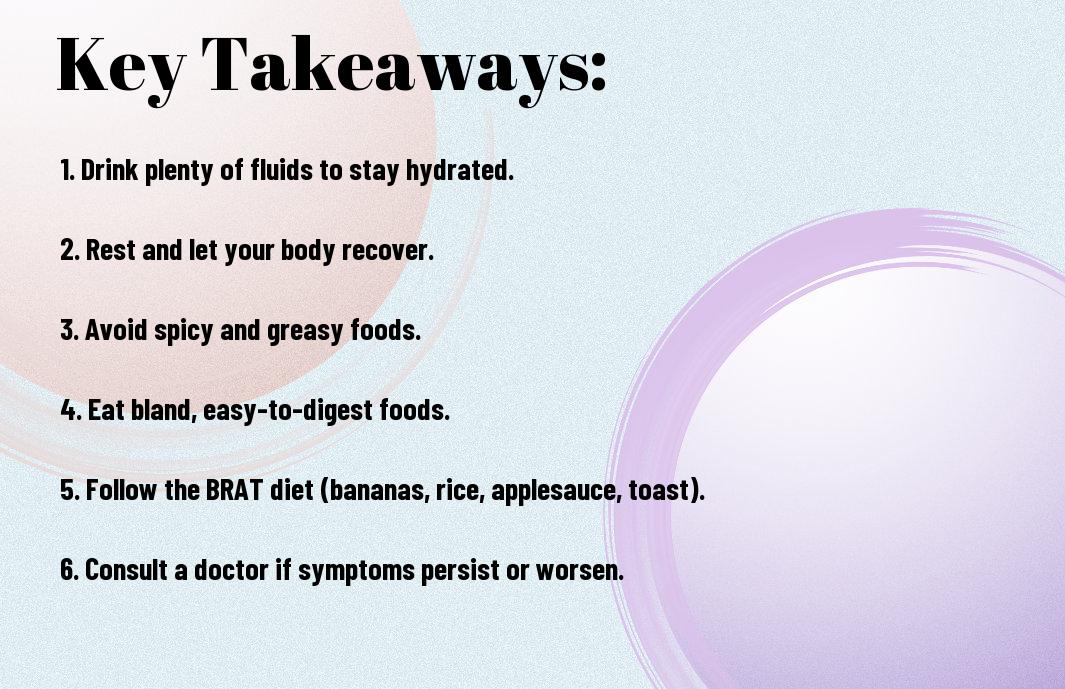
To rid your system of food poisoning, remember to stay hydrated, rest, and avoid consuming solid foods until your symptoms improve. Be sure to consult a healthcare provider if your symptoms persist or worsen, as they can provide guidance on treatment options or further evaluation if needed. By following these steps and taking care of yourself, you can help your body recover from food poisoning and get back to feeling better sooner.

FAQ

Q: What are the symptoms of food poisoning?

A: The symptoms of food poisoning can vary but commonly include nausea, vomiting, diarrhea, stomach cramps, and fever.

Q: How long does it take to recover from food poisoning?

A: The recovery time from food poisoning depends on the type of bacteria or virus that caused it. In most cases, people recover within a few days to a week.

Q: How can you get food poisoning out of your system?

A: To get food poisoning out of your system, it is imperative to stay hydrated, rest, and avoid solid foods for a period to allow your digestive system to recover. Gradually introduce bland and easy-to-digest foods like toast, rice, and bananas. If symptoms persist or worsen, seek medical attention.

How long does food poisoning last

Many people wonder how long food poisoning can last and what to do if you’ve eaten something bad. If you’re experiencing symptoms like nausea, vomiting, diarrhea, and stomach cramps, you may be dealing with food poisoning. To learn more about how long food poisoning can last and what steps you can take, check out this informative article on How Long Food Poisoning Lasts and What To Do About It.

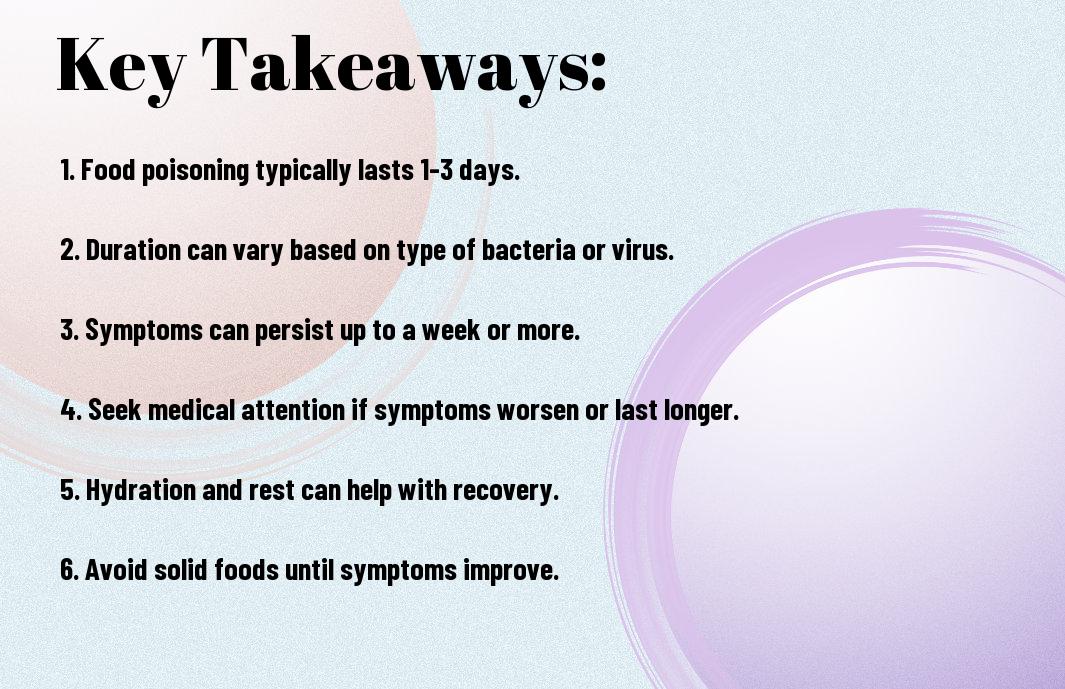
Key Takeaways:

  • Symptoms duration: Food poisoning symptoms can last anywhere from a few hours to several days.
  • Individual factors: The duration of food poisoning can vary depending on the type of bacteria or virus, the amount of contaminated food consumed, and the individual’s overall health.
  • Seek medical attention: If symptoms persist for more than a few days, it is important to consult a healthcare provider to avoid complications.

Causes of Food Poisoning

The causes of food poisoning can be categorized into various types of contaminations. These include bacterial contamination, viral infections, and parasitic infestations.

Bacterial Contamination

Bacterial contamination is one of the most common causes of food poisoning. Bacteria such as Salmonella, E. coli, and Campylobacter are found in various foods, especially raw or undercooked meats, poultry, and eggs. When you consume food contaminated with these bacteria, they can multiply in your digestive system and cause symptoms such as nausea, vomiting, diarrhea, and stomach cramps.

Viral Infections

Viral infections, such as norovirus and rotavirus, can also lead to food poisoning. These viruses are highly contagious and can spread through contaminated food or water. When you ingest food or liquids infected with these viruses, you may experience symptoms like vomiting, diarrhea, fever, and body aches.

Understanding viral infections is necessary in preventing the spread of food poisoning. Proper hygiene practices, such as washing your hands before handling food and ensuring that food is cooked at the right temperature, can help reduce the risk of viral contamination.

Parasitic Infestations

Contamination by parasites like Giardia and Cryptosporidium can also cause food poisoning. These parasites are often found in contaminated water sources and can infect fruits, vegetables, and other foods. When you ingest food or water containing these parasites, you may experience symptoms such as diarrhea, weight loss, and stomach cramps.

Parasitic infestations can be prevented by ensuring that your food and water sources are safe and free from contamination. Properly washing and cooking fruits and vegetables, and drinking clean, treated water can help reduce the risk of parasitic food poisoning.

Symptoms of Food Poisoning

Mild Symptoms

Little did you know that mild symptoms of food poisoning can include nausea, vomiting, diarrhea, stomach cramps, and mild fever. These symptoms may appear within a few hours to a couple of days after consuming contaminated food or beverages.

Severe Symptoms

On the other hand, severe symptoms of food poisoning can be more intense and debilitating. With severe food poisoning, you may experience persistent vomiting, high fever, severe dehydration, bloody stools, and abdominal pain. In some cases, it can even lead to hospitalization for treatment and observation.

Food poisoning with severe symptoms can be particularly dangerous for vulnerable populations such as young children, elderly individuals, pregnant women, and those with weakened immune systems. If you or someone you know is experiencing severe symptoms of food poisoning, it is important to seek medical attention promptly.

Common Misconceptions

Food poisoning symptoms are not always limited to stomach-related issues. Some common misconceptions include attributing symptoms like headache, muscle aches, and fatigue to other causes when they could actually be signs of food poisoning. It’s crucial to be aware of the wide range of symptoms that food poisoning can present.

Duration of Food Poisoning

Unlike other illnesses, food poisoning can vary in duration based on several factors. The time it takes for you to recover from food poisoning largely depends on the type of bacteria or virus that caused the illness, your overall health, and how quickly you seek treatment.

Average Recovery Time

To give you an idea, the average recovery time for most cases of food poisoning is around 1 to 3 days. During this time, you may experience symptoms such as nausea, vomiting, diarrhea, stomach cramps, and fever. It’s important to stay hydrated and get plenty of rest during this period to help your body fight off the infection.

Factors Affecting Recovery

Any of the following factors can affect how long food poisoning lasts for you:

  • The type of bacteria or virus causing the illness.
  • Your age and overall health.
  • Whether you receive medical treatment or manage symptoms at home.

Any underlying health conditions or weakened immune system can also prolong your recovery time from food poisoning. It’s necessary to listen to your body and seek medical attention if your symptoms worsen or persist for more than a few days.

When to Seek Medical Attention

For most cases of food poisoning, you can recover at home with rest and adequate hydration. However, there are certain signs that indicate you should seek medical attention promptly. These include:

If you experience severe dehydration, bloody stools, high fever, persistent vomiting, or signs of neurological symptoms such as blurred vision or muscle weakness, it’s crucial to seek medical help immediately. In some cases, food poisoning can lead to complications that require medical intervention.

Duration of food poisoning can vary from person to person, but most cases resolve within a few days with proper care and hydration. However, if you experience severe symptoms or your condition does not improve, it’s best to consult a healthcare professional for proper evaluation and treatment.

Treatment Options

Many cases of food poisoning can be effectively managed at home with appropriate treatment. The main goal of treatment is to prevent dehydration and make you feel more comfortable as your body fights off the infection.

Fluid Replacement Therapy

Replacement of fluids and electrolytes is crucial in managing food poisoning. You may lose fluids through vomiting and diarrhea, leading to dehydration. Drinking plenty of water, clear broths, or oral rehydration solutions can help replace lost fluids and prevent dehydration. In severe cases, intravenous fluids may be necessary to restore hydration levels.

Medications for Relief

Treatment for food poisoning may also involve medications to help alleviate symptoms such as nausea, vomiting, and diarrhea. Over-the-counter medications like loperamide (Imodium) can help reduce diarrhea, while anti-nausea medications like ondansetron (Zofran) can help control vomiting. These medications should only be used under the guidance of a healthcare provider, as they may not be suitable for everyone.

It is necessary to note that antibiotics are typically not recommended for most cases of food poisoning, as they may prolong the illness or cause unnecessary side effects.

Home Remedies and Natural Cures

Relief from food poisoning symptoms can also be found through various home remedies and natural cures. Consuming ginger tea or peppermint tea may help ease nausea and settle your stomach. Additionally, probiotics found in yogurt or supplements can aid in restoring the balance of healthy bacteria in your gut, promoting quicker recovery. Resting, avoiding solid foods for a period, and slowly reintroducing bland foods as tolerated can also support your body in recovering from food poisoning.

Understanding the various treatment options available can help you manage food poisoning effectively and speed up your recovery process. Remember to consult with a healthcare provider if your symptoms worsen or persist for more than a few days.

Complications of Food Poisoning

Dehydration and Electrolyte Imbalance

With food poisoning, one common complication you may experience is dehydration and electrolyte imbalance. Severe vomiting and diarrhea can lead to a significant loss of fluids and imperative electrolytes like sodium and potassium from your body. Dehydration can make you feel weak, dizzy, and increase the risk of fainting.

Infections and Organ Damage

With certain types of food poisoning caused by harmful bacteria like E. coli or Salmonella, the infection can spread beyond the digestive system and potentially lead to organ damage. These bacteria can invade the bloodstream and affect organs such as the kidneys, causing a condition called hemolytic uremic syndrome (HUS). Symptoms of HUS include decreased urination, fatigue, and paleness.

Electrolyte imbalances can also occur as a result of severe food poisoning, especially if you are unable to replenish the lost fluids and electrolytes adequately. This can further complicate your recovery and may require medical intervention to restore the balance of electrolytes in your body.

Long-term Health Consequences

For some people, food poisoning can have long-term health consequences even after the initial symptoms have resolved. Infections like Listeria, for example, can lead to serious complications such as meningitis or septicemia, which may require prolonged treatment with antibiotics. Additionally, some individuals may develop post-infectious irritable bowel syndrome (IBS) following a severe case of food poisoning, leading to ongoing digestive issues.

Consequences of severe food poisoning can impact your overall health and well-being, emphasizing the importance of seeking medical attention if you experience persistent or worsening symptoms. It’s imperative to monitor your health closely and follow up with a healthcare provider to address any lingering effects of food poisoning.

Prevention Strategies

Safe Food Handling Practices

All food poisoning cases are preventable with proper food handling. The key to preventing foodborne illnesses is ensuring that you practice safe food handling techniques. This includes washing your hands before and after handling food, keeping raw and cooked foods separate, cooking food to the appropriate temperatures, and refrigerating leftovers promptly.

Avoiding High-Risk Foods

One of the most effective ways to prevent food poisoning is by avoiding high-risk foods such as raw or undercooked meat, poultry, seafood, and eggs. These foods are more likely to be contaminated with harmful bacteria like Salmonella, E. coli, or Listeria. It’s crucial to cook these items thoroughly to kill any bacteria present and reduce your risk of food poisoning.

High-risk foods are called so because they are more susceptible to bacterial contamination, especially if not handled and cooked properly. By avoiding these high-risk foods or ensuring they are cooked thoroughly, you can significantly reduce your chances of developing food poisoning.

Boosting Immunity and Gut Health

Handling food with unwashed hands can introduce harmful bacteria into your system, potentially leading to food poisoning. Boosting your immunity and maintaining good gut health can help your body fight off any bacteria that you may have accidentally ingested. Eating a balanced diet rich in fruits, vegetables, and probiotics can strengthen your immune system and improve gut health, reducing your susceptibility to foodborne illnesses.

A healthy gut is crucial for overall well-being and can aid in digestion and absorption of nutrients. By incorporating probiotic-rich foods like yogurt, kefir, and sauerkraut into your diet, you can support the good bacteria in your gut and promote a robust immune system to help protect against food poisoning.

To wrap up

Following this guide on how long food poisoning lasts, you now have a better understanding of the typical duration of food poisoning symptoms. Remember that most cases of food poisoning resolve within a few days without any medical intervention. It is crucial to stay hydrated, rest, and avoid certain foods until you feel better. If your symptoms persist for more than a few days, or if you experience severe symptoms such as high fever or bloody diarrhea, seek medical attention promptly.

FAQ

Q: How long does food poisoning typically last?

A: The duration of food poisoning can vary depending on the type of bacteria, virus, or toxin that caused it. In general, symptoms of food poisoning usually last for 1 to 3 days. However, some cases may last up to a week or more.

Q: What are the symptoms of food poisoning?

A: Symptoms of food poisoning can include nausea, vomiting, diarrhea, stomach cramps, fever, and fatigue. Depending on the cause, symptoms may appear within hours of consuming contaminated food or they may take days to develop.

Q: When should I see a doctor for food poisoning?

A: You should see a doctor if your symptoms are severe, persistent, or if you have additional risk factors such as a weakened immune system, pregnancy, or underlying health conditions. Signs that you should seek medical attention include dehydration, high fever, bloody stools, and inability to keep liquids down.

Skip to content