Protein

What are 6 good sources of protein

Protein plays a crucial role in your diet, aiding in muscle growth, repair, and overall health. Including a variety of protein sources in your meals is crucial. You can find good sources of protein in foods like lean meats, poultry, fish, eggs, dairy products, and plant-based options such as quinoa and tofu. For more ideas on high-protein foods, check out this list of 16 Foods for High Protein Meals. Fuel your body with these nutritious options to support your health and well-being.

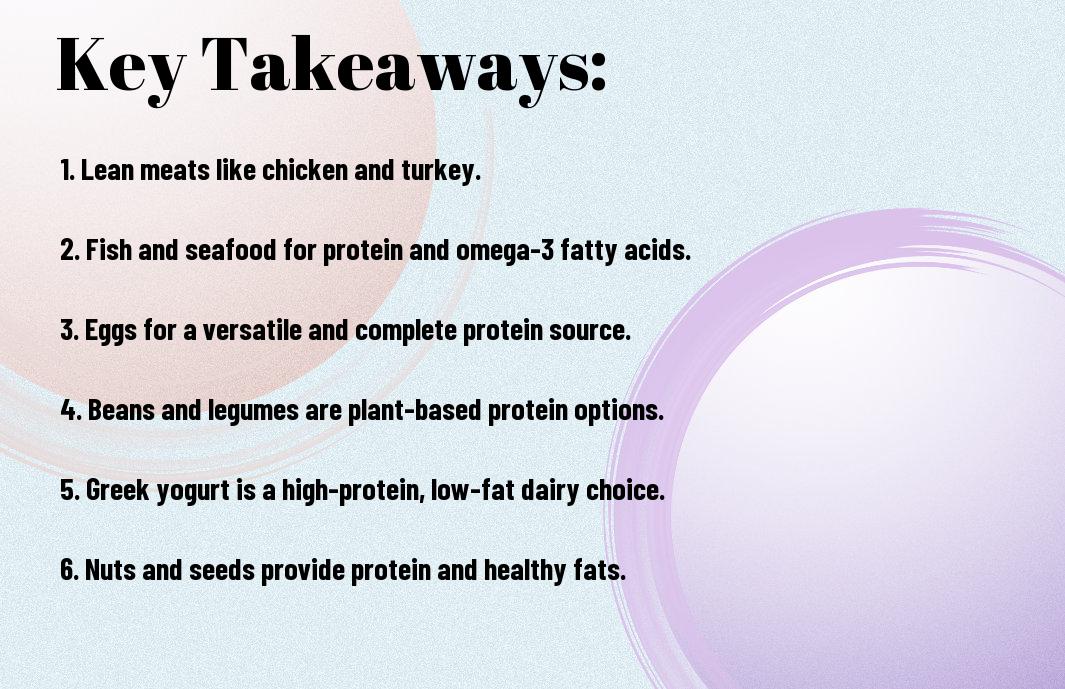
Key Takeaways:

  • Animal meats: Sources such as chicken, beef, and turkey are high in protein and important nutrients.
  • Seafood: Fish like salmon, tuna, and shrimp, are not only rich in protein but also provide healthy fats.
  • Legumes: Beans, lentils, and chickpeas are plant-based sources of protein that are also high in fiber.
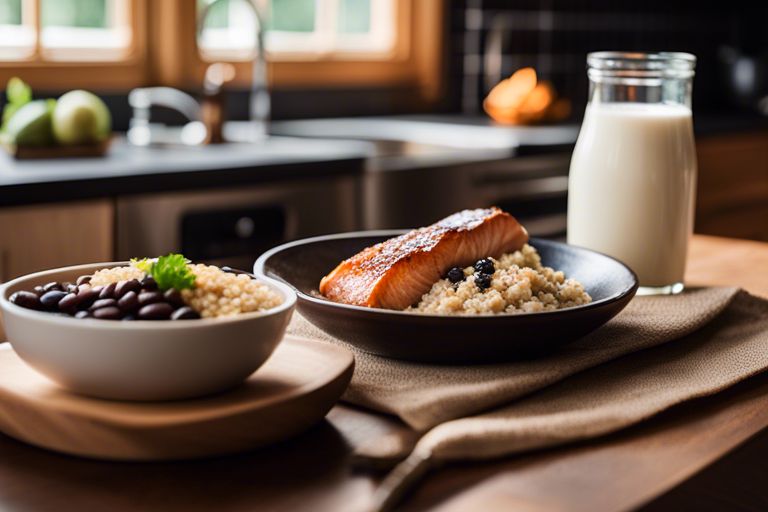
Animal-Based Protein Sources

The consumption of animal-based protein sources can be an imperative part of your diet, providing a high-quality protein rich in imperative amino acids. Here are some great sources of animal-based protein that you can incorporate into your meals.

Lean Meats

The inclusion of lean meats such as chicken, turkey, and lean cuts of beef can be a great way to boost your protein intake. These meats are not only rich in protein but also contain important nutrients such as iron and zinc. When preparing your meats, opt for healthier cooking methods such as grilling, baking, or broiling to keep them low in saturated fats and calories.

Seafood

Seafood, including fish such as salmon, tuna, and trout, can be a delicious and nutritious source of animal-based protein. Fish is not only rich in protein but also packed with omega-3 fatty acids, which are beneficial for heart health. Including a variety of fish and seafood in your diet can provide you with a range of nutrients and support your overall well-being.

Protein from fish and seafood is easily digestible and can be a lighter option compared to other animal-based proteins. To reap the most benefits, aim to include fish in your meals at least twice a week to meet your protein needs and promote good health.
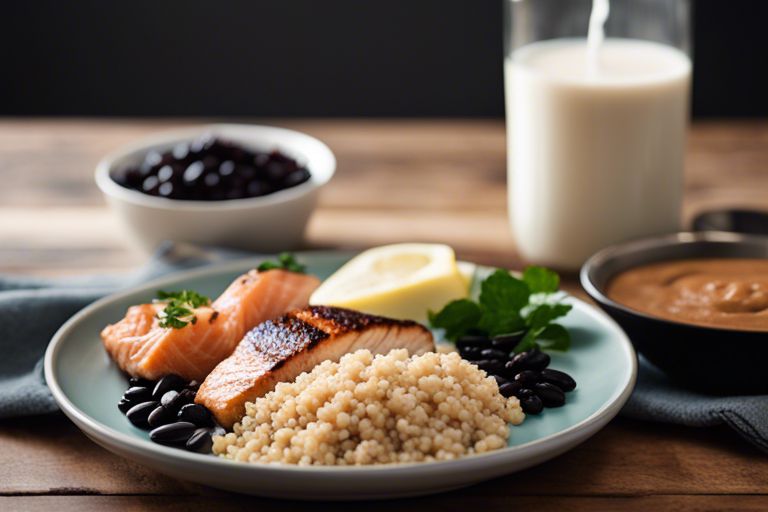
Plant-Based Protein Sources

While animal products are popular sources of protein, plant-based sources can also provide you with the protein you need. They are not only nutritious but also have the added benefits of being high in fiber, vitamins, and minerals. Incorporating plant-based proteins into your diet can help diversify your nutrient intake and support overall health.

Legumes

Protein-rich legumes such as lentils, chickpeas, and black beans are excellent plant-based sources of protein. They are also high in fiber, making them a filling and satisfying option for your meals. Including legumes in your diet can help you meet your protein needs while promoting digestive health and providing crucial nutrients.

Nuts and Seeds

Nuts and seeds, such as almonds, chia seeds, and pumpkin seeds, are packed with protein, healthy fats, and various vitamins and minerals. They make a convenient and delicious snack option that can help boost your protein intake throughout the day. Including a variety of nuts and seeds in your diet can provide you with crucial nutrients and contribute to overall well-being.

Plus, nuts and seeds are versatile ingredients that can be added to salads, smoothies, or oatmeal. You can also enjoy nut butters or seed spreads as a tasty and nutritious addition to your meals. By incorporating nuts and seeds into your diet, you can create flavorful dishes while reaping the benefits of their protein and nutrient content.

Dairy and Eggs

All dairy and eggs are excellent sources of protein for your diet. They are versatile ingredients that can be used in a variety of dishes and meals to help meet your daily protein needs.

Milk and Cheese

All dairy products, such as milk and cheese, are rich in protein and can be easily incorporated into your daily meals. Milk is not only a good source of protein but also provides crucial nutrients like calcium and vitamin D. Cheeses, such as cheddar, mozzarella, and Swiss, are also packed with protein and add delicious flavor to your dishes.

Eggs

Eggs are a complete protein source, meaning they contain all the crucial amino acids your body needs. They are versatile and can be enjoyed in numerous ways – scrambled, boiled, poached, or as an omelet. Eggs also provide important nutrients like vitamin B12 and selenium.

With their high protein content and versatility in cooking, eggs are a convenient and nutritious option to add to your diet. They can be a quick and easy protein source for breakfast, lunch, or dinner, helping you meet your daily protein requirements while enjoying delicious meals.

Protein-Rich Grains

After lean meats and dairy, grains can also be a good source of protein. Protein-rich grains like quinoa and amaranth offer a plant-based alternative to animal protein sources. They are not only rich in protein but also packed with important nutrients and minerals.

Quinoa

An ancient grain, quinoa is a complete protein source, meaning it provides all nine important amino acids that your body cannot produce on its own. This makes it an excellent choice for vegetarians and vegans looking to meet their protein needs. Quinoa is also high in fiber, iron, magnesium, and antioxidants, making it a wholesome addition to your diet.

Amaranth

Protein-rich amaranth is another grain that offers a good amount of protein per serving. It is also gluten-free, making it a suitable option for those with gluten sensitivities. Amaranth is a good source of lysine, an important amino acid that is often lacking in other grains. Additionally, it contains important minerals like calcium, iron, and phosphorus.

Another benefit of amaranth is its versatility in the kitchen. You can use it to make porridge, salads, soups, or even bake it into bread and muffins. Adding amaranth to your diet can help increase your protein intake and provide a nutrient boost to your meals.

Soy Products

Keep in mind that soy products are a great source of plant-based protein. They are versatile and can be easily incorporated into your meals. Two popular soy products that you can include in your diet are tofu and tempeh.

Tofu

To start, tofu is a staple in many vegetarian and vegan diets. It is made from condensed soy milk that is pressed into solid white blocks. Tofu has a subtle flavor on its own, making it a versatile ingredient that can take on the flavors of the dish you are preparing. Whether you scramble it for breakfast, marinate it for a stir-fry, or blend it into a smoothie, tofu is a fantastic source of protein that can be enjoyed in various ways.

Tempeh

On the other hand, tempeh is another soy product that is gaining popularity for its nutty flavor and firm texture. Unlike tofu, tempeh is made from fermented soybeans that are pressed into a dense cake. This fermentation process not only enhances its flavor but also increases its digestibility and nutrient absorption. Tempeh is a great option if you are looking to switch up your protein sources and add a new depth of flavor to your meals.

Apart from being rich in protein, tempeh is also a good source of probiotics, which are beneficial for gut health. Including tempeh in your diet can help support a healthy digestive system and promote overall well-being. Try incorporating tempeh into stir-fries, salads, sandwiches, or even grilling it for a delicious meat alternative.

Other Good Sources of Protein

Meat Alternatives

Not a fan of meat? No problem! There are plenty of plant-based options that are great sources of protein. Foods like tofu, tempeh, edamame, and seitan are all rich in protein and can be delicious additions to your meals. These meat alternatives not only provide you with the protein you need but also offer a variety of necessary nutrients like iron, calcium, and healthy fats.

Protein Powder

Powder

This convenient option is a quick and easy way to boost your protein intake. Protein powders come in various forms, including whey, soy, pea, and rice protein. They can be added to smoothies, oatmeal, or even baked goods to increase the protein content of your meal. Protein powders are especially popular among athletes and those with busy lifestyles who may struggle to get enough protein from whole foods alone.
Final Words

From above, you now have a better understanding of what 6 good sources of protein are. Remember to incorporate a variety of these sources into your diet to ensure you are getting all the crucial amino acids your body needs to function properly. Whether you prefer animal-based proteins like eggs and fish, or plant-based options like tofu and quinoa, there are plenty of delicious and nutritious ways to meet your protein needs.

By making conscious choices about the foods you consume, you can optimize your health and well-being. Experiment with different protein sources to keep your meals exciting and diverse while nourishing your body with the crucial nutrients it needs. With knowledge about these 6 good sources of protein, you can make informed decisions that support your overall health and vitality.

FAQ

Q: What are 6 good sources of protein?

A: There are many great sources of protein, here are six of them:

  1. Fish – Fish like salmon, tuna, and sardines are high in protein and also provide healthy omega-3 fatty acids.
  2. Chicken – Chicken is a lean source of protein that can be prepared in a variety of ways.
  3. Eggs – Eggs are a versatile and affordable source of protein, with one large egg containing about 6 grams of protein.
  4. Beans – Beans, such as black beans, chickpeas, and lentils, are plant-based sources of protein that are also high in fiber.
  5. Greek Yogurt – Greek yogurt is a creamy and satisfying source of protein, with around 17 grams of protein per 6-ounce serving.
  6. Quinoa – Quinoa is a complete protein, meaning it contains all nine necessary amino acids, making it a great option for vegetarians and vegans.

Q: Why is protein important?

A: Protein is an necessary nutrient that plays a crucial role in the growth, repair, and maintenance of tissues in the body. It is also important for the production of enzymes, hormones, and antibodies. Getting an adequate amount of protein in your diet can help you feel full and satisfied, support muscle growth and repair, and promote overall health.

Q: How much protein do I need per day?

A: The recommended daily allowance (RDA) for protein is 0.8 grams per kilogram of body weight, or about 0.36 grams per pound. However, individual protein needs can vary based on factors such as age, sex, activity level, and goals. Most people can meet their protein needs by including a source of protein at each meal and snack throughout the day.

What are the No 1 protein foods

There’s no denying the importance of protein in your diet. Whether you’re trying to build muscle, maintain a healthy weight, or simply stay energized throughout the day, incorporating high-protein foods into your meals is key. In this blog post, we will explore the top protein-rich foods that should be on your grocery list to help you meet your nutritional needs and optimize your health.

Key Takeaways:

  • Animal-based sources: Animal-based proteins such as chicken, beef, and fish are among the top sources of protein due to their high bioavailability and vital amino acid profile.
  • Plant-based sources: Plant-based proteins like legumes, nuts, and quinoa are excellent options for those following a vegetarian or vegan diet, offering ample protein content and other vital nutrients.
  • Eggs: Eggs are considered one of the most complete and high-quality protein sources, providing all vital amino acids in a readily digestible form.

Top Protein-Rich Foods

The

Lean Meats

Meats such as chicken, turkey, and lean cuts of beef are excellent sources of high-quality protein. These meats are low in fat and calories, making them a nutritious choice to include in your diet. When preparing these meats, opt for cooking methods such as grilling, baking, or roasting instead of frying to keep them healthy.

Additionally, lean meats are packed with important nutrients like iron, zinc, and B vitamins, which are important for overall health and well-being. Including a variety of lean meats in your meals can help you meet your protein needs while enjoying delicious and satisfying dishes.

Fish and Seafood

Protein-rich fish and seafood, such as salmon, tuna, and shrimp, are not only delicious but also excellent sources of important nutrients like omega-3 fatty acids. These nutrients are important for heart health, brain function, and reducing inflammation in the body. Including fish and seafood in your diet can provide you with a wide range of health benefits.

Plus, fish and seafood are versatile ingredients that can be grilled, baked, or steamed to create flavorful meals. Whether you enjoy them as a main dish or incorporate them into salads and soups, fish and seafood can add variety to your diet while boosting your protein intake.

Eggs and Dairy

Little 16 Foods for High Protein Meals

Eggs as a Protein Powerhouse

The incredible edible egg is a true powerhouse when it comes to protein. Not only are eggs a convenient and versatile source of protein, but they also contain all nine important amino acids that your body needs for optimal functioning. Enjoy them boiled, scrambled, poached, or in an omelet for a satisfying and protein-rich meal.

High-Protein Dairy Options

The dairy aisle is filled with high-protein options to help you meet your protein needs. Greek yogurt, cottage cheese, and milk are excellent sources of protein, calcium, and other important nutrients. Greek yogurt, in particular, stands out for its high protein content and creamy texture, making it a perfect snack or addition to smoothies and recipes.

Dairy products not only provide you with quality protein but also offer a good dose of calcium for strong bones and teeth. If you’re looking to increase your protein intake, incorporating dairy products into your daily diet can be a tasty and nutritious way to do so.

Plant-Based Protein Sources

Legumes: The Protein-Packed Beans

Unlike animal products, legumes are excellent plant-based sources of protein. Beans, lentils, and chickpeas are not only high in protein but also rich in fiber, vitamins, and minerals. Incorporating a variety of legumes into your diet can help you meet your protein needs while also promoting digestive health and providing important nutrients your body needs.

Nuts and Seeds: Crunchy Protein Snacks

On the plant-based protein front, nuts and seeds are your go-to crunchy snacks. Almonds, walnuts, chia seeds, and sunflower seeds are packed with protein, healthy fats, and antioxidants. These nutrient-dense foods can be sprinkled over salads, blended into smoothies, or enjoyed on their own as a satisfying snack.

Plant-based protein sources like nuts and seeds are not only delicious but also versatile. You can easily incorporate them into your meals to add a nutrient boost and a satisfying crunch.

To conclude,

It’s clear that plant-based protein sources offer a wide range of benefits beyond just protein content. By including legumes, nuts, and seeds in your diet, you can not only meet your protein needs but also enjoy a variety of nutrients that support your overall health and well-being.

Protein-Rich Grains

Keep your protein intake varied and exciting by incorporating protein-rich grains into your diet. Grains like quinoa and amaranth are not only delicious but also pack a powerful protein punch to help you meet your daily protein needs.

Quinoa: The Complete Protein Grain

To start off, quinoa is a complete protein grain, meaning it contains all nine necessary amino acids that your body needs but cannot produce on its own. This makes quinoa an excellent choice for vegetarians and vegans looking to increase their protein intake. Additionally, quinoa is gluten-free and high in fiber, making it a nutritious option for those with dietary restrictions or sensitivities.

Amaranth: A Protein-Packed Ancient Grain

Quinoa is undeniably a nutritional powerhouse, but don’t overlook amaranth when it comes to protein-packed grains. Amaranth is another ancient grain that is rich in protein and offers a nutty flavor profile. This grain is particularly high in lysine, an amino acid that is often lacking in other grains, making it a valuable addition to your diet.

Protein-packed amaranth can be cooked and enjoyed in a variety of ways, from porridge for breakfast to salads or side dishes for lunch and dinner. Its versatility and nutrient density make it a top choice for boosting your protein intake while adding a delicious element to your meals.

Vegetables High in Protein

All among the many nutrient-packed vegetables out there, some are surprisingly high in protein content. These vegetables not only offer important vitamins and minerals but also serve as a great source of plant-based protein.

Broccoli: The Protein-Rich Cruciferous Veggie

On your journey to incorporate more protein into your diet, don’t overlook the humble broccoli. This cruciferous vegetable is not only rich in fiber and antioxidants but also contains a good amount of protein. A one-cup serving of chopped broccoli can provide you with about 2.6 grams of protein. Additionally, broccoli is versatile and can be enjoyed in salads, stir-fries, soups, and even on its own as a nutritious side dish.

Spinach: Popeye’s Favorite Protein-Packed Green

For a leafy green that packs a protein punch, look no further than spinach. Spinach is not only low in calories but also high in protein, with about 5 grams of protein per cooked cup. This nutrient-dense green is also loaded with iron, vitamin K, and antioxidants, making it a powerhouse addition to your meals.

Spinach is a versatile vegetable that can be enjoyed raw in salads, sautéed as a side dish, or blended into smoothies for a boost of protein and nutrients. Including spinach in your diet can help you meet your daily protein needs while also benefiting from its array of healthful nutrients.

Popeyes may have been onto something with his love for spinach. This green leafy vegetable is not only delicious but also a great source of plant-based protein. So, go ahead and channel your inner Popeye by adding more protein-packed spinach to your diet.

Protein Supplements

Once again, when it comes to meeting your protein needs, supplements can be a convenient way to boost your intake. Here, we’ll explore two popular types of protein supplements: whey protein and plant-based protein powders.

Whey Protein: The Popular Post-Workout Supplement

Protein supplements like whey protein are often used as post-workout supplements to help with muscle recovery and growth. Whey protein is a high-quality protein derived from dairy that is quickly digested by your body, making it ideal for consumption right after your workout. It contains all the vital amino acids your body needs, making it a complete protein source.

Plant-Based Protein Powders: Alternatives to Whey

Plant-based protein powders are gaining popularity as alternatives to whey protein, especially among those following vegetarian or vegan diets. These protein powders are derived from sources like peas, rice, hemp, and soy, and can provide a good amount of protein to support your muscle-building goals. They are also easily digestible and can be a great option for those with lactose intolerance or dairy allergies.

Supplementing with plant-based protein powders can also offer additional benefits beyond just protein. They can provide fiber, antioxidants, vitamins, and minerals that are naturally present in plant-based sources, contributing to your overall nutrient intake.

To wrap up

Considering all points, it is clear that incorporating high-protein foods into your diet can have numerous health benefits, from promoting muscle growth and repair to aiding in weight management and supporting overall health. Including a variety of protein sources in your meals, such as lean meats, poultry, fish, eggs, dairy, legumes, and nuts, can help ensure that you are getting all the crucial amino acids your body needs to function properly.

Remember to pay attention to portion sizes and cooking methods to maximize the nutritional benefits of protein-rich foods. By making mindful choices and incorporating a variety of protein sources into your meals, you can easily meet your daily protein needs and enjoy a well-balanced and nutritious diet.

FAQ

Q: What are the top sources of protein for a balanced diet?

A: Some of the number one protein-rich foods for a balanced diet include chicken, turkey, fish, eggs, dairy products like Greek yogurt and cottage cheese, legumes such as lentils and chickpeas, tofu, tempeh, quinoa, and nuts and seeds.

Q: How much protein do you need daily and how can you ensure you are getting enough?

A: The recommended daily intake of protein varies depending on factors such as age, activity level, and individual goals. However, a general guideline is 0.8 grams of protein per kilogram of body weight. To ensure you are getting enough protein, incorporate a variety of protein-rich foods into your meals and snacks throughout the day.

Q: Can plant-based foods be good sources of protein?

A: Yes, plant-based foods can be excellent sources of protein. Foods like lentils, chickpeas, tofu, tempeh, quinoa, nuts, and seeds are all high in protein and can be included in a plant-based diet to meet your protein needs. By combining different plant-based protein sources, you can easily obtain all crucial amino acids required for optimal health.

Skip to content