Protein

How to increase protein in body naturally

With the right dietary choices and lifestyle habits, you can naturally boost the protein levels in your body. Increasing your protein intake is important for building and repairing tissues, supporting muscle growth, and maintaining overall health. In this blog post, we will provide you with effective ways to increase protein levels in your body through simple and practical tips.

Key Takeaways:

  • Incorporate protein-rich foods: Include sources like lean meat, poultry, fish, eggs, dairy, legumes, nuts, and seeds in your diet to boost protein intake.
  • Choose whole foods: Opt for whole foods over processed ones as they are usually higher in protein content and provide additional nutrients.
  • Snack smartly: Have protein-rich snacks like Greek yogurt, cottage cheese, boiled eggs, or protein bars to increase your protein intake throughout the day.

Importance of Protein

Role of Protein in the Body

A critical component of your body, protein plays a crucial role in various functions necessary for your overall health and well-being. Proteins are made up of amino acids, commonly referred to as the building blocks of life. They are necessary for the growth and repair of tissues, making them vital for maintaining muscle mass, bone health, and healthy skin.

Consequences of Protein Deficiency

Protein deficiency can have serious implications on your health. Without an adequate amount of protein in your diet, your body may start breaking down muscle mass for energy. This can lead to muscle weakness, fatigue, and a compromised immune system. Additionally, protein deficiency can slow down wound healing and affect your body’s ability to recover from illness or injury.

It is important to note that protein deficiency can also affect your hair, skin, and nail health. You may notice that your hair becomes brittle, your skin loses its elasticity, and your nails become weaker. To prevent these consequences, ensure you are consuming enough protein-rich foods in your daily diet.

Dietary Sources of Protein

Animal-Based Protein Sources

If you are looking to increase your protein intake naturally, animal-based sources are an excellent option. Sources such as lean meats, poultry, fish, eggs, and dairy products are rich in high-quality protein. These foods provide crucial amino acids that are important for building and repairing muscles in your body. Including a variety of animal-based proteins in your diet can help you meet your daily protein requirements.

Plant-Based Protein Sources

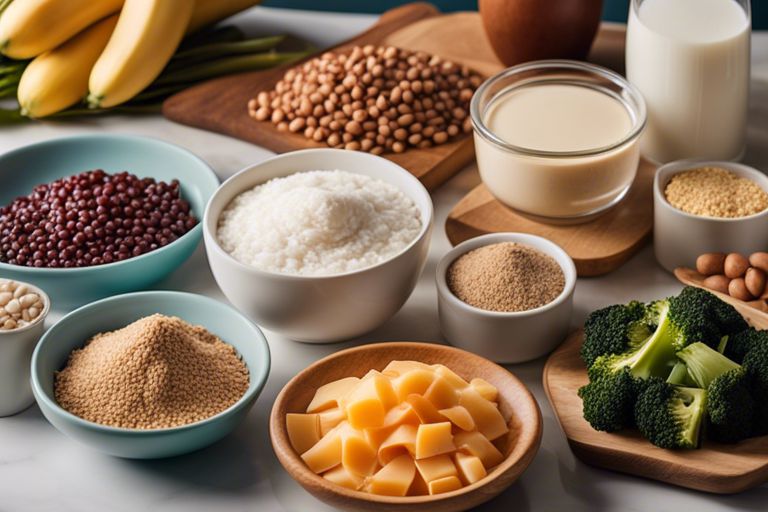
One of the best ways to increase your protein intake naturally is to incorporate plant-based protein sources into your diet. Foods like beans, lentils, tofu, tempeh, nuts, seeds, and whole grains are great alternatives for those following a vegetarian or vegan diet. These plant-based sources are not only rich in protein but also provide fiber, vitamins, and minerals that are beneficial for your overall health.

Plant-based proteins can be just as effective in helping you reach your protein goals as animal-based proteins. By including a variety of plant-based sources in your meals, you can ensure that you are getting all the crucial amino acids your body needs for optimal functioning.

High-Protein Foods to Include in Your Diet

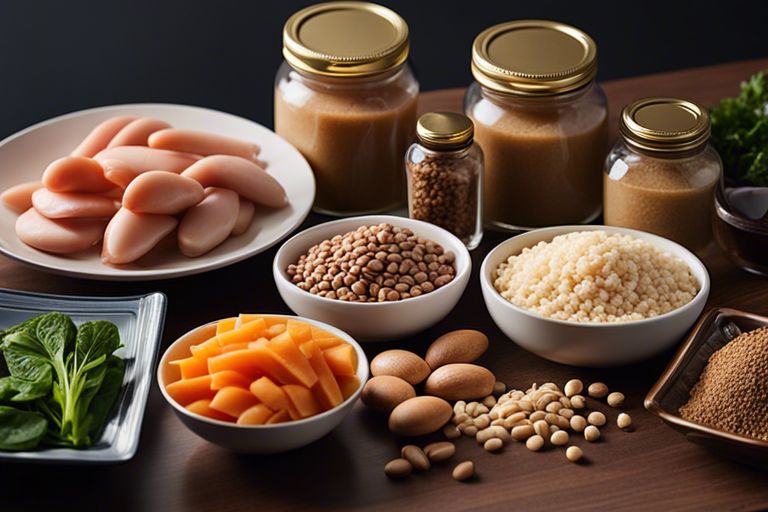
Your diet should include a mix of both animal and plant-based high-protein foods to ensure you are meeting your protein needs. Foods such as chicken, turkey, salmon, tofu, quinoa, Greek yogurt, nuts, and seeds are excellent choices to boost your protein intake. Including these foods in your meals can help you maintain muscle mass, support weight management, and keep you feeling full and satisfied throughout the day.

Sources of high-protein foods are readily available and can be easily incorporated into your daily meals and snacks. By planning your meals around these protein-rich foods, you can optimize your nutrient intake and support your overall health and wellness goals.

Meal Planning for Protein Intake

Many people struggle with getting enough protein in their diet, but with proper meal planning, you can easily increase your protein intake. Here are some ideas to help you boost your protein levels throughout the day.

Breakfast Ideas for Boosting Protein

Meal planning for protein intake should start with your breakfast. Including protein-rich foods like eggs, Greek yogurt, protein smoothies, or oatmeal with nuts and seeds can help kickstart your day with a protein boost. These options are not only delicious but also easy to prepare, making it convenient for you to increase your protein intake in the morning.

Lunch and Snack Options for Protein-Rich Meals

Any meal planning for protein intake should also consider your lunch and snacks. Incorporating lean protein sources such as grilled chicken, tuna salad, quinoa, or chickpeas into your meals can help you stay full and satisfied while meeting your protein needs. Snacking on options like nuts, Greek yogurt, or protein bars can also be a great way to increase your protein intake throughout the day.

Planning your meals and snacks ahead of time can help you ensure that you are getting enough protein in your diet. By including a variety of protein-rich foods in your meals, you can easily meet your daily protein requirements and support your overall health and fitness goals.

Dinner Recipes for High-Protein Consumption

Boosting your protein intake during dinner is necessary for meeting your daily requirements. Including meals like grilled salmon, tofu stir-fry, lentil soup, or lean beef can help you increase your protein consumption at the end of the day. These dinner recipes are not only tasty but also packed with protein to help you reach your daily goals.

Planning your dinners with protein-rich ingredients can help you ensure that you end your day on a high-protein note. By including a variety of protein sources in your meals, you can optimize your protein intake and support your body’s muscle growth and repair processes.

Lifestyle Changes for Protein Production

Once again, if you want to increase protein production in your body naturally, you can make some lifestyle changes that promote protein synthesis. One way to do this is by incorporating high-protein foods into your diet. You can find a list of 39 high-protein foods here to help you make better choices when it comes to your nutrition.

Exercise and Resistance Training for Muscle Growth

Resistance training is key when it comes to promoting muscle growth and increasing protein production in your body. By engaging in activities like weightlifting or bodyweight exercises, you create micro-tears in your muscles that then need to be repaired. This repair process requires protein synthesis, leading to bigger and stronger muscles over time.

Sleep and Recovery for Protein Synthesis

To maximize protein synthesis, you need to prioritize sleep and recovery. During deep sleep, your body goes into repair and recovery mode, which includes synthesizing proteins for muscle repair and growth. Aim for 7-9 hours of quality sleep each night to support optimal protein synthesis. Another way to enhance recovery is by incorporating rest days into your workout routine to give your muscles time to repair and grow.

Reducing Stress for Optimal Protein Function

One effective lifestyle change you can make to promote protein production in your body is to reduce your stress levels. When you are stressed, your body releases cortisol, a hormone that can inhibit protein synthesis. By managing stress through activities like meditation, yoga, or deep breathing exercises, you can optimize your body’s protein function and promote muscle growth. Keep in mind, stress management is a key component of overall health and wellness.

Supplements and Vitamins for Protein Support

Keep 4 Ways To Increase Your Protein Intake for a Healthier You in mind as you look for supplements and vitamins to support your protein intake. These can help you meet your dietary goals and optimize your overall health and wellness.

Protein Powder and Its Benefits

Powdered protein supplements are a convenient and effective way to increase your protein intake. They come in various forms, such as whey, casein, and plant-based proteins like pea or rice protein. Protein powder can be easily added to smoothies, oatmeal, or baked goods to boost your protein consumption. Additionally, protein powder supplements are often low in fat and carbs, making them a popular choice for those looking to increase their protein intake without consuming extra calories.

Vitamin D and Its Role in Protein Metabolism

Benefits of Vitamin D extend beyond bone health—it also plays a crucial role in protein metabolism. Vitamin D helps regulate muscle function and protein synthesis in the body, which are vital for muscle growth and repair. Adequate levels of Vitamin D can improve your body’s ability to utilize dietary protein, making it an important nutrient to consider when looking to increase your protein intake.

Understanding the importance of Vitamin D in protein metabolism can motivate you to ensure you are getting enough of this vital nutrient. Including Vitamin D-rich foods like fatty fish, egg yolks, and fortified dairy products in your diet can help support your protein goals and overall health.

Other Supplements for Enhanced Protein Absorption

Powdered digestive enzymes, probiotics, and amino acids are other supplements that can enhance protein absorption in your body. These supplements can help improve your digestion and nutrient absorption, ensuring that the protein you consume is effectively utilized by your body. Consider incorporating these supplements into your daily routine to maximize the benefits of your protein-rich diet.

Vitamins and minerals like Vitamin C, Vitamin B6, and magnesium can also support protein metabolism and utilization in the body. Including a variety of nutrient-rich foods and considering targeted supplementation can help you optimize your protein intake and support your overall health and fitness goals.

Common Mistakes to Avoid

Overconsumption of Processed Foods

One common mistake to avoid when trying to increase protein in your body naturally is overconsuming processed foods. These foods are often high in unhealthy fats, sugars, and additives, which can hinder your body’s ability to properly absorb and utilize the protein it needs.

Inadequate Hydration for Protein Function

To ensure your body can effectively use the protein you consume, it is important to maintain adequate hydration levels. Dehydration can impair protein function and metabolism, leading to decreased muscle growth and overall performance in your body.

It is recommended to drink at least 8-10 glasses of water a day to support your body’s protein functions and overall health.

Ignoring Individual Protein Needs

Foods that work well for increasing protein levels in one person may not always work for another. Ignoring your individual protein needs can lead to either consuming too little or too much protein, both of which can have negative impacts on your body’s health and performance.

Individual protein needs can vary based on factors such as age, weight, activity level, and fitness goals. It is important to tailor your protein intake to meet your specific requirements for optimal results.

Conclusion

Taking this into account, increasing protein in your body naturally can be achieved through incorporating protein-rich foods like lean meats, fish, eggs, dairy, legumes, nuts, and seeds into your diet. Additionally, focusing on protein sources that are also low in saturated fats and processed sugars can help you maintain a balanced and healthy diet.

Remember to also include regular physical activity in your routine to help your body utilize the protein effectively. By making these simple adjustments to your diet and lifestyle, you can naturally increase your protein intake and support overall health and wellness.

FAQ

Q: What are some natural ways to increase protein in the body?

A: Some natural ways to increase protein in the body include consuming protein-rich foods such as lean meats, eggs, dairy products, beans, legumes, nuts, and seeds. You can also increase protein intake by adding protein powder to smoothies or meals, incorporating Greek yogurt or cottage cheese into your diet, and snacking on protein-rich foods like hard-boiled eggs or edamame.

Q: How important is protein for the body?

A: Protein is crucial for the body as it plays a crucial role in building and repairing tissues, making enzymes and hormones, and supporting immune function. Adequate protein intake is necessary for muscle growth, maintaining a healthy metabolism, and overall well-being. Without enough protein, the body may experience muscle loss, weakened immune system, and other health issues.

Q: Can a vegetarian or vegan diet provide enough protein naturally?

A: Yes, a vegetarian or vegan diet can provide enough protein naturally by incorporating plant-based protein sources such as beans, lentils, tofu, tempeh, chickpeas, quinoa, nuts, and seeds. It is important for vegetarians and vegans to include a variety of protein-rich foods in their diet to ensure they are meeting their daily protein needs. Additionally, plant-based protein powders can also be used to supplement protein intake if needed.

What are the top 20 protein foods

Many of us are constantly striving to include more protein in our diets for various health reasons. Whether you’re a meat lover or a vegetarian, knowing the top 20 protein-rich foods can help you make informed choices when planning your meals. From eggs and chicken to lentils and tofu, incorporating these high-protein foods into your diet can be easier than you think. For a detailed list and exciting recipe ideas, check out 20 High-Protein Foods | olivemagazine.

Key Takeaways:

  • Lean meats: Lean meats such as chicken, turkey, and lean beef are excellent sources of protein with low levels of fat.
  • Seafood: Seafood like salmon, tuna, and shrimp are not only high in protein but also provide imperative omega-3 fatty acids.
  • Dairy products: Dairy products like Greek yogurt, cottage cheese, and milk are rich sources of protein and calcium, imperative for bone health.

Protein Basics

What is Protein?

To understand the importance of protein in your diet, it’s crucial to know what protein actually is. Proteins are large molecules made up of amino acids, which are often referred to as the building blocks of life. There are twenty different amino acids that can combine in various ways to form different types of proteins. These proteins are vital for the structure, function, and regulation of the body’s tissues and organs.

Why Do We Need Protein?

With protein being a fundamental component of every cell in your body, it plays a crucial role in many bodily functions. Your body uses protein to build and repair tissues, make enzymes and hormones, and support the immune system. In addition, protein is vital for maintaining healthy skin, hair, and nails. Without an adequate intake of protein, your body may not be able to function optimally, leading to issues such as muscle loss, weakened immune system, and slow wound healing.

Protein also plays a key role in weight management. Including protein-rich foods in your diet can help you feel full and satisfied, which can aid in reducing overall calorie intake and supporting a healthy weight. When you consume protein, your body burns more calories through a process called the thermic effect of food, which can further support weight management efforts.

Animal-Based Protein Sources

There’s a wide range of animal-based protein sources that can help you meet your protein needs. If you’re looking for more ideas, you can check out this High-Protein Foods for Every Eater resource. Lean meats, fish, seafood, dairy, and eggs are all excellent options to incorporate into your diet.

Lean Meats

To ensure you’re getting the most protein with the least amount of fat, opt for lean cuts of meat such as skinless poultry, pork loin, and beef cuts like sirloin or tenderloin. These meats are not only rich in protein but also provide imperative nutrients like iron and zinc.

Fish and Seafood

To boost your protein intake, consider incorporating a variety of fish and seafood into your meals. Fish like salmon, tuna, and mackerel are not only high in protein but also rich in omega-3 fatty acids, which are beneficial for heart health and brain function.

Sources:

Dairy and Eggs

Animal-based protein sources like dairy and eggs are also packed with imperative nutrients. Dairy products such as Greek yogurt, cottage cheese, and cheese can be great sources of protein, calcium, and vitamin D. Eggs are another excellent protein option, providing all the imperative amino acids your body needs.

Lean into these animal-based protein sources to ensure you’re getting a well-rounded intake of imperative nutrients while meeting your protein needs.

Plant-Based Protein Sources

Many plant-based foods are excellent sources of protein, offering a wide range of nutrients along with their protein content. Including a variety of plant proteins in your diet can help you meet your protein needs while also providing vital vitamins, minerals, and antioxidants.

Legumes

An excellent source of plant-based protein, legumes such as lentils, chickpeas, black beans, and edamame are versatile options that can be included in soups, salads, stews, and more. Legumes are also rich in fiber, iron, and folate, making them a nutritious addition to your meals.

Nuts and Seeds

Protein-rich nuts and seeds like almonds, chia seeds, and pumpkin seeds are not only delicious but also pack a nutritional punch. Incorporating these into your diet can provide heart-healthy fats, fiber, and vital vitamins and minerals along with their protein content.

Protein from nuts and seeds can be a great addition to your diet, whether sprinkled on top of yogurt or salads, blended into smoothies, or enjoyed as a crunchy snack.

Whole Grains

Legumes such as quinoa, brown rice, barley, and oatmeal are excellent sources of plant-based protein that can be included in your meals to add substance and nutrition. Whole grains are also rich in fiber, B vitamins, and antioxidants, making them a healthy choice for your diet.

Plant-based protein sources like whole grains can help you feel full and satisfied while providing a variety of nutrients to support your overall health and well-being.

Protein-Rich Fruits and Vegetables

High-Protein Fruits

Keep your protein intake varied and interesting by incorporating high-protein fruits into your diet. Fruits like guava, apricots, and kiwifruit are surprisingly good sources of protein. These fruits not only provide imperative vitamins and minerals but also contribute to your daily protein needs.

High-Protein Vegetables

For a substantial protein boost, consider adding high-protein vegetables such as edamame, spinach, and peas to your meals. These vegetables are not only delicious and versatile but also pack a nutritional punch. Including a variety of high-protein vegetables in your diet can help you meet your protein requirements while enjoying the health benefits they offer.

Understanding the protein content in vegetables can help you make informed choices about your diet. While vegetables may not be as high in protein as animal sources, they still play a significant role in meeting your protein needs. By combining different protein-rich foods like vegetables with other sources of protein, you can create well-rounded meals that support your overall health and well-being.

Protein Powders and Supplements

Despite being a convenient source of protein, protein powders and supplements should not replace whole foods in your diet. However, they can be a useful addition to help meet your daily protein needs, especially for athletes or those with higher protein requirements.

Whey Protein

Powders made from whey protein, a byproduct of cheese production, are one of the most popular options. Whey protein is a complete protein, containing all crucial amino acids your body needs. It is quickly absorbed by the body, making it ideal for post-workout recovery.

Plant-Based Protein Powders

Plant-based protein powders, such as pea, rice, hemp, or soy protein, are excellent alternatives for vegans or individuals with lactose intolerance. These powders can provide a variety of amino acids and are easily digestible. They offer a sustainable and environmentally friendly option compared to animal-derived proteins.

Another benefit of plant-based protein powders is that they often contain additional nutrients like fiber, antioxidants, and healthy fats, offering a more well-rounded nutritional profile compared to some animal-based options.

Top 20 Protein Foods Ranked

Top 10 Animal-Based Protein Foods

For those looking to boost their protein intake, animal-based protein foods are a great option. These foods provide high-quality protein along with important nutrients. Here are the top 10 animal-based protein foods that you should consider including in your diet:

On the list of animal-based protein foods, you will find options like chicken breast, turkey, eggs, and Greek yogurt. These foods are not only rich in protein but also offer additional benefits such as vitamins, minerals, and healthy fats. Including a variety of these foods in your meals can help you meet your protein needs and support overall health.

Top 10 Plant-Based Protein Foods

One of the misconceptions about plant-based diets is that they lack sufficient protein. However, there are plenty of plant-based protein foods that can help you meet your protein requirements. Some of the top 10 plant-based protein foods include tofu, lentils, chickpeas, and quinoa.

A diverse plant-based diet can provide you with all the important amino acids your body needs to build and repair tissues. Plant-based protein foods are also typically high in fiber and antioxidants, which can contribute to better digestion and overall health. Adding a variety of these plant-based protein sources to your meals can help you achieve a balanced and nutritious diet.

To wrap up

Presently, you have gained valuable insight into the top 20 protein foods that can benefit your overall health and well-being. By incorporating a variety of these protein-rich foods into your diet, you can ensure that you are meeting your daily protein requirements while enjoying delicious and nutritious meals.

Remember to balance your protein intake with a mix of plant-based and animal-based sources to optimize your nutrient intake. Experiment with different recipes and cooking methods to keep your meals interesting and satisfying. With this knowledge, you are equipped to make informed choices about the protein foods you consume, leading to a healthier and more balanced diet.

FAQ

Q: What are the top 20 protein foods?

A: The top 20 protein foods include chicken breast, turkey, fish, beef, pork, tofu, beans, lentils, quinoa, eggs, Greek yogurt, cottage cheese, milk, nuts, seeds, peanut butter, edamame, tempeh, seitan, and protein powder.

Q: How much protein should I aim to consume daily?

A: The recommended daily intake of protein varies depending on factors such as age, sex, weight, and activity level. In general, adults should aim to consume about 0.8 grams of protein per kilogram of body weight. Athletes and individuals engaged in heavy physical activity may need more protein to support muscle growth and repair.

Q: Are plant-based protein sources as effective as animal-based sources?

A: Yes, plant-based protein sources can be just as effective as animal-based sources in meeting your protein needs. Foods like beans, lentils, tofu, and quinoa are all excellent sources of protein and can provide all the important amino acids needed for muscle growth and repair. It’s important to include a variety of plant-based protein sources in your diet to ensure you are getting all the nutrients your body needs.

Is cabbage high in protein

When considering protein, you might be surprised to learn that cabbage, while a nutritious vegetable, is not particularly high in protein content. Despite its many health benefits and versatility in cooking, cabbage is not a significant source of protein. However, it can still be a valuable part of a balanced diet when paired with other protein-rich foods. Let’s explore the protein content of cabbage and how it can fit into your diet.

Key Takeaways:

  • Cabbage is not high in protein: Cabbage is a low-protein vegetable with only a small amount of protein per serving.
  • Protein content in cabbage: Cabbage contains about 1 gram of protein per 1 cup serving, which is relatively low compared to other sources of protein.
  • Rich in other nutrients: While not high in protein, cabbage is rich in vitamins, minerals, and fiber, making it a nutritious addition to a balanced diet.

Nutritional Profile of Cabbage

Macronutrient Breakdown

Before we probe into the specific breakdown of cabbage’s macronutrients, it’s necessary to understand the basics. Macronutrients are the nutrients that provide energy and are required in large amounts in your diet. Cabbage is a low-calorie vegetable with a significant portion of its calories coming from carbohydrates. However, don’t fret – the carbs in cabbage are mostly fiber, which is beneficial for your digestion and overall health.

Vitamin and Mineral Content

Any analysis of cabbage’s nutritional profile would be incomplete without mentioning its impressive vitamin and mineral content. Cabbage is rich in necessary nutrients such as vitamin K, vitamin C, and vitamin B6. It also contains minerals like manganese, potassium, and calcium, which are vital for various bodily functions.

With such a diverse array of vitamins and minerals, incorporating cabbage into your diet can provide a significant boost to your overall health and wellness. Vitamin K, for example, is crucial for bone health and blood clotting, while vitamin C acts as a powerful antioxidant, helping to protect your cells from damage. Additionally, minerals like potassium contribute to maintaining healthy blood pressure levels.

Another Point to Note

Another noteworthy aspect of cabbage’s nutritional profile is its high water content. Staying hydrated is necessary for your body to function optimally, and consuming water-rich foods like cabbage can contribute to your daily fluid intake. So, in addition to its impressive array of vitamins and minerals, cabbage also helps keep you hydrated, further supporting your overall health.

Protein Content in Cabbage

Amount of Protein per Serving

Amount of protein per serving of cabbage may vary slightly depending on the preparation method and the specific type of cabbage. On average, a one-cup serving of raw chopped cabbage contains around 1 gram of protein. This amount constitutes a small portion of your daily protein needs, but when combined with other protein sources, cabbage can contribute to your overall protein intake.

Comparison to Other Vegetables

When compared to other vegetables, cabbage is not considered a high-protein option. However, it still provides some protein content along with a variety of necessary nutrients. Below is a comparison of the protein content in one cup servings of various vegetables:

Vegetable
Protein (per one cup serving)

Serving

Understanding

While cabbage may not be the highest protein vegetable, it still offers nutritional benefits and can be a valuable addition to a well-rounded diet. Incorporating a variety of vegetables in your meals ensures that you receive a wide range of vitamins, minerals, and antioxidants necessary for overall health and well-being.

Factors Affecting Protein Content

Not all cabbages are created equal when it comes to their protein content. Several factors can influence the protein levels in cabbage. Here are some key considerations:

Variety of Cabbage

  • Protein content can vary based on the variety of cabbage you choose. While all types of cabbage are nutritious, some varieties may have slightly higher protein content than others.

Growing Conditions

Affecting the growth of cabbage, the conditions in which it is cultivated can impact its protein levels. Factors such as soil quality, temperature, and sunlight exposure can all play a role in determining the protein content of the cabbage you consume. Recognizing these variables can help you make informed choices when selecting cabbage for its protein content.

Cooking Methods

Cooking methods can also affect the protein content of cabbage. The way you prepare cabbage, whether raw, steamed, boiled, or stir-fried, can impact the retention of nutrients, including protein. Choosing the right cooking method can help you preserve the protein content of cabbage to enjoy its nutritional benefits to the fullest.

Conditions such as cooking time and temperature can also influence the protein levels in cabbage. Overcooking cabbage can lead to a loss of nutrients, including protein. By being mindful of how you cook cabbage, you can ensure that you retain as much protein as possible while preparing a delicious and nutritious meal.

Health Benefits of Cabbage

Many health benefits are associated with incorporating cabbage into your diet. From its potential anti-inflammatory properties to its digestive health benefits and cancer-fighting compounds, cabbage is a versatile and nutritious vegetable that can support your overall well-being.

Anti-Inflammatory Properties

To start, cabbage contains powerful antioxidants like vitamin C and sulfur compounds that can help reduce inflammation in the body. By including cabbage in your meals, you may experience a decrease in inflammatory markers, which can be beneficial for conditions such as arthritis and heart disease.

Digestive Health

Any gut health enthusiast will appreciate the fiber content found in cabbage. Fiber plays a crucial role in supporting healthy digestion by promoting regular bowel movements and feeding beneficial gut bacteria. Additionally, the presence of probiotics in fermented cabbage dishes like sauerkraut can further enhance digestive health by introducing beneficial bacteria into your gut microbiome.

Plus, cabbage contains compounds like glucosinolates, which have been studied for their potential cancer-fighting properties. These compounds can help protect your cells from damage and reduce the risk of certain types of cancer, making cabbage a valuable addition to a cancer-preventive diet.

Cancer Prevention

One of the key compounds in cabbage that contributes to its cancer-fighting potential is sulforaphane. This powerful antioxidant has been shown to help inhibit the growth of cancer cells and even induce their self-destruction. By regularly consuming cabbage, you are supplying your body with this important compound that can help reduce your risk of developing cancer.

It is important to note that while cabbage offers numerous health benefits, it is most effective when consumed as part of a balanced diet rich in a variety of fruits and vegetables. By incorporating cabbage into your meals regularly, you can enjoy its nutritional perks and support your overall health and well-being.

Cabbage in a Balanced Diet

Unlike protein-rich foods like meat, eggs, or beans, cabbage is not a high-protein vegetable. However, cabbage is a versatile and nutritious addition to a balanced diet.

Combining Cabbage with Protein-Rich Foods

Diet diversification is necessary to ensure that you are getting a variety of nutrients in your meals. While cabbage may not be high in protein, you can easily combine it with protein-rich foods to create a well-rounded dish. For example, adding grilled chicken, chickpeas, tofu, or quinoa to a cabbage salad can boost the protein content and make it a more satisfying meal.

Meal Ideas Featuring Cabbage

Featuring cabbage in your meals can add crunch, flavor, and a nutritional boost. Whether you sauté it, roast it, or enjoy it raw in salads, cabbage is a versatile vegetable that can complement a wide range of dishes.

Balanced meals should include a variety of food groups to ensure that you are meeting your nutritional needs. Incorporating cabbage into your diet is a great way to increase your vegetable intake and add a pop of color to your plate.

Debunking Common Myths

For centuries, cabbage has been a staple vegetable in many diets around the world. Despite its numerous health benefits, there are some common myths surrounding its protein content that may have led you to underestimate its nutritional value.

Cabbage as a Complete Protein Source

On the topic of protein content, cabbage may not be as high as other sources like meat or legumes, but it is still a valuable addition to your diet. While it is not considered a complete protein on its own, meaning it does not contain all necessary amino acids, you can easily pair it with other protein sources to create a balanced meal. By combining cabbage with complementary proteins such as beans, tofu, or quinoa, you can enhance the overall protein quality of your dish.

The Role of Cabbage in a Vegetarian Diet

Complete protein sources are crucial for individuals following a vegetarian or vegan diet to ensure they are obtaining all necessary amino acids. While cabbage may not be a complete protein on its own, it can still play a valuable role in your vegetarian diet. Adding cabbage to dishes rich in complementary proteins can help you achieve a well-rounded meal that meets your protein needs.

Additionally, cabbage is a versatile and nutrient-dense vegetable that offers a range of vitamins, minerals, and antioxidants to support your overall health. Including cabbage in your vegetarian diet can contribute to your daily nutrient intake and add delicious flavor and texture to your meals.

Final Words

With this in mind, while cabbage is not particularly high in protein compared to other foods, it still offers a range of health benefits and can be a valuable addition to your diet. If you are looking to boost your protein intake, you may want to consider incorporating other protein-rich foods into your meals. However, don’t underestimate the power of cabbage in providing necessary nutrients and fiber that can contribute to your overall well-being. To learn more about the nutritional content of cabbage, you can check out the information provided by the FoodData Central – USDA.

Q: Is cabbage a good source of protein?

A: Cabbage is relatively low in protein compared to other foods. While it does contain some protein, the amount is not significant enough to be considered a high-protein food.

Q: How much protein is in cabbage?

A: One cup of chopped cabbage contains about 1 gram of protein. This is a relatively small amount compared to other protein-rich foods like meat, fish, eggs, and legumes.

Q: What are the other benefits of eating cabbage?

A: While cabbage may not be high in protein, it is a nutritious vegetable that offers other health benefits. Cabbage is a good source of vitamins K, C, and B6, as well as fiber and antioxidants. Including cabbage in your diet can help support overall health and well-being.

How to get 30g of protein

You’re eager to hit your protein goal, but unsure how to reach that magic number of 30g? Fear not, because I’m here to guide you through simple and effective ways to meet your protein needs throughout the day. By making strategic choices and incorporating protein-rich foods into your meals and snacks, you’ll be hitting that 30g target in no time. Let’s dive in and make getting enough protein a breeze!

Key Takeaways:

  • Include protein-rich foods: Incorporate sources like eggs, chicken breast, Greek yogurt, tofu, and lentils in your meals.
  • Snack smart: Opt for protein-rich snacks such as nuts, protein bars, edamame, or cottage cheese to boost your intake throughout the day.
  • Track your intake: Use apps or food journals to monitor your protein consumption and ensure you reach your daily goal of 30g.

Setting Your Protein Goals

A 30/30/30 Morning Routine: Steps, Benefits, Risks is a great way to kickstart your day and ensure you are getting the protein your body needs. But why is it important to aim for 30g of protein in your meals?

Why 30g of protein is important

On a typical day, your body requires a certain amount of protein to support muscle growth, repair tissues, and maintain overall health. Protein is imperative for various bodily functions, and consuming an adequate amount can help you feel fuller for longer, regulate your metabolism, and improve your workout performance.

Calculating your daily protein needs

Your daily protein needs can vary based on factors such as your age, weight, activity level, and fitness goals. To calculate how much protein you should be consuming each day, you can use a simple formula that takes into account your body weight and activity level.

Goals may differ for individuals who are looking to lose weight, build muscle, or simply maintain their current physique. It’s important to tailor your protein intake to align with your specific health and fitness objectives.

High-Protein Foods

You’re on a mission to reach that 30g protein goal, and high-protein foods are your best allies in this journey. Lean meats, eggs, dairy, legumes, nuts, and seeds are packed with protein to help you meet your daily target. Let’s examine into each category and discover the protein powerhouses within.

Lean meats: chicken, turkey, and fish

With their high protein content and low fat levels, lean meats like chicken, turkey, and fish are excellent choices to boost your protein intake. Skinless chicken breast, turkey cutlets, and fish fillets are not only delicious but also easy to incorporate into your meals. Grilling, baking, or pan-searing these meats can provide a flavorful and protein-rich addition to your diet.

Eggs: a convenient protein source

An imperative staple in any high-protein diet, eggs are a convenient and versatile source of protein. Not only are they easy to prepare, but they also offer a complete range of amino acids necessary for muscle growth and repair. Consider adding boiled eggs to your salads, whipping up a veggie omelet, or simply enjoying them scrambled for a quick protein fix.

Plus, eggs are not just for breakfast – they can be enjoyed at any time of the day. Hard-boiled eggs make a portable snack, while poached eggs can elevate a simple salad into a satisfying and protein-packed meal.

Dairy: milk, cheese, and yogurt

Eggs aren’t the only dairy products that can help you reach your protein goals. Milk, cheese, and yogurt are also rich sources of protein. A glass of milk or a serving of Greek yogurt can provide a quick and easy protein boost, while cheese can be sprinkled over salads or melted into dishes to add a delicious protein punch.

For instance, Greek yogurt is an excellent choice due to its higher protein content compared to regular yogurt. Opt for low-fat or non-fat varieties to keep your protein intake high without adding extra calories.

Legumes: beans, lentils, and peas

Lentils, beans, and peas are plant-based powerhouses when it comes to protein. These legumes are not only rich in protein but also high in fiber and various nutrients. Incorporating them into soups, salads, stews, or stir-fries can add a substantial protein boost to your meals without relying on animal-based sources.

Nuts and seeds: almonds, chia, and hemp

Foods like almonds, chia seeds, and hemp seeds are not only delicious but also packed with protein, healthy fats, and fiber. These nutrient-dense snacks can be sprinkled over yogurt, added to smoothies, or enjoyed on their own as a quick and satisfying protein-rich snack. Incorporating nuts and seeds into your diet can provide a convenient way to increase your daily protein intake, especially for those following a plant-based diet or looking for more variety in their protein sources.

Meal Planning for Protein

Unlike popular belief, getting 30g of protein in each meal doesn’t have to be complicated. With some deliberate meal planning, you can easily achieve your protein goals throughout the day. Let’s break down some meal ideas to help you reach that target.

Breakfast ideas: omelets, smoothies, and avocado toast

With breakfast being the most important meal of the day, it’s crucial to start strong with protein-packed options. Consider whipping up an omelet using eggs, spinach, and feta cheese or blending a smoothie with Greek yogurt, berries, and protein powder. If you prefer a simpler option, avocado toast topped with smoked salmon can also give you a good protein boost to kickstart your day.

Lunch and dinner options: grilled chicken, salmon, and quinoa bowls

Meal planning for lunch and dinner is where you can really up your protein intake. Grilled chicken breast or salmon fillet served with quinoa and a side of roasted vegetables make for a satisfying and protein-rich meal. Plus, these dishes are easy to prepare in advance, making it convenient to stick to your protein goals even on busy days.

Plus, adding a source of protein like grilled chicken, salmon, or quinoa to your meals not only helps you stay full and satisfied longer but also supports muscle recovery and overall health.

Snacking for protein: Greek yogurt, hard-boiled eggs, and beef jerky

Lunchtime or mid-afternoon snacks are perfect opportunities to sneak in more protein. Keep Greek yogurt, hard-boiled eggs, or beef jerky on hand for quick and easy protein pick-me-ups. These snacks are not only convenient but also delicious and nutritious, helping you stay energized and on track with your protein intake goals.

Breakfast, lunch, dinner, and snacks – with a bit of planning and creativity, you can easily ensure that each meal of your day is packed with the protein you need to reach your 30g goal. So, get creative, mix and match ingredients, and enjoy the journey to a protein-rich diet!

Supplements for Protein

Whey protein powder: benefits and drawbacks

The most well-known and widely used protein supplement is whey protein powder. It is a complete protein, meaning it contains all nine vital amino acids your body needs. Whey protein is quickly absorbed by your body, making it an excellent choice for post-workout recovery. It can help you meet your daily protein intake goals efficiently.

However, if you are lactose intolerant or have a milk allergy, whey protein may not be suitable for you. Some people also find that whey protein causes digestive issues such as bloating or gas. Always opt for high-quality whey protein powders to ensure you are getting a pure product without additives or fillers.

Plant-based protein powders: pea, rice, and hemp

If you follow a vegetarian or vegan diet, or if you have dairy sensitivities, plant-based protein powders are a great alternative. Pea, rice, and hemp protein powders are all excellent sources of protein and offer a complete amino acid profile. They are also easily digestible and can support muscle recovery and growth.

drawbacks

Plant-based protein powders may not have as high of a protein content per serving as whey protein, so you may need to use slightly more to reach your protein goals. Additionally, some plant-based protein powders may have a stronger taste that could take some time getting used to. Be sure to check the ingredients list for any potential allergens or additives before choosing a plant-based protein powder.

Protein bars: convenient but beware of added sugars

Protein bars are a convenient way to boost your protein intake on the go. They are easy to carry with you and can be a lifesaver when you need a quick snack. However, many protein bars are loaded with added sugars and artificial ingredients, which can negate the benefits of the protein they provide.

When choosing a protein bar, look for options with at least 20 grams of protein and minimal added sugars. Avoid bars with long ingredient lists full of unrecognizable additives. Opt for bars made with natural ingredients and sweetened with sources like honey or dates instead of refined sugars.

Sample Meal Plans

Vegetarian meal plan: 30g of protein per meal

Once again, you can easily meet your protein needs with a vegetarian meal plan. The key is to include a variety of plant-based protein sources in your meals. For example, you can have a tofu stir-fry with vegetables and quinoa for lunch, which will provide you with around 30g of protein. Snack on some Greek yogurt with almonds for an added protein boost.

Meat-lover’s meal plan: 30g of protein per meal

Plan your meat-lover’s meal to ensure you are getting enough protein in each serving. For example, you could have a grilled chicken breast with a side of black beans and avocado for dinner, which will give you the 30g of protein you need. Make sure to include lean meats and combine them with legumes or nuts for a balanced protein intake.

A meat-lover’s meal plan can be a great way to enjoy delicious and protein-packed meals while meeting your nutritional needs. By including a variety of protein-rich foods in your diet, you can easily reach your 30g protein goal per meal.

Quick and easy meal plan: 30g of protein per meal

Any busy individual can still achieve their protein intake goals with a quick and easy meal plan. For instance, you can have a tuna salad with chickpeas for a speedy lunch that provides you with 30g of protein. Snack on some cottage cheese with pineapple to keep your protein levels up throughout the day.

Protein doesn’t have to be complicated or time-consuming to incorporate into your meals. With some smart planning, you can easily achieve your 30g protein target per meal with quick and straightforward recipes.

Overcoming Protein Plateaus

Not seeing progress in your protein intake can be frustrating, especially when you feel like you’ve hit a plateau. However, there are several strategies you can implement to overcome these plateaus and reach your protein goals.

Increasing protein intake without increasing calories

With a focus on lean protein sources like chicken breast, turkey, and egg whites, you can increase your protein intake without significantly impacting your calorie count. These options help you stay within your daily caloric limits while still meeting your protein goals.

Changing your protein sources: rotating meats and fish

Any source of protein can become monotonous if you rely on it too heavily. By rotating your protein sources regularly, such as incorporating different cuts of meat or trying new types of fish, you can keep your meals interesting and ensure you’re getting a variety of nutrients.

Increasing the variety in your protein sources not only helps prevent flavor fatigue but also exposes your body to different micronutrients and amino acids that each type of meat or fish offers.

Adding protein-rich condiments: peanut butter and hummus

Sources of plant-based protein like peanut butter and hummus can be excellent additions to your meals or snacks to boost your protein intake. These condiments are not only delicious but also pack a protein punch, making them versatile options for meeting your daily protein needs.

Adding protein-rich condiments: peanut butter and hummus

In addition to being protein-rich, peanut butter and hummus are also rich in healthy fats and fiber, making them a nutritious addition to your diet. By incorporating these condiments into your meals, you can elevate the protein content while enjoying delicious flavors.

Conclusion

Conclusively, getting 30g of protein in your diet every day is achievable with a combination of nutritious foods and strategic meal planning. By incorporating high-protein sources like lean meats, poultry, fish, eggs, dairy products, legumes, nuts, and seeds into your meals, you can easily reach your protein intake goal. Additionally, utilizing protein supplements or protein-rich snacks can help you meet your protein requirements conveniently. Remember to balance your protein intake with other necessary nutrients for a well-rounded and healthy diet.

FAQ

Q: How can I get 30g of protein in one meal?

A: To get 30g of protein in one meal, you can include foods like 4 ounces of chicken breast (30g), 1 cup of Greek yogurt (20g), 1 cup of lentils (18g), or 3 ounces of salmon (21g). Combining a variety of protein sources can help you reach your goal.

Q: What are some plant-based sources of protein to help me reach 30g?

A: Plant-based sources of protein include foods like tofu (10g per 3 ounces), quinoa (8g per cup), edamame (17g per cup), chickpeas (15g per cup), and black beans (15g per cup). Including a mix of these foods in your meals can help you achieve your protein target.

Q: Are protein supplements a good option to help me get 30g of protein?

A: Protein supplements can be a convenient way to help you reach your protein intake goals, but it’s important to prioritize whole food sources of protein first. If you struggle to get enough protein from your diet, supplements like whey protein, pea protein, or protein bars can be used as a supplement, but should not replace whole foods entirely.

Which vegetable is high in protein

Most often, when you think of protein sources, vegetables might not be the first thing that comes to mind. However, you might be surprised to learn that there are vegetables that are actually high in protein content. In this informative blog post, you will discover which vegetable can help you meet your protein needs while maintaining a plant-based diet. Learn more about this nutrient-packed vegetable and how you can incorporate it into your meals to boost your protein intake.

Key Takeaways:

  • Lentils: are a vegetable high in protein, making them an excellent plant-based protein source.
  • Edamame: is another vegetable that is high in protein, providing a good source of necessary amino acids.
  • Brussels sprouts: are a surprising source of protein, making them a great addition to a high-protein diet.

The Importance of Protein in Vegetables

Your diet plays a crucial role in your overall health and well-being. Protein is an vital macronutrient that your body needs for various functions, such as building and repairing tissues, producing enzymes and hormones, and supporting immune function. While meat is a common source of protein, vegetables can also be a valuable source of this vital nutrient.

Why Vegetarians Need High-Protein Options

One of the challenges vegetarians face is ensuring they consume an adequate amount of protein since many traditional protein sources like meat, poultry, and fish are off-limits. Incorporating high-protein vegetables into your diet can help meet your protein needs and ensure you get all the vital amino acids your body requires to function optimally. By diversifying your vegetable intake and including protein-rich options, you can maintain a balanced and nutritious diet.

The Role of Protein in Plant-Based Diets

Plant-based diets have gained popularity due to their potential health benefits, including reducing the risk of chronic diseases and promoting weight loss. Legumes, nuts, seeds, and certain vegetables are excellent sources of protein for individuals following a plant-based diet. By incorporating a variety of these protein-rich vegetables into your meals, you can easily meet your protein requirements and enjoy a balanced and wholesome diet.

It’s vital to note that while vegetables might not provide as much protein per serving as animal-based foods, they can still contribute significantly to your daily protein intake when consumed regularly and in combination with other protein sources.

Top High-Protein Vegetables

Broccoli: A Surprising Source of Protein

Protein can come from unexpected sources, and one such vegetable is broccoli. You might not have known that broccoli is a good source of protein. It contains about 2.8 grams of protein per cup, making it a great addition to your high-protein vegetable list.

Spinach: The Popeye Effect

The legendary Popeye was onto something with his love for spinach. The leafy green vegetable is not only rich in iron but also a surprising source of protein. The protein content in spinach is around 5 grams per cup, making it a nutritious choice for boosting your protein intake.

The Popeye effect is real – incorporating spinach into your diet can provide you with an excellent source of protein along with vital vitamins and minerals. So, next time you’re looking to power up like Popeye, consider adding spinach to your meals!

Kale: The King of Leafy Greens

Broccoli isn’t the only leafy green that packs a protein punch. Kale, often hailed as the king of leafy greens, is another high-protein vegetable you should consider adding to your meals. With approximately 2.9 grams of protein per cup, kale is a nutrient-dense powerhouse that can help you meet your protein needs.

Understanding the protein content in vegetables like kale can broaden your options for meeting your dietary protein requirements. By incorporating kale into your diet, you not only boost your protein intake but also benefit from its array of vitamins, minerals, and antioxidants.

Legume Powerhouses

Unlike some other vegetables, legumes are known for their high protein content, making them an excellent addition to a balanced diet. Legumes such as lentils, chickpeas, and black beans are not only rich in protein but also packed with necessary nutrients.

Lentils: A High-Protein, Low-Calorie Option

Lentils are a fantastic source of plant-based protein that is also low in calories, making them a great option if you are looking to increase your protein intake without consuming too many calories. They are versatile and can be added to soups, salads, and stews to boost the protein content of your meals.

Chickpeas: More Than Just Hummus

On its own or in dishes like hummus, chickpeas are a versatile legume that can add a good amount of protein to your diet. Chickpeas are also high in fiber, which can help you feel full and satisfied after a meal. You can roast chickpeas for a crunchy snack or add them to curries and salads for a protein-packed meal.

Than

Black Beans: A Protein-Rich Addition to Any Meal

With their rich, meaty texture, black beans are a popular choice for adding protein to vegetarian and vegan dishes. They can be used in tacos, burritos, salads, or even blended into dips like black bean hummus. Black beans are not only high in protein but also a good source of fiber and iron, making them a nutritious choice for your meals.

LowCalorie

Cruciferous Vegetables

Cauliflower: A Low-Calorie, High-Protein Alternative

After exploring various vegetables, you’ll find that cauliflower is a standout option when looking for a low-calorie, high-protein alternative. With just 25 calories per cup, cauliflower is packed with important nutrients and contains about 2 grams of protein. This versatile vegetable can be roasted, mashed, or even turned into a gluten-free pizza crust, making it a delicious and nutritious addition to your meals.

Brussels Sprouts: A Nutrient-Dense Superfood

For a nutrient-dense superfood that is high in protein, Brussels sprouts are an excellent choice. These mini cabbages are not only rich in protein but also loaded with vitamins, minerals, and antioxidants. With about 3 grams of protein per cup, Brussels sprouts can help support your overall health and provide you with important nutrients to fuel your body.

With their impressive nutrient profile, Brussels sprouts are known for their cancer-fighting properties, anti-inflammatory effects, and ability to promote heart health. Including Brussels sprouts in your diet can help you meet your protein needs while also reaping the many health benefits they offer.

Cabbage: A Fermented Favorite

One of the lesser-known high-protein vegetables is cabbage, especially when it’s fermented. Sauerkraut, a popular fermented cabbage dish, is not only a tasty addition to your meals but also a great source of plant-based protein. Fermented cabbage is rich in probiotics, which can support gut health, aid digestion, and boost your immune system.

This fermented favorite is not only high in protein but also low in calories, making it a great option for those looking to increase their protein intake without compromising their calorie goals. Including fermented cabbage in your diet can help diversify your nutrient intake and enhance your overall well-being.

Root Vegetables

Sweet Potatoes: A High-Protein, Complex Carb

Keep in mind that sweet potatoes are not only a tasty addition to your meals but also a great source of protein. They are a complex carbohydrate that can help sustain your energy levels throughout the day. Plus, they are rich in fiber, vitamins, and minerals, making them a nutritious choice for your diet.

Carrots: More Than Just a Snack

For a vegetable commonly seen as a snack or a side dish, carrots pack quite a nutritional punch. They are not only crunchy and delicious but also high in protein compared to other vegetables. In addition to protein, carrots are a good source of vitamins A and C, as well as antioxidants that can benefit your overall health.

With their vibrant color and versatility in recipes, carrots can be a staple in your diet. Whether you enjoy them raw, roasted, or blended into soups and smoothies, you can easily incorporate this protein-rich root vegetable into your meals for a nutrient boost.

Beets: A Protein-Rich, Antioxidant-Rich Root

More than just a colorful addition to your plate, beets are a root vegetable that is surprisingly high in protein. They also contain a variety of antioxidants, such as betalains, which can help reduce inflammation and protect your cells from damage. Including beets in your diet can not only add a pop of color to your dishes but also boost your protein intake.

Carrots, like beets, are another root vegetable that you may not have realized is a good source of protein. By incorporating a variety of protein-rich root vegetables like carrots and beets into your meals, you can not only enjoy their unique flavors but also benefit from their nutritional value.

Other High-Protein Vegetables

For a comprehensive list of high-protein vegetables besides the ones mentioned earlier, you can check out Vegetables High in Protein: 19 Veggies and How to Eat More. This article provides a detailed breakdown of various protein-rich vegetables and delicious ways to incorporate them into your diet.

Asparagus: A Springtime Superfood

For a springtime boost of protein, consider adding asparagus to your meals. This versatile vegetable is not only a good source of protein but also packed with crucial nutrients like vitamins A, C, and K. Whether grilled, roasted, or sautéed, asparagus can add a flavorful and nutritious element to your dishes.

Mushrooms: A Fungi Favorite

To amp up your protein intake, mushrooms are a fantastic option to include in your meals. These fungi favorites are not only rich in protein but also provide an excellent source of antioxidants and vitamins. Incorporating mushrooms into stir-fries, salads, or soups can add a savory umami flavor to your dishes.

It’s worth noting that mushrooms come in various types, such as shiitake, button, or portobello, each offering a unique taste and texture to your culinary creations. Experimenting with different mushroom varieties can help you discover new flavors and textures while boosting your protein intake.

Green Peas: A High-Protein, Low-Calorie Snack

An excellent snack option for protein content without the excess calories is green peas. These tiny veggies are surprisingly high in protein and fiber, making them a satisfying and nutritious snack choice. You can enjoy green peas as a standalone snack, add them to salads, or incorporate them into soups and stews.

Understanding the protein content of various vegetables can help you diversify your diet and ensure you meet your daily protein requirements. Including high-protein veggies like asparagus, mushrooms, and green peas in your meals can enhance the nutritional value of your diet while adding delicious flavors to your dishes.

To wrap up

The exploration into which vegetable is high in protein has shed light on the fact that while vegetables are not typically known for being high in protein compared to animal products, there are still some standout options that can be a valuable addition to your diet. By incorporating protein-rich vegetables such as edamame, lentils, and chickpeas into your meals, you can easily boost your protein intake and enjoy the health benefits that come with a plant-based diet.

Be mindful of, it’s necessary to have a balanced diet that includes a variety of nutrients, including protein. By being mindful of your food choices and incorporating protein-rich vegetables into your meals, you can support your overall health and well-being while enjoying delicious and nutritious plant-based options.

Q: What are some vegetables that are high in protein?

A: Some vegetables that are high in protein include:

  • Edamame
  • Lentils
  • Chickpeas
  • Black beans
  • Green peas
  • Spinach

Q: How can I incorporate high-protein vegetables into my diet?

A: You can incorporate high-protein vegetables into your diet by:

  • Adding them to salads
  • Using them in soups or stews
  • Making vegetable stir-fries
  • Blending them into smoothies
  • Roasting them as a side dish

Q: Are high-protein vegetables a good alternative to meat for protein intake?

A: Yes, high-protein vegetables can be a good alternative to meat for protein intake, especially for vegetarians and vegans. They provide imperative amino acids and fiber, and can help diversify your diet and nutrient intake. Combining different high-protein vegetables with grains or nuts can create a complete protein source equivalent to animal protein. However, it’s important to ensure you’re consuming a variety of protein sources to meet your daily protein needs.

What food is pure protein

There’s always confusion around which foods are pure protein, but it’s crucial to understand that certain foods are excellent sources of this crucial nutrient. In the context of pure protein, you want to focus on foods that are nearly all protein and minimal in fats and carbohydrates. By incorporating these foods into your diet, you can ensure you’re getting the protein your body needs to function at its best.

Key Takeaways:

  • Animal sources: Foods like chicken breast, turkey, fish, eggs, and lean cuts of beef are rich in pure protein.
  • Plant-based sources: Legumes, tofu, tempeh, quinoa, and edamame are good sources of plant-based pure protein.
  • Supplements: Protein powders and bars can also be a convenient way to increase your protein intake, especially for athletes and individuals with higher protein needs.

Protein Basics

What is protein?

On your quest to understand what foods are pure protein, you first need to grasp the basics of what protein actually is. Proteins are crucial macronutrients made up of amino acids, which are often referred to as the building blocks of life. There are 20 different amino acids that can combine in various ways to form a wide range of proteins that carry out important functions in your body.

Importance of protein in the diet

Basics: Protein plays a crucial role in your diet as it is necessary for the growth, repair, and maintenance of tissues in your body. When you consume protein-rich foods, your body breaks down the protein into amino acids, which are then used to build and repair muscles, skin, hair, and other tissues. This macronutrient also plays a key role in the production of enzymes, hormones, and other crucial chemicals in your body.

With a better understanding of the significance of protein in your diet, you can make informed choices about incorporating protein-rich foods into your meals to support your overall health and well-being.

Animal-Based Pure Protein Sources

Assuming you want to incorporate more pure protein into your diet, you may be looking for animal-based sources. For a comprehensive list of foods that are almost pure protein, you can refer to this article on 11 Foods That Are Almost Pure Protein.

Lean Meats

One excellent source of pure protein is lean meats such as chicken, turkey, and lean cuts of beef. These meats are not only high in protein but also low in fat, making them a great option for those looking to increase their protein intake without consuming excess calories.

Fish and Seafood

An important source of pure protein comes from fish and seafood. These foods are not only rich in protein but also provide important omega-3 fatty acids, which are beneficial for heart health and overall well-being.

For instance, salmon is a great choice as it is not only packed with protein but also contains healthy fats that are good for your body. Other options like tuna, mackerel, and shrimp are also excellent sources of protein.

Eggs

Pure protein can be found in eggs, which are a versatile and nutrient-rich food. Eggs are a complete protein source, meaning they contain all the important amino acids your body needs to function properly. You can enjoy eggs in various ways, such as boiled, scrambled, or poached, to increase your protein intake.

To maximize the protein content, you can opt for egg whites, which are almost pure protein and contain minimal fat and calories.

Dairy Products

With dairy products like Greek yogurt, cottage cheese, and milk, you can add more pure protein to your diet. These foods are not only high in protein but also rich in calcium, which is important for bone health. Incorporating dairy products into your meals and snacks can help you meet your protein needs while also getting other important nutrients.

It is important to choose low-fat or fat-free options to keep your overall calorie and fat intake in check while still benefiting from the protein content in dairy products.

Plant-Based Pure Protein Sources

Many plant-based foods are excellent sources of pure protein. They are not only nutritious but also help reduce your carbon footprint. Here are some great options to consider incorporating into your diet:

Legumes

An easy way to get a protein boost in your meals is by adding legumes such as lentils, chickpeas, and black beans. These plant-based powerhouses are not only high in protein but also packed with fiber, vitamins, and minerals. You can enjoy them in soups, salads, stews, or even as a meat substitute in dishes like vegetarian chili or bean burgers.

Nuts and seeds

Protein-packed nuts and seeds like almonds, chia seeds, and hemp seeds are versatile and nutrient-dense additions to your diet. They can be sprinkled on top of yogurt, oatmeal, or salads for an extra protein punch. Nuts and seeds also contain healthy fats that are beneficial for heart health and provide you with a variety of important vitamins and minerals.

Protein is crucial for your body’s overall health and functioning. Nuts and seeds are a great way to increase your protein intake, especially if you are following a plant-based diet.

Whole grains

To ensure you are getting a complete source of protein, it’s important to include whole grains like quinoa, brown rice, and oats in your diet. These grains not only provide protein but also offer fiber, antioxidants, and other important nutrients. You can use them as a base for meals, as a side dish, or even in baked goods like bread and muffins.

With the right combination of whole grains and other plant-based foods, you can easily meet your daily protein needs while enjoying a well-rounded and delicious diet.

Soy products

NutsSoy products like tofu, tempeh, and edamame are excellent sources of protein and contain all the important amino acids your body needs. They are also versatile ingredients that can be used in a variety of dishes, from stir-fries to smoothies. Soy products are a great option for vegetarians and vegans looking to increase their protein intake without consuming meat.

The versatility of soy products makes them a valuable addition to your plant-based diet. They can help you meet your protein requirements while adding a delicious texture to your meals.

High-Protein Foods with Minimal Carbohydrates

Despite the popular belief that all high-protein foods are laden with carbs, there are actually plenty of options that are low in carbohydrates. When you’re looking to increase your protein intake while keeping carbs to a minimum, consider incorporating the following foods into your diet:

Meat and poultry

Any lean cuts of meat and poultry are excellent sources of protein with minimal carbohydrates. Opt for skinless chicken breasts, turkey, lean cuts of beef, or pork tenderloin. These protein-rich options will help you meet your nutritional needs without significantly increasing your carb intake.

Fish and seafood

High-protein and low-carb, fish and seafood are fantastic choices to add variety to your diet. Options like salmon, tuna, shrimp, and cod are not only packed with protein but also rich in vital omega-3 fatty acids, which are beneficial for heart health.

Plus, fish and seafood are quick to cook and can be easily incorporated into salads, stir-fries, or grilled dishes, making them convenient options for busy days when you need a nutritious meal in a pinch.

Eggs and dairy

With their high protein content and minimal carbohydrates, eggs and dairy products are versatile ingredients that can be used in a variety of dishes. Eggs are not only a great source of protein but also rich in vital nutrients like choline and vitamin B12.

Vegetarian options

An array of plant-based foods can provide you with the protein you need while keeping the carbs in check. Legumes, tofu, tempeh, and edamame are excellent vegetarian sources of protein that can be easily incorporated into your meals.

Meat substitutes like seitan and textured vegetable protein (TVP) can also be used to create high-protein, low-carb dishes that are satisfying and delicious.

Pure Protein Foods for Specific Diets

Vegan pure protein sources

With a plant-based diet, it’s important to ensure you’re getting enough protein. Good vegan sources of pure protein include tofu, tempeh, edamame, seitan, and lentils. These foods are not only rich in protein but also provide necessary nutrients like iron and calcium.

Gluten-free pure protein sources

Vegan protein sources are often naturally gluten-free, making them a great choice for those with gluten sensitivities or celiac disease. Legumes, nuts, seeds, and quinoa are all gluten-free pure protein sources that can easily be incorporated into your diet.

Understanding where your protein comes from is key when following a gluten-free diet. Look for whole, unprocessed foods to ensure you’re not accidentally consuming hidden sources of gluten.

Low-carb pure protein sources

Lowcarb diets can still be rich in protein with the right food choices. Opt for eggs, chicken, turkey, fish, and Greek yogurt as pure protein sources that are also low in carbohydrates. These foods can help you meet your protein needs without compromising your carb intake.

Protein is an necessary macronutrient that plays a critical role in various functions in your body, including muscle repair and growth. By incorporating these pure protein sources into your diet, you can ensure you’re meeting your protein requirements while adhering to your specific dietary preferences.

Common Misconceptions about Pure Protein Foods

After indulging in a variety of Protein Snacks, you might come across some misconceptions about pure protein foods. Let’s debunk these myths and separate fact from fiction to help you make informed decisions about your diet.

Debunking myths about protein-rich foods

myths

Separating fact from fiction

fact

from protein bars to shakes, there are many convenient options available that are high in protein.

Final Words

Ultimately, understanding what foods are pure protein can help you make more informed choices about your diet and ensure that you are meeting your nutritional needs. By incorporating a variety of protein sources into your meals, such as lean meats, seafood, dairy products, legumes, nuts, and seeds, you can provide your body with the imperative building blocks it needs to function properly. Remember to also consider factors like portion sizes and cooking methods to make the most out of the protein-rich foods you consume.

FAQ

Q: What type of food is considered pure protein?

A: Pure protein foods are those that contain a high percentage of protein with minimal carbohydrates and fats. Examples include chicken breast, turkey, tuna, egg whites, and tofu.

Q: Why is protein important in our diet?

A: Protein is crucial for building and repairing tissues, supporting immune function, and regulating hormones. It also helps keep you feel full and satisfied after meals.

Q: How much protein should I consume daily?

A: The recommended daily intake of protein varies depending on factors such as age, weight, and activity level. As a general guideline, aim to consume about 0.8 to 1 gram of protein per kilogram of body weight per day.

Which fruits are high in protein

Many of you may be surprised to learn that certain fruits are actually high in protein, making them a valuable addition to your diet. If you are looking to incorporate more protein-rich fruits into your meals, check out this list of 15 High Protein Fruits to Include in Your Diet on Cook Unity.

Key Takeaways:

  • Berries: While not traditionally thought of as high-protein fruits, berries such as blackberries, raspberries, and strawberries do contain some protein.
  • Avocado: Avocado is a fruit that is rich in healthy fats and also contains a small amount of protein, making it a nutritious choice.
  • Grapefruit: Grapefruit is another fruit that contains a small amount of protein, along with vitamin C and other important nutrients.

The Protein Content of Fruits

Why Fruits are Often Overlooked as a Protein Source

While fruits are not typically associated with protein-rich foods, they do contain some amount of this important macronutrient. Fruits are often overlooked as a protein source because they are more commonly known for their vitamins, minerals, and fiber content. However, some fruits like guava, avocados, and apricots can provide a decent amount of protein in your diet.

The Importance of Protein in a Balanced Diet

Any nutritionist will tell you that getting enough protein in your diet is important for overall health and well-being. Protein plays a crucial role in building and repairing tissues, making enzymes and hormones, and is an important building block for bones, muscles, cartilage, skin, and blood. Incorporating a variety of protein sources, including fruits, into your meals can help you meet your daily protein needs and support your overall health.

An adequate intake of protein is crucial for maintaining muscle mass, especially as you age. Including protein-rich fruits like guava, avocados, and apricots in your diet can help you meet your protein needs while also enjoying the delicious flavors and nutritional benefits that fruits have to offer.

Top 10 High-Protein Fruits

Avocado: A Fruit with a High Protein Content

If you think avocados are just packed with healthy fats, think again! An avocado is a unique fruit that is surprisingly high in protein. This creamy fruit contains about 4 grams of protein per cup, making it a great option to add to salads, sandwiches, or enjoy as guacamole.

Guavas: A Tropical Fruit Rich in Protein

An exotic fruit, guavas are not only delicious but also surprisingly high in protein content. With about 4.2 grams of protein per cup, guavas are a tropical delight that can be enjoyed fresh or included in smoothies and fruit salads.

Guavas are also a good source of dietary fiber, vitamin C, and antioxidants, making them a nutritious choice to support your overall health and well-being. You can enjoy guavas as a refreshing snack or incorporate them into your favorite recipes for a flavorful twist.

Apricots: A Sweet and Nutritious Fruit Option

The humble apricot may be small, but it packs a nutritional punch, including a surprising amount of protein. With approximately 2 grams of protein per cup, apricots are a delicious and sweet way to boost your protein intake.

It’s not just the protein content; apricots are rich in vitamins A and C, as well as dietary fiber, making them a nutritious choice for snacking or adding to both sweet and savory dishes. Including apricots in your diet can also support healthy digestion and immune function.

Prunes: Dried Plums with a Surprising Amount of Protein

Apricots are not the only dried fruit option high in protein; prunes, which are dried plums, also contain a good amount of this necessary nutrient. With around 2.5 grams of protein per cup, prunes offer a convenient and nutritious way to increase your protein intake.

Content – Prunes are also rich in dietary fiber, vitamins, and minerals, making them a great choice for supporting digestive health and providing a natural source of energy. You can enjoy prunes on their own as a snack, or use them in recipes like baked goods, sauces, and stews for added sweetness and nutrition.

Raisins: Another Dried Fruit with a High Protein Content

Rich in both flavor and nutrients, raisins are another dried fruit option that can boost your protein intake. With approximately 4 grams of protein per cup, these sweet and chewy treats are a convenient way to add extra protein to your diet.

With – Raisins are also a good source of dietary fiber, vitamins, and minerals, making them a wholesome snack choice to satisfy your sweet cravings while providing necessary nutrients. Add raisins to oatmeal, yogurt, salads, or baked goods for a flavorful and nutritious twist.

Bananas: A Convenient and Protein-Rich Snack

Dried – Bananas are not only a convenient snack option but also surprisingly rich in protein. With around 1.3 grams of protein per medium banana, this tropical fruit is a portable and delicious way to increase your protein intake throughout the day.

Tropical – Bananas are also a good source of vitamins C and B6, potassium, and dietary fiber, making them a nutritious choice for supporting heart health, digestion, and energy levels. Enjoy bananas on their own, sliced over oatmeal or yogurt, or blended into smoothies for a quick and satisfying snack.

Figs: A Fruit with a High Protein-to-Calorie Ratio

One – Figs are a unique fruit that offers a high protein-to-calorie ratio, making them a smart choice for those looking to increase their protein intake without consuming excess calories. With approximately 5 grams of protein per cup, figs are a nutrient-dense option to support your overall health.

Raisins – Figs are also a good source of dietary fiber, vitamins, and minerals, including potassium and magnesium. Including figs in your diet can help regulate digestion, support bone health, and provide a natural source of energy to fuel your day. Add fresh figs to salads, cheese platters, or enjoy them on their own for a satisfying and nutritious snack.

Dates: A Natural Sweetener with a Good Amount of Protein

With – Dates are not only a delicious natural sweetener but also a surprising source of protein. With approximately 3 grams of protein per cup, dates offer a nutritious way to add sweetness and flavor to your favorite dishes while boosting your protein intake.

ProteintoCalorie – Dates are also rich in dietary fiber, vitamins, and minerals, making them a wholesome choice to support digestive health, immune function, and overall well-being. You can enjoy dates as a natural sweet treat, use them in baking, or add them to smoothies for a nutritious and delicious twist.

Pomegranates: A Fruit with a High Protein Content and Antioxidant Properties

Once again, nature surprises us with its bountiful gifts. Pomegranates, with their ruby red seeds bursting with juicy goodness, are not only a delicious treat but also a surprising source of protein. While most fruits are not known for their protein content, pomegranates stand out as an exception, making them a unique addition to your diet.

Aside from their protein content, pomegranates are also packed with antioxidant properties. Antioxidants are imperative for combating oxidative stress in your body, helping to reduce inflammation and lower the risk of chronic diseases. Including pomegranates in your diet can provide you with a tasty way to boost your protein intake while reaping the benefits of their powerful antioxidants.

Acai Berries: A Tropical Fruit with a High Protein Content and Nutrient-Dense Profile

Profile: In the matter of nutrient-dense fruits with a high protein content, acai berries are at the top of the list. These tropical gems may be small, but they are packed with imperative nutrients that can benefit your overall health. Acai berries are not only rich in protein, but they also contain a wide range of vitamins, minerals, and antioxidants that can support your well-being.

How to Incorporate High-Protein Fruits into Your Diet

Adding Avocado to Your Breakfast Omelette

After discovering that avocados are a surprisingly good source of protein, you can easily incorporate this creamy fruit into your morning routine. Adding slices of avocado to your breakfast omelette not only enhances the flavor and texture but also boosts the protein content of your meal. The combination of eggs and avocado provides a satisfying and nutrient-dense start to your day.

Using Guavas in Smoothies and Salads

Avocado is not the only high-protein fruit you can enjoy in various dishes. Guavas, with their unique tropical flavor and impressive protein content, are perfect for adding to smoothies and salads. Blend guava slices into your favorite smoothie recipe for a refreshing and protein-packed drink, or toss diced guavas into your salads for a delightful combination of flavors and nutrients.

Guavas are not only a tasty addition to your meals but also a rich source of dietary fiber, vitamins, and minerals. Incorporating guavas into your diet can help support your overall health and well-being.

Snacking on Dried Fruits Like Apricots and Prunes

Using dried fruits like apricots and prunes as a snack is a convenient way to increase your protein intake throughout the day. These dried fruits are not only delicious but also packed with protein, making them a satisfying and healthy snack option. Keep a bag of dried apricots or prunes with you for a quick and nutritious pick-me-up whenever hunger strikes.

Understanding the protein content of dried fruits can help you make better snack choices and ensure you are getting the nutrients your body needs to thrive.

Incorporating Bananas into Your Post-Workout Routine

After a workout, it’s crucial to refuel your body with nutrients, including protein, to support muscle recovery and growth. Adding bananas to your post-workout routine is a simple and delicious way to boost your protein intake. Bananas are not only a convenient and portable snack but also provide a good amount of protein to aid in your post-exercise recovery.

Incorporate bananas into your post-workout smoothie or enjoy them with a serving of nuts for a well-rounded and protein-rich snack that will help you replenish your energy levels and support your fitness goals.

Using Figs as a Natural Sweetener in Baked Goods

Natural sweeteners like figs can elevate the protein content of your baked goods while adding a touch of natural sweetness. Incorporating figs into recipes such as muffins, bread, or energy bars not only enhances the flavor profile but also boosts the protein content of these treats. Replace processed sugars with mashed figs for a healthier and protein-rich alternative that your taste buds will love.

Breakfast recipes like fig and almond flour pancakes or fig and walnut oatmeal are excellent ways to enjoy the protein benefits of this versatile fruit while starting your day on a delicious and nutritious note.

The Benefits of High-Protein Fruits

Many fruits are not only delicious but also packed with protein, offering numerous benefits to support your overall health and well-being. Here are some key advantages of incorporating high-protein fruits into your diet:

Supporting Muscle Growth and Repair

On a cellular level, protein is vital for building and repairing tissues, making it crucial for muscle growth and recovery. High-protein fruits can provide you with the necessary amino acids to support these processes, helping you maintain and strengthen your muscles, especially after workouts or physically demanding activities.

Aiding in Weight Management

Management of your weight can be easier with the help of high-protein fruits. These fruits can help you feel full and satisfied for longer periods, reducing the chances of overeating or snacking on unhealthy options throughout the day. By incorporating protein-rich fruits into your meals and snacks, you can better manage your caloric intake and support your weight loss or maintenance goals.

The incorporation of high-protein fruits in your diet can aid in weight management by offering a nutrient-dense and satisfying option that promotes satiety and reduces cravings for less nutritious foods. By including these fruits in your meals, you can support your body’s needs while keeping your caloric intake in check.

Reducing Inflammation and Improving Overall Health

Management of inflammation is crucial for maintaining optimal health and preventing chronic diseases. High-protein fruits contain vital nutrients and antioxidants that can help reduce inflammation in your body, promoting better overall health and well-being. By including these fruits in your diet, you can support your immune system and potentially lower your risk of developing inflammatory conditions.

Fruits high in protein can play a significant role in reducing inflammation and improving your overall health due to their rich antioxidant content and anti-inflammatory properties. By enjoying a variety of high-protein fruits regularly, you can enhance your body’s defense mechanisms and promote long-term wellness.

Supporting Healthy Bones and Teeth

MuscleBy consuming high-protein fruits, you not only support your muscles but also contribute to the health of your bones and teeth. These fruits provide vital nutrients like calcium, phosphorus, and vitamin C, which are vital for bone density and strength. Including protein-rich fruits in your diet can help you maintain strong bones and teeth, reducing the risk of osteoporosis and dental issues in the future.

ImprovingThe regular consumption of high-protein fruits can improve the health of your bones and teeth by providing vital nutrients that support bone density and dental health. By including these fruits in your balanced diet, you can enhance your overall skeletal structure and oral well-being.

Comparing the Protein Content of Fruits to Other Foods

Not all fruits are high in protein compared to other foods like nuts, seeds, lean meats, and legumes. To help you understand where fruits stand in terms of protein content, let’s compare them to these other food groups.

How Fruits Stack Up Against Nuts and Seeds

Seeds

When comparing the protein content of fruits to nuts and seeds, you will find that nuts and seeds generally contain higher levels of protein. For example, a serving of pumpkin seeds has about 7 grams of protein, while sunflower seeds have around 6 grams per serving. In contrast, most fruits have less than 1 gram of protein per serving.

Comparing the Protein Content of Fruits to Lean Meats

Any comparison between the protein content of fruits and lean meats will show that lean meats are a much more concentrated source of protein. For instance, a 3-ounce serving of chicken breast contains about 25 grams of protein, whereas a medium apple has only around 0.5 grams.

With this significant difference in mind, it is vital to incorporate a variety of protein sources into your diet to meet your daily protein requirements adequately.

The Protein Content of Fruits vs. Legumes

To understand how fruits stack up against legumes in terms of protein content, it’s important to note that legumes are among the highest plant-based sources of protein. While fruits like bananas or berries have minimal protein content, legumes such as lentils, chickpeas, and black beans offer a substantial amount of protein per serving. By incorporating legumes into your meals, you can increase your protein intake while enjoying the nutritional benefits they provide.

Understanding the protein content of fruits in comparison to other food groups can help you make informed choices when planning your meals to ensure you meet your protein needs through a well-rounded diet. By incorporating a variety of protein sources, including nuts, seeds, lean meats, legumes, and fruits, you can create balanced and nutritious meals that support your overall health and well-being.

Debunking Common Myths About Fruit and Protein

The Myth that Fruits are Too High in Sugar

One common misconception about fruits is that they are too high in sugar to be considered a good source of protein. While it is true that fruits contain natural sugars, they also provide imperative nutrients like fiber, vitamins, and antioxidants that are important for your overall health. By including a variety of fruits in your diet, you can benefit from their nutritional value without consuming excessive amounts of sugar.

The Misconception that Fruits are Not Filling

Sugar

For instance, fruits like berries and apples are rich in fiber, which can help you feel full and satisfied after eating them. The water content in fruits also adds bulk to your diet, promoting a feeling of fullness. Including fruits as part of your meals or snacks can help you manage your hunger levels and avoid overeating.

The False Idea that Fruits are Not a Good Source of Protein

Common

To debunk the myth that fruits are not a good source of protein, it’s important to note that while fruits may not be as protein-dense as animal products, they still provide some amount of this imperative nutrient. Certain fruits like guava, avocados, and dried apricots contain higher levels of protein compared to others. By incorporating a variety of protein-rich fruits into your diet, you can contribute to your daily protein intake in a healthy way.

To wrap up

Upon reflecting on the list of high-protein fruits, you might be surprised to learn that fruits can actually be a good source of protein. Incorporating these fruits into your diet can add variety and nutritional benefits to your meals. If you’re looking for ways to boost your protein intake without relying solely on animal sources, these high-protein fruits could be a great addition to your diet. To learn more about these fruits and how to incorporate them into your meals, check out 17 High Protein Fruits, and How to Incorporate Them Into ….

FAQ

Q: Which fruits are high in protein?

A: Some fruits that are relatively high in protein include guava, avocado, and mulberries. While fruits are not typically a high protein food group, these options can provide a small amount of protein compared to other fruits.

Q: How can I incorporate high protein fruits into my diet?

A: High protein fruits can be easily incorporated into your diet by adding them to smoothies, salads, or yogurt bowls. You can also enjoy them as a snack on their own or paired with nuts or seeds for a protein-rich snack.

Q: Are high protein fruits a good option for vegetarians and vegans?

A: Yes, high protein fruits can be a good option for vegetarians and vegans to help meet their daily protein needs. While fruits alone may not provide a significant amount of protein, incorporating a variety of high protein fruits into your diet along with other plant-based protein sources can help ensure you are meeting your protein requirements.

How do vegetarians get protein

It’s important to understand how you, as a vegetarian, can meet your protein needs without consuming animal products. By incorporating a variety of plant-based sources such as beans, legumes, nuts, seeds, and whole grains into your diet, you can ensure that you are getting all the necessary amino acids your body requires. Planning your meals to include a balance of these protein-rich foods will help you meet your nutritional needs and thrive on a vegetarian diet.

Key Takeaways:

  • Plant-based sources: Vegetarians can get protein from plant-based sources such as legumes, nuts, seeds, whole grains, and soy products like tofu and tempeh.
  • Combining different sources: Combining different plant-based protein sources throughout the day can ensure that vegetarians get all the imperative amino acids that the body needs.
  • Supplements: Some vegetarians may choose to supplement their diet with protein powders or bars to ensure they are meeting their daily protein needs.

Debunking Protein Myths

The Protein Deficiency Myth

Before we examine into how vegetarians can easily meet their protein needs, let’s address a common myth – the protein deficiency myth. Many people believe that a vegetarian diet lacks sufficient protein intake, leading to deficiencies. However, with thoughtful planning, vegetarians can consume an adequate amount of protein from plant-based sources.

The Importance of Protein in a Vegetarian Diet

With a variety of protein-rich foods such as legumes, nuts, seeds, tofu, and tempeh available to you, meeting your protein requirements on a vegetarian diet is not as challenging as it may seem. These plant-based protein sources not only provide you with the imperative amino acids your body needs but also offer additional health benefits such as fiber, vitamins, and minerals.

Debunking the misconception that protein solely comes from animal products, you can confidently embrace a vegetarian diet knowing that you can obtain all the protein necessary to support your overall health and well-being.

Plant-Based Protein Sources

Clearly, a common concern for vegetarians is where to get their protein from since they do not consume meat. Fortunately, there are plenty of plant-based protein sources that can provide you with all the vital amino acids your body needs to thrive.

Legumes: The Protein Powerhouses

Protein-packed legumes such as lentils, chickpeas, black beans, and edamame are excellent sources of plant-based protein. Not only are they rich in protein, but they are also high in fiber, vitamins, and minerals. Incorporating legumes into your diet can help you meet your protein needs while promoting overall health and well-being.

Nuts and Seeds: Crunchy Protein-Rich Snacks

With nuts and seeds, you can enjoy crunchy and satisfying snacks while boosting your protein intake. Almonds, walnuts, chia seeds, flaxseeds, and pumpkin seeds are all excellent sources of plant-based protein. You can sprinkle them on salads, yogurt, or oatmeal, or simply enjoy them as a quick and nutritious snack.

Seeds, such as hemp seeds and sunflower seeds, are also great sources of protein and healthy fats. Adding seeds to smoothies, granola, or baked goods can increase the protein content of your meals and provide you with vital nutrients to support your overall health.

Whole Grains: More Than Just Fiber

Legumes like quinoa, brown rice, barley, and oats are not only rich in fiber but also contain significant amounts of protein. By including whole grains in your diet, you can ensure that you are getting a good balance of carbohydrates, protein, and other vital nutrients. Whole grains are versatile and can be incorporated into a variety of dishes, from salads to soups to stir-fries.

Just like legumes, whole grains offer a complete protein source when consumed together, making them an important part of a vegetarian diet. By incorporating a variety of plant-based protein sources into your meals, you can easily meet your protein needs and enjoy a balanced and nutritious diet.

High-Protein Vegetarian Foods

For

Tofu and Tempeh: Soy-Based Protein Sources

For a versatile and high-protein vegetarian option, look no further than tofu and tempeh. These soy-based products are excellent sources of protein and can be used in a variety of dishes. Tofu, made from condensed soy milk, is a great addition to stir-fries, salads, and smoothies. Tempeh, a more textured soy product, is perfect for grilling or sautéing for a meat-like alternative.

For

Lentils: A Protein-Rich Legume

Any vegetarian looking to boost their protein intake should consider adding lentils to their diet. Lentils are a protein-packed legume that is also rich in fiber, iron, and other imperative nutrients. They are incredibly versatile and can be used in soups, stews, salads, and even veggie burgers.

It’s worth noting that lentils come in various colors such as green, red, and black, each offering slightly different flavors and cooking times. Experimenting with different types of lentils can add variety to your meals while providing a protein boost.

Seitan: Wheat Gluten for a Meat-Like Texture

Lentils are not the only meat alternative for vegetarians looking to increase their protein intake. Seitan, also known as wheat gluten, is another high-protein option that can be used to create meat-like textures in dishes. Seitan is made by washing wheat flour dough with water until all the starch granules have been removed, leaving behind the gluten protein.

This versatile ingredient can be seasoned and cooked in various ways, making it an excellent substitute for meat in dishes like stir-fries, sandwiches, and kebabs. If you are avoiding gluten for dietary reasons, be aware that seitan is not a suitable protein source for you.

Combining Plant-Based Foods for Complete Proteins

The Magic of Legume and Grain Combinations

Magic happens when you combine legumes and grains! Legumes like beans, lentils, and chickpeas are rich in lysine but low in methionine, while grains like rice, wheat, and oats are the opposite – high in methionine but low in lysine. By pairing legumes with grains, you create a complete protein source, providing your body with all the crucial amino acids it needs. Think of classic combinations like rice and beans or hummus and whole grain pita – not only are they delicious, but they also form a powerful protein duo.

Nuts and Seeds: The Perfect Pairing Partners

On the other hand, nuts and seeds make the perfect pairing partners for complete proteins. While nuts are higher in methionine but lower in lysine, seeds are rich in lysine but lack methionine. When you combine these two plant-based powerhouses, such as almond butter on whole grain toast or chia seeds sprinkled on a nutty granola bowl, you ensure you’re getting a balanced amino acid profile.

With a little creativity in the kitchen, you can easily combine plant-based foods to create complete proteins, nourishing your body with all the crucial amino acids it needs to thrive. Whether it’s through legumes and grains or nuts and seeds, the possibilities are endless for crafting delicious and nutritious meals that support your vegetarian lifestyle.

Meal Planning for Optimal Protein Intake

Breakfast Ideas: Starting the Day with Protein

With breakfast being the most important meal of the day, starting your morning with a protein-rich option can set the tone for the rest of the day. Incorporating foods like Greek yogurt with nuts and seeds, tofu scrambles, oatmeal with chia seeds, or protein smoothies made with pea protein powder can help you kickstart your day with a healthy dose of protein.

Lunch and Dinner Options: Balancing Protein and Flavor

Planning your lunch and dinner meals around protein sources such as lentils, beans, chickpeas, quinoa, tempeh, or seitan can ensure you meet your daily protein requirements. Pairing these plant-based proteins with a variety of vegetables, whole grains, and healthy fats not only enhances the flavor of your meals but also provides you with a well-rounded nutritional profile.

Plus, incorporating a wide range of herbs, spices, and condiments can help elevate the taste of your vegetarian dishes, making your meals more enjoyable and satisfying.

Snacking Strategies: Keeping Protein Levels Up

Keeping protein levels up throughout the day is important, especially during snack times. Opt for protein-packed snacks such as nuts, seeds, edamame, hummus with veggie sticks, or protein bars made with plant-based ingredients. These snacks not only keep you satiated between meals but also help you maintain a steady intake of protein.

It’s important to have a variety of protein-rich snacks on hand to prevent reaching for less nutritious options when hunger strikes. By planning your snacks ahead of time, you can ensure you always have a healthy protein option available when you need it.

Special Considerations for Vegetarian Athletes

Despite following a plant-based diet, you can still meet your protein needs as an athlete. If you are an active vegetarian looking to incorporate more protein into your diet, you may want to consider exploring alternative protein sources. You can read about 12 alternative protein sources for vegetarians here.

Increased Protein Needs for Active Vegetarians

Increased physical activity means your body needs more protein to repair and build muscle. As an active vegetarian, you should focus on including a variety of plant-based protein sources in your diet to ensure you meet your increased protein requirements. Legumes such as beans, lentils, and chickpeas, as well as nuts, seeds, tofu, and tempeh, can all be great sources of protein for vegetarian athletes.

Timing and Quality of Protein Intake for Optimal Performance

An important consideration for vegetarian athletes is the timing and quality of protein intake for optimal performance. You should aim to distribute your protein intake throughout the day, including protein-rich snacks before and after workouts to support muscle recovery and growth. Combining different plant-based protein sources can also help improve the quality of the protein you consume, ensuring you get all important amino acids in your diet.

Another important factor is to pay attention to the overall quality of your diet as a vegetarian athlete. Including a variety of nutrient-dense whole foods such as fruits, vegetables, whole grains, and healthy fats can help support your overall athletic performance and recovery.

Final Words

Conclusively, as a vegetarian, you have many options to ensure you are getting enough protein in your diet. By incorporating a variety of plant-based protein sources such as legumes, nuts, seeds, and whole grains, you can easily obtain all the important amino acids your body needs to stay healthy and strong. Remember to include a wide range of fruits and vegetables to complement your protein intake and maximize the nutritional benefits of your vegetarian diet.

FAQ

Q: How do vegetarians ensure they get enough protein in their diet?

A: Vegetarians can get protein from a variety of plant-based sources such as legumes (beans, lentils, chickpeas), nuts, seeds, tofu, tempeh, edamame, and whole grains like quinoa and amaranth. Incorporating these protein-rich foods into meals throughout the day can help vegetarians meet their protein needs.

Q: Are there any specific foods that vegetarians should focus on to ensure they are getting enough protein?

A: Yes, besides the plant-based protein sources mentioned earlier, vegetarians can also consider incorporating protein-rich dairy products like Greek yogurt, cottage cheese, and cheese into their diet. Additionally, eggs are a complete source of protein that can be consumed by lacto-ovo vegetarians.

Q: How can vegetarians ensure they are consuming all necessary amino acids necessary for overall health?

A: By eating a varied diet that includes a range of plant-based protein sources, vegetarians can easily obtain all necessary amino acids. Combining complementary protein sources such as beans and rice or hummus and whole grain pita can help ensure a complete amino acid profile in vegetarian meals.

How much protein a day

With your fitness goals in mind, understanding how much protein your body needs daily is crucial. To ensure you are meeting your nutritional needs, it’s important to know the right amount of protein intake for your body. If you’re focusing on gaining muscle, you might also want to check out How Much Protein Should You Eat to Gain Muscle? for more insights.

Key Takeaways:

  • Protein Needs: The amount of protein you need depends on your age, sex, and activity level. Typically, adults should aim for 0.8 grams of protein per kilogram of body weight.
  • Protein Sources: It’s important to consume a variety of protein sources, including lean meats, poultry, fish, eggs, dairy, legumes, nuts, and seeds to meet your daily protein needs.
  • Timing: Distributing your protein intake evenly throughout the day can help optimize muscle protein synthesis and support overall health and fitness goals.

The Importance of Protein

What is protein and why do we need it?

To understand the importance of protein in your diet, you need to know that protein is made up of amino acids, which are the building blocks of your body. These amino acids are imperative for various functions in your body, such as repairing tissues, making enzymes and hormones, and supporting immune function. In essence, protein is crucial for your overall health and well-being.

The role of protein in muscle growth and repair

Growth, when it comes to your muscles, requires protein. When you engage in physical activities like exercise, your muscles experience tiny tears that need to be repaired. Protein plays a significant role in this repair process, helping your muscles grow stronger and more resilient over time. Additionally, protein can help you maintain muscle mass, especially as you age, by supporting muscle repair and growth.

For instance, if you are an athlete or someone who exercises regularly, consuming an adequate amount of protein is imperative to support muscle recovery and growth. Protein can also help you feel full and satisfied, which can be beneficial if you are trying to manage your weight or improve your body composition.

Factors Affecting Protein Needs

It is vital to consider several factors that can influence how much protein you need each day. These factors include your age, gender, and body composition.

Age and protein requirements

Affecting your protein needs is your age. As you age, your body’s protein needs may increase to help maintain muscle mass and overall health. Older adults may need to consume more protein to support muscle function, recovery, and prevent age-related muscle loss.

Any changes in your protein needs due to aging should be discussed with a healthcare provider or a registered dietitian to determine the appropriate intake for your individual needs.

Gender and protein needs

Factors that influence your protein needs also include your gender. Men generally have higher protein requirements compared to women, as they tend to have more muscle mass and higher energy expenditure. Protein needs for women may vary depending on factors such as pregnancy, breastfeeding, and physical activity levels.

Aiming to include lean protein sources in your diet, such as poultry, fish, legumes, and dairy products, can help you meet your protein needs regardless of your gender.

Body composition and protein intake

With regards to body composition, individuals with higher muscle mass may have increased protein needs to support muscle growth and repair. Athletes and individuals engaging in regular strength training may require more protein to help with exercise recovery and muscle maintenance.

Protein intake should be personalized based on your individual body composition goals, activity level, and overall health status.

Protein Requirements for Different Groups

Sedentary individuals

One important factor to consider when determining your daily protein intake is your activity level. For sedentary individuals who do not engage in regular exercise or physical activity, the recommended daily protein intake is generally lower compared to those who are more active. While individual protein needs may vary, a general guideline for sedentary individuals is around 0.8 grams of protein per kilogram of body weight.

Active individuals

On the other hand, if you are an active individual who engages in regular exercise or physical activity, your protein requirements may be higher. This is because exercise, especially strength training and endurance activities, can increase protein turnover in your body. For active individuals, it is generally recommended to consume between 1.2 to 2.0 grams of protein per kilogram of body weight.

A higher protein intake can support muscle repair and growth, as well as aid in recovery after intense workouts. It can also help you feel fuller for longer, which may be beneficial if you are trying to manage your weight.

Athletes and bodybuilders

With athletes and bodybuilders, protein requirements are typically higher due to the increased demands placed on their muscles. If you fall into this category, you may need to consume between 1.4 to 2.2 grams of protein per kilogram of body weight. This higher protein intake can help in optimizing performance, muscle recovery, and muscle growth.

Bodybuilders, in particular, may benefit from spreading their protein intake evenly throughout the day and including high-quality protein sources such as lean meats, poultry, fish, eggs, dairy, legumes, and plant-based protein sources.

Calculating Your Daily Protein Needs

Using the recommended daily allowance (RDA)

After determining your daily protein needs, you can start by using the Recommended Daily Allowance (RDA) for protein intake. The RDA for protein is 0.8 grams per kilogram of body weight. This means that for an average adult, you should aim for about 56 grams of protein per day. However, this number can vary based on your age, sex, and activity level.

Using body weight to determine protein needs

Recommended protein intake can also be calculated based on your body weight. It is generally recommended to consume between 0.8 to 1.8 grams of protein per kilogram of body weight. For example, if you weigh 70 kilograms, your protein intake should fall between 56 and 126 grams per day.

This method allows for a more personalized approach to determining your protein needs. Factors like your age, gender, muscle mass, and physical activity level can all influence how much protein your body requires.

Considering individual factors such as health status and fitness goals

  • Your health status: If you have certain health conditions such as kidney disease or diabetes, your protein needs may be different. Consult with a healthcare provider to determine the appropriate protein intake for your specific situation.
  • Your fitness goals: If you are an athlete or engage in regular exercise, your protein needs may be higher to support muscle recovery and growth. Aim to adjust your protein intake based on your fitness goals and activity level.

This personalized approach takes into account individual factors that can affect your protein requirements. Do not forget, your protein needs may fluctuate depending on various factors, so it’s important to reassess your intake regularly to ensure you are meeting your body’s needs.

High-Protein Diets and Health Implications

The risks of excessive protein consumption

To maintain optimal health, it’s important to be mindful of the amount of protein you consume each day. Not getting enough protein can lead to deficiency, but consuming too much protein also has risks. To protect your health, avoid excessive protein intake, as it may strain your liver and kidneys over time. Additionally, diets excessively high in protein can lead to an increased risk of heart disease, certain types of cancer, and digestive issues.

The benefits of moderate protein intake

On the other hand, moderate protein intake can have numerous benefits for your overall health and well-being. Excessive consumption of protein can be detrimental, but getting an adequate amount can help you maintain a healthy weight, promote muscle strength, and support overall bodily functions. Protein is imperative for building and repairing tissues, producing enzymes and hormones, and maintaining healthy skin, hair, and nails.

By incorporating lean sources of protein such as chicken, fish, nuts, and legumes into your diet, you can ensure you are meeting your daily protein needs without going overboard. Note, moderation is key when it comes to protein intake.

Protein and kidney health

Kidney function is crucial for filtering waste and excess fluids from your blood, and a diet high in protein can put added stress on your kidneys. While protein is imperative for the body, excessive consumption can lead to kidney damage over time. If you have existing kidney issues, it’s especially important to monitor your protein intake and consult with a healthcare professional to determine the right amount for your individual needs.

The key is to strike a balance in your protein intake to support your health and wellness goals. By being mindful of the amount and sources of protein you consume, you can optimize your nutrition and overall well-being.

Meeting Your Protein Needs Through Diet

Now, to ensure you are meeting your protein needs through your diet, it’s vital to pay attention to the types of foods you are consuming. Protein is crucial for various functions in your body, such as building and repairing tissues, producing enzymes and hormones, and supporting immune function. You can learn more about the importance of protein in your diet by checking out this Protein: Are You Getting Enough? article.

High-protein foods and their protein content

One way to include an adequate amount of protein in your diet is by incorporating high-protein foods. Foods such as lean meats, poultry, fish, eggs, dairy products, and legumes are excellent sources of protein. For example, a 3-ounce serving of chicken breast contains around 27 grams of protein, while a cup of Greek yogurt can provide approximately 20 grams. By including a variety of these foods in your meals, you can easily meet your daily protein requirements.

Plant-based protein sources

The rise in popularity of plant-based diets has led to an increased interest in plant-based protein sources. Plants like beans, lentils, quinoa, tofu, and edamame are rich in protein and can be great alternatives to animal products. These plant-based sources not only provide protein but also offer vital nutrients like fiber, vitamins, and minerals. Including a mix of plant-based proteins in your diet can help you maintain a balanced and nutritious eating plan.

Content: When choosing plant-based protein sources, it’s vital to consider the amino acid profile of each food to ensure you are getting all the vital amino acids your body needs. While plant-based proteins may lack one or more vital amino acids, combining different sources throughout the day can help you achieve a complete protein profile.

Protein supplements and their effectiveness

With respect to meeting your protein needs, some individuals may find it challenging to get enough through whole foods alone. In such cases, protein supplements can be a convenient option to boost your protein intake. These supplements come in various forms like powders, bars, and shakes, making it easy to add extra protein to your diet. However, it’s vital to remember that supplements should complement your diet and not replace whole foods entirely.

Foods: Protein supplements can be particularly beneficial for athletes and individuals with increased protein requirements. They can help support muscle recovery, enhance performance, and promote muscle growth when consumed as part of a well-rounded diet and exercise routine.

It’s important to note that while protein supplements can be a convenient way to increase your protein intake, they should not be relied upon as the sole source of protein in your diet. It’s always best to focus on whole foods to ensure you are getting a variety of nutrients along with your protein.

Summing up

Ultimately, determining how much protein you need to consume daily depends on your individual circumstances such as age, activity level, and health goals. It is recommended that you aim for a balanced diet that includes a variety of protein sources to ensure that you are meeting your body’s needs. Consulting a healthcare provider or a nutritionist can help you tailor your protein intake to best suit your lifestyle and health objectives.

Q: How much protein should I consume in a day?

A: The recommended daily intake of protein varies depending on factors such as age, sex, weight, and activity level. In general, it is recommended that adults consume between 0.8 to 1 gram of protein per kilogram of body weight. Athletes or individuals engaging in intense physical activity may need more protein.

Q: Can you consume too much protein in a day?

A: Consuming excessive amounts of protein in a day can put strain on the kidneys and liver. It is important to balance your protein intake with other nutrients in your diet. Most healthy individuals can safely consume up to 2 grams of protein per kilogram of body weight per day, but it is always recommended to consult with a healthcare provider or a nutritionist for personalized advice.

Q: What are some good sources of protein to include in my daily diet?

A: Good sources of protein include lean meats like chicken, turkey, and fish, eggs, dairy products like yogurt and cheese, legumes such as beans and lentils, nuts, seeds, and soy products like tofu. Including a variety of these protein sources in your daily diet can help ensure you are meeting your protein needs.

How to get 150g of protein a day

Protein intake is crucial for your fitness goals, but hitting 150g a day can seem daunting. However, with strategic meal planning and smart food choices, you can easily reach this target. Check out this helpful guide on how to hit 150g of protein daily? and discover practical tips and delicious recipes to make it easier for you to achieve your protein goals. You’ve got this!

Key Takeaways:

  • Diversify protein sources: Incorporating a variety of protein-rich foods such as lean meats, poultry, fish, eggs, dairy, legumes, nuts, and seeds can help you reach your daily protein goal.
  • Plan your meals and snacks: Preparing and portioning meals ahead of time can make it easier to ensure you are consuming enough protein throughout the day.
  • Supplement when necessary: If you struggle to meet your protein requirements through whole foods alone, protein supplements like shakes, bars, or powders can be a convenient option to boost your intake.

Why 150g of Protein a Day?

To achieve optimal muscle growth and repair, you need to consume an adequate amount of protein daily. Protein is crucial for your body’s ability to repair and build muscle tissues, especially after intense workouts. By consuming 150g of protein a day, you provide your muscles with the necessary building blocks to grow stronger and recover effectively.

The Importance of Protein for Muscle Growth and Repair

Protein plays a vital role in muscle growth and repair. When you exercise, tiny tears occur in your muscle fibers, and protein is imperative for repairing these tears and promoting muscle growth. By consuming 150g of protein a day, you ensure that your body has enough protein available to support these processes, leading to improved muscle tone and strength over time.

How Protein Affects Weight Loss and Maintenance

Protein can also significantly impact your weight loss and maintenance goals. A higher protein intake can help you feel fuller for longer periods, reducing your overall calorie intake and supporting weight loss efforts. Additionally, protein has a higher thermic effect compared to carbohydrates and fats, meaning your body burns more calories digesting and metabolizing protein, which can aid in maintaining a healthy weight.

A diet rich in protein can also help preserve lean muscle mass while promoting fat loss, which is crucial for achieving a lean and toned physique. By including 150g of protein in your daily diet, you can support your weight loss goals while maintaining muscle mass and overall metabolic health.

Calculating Your Daily Protein Needs

While What should I eat to consume 150gms of protein per day? gives you some insight into the types of foods you can include in your diet, it’s necessary to understand how to calculate your specific protein needs. Factors such as age, gender, weight, activity level, and fitness goals all play a role in determining the amount of protein your body requires daily.

Factors Affecting Protein Requirements

  • Your age and gender influence your protein needs. Generally, men require more protein than women due to higher muscle mass.
  • Your activity level also plays a significant role. Individuals who are highly active or engage in intense workouts may need more protein to support muscle repair and growth.
  • Recognizing and adapting to these factors will help you determine the precise amount of protein you should consume daily to achieve your fitness goals.

How to Calculate Your Individual Protein Needs

One straightforward way to estimate your protein requirements is by using a formula that takes into account your weight and activity level. An easy method is to aim for 0.8 to 1 gram of protein per kilogram of body weight. For example, if you weigh 70kg, you would aim to consume between 56g to 70g of protein per day.

This approach provides a general guideline, but keep in mind that individual needs may vary. Factors like muscle mass, metabolism, and training intensity can all impact your protein requirements. If you are unsure about the ideal protein intake for your specific goals, consider consulting with a nutritionist or fitness expert to tailor a plan that suits your needs.

High-Protein Foods to Include in Your Diet

Lean Meats and Poultry

Include lean meats and poultry in your diet to boost your protein intake. Opt for skinless chicken breast, turkey, or lean cuts of beef like sirloin or tenderloin. These options are not only rich in protein but also low in fat, making them ideal choices for a high-protein diet.

Fish and Seafood

An excellent source of protein, fish and seafood should be a staple in your diet. Include fatty fish like salmon, tuna, or mackerel, which are not only high in protein but also rich in omega-3 fatty acids that are beneficial for your heart health. Seafood options like shrimp, scallops, and crab are also protein-packed and delicious additions to your meals.

Understanding the importance of incorporating fish and seafood into your diet is key to meeting your daily protein requirements. These options not only diversify your protein sources but also provide vital nutrients that support overall health.

Eggs and Dairy

An easy way to add protein to your diet is by including eggs and dairy products. Eggs are a versatile ingredient that can be enjoyed in various ways, such as scrambled, boiled, or as an omelette. Dairy options like Greek yogurt, cottage cheese, and low-fat milk are also excellent sources of protein that can be included in your meals or snacks.

Poultry like chicken and turkey are another great protein option that can be included in your diet. Whether grilled, baked, or sautéed, poultry is a lean protein source that can help you reach your daily protein goals.

Legumes and Plant-Based Options

Include legumes and plant-based protein options in your diet to cater to your dietary needs. Options such as lentils, chickpeas, black beans, and tofu are not only high in protein but also rich in fiber and other vital nutrients. Incorporating these plant-based options into your meals can help you meet your protein requirements while enjoying a variety of delicious dishes.

Another benefit of incorporating legumes and plant-based protein options into your diet is that they are often lower in saturated fats compared to animal sources of protein. This makes them a heart-healthy choice that can contribute to your overall well-being.

Meal Planning Strategies

Many people struggle to consume enough protein throughout the day to meet their daily goals. A strategic approach to meal planning can make it easier to reach your target of 150g of protein. Starting your day with a protein-packed breakfast sets the tone for the rest of the day.

Breakfast Ideas for a Protein-Packed Start

Strategies such as preparing overnight oats with protein powder, Greek yogurt with nuts and seeds, or a veggie omelet with lean chicken sausage can help you kickstart your morning with a protein boost. These breakfast options are not only delicious but also convenient for those with busy schedules, ensuring you start your day strong with the right nutrients to support your protein goals.

Lunch and Snack Options for Sustained Energy

Energy is key to maintaining your protein intake throughout the day. Lunch and snack options like grilled chicken salad with quinoa, protein-packed smoothies, or homemade protein bars can keep you energized and satisfied. These choices not only provide a good source of protein but also offer a balance of carbohydrates and healthy fats to keep you feeling full and focused until your next meal.

Lunch and snacks are crucial for staying on track with your protein intake. Be sure to include a protein source in each meal to help you reach your daily goal of 150g. Additionally, having healthy protein-rich snacks on hand can prevent you from reaching for less nutritious options when hunger strikes.

Dinner Recipes for a High-Protein Finish

Lunch and snacks are crucial for staying on track with your protein intake. Be sure to include a protein source in each meal to help you reach your daily goal of 150g. Additionally, having healthy protein-rich snacks on hand can prevent you from reaching for less nutritious options when hunger strikes.

Dinner Recipes for a High-Protein Finish

It’s necessary to end your day with a satisfying and high-protein dinner to ensure you meet your daily protein target. Dinner options like grilled salmon with quinoa and roasted vegetables, turkey chili with beans, or tofu stir-fry with edamame are delicious and fulfilling choices that can support your muscle recovery and growth while helping you reach your protein goal for the day.

Supplements and Powders

For optimal muscle growth and recovery, incorporating supplements and protein powders into your diet can be beneficial. They can help you reach your daily protein intake goals and support your fitness journey. One popular debate in the fitness community is whey protein versus plant-based options.

Whey Protein vs. Plant-Based Options

One common choice for supplementing protein intake is whey protein, derived from cow’s milk. It is a complete protein source containing all crucial amino acids and is quickly absorbed by the body, making it ideal for post-workout recovery. On the other hand, plant-based protein options like pea, rice, or hemp protein are suitable for those following a vegan or lactose-free diet. They can be just as effective in promoting muscle growth and recovery, although they may have slightly slower absorption rates compared to whey.

When to Take Protein Supplements for Maximum Effect

Whey protein supplements are most commonly taken immediately after a workout to help kickstart the muscle repair and recovery process. This timing allows your muscles to quickly absorb the protein and crucial nutrients needed to recover and grow stronger. However, protein powders can also be consumed at other times of the day to supplement your protein intake, such as in the morning or between meals. It’s crucial to listen to your body and adjust your intake based on your individual needs and fitness goals.

This way, you can maximize the benefits of protein supplements throughout the day and support your muscle-building and recovery efforts. Remember that consistency is key when it comes to achieving your protein intake goals and making progress in your fitness journey.

Overcoming Common Challenges

Despite your best intentions, you may encounter common challenges when trying to consume 150g of protein a day. It’s important to be prepared for these hurdles and have strategies in place to overcome them.

Dealing with Food Allergies and Intolerances

The key to managing food allergies and intolerances while aiming for 150g of protein a day is to diversify your protein sources. If you are allergic to or intolerant of a particular food, such as dairy or soy, focus on alternative protein-rich options like lean meats, fish, eggs, legumes, nuts, and seeds. Experiment with different sources to find what works best for you and your dietary restrictions.

Staying on Track While Eating Out or Traveling

On your journey to consuming 150g of protein a day, you may find it challenging to stay on track while eating out or traveling. To combat this, research restaurants in advance and choose ones that offer protein-rich options like grilled chicken, fish, or tofu. When traveling, pack portable protein snacks such as protein bars, nuts, or jerky to ensure you have options when healthy choices are limited.

For instance, you can also consider meal prepping before your trip to have protein-packed meals ready to go. This way, you can stay on track with your protein intake even when faced with limited food choices while on the road.

Final Words

Summing up, getting 150g of protein a day may seem like a daunting task at first, but with some planning and dedication, you can easily achieve this goal. By incorporating a variety of protein-rich foods such as lean meats, fish, eggs, dairy, legumes, and plant-based sources into your daily meals, you can ensure that you are meeting your protein needs. Remember to also consider supplementing with protein shakes or bars if needed, and to spread your protein intake throughout the day for optimal absorption and utilization by your body.

With the right strategies in place, you can make hitting your daily protein target a seamless part of your routine. By prioritizing your protein intake and paying attention to your dietary choices, you can support your fitness goals, muscle growth, and overall well-being. So, empower yourself with the knowledge and tools necessary to fuel your body properly, and watch as you crush your protein targets with ease!

FAQ

Q: How much protein do I need to get 150g per day?

A: To consume 150g of protein per day, you should aim to get around 1.2 to 2.2 grams of protein per kilogram of body weight, depending on your activity level and fitness goals.

Q: What are some good sources of protein to help reach 150g per day?

A: Good sources of protein to help reach 150g per day include lean meats like chicken and turkey, fish, eggs, dairy products, legumes, nuts, seeds, and protein supplements like whey or plant-based protein powders.

Q: How can I plan my meals to ensure I get 150g of protein every day?

A: To plan your meals for 150g of protein a day, you can break it down into smaller portions throughout the day. Include protein-rich foods in each meal and snack, such as adding protein to your breakfast with eggs or Greek yogurt, having a protein shake as a snack, and incorporating lean meats, fish, or plant-based proteins in your lunch and dinner.

Skip to content