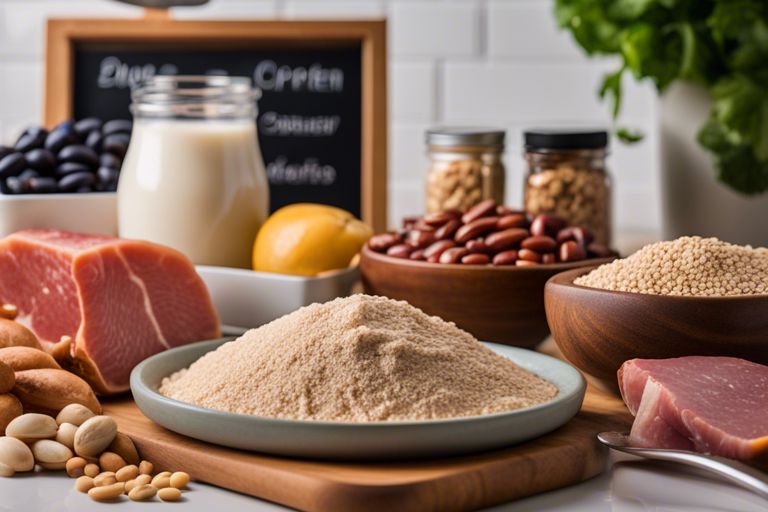
Nutrition

Do oats have protein

Nutrition. Have you ever wondered if oats are a good source of protein? In this article, we will examine the details to explore the protein content of oats and how they can fit into your diet. So, if you’re curious about whether oats can help you meet your protein needs, keep reading to find out more!

Key Takeaways:

  • Oats are not a significant source of protein: While oats do contain some amount of protein, they are not considered a high protein food compared to sources like meat, eggs, or legumes.
  • Oats are a good source of other nutrients: Oats are rich in fiber, vitamins, and minerals such as iron and magnesium, making them a nutritious addition to your diet.
  • To increase the protein content: You can pair oats with protein-rich foods like nuts, seeds, Greek yogurt, or protein powder to make a more balanced meal.

The Nutritional Profile of Oats

Macronutrient Breakdown

On a closer look at the macronutrient breakdown of oats, you’ll find that they are a great source of carbohydrates, with about 66% of their total content coming from carbs. Oats also contain a good amount of fiber, which helps with digestion and keeping you feeling fuller for longer. In terms of protein, oats do have protein but in smaller quantities compared to other sources like meat or legumes.

Micronutrient Content

Any discussion about the nutritional profile of oats wouldn’t be complete without mentioning their rich micronutrient content. Oats are packed with important minerals like manganese, phosphorus, magnesium, and zinc. These minerals play crucial roles in maintaining various bodily functions and supporting overall health.

Another important micronutrient found in oats is iron, which is important for carrying oxygen throughout your body. Including oats in your diet can help you meet your daily iron needs, especially if you follow a plant-based diet and need alternative sources of this important mineral.

Protein Content in Oats

Little do you know that oats can actually be a great source of protein. While they are commonly known for their high fiber content, oats also pack a decent amount of protein.

Amount of Protein per Serving

Content You might be surprised to learn that a 1-cup serving of cooked oats contains about 6 grams of protein. This might not seem like a lot compared to other protein sources, but for a grain, oats are a significant source of this vital nutrient.

Comparison to Other Grains

Comparison To put things into perspective, let’s compare the protein content of oats to other grains.

Oats (1 cup, cooked)
Quinoa (1 cup, cooked)
6 grams 8 grams

To give you a clearer picture, quinoa, often hailed for its protein content, contains about 8 grams of protein per cup cooked. While quinoa edges out oats slightly in the protein department, oats are still a respectable source of this macronutrient.

Types of Oats and Their Protein Content

After understanding the importance of protein in your diet, you may wonder about the protein content in different types of oats. Oats come in various forms, each offering a unique texture and flavor profile. Here’s a breakdown of the protein content in different types of oats:

  • Rolled Oats
  • Steel-Cut Oats
  • Instant Oats

Rolled Oats

The protein content in rolled oats is slightly lower compared to other varieties of oats. However, rolled oats are a popular choice for breakfast due to their convenience and versatility in recipes. One cup of rolled oats typically contains around 8 grams of protein. Additionally, rolled oats are rich in fiber, making them a nutritious choice to start your day.

After consuming rolled oats, your body can benefit from a steady release of energy due to their complex carbohydrates. These oats are also known to aid in digestion and keep you feeling full for longer periods.

Steel-Cut Oats

Oats are the least processed among the various oat varieties, preserving their natural nutrients, including protein. Steel-cut oats have a slightly higher protein content than rolled oats, with around 5 grams of protein per serving. The texture of steel-cut oats is heartier and chewier compared to rolled oats, offering a more satisfying meal experience.

This type of oats takes longer to cook but provides a dense and fulfilling breakfast option. Steel-cut oats are a great choice if you prefer a more substantial meal that will keep you fueled throughout the morning.

Instant Oats

The protein content in instant oats is similar to rolled oats, around 8 grams per cup. Instant oats are processed to cook faster than other varieties, making them a convenient option for busy mornings. While they may not have the same texture as rolled or steel-cut oats, instant oats are a quick and easy way to incorporate oats into your diet.

The convenience of instant oats makes them a popular choice for those with hectic schedules. You can customize your instant oats with toppings like fruits, nuts, or seeds to enhance the flavor and nutritional profile of your meal.

Another important factor to consider when choosing oats is the fiber content, which plays a significant role in supporting your digestive health and keeping you satisfied. Incorporating a variety of oats into your diet can help you meet your protein needs while enjoying the many health benefits that oats offer.

Factors Affecting Protein Absorption

Keep in mind that several factors can influence how effectively your body absorbs protein from oats.

  • Phytic Acid and Its Impact
  • Cooking and Processing Methods

Phytic Acid and Its Impact

With oats containing phytic acid, a compound that can bind to minerals like iron, zinc, and calcium, it may hinder the absorption of these nutrients in your body. To mitigate this, consider soaking your oats overnight before cooking them. This process helps reduce the phytic acid content, making the nutrients more accessible for absorption. For more information on how to optimize the nutritional benefits of oats, you can check out 7 Oatmeal Mistakes to Avoid.

Cooking and Processing Methods

For the best protein absorption from oats, pay attention to how you cook and process them. The way oats are cooked can impact their nutritional profile. The more processed the oats, the more likely they are to have a reduced protein content. Opt for steel-cut or rolled oats instead of instant varieties for a higher protein content. The cooking method you choose can also affect protein absorption.

The key to maximizing the protein content in your oats is to prepare them using cooking methods that help retain nutrients. Avoid overcooking or overheating oats, as this can lead to nutrient loss. The way you prepare your oats can significantly impact the protein your body absorbs, so be mindful of your cooking techniques. Perceiving the various factors affecting protein absorption can help you optimize the nutritional benefits of incorporating oats into your diet.

Benefits of Oat Protein

Not only are oats a great source of fiber, but they also contain a decent amount of protein. Oat protein can offer various benefits to your overall health and well-being, making it a valuable addition to your diet.

Satiety and Weight Management

Benefits of oat protein include aiding in satiety and weight management. Protein is known to help you feel full and satisfied after a meal, which can prevent overeating and ultimately support your weight loss or maintenance goals. By incorporating oat protein into your meals or snacks, you can stay fuller for longer periods, helping you avoid unhealthy cravings and unnecessary snacking throughout the day.

Muscle Function and Recovery

An additional benefit of oat protein is its role in supporting muscle function and recovery. Including oat protein in your post-workout meals or snacks can aid in muscle repair and growth. The amino acids found in oat protein are necessary for rebuilding muscle tissue that may have been broken down during exercise, helping you recover faster and perform better in your next workout.

This can be especially beneficial if you engage in regular physical activity or strength training, as adequate protein intake is crucial for maintaining and building muscle mass. By incorporating oat protein into your diet, you can support your fitness goals and overall muscle health.

Oat Protein vs. Animal-Derived Protein

Now, let’s probe into the comparison between oat protein and animal-derived protein. One aspect to consider is the amino acid profiles of these two protein sources.

Comparison of Amino Acid Profiles

Oat Protein Animal-Derived Protein
Oats contain all imperative amino acids but are lower in lysine and higher in methionine. Animal-derived proteins like meat, eggs, and dairy typically have a more complete amino acid profile, providing all imperative amino acids in sufficient quantities.

Vegetarian and Vegan Perspectives

Any discussion about protein sources would be incomplete without considering the perspective of vegetarians and vegans. Many individuals following a plant-based diet rely on sources like oats for their protein intake.

For instance, if you are a vegetarian or vegan looking to increase your protein consumption, incorporating oat protein into your diet can be a beneficial and sustainable option. Oats not only provide protein but also offer additional nutrients such as fiber, vitamins, and minerals that are imperative for overall health.

Final Words

Drawing together all the information we have covered, you now understand that oats do indeed contain a fair amount of protein, making them a valuable source for vegetarians and vegans looking to increase their protein intake. Do not forget, incorporating oats into your diet in various forms such as oatmeal, granola bars, or smoothies can provide you with a nutritious and delicious way to boost your protein levels.

So next time you are looking for a healthy and versatile ingredient to add to your meals, consider reaching for a bowl of oats. Not only will you be enjoying a tasty and satisfying dish, but you will also be fueling your body with vital nutrients, including protein, to support your overall health and well-being.

FAQ

Q: Do oats have protein?

A: Yes, oats are a good source of plant-based protein. One cup of cooked oats contains around 6 grams of protein.

Q: How does the protein in oats benefit the body?

A: The protein in oats helps in building and repairing tissues, supports muscle growth and recovery, and helps in maintaining a healthy immune system.

Q: Can oats be a suitable protein source for vegetarians and vegans?

A: Yes, oats can be a great protein source for vegetarians and vegans as they provide vital amino acids and are easily included in various meals like oatmeal, smoothies, and energy bars.

What are the top 15 protein foods

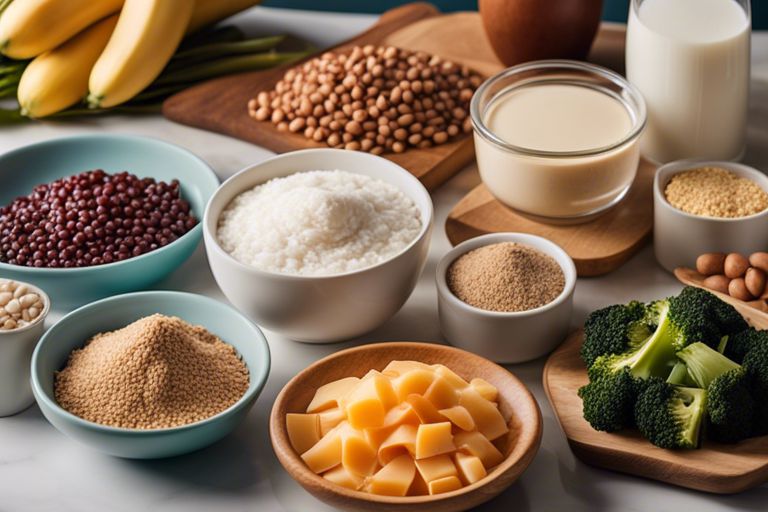
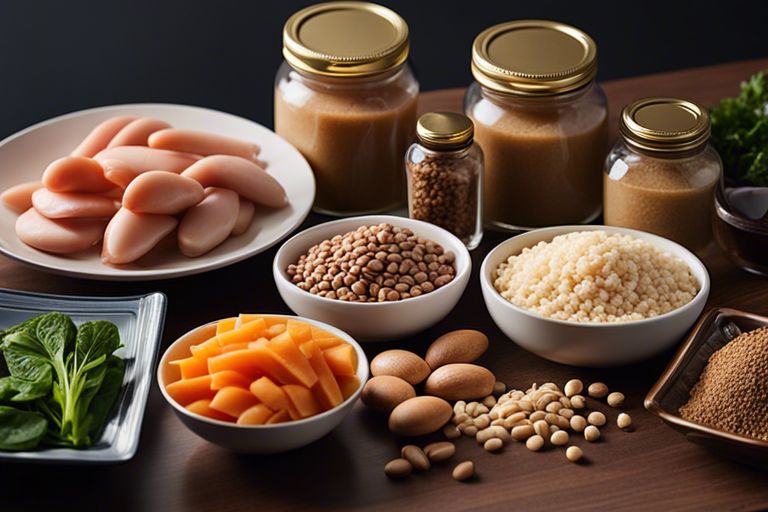
Just as important as knowing how much protein you need in your diet is knowing where to get it from. In this informative post, you will discover the top 15 protein-rich foods that can help you meet your daily protein requirements. These foods are not only delicious but also packed with crucial nutrients to keep you healthy and strong. So, next time you plan your meals, be sure to include these protein powerhouses to fuel your body and keep you feeling satisfied.

Key Takeaways:

  • Poultry: Chicken and turkey are top protein sources that are low in fat, making them a healthy choice for protein intake.
  • Legumes: Beans, lentils, and chickpeas are plant-based protein options that are also high in fiber, vitamins, and minerals.
  • Fish: Salmon, tuna, and cod are excellent sources of protein as well as omega-3 fatty acids, which are important for heart health.

Protein Essentials

What is Protein?

To start off, let’s talk about what protein actually is. Protein is a macronutrient made up of amino acids, which are often referred to as the building blocks of life. These amino acids are imperative for various functions in your body, including building and repairing tissues, supporting immune function, and producing enzymes and hormones. When you consume protein-rich foods, your body breaks down the protein into its amino acid components, which are then utilized for these important bodily functions.

Why Do We Need Protein?

Any nutritionist will tell you that protein is crucial for overall health and well-being. Not only does protein support the growth and repair of tissues in your body, but it also plays a key role in maintaining muscle mass, regulating metabolism, and keeping you feeling full and satisfied after meals. Without an adequate intake of protein, you may experience muscle weakness, slowed recovery from injuries, and even compromised immune function.

What’s more, protein is especially important if you lead an active lifestyle or are looking to build muscle. When you exercise, your muscles undergo stress and damage, and protein is imperative for repairing and rebuilding these muscles stronger than before. So, whether you’re hitting the gym regularly or simply aiming to live a healthy, active life, ensuring you get enough protein in your diet is key.

Animal-Based Protein Sources

It is crucial to include animal-based protein sources in your diet as they provide a complete source of crucial amino acids necessary for the body. Two primary sources of animal-based proteins are lean meats and fish and seafood.

Lean Meats

One excellent source of lean meats is turkey. Turkey is not only low in fat but also high in protein, making it a great choice for a healthy diet. It is versatile and can be incorporated into various dishes, helping you meet your protein needs while enjoying delicious meals.

Fish and Seafood

Turkey is a fantastic protein source, but don’t forget about fish and seafood. Fish, such as salmon and tuna, are packed with protein and also rich in omega-3 fatty acids, which are crucial for heart health. Including fish in your diet can help you diversify your protein intake and reap the benefits of its nutritional value.

Animal-Based: In addition to being excellent sources of protein, fish and seafood offer various nutrients like vitamin D, selenium, and iodine that are crucial for overall health.

Dairy and Eggs

Dairy and eggs are another category of animal-based protein sources that you should consider including in your diet. Dairy products like Greek yogurt and cottage cheese are not only rich in protein but also provide calcium and probiotics that can benefit your digestive health.

Dairy: Dairy products are a convenient way to boost your protein intake, especially if you are looking for quick and easy options to include in your meals or snacks.

Another crucial animal-based protein source is eggs. Eggs are a complete protein source, meaning they contain all the crucial amino acids your body needs. They are versatile and can be enjoyed in various ways, from scrambled and boiled to poached and as omelets, making them a convenient choice to increase your protein intake.

Plant-Based Protein Sources

Once again, if you are looking to incorporate more plant-based protein into your diet, there are plenty of options to choose from. Plant-based protein sources are not only rich in protein but also packed with crucial vitamins, minerals, and fiber that are beneficial for your overall health.

Legumes

One excellent source of plant-based protein that you should consider adding to your diet is legumes. Legumes such as lentils, chickpeas, black beans, and edamame are not only high in protein but also rich in fiber, iron, and folate. They are versatile ingredients that can be used in soups, salads, stews, and even veggie burgers.

Nuts and Seeds

The next category of plant-based protein sources to consider is nuts and seeds. These tiny powerhouses are packed with protein, healthy fats, and a variety of vitamins and minerals. Almonds, chia seeds, flaxseeds, and pumpkin seeds are great options to incorporate into your diet.

Nuts and seeds can be enjoyed on their own as a snack, added to salads, oatmeal, or yogurt, or used to make homemade energy bars or nut butter. By including a variety of nuts and seeds in your diet, you can reap the benefits of their protein content as well as their unique flavors and textures.

Whole Grains

Plant-based protein sources also include whole grains such as quinoa, brown rice, farro, and barley. These grains not only provide a good amount of protein but also offer fiber, vitamins, and minerals. Whole grains are incredibly versatile and can be used as a base for salads, bowls, and side dishes.

By incorporating a variety of whole grains into your diet, you can increase your protein intake while enjoying the benefits of their nutritional profile. Whole grains are a great addition to a plant-based diet and can help you feel satisfied and nourished throughout the day.

High-Protein Fruits and Vegetables

All 15 High-Protein Foods to Add to Your Meals, According to …

Protein-Rich Fruits

HighProtein fruits can be a surprising source of this vital macronutrient. Some fruits that are particularly high in protein include guava, blackberries, and kiwi. These fruits not only offer a sweet and refreshing taste but also provide a good amount of protein to help you meet your daily needs.

Protein-Rich Vegetables

ProteinRich veggies like edamame, spinach, and brussels sprouts are excellent choices to boost your protein intake. These vegetables not only offer fiber and vital vitamins but also pack a protein punch. Incorporating a variety of protein-rich vegetables into your meals can help you maintain a balanced and nutritious diet.

Vegetables are vital for providing a wide range of nutrients, including protein. While animal products are typically the go-to for protein, many vegetables can also contribute to your protein intake. By including a mix of protein-rich vegetables such as broccoli, peas, and lentils in your diet, you can ensure you are getting a sufficient amount of this vital nutrient.

Meat Alternatives

Keep your protein intake varied by incorporating meat alternatives into your diet. These options not only provide a good source of protein but also offer different flavors and textures to keep your meals exciting.

Tofu

To add tofu to your diet, try incorporating it into stir-fries, salads, or smoothies. Tofu is made from soybeans and is a versatile ingredient that can take on the flavors of the dishes it’s cooked with. It’s a great source of protein, iron, and calcium, making it a nutritious addition to your meals.

Tempeh

With tempeh, you can enjoy a firmer texture and a nuttier flavor compared to tofu. This fermented soy product is rich in protein, probiotics, and prebiotics, which are beneficial for gut health. Tempeh can be marinated, grilled, or crumbled into dishes like tacos or salads for a hearty and satisfying meal.

This meat alternative is also a good source of vitamins and minerals, including manganese, phosphorus, and magnesium. Tempeh is a great option for those looking to add more plant-based proteins to their diet while enjoying a unique and delicious nutty taste.

Protein-Rich Snacks

Jerky

For a convenient and protein-rich snack, jerky is an excellent option. Jerky, typically made from lean cuts of meat that are marinated and dried, provides a satisfying protein boost to keep you full between meals. Choose varieties like beef, turkey, or even vegan options like mushroom jerky for a flavorful snack that is easy to take on-the-go.

Energy Bars

The Energy Bars are a great way to fuel up with protein and other important nutrients. These bars come in various flavors and are packed with ingredients like nuts, seeds, and dried fruits to provide a balanced snack option. Whether you need a quick pick-me-up during your busy day or a pre-workout boost, energy bars are a convenient and tasty choice.

The Energy Bars are a good source of protein, fiber, and healthy fats, making them a smart choice for satisfying your hunger while also meeting your nutritional needs. Look for bars with minimal added sugars and ingredients that you can pronounce for a wholesome snack option.

To keep your energy levels up and your hunger at bay, make sure to include protein-rich snacks like jerky and energy bars in your daily rotation. These convenient options provide a quick and easy way to meet your protein needs while also satisfying your taste buds. Remember to choose snacks that are high in protein and low in added sugars for the best nutritional benefits.

To wrap up

Following this informative article on the top 15 protein foods, you now have a better understanding of the variety of options available for incorporating protein into your diet. Remember that protein is vital for building and repairing tissues in your body, so be sure to include a good source at each meal to support your overall health. For more information on protein-rich foods, you can also check out 16 High Protein Foods That Pack More Protein Than an Egg.

FAQ

Q: What are considered the top 15 protein foods?

A: The top 15 protein foods are typically considered to be: 1. Beef 2. Chicken 3. Turkey 4. Pork 5. Fish (such as salmon and tuna) 6. Eggs 7. Greek yogurt 8. Cottage cheese 9. Lentils 10. Chickpeas 11. Quinoa 12. Tofu 13. Almonds 14. Peanut butter 15. Whey protein powder.

Q: How much protein is recommended per day?

A: The recommended dietary allowance (RDA) for protein is 0.8 grams per kilogram of body weight. However, individuals who are very active or looking to build muscle may need more protein, typically between 1.2 to 2.0 grams per kilogram of body weight.

Q: What are the benefits of consuming protein-rich foods?

A: Consuming protein-rich foods helps to build and repair tissues, support a healthy immune system, aid in muscle growth and recovery, promote satiety and weight management, and provide vital nutrients for overall health and well-being.

How to get 30g of protein

You’re eager to hit your protein goal, but unsure how to reach that magic number of 30g? Fear not, because I’m here to guide you through simple and effective ways to meet your protein needs throughout the day. By making strategic choices and incorporating protein-rich foods into your meals and snacks, you’ll be hitting that 30g target in no time. Let’s dive in and make getting enough protein a breeze!

Key Takeaways:

  • Include protein-rich foods: Incorporate sources like eggs, chicken breast, Greek yogurt, tofu, and lentils in your meals.
  • Snack smart: Opt for protein-rich snacks such as nuts, protein bars, edamame, or cottage cheese to boost your intake throughout the day.
  • Track your intake: Use apps or food journals to monitor your protein consumption and ensure you reach your daily goal of 30g.

Setting Your Protein Goals

A 30/30/30 Morning Routine: Steps, Benefits, Risks is a great way to kickstart your day and ensure you are getting the protein your body needs. But why is it important to aim for 30g of protein in your meals?

Why 30g of protein is important

On a typical day, your body requires a certain amount of protein to support muscle growth, repair tissues, and maintain overall health. Protein is imperative for various bodily functions, and consuming an adequate amount can help you feel fuller for longer, regulate your metabolism, and improve your workout performance.

Calculating your daily protein needs

Your daily protein needs can vary based on factors such as your age, weight, activity level, and fitness goals. To calculate how much protein you should be consuming each day, you can use a simple formula that takes into account your body weight and activity level.

Goals may differ for individuals who are looking to lose weight, build muscle, or simply maintain their current physique. It’s important to tailor your protein intake to align with your specific health and fitness objectives.

High-Protein Foods

You’re on a mission to reach that 30g protein goal, and high-protein foods are your best allies in this journey. Lean meats, eggs, dairy, legumes, nuts, and seeds are packed with protein to help you meet your daily target. Let’s examine into each category and discover the protein powerhouses within.

Lean meats: chicken, turkey, and fish

With their high protein content and low fat levels, lean meats like chicken, turkey, and fish are excellent choices to boost your protein intake. Skinless chicken breast, turkey cutlets, and fish fillets are not only delicious but also easy to incorporate into your meals. Grilling, baking, or pan-searing these meats can provide a flavorful and protein-rich addition to your diet.

Eggs: a convenient protein source

An imperative staple in any high-protein diet, eggs are a convenient and versatile source of protein. Not only are they easy to prepare, but they also offer a complete range of amino acids necessary for muscle growth and repair. Consider adding boiled eggs to your salads, whipping up a veggie omelet, or simply enjoying them scrambled for a quick protein fix.

Plus, eggs are not just for breakfast – they can be enjoyed at any time of the day. Hard-boiled eggs make a portable snack, while poached eggs can elevate a simple salad into a satisfying and protein-packed meal.

Dairy: milk, cheese, and yogurt

Eggs aren’t the only dairy products that can help you reach your protein goals. Milk, cheese, and yogurt are also rich sources of protein. A glass of milk or a serving of Greek yogurt can provide a quick and easy protein boost, while cheese can be sprinkled over salads or melted into dishes to add a delicious protein punch.

For instance, Greek yogurt is an excellent choice due to its higher protein content compared to regular yogurt. Opt for low-fat or non-fat varieties to keep your protein intake high without adding extra calories.

Legumes: beans, lentils, and peas

Lentils, beans, and peas are plant-based powerhouses when it comes to protein. These legumes are not only rich in protein but also high in fiber and various nutrients. Incorporating them into soups, salads, stews, or stir-fries can add a substantial protein boost to your meals without relying on animal-based sources.

Nuts and seeds: almonds, chia, and hemp

Foods like almonds, chia seeds, and hemp seeds are not only delicious but also packed with protein, healthy fats, and fiber. These nutrient-dense snacks can be sprinkled over yogurt, added to smoothies, or enjoyed on their own as a quick and satisfying protein-rich snack. Incorporating nuts and seeds into your diet can provide a convenient way to increase your daily protein intake, especially for those following a plant-based diet or looking for more variety in their protein sources.

Meal Planning for Protein

Unlike popular belief, getting 30g of protein in each meal doesn’t have to be complicated. With some deliberate meal planning, you can easily achieve your protein goals throughout the day. Let’s break down some meal ideas to help you reach that target.

Breakfast ideas: omelets, smoothies, and avocado toast

With breakfast being the most important meal of the day, it’s crucial to start strong with protein-packed options. Consider whipping up an omelet using eggs, spinach, and feta cheese or blending a smoothie with Greek yogurt, berries, and protein powder. If you prefer a simpler option, avocado toast topped with smoked salmon can also give you a good protein boost to kickstart your day.

Lunch and dinner options: grilled chicken, salmon, and quinoa bowls

Meal planning for lunch and dinner is where you can really up your protein intake. Grilled chicken breast or salmon fillet served with quinoa and a side of roasted vegetables make for a satisfying and protein-rich meal. Plus, these dishes are easy to prepare in advance, making it convenient to stick to your protein goals even on busy days.

Plus, adding a source of protein like grilled chicken, salmon, or quinoa to your meals not only helps you stay full and satisfied longer but also supports muscle recovery and overall health.

Snacking for protein: Greek yogurt, hard-boiled eggs, and beef jerky

Lunchtime or mid-afternoon snacks are perfect opportunities to sneak in more protein. Keep Greek yogurt, hard-boiled eggs, or beef jerky on hand for quick and easy protein pick-me-ups. These snacks are not only convenient but also delicious and nutritious, helping you stay energized and on track with your protein intake goals.

Breakfast, lunch, dinner, and snacks – with a bit of planning and creativity, you can easily ensure that each meal of your day is packed with the protein you need to reach your 30g goal. So, get creative, mix and match ingredients, and enjoy the journey to a protein-rich diet!

Supplements for Protein

Whey protein powder: benefits and drawbacks

The most well-known and widely used protein supplement is whey protein powder. It is a complete protein, meaning it contains all nine vital amino acids your body needs. Whey protein is quickly absorbed by your body, making it an excellent choice for post-workout recovery. It can help you meet your daily protein intake goals efficiently.

However, if you are lactose intolerant or have a milk allergy, whey protein may not be suitable for you. Some people also find that whey protein causes digestive issues such as bloating or gas. Always opt for high-quality whey protein powders to ensure you are getting a pure product without additives or fillers.

Plant-based protein powders: pea, rice, and hemp

If you follow a vegetarian or vegan diet, or if you have dairy sensitivities, plant-based protein powders are a great alternative. Pea, rice, and hemp protein powders are all excellent sources of protein and offer a complete amino acid profile. They are also easily digestible and can support muscle recovery and growth.

drawbacks

Plant-based protein powders may not have as high of a protein content per serving as whey protein, so you may need to use slightly more to reach your protein goals. Additionally, some plant-based protein powders may have a stronger taste that could take some time getting used to. Be sure to check the ingredients list for any potential allergens or additives before choosing a plant-based protein powder.

Protein bars: convenient but beware of added sugars

Protein bars are a convenient way to boost your protein intake on the go. They are easy to carry with you and can be a lifesaver when you need a quick snack. However, many protein bars are loaded with added sugars and artificial ingredients, which can negate the benefits of the protein they provide.

When choosing a protein bar, look for options with at least 20 grams of protein and minimal added sugars. Avoid bars with long ingredient lists full of unrecognizable additives. Opt for bars made with natural ingredients and sweetened with sources like honey or dates instead of refined sugars.

Sample Meal Plans

Vegetarian meal plan: 30g of protein per meal

Once again, you can easily meet your protein needs with a vegetarian meal plan. The key is to include a variety of plant-based protein sources in your meals. For example, you can have a tofu stir-fry with vegetables and quinoa for lunch, which will provide you with around 30g of protein. Snack on some Greek yogurt with almonds for an added protein boost.

Meat-lover’s meal plan: 30g of protein per meal

Plan your meat-lover’s meal to ensure you are getting enough protein in each serving. For example, you could have a grilled chicken breast with a side of black beans and avocado for dinner, which will give you the 30g of protein you need. Make sure to include lean meats and combine them with legumes or nuts for a balanced protein intake.

A meat-lover’s meal plan can be a great way to enjoy delicious and protein-packed meals while meeting your nutritional needs. By including a variety of protein-rich foods in your diet, you can easily reach your 30g protein goal per meal.

Quick and easy meal plan: 30g of protein per meal

Any busy individual can still achieve their protein intake goals with a quick and easy meal plan. For instance, you can have a tuna salad with chickpeas for a speedy lunch that provides you with 30g of protein. Snack on some cottage cheese with pineapple to keep your protein levels up throughout the day.

Protein doesn’t have to be complicated or time-consuming to incorporate into your meals. With some smart planning, you can easily achieve your 30g protein target per meal with quick and straightforward recipes.

Overcoming Protein Plateaus

Not seeing progress in your protein intake can be frustrating, especially when you feel like you’ve hit a plateau. However, there are several strategies you can implement to overcome these plateaus and reach your protein goals.

Increasing protein intake without increasing calories

With a focus on lean protein sources like chicken breast, turkey, and egg whites, you can increase your protein intake without significantly impacting your calorie count. These options help you stay within your daily caloric limits while still meeting your protein goals.

Changing your protein sources: rotating meats and fish

Any source of protein can become monotonous if you rely on it too heavily. By rotating your protein sources regularly, such as incorporating different cuts of meat or trying new types of fish, you can keep your meals interesting and ensure you’re getting a variety of nutrients.

Increasing the variety in your protein sources not only helps prevent flavor fatigue but also exposes your body to different micronutrients and amino acids that each type of meat or fish offers.

Adding protein-rich condiments: peanut butter and hummus

Sources of plant-based protein like peanut butter and hummus can be excellent additions to your meals or snacks to boost your protein intake. These condiments are not only delicious but also pack a protein punch, making them versatile options for meeting your daily protein needs.

Adding protein-rich condiments: peanut butter and hummus

In addition to being protein-rich, peanut butter and hummus are also rich in healthy fats and fiber, making them a nutritious addition to your diet. By incorporating these condiments into your meals, you can elevate the protein content while enjoying delicious flavors.

Conclusion

Conclusively, getting 30g of protein in your diet every day is achievable with a combination of nutritious foods and strategic meal planning. By incorporating high-protein sources like lean meats, poultry, fish, eggs, dairy products, legumes, nuts, and seeds into your meals, you can easily reach your protein intake goal. Additionally, utilizing protein supplements or protein-rich snacks can help you meet your protein requirements conveniently. Remember to balance your protein intake with other necessary nutrients for a well-rounded and healthy diet.

FAQ

Q: How can I get 30g of protein in one meal?

A: To get 30g of protein in one meal, you can include foods like 4 ounces of chicken breast (30g), 1 cup of Greek yogurt (20g), 1 cup of lentils (18g), or 3 ounces of salmon (21g). Combining a variety of protein sources can help you reach your goal.

Q: What are some plant-based sources of protein to help me reach 30g?

A: Plant-based sources of protein include foods like tofu (10g per 3 ounces), quinoa (8g per cup), edamame (17g per cup), chickpeas (15g per cup), and black beans (15g per cup). Including a mix of these foods in your meals can help you achieve your protein target.

Q: Are protein supplements a good option to help me get 30g of protein?

A: Protein supplements can be a convenient way to help you reach your protein intake goals, but it’s important to prioritize whole food sources of protein first. If you struggle to get enough protein from your diet, supplements like whey protein, pea protein, or protein bars can be used as a supplement, but should not replace whole foods entirely.

What food is pure protein

There’s always confusion around which foods are pure protein, but it’s crucial to understand that certain foods are excellent sources of this crucial nutrient. In the context of pure protein, you want to focus on foods that are nearly all protein and minimal in fats and carbohydrates. By incorporating these foods into your diet, you can ensure you’re getting the protein your body needs to function at its best.

Key Takeaways:

  • Animal sources: Foods like chicken breast, turkey, fish, eggs, and lean cuts of beef are rich in pure protein.
  • Plant-based sources: Legumes, tofu, tempeh, quinoa, and edamame are good sources of plant-based pure protein.
  • Supplements: Protein powders and bars can also be a convenient way to increase your protein intake, especially for athletes and individuals with higher protein needs.

Protein Basics

What is protein?

On your quest to understand what foods are pure protein, you first need to grasp the basics of what protein actually is. Proteins are crucial macronutrients made up of amino acids, which are often referred to as the building blocks of life. There are 20 different amino acids that can combine in various ways to form a wide range of proteins that carry out important functions in your body.

Importance of protein in the diet

Basics: Protein plays a crucial role in your diet as it is necessary for the growth, repair, and maintenance of tissues in your body. When you consume protein-rich foods, your body breaks down the protein into amino acids, which are then used to build and repair muscles, skin, hair, and other tissues. This macronutrient also plays a key role in the production of enzymes, hormones, and other crucial chemicals in your body.

With a better understanding of the significance of protein in your diet, you can make informed choices about incorporating protein-rich foods into your meals to support your overall health and well-being.

Animal-Based Pure Protein Sources

Assuming you want to incorporate more pure protein into your diet, you may be looking for animal-based sources. For a comprehensive list of foods that are almost pure protein, you can refer to this article on 11 Foods That Are Almost Pure Protein.

Lean Meats

One excellent source of pure protein is lean meats such as chicken, turkey, and lean cuts of beef. These meats are not only high in protein but also low in fat, making them a great option for those looking to increase their protein intake without consuming excess calories.

Fish and Seafood

An important source of pure protein comes from fish and seafood. These foods are not only rich in protein but also provide important omega-3 fatty acids, which are beneficial for heart health and overall well-being.

For instance, salmon is a great choice as it is not only packed with protein but also contains healthy fats that are good for your body. Other options like tuna, mackerel, and shrimp are also excellent sources of protein.

Eggs

Pure protein can be found in eggs, which are a versatile and nutrient-rich food. Eggs are a complete protein source, meaning they contain all the important amino acids your body needs to function properly. You can enjoy eggs in various ways, such as boiled, scrambled, or poached, to increase your protein intake.

To maximize the protein content, you can opt for egg whites, which are almost pure protein and contain minimal fat and calories.

Dairy Products

With dairy products like Greek yogurt, cottage cheese, and milk, you can add more pure protein to your diet. These foods are not only high in protein but also rich in calcium, which is important for bone health. Incorporating dairy products into your meals and snacks can help you meet your protein needs while also getting other important nutrients.

It is important to choose low-fat or fat-free options to keep your overall calorie and fat intake in check while still benefiting from the protein content in dairy products.

Plant-Based Pure Protein Sources

Many plant-based foods are excellent sources of pure protein. They are not only nutritious but also help reduce your carbon footprint. Here are some great options to consider incorporating into your diet:

Legumes

An easy way to get a protein boost in your meals is by adding legumes such as lentils, chickpeas, and black beans. These plant-based powerhouses are not only high in protein but also packed with fiber, vitamins, and minerals. You can enjoy them in soups, salads, stews, or even as a meat substitute in dishes like vegetarian chili or bean burgers.

Nuts and seeds

Protein-packed nuts and seeds like almonds, chia seeds, and hemp seeds are versatile and nutrient-dense additions to your diet. They can be sprinkled on top of yogurt, oatmeal, or salads for an extra protein punch. Nuts and seeds also contain healthy fats that are beneficial for heart health and provide you with a variety of important vitamins and minerals.

Protein is crucial for your body’s overall health and functioning. Nuts and seeds are a great way to increase your protein intake, especially if you are following a plant-based diet.

Whole grains

To ensure you are getting a complete source of protein, it’s important to include whole grains like quinoa, brown rice, and oats in your diet. These grains not only provide protein but also offer fiber, antioxidants, and other important nutrients. You can use them as a base for meals, as a side dish, or even in baked goods like bread and muffins.

With the right combination of whole grains and other plant-based foods, you can easily meet your daily protein needs while enjoying a well-rounded and delicious diet.

Soy products

NutsSoy products like tofu, tempeh, and edamame are excellent sources of protein and contain all the important amino acids your body needs. They are also versatile ingredients that can be used in a variety of dishes, from stir-fries to smoothies. Soy products are a great option for vegetarians and vegans looking to increase their protein intake without consuming meat.

The versatility of soy products makes them a valuable addition to your plant-based diet. They can help you meet your protein requirements while adding a delicious texture to your meals.

High-Protein Foods with Minimal Carbohydrates

Despite the popular belief that all high-protein foods are laden with carbs, there are actually plenty of options that are low in carbohydrates. When you’re looking to increase your protein intake while keeping carbs to a minimum, consider incorporating the following foods into your diet:

Meat and poultry

Any lean cuts of meat and poultry are excellent sources of protein with minimal carbohydrates. Opt for skinless chicken breasts, turkey, lean cuts of beef, or pork tenderloin. These protein-rich options will help you meet your nutritional needs without significantly increasing your carb intake.

Fish and seafood

High-protein and low-carb, fish and seafood are fantastic choices to add variety to your diet. Options like salmon, tuna, shrimp, and cod are not only packed with protein but also rich in vital omega-3 fatty acids, which are beneficial for heart health.

Plus, fish and seafood are quick to cook and can be easily incorporated into salads, stir-fries, or grilled dishes, making them convenient options for busy days when you need a nutritious meal in a pinch.

Eggs and dairy

With their high protein content and minimal carbohydrates, eggs and dairy products are versatile ingredients that can be used in a variety of dishes. Eggs are not only a great source of protein but also rich in vital nutrients like choline and vitamin B12.

Vegetarian options

An array of plant-based foods can provide you with the protein you need while keeping the carbs in check. Legumes, tofu, tempeh, and edamame are excellent vegetarian sources of protein that can be easily incorporated into your meals.

Meat substitutes like seitan and textured vegetable protein (TVP) can also be used to create high-protein, low-carb dishes that are satisfying and delicious.

Pure Protein Foods for Specific Diets

Vegan pure protein sources

With a plant-based diet, it’s important to ensure you’re getting enough protein. Good vegan sources of pure protein include tofu, tempeh, edamame, seitan, and lentils. These foods are not only rich in protein but also provide necessary nutrients like iron and calcium.

Gluten-free pure protein sources

Vegan protein sources are often naturally gluten-free, making them a great choice for those with gluten sensitivities or celiac disease. Legumes, nuts, seeds, and quinoa are all gluten-free pure protein sources that can easily be incorporated into your diet.

Understanding where your protein comes from is key when following a gluten-free diet. Look for whole, unprocessed foods to ensure you’re not accidentally consuming hidden sources of gluten.

Low-carb pure protein sources

Lowcarb diets can still be rich in protein with the right food choices. Opt for eggs, chicken, turkey, fish, and Greek yogurt as pure protein sources that are also low in carbohydrates. These foods can help you meet your protein needs without compromising your carb intake.

Protein is an necessary macronutrient that plays a critical role in various functions in your body, including muscle repair and growth. By incorporating these pure protein sources into your diet, you can ensure you’re meeting your protein requirements while adhering to your specific dietary preferences.

Common Misconceptions about Pure Protein Foods

After indulging in a variety of Protein Snacks, you might come across some misconceptions about pure protein foods. Let’s debunk these myths and separate fact from fiction to help you make informed decisions about your diet.

Debunking myths about protein-rich foods

myths

Separating fact from fiction

fact

from protein bars to shakes, there are many convenient options available that are high in protein.

Final Words

Ultimately, understanding what foods are pure protein can help you make more informed choices about your diet and ensure that you are meeting your nutritional needs. By incorporating a variety of protein sources into your meals, such as lean meats, seafood, dairy products, legumes, nuts, and seeds, you can provide your body with the imperative building blocks it needs to function properly. Remember to also consider factors like portion sizes and cooking methods to make the most out of the protein-rich foods you consume.

FAQ

Q: What type of food is considered pure protein?

A: Pure protein foods are those that contain a high percentage of protein with minimal carbohydrates and fats. Examples include chicken breast, turkey, tuna, egg whites, and tofu.

Q: Why is protein important in our diet?

A: Protein is crucial for building and repairing tissues, supporting immune function, and regulating hormones. It also helps keep you feel full and satisfied after meals.

Q: How much protein should I consume daily?

A: The recommended daily intake of protein varies depending on factors such as age, weight, and activity level. As a general guideline, aim to consume about 0.8 to 1 gram of protein per kilogram of body weight per day.

How much protein a day

With your fitness goals in mind, understanding how much protein your body needs daily is crucial. To ensure you are meeting your nutritional needs, it’s important to know the right amount of protein intake for your body. If you’re focusing on gaining muscle, you might also want to check out How Much Protein Should You Eat to Gain Muscle? for more insights.

Key Takeaways:

  • Protein Needs: The amount of protein you need depends on your age, sex, and activity level. Typically, adults should aim for 0.8 grams of protein per kilogram of body weight.
  • Protein Sources: It’s important to consume a variety of protein sources, including lean meats, poultry, fish, eggs, dairy, legumes, nuts, and seeds to meet your daily protein needs.
  • Timing: Distributing your protein intake evenly throughout the day can help optimize muscle protein synthesis and support overall health and fitness goals.

The Importance of Protein

What is protein and why do we need it?

To understand the importance of protein in your diet, you need to know that protein is made up of amino acids, which are the building blocks of your body. These amino acids are imperative for various functions in your body, such as repairing tissues, making enzymes and hormones, and supporting immune function. In essence, protein is crucial for your overall health and well-being.

The role of protein in muscle growth and repair

Growth, when it comes to your muscles, requires protein. When you engage in physical activities like exercise, your muscles experience tiny tears that need to be repaired. Protein plays a significant role in this repair process, helping your muscles grow stronger and more resilient over time. Additionally, protein can help you maintain muscle mass, especially as you age, by supporting muscle repair and growth.

For instance, if you are an athlete or someone who exercises regularly, consuming an adequate amount of protein is imperative to support muscle recovery and growth. Protein can also help you feel full and satisfied, which can be beneficial if you are trying to manage your weight or improve your body composition.

Factors Affecting Protein Needs

It is vital to consider several factors that can influence how much protein you need each day. These factors include your age, gender, and body composition.

Age and protein requirements

Affecting your protein needs is your age. As you age, your body’s protein needs may increase to help maintain muscle mass and overall health. Older adults may need to consume more protein to support muscle function, recovery, and prevent age-related muscle loss.

Any changes in your protein needs due to aging should be discussed with a healthcare provider or a registered dietitian to determine the appropriate intake for your individual needs.

Gender and protein needs

Factors that influence your protein needs also include your gender. Men generally have higher protein requirements compared to women, as they tend to have more muscle mass and higher energy expenditure. Protein needs for women may vary depending on factors such as pregnancy, breastfeeding, and physical activity levels.

Aiming to include lean protein sources in your diet, such as poultry, fish, legumes, and dairy products, can help you meet your protein needs regardless of your gender.

Body composition and protein intake

With regards to body composition, individuals with higher muscle mass may have increased protein needs to support muscle growth and repair. Athletes and individuals engaging in regular strength training may require more protein to help with exercise recovery and muscle maintenance.

Protein intake should be personalized based on your individual body composition goals, activity level, and overall health status.

Protein Requirements for Different Groups

Sedentary individuals

One important factor to consider when determining your daily protein intake is your activity level. For sedentary individuals who do not engage in regular exercise or physical activity, the recommended daily protein intake is generally lower compared to those who are more active. While individual protein needs may vary, a general guideline for sedentary individuals is around 0.8 grams of protein per kilogram of body weight.

Active individuals

On the other hand, if you are an active individual who engages in regular exercise or physical activity, your protein requirements may be higher. This is because exercise, especially strength training and endurance activities, can increase protein turnover in your body. For active individuals, it is generally recommended to consume between 1.2 to 2.0 grams of protein per kilogram of body weight.

A higher protein intake can support muscle repair and growth, as well as aid in recovery after intense workouts. It can also help you feel fuller for longer, which may be beneficial if you are trying to manage your weight.

Athletes and bodybuilders

With athletes and bodybuilders, protein requirements are typically higher due to the increased demands placed on their muscles. If you fall into this category, you may need to consume between 1.4 to 2.2 grams of protein per kilogram of body weight. This higher protein intake can help in optimizing performance, muscle recovery, and muscle growth.

Bodybuilders, in particular, may benefit from spreading their protein intake evenly throughout the day and including high-quality protein sources such as lean meats, poultry, fish, eggs, dairy, legumes, and plant-based protein sources.

Calculating Your Daily Protein Needs

Using the recommended daily allowance (RDA)

After determining your daily protein needs, you can start by using the Recommended Daily Allowance (RDA) for protein intake. The RDA for protein is 0.8 grams per kilogram of body weight. This means that for an average adult, you should aim for about 56 grams of protein per day. However, this number can vary based on your age, sex, and activity level.

Using body weight to determine protein needs

Recommended protein intake can also be calculated based on your body weight. It is generally recommended to consume between 0.8 to 1.8 grams of protein per kilogram of body weight. For example, if you weigh 70 kilograms, your protein intake should fall between 56 and 126 grams per day.

This method allows for a more personalized approach to determining your protein needs. Factors like your age, gender, muscle mass, and physical activity level can all influence how much protein your body requires.

Considering individual factors such as health status and fitness goals

  • Your health status: If you have certain health conditions such as kidney disease or diabetes, your protein needs may be different. Consult with a healthcare provider to determine the appropriate protein intake for your specific situation.
  • Your fitness goals: If you are an athlete or engage in regular exercise, your protein needs may be higher to support muscle recovery and growth. Aim to adjust your protein intake based on your fitness goals and activity level.

This personalized approach takes into account individual factors that can affect your protein requirements. Do not forget, your protein needs may fluctuate depending on various factors, so it’s important to reassess your intake regularly to ensure you are meeting your body’s needs.

High-Protein Diets and Health Implications

The risks of excessive protein consumption

To maintain optimal health, it’s important to be mindful of the amount of protein you consume each day. Not getting enough protein can lead to deficiency, but consuming too much protein also has risks. To protect your health, avoid excessive protein intake, as it may strain your liver and kidneys over time. Additionally, diets excessively high in protein can lead to an increased risk of heart disease, certain types of cancer, and digestive issues.

The benefits of moderate protein intake

On the other hand, moderate protein intake can have numerous benefits for your overall health and well-being. Excessive consumption of protein can be detrimental, but getting an adequate amount can help you maintain a healthy weight, promote muscle strength, and support overall bodily functions. Protein is imperative for building and repairing tissues, producing enzymes and hormones, and maintaining healthy skin, hair, and nails.

By incorporating lean sources of protein such as chicken, fish, nuts, and legumes into your diet, you can ensure you are meeting your daily protein needs without going overboard. Note, moderation is key when it comes to protein intake.

Protein and kidney health

Kidney function is crucial for filtering waste and excess fluids from your blood, and a diet high in protein can put added stress on your kidneys. While protein is imperative for the body, excessive consumption can lead to kidney damage over time. If you have existing kidney issues, it’s especially important to monitor your protein intake and consult with a healthcare professional to determine the right amount for your individual needs.

The key is to strike a balance in your protein intake to support your health and wellness goals. By being mindful of the amount and sources of protein you consume, you can optimize your nutrition and overall well-being.

Meeting Your Protein Needs Through Diet

Now, to ensure you are meeting your protein needs through your diet, it’s vital to pay attention to the types of foods you are consuming. Protein is crucial for various functions in your body, such as building and repairing tissues, producing enzymes and hormones, and supporting immune function. You can learn more about the importance of protein in your diet by checking out this Protein: Are You Getting Enough? article.

High-protein foods and their protein content

One way to include an adequate amount of protein in your diet is by incorporating high-protein foods. Foods such as lean meats, poultry, fish, eggs, dairy products, and legumes are excellent sources of protein. For example, a 3-ounce serving of chicken breast contains around 27 grams of protein, while a cup of Greek yogurt can provide approximately 20 grams. By including a variety of these foods in your meals, you can easily meet your daily protein requirements.

Plant-based protein sources

The rise in popularity of plant-based diets has led to an increased interest in plant-based protein sources. Plants like beans, lentils, quinoa, tofu, and edamame are rich in protein and can be great alternatives to animal products. These plant-based sources not only provide protein but also offer vital nutrients like fiber, vitamins, and minerals. Including a mix of plant-based proteins in your diet can help you maintain a balanced and nutritious eating plan.

Content: When choosing plant-based protein sources, it’s vital to consider the amino acid profile of each food to ensure you are getting all the vital amino acids your body needs. While plant-based proteins may lack one or more vital amino acids, combining different sources throughout the day can help you achieve a complete protein profile.

Protein supplements and their effectiveness

With respect to meeting your protein needs, some individuals may find it challenging to get enough through whole foods alone. In such cases, protein supplements can be a convenient option to boost your protein intake. These supplements come in various forms like powders, bars, and shakes, making it easy to add extra protein to your diet. However, it’s vital to remember that supplements should complement your diet and not replace whole foods entirely.

Foods: Protein supplements can be particularly beneficial for athletes and individuals with increased protein requirements. They can help support muscle recovery, enhance performance, and promote muscle growth when consumed as part of a well-rounded diet and exercise routine.

It’s important to note that while protein supplements can be a convenient way to increase your protein intake, they should not be relied upon as the sole source of protein in your diet. It’s always best to focus on whole foods to ensure you are getting a variety of nutrients along with your protein.

Summing up

Ultimately, determining how much protein you need to consume daily depends on your individual circumstances such as age, activity level, and health goals. It is recommended that you aim for a balanced diet that includes a variety of protein sources to ensure that you are meeting your body’s needs. Consulting a healthcare provider or a nutritionist can help you tailor your protein intake to best suit your lifestyle and health objectives.

Q: How much protein should I consume in a day?

A: The recommended daily intake of protein varies depending on factors such as age, sex, weight, and activity level. In general, it is recommended that adults consume between 0.8 to 1 gram of protein per kilogram of body weight. Athletes or individuals engaging in intense physical activity may need more protein.

Q: Can you consume too much protein in a day?

A: Consuming excessive amounts of protein in a day can put strain on the kidneys and liver. It is important to balance your protein intake with other nutrients in your diet. Most healthy individuals can safely consume up to 2 grams of protein per kilogram of body weight per day, but it is always recommended to consult with a healthcare provider or a nutritionist for personalized advice.

Q: What are some good sources of protein to include in my daily diet?

A: Good sources of protein include lean meats like chicken, turkey, and fish, eggs, dairy products like yogurt and cheese, legumes such as beans and lentils, nuts, seeds, and soy products like tofu. Including a variety of these protein sources in your daily diet can help ensure you are meeting your protein needs.

What are the No 1 protein foods

There’s no denying the importance of protein in your diet. Whether you’re trying to build muscle, maintain a healthy weight, or simply stay energized throughout the day, incorporating high-protein foods into your meals is key. In this blog post, we will explore the top protein-rich foods that should be on your grocery list to help you meet your nutritional needs and optimize your health.

Key Takeaways:

  • Animal-based sources: Animal-based proteins such as chicken, beef, and fish are among the top sources of protein due to their high bioavailability and vital amino acid profile.
  • Plant-based sources: Plant-based proteins like legumes, nuts, and quinoa are excellent options for those following a vegetarian or vegan diet, offering ample protein content and other vital nutrients.
  • Eggs: Eggs are considered one of the most complete and high-quality protein sources, providing all vital amino acids in a readily digestible form.

Top Protein-Rich Foods

The

Lean Meats

Meats such as chicken, turkey, and lean cuts of beef are excellent sources of high-quality protein. These meats are low in fat and calories, making them a nutritious choice to include in your diet. When preparing these meats, opt for cooking methods such as grilling, baking, or roasting instead of frying to keep them healthy.

Additionally, lean meats are packed with important nutrients like iron, zinc, and B vitamins, which are important for overall health and well-being. Including a variety of lean meats in your meals can help you meet your protein needs while enjoying delicious and satisfying dishes.

Fish and Seafood

Protein-rich fish and seafood, such as salmon, tuna, and shrimp, are not only delicious but also excellent sources of important nutrients like omega-3 fatty acids. These nutrients are important for heart health, brain function, and reducing inflammation in the body. Including fish and seafood in your diet can provide you with a wide range of health benefits.

Plus, fish and seafood are versatile ingredients that can be grilled, baked, or steamed to create flavorful meals. Whether you enjoy them as a main dish or incorporate them into salads and soups, fish and seafood can add variety to your diet while boosting your protein intake.

Eggs and Dairy

Little 16 Foods for High Protein Meals

Eggs as a Protein Powerhouse

The incredible edible egg is a true powerhouse when it comes to protein. Not only are eggs a convenient and versatile source of protein, but they also contain all nine important amino acids that your body needs for optimal functioning. Enjoy them boiled, scrambled, poached, or in an omelet for a satisfying and protein-rich meal.

High-Protein Dairy Options

The dairy aisle is filled with high-protein options to help you meet your protein needs. Greek yogurt, cottage cheese, and milk are excellent sources of protein, calcium, and other important nutrients. Greek yogurt, in particular, stands out for its high protein content and creamy texture, making it a perfect snack or addition to smoothies and recipes.

Dairy products not only provide you with quality protein but also offer a good dose of calcium for strong bones and teeth. If you’re looking to increase your protein intake, incorporating dairy products into your daily diet can be a tasty and nutritious way to do so.

Plant-Based Protein Sources

Legumes: The Protein-Packed Beans

Unlike animal products, legumes are excellent plant-based sources of protein. Beans, lentils, and chickpeas are not only high in protein but also rich in fiber, vitamins, and minerals. Incorporating a variety of legumes into your diet can help you meet your protein needs while also promoting digestive health and providing important nutrients your body needs.

Nuts and Seeds: Crunchy Protein Snacks

On the plant-based protein front, nuts and seeds are your go-to crunchy snacks. Almonds, walnuts, chia seeds, and sunflower seeds are packed with protein, healthy fats, and antioxidants. These nutrient-dense foods can be sprinkled over salads, blended into smoothies, or enjoyed on their own as a satisfying snack.

Plant-based protein sources like nuts and seeds are not only delicious but also versatile. You can easily incorporate them into your meals to add a nutrient boost and a satisfying crunch.

To conclude,

It’s clear that plant-based protein sources offer a wide range of benefits beyond just protein content. By including legumes, nuts, and seeds in your diet, you can not only meet your protein needs but also enjoy a variety of nutrients that support your overall health and well-being.

Protein-Rich Grains

Keep your protein intake varied and exciting by incorporating protein-rich grains into your diet. Grains like quinoa and amaranth are not only delicious but also pack a powerful protein punch to help you meet your daily protein needs.

Quinoa: The Complete Protein Grain

To start off, quinoa is a complete protein grain, meaning it contains all nine necessary amino acids that your body needs but cannot produce on its own. This makes quinoa an excellent choice for vegetarians and vegans looking to increase their protein intake. Additionally, quinoa is gluten-free and high in fiber, making it a nutritious option for those with dietary restrictions or sensitivities.

Amaranth: A Protein-Packed Ancient Grain

Quinoa is undeniably a nutritional powerhouse, but don’t overlook amaranth when it comes to protein-packed grains. Amaranth is another ancient grain that is rich in protein and offers a nutty flavor profile. This grain is particularly high in lysine, an amino acid that is often lacking in other grains, making it a valuable addition to your diet.

Protein-packed amaranth can be cooked and enjoyed in a variety of ways, from porridge for breakfast to salads or side dishes for lunch and dinner. Its versatility and nutrient density make it a top choice for boosting your protein intake while adding a delicious element to your meals.

Vegetables High in Protein

All among the many nutrient-packed vegetables out there, some are surprisingly high in protein content. These vegetables not only offer important vitamins and minerals but also serve as a great source of plant-based protein.

Broccoli: The Protein-Rich Cruciferous Veggie

On your journey to incorporate more protein into your diet, don’t overlook the humble broccoli. This cruciferous vegetable is not only rich in fiber and antioxidants but also contains a good amount of protein. A one-cup serving of chopped broccoli can provide you with about 2.6 grams of protein. Additionally, broccoli is versatile and can be enjoyed in salads, stir-fries, soups, and even on its own as a nutritious side dish.

Spinach: Popeye’s Favorite Protein-Packed Green

For a leafy green that packs a protein punch, look no further than spinach. Spinach is not only low in calories but also high in protein, with about 5 grams of protein per cooked cup. This nutrient-dense green is also loaded with iron, vitamin K, and antioxidants, making it a powerhouse addition to your meals.

Spinach is a versatile vegetable that can be enjoyed raw in salads, sautéed as a side dish, or blended into smoothies for a boost of protein and nutrients. Including spinach in your diet can help you meet your daily protein needs while also benefiting from its array of healthful nutrients.

Popeyes may have been onto something with his love for spinach. This green leafy vegetable is not only delicious but also a great source of plant-based protein. So, go ahead and channel your inner Popeye by adding more protein-packed spinach to your diet.

Protein Supplements

Once again, when it comes to meeting your protein needs, supplements can be a convenient way to boost your intake. Here, we’ll explore two popular types of protein supplements: whey protein and plant-based protein powders.

Whey Protein: The Popular Post-Workout Supplement

Protein supplements like whey protein are often used as post-workout supplements to help with muscle recovery and growth. Whey protein is a high-quality protein derived from dairy that is quickly digested by your body, making it ideal for consumption right after your workout. It contains all the vital amino acids your body needs, making it a complete protein source.

Plant-Based Protein Powders: Alternatives to Whey

Plant-based protein powders are gaining popularity as alternatives to whey protein, especially among those following vegetarian or vegan diets. These protein powders are derived from sources like peas, rice, hemp, and soy, and can provide a good amount of protein to support your muscle-building goals. They are also easily digestible and can be a great option for those with lactose intolerance or dairy allergies.

Supplementing with plant-based protein powders can also offer additional benefits beyond just protein. They can provide fiber, antioxidants, vitamins, and minerals that are naturally present in plant-based sources, contributing to your overall nutrient intake.

To wrap up

Considering all points, it is clear that incorporating high-protein foods into your diet can have numerous health benefits, from promoting muscle growth and repair to aiding in weight management and supporting overall health. Including a variety of protein sources in your meals, such as lean meats, poultry, fish, eggs, dairy, legumes, and nuts, can help ensure that you are getting all the crucial amino acids your body needs to function properly.

Remember to pay attention to portion sizes and cooking methods to maximize the nutritional benefits of protein-rich foods. By making mindful choices and incorporating a variety of protein sources into your meals, you can easily meet your daily protein needs and enjoy a well-balanced and nutritious diet.

FAQ

Q: What are the top sources of protein for a balanced diet?

A: Some of the number one protein-rich foods for a balanced diet include chicken, turkey, fish, eggs, dairy products like Greek yogurt and cottage cheese, legumes such as lentils and chickpeas, tofu, tempeh, quinoa, and nuts and seeds.

Q: How much protein do you need daily and how can you ensure you are getting enough?

A: The recommended daily intake of protein varies depending on factors such as age, activity level, and individual goals. However, a general guideline is 0.8 grams of protein per kilogram of body weight. To ensure you are getting enough protein, incorporate a variety of protein-rich foods into your meals and snacks throughout the day.

Q: Can plant-based foods be good sources of protein?

A: Yes, plant-based foods can be excellent sources of protein. Foods like lentils, chickpeas, tofu, tempeh, quinoa, nuts, and seeds are all high in protein and can be included in a plant-based diet to meet your protein needs. By combining different plant-based protein sources, you can easily obtain all crucial amino acids required for optimal health.

Skip to content