Foods

What are the top 5 most eaten foods

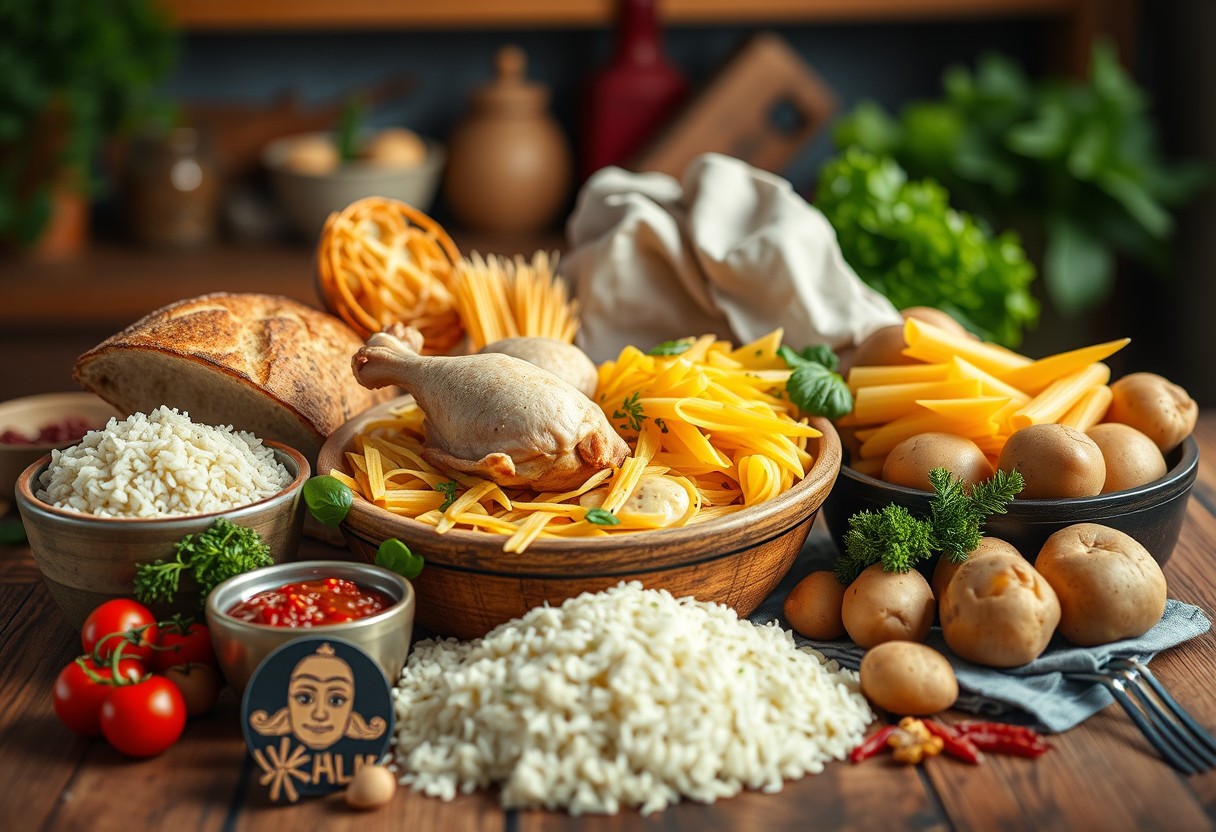
Eaten across cultures and continents, certain foods dominate our diets worldwide. You might be surprised to discover which foods top the list of global consumption. Understanding these staples can provide insight into dietary trends and preferences that shape our culinary experiences. In this post, you’ll learn about the top five most eaten foods that have become imperative to your meals. For more information, you can check the Report: These Are The Most Eaten Foods in the World, 2023.

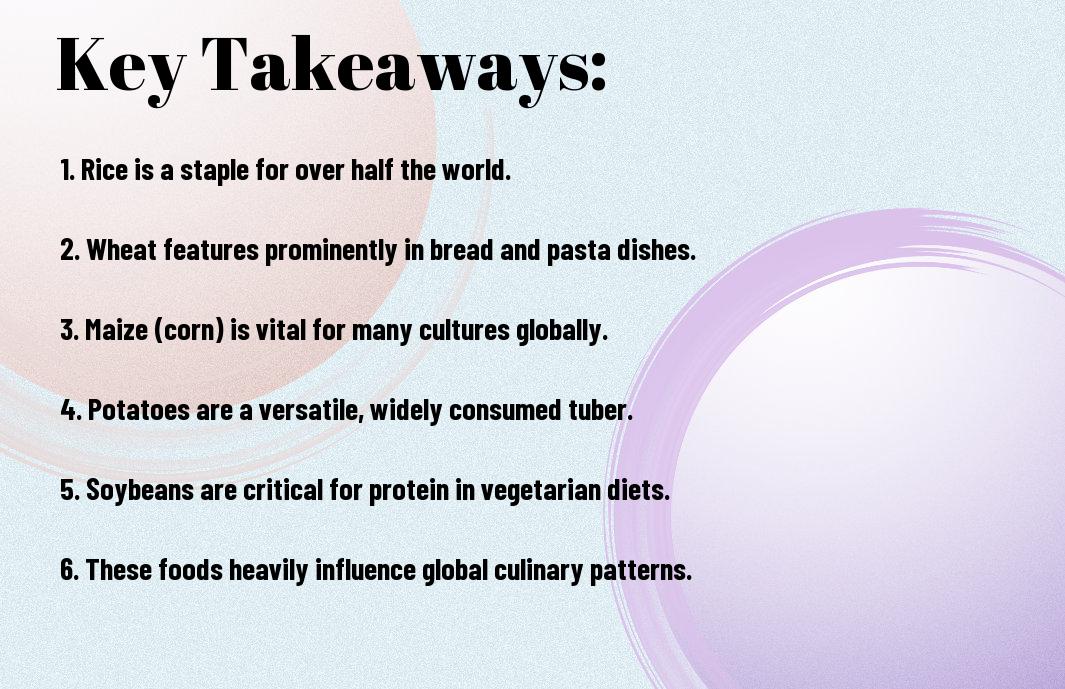
Key Takeaways:

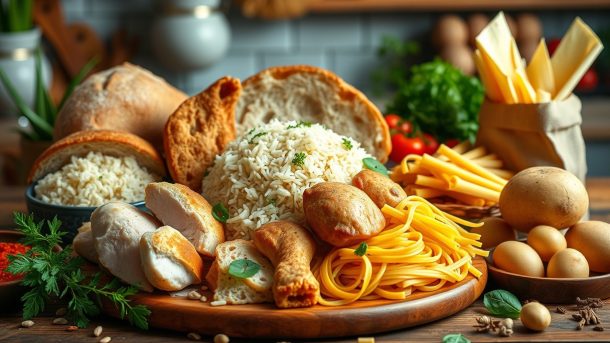
  • Rice: This staple food is consumed by more than half of the world’s population and is a primary source of carbohydrates in many regions.
  • Wheat: Integral in various forms like bread, pasta, and noodles, wheat is the second most consumed grain globally, playing a crucial role in various cuisines.
  • Meat: Particularly poultry, pork, and beef, meat remains one of the top sources of protein worldwide, with consumption patterns varying widely by culture.

Rice

The staple food for more than half of the world’s population, rice comes in many varieties and is cultivated in various climates. Rich in carbohydrates and a source of several important nutrients, rice plays a fundamental role in the diets of people around the globe.

Nutritional Value

Nutritional value of rice can vary depending on the type, but generally, it serves as a good source of energy. Brown rice offers more fiber, vitamins, and minerals compared to white rice, which has been milled to remove the bran and germ. You can enhance the nutritional profile of your meals by incorporating whole grain rice options.

Global Consumption Trends

Nutritional studies indicate that rice remains one of the most consumed grains worldwide, with Asia leading in production and consumption. As populations continue to grow, the demand for rice is expected to rise, compelling nations to innovate agricultural practices to ensure sufficient supply.

Global consumption trends show that rice is not just a dietary staple but is also influenced by regional preferences and economic factors. In recent years, you may have noticed a rise in popularity for varieties like basmati and jasmine, reflecting your evolving tastes and culinary interests.

Cultural Significance

For many cultures, rice is more than just food; it holds significant cultural and social importance. From ceremonies to daily meals, rice is often at the heart of various traditions, symbolizing prosperity and fertility.

Significance of rice varies greatly across different cultures. In some places, it is used in rituals or celebrations, while in others, it is a central dish that brings families together. Understanding your own cultural relationship with rice can deepen your appreciation for this versatile grain.

Wheat

Some may not realize that wheat is among the most consumed foods worldwide, forming the basis of countless diets. You can explore more about this topic in the article on the 10 Most Eaten Food In The World (No. 8 Will Surprise You ….

Varieties and Uses

Wheat comes in various types, including hard red, soft red, white, durum, and spelt, each serving distinct culinary purposes. You can find it in staples such as bread, pasta, and pastries, making it one of the most versatile grains available.

Health Benefits

Uses of wheat extend beyond just food; it also offers numerous health benefits. Regular consumption can aid in digestive health, boost energy levels, and provide imperative nutrients like fiber, vitamins, and minerals that your body needs for optimal functioning.

This grain contains vital nutrients, including B vitamins, iron, magnesium, and fiber, which helps in regulating blood sugar levels and supporting a healthy digestive system. By incorporating whole wheat into your diet, you can help maintain a balanced diet and potentially reduce the risk of chronic diseases, making it a valuable addition to your meals.

Economic Impact

An impressive aspect of wheat is its significant economic impact globally. It is a major agricultural commodity that provides livelihoods for millions of farmers and workers, influencing economies from local to international levels.

Impact of wheat cultivation and trade extends far beyond just filling plates; it plays a crucial role in food security and agricultural markets. With its demand constantly growing due to population increase, investing in wheat production promotes economic stability and growth, benefiting both producers and consumers.

Maize (Corn)

Unlike many other food staples, corn serves a multitude of purposes worldwide, from human consumption to industrial applications. It is fundamentally important in various cuisines and as a primary source of energy in animal feeds. Its versatility and adaptability have made it one of the most consumed foods globally.

Different Types of Maize

Different types of maize cater to diverse uses and preferences, enriching diets and industries alike:

Sweet Corn Consumed fresh, canned, or frozen, perfect for salads and sides.
Flint Corn Hard, glassy kernels, traditionally used for decoration and hominy.
Dent Corn Commonly used for animal feed, snacks, and cornmeal.
Popcorn Variety that expands and puffs when heated, popular snack.
White Corn Used primarily in tortillas and cornmeal, mild flavor.
  • Recognizing the variety of maize is important in understanding its wide-ranging significance.

Role in Animal Feed

One of the most critical functions of corn is its use as a primary ingredient in animal feed. As an energy-dense grain, corn supports the growth and health of livestock, contributing to the efficiency of meat, dairy, and egg production.

Role in animal feed extends beyond just energy provision. The nutrient-rich profile of corn, including carbohydrates, vitamins, and minerals, plays a vital role in promoting animal health. Additionally, its availability and affordability make it the go-to choice for farmers worldwide, ensuring that livestock can thrive and produce quality food products for consumers.

Influence on Global Cuisine

Role of maize in global cuisine cannot be overstated. It serves as a fundamental ingredient in numerous dishes, influencing culinary traditions from the Americas to Africa and Asia.

A variety of meals, from tortillas in Mexico to polenta in Italy, showcase the versatility of corn. Its presence transcends cultural boundaries, making it not only a staple for sustenance but a vital component of numerous ethnic dishes that bring communities together and highlight regional agricultural practices.

Potatoes

After centuries of cultivation, potatoes have become an crucial part of diets worldwide. Originating in the Andean region of South America, they were brought to Europe by Spanish explorers in the late 16th century. Potatoes quickly gained popularity due to their adaptability in various climates and their rich nutritional content, becoming a staple in many countries

Historical Background

On their arrival in Europe, potatoes were initially met with skepticism, often regarded with suspicion as food for the poor. However, their nutritional value soon became apparent, leading to their widespread adoption. Over the centuries, potatoes have played a significant role in global food security, contributing to population growth and preventing famine.

Versatility in Cooking

The versatility of potatoes makes them a beloved ingredient in kitchens around the world. They can be prepared in countless ways, including boiling, baking, frying, and mashing, allowing them to shine in various cuisines. You can enjoy a comforting bowl of mashed potatoes, crispy French fries, or a hearty potato soup, making them a staple for both simple and elaborate meals.

To truly appreciate the versatility of potatoes, consider their ability to complement a wide range of flavors and dishes. Whether you opt for classic potato salad, savory gratin, or spicy potato curry, these humble tubers can be tailored to suit your taste preferences. Their ability to absorb flavors and textures makes them an ideal base for a myriad of culinary creations, proving that potatoes are something you can never tire of.

Potential Health Risks

One important aspect to consider when incorporating potatoes into your diet is the potential health risks associated with their consumption. While they offer a wealth of nutrition, some cooking methods or excessive consumption can lead to health concerns, such as weight gain or increased blood sugar levels if eaten in large quantities.

Risks also arise from certain cooking methods, such as frying, which can significantly increase calorie and fat content. Moreover, the glycemic index of potatoes can contribute to spikes in blood sugar, particularly for those managing diabetes. Therefore, it’s crucial to balance your potato intake with other nutrient-rich foods and prefer healthier cooking options like baking or boiling to mitigate these risks.
Soybeans

For centuries, soybeans have become a staple in diets worldwide due to their versatility and nutritional benefits. As one of the most widely consumed legumes, they play a crucial role in both human diets and agriculture.

Nutritional Profile

Profile-wise, soybeans are abundant in protein, offering about 36 grams per cup, making them a vital source of plant-based protein for you. They are also rich in dietary fiber, vitamins, and crucial minerals like iron and calcium, supporting overall health and wellness.

Uses in Food Products

One of the remarkable aspects of soybeans is their plethora of uses in food products, serving as a base for various items. Whether you enjoy tofu, soy milk, tempeh, or soy sauce, you are likely benefiting from this versatile legume.

Food derived from soybeans offers numerous nutritional benefits and caters to diverse culinary traditions. You may consume soybeans directly or in processed forms, which provide a plant-based protein alternative that’s increasingly popular among vegetarians and vegans. The versatility of soy products allows them to be incorporated into everyday meals, highlighting their importance in global cuisines.

Environmental Considerations

Nutritional benefits aside, it’s crucial to consider the environmental impact of soybean production. High demand for soy can lead to deforestation and habitat loss, which significantly affects biodiversity and ecosystems.

Plus, sustainable farming practices and mindful consumption of soy products can mitigate negative environmental effects. As a conscious consumer, you can opt for certified organic or sustainably sourced soy products, helping to preserve natural resources while enjoying the benefits of this nutritious legume.
Summing up

Upon reflecting on the top five most consumed foods globally, you can appreciate the widespread appeal and nutritional value they offer. Rice, wheat, maize, potato, and soybeans dominate diets across cultures and regions, providing crucial calories and nutrients for billions. Understanding these staples helps you acknowledge the diverse culinary practices that exist and the importance of these foods in sustaining populations worldwide. By recognizing their significance, you enhance your appreciation for global food systems and the role these staples play in your own diet.

FAQ

Q: What are the top 5 most eaten foods globally?

A: The top 5 most eaten foods worldwide include rice, wheat, maize (corn), potatoes, and chicken. These foods are staples in many diets and play a crucial role in global food security.

Q: Why is rice considered one of the most consumed foods?

A: Rice is a staple food for more than half of the world’s population, especially in Asia. Its high carbohydrate content, versatility in cooking, and ability to grow in various climates contribute to its widespread consumption.

Q: How does wheat rank among the most eaten foods?

A: Wheat is the most widely cultivated cereal grain and is a primary ingredient in bread, pasta, and many baked goods. Its popularity is due to its adaptability in different climates and its role as a major source of energy and nutrients in many diets.

Q: What makes maize (corn) a top food source?

A: Maize is not only a staple food in many countries but also serves various purposes including animal feed, corn syrup, and biofuel. Its ability to adapt to various environmental conditions and its high yield make it a crucial crop globally.

Q: Why are potatoes included in the list of top foods consumed?

A: Potatoes are one of the most versatile and nutrient-rich foods, rich in carbohydrates, fiber, and vitamins. They can be prepared in numerous ways and are grown in many regions, making them a staple for many cultures.

Q: How has chicken become one of the most consumed meats worldwide?

A: Chicken is favored for its affordability, versatility, and lower fat content compared to other meats. It can be prepared in countless ways, making it a popular choice for households across different cultures around the world.

What foods are highest in fiber

Foods rich in fiber play an vital role in your overall health and well-being. By incorporating high-fiber options into your diet, you can improve digestion, regulate blood sugar, and even support heart health. This post will probe into the various foods that pack the most fiber, helping you make informed choices for a nutrient-dense diet. From fruits and vegetables to whole grains and legumes, you’ll discover how these foods can benefit your lifestyle and promote better health outcomes.

Key Takeaways:

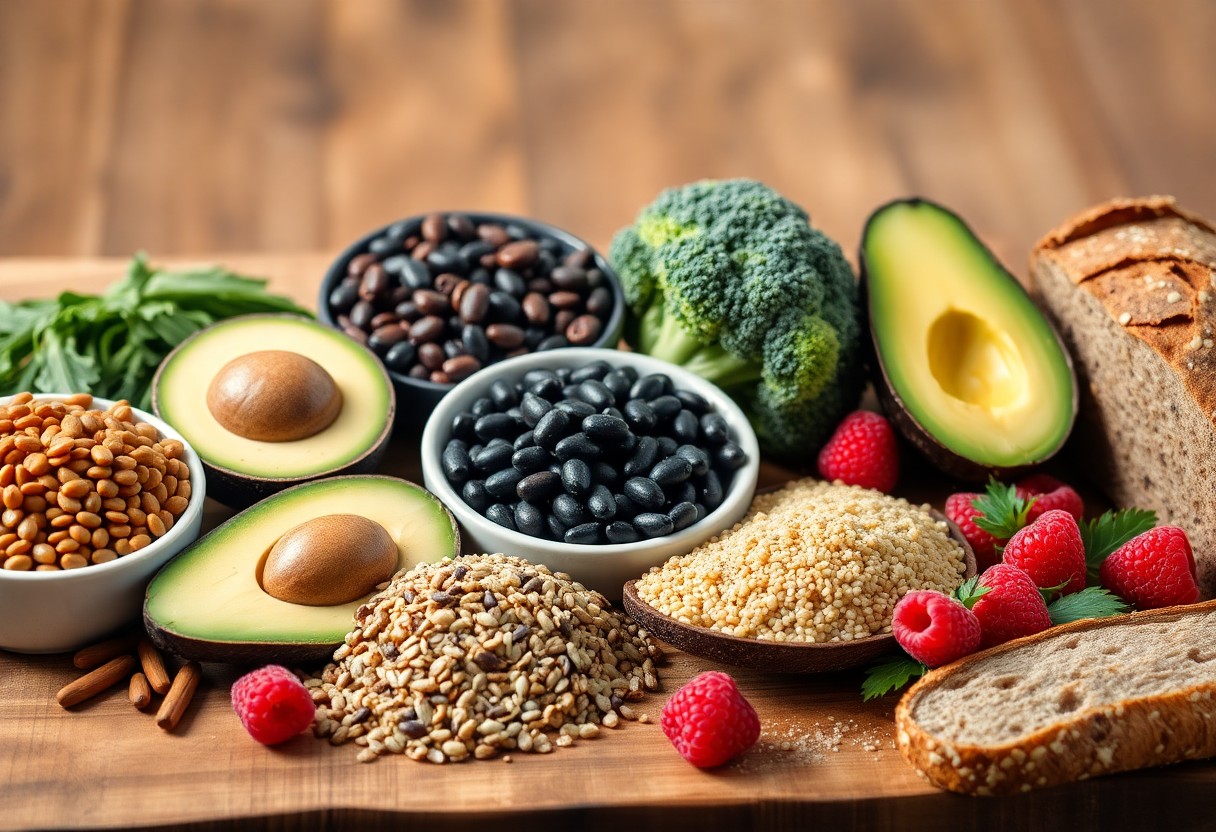
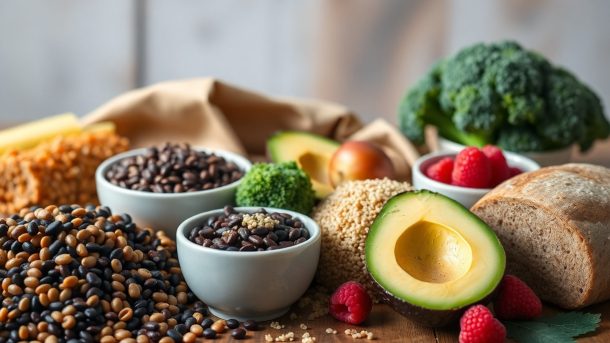
  • Legumes: Foods like beans, lentils, and chickpeas are among the highest in fiber content, making them excellent choices for increasing dietary fiber.
  • Whole grains: Options such as oats, quinoa, and brown rice provide substantial amounts of fiber, contributing to digestive health.
  • Fruits and vegetables: Foods like raspberries, pears, and broccoli are fiber-rich, offering both nutrition and various health benefits.

The Importance of Fiber in Diet

A fiber-rich diet is imperative for maintaining optimal digestive health and overall well-being. Incorporating adequate amounts of fiber into your meals supports the regularity of bowel movements, aids in weight management, and helps to balance your blood sugar levels. It also plays a significant role in reducing the risk of chronic diseases like heart disease and diabetes. Focusing on fiber in your diet empowers you to improve your health significantly.

Health Benefits of Fiber

Below are several key health benefits associated with a high-fiber diet. Fiber helps regulate digestion, prevents constipation, and may reduce the risk of certain gastrointestinal diseases. Additionally, it contributes to heart health by lowering cholesterol levels, and it can aid in weight control by promoting a feeling of fullness. By ensuring you include ample fiber in your diet, you can enjoy these numerous health benefits.

Recommended Daily Intake

Intake recommendations for dietary fiber suggest aiming for 25 to 30 grams per day. This amount can vary based on age, sex, and individual health needs. By consciously including fiber-rich foods in your daily diet, you can easily achieve this target.

Adding a variety of fiber sources to your meals is a great approach to meeting your daily intake. Foods like fruits, vegetables, whole grains, legumes, and nuts are excellent choices. Not only do they provide imperative nutrients, but they also contain different types of fiber, ensuring you gain the full spectrum of fiber benefits. Planning your meals with these foods can help you reach and potentially exceed the recommended daily intake, enhancing your health and well-being.

High-Fiber Foods

While many are unaware, incorporating high-fiber foods into your diet can significantly enhance your overall health. Foods rich in fiber not only aid in digestion but also help maintain a healthy weight and reduce the risk of chronic diseases. To learn more about why dietary fiber is vital for a healthy diet, visit Dietary fiber: Essential for a healthy diet.

Fruits

Any fruit, especially those with skins, are excellent sources of fiber. Berries, apples, oranges, and pears can effortlessly boost your fiber intake while providing vital vitamins and antioxidants. Opting for whole fruits instead of juices is a simple way to maximize your fiber consumption.

Vegetables

Fruits and vegetables are both key players in a high-fiber diet. Vegetables like broccoli, Brussels sprouts, carrots, and sweet potatoes provide not only fiber but also a wealth of nutrients. They can be easily added to meals or enjoyed as snacks to boost your daily fiber intake.

At the core of a fiber-rich diet, vegetables stand out as a remarkable source due to their low calories and high nutrient density. Incorporating a variety of colorful vegetables into your meals can enhance fiber intake, improve digestion, and contribute to overall wellness. Consider steaming, roasting, or adding them to salads for an easy and nutritious fiber boost.

Whole Grains and Legumes

Now, incorporating whole grains and legumes into your diet is crucial for boosting fiber intake. Whole grains like oats, quinoa, and barley offer not just fiber but also a range of nutrients that support overall health. Legumes such as lentils, beans, and peas are not only high in fiber but also rich in protein, making them a fantastic addition to any meal. By including these foods, you can enhance digestion and promote a feeling of fullness.

Types of Whole Grains

Now, here are some popular types of whole grains you might consider adding to your diet:

  • Brown rice
  • Quinoa
  • Barley
  • Oats
  • Whole wheat bread

Knowing your options can help you make more informed dietary choices.

Whole Grain Fiber Content (per cup cooked)
Brown Rice 3.5 grams
Quinoa 5 grams
Barley 6 grams
Oats 4 grams
Whole Wheat Bread 2 grams

Benefits of Legumes

Between their high fiber content and other nutritional benefits, legumes are an excellent addition to your meals. Rich in protein, vitamins, and minerals, they help stabilize blood sugar and improve gut health. Incorporating legumes into salads, soups, and stews can enhance flavors while also making your meals more filling.

Further, their versatility enables you to enjoy them in various forms, whether as refried beans in tacos or lentil soup. The fiber found in legumes not only helps with digestion but also plays a significant role in heart health by reducing cholesterol levels. By adding legumes to your diet, you actively support your long-term health and well-being.

Nuts and Seeds

Not all snacks are created equal when it comes to nutrition, but nuts and seeds stand out as powerhouses of fiber. Incorporating these into your diet can aid digestion and promote a feeling of fullness, making them a fantastic addition to your meals and as grab-and-go snacks. Whether you enjoy them raw, roasted, or blended into your favorite dishes, nuts and seeds provide a delicious way to boost your fiber intake.

High-Fiber Nuts

On your quest for high-fiber nuts, consider varieties like almonds, pistachios, and pecans, which deliver impressive fiber content per serving. Snacking on just a handful can significantly enhance your daily fiber intake while also offering healthy fats and protein. Nut-based recipes are also a fantastic way to incorporate these fiber-filled treats into your diet.

Fiber-Rich Seeds

For those looking to increase their fiber intake, seeds like chia, flax, and pumpkin are excellent choices packed with nutrients. These tiny powerhouses not only provide fiber but also important fatty acids and proteins that contribute to a balanced diet. Adding them to smoothies, yogurt, and baked goods can elevate your fiber consumption easily.

Another great advantage of fiber-rich seeds is their versatility. Chia seeds, for instance, can absorb liquid and expand, making them perfect for puddings or as a thickening agent in smoothies. Flaxseeds, which can be ground for better nutrient absorption, can be added to oatmeal or sprinkled on salads. By incorporating a variety of seeds into your meals, you will ensure a well-rounded, fiber-rich diet that supports digestive health.

Supplements and Fortified Foods

Keep in mind that while whole foods are the most natural sources of fiber, supplements and fortified foods can help you meet your fiber intake goals. These options are especially beneficial if you struggle to consume enough fiber through your diet alone. They can easily be incorporated into your daily routine, providing a convenient way to enhance your fiber consumption.

Fiber Supplements

Above all, fiber supplements offer a concentrated source of fiber, available in various forms such as powders, capsules, and gummies. These can be particularly useful for individuals who have specific dietary restrictions or those who find it challenging to get enough fiber from food sources. However, it’s vital to incorporate them gradually into your diet to minimize digestive discomfort.

Fortified Products

Beside fiber supplements, fortified products can also be an excellent way to increase your fiber intake. Many manufacturers enrich cereals, bread, and snacks with additional fiber, making it easy to boost your consumption without altering your usual eating habits.

Fiber-fortified products often contain added fibers like inulin, psyllium, or oat bran, which can help you enjoy the benefits of increased fiber intake. When dicking out these products, check the nutrition labels to ensure they contain a substantial amount of fiber while also being low in added sugars and unhealthy fats. Incorporating these fortified options into your meals can create a practical approach to achieving a balanced diet.

Tips for Increasing Fiber Intake

Unlike many believe, adding fiber to your diet can be quite simple with a few strategic changes. Consider these tips to enhance your fiber intake:

  • Start your day with a high-fiber breakfast, such as oatmeal or whole-grain toast.
  • Incorporate legumes into soups and salads.
  • Choose whole grains over refined grains in all your meals.
  • Snack on fresh fruits, vegetables, or nuts instead of processed foods.
  • Add chia seeds or flaxseeds to smoothies or yogurt for a fiber boost.

Perceiving fiber as an vital part of your meals will facilitate healthier, more satisfying eating habits. For more ideas, check out 22 High-Fiber Foods You Should Eat.

Meal Planning Strategies

At the beginning of each week, plan your meals around high-fiber foods to ensure that you consistently include fiber-rich options. Aim to create a diverse menu that highlights fruits, vegetables, whole grains, and legumes, making grocery shopping easier and healthier. Additionally, prep your meals in advance, allowing you to have nutritious and fiber-packed meals ready to go.

Cooking Techniques

One effective way to increase fiber intake is through cooking methods that preserve or enhance the fiber content of foods. Steaming or roasting vegetables helps keep their nutrients intact, while using whole grains in your recipes maximizes fiber benefits. Additionally, avoid peeling fruits and vegetables when possible, as the skins often contain significant fiber.

The key to maximizing fiber in your cooking is to explore various techniques and ingredients that promote fiber retention. For example, cooking legumes like beans and lentils not only boosts your fiber intake but can also enhance the flavors of your dishes. Preparing whole grains like quinoa and barley as side dishes instead of white rice or pasta can significantly up your fiber content as well.

Final Words

From above, you can see that incorporating a variety of fiber-rich foods into your diet is easy and beneficial for your health. Whole grains, legumes, fruits, and vegetables play a key role in boosting your fiber intake and promoting digestive wellness. You can improve your overall well-being by selecting high-fiber options such as beans, oats, berries, and leafy greens. By making these nutritional choices, you’re setting the foundation for a healthier lifestyle.

FAQ

Q: What are the highest fiber foods that I can include in my diet?

A: Some of the highest fiber foods include legumes like lentils and black beans, whole grains such as oats and quinoa, fruits like raspberries and pears, vegetables such as broccoli and Brussels sprouts, and nuts and seeds including chia seeds and almonds. Incorporating these foods can significantly increase your daily fiber intake.

Q: How does fiber in food contribute to digestive health?

A: Fiber plays an vital role in maintaining digestive health by adding bulk to the stool, which aids in preventing constipation. It also promotes regular bowel movements and supports a healthy gut microbiome by acting as a prebiotic, nourishing the beneficial bacteria in your intestines.

Q: Are there different types of dietary fiber, and which foods provide them?

A: Yes, there are two main types of dietary fiber: soluble and insoluble. Soluble fiber, found in foods like oats, fruits, and legumes, can help lower cholesterol and stabilize blood sugar levels. Insoluble fiber, found in whole grains, nuts, and vegetables, aids in digestion and prevents constipation. Incorporating a variety of fiber-rich foods ensures you’re getting both types.

Q: How can I increase my fiber intake without drastic changes to my diet?

A: You can gradually increase your fiber intake by making simple adjustments, such as opting for whole grain bread and pasta instead of refined options, adding legumes to salads and soups, snacking on fruits and nuts, and including more vegetables in your meals. Introduce these changes slowly to allow your digestive system to adjust.

Q: Can consuming too much fiber be harmful, and how much should I aim for daily?

A: While fiber is important for health, consuming excessively high amounts suddenly can lead to digestive discomfort, such as bloating and gas. The recommended daily intake for adults is about 25 grams for women and 38 grams for men, though individual needs may vary. It’s best to gradually increase fiber and drink plenty of water to minimize any adverse effects.

What are the 6 main foods

Mainly, understanding the six main food groups is crucial for maintaining a balanced diet and optimal health. You may wonder how these categories contribute to your overall well-being and nutritional needs. Each food group offers unique benefits and crucial nutrients that support your body’s functions. In this blog post, you’ll discover what these six fundamental foods are and how incorporating them into your meals can enhance your diet, promote health, and improve your quality of life.

Key Takeaways:

  • Protein: Essential for muscle growth and repair; sources include meat, fish, eggs, and legumes.
  • Carbohydrates: Primary energy source; found in grains, fruits, and vegetables, vital for brain function.
  • Fats: Necessary for absorbing vitamins; healthy sources include nuts, avocados, and olive oil.

Understanding Food Groups

Before submerging into the specifics of main foods, it’s important to comprehend the concept of food groups. These classifications help you understand the nutritional value of what you consume, ensuring a balanced diet that supports your overall health.

Definition of Food Groups

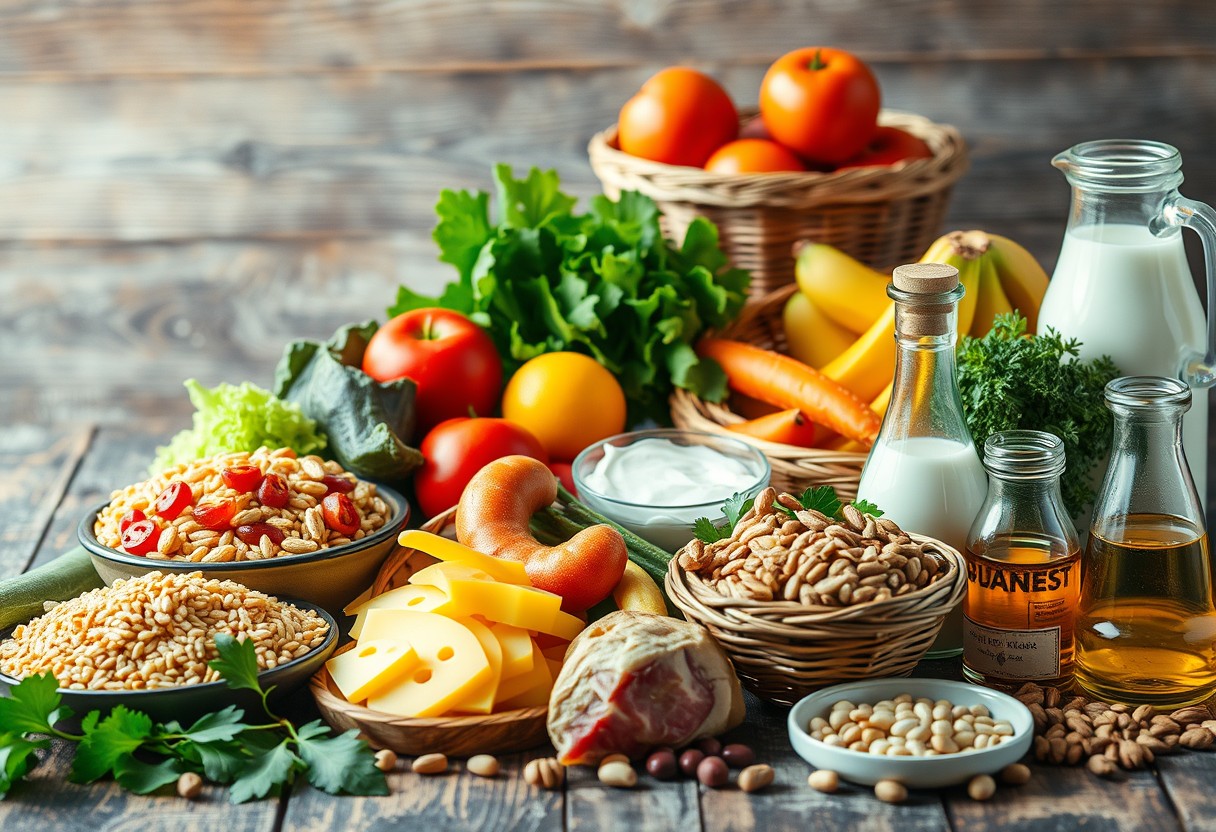
Groups of foods are categorized based on their nutritional content and health benefits. These classifications typically include grains, fruits, vegetables, proteins, dairy, and fats, each offering unique nutrients vital to your body’s functions.

Importance of Food Diversity

Food diversity enriches your diet by incorporating various nutrients important for optimal health. A wide range of foods ensures that you receive adequate vitamins, minerals, and other beneficial compounds, reducing the risk of nutrient deficiencies and promoting well-being.

Groups of diverse foods play a crucial role in maintaining your health. A varied diet encourages a balance of macronutrients and micronutrients, which supports bodily functions and boosts your immune system. Moreover, different foods provide unique antioxidants and phytochemicals that protect against chronic diseases. By embracing food diversity, you’re not only making your meals more enjoyable but also fostering a healthier lifestyle.

The 6 Main Foods

There’s a lot of information out there about nutrition, but understanding the The Six Basic Nutrients | Virginia Family Nutrition Program can help simplify your dietary choices. The six main food groups each provide unique benefits and necessary nutrients that support your overall health.

Grains

Main sources of energy, grains are imperative for a balanced diet. They provide carbohydrates, fiber, and various vitamins and minerals. Incorporating whole grains like brown rice, quinoa, and whole wheat bread into your meals can help you maintain a healthy energy level throughout the day.

Fruits

Foods rich in vitamins and antioxidants, fruits are nature’s sweet treat. They provide necessary nutrients and hydration while being low in calories. Incorporating a variety of fruits not only supports your immune system but also helps you manage your weight effectively.

Another great aspect of fruits is their versatility; you can enjoy them fresh, frozen, or dried. Whether added to a smoothie, salad, or as a snack, fruits like berries, oranges, and apples can enhance your meals while providing your body with imperative nutrients.

Vegetables

One of the most nutrient-dense food groups, vegetables are packed with vitamins, minerals, and fiber. They play a crucial role in maintaining your body’s health by helping prevent chronic diseases and promoting digestive health. Aim to fill half your plate with colorful vegetables at each meal.

This variety ensures that you receive a wide range of nutrients while adding delicious flavors and textures to your dishes. Leafy greens, cruciferous vegetables, and root vegetables are all excellent choices that contribute to your overall health.

Protein Sources

Main components of a healthy diet, protein sources help build and repair body tissues. They are critical for muscle growth, hormone production, and enzyme function. Including a balance of animal and plant-based proteins can enhance your meals and support your body’s needs.

Understanding the different types of protein sources, such as lean meats, fish, legumes, and nuts, allows you to select the best options for your lifestyle. Each source contributes various additional nutrients, making it important to have a mix for optimal health.

Dairy Products

Protein-rich and a key source of calcium, dairy products provide imperative nutrients needed for strong bones and teeth. Including items like milk, yogurt, and cheese in your diet can help you meet your daily dietary requirements, contributing to overall health and vitality.

Vegetables also play a role in complementing dairy, as certain dishes can pair both for added nutrients. Incorporating a variety of dairy options can enrich your meals, providing not only protein but also probiotics found in fermented dairy products like yogurt.

Fats and Oils

Any healthy diet should include imperative fats and oils, which provide energy and support cell function. Healthy fats, such as those found in avocados, olive oil, and nuts, are crucial for absorbing fat-soluble vitamins and promoting heart health.

Products such as nut butters and seeds can also be excellent sources of healthy fats, adding flavor and texture to your meals while ensuring you get the necessary nutrients in your diet.

Nutritional Benefits of Each Food

Not surprisingly, each food group plays a crucial role in your diet, providing unique health benefits that support overall wellness.

Grains: Energy and Fiber

Energy is the primary benefit of incorporating grains into your meals. Whole grains, in particular, are packed with fiber, which can aid in digestion and promote a feeling of fullness. This balance helps maintain steady energy levels, making grains a vital part of a healthy lifestyle.

Fruits: Vitamins and Antioxidants

Any discussion of healthy eating would be incomplete without mentioning fruits, which are rich sources of important vitamins and antioxidants. These nutrients help protect your cells from damage and support your immune system, contributing to overall health.

Antioxidants found in fruits, such as vitamin C and flavonoids, play a significant role in reducing inflammation and may lower the risk of chronic diseases. By incorporating a variety of fruits into your daily diet, you can enhance your nutritional intake while enjoying delicious flavors.

Vegetables: Minerals and Phytochemicals

Benefits of consuming vegetables are abundant, as they provide important minerals and phytochemicals that support various body functions. Vegetables are low in calories yet high in important nutrients, making them an ideal choice for maintaining a healthy weight.

Nutritional research indicates that phytochemicals in vegetables, such as carotenoids and glucosinolates, can have protective effects against certain diseases. Including a diverse array of colorful vegetables in your meals not only boosts your nutrient intake but also adds vibrancy to your plate.

Protein Sources: Muscle Health

Nutritional benefits derived from protein sources are vital for your muscle health and overall physical performance. Adequate protein intake aids muscle repair and growth, making it a necessary component of your diet, especially if you’re active.

With lean meats, legumes, nuts, and dairy products as part of your protein sources, you can optimize your intake of important amino acids, which are crucial for muscle function. Ensuring you have a balanced intake of these proteins will help you achieve your fitness goals.

Dairy Products: Bone Strength

Each serving of dairy products contributes to your bone strength due to their high content of calcium and vitamin D. These nutrients play a critical role in maintaining bone density and can help prevent osteoporosis later in life.

Fruits and vegetables are also contributing factors to bone health, as they contain additional nutrients that support calcium absorption. Incorporating a range of dairy products into your meals can provide you with the necessary building blocks for robust skeletal health.

Fats and Oils: Essential Fatty Acids

To understand the role of fats and oils in your diet, it’s important to recognize that they provide critical important fatty acids your body cannot produce on its own. These fats support various bodily functions, including nutrient absorption and hormone production.

Phytochemicals in healthy fats, such as omega-3 and omega-6 fatty acids, may reduce inflammation and improve heart health. By choosing sources of healthy fats, like avocados, nuts, and olive oil, you can enhance your overall nutrient profile while enjoying the flavor they provide.

Final Words

To wrap up, understanding the six main food groups—grains, vegetables, fruits, dairy, protein, and fats—empowers you to make informed dietary choices. Each group plays a crucial role in providing vital nutrients that support your overall health and well-being. By balancing your meals with a variety of foods from these categories, you can optimize your nutrition and enjoy a healthier lifestyle. Recall, mindful eating not only fuels your body but also supports your long-term wellness goals.

FAQ

Q: What are the 6 main food groups?

A: The six main food groups are carbohydrates, proteins, fats, vitamins, minerals, and water. Each group plays a crucial role in maintaining overall health and wellbeing.

Q: Why are carbohydrates considered one of the main food groups?

A: Carbohydrates are a primary source of energy for the body. They are found in foods such as grains, fruits, vegetables, and legumes. Carbohydrates break down into glucose, which is used by our cells for energy, making them crucial for typical bodily functions.

Q: How do proteins contribute to our diet?

A: Proteins are important for building and repairing tissues, making enzymes, hormones, and other body chemicals. They are composed of amino acids and can be found in animal products like meat, dairy, and eggs, as well as in plant sources like beans, lentils, and nuts.

Q: What role do fats play in a healthy diet?

A: Fats are crucial for various bodily functions, including hormone production, nutrient absorption, and providing energy. Healthy fats, such as those from avocados, nuts, seeds, and olive oil, are crucial for maintaining heart health and overall nutrition.

Q: Why are vitamins and minerals important food groups?

A: Vitamins and minerals are micronutrients that support numerous bodily functions, including immune system function, bone health, and blood pressure regulation. Each vitamin and mineral serves specific roles, and a varied diet helps ensure that we get adequate amounts of these nutrients.

Q: How does water fit into the six main food groups?

A: Water is vital for life and makes up a significant portion of our body. It aids in digestion, absorption of nutrients, and regulation of body temperature. Staying well-hydrated is crucial for maintaining optimal health and supporting the functions of all other food groups.

What 3 foods have the most fiber

Nutrition plays a key role in your overall health, and incorporating fiber-rich foods into your diet is imperative for maintaining digestive health and supporting weight management. By focusing on high-fiber options, you not only enhance your meals but also promote satiety and a healthy gut. In this post, you’ll discover three of the best foods that pack the most fiber, helping you make informed choices for your dietary needs.

Key Takeaways:

  • Legumes: Foods like lentils and black beans are among the richest sources of fiber, providing around 15-16 grams per cooked cup.
  • Whole Grains: Options such as barley and oatmeal are excellent sources, offering about 6-8 grams of fiber per serving, depending on the type.
  • Fruits and Vegetables: Avocados and raspberries are particularly high in fiber, with avocados containing about 10 grams per fruit and raspberries providing around 8 grams per cup.

The Importance of Fiber in the Diet

Before you look into the benefits of fiber, consider how necessary it is for overall health. Fiber plays a critical role in maintaining digestive health, ensuring that your system runs smoothly. Additionally, a fiber-rich diet can support weight management and help regulate blood sugar levels, making it a vital component of your daily meals.

Health Benefits of Fiber

Along with promoting better digestion, fiber offers a multitude of health benefits. It can help lower cholesterol, reduce the risk of heart disease, and even aid in preventing certain types of cancer. By incorporating fiber into your diet, you not only enhance your gut health but also improve your overall well-being.

Recommended Daily Intake

About 25 to 30 grams of fiber per day is generally recommended for adults. This amount can vary based on age, gender, and individual dietary needs, but aiming for this range can help you reap the numerous benefits associated with a fiber-rich diet.

In addition to the general recommendations, consider how your lifestyle may influence your fiber requirements. For example, if you are physically active or have specific health conditions, your needs might differ. It’s wise to gradually increase your fiber intake to avoid digestive discomfort and ensure your body adjusts well. Utilize a variety of fiber sources, such as fruits, vegetables, whole grains, and legumes, to meet your goals effectively.

Food Sources High in Fiber

If you’re looking to boost your fiber intake, there are various food sources to consider. Fiber-rich foods not only support digestive health but also can help you feel fuller for longer, aiding in weight management. Incorporating a variety of high-fiber foods into your diet can enhance your overall well-being, ensuring you get the nutrients your body needs.

Legumes: Beans and Lentils

Among the most fiber-dense foods, legumes such as beans and lentils provide an excellent source of dietary fiber. These nutrient-packed options can easily be added to your meals, whether in salads, soups, or hearty main dishes, helping you meet your daily fiber requirements while also providing protein and other vital nutrients.

Whole Grains: Oats and Quinoa

Grains like oats and quinoa are fantastic sources of fiber that can significantly contribute to your daily intake. Oats are rich in soluble fiber, known to lower cholesterol levels, while quinoa is a complete protein offering a good balance of fiber and nutrients. You can enjoy them as breakfast options or in various dishes, enhancing your meals while reaping the health benefits.

Due to their unique nutritional profiles, oats and quinoa stand out as fiber powerhouses. Oats contain beta-glucan, a type of soluble fiber shown to aid heart health and improve insulin sensitivity. Quinoa, on the other hand, offers both soluble and insoluble fiber, promoting healthy digestion and contributing to your overall diet. By incorporating these whole grains into your meals, you ensure a delicious way to increase your fiber intake while benefiting from their rich mineral content.

Fruits High in Fiber

Many fruits pack a powerful fiber punch, making them excellent choices for enhancing your daily intake. These fiber-rich options not only support digestive health but also help you feel fuller for longer. Including a variety of fruits in your diet can be a delicious way to boost your fiber consumption and enjoy an array of flavors and nutrients.

Raspberries and Blackberries

To indulge in a fiber-rich treat, consider adding raspberries and blackberries to your meals. A cup of raspberries contains about 8 grams of fiber, while blackberries provide around 7 grams. These berries are perfect for snacks, smoothies, or as toppings for yogurt, helping you meet your fiber goals effortlessly.

Apples and Pears

Beside berries, apples and pears are excellent sources of fiber, providing about 4 grams per medium-sized fruit. Their crisp textures make them a delightful addition to salads or a satisfying snack on their own.

Even enjoying them with the skin can dramatically increase your fiber intake, as most of the fiber resides in the skin. Incorporating a mix of these fruits into your diet can offer diverse ways to enjoy their sweetness while benefiting from their fiber content, contributing positively to your digestive health and overall well-being.

Vegetables with High Fiber Content

For those looking to boost their fiber intake, incorporating a variety of vegetables into your diet is a smart choice. Vegetables not only provide imperative nutrients but also contribute significantly to your daily fiber goals. Leafy greens, cruciferous veggies, and root vegetables are all excellent options, making it easy to add more fiber to your meals while enjoying a colorful and healthy plate.

Broccoli and Brussels Sprouts

The dense nutrition of broccoli and Brussels sprouts makes them standout vegetables in terms of fiber content. These cruciferous vegetables are not only rich in fiber but also loaded with vitamins and antioxidants. By including them in your meals, you can enhance your digestive health while savoring their unique flavors.

Artichokes and Carrots

With a distinctive taste, artichokes are an exceptional source of fiber, providing more than 10 grams per medium-sized artichoke. Carrots, too, are a fiber-rich option, offering about 4 grams per medium carrot, making them a tasty and versatile addition to your diet. These vegetables not only support your digestive health but also contribute to your overall well-being with their vitamins and minerals.

Another benefit of including artichokes and carrots in your meals is their versatility. Artichokes can be grilled, steamed, or added to salads, while carrots can be enjoyed raw as a snack, roasted, or blended into soups and stews. This flexibility allows you to enjoy these fiber-rich vegetables in various ways, helping you meet your daily fiber needs effortlessly.

How to Incorporate High-Fiber Foods into Your Diet

Once again, including high-fiber foods in your diet can be simple and enjoyable. Start by adding fruits, vegetables, whole grains, and legumes into your meals. You can swap refined grains for whole grains, toss some beans into salads or soups, and snack on fruits and nuts. To ease into a high-fiber diet, gradually increase fiber intake while ensuring adequate hydration to help your digestive system adjust.

Meal Planning Tips

After establishing your high-fiber goals, effective meal planning is key to success. Consider drafting weekly menus that prioritize fiber-rich foods. Some practical tips include:

  • Incorporate a variety of fruits and vegetables in each meal.
  • Choose whole-grain options for bread, pasta, and rice.
  • Prep meals with high-fiber legumes, such as lentils and chickpeas.

Assume that dedicating time upfront will help you consistently meet your fiber goals.

Snack Ideas

Above all, snacking can be a delightful way to boost your fiber intake. You can choose snacks like raw fruits, vegetables with hummus, or a handful of nuts and seeds. Moreover, consider whole-grain crackers with avocado or a smoothie made with spinach and berries for both taste and nutrition.

Indeed, snacking on high-fiber options not only satisfies your cravings but also keeps your digestive health in check. Experiment with different snacks to find what suits your taste—fiber-rich foods can be flavorful and filling! Try to keep some ready-to-eat options on hand, like air-popped popcorn or fruit slices, to ensure you stick to your dietary goals without losing out on enjoyment.

Common Myths About Fiber

Your understanding of fiber may be clouded by some widespread myths. Many people believe that fiber is only relevant for those looking to lose weight or improve digestive health. However, fiber is crucial for everyone, aiding in heart health, blood sugar regulation, and even reducing the risk of certain diseases. For more insights and to explore 29 High-Fiber Foods That Support Digestive Health, you can enhance your nutritional knowledge and choices.

Fiber and Weight Loss

Weight loss can be significantly impacted by fiber consumption. Foods rich in fiber tend to be more filling, allowing you to feel satisfied longer, which can help reduce overall calorie intake. Additionally, fiber slows down the digestion process, helping to maintain steady energy levels and reducing cravings.

Fiber’s Effect on Digestive Health

Below are some of the key ways fiber benefits your digestive health. A high-fiber diet can improve bowel regularity, reducing the risk of constipation and promoting healthy gut bacteria. Soluble fiber can also help manage diarrhea by absorbing excess fluid in the intestines, leading to more stable stool consistency.

In addition to promoting regularity, fiber plays a significant role in gut health. It acts as a prebiotic, feeding the beneficial bacteria in your gut, which in turn helps boost your immune system and overall well-being. Incorporating a variety of fiber-rich foods into your diet can strengthen your digestive system and enhance nutrient absorption.

Final Words

Hence, incorporating foods high in fiber into your diet can significantly improve your digestive health and overall well-being. legumes like lentils, which provide around 15.6 grams of fiber per cooked cup, can easily be added to various meals. Whole grains like barley are also excellent, offering about 6 grams of fiber per cup. Additionally, you should not overlook fruits such as avocados, boasting approximately 10 grams of fiber per medium fruit. By focusing on these fiber-rich options, you can enhance your nutritional intake and support your health effectively.

FAQ

Q: What are the top three foods that are highest in fiber?

A: The three foods that typically contain the most fiber are chia seeds, lentils, and raspberries. Chia seeds have about 34 grams of fiber per 100 grams, lentils provide around 8 grams per cooked half-cup, and raspberries offer approximately 8 grams in a one-cup serving.

Q: How can I incorporate these high-fiber foods into my diet?

A: You can incorporate chia seeds by adding them to smoothies, yogurt, or oatmeal. Lentils can be included in soups, salads, or as a side dish. Raspberries make a great snack on their own or can be added to desserts, breakfast bowls, or mixed into salads.

Q: What health benefits are associated with a high-fiber diet?

A: A high-fiber diet can promote digestive health, help in maintaining a healthy weight, lower cholesterol levels, and improve blood sugar control. It may also reduce the risk of developing various chronic diseases, including heart disease and type 2 diabetes.

Q: How much fiber do I need daily?

A: The recommended daily intake of fiber varies by age and sex. Generally, adult women should aim for about 25 grams per day, while adult men should strive for around 38 grams. However, individual needs may differ based on activity level and overall health.

Q: Can eating too much fiber be harmful?

A: Yes, consuming excessive fiber can lead to digestive issues such as bloating, gas, and cramping, particularly if your body is not accustomed to a high-fiber diet. It’s best to increase fiber intake gradually and drink plenty of water to assist digestion.

What are high risk foods

High-risk foods pose a significant threat to your health if not handled, stored, or cooked properly. Understanding these foods is crucial for preventing foodborne illnesses. Typically, high-risk foods are perishable items that provide a favorable environment for bacteria to thrive. By identifying and managing these foods in your kitchen, you can take proactive steps to ensure the safety of you and your loved ones. In this guide, you will learn about common high-risk foods, their characteristics, and necessary tips for safe handling.

Key Takeaways:

  • High Risk Foods: These are foods that are more likely to cause foodborne illnesses due to their moisture content, pH level, and nutrient richness, making them ideal for bacterial growth.
  • Examples: Common high risk foods include raw meat, poultry, seafood, dairy products, and cooked rice or pasta.
  • Temperature Control: Proper storage and cooking temperatures are crucial to minimize the risk of foodborne pathogens. Foods should be kept out of the dange zone (between 40°F and 140°F).
  • Cross-Contamination: Preventing cross-contamination is crucial. Use separate cutting boards and utensils for high risk foods and other food items to mitigate risks.
  • Safe Handling: Adhering to hygiene practices like hand washing and using clean surfaces can help reduce the risk of foodborne illnesses from high risk foods.

Understanding High Risk Foods

To ensure food safety, it is crucial to recognize high risk foods that can harbor harmful bacteria and other pathogens. Understanding these foods helps you implement safe food handling practices to avoid potential health risks.

Definition of High Risk Foods

On a fundamental level, high risk foods are those that support the rapid growth of pathogenic microorganisms, which can lead to foodborne illnesses. They typically contain moisture and nutrients, making them ideal environments for bacteria to thrive.

Types of High Risk Foods

On the topic of types, high risk foods generally include perishable items that require careful storage and handling. Common examples are:

  • Raw meat and poultry
  • Seafood
  • Dairy products
  • Cooked rice and pasta
  • Eggs

Knowing these categories can significantly reduce your likelihood of experiencing foodborne illnesses.

Type Description
Raw Meat Includes beef, pork, and lamb that may contain harmful bacteria.
Seafood Fish and shellfish that can spoil quickly if not stored properly.
Dairy Milk, cheese, and yogurt can harbor bacteria if left out.
Cooked Grains Rice and pasta can become a breeding ground for bacteria when improperly stored.
Eggs Eggs need to be cooked thoroughly to eliminate pathogens.

One of the critical factors in managing high risk foods is understanding their specific characteristics and storage requirements. These foods require refrigeration or proper cooking to minimize risks. Consider these key categories and their impacts:

  • Meat should be stored below 40°F (4°C) to slow bacterial growth.
  • Seafood must be consumed or frozen quickly after purchase.
  • Dairy items need to remain refrigerated to stay safe.
  • Cooked grains should be refrigerated within two hours if not consumed.
  • Eggs must be cooked to the appropriate temperature.

Knowing these guidelines will empower you to handle high risk foods safely and effectively.

Food Type Safe Handling Tips
Raw Meat Keep separate from other foods during preparation.
Seafood Use within a day of purchase or freeze immediately.
Dairy Always check expiration dates before use.
Cooked Grains Use within 3-4 days or freeze for longer storage.
Eggs Store in the refrigerator and cook thoroughly.

Common High Risk Foods

Even the most careful food handlers can overlook high-risk foods that may harbor bacteria and pathogens if not stored or prepared correctly. Understanding these foods is important for food safety and preventing foodborne illnesses. Below are some commonly recognized high-risk foods that you should be aware of.

Dairy Products

Dairy products, such as milk, cheese, and yogurt, are excellent breeding grounds for harmful bacteria if not stored properly. Because they contain proteins and moisture, it’s important to maintain them at the appropriate temperatures to prevent spoilage and contamination.

Meat and Poultry

An important category of high-risk foods is meat and poultry, which can easily become contaminated during processing or handling. Improper cooking or storage may lead to dangerous bacteria like Salmonella and E. coli proliferating, which can cause severe foodborne illnesses.

With raw and undercooked meat and poultry, you must ensure that they are cooked to the proper internal temperatures to eliminate harmful pathogens. Always use separate cutting boards for raw meats and other foods to prevent cross-contamination.

Seafood

Foods such as fish and shellfish are also considered high-risk as they can harbor bacteria and viruses, particularly when raw or undercooked. Certain types of seafood can cause serious illnesses if not prepared safely.

Plus, many types of seafood can also be affected by harmful contaminants like mercury or Vibrio bacteria. It’s crucial to purchase seafood from reputable sources and ensure that it is cooked to recommended temperatures to avoid potential health risks.

Eggs

Dairy products, specifically eggs, are another common high-risk food. Eggs can carry Salmonella bacteria, which can lead to food poisoning if they are consumed raw or undercooked. Always check for freshness and ensure that they are stored correctly.

To minimize the risk of Salmonella, you should cook eggs thoroughly until both the yolk and white are firm. Additionally, consider buying pasteurized eggs if you plan to use them in recipes that require raw or lightly cooked eggs, especially for vulnerable groups such as pregnant women and the elderly.

Factors Contributing to High Risk Status

Keep in mind that various factors contribute to the high-risk status of certain foods. Understanding these elements can help you make informed decisions when handling and consuming food. Consider the following factors:

  • Temperature Control
  • pH Level
  • Moisture Content
  • Storage Conditions

Knowing these factors plays a significant role in preventing foodborne illnesses and ensuring food safety.

Temperature Control

Contributing to high-risk food status, temperature control is crucial in managing microbial growth. Foods that require refrigeration or cooking to specific temperatures can easily become hazardous if left at room temperature for prolonged periods.

Temperature Control Factors

Temperature Range Risk Level
0°C to 4°C Low
4°C to 60°C High
Above 60°C Safe

pH Level

With pH level playing a crucial role in food safety, foods with a neutral to slightly acidic pH (between 4.6 and 7.0) are susceptible to bacterial growth. This range allows for microorganisms like E. coli and Salmonella to thrive.

Factors affecting pH levels in foods can determine their safety status. Acidic foods, such as lemons or vinegar-based products, have a low risk profile, whereas neutral foods like meats and dairy can become breeding grounds for pathogens if not properly managed. Maintaining appropriate acid levels can prevent food spoilage and potential health risks.

Moisture Content

High moisture content in foods is another factor that enhances the risk of microbial growth. Foods with a water activity (aw) level above 0.85 are particularly vulnerable to spoilage due to bacteria, yeast, and molds thriving in these environments.

Status of moisture content is critical when assessing food safety. Foods with high moisture, such as fresh produce, cooked grains, and dairy products, must be handled with care. Reducing moisture through dehydration or proper cooking can significantly decrease the risk of foodborne illnesses.

Storage Conditions

Moisture retention and improper storage conditions are key contributors to the high-risk status of certain foods. If foods are not stored at the right temperature and humidity levels, they can spoil quickly, leading to a greater likelihood of contamination.

Content regarding storage conditions emphasizes the importance of keeping food away from moisture and maintaining temperature controls. Utilizing airtight containers, appropriate refrigeration, and observing expiration dates can help mitigate risks associated with high-risk foods.

Safety Precautions and Best Practices

Unlike many foods, high-risk foods require careful handling to prevent foodborne illnesses. Understanding how to safely use these items is vital. For more information, check out What are High-Risk Foods and How Can I Use Them Safely?.

Proper Cooking Techniques

Precautions are vital when cooking high-risk foods. Always ensure that your food is cooked thoroughly to the appropriate internal temperature, which can kill harmful bacteria. Use a food thermometer to check that meats and other perishables reach safe temperatures, reducing the risk of foodborne illness significantly.

Safe Food Handling

To maintain safety when handling high-risk foods, it’s crucial to wash your hands frequently and keep your kitchen surfaces clean. Utilize separate cutting boards for raw meats and other foods to prevent cross-contamination. You should also limit the time perishable items remain at room temperature to further reduce risks.

Proper food handling doesn’t just encompass washing and cleanliness; it also involves being mindful of what you touch. Always use clean utensils and avoid placing cooked foods back onto surfaces that have touched raw foods. This level of awareness helps keep your meal preparation as safe as possible.

Storage Guidelines

Best practices in food storage include keeping high-risk foods refrigerated at all times, ideally below 5°C (41°F). Take care not to overcrowd your refrigerator, as good air circulation ensures that your food stays at safe temperatures and maintains quality.

With proper storage, it’s also important to understand the “first in, first out” rule. Rotate older items to the front and ensure that you consume or properly dispose of them before newer products. This method not only maximizes freshness but also enhances safety by minimizing the chances of spoilage and bacterial growth.

Final Words

Presently, understanding what constitutes high-risk foods is crucial for ensuring your health and safety. These foods, which often include meats, dairy products, and certain produce, can harbor bacteria and pathogens if not handled properly. By being aware of these risks and adopting safe food practices, you can significantly reduce the likelihood of foodborne illnesses. For more insights, you can explore The Difference Between High-Risk and Low-Risk Foods.

FAQ

Q: What are high risk foods?

A: High risk foods are perishable items that are more prone to bacterial growth and foodborne illnesses if not stored or cooked properly. These typically include moist, protein-rich foods like meat, poultry, fish, dairy products, and prepared ready-to-eat items such as salads and sandwiches. Foods that sit out at room temperature for extended periods can also fall into this category, making it crucial to handle them with care to prevent food poisoning.

Q: Why are high risk foods more likely to cause foodborne illness?

A: High risk foods provide an ideal environment for bacteria to grow due to their moisture content, pH level, and nutrient density. These factors support the replication of pathogens such as Salmonella, E. coli, and Listeria. If these foods are not cooked to appropriate temperatures or stored at safe temperatures (below 41°F for cold foods and above 135°F for hot foods), they become breeding grounds for harmful microorganisms, leading to a higher chance of foodborne illness.

Q: How can I safely handle and store high risk foods?

A: To safely handle and store high risk foods, follow these guidelines: First, always wash your hands before and after handling food. Keep raw and cooked foods separated to avoid cross-contamination. Store high risk foods in the refrigerator or freezer immediately after purchase, ensuring your fridge is at or below 41°F. When cooking, use a food thermometer to ensure food reaches the recommended internal temperatures (e.g., 165°F for poultry). Lastly, serve or consume these foods quickly, and refrigerate leftovers within two hours to minimize the risk of bacterial growth.

What are the 7 best foods to eat

There’s a simple rule to follow when it comes to choosing the best foods to nourish your body – “Eat food, not too much, mostly plants.” In a world filled with endless food options, it can be overwhelming to decide what to eat. To make it easier for you, here are the 7 best foods that should be a regular part of your diet to promote health and well-being. From leafy greens packed with nutrients to heart-healthy fats, these foods will have you feeling your best in no time.

Key Takeaways:

  • Fruits and Vegetables: Include a variety of colorful fruits and vegetables in your diet for crucial vitamins, minerals, and antioxidants.
  • Whole Grains: Opt for whole grains such as brown rice, quinoa, and whole wheat for fiber, nutrients, and sustained energy.
  • Lean Proteins: Incorporate lean proteins like chicken, fish, tofu, or lentils for muscle development and overall health.

Nutrient-Dense Foods

For a healthy and balanced diet, incorporating nutrient-dense foods is imperative. These foods are rich in vitamins, minerals, and other imperative nutrients that are beneficial for your overall health and well-being. In this chapter, we will explore two superfoods that are packed with nutrients and offer numerous health benefits.

Leafy Greens: The Ultimate Superfood

To start off, leafy greens are the ultimate superfood that should have a prominent place on your plate. Spinach, kale, Swiss chard, and collard greens are all excellent choices that are loaded with vitamins A, C, and K, as well as minerals like iron and calcium. These greens are also rich in antioxidants and fiber, which can help support healthy digestion and reduce inflammation in your body.

Berries: Antioxidant Powerhouses

Ultimate antioxidant powerhouses, berries are a delicious and nutritious addition to your diet. Blueberries, strawberries, raspberries, and blackberries are known for their high levels of antioxidants, such as anthocyanins and vitamin C. These antioxidants can help protect your cells from damage caused by free radicals, and they may also have anti-inflammatory properties.

Another reason to include berries in your diet is their low calorie and high fiber content. This makes them a great option for satisfying your sweet cravings while benefiting from their nutritional value. Whether you enjoy them on their own, mixed into a smoothie, or topping your yogurt, incorporating berries into your daily meals can be a flavorful way to boost your health.

Protein-Rich Foods

Now let’s talk about the importance of including protein-rich foods in your diet. Protein is vital for building and repairing tissues in your body, and it also plays a crucial role in maintaining muscle mass and keeping you feeling full and satisfied after meals.

Fatty Fish: Brain and Heart Health

Fish is a fantastic source of high-quality protein that is also packed with vital omega-3 fatty acids. Fatty fish such as salmon, mackerel, and sardines are not only delicious but also incredibly beneficial for your brain and heart health. Omega-3 fatty acids found in these fish can help improve your mood, memory, and overall cognitive function. Additionally, they can reduce inflammation in your body and lower your risk of heart disease.

Eggs: The Perfect Protein Package

Heart-healthy eggs are a nutritional powerhouse, providing you with an excellent source of protein, vitamins, minerals, and antioxidants. Including eggs in your diet can help you maintain a healthy weight, support muscle growth, and promote brain function. The myth that eggs are bad for your heart health has been debunked, so feel free to enjoy them regularly as part of a balanced diet.

To make the most out of your eggs, opt for pasture-raised or omega-3 enriched eggs, which are higher in beneficial nutrients such as vitamin D and omega-3 fatty acids. Incorporating eggs into your meals can be a versatile and easy way to boost your protein intake and fuel your body with vital nutrients.

Whole Grains

Not sure which foods you should incorporate into your diet for optimal health? Check out The 7 Healthiest Foods You Should Eat and Why for some insightful information on the best options out there.

Quinoa: The Complete Protein Grain

Any health-conscious individual like yourself should consider including quinoa in your diet. This ancient grain is a complete protein, meaning it contains all nine important amino acids that your body cannot produce on its own. Quinoa is not only nutritious but also versatile, making it a great addition to salads, stir-fries, and even breakfast bowls.

Brown Rice: Fiber and Mineral Rich

Fiber is important for your digestive health, and brown rice is a fantastic source of this important nutrient. By choosing brown rice over white rice, you’re opting for a whole grain that retains its fiber content and important minerals, such as magnesium and manganese. This makes brown rice a nourishing choice for supporting your overall well-being.

Understanding the benefits of whole grains like quinoa and brown rice can help you make informed choices when it comes to your diet. By incorporating these nutritious options into your meals, you can fuel your body with the important nutrients it needs to thrive.

Healthy Fats

Despite what you may have heard, not all fats are bad for you. In fact, some fats are crucial for your overall health and well-being. By incorporating healthy fats into your diet, you can improve your heart health, brain function, and even aid in weight loss. Let’s explore some of the best sources of healthy fats that you should consider adding to your meals.

Avocados: Creamy and Nutritious

One of the best sources of healthy fats is the beloved avocado. Avocados are not only creamy and delicious but also packed with nutrients such as monounsaturated fats, which can help lower your bad cholesterol levels. Additionally, avocados are high in fiber, vitamins C, E, K, and B-6, as well as folate. By adding avocados to your salads, sandwiches, or smoothies, you can reap the benefits of these nutritious fruits.

Nuts and Seeds: Crunchy and Convenient

One easy way to incorporate healthy fats into your diet is by snacking on nuts and seeds. Nuts such as almonds, walnuts, and pistachios, as well as seeds like chia, flax, and hemp seeds, are excellent sources of omega-3 fatty acids and antioxidants. These nutrients can help reduce inflammation, support your immune system, and even aid in weight management. By keeping a stash of mixed nuts or seeds at your desk or in your bag, you can enjoy a convenient and nutritious snack whenever hunger strikes.

Adding a variety of nuts and seeds to your diet can provide you with an array of nutrients and health benefits. Just remember to consume them in moderation, as they are calorie-dense foods. Incorporating a handful of nuts or seeds into your meals or snacks can help you stay satisfied and energized throughout the day, all while supporting your overall health and well-being.

Fermented Foods

Kimchi: Spicy and Probiotic-Rich

After a long day, there’s nothing like a flavorful dish of kimchi to add a burst of spicy tanginess to your meal. This traditional Korean staple is not only delicious but also packed with probiotics that can benefit your gut health. The fermentation process involved in making kimchi creates a rich source of beneficial bacteria that can help improve digestion and boost your immune system. So, the next time you’re looking to add some excitement to your plate, consider incorporating kimchi for a flavorful and gut-friendly option.

Yogurt: Gut Health and Calcium

To round out your list of nutrient-dense foods, don’t forget about the versatile and creamy yogurt. This dairy product is not only a delicious snack or breakfast option, but it also offers a range of health benefits. Yogurt is a rich source of calcium, which is necessary for maintaining strong bones and teeth. Additionally, yogurt is packed with probiotics, the good bacteria that can help promote a healthy gut microbiome.

Fermented foods like yogurt have been linked to a variety of health benefits, including improved digestion, reduced inflammation, and enhanced immune function. By incorporating yogurt into your daily diet, you can support your gut health and overall well-being.

Beverages

Green Tea: Antioxidant and Anti-Inflammatory

To start your day with a refreshing and health-boosting beverage, you might want to consider a cup of green tea. Green tea is packed with antioxidants and compounds that have anti-inflammatory properties. These properties can help reduce inflammation in your body, which is linked to various chronic diseases.

Water: The Ultimate Hydrator

One of the simplest and most crucial beverages you can consume daily is water. Staying hydrated is crucial for your overall health and well-being. Water helps regulate your body temperature, aids in digestion, and keeps your organs functioning properly.

Ultimate hydration comes from pure, clean water. Make sure to drink an adequate amount of water throughout the day to keep your body functioning optimally. You can also infuse your water with fruits or herbs for added flavor and nutrients.

Conclusion

To wrap up, focusing on a diet that includes a variety of whole, nutrient-dense foods can benefit your overall health and well-being. By incorporating foods like berries, fatty fish, leafy greens, nuts and seeds, whole grains, avocado, and yogurt into your daily meals, you are providing your body with vital vitamins, minerals, and antioxidants that can support your immune system, brain health, and even help reduce the risk of chronic diseases.

Be mindful of, balance and moderation are key when it comes to your diet. Enjoying a wide range of foods while listening to your body’s hunger and fullness cues will help you maintain a healthy relationship with food and nourish your body in the best way possible. So go ahead and explore the world of delicious and nutritious foods that can benefit your health and well-being. Your body will thank you for it!

FAQ

Q: What are the 7 best foods to eat for overall health?

A: The 7 best foods to eat for overall health are: leafy greens, berries, nuts and seeds, fatty fish, whole grains, lean protein, and probiotics. These foods are nutrient-dense and provide a wide range of vitamins, minerals, and other vital nutrients.

Q: How can leafy greens benefit my health?

A: Leafy greens such as kale, spinach, and Swiss chard are packed with vitamins, minerals, and antioxidants. They are low in calories but high in fiber, which can promote good digestion and help with weight management. Leafy greens also contain important nutrients like vitamin K, which is vital for bone health.

Q: Why are probiotics considered one of the best foods to eat?

A: Probiotics are “good” bacteria that promote a healthy gut microbiome. They can improve digestion, boost the immune system, and even support mental health. Probiotic-rich foods include yogurt, kefir, sauerkraut, and kimchi. Adding these foods to your diet can help maintain a healthy balance of gut bacteria.

What are the 10 most popular foods

Ever wondered what the 10 most popular foods are that grace plates all around the globe? From crispy fries to mouth-watering pizza, the world is full of delicious options that satisfy your taste buds. In this article, you’ll discover the ultimate list of crowd-pleasing foods that you just can’t resist. So, grab a seat and get ready to tantalize your taste buds with these flavorful and beloved dishes that have stood the test of time.

Key Takeaways:

  • Asian cuisine: Foods such as sushi, ramen, and dumplings continue to be popular worldwide.
  • Fast food favorites: Burgers, pizza, and fries top the list of most loved fast foods globally.
  • Mediterranean delights: Dishes like hummus, falafel, and kebabs are gaining popularity for their delicious flavors and healthy ingredients.

The Criteria

Defining Popularity

Before we investigate the list of the 10 most popular foods, we need to establish what exactly we mean by “popular.” In terms of food, popularity can be measured in various ways. It could be based on consumption rates, social media trends, cultural significance, or even personal preferences. Any food that is widely loved and consumed by a large number of people could be considered popular.

So as we explore the most popular foods, keep in mind that popularity is subjective and can vary based on different factors like region, age group, or even current food trends.

Sources and Methodology

Methodology plays a critical role in determining the popularity of foods. To curate a list of the 10 most popular foods, you need to consider a wide range of sources. This could include market research data, social media analytics, restaurant trends, or even historical and cultural significance. By analyzing these sources, you can get a comprehensive view of what foods are truly popular in today’s world.

It’s important to note that the methodology used to determine the popularity of foods is constantly evolving. As new trends emerge and tastes change, what was once considered popular may shift over time. So, when looking at the top 10 most popular foods, remember that these rankings are a snapshot in time and may change in the future.

The Top 10

Now let’s probe the top 10 most popular foods that people across the globe just can’t seem to get enough of!

#10: Pizza

With its delicious combination of gooey cheese, savory tomato sauce, and endless topping possibilities, pizza has earned its spot as a favorite comfort food for many. Whether you prefer classic pepperoni or opt for more adventurous choices like BBQ chicken or pineapple, there’s a slice of pizza out there for everyone.

#9: Burgers

Burgers are a quintimportant American food that has found its way onto menus worldwide. Whether you’re grabbing a quick bite at a fast-food joint or indulging in a gourmet creation at a trendy restaurant, burgers offer a satisfying combination of juicy meat, fresh toppings, and a soft bun that never fails to hit the spot. Understanding the appeal of burgers is easy – they’re simple, delicious, and endlessly customizable to suit any palate.

#8: Tacos

Pizza may reign supreme in comfort foods, but tacos hold a special place in the hearts of many food lovers. The versatility of tacos allows for a wide range of flavor combinations, from traditional carne asada to inventive fusion creations. The best part? Tacos are easy to eat on the go, making them the perfect choice for a quick and tasty meal. The variety of textures and flavors in each bite of a taco is a culinary experience like no other.

#7: Chicken Wings

For a dish that packs a flavorful punch, look no further than chicken wings. Whether you like them spicy, sweet, or tangy, there’s a wing sauce out there to satisfy your cravings. Wings are a staple at sports bars, parties, and casual gatherings, making them a go-to choice for social snacking. Wings are versatile, satisfying, and undeniably addictive.

#6: Mac and Cheese

Chicken and cheese – a classic comfort food that brings back memories of childhood meals and cozy evenings at home. Whether you prefer the classic elbow macaroni with a creamy cheese sauce or enjoy experimenting with gourmet versions featuring lobster or truffle oil, mac and cheese is a timeless favorite. The rich and cheesy flavors paired with the comforting warmth of pasta make mac and cheese a beloved dish across generations.

#5: Fried Chicken

An American classic, fried chicken has captured the hearts (and taste buds) of food enthusiasts worldwide. With its crispy, golden exterior and juicy, tender meat inside, fried chicken offers a satisfying contrast of textures and flavors in every bite. A true comfort food, fried chicken is perfect for picnics, family gatherings, or an indulgent meal at home.

#4: BBQ Ribs

Wings are a staple at gatherings and events, known for their finger-licking goodness and variety of sauces and flavors. Ribs are a favorite for those who enjoy meaty, smoky dishes with a touch of sweetness or heat. Whether you prefer baby back ribs or spare ribs, the tender, fall-off-the-bone meat paired with tangy BBQ sauce is a winning combination that keeps people coming back for more.

#3: Sushi

Tacos may be a popular choice for lunch or dinner, but sushi takes the crown for a sophisticated and artful dining experience. For instance, the precise knife skills and fresh ingredients used in sushi preparation make each bite a culinary masterpiece. Whether you prefer traditional nigiri, creative rolls, or delicate sashimi, sushi offers a wide range of flavors and textures that appeal to both sushi purists and adventurous eaters.

Steak

The Champion of Champions

An indulgent and timeless classic, steak holds a special place in the hearts of many. The mere mention of this savory dish can make your mouth water as you imagine the succulent and juicy meat cooked to perfection.

Whether you prefer it rare, medium-rare, or well-done, there’s nothing quite like sinking your teeth into a flavorful, seared steak. The sizzle as it hits the hot grill, the aroma wafting through the air, and the anticipation of that first delicious bite – it’s a culinary experience like no other.

Regional Favorites

Once again, when it comes to popular foods, regional favorites play a significant role in shaping culinary traditions and preferences around the world. Let’s explore some of the most beloved regional dishes that have gained widespread popularity.
American Classics

Classics like hamburgers, hot dogs, macaroni and cheese, and apple pie hold a special place in American cuisine. These iconic dishes have become staples at family gatherings, backyard BBQs, and diners across the country. The nostalgia and comfort they bring make them enduring favorites for many Americans.

International Inspirations

American cuisine is a melting pot of international flavors, thanks to the diverse cultural influences that have shaped it over the years. From Italian pizza and pasta to Mexican tacos and Japanese sushi, there is no shortage of international inspirations in American kitchens. The blend of global flavors adds excitement and variety to the culinary landscape, making it a true reflection of the country’s multicultural identity.

For instance, the love for Indian curry dishes like chicken tikka masala and Thai noodles like pad Thai has soared in recent years, showcasing the growing appreciation for bold and exotic flavors from around the world.

Fusion Feasts

One of the most exciting culinary trends in recent years has been the rise of fusion cuisine, blending different culinary traditions to create innovative and delicious dishes. You’ll find unique combinations like Korean BBQ tacos, sushi burritos, and Tex-Mex egg rolls that bring together the best of multiple worlds in one flavorful bite.

Favorites like these not only cater to adventurous foodies looking for new taste experiences but also highlight the endless possibilities when it comes to culinary creativity and cross-cultural exchange. Whether you’re craving a twist on a classic dish or an entirely new flavor sensation, fusion feasts are sure to tantalize your taste buds and leave you wanting more.

The Psychology of Food Choice

Many individuals around the world enjoy exploring different cuisines and flavors, as evidenced by The world’s 50 best foods. The psychology of food choice is a fascinating subject that probes into the reasons behind why we are drawn to specific dishes and flavors. It goes beyond simple hunger and examines the emotional, social, and cultural factors that influence what we choose to eat.

Comfort Food

An necessary aspect of food choice is seeking comfort in what we eat. Comfort food is often associated with nostalgic feelings and emotional connections. These foods are not only satisfying to your taste buds but also provide a sense of familiarity and security. Whether it’s a bowl of warm soup on a cold day or a decadent dessert after a long week, comfort foods can evoke positive emotions and offer a sense of well-being.

Social Influence

On a broader scale, our food choices can also be influenced by social factors. Dining habits are often shaped by the people we surround ourselves with, whether it’s family, friends, or colleagues. You may find yourself trying new foods or adopting certain dietary preferences based on the recommendations of those around you. Social gatherings and cultural traditions can also play a significant role in influencing what you choose to eat.

Understanding the impact of social influence on food choices can help you become more aware of how your environment shapes your eating habits. By recognizing these influences, you can make mindful decisions about what you consume and how it aligns with your personal preferences and values.

Cultural Significance

For many cultures, food is more than just nourishment—it is a symbol of heritage, tradition, and identity. Different regions around the world have their own culinary customs and specialties that hold profound cultural significance. Exploring these foods can offer you a glimpse into the history and values of a particular community, allowing you to connect with and appreciate diverse cultural perspectives through the universal language of food.

Choice: By embracing the cultural significance of various foods, you can expand your culinary horizons and develop a deeper appreciation for the rich tapestry of global cuisine. Whether you’re savoring traditional dishes from your own heritage or exploring exotic flavors from far-off lands, each bite you take tells a story and opens a window to a world of flavors waiting to be discovered.

The Impact of Popularity

Despite the widespread popularity of certain foods, it is important to consider the impact that this popularity can have on various aspects of our lives.

Economic Effects

On an economic level, the popularity of certain foods can lead to fluctuations in prices and availability. Increased demand for a particular food item can drive up prices, making it less accessible to those with lower income levels. This can create inequalities in food access and affordability, impacting the overall health and well-being of certain populations.

Environmental Concerns

Effects on the environment due to the popularity of certain foods are another significant consideration. Mass production of popular foods can lead to deforestation, habitat destruction, and increased greenhouse gas emissions. The intensive farming practices required to meet the demand for these foods can contribute to soil degradation and water pollution, further harming ecosystems.

The environmental impact of food production is a critical issue that needs to be addressed to ensure the sustainability of our food systems and the health of our planet.

Health Implications

The popularity of certain foods can also have implications for public health. Foods high in added sugars, unhealthy fats, and sodium are often the most popular choices, leading to an increase in conditions such as obesity, diabetes, and cardiovascular disease. The convenience and widespread availability of these foods can make it challenging for individuals to make healthier choices and maintain a balanced diet.

For optimal health, it is important to be mindful of the foods you consume and strive to incorporate a variety of nutrient-dense options into your diet.

Another aspect to consider when examining the health implications of popular foods is the impact of food marketing and industry influence on consumer choices. Companies often heavily promote processed and unhealthy foods, leading to their increased popularity despite their negative effects on health.

The Future of Food Trends

Not only are food trends constantly evolving, but the future of cuisine is also taking an exciting turn with emerging global flavors and innovative culinary concepts.

Emerging Cuisines

One of the most intriguing aspects of the future of food trends is the rise of emerging cuisines from around the world. As globalization continues to connect cultures, you can expect to see a fusion of traditional recipes with modern twists, creating new and exciting flavor profiles for you to explore.

Changing Consumer Habits

An important factor driving the future of food trends is the changing consumer habits. As people become more health-conscious and environmentally aware, you will see a shift towards plant-based diets, sustainable sourcing, and a focus on organic and locally sourced ingredients.

For instance, with the growing awareness of the impact of food production on the environment, you may notice more restaurants and food companies offering eco-friendly options and reducing food waste through innovative practices.

Technological Innovations

On the horizon of the culinary world are technological innovations that will revolutionize the way we grow, prepare, and consume food. From vertical farming and lab-grown meat to advanced cooking techniques and smart kitchen appliances, you can expect a blend of tradition and technology to shape the future of food.

It is exciting to think about how these advancements will not only make food production more efficient but also open up new possibilities for creative and sustainable culinary experiences for you to enjoy.

To wrap up

Upon reflecting on the 10 most popular foods, you may have discovered some new dishes to try or been reminded of old favorites. Whether you’re a fan of pizza or sushi, burgers or tacos, these popular foods offer a wide range of flavors and cultural influences to enjoy. Exploring different cuisines can be a delicious adventure, allowing you to expand your palate and culinary horizons. So why not treat yourself to a new dish and savor the experience of trying something different?

Q: What are the 10 most popular foods?

A: The 10 most popular foods vary globally, but some commonly popular foods include pizza, pasta, burgers, sushi, tacos, fried chicken, ice cream, chocolate, curry, and dumplings.

Q: Are these popular foods different in different countries?

A: Yes, popular foods can vary greatly from country to country and even region to region. For example, while pizza and pasta are popular in Italy, sushi is a favorite in Japan, and tacos are beloved in Mexico.

Q: Are there any health benefits to these popular foods?

A: Some popular foods can offer health benefits depending on their ingredients and preparation. For example, sushi can be a good source of omega-3 fatty acids, while tacos made with lean protein and fresh veggies can be a nutritious option. However, foods like pizza and burgers should be consumed in moderation due to their high fat and calorie content.

What are 12 foods rich in protein

Rich in important nutrients, protein is crucial for building and repairing tissues in your body. Including a variety of protein-rich foods in your diet can help you meet your daily protein requirements. In this blog post, we will explore 12 delicious and nutritious foods that are excellent sources of protein to incorporate into your meals.

Key Takeaways:

  • Protein-rich foods can help build muscle, repair tissue, and boost metabolism.
  • Consuming a variety of protein sources can ensure you get all imperative amino acids.
  • Including protein-rich foods in your diet can help you feel full and satisfied, aiding in weight management.

Protein-Rich Foods Overview

Importance of Protein in Our Diet

Protein-rich foods play a crucial role in your overall health and well-being. Proteins are imperative nutrients that help build and repair tissues, including muscles, skin, and internal organs. They also play a key role in the production of enzymes, hormones, and other important chemicals in the body.

Without an adequate intake of protein, your body may struggle to function optimally. Protein is especially important for those who lead an active lifestyle or are looking to build muscle mass, as it helps with muscle recovery and growth.

Benefits of High-Protein Foods

An important benefit of consuming high-protein foods is that they can help you feel full and satisfied for longer periods. This can be particularly beneficial if you are trying to manage your weight or make healthier food choices. Additionally, protein-rich foods can help support a healthy metabolism, as the body burns more calories when digesting protein compared to fats or carbohydrates.

With a diet rich in protein, you may also notice improvements in your hair, skin, and nails, as protein is imperative for the creation of collagen and keratin, which are important for maintaining healthy skin and strong, shiny hair.

Animal-Based Protein Sources

Lean Meats

The consumption of lean meats such as chicken, turkey, and beef can significantly contribute to your protein intake. These meats are excellent sources of high-quality protein that can help you build and repair muscles efficiently. Opting for lean cuts of meat can also aid in maintaining a healthy weight, as they are lower in saturated fats compared to fattier cuts.

Fish and Seafood

Seafood, including fish like salmon, tuna, and trout, is not only rich in protein but also packed with heart-healthy omega-3 fatty acids. These important nutrients play a crucial role in reducing inflammation and promoting brain health. Incorporating fish and seafood into your diet can offer a variety of health benefits beyond just meeting your protein needs.

Another benefit of consuming fish and seafood as part of your protein sources is that they are generally low in saturated fats and high in beneficial nutrients like vitamins and minerals. Including a variety of fish in your diet can help you meet your protein requirements while also supporting your overall health and well-being.

Plant-Based Protein Sources

Legumes

All legumes are rich in protein, making them an excellent plant-based protein source for you. Beans, lentils, chickpeas, and peas are all great options to incorporate into your meals. They are not only high in protein but also packed with fiber, vitamins, and minerals. Including a variety of legumes in your diet can help you meet your daily protein needs while also promoting overall health and well-being.

Nuts and Seeds

With their crunchy texture and delicious flavor, nuts and seeds are another fantastic plant-based protein source for you. Almonds, peanuts, chia seeds, flaxseeds, and pumpkin seeds are all rich in protein and healthy fats. They can be enjoyed as snacks, added to salads, smoothies, or used as toppings for yogurt or oatmeal. Including a handful of nuts and seeds in your daily diet can help you boost your protein intake and stay satisfied throughout the day.

Another great thing about nuts and seeds is that they are versatile and easy to incorporate into your meals. You can sprinkle them on top of your favorite dishes or blend them into sauces and dressings for an added protein kick. By including a variety of nuts and seeds in your diet, you can enjoy the benefits of plant-based protein while adding a delicious crunch to your meals.

Dairy and Eggs

High-Protein Dairy Products

Your journey to exploring protein-rich foods should definitely include dairy products. Dairy items like Greek yogurt, cottage cheese, and milk are excellent sources of high-quality protein. Greek yogurt, in particular, is not only packed with protein but also contains beneficial probiotics for gut health.

Eggs as a Protein Source

An egg is a powerhouse of nutrients, including proteins, healthy fats, and important vitamins and minerals. With around 6 grams of protein per egg, they are a convenient and versatile food to incorporate into your diet. Whether boiled, scrambled, or used in baking, eggs are a budget-friendly protein option.

One fascinating fact about eggs is that they are considered a complete protein source, meaning they contain all nine important amino acids that the body cannot produce on its own. For instance, the amino acid profile of eggs makes them a valuable addition to a vegetarian diet, aiding in meeting the body’s protein needs.

Whole Grains and Protein

Many of us tend to overlook whole grains when it comes to protein intake, but they can be a fantastic source of this vital nutrient. If you want to learn more about protein-rich foods, you can check out this 12 Protein-Rich Foods For A Healthy Body article. Whole grains like quinoa and amaranth are not only delicious but also pack a punch when it comes to protein content.

Quinoa

An excellent example of a protein-rich whole grain is quinoa. Quinoa is a complete protein, which means it contains all nine vital amino acids that your body cannot produce on its own. This ancient grain is versatile, easy to cook, and can be used in various dishes, from salads to stir-fries. Incorporating quinoa into your diet can help you meet your protein needs while enjoying its nutty flavor and fluffy texture.

Amaranth

Whole grains, like amaranth, are often underrated, but they are a powerhouse of nutrition. Amaranth is not only high in protein but also packed with other vital nutrients like iron, magnesium, and phosphorus. This gluten-free grain has a slightly nutty flavor and a chewy texture, making it a great addition to soups, stews, or even as a breakfast cereal. Including amaranth in your meals can help you diversify your protein sources and add a nutrient boost to your diet.

This nutrient-dense whole grain is easy to digest and can be beneficial for maintaining healthy blood sugar levels. Amaranth’s versatility allows you to experiment with different cooking methods and flavor combinations to create delicious and nutritious meals that will keep you satisfied and energized throughout the day.

Snacking for Protein

Protein-Rich Snack Options

Unlike traditional high-carb and low-protein snacks, opting for protein-rich snacks can help keep you full and provide sustained energy throughout the day. With a variety of options available, you can easily incorporate protein into your snacking routine.

Some protein-rich snack options include Greek yogurt, almonds, edamame, hard-boiled eggs, and turkey slices. These snacks not only taste delicious but also pack a protein punch to keep you satisfied between meals.

Tips for Healthy Snacking

Snack time can often lead to unhealthy choices if you’re not careful. To ensure you’re making the best choices for your health, here are some tips for healthy snacking:

  • Choose whole foods like fruits, vegetables, and nuts for nutrient-dense snacks.
  • Avoid processed snacks high in added sugars and unhealthy fats.
  • Plan ahead and portion out your snacks to avoid overeating.

Any time you feel the urge to snack, remember to reach for protein-rich options that will keep you full and satisfied until your next meal.

Healthy Snacking

Snacking doesn’t have to derail your healthy eating habits. In fact, choosing the right snacks can help boost your protein intake and keep you on track with your nutritional goals.

  • Include a source of protein in every snack to help maintain muscle mass and promote satiety.
  • Pair protein-rich foods with fiber-rich options like fruits and vegetables for a well-rounded snack.

Summing up

To wrap up, incorporating a variety of protein-rich foods into your diet is necessary for overall health and well-being. Remember to refer to resources such as What foods are in the Protein Foods Group? to ensure you are meeting your daily protein requirements. By choosing from a diverse range of options like lean meats, seafood, dairy, legumes, nuts, and seeds, you can easily elevate your protein intake and support your body’s needs.

FAQ

Q: What are some examples of foods rich in protein?

A: Foods rich in protein include lean meats like chicken and turkey, fish such as salmon and tuna, dairy products like Greek yogurt and cottage cheese, legumes such as lentils and chickpeas, and nuts like almonds and peanuts.

Q: Are there any plant-based foods that are good sources of protein?

A: Yes, there are several plant-based foods that are rich in protein. Some examples include quinoa, tofu, edamame, chia seeds, and tempeh. These foods are great options for vegetarians and vegans looking to increase their protein intake.

Q: How much protein should I be consuming daily?

A: The recommended daily intake of protein varies depending on factors such as age, sex, weight, and activity level. As a general guideline, most adults should aim to consume between 0.8 to 1.0 grams of protein per kilogram of body weight. It’s best to consult with a healthcare provider or registered dietitian to determine the right amount of protein for your individual needs.

What are the top 15 protein foods

Just as important as knowing how much protein you need in your diet is knowing where to get it from. In this informative post, you will discover the top 15 protein-rich foods that can help you meet your daily protein requirements. These foods are not only delicious but also packed with crucial nutrients to keep you healthy and strong. So, next time you plan your meals, be sure to include these protein powerhouses to fuel your body and keep you feeling satisfied.

Key Takeaways:

  • Poultry: Chicken and turkey are top protein sources that are low in fat, making them a healthy choice for protein intake.
  • Legumes: Beans, lentils, and chickpeas are plant-based protein options that are also high in fiber, vitamins, and minerals.
  • Fish: Salmon, tuna, and cod are excellent sources of protein as well as omega-3 fatty acids, which are important for heart health.

Protein Essentials

What is Protein?

To start off, let’s talk about what protein actually is. Protein is a macronutrient made up of amino acids, which are often referred to as the building blocks of life. These amino acids are imperative for various functions in your body, including building and repairing tissues, supporting immune function, and producing enzymes and hormones. When you consume protein-rich foods, your body breaks down the protein into its amino acid components, which are then utilized for these important bodily functions.

Why Do We Need Protein?

Any nutritionist will tell you that protein is crucial for overall health and well-being. Not only does protein support the growth and repair of tissues in your body, but it also plays a key role in maintaining muscle mass, regulating metabolism, and keeping you feeling full and satisfied after meals. Without an adequate intake of protein, you may experience muscle weakness, slowed recovery from injuries, and even compromised immune function.

What’s more, protein is especially important if you lead an active lifestyle or are looking to build muscle. When you exercise, your muscles undergo stress and damage, and protein is imperative for repairing and rebuilding these muscles stronger than before. So, whether you’re hitting the gym regularly or simply aiming to live a healthy, active life, ensuring you get enough protein in your diet is key.

Animal-Based Protein Sources

It is crucial to include animal-based protein sources in your diet as they provide a complete source of crucial amino acids necessary for the body. Two primary sources of animal-based proteins are lean meats and fish and seafood.

Lean Meats

One excellent source of lean meats is turkey. Turkey is not only low in fat but also high in protein, making it a great choice for a healthy diet. It is versatile and can be incorporated into various dishes, helping you meet your protein needs while enjoying delicious meals.

Fish and Seafood

Turkey is a fantastic protein source, but don’t forget about fish and seafood. Fish, such as salmon and tuna, are packed with protein and also rich in omega-3 fatty acids, which are crucial for heart health. Including fish in your diet can help you diversify your protein intake and reap the benefits of its nutritional value.

Animal-Based: In addition to being excellent sources of protein, fish and seafood offer various nutrients like vitamin D, selenium, and iodine that are crucial for overall health.

Dairy and Eggs

Dairy and eggs are another category of animal-based protein sources that you should consider including in your diet. Dairy products like Greek yogurt and cottage cheese are not only rich in protein but also provide calcium and probiotics that can benefit your digestive health.

Dairy: Dairy products are a convenient way to boost your protein intake, especially if you are looking for quick and easy options to include in your meals or snacks.

Another crucial animal-based protein source is eggs. Eggs are a complete protein source, meaning they contain all the crucial amino acids your body needs. They are versatile and can be enjoyed in various ways, from scrambled and boiled to poached and as omelets, making them a convenient choice to increase your protein intake.

Plant-Based Protein Sources

Once again, if you are looking to incorporate more plant-based protein into your diet, there are plenty of options to choose from. Plant-based protein sources are not only rich in protein but also packed with crucial vitamins, minerals, and fiber that are beneficial for your overall health.

Legumes

One excellent source of plant-based protein that you should consider adding to your diet is legumes. Legumes such as lentils, chickpeas, black beans, and edamame are not only high in protein but also rich in fiber, iron, and folate. They are versatile ingredients that can be used in soups, salads, stews, and even veggie burgers.

Nuts and Seeds

The next category of plant-based protein sources to consider is nuts and seeds. These tiny powerhouses are packed with protein, healthy fats, and a variety of vitamins and minerals. Almonds, chia seeds, flaxseeds, and pumpkin seeds are great options to incorporate into your diet.

Nuts and seeds can be enjoyed on their own as a snack, added to salads, oatmeal, or yogurt, or used to make homemade energy bars or nut butter. By including a variety of nuts and seeds in your diet, you can reap the benefits of their protein content as well as their unique flavors and textures.

Whole Grains

Plant-based protein sources also include whole grains such as quinoa, brown rice, farro, and barley. These grains not only provide a good amount of protein but also offer fiber, vitamins, and minerals. Whole grains are incredibly versatile and can be used as a base for salads, bowls, and side dishes.

By incorporating a variety of whole grains into your diet, you can increase your protein intake while enjoying the benefits of their nutritional profile. Whole grains are a great addition to a plant-based diet and can help you feel satisfied and nourished throughout the day.

High-Protein Fruits and Vegetables

All 15 High-Protein Foods to Add to Your Meals, According to …

Protein-Rich Fruits

HighProtein fruits can be a surprising source of this vital macronutrient. Some fruits that are particularly high in protein include guava, blackberries, and kiwi. These fruits not only offer a sweet and refreshing taste but also provide a good amount of protein to help you meet your daily needs.

Protein-Rich Vegetables

ProteinRich veggies like edamame, spinach, and brussels sprouts are excellent choices to boost your protein intake. These vegetables not only offer fiber and vital vitamins but also pack a protein punch. Incorporating a variety of protein-rich vegetables into your meals can help you maintain a balanced and nutritious diet.

Vegetables are vital for providing a wide range of nutrients, including protein. While animal products are typically the go-to for protein, many vegetables can also contribute to your protein intake. By including a mix of protein-rich vegetables such as broccoli, peas, and lentils in your diet, you can ensure you are getting a sufficient amount of this vital nutrient.

Meat Alternatives

Keep your protein intake varied by incorporating meat alternatives into your diet. These options not only provide a good source of protein but also offer different flavors and textures to keep your meals exciting.

Tofu

To add tofu to your diet, try incorporating it into stir-fries, salads, or smoothies. Tofu is made from soybeans and is a versatile ingredient that can take on the flavors of the dishes it’s cooked with. It’s a great source of protein, iron, and calcium, making it a nutritious addition to your meals.

Tempeh

With tempeh, you can enjoy a firmer texture and a nuttier flavor compared to tofu. This fermented soy product is rich in protein, probiotics, and prebiotics, which are beneficial for gut health. Tempeh can be marinated, grilled, or crumbled into dishes like tacos or salads for a hearty and satisfying meal.

This meat alternative is also a good source of vitamins and minerals, including manganese, phosphorus, and magnesium. Tempeh is a great option for those looking to add more plant-based proteins to their diet while enjoying a unique and delicious nutty taste.

Protein-Rich Snacks

Jerky

For a convenient and protein-rich snack, jerky is an excellent option. Jerky, typically made from lean cuts of meat that are marinated and dried, provides a satisfying protein boost to keep you full between meals. Choose varieties like beef, turkey, or even vegan options like mushroom jerky for a flavorful snack that is easy to take on-the-go.

Energy Bars

The Energy Bars are a great way to fuel up with protein and other important nutrients. These bars come in various flavors and are packed with ingredients like nuts, seeds, and dried fruits to provide a balanced snack option. Whether you need a quick pick-me-up during your busy day or a pre-workout boost, energy bars are a convenient and tasty choice.

The Energy Bars are a good source of protein, fiber, and healthy fats, making them a smart choice for satisfying your hunger while also meeting your nutritional needs. Look for bars with minimal added sugars and ingredients that you can pronounce for a wholesome snack option.

To keep your energy levels up and your hunger at bay, make sure to include protein-rich snacks like jerky and energy bars in your daily rotation. These convenient options provide a quick and easy way to meet your protein needs while also satisfying your taste buds. Remember to choose snacks that are high in protein and low in added sugars for the best nutritional benefits.

To wrap up

Following this informative article on the top 15 protein foods, you now have a better understanding of the variety of options available for incorporating protein into your diet. Remember that protein is vital for building and repairing tissues in your body, so be sure to include a good source at each meal to support your overall health. For more information on protein-rich foods, you can also check out 16 High Protein Foods That Pack More Protein Than an Egg.

FAQ

Q: What are considered the top 15 protein foods?

A: The top 15 protein foods are typically considered to be: 1. Beef 2. Chicken 3. Turkey 4. Pork 5. Fish (such as salmon and tuna) 6. Eggs 7. Greek yogurt 8. Cottage cheese 9. Lentils 10. Chickpeas 11. Quinoa 12. Tofu 13. Almonds 14. Peanut butter 15. Whey protein powder.

Q: How much protein is recommended per day?

A: The recommended dietary allowance (RDA) for protein is 0.8 grams per kilogram of body weight. However, individuals who are very active or looking to build muscle may need more protein, typically between 1.2 to 2.0 grams per kilogram of body weight.

Q: What are the benefits of consuming protein-rich foods?

A: Consuming protein-rich foods helps to build and repair tissues, support a healthy immune system, aid in muscle growth and recovery, promote satiety and weight management, and provide vital nutrients for overall health and well-being.

What are five traditional foods in India

Indian cuisine is a vibrant tapestry of flavors, spices, and diverse culinary traditions that reflect the country’s rich cultural heritage. If you’re curious about the distinct tastes that define this cuisine, knowing about five traditional foods will certainly enhance your culinary experience. From aromatic biryanis to tangy chutneys, each dish tells a story of regional uniqueness and historical significance. Explore the authentic flavors and ingredients that make these foods a staple in Indian homes by delving deeper into Indian cuisine.

Key Takeaways:

  • Biryani: A flavorful rice dish made with marinated meat and aromatic spices, often served during celebrations and gatherings.
  • Paneer Tikka: A popular vegetarian dish consisting of marinated paneer (Indian cottage cheese) grilled to perfection.
  • Dosa: A thin and crispy crepe made from fermented rice and lentil batter, typically enjoyed with various chutneys and sambar.
  • Butter Chicken: A rich and creamy chicken curry cooked with a blend of spices, butter, and tomatoes, known for its delightful taste.
  • Rogan Josh: A traditional Kashmiri lamb dish, seasoned with aromatic spices, giving it a distinctive flavor and vibrant color.

Biryani

A fragrant and flavorful dish, biryani is a beloved staple of Indian cuisine that combines aromatic basmati rice, tender meat (or vegetables), and an array of spices. You might be surprised to learn that this dish has origins that stretch back to ancient times in Persia and has since been adapted to various regions across India. If you want to discover more about The Most Popular Indian Dishes — Denver, CO, biryani certainly deserves a spot on that list.

Historical Significance

Historical accounts suggest that biryani was introduced to India by the Mughals, who refined it into the delicious dish we know today. It is believed that the dish was originally a royal meal, prepared for the soldiers as a one-pot meal that was easy to cook and eat on the battlefield. Over time, it became cherished across various cultures and social classes in India.

Regional Variations

Regional variations of biryani are numerous, reflecting the diverse culinary landscape of India. From the spiced layers of Hyderabadi biryani to the tangy notes of Kolkata biryani, each version showcases local ingredients and preferences, ensuring that there is a biryani to suit every palate.

Another noteworthy example is the Lucknowi biryani, famous for its delicate flavors achieved through a slow cooking technique, while the Thalassery biryani offers a distinctive taste from the Malabar region, using coconut oil and unique spices. Each variety represents the rich tapestry of Indian culture, making biryani not just a meal but an experience steeped in history and tradition.

Masala Dosa

Some of the most loved traditional foods in India stem from the diverse culinary culture, and Masala Dosa is undoubtedly one of them. This crispy, savory crepe made from fermented rice and lentil batter is typically filled with a spiced potato mixture. Originating from South India, it has gained immense popularity across the nation and beyond, often served with coconut chutney and sambar. The perfect balance of textures and flavors makes it a delightful experience for anyone who tries it.

Ingredients and Preparation

An necessary part of creating a delicious Masala Dosa is knowing the right ingredients and method. The primary components include rice, urad dal (black gram), and a variety of spices such as mustard seeds, curry leaves, and turmeric for the filling. The batter is fermented overnight, then poured onto a hot griddle to form a thin crepe. Once crispy, you fill it with a spiced potato mix, fold it, and serve alongside chutneys and sambar for an authentic taste.

Cultural Importance

One of the key aspects of Masala Dosa is its cultural significance in Indian cuisine. This dish is not just a staple for breakfast; it has transcended mealtime to become a symbol of South Indian hospitality and culinary mastery. You will often find Masala Dosa being offered in homes during special occasions and festivals, showcasing the warmth and generosity of Indian culture.

Preparation of Masala Dosa is steeped in tradition, often involving family recipes passed down through generations. You may find that during festivals or gatherings, preparing this dish becomes a communal activity, emphasizing the importance of togetherness and shared experiences. Each family may have its twist on the filling or presentation, but the essence of Masala Dosa remains a beloved comfort food that resonates with many, illustrating the rich tapestry of Indian culinary heritage.

Butter Chicken

Unlike many dishes that have a single origin story, Butter Chicken, or Murgh Makhani, boasts a rich and intriguing history influenced by various culinary traditions. It was created in the 1950s at the Moti Mahal restaurant in Delhi, blending nuggets of marinated, tandoori-cooked chicken in a luxurious tomato and butter sauce. This culinary innovation not only showcased the fusion of Mughlai flavors but also made Indian cuisine more accessible and appealing globally.

Origin and Evolution

Chicken simmered in a creamy, savory sauce is at the heart of Butter Chicken’s appeal. The dish evolved from leftover tandoori chicken, repurposed into a vibrant recipes that highlighted the fragrant spices and rich ingredients of Indian cuisine. Over time, it has become a beloved staple in restaurants and homes, often served with a side of naan or rice.

Accompaniments and Side Dishes

Origin across India, Butter Chicken is frequently enjoyed with an array of accompaniments that enhance your dining experience. You can pair it with soft naan, fragrant basmati rice, or even parathas, allowing the flavorful sauce to be mopped up or soaked in. Additionally, you may find raita, a refreshing yogurt-based side, served alongside to balance the dish’s richness.

Plus, these accompaniments not only complement the creamy texture of the Butter Chicken but also elevate your meal to a complete feast. Including a variety of chutneys and pickles can add contrasting flavors, while a simple salad provides a fresh crunch. This variety ensures that you can customize your plate to suit your taste preferences, offering a delightful experience every time you indulge in this iconic dish.

Paneer Tikka

Many people around the world have fallen in love with Paneer Tikka, a beloved Indian appetizer made from marinated chunks of paneer (Indian cottage cheese) that are grilled to perfection. Traditionally served with mint chutney, this dish showcases the rich flavors of Indian spices, making it a popular choice at parties and festivities. It’s a delightful blend of health and taste, and you can easily make it at home or find it in restaurants across India. Whether you’re a vegetarian or simply looking to explore authentic Indian cuisine, Paneer Tikka will undoubtedly impress your palate.

Recipe and Cooking Techniques

To prepare Paneer Tikka, you start by marinating cubes of paneer in a mixture of yogurt, spices like cumin, coriander, and garam masala, along with some ginger-garlic paste. After allowing the paneer to soak in the flavors for a few hours, you can skewer them with vegetables such as bell peppers and onions. The skewers are then grilled or baked until they develop a smoky flavor and golden-brown appearance, enhancing their appeal. Serve with a side of mint chutney for a refreshing contrast.

Vegetarian Appeal

Recipe enthusiasts often praise Paneer Tikka for its unique position in vegetarian cuisine. The dish is not only rich in protein but also a fantastic option for those who enjoy a burst of flavors without relying on meat. With its hearty texture and delightful spices, it caters perfectly to vegetarians and health-conscious individuals alike, making it a staple in many households and restaurants.

The versatility of Paneer Tikka allows you to customize it based on your taste preferences. You can experiment with different marinades, add more vegetables to the skewers, or even create a fusion dish by using alternative grilling methods. Whether served as an appetizer or as part of a main course, Paneer Tikka stands out as a satisfying vegetarian option that can please even the most discerning meat-eaters!

Samosa

For anyone who loves street food, the samosa is a must-try. These deep-fried pastries filled with a spiced mixture of potatoes, peas, and sometimes meat are beloved by many. Typically served with tangy tamarind or mint chutney, samosas can be found at roadside stalls and markets across India. Their crispy exterior and flavorful filling make them a popular snack for school children, office workers, and families alike as they balance flavor, convenience, and affordability.

Street Food Culture

An vital part of India’s vibrant street food culture, samosas bring people together. Whether you’re enjoying a quick bite on the way to work or sharing them with friends during a festive gathering, these triangular treats are more than just food—they are a social experience. You’ll often find vendors skilled in the art of making samosas, adding an extra layer of excitement to the moment as they serve piping hot, freshly made versions right out of the fryer.

Variations Across India

Samosa is truly a versatile dish that varies significantly throughout India. Each region puts its unique spin on this classic, utilizing local spices, ingredients, and cooking methods. In Punjab, for example, you’ll find samosas stuffed with a rich mixture of mashed potatoes and spices, while in Bengal, they might be filled with a savory mix of lentils and spices. As you travel through the South, expect to find variations such as the vegetable-packed Mysore samosa, highlighting how this delightful snack adapts to the tastes of the locals.

Food is an integral part of India’s identity, and the samosa is a shining example of this culinary diversity. You can indulge in countless variations, from the traditional potato-stuffed versions to innovative takes featuring different meats or even sweet fillings. The excitement of trying regional samosas can enhance your culinary adventure, allowing you to experience India’s rich flavors and unique cultures through this beloved snack.

Summing up

Summing up, India’s rich culinary landscape offers an array of traditional foods that reflect its vibrant culture and diverse regions. You can explore the iconic Biryani, savor the flavors of Masala Dosa, relish the sweetness of Gulab Jamun, enjoy the hearty Chole Bhature, and embrace the warmth of a traditional Thali. Each dish invites you on a journey through India’s heritage, blending spices and techniques that have been passed down through generations. As you discover these foods, you’ll gain a deeper appreciation for the country’s gastronomic traditions.

FAQ

Q: What are five traditional foods in India?

A: India is famous for its rich culinary heritage, which varies greatly across regions. Five traditional foods that are widely celebrated include:

  • 1. Biryani: A fragrant rice dish cooked with spices, meat (such as chicken, mutton, or beef), and sometimes vegetables and eggs. It is particularly famous in regions like Hyderabad and Awadh for its unique flavors.
  • 2. Masala Dosa: A thin, crispy crepe made from fermented rice and lentil batter, typically filled with spiced potatoes. It is served with chutney and sambar (a lentil-based vegetable stew) and is a staple breakfast item in South India.
  • 3. Rogan Josh: A slow-cooked meat curry from Kashmir, known for its aromatic spices and deep red color, often made with lamb or goat. It is usually served with rice or naan and is part of the traditional Kashmiri cuisine.
  • 4. Paneer Tikka: A vegetarian dish made with marinated chunks of paneer (Indian cottage cheese) grilled or baked along with bell peppers and onions. It is typically served as an appetizer and is popular in many North Indian households.
  • 5. Chole Bhature: A combination of spicy chickpeas (chole) served with deep-fried bread (bhature). This dish is especially popular in North India, often enjoyed as a hearty breakfast or lunch.

Q: How is Indian cuisine influenced by its cultural diversity?

A: Indian cuisine is immensely influenced by its diverse cultures, religions, and geographical regions. Each state in India boasts unique ingredients, cooking techniques, and traditional recipes that reflect the local customs and available resources. For instance, coastal regions typically include more seafood, while northern states may feature dairy products prominently. Additionally, religious beliefs can dictate the types of permissible ingredients, such as vegetarianism in Hinduism and fasting practices in Islam, leading to a rich variety of dishes that cater to different tastes and dietary requirements.

Q: Are there any common spices used in traditional Indian foods?

A: Yes, Indian cuisine is renowned for its use of spices that create bold and complex flavors. Some common spices include:

  • Cumin: Adds a warm, earthy flavor to various dishes.
  • Coriander: Offers a fresh, citrusy taste and is used in both ground and seed form.
  • Turmeric: Known for its vibrant yellow color and health benefits, often used in curries.
  • Garam Masala: A blend of spices that varies by region, typically added towards the end of cooking for an aromatic finish.
  • Chili Powder: Adds heat and spiciness to dishes, with different varieties providing varying levels of spice.
Tastes of Health UK Skip to content