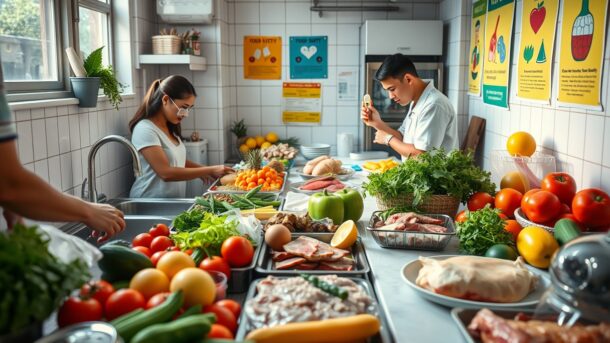
There’s nothing worse than experiencing food poisoning, but you can take proactive steps to minimize your risk. Understanding safe food handling practices is vital in preventing illness before it starts. By following key guidelines, including proper food storage, cooking temperatures, and hygiene techniques, you can protect yourself and your loved ones. For more detailed information, you may want to check the Food poisoning – Diagnosis and treatment from Mayo Clinic. Let’s explore how you can keep yourself safe from foodborne illnesses.
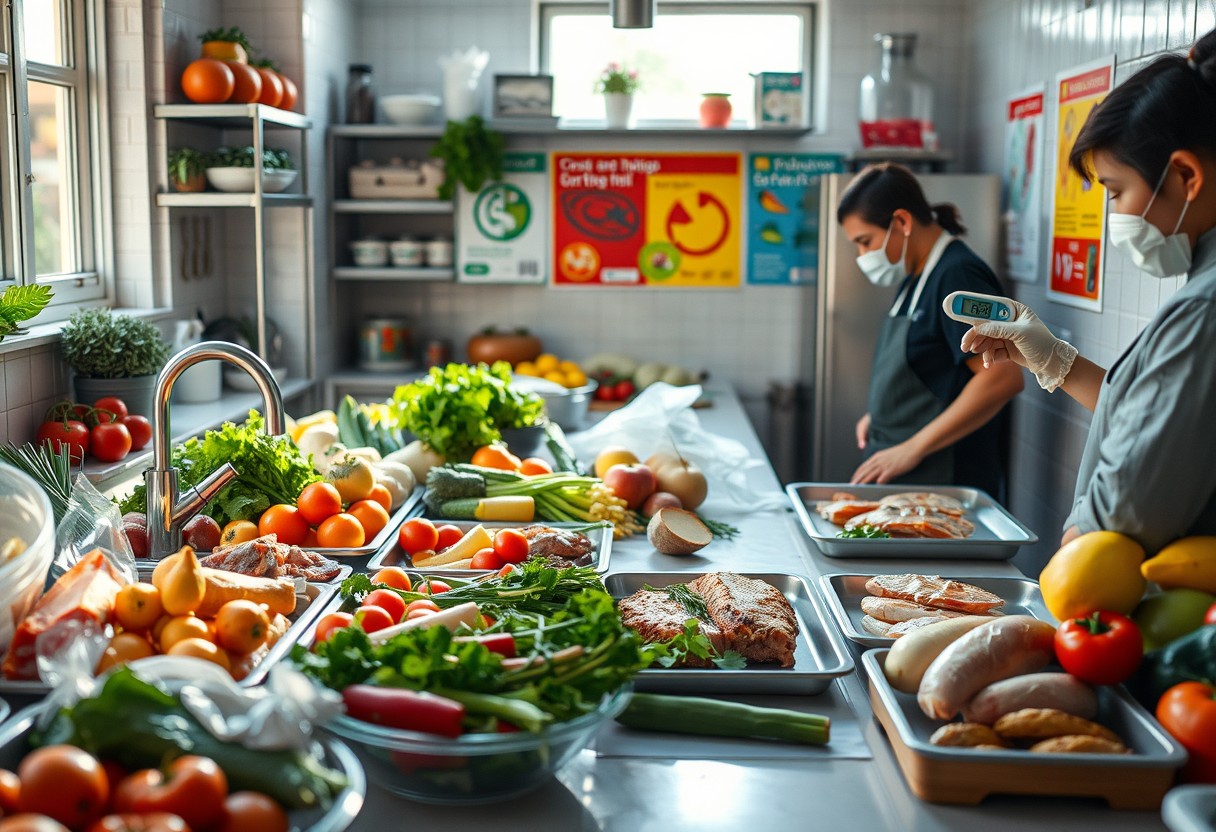
Key Takeaways:
- Hand Hygiene: Always wash your hands thoroughly with soap and water before handling food to prevent the spread of harmful bacteria.
- Food Storage: Keep perishable foods refrigerated at safe temperatures (below 40°F) to slow down bacterial growth.
- Cooking Temperatures: Ensure that foods, especially meats, are cooked to the appropriate internal temperatures to kill any pathogens.
- Cross-Contamination: Use separate cutting boards and utensils for raw meats and ready-to-eat foods to avoid cross-contamination.
- Regular Cleaning: Clean kitchen surfaces and utensils regularly to eliminate bacteria that may cause food poisoning.
Understanding Food Poisoning
As a crucial element of food safety, understanding food poisoning helps you take preventive measures to protect yourself and your loved ones. Food poisoning occurs when you consume contaminated food or beverages, often resulting from bacteria, viruses, or parasites. Recognizing the causes and symptoms can empower you to make safer food choices and reduce your risk of falling ill.
Common Causes
On any given day, you could encounter numerous sources of food contamination, such as improper food storage, undercooked meals, and cross-contamination. Common culprits include pathogens like Salmonella, E. coli, and Norovirus, which thrive in improperly handled or poorly prepared foods. Being aware of these risks is crucial to keeping your cooking environment safe.
Symptoms and Risks
Causes of food poisoning can manifest through various symptoms that range from mild to severe. You might experience nausea, vomiting, diarrhea, stomach cramps, and fever, which could derail your daily activities. In more severe cases, food poisoning can lead to dehydration or complicate existing health conditions, making it necessary to recognize these signs promptly.
This underscores the importance of understanding symptoms and risks associated with food poisoning. Effective prevention strategies can mitigate the chances of experiencing these uncomfortable symptoms, ensuring that your meals remain enjoyable and safe. By being vigilant about food safety practices, you enhance your well-being and that of your family, minimizing the potential dangers of foodborne illnesses.
Best Practices for Food Safety
While food poisoning can be a serious health concern, there are effective ways you can prevent it before it starts. Understanding and implementing best practices for food safety is key to ensuring that your meals are safe and enjoyable. If you do find yourself dealing with food poisoning, Here Are The Best Ways To Treat Food Poisoning.
Proper Handwashing Techniques
Best practices for handwashing include washing your hands with soap and warm water for at least 20 seconds, especially before handling food. Make sure to scrub all parts of your hands, including between your fingers and under your nails, to thoroughly remove any bacteria and contaminants.
Safe Food Storage Methods
Handwashing is vital, but it’s equally important to store your food safely. Store raw meat, poultry, and seafood in the refrigerator at the bottom shelf to prevent drips and cross-contamination. Make sure to keep your leftovers in airtight containers and refrigerate within two hours of cooking.
Storage also involves knowing how to organize your fridge and pantry. Always check expiration dates and rotate your food items by using the FIFO (First In, First Out) method to ensure that older items are used before newer ones. Keeping your storage areas clean and organized helps to minimize food waste and the risk of spoilage.
Cooking Temperatures
Food safety hinges on cooking your food to the right temperatures. Use a food thermometer to check that poultry reaches an internal temperature of 165°F, ground meats should hit 160°F, and seafood should be cooked to at least 145°F.
Cooking Temperature Guidelines
| Food Type | Safe Internal Cooking Temperature |
|---|---|
| Poultry | 165°F |
| Ground Meat | 160°F |
| Seafood | 145°F |
| Eggs | 160°F |
Methods for verifying that you’re cooking your food to the proper temperatures include using a reliable food thermometer and knowing the signs of doneness for various food types. This not only ensures that harmful bacteria are killed but also enhances the overall quality and safety of your meals. Being diligent about cooking temperatures can drastically reduce your chances of foodborne illness.
Food Purchasing Tips
To ensure your food choices contribute to your health rather than detract from it, follow these vital food purchasing tips:
- Buy from reputable stores with a good turnover of products.
- Check for damages or bruises on products.
- Choose the right packaging—look for sealed and intact packages.
- Avoid bulk bins if they appear unkempt or are not well-maintained.
- Be mindful of the environment—seasonal produce is often fresher.
The right food purchasing habits can significantly reduce your risk of food poisoning.
Selecting Fresh Produce
For selecting fresh produce, always opt for items that look vibrant and unblemished. Check for firmness in fruits and vegetables to ensure they are ripe and have not started to spoil. If possible, ask about their source to confirm freshness. Additionally, washing your produce before consumption, even if it’s pre-packaged, can help eliminate any residual pathogens.
Checking Expiration Dates
Produce caution when checking expiration dates on all food products.
Another crucial aspect of food safety is being diligent about checking expiration dates. Always pick products with the latest expiration or “best by” dates, as older items may have a higher likelihood of causing foodborne illnesses. This practice not only applies to perishable goods but also to dry and canned foods. When shopping, ensure you regularly check the dates on every item in your cart to make informed choices.
Understanding Labels
Food labels provide important information regarding ingredients and safety standards.
This information is vital, as labels can help you decipher what’s safe to consume. Look for terms like “pasteurized,” “organic,” or “no preservatives” to make healthier choices. Understanding labels also involves recognizing allergen information and ensuring your dietary needs are met. Be vigilant; misleading labels can obscure the presence of harmful additives or unsafe ingredients that lead to food poisoning.
Preventive Measures at Home
All foodborne illnesses can be prevented with the right practices at home. Educating yourself on safe food handling and hygiene can help prevent instances of food poisoning. For more information about Food Poisoning: Signs & Symptoms, Treatment, Causes, you can visit Cleveland Clinic’s website.
Cleaning and Sanitizing Surfaces
One of the most effective ways to prevent food poisoning is by thoroughly cleaning and sanitizing all surfaces that come into contact with food. Use hot soapy water and a disinfectant approved for kitchen use to clean counters, cutting boards, and utensils after each use. Regularly sanitizing these areas eliminates harmful bacteria that may lead to foodborne illnesses.
Avoiding Cross-Contamination
Avoiding cross-contamination is vital in your kitchen. Always use separate cutting boards for raw meats and vegetables. This practice significantly reduces the risk of transferring harmful bacteria from uncooked foods to those that will be consumed raw. It’s also advisable to store raw meats on lower shelves in your refrigerator to prevent juices from dripping onto other foods.
The key to avoiding cross-contamination lies in keeping raw and cooked foods apart. Make it a habit to wash your hands, utensils, and surfaces between handling different food types. Additionally, employ color-coded cutting boards to further distinguish between raw and cooked items. By adhering to these guidelines, you create a safer food preparation environment.
Educating Family Members
With proper education, your family members can play an active role in food safety. Teach them the importance of washing hands before handling food, cooking meats to the appropriate internal temperatures, and storing leftovers promptly. When everyone is aware of these critical practices, the risk of food poisoning decreases significantly.
Understanding safe food handling is vital for the health of your family. Engage your loved ones in discussions about food safety and encourage them to ask questions. Create a food safety checklist that everyone can follow, ensuring that each member of your household shares responsibility for maintaining a safe kitchen environment. Together, you can minimize the risks and enjoy your meals worry-free.
To Wrap Up
Following this guide can significantly reduce your risk of food poisoning before it starts. By practicing proper food handling, ensuring cleanliness in your kitchen, cooking food to the right temperatures, and being mindful of expiration dates, you protect yourself and your loved ones. Additionally, maintaining good hygiene, such as washing your hands regularly, plays a pivotal role in food safety. By implementing these preventive measures, you can confidently enjoy your meals without the worry of foodborne illness.
FAQ
Q: What are the best practices for food handling to prevent food poisoning?
A: To prevent food poisoning, it’s necessary to follow proper food handling practices. Always start by washing your hands thoroughly with soap and water for at least 20 seconds before and after handling food. Keep raw and cooked foods separate to avoid cross-contamination; use different cutting boards and utensils for meats and vegetables. Cook foods to the appropriate temperatures to kill harmful bacteria (e.g., 165°F for poultry). Refrigerate perishables within two hours to minimize bacterial growth, and ensure your refrigerator is set to 40°F or below.
Q: How can I ensure that my fruits and vegetables are safe to eat?
A: To ensure the safety of fruits and vegetables, start by purchasing produce from reputable sources. Before consuming, wash all fruits and vegetables under running water, scrubbing firm produce with a brush. Peel or cook produce when possible, as heat can kill harmful microbes. Avoid eating any produce that appears bruised or damaged, as this can encourage the growth of bacteria. If you’re consuming salad greens or pre-cut produce, make sure they are refrigerated properly and check for freshness before consumption.
Q: What precautions should be taken when cooking food, especially in bulk?
A: When cooking food, especially in large quantities, it’s important to take several precautions. First, make sure your cooking area, including surfaces and utensils, is clean. Use a food thermometer to ensure that all dishes reach safe internal temperatures. If you’re cooking large batches, divide them into smaller portions after cooking to cool them down more quickly, as this helps prevent bacteria from proliferating. Store leftovers in airtight containers within two hours of cooking, and always reheat to at least 165°F before consuming. Additionally, be mindful of the ‘first in, first out’ principle when using leftovers to ensure you consume older food first.