simon weiner

How long does food poisoning last

Many people wonder how long food poisoning can last and what to do if you’ve eaten something bad. If you’re experiencing symptoms like nausea, vomiting, diarrhea, and stomach cramps, you may be dealing with food poisoning. To learn more about how long food poisoning can last and what steps you can take, check out this informative article on How Long Food Poisoning Lasts and What To Do About It.

Key Takeaways:

  • Symptoms duration: Food poisoning symptoms can last anywhere from a few hours to several days.
  • Individual factors: The duration of food poisoning can vary depending on the type of bacteria or virus, the amount of contaminated food consumed, and the individual’s overall health.
  • Seek medical attention: If symptoms persist for more than a few days, it is important to consult a healthcare provider to avoid complications.

Causes of Food Poisoning

The causes of food poisoning can be categorized into various types of contaminations. These include bacterial contamination, viral infections, and parasitic infestations.

Bacterial Contamination

Bacterial contamination is one of the most common causes of food poisoning. Bacteria such as Salmonella, E. coli, and Campylobacter are found in various foods, especially raw or undercooked meats, poultry, and eggs. When you consume food contaminated with these bacteria, they can multiply in your digestive system and cause symptoms such as nausea, vomiting, diarrhea, and stomach cramps.

Viral Infections

Viral infections, such as norovirus and rotavirus, can also lead to food poisoning. These viruses are highly contagious and can spread through contaminated food or water. When you ingest food or liquids infected with these viruses, you may experience symptoms like vomiting, diarrhea, fever, and body aches.

Understanding viral infections is necessary in preventing the spread of food poisoning. Proper hygiene practices, such as washing your hands before handling food and ensuring that food is cooked at the right temperature, can help reduce the risk of viral contamination.

Parasitic Infestations

Contamination by parasites like Giardia and Cryptosporidium can also cause food poisoning. These parasites are often found in contaminated water sources and can infect fruits, vegetables, and other foods. When you ingest food or water containing these parasites, you may experience symptoms such as diarrhea, weight loss, and stomach cramps.

Parasitic infestations can be prevented by ensuring that your food and water sources are safe and free from contamination. Properly washing and cooking fruits and vegetables, and drinking clean, treated water can help reduce the risk of parasitic food poisoning.

Symptoms of Food Poisoning

Mild Symptoms

Little did you know that mild symptoms of food poisoning can include nausea, vomiting, diarrhea, stomach cramps, and mild fever. These symptoms may appear within a few hours to a couple of days after consuming contaminated food or beverages.

Severe Symptoms

On the other hand, severe symptoms of food poisoning can be more intense and debilitating. With severe food poisoning, you may experience persistent vomiting, high fever, severe dehydration, bloody stools, and abdominal pain. In some cases, it can even lead to hospitalization for treatment and observation.

Food poisoning with severe symptoms can be particularly dangerous for vulnerable populations such as young children, elderly individuals, pregnant women, and those with weakened immune systems. If you or someone you know is experiencing severe symptoms of food poisoning, it is important to seek medical attention promptly.

Common Misconceptions

Food poisoning symptoms are not always limited to stomach-related issues. Some common misconceptions include attributing symptoms like headache, muscle aches, and fatigue to other causes when they could actually be signs of food poisoning. It’s crucial to be aware of the wide range of symptoms that food poisoning can present.

Duration of Food Poisoning

Unlike other illnesses, food poisoning can vary in duration based on several factors. The time it takes for you to recover from food poisoning largely depends on the type of bacteria or virus that caused the illness, your overall health, and how quickly you seek treatment.

Average Recovery Time

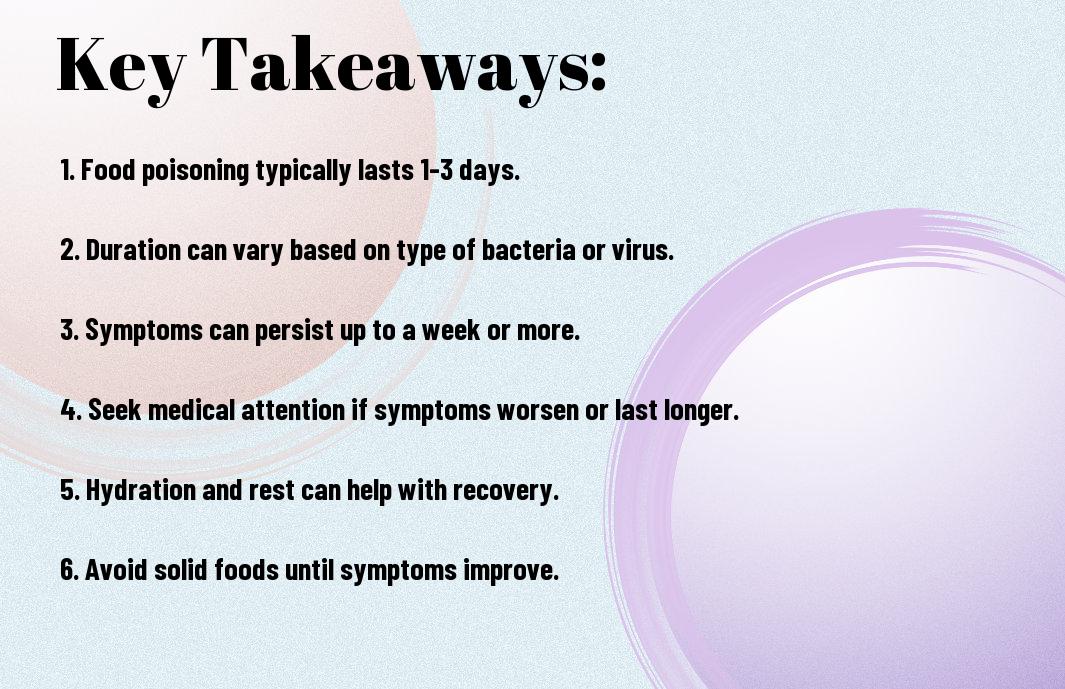
To give you an idea, the average recovery time for most cases of food poisoning is around 1 to 3 days. During this time, you may experience symptoms such as nausea, vomiting, diarrhea, stomach cramps, and fever. It’s important to stay hydrated and get plenty of rest during this period to help your body fight off the infection.

Factors Affecting Recovery

Any of the following factors can affect how long food poisoning lasts for you:

  • The type of bacteria or virus causing the illness.
  • Your age and overall health.
  • Whether you receive medical treatment or manage symptoms at home.

Any underlying health conditions or weakened immune system can also prolong your recovery time from food poisoning. It’s necessary to listen to your body and seek medical attention if your symptoms worsen or persist for more than a few days.

When to Seek Medical Attention

For most cases of food poisoning, you can recover at home with rest and adequate hydration. However, there are certain signs that indicate you should seek medical attention promptly. These include:

If you experience severe dehydration, bloody stools, high fever, persistent vomiting, or signs of neurological symptoms such as blurred vision or muscle weakness, it’s crucial to seek medical help immediately. In some cases, food poisoning can lead to complications that require medical intervention.

Duration of food poisoning can vary from person to person, but most cases resolve within a few days with proper care and hydration. However, if you experience severe symptoms or your condition does not improve, it’s best to consult a healthcare professional for proper evaluation and treatment.
Treatment Options

Many cases of food poisoning can be effectively managed at home with appropriate treatment. The main goal of treatment is to prevent dehydration and make you feel more comfortable as your body fights off the infection.

Fluid Replacement Therapy

Replacement of fluids and electrolytes is crucial in managing food poisoning. You may lose fluids through vomiting and diarrhea, leading to dehydration. Drinking plenty of water, clear broths, or oral rehydration solutions can help replace lost fluids and prevent dehydration. In severe cases, intravenous fluids may be necessary to restore hydration levels.

Medications for Relief

Treatment for food poisoning may also involve medications to help alleviate symptoms such as nausea, vomiting, and diarrhea. Over-the-counter medications like loperamide (Imodium) can help reduce diarrhea, while anti-nausea medications like ondansetron (Zofran) can help control vomiting. These medications should only be used under the guidance of a healthcare provider, as they may not be suitable for everyone.

It is necessary to note that antibiotics are typically not recommended for most cases of food poisoning, as they may prolong the illness or cause unnecessary side effects.

Home Remedies and Natural Cures

Relief from food poisoning symptoms can also be found through various home remedies and natural cures. Consuming ginger tea or peppermint tea may help ease nausea and settle your stomach. Additionally, probiotics found in yogurt or supplements can aid in restoring the balance of healthy bacteria in your gut, promoting quicker recovery. Resting, avoiding solid foods for a period, and slowly reintroducing bland foods as tolerated can also support your body in recovering from food poisoning.

Understanding the various treatment options available can help you manage food poisoning effectively and speed up your recovery process. Remember to consult with a healthcare provider if your symptoms worsen or persist for more than a few days.

Complications of Food Poisoning

Dehydration and Electrolyte Imbalance

With food poisoning, one common complication you may experience is dehydration and electrolyte imbalance. Severe vomiting and diarrhea can lead to a significant loss of fluids and imperative electrolytes like sodium and potassium from your body. Dehydration can make you feel weak, dizzy, and increase the risk of fainting.

Infections and Organ Damage

With certain types of food poisoning caused by harmful bacteria like E. coli or Salmonella, the infection can spread beyond the digestive system and potentially lead to organ damage. These bacteria can invade the bloodstream and affect organs such as the kidneys, causing a condition called hemolytic uremic syndrome (HUS). Symptoms of HUS include decreased urination, fatigue, and paleness.

Electrolyte imbalances can also occur as a result of severe food poisoning, especially if you are unable to replenish the lost fluids and electrolytes adequately. This can further complicate your recovery and may require medical intervention to restore the balance of electrolytes in your body.

Long-term Health Consequences

For some people, food poisoning can have long-term health consequences even after the initial symptoms have resolved. Infections like Listeria, for example, can lead to serious complications such as meningitis or septicemia, which may require prolonged treatment with antibiotics. Additionally, some individuals may develop post-infectious irritable bowel syndrome (IBS) following a severe case of food poisoning, leading to ongoing digestive issues.

Consequences of severe food poisoning can impact your overall health and well-being, emphasizing the importance of seeking medical attention if you experience persistent or worsening symptoms. It’s imperative to monitor your health closely and follow up with a healthcare provider to address any lingering effects of food poisoning.

Prevention Strategies

Safe Food Handling Practices

All food poisoning cases are preventable with proper food handling. The key to preventing foodborne illnesses is ensuring that you practice safe food handling techniques. This includes washing your hands before and after handling food, keeping raw and cooked foods separate, cooking food to the appropriate temperatures, and refrigerating leftovers promptly.

Avoiding High-Risk Foods

One of the most effective ways to prevent food poisoning is by avoiding high-risk foods such as raw or undercooked meat, poultry, seafood, and eggs. These foods are more likely to be contaminated with harmful bacteria like Salmonella, E. coli, or Listeria. It’s crucial to cook these items thoroughly to kill any bacteria present and reduce your risk of food poisoning.

High-risk foods are called so because they are more susceptible to bacterial contamination, especially if not handled and cooked properly. By avoiding these high-risk foods or ensuring they are cooked thoroughly, you can significantly reduce your chances of developing food poisoning.

Boosting Immunity and Gut Health

Handling food with unwashed hands can introduce harmful bacteria into your system, potentially leading to food poisoning. Boosting your immunity and maintaining good gut health can help your body fight off any bacteria that you may have accidentally ingested. Eating a balanced diet rich in fruits, vegetables, and probiotics can strengthen your immune system and improve gut health, reducing your susceptibility to foodborne illnesses.

A healthy gut is crucial for overall well-being and can aid in digestion and absorption of nutrients. By incorporating probiotic-rich foods like yogurt, kefir, and sauerkraut into your diet, you can support the good bacteria in your gut and promote a robust immune system to help protect against food poisoning.
To wrap up

Following this guide on how long food poisoning lasts, you now have a better understanding of the typical duration of food poisoning symptoms. Remember that most cases of food poisoning resolve within a few days without any medical intervention. It is crucial to stay hydrated, rest, and avoid certain foods until you feel better. If your symptoms persist for more than a few days, or if you experience severe symptoms such as high fever or bloody diarrhea, seek medical attention promptly.

FAQ

Q: How long does food poisoning typically last?

A: The duration of food poisoning can vary depending on the type of bacteria, virus, or toxin that caused it. In general, symptoms of food poisoning usually last for 1 to 3 days. However, some cases may last up to a week or more.

Q: What are the symptoms of food poisoning?

A: Symptoms of food poisoning can include nausea, vomiting, diarrhea, stomach cramps, fever, and fatigue. Depending on the cause, symptoms may appear within hours of consuming contaminated food or they may take days to develop.

Q: When should I see a doctor for food poisoning?

A: You should see a doctor if your symptoms are severe, persistent, or if you have additional risk factors such as a weakened immune system, pregnancy, or underlying health conditions. Signs that you should seek medical attention include dehydration, high fever, bloody stools, and inability to keep liquids down.


Can I have food poisoning without vomiting

You may be wondering, can you experience food poisoning without vomiting? Food poisoning can manifest in various ways, and vomiting is not always a symptom. In this informative blog post, we will explore the signs and symptoms of food poisoning that you should be aware of, even if vomiting is not present. Understanding these cues can help you identify and address food poisoning effectively, keeping your health a top priority.

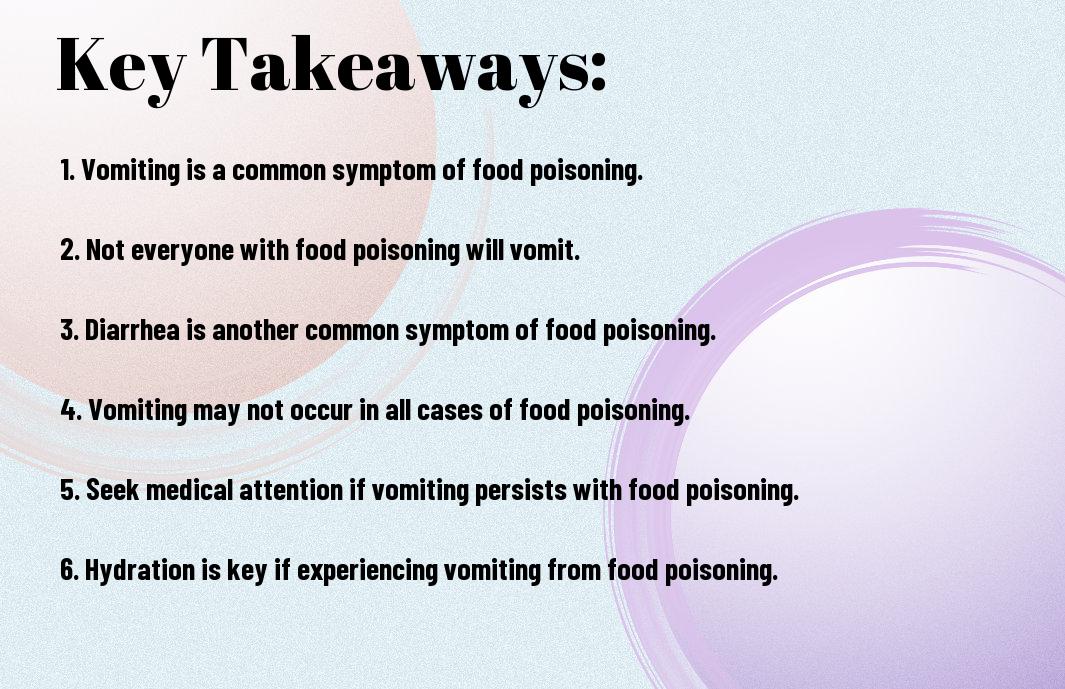
Key Takeaways:

  • Food poisoning can occur without vomiting: Symptoms of food poisoning can vary from person to person, and vomiting is not always a necessary symptom.
  • Other symptoms of food poisoning: In addition to vomiting, food poisoning can also cause symptoms such as diarrhea, nausea, abdominal pain, and fever.
  • Seek medical attention if symptoms are severe: If you experience severe symptoms of food poisoning, such as dehydration, persistent vomiting, high fever, or signs of neurological problems, seek medical attention immediately.

Defining Food Poisoning

What is food poisoning?

To understand food poisoning, you need to know that it is caused by consuming contaminated food or beverages that contain harmful bacteria, viruses, parasites, or toxins. These pathogens can multiply in food if it is stored or handled improperly, leading to illness when consumed. Food poisoning can result in a range of symptoms, from mild gastrointestinal discomfort to more severe reactions.

Common causes of food poisoning

On your quest to understand food poisoning, it’s crucial to be aware of the common culprits that can lead to this unpleasant experience. Contaminated food items such as raw meats, poultry, eggs, and seafood are frequent sources of foodborne illnesses. Additionally, fruits and vegetables that have been improperly washed or handled can also harbor harmful bacteria.

Food prepared in unsanitary conditions or stored at incorrect temperatures poses a higher risk of contamination. Cross-contamination, where pathogens spread from one food to another, is another common cause of food poisoning. By being mindful of these potential sources of contamination, you can take proactive steps to safeguard your health.

Symptoms of Food Poisoning

Some experts suggest that it is possible to have food poisoning without experiencing vomiting. While vomiting is a common symptom of food poisoning, there are various other signs to look out for that could indicate you have food poisoning.

Typical symptoms

To identify if you have food poisoning, pay attention to typical symptoms such as nausea, stomach cramps, diarrhea, and fever. These symptoms usually occur within a few hours to a few days after consuming contaminated food or beverages. If you experience these symptoms, it is imperative to stay hydrated and rest to help your body recover.

Vomiting as a symptom

One of the classic symptoms of food poisoning is vomiting, which is your body’s way of trying to expel the toxins from the contaminated food. Vomiting can help rid your body of the harmful bacteria or viruses that have caused the food poisoning. If you experience vomiting along with other symptoms, it is imperative to monitor your condition and seek medical attention if symptoms persist or worsen.

This alarming symptom can lead to dehydration, which can exacerbate your condition if left untreated. It’s crucial to replenish fluids lost during vomiting to prevent further complications.

Other possible symptoms

An array of other symptoms may accompany food poisoning, such as headache, muscle aches, fatigue, and loss of appetite. These symptoms can vary depending on the type of bacteria or virus causing the food poisoning and your body’s individual response to the contamination. If you experience any of these symptoms in addition to nausea or diarrhea, it is advisable to consult a healthcare professional for proper diagnosis and treatment.

Vomiting, along with these other symptoms, can signal a more severe case of food poisoning, requiring medical attention to prevent complications. If you suspect food poisoning based on your symptoms, seek medical advice promptly to ensure proper treatment and recovery.

Can You Have Food Poisoning Without Vomiting?

Yes, it’s possible

After consuming contaminated food, you might wonder if you could have food poisoning without experiencing vomiting. The answer is yes. While vomiting is a common symptom of food poisoning, not everyone who gets food poisoning will necessarily vomit. The absence of vomiting does not rule out the possibility of food poisoning.

Reasons why vomiting might not occur

On some occasions, your body may react to the toxins in the contaminated food in a way that does not involve vomiting. This could be due to various factors, such as the type of bacteria or toxins present in the food, your individual digestive system’s response, or the amount of contaminated food consumed. Just because you don’t vomit doesn’t mean the food you ate was safe.

Understanding that vomiting is not the only indicator of food poisoning is crucial. It’s vital to pay attention to other symptoms that may arise, as they can provide valuable information about your condition and help in proper diagnosis and treatment.

Other symptoms that may indicate food poisoning

To determine if you have food poisoning, you should look out for other common symptoms besides vomiting. These may include nausea, diarrhea, stomach cramps, fever, and general weakness. These symptoms can vary depending on the type of bacteria or toxins that have contaminated the food you consumed.

By being aware of these additional symptoms, you might be able to recognize the signs of food poisoning even when vomiting is not present. Seeking medical attention if you experience any of these symptoms is vital to ensure proper treatment and recovery.

Food Poisoning Without Vomiting: What to Look Out For

Keep an eye out for symptoms of food poisoning that don’t necessarily include vomiting. Abdominal cramps and pain are common signs of food poisoning that you should be aware of.

Abdominal cramps and pain

To start, abdominal cramps and pain are often some of the first symptoms to appear after consuming contaminated food. These cramps can range from mild discomfort to intense pain, depending on the severity of the food poisoning.

Diarrhea and stomach upset

Stomach upset and diarrhea are also key indicators of food poisoning without vomiting. If you find yourself running to the bathroom frequently with loose stools, it could be a sign that something you ate wasn’t quite right.

Plus, diarrhea is your body’s way of trying to rid itself of the harmful toxins from the contaminated food. While uncomfortable, this is actually a positive sign that your body is actively working to expel the culprit.

Fever and chills

Chills and fever can accompany food poisoning, signaling that your body is fighting off an infection. These symptoms may come on suddenly and leave you feeling weak and shivery.

It’s important to stay hydrated and monitor your temperature if you experience fever and chills, as dehydration can worsen the effects of food poisoning.

Headaches and fatigue

The onset of headaches and fatigue can also indicate food poisoning without vomiting. These symptoms may linger even after other signs have subsided, leaving you feeling drained and unwell.

Another important point is to listen to your body and rest as needed to allow it to recover fully from the effects of food poisoning.

Diagnosing Food Poisoning Without Vomiting

Medical tests and examinations

With food poisoning, vomiting is a common symptom, but it’s possible to have food poisoning without experiencing this. If you suspect you have food poisoning but haven’t vomited, your doctor may recommend medical tests and examinations to confirm the diagnosis. These tests may include blood tests, stool tests, and sometimes even a urine test to identify the specific bacteria or virus causing your symptoms.

Importance of medical attention

examinations. If you suspect food poisoning and are not experiencing vomiting, seeking medical attention is crucial. While vomiting can help rid your body of the toxins causing food poisoning, not experiencing this symptom doesn’t mean the condition isn’t serious. Your doctor can provide proper treatment and guidance to help you recover quickly.

Apart from diagnosing and treating food poisoning, medical attention is important to prevent any complications that may arise, especially if the symptoms persist or worsen. Seeking medical help ensures that you receive the necessary care to avoid dehydration, electrolyte imbalances, and other potential health risks associated with food poisoning.

Ruling out other conditions

other. Since vomiting is a common symptom of food poisoning, the absence of this symptom can sometimes lead to confusion in diagnosis. Your doctor may need to rule out other conditions that could be causing your symptoms, such as viral gastroenteritis, stomach flu, or even a stomach bug unrelated to food poisoning. This process may involve additional tests or examinations to pinpoint the exact cause of your illness.

Without experiencing vomiting, it’s vital to consult your healthcare provider to rule out other possible conditions and receive appropriate treatment for your symptoms. By identifying the underlying cause of your illness, you can ensure that you receive the right care and support for a speedy recovery.

Treatment and Prevention

Fluid replacement and hydration

All the fluid loss from diarrhea and vomiting can quickly lead to dehydration. Hydration is key to replacing lost fluids and electrolytes. Replenishing with water, clear broths, electrolyte drinks, or oral rehydration solutions can help restore your body’s balance. Avoid caffeine and alcohol, as they can worsen dehydration.

Rest and recovery

To aid in your recovery, it’s vital to get plenty of rest. Your body needs time to recover from the stress of food poisoning. Allow yourself to rest and avoid strenuous activities until you start feeling better. Listen to your body and give it the time it needs to recuperate.

Another important aspect of rest and recovery is listening to your body’s signals. If you’re feeling fatigued, weak, or dizzy, these are signs that your body needs more time to recover. Pushing yourself too soon can prolong your recovery time and delay your return to normal activities.

Preventing food poisoning in the future

On top of proper food handling and cooking practices, make sure to wash your hands frequently, especially before eating and preparing food. Keep raw meat separate from other foods, and use different cutting boards for produce and meat to avoid cross-contamination. Refrigerate leftovers promptly and be mindful of expiration dates on food products.

With a focus on food safety and hygiene, you can minimize your risk of food poisoning in the future. By being vigilant and proactive in your food preparation and storage habits, you can enjoy meals without the worry of foodborne illnesses.

Conclusion

So, now you understand that experiencing food poisoning without vomiting is indeed possible. Do not forget, food poisoning can manifest in various ways, such as nausea, stomach cramps, and diarrhea, without necessarily involving vomiting. It is crucial to be aware of these symptoms and seek medical attention if you suspect you have food poisoning. To learn more about signs, symptoms, and treatment of food poisoning, you can refer to Food Poisoning: Signs, Symptoms, and Treatment.

FAQ

Q: Can you have food poisoning without vomiting?

A: Yes, it is possible to have food poisoning without vomiting. While vomiting is a common symptom of food poisoning, not everyone with food poisoning will experience it. Other symptoms such as nausea, diarrhea, stomach cramps, and fever can also indicate food poisoning.

Q: What are some other common symptoms of food poisoning?

A: In addition to vomiting, common symptoms of food poisoning include diarrhea, stomach cramps, nausea, fever, and muscle aches. These symptoms typically appear within a few hours to a few days after consuming contaminated food or beverages.

Q: When should I seek medical attention for food poisoning?

A: If you suspect you have food poisoning and are experiencing severe symptoms such as persistent vomiting, high fever, signs of dehydration (such as dry mouth, extreme thirst, or dark urine), or symptoms lasting more than a few days, it is important to seek medical attention. Pregnant women, young children, the elderly, and individuals with weakened immune systems should also seek medical help if they suspect food poisoning.

Do you always vomit with food poisoning

There’s a common misconception that vomiting always accompanies food poisoning, but the reality can be different. As far as food poisoning, your body reacts in various ways, and vomiting is not the sole indicator of this illness. Understanding the symptoms and signs can help you navigate through the discomfort and know when to seek medical attention. Let’s explore into the intricacies of food poisoning and how it can affect you.

Key Takeaways:

  • Vomiting is common: Vomiting is a common symptom of food poisoning but not everyone with food poisoning will experience vomiting.
  • Other symptoms: Some individuals with food poisoning may experience symptoms such as diarrhea, stomach cramps, and fever.
  • Severity varies: The severity of food poisoning symptoms, including vomiting, can vary depending on the type of bacteria or virus causing the illness and the individual’s immune system.

Defining Food Poisoning

Before delving into whether vomiting always occurs with food poisoning, it’s crucial to understand what food poisoning is. To gain a deeper insight into the symptoms of food poisoning, you can refer to Food Poisoning Symptoms: Signs You Have …. Food poisoning refers to an illness caused by consuming contaminated food or beverages. The symptoms typically manifest within hours or days after ingesting contaminated food and can range from mild to severe.

What is food poisoning?

Food poisoning occurs when you consume food or drinks that are contaminated with harmful bacteria, viruses, parasites, or toxins. These contaminants can multiply in your food if it is not stored, handled, or cooked properly. The symptoms of food poisoning may include nausea, vomiting, diarrhea, abdominal pain, fever, and chills. Depending on the cause of food poisoning, the onset and duration of symptoms can vary.

Common causes of food poisoning

Any food can potentially cause food poisoning if it is not handled or prepared correctly. Some common causes include consuming undercooked or raw meat, poultry, or seafood; eating dairy products that have not been pasteurized; ingesting contaminated water or produce; and consuming food that has been left out at room temperature for too long. It’s important to practice proper food safety measures to reduce the risk of food poisoning.

Another common cause of food poisoning is cross-contamination, where harmful bacteria from raw foods are transferred to ready-to-eat foods. This can occur if you use the same cutting board or utensils for raw meat and other ingredients without proper cleaning in between. Proper hygiene and separate food preparation areas can help prevent cross-contamination and reduce the risk of food poisoning.

Symptoms of Food Poisoning

Gastrointestinal symptoms

Poisoning from contaminated food can lead to a variety of gastrointestinal symptoms. These may include nausea, vomiting, diarrhea, and stomach cramps. You may also experience loss of appetite and fever. The severity and duration of these symptoms can vary depending on the type of bacteria or toxin causing the food poisoning.

Systemic symptoms

On top of gastrointestinal symptoms, food poisoning can also manifest with systemic symptoms. These may include fatigue, muscle aches, and headaches. In more severe cases, you may experience dizziness and dehydration. It’s crucial to stay hydrated and seek medical attention if these symptoms persist or worsen.

Symptoms of food poisoning can range from mild to severe, with some cases requiring hospitalization. It’s crucial to pay attention to the signals your body is sending you. If you experience persistent vomiting, blood in your stool, or signs of dehydration such as extreme thirst and dark urine, seek medical help immediately.

Severity of symptoms

For instance, some types of food poisoning, such as botulism, can lead to potentially life-threatening symptoms like difficulty breathing and paralysis. In contrast, other forms of food poisoning may only result in mild discomfort for a short period. It’s crucial to monitor the severity of your symptoms and seek medical care if you have any concerns.

Vomiting and Food Poisoning

After consuming contaminated food, vomiting can often be a significant symptom of food poisoning. Various pathogens like bacteria, viruses, or parasites can cause food poisoning, leading to an upset stomach and subsequent vomiting.

Why vomiting occurs with food poisoning

One reason for vomiting during food poisoning is your body’s defense mechanism to expel harmful toxins or pathogens. When your digestive system detects the presence of harmful bacteria or substances, it triggers a series of reactions to eliminate them from your body. Vomiting helps rid your system of the offending agent, providing a form of protection against further harm.

When vomiting is a sign of food poisoning

Food poisoning can manifest in various ways, with vomiting being a common symptom alongside others like diarrhea, stomach cramps, and nausea. In some cases, vomiting may be the initial symptom of food poisoning, signaling that your body is reacting to harmful pathogens present in the contaminated food you consumed.

One point to note is that not everyone who experiences food poisoning will necessarily vomit. Your body’s response to the ingested pathogens can vary, and while vomiting is prevalent, some individuals may primarily experience diarrhea or other gastrointestinal symptoms instead. It’s crucial to recognize that the absence of vomiting does not rule out the possibility of food poisoning.

Other symptoms accompanying vomiting

The presence of vomiting in food poisoning often accompanies a range of additional symptoms. These may include diarrhea, fever, abdominal cramps, and in severe cases, dehydration. The combination of these symptoms can significantly impact your overall well-being and may require medical attention to manage and treat effectively.

The onset and duration of symptoms may vary depending on the type of pathogen causing the food poisoning. Some may experience a rapid onset of symptoms, while others may notice a delay in their manifestation. It’s crucial to monitor your symptoms closely and seek medical advice if you suspect food poisoning, especially if symptoms worsen or persist.

Not Always Vomiting

All food poisoning cases do not necessarily result in vomiting. It’s a common misconception that vomiting always accompanies food poisoning. In reality, the symptoms and severity of food poisoning can vary greatly depending on the type of bacteria or toxin involved, as well as individual factors such as your overall health and immune system.

Mild cases of food poisoning

An important point to note is that not all cases of food poisoning lead to severe symptoms like vomiting. Mild cases can present with symptoms such as abdominal pain, diarrhea, and general discomfort without any vomiting. In such instances, your body may be able to fight off the infection on its own without the need for vomiting.

Delayed or absent vomiting

The absence of vomiting in food poisoning can also be attributed to a delayed response by your body. Sometimes, the toxins present in contaminated food may take some time to affect your digestive system. As a result, you might experience symptoms like stomach cramps, diarrhea, and fever before vomiting occurs, if it happens at all.

For instance, certain types of food poisoning, such as those caused by Staphylococcus aureus or Bacillus cereus, primarily manifest with symptoms like nausea and diarrhea without significant vomiting. In these cases, monitoring your symptoms and seeking medical attention if they worsen or persist is crucial to prevent dehydration and complications.

Importance of monitoring other symptoms

With food poisoning, it’s imperative to pay attention to more than just vomiting. Monitoring other symptoms like diarrhea, fever, abdominal cramps, and overall weakness can provide valuable insights into the severity of the infection and help you decide when to seek medical help. Dehydration is a common risk with food poisoning, especially if vomiting is absent, making it important to stay hydrated and seek medical attention if symptoms worsen.

Complications and Risks

Dehydration and electrolyte imbalance

The symptoms of food poisoning, such as frequent vomiting and diarrhea, can lead to dehydration and electrolyte imbalances in your body. Dehydration occurs when you lose more fluids than you take in, and electrolyte imbalance happens when necessary minerals like sodium and potassium are not at the right levels. These conditions can be serious, especially for young children, older adults, and individuals with weakened immune systems.

Bacterial infections and sepsis

Imbalance in your body’s electrolytes and dehydration can worsen if food poisoning is caused by certain bacteria. In severe cases, these bacterial infections can progress to sepsis, a life-threatening condition where the body’s response to infection causes harm to its tissues and organs. Prompt medical attention is crucial if you experience symptoms like rapid heart rate, fever, confusion, or difficulty breathing.

Another important aspect to consider is the potential long-term consequences of food poisoning. While most cases resolve on their own with proper treatment, some bacterial infections can have lasting effects on your health.

Long-term health consequences

If bacterial infections from food poisoning are not adequately treated, they can lead to complications like reactive arthritis or Guillain-Barre syndrome. These infections can trigger autoimmune reactions in your body, causing joint pain, numbness, and muscle weakness. Monitoring your symptoms and seeking follow-up care are necessary to prevent any long-term health issues related to foodborne infections.

It is crucial to listen to your body and seek medical attention if you suspect food poisoning, to mitigate the risks of dehydration, electrolyte imbalances, and potential long-term health consequences that may arise from untreated bacterial infections.

Diagnosis and Treatment

Medical evaluation and testing

Not all cases of food poisoning will require medical attention, but it is vital to seek medical help if you experience severe symptoms such as persistent vomiting, high fever, dehydration, or blood in your stool. Your healthcare provider will conduct an evaluation to determine the cause of your symptoms, which may involve discussing your recent food intake, conducting a physical examination, and ordering tests such as a stool culture or blood tests.

Fluid replacement and medication

Diagnosis of food poisoning involves identifying the specific pathogen responsible for your symptoms. Depending on the severity of your condition, treatment may include fluid replacement to prevent dehydration and medications to alleviate symptoms such as nausea and diarrhea. In some cases, antibiotics may be prescribed if a bacterial infection is confirmed.

Home care and prevention

Fluid and electrolyte replacement are crucial aspects of home care for food poisoning. It is vital to stay hydrated by drinking clear fluids such as water, broth, or oral rehydration solutions. Avoiding solid foods for a period and gradually reintroducing bland, easy-to-digest foods can help your digestive system recover.

Understanding the importance of food safety practices such as proper food handling, storage, and hygiene can help prevent future cases of food poisoning. By following guidelines for safe food preparation and storage, you can minimize the risk of contamination and reduce the chances of experiencing food poisoning in the future.

To wrap up

Following this informative piece, it is clear that vomiting is not always a definitive symptom of food poisoning. It is crucial to be aware of other symptoms such as diarrhea, stomach cramps, and fever, which can also indicate food poisoning. Remember that seeking medical advice and treatment is crucial if you suspect you are suffering from it.

Always prioritize your health and well-being by practicing safe food handling and being mindful of potential symptoms of food poisoning. Stay informed and proactive in taking care of your body to prevent and manage any health issues that may arise.

Q: Can you always vomit with food poisoning?

A: Vomiting is a common symptom of food poisoning, but not everyone who has food poisoning will necessarily vomit. Other symptoms may include diarrhea, stomach cramps, and fever.

Q: What other symptoms are associated with food poisoning?

A: In addition to vomiting, food poisoning can cause symptoms such as nausea, diarrhea, abdominal pain, fever, and chills. The specific symptoms can vary depending on the type of foodborne illness and the individual’s reaction.

Q: When should I seek medical attention for food poisoning?

A: If you suspect you have food poisoning and are experiencing severe symptoms such as persistent vomiting, dehydration, high fever, severe abdominal pain, or bloody stools, it is important to seek medical attention promptly. In some cases, food poisoning can lead to serious complications that require medical treatment.

What are 10 food items

There’s a whole world of delicious food out there waiting to be explored! Have you ever wondered what are the top 10 must-have food items in your pantry? In this blog post, we’ll take a closer look at some necessary ingredients that should be in every foodie’s kitchen. So grab a snack and get ready to probe the wonderful world of food!

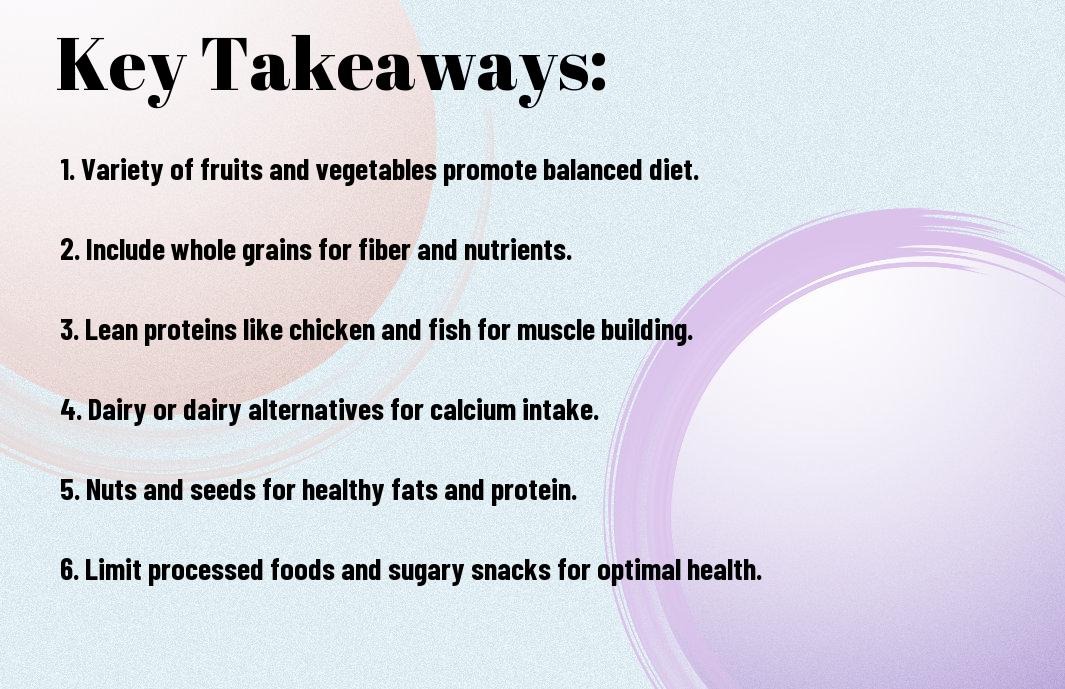
Key Takeaways:

  • Food items: refer to any edible substance consumed for nutrition.
  • Variety: There are numerous types of food items available globally, including fruits, vegetables, grains, dairy products, meats, and more.
  • Nutritional value: Different food items offer varying nutrients important for overall health and well-being.

Savory Delights

Your taste buds are in for a treat with these savory delights that you just can’t resist!

Pizza

Savory, cheesy, and oh-so-satisfying, pizza is a timeless favorite that never disappoints. Whether you prefer a classic Margherita or a loaded meat lover’s, there’s a slice for everyone. The crispy crust, gooey cheese, and flavorful toppings come together in perfect harmony, making each bite a delightful experience. Whether you’re enjoying a slice at a trendy pizzeria or making your own at home, pizza is always a crowd-pleaser.

Burgers

An all-American classic, burgers are a must-try for any food enthusiast. The juicy patty, fresh toppings, and soft bun create a symphony of flavors and textures that will leave you craving more. Whether you like yours with cheese, bacon, avocado, or all of the above, there’s no wrong way to enjoy a burger. Pair it with some crispy fries and a cold drink, and you’ve got yourself a satisfying meal that hits the spot every time.

The best part about burgers is their versatility. From gourmet creations at upscale restaurants to greasy indulgences at fast-food joints, there’s a burger for every occasion. So go ahead, sink your teeth into a delicious burger and savor the mouthwatering experience!

Sweet Treats

Little indulgences can bring so much joy into your life. Sweet treats are the perfect way to satisfy your cravings and lift your spirits. Whether you have a sweet tooth or just need a little pick-me-up, these delightful desserts are sure to hit the spot.

Ice Cream

Sweet and creamy, ice cream is a classic treat that never fails to please. Whether you prefer it in a cone, a cup, or sandwiched between two cookies, there’s a flavor for everyone. From rich chocolate to refreshing mint chip, indulging in a scoop of ice cream is like taking a mini vacation for your taste buds.

Chocolate Cake

Any occasion can be made better with a decadent slice of chocolate cake. The moist layers of cake paired with velvety chocolate frosting create a luxurious experience that you won’t soon forget. Whether you’re celebrating a birthday, a promotion, or just making it through a tough day, chocolate cake is always a good idea.

To truly elevate your chocolate cake experience, why not add a scoop of vanilla ice cream on the side? The combination of warm cake and cold ice cream is a match made in dessert heaven. So go ahead, treat yourself to this indulgent duo and savor every last bite.

Fresh Favorites

Despite your varied taste preferences, there are certain fresh food items that you just can’t get enough of. From sweet and crunchy to tangy and refreshing, these fresh favorites are sure to make your taste buds dance with delight.

Apples

Any time you sink your teeth into a crisp, juicy apple, you know you’re in for a treat. Whether you prefer the sweet notes of a Fuji apple or the tartness of a Granny Smith, there’s an apple variety out there to suit every palate. Not only are apples delicious on their own, but they also make a versatile ingredient in both sweet and savory dishes.

Bananas

One look at a bunch of ripe bananas and you can practically taste the creamy texture and sweet flavor. Bananas are a convenient and portable snack that is perfect for those on-the-go moments when you need a quick energy boost. With their natural sweetness, bananas are also a popular choice for adding a touch of decadence to breakfast items like pancakes, oatmeal, and smoothie bowls.

Crunchy Snacks

After stumbling upon a fascinating Reddit thread (check it out here) discussing if you could only eat/drink 10 items of food, you’ve been pondering about the vital snacks to include in your diet. With respect to satisfying your crunch cravings, here are two must-have options that you simply can’t resist.

Potato Chips

Snacks don’t get much better than a crispy, salty serving of potato chips. Whether you’re a fan of classic flavors like salted or enjoy more adventurous options like sour cream and onion, there’s a chip for every taste bud. The satisfying crunch of each bite is enough to make you reach for just one more handful, making it a staple snack you can’t go without.

Popcorn

For a lighter yet equally satisfying crunch, popcorn is your go-to snack. Popped to perfection and seasoned to your liking, this airy treat never fails to hit the spot. Whether you prefer savory with a sprinkle of cheese or sweet with caramel drizzle, you can enjoy a generous serving without feeling guilty. Plus, popcorn is a versatile snack that you can customize to suit any craving, making it a top contender for your vital crunchy snacks list.

The beauty of popcorn lies in its ability to be both a light snack and a flavorful treat. When you’re in the mood for something crunchy but not too heavy, a bowl of popcorn is the perfect solution. So next time you’re looking for a guilt-free snack that satisfies your craving for crunch, reach for a bowl of freshly popped popcorn and enjoy every airy bite.

Spicy Delicacies

All spice lovers know that a meal isn’t complete without some fiery flavors to kick things up a notch. From tongue-tingling hot wings to flavorful sushi rolls, here are some spicy delicacies that will leave your taste buds begging for more.

Hot Wings

One of the ultimate spicy delicacies that you can’t resist is the classic hot wings. These crispy, saucy bites are perfect for any occasion, whether you’re watching the big game or just craving something with a little heat. The combination of spicy buffalo sauce and cooling blue cheese dressing makes hot wings a favorite appetizer that you’ll keep coming back to.

Sushi

One of the unexpected spicy delights in the world of cuisine is spicy sushi rolls. While you may think of sushi as a light and refreshing option, the addition of spicy mayo or sriracha can take your sushi experience to a whole new level. The heat from the spicy sauce balances beautifully with the coolness of the raw fish, creating a flavor explosion in every bite.

Plus, if you’re a sushi lover looking to up your spice game, you can always ask for extra wasabi on the side. Just be prepared for a sinus-clearing experience that will leave you craving more!

Comfort Foods

Unlike Lists of foods that may vary depending on culture and personal preference, comfort foods are those go-to dishes that provide a sense of nostalgia and warm feelings. These are the foods that bring you comfort during stressful times or remind you of home-cooked meals with loved ones.

Mac and Cheese

The ultimate comfort food, mac and cheese, is a creamy and cheesy pasta dish that never fails to make you feel better. Whether it’s made from scratch or from a convenient boxed mix, the combination of gooey cheese and tender pasta is a sure way to lift your spirits. The rich flavors and familiar textures of mac and cheese make it a beloved comfort food for people of all ages.

Fried Chicken

With crispy skin and tender meat, fried chicken is a classic comfort food that satisfies your cravings with every bite. Whether enjoyed as a quick meal on a busy day or as a centerpiece for a family gathering, fried chicken brings a sense of satisfaction and indulgence. The aroma of the chicken as it fries can fill your home with warmth and anticipation for a delicious meal.

Another popular comfort food, fried chicken is often paired with sides like mashed potatoes, gravy, and coleslaw to create a hearty and comforting meal. The combination of crispy, savory chicken with creamy sides provides a perfect balance of flavors and textures that leave you feeling content and satisfied.

To wrap up

Considering all points, you now have quite an eclectic list of food items to explore and perhaps add to your next grocery shopping list. From the exotic durian fruit to the common staple of rice, these items offer a wide range of tastes and textures for you to experience. Whether you are feeling adventurous and want to try something new or just looking for some comfort food, these 10 food items have got you covered.

FAQ

Q: What are considered food items?

A: Food items are any substance consumed to provide nutritional support for the body. This includes fruits, vegetables, grains, proteins, dairy products, and more.

Q: What are some examples of fruits that are food items?

A: Some examples of fruits that are considered food items include apples, bananas, oranges, grapes, strawberries, and watermelon.

Q: Can you provide examples of dairy products that are considered food items?

A: Dairy products that are considered food items include milk, cheese, yogurt, butter, and ice cream.

Skip to content