simon weiner

What to eat after food poisoning

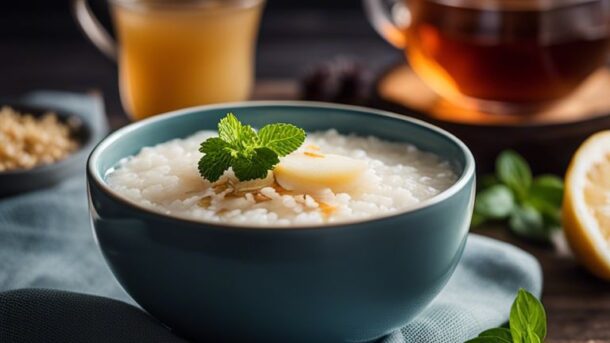
You’ve experienced the uncomfortable symptoms of food poisoning, but now it’s time to focus on recovery. In the matter of replenishing your body after a bout of food poisoning, certain foods can help soothe your stomach and restore crucial nutrients. In this article, you’ll learn about the best foods to eat after food poisoning to aid in your recovery process and get you back to feeling your best.

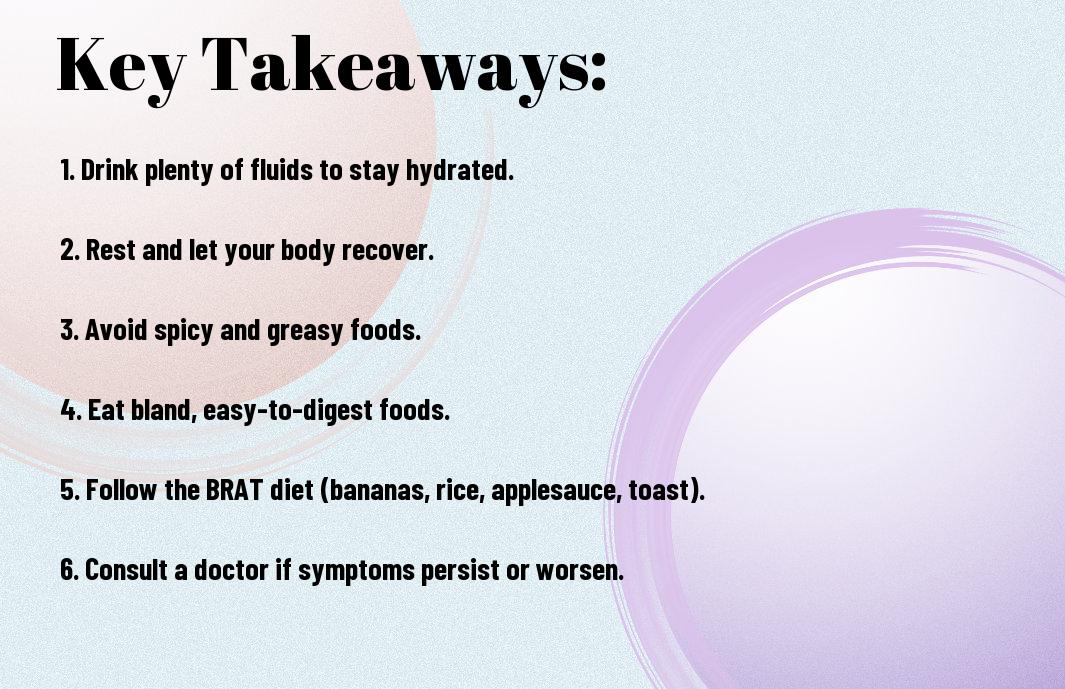
Key Takeaways:

  • Stay Hydrated: Drink plenty of water and clear fluids to prevent dehydration caused by diarrhea and vomiting.
  • BRAT Diet: Stick to bland foods like bananas, rice, applesauce, and toast to ease digestion and provide necessary nutrients.
  • Avoid Irritating Foods: Steer clear of spicy, greasy, or fatty foods that could further upset your stomach while it is still recovering.

Causes of Food Poisoning

Before we investigate into what you should eat after experiencing food poisoning, it’s vital to understand the common causes of this unpleasant condition. Food poisoning can be caused by bacterial contamination, viral infections, and parasitic infestations.

Bacterial Contamination

Food contaminated with harmful bacteria such as Salmonella, E. coli, and Listeria can cause food poisoning. These bacteria can multiply quickly in food left at unsafe temperatures or prepared in unhygienic conditions. Symptoms of bacterial food poisoning typically include nausea, vomiting, diarrhea, and stomach cramps.

Viral Infections

With viral infections like norovirus and rotavirus, food poisoning can occur when you consume food or water contaminated with the virus. These viruses spread easily and can cause gastroenteritis, leading to symptoms like diarrhea, vomiting, and stomach pain.

Contamination of food by infected food handlers or inadequate food hygiene practices in food preparation can lead to viral food poisoning. It’s crucial to practice good food hygiene to prevent the spread of viruses that cause food poisoning.

Parasitic Infestations

To prevent parasitic infestations like Giardia and Cryptosporidium, avoid consuming contaminated water or food. These parasites can cause severe gastrointestinal symptoms like diarrhea, stomach cramps, and fatigue. It’s important to ensure proper sanitation and water purification to reduce the risk of parasitic food poisoning.

Causes of food poisoning can vary, but maintaining good food hygiene practices and choosing foods from reputable sources can help reduce your risk of experiencing this unpleasant condition.

Symptoms of Food Poisoning

Mild Symptoms

Any bout of food poisoning can leave you feeling miserable. Mild symptoms may include nausea, vomiting, stomach cramps, diarrhea, and a general feeling of weakness or fatigue. In most cases, these symptoms will resolve on their own within a few days without any specific treatment.

Severe Symptoms

Poisoning from contaminated food can lead to more severe symptoms such as high fever, severe dehydration, bloody stools, and persistent vomiting. If you experience these symptoms, it’s vital to seek medical attention immediately to prevent further complications.

A severe case of food poisoning can be dangerous, especially for vulnerable populations such as young children, elderly individuals, and those with weakened immune systems. Prompt medical treatment can help prevent serious complications and ensure a speedier recovery.

Long-term Effects

Severe food poisoning can sometimes have long-term effects on your health. In some cases, you may experience ongoing digestive issues such as irritable bowel syndrome (IBS), food intolerances, or changes in your gut bacteria. These effects can persist long after the initial bout of food poisoning has resolved.

It’s vital to pay attention to your body and follow up with your healthcare provider if you notice any lingering symptoms after a case of food poisoning. They can help you manage any long-term effects and ensure that you get the right treatment to support your recovery.
Hydration is Key

Importance of Fluid Intake

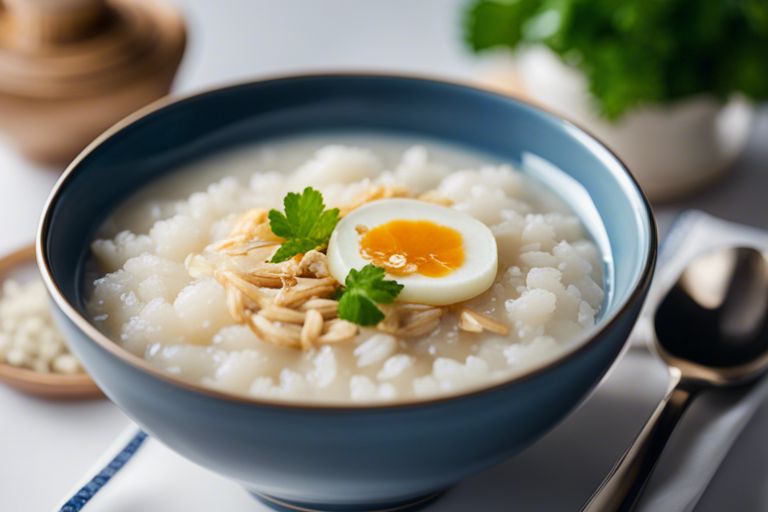
To recover from food poisoning, your body needs adequate hydration. When you are experiencing symptoms like diarrhea and vomiting, your body loses a significant amount of fluids, leading to dehydration. Replenishing these lost fluids is crucial for your body to function properly and aid in the recovery process.

Electrolyte Balance

An crucial aspect of hydration after food poisoning is maintaining the balance of electrolytes in your body. Electrolytes like sodium, potassium, and chloride are vital for various bodily functions, including muscle contractions and nerve impulses. When you lose fluids through vomiting and diarrhea, you also lose electrolytes, which can lead to imbalances and further complications.

Balance your electrolytes by consuming electrolyte-rich fluids like coconut water or sports drinks. These beverages not only provide hydration but also replenish the electrolytes lost during illness, helping you recover more effectively.

Herbal Teas and Broths

To soothe your stomach and provide additional hydration, herbal teas and broths are excellent choices after food poisoning. Herbal teas like ginger or peppermint can help ease digestive discomfort and reduce nausea. Broths, such as chicken or vegetable broth, are easy to digest and provide crucial nutrients to support your recovery.

Broths are particularly beneficial as they are gentle on the stomach and can help you stay hydrated while providing some much-needed nourishment. Additionally, the warmth of teas and broths can be comforting and help relax your digestive system during this time of recovery.

Bland Foods for Recovery

Keep your meals simple and gentle on your stomach as you recover from food poisoning. Bland foods can help ease symptoms and provide your body with easy-to-digest nutrients.

Bananas and Rice

Bananas are easy on the stomach and provide vital nutrients like potassium. Pair them with plain white rice, which is gentle on digestion and helps bulk up stool to ease diarrhea. This combination can help replenish lost nutrients and settle your stomach.

Applesauce and Toast

With applesauce and toast, you get a combination of soluble fiber from the apples and easy-to-digest carbohydrates from the toast. The mild flavors are gentle on your stomach and can provide you with some energy to aid in your recovery.

Plain Crackers and Ginger

Ginger has natural properties that can help ease nausea and settle your stomach. Pairing it with plain crackers provides a bland but effective option for settling your stomach. The crackers can also help absorb excess stomach acid, further aiding in your recovery.

Bland foods are your best bet when recovering from food poisoning. They are easy to digest and do not irritate your stomach, allowing your body to focus on healing. Remember to stay hydrated and gradually reintroduce more solid foods as you start feeling better.

Easy-to-Digest Foods

Not all foods are equal when it comes to recovering from food poisoning. After a bout of stomach upset, it’s important to choose easy-to-digest foods that will not further irritate your digestive system. Here are some gentle options to consider:

Chicken Soup

To soothe your stomach and provide hydration, opt for warm and comforting chicken soup. The broth is easy on your digestive system, while the chicken provides a gentle source of protein. The vegetables in the soup offer some nutrients without overwhelming your stomach, making it a perfect choice for recovering from food poisoning.

Boiled Vegetables

Any boiled vegetables can be a great addition to your diet post-food poisoning. Cooking vegetables until they are soft and easily mashable makes them easier for your body to break down and absorb nutrients from. Boiled vegetables also provide important vitamins and minerals that can support your recovery.

Another benefit of boiled vegetables is that they retain more water, which can contribute to your overall hydration levels. This is especially important after experiencing food poisoning, as dehydration can be a common side effect of vomiting and diarrhea. So, make sure to include plenty of boiled vegetables in your meals to help replenish your body’s fluid levels.

Lean Protein Sources

One way to rebuild your strength after food poisoning is by incorporating lean protein sources into your diet. Options such as grilled chicken, turkey, or fish can provide the necessary protein your body needs for healing without putting excess strain on your digestive system. These lean protein sources are easier to digest compared to heavier meats like beef or pork, making them a smart choice for your recovery.

Understanding the importance of including protein in your recovery diet is crucial for repairing any damage caused by the food poisoning. Protein plays a key role in building and repairing tissues, which can help you bounce back quicker from the illness. So, be sure to incorporate lean protein sources into your meals to support your body’s recovery process.

Foods to Avoid

Once again, if you are recovering from food poisoning, it’s important to be mindful of what you eat to aid your recovery process. For a comprehensive guide on what foods to avoid during this time, you can refer to What to Eat After Food Poisoning – Healthline.

Spicy and Fatty Foods

Any spicy and fatty foods should be avoided after a bout of food poisoning. These types of foods can irritate your stomach and digestive system, potentially causing discomfort and prolonging your recovery. It’s best to stick to bland, easily digestible foods until your stomach is back to normal.

High-Fiber Foods

Avoid high-fiber foods such as whole grains, seeds, and raw vegetables in the initial stages of recovering from food poisoning. While fiber is important for your overall health, these foods can be harder for your system to digest when it’s already sensitive from being ill. Opt for low-fiber options like white bread, plain rice, and cooked vegetables until you feel better.

Fatty

Dairy Products

An important group of foods to steer clear of after food poisoning are dairy products. Your body may have difficulty digesting lactose, the sugar found in dairy, after being ill. This can lead to bloating, gas, and discomfort. It’s recommended to avoid milk, cheese, yogurt, and other dairy products until your stomach has fully recovered.

Foods.

To wrap up

Now that you know what to eat after food poisoning, remember to stick to bland and easily digestible foods like bananas, rice, applesauce, and toast. Avoid foods that are spicy, greasy, or high in fiber, as they can irritate your stomach further. Make sure to stay hydrated with water, clear broth, or electrolyte-rich drinks to replenish lost fluids. If your symptoms persist or worsen, consult a medical professional for further advice and treatment.

FAQ

Q: What are good foods to eat after food poisoning?

A: After food poisoning, it is important to stick to bland and easily digestible foods. Some good options include plain toast, crackers, boiled potatoes, plain rice, and boiled or steamed vegetables.

Q: How long should I wait before eating solid foods after food poisoning?

A: It is recommended to wait until you have fully recovered and your stomach feels ready to handle solid foods again. This typically takes about 24-48 hours after the symptoms of food poisoning have subsided.

Q: Are there any foods to avoid after food poisoning?

A: Yes, it is best to avoid spicy, greasy, fatty, and dairy-rich foods immediately after food poisoning. These can be harder to digest and may irritate your stomach, prolonging your recovery. It’s also important to avoid raw or undercooked foods to prevent any further contamination.

How do you get food poisoning out of your system

There’s nothing more unpleasant than dealing with the effects of food poisoning. However, with the right steps, you can help your body recover faster. From staying hydrated to consuming bland foods, here’s how you can effectively flush out those toxins and get back to feeling your best self again.

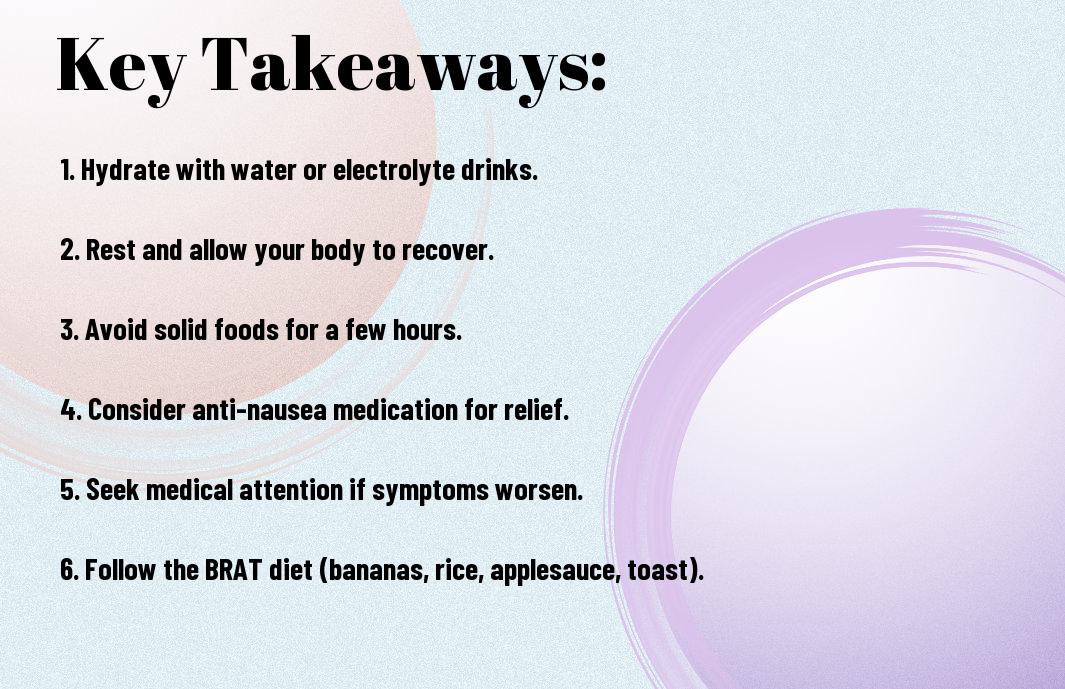
Key Takeaways:

  • Stay Hydrated: Drink plenty of water to help flush out the toxins from your system and prevent dehydration.
  • Rest and Recover: Allow your body to rest and recover by getting enough sleep and avoiding heavy or greasy foods until you feel better.
  • Consult a Doctor: If your symptoms persist or worsen, seek medical attention to ensure proper treatment and diagnosis.

Causes of Food Poisoning

While food poisoning can result from various causes, the most common culprits include bacterial contamination, viral infections, and parasitic infestations.

Bacterial Contamination

Bacterial contamination is one of the primary causes of food poisoning. Bacteria such as Salmonella, E. coli, and Campylobacter can contaminate food during handling, preparation, or storage. When these bacteria are ingested, they can multiply in your digestive system and cause symptoms like nausea, vomiting, diarrhea, and abdominal pain.

Viral Infections

Food poisoning can also be caused by viruses like norovirus and rotavirus. These viruses can contaminate food when handled by infected individuals or through contaminated water sources. Symptoms of viral food poisoning usually include nausea, vomiting, diarrhea, and fever.

With viral infections, it’s crucial to practice good hygiene, such as washing your hands thoroughly before handling food and ensuring that food is cooked properly to kill any viruses present.

Parasitic Infestations

An infestation of parasites like Giardia or Cryptosporidium can also lead to food poisoning. These parasites can be present in contaminated food or water sources and cause symptoms like diarrhea, abdominal cramps, and weight loss.

Another common parasite that can cause food poisoning is Trichinella, which is often found in undercooked pork products. It can cause symptoms like muscle pain, swelling, and fever.

Symptoms of Food Poisoning

Mild Symptoms

To begin with, assuming you have mild food poisoning, you may experience symptoms such as nausea, vomiting, diarrhea, stomach cramps, and a mild fever. These symptoms typically appear within a few hours to a few days after consuming contaminated food or beverages. While uncomfortable, mild food poisoning can often be managed at home with rest and plenty of fluids to prevent dehydration.

Severe Symptoms

Food poisoning can also manifest in more severe symptoms, including persistent vomiting, high fever, severe diarrhea, blood in the stool, and signs of dehydration such as dark urine and dizziness. In cases of severe food poisoning, it is crucial to seek medical attention promptly to prevent complications and receive appropriate treatment.

It is important to note that certain groups, such as young children, the elderly, pregnant women, and individuals with weakened immune systems, may be at higher risk of developing severe symptoms of food poisoning. If you fall into one of these categories and experience symptoms of food poisoning, it is even more important to seek medical help promptly.

When to Seek Medical Attention

Mild food poisoning symptoms may resolve on their own within a few days with proper rest and hydration. However, if your symptoms worsen or persist for more than a couple of days, it is advisable to seek medical attention. This is especially important if you belong to a high-risk group or if you are unable to keep any fluids down due to persistent vomiting and diarrhea.

Natural Remedies for Food Poisoning

Hydration Therapy

For hydration therapy, it is imperative to replenish fluids and electrolytes lost due to food poisoning. The best way to do this is by drinking clear fluids like water, herbal teas, or electrolyte-rich drinks such as coconut water. Sipping on these liquids throughout the day can help prevent dehydration and support your body in flushing out toxins.

Rest and Relaxation

Any because the symptoms of food poisoning can leave you feeling weak and fatigued, it is crucial to prioritize rest and relaxation. Give your body the chance to recover by getting plenty of sleep and allowing yourself to rest. Avoid strenuous activities and focus on activities that promote relaxation, such as meditation or gentle stretching exercises.

Additionally, try to avoid consuming solid foods while you are experiencing symptoms of food poisoning. Giving your digestive system a break can help alleviate discomfort and speed up the healing process.

Activated Charcoal

Understanding activated charcoal is known for its ability to absorb toxins in the body, making it a popular remedy for food poisoning. Activated charcoal can bind to harmful substances in the gastrointestinal tract and help eliminate them from your system. You can find activated charcoal in supplement form or as a powder that can be mixed with water.

Probiotics

With probiotics, you can introduce beneficial bacteria back into your gut to help restore balance and support digestion. Probiotic-rich foods like yogurt, kefir, and sauerkraut can help replenish the good bacteria in your gut and aid in recovery from food poisoning. Alternatively, you can also take probiotic supplements to help speed up the healing process.

Medical Treatment for Food Poisoning

To effectively treat food poisoning, medical intervention may be necessary depending on the severity of your symptoms. Here are some common medical treatments that healthcare providers may recommend:

Antibiotics

To address severe cases of food poisoning caused by bacterial infections, your healthcare provider may prescribe antibiotics. Antibiotics can help kill the harmful bacteria in your system, speeding up your recovery process. It is crucial to take the full course of antibiotics as prescribed by your doctor, even if you start feeling better before completing the treatment.

Anti-Diarrheal Medications

On the other hand, if your food poisoning symptoms primarily involve diarrhea, your healthcare provider may recommend anti-diarrheal medications to help alleviate this unpleasant symptom. These medications work by slowing down the movement of your intestines, giving your body a chance to absorb water and nutrients properly. However, it’s important to consult your healthcare provider before taking any over-the-counter anti-diarrheal medications, as they may not be suitable for everyone.

In some cases, anti-diarrheal medications may not be recommended, especially if your body is trying to naturally flush out the harmful bacteria or toxins causing food poisoning. It’s important to follow your healthcare provider’s advice to ensure the most effective treatment for your specific condition.

IV Fluids

Medical professionals may recommend intravenous (IV) fluids for severe cases of food poisoning that result in dehydration. IV fluids help replenish the fluids and electrolytes your body loses through vomiting and diarrhea rapidly. By receiving fluids intravenously, your body can quickly rehydrate, helping you recover more efficiently.

If you are unable to keep fluids down or are experiencing severe dehydration symptoms, such as dizziness or extreme thirst, seek medical help immediately. IV fluids can provide the necessary hydration and electrolytes your body needs to combat food poisoning effectively.

These medical treatments play a crucial role in helping your body fight off food poisoning and recover as quickly as possible. By seeking medical attention and following your healthcare provider’s recommendations, you can effectively eliminate food poisoning from your system and prevent any potential complications.

Home Care for Food Poisoning

Now, when dealing with food poisoning, it is important to take care of your body and help it recover. Home care plays a vital role in your healing process. Here are some steps you can take to alleviate symptoms and support your body as it fights off the toxins.

Restoring Electrolytes

On top of the list is restoring electrolytes in your system. When dealing with food poisoning, you often lose fluids and electrolytes through vomiting and diarrhea. To replenish these vital nutrients, consider drinking oral rehydration solutions or sports drinks that can help restore electrolyte balance in your body, aiding in the recovery process.

Managing Nausea and Vomiting

One of the most common symptoms of food poisoning is nausea and vomiting. To manage these symptoms, you can try sipping on clear fluids like water, ginger tea, or electrolyte solutions. Avoiding solid foods for a few hours can also help calm your stomach. If vomiting persists or is severe, it’s crucial to seek medical attention to prevent dehydration.

With a focus on easy-to-digest foods, a bland diet can help give your sensitive stomach a break while still providing crucial nutrients. Opt for plain foods like toast, crackers, bananas, rice, and boiled potatoes. These foods are gentle on your digestive system and can help ease discomfort while you recover from food poisoning.

Restoring Nutrients with Bland Diet

The key to the bland diet is to choose foods that are low in fat and fiber to give your digestive system a chance to rest. While on this diet, you may want to avoid spicy, greasy, or overly seasoned foods that could irritate your stomach further. Instead, focus on easy-to-digest options that can provide the necessary nutrients without causing additional distress.

The road to recovery from food poisoning may seem challenging, but with the right home care practices, you can help your body heal more efficiently. By focusing on replenishing electrolytes, managing symptoms like nausea and vomiting, and following a bland diet, you can support your body’s natural healing process and get back on your feet sooner. Remember to listen to your body, stay hydrated, and seek medical help if symptoms persist or worsen.

Preventing Future Episodes of Food Poisoning

After experiencing the unpleasant symptoms of food poisoning, you may be wondering how to prevent it from happening again. Educating yourself on safe food handling practices is crucial. For more information on the symptoms and signs of food poisoning, you can refer to the article on Food Poisoning (Foodborne Illness): Symptoms, Signs, …

Safe Food Handling Practices

One of the most effective ways to prevent food poisoning is to practice safe food handling. This includes washing your hands before and after handling food, properly washing fruits and vegetables, cooking meat to the correct internal temperature, and refrigerating leftovers promptly.

Avoiding High-Risk Foods

Handling high-risk foods such as raw eggs, undercooked meats, unpasteurized dairy products, and raw seafood with caution is important in preventing food poisoning. It is important to store and prepare these foods separately from other items to avoid cross-contamination.

It is also advisable to steer clear of foods that are past their expiration date or have been stored improperly. When dining out, choose reputable eateries with high food safety standards to lower the risk of foodborne illnesses.

Boosting Immunity

Any efforts to boost your immune system can also contribute to preventing food poisoning. Consuming a balanced diet rich in fruits, vegetables, and whole grains provides your body with important nutrients to strengthen your immune response. Additionally, staying hydrated, getting regular exercise, and managing stress can all help support a healthy immune system.

Food poisoning can be a challenging and uncomfortable experience, but by following these preventative measures, you can significantly reduce your risk of future episodes. Be mindful of, taking proactive steps in safe food handling, avoiding high-risk foods, and boosting your immunity are key factors in protecting yourself from foodborne illnesses.

To wrap up

To rid your system of food poisoning, remember to stay hydrated, rest, and avoid consuming solid foods until your symptoms improve. Be sure to consult a healthcare provider if your symptoms persist or worsen, as they can provide guidance on treatment options or further evaluation if needed. By following these steps and taking care of yourself, you can help your body recover from food poisoning and get back to feeling better sooner.

FAQ

Q: What are the symptoms of food poisoning?

A: The symptoms of food poisoning can vary but commonly include nausea, vomiting, diarrhea, stomach cramps, and fever.

Q: How long does it take to recover from food poisoning?

A: The recovery time from food poisoning depends on the type of bacteria or virus that caused it. In most cases, people recover within a few days to a week.

Q: How can you get food poisoning out of your system?

A: To get food poisoning out of your system, it is imperative to stay hydrated, rest, and avoid solid foods for a period to allow your digestive system to recover. Gradually introduce bland and easy-to-digest foods like toast, rice, and bananas. If symptoms persist or worsen, seek medical attention.

Can food poisoning affect urine

Your urine, while often overlooked, can actually provide valuable insights into your health. In the case of food poisoning, the toxins produced by bacteria or viruses can indeed impact the color, smell, and frequency of your urine. Understanding these changes can help you recognize the signs of food poisoning early on and take appropriate action to recover quickly. Let’s research into how food poisoning can affect your urine and what it signifies for your overall well-being.

Key Takeaways:

  • Food poisoning can affect urine color: Consuming contaminated food can lead to changes in urine color, such as dark yellow or orange due to dehydration or presence of toxins in the body.
  • Dehydration is a common symptom of food poisoning: Dehydration can cause urine to become more concentrated and darker in color, indicating the body’s need for more fluids.
  • Presence of blood in urine may indicate severe food poisoning: In severe cases of food poisoning, especially if it affects the kidneys or urinary tract, blood may appear in the urine, which requires immediate medical attention.

What is Food Poisoning?

While you have probably heard of food poisoning before, you may not be entirely clear on what it actually is. Food poisoning is a condition caused by consuming contaminated food or beverages. This contamination can occur due to bacteria, viruses, parasites, or toxins that have contaminated the food during preparation or storage.

Definition and Causes

On your journey to understanding food poisoning, it’s crucial to know that it is not a single type of illness but rather a broad term encompassing various conditions that result from ingesting harmful substances. The most common causes of food poisoning include bacteria like Salmonella, Campylobacter, and E. coli, viruses such as norovirus and hepatitis A, and parasites like Giardia and Cryptosporidium. These organisms can find their way into your food through improper handling, cooking, or storage.

Common Types of Food Poisoning

To probe deeper into food poisoning, let’s explore some of the common types that you may encounter. Here are five prevalent types of food poisoning:

1. Salmonellosis Caused by the Salmonella bacteria found in contaminated food, especially poultry, eggs, and unpasteurized milk.
2. Campylobacter Infection Linked to consuming undercooked poultry or contaminated water.
3. E. coli Infection Usually contracted from eating undercooked ground beef or contaminated produce.
4. Norovirus Infection Often spread through contaminated food or water and causes stomach flu-like symptoms.
5. Listeriosis Caused by the Listeria bacteria found in unpasteurized dairy products and deli meats.

After experiencing symptoms of food poisoning, it’s crucial to seek medical attention if they persist or worsen. Importantly, proper hydration is crucial to prevent dehydration caused by vomiting and diarrhea.

The Urinary System

Overview of Urine Production

Some of the body’s waste products are filtered out of your blood by your kidneys. To produce urine, the kidneys extract waste and excess substances from the blood through tiny filtering units called nephrons. These waste products, along with water and electrolytes, then form urine, which travels to your bladder through tubes called ureters.

Functions of the Kidneys

Kidneys play a crucial role in maintaining your body’s overall health. They not only filter waste from your blood to produce urine but also help regulate blood pressure, balance electrolytes, and stimulate the production of red blood cells. Additionally, the kidneys play a role in activating Vitamin D, necessary for maintaining healthy bones.

A common misconception is that the kidneys only function to filter waste, but they have a variety of necessary functions that are vital for your well-being. So, taking care of your kidneys is crucial for overall health.

The Connection Between Food Poisoning and Urine

How Toxins Affect the Urinary System

Connection. All food poisoning results from consuming contaminated food or beverages that contain harmful bacteria, viruses, parasites, or toxins. When these toxins enter your body, they can affect various organs, including your urinary system. The toxins can put a strain on your kidneys as they work to filter out and eliminate these harmful substances from your body through urine.

Changes in Urine Color and Odor

An important aspect of the connection between food poisoning and urine is the changes it can cause in the color and odor of your urine. When your body is trying to rid itself of toxins from the food poisoning, you may notice changes such as darker urine or a strong odor. These changes can be a sign that your body is working hard to eliminate the toxins, and it is crucial to stay hydrated to help flush them out more effectively.

Plus, if you experience persistent changes in your urine color or odor after suspected food poisoning, it is vital to seek medical attention. These changes could indicate a more severe issue or complication that needs to be addressed by a healthcare professional.

Symptoms of Food Poisoning in Urine

Many times, the effects of food poisoning can manifest in various ways, including changes in your urine. Watching out for unusual urine characteristics can sometimes provide valuable clues that you may have contracted food poisoning.

Abnormal Urine Characteristics

To identify potential food poisoning symptoms in your urine, pay attention to any abnormal characteristics such as unusual color, strong odor, cloudiness, or the presence of blood. These changes could be a sign that your body is trying to eliminate toxins through your urinary system.

Increased Urination Frequency

Urine may be produced more frequently if you are experiencing food poisoning. This increase in urination frequency could be your body’s way of flushing out the harmful substances that have entered your system. It is vital to stay hydrated during this time to help support your body’s detoxification process.

Another common symptom related to food poisoning and urine is urgency and incontinence. If you find yourself rushing to the bathroom more often and having difficulty holding your urine, it could be a result of the body’s response to the toxins ingested.

How Food Poisoning Affects Kidney Function

Acute Kidney Injury

Not all cases of food poisoning will affect your kidney function, but in some instances, particularly severe cases, it can lead to acute kidney injury. Acute kidney injury occurs when your kidneys suddenly become unable to filter waste products from your blood. This can be caused by infections or toxins, like those found in certain types of food poisoning.

On the bright side, in most cases of food poisoning, your kidneys will recover fully once the infection passes. However, it is necessary to stay hydrated and seek medical attention if you experience symptoms such as decreased urine output, swelling, or persistent nausea and vomiting, as these could be signs of acute kidney injury.

Chronic Kidney Disease

Chronic kidney disease is a long-term condition where your kidneys are unable to function correctly. While most cases of food poisoning do not lead to chronic kidney disease, repeated episodes of severe food poisoning or certain types of foodborne infections can increase your risk of developing this condition.

Chronic kidney disease is a serious condition that requires ongoing management, including dietary changes, medications, and sometimes dialysis or kidney transplant. It is necessary to protect your kidney health by practicing good food safety habits and seeking prompt treatment for any severe cases of food poisoning.

Function: Your kidneys play a crucial role in filtering waste and excess fluids from your blood, regulating blood pressure, and producing necessary hormones. Ensuring your kidneys are healthy is vital for your overall well-being and longevity.

Complications and Risks

Dehydration and Electrolyte Imbalance

An important complication of food poisoning is dehydration and electrolyte imbalance. After experiencing food poisoning, you may have frequent diarrhea and vomiting, leading to a significant loss of fluids and necessary electrolytes such as sodium and potassium. This imbalance can affect your kidneys’ ability to function properly and regulate urine production.

Sepsis and Kidney Failure

For some people, severe cases of food poisoning can result in sepsis and kidney failure. Sepsis is a potentially life-threatening condition where the body’s response to infection causes widespread inflammation. This can lead to impaired kidney function, affecting their ability to filter waste and produce urine properly.

In cases of sepsis and kidney failure due to food poisoning, immediate medical attention is crucial. If you experience symptoms such as extreme fatigue, confusion, decreased urine output, or abdominal pain after a bout of food poisoning, seek medical help promptly.

Complications

Complications from food poisoning affecting urine can range from mild dehydration to more severe conditions like sepsis and kidney failure. It is necessary to monitor your symptoms closely and seek medical advice if you experience any concerning signs or symptoms after a suspected episode of food poisoning.

Prevention and Treatment

Food Safety Tips

Keep your kitchen clean and sanitized to prevent cross-contamination between raw and cooked foods. Cook meats thoroughly, and make sure to wash fruits and vegetables before consumption. Refrigerate leftovers promptly and avoid consuming expired or spoiled foods. When dining out, choose reputable restaurants with good hygiene practices.

  • Avoid consuming undercooked meats or eggs.
  • Always wash your hands before handling food.
  • Store raw meats at the bottom of the refrigerator to prevent juices from dripping onto other foods.

Assume that all foods, even those that appear fresh, can harbor harmful bacteria that can lead to food poisoning if not handled properly.

Medical Intervention and Antibiotics

The use of antibiotics for food poisoning treatment is usually reserved for severe cases or specific bacterial infections. In most cases, food poisoning is self-limiting, and your body can clear the infection on its own without the need for medical intervention. However, if you experience persistent symptoms, such as high fever, blood in your stools, or dehydration, seek medical attention.

Food poisoning caused by certain bacteria, such as Salmonella or E. coli, may require antibiotics to clear the infection and prevent complications. Your healthcare provider will determine the appropriate course of treatment based on the type of bacteria causing the food poisoning and your overall health status.

Treatment

If you suspect you have food poisoning, the best course of action is to stay hydrated and rest. Drink plenty of fluids to prevent dehydration and avoid solid foods until your symptoms improve. In severe cases, medical treatment may be necessary to manage symptoms and provide relief. Consult a healthcare professional if your symptoms persist or worsen.

Summing up

So, can food poisoning affect urine? In short, yes. The presence of certain toxins in food poisoning can lead to symptoms like dehydration, changes in urine color, and even the presence of blood in the urine. It’s important to pay attention to these signs and seek medical attention if you suspect food poisoning may be affecting your urine.

Recall, staying well-hydrated and seeking treatment promptly can help alleviate these symptoms and prevent further complications. Your health is important, so listen to your body and take action if you notice any unusual changes in your urine after a bout of food poisoning.

FAQ

Q: Can food poisoning affect urine?

A: Yes, food poisoning can affect urine. Symptoms of food poisoning such as dehydration, fever, and changes in electrolyte levels can impact the color and odor of urine.

Q: How does food poisoning impact urine color?

A: Food poisoning can lead to dehydration, causing urine to become more concentrated and darker in color. In some cases, substances produced by the body in response to food poisoning can also change the color of urine.

Q: Are there any other ways food poisoning can affect urine?

A: Yes, food poisoning can also affect the odor of urine. Changes in metabolism and the body’s response to toxins can lead to a distinct and often unpleasant smell in the urine during and after a food poisoning episode.

How to check poison in food at home

You value the safety of your family and want to ensure that the food you serve is free from harmful substances. In this informative guide, we will discuss simple ways for you to check for poison in your food right in your own kitchen. By following these easy steps, you can feel confident in the quality of the food you prepare and consume.

Key Takeaways:

  • Use Your Senses: Use your senses of sight, smell, and taste to detect any signs of spoilage or contamination in the food.
  • Understand Expiry Dates: Check the expiry dates on food packaging and discard items that have passed their expiration date.
  • Perform Simple Tests: Perform simple tests like the sniff test, taste test, and visually inspecting the food to ensure its safety for consumption.

Common Types of Food Poisoning

Your health is paramount, and being aware of common types of food poisoning can help you stay safe.

  • Bacterial Contamination
  • Viral Contamination
  • Chemical Contamination

Perceiving the signs of food poisoning early on can make a significant difference in your well-being and recovery.

Bacterial Contamination

Contamination from bacteria such as Salmonella, E. coli, and Listeria can occur in various food items. These bacteria can multiply rapidly in food that is not stored or cooked properly, leading to foodborne illnesses. Symptoms of bacterial contamination may include diarrhea, vomiting, and stomach cramps.

Inadequate cooking, improper storage temperatures, and cross-contamination between raw and cooked foods are common causes of bacterial contamination in the kitchen.

Viral Contamination

On the other hand, viral contamination, such as norovirus and hepatitis A, can also pose a threat to food safety. These viruses are highly contagious and can spread easily through contaminated food or water. Symptoms of viral contamination may include nausea, fever, and fatigue.

Common sources of viral contamination in food include infected food handlers who do not practice proper hygiene, as well as contaminated water used in food preparation.

Chemical Contamination

Food can also be contaminated by chemicals such as pesticides, heavy metals, and food additives. These contaminants can enter the food supply chain through various means, including agricultural practices, food processing, and packaging. Ingesting foods contaminated with chemicals can lead to poisoning and long-term health effects.

With the rise of industrialized agriculture and food production, the risk of chemical contamination in food has increased. It is imperative to be mindful of where your food comes from and how it is produced to reduce the risk of chemical contamination in your diet.

Visual Inspection

Clearly, one way to determine if your food is safe to eat is through visual inspection. While modern technology offers devices like the Pocket device for food poisoning detection, you can also rely on your senses to assess the food’s condition.

Check for Slime or Mold

An easy way to visually inspect food for potential contamination is by checking for slime or mold. Any signs of sliminess or mold growth indicate that the food has started to spoil and should be discarded immediately to avoid the risk of food poisoning.

Look for Unusual Odors

Check the food for any unusual odors that may indicate spoilage or contamination. Certain foods, when spoiled, emit a strong and unpleasant smell that is a clear sign that they are no longer safe to eat. Trust your sense of smell to alert you to any potential dangers lurking in your food.

The presence of an unusual odor can be a warning sign that the food has gone bad, even if it looks fine at first glance. If you detect any off-putting smells coming from your food, it’s best to err on the side of caution and throw it away to prevent any potential health risks.

Inspect for Insect Infestation

One aspect of visual inspection involves checking for signs of insect infestation in your food storage areas. Insects such as pantry moths or beetles can contaminate your food supply, leading to potential health hazards if consumed accidentally.

For instance, if you notice small holes in food packaging, webbing, or tiny fecal pellets, it’s likely that insects have infiltrated your food storage. In such cases, it’s important to discard the infested items and thoroughly clean the storage area to prevent further contamination of other food items.

Smell and Taste Tests

Identify Off Smells

On a regular basis, you should be checking the smell of your food before consuming it. If you notice any off smells such as a rancid odor, ammonia-like smell, or a moldy scent coming from your food, it is best to steer clear of it. These are indicators that the food may have spoiled or been contaminated in some way.

Be Cautious of Unusual Tastes

For unusual tastes in your food, such as bitter, metallic, or soapy flavors, it is important to be cautious. These flavors are often associated with chemical contamination or spoilage. If you detect any strange tastes in your food, it is advisable to refrain from eating it.

Furthermore, if you come across any food that tastes different than usual or has an unfamiliar flavor, err on the side of caution and avoid consuming it. Unusual tastes can sometimes be an indication of contamination or spoilage that could potentially be harmful to your health.

Trust Your Instincts

Understanding that your sense of smell and taste are powerful tools in detecting tainted food, it is crucial to trust your instincts. If something doesn’t smell right or tastes off, it’s best to listen to your body’s warning signals and avoid eating the food. Your body’s natural defense mechanisms are designed to protect you from consuming harmful substances.

On top of that, always pay attention to any gut feelings or instincts you may have about a particular food item. If you have a strong feeling that something is wrong with the food, it’s better to be safe than sorry and discard it.

Kitchen Safety Precautions

Handle Food Safely

Precautions should always be taken when handling food in your kitchen. Make sure to wash your hands thoroughly before and after handling food to prevent the spread of any contaminants. Additionally, use separate cutting boards and utensils for raw meats and fresh produce to avoid cross-contamination.

Store Food Properly

An important aspect of kitchen safety is storing food properly to prevent the growth of harmful bacteria. Ensure that your refrigerator is set to the appropriate temperature to keep perishable foods fresh. Seal leftovers in airtight containers and discard any expired items to maintain food safety.

This includes properly organizing your refrigerator to avoid any spills that could lead to contamination. Raw meat should always be stored on the lowest shelf to prevent any drips onto other foods.

Clean and Sanitize Surfaces

This step is vital to avoid food poisoning. Regularly clean and sanitize all kitchen surfaces, including countertops, cutting boards, and utensils. Use hot, soapy water to clean surfaces thoroughly, and then sanitize with a mixture of water and bleach to kill any lingering bacteria.

Surfaces where you prepare food should be sanitized after every use to prevent the spread of harmful bacteria. Pay special attention to areas where raw meat or eggs have been in contact to avoid cross-contamination.

Common Poisonous Substances

Now, let’s explore some common poisonous substances that may be found in food. These substances can have serious health implications if consumed in large quantities or over extended periods of time.

Heavy Metals

On the list of common poisonous substances found in food are heavy metals like lead, mercury, cadmium, and arsenic. These metals can contaminate food through various sources such as soil, water, air, or industrial pollution. Regular consumption of food contaminated with heavy metals can lead to severe health issues like organ damage, neurological problems, and even cancer.

Pesticide Residues

One of the most common ways food can become contaminated is through pesticide residues. Pesticides are chemicals used to protect crops from pests, but residues can remain on the produce even after washing. Exposure to high levels of pesticide residues in food has been linked to adverse health effects, including hormone disruption, developmental issues, and even cancer.

With the rise of industrial agriculture, the use of pesticides has become widespread, increasing the potential for contamination in our food supply. It is necessary to be mindful of the fruits and vegetables you consume and consider purchasing organic produce to minimize exposure to pesticide residues.

Food Additives

The use of food additives in processed foods is another concern when it comes to potential poisoning. Additives like artificial sweeteners, preservatives, and food colorings can have harmful effects on health, especially when consumed in excess. Common symptoms of food additive poisoning include headaches, allergic reactions, and digestive issues.

The best way to avoid consuming harmful food additives is to opt for whole, unprocessed foods whenever possible. Reading food labels carefully and choosing products with minimal ingredients can help reduce your exposure to these potentially toxic substances.

Pesticide residues, heavy metals, and food additives are just a few examples of common poisonous substances that can be found in food. By being vigilant about the foods you consume and making informed choices, you can better protect yourself and your family from potential harm.

Advanced Testing Methods

Many advanced testing methods can be used to check for poison in food at home. Here are some techniques you can employ:

  1. pH Testing
    Method Use
    pH Strips Determine the acidity or alkalinity of a substance
  2. Enzyme-Linked Immunosorbent Assay (ELISA)

    With Enzyme-Linked Immunosorbent Assay (ELISA), you can detect the presence of specific proteins or toxins in food. This method involves using antibodies to bind to the target substance, which is then detected through color changes or fluorescence.

    Testing: The Enzyme-Linked Immunosorbent Assay (ELISA) is highly sensitive and can detect even trace amounts of poison in food. It is commonly used in laboratories for food safety testing.

    Gas Chromatography-Mass Spectrometry (GC-MS)

    An advanced technique, Gas Chromatography-Mass Spectrometry (GC-MS) can separate and analyze complex mixtures of chemicals in food. This method is highly accurate and can identify specific compounds present, including toxins or contaminants.

    Assay: Gas Chromatography-Mass Spectrometry (GC-MS) is a powerful tool for detecting poisons in food due to its ability to separate and analyze compounds with high precision. It is frequently employed in forensic and research settings for food analysis.

    Conclusively

    By following the methods outlined in this article on how to check poison in food at home, you can protect yourself and your loved ones from potential harm caused by contaminated or unsafe food. Remember to always be vigilant when purchasing and preparing food, and to follow proper food safety guidelines to minimize the risk of ingesting harmful substances.

    It is important to stay informed and educated about the sources of food poisoning and the potential dangers that may lurk in the food we consume. By taking proactive steps to ensure the safety of the food you eat, you can help safeguard your health and well-being, as well as that of your family. Stay safe and enjoy your meals with peace of mind knowing that you have the knowledge to identify and prevent food poisoning risks in your own home.

    Q: Why is it important to check for poison in food at home?

    A: It is important to check for poison in food at home to ensure the safety and well-being of yourself and your family. Consuming contaminated food can lead to serious health issues and even death.

    Q: How can I check for poison in food at home?

    A: One way to check for poison in food at home is to look for any unusual changes in the color, texture, or smell of the food. You can also use a home testing kit to detect common food contaminants.

    Q: What should I do if I suspect that food may be poisoned?

    A: If you suspect that food may be poisoned, do not consume it. Contact a poison control center or seek medical help immediately. It is important to act quickly to prevent further harm.

What is the fastest way to resolve food poisoning

It’s crucial to know how to quickly alleviate the symptoms of food poisoning. When you find yourself experiencing nausea, vomiting, diarrhea, and stomach cramps after consuming contaminated food, there are steps you can take to help your body recover swiftly. In this article, you will learn the fastest ways to resolve food poisoning, so you can start feeling better and get back to your usual self in no time.

Key Takeaways:

  • Seek medical attention: If you suspect food poisoning, it is crucial to see a doctor to receive proper treatment and avoid complications.
  • Stay hydrated: Drink plenty of fluids such as water, clear broths, or electrolyte solutions to prevent dehydration caused by vomiting and diarrhea.
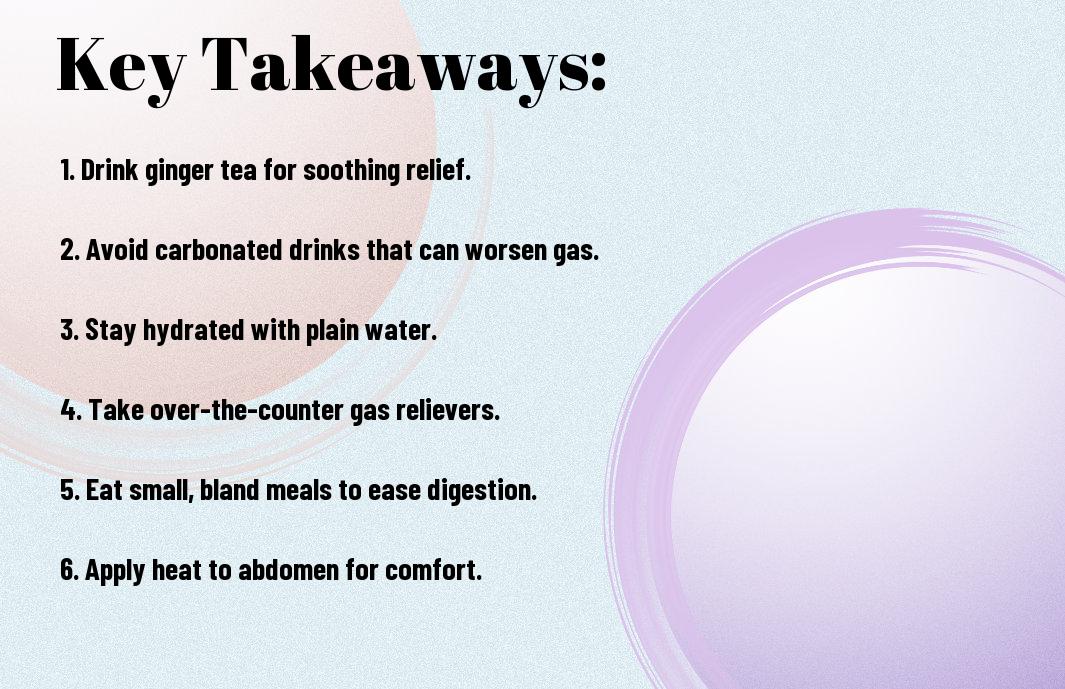
  • Avoid solid foods: Give your stomach time to rest by sticking to a bland diet of crackers, toast, and bananas until symptoms improve.

Identifying Food Poisoning

A crucial first step in resolving food poisoning is identifying the condition. Food poisoning occurs when you consume contaminated food or beverages that are tainted with harmful bacteria, viruses, parasites, or toxins. It can lead to a range of unpleasant symptoms that typically manifest within hours after consuming the contaminated food.

Common Symptoms

On your journey to resolving food poisoning quickly, it’s vital to recognize the common symptoms associated with this condition. Symptoms may include nausea, vomiting, diarrhea, stomach cramps, fever, and headache. These symptoms can vary in severity depending on the type of contaminant and your body’s response to it. In some cases, you may also experience dehydration due to the loss of fluids from vomiting and diarrhea.

When to Seek Medical Attention

To expedite the process of resolving food poisoning, it’s important to know when to seek medical attention. While most cases of food poisoning resolve on their own within a few days with rest and hydration, there are instances where medical intervention is necessary. If you experience severe or persistent symptoms such as high fever, blood in your stools, inability to keep liquids down, or signs of dehydration, it is crucial to seek medical help promptly.

Seeking medical attention is especially important for vulnerable populations such as young children, elderly individuals, pregnant women, and individuals with weakened immune systems, as they may be at higher risk of complications from food poisoning.

Causes of Food Poisoning

Some of the most common causes of food poisoning include bacterial contamination, viral infections, parasitic infections, and food handling errors.

Bacterial Contamination

On occasion, harmful bacteria can find their way into the food you eat. These bacteria can multiply rapidly in food left at room temperature, leading to food poisoning when consumed. Common culprits include Salmonella, E. coli, and Listeria.

Viral Infections

Any food that has been handled by someone infected with a virus can potentially spread the virus and cause food poisoning. Viral infections like norovirus are highly contagious and can easily spread through contaminated food or surfaces.

For instance, norovirus can survive on surfaces for weeks and is resistant to many common disinfectants, making it important to practice good hygiene and proper food handling to avoid contamination.
Parasitic Infections

Contamination of food or water with parasites such as Giardia or Cryptosporidium can also lead to food poisoning. These parasites can cause symptoms like nausea, diarrhea, and stomach cramps when ingested.

Food from contaminated water sources or improperly cooked meat can introduce these parasites into your system, causing illness.

Food Handling Errors

Food that is not stored, handled, or cooked properly can become a breeding ground for harmful bacteria or viruses. Cross-contamination, where juices from raw meat come into contact with cooked food, can also lead to food poisoning.

Another common error is not washing your hands before handling food, which can transfer bacteria and viruses from your hands to the food you are preparing, increasing the risk of food poisoning.

Home Remedies for Quick Relief

Once again, if you suspect you have food poisoning, it’s necessary to consult a healthcare professional. For more information on the diagnosis and treatment of food poisoning, you can refer to Food poisoning – Diagnosis and treatment.

Staying Hydrated

On the road to recovery from food poisoning, staying hydrated is crucial. Dehydration is a common concern with food poisoning due to vomiting and diarrhea. Sip on clear fluids like water, herbal teas, or electrolyte-rich drinks to replenish lost fluids and electrolytes.

Resting the Stomach

Resting your stomach is key to allowing it time to recover. Avoid solid foods for a while and opt for easy-to-digest options like broth-based soups or crackers. Give your stomach a break until you start feeling better and gradually introduce solid foods back into your diet.

Staying hydrated is necessary during food poisoning to prevent dehydration. Remember to drink small amounts of fluids frequently and avoid beverages that can worsen dehydration, such as caffeinated or alcoholic drinks.

Ginger and Other Natural Anti-Inflammatories

Any natural remedies that help calm inflammation in the stomach can aid in relieving symptoms of food poisoning. Ginger, in particular, has been known for its anti-inflammatory properties and can help soothe an upset stomach. Other options include peppermint tea or chamomile tea, which are gentle on the stomach.

Stomach-friendly foods and natural anti-inflammatories can provide relief from the discomfort caused by food poisoning. Be mindful of what you consume during recovery to support your stomach’s healing process.

Activated Charcoal

The use of activated charcoal is sometimes recommended to help bind toxins in the gut and prevent their absorption. Activated charcoal is known for its ability to adsorb toxins, making it a popular choice for relieving symptoms of food poisoning. However, consult with a healthcare provider before using it, as it may interact with certain medications or conditions.

The efficacy of activated charcoal in treating food poisoning lies in its ability to bind to toxins and prevent their absorption in the digestive system. It is necessary to use activated charcoal as directed and under medical supervision to avoid any potential side effects.

Natural

Medical Treatment Options

Antibiotics for Bacterial Infections

Medical treatment for food poisoning caused by bacterial infections often involves the use of antibiotics. If your healthcare provider determines that your symptoms are due to a bacterial infection, they may prescribe antibiotics to help your body fight off the harmful bacteria.

Anti-Diarrheal Medications

Medications can be used to help manage symptoms such as diarrhea that often accompany food poisoning. Anti-diarrheal medications work by slowing down the movement of your intestines, which can help reduce the frequency of diarrhea and make you more comfortable.

However, it’s important to note that while anti-diarrheal medications can provide relief from symptoms, they do not treat the underlying cause of food poisoning. It is imperative to consult with a healthcare professional before taking any medications to ensure they are appropriate for your specific situation.

IV Fluids for Severe Cases

Severe cases of food poisoning, especially those accompanied by persistent vomiting and diarrhea, may lead to dehydration. In such situations, intravenous (IV) fluids may be necessary to rehydrate your body and restore electrolyte balance. IV fluids deliver fluids directly into your bloodstream, helping to quickly replenish lost fluids and electrolytes.

To determine the appropriate treatment, it’s crucial to seek medical attention if you experience severe symptoms of food poisoning. Your healthcare provider will assess your condition and recommend the best course of action to help you recover quickly and safely.

Preventing Future Episodes

To What to Eat After Food Poisoning, it is crucial to take steps to prevent future episodes. By following safe food handling practices, you can reduce the risk of food poisoning and protect yourself from harmful bacteria. Additionally, avoiding high-risk foods can further lower the chances of falling ill from contaminated food sources.

Safe Food Handling Practices

With safe food handling practices, you can minimize the risk of food poisoning. Make sure to wash your hands thoroughly before and after handling food, especially raw meats. Keep utensils and surfaces clean by washing them with hot, soapy water. Separate raw foods from cooked foods to prevent cross-contamination, and cook foods to their recommended internal temperatures.

Avoiding High-Risk Foods

The best way to prevent food poisoning is to avoid high-risk foods such as raw or undercooked meats, seafood, and eggs. Dairy products that are unpasteurized and fruits and vegetables that are not thoroughly washed can also pose risks. By being mindful of these high-risk foods and ensuring they are cooked or handled properly, you can greatly reduce the likelihood of foodborne illnesses.

Preventing future episodes of food poisoning involves taking precautions to safeguard your health. By following safe food handling practices, avoiding high-risk foods, and boosting your immunity, you can significantly lower the risk of falling ill from contaminated foods.

Boosting Immunity

Immunity plays a crucial role in protecting your body from harmful bacteria that can cause food poisoning. To boost your immunity, make sure to maintain a balanced diet rich in fruits, vegetables, whole grains, and lean proteins. Stay hydrated, get regular exercise, and ensure an adequate intake of vitamins and minerals to support your immune system.

Plus, consider incorporating probiotics into your diet to promote healthy gut flora, which can aid in digestion and strengthen your body’s defenses against pathogens. By taking steps to boost your immunity, you can help protect yourself from foodborne illnesses and reduce the likelihood of experiencing food poisoning episodes in the future.

Complications and Long-Term Effects

Dehydration and Electrolyte Imbalance

LongTerm If food poisoning is severe and leads to continuous vomiting and diarrhea, you may experience dehydration and electrolyte imbalance. Dehydration occurs when your body loses more fluid than it takes in, while electrolyte imbalance refers to the disruption of minerals in your body that are important for various bodily functions. These complications can be dangerous if not addressed promptly.

Kidney Failure and Other Organ Damage

Imbalance In severe cases of food poisoning, kidney failure and other organ damage can occur. Kidney failure happens when your kidneys are unable to filter waste from your blood, leading to a buildup of toxins in your body. Other organs, such as the liver and heart, may also be affected by the toxins released during a severe food poisoning episode.

Other If kidney failure and organ damage occur as a result of food poisoning, you may require intensive medical treatment, including dialysis to support kidney function. It’s important to seek immediate medical attention if you experience symptoms of organ damage after a bout of food poisoning.

Chronic Health Conditions

Failure In some rare cases, food poisoning can lead to the development of chronic health conditions such as irritable bowel syndrome (IBS) or reactive arthritis. These conditions can cause long-lasting discomfort and may require ongoing medical management. If you notice persistent gastrointestinal issues or joint pain following a case of food poisoning, it’s crucial to consult with a healthcare provider for proper diagnosis and treatment.

Dehydration Overall, while most cases of food poisoning resolve on their own within a few days, it’s important to be aware of potential complications and long-term effects. Taking steps to prevent food poisoning, such as practicing proper food safety and hygiene, can help reduce your risk of experiencing severe symptoms or developing complications from contaminated food.

To wrap up

Hence, when facing food poisoning, the fastest way to resolve it is by staying hydrated, resting, and letting your digestive system clear out the toxins. It’s important to avoid solid foods for a while and stick to clear liquids to prevent further irritation. If symptoms persist or worsen, it’s crucial to seek medical attention to rule out any serious complications.

FAQ

Q: What are the symptoms of food poisoning?

A: Symptoms of food poisoning may include nausea, vomiting, abdominal cramps, diarrhea, fever, and weakness. It is important to seek medical attention if you experience severe symptoms or symptoms that worsen over time.

Q: How can I quickly resolve food poisoning symptoms?

A: The fastest way to resolve food poisoning is to stay hydrated by drinking plenty of water or electrolyte-replenishing drinks. Rest and avoid solid foods for a few hours to give your digestive system a break. If symptoms persist or worsen, seek medical attention.

Q: When should I seek medical help for food poisoning?

A: You should seek medical help for food poisoning if you experience severe symptoms such as high fever, bloody vomit or stool, dehydration, persistent vomiting that prevents you from keeping liquids down, or if your symptoms do not improve within a day or two.

What can I drink to flush out food poisoning

Many of you may be wondering what you can drink to help flush out food poisoning from your system. When dealing with food poisoning, staying hydrated is crucial to help your body rid itself of toxins. Opt for clear fluids like water, herbal teas, ginger tea, or electrolyte drinks to replenish lost fluids and speed up the recovery process. Avoid caffeinated and alcoholic beverages, which can further dehydrate your body. Do not forget, taking small sips frequently can help prevent further stomach upset and promote healing.

Key Takeaways:

  • Stay hydrated: Drinking plenty of water can help flush out toxins from your system.
  • Herbal teas: Certain herbal teas like ginger, peppermint, or chamomile can soothe your stomach and aid in digestion.
  • Electrolyte drinks: Consuming electrolyte drinks or coconut water can help replenish lost fluids and electrolytes due to food poisoning.

Identifying Food Poisoning Symptoms

Before you can treat food poisoning, it’s crucial to identify the symptoms. Food poisoning can be caused by bacteria, viruses, or parasites that contaminate food. The symptoms can range from mild to severe and usually appear within a few hours to a few days after consuming contaminated food.

Common symptoms of food poisoning

On your journey to identifying food poisoning symptoms, you may experience common signs such as nausea, vomiting, diarrhea, abdominal pain, and fever. These symptoms can vary depending on the type of contaminant and may also include dehydration, weakness, and loss of appetite.

When to seek medical attention

Poisoning can sometimes lead to severe complications, especially in vulnerable groups such as children, elderly individuals, and people with weakened immune systems. If you experience symptoms like severe dehydration, prolonged vomiting, high fever, bloody stools, or signs of neurological issues, it’s crucial to seek medical attention immediately.

Understanding when to seek medical attention is necessary, as some cases of food poisoning can result in serious health implications if not properly treated. Prompt medical care can help prevent complications and ensure a speedy recovery from food poisoning.

Hydration is Key

There’s no doubt that staying hydrated is crucial when it comes to flushing out toxins from your body, especially when you are dealing with food poisoning. Water plays a vital role in helping your body eliminate harmful bacteria and toxins through urine and sweat. It also helps in keeping your digestive system running smoothly, which is imperative for recovery.

Why water is imperative for flushing out toxins

With its natural ability to flush out toxins and keep your body hydrated, water is an imperative tool in combating food poisoning. Drinking enough water can help your kidneys and liver function optimally, aiding in the detoxification process. Additionally, water can help alleviate symptoms like nausea, vomiting, and diarrhea by preventing dehydration and replenishing lost fluids.

How much water to drink

Flushing out food poisoning requires you to drink an adequate amount of water throughout the day. The amount of water you need can vary depending on factors like your weight, age, and activity level. As a general guideline, aim to drink at least eight 8-ounce glasses of water a day, and even more if you are experiencing frequent bouts of vomiting or diarrhea. Listen to your body and drink water consistently to help your system eliminate toxins efficiently.

Electrolyte-Rich Drinks

To help flush out food poisoning, you can turn to electrolyte-rich drinks that replenish your body’s vital minerals. These drinks can aid in rehydration and restore the electrolyte balance in your system.

Coconut water: a natural electrolyte source

Any time you are experiencing food poisoning symptoms, such as diarrhea and vomiting, coconut water can be a fantastic natural remedy. It is rich in electrolytes like potassium, sodium, and magnesium, which can help replace the lost minerals due to dehydration. Additionally, coconut water is low in sugar and high in antioxidants, making it a refreshing and healthy choice for rehydration.

Sports drinks: when to use them

Water is vital for staying hydrated, but sometimes you need more than just water to recover from food poisoning. Sports drinks contain electrolytes like potassium and sodium, which can aid in recovering from dehydration caused by food poisoning. When you are losing fluids rapidly due to vomiting and diarrhea, a sports drink can help replenish the electrolytes your body needs to function properly.

When choosing a sports drink, opt for one with lower sugar content to avoid exacerbating stomach issues. It’s vital to use sports drinks in moderation and not as a replacement for water in your daily hydration routine.

Homemade electrolyte drinks

When dealing with food poisoning, you may prefer a homemade electrolyte drink as a natural and cost-effective remedy. You can make your own electrolyte solution using ingredients like water, salt, honey, and citrus juice. These homemade drinks can help restore electrolyte balance and aid in rehydration without artificial flavors or colors.

When preparing homemade electrolyte drinks, avoid excessive sugar and focus on incorporating ingredients that are gentle on your stomach. These DIY solutions can be a practical and customizable way to combat the effects of food poisoning and support your body’s recovery.

Sports drinks, coconut water, and homemade electrolyte drinks are valuable options to consider when looking to replenish your body’s electrolytes and fluids during a bout of food poisoning. Choose the one that works best for you based on your preferences and needs, and remember to consult a healthcare professional if symptoms persist or worsen.

Herbal Remedies

Keep your body hydrated and help flush out food poisoning with the power of herbal remedies. These natural ingredients can help ease your symptoms and support your digestive system in its recovery.

Ginger: a natural anti-inflammatory

Herbal remedies like ginger can be a game-changer when it comes to soothing your upset stomach. Ginger is well-known for its anti-inflammatory properties, which can help reduce nausea, vomiting, and other digestive issues associated with food poisoning. You can enjoy ginger tea or add fresh ginger to hot water for a soothing and healing drink.

Peppermint: soothing the stomach

Soothing peppermint tea can also aid in calming your stomach during a bout of food poisoning. Peppermint is known for its ability to relax the muscles of the digestive system, reducing cramping and bloating. Sip on some peppermint tea to help alleviate your symptoms and promote digestive comfort.

Peppermint has a cooling effect that can help ease the discomfort of an upset stomach. It’s a great option if you’re looking for a natural way to soothe your digestive system and feel better faster.

Chamomile: calming the digestive system

Chamomile tea is another herbal remedy that can help calm your digestive system and relieve symptoms of food poisoning. Chamomile has anti-inflammatory properties that can reduce inflammation in the digestive tract, easing discomfort and promoting healing. Enjoy a cup of chamomile tea to relax your stomach and encourage recovery.

Chamomile tea is a gentle option that can help soothe your stomach and promote overall digestive health. It’s a great choice for easing symptoms of food poisoning and supporting your body’s natural healing process.

Probiotic-Rich Drinks

Despite the discomfort and nausea associated with food poisoning, there are some drinks that can help you flush out the toxins and restore your gut health. Probiotic-rich drinks are particularly beneficial in such situations as they contain live bacteria and yeast that can aid in digestion and rebalance the gut microbiota.

Yogurt-based drinks: supporting gut health

Yogurt-based drinks, such as lassi and ayran, are not only delicious but also packed with probiotics that can help improve your gut health. These drinks are made from fermented yogurt, which is rich in beneficial bacteria like Lactobacillus and Bifidobacterium. By consuming yogurt-based drinks, you can introduce more good bacteria into your gut, which can help fight off the harmful pathogens responsible for food poisoning.

Kefir: a fermented milk drink

Kefir is a tangy, fermented milk drink that is teeming with probiotics. It is made by adding kefir grains to milk, allowing it to ferment and create a probiotic-rich beverage. Kefir contains a diverse range of beneficial bacteria and yeast strains that can promote gut health and strengthen your immune system. Including kefir in your diet can be especially beneficial when recovering from food poisoning, as it can help restore the balance of your gut microbiota.

Health experts recommend consuming kefir regularly to maintain a healthy gut flora, which is crucial for overall well-being. The probiotics in kefir can help reduce inflammation, boost digestion, and support your body in recovering from the effects of food poisoning.

Kombucha: a fermented tea drink

Kombucha is a popular fermented tea drink that is known for its probiotic properties. This tangy and effervescent beverage is made by fermenting sweetened tea with a symbiotic culture of bacteria and yeast (SCOBY). The fermentation process produces beneficial bacteria and acids that can aid in digestion and improve gut health.

Probiotic-rich kombucha can help replenish your gut with good bacteria, which is crucial for combating the effects of food poisoning. The antioxidants and enzymes in kombucha can also support your immune system and help alleviate symptoms of nausea and bloating that often accompany food poisoning.

Other Helpful Drinks

Broth: an easy-to-digest option

Once again, if you’re looking for a soothing and easy-to-digest option to help flush out food poisoning, consider sipping on some warm broth. Broth is light on the stomach and provides vital nutrients that can support your body’s recovery process.

Clear soups: gentle on the stomach

Drinks such as clear soups, like chicken or vegetable broth, can be gentle on your upset stomach and provide hydration. Clear soups are easy to digest, making them a good choice when you’re recovering from food poisoning and need to stay nourished.

This type of soup can help replenish electrolytes and fluids lost due to vomiting or diarrhea, aiding in your body’s healing process. Opt for clear broths without heavy seasonings or ingredients that may further irritate your stomach.

Green tea: antioxidant-rich and calming

With its antioxidant properties and calming effect, green tea can be a beneficial drink when you’re dealing with food poisoning. Green tea contains catechins, which have been shown to have antibacterial properties that may help fight off harmful bacteria in your gut.

This soothing beverage can also help settle your stomach and provide a gentle source of hydration. Make sure to choose decaffeinated green tea to avoid any additional stress on your stomach.

To wrap up

The key to flushing out food poisoning is to stay hydrated and choose the right beverages to help your body recover. Remember to drink plenty of water to prevent dehydration and electrolyte drinks to replenish lost nutrients. Herbal teas like ginger or peppermint can also soothe your stomach and help alleviate symptoms of food poisoning. Avoiding sugary drinks and alcohol is crucial to allow your body to focus on healing. If symptoms persist or worsen, make sure to seek medical attention promptly. Take care of yourself and prioritize your recovery by choosing the right fluids to aid in flushing out the toxins causing food poisoning.

Q: What can I drink to flush out food poisoning?

A: One effective drink to help flush out food poisoning is ginger tea. Ginger has natural anti-inflammatory and antibacterial properties that can help soothe the stomach and relieve symptoms of food poisoning.

Q: Can I drink lemon water to help with food poisoning?

A: Yes, drinking lemon water can be beneficial in flushing out toxins from the body and aiding in the recovery from food poisoning. The acidity of lemon juice can also help balance the pH levels in the stomach.

Q: Is it recommended to drink electrolyte drinks when experiencing food poisoning?

A: Yes, electrolyte drinks like sports drinks or coconut water can help replenish necessary minerals and fluids lost due to vomiting or diarrhea caused by food poisoning. These drinks can also help prevent dehydration.

What usually kills food poisoning

It’s important to know what usually kills food poisoning so you can protect yourself and your loved ones. Understanding the sources and methods that eliminate harmful bacteria in your food can prevent dangerous illness outbreaks. Let’s explore the key factors that can help you stay safe and enjoy your meals without the risk of food poisoning.

Key Takeaways:

  • Cooking: Properly cooking food kills most bacteria, viruses, and parasites that cause food poisoning.
  • Refrigeration: Keeping food at the right temperature (below 40°F or 5°C) slows down the growth of bacteria, preventing them from multiplying and causing food poisoning.
  • Proper Hygiene: Washing hands, utensils, and surfaces that come into contact with raw food can prevent the spread of bacteria that cause food poisoning.

Causes of Food Poisoning

Before we discuss what usually kills food poisoning, it’s vital to understand the various causes of food poisoning. One common cause is bacterial contamination.

Bacterial Contamination

Contamination of food with bacteria such as Salmonella, E. coli, and Campylobacter can lead to food poisoning. These bacteria can multiply rapidly in food that is improperly stored or cooked. Consuming contaminated food can result in symptoms such as nausea, vomiting, diarrhea, and fever.

Viral Infections

With viral infections, viruses like Norovirus and Hepatitis A can contaminate food and cause food poisoning. These viruses are highly contagious and can spread quickly in settings where food is prepared or handled. For instance, improper handwashing by food handlers can transfer viruses to food, leading to illness.

Parasitic Infestations

One of the less common causes of food poisoning is parasitic infestations. Parasites like Giardia and Cryptosporidium can contaminate food and water sources, causing illness when ingested. Symptoms of parasitic infestations can include prolonged diarrhea, stomach cramps, and weight loss.

Viral contamination of food can also occur through contact with infected food handlers or contaminated water sources.

The Role of Hygiene

There’s no denying the crucial role that hygiene plays in preventing food poisoning. By following proper hygiene practices in food preparation, storage, and handling, you can significantly reduce the risk of contamination and illness.

Hand Washing

Any time you are handling food, it is imperative to wash your hands thoroughly with soap and water. This simple yet effective practice can help prevent the spread of harmful bacteria and viruses that can cause food poisoning.

Cleanliness in Food Preparation

Hand in hand with hand washing is maintaining cleanliness in your food preparation area. This includes regularly sanitizing surfaces, cutting boards, and utensils to avoid cross-contamination. By keeping your workspace clean, you can minimize the risk of harmful pathogens making their way into your meals.

A clutter-free and organized kitchen also helps in preventing mistakes and accidental contamination. Make sure to clean up spills promptly and discard any food that may have come into contact with raw meat or poultry.

Proper Storage and Handling

One of the key aspects of preventing food poisoning is proper storage and handling of perishable items. This includes storing raw meats on the bottom shelf of the refrigerator to prevent juices from dripping onto other foods and causing contamination.

For instance, make sure to keep hot foods hot (above 140°F) and cold foods cold (below 40°F) to inhibit the growth of bacteria. When thawing frozen foods, do so in the refrigerator or under cold running water to avoid the risk of bacterial growth at room temperature.

The Importance of Cooking

Once again, cooking plays a crucial role in killing food poisoning bacteria and ensuring that your meals are safe to consume. The process of cooking involves applying heat to food, which helps eliminate harmful pathogens that can cause illness.

Heat Treatment

The heat from cooking destroys bacteria by altering their proteins and DNA, rendering them unable to cause infections. Heat treatment is necessary in making sure that your food is free from harmful microorganisms.

Cooking Temperatures

Importance

It is vital to ensure that your food reaches the proper cooking temperatures to guarantee that all bacteria are killed. Cooking temperatures can vary depending on the type of food you are preparing. Here is a table outlining the recommended cooking temperatures for various foods:

Food Cooking Temperature
Poultry (e.g., chicken, turkey) 165°F (73.9°C)
Ground meats (e.g., beef, pork) 160°F (71.1°C)
Seafood 145°F (62.8°C)

Heat

Avoiding Cross-Contamination

Heat plays a significant role in preventing cross-contamination, which can occur when harmful bacteria from raw food come into contact with cooked or ready-to-eat foods. By using separate cutting boards, utensils, and plates for raw and cooked foods, you can lower the risk of cross-contamination in your kitchen.

This extra precaution can help ensure that bacteria from raw foods do not contaminate cooked meals, keeping you and your loved ones safe from food poisoning. Remember to clean and sanitize your kitchen tools and surfaces regularly to minimize the chances of cross-contamination occurring.

The Dangers of Raw or Undercooked Foods

After learning how to treat food poisoning, one of the most crucial steps to avoid getting sick is to be mindful of raw or undercooked foods. Consuming undercooked meat, poultry, seafood, fish, eggs, and dairy products can significantly increase your risk of foodborne illnesses.

Meat and Poultry

Undercooked meat and poultry, such as rare burgers or pink chicken, can harbor harmful bacteria like Salmonella and E. coli. These pathogens can cause severe food poisoning symptoms, including nausea, vomiting, diarrhea, and stomach cramps. To reduce your risk of getting sick, always make sure that meat and poultry are cooked to the recommended internal temperatures.

Seafood and Fish

The consumption of raw or undercooked seafood and fish, such as sushi or rare fish fillets, can expose you to parasites and bacteria like Vibrio and Norovirus. These contaminants can lead to food poisoning symptoms like gastrointestinal distress and dehydration. It’s necessary to ensure that seafood and fish are cooked thoroughly to kill any harmful organisms.

Foods containing raw or undercooked eggs, such as homemade Caesar dressing or raw cookie dough, can pose a risk of Salmonella infection. Similarly, unpasteurized dairy products like raw milk or soft cheeses made from unpasteurized milk can also harbor dangerous bacteria like Listeria and Campylobacter. It’s crucial to consume pasteurized dairy products and thoroughly cook eggs to minimize the risk of foodborne illnesses.

Eggs and Dairy Products

An important tip to remember when handling eggs and dairy products is to always refrigerate them promptly and avoid consuming dishes that contain raw or undercooked eggs. Additionally, opt for pasteurized dairy products to reduce the risk of bacterial contamination.

For instance, when preparing homemade mayonnaise or eggnog, use pasteurized eggs or egg products to minimize the risk of Salmonella infection. By practicing proper food safety habits and cooking techniques, you can protect yourself from the dangers of raw or undercooked foods and decrease the likelihood of experiencing food poisoning symptoms.

The Impact of Food Handling and Storage

Temperature Control

Not maintaining proper temperature control when handling and storing food can lead to the growth of harmful bacteria that cause food poisoning. It is crucial to keep perishable foods out of the temperature danger zone, which is between 40°F and 140°F (4°C and 60°C).

Above 140°F (60°C) Bacteria can multiply rapidly
Below 40°F (4°C) Slows down bacterial growth

Preventing Moisture Accumulation

Storage: Control moisture levels in your fridge and storage areas to prevent excess condensation, which can create an environment for bacterial growth.

Control: Wipe down wet surfaces in your fridge, dry food containers before storing, and use airtight bags or containers to prevent moisture accumulation.

Labeling and Date Management

The handling and storage of food can be improved by proper labeling and date management. Labeling items with dates of purchase or expiration can help you track when to use or discard them, reducing the risk of consuming spoiled food.

Handling: Regularly check the dates on food items in your fridge and pantry. Rotate items so older ones are used first, and properly dispose of expired products to maintain food safety.

To ensure the safety of the food you consume, it is crucial to pay attention to proper temperature control, prevent moisture accumulation, and manage labeling and dates effectively. By following these guidelines, you can reduce the risk of food poisoning and promote a healthier and safer food handling and storage environment in your home.

Personal Factors Affecting Susceptibility

Unlike some health issues that can affect anyone regardless of age or health status, food poisoning can be influenced by several personal factors that determine your susceptibility to it.

Age and Immune System

Immune system strength plays a significant role in how your body fights off infections, including those caused by food poisoning. As you age, your immune system may weaken, making you more susceptible to foodborne illnesses. Children, especially babies and toddlers, also have developing immune systems that may not be as effective at fighting off harmful bacteria compared to adults.

This difference in immune system strength means that older adults and young children are more vulnerable to the severe effects of food poisoning. This vulnerability highlights the importance of handling and preparing food safely, especially when cooking for these age groups.

Pre-Existing Medical Conditions

To further complicate matters, pre-existing medical conditions can also impact your susceptibility to food poisoning. If you have conditions that weaken your immune system, such as HIV/AIDS or diabetes, you may be at a higher risk of developing severe symptoms if you contract a foodborne illness.

The presence of pre-existing medical conditions can make it more challenging for your body to fight off foodborne pathogens, increasing the likelihood of complications or prolonged illness. It’s crucial to take extra precautions when handling and consuming food if you have underlying health issues to reduce your risk of food poisoning.

Medication and Nutritional Deficiencies

Susceptibility to food poisoning can also be affected by the medications you are taking and any nutritional deficiencies you may have. Certain medications, such as antibiotics or steroids, can weaken your immune system, making it harder for your body to fend off harmful bacteria from contaminated food.

Affecting your body’s ability to absorb crucial nutrients, nutritional deficiencies can also impact your susceptibility to food poisoning. A lack of vitamins and minerals necessary for a healthy immune system can make you more prone to infections and illnesses, including those caused by consuming contaminated food.

Final Words

Now that you have a better understanding of what usually kills food poisoning, remember to always practice good food safety habits to prevent contamination and potential illness. By properly storing, handling, and cooking your food, you can greatly reduce the risk of food poisoning. Keep in mind that cleanliness is key in the kitchen, and always follow proper cooking temperatures to ensure that harmful bacteria are killed off.

So, next time you prepare a meal, take the necessary precautions to protect yourself and your loved ones from the dangers of food poisoning. Your attention to detail and mindfulness in the kitchen can be the difference between enjoying a delicious meal and dealing with the unpleasant consequences of foodborne illness.

FAQ

Q: What usually kills food poisoning?

A: Food poisoning is typically caused by bacteria, viruses, or parasites in contaminated food. Cooking food thoroughly can kill most of these microorganisms and prevent food poisoning. In addition, proper food handling, storage, and hygiene practices can help prevent the spread of foodborne illnesses.

Q: How can I prevent food poisoning?

A: To prevent food poisoning, follow these tips:

  • Cook food to the appropriate temperatures to kill harmful bacteria.
  • Wash hands, utensils, and surfaces often to prevent cross-contamination.
  • Store food at the proper temperatures to slow the growth of bacteria.
  • Avoid eating raw or undercooked foods, especially meat, poultry, seafood, and eggs.
  • Be cautious when eating at restaurants or food establishments with questionable hygiene practices.

Q: What are the common symptoms of food poisoning?

A: The common symptoms of food poisoning include:

  • Nausea
  • Vomiting
  • Diarrhea
  • Stomach cramps
  • Fever
  • Headache
  • Weakness

These symptoms can vary in severity depending on the type of microorganism causing the food poisoning.

How do you confirm food poisoning

Most of the time, you can confirm food poisoning based on the symptoms you experience after eating contaminated food. Nausea, vomiting, diarrhea, and abdominal pain are common signs. If you suspect food poisoning, it is crucial to stay hydrated and seek medical attention if symptoms worsen. To learn more about the symptoms, signs, and treatment of food poisoning, visit Food Poisoning (Foodborne Illness): Symptoms, Signs, …

Key Takeaways:

  • Symptoms: Pay attention to common symptoms such as nausea, vomiting, diarrhea, and stomach cramps which typically occur within hours of consuming contaminated food.
  • Timing: Consider the timing of the symptoms in relation to the last meal consumed. Food poisoning symptoms usually develop within a few hours to a few days after eating contaminated food.
  • Confirmation: Confirm food poisoning by seeking medical attention, providing a stool sample for analysis, and reporting the incident to your local health department if necessary.

Recognizing the Symptoms

The What You Should Know About Food Poisoning guide can help you identify the symptoms associated with food poisoning. One of the most common signs of food poisoning is an upset stomach, which can manifest as nausea, vomiting, or diarrhea. You may also experience abdominal cramps or pain, along with a general feeling of unease. In some cases, symptoms like fever, muscle aches, and headache may accompany gastrointestinal issues.

Common symptoms of food poisoning

One way to recognize food poisoning is through its common symptoms. These may include nausea, vomiting, diarrhea, abdominal cramping, and general discomfort. It’s necessary to pay attention to these signs, especially if they occur within a few hours of consuming contaminated food.

Severity of symptoms: when to seek medical attention

Food poisoning symptoms can vary in severity, with some cases causing mild discomfort while others can be more serious. If you experience severe dehydration, persistent vomiting, high fever, or blood in your stool, seek medical attention immediately. These signs may indicate a more severe form of food poisoning that requires medical intervention to prevent complications.

Identifying the Source

If you suspect that you’ve experienced food poisoning, it’s crucial to identify the source of the contamination to prevent further cases. Here are some key factors to consider when pinpointing the origin of foodborne illness.

Food handlers and preparation techniques

One crucial aspect to consider is the food handlers and the preparation techniques used in the kitchen. Improper handwashing, cross-contamination between raw and cooked foods, and inadequate cooking temperatures can all contribute to foodborne illnesses. By evaluating the hygiene practices of food handlers and the safety measures taken during food preparation, you can narrow down the potential sources of contamination.

High-risk foods and ingredients

Handlers should pay close attention to high-risk foods and ingredients that are more susceptible to contamination, such as raw meats, unpasteurized dairy products, and raw eggs. These items are known to harbor harmful bacteria like Salmonella, E. coli, and Listeria, which can cause severe food poisoning. By examining your recent food consumption and focusing on high-risk items, you can identify potential sources of contamination more effectively.

High-risk foods and ingredients are often the culprits behind foodborne illness outbreaks due to their susceptibility to bacterial growth. It’s crucial to handle these items with care, following proper food safety protocols to minimize the risk of contamination and subsequent food poisoning incidents.

Restaurant and food establishment inspections

Another crucial factor in identifying the source of food poisoning is the regular inspections and hygiene practices of restaurants and food establishments. Health inspectors conduct routine checks to ensure that these establishments comply with food safety regulations and maintain sanitary conditions. By reviewing inspection reports and evaluating the cleanliness and practices of the establishments you’ve visited, you can assess the likelihood of contamination occurring in these environments.

Restaurant and food establishment inspections play a vital role in preventing foodborne illnesses by upholding high standards of hygiene and safety protocols. These inspections help ensure that food handling practices are in line with regulatory requirements, reducing the risk of food contamination and subsequent cases of food poisoning.

Diagnostic Tests

Physical examination and medical history

Many times, medical professionals may begin the process of confirming food poisoning by conducting a physical examination and taking a detailed medical history. During the examination, your healthcare provider will check for symptoms such as dehydration, fever, and abdominal tenderness. Providing a thorough medical history, including details of what you ate and when you started experiencing symptoms, can help in the diagnosis.

Laboratory tests: stool samples and blood work

Tests such as stool samples and blood work are commonly used to confirm the presence of food poisoning. Stool samples can help identify bacteria, parasites, or viruses that may be causing your illness. Blood work may show signs of infection or inflammation in your body. These tests can provide valuable insights into the specific cause of your food poisoning and help guide treatment.

Understanding the results of these laboratory tests is crucial in confirming food poisoning. Your healthcare provider will interpret the findings and recommend appropriate treatment based on the specific pathogen identified. It’s important to follow your provider’s advice closely to ensure a full recovery.

Imaging tests: CT scans and X-rays

Imaging tests such as CT scans or X-rays are not typically used as first-line diagnostics for food poisoning. However, in severe cases where complications such as dehydration or perforation of the intestines are suspected, your healthcare provider may recommend these tests to assess the extent of damage and guide treatment decisions. These imaging tests can provide detailed images of your gastrointestinal tract, helping your healthcare team determine the best course of action.

The diagnostic process for confirming food poisoning may involve a combination of physical examination, medical history, laboratory tests, and in some cases, imaging tests. By undergoing these diagnostic evaluations, healthcare providers can accurately identify the cause of your illness and provide targeted treatment to help you recover quickly and effectively.

Medical Treatment and Care

Fluid replacement and hydration

Hydration is vital when treating food poisoning. Your body loses fluids through diarrhea and vomiting, which can lead to dehydration. It’s important to replenish these lost fluids by drinking plenty of water, clear broths, or oral rehydration solutions. Avoid caffeinated or alcoholic beverages as they can worsen dehydration.

Medications: antibiotics and anti-diarrheal drugs

One important thing to note is that most cases of food poisoning are caused by viruses and do not require antibiotics. However, in some cases of bacterial food poisoning, your healthcare provider may prescribe antibiotics. Another type of medication that may be used to manage symptoms is anti-diarrheal drugs, which help to control diarrhea. It is crucial to consult a healthcare provider before taking any medication, as some drugs can worsen certain types of food poisoning.

Hospitalization and supportive care

Medical intervention may be necessary in severe cases of food poisoning that lead to dehydration or other complications. Hospitalization allows for close monitoring of your condition and the administration of intravenous fluids and medications. In some cases, supportive care such as oxygen therapy or electrolyte replacement may be needed to help you recover. It’s vital to seek medical attention if you experience severe symptoms or if your symptoms do not improve after a few days.

Understanding the various treatment options for food poisoning is crucial to ensure a speedy recovery. Always follow your healthcare provider’s advice and take prescribed medications as directed. Remember to practice good hygiene and food safety measures to prevent future cases of food poisoning.

Home Remedies and Self-Care

Rest and hydration

Hydration is key when dealing with food poisoning. Make sure you drink plenty of water to prevent dehydration, which can occur due to vomiting and diarrhea. Rest is also crucial during this time to allow your body to recover.

Bland diet and nutritional supplements

An necessary aspect of managing food poisoning is to follow a bland diet. Stick to easily digestible foods like plain rice, toast, and bananas. Additionally, consider taking nutritional supplements to replenish any lost nutrients due to vomiting and diarrhea.

Proper nutrition is necessary for your body to recover from food poisoning. Including electrolyte-rich foods like bananas and kiwis can help restore the balance of minerals in your body. Consider consulting a healthcare provider for advice on the right supplements to take during this time.

Probiotics and gut health

With the disruption food poisoning causes in your gut, probiotics can help restore the balance of good bacteria. Incorporating probiotic-rich foods like yogurt or taking probiotic supplements can aid in improving your gut health and speeding up your recovery.

A balanced and nutritional diet combined with probiotics can help restore your gut health after food poisoning. Probiotics are beneficial bacteria that can aid in digestion and help strengthen your immune system. Including them in your diet can support your overall gastrointestinal health.

Prevention Strategies

Safe food handling and storage practices

Not properly handling and storing food can increase the risk of food poisoning. Wash your hands before and after handling food, and ensure that your cooking utensils and surfaces are clean. Keep raw meats separate from ready-to-eat foods to prevent cross-contamination. Refrigerate perishable foods promptly and follow expiration dates.

Cooking and reheating guidelines

The key to preventing foodborne illnesses is ensuring that food is cooked thoroughly. Use a food thermometer to check the internal temperature of meats, poultry, and seafood. Leftovers should be heated to a safe temperature before consumption. Reheat foods to at least 165°F (74°C) to kill any bacteria that may have grown during storage.

Reheating leftovers until they are steaming hot throughout is vital in killing any bacteria that might still be present. It’s important to cover and stir foods while reheating to ensure even distribution of heat and kill any remaining pathogens.

Personal hygiene and handwashing

Following proper hygiene practices is crucial in preventing foodborne illnesses. Wash your hands thoroughly with soap and water before preparing food, after using the bathroom, and after touching raw meat or poultry. Avoid touching your face, hair, or other body parts while cooking, to prevent the transfer of bacteria.

It’s also recommended to tie back long hair, remove jewelry, and wear clean clothes while cooking to minimize the risk of contamination. Practicing good personal hygiene and frequent handwashing are simple yet effective ways to reduce the spread of harmful bacteria in the kitchen.

Summing up

As a reminder, confirming food poisoning involves observing symptoms such as nausea, vomiting, diarrhea, and abdominal pain, especially if they occur shortly after consuming a questionable meal. It is crucial to seek medical attention if you suspect food poisoning, as healthcare professionals can conduct tests to identify the specific pathogen responsible for your illness. Remember to provide details about your symptoms, recent food consumption, and any known food recalls to aid in the diagnosis process.

By following these steps and working closely with medical professionals, you can confirm food poisoning and receive appropriate treatment to help you recover quickly. Stay vigilant about food safety practices to reduce the risk of foodborne illnesses in the future, and always trust your instincts if something feels off after a meal.

FAQ

Q: How do you confirm food poisoning?

A: Food poisoning is usually confirmed by a healthcare professional through a physical examination, reviewing symptoms, and possibly conducting tests such as a stool culture or blood tests to identify the specific bacteria or virus responsible for the illness.

Q: What are common symptoms of food poisoning?

A: Common symptoms of food poisoning include nausea, vomiting, diarrhea, stomach cramps, and fever. Symptoms typically develop within hours of consuming contaminated food and can vary depending on the type of bacteria or virus involved.

Q: When should I seek medical attention for suspected food poisoning?

A: If you suspect you have food poisoning and are experiencing severe symptoms such as persistent vomiting, dehydration, blood in your stool, high fever, or signs of shock, it is important to seek medical attention immediately. Your healthcare provider can provide proper treatment and guidance based on your specific symptoms and situation.

How to relieve gas from food poisoning

Just faced a bout of food poisoning and now dealing with uncomfortable gas? You’re not alone. Gas is a common symptom of food poisoning that can leave you feeling bloated and uneasy. In this informative guide, we’ll explore simple yet effective ways to relieve gas and get you back on track to feeling better in no time. Let’s dive in and ease that gas discomfort for you!

Key Takeaways:

  • Drink fluids: Staying hydrated can help relieve gas and aid in flushing out toxins from food poisoning.
  • Avoid carbonated beverages: Carbonated drinks can worsen gas symptoms, so it’s best to stick to water or herbal teas.
  • Consider over-the-counter remedies: Some over-the-counter medications like simethicone can help reduce gas and bloating caused by food poisoning.

Identifying the Culprits

While dealing with gas from food poisoning, it’s crucial to identify the culprits that may have caused your discomfort. Common food poisoning causes can range from contaminated foods like undercooked meats, unpasteurized dairy products, or improperly washed fruits and vegetables.

Common Food Poisoning Causes

Identifying the source of your food poisoning can help you take necessary precautions to prevent future occurrences. Bacteria like E.coli and Salmonella are often found in raw or undercooked foods and are known to cause food poisoning symptoms such as gas, bloating, and stomach pain.

How to Recognize Gas-Related Symptoms

One way to identify gas-related symptoms from food poisoning is to pay attention to when the symptoms arise. Gas from food poisoning typically occurs soon after consuming contaminated food and may be accompanied by other digestive issues like diarrhea or nausea.

The key to managing gas-related symptoms from food poisoning is to stay hydrated, rest, and avoid foods that may further irritate your digestive system. When in doubt, it’s always best to consult with a healthcare provider to ensure proper treatment and recovery.

Quick Relief Remedies

Over-the-Counter Medications

OvertheCounter – If you’re looking for quick relief from gas caused by food poisoning, over-the-counter medications like simethicone can be helpful. These medications work by breaking down gas bubbles, making it easier for your body to pass them. Be sure to follow the dosage instructions on the packaging and consult with a healthcare provider if you have any underlying health conditions or are taking other medications.

Natural Antacids and Digestive Enzymes

Relief – Natural antacids like activated charcoal and digestive enzymes such as alpha-galactosidase can also provide relief from gas. Activated charcoal can help absorb gas in the digestive tract, while alpha-galactosidase can help break down complex carbohydrates that may be causing gas. These natural remedies are generally considered safe but consult with a healthcare provider before trying them, especially if you are pregnant or have any medical conditions.

Enzymes: Natural antacids and digestive enzymes can be found in supplement form at health food stores or online. They are often used to support digestion and relieve symptoms of gas and bloating. However, it’s necessary to use them as directed and not exceed the recommended dosage.

Home Remedies for Gas Relief

For – If you prefer natural home remedies, there are several options to help relieve gas from food poisoning. Peppermint tea, ginger, and fennel seeds are known for their gas-relieving properties. You can brew a cup of peppermint tea or chew on fennel seeds after meals to aid digestion and reduce gas. Ginger can be consumed in various forms like tea, capsules, or freshly grated in water.

Plus: These home remedies not only provide relief from gas but also have other health benefits. For example, peppermint tea can help soothe an upset stomach, while ginger has anti-inflammatory properties that may help with digestion and overall gut health.

Dietary Changes for Gas Relief

Bland Diet for Food Poisoning Recovery

Your body is recovering from food poisoning, and your digestive system may be sensitive. During this time, it’s best to stick to a bland diet to avoid upsetting your stomach further. Opt for easily digestible foods like plain toast, rice, bananas, and cooked apples. These foods are gentle on your stomach and can help soothe any discomfort you may be experiencing.

Foods to Avoid for Gas Prevention

Relief from gas can be achieved by avoiding certain foods that can exacerbate bloating and discomfort. Foods high in fiber like beans, broccoli, and cabbage can produce excess gas in your digestive system. Carbonated beverages, fried or fatty foods, and artificial sweeteners can also contribute to gas and bloating. Steering clear of these foods until your digestive system has fully recovered can help alleviate gas and discomfort.

Plus, dairy products for some individuals can be hard to digest, leading to gas and bloating. If you suspect dairy is causing your gas issues, try cutting back on dairy products like milk, cheese, and ice cream to see if it helps reduce your symptoms.

Probiotic-Rich Foods for Gut Health

Health and balance in your gut can be maintained by incorporating probiotic-rich foods into your diet. Foods like yogurt, kefir, sauerkraut, and kimchi contain beneficial bacteria that can aid digestion and promote a healthy gut flora. Including these foods in your diet can help restore balance to your digestive system and alleviate gas and bloating.

Avoid antibiotics if possible when trying to replenish your gut with probiotics, as they can kill off the good bacteria along with the bad. Opt for probiotic supplements or naturally probiotic-rich foods to help maintain a healthy gut.

Hydration and Electrolyte Balance

Importance of Staying Hydrated

After experiencing food poisoning, your body may have lost a lot of fluids through vomiting and diarrhea. An crucial part of recovering from food poisoning is staying hydrated. Drinking plenty of water helps replenish the fluids lost and prevents dehydration. Dehydration can worsen the symptoms of food poisoning and prolong your recovery time.

Electrolyte-Rich Drinks for Replenishment

Electrolyte-rich drinks such as sports drinks or oral rehydration solutions can be beneficial in replenishing lost electrolytes like sodium and potassium, especially if you’ve been experiencing diarrhea or vomiting. These drinks help restore the electrolyte balance in your body and aid in recovery. They are readily available in most supermarkets and can be a convenient way to boost your electrolyte levels.

Staying hydrated is crucial in helping your body recover from food poisoning. Water is crucial, but if you’ve been experiencing severe symptoms, consider incorporating electrolyte-rich drinks to help restore the balance of electrolytes in your body.

Avoiding Dehydration Triggers

Staying away from dehydration triggers is crucial when recovering from food poisoning. Avoid caffeinated beverages and alcohol, as they can contribute to dehydration. These drinks can irritate your stomach and exacerbate symptoms, making it harder for your body to recover. Stick to clear fluids like water, herbal teas, and electrolyte-rich beverages to support your recovery.

Replenishment: Remember to prioritize staying hydrated, especially when you are recovering from food poisoning. By choosing the right fluids and electrolyte-rich drinks, you can help your body restore its balance and recover more quickly.

Gut-Friendly Supplements

Keep your gut health in check with the help of gut-friendly supplements to relieve gas caused by food poisoning. These supplements can aid in restoring your gut health, supporting good bacteria growth, and providing relief from digestive discomfort.

Probiotics for Gut Health Restoration

Restoration: Probiotics are beneficial bacteria that can help restore the balance of your gut microbiota after a bout of food poisoning. By taking probiotic supplements, you introduce good bacteria back into your system, which can aid in digestion, boost your immune system, and reduce bloating and gas.

Prebiotics for Gut Bacteria Support

Probiotics: Prebiotics are non-digestible fibers that act as food for the good bacteria in your gut. By consuming prebiotic supplements, you can support the growth and activity of beneficial bacteria in your digestive system. This can help improve digestion, reduce gas and bloating, and promote overall gut health.

Plus, prebiotics work hand in hand with probiotics, as they provide the necessary nourishment for the probiotic bacteria to thrive and exert their beneficial effects on your gut health.

Digestive Enzyme Supplements for Relief

One: Digestive enzyme supplements can also be beneficial in relieving gas and bloating caused by food poisoning. These supplements contain enzymes that help break down carbohydrates, proteins, and fats in your food, aiding in digestion and reducing the risk of gas production.

Enzyme: By taking digestive enzyme supplements with your meals, you can support your body’s natural digestive process and alleviate discomfort associated with food poisoning-related gas and bloating.

Lifestyle Changes for Prevention

Food Handling and Storage Tips

For Food poisoning – Diagnosis and treatment, practicing proper food handling and storage is crucial in preventing food poisoning. Always ensure that you store raw meats away from ready-to-eat foods to avoid cross-contamination. Keep your refrigerator below 40°F (4°C) and use perishable items before their expiration dates.

  • Storage leftovers in airtight containers to maintain freshness and prevent bacterial growth.
  • When in doubt, throw it out! If you suspect food may be spoiled, it’s safer to discard it than risk food poisoning.

Any leftovers should be reheated to an internal temperature of 165°F (74°C) to kill any potential bacteria.

Cooking and Preparation Methods for Safety

Tips for safe cooking and food preparation include washing your hands thoroughly before handling food, using separate cutting boards for raw meats and fresh produce, and cooking food to the recommended internal temperatures. Avoid cross-contamination by cleaning surfaces and utensils with hot, soapy water after preparing raw meats.

Avoid consuming undercooked meats, eggs, and seafood, as these can harbor harmful bacteria that may cause food poisoning.

Reducing Stress for Gut Health

Storage can play a role in reducing stress on your gut health. Organize your pantry and refrigerator to make healthy food choices easily accessible. Having a well-stocked kitchen with fresh fruits, vegetables, and lean proteins can help you make nutritious meals without added stress.

The right dietary choices, such as incorporating probiotics and fiber-rich foods, can also support a healthy gut microbiome, reducing the risk of digestive issues like gas from food poisoning.

To wrap up

Presently, you have learned various methods to relieve gas caused by food poisoning. By avoiding gas-producing foods, staying hydrated, trying over-the-counter remedies, and seeking medical attention if necessary, you can alleviate discomfort and aid in your recovery process. Remember to listen to your body and take care of yourself during this time of need. Hopefully, by following these tips, you can find relief and start feeling better soon.

FAQ

Q: What are the common symptoms of gas from food poisoning?

A: Common symptoms of gas from food poisoning include bloating, cramping, flatulence, and abdominal discomfort.

Q: How can I relieve gas caused by food poisoning?

A: You can relieve gas caused by food poisoning by drinking plenty of water, taking over-the-counter gas relief medications, avoiding foods that may aggravate gas, and trying gentle exercises like walking to help move gas through your system.

Q: When should I seek medical help for gas from food poisoning?

A: You should seek medical help if you experience severe abdominal pain, persistent vomiting, bloody diarrhea, high fever, or signs of dehydration along with gas from food poisoning. These could indicate a more serious condition that requires medical attention.

What color is diarrhea with food poisoning

You wake up in the middle of the night, rushing to the bathroom with a sudden wave of nausea and stomach cramps. As you sit on the toilet, you can’t help but wonder – what color is your diarrhea with food poisoning? Understanding the color of your stool can give you important clues about what might be causing your discomfort. In this blog post, we will probe into the different colors of diarrhea associated with food poisoning, helping you stay informed and prepared for any stomach-churning surprises.

Key Takeaways:

  • Color: Diarrhea with food poisoning can vary in color, but common colors include green, yellow, or brown.
  • Appearance: It may appear watery or contain mucus, blood, or undigested food particles.
  • Seek Medical Attention: If diarrhea is severe, persistent, or accompanied by other symptoms like high fever or dehydration, it is important to seek medical attention promptly.

The Color of Fear

The Initial Signs

Fear grips you as you start experiencing the initial signs of food poisoning. According to Symptoms of Food Poisoning | Food Safety, these may include nausea, vomiting, diarrhea, and stomach cramps. The sudden onset of these symptoms can leave you feeling anxious and uneasy, unsure of what is causing your distress.

The Role of Bile

Initial fears intensify as you notice the color of your diarrhea. Bile, a digestive fluid produced by the liver, can give diarrhea a yellow or greenish hue. In cases of food poisoning, the body may try to flush out harmful pathogens by increasing bile production, leading to unusual stool colors that can be unsettling to witness.

Role of Bile: Bile plays a crucial role in the digestion and absorption of fats in the body. When the digestive system is disrupted by food poisoning, bile production may increase as the body tries to rid itself of the toxins ingested. This can result in changes in stool color, serving as a visual indicator of the body’s efforts to heal and recover.

Food Poisoning 101

If you’re wondering about the ins and outs of food poisoning, you’ve come to the right place. Food poisoning is a result of consuming contaminated food or beverages that are filled with harmful bacteria, parasites, viruses, or toxins. This unpleasant experience can lead to a range of symptoms, with diarrhea being a common indicator of food poisoning.

Common Causes

Poisoning can occur from various sources, such as undercooked meats, unwashed fruits and vegetables, cross-contamination during food preparation, and consuming food that has been left out at an unsafe temperature. Bacteria like E. coli, Salmonella, and Campylobacter are often the culprits behind food poisoning and can lead to symptoms like vomiting, diarrhea, stomach cramps, and fever.

Incubation Period

An incubation period refers to the time between consuming contaminated food and the onset of symptoms. The length can vary depending on the type of bacteria or virus involved, ranging from a few hours to several days. During this time, the harmful pathogens multiply in your digestive system, leading to the eventual onset of symptoms. It’s necessary to be aware of this period as it can help identify the potential source of contamination and take necessary precautions to prevent the spread of illness.

It is crucial to seek medical attention if you suspect you have food poisoning, especially if symptoms persist or worsen. Stay hydrated, rest up, and avoid preparing food for others until you have fully recovered. Recall, prevention is key when it comes to food poisoning, so practice safe food handling and be cautious of what you consume to avoid falling victim to this unpleasant experience.

The Gut Reaction

Not all cases of food poisoning will result in diarrhea, but when it does happen, your body is going through a complex series of reactions to eliminate the harmful bacteria or toxins it has ingested. Diarrhea with food poisoning can vary in color and consistency, depending on the specific cause and how your body is responding to it.

Inflammation and Irritation

Inflammation plays a significant role in your gut’s response to food poisoning. When your body detects harmful pathogens or toxins in your digestive system, it triggers an inflammatory response to try and get rid of the offending substances. This inflammation can lead to changes in the color and consistency of your stool, resulting in diarrhea that may appear watery, loose, and potentially discolored.

The Gut-Brain Connection

Irritation of the gastrointestinal tract due to food poisoning can also impact the gut-brain connection. This connection is a complex network of signals between your gut and brain, which can influence how you experience symptoms like diarrhea. When your gut is inflamed and irritated from food poisoning, these signals can become disrupted, potentially leading to changes in your bowel movements and overall digestive function.

Gut-brain interactions can also contribute to symptoms like nausea, cramping, and bloating, which often accompany diarrhea during food poisoning. Your body’s natural response to clear out the harmful substances can trigger these uncomfortable sensations, making the experience even more distressing.

Shades of Diarrhea

Unlike the typical solid hues of regular bowel movements, diarrhea can come in various shades, each indicating different underlying causes. The color of your diarrhea can offer valuable insights into what might be going on in your digestive system.

Yellow: The Warning Sign

On the spectrum of diarrhea colors, yellow can be a warning sign that something is amiss. It may indicate issues such as gallbladder problems or a giardia infection. If your diarrhea is consistently yellow in color, it’s vital to consult a healthcare provider for a proper diagnosis and treatment.

Green: The Bile Connection

Diarrhea that is green in color is often linked to the presence of bile. When food moves too quickly through the digestive tract, bile doesn’t have sufficient time to break down completely, resulting in green stool. This coloration can also be a sign of certain infections or dietary factors.

A change in stool color to green can be alarming, but it’s not always a cause for immediate concern. However, if you experience persistent green diarrhea along with other concerning symptoms, it’s wise to seek medical advice to rule out any underlying issues.

Brown: The Normal Hue

To most, brown diarrhea may seem like an oxymoron, as it’s a color associated with normal stool. However, diarrhea in shades of brown can indicate that your digestive system is functioning relatively normally, albeit too quickly. Consuming certain foods or medications can also lead to brown diarrhea.

Brown diarrhea typically isn’t cause for alarm, especially if it’s short-lived and not accompanied by other severe symptoms. Nonetheless, if you notice persistent brown diarrhea along with signs of dehydration or severe abdominal pain, consulting a healthcare professional is advisable.

Black: The Alarming Signal

Alarming and unsettling, black diarrhea is a significant cause for concern as it may indicate bleeding in the upper digestive tract. This dark coloration results from partially digested blood, often originating from the stomach or small intestine. Conditions such as ulcers, gastritis, or even certain medications can lead to black diarrhea.

It’s crucial not to ignore black diarrhea, as it could be a sign of a severe and potentially life-threatening issue. Seeking immediate medical attention is imperative to determine the underlying cause and receive appropriate treatment.

The Culprits Behind Food Poisoning

Bacterial Infections

Keep in mind that bacterial infections are one of the primary causes of food poisoning. These microscopic culprits can be found in undercooked meats, unpasteurized dairy products, and contaminated fruits and vegetables. When you ingest these harmful bacteria, they can wreak havoc on your digestive system, leading to symptoms like diarrhea, vomiting, and fever.

Viral Infections

For viral infections, you should be cautious of food that has been prepared by individuals who may not have followed proper hygiene practices. Viruses such as norovirus and rotavirus can easily contaminate food and cause illness when consumed. These viruses are highly contagious and can spread quickly, especially in settings like restaurants or communal food events.

Behind the scenes, viral infections can bring about a range of symptoms like nausea, stomach cramps, and diarrhea. These viruses are resilient and can survive in various environments, making them a persistent threat when it comes to food safety.

Parasitic Infections

Viral infections are not the only concern when it comes to food poisoning. Parasites like Giardia and Cryptosporidium can also be to blame. These parasites are typically found in contaminated water sources and can make their way into your food supply if proper sanitation measures are not followed. When these parasites enter your system, they can cause severe gastrointestinal symptoms like diarrhea, stomach pain, and dehydration.

Understanding the risks associated with parasitic infections is crucial for preventing food poisoning. By ensuring that your food and water sources are safe and properly handled, you can protect yourself from these potentially harmful parasites.

Treatment and Prevention

Hydration is Key

Many times, when you are experiencing food poisoning, you may find yourself losing a lot of fluids through vomiting and diarrhea. Hydration is crucial in these situations to replenish the lost fluids and electrolytes in your body. You should drink plenty of water, clear broths, or electrolyte solutions to help prevent dehydration.

Rest and Recovery

The rest is necessary for your body to recover from the effects of food poisoning. Your body needs time to heal and fight off the harmful bacteria or toxins that caused your illness. Listen to your body and give it the rest it requires to recover properly.

For instance, even though you may feel better after a day or two of rest, it is necessary to continue taking it easy for a few more days to ensure full recovery. Pushing yourself too soon could lead to a relapse of symptoms and prolong your recovery time.

Food Safety Tips

  • Ensure that you cook all meats thoroughly to kill any harmful bacteria.
  • Wash your hands before and after handling food to prevent cross-contamination.
  • Store perishable foods in the refrigerator promptly to avoid bacterial growth.

Perceiving and following proper food safety measures can significantly reduce your risk of experiencing food poisoning.

Food Safety Tips

  • Avoid eating raw or undercooked foods, especially meat and eggs.
  • Refrigerate leftovers promptly to prevent the growth of harmful bacteria.
  • Perceiving unusual odors, colors, or textures in your food, and if in doubt, throw it out to avoid food poisoning.

Food poisoning can be a severe condition, but by practicing proper food safety measures, you can significantly lower your risk of becoming ill from contaminated food.

Final Words

Conclusively, when it comes to food poisoning, the color of your diarrhea can vary depending on the particular bacteria or virus responsible for your illness. Remember that if you suspect you may have food poisoning, it’s important to be aware of other symptoms and not just focus on the color of your stool. Visit Food Poisoning Symptoms: Signs You Have … for more information on recognizing food poisoning symptoms.

Q: What color is diarrhea with food poisoning?

A: Diarrhea with food poisoning can vary in color depending on the cause. It is commonly yellow or green in color, but it can also appear as brown, black, or red due to the presence of blood in severe cases.

Q: What are common symptoms of food poisoning?

A: Common symptoms of food poisoning include diarrhea, nausea, vomiting, abdominal cramps, fever, and sometimes blood in the stool. Symptoms typically appear within hours to days after consuming contaminated food or beverages.

Q: When should I see a doctor for food poisoning?

A: You should see a doctor for food poisoning if you experience severe symptoms such as persistent vomiting, bloody diarrhea, dehydration, high fever, or signs of shock. It is also important to seek medical attention if symptoms do not improve after a few days or if you have a weakened immune system.

Skip to content