simon weiner

What is fast food called fast food

Quick. Have you ever wondered why fast food is called fast food? In this article, we will explore the origins and significance of the term “fast food.” From its humble beginnings to its global presence today, learn how this convenient culinary concept has shaped our modern dining culture. So, grab a snack and let’s explore the fascinating world of fast food together!

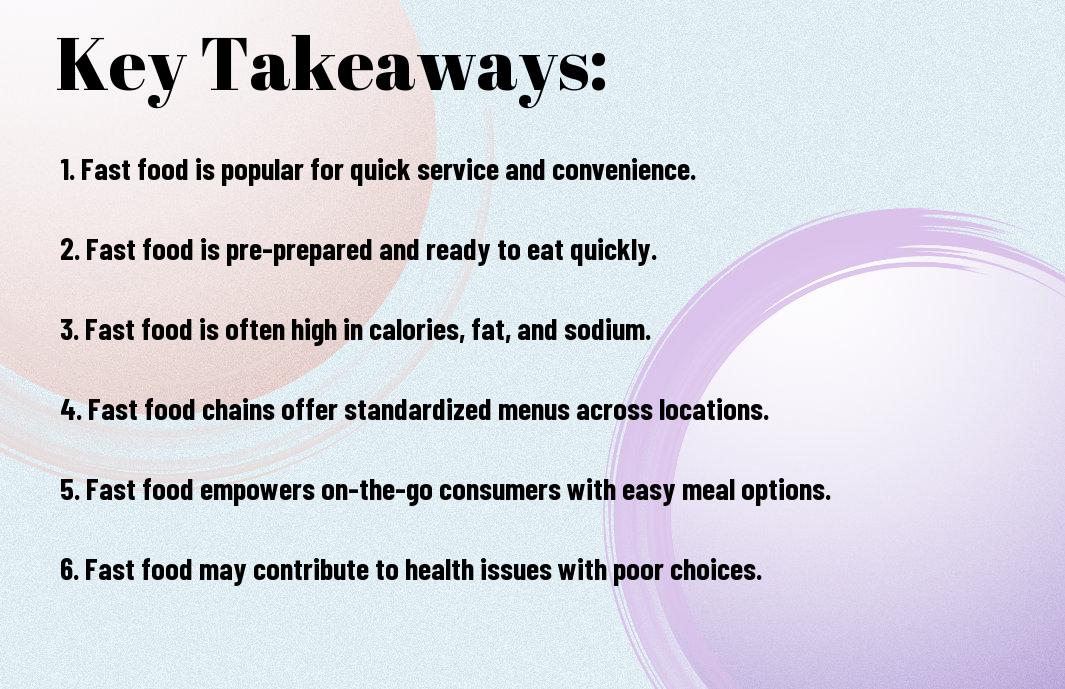
Key Takeaways:

  • Quick service: Fast food is known for its quick service, providing customers with ready-to-eat meals in a short amount of time.
  • Convenience: Fast food offers convenience for those who are looking for a quick meal option, saving time and effort for busy individuals.
  • Mass production: Fast food is often synonymous with mass production, where food is prepared in bulk to meet high demand efficiently.

Origins of Fast Food

Historical Roots

While the concept of fast food may seem like a modern phenomenon, its roots can actually be traced back thousands of years. In ancient Rome, street vendors known as “thermopolia” sold ready-to-eat foods to busy citizens. Fast forward to the Middle Ages, where urban economies thrived on ready-made food stalls catering to workers who needed a quick meal on the go. So, the idea of convenient, quick bites has been a part of human history for a lot longer than you might think.

Early Innovators

For the modern iteration of fast food as we know it today, you can thank the United States in the early 20th century. Icons like White Castle, often credited as the first fast-food chain, pioneered the concept of standardized menu items served quickly to customers. The idea caught on like wildfire, leading to the rise of other major players like McDonald’s and KFC, who transformed the food industry with their emphasis on speed and efficiency.

With the advent of cars becoming more common in the 1950s, drive-thru restaurants became all the rage. This innovation meant that you no longer had to leave the comfort of your vehicle to grab a quick meal, further solidifying the convenience and speed that defines fast food.

Another

Another key player in the early days of fast food was Ray Kroc, the man behind the success of McDonald’s. Kroc recognized the potential for expansion and franchising, turning McDonald’s into a global powerhouse. His business savvy and vision revolutionized the way we think about fast food and set the stage for its widespread popularity around the world.

The Concept of Speed

You may have noticed that fast food chains are moving away from the term “fast food” and adopting more sophisticated labels like “fast-crafted” or “quick service restaurants.” According to Eater, this rebranding effort is a strategic move to attract health-conscious consumers and shed the negative connotations associated with traditional fast food.

Quick Service Revolution

One of the defining characteristics of fast food is its quick service model. Fast food establishments revolutionized the restaurant industry by prioritizing speed and convenience. This focus on efficiency has shaped consumer expectations and influenced how we perceive dining out.

Efficiency in Food Preparation

Food preparation in fast food restaurants is meticulously designed to minimize waiting times and maximize throughput. From standardized recipes to assembly line cooking processes, every aspect of food production is optimized for speed. Ingredients are prepped in advance, equipment is strategically placed for easy access, and staff members are trained to work swiftly to ensure orders are fulfilled promptly.

It is fascinating to see how the efficiency of food preparation in fast food establishments has set a benchmark for the restaurant industry as a whole. The emphasis on speed and consistency has not only transformed how we consume food but also influenced the broader culinary landscape.

Convenience and Accessibility

Rise of Drive-Thrus

With the bustling lifestyles of today, fast food establishments have adapted to provide quick and convenient options for busy individuals like yourself. The rise of drive-thrus in the fast-food industry has revolutionized the way people enjoy their meals. Now, you can simply drive up, place your order, and receive your food without ever having to leave the comfort of your car. This level of convenience has made fast food a popular choice for those on the go.

Ubiquity of Fast Food Chains

Ubiquity plays a significant role in the popularity of fast food chains. You can find these establishments on almost every corner, making it incredibly easy for you to satisfy your cravings whenever they strike. Whether you’re in a bustling city or a quiet town, the familiar logos of fast-food giants like McDonald’s, Burger King, and KFC are always within reach. This widespread presence ensures that no matter where you are, a quick and tasty meal is never far away.

Food options at fast food chains also tend to be consistent across locations, providing you with a sense of familiarity and reliability. You know exactly what to expect when you walk into a fast-food restaurant, making it a comforting choice for those times when you just want a quick and satisfying meal.
Societal Factors

Despite the convenience and speed that fast food offers, there are various societal factors that have contributed to its prominence in today’s culture. Here are some key points to consider:

  • Changing Lifestyles and Habits

Changing Lifestyles and Habits

Any major shifts in lifestyle and habits can have a significant impact on the food choices you make. With the busy schedules and time constraints of modern life, the demand for quick and easily accessible meals has risen. This has paved the way for fast-food chains to thrive, providing a solution for those looking for a convenient dining option.

  • Influence of Urbanization and Suburbanization

Influence of Urbanization and Suburbanization

One factor that has greatly influenced the popularity of fast food is the process of urbanization and suburbanization. Urban areas are often characterized by a fast-paced lifestyle, where people are constantly on the go. This environment creates a demand for quick meals that can be consumed on the move. On the other hand, suburbanization has led to the spread of fast-food chains in residential areas, making them easily accessible to a larger population.

Societal changes and the way we interact with our environment play a significant role in shaping our food choices. The rise of fast food can be attributed to a combination of factors, including changing lifestyles, urbanization, and suburbanization.
Marketing and Branding

Not only is fast food known for its quick service and on-the-go convenience, but it is also recognized for its powerful marketing and branding strategies that have become ingrained in popular culture.

Creation of Iconic Logos and Slogans

An integral part of fast food marketing is the creation of iconic logos and slogans. These visual and textual representations are designed to be memorable and easily recognizable, instantly evoking the specific brand they represent. Think of the golden arches of McDonald’s or the tagline “Have it your way” from Burger King. These logos and slogans play a crucial role in establishing brand identity and creating a sense of loyalty among customers.

Targeting Specific Demographics

Iconic fast food chains have perfected the art of targeting specific demographics through their marketing strategies. Whether it’s children with colorful packaging and toy promotions, health-conscious individuals with salad options and calorie counts, or budget-conscious consumers with value meal deals, fast food brands tailor their marketing to appeal to a wide range of customers.

A deep understanding of their target audiences allows fast food companies to tailor their menus, promotions, and advertisements to resonate with specific demographics. By identifying and appealing to the unique preferences and needs of different segments of the population, these chains have managed to maintain a broad customer base and stay relevant in an ever-changing market.

Criticisms and Controversies

Health Concerns and Nutritional Value

Keep an eye on your fast food choices as they can be laden with high levels of calories, saturated fats, and sugars. Consuming fast food regularly can lead to various health issues such as obesity, heart diseases, and diabetes. It’s necessary to balance your diet by including nutrient-rich foods to offset the negative effects of fast food.

When grabbing a quick meal, opt for healthier alternatives like salads, grilled options, or dishes with lean proteins. Making conscious choices while enjoying fast food can help you maintain a balanced diet and reduce the impact on your health in the long run.

Environmental Impact and Sustainability

Value the environment by acknowledging the environmental impact of fast food production. From excessive packaging waste to intensive farming practices contributing to deforestation, the fast food industry has a significant environmental footprint. By supporting sustainable practices and businesses that focus on environmentally friendly initiatives, you can play a part in reducing the ecological consequences of fast food consumption.

Impact the environment positively by making small changes like choosing restaurants that prioritize locally sourced ingredients or have eco-friendly packaging options. Your individual actions, when combined with others who prioritize sustainability, can create a ripple effect in promoting greener practices within the fast food industry.
To wrap up

Now that you have a better understanding of why fast food is called fast food, you can appreciate the history and evolution of this term. Reflect on how the convenience and speed of fast-food restaurants have shaped our modern dining habits and culture. If you want to dive deeper into the world of fast food, you can explore more about fast-food restaurants and their impact on society.

FAQ

Q: What is fast food called fast food?

A: Fast food is called “fast food” because it is prepared quickly and easily accessible for immediate consumption.

Q: Why is fast food popular?

A: Fast food is popular due to its convenience, affordability, and wide availability. It is often seen as a quick meal option for people on-the-go.

Q: Is fast food unhealthy?

A: While fast food can be convenient, it is often high in calories, saturated fats, and sodium, which can contribute to health issues if consumed excessively.


What is the first symptom of food poisoning intoxication will likely be

Vomiting is often the first symptom you may experience when suffering from food poisoning. This bodily response occurs as your system tries to rid itself of harmful pathogens or toxins ingested through contaminated food. Understanding the early signs of food poisoning is critical for prompt action and recovery, allowing you to take necessary precautions for your health. In this post, we will explore the initial symptoms of food poisoning and offer guidance on how to respond effectively to ensure your well-being.

Key Takeaways:

  • Initial Symptoms: The first symptom of food poisoning generally appears as nausea, often within hours after consuming contaminated food.
  • Common Discomfort: Following nausea, individuals frequently experience vomiting as the body’s natural response to expel toxic substances.
  • Gastrointestinal Distress: Many suffer from abdominal cramps and diarrhea, which can vary in severity depending on the type of foodborne pathogen involved.
  • Onset Time: The time of onset for symptoms can differ greatly; some may feel ill within 30 minutes, while others may not show symptoms for up to several days.
  • Signs of Severity: If symptoms escalate or include fever, severe dehydration, or persistent vomiting, it is crucial to seek medical attention promptly.

Understanding Food Poisoning

To comprehend food poisoning, it is crucial to recognize its definition and the pathogens responsible for it. Food poisoning is an illness caused by consuming contaminated food or beverages. The contamination can occur due to harmful bacteria, viruses, or parasites that interfere with your digestive system, leading to a range of symptoms that can be debilitating.

Definition of Food Poisoning

Food poisoning refers to the illness resulting from ingestion of food contaminated with pathogenic microorganisms or toxins. It can manifest through various symptoms affecting your gastrointestinal tract, leading to discomfort and digestive disturbances.

Common Pathogens Involved

For understanding the common pathogens involved in food poisoning, you should be aware that various microorganisms can cause this illness. Bacteria such as Salmonella, E. coli, and Listeria are frequently responsible, along with viruses like Norovirus and Hepatitis A.

For instance, Salmonella often contaminates poultry, eggs, and dairy products, while E. coli is commonly found in undercooked ground beef and contaminated vegetables. These pathogens can enter your body through improper handling, cooking, or storage of food, leading to unpleasant symptoms that may vary in severity depending on the pathogen and your individual health. Being informed about these common offenders can help you take preventive measures in your food preparation and consumption practices.

Initial Symptoms of Food Poisoning

You may begin to experience warning signs shortly after ingesting contaminated food. The initial symptoms of food poisoning can manifest rapidly and may vary in severity, leading to discomfort and unease. Understanding these early indicators can help you respond promptly and take appropriate action.

Gastrointestinal Distress

Any sudden onset of gastrointestinal distress is a common early symptom of food poisoning. This can include an uncomfortable feeling in your stomach, characterized by bloating and discomfort, which may signal that something is wrong with the food you consumed.

Nausea and Vomiting

Poisoning often leads to feelings of nausea, triggering the body’s urge to vomit. This response is your body’s way of attempting to rid itself of the harmful substances ingested.

It is important to note that nausea can precede vomiting, which can range from mild to severe. You might feel a constant queasiness in your stomach, and, in some cases, vomiting may occur multiple times, compounding the physical distress and dehydration risk.

Diarrhea

Gastrointestinal issues may also manifest as diarrhea, which can occur frequently and may be accompanied by discomfort. This symptom serves to expel toxins from your system but can lead to dehydration if it persists.

Symptoms of diarrhea can include loose or watery stools, often occurring several times a day. You should monitor your hydration levels closely, as excessive loss of fluids can lead to serious complications, particularly in vulnerable populations like young children and the elderly.

Abdominal Cramping

Vomiting and diarrhea may be accompanied by abdominal cramping, which can intensify the discomfort you feel. This cramping is often a result of your gastrointestinal tract reacting to the irritants that led to the poisoning.

With the onset of abdominal cramping, you may experience sharp or dull pains in your stomach area as your body tries to expel the harmful pathogens. It can be quite uncomfortable and might occur irregularly or in waves, lasting for varying durations. Staying hydrated is necessary during this time to alleviate symptoms and support recovery.

Timing of Symptoms

Unlike some illnesses that present symptoms immediately, food poisoning can vary significantly in timeframe depending on the type of toxin or pathogen involved. Understanding the timing of symptoms can help you gauge the severity of your condition and seek appropriate care.

Incubation Period

Period between ingestion of contaminated food and the onset of symptoms is known as the incubation period. This duration can range from a few hours to several days, depending on the specific bacteria, virus, or toxin responsible for your food poisoning. For instance, Staphylococcus aureus may cause symptoms within 1-6 hours, while salmonella could take 12-72 hours.

Immediate vs. Delayed Symptoms

For some individuals, symptoms may arise almost immediately, while in others, they may develop over a longer period. Immediate symptoms typically denote a reaction to preformed toxins, while delayed symptoms suggest your body is battling a replicating pathogen.

A common example of immediate symptoms includes those caused by Staphylococcus aureus or Bacillus cereus, which can manifest within hours of consumption. In contrast, pathogens like Salmonella or E. coli often result in delayed symptoms, developing a day or more after food has been ingested. Being aware of these differences can help you understand your condition and decide when to seek medical attention.

When to Seek Medical Attention

Not all cases of food poisoning require medical intervention, but it is crucial to recognize when symptoms escalate to a level that warrants professional help. If you experience severe symptoms or if your condition does not improve, you should seek medical attention promptly. For more information on Food poisoning, you can refer to the NHS guidelines.

Severity of Symptoms

With food poisoning, symptoms can range from mild to severe. If you develop high fever, prolonged vomiting, bloody diarrhea, or signs of dehydration, it is important to consult a healthcare professional immediately. These symptoms indicate a more serious infection that may require specific treatment.

At-Risk Populations

Severity of your symptoms may be particularly concerning if you belong to an at-risk population. This includes young children, pregnant individuals, elderly adults, and those with weakened immune systems. If you fall into one of these categories and experience food poisoning, it is vital to seek medical attention sooner rather than later.

Seek immediate medical attention if you belong to an at-risk group and are experiencing symptoms of food poisoning. Your age, pregnancy status, or weakened immune system can significantly impact your body’s ability to combat the infection. Timely intervention can make a crucial difference in your recovery and overall health.

Conclusion

Taking this into account, the first symptom of food poisoning intoxication you are likely to experience is often nausea. This initial sign can quickly escalate to vomiting, abdominal cramps, and diarrhea, depending on the type of contamination involved. It’s crucial to recognize these symptoms early and seek medical attention if they persist. To protect yourself and your loved ones from foodborne illnesses, regularly review safe food handling practices recommended by the Food Safety.

Q: What is the first symptom of food poisoning intoxication likely to be?

A: The first symptom of food poisoning intoxication is often nausea. This can occur within a few hours after consuming contaminated food or beverages, as your body starts to react to the toxins produced by harmful bacteria or viruses. Nausea may be accompanied by other initial symptoms like vomiting or stomach cramps.

Q: How quickly can symptoms of food poisoning appear after ingestion?

A: Symptoms of food poisoning can appear anywhere from a few hours to several days after consuming contaminated food. Typically, symptoms like nausea, vomiting, and abdominal pain are among the earliest signs. The exact timing and severity can depend on the type of pathogen involved and the amount of contaminated food ingested.

Q: Are there other early symptoms that may accompany nausea in food poisoning?

A: Yes, nausea can be accompanied by other early symptoms of food poisoning such as vomiting, abdominal cramps, diarrhea, and sometimes fever. These symptoms are a part of the body’s effort to expel the harmful substances and can vary significantly depending on the type of contaminant and the individual’s health condition.

What are high risk foods

High-risk foods pose a significant threat to your health if not handled, stored, or cooked properly. Understanding these foods is crucial for preventing foodborne illnesses. Typically, high-risk foods are perishable items that provide a favorable environment for bacteria to thrive. By identifying and managing these foods in your kitchen, you can take proactive steps to ensure the safety of you and your loved ones. In this guide, you will learn about common high-risk foods, their characteristics, and necessary tips for safe handling.

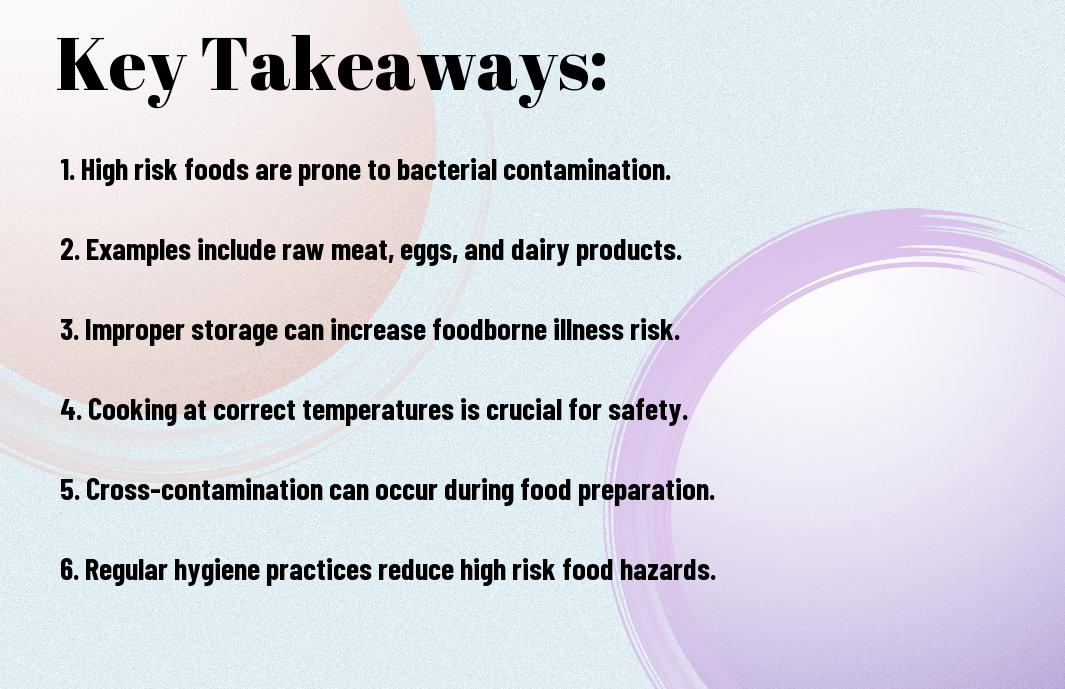
Key Takeaways:

  • High Risk Foods: These are foods that are more likely to cause foodborne illnesses due to their moisture content, pH level, and nutrient richness, making them ideal for bacterial growth.
  • Examples: Common high risk foods include raw meat, poultry, seafood, dairy products, and cooked rice or pasta.
  • Temperature Control: Proper storage and cooking temperatures are crucial to minimize the risk of foodborne pathogens. Foods should be kept out of the dange zone (between 40°F and 140°F).
  • Cross-Contamination: Preventing cross-contamination is crucial. Use separate cutting boards and utensils for high risk foods and other food items to mitigate risks.
  • Safe Handling: Adhering to hygiene practices like hand washing and using clean surfaces can help reduce the risk of foodborne illnesses from high risk foods.

Understanding High Risk Foods

To ensure food safety, it is crucial to recognize high risk foods that can harbor harmful bacteria and other pathogens. Understanding these foods helps you implement safe food handling practices to avoid potential health risks.

Definition of High Risk Foods

On a fundamental level, high risk foods are those that support the rapid growth of pathogenic microorganisms, which can lead to foodborne illnesses. They typically contain moisture and nutrients, making them ideal environments for bacteria to thrive.

Types of High Risk Foods

On the topic of types, high risk foods generally include perishable items that require careful storage and handling. Common examples are:

  • Raw meat and poultry
  • Seafood
  • Dairy products
  • Cooked rice and pasta
  • Eggs

Knowing these categories can significantly reduce your likelihood of experiencing foodborne illnesses.

Type Description
Raw Meat Includes beef, pork, and lamb that may contain harmful bacteria.
Seafood Fish and shellfish that can spoil quickly if not stored properly.
Dairy Milk, cheese, and yogurt can harbor bacteria if left out.
Cooked Grains Rice and pasta can become a breeding ground for bacteria when improperly stored.
Eggs Eggs need to be cooked thoroughly to eliminate pathogens.

One of the critical factors in managing high risk foods is understanding their specific characteristics and storage requirements. These foods require refrigeration or proper cooking to minimize risks. Consider these key categories and their impacts:

  • Meat should be stored below 40°F (4°C) to slow bacterial growth.
  • Seafood must be consumed or frozen quickly after purchase.
  • Dairy items need to remain refrigerated to stay safe.
  • Cooked grains should be refrigerated within two hours if not consumed.
  • Eggs must be cooked to the appropriate temperature.

Knowing these guidelines will empower you to handle high risk foods safely and effectively.

Food Type Safe Handling Tips
Raw Meat Keep separate from other foods during preparation.
Seafood Use within a day of purchase or freeze immediately.
Dairy Always check expiration dates before use.
Cooked Grains Use within 3-4 days or freeze for longer storage.
Eggs Store in the refrigerator and cook thoroughly.

Common High Risk Foods

Even the most careful food handlers can overlook high-risk foods that may harbor bacteria and pathogens if not stored or prepared correctly. Understanding these foods is important for food safety and preventing foodborne illnesses. Below are some commonly recognized high-risk foods that you should be aware of.

Dairy Products

Dairy products, such as milk, cheese, and yogurt, are excellent breeding grounds for harmful bacteria if not stored properly. Because they contain proteins and moisture, it’s important to maintain them at the appropriate temperatures to prevent spoilage and contamination.

Meat and Poultry

An important category of high-risk foods is meat and poultry, which can easily become contaminated during processing or handling. Improper cooking or storage may lead to dangerous bacteria like Salmonella and E. coli proliferating, which can cause severe foodborne illnesses.

With raw and undercooked meat and poultry, you must ensure that they are cooked to the proper internal temperatures to eliminate harmful pathogens. Always use separate cutting boards for raw meats and other foods to prevent cross-contamination.

Seafood

Foods such as fish and shellfish are also considered high-risk as they can harbor bacteria and viruses, particularly when raw or undercooked. Certain types of seafood can cause serious illnesses if not prepared safely.

Plus, many types of seafood can also be affected by harmful contaminants like mercury or Vibrio bacteria. It’s crucial to purchase seafood from reputable sources and ensure that it is cooked to recommended temperatures to avoid potential health risks.

Eggs

Dairy products, specifically eggs, are another common high-risk food. Eggs can carry Salmonella bacteria, which can lead to food poisoning if they are consumed raw or undercooked. Always check for freshness and ensure that they are stored correctly.

To minimize the risk of Salmonella, you should cook eggs thoroughly until both the yolk and white are firm. Additionally, consider buying pasteurized eggs if you plan to use them in recipes that require raw or lightly cooked eggs, especially for vulnerable groups such as pregnant women and the elderly.

Factors Contributing to High Risk Status

Keep in mind that various factors contribute to the high-risk status of certain foods. Understanding these elements can help you make informed decisions when handling and consuming food. Consider the following factors:

  • Temperature Control
  • pH Level
  • Moisture Content
  • Storage Conditions

Knowing these factors plays a significant role in preventing foodborne illnesses and ensuring food safety.

Temperature Control

Contributing to high-risk food status, temperature control is crucial in managing microbial growth. Foods that require refrigeration or cooking to specific temperatures can easily become hazardous if left at room temperature for prolonged periods.

Temperature Control Factors

Temperature Range Risk Level
0°C to 4°C Low
4°C to 60°C High
Above 60°C Safe

pH Level

With pH level playing a crucial role in food safety, foods with a neutral to slightly acidic pH (between 4.6 and 7.0) are susceptible to bacterial growth. This range allows for microorganisms like E. coli and Salmonella to thrive.

Factors affecting pH levels in foods can determine their safety status. Acidic foods, such as lemons or vinegar-based products, have a low risk profile, whereas neutral foods like meats and dairy can become breeding grounds for pathogens if not properly managed. Maintaining appropriate acid levels can prevent food spoilage and potential health risks.

Moisture Content

High moisture content in foods is another factor that enhances the risk of microbial growth. Foods with a water activity (aw) level above 0.85 are particularly vulnerable to spoilage due to bacteria, yeast, and molds thriving in these environments.

Status of moisture content is critical when assessing food safety. Foods with high moisture, such as fresh produce, cooked grains, and dairy products, must be handled with care. Reducing moisture through dehydration or proper cooking can significantly decrease the risk of foodborne illnesses.

Storage Conditions

Moisture retention and improper storage conditions are key contributors to the high-risk status of certain foods. If foods are not stored at the right temperature and humidity levels, they can spoil quickly, leading to a greater likelihood of contamination.

Content regarding storage conditions emphasizes the importance of keeping food away from moisture and maintaining temperature controls. Utilizing airtight containers, appropriate refrigeration, and observing expiration dates can help mitigate risks associated with high-risk foods.

Safety Precautions and Best Practices

Unlike many foods, high-risk foods require careful handling to prevent foodborne illnesses. Understanding how to safely use these items is vital. For more information, check out What are High-Risk Foods and How Can I Use Them Safely?.

Proper Cooking Techniques

Precautions are vital when cooking high-risk foods. Always ensure that your food is cooked thoroughly to the appropriate internal temperature, which can kill harmful bacteria. Use a food thermometer to check that meats and other perishables reach safe temperatures, reducing the risk of foodborne illness significantly.

Safe Food Handling

To maintain safety when handling high-risk foods, it’s crucial to wash your hands frequently and keep your kitchen surfaces clean. Utilize separate cutting boards for raw meats and other foods to prevent cross-contamination. You should also limit the time perishable items remain at room temperature to further reduce risks.

Proper food handling doesn’t just encompass washing and cleanliness; it also involves being mindful of what you touch. Always use clean utensils and avoid placing cooked foods back onto surfaces that have touched raw foods. This level of awareness helps keep your meal preparation as safe as possible.

Storage Guidelines

Best practices in food storage include keeping high-risk foods refrigerated at all times, ideally below 5°C (41°F). Take care not to overcrowd your refrigerator, as good air circulation ensures that your food stays at safe temperatures and maintains quality.

With proper storage, it’s also important to understand the “first in, first out” rule. Rotate older items to the front and ensure that you consume or properly dispose of them before newer products. This method not only maximizes freshness but also enhances safety by minimizing the chances of spoilage and bacterial growth.

Final Words

Presently, understanding what constitutes high-risk foods is crucial for ensuring your health and safety. These foods, which often include meats, dairy products, and certain produce, can harbor bacteria and pathogens if not handled properly. By being aware of these risks and adopting safe food practices, you can significantly reduce the likelihood of foodborne illnesses. For more insights, you can explore The Difference Between High-Risk and Low-Risk Foods.

FAQ

Q: What are high risk foods?

A: High risk foods are perishable items that are more prone to bacterial growth and foodborne illnesses if not stored or cooked properly. These typically include moist, protein-rich foods like meat, poultry, fish, dairy products, and prepared ready-to-eat items such as salads and sandwiches. Foods that sit out at room temperature for extended periods can also fall into this category, making it crucial to handle them with care to prevent food poisoning.

Q: Why are high risk foods more likely to cause foodborne illness?

A: High risk foods provide an ideal environment for bacteria to grow due to their moisture content, pH level, and nutrient density. These factors support the replication of pathogens such as Salmonella, E. coli, and Listeria. If these foods are not cooked to appropriate temperatures or stored at safe temperatures (below 41°F for cold foods and above 135°F for hot foods), they become breeding grounds for harmful microorganisms, leading to a higher chance of foodborne illness.

Q: How can I safely handle and store high risk foods?

A: To safely handle and store high risk foods, follow these guidelines: First, always wash your hands before and after handling food. Keep raw and cooked foods separated to avoid cross-contamination. Store high risk foods in the refrigerator or freezer immediately after purchase, ensuring your fridge is at or below 41°F. When cooking, use a food thermometer to ensure food reaches the recommended internal temperatures (e.g., 165°F for poultry). Lastly, serve or consume these foods quickly, and refrigerate leftovers within two hours to minimize the risk of bacterial growth.

What are the 10 harmful effects of junk food

With the convenience and tempting flavors of junk food all around you, it’s easy to fall into the trap of indulging in these unhealthy options regularly. However, it’s crucial to be aware of the 10 harmful effects that junk food can have on your body. From weight gain and increased risk of chronic diseases to negative impacts on your energy levels and mood, consuming junk food frequently can take a toll on your overall health. Let’s investigate the detrimental effects that these highly processed, nutrient-poor foods can have on your well-being.

Key Takeaways:

  • Obesity: Junk food consumption can lead to weight gain and obesity due to its high fat and sugar content.
  • Cardiovascular health: Regular consumption of junk food can increase the risk of heart diseases and high blood pressure.
  • Nutritional deficiencies: Junk food lacks vital nutrients, leading to deficiencies in vitamins, minerals, and fiber.

The Devastating Impact on Physical Health

Weight Gain and Obesity

Your consumption of junk food can lead to weight gain and obesity. The high levels of unhealthy fats, sugars, and empty calories in junk food can easily contribute to an imbalance in your energy intake and expenditure, leading to excess weight.

Increased Risk of Chronic Diseases

The consumption of junk food is associated with an increased risk of chronic diseases such as heart disease, diabetes, and hypertension. Any frequent intake of foods high in trans fats, refined sugars, and sodium can negatively impact your cardiovascular health and metabolic function.

Obesity resulting from the consumption of junk food is a significant risk factor for chronic diseases. Excess body weight can increase your chances of developing conditions such as type 2 diabetes, cardiovascular disease, and certain types of cancer.

Nutrient Deficiencies and Malabsorption

Risk of nutrient deficiencies and malabsorption is another harmful effect of junk food consumption. When you rely on processed foods that are low in necessary nutrients like vitamins, minerals, and fiber, you may not be meeting your body’s nutritional requirements.

Physical health can be severely impacted by nutrient deficiencies and malabsorption caused by a diet high in junk food. Your body needs a variety of nutrients to function properly, and consistently consuming foods lacking in necessary vitamins and minerals can lead to deficiencies over time.

The Harmful Effects on Mental Health

Mood Swings and Depression

Health studies have shown that consuming junk food regularly can have a direct impact on your mood. The high levels of sugar and unhealthy fats in junk food can lead to sudden spikes and drops in your blood sugar levels, causing you to experience mood swings. Additionally, a diet rich in junk food has been linked to an increased risk of depression. Eating foods high in sugar and saturated fats may alter the chemical activity in your brain, affecting your mood and potentially leading to feelings of sadness and hopelessness.

Anxiety and Stress

The consumption of junk food can also contribute to feelings of anxiety and stress. The high levels of additives, preservatives, and artificial colors in processed foods can disrupt the balance of chemicals in your brain, which are necessary for regulating mood and stress levels. When you consistently consume junk food, you may find yourself feeling more anxious and stressed out than usual.

The impact of junk food on your mental health goes beyond just physical health concerns. Your brain health and emotional well-being are closely tied to the foods you eat, so it’s important to be mindful of your diet to support a healthy mind.

Impaired Cognitive Function

Swings in blood sugar levels caused by the consumption of junk food can also have negative effects on your cognitive function. Your brain relies on a steady supply of nutrients to function properly, and a diet high in junk food can deprive your brain of necessary vitamins and minerals it needs to stay sharp. This can lead to difficulties with concentration, memory, and overall cognitive performance.

Another important aspect to consider is that a diet high in junk food has been associated with an increased risk of neurodegenerative diseases later in life. Protecting your cognitive function starts with making healthier food choices today.

The Consequences on Energy and Vitality

Energy Crashes and Fatigue

Despite the initial surge of energy you might feel after consuming junk food loaded with sugar or unhealthy fats, your energy levels are bound to crash soon after. These foods provide a quick spike in blood sugar, followed by a rapid drop, leaving you feeling fatigued and lethargic.

Insomnia and Sleep Disturbances

Disturbances in your sleep patterns can also be attributed to the consumption of junk food. High intake of refined sugars and caffeine can disrupt your natural sleep cycle, leading to insomnia and restless nights.

A lack of proper sleep can have a domino effect on your overall health and well-being. It can impair your cognitive function, mood regulation, and even increase your risk of developing chronic conditions like obesity and diabetes.

Decreased Athletic Performance

Disturbances in your diet caused by the consumption of junk food can significantly impact your athletic performance. Foods high in unhealthy fats and sugars can slow you down, reduce your endurance, and hinder your progress in achieving your fitness goals.

It’s necessary to fuel your body with nutritious foods that provide sustained energy, promote muscle recovery, and enhance your overall athletic performance. Avoiding junk food is key to optimizing your physical capabilities and getting the most out of your workouts.

The Negative Impact on Skin and Hair

Unlike 10 Harmful Effects of Junk Food on Mental Health, the consumption of junk food can have detrimental effects on your skin and hair. Let’s probe into some of the specific ways junk food can impact your appearance.

Acne and Premature Aging

Aging is a natural process, but junk food can accelerate it, leading to premature aging signs like fine lines, wrinkles, and sagging skin. Additionally, the high glycemic index in junk food can spike your blood sugar levels, triggering acne breakouts. The excessive sugar and unhealthy fats in junk food can also contribute to inflammation in the body, exacerbating skin conditions and speeding up the aging process.

Dull and Brittle Hair

Dull, lifeless hair that is prone to breakage can be a direct result of a diet high in junk food. Your hair needs necessary nutrients like vitamins, minerals, and proteins to stay healthy and vibrant. When you consume junk food lacking in these nutrients, your hair follicles can become weak, leading to dull and brittle hair that is more susceptible to damage.

It’s necessary to nourish your hair from the inside out by consuming a balanced diet rich in fruits, vegetables, lean proteins, and healthy fats. These nutrients support hair health and can help restore luster and strength to your locks.

Skin Irritations and Allergies

Premature skin aging, rashes, redness, and other skin irritations can be exacerbated by a diet high in junk food. Processed foods loaded with artificial additives, preservatives, and unhealthy fats can disrupt your skin’s natural balance, leading to inflammation and allergic reactions. These skin issues can not only be unsightly but also impact your overall well-being.

To maintain healthy and radiant skin, opt for a diet rich in antioxidants, vitamins, and minerals found in whole foods like fruits, vegetables, nuts, and seeds. These nutrient-dense foods can help nourish your skin from within and promote a clear complexion.

The Effects on Digestive Health

Constipation and Diarrhea

Keep in mind that consuming junk food regularly can disrupt your digestive system, leading to issues like constipation or diarrhea. The lack of fiber in most junk foods can slow down your digestion, making it harder for waste material to pass through your digestive tract efficiently. On the other hand, the high fat content and artificial additives in junk food can irritate your digestive system, causing bouts of diarrhea.

Bloating and Gas

One common effect of indulging in junk food is experiencing bloating and gas. Junk foods like burgers, fries, and soda are loaded with unhealthy fats, salt, and sugars that can disrupt the balance of good bacteria in your gut. This imbalance can lead to increased gas production and bloating, making you feel uncomfortable and lethargic.

A diet high in junk food can also lead to the weakening of the intestinal walls, making them more prone to damage and inflammation. This can further exacerbate issues like bloating and gas, creating a cycle of discomfort and digestive problems.

Increased Risk of Gut Disorders

A diet rich in junk food puts you at a higher risk of developing gut disorders such as irritable bowel syndrome (IBS), leaky gut syndrome, and inflammatory bowel disease (IBD). These conditions can cause symptoms like abdominal pain, diarrhea, bloating, and fatigue, significantly impacting your quality of life.

An imbalanced diet filled with processed and greasy foods can disrupt the delicate ecosystem of your gut microbiome, leading to inflammation and damage to the intestinal lining. This damage can contribute to the development of gut disorders and make it harder for your body to absorb vital nutrients from the foods you eat.

The Link to Cardiovascular Disease

High Blood Pressure and Cholesterol

To understand the harmful link between junk food and cardiovascular disease, let’s first look at how it affects your blood pressure and cholesterol levels. Consuming high amounts of junk food, which are often loaded with unhealthy fats, sugars, and salt, can lead to elevated blood pressure and cholesterol. This puts a strain on your heart and blood vessels, increasing your risk of heart disease and stroke.

Increased Risk of Heart Attacks and Strokes

When you indulge in a diet rich in junk food, you are significantly increasing your chances of experiencing heart attacks and strokes. The excessive intake of trans fats, refined sugars, and sodium found in many junk food items can contribute to the development of plaques in your arteries, narrowing them and potentially leading to dangerous blockages.

For instance, the high levels of sodium in junk food can cause water retention in your body, increasing your blood pressure and putting extra stress on your heart. This, combined with the inflammation and damage caused by consuming unhealthy fats, can create a perfect storm for cardiovascular events like heart attacks and strokes.

Atherosclerosis and Arterial Damage

High consumption of junk food can also lead to a condition known as atherosclerosis, where fatty deposits build up inside your arteries, causing them to harden and narrow. This restricts blood flow and can increase the risk of blood clots, further raising your chances of heart attacks and strokes.

Atherosclerosis, caused by the accumulation of cholesterol and other substances in the artery walls, is a serious consequence of regularly consuming junk food. These foods not only lack vital nutrients that support heart health but also actively promote the development of arterial damage, paving the way for cardiovascular issues in the long run.

The Societal and Economic Burden

Healthcare Costs and Lost Productivity

For The Hidden Dangers of Fast and Processed Food – PMC, the consumption of junk food has led to a significant increase in healthcare costs and lost productivity. With the rise in obesity, heart disease, diabetes, and other related health issues due to the consumption of junk food, the burden on healthcare systems has grown. This increased burden not only affects individuals and their families but also places a strain on the overall healthcare economy.

Environmental Impact and Food Waste

Costs associated with junk food extend beyond healthcare and productivity losses to impact the environment. The production and distribution of junk food contribute to pollution, deforestation, and greenhouse gas emissions. Additionally, the amount of food waste generated by the fast-food industry further exacerbates environmental issues. Your continued support of junk food perpetuates this cycle of environmental degradation.

By choosing to consume junk food, you are inadvertently contributing to the depletion of natural resources and the pollution of our environment. The excessive packaging and transportation involved in the production and distribution of junk food further add to its environmental impact.

Societal Norms and Cultural Influence

Impact on societal norms and cultural influence is another aspect of the burden of junk food. The pervasive marketing of fast food, sugary beverages, and other unhealthy options has shaped societal norms around food choices. The convenience and affordability of junk food have become deeply ingrained in many cultures, leading to a normalization of unhealthy eating habits.

Costs associated with societal norms and cultural influence can result in a lack of access to healthy food options in certain communities, perpetuating disparities in health outcomes. Your choices not only affect your health but also contribute to the perpetuation of unhealthy food environments for future generations.

Economic implications of junk food consumption are far-reaching, affecting not only individuals but also society as a whole. The burden of healthcare costs, lost productivity, environmental impact, and societal norms influenced by junk food underscores the urgent need to address the harmful effects of these food choices on a larger scale. Making informed decisions about your food choices can help alleviate some of these burdens and contribute to a healthier society and planet.

Final Words

Considering all points discussed regarding the harmful effects of junk food, it becomes clear that consuming these products can have detrimental effects on your health. From weight gain and obesity to an increased risk of heart disease and diabetes, the consequences of regularly eating junk food are concerning. It is crucial to be mindful of your diet choices and prioritize nutritious, whole foods to maintain good health and well-being.

FAQ

Q: What are the harmful effects of junk food on health?

A: Junk food can lead to obesity, heart disease, high blood pressure, type 2 diabetes, and other chronic health conditions.

Q: How does junk food impact mental health?

A: Consuming junk food regularly can contribute to mood swings, depression, and increased feelings of anxiety due to its negative effects on brain function.

Q: Is it true that junk food can affect skin health?

A: Yes, junk food can lead to skin issues such as acne breakouts and premature aging due to its high levels of unhealthy fats, sugars, and artificial ingredients.

What is a high fiber diet

You may have heard about high fiber diets and their numerous health benefits, but what exactly does it entail? A high fiber diet focuses on consuming foods rich in dietary fiber, which is crucial for your digestive health and can aid in maintaining a healthy weight. By incorporating whole grains, fruits, vegetables, legumes, and nuts into your meals, you can improve your overall well-being and enhance your body’s ability to function optimally. Understanding the importance of fiber and how to include it in your diet can lead you to a healthier lifestyle.

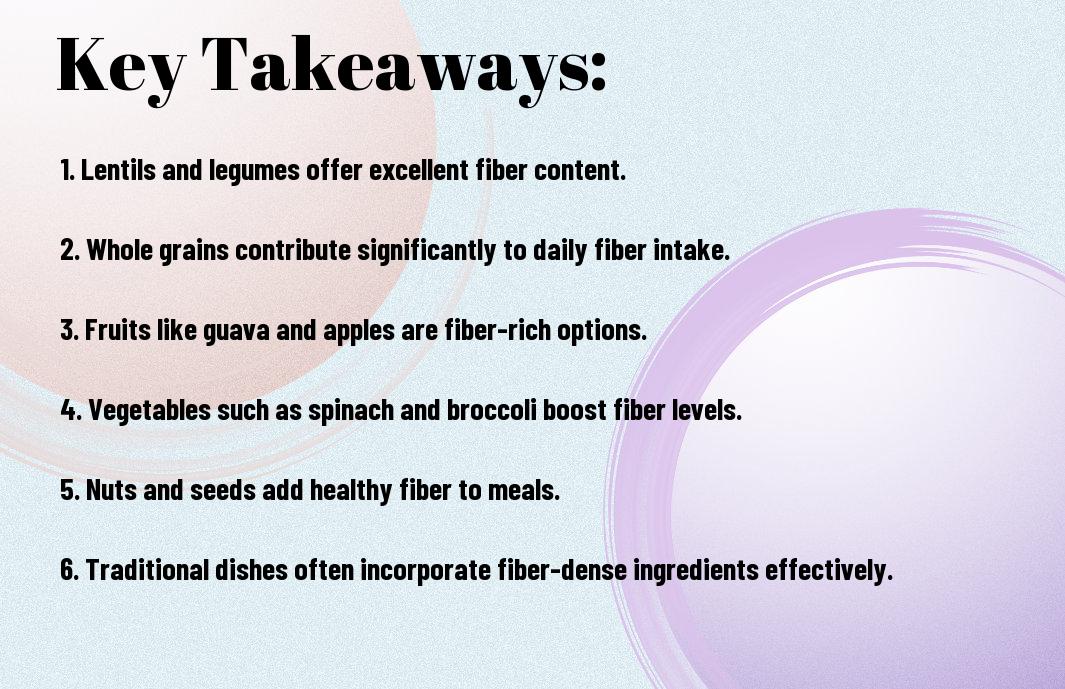
Key Takeaways:

  • High Fiber Foods: A high fiber diet includes a variety of fruits, vegetables, whole grains, legumes, and nuts, which together promote better digestive health.
  • Health Benefits: Increasing fiber intake can lead to numerous health advantages, such as improved gut function, lower cholesterol levels, and better blood sugar control.
  • Daily Intake Recommendations: Adults should aim for about 25 to 30 grams of fiber per day, depending on individual dietary needs and health goals.

Understanding Fiber

Your understanding of dietary fiber is crucial for improving your health. Fiber is a type of carbohydrate that your body can’t digest, but it plays a vital role in maintaining digestive health. It helps regulate your body’s use of sugars, keeping hunger and blood sugar in check while also promoting regular bowel movements. Incorporating fiber into your diet can offer numerous benefits, especially when it comes to overall well-being.

Types of Dietary Fiber

Your diet can include two main types of dietary fiber:

  • Soluble Fiber: Dissolves in water, forming a gel-like substance. It helps lower blood cholesterol and glucose levels.
  • Insoluble Fiber: Does not dissolve in water and aids in the movement of food through your digestive tract, promoting regularity.

Knowing the difference between these fibers can help you make informed dietary choices that support your health.

Type of Fiber Sources
Soluble Fiber Oats, beans, lentils, apples, and citrus fruits
Insoluble Fiber Whole grains, nuts, seeds, and vegetables
Function Slows digestion and promotes feelings of fullness
Health Benefits Helps lower cholesterol, regulate blood sugar, and improve digestive health

Health Benefits of Fiber

Beside aiding digestion, fiber offers a variety of health benefits that can have a positive impact on your overall well-being. A high intake of fiber has been associated with a lower risk of chronic diseases such as heart disease, diabetes, and certain cancers. Additionally, fiber helps improve gut health, supports weight management, and may promote a healthy gut microbiome by nourishing beneficial bacteria.

But it’s important to gradually increase your fiber intake to avoid digestive discomfort, and ensure you’re drinking plenty of water to help the fiber do its job. Regularly consuming a mix of soluble and insoluble fiber from various sources can lead to a healthier lifestyle, helping you feel more energized and balanced overall.

High Fiber Foods

Now that you understand the benefits of a high fiber diet, it’s important to know which foods to incorporate into your meals. High fiber foods include a diverse range of options, such as fruits, vegetables, whole grains, and legumes. These foods not only promote digestive health but also help you feel fuller for longer, making them excellent additions to your diet.

Fruits and Vegetables

Behind every healthy high fiber diet are fruits and vegetables, which are packed with important vitamins and minerals. Some excellent choices include raspberries, pears, broccoli, and carrots. Incorporating a variety of these colorful options into your meals will not only boost your fiber intake but also enhance your overall well-being.

Whole Grains and Legumes

High fiber foods also encompass whole grains and legumes, both of which are integral to a balanced diet. Examples include barley, quinoa, lentils, and chickpeas. These foods provide not just fiber but also vital nutrients that support your health.

A focus on whole grains like brown rice, oats, and whole wheat bread can help you achieve your daily fiber goals while enjoying delicious meals. Legumes, such as black beans and kidney beans, are versatile ingredients that can be added to soups, salads, or served as side dishes. By including these high fiber options in your diet, you’re adopting healthier eating habits that can lead to long-lasting benefits.

How to Incorporate More Fiber into Your Diet

After understanding the benefits of a high-fiber diet, you may wonder how to effectively incorporate more fiber into your meals. Start by gradually increasing your fiber intake to prevent any digestive discomfort, and choose whole grains, fruits, vegetables, legumes, and nuts as your mainstay foods. Don’t forget to drink plenty of water to help manage increased fiber in your diet.

Meal Planning Tips

More fiber can be seamlessly integrated into your meals with some thoughtful planning. Consider these simple tips:

  • Include a fiber-rich vegetable in every meal.
  • Opt for whole grain bread, pasta, and cereal.
  • Have beans or lentils as a protein option.
  • Incorporate fruit into your breakfast and snacks.

Any changes you make will have a positive impact on your fiber intake.

Snacking on Fiber-Rich Foods

Above all, snacking can be an excellent opportunity to boost your fiber intake. Focus on choosing snacks that are not only satisfying but also rich in dietary fiber.

Fiber-rich foods make great snacks that keep you full longer and promote digestive health. Consider snacking on raw vegetables with hummus, a handful of nuts, or air-popped popcorn. Fresh fruits like apples and pears with the skin contain significant fiber, while whole grain crackers can also fit this category. By selecting snacks that are high in fiber, you can enhance your diet while enjoying delicious options throughout the day.

Potential Risks of a High Fiber Diet

To experience the benefits of a high-fiber diet, it’s necessary to be aware of potential risks. While fiber is vital for digestive health, consuming too much fiber too quickly can lead to discomfort and may interfere with the absorption of certain nutrients. Understanding these risks can help you make informed decisions about your dietary choices.

Digestive Issues

One common issue you may encounter with a high-fiber diet is digestive discomfort, which can include bloating, gas, and cramping. This often occurs when fiber intake is increased rapidly or when you consume inadequate water alongside fiber-rich foods. Gradually incorporating fiber into your diet and drinking plenty of fluids can help minimize these effects.

Nutrient Absorption Concerns

Nutrient absorption can be affected if you consume excessive amounts of fiber. High fiber intake may inhibit your body’s ability to absorb necessary vitamins and minerals, particularly calcium, iron, and zinc. This can lead to deficiencies over time if you do not balance your high-fiber foods with a diverse range of nutrients.

At times, certain types of fiber, especially soluble fiber, can bind with minerals and reduce their absorption in your body. This is why it’s important to maintain a balanced diet and ensure you’re getting adequate intake of vitamins and minerals. Incorporating a variety of foods, including those rich in necessary nutrients, can help you mitigate potential absorption issues and support overall health.

Fiber and Weight Management

Not only does a high fiber diet help you feel full, but it also plays a significant role in weight management. By incorporating more fiber into your meals, you can reduce overall calorie intake, making it easier to maintain a healthy weight. Foods rich in fiber tend to be lower in calories while providing vital nutrients, which supports your weight loss or weight maintenance goals.

Satiety and Appetite Control

Beside promoting fullness, fiber-rich foods can help manage your appetite effectively. Soluble fiber forms a gel-like substance in your digestive system, which slows down digestion and prolongs the sensation of satiety. This means you’re less likely to experience hunger pangs shortly after eating, ultimately leading to fewer unhealthy snacking choices throughout the day.

Impact on Metabolism

Control your metabolism by choosing high fiber foods, as they can positively influence how your body processes and utilizes energy. Fiber has been shown to impact insulin sensitivity and glucose levels, promoting stable energy levels rather than drastic spikes and crashes. This balanced approach to energy management can help you maintain a healthy weight by reducing the risk of energy storage as fat.

Consequently, when your metabolism is functioning optimally due to a high fiber intake, your body becomes more efficient at burning calories. This efficient calorie expenditure can lead to improved weight loss outcomes over time. A well-regulated metabolism helps you convert the food you eat into energy more effectively, preventing excess calories from being stored as body fat. By understanding the benefits of fiber in enhancing your metabolic rate, you can make more informed dietary choices that support your weight management goals.

Frequently Asked Questions

Despite the many benefits of a high fiber diet, questions often arise about its guidelines and effects. For a thorough understanding of fiber’s role in your health, check out this resource on Dietary fiber: Essential for a healthy diet.

How Much Fiber Do You Need?

An average adult should aim for about 25 to 30 grams of fiber each day, which can vary based on age, gender, and individual health needs. Incorporating a variety of fiber-rich foods such as fruits, vegetables, whole grains, and legumes will help you meet this daily requirement.

Can You Get Too Much Fiber?

With fiber intake, balance is key. Increasing your fiber consumption too quickly or consuming an excessively high amount can lead to digestive discomfort, including bloating and gas.

Considering the importance of fiber, it’s vital to listen to your body and adjust your intake gradually. If you experience any negative symptoms, it may be beneficial to assess your fiber consumption and consult with a healthcare provider or nutritionist. Always ensure you are drinking plenty of water as you increase your fiber intake to aid digestion.)

Summing up

Following this, a high fiber diet involves incorporating a variety of fiber-rich foods such as fruits, vegetables, whole grains, legumes, and nuts into your meals. This approach not only aids in digestion and helps maintain a healthy weight, but also supports heart health and stabilizes blood sugar levels. By prioritizing these foods, you can enhance your overall well-being and promote a balanced lifestyle tailored to your nutritional needs.

FAQ

Q: What is a high fiber diet?

A: A high fiber diet is one that significantly includes foods rich in dietary fiber. Fiber is a type of carbohydrate that the body cannot digest, and it plays an important role in promoting digestive health, regulating bowel movements, and preventing constipation. Foods commonly included in a high fiber diet are fruits, vegetables, whole grains, legumes, and nuts. The recommended daily intake of fiber is about 25 grams for women and 38 grams for men.

Q: What are the benefits of a high fiber diet?

A: A high fiber diet offers numerous health benefits. It can aid in weight management by promoting satiety, helping individuals feel full longer. Additionally, it helps lower cholesterol levels, regulates blood sugar levels, and reduces the risk of developing diseases such as heart disease, diabetes, and certain cancers. Furthermore, by maintaining regular bowel movements, it can prevent digestive disorders such as diverticulitis.

Q: How can I increase my fiber intake?

A: There are several effective ways to increase fiber intake. Start your day with a high fiber breakfast cereal, such as oatmeal or bran flakes. Snack on fruits, raw vegetables, or nuts instead of processed snacks. Choose whole grain versions of bread, pasta, and rice. Incorporate more legumes, like beans and lentils, into meals, and aim to add fruits and vegetables to each meal. Gradually introduce fiber into your diet to allow your digestive system to adjust.

Q: Are there any side effects of consuming too much fiber?

A: While a high fiber diet is beneficial, consuming an excessive amount of fiber suddenly can lead to digestive discomfort. Common side effects include bloating, gas, cramping, and diarrhea. It’s important to increase fiber intake gradually and to drink plenty of water, as fiber works best when it absorbs water and helps move food through the digestive system. If someone experiences persistent issues, consulting with a healthcare professional is advisable.

Q: Can a high fiber diet help with weight loss?

A: Yes, a high fiber diet can assist with weight loss. Fiber-rich foods tend to be lower in calories and promote a feeling of fullness, curbing hunger and reducing the likelihood of overeating. By incorporating whole foods that are high in fiber, individuals may find it easier to adhere to a healthy eating plan, leading to potential weight loss over time. Incorporating fiber while maintaining a balanced diet is key to effective weight management.

Is fast food harmful

You might think grabbing a quick bite at a fast-food joint is harmless, but have you ever considered the potential risks it poses to your health? In this informative blog post, we explore into the impact of fast food on your body and explore the dangers lurking behind those convenient drive-thru meals. Prepare to rethink your next fast-food order as we uncover the truth about its harmful effects on your well-being.

Key Takeaways:

  • Highly Processed Ingredients: Fast food typically contains high levels of unhealthy ingredients such as trans fats, sugar, and sodium.
  • Linked to Health Issues: Regular consumption of fast food has been linked to numerous health issues, such as obesity, heart disease, and diabetes.
  • Lack of Nutritional Value: Fast food often lacks imperative nutrients like vitamins, minerals, and fiber, leading to poor overall diet quality.

The Rise of Fast Food

The fast food industry has seen a tremendous rise in popularity over the past few decades, becoming a significant part of the modern food culture. With the hectic pace of modern life, fast food has become a convenient and accessible option for many people.

Convenience and Accessibility

Any time you find yourself in a rush or simply don’t feel like cooking, fast food establishments are there to provide you with a quick and easy meal. The convenience of drive-thrus and speedy service makes it a go-to choice for busy individuals looking to satisfy their hunger without the wait.

Marketing Strategies and Consumer Psychology

One of the reasons behind the fast food industry’s massive success lies in its clever marketing strategies and understanding of consumer psychology. From catchy jingles to enticing advertisements featuring mouth-watering burgers and fries, fast food chains know how to appeal to your cravings and emotions, influencing your decision-making process.

To further draw you in, fast food companies often offer tempting deals and promotions, making it hard to resist the allure of a cheap and satisfying meal. The use of bright colors, attractive packaging, and strategic placement of menu items all play a role in nudging you towards making a purchase, even when you may not have initially planned to indulge in fast food.

Nutritional Content of Fast Food

High Calorie and Fat Content

Content: Clearly, one of the main concerns with fast food is its high calorie and fat content. Most fast food items are loaded with unhealthy saturated fats and empty calories, which can contribute to weight gain and various health issues if consumed regularly. A single meal at a fast food restaurant can often exceed your entire daily recommended intake of calories and fat.

Low in Essential Nutrients

Fast food: Besides being high in calories and fats, fast food is also notoriously low in crucial nutrients like vitamins, minerals, and fiber. This means that when you consume fast food, you are not only taking in excessive amounts of unhealthy substances, but you are also missing out on the vital nutrients your body needs to function properly.

Food: To make matters worse, fast food tends to be high in sodium and sugar, which can further increase the risk of health problems like high blood pressure, heart disease, and diabetes. These empty calories provide little to no nutritional value and can leave you feeling hungry and craving more unhealthy food soon after consuming a fast food meal.

The Impact of Processed Ingredients

To: Additionally, fast food often contains a significant amount of processed ingredients such as preservatives, additives, and artificial flavorings. These processed ingredients not only lack nutritional value, but they can also have adverse effects on your health over time. Regular consumption of these chemicals can lead to digestive issues, inflammation, and a weakened immune system.

Understanding: In the final consideration, the nutritional content of fast food is a major concern when it comes to its impact on your health. By opting for more nutritious and wholesome food choices, you can better support your overall well-being and reduce the risks associated with consuming fast food on a regular basis.

Health Risks Associated with Fast Food Consumption

Obesity and Weight-Related Issues

Now, let’s talk about the health risks associated with fast food consumption. One of the most well-known repercussions of indulging in fast food frequently is the increased risk of obesity and weight-related issues. Fast food is often high in calories, unhealthy fats, and sugars, which can lead to weight gain when consumed regularly. These foods are designed to be tasty and convenient, but they lack imperative nutrients that your body needs to stay healthy.

Increased Risk of Chronic Diseases

Consumption of fast food has been linked to an increased risk of developing chronic diseases such as type 2 diabetes, heart disease, and hypertension. The high levels of saturated fats, trans fats, and refined sugars in fast food can negatively impact your health over time. These ingredients can raise your cholesterol levels, increase blood pressure, and contribute to insulin resistance, putting you at risk for serious health conditions.

Furthermore, the large portion sizes and frequent consumption of fast food can lead to weight gain, which is a significant risk factor for chronic diseases. By choosing fast food regularly, you may be compromising your long-term health and increasing your chances of developing these serious conditions.

Negative Impact on Gut Health

Obesity resulting from fast food consumption can also have a negative impact on your gut health. Your gut is home to trillions of bacteria that play a crucial role in your digestion, immune system, and overall health. When you consistently consume fast food that is high in unhealthy fats and low in fiber, it can disrupt the balance of good and bad bacteria in your gut. This imbalance can lead to digestive issues, inflammation, and a weakened immune system.

Fast food consumption can also reduce the diversity of bacteria in your gut, which is imperative for maintaining optimal health. A diet high in fast food and low in fruits, vegetables, and whole grains deprives your gut bacteria of the nutrients they need to thrive, leading to potential health problems down the road.

The Impact of Fast Food on Children and Adolescents

Despite the convenience and appeal of fast food, it is imperative to be aware of its potential impact on children and adolescents. According to The Hidden Dangers of Fast and Processed Food – PMC, there are various concerns related to the consumption of fast food by the younger population.

Childhood Obesity and Developmental Delays

With the rise in the availability and consumption of fast food, childhood obesity has become a significant concern. Fast food is often high in calories, unhealthy fats, and sugars, leading to weight gain and obesity in children and adolescents. These factors not only contribute to physical health issues but can also result in developmental delays and long-term health complications.

Influence on Eating Habits and Food Preferences

Food choices made in childhood often carry over into adulthood, making it crucial to establish healthy eating habits early on. Fast food, with its emphasis on convenience and taste, can influence children and adolescents to develop a preference for processed and unhealthy foods. This can lead to a lifelong struggle with maintaining a balanced diet and avoiding the health risks associated with excessive fast food consumption.

A thorough understanding of the influence of fast food on eating habits and food preferences is imperative in guiding children and adolescents towards making healthier choices. By being mindful of the impact of fast food on their diet and health, parents and educators can play a crucial role in shaping the food preferences of the younger generation.

The Role of Parents and Education

Preferences for certain foods are often developed during childhood and can significantly impact dietary choices later in life. Parents play a vital role in creating a healthy food environment at home and modeling positive eating behaviors for their children. Additionally, education about the nutritional value of food and the consequences of excess fast food consumption can empower children and adolescents to make informed choices about their diet and health.

Food education and parental guidance are imperative in combating the negative effects of fast food on children and adolescents. By fostering a supportive and healthy food environment, parents and educators can help young individuals develop lifelong habits that promote well-being and longevity.

Environmental Impact of Fast Food Industry

Once again, the fast food industry’s impact on the environment is a cause for concern. Junk food and your health are closely linked, as unhealthy eating habits contribute not only to personal health problems but also to environmental issues. According to Health Direct, the production, packaging, and transportation of fast food contribute significantly to environmental pollution.

Packaging Waste and Plastic Pollution

Impact on the environment is evident in the excessive packaging waste and plastic pollution generated by the fast food industry. The individual wrapping, containers, cups, and utensils used for serving fast food contribute to the global plastic pollution crisis. These items often end up in landfills or oceans, taking hundreds of years to decompose and causing harm to marine life and ecosystems.

Resource Depletion and Carbon Footprint

Food production for fast food chains leads to resource depletion and a large carbon footprint. The extensive use of land, water, and energy to produce ingredients like beef for burgers or potatoes for fries places a significant strain on natural resources. Additionally, the transportation of these ingredients and the finished products over long distances contributes to greenhouse gas emissions, further exacerbating the issue of climate change.

Footprint: Fast food’s carbon footprint is substantial, with the industry being a major contributor to greenhouse gas emissions. The high demand for fast food leads to increased agricultural activities, deforestation, and methane emissions, all of which significantly impact the environment.

Sustainable Alternatives and Initiatives

Carbon emissions can be reduced by implementing sustainable alternatives and initiatives in the fast food industry. For instance, switching to eco-friendly packaging materials, sourcing ingredients locally to reduce transportation distances, and investing in renewable energy sources can all help minimize the environmental impact of fast food chains.

Social and Economic Implications of Fast Food Culture

Socio-Economic Disparities and Food Insecurity

Food plays a crucial role not just in satisfying hunger but also in reflecting socio-economic disparities and food insecurity within communities. Fast food culture often exacerbates these issues by making unhealthy, processed food more accessible and affordable than fresh, nutritious options. This can lead to a cycle where individuals facing financial constraints are more likely to rely on fast food, which in turn can have detrimental effects on their health and well-being.

The Impact on Local Food Systems and Economies

Disparities between fast food chains and local eateries can significantly impact local food systems and economies. Fast food corporations often have the advantage of scale, allowing them to drive out smaller, locally-owned businesses. This can lead to a homogenization of food options within a community, limiting diversity and local economic growth.

Furthermore, the demand for fast food ingredients can also have broader economic implications. Large-scale fast food chains may source ingredients from industrial farms that prioritize efficiency and cost-effectiveness over sustainability and quality. This can have ripple effects on the environment, local farmers, and the overall health of the community.

The Role of Government Policies and Regulations

Economic policies and regulations play a critical role in shaping the prevalence and impact of fast food culture. Governments have the power to implement regulations that promote healthier food options, support local food systems, and address food insecurity. For example, initiatives such as subsidies for local farmers, zoning laws to limit fast food establishments, and educational programs can all contribute to creating a more balanced and sustainable food environment.

The effectiveness of government policies and regulations in addressing the social and economic implications of fast food culture ultimately depends on a combination of public support, political will, and proactive measures to prioritize community health and well-being over profit margins.

Conclusion

Following this exploration of the harmful effects of fast food, it is crucial to be aware of the potential risks associated with consuming these convenient but often unhealthy options. By making more informed choices and prioritizing whole, nutritious foods, you can take control of your health and well-being. Keep in mind, moderation is key, and small changes in your diet can lead to significant improvements in your overall health.

Ultimately, the decision to indulge in fast food is yours to make. However, understanding the negative impact it can have on your health and considering healthier alternatives can empower you to make more mindful choices for yourself and your loved ones. By prioritizing your well-being and taking small steps towards a balanced diet, you can enjoy delicious meals while still nourishing your body and supporting your long-term health.

FAQ

Q: Is fast food harmful to your health?

A: Yes, consuming fast food regularly can be harmful to your health. Fast food is typically high in unhealthy fats, sugars, and sodium, which can lead to weight gain, heart disease, diabetes, and other health issues.

Q: How often is it safe to eat fast food?

A: It is recommended to limit the consumption of fast food to occasionally or as an occasional treat. Eating fast food regularly can have negative effects on your health and well-being.

Q: Are there healthier options at fast food restaurants?

A: While most fast food options are unhealthy, many restaurants now offer healthier choices such as salads, grilled chicken sandwiches, and fruit cups. It’s important to check the nutritional information and choose wisely when eating at fast food establishments.

What should I drink after recovering from food poisoning

You may be wondering what to drink after recovering from food poisoning to help rehydrate and restore your body. Staying hydrated is crucial, as your body loses fluids during illness, so it’s important to choose beverages that are gentle on your stomach. Options like electrolyte drinks, clear broths, and herbal teas can aid your recovery. To learn more about what foods can help you bounce back after food poisoning, check out this informative guide on What to Eat After Food Poisoning.

Key Takeaways:

  • Hydration is crucial: After recovering from food poisoning, it’s important to drink plenty of fluids to rehydrate your body.
  • Opt for clear liquids: Start with clear liquids like water, broth, and herbal tea to ease your digestive system back to normal.
  • Avoid sugary drinks: Steer clear of sodas and fruit juices, as their high sugar content can exacerbate dehydration.
  • Electrolyte solutions: Consider using oral rehydration solutions or drinks containing electrolytes to replenish lost minerals.
  • Gradual transition: Slowly reintroduce other beverages as your tolerance improves, prioritizing hydration and gut health.

Understanding Food Poisoning

To fully grasp what you may experience after food poisoning, it is crucial to understand what exactly leads to this condition. Food poisoning occurs when you consume contaminated food or beverages. Bacteria, viruses, and parasites are common culprits, often resulting from improper food handling, cooking, or storage.

Causes of Food Poisoning

Poisoning can arise from several sources, including undercooked meats, unwashed vegetables, and contaminated water. Cross-contamination during food preparation is also a significant risk. It’s necessary to be aware of these hazards to minimize your chances of experiencing food poisoning.

Common Symptoms

Food poisoning can manifest in various ways, with symptoms ranging from mild to severe. These symptoms may include nausea, vomiting, diarrhea, abdominal cramps, and fever. It’s necessary to recognize these signs to seek appropriate treatment and care.

Common symptoms of food poisoning typically appear within hours or days after ingestion of contaminated food. You may experience severe stomach pain or cramps alongside diarrhea, which may contain blood in some cases. Additionally, nausea and vomiting can lead to dehydration, necessitating careful monitoring of your hydration levels throughout the recovery process.

Recovery from Food Poisoning

Some individuals may experience lingering effects after recovering from food poisoning. It is crucial to focus on proper recovery steps to regain your strength and health. Key factors include hydration and understanding which foods are suitable for your digestive system as you begin to reintroduce them.

Importance of Hydration

To recover effectively from food poisoning, maintaining proper hydration is vital. Your body loses fluids through diarrhea and vomiting, which can lead to dehydration. Drinking water, herbal teas, or electrolyte solutions helps replenish lost fluids, ensuring your body can function properly as you recover.

Initial Dietary Recommendations

Importance of reintroducing food gradually cannot be overstated following a period of food poisoning. Begin with bland, easy-to-digest foods to allow your stomach to adjust. Foods such as toast, rice, bananas, and applesauce are typically recommended as they are gentle on the digestive system and provide vital nutrients without causing further irritation.

For instance, starting with a simple diet consisting of the BRAT foods (bananas, rice, applesauce, and toast) helps in easing your stomach back into normal functioning. These foods are low in fiber and easy to digest, minimizing the risk of triggering further digestive issues. As you feel more comfortable, slowly reintroduce other foods, listening to your body to gauge how well it tolerates each new item.

Recommended Beverages Post-Recovery

Now that you’ve recovered from food poisoning, it’s crucial to replenish your body with the right fluids. Here are some recommended beverages that will help you regain your strength and stay hydrated.

Electrolyte Solutions

The use of electrolyte solutions can be incredibly beneficial after experiencing food poisoning. These beverages help restore the important minerals your body loses due to dehydration, ensuring you recover more effectively.

Herbal Teas

Electrolyte solutions are a solid choice, but herbal teas are also gentle on the stomach and can aid digestion. They can provide warmth and comfort, which is often comforting during recovery.

A cup of herbal tea, such as ginger or peppermint, can help soothe any lingering digestive discomfort you may have. These teas not only hydrate but also contain properties that support your recovery process, making them an excellent addition to your post-illness routine.

Coconut Water

Coconut water is another fantastic option for rehydration, as it’s packed with natural electrolytes. Its light, refreshing taste makes it easy to consume, even when your appetite is still returning.

For instance, coconut water contains potassium and magnesium, which are important for maintaining proper bodily functions. Its natural sweetness can also help satisfy your thirst without overwhelming your system, making it an ideal choice for post-recovery hydration.

Broths and Soups

Coconut water plays a vital role in hydration, but don’t overlook the benefits of broths and soups. These warm liquids can be soothing and easy for your stomach to handle as you gradually reintroduce solid foods into your diet.

Recommended broths, such as chicken or vegetable soup, can not only provide hydration but also deliver necessary nutrients to help your body in the healing process. They are particularly beneficial for replenishing sodium levels while being gentle on your gut. Enjoy these soothing fluids to accelerate your recovery journey.

Beverages to Avoid

After recovering from food poisoning, it’s crucial to be mindful of your beverage choices to ensure a complete recovery. Certain drinks can irritate your digestive system and hinder your healing process, so be cautious about what you consume.

Caffeinated Drinks

To promote healing after food poisoning, it’s best to avoid caffeinated beverages like coffee, soda, and energy drinks. Caffeine can stimulate your digestive system and exacerbate irritation, leading to uncomfortable symptoms like stomach cramps and diarrhea.

Alcohol

With your body still recovering, alcohol should also be avoided. It can dehydrate you, putting additional stress on your system as it works to heal itself. Furthermore, alcohol can irritate your stomach and interfere with your digestion, making it harder for you to recover.

Beverages containing alcohol can also disrupt the balance of electrolytes in your body, which is particularly important after experiencing food poisoning. This can lead to further complications such as dehydration, increased nausea, and prolonged recovery time. Prioritize your health by steering clear of alcoholic drinks during your recovery period.

Sugary Beverages

With food poisoning, you should also limit or eliminate sugary drinks like soda, sweetened juices, and energy drinks. High sugar content can upset your stomach and may worsen symptoms like bloating or diarrhea.

Another reason to avoid sugary beverages is that they can contribute to a rapid spike and subsequent crash in blood sugar levels, which can leave you feeling more fatigued and unwell. Instead of reaching for these drinks, focus on hydration options that are gentle on your system and promote a smoother recovery process.

To wrap up

To wrap up, after recovering from food poisoning, it is crucial to stay hydrated and nourish your body. You should focus on drinking clear fluids, such as water, broth, and electrolyte solutions, to replenish lost fluids and maintain electrolyte balance. Gradually reintroducing bland foods can further aid your recovery. Note, it’s important to listen to your body and consult a healthcare professional if symptoms persist. For more information, check out the Treatment for Food Poisoning – NIDDK.

Q: What types of fluids are best to drink after recovering from food poisoning?

A: After recovering from food poisoning, it’s important to rehydrate your body. The best fluids to consume include clear broths, herbal teas, and electrolyte solutions, which help replenish lost fluids and electrolytes. Water is also crucial, and you may consider drinking coconut water or diluted fruit juices for added nutrients. Avoid caffeinated or alcoholic beverages, as they can lead to further dehydration.

Q: How can I gradually reintroduce solid foods along with liquids after food poisoning?

A: Once you begin to feel better and can tolerate fluids, it’s important to start reintroducing solid foods gradually. Begin with bland, easily digestible foods such as toast, rice, applesauce, or bananas (“BRAT” diet). Alongside these solids, continue to drink clear fluids. Pay attention to your body’s signals—if you start to feel unwell again, go back to more fluids and try solid foods later.

Q: Should I drink anything for digestive health after food poisoning?

A: Yes, after recovering from food poisoning, it can be beneficial to consume probiotic-rich beverages such as kefir or yogurt drinks, which can help restore the natural balance of gut bacteria. Herbal teas, especially ginger or peppermint tea, can also aid digestion and soothe the stomach. However, avoid sugary or overly acidic drinks, as they could irritate your stomach further.

Which Indian food is high in fiber

Most people overlook the importance of fiber in their diet, especially when it comes to Indian cuisine. Fiber plays a vital role in digestion, heart health, and maintaining a healthy weight. In this blog post, you’ll discover various Indian foods that are packed with fiber, helping you make informed choices for your meals. From lentils to whole grains, these options are not only nutritious but also delicious, ensuring you enjoy your culinary experience while boosting your fiber intake.

Key Takeaways:

  • Legumes: Foods like lentils, chickpeas, and various beans are excellent sources of fiber, contributing significantly to a healthy diet.
  • Whole Grains: Quinoa, brown rice, and whole wheat products are high in fiber and offer nutritional benefits over refined grains.
  • Fruits and Vegetables: Certain Indian fruits and vegetables, such as guava, oranges, broccoli, and spinach, are rich in fiber, promoting digestive health.

Importance of Fiber in the Diet

Fiber plays an vital role in your diet, contributing to overall health and well-being. It aids in digestion, helps maintain a healthy weight, and can prevent various health issues. By incorporating fiber-rich foods into your meals, you can improve gut health and regulate blood sugar levels, making it a vital component of your nutritional intake.

Health Benefits of Fiber

Health benefits of fiber extend beyond digestion; it also reduces the risk of chronic diseases such as heart disease and diabetes. High-fiber foods can help lower cholesterol levels, stabilize blood sugar, and promote a feeling of fullness, which aids in weight management. Including sufficient fiber in your diet supports your overall health.

Recommended Daily Intake

Among health experts, the general recommendation for daily fiber intake is about 25 grams for women and 38 grams for men. This amount can vary based on your age, dietary needs, and activity level.

Even though the recommended intake is a solid guideline, your personal needs may vary. If you’re considering increasing your fiber intake, do so gradually to avoid digestive discomfort. Focus on incorporating a variety of fiber sources such as whole grains, legumes, fruits, and vegetables to meet and even exceed these recommendations, ultimately enhancing your health and digestion.

High-Fiber Indian Foods

If you’re looking to incorporate more fiber into your diet, exploring traditional Indian foods is a fantastic option. Indian cuisine offers a wealth of high-fiber ingredients, making it easier for you to boost your fiber intake while enjoying delicious meals. From whole grains to legumes, there are plenty of choices to help you achieve your dietary goals.

Whole Grains

Below are some wholesome grains like whole wheat, barley, and brown rice that can significantly increase your fiber intake. These grains not only provide crucial nutrients but also help in improving digestion and maintaining stable blood sugar levels. Including them in your daily meals can be a simple yet effective way to add fiber to your diet.

Legumes and Pulses

Around Indian households, you’ll find an array of legumes and pulses such as lentils, chickpeas, and kidney beans, which are excellent sources of fiber. Incorporating these ingredients into your meals can make for hearty and nutritious dishes that keep you feeling full and satisfied.

Another great aspect of legumes and pulses is their versatility. You can enjoy them in a variety of dishes, from dals and curries to salads and soups. Not only do they offer an abundance of fiber, but they also provide protein, making them a perfect addition to a balanced diet.

Vegetables High in Fiber

Around the Indian subcontinent, a vibrant selection of fibrous vegetables such as spinach, broccoli, and carrots can elevate your fiber consumption. Including these colorful vegetables in your meals will not only provide a boost of fiber but also crucial vitamins and minerals for overall health.

Also, incorporating a diverse range of these vegetables into your diet encourages better digestion and helps maintain a healthy weight. You can enjoy them in curries, stir-fries, or as simple steamed sides to reap their full benefits.

Fruits Rich in Fiber

Among the various fruits available, options like guava, pomegranate, and bananas stand out for their high fiber content. Adding these fruits to your diet is an excellent way to enhance your fiber intake while also satisfying your sweet tooth with natural sugars.

This combination of fiber-rich fruits not only aids in digestion but also promotes heart health. You can enjoy them as snacks, in smoothies, or even as toppings for your breakfast, making it easy to integrate more fiber into your daily routine.

Popular Indian Dishes with High Fiber Content

For those looking to incorporate more fiber into their diet, Indian cuisine offers a plethora of delicious options. From lentil-based curries to vegetable-rich preparations, you can enjoy flavorful dishes while boosting your fiber intake. These ingredients not only contribute to better digestion but also keep you feeling fuller for longer—perfect for a healthy lifestyle!

Dal and Pulses-based Recipes

One of the best sources of fiber in Indian cuisine comes from dal and pulses. Dishes like chana dal, moong dal, and kidney beans are packed with nutrients. They can be easily added to your meals, providing you with a hearty base as well as a significant fiber boost to support digestive health.

Mixed Vegetable Curries

By incorporating mixed vegetable curries into your diet, you can easily increase your fiber intake. These colorful dishes are made with a variety of vegetables that not only bring vibrant flavors but also offer a blend of crucial nutrients and fiber. Enjoying these curries can enhance the nutritional value of your meals, making them wholesome and satisfying.

Hence, mixed vegetable curries allow you to experiment with seasonal vegetables while ensuring you obtain a diverse array of fibers. Popular preparations like baingan bharta, bhindi masala, and aloo-gobhi are great examples that keep your meals exciting and nutrient-rich. You can enjoy them with rice or flatbreads, creating a balanced meal that helps meet your daily fiber requirements.

Fiber-rich Flatbreads

Behind the many varieties of Indian flatbreads, like whole wheat chapatis, besan (gram flour) rotis, and multigrain parathas, lies a wealth of dietary fiber. These breads not only act as a great accompaniment to your meals but also contribute to your daily fiber intake in an enjoyable way.

In fact, opting for fiber-rich flatbreads can significantly enhance your overall health. Whole grain options, such as jowar or bajra rotis, provide additional nutrients and help maintain digestive health. You can easily swap out refined flour options for whole grains to create a more nutritious meal that supports your health goals.

Tips to Increase Fiber Intake in Indian Cooking

Unlike many Western cuisines, Indian cooking offers abundant opportunities to enhance your fiber intake. Here are some tips:

  • Incorporate whole grains over refined ones.
  • Opt for legumes such as lentils and chickpeas.
  • Add more vegetables to your meals.
  • Use seeds and nuts as toppings or snacks.
  • Experiment with high-fiber flours like whole wheat or multigrain.

Perceiving these changes can greatly improve your overall wellness.

Cooking Techniques

One effective way to boost fiber in your dishes is by using cooking techniques that preserve the fiber content of ingredients. Steaming, sautéing, and roasting are excellent methods that can help maintain the integrity of fiber-rich foods while enhancing flavors. Select cooking methods that require minimal water to retain necessary nutrients and maximize the fiber benefits in your meals.

Ingredient Substitutions

Increase your fiber intake by making thoughtful ingredient substitutions in your recipes. Consider replacing white rice with brown rice or quinoa, or swapping out white flour for whole wheat or chickpea flour to create more fiber-rich dishes.

Ingredient substitutions can be a simple yet effective way to enhance the nutritional value of your meals. For instance, when baking, using mashed fruits, like bananas or apples, can replace refined sugars while adding fiber. Additionally, adding grated vegetables to doughs or batters not only boosts fiber but also enriches the flavor and texture of your dishes. Making these small changes can lead to significant improvements in your daily fiber consumption.

Common Misconceptions About Fiber

Once again, fiber is often misunderstood. Many people assume that only fruits and vegetables are rich in fiber, overlooking the diverse range of Indian foods that can boost your intake. You can discover more about 7 Indian Foods Rich In Fiber that can be easily incorporated into your diet. By expanding your knowledge on the topic, you can make better choices for your health and well-being.

Myths vs. Facts

An important fact to understand is that high-fiber diets can benefit everyone, not just those looking to lose weight. Many people mistakenly believe that fiber is only for weight management, but it is crucial for digestive health, heart health, and overall wellness. Including a variety of fiber-rich foods is key to reaping these benefits.

Misunderstanding Fiber Sources

Misconceptions about fiber sources can lead to a limited diet that may not meet your nutritional needs. Fiber is found in many plant-based foods, including grains, legumes, nuts, and seeds, in addition to fruits and vegetables. Understanding where to find fiber-rich options can help you create a balanced and nutritious diet.

Fiber plays a significant role in your overall health, yet many people underestimate the sources available, especially in Indian cuisine. Whole grains like brown rice and whole wheat, as well as legumes such as lentils and chickpeas, are excellent fiber sources. Incorporating these foods into your meals can increase your fiber intake and provide you with crucial nutrients that support digestive health.

To wrap up

Now that you are aware of the Indian foods high in fiber, such as lentils, whole grains, and leafy greens, you can easily incorporate these nutritious options into your diet. Focusing on items like chickpeas, oats, and brown rice can enhance your fiber intake while providing crucial nutrients. Embracing traditional dishes like dal and vegetable curries will not only improve your digestive health but also enrich your overall well-being. By making these mindful choices, you can enjoy flavorful meals while promoting a healthy lifestyle.

FAQ

Q: Which Indian foods are particularly high in fiber?

A: Some Indian foods that are high in fiber include whole grains such as brown rice and whole wheat chapati, legumes like lentils (dal), chickpeas (chole), and kidney beans (rajma). Vegetables such as spinach, broccoli, and carrots, along with fruits like guava, pears, and apples also provide significant fiber content.

Q: How can I incorporate high-fiber Indian foods into my diet?

A: You can incorporate high-fiber Indian foods by including dals and legumes in your meals, preparing whole grain dishes such as khichdi using brown rice and lentils, and opting for chapatis made from whole wheat flour. Adding a variety of vegetables to sabzi (cooked dishes) and including fruits in your snacks can also help boost fiber intake.

Q: Are there specific high-fiber snacks in Indian cuisine?

A: Yes, there are several high-fiber snacks in Indian cuisine. Options include roasted chickpeas, whole grain khakra, moong dal chaat, and mixed vegetable cutlets made with oats or brown rice. These snacks not only provide fiber but also keep you satisfied for longer periods.

Q: Can high-fiber Indian foods help with digestion?

A: Yes, high-fiber Indian foods can significantly aid in digestion. Fiber adds bulk to the stool, making it easier to pass and reducing the risk of constipation. Additionally, it supports gut health by promoting the growth of beneficial bacteria in the digestive tract.

Q: What is the recommended daily fiber intake, and how can Indian foods help meet this?

A: The recommended daily fiber intake varies by age and sex but generally falls between 25 to 38 grams for adults. Incorporating high-fiber Indian foods like legumes, whole grains, fruits, and vegetables can help meet this requirement efficiently. For instance, a serving of dal can provide about 8 grams of fiber, while a whole wheat chapati contributes around 2-3 grams.

How to avoid food poisoning

Just imagine enjoying a delicious meal only to be struck down by food poisoning. To prevent this unfortunate scenario, it’s crucial to understand the common causes and effective prevention strategies. You can significantly reduce your risk by practicing proper food handling, cooking, and storage techniques. In this guide, you will discover important tips to keep your meals safe and enjoyable, ensuring that your dining experiences remain delightful rather than hazardous.

Key Takeaways:

  • Practice Proper Hygiene: Always wash your hands thoroughly with soap and water before handling food, after using the restroom, and after touching raw meat.
  • Cook Food Thoroughly: Ensure that all meats, poultry, seafood, and eggs are cooked to their recommended internal temperatures to kill harmful bacteria.
  • Store Food Safely: Refrigerate perishable items promptly and maintain your fridge at a temperature below 40°F (4°C) to prevent bacterial growth.
  • Avoid Cross-Contamination: Use separate cutting boards and utensils for raw meats and ready-to-eat foods to reduce the risk of spreading bacteria.
  • Be Cautious with Expiration Dates: Check expiration dates on food products and consume or discard items accordingly to avoid eating spoiled or unsafe food.

Understanding Food Poisoning

To effectively avoid food poisoning, it’s important to first understand what it is. You may encounter various contaminants in food, and knowing their causes can empower you to make safer choices. For more insights, check out How to avoid food poisoning – PMC.

Definition and Causes

For a clear definition, food poisoning occurs when you ingest contaminated food or beverages, leading to various gastrointestinal issues. Common causes include bacteria, viruses, parasites, and chemical contaminants.

Common Types of Foodborne Illness

The common types of foodborne illness can impact your health in significant ways. Understanding these illnesses is crucial for preventive measures:

  • Salmonella
  • Norovirus
  • Escherichia coli (E. coli)
  • Listeria monocytogenes
  • Clostridium perfringens

This list highlights prevalent sources of foodborne pathogens. Refer to the following for more detailed information:

Type of Illness Common Source
Salmonella Poultry, eggs, unpasteurized milk
Norovirus Contaminated water, leafy greens
E. coli Undercooked beef, contaminated vegetables
Listeria Soft cheeses, deli meats
Clostridium perfringens Meat dishes, gravies

Foodborne pathogens can result in a variety of health issues, which makes it important to stay informed. Here are a few more details about common types of foodborne illness:

  • Campylobacter jejuni
  • Hepatitis A
  • Staphylococcus aureus
  • Vibrio
  • Clostridium botulinum

This underscores the need for vigilance in your food handling practices. Consider the following breakdown:

Type of Illness Common Source
Campylobacter Poultry, unpasteurized milk
Hepatitis A Contaminated food or water
Staphylococcus Improperly stored food
Vibrio Undercooked seafood
Botulism Improperly canned goods

Symptoms and Effects on Health

To identify food poisoning, you should be aware of the common symptoms. These can include nausea, vomiting, diarrhea, abdominal cramps, and fever.

The severity of symptoms can vary based on the pathogen involved and your overall health. Understanding these effects is pivotal for recognizing potential food poisoning and seeking timely medical assistance when necessary.

Preventative Measures in Food Preparation

If you want to minimize the risk of food poisoning, it’s vital to adopt preventative measures during food preparation. Being diligent about hygiene and cooking practices ensures that your meals are safe and healthy.

Proper Handwashing Techniques

With a proper handwashing technique, you can eliminate many harmful bacteria. Always wash your hands with soap and water for at least 20 seconds before handling food, especially after using the restroom or touching raw ingredients. Don’t forget to wash between your fingers and under your nails for optimal cleanliness.

Safe Food Handling Practices

Proper food handling practices are important to prevent contamination. Always use clean utensils, cutting boards, and surfaces, and designate separate items for raw and cooked foods.

Techniques such as keeping raw meat away from other foods, using separate cutting boards, and storing food at safe temperatures help maintain a safe kitchen environment. Always defrost foods in the refrigerator, microwave, or cold water, never at room temperature. Adopting these practices can significantly reduce the risk of cross-contamination.

Cooking Temperatures and Methods

Food safety relies on cooking foods at appropriate temperatures. Use a food thermometer to ensure that meats reach the recommended internal temperatures, which helps kill harmful bacteria.

Recommended Cooking Temperatures

Food Type Minimum Internal Temperature (°F)
Poultry 165°F
Ground Meat 160°F
Steaks and Roasts 145°F
Fish 145°F

Measures such as using slow cookers to reach safe temperatures gradually, or avoiding practices like reheating leftovers improperly, are crucial for ensuring food safety. Always double-check cooking times and methods, as this can be the difference between a safe meal and foodborne illness.

Cross-Contamination Awareness

Any kitchen should prioritize cross-contamination awareness. This means understanding that raw foods, especially meat, can transfer harmful bacteria to ready-to-eat foods if they come into contact.

Another critical aspect of this is replacing or sanitizing surfaces, utensils, and containers that have come into contact with raw foods immediately. The importance of proper storage can’t be overstated, either; always store raw meats on the lowest shelves in the fridge to prevent drips onto other foods. Taking these precautions will greatly reduce the chances of food poisoning in your kitchen.

Storage and Preservation of Food

All foods require proper storage and preservation methods to ensure their safety and longevity. Following the right practices can effectively minimize the risk of foodborne illnesses and protect your health. Understanding how to properly refrigerate, assess expiration dates, and handle freezing and thawing will arm you with the knowledge needed to keep your food safe.

Optimal Refrigeration Practices

Refrigeration is crucial for maintaining food safety. Ensure your refrigerator is set at or below 40°F (4°C) to slow bacterial growth. Store raw meats on the bottom shelf to avoid cross-contamination and utilize airtight containers for leftovers to maintain freshness. Remember to check the temperature regularly, as even small fluctuations can impact food safety.

Understanding Expiration Dates

The importance of expiration dates cannot be overstated. These dates provide a guideline for consumers regarding the safety and quality of food products. While “sell by” dates refer to how long a product is expected to remain on store shelves, “use by” dates indicate the last day the manufacturer guarantees optimal freshness.

For instance, many products, such as canned goods and dry staples, can be safe to consume after their expiration dates if they have been stored properly. However, it is crucial to evaluate the food for any signs of spoilage, including odor, discoloration, or unusual texture before consuming. Trust your instincts and prioritize your health.

Freezing and Thawing Safely

Any food that you don’t plan to consume shortly should be frozen to extend its shelf life. Make sure to use airtight containers or freezer bags to prevent freezer burn and preserve quality. Label your packages with the date to keep track of how long items have been stored.

This includes thawing frozen foods safely, which you can accomplish in the refrigerator, in cold water, or in the microwave. Never thaw food at room temperature, as it promotes bacterial growth. Always cook thawed food promptly, and avoid refreezing unprepared items to reduce the risk of contamination.

Eating Out and Food Safety

Despite the convenience and enjoyment of dining out, it’s imperative to remain vigilant about food safety to avoid food poisoning. Being aware of how to select safe eating establishments and knowing the potential risks involved can significantly reduce your chances of falling ill. For comprehensive guidelines on best practices, you can refer to the resource on How to Prevent Food Poisoning.

Choosing Safe Restaurants

For choosing a safe restaurant, you should prioritize those with a good reputation for cleanliness and proper food handling practices. Look for places that have high sanitation ratings and positive customer reviews about the quality of their food. Don’t hesitate to ask staff questions about food preparation and ingredients to ensure your dining experience is as safe as possible.

Awareness of Foodborne Risks in Dining

Eating out can expose you to foodborne illnesses if you are not aware of potential hazards. It’s important to recognize factors such as cross-contamination in the kitchen, improper food storage temperatures, and undercooked dishes, which can all contribute to the risk of food poisoning.

Safe preparation practices are crucial in restaurants, but awareness of how these risks manifest can significantly help you make informed choices. Observe how staff handle food, the cleanliness of the kitchen visible from your table, and whether they follow safety protocols. If something feels off, it’s reasonable to choose another dining option.

Reporting Illnesses from Food Consumption

Awareness of how to report foodborne illnesses is critical for improving overall food safety. If you fall ill after eating out, make sure to inform the restaurant about your experience, as they might not be aware of the issue. Reporting can help them identify and rectify potential problems in their food handling processes.

Risks associated with foodborne illnesses do not only affect you; they can have widespread consequences if not addressed. By reporting your illness, you not only contribute to the safety of future diners but also support the restaurant in maintaining high food safety standards. In a communal effort, this helps reduce the chances of others experiencing similar experiences.

FAQ

Q: What are the best practices for food storage to prevent food poisoning?

A: To prevent food poisoning, it’s crucial to follow effective food storage practices. First, always refrigerate perishable foods within two hours of purchasing or cooking them. Ensure your refrigerator is set to 40°F (4°C) or below. Store raw meat, poultry, and seafood separately from other foods to avoid cross-contamination, preferably in sealed containers. Additionally, use airtight containers for leftovers, and label them with dates to ensure they are consumed within a safe timeframe, ideally within 3-4 days. Regularly check your pantry and refrigerator for expired items and clean them out promptly.

Q: How can I ensure my food is cooked safely to reduce the risk of food poisoning?

A: Cooking food to the right temperature is crucial for killing harmful bacteria that can cause food poisoning. Use a food thermometer to check the internal temperatures: poultry should reach 165°F (74°C), ground meats should be cooked to at least 160°F (71°C), and whole cuts of meat, including beef, pork, lamb, and veal, should reach 145°F (63°C) with a three-minute rest time. Additionally, be sure to wash hands, utensils, and surfaces after handling raw meats and before preparing other ingredients to prevent cross-contamination. Remember to avoid eating raw or undercooked eggs, seafood, and meats.

Q: What steps should I take when handling food to minimize the risk of food poisoning?

A: When handling food, practicing good hygiene and safety measures is key to minimizing the risk of food poisoning. Start by washing your hands thoroughly with soap and warm water for at least 20 seconds before preparing or consuming food. Always use separate cutting boards for raw meats and ready-to-eat foods, and avoid using the same utensils without washing them in between. Be mindful of your cooking environment by cleaning countertops, cutting boards, and utensils after each use with hot soapy water. Make sure to keep foods out of the “danger zone” (between 40°F and 140°F or 4°C and 60°C) to inhibit bacterial growth, and avoid leaving perishable foods out for more than two hours.

What is the purpose of fast food

Just when you think about grabbing a quick burger or fries, have you ever wondered about the real purpose of fast food in our society? In this insightful piece, we examine into the implications and intentions behind the fast food industry. From convenience to consumer culture, fast food goes beyond just a quick meal option – it’s a reflection of our values, habits, and choices as a society. Let’s explore the complex layers of what truly drives the fast food phenomenon.

Key Takeaways:

  • Convenience: Fast food serves the purpose of providing quick and easily accessible meals for people with busy schedules or on-the-go lifestyles.
  • Affordability: Fast food is often priced lower than sit-down restaurants, making it an affordable option for individuals or families on a budget.
  • Globalization: Fast food chains have expanded globally, offering familiar food options across different countries and catering to diverse tastes and preferences.

Historical Context

Origins of fast food

To understand the purpose of fast food, you need to look back at its origins. Fast food as we know it today can be traced back to the United States in the early 20th century. With the rise of industrialization and urbanization, people needed quick and affordable meals to fit into their busy lifestyles. This demand gave birth to the concept of fast food restaurants that could serve food rapidly and efficiently.

Evolution of the industry

The evolution of the fast food industry has been marked by significant changes in both the food offered and the way it is marketed. In the mid-20th century, fast food chains started to expand rapidly, offering standardized menus and quick service. This uniformity and efficiency soon became synonymous with the fast food experience, shaping consumer expectations and preferences.

The fast food industry has also been heavily influenced by advancements in technology and globalization. With the rise of social media and online ordering, fast food chains have adapted their business models to meet the changing needs and preferences of consumers. This constant evolution has allowed the industry to remain relevant and profitable in a fast-paced, modern world.

Another perspective on the evolution of the industry

Another factor that has contributed to the evolution of the fast food industry is the growing awareness of nutrition and health concerns. As more people become conscious of their dietary choices and the impact of fast food on their health, there has been a push for healthier options and transparency in ingredients. This shift has forced fast food chains to reevaluate their menus and marketing strategies to cater to a more health-conscious consumer base.

Convenience and Accessibility

Time-saving benefits

Now, when it comes to fast food, one of the primary reasons people are drawn to it is the time-saving benefits it offers. With our hectic lifestyles and busy schedules, stopping at a fast-food restaurant can save you precious time that would otherwise be spent grocery shopping, prepping ingredients, and cooking a meal from scratch.

Widespread availability

On the topic of convenience, the widespread availability of fast-food restaurants is another crucial factor that contributes to their popularity. The golden arches of a certain fast-food chain seem to loom on every corner, offering a quick and easy solution for your hunger pangs.

The ubiquity of fast-food establishments means that no matter where you are, whether in a bustling city or a remote town, you can almost always find a familiar fast-food joint nearby. This accessibility ensures that you can rely on fast food as a convenient option when you need a quick meal.

Portability and take-out options

For instance, fast-food items like burgers, wraps, and fries are designed to be easily portable, allowing you to enjoy a meal on the go. The convenient packaging and take-out options mean that you can grab your food and continue with your day, whether you’re rushing to work or heading to a picnic in the park.

Accessibility

Accessibility is key when it comes to portability and take-out options. Fast-food restaurants often have drive-thru services, making it even more convenient for you to place an order without leaving the comfort of your car. This level of accessibility caters to our need for quick and effortless dining solutions.

Economic Role

Job creation and employment

Keep in mind that fast food chains play a significant role in job creation and employment. With a vast network of restaurants globally, these establishments offer employment opportunities to a large number of individuals. From managerial positions to front-line staff, the fast food industry provides jobs that cater to a wide range of skill levels and experiences. As a result, many people, especially young adults and students, find entry-level positions in fast food chains as a stepping stone to gain valuable work experience and earn a steady income.

Contribution to local economies

For local economies, the presence of fast food chains can have mixed impacts. On one hand, the establishment of fast food outlets can stimulate economic activity by attracting customers who might also frequent other local businesses. Additionally, fast food franchises often source ingredients locally, supporting regional agriculture and food producers. However, it’s necessary to note the potential drawbacks, such as competition with local eateries and the environmental impact of fast food packaging and waste creation.

The integration of fast food chains within local economies can create employment opportunities, generate tax revenue for municipalities, and contribute to the overall vibrancy of communities. By understanding and addressing the challenges associated with fast food’s presence, local policymakers can harness the economic benefits while mitigating any negative consequences.

Globalization and trade

The economic role of fast food extends beyond local communities to the global stage through processes of globalization and international trade. Fast food chains have become iconic symbols of Western culture worldwide, influencing dietary habits, consumer behaviors, and food production practices in various countries. This globalization of fast food has significant implications for global trade, as multinational corporations expand their reach and impact agricultural systems, labor markets, and food distribution networks across borders.

Economic globalization driven by fast food can lead to both cultural homogenization and diversification, shaping how people perceive and consume food on a global scale. It’s crucial to critically examine the economic dynamics of fast food in the context of globalization, considering factors such as market dominance, supply chain management, and the social consequences of commodifying food products on a massive scale.

Nutritional Value

Calorie-dense and processed foods

Unlike homemade meals that prioritize fresh ingredients and balanced nutrition, fast food tends to be calorie-dense and heavily processed. These foods are designed to be tasty and convenient, but they often lack imperative nutrients like fiber, vitamins, and minerals. Consuming too many of these foods can lead to weight gain and various health issues.

Lack of imperative nutrients

On the fast-food front, the lack of imperative nutrients is a significant concern. These meals are often high in saturated fats, sugar, and sodium, while lacking sufficient quantities of imperative nutrients like fiber, antioxidants, and healthy fats. Consuming fast food regularly can lead to deficiencies in vital nutrients crucial for your overall health and well-being.

One particular nutrient deficiency commonly associated with frequent fast food consumption is fiber. Fiber is crucial for digestive health, regulating blood sugar levels, and maintaining a healthy weight. Since fast food typically lacks fiber-rich fruits, vegetables, and whole grains, your intake of this imperative nutrient may fall short, leading to digestive issues and increased risk of chronic diseases.

Impact on public health

Calorie-dense and nutrient-deficient fast food options have a significant impact on public health. These foods contribute to the rising rates of obesity, heart disease, diabetes, and other diet-related illnesses. By regularly consuming fast food, you are not only compromising your own health but also adding to the burden of healthcare systems and society as a whole.

Essential to note is that the excessive consumption of fast food not only affects individual health but also has broader implications for community health. The availability and affordability of fast food in many communities exacerbate issues of food insecurity and contribute to health disparities, particularly in low-income areas. By choosing fast food, you may inadvertently be supporting a system that prioritizes profit over public health.

Social and Cultural Significance

Not only is fast food a convenient option for a quick meal, but it also holds significant social and cultural importance. According to The Importance Of Fast Food – 754 Words, fast food establishments have become a common gathering place for friends and families. They provide a casual setting for people to meet, socialize, and enjoy a meal together. In a fast-paced world where time is of the essence, these eateries offer a space for quick catch-ups and informal meetings.

Fast food as a social gathering place

Significance extends beyond mere sustenance; these eateries serve as communal hubs where people from all walks of life come together. The familiar menu items and consistent quality create a welcoming environment where individuals can bond over shared experiences and flavors. Despite the criticisms of fast food, it undeniably plays a role in fostering social connections and bringing people together.

Cultural associations and nostalgia

Social and cultural significance further expands with the strong associations fast food has with nostalgia and cultural markers. For many, indulging in fast food triggers memories of their childhood or special moments spent with loved ones. It’s not just about the food; it’s about the emotions, traditions, and rituals that surround these establishments.

Fast food chains often tap into cultural trends and traditions to cater to diverse tastes and preferences. This adaptability allows them to become ingrained in the local cultural fabric, blending global flavors with regional nuances. As a result, fast food becomes more than just a meal option; it becomes a symbol of cultural fusion and evolution.

Influence on food culture and traditions

Fast food’s influence on food culture and traditions is profound, shaping not just individual preferences but also broader culinary trends. The convenience and affordability of fast food have influenced how we perceive meals, portion sizes, and dining habits. It has sparked debates on nutrition, sustainability, and ethical food practices.

Traditions surrounding food preparation and consumption have evolved with the rise of fast food. Whether it’s the concept of “grab-and-go” meals or the emphasis on speed and efficiency in dining, these changes reflect a shift in societal values and norms. Fast food has infiltrated our food culture, leaving a lasting impact on how we approach meals and dining experiences.

Environmental Impact

Many may overlook the environmental impact of fast food, but it plays a significant role in contributing to issues such as packaging waste, unsustainable practices, and high resource consumption.

Packaging waste and sustainability

Sustainability should be a key concern when it comes to fast food consumption. The excessive use of single-use packaging in the fast-food industry leads to massive amounts of waste that often end up in landfills or polluting our oceans. Choosing fast food options that prioritize sustainable packaging and recycling can help reduce this environmental burden.

Resource consumption and carbon footprint

Environmental considerations also extend to resource consumption and the carbon footprint of fast food. The production of fast food ingredients and the operation of fast-food chains require vast amounts of resources such as water, energy, and land. These processes contribute to greenhouse gas emissions and environmental degradation.

It is necessary to be mindful of the resources that go into producing fast food and the environmental impact of your consumption choices. Opting for plant-based or locally sourced options can help lower the carbon footprint associated with fast food.

Agricultural practices and supply chains

To truly understand the environmental impact of fast food, one must look into the agricultural practices and complex supply chains involved in bringing those meals to your table. From deforestation for cattle ranching to the use of pesticides in crop production, fast food often relies on unsustainable practices that harm the environment.

Another critical aspect to consider is the long supply chains that fast food ingredients go through before reaching your plate. The transportation of these ingredients over long distances contributes to carbon emissions and environmental pollution. Making informed choices about where your fast food comes from can have a positive impact on the environment.

Conclusion

With this in mind, it is important to recognize that fast food serves a multitude of purposes in our society. While convenience and speed are often the most obvious benefits, fast food also reflects cultural norms, economic realities, and varying levels of accessibility to healthier options. It is crucial to consider the impact of fast food on our health, environment, and communities, as explored in works like “Fast Food Nation” by Eric Schlosser.

By understanding the purpose of fast food, you can make informed choices about your diet and its implications. Being mindful of the role fast food plays in our lives can empower you to seek out alternatives, advocate for sustainable practices, and ultimately contribute to a healthier and more conscious food culture.

Q: Why do people often choose to eat fast food?

A: People often choose to eat fast food because of its convenience. Fast food restaurants are easily accessible and offer quick service, making them a popular choice for people with busy lifestyles or those in need of a quick meal.

Q: Is fast food always unhealthy?

A: While fast food is often associated with unhealthy options high in calories, fat, and sodium, some fast food restaurants offer healthier choices such as salads, grilled chicken sandwiches, and fruit cups. It is possible to make healthier choices when dining at fast food establishments.

Q: What is the impact of fast food on society and the environment?

A: The fast food industry has a significant impact on society and the environment. It has been linked to health issues such as obesity and heart disease due to the high levels of fat, sugar, and salt in many fast food menu items. Additionally, the production and distribution of fast food contribute to environmental issues such as deforestation, greenhouse gas emissions, and waste generation.

Skip to content