simon weiner

How can I get 100 of daily fiber

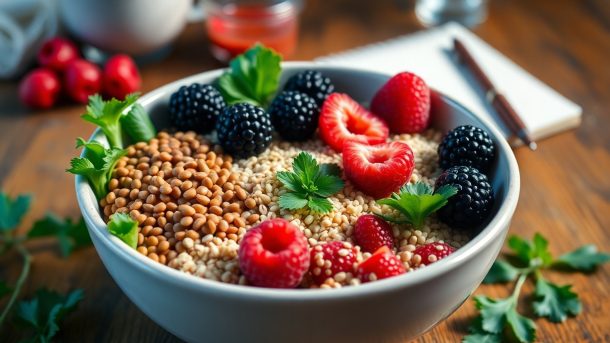
With a targeted approach, increasing your daily fiber intake to 100 grams can be simple and effective for your overall health. Fiber, crucial for digestion and maintaining steady energy levels, can be easily incorporated into your meals and snacks. This guide will provide you with practical tips and meal ideas to help you reach that ambitious fiber goal. From choosing high-fiber foods to understanding portion sizes, you’ll discover actionable strategies to enhance your diet while enjoying a variety of tasty options.

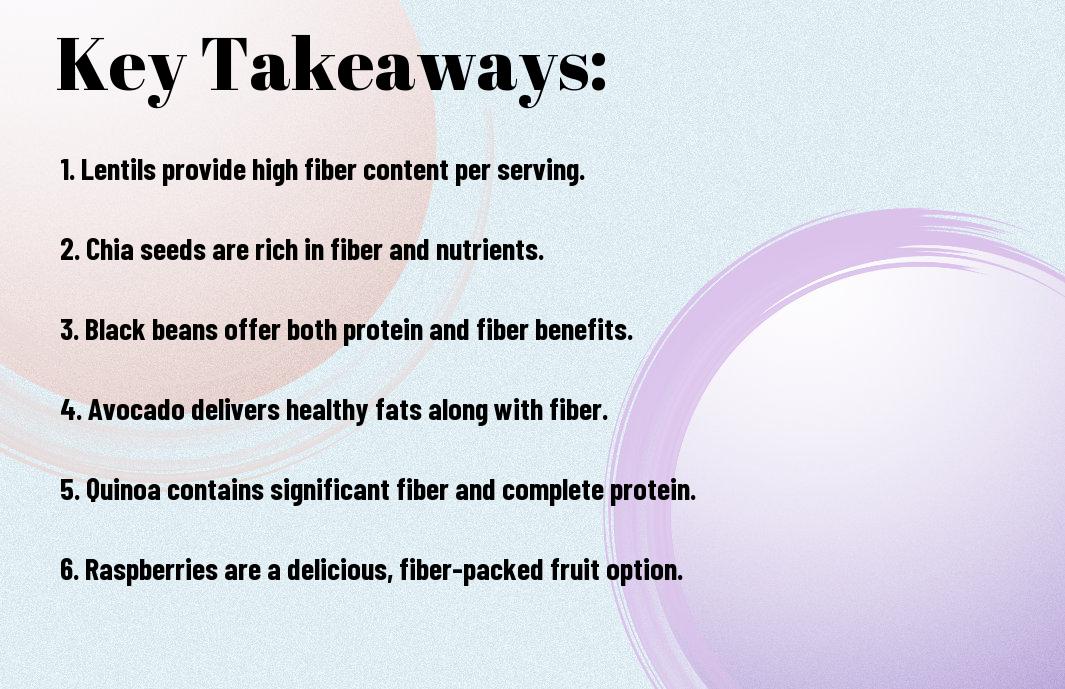
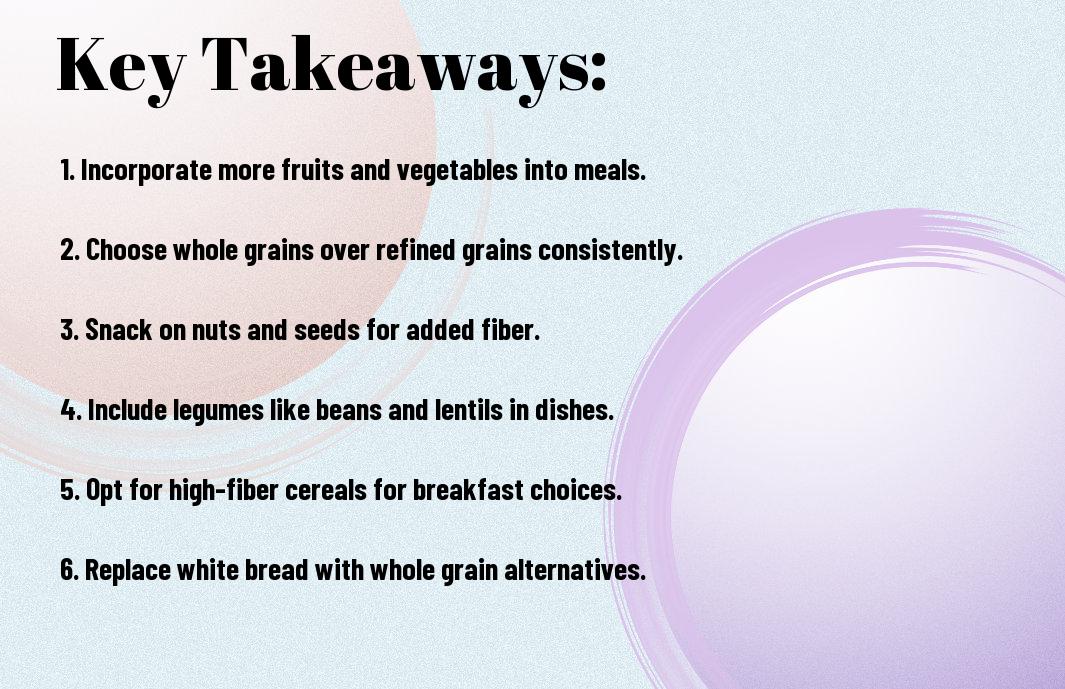
Key Takeaways:

  • Incorporate Fruits and Vegetables: Aim to include a variety of high-fiber fruits like apples, bananas, and berries, as well as vegetables such as broccoli, carrots, and leafy greens in your meals.
  • Choose Whole Grains: Opt for whole grain products like oats, quinoa, and brown rice which significantly boost your daily fiber intake compared to refined grains.
  • Add Legumes and Nuts: Include beans, lentils, and a handful of nuts or seeds in your diet, as they are excellent sources of fiber and can be easily added to salads, soups, or snacks.

Understanding Daily Fiber Requirements

As you strive for better health, understanding your daily fiber requirements is necessary. The Academy of Nutrition and Dietetics recommends that adult women aim for about 25 grams and men for around 38 grams of fiber each day. However, most people fall short of these recommendations. To enhance your overall well-being, it’s important to recognize how much fiber you should incorporate into your diet daily.

What is Fiber?

By definition, fiber is a plant-based carbohydrate that your body cannot digest. Unlike other carbohydrates, it passes through your digestive system intact, aiding in digestion and helping to maintain regular bowel movements. Fiber is mainly found in fruits, vegetables, whole grains, legumes, and nuts, making it an necessary component of a balanced diet.

Benefits of a High-Fiber Diet

High-fiber diets can lead to numerous health benefits, including improved digestive health and better weight management. When you consume an adequate amount of fiber, you’ll likely feel fuller longer, aiding in appetite control and reducing the likelihood of overeating. Additionally, a high-fiber diet can lower your risk of heart disease and type 2 diabetes, supporting long-term health and wellness.

It also promotes healthy gut bacteria, which plays a significant role in overall health. Fiber-rich foods help regulate blood sugar levels and can decrease cholesterol, protecting your heart health. Embracing a high-fiber diet can lead to sustainable health improvements, making it an empowering choice for your dietary habits.

Types of Fiber

The primary types of fiber you should be aware of are soluble and insoluble fiber. Each serves a distinct purpose in your diet:

  • Soluble Fiber
  • Insoluble Fiber
Type of Fiber Benefits
Soluble Fiber Helps regulate blood sugar and lowers cholesterol.
Insoluble Fiber Aids in digestive health and prevents constipation.
Sources Fruits, oats, beans, vegetables.
Sources Whole grains, nuts, seeds.
Overall Impact Promotes gut health and overall well-being.

Recognizing the differences between these two fiber types can help you make informed choices for your daily intake.

Soluble Fiber

At the core of many healthy diets, soluble fiber dissolves in water, forming a gel-like substance. This type of fiber slows digestion, helping to manage blood sugar levels and cholesterol effectively. You can find soluble fiber in foods such as oats, beans, apples, and citrus fruits, making it easier than ever to incorporate it into your meals.

Insoluble Fiber

With its unique composition, insoluble fiber does not dissolve in water. Instead, it adds bulk to your stool and promotes regular bowel movements. This form of fiber is found in whole grains, fruits, vegetables, and nuts. Including insoluble fiber in your diet is imperative for maintaining digestive health.

Plus, insoluble fiber plays a vital role in preventing constipation and promoting a healthy gut. By consuming foods rich in insoluble fiber, you support regular bowel function and reduce the risk of digestive disorders. Aim to incorporate a variety of fiber sources in your daily meals to reap the full benefits for your health.

Foods High in Fiber

Unlike many diets that focus solely on calorie count, incorporating high-fiber foods into your meals can significantly enhance your digestive health. Incorporate options like beans, lentils, avocados, and whole grains into your diet for maximum benefits. For a detailed list, check out the Top High-Fiber Foods to Help Your Digestive Health.

Fruits and Vegetables

Across various recipes and meals, incorporating a colorful variety of fruits and vegetables is imperative for increasing your fiber intake. Fruits like raspberries, apples, and pears, along with vegetables such as broccoli and Brussels sprouts, are not only delicious but also packed with fiber.

Whole Grains

Among the best sources of fiber, whole grains play an important role in your diet. Foods like quinoa, barley, and whole wheat products offer substantial fiber, helping you reach your daily requirements while promoting overall health.

With many options available, you can easily integrate whole grains into breakfast or lunch. Consider switching to whole grain bread or pasta, starting your day with oatmeal, or adding barley to soups. This not only boosts fiber but also enhances the flavor and texture of your meals.

Legumes and Nuts

By adding legumes and nuts to your meals, you can effortlessly increase your fiber intake. Beans, lentils, and chickpeas are excellent sources, while nuts like almonds and walnuts provide added texture and taste.

Nuts are also beneficial beyond fiber; they deliver healthy fats and protein, making them a balanced snack option. A handful of mixed nuts or a serving of your favorite legume not only meets your fiber goals but also supports overall health, keeping you full and satisfied throughout the day.

Meal Planning for 100g of Fiber

For effective meal planning to reach 100g of daily fiber, it’s imperative to balance your meals with high-fiber foods throughout the day. Start with fiber-rich breakfasts such as oatmeal topped with fruits, lunch options like whole grain wraps filled with legumes and vegetables, and dinner featuring a hearty quinoa salad. Snacking on nuts, seeds, and fresh veggies can also keep your fiber intake on track.

Sample Meal Plans

About incorporating diverse foods in your daily meal plan, consider a day that includes overnight oats with chia seeds for breakfast, a lentil stew for lunch, and a chickpea salad for dinner. Adding snacks such as popcorn or a handful of almonds can help you effortlessly reach your fiber goal.

Tips for Incorporating Fiber

Behind achieving your fiber goals are simple strategies to make fiber a regular part of your diet. You can enhance meals by swapping refined grains for whole grains, including beans in salads or soups, and snacking wisely. Here are some ways to increase fiber intake:

  • Choose whole grain bread and pasta.
  • Add extra vegetables to your dishes.
  • Incorporate legumes in salads and meals.
  • Snack on fruits, nuts, or raw vegetables.

Assume that these methods can lead to a more fiber-rich diet, enhancing your health.

Plus, being intentional about your fiber intake can significantly impact your overall nutrition. You might benefit from gradually increasing your fiber consumption, as sudden changes can cause discomfort. Keep your meals varied and seasonal. Here’s how to further boost fiber in your diet:

  • Add flaxseeds or chia seeds to smoothies.
  • Opt for fruits with edible skins, like apples and pears.
  • Experiment with different legumes like lentils or black beans.
  • Incorporate high-fiber snacks like granola bars or high-fiber cereals.

Assume that incorporating these changes can ease the way to achieving that daily fiber target.

Supplementing Fiber Intake

After adopting a fiber-rich diet, you might still find it challenging to reach the 100 grams of daily fiber you desire. In such cases, supplementing your fiber intake could be a practical solution. Fiber supplements, available in various forms, can help you bridge the gap and ensure you’re meeting your daily fiber goals without completely overhauling your meals.

Fiber Supplements

Beside whole foods, fiber supplements can significantly boost your intake. They come in various types, such as psyllium husk, inulin, and methylcellulose, each contributing to your fiber count in different ways. When choosing a fiber supplement, be sure to select one that suits your dietary needs and preferences.

When to Consider Supplements

To determine if fiber supplements are right for you, consider your current dietary habits and lifestyle. If you struggle to consume enough whole foods rich in fiber, or if you have specific health conditions that may require additional fiber, supplements may provide a practical avenue to enhance your nutritional intake.

Intake of fiber supplements can offer a convenient solution to help you meet your daily goals. If you have busy days that hinder your ability to prepare high-fiber meals, or if you’re in the process of transitioning to a fiber-rich diet, these supplements can play an important role in preventing digestive discomfort and ensuring you’re not falling short of your daily fiber needs.

Overcoming Common Challenges

Despite your best efforts, increasing your fiber intake may come with some hurdles. You may experience digestive discomfort, such as bloating or gas, as your body adjusts to higher fiber levels. It’s crucial to find a balance that allows you to reap the benefits without feeling overwhelmed. Gradually incorporating fiber-rich foods and staying hydrated can ease this transition, ensuring you can enjoy the positive effects of fiber in your diet.

Digestive Adaptation

Challenges can arise when your body is adjusting to increased fiber intake. It’s crucial to introduce fiber gradually so your digestive system can adapt over time. Begin with small amounts of high-fiber foods and slowly increase the portion sizes to minimize discomfort and allow your gut to acclimate.

Avoiding Fiber Overload

Any increase in fiber should be approached with caution to prevent feeling overwhelmed. As you aim for 100 grams of fiber a day, it’s important to monitor your intake and avoid consuming too much fiber too quickly. Balance is key; enjoy a variety of fiber sources while considering portion sizes to maintain your digestive comfort.

The right approach to avoiding fiber overload involves incorporating a diverse range of fiber sources, such as fruits, vegetables, legumes, whole grains, and nuts, while keeping a close eye on your serving sizes. Strive for a gradual increase in your daily fiber intake, allowing your digestive system to adjust. This mindful approach ensures you obtain the necessary fiber without overwhelming your body, helping you feel your best as you reach your daily goals.

Final Words

Conclusively, to achieve 100 grams of daily fiber, you should focus on incorporating a diverse range of high-fiber foods into your diet. Include plenty of fruits, vegetables, legumes, whole grains, nuts, and seeds, while also considering fiber supplements if necessary. Gradually increase your intake to prevent digestive discomfort and drink plenty of water to help your body adjust. By planning your meals and snacks around fiber-rich options, you’ll not only meet your goal but also enhance your overall health and well-being.

FAQ: How can I get 100 grams of daily fiber?

Q: What are some high-fiber foods I can include in my diet?

A: To reach 100 grams of daily fiber, consider incorporating foods such as beans and legumes (like lentils, chickpeas, and black beans), whole grains (oats, quinoa, and brown rice), fruits (raspberries, pears, and apples), vegetables (broccoli, Brussels sprouts, and carrots), and nuts and seeds (chia seeds, flaxseeds, and almonds). These foods are dense in fiber and can effectively help you meet your daily goals.

Q: How can I progressively increase my fiber intake?

A: It’s best to gradually increase your fiber intake to prevent digestive discomfort. Start by adding an extra serving of fruits or vegetables to your meals, such as a side salad or a piece of fruit for a snack. You can also swap out refined grains for whole grains in your meals over time. This helps your digestive system adjust to a higher fiber intake without causing bloating or gas.

Q: Are fiber supplements a good option for reaching 100 grams daily?

A: Fiber supplements can be a helpful way to increase your fiber intake, but they should not replace whole foods. Supplements can provide a concentrated source of fiber, which can assist in reaching your goal. However, whole foods offer additional nutrients, vitamins, and minerals that are important for overall health. If considering supplements, consult with a healthcare professional first.

Q: What is the best time to consume fiber throughout the day?

A: Spreading your fiber intake throughout the day can optimize digestive health and help avoid discomfort. Incorporate high-fiber foods into each meal and snack. For example, start your day with a high-fiber breakfast cereal, enjoy a bean salad for lunch, and include a variety of vegetables in your dinner. Snacks like fruits, nuts, or whole-grain crackers can also contribute to your fiber intake.

Q: What are some delicious high-fiber recipes I can try?

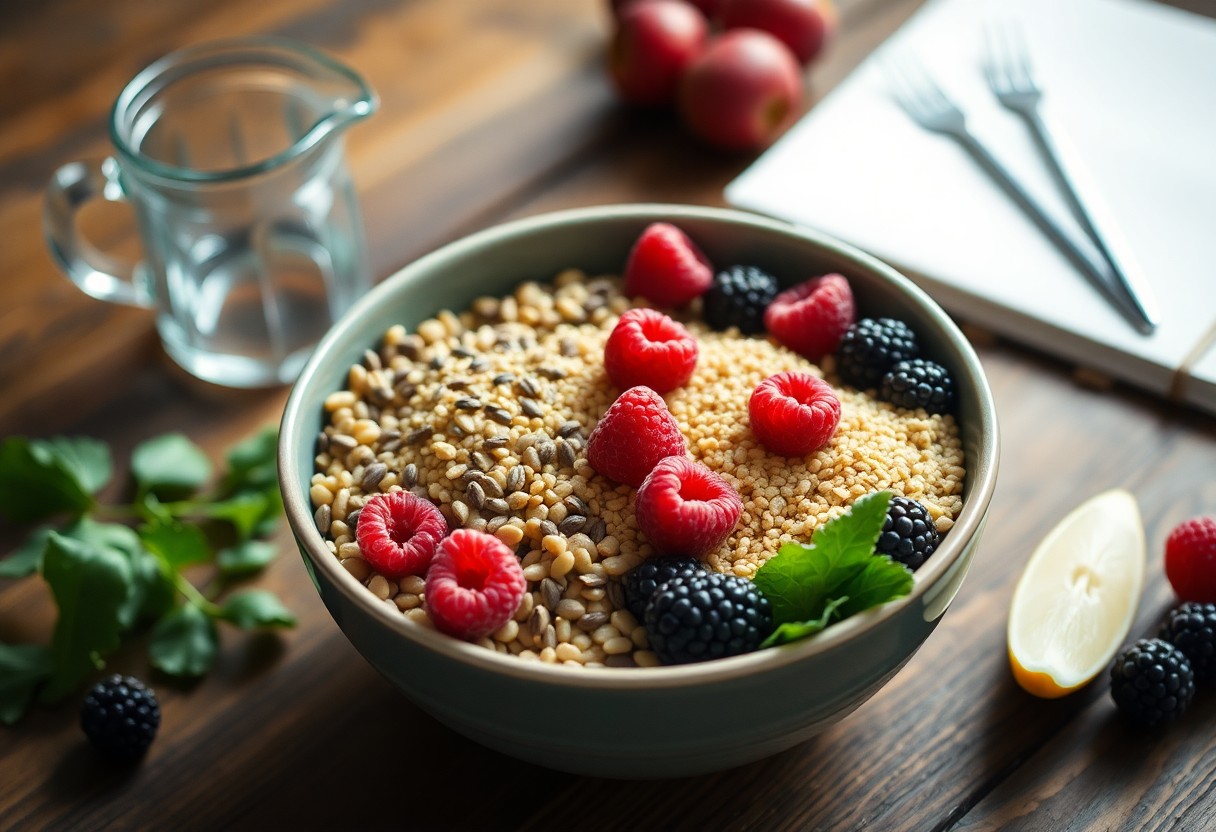
A: There are numerous recipes that can help boost your daily fiber intake. Consider making a hearty lentil soup, chickpea salad, or overnight oats topped with chia seeds and berries. You could also prepare a quinoa and black bean bowl or blend spinach into a smoothie with fruit and a scoop of flaxseed. These meals are not only rich in fiber but also flavorful and satisfying.

Which vegetables go well with chicken

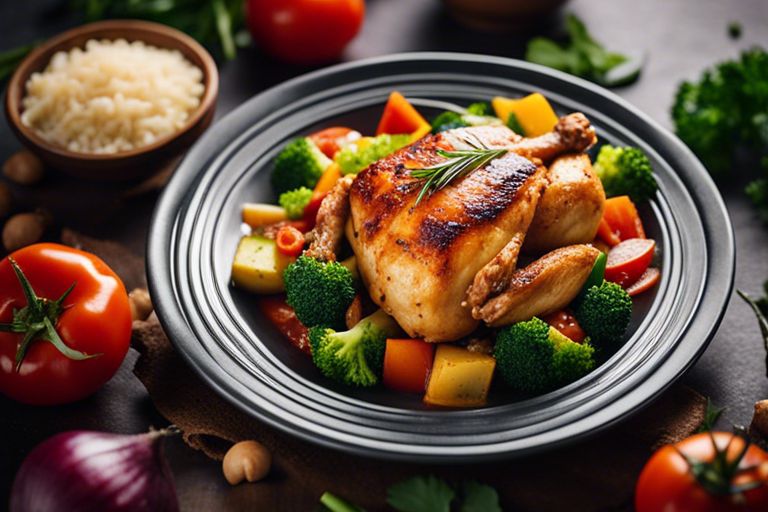
Carrots, dear reader, are just the beginning of the delightful possibilities when it comes to pairing vegetables with your succulent chicken dishes. Whether you’re roasting, grilling, or simmering your chicken to perfection, adding vegetables can elevate your meal to new heights. From vibrant bell peppers to tender asparagus, the choice is yours to create a colorful and nutritious feast that will have your taste buds singing with joy. So, grab your cutting board and let’s explore the wonderful world of vegetables that complement your chicken like a culinary symphony on your plate!

Key Takeaways:

  • Broccoli: Rich in vital vitamins and minerals, broccoli pairs well with chicken in stir-fries, casseroles, and salads.
  • Bell Peppers: Vibrant and flavorful, bell peppers add color and texture to chicken dishes like fajitas, kebabs, and stir-fries.
  • Zucchini: With a mild flavor and tender texture, zucchini can be grilled, roasted, or sautéed alongside chicken for a delicious and healthy meal.

Classic Combinations

Carrots and Peas: A Timeless Duo

Combinations like carrots and peas are a classic pairing that never goes out of style. The sweetness of the carrots complements the earthiness of the peas, creating a delightful flavor profile that enhances any chicken dish. Whether you’re making a comforting chicken pot pie or a flavorful stir-fry, adding carrots and peas will elevate your meal to a whole new level. So, next time you’re wondering what vegetables to pair with your chicken, remember that carrots and peas are a timeless duo that will never disappoint.

Onions and Bell Peppers: Sweet and Savory

Bell peppers and onions are a match made in culinary heaven. The sweetness of the bell peppers combined with the savory taste of the onions creates a delicious harmony of flavors that perfectly complement the rich taste of chicken. Whether you’re grilling, stir-frying, or roasting your chicken, adding this sweet and savory combination of onions and bell peppers will add depth and complexity to your dish. So, the next time you’re planning a chicken dinner, don’t forget to include onions and bell peppers for a burst of flavor that will leave your taste buds craving more.

To further enhance the dish, you can caramelize the onions and bell peppers before adding them to your chicken. This simple technique brings out the natural sweetness of the vegetables and adds a rich and deep flavor to your meal. Try sautéing them in butter or olive oil over low heat until they are soft, golden, and caramelized. This extra step will take your chicken dish to the next level and impress your family and friends with your culinary skills.

Leafy Greens Delight

Some of the best vegetables to pair with chicken are leafy greens. They not only add a pop of color to your dish but also provide crucial nutrients. Here are some delicious combinations to try:

Spinach and Garlic: A Flavorful Pairing

Flavorful and aromatic, spinach and garlic make a perfect pairing with chicken. The earthy flavor of spinach complements the savory taste of chicken, while garlic adds a burst of pungent goodness. Sautéed together, these ingredients create a rich and satisfying dish that is sure to please your taste buds.

Kale and Lemon: Brightening Up Your Dish

Your chicken dish will come alive with the vibrant combination of kale and lemon. The slightly bitter notes of kale are balanced by the zesty freshness of lemon, creating a bright and flavorful contrast. Whether you choose to sauté kale with lemon juice or add lemon zest to a kale salad, this duo is guaranteed to bring a newfound excitement to your meal.

Understanding the dynamic flavors of leafy greens like spinach and kale can help you elevate your chicken dishes to a whole new level. Experiment with different cooking techniques and seasonings to find the perfect balance that suits your palate. With these versatile ingredients, you can create delicious and healthy meals that will leave you coming back for more.

Cruciferous Vegetables Unite

Unlike some vegetables that may overpower the delicate flavor of chicken, cruciferous vegetables offer a perfect balance of taste and texture. They can withstand the bold flavors of chicken while adding their unique twist to the dish.

Broccoli and Cauliflower: A Healthy Match

Vegetables such as broccoli and cauliflower complement chicken dishes perfectly. These cruciferous vegetables retain their crunch even when cooked, adding a satisfying texture to your meal. Packed with vital vitamins and antioxidants, they not only enhance the flavor but also boost the nutritional value of your dish.

Brussels Sprouts and Bacon: A Savory Surprise

Any fan of savory flavors will appreciate the combination of Brussels sprouts and bacon with chicken. The smoky richness of bacon perfectly balances the slight bitterness of Brussels sprouts, creating a mouthwatering medley of flavors. When roasted together, these ingredients create a satisfying dish that will leave you wanting more.

Plus, Brussels sprouts are high in fiber and vitamins, making them a wholesome addition to your chicken recipe. The added crunch and depth of flavor from the bacon elevate this dish to a gourmet level, perfect for a cozy dinner at home or entertaining guests.

Root Vegetables Take Center Stage

Many root vegetables pair beautifully with chicken, adding depth and heartiness to your dish. One classic combination is potatoes and rosemary, where the earthy flavors of the potatoes are complemented by the aromatic notes of fresh rosemary.

Potatoes and Rosemary: Earthy and Aromatic

On those cozy evenings when you’re craving comfort food, consider roasting chicken with potatoes and rosemary. The potatoes absorb the savory juices from the chicken, while the rosemary infuses the dish with a delightful fragrance that fills your kitchen. The result is a simple yet satisfying meal that is sure to become a household favorite.

Sweet Potatoes and Sage: A Delicious Twist

Any chicken recipe can be elevated by incorporating sweet potatoes and sage into the mix. The natural sweetness of the potatoes pairs harmoniously with the earthy, peppery flavor of sage, creating a delicious twist on a classic dish. Whether you choose to roast, mash, or sauté them, sweet potatoes and sage will add a unique and flavorful dimension to your chicken dinner.

The next time you’re in the mood for a hearty and delicious meal, try incorporating sweet potatoes and sage into your chicken dish. You’ll be delighted by the rich flavors and inviting aromas that this combination brings to the table. The sweet, earthy taste of the sweet potatoes, along with the warm, woodsy essence of sage, will take your culinary skills to new heights and impress your family and friends.

Colorful Medley

Despite the numerous possibilities, choosing the perfect vegetable side dish to complement your chicken can sometimes be a daunting task. If you need some inspiration, check out this 31 Delicious Side Dishes for Your Chicken Dinner guide for some creative ideas.

Cherry Tomatoes and Basil: Fresh and Vibrant

Vibrant cherry tomatoes paired with fragrant basil create a refreshing and colorful side dish that perfectly complements the rich flavors of chicken. The burst of sweetness from the tomatoes paired with the herbaceous notes of basil adds a fresh and vibrant element to your meal. This simple yet elegant combination is a sure way to impress your guests and elevate your dining experience.

Zucchini and Yellow Squash: A Summer Delight

Medley zucchini and yellow squash are a match made in heaven when it comes to summer dining. The tender texture and mild flavor of these vegetables make them a versatile choice for pairing with chicken. Whether you sauté them with a touch of garlic and olive oil or grill them to perfection, zucchini and yellow squash add a light and refreshing element to your meal. The subtle sweetness of these veggies will complement the savory notes of your chicken, creating a well-rounded and satisfying dish.

Mushrooms Add an Earthy Touch

Now, when you’re thinking about which vegetables to pair with your chicken, don’t forget the earthy and savory flavor of mushrooms. Mushrooms are a versatile ingredient that can add depth and richness to your chicken dishes. They complement chicken beautifully and are perfect for adding that extra layer of flavor to your meals. If you’re looking for some inspiration on how to incorporate mushrooms into your chicken recipes, check out this helpful guide on Veggies with your chicken: recipes and inspiration!

Button Mushrooms and Thyme: Classic Comfort

The combination of button mushrooms and thyme is a classic pairing that brings warmth and comfort to your chicken dishes. The earthiness of the mushrooms blends perfectly with the aromatic notes of thyme, creating a cozy and satisfying flavor profile. Whether you’re simmering them together in a stew, roasting them in the oven, or sautéing them for a quick stir-fry, this duo never fails to deliver a delicious meal that will leave you feeling nourished and content.

Cremini Mushrooms and Parsley: Elevating the Dish

Mushrooms, particularly cremini mushrooms, paired with fresh parsley can elevate your chicken dish to a whole new level. The earthy undertones of cremini mushrooms combined with the bright, herbaceous flavor of parsley create a sophisticated and well-balanced taste. Whether you’re creating a creamy mushroom sauce to smother your chicken or adding sautéed mushrooms and parsley as a flavorful topping, this combination adds a touch of elegance to your meal.

Elevating your dishes with the addition of cremini mushrooms and parsley not only enhances the flavor but also brings a visually appealing element to your plate. The earthy tones of the mushrooms and the vibrant green of the parsley create a beautiful contrast that will make your chicken dish look as good as it tastes.

To wrap up

Ultimately, the key to enhancing the flavor of chicken with vegetables is to experiment and find combinations that suit your taste preferences. Whether you prefer the classic pairing of carrots and green beans, or you’re feeling adventurous with asparagus and cherry tomatoes, the possibilities are endless. Remember to consider the cooking method, seasonings, and textures to create a well-balanced meal that will delight your taste buds. As Julia Child famously said, “The only real stumbling block is fear of failure. In cooking you’ve got to have a what-the-hell attitude.”

FAQ

Q: Which vegetables go well with chicken?

A: Some vegetables that pair well with chicken include:

  • Broccoli
  • Carrots
  • Bell peppers
  • Zucchini
  • Asparagus

Q: How should I cook vegetables with chicken?

A: You can cook vegetables with chicken in various ways such as roasting, stir-frying, grilling, or steaming. Experiment with different cooking methods to find your favorite flavor combinations.

Q: Any recipe suggestions for chicken and vegetable dishes?

A: Yes! You can try making a simple chicken stir-fry with a mix of colorful vegetables and soy sauce. Another option is to roast chicken and vegetables with herbs like rosemary and thyme for a flavorful meal.

Is cooked food a whole food

You may wonder whether cooked food can still be classified as whole food. Whole foods are typically defined as minimally processed foods that retain their natural nutrients and fiber. Cooking can alter the nutrient profile, sometimes enhancing bioavailability, while at other times diminishing vital nutrients. This post will explore the nuances of the definition of whole food and how cooking impacts the integrity and health benefits of your meals.

Key Takeaways:

  • Whole Foods Defined: Whole foods are unprocessed or minimally processed items that retain their natural state, such as fruits, vegetables, nuts, seeds, and whole grains.
  • Cooking Methods: Cooking can change the nutritional profile of foods, often enhancing digestibility but sometimes reducing certain vitamins and phytochemicals.
  • Impact on Nutrients: While some cooked foods may lose certain nutrients (like vitamin C), others, like lycopene in tomatoes, become more bioavailable when cooked.
  • Variety and Balance: A diet based on a variety of cooked and raw whole foods can provide balanced nutrition, potentially compensating for any losses during cooking.
  • Personal Preferences: Individual health goals and dietary preferences should guide choices; for some, cooked foods may be more appealing and accessible than raw options.

Understanding Whole Foods

Before entering into the fascinating world of whole foods, it’s vital to understand what they truly are and how they impact your health and nutrition. Whole foods are often lauded for their nutritional benefits, but how do you categorize them? Are all foods cooked or processed considered unwholesome? Let’s clarify these concepts.

Definition of Whole Foods

Understanding whole foods begins with a simple definition: these are foods that are minimally processed and free from artificial substances, preserving their natural state as much as possible. Examples include fruits, vegetables, whole grains, nuts, seeds, and legumes.

Characteristics of Whole Foods

The important characteristics of whole foods are their inherent nutritional value, minimal processing, and lack of added sugars, fats, and chemicals. You will recognize them as foods that are closer to nature, maintaining their original form and nutrient density.

Whole foods are nutrient-dense, meaning they provide a high amount of important vitamins, minerals, and other beneficial compounds relative to their calorie content. They often come with a range of health benefits, such as improved digestion and enhanced energy levels. You may also notice the absence of additives or preservatives, making their labels simple and straightforward. Choosing whole foods can lead to a more balanced diet and greater overall well-being.

Cooking Methods and Their Impact

One of the necessary aspects of cooking is how different methods can affect the nutritional profile of your food. Understanding these impacts can help you make better choices for your meals, contributing to overall health and wellness.

Nutrient Retention in Cooking

The way you cook your food can significantly determine how many nutrients are preserved. Methods like steaming and microwaving tend to retain more vitamins and minerals compared to boiling, where nutrients can leach into the water.

Cooking Techniques: Raw vs. Cooked

Impact on nutrient availability can vary greatly between raw and cooked foods. Certain nutrients, such as lycopene in tomatoes or beta-carotene in carrots, become more accessible when you cook them, enhancing their health benefits.

It’s important to recognize that not all cooked foods are superior to raw. While some nutrients become more bioavailable through cooking, others, like vitamin C, are often diminished. By balancing your intake of raw and cooked foods, you can maximize nutrient consumption while still enjoying a variety of flavors and textures in your diet.

The Debate: Cooked Food as Whole Food

Not everyone agrees on whether cooked food can be classified as a whole food. Whole foods are typically defined as those that are minimally processed and free from artificial ingredients. However, the cooking process often changes the structure of these foods, fueling the discussion. For a comprehensive look at whole foods, you can refer to [What are whole foods?](https://www.bhf.org.uk/informationsupport/heart-matters-magazine/nutrition/whole-foods).

Arguments for Cooked Food

Arguments supporting cooked food as whole food often highlight the benefits of cooking. Cooking can enhance the bioavailability of certain nutrients, making them easier for your body to absorb. Furthermore, heating food can break down tough fibers and make certain foods more palatable, thereby increasing your enjoyment and intake of nutritious ingredients.

Arguments Against Cooked Food

Food advocates against labeling cooked food as whole food often point out that cooking can decrease the nutrient content. Some vitamins, particularly heat-sensitive ones such as vitamin C, may be diminished when food is subjected to high temperatures. Consequently, you may miss out on optimal nutritional value when indulging in heavily cooked meals instead of consuming fresh, raw options.

For instance, specific cooking methods, such as boiling or frying, can lead to significant nutrient loss. Prolonged exposure to heat can destroy enzymes and vitamins crucial for your health. Additionally, highly processed cooked foods, such as packaged meals or those laden with artificial additives, stray further from the definition of whole foods, thereby raising concerns about their nutritional integrity. Understanding these arguments helps you make informed choices about your diet and the types of foods that align with your health objectives.

Practical Implications

After examining the nuances of cooked food in the context of whole foods, it becomes evident that understanding how these dietary choices impact your health is vital. For those interested in pursuing a more health-focused lifestyle, I recommend checking out the Whole Foods Diet Guide: Meal Plans and Shopping Lists. This guide can assist you in making better choices, allowing you to explore a spectrum of nutrient-dense options.

Making Informed Food Choices

Practical research and understanding of food labels can help you make more informed choices about which foods to include in your diet. Focusing on whole foods minimizes processed ingredients and enhances nutrient intake, providing your body with the vitamins and minerals it craves.

Balancing Raw and Cooked Foods

Food plays a crucial role in how your body processes nutrients. Striking the right balance between raw and cooked foods can offer you beneficial enzymes and nutrients while ensuring proper digestion and absorption. Each type of food comes with unique advantages, so combining both can help maximize your nutritional intake.

The key to effectively balancing raw and cooked foods lies in understanding the health benefits each option presents. Raw foods, such as fruits and vegetables, preserve enzymes and vitamins that can be lost during cooking. In contrast, cooked foods can enhance the availability of certain nutrients, such as lycopene in tomatoes. By diversifying your diet with a mix of both, you can promote optimal health while enjoying a wide range of flavors and textures.

Final Words

On the whole, understanding whether cooked food qualifies as a whole food depends on the ingredients and preparation methods you choose. Whole foods are typically those that are minimally processed and retain their natural state. If you prioritize cooking methods that preserve nutrients—like steaming or sautéing—while using whole, unprocessed ingredients, you can enjoy meals that align with the principles of whole foods. Ultimately, being mindful of your food choices will empower you to make informed decisions for your health and well-being.

FAQ

Q: Is cooked food considered a whole food?

A: Cooked food can be considered a whole food if the primary ingredients remain unprocessed and retain their natural state. Whole foods are foods that are in their natural form and have undergone minimal processing. For example, cooking vegetables can enhance their flavor and digestibility while still keeping them whole foods, as long as no additives or preservatives are included. However, if the cooked food contains significantly processed ingredients or additives, it may not qualify as a whole food.

Q: Can cooking affect the nutritional value of whole foods?

A: Yes, cooking can affect the nutritional value of whole foods. Some cooking methods can enhance nutrient absorption, such as steaming or roasting vegetables, which can break down cell walls and make nutrients more bioavailable. However, certain cooking methods, particularly boiling and frying, can lead to a loss of certain vitamins and minerals. It’s important to choose cooking methods that preserve the nutritional integrity of the food while providing safety and palatability.

Q: Are there types of cooked food that should be avoided for a whole food diet?

A: Yes, while cooked foods can be part of a whole food diet, there are certain types that should be avoided. Processed cooked foods, such as frozen meals, canned soups, or packaged snacks that contain artificial ingredients, preservatives, or excessive amounts of sugars and unhealthy fats, do not fit into the whole food category. For a strict whole food diet, focus on meals prepared from fresh, whole ingredients with minimal processing, such as home-cooked dishes using fruits, vegetables, whole grains, legumes, nuts, and seeds.

What food has 7g of fibre

Most people overlook the importance of dietary fibre, which is important for digestive health. If you’re aiming to boost your fibre intake, you’ll be pleased to know that numerous foods pack about 7g of fibre per serving. This blog post will guide you through various delicious options that can help you reach your daily fibre goals effortlessly. By incorporating these foods into your meals, you can enhance your overall well-being while enjoying the rich flavors they offer.

Key Takeaways:

  • Legumes: Foods like lentils and black beans are excellent sources of fiber, offering around 7g per serving.
  • Whole Grains: Certain whole grains, such as oats and barley, can provide 7g of fiber, making them a great addition to your diet.
  • Fruits and Vegetables: Some fruits, like avocados, and vegetables, like broccoli, also contain about 7g of fiber, enhancing your overall fiber intake.

Importance of Dietary Fiber

Your digestive health can greatly benefit from an adequate intake of dietary fiber. It aids in maintaining bowel regularity, helps lower cholesterol levels, and contributes to a feeling of fullness after meals, which can support healthy weight management. For more information, check out these Fiber Facts.

Health Benefits

An increased fiber intake can lead to numerous health benefits, including improved heart health, better blood sugar control, and a reduced risk of certain gastrointestinal diseases. Fiber helps slow down digestion, which can enhance nutrient absorption and stabilize blood sugar levels. Eating a fiber-rich diet can also mitigate the risk of developing chronic conditions over time.

Recommended Daily Intake

Along with reaping the benefits of fiber, knowing the recommended daily intake is important for making informed food choices. Adults should aim for about 25 to 30 grams of fiber daily, depending on age and sex. Incorporating a variety of fiber-rich foods into your meals can help you reach this goal.

In addition to general guidelines, individual needs may vary based on factors such as age, gender, and activity level. It’s beneficial to aim for a balance of soluble and insoluble fiber by consuming whole grains, fruits, vegetables, nuts, and legumes. Keeping track of your intake can help ensure you meet your fiber requirements for optimal health.

Foods Containing 7g of Fiber

Now, incorporating foods that contain 7g of fiber into your diet can significantly enhance your health. Fiber plays an important role in digestion, helping to maintain a healthy gut and prevent constipation. By choosing a variety of foods, you can easily achieve your daily fiber goals while enjoying a range of flavors and textures.

Whole Grains

Containing whole grains like quinoa, barley, and bulgur can provide you with 7g of fiber per serving. These grains not only deliver substantial fiber but also important nutrients like B vitamins, iron, and magnesium that are beneficial for your overall health.

Legumes

Any serving of legumes, including lentils, chickpeas, and black beans, yields around 7g of fiber. They are versatile and can be added to soups, salads, and main dishes for a hearty and nutritious boost.

Due to their high fiber and protein content, legumes provide lasting satiety and can help you manage weight while enhancing your heart health. As they are also low in fat and cholesterol-free, incorporating them into your meals can promote overall well-being.

Fruits

Beside legumes, fruits like avocados, raspberries, and pears are excellent sources of fiber, each offering around 7g per serving. Fresh fruits not only add variety to your meals but also bring important vitamins, minerals, and antioxidants to your diet.

Considering the wide array of fruits available, you can easily mix and match to keep your meals interesting. Incorporating a variety of colors and types can ensure you maximize your nutrient intake while enjoying the natural sweetness of fruits.

Vegetables

Around 7g of fiber can be found in a serving of vegetables such as artichokes, broccoli, and Brussels sprouts. Adding these fiber-rich vegetables to your plate can enhance the nutritional value of your meals significantly.

Fruits that are high in fiber, like these vegetables, help support healthy digestion, and can improve your cholesterol levels. Including a colorful mix of both in your meals not only benefits your health but also makes your plate visually appealing.

How to Incorporate Fiber-Rich Foods into Your Diet

Once again, including fiber-rich foods in your diet can be simple and enjoyable. Start by adding fruits, vegetables, whole grains, and legumes to your meals. Aim for a balanced plate that features these foods, and experiment with new recipes. Gradually increasing your fiber intake will help your digestive system adjust, making it easier to enjoy the benefits of your fiber-rich choices.

Meal Planning Tips

By planning your meals ahead of time, you can ensure that you include sufficient fiber in your diet. Consider the following tips:

  • Prepare a weekly menu with fiber-rich recipes.
  • Incorporate whole grains as sides.
  • Stock up on fruits and vegetables for easy snacking.

The variety in your meals will keep you motivated to maintain a fiber-rich diet.

Snack Ideas

About incorporating fiber into your snacks can be a delightful experience. Choose snacks that are not only filling but also promote your overall health. Consider options like fresh fruit, nuts, or whole-grain crackers, which can provide a satisfying crunch.

Hence, keeping healthy snacks on hand will make it easier for you to reach your fiber goals. You can prepare snack-sized portions of veggies with hummus or yogurt with granola, ensuring you have fiber-rich choices available throughout the day.

Common Misconceptions about Fiber

All fibers are not created equal, and many people often misunderstand their functions. You might think that all fiber aids in digestion or that any high-fiber food is automatically good for you. However, not all fiber has the same effects on your body, and the source of fiber can significantly impact its health benefits. Understanding the nuances of fiber types and their roles in your diet is crucial for optimizing your nutrition.

Soluble vs. Insoluble Fiber

By knowing the difference between soluble and insoluble fiber, you can make more informed dietary choices. Soluble fiber dissolves in water and can help lower blood cholesterol and glucose levels. On the other hand, insoluble fiber does not dissolve and is vital for promoting regular bowel movements and overall gut health. Including both types in your diet ensures you receive a variety of health benefits, enhancing your overall wellness.

Too Much Fiber

Any dietary component can lead to issues when consumed in excess, and fiber is no exception. Overloading your diet with fiber can lead to digestive discomfort, bloating, and gas, affecting your overall well-being. It’s crucial to gradually increase your fiber intake and keep a balanced diet to avoid these unwanted effects.

Even healthy foods can cause problems if you consume them in excessive amounts. If you suddenly increase your fiber intake or indulge in high-fiber foods without sufficient hydration, you may experience constipation or cramping. To optimize your fiber consumption, aim for a gradual increase in intake, balanced with plenty of water to support digestion and prevent discomfort.

Additional Sources of Fiber

After exploring foods that contain 7g of fiber, it’s vital to look into additional sources that can help you meet your daily fiber needs. Incorporating a variety of fiber-rich options into your diet can support digestive health, enhance satiety, and contribute to overall well-being. Foods like legumes, whole grains, nuts, seeds, and fruits can help boost your fiber intake significantly. Including these diverse options in your meals will not only make your diet more enjoyable but also provide vital nutrients your body requires.

Supplements

One effective way to increase your fiber intake is through supplements. These products can be a convenient option if you’re struggling to get enough fiber from your diet. Fiber supplements come in various forms, such as powders, capsules, or chewable tablets. They can help you achieve your daily fiber goals while also supporting gut health. However, it’s important to consult with a healthcare professional before starting any new supplement regimen to ensure it’s appropriate for your needs.

Alternative Foods

On your quest for fiber, you might also consider alternative foods that are often overlooked. Items such as chia seeds, quinoa, and avocados are excellent sources of fiber as well. Chia seeds can easily be added to smoothies or yogurt, while quinoa serves as a nutritious base for salads or bowls. Avocados not only add creaminess to your dishes but are also packed with fiber and healthy fats, making them a perfect addition to your diet.

For instance, incorporating these alternative foods into your meals can significantly enhance your fiber intake. You can sprinkle chia seeds on your morning oatmeal, use quinoa as a substitute for rice, or enjoy sliced avocado on whole grain toast. By diversifying your food choices, you’ll not only boost your fiber levels but also add flavor and variety to your meals. Balancing different fiber-rich foods ensures you don’t get bored with your diet while reaping all the health benefits fiber has to offer.

Final Words

Hence, including foods rich in fiber, like lentils, black beans, and avocados, can significantly enhance your diet. Aim for items that provide around 7g of fiber per serving, as they can support your digestive health and promote satiety. You can easily incorporate these into your meals, helping you meet your nutritional goals. By making conscious choices about the foods you eat, you’re taking important steps towards a healthier lifestyle.

FAQ

Q: What foods typically contain 7g of fiber?

A: There are several foods rich in fiber that can provide around 7g per serving. These include a cup of cooked lentils, a medium avocado, a cup of raspberries, or a half-cup of black beans. Additionally, whole grain products like certain brands of whole grain bread and cereal can also offer this amount. Always check nutritional labels for exact content.

Q: How can I incorporate 7g of fiber into my meals?

A: To add 7g of fiber to your meals, try including a cup of cooked beans in your salad, topping your morning oatmeal with fresh berries, or using whole grain bread for your sandwiches. Snacking on nuts like almonds or walnuts, or enjoying an avocado can also help you meet your fiber goals. Mixing different fiber sources throughout the day can enhance your overall intake.

Q: Why is fiber important in my diet?

A: Fiber plays a significant role in digestive health by helping to regulate bowel movements, preventing constipation, and promoting a healthy gut microbiome. Additionally, fiber can assist in maintaining a healthy weight by keeping you feeling fuller for longer and may help lower cholesterol levels. Including fiber-rich foods in your diet is beneficial for overall well-being.

Q: Are there any downsides to consuming too much fiber?

A: While fiber is beneficial, excessive intake can lead to discomfort, bloating, and gas. It’s necessary to increase fiber in your diet gradually and ensure you drink plenty of water. The recommended daily intake varies by age and sex, with adult women generally needing about 25g and men about 38g. Adjusting your intake according to your body’s responses is advisable.

Q: Can I get fiber from drinks or supplements?

A: While whole foods are the best source of fiber, some drinks and supplements can provide it too. Fiber-enriched smoothies, juices, or specific fiber supplements can offer additional fiber. However, whole foods not only deliver fiber but also provide vital nutrients and health benefits that supplements alone may not offer. Therefore, aiming for a variety of fiber-rich whole foods is recommended.

How can I get 100% fiber daily

Most people fall short of their daily fiber intake, which is imperative for maintaining digestive health and overall well-being. By understanding how to incorporate fiber-rich foods into your meals and snacks, you can easily reach that 100% daily recommendation. This blog post will guide you through practical tips and strategies for increasing your fiber intake, ensuring you make informed choices that benefit your health while enjoying a variety of delicious foods.

Key Takeaways:

  • Incorporate whole foods: Focus on consuming a variety of whole foods such as fruits, vegetables, whole grains, nuts, and seeds to boost your daily fiber intake.
  • Read nutrition labels: Pay attention to the fiber content listed on food packaging. Opt for products with higher fiber content to easily track your intake.
  • Gradual increase: Introduce fiber-rich foods into your diet gradually to avoid digestive discomfort, ensuring a smoother transition to 100% daily intake.

Understanding Fiber

Before you can reach your daily fiber goals, it’s imperative to understand what fiber is and how it functions in your body. Fiber is a type of carbohydrate that your body cannot digest. Unlike other carbs that break down into sugar molecules, fiber remains intact as it passes through your digestive system, promoting healthy digestion and satiety.

Definition and Types of Fiber

Above, we touched on the definition of fiber. To further clarify, there are two main types of fiber: soluble and insoluble. Soluble fiber dissolves in water and helps regulate blood sugar, while insoluble fiber adds bulk to your stool and aids in digestion. Here’s a quick breakdown:

Type of Fiber Benefits
Soluble Helps lower cholesterol and manage blood sugar
Insoluble Aids digestion and prevents constipation
Fermentable Feeds beneficial gut bacteria
Non-fermentable Passes through the digestive tract without breaking down
Functional Processed fibers added to foods for health benefits

Any thorough understanding of fiber will enable you to identify it in your diet and choose foods rich in both types for balanced nutrition.

Health Benefits of Adequate Fiber Intake

Along with aiding digestion, proper fiber intake offers a myriad of health benefits. A diet high in fiber can help you maintain a healthy weight, reduce the risk of heart disease, and lower your cholesterol levels. It can also enhance your digestive health and regulate blood sugar levels, leading to better overall wellness.

Fiber plays an important role in your health. By integrating sufficient fiber into your diet, you may experience improved bowel regularity, a lower risk of chronic diseases, and enhanced gut health. Additionally, fiber-rich foods tend to be more filling, which can help you manage hunger and keep your appetite in check. Prioritizing fiber not only supports your digestive system but also contributes to your overall well-being.

Daily Fiber Requirements

There’s a specific amount of fiber you need each day to maintain your health and well-being. This daily fiber requirement can vary based on several factors, including age, sex, and overall diet. Meeting these needs can support digestive health, regulate blood sugar, and even help with weight management, making it important to understand what you’re aiming for in your daily intake.

Recommended Daily Fiber Intake

Requirements for fiber intake generally suggest that adults aim for about 25 grams per day for women and 38 grams for men. However, you should ensure that your sources of fiber are varied and nutritious, integrating whole grains, fruits, vegetables, legumes, and nuts into your daily meals to reach these targets effectively.

Impact of Age and Gender on Fiber Needs

Fiber requirements change with age and can differ between genders. As you age, your body’s needs evolve, impacting how much fiber you should consume for optimal health.

A significant factor influencing your fiber needs is your age and gender. For instance, children require less fiber than adults, while older adults may need slightly less than what younger adults do. Additionally, women generally have lower fiber requirements compared to men due to differences in body composition and metabolism. Understanding these nuances can help you fine-tune your daily fiber intake to better suit your lifecycle stage and maintain your overall health.

High-Fiber Foods

After understanding the importance of fiber in your diet, it’s time to explore high-fiber foods that can help you reach your daily intake goals. Incorporating a variety of fruits, vegetables, whole grains, and legumes into your meals will ensure a rich fiber content, aiding digestion and promoting overall health. Each food group contributes unique nutrients along with fiber, so varying your selections will not only keep your meals interesting but also provide a balanced approach to nutrition.

Fruits and Vegetables

Among the best sources of fiber, fruits and vegetables are necessary for your daily fiber intake. Options like berries, apples, carrots, and broccoli are not only delicious but also packed with dietary fiber, enhancing your meals while offering a host of vitamins and minerals. Aim to include a rainbow of produce in your diet for optimal health benefits.

Whole Grains and Legumes

Foods such as brown rice, quinoa, lentils, and chickpeas are excellent sources of fiber. They are not only filling but also rich in necessary nutrients, making them a perfect addition to your daily meals. Incorporating whole grains and legumes into your diet will significantly contribute to your fiber intake while also providing energy and promoting digestive health.

And don’t forget, cooking whole grains and legumes can be simple and versatile. Use them in salads, soups, or as a side dish to complement your meals. By choosing whole instead of refined grains, you maximize fiber consumption while enjoying the robust flavors that these foods can bring. Experimenting with different recipes can make including them in your diet an enjoyable experience.

Strategies to Increase Fiber Intake

Once again, incorporating fiber into your diet can be made easier with strategic planning. Create a balance of whole grains, fruits, vegetables, legumes, nuts, and seeds to reach your goal. You might find guidance on How to eat 100g of fiber a day? : r/PlantBasedDiet helpful in formulating your meal plan. Additionally, consider adding fiber-rich foods gradually to avoid digestive discomfort, and drink ample water to assist with the increased fiber intake.

Meal Planning and Preparation

Among the best ways to ensure you meet your fiber goals is through effective meal planning and preparation. Start each week by identifying high-fiber recipes and stocking your kitchen with plenty of whole foods. Preparing meals in advance allows you to have nutritious options readily available, making it less likely for you to resort to processed snacks or meals.

Smart Snacking Choices

For maintaining a high fiber intake, choosing the right snacks can make all the difference. Opt for options like raw veggies with hummus, popcorn, or whole grain crackers paired with nut butter to keep your snacks both satisfying and fiber-rich.

With various snack options available, you can easily incorporate more fiber into your daily routine. Consider combining different foods like fruit and nut butter or yogurt and granola to boost fiber while satisfying your cravings. Preparing your snacks ahead of time can also help you stay on track with your fiber goals and minimize unhealthy choices when hunger strikes.

Common Fiber Myths

Many individuals believe that all fiber is created equal, but that’s far from true. Different types of fiber serve various functions in your body, and knowing the differences can help you get the most benefits. Additionally, there are misconceptions regarding how much fiber you actually need. To debunk these myths and learn practical tips, check out 16 Easy Ways to Eat More Fiber.

Misconceptions About Fiber

To optimize your fiber intake, it’s necessary to distinguish between soluble and insoluble fiber. Many people think they only need one type or don’t consume enough variety. Both types play significant roles in your digestive health, appetite control, and overall well-being. Make sure your diet includes both types for maximum benefits.

Clarifying Fiber Intake and Digestion

Before submerging into your daily fiber goals, it’s important to understand how your body processes different types of fiber. Soluble fiber dissolves in water, forming a gel-like substance that can help regulate blood sugar levels and lower cholesterol. Insoluble fiber, on the other hand, adds bulk to your stool and aids in bowel movement regularity.

In fact, understanding the roles of soluble and insoluble fiber can help you tailor your diet to meet your personal health needs. Soluble fiber is found in foods like oats, apples, and legumes, while insoluble fiber is abundant in whole grains, nuts, and vegetables. By incorporating a diverse range of fiber-rich foods into your daily meals, you support your digestion and overall health more effectively.

Monitoring Fiber Intake

Unlike just counting calories, keeping track of your fiber intake can significantly enhance your digestive health and overall well-being. To achieve 100% of your daily fiber goal, you need to stay mindful of the fiber content in the foods you consume. By regularly monitoring your intake, you can identify patterns, make informed choices, and ensure you’re meeting your nutritional needs effectively.

Tools and Apps for Tracking

By utilizing various tools and apps designed for tracking fiber and other nutrients, you can simplify the process of monitoring your intake. Many apps allow you to log your meals and automatically calculate the fiber content, making it easier to stay on track with your daily goals. This technology can also provide insights into your eating habits, helping you make better dietary decisions.

Adjusting Your Diet Accordingly

Adjusting your diet to meet your fiber goals may involve incorporating more high-fiber foods into your meals and snacks. Start by substituting white bread with whole grain options, adding legumes to your salad, or snacking on fruits and vegetables throughout the day. You can also reinstate fiber-rich grains like quinoa or barley into your meals. Keep experimenting with recipes and ingredients to discover new favorites that will help you reach your daily fiber milestones.

Further, consider gradually increasing your fiber intake to avoid discomfort, allowing your digestive system to adapt. Track how different foods affect your body and adjust accordingly. Creating a fiber-rich eating plan can provide variety while ensuring you’re not overwhelmed by new additions to your diet. Take note of your progress and make changes as needed to consistently attain your fiber goals.

Summing up

Summing up, achieving 100% fiber daily is entirely feasible by incorporating a diverse range of high-fiber foods into your meals. Focus on whole grains, legumes, fruits, and vegetables, ensuring you maintain variety and color on your plate. Gradually increase your fiber intake to help your digestive system adapt, and drink plenty of water to aid fiber’s benefits. Planning meals ahead and snacking on fiber-rich options can make this goal easier. By prioritizing fiber in your diet, you can enhance your overall health and well-being.

FAQ

Q: What foods are high in fiber that can help me reach my daily intake?

A: To reach your daily fiber goal, incorporate a variety of high-fiber foods into your meals. Examples include whole grains such as oats and quinoa, legumes like lentils and black beans, fruits such as raspberries, pears, and apples, and vegetables including broccoli, carrots, and Brussels sprouts. Additionally, nuts and seeds can add both fiber and healthy fats to your diet.

Q: How much fiber do I need each day?

A: The recommended daily intake of fiber varies by age and sex. Generally, adult women should aim for about 25 grams of fiber per day, while adult men should target around 38 grams. However, individual needs can differ, so it might be beneficial to consult a healthcare provider for personalized recommendations.

Q: How can I gradually increase my fiber intake to avoid digestive discomfort?

A: To prevent any digestive discomfort when increasing fiber intake, it is advisable to do so gradually. Start by adding a small amount of high-fiber foods to your meals and slowly increase portion sizes over several days or weeks. Additionally, staying well-hydrated by drinking plenty of water can help manage any potential bloating or gas.

Q: Can fiber supplements help me reach my daily fiber goals?

A: Yes, fiber supplements can be useful for some individuals to help meet their daily fiber requirements. However, it’s best to aim for fiber from whole food sources where possible, as they provide additional nutrients, vitamins, and minerals. If considering fiber supplements, it’s advisable to consult a healthcare professional for guidance on the best type and dosage.

Q: What are some easy ways to add fiber to my daily meals?

A: There are several simple ways to include more fiber in your meals. You can start your day with a fiber-rich breakfast cereal or oatmeal, add beans or lentils to soups and salads, choose whole grain bread and pasta instead of refined options, snack on fruits and vegetables, and incorporate nuts and seeds into your yogurt or salads. Planning meals that focus on these fiber-rich ingredients can make it easier to meet your daily goals.

What pairs well with grilled chicken

Seasonings are key when it comes to elevating the flavors of grilled chicken, but what you pair it with can truly make your dish shine. Picture yourself hosting a delightful outdoor gathering with tender grilled chicken as the star of the show. You might be wondering, what sides and beverages would complement this savory dish? In this blog post, we’ll explore a variety of delectable options to enhance your grilled chicken experience. So, grab your apron and let’s get cooking!

Key Takeaways:

  • Fresh salads: Pairing grilled chicken with a fresh salad helps balance the meal with healthy veggies and adds different textures and flavors.
  • Grilled vegetables: Grilled vegetables complement the smoky flavors of the chicken and can be seasoned to add extra depth to the dish.
  • Grains: Serving grilled chicken with a side of grains such as quinoa, rice, or couscous can make the meal more satisfying and provide additional nutrients.

Classic Combinations

Grilled Chicken and Veggies

On a warm summer evening, there’s nothing quite like the classic pairing of grilled chicken and fresh veggies. Whether you’re cooking up some marinated chicken breasts or savory thighs, the grilled flavors complement a colorful assortment of vegetables perfectly.

For a burst of flavor, try skewering cherry tomatoes, bell peppers, zucchini, and red onions alongside your seasoned chicken pieces. The charred edges of the veggies will add a delicious smokiness to your meal, making every bite a true delight.

Grilled Chicken and Pasta

For a heartier meal that still feels light and refreshing, consider pairing your grilled chicken with al dente pasta tossed in a simple olive oil and herb dressing. The tenderness of the chicken contrasts beautifully with the firmness of the pasta, creating a satisfying texture combination.

Grilled chicken and pasta is a versatile duo that can be dressed up with a creamy Alfredo sauce, a zesty pesto, or a tangy tomato-based marinara. No matter your preference, this classic combination will satisfy your cravings for a comforting and well-rounded meal.

Flavorful Salads

Some of the best accompaniments to grilled chicken are light and refreshing salads. They not only add a burst of flavors but also complement the smokiness of the chicken beautifully. Here are a couple of salad ideas that will elevate your grilled chicken dish to the next level:

Grilled Chicken and Avocado Salad

Chicken and avocado are a match made in heaven. The creamy texture of ripe avocados pairs perfectly with the tender, grilled chicken. To make this salad, simply toss mixed greens, cherry tomatoes, red onions, avocado slices, and grilled chicken pieces in a zesty vinaigrette. The combination of flavors and textures in this salad is sure to impress your taste buds.

Grilled Chicken and Quinoa Bowl

An excellent option for a more substantial meal is the Grilled Chicken and Quinoa Bowl. Quinoa is a protein-packed grain that complements the grilled chicken beautifully. In this bowl, you can layer fluffy quinoa, grilled chicken strips, roasted vegetables, and a drizzle of tahini dressing for a wholesome and satisfying meal. It’s a perfect option for a nutritious and filling lunch or dinner.

Grilled to perfection, the chicken adds a smoky flavor to the quinoa bowl, making each bite a delicious experience. The combination of protein, fiber, and healthy fats in this dish will keep you feeling satiated and energized. It’s a simple yet flavorful way to enjoy a nutritious meal with grilled chicken as the star of the show.

Global Inspirations

Korean-Style Grilled Chicken with Kimchi

After grilling your chicken to perfection, pair it with some tangy and spicy kimchi for a Korean-inspired twist. The combination of the smoky grilled chicken and the crunchy, fermented kimchi creates a perfect harmony of flavors. The acidity of the kimchi cuts through the richness of the chicken, providing a refreshing and satisfying bite.

Indian-Inspired Grilled Chicken with Naan

Grilled chicken paired with warm and fluffy naan bread is a match made in heaven. The juicy and flavorful chicken, marinated in aromatic Indian spices, complements the soft and chewy naan perfectly. The combination of the two creates a hearty and satisfying meal that will transport your taste buds to the streets of India.

If you want to elevate your Indian-inspired grilled chicken even further, you can serve it with some cooling raita or spicy chutney on the side. The contrast of the creamy raita or the bold kick of the chutney adds another layer of complexity to your meal, making it a truly unforgettable dining experience.

Kimchi and naan might seem like unlikely companions for grilled chicken, but these global inspirations create a culinary adventure that will delight your taste buds. So, don’t be afraid to experiment with different flavors and cuisines to discover new and exciting pairings for your grilled chicken!

Comforting Sides

Despite the simplicity of grilled chicken, choosing the right side dish can elevate your meal to a whole new level. Comforting sides like mashed potatoes and roasted sweet potatoes are perfect accompaniments that will satisfy your taste buds and leave you feeling completely satisfied.

Grilled Chicken and Mashed Potatoes

For a classic comfort food pairing, look no further than grilled chicken and mashed potatoes. The creamy, buttery texture of mashed potatoes complements the juicy grilled chicken perfectly. The rich flavors of the mashed potatoes help balance the slight smokiness of the chicken, creating a harmonious and comforting meal that will make you feel like you’re wrapped in a warm blanket of flavor.

Grilled Chicken and Roasted Sweet Potatoes

Potatoes are a versatile side dish that can be prepared in many ways to complement your grilled chicken. Roasted sweet potatoes, in particular, add a touch of sweetness and caramelization that pairs beautifully with the savory flavors of the chicken. The slightly crispy exterior of the sweet potatoes contrasts with the tender chicken, creating a delightful textural experience that will keep you coming back for more.

When roasted, sweet potatoes develop a deeper flavor profile that hints at toffee and molasses, making them an irresistible option to accompany your grilled chicken. The natural sweetness of the potatoes enhances the overall taste of the meal and adds a comforting element that will have you savoring every bite.

Chicken and potatoes are a classic combination that never fails to deliver a comforting and satisfying meal. Whether you choose mashed potatoes or roasted sweet potatoes, these sides will take your grilled chicken to the next level and create a meal that is sure to please your taste buds.

Refreshing Drinks

All summer gatherings call for refreshing drinks to cool you down under the warm sun. Pairing drinks with your grilled chicken is as crucial as matching the seasonings on your chicken. Here are some delightful options to complement your grilled chicken perfectly.

Iced Tea with Lemon and Mint

Iced tea with lemon and mint is a classic choice to accompany your grilled chicken. The combination of the brisk tea, tangy lemon, and refreshing mint creates a harmonious balance to cut through the smoky flavors of the chicken. The citrus notes of the lemon add a burst of freshness, while the mint provides a cooling finish to each sip. This drink is not only delicious but also hydrating, making it an ideal companion for your summertime barbecue.

Sparkling Water with Lime and Cucumber

To elevate your dining experience, consider pairing your grilled chicken with sparkling water infused with lime and cucumber. The effervescence of the sparkling water adds a delightful crispness, while the zesty lime and cool cucumber slices lend a refreshing twist to your palate. The light and bubbly nature of this drink complements the heartiness of grilled chicken, creating a well-rounded and satisfying combination for your meal.

It is recommended to serve the sparkling water with lime and cucumber chilled over ice in a beautiful pitcher or individual glasses. The presentation adds an elegant touch to your dining table and enhances the overall dining experience. This drink not only quenches your thirst but also adds a touch of sophistication to your grilled chicken feast.

Decadent Desserts

Grilled Chicken and Strawberry Salad with Feta

Your grilled chicken and strawberry salad with feta is a delightful combination of savory and sweet flavors that will leave your taste buds dancing. The tender grilled chicken pairs perfectly with the juicy strawberries, tangy feta cheese, and crisp salad greens. This light and refreshing dessert is the perfect way to end a summer meal alfresco.

Chocolate-Dipped Fresh Fruit Skewers

Your chocolate-dipped fresh fruit skewers are a decadent treat that will satisfy your sweet tooth without being too heavy. The combination of fresh strawberries, pineapple chunks, and kiwi slices dipped in luscious dark chocolate is a delightful contrast of flavors and textures. These skewers are not only delicious but also a beautiful and impressive dessert option for any gathering.

Understanding the art of chocolate-dipping is crucial to ensure your fruit skewers turn out perfectly. Make sure to use good quality chocolate that melts smoothly and use fresh, ripe fruits for the best results. Refrigerate the skewers after dipping to allow the chocolate to set before serving. Enjoy these delightful treats with a glass of chilled dessert wine for a truly indulgent experience.

Summing up

Ultimately, when it comes to what pairs well with grilled chicken, the possibilities are endless. Whether you choose a light and fresh salad, a hearty and flavorful side dish, or a zesty fruit salsa, the key is to complement the grilled chicken with ingredients that enhance its natural flavors. Don’t be afraid to get creative and experiment with different combinations to find your perfect match!

FAQ

Q: What side dishes pair well with grilled chicken?

A: Grilled chicken pairs well with a variety of side dishes such as grilled vegetables, salads, rice pilaf, mashed potatoes, coleslaw, or corn on the cob.

Q: What sauces complement grilled chicken?

A: Grilled chicken can be enhanced with a variety of sauces such as barbecue sauce, honey mustard, chimichurri, teriyaki, tzatziki, or pesto.

Q: What beverages go well with grilled chicken?

A: When enjoying grilled chicken, consider pairing it with beverages like white wine, sparkling water, lemonade, iced tea, beer, or a refreshing fruit smoothie.

Is yogurt a whole food

There’s a growing interest in understanding whole foods and their role in a healthy diet, leading many to question whether yogurt qualifies as one. In this post, you’ll explore the definition of whole food, the composition of yogurt, and how it fits into your nutritional needs. By the end, you’ll have a clearer understanding of yogurt’s classification and its potential benefits for your health, ultimately helping you make informed choices for your diet.

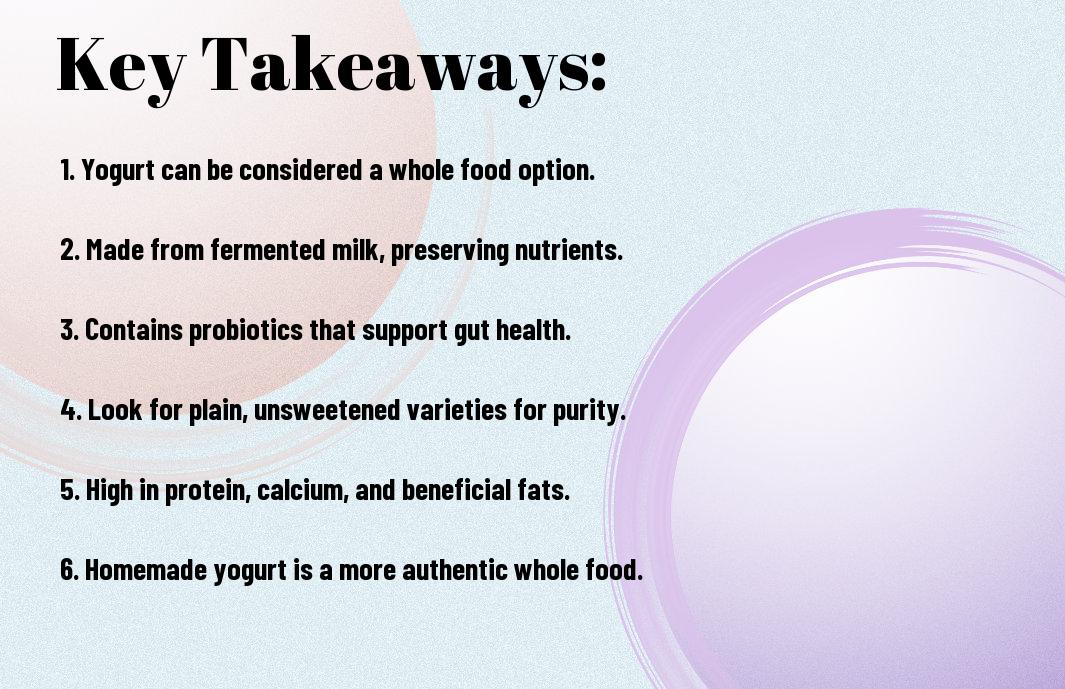
Key Takeaways:

  • Definition of Whole Food: Whole foods are minimally processed and remain as close to their natural state as possible.
  • Yogurt Variations: Not all yogurt is created equal; some may contain additives, sugars, and preservatives that detract from its whole food status.
  • Nutritional Benefits: Plain, unsweetened yogurt is rich in probiotics, protein, and important nutrients, aligning it closer to whole food principles.
  • Ingredients Matter: To consider yogurt as a whole food, look for options with few ingredients, mainly milk and live cultures.
  • Personal Choice: Ultimately, whether yogurt fits into a whole food diet depends on individual dietary choices and the specific type of yogurt consumed.

Understanding Whole Foods

For those seeking a healthier lifestyle, it’s crucial to understand what whole foods are and how they can impact your well-being. Whole foods refer to foods that are unprocessed or minimally processed, retaining their natural state. This means they are free from artificial substances, preservatives, and additives, providing you with the best nutritional benefits nature has to offer.

Definition of Whole Foods

Definitionally, whole foods are items that are in their most natural form. This includes fruits, vegetables, whole grains, nuts, seeds, and legumes. These foods contain crucial nutrients and are typically low in unhealthy fats, sugars, and sodium, making them a fundamental part of a balanced diet.

Nutritional Benefits of Whole Foods

Whole foods provide numerous nutritional benefits that can greatly enhance your health. Packed with vitamins, minerals, fiber, and antioxidants, they support your immune system, promote digestive health, and help maintain energy levels. Additionally, consuming whole foods can aid in weight management and reduce the risk of chronic diseases, making them a vital choice for your overall wellness.

Whole foods often contain higher nutritional values compared to their processed counterparts. Since they are rich in fiber, they help you feel full longer, which can be beneficial for weight control. Moreover, the natural antioxidants and phytochemicals found in whole foods can combat oxidative stress and inflammation in your body, leading to improved health outcomes. By incorporating more whole foods into your diet, you empower yourself to make healthier choices and boost your vitality.

The Composition of Yogurt

The composition of yogurt plays a significant role in determining whether it can be classified as a whole food. If you are exploring dietary options, you may find yourself intrigued by the question of Is a Whole Foods, Plant-Based Diet Right for You?. Understanding what goes into yogurt helps you make informed choices about its place in your nutrition.

Ingredients in Yogurt

Ingredients in yogurt primarily consist of milk and live bacterial cultures. While you might find variations in flavors and added sugars in commercial yogurts, traditional yogurt is crafted simply with whole milk and specific bacterial strains that promote fermentation. Always check the ingredient labels to ensure that you’re selecting products that align with your health goals.

Nutritional Profile of Yogurt

Nutritional content in yogurt is typically outstanding, as it provides a range of crucial nutrients that can benefit your overall health. The presence of protein, calcium, and probiotics contributes to various health advantages, such as supporting gut health and enhancing bone density.

It is worth noting that the nutritional profile can vary significantly between different types of yogurt. For example, Greek yogurt contains more protein compared to regular yogurt, making it a great option for muscle recovery. Additionally, choosing plain yogurt can help you avoid excess sugars found in flavored varieties, allowing you to enjoy the myriad benefits of yogurt while staying aligned with your dietary preferences.

Yogurt: Is It a Whole Food?

Many people wonder whether yogurt qualifies as a whole food. This question often hinges on the type of yogurt you are consuming, as not all yogurts are created equal.

Natural vs. Processed Yogurt

Food products like yogurt can be categorized into natural and processed forms. Natural yogurt is made with minimal ingredients, usually just milk and bacterial cultures. In contrast, processed yogurt often contains added sugars, artificial flavors, and preservatives, which can detract from its health benefits.

The Role of Probiotics in Yogurt

Natural yogurt is known for its probiotic content, which supports gut health. Probiotics are live bacteria that can enhance digestion and boost your immune system.

This beneficial component in yogurt helps maintain a balanced gut microbiome, which is crucial for overall health. By consuming yogurt rich in probiotics, you are not only enjoying a tasty treat but also potentially improving your digestion and nutrient absorption.

Yogurt’s Contribution to a Whole Food Diet

Yogurts can be an excellent addition to your whole food diet, providing a source of protein, calcium, and beneficial bacteria. When you choose high-quality yogurt, it can complement other whole foods and enhance your nutritional intake.

Plus, incorporating yogurt into your meals can add variety and flavor while supporting your health goals. Whether enjoyed as a snack or a base for smoothies and dressings, yogurt can seamlessly fit into a whole food diet, making it a versatile and delicious option.

To wrap up

The distinction of yogurt as a whole food largely depends on the type you choose. If you select yogurt that is minimally processed, without added sugars or artificial ingredients, it can indeed be considered a whole food that offers numerous health benefits. Understanding what constitutes a whole food can empower you to make informed dietary choices. For further insights into whole foods, you can explore the Whole Foods Diet Guide: Meal Plans and Shopping Lists.

FAQ

Q: Is yogurt considered a whole food?

A: Yogurt can be considered a whole food if it is made from whole ingredients and does not contain added sugars, artificial flavors, or preservatives. Whole food is often defined as food that is minimally processed and free from artificial substances. Natural yogurts made from whole milk and live cultures fit this definition and retain most of the nutrients found in the original milk.

Q: What kinds of yogurt are healthiest as whole foods?

A: The healthiest yogurts that qualify as whole foods typically include plain, unsweetened varieties made from whole milk or low-fat milk. Look for yogurts that contain live active cultures and minimal ingredients, ideally just milk and cultures. Greek yogurt, which is strained to remove excess whey, can also be a nutritious option, boasting higher protein content while still being considered a whole food when made from whole ingredients.

Q: Are there any downsides to yogurt that is not considered a whole food?

A: Yes, yogurt that is not considered a whole food often contains added sugars, artificial flavors, and other preservatives that can diminish its nutritional value. These additives may lead to increased calorie content and a higher glycemic index, potentially impacting blood sugar levels. Additionally, flavored yogurts may have lower levels of beneficial probiotics due to processing. It’s important to read labels to ensure the yogurt you choose aligns with whole food principles.

Is white rice a whole food

It’s important to understand the distinction between whole foods and processed foods when making dietary choices. You may wonder if white rice qualifies as a whole food, given its popularity as a staple in many cuisines. In this post, we will explore what defines a whole food, the differences between white rice and its whole-grain counterpart, brown rice, and how this affects your nutritional intake. By the end, you’ll have a clearer understanding of where white rice fits in your diet.

Key Takeaways:

  • Definition of Whole Food: Whole foods are minimally processed and retain their natural nutrients, fiber, and other beneficial compounds.
  • Processing of White Rice: White rice is milled and polished, removing the bran and germ, which reduces its nutritional content.
  • Comparison to Brown Rice: Brown rice is considered a whole food, offering higher levels of fiber, vitamins, and minerals compared to white rice.
  • Impact on Health: Regular consumption of whole foods, including whole grains like brown rice, may contribute to better health outcomes compared to eating processed options like white rice.
  • Consider Moderation: While white rice can be part of a balanced diet, it is necessary to consume it in moderation and alongside other whole foods.

Understanding Whole Foods

Before submerging into the specifics of white rice, it’s important to understand the concept of whole foods, as this classification significantly impacts your dietary choices and overall health.

Definition of Whole Foods

An important aspect of your nutrition journey is understanding that whole foods are unprocessed or minimally processed foods that retain their natural nutrients. They include fruits, vegetables, whole grains, nuts, seeds, and legumes, and are typically free from additives or artificial ingredients.

Nutritional Characteristics

Any whole food boasts a rich profile of vitamins, minerals, fiber, and antioxidants, which contribute to your overall health. Unlike processed foods, these foods provide a balanced source of nutrients that can support various bodily functions and promote well-being.

It’s crucial to note that the nutritional characteristics of whole foods vary. For instance, many whole grains, such as quinoa and brown rice, are high in fiber and important nutrients, while refined grains like white rice often undergo processing that strips away many of these beneficial qualities. Opting for whole foods allows you to maximize your nutrient intake and maintain a balanced diet.

The Nature of White Rice

Some people may wonder about the true nature of white rice, particularly when it comes to its classification as a whole food. Is it a healthy choice for your diet? To gain some clarity, you might find it helpful to explore the factors surrounding its processing and refinement as well as how it stacks up against its brown counterpart. Many sources discuss the differences extensively; for example, you can read about Brown Rice vs. White Rice: Which One Is Healthier?.

Processing and Refinement

On the way to the table, white rice undergoes significant processing that removes the bran and germ layers, resulting in a polished grain. This refinement strips away key nutrients such as fiber, vitamins, and minerals, making it less nutritious compared to its whole grain counterpart. The end product is stable and has a longer shelf life but lacks some of the whole food properties you might seek in your diet.

Comparison with Brown Rice

On the other side of the spectrum, brown rice is often praised for its nutritional benefits. It retains the bran and germ layers, which contain valuable nutrients. Let’s take a look at a simple comparison between white and brown rice to help you make an informed choice.

White Rice vs. Brown Rice

Aspect White Rice
Nutrient Density Lower nutrient content
Fiber Content Less fiber
Cooking Time Generally quicker to cook
Shelf Life Longer shelf life

Nature has provided brown rice with a hearty nutritional profile that includes fiber, various vitamins, and imperative minerals, making it a more wholesome option for enhancing your overall diet. While you might enjoy the taste of white rice in a meal, consider the advantages of incorporating brown rice with its added health benefits. Making thoughtful choices can ultimately enhance your diet and well-being.

Additional Nutritional Comparison

Nutrition White Rice
Calories (per 1 cup cooked) 205
Protein (grams) 4
Carbohydrates (grams) 45
Fat (grams) 0.4

Therefore, by understanding the nature of white rice and how it compares to brown rice, you can better decide how to incorporate it into your diet. While it offers convenience and a pleasing texture, consider alternate grains that align more closely with your health goals.

Nutritional Profile of White Rice

Once again, it’s important to investigate into the nutritional aspects of white rice to understand its place in your diet. While it may not be classified as a whole food due to its processing, analyzing its macronutrient and micronutrient profiles can help you evaluate its nutritional value and how it fits into your meals.

Macronutrients

Profile of white rice reveals that it is primarily composed of carbohydrates, providing about 45 grams of carbs per 1-cup serving when cooked. It contains minimal protein, around 4-5 grams, and is very low in fat, usually less than 1 gram. This composition makes white rice a quick source of energy, which can be beneficial in certain dietary routines.

Micronutrients

One of the notable aspects of white rice is its micronutrient content, which includes small amounts of necessary vitamins and minerals. Though it is lower in nutrients compared to whole grains, it still provides some B vitamins such as thiamine and niacin, as well as minerals like iron.

Rice varieties that are enriched may also contain added nutrients, helping to bridge the gap in your overall nutrient intake. However, it’s necessary to recognize that white rice lacks fiber and some key nutrients found in brown rice and other whole grains. Balancing your diet with a variety of foods can help ensure you meet your micronutrient needs effectively.

Dietary Considerations

Despite its popularity and cultural significance, white rice raises crucial dietary concerns regarding its classification as a whole food. Whole foods are typically defined as foods that are minimally processed and free from artificial substances. In this context, understanding how white rice fits into your overall diet is necessary for making informed dietary choices.

White Rice in Balanced Diets

On the surface, white rice can play a role in a balanced diet when consumed in moderation, particularly in conjunction with other nutrient-dense foods such as vegetables, proteins, and healthy fats. Its versatility makes it a staple in various cuisines, enabling you to incorporate it into meals while ensuring a variety of nutrients in your diet.

Health Implications

With its lower fiber content compared to whole grains, white rice may not provide the same health benefits. Diets high in refined carbohydrates, like those containing white rice, can contribute to blood sugar spikes and long-term health issues, such as obesity and type 2 diabetes.

Diets that heavily rely on white rice, while lacking in whole grains and other food groups, could lead to nutritional deficiencies. It’s necessary to balance your plate with whole foods rich in fiber, vitamins, and minerals to ensure optimal health. By diversifying your intake and including a variety of grains—like quinoa, brown rice, and barley—you can maximize nutrient absorption and maintain stable energy levels, contributing to a healthier lifestyle overall.

Summing up

Considering all points, you may conclude that white rice is not a whole food, as it undergoes significant processing that removes the bran and germ, stripping away many nutrients and fiber. While it still provides a source of carbohydrates and energy, opting for whole grains like brown rice or quinoa can offer more health benefits. Understanding the differences can help you make informed choices in your diet, ensuring you receive the nutrients your body deserves.

FAQ

Q: Is white rice considered a whole food?

A: No, white rice is not considered a whole food. Whole foods are typically defined as foods that are minimally processed and free from artificial ingredients or preservatives. White rice is milled and polished, which removes the bran and germ, stripping away many nutrients and fiber. This processing means it does not retain the qualities of a whole grain, such as brown rice, which is considered a whole food.

Q: What are the nutritional differences between white rice and whole grain rice?

A: The primary nutritional differences between white rice and whole grain rice lie in their fiber, vitamin, and mineral content. Whole grain rice, like brown rice, retains the bran and germ, providing more fiber, B vitamins, iron, and magnesium. In contrast, white rice has significantly lower fiber content and loses many of these nutrients during the refining process. This makes whole grain rice a healthier option for a balanced diet.

Q: Can white rice fit into a healthy diet despite not being a whole food?

A: Yes, white rice can fit into a healthy diet when consumed in moderation. While it lacks some of the nutritional benefits of whole grains, it is still a source of carbohydrates and can serve as a quick energy source. Pairing white rice with high-fiber vegetables, legumes, or protein sources can create a more balanced meal. Individuals with certain health conditions, such as digestive issues, may also find white rice easier to digest than whole grains, making it a suitable choice for them.

What are the 3 types of chicken food

Types of chicken food are important to ensure your feathered friends stay healthy and happy. Just like humans, chickens also need a balanced diet to thrive. In this blog post, you will discover the three main types of chicken food that you can provide to your flock. By understanding and incorporating these types of chicken food into their diet, you can promote their overall well-being and egg production.

Key Takeaways:

  • Whole grains: Whole grains form a crucial part of a chicken’s diet providing necessary energy and nutrients.
  • Protein sources: Protein sources such as mealworms, crickets, or soybeans are important for muscle development and overall health of chickens.
  • Fruits and Vegetables: Fruits and vegetables offer important vitamins and minerals, aiding in boosting the immune system and promoting overall well-being in chickens.

Types of Chicken Food

For those who are new to raising chickens, understanding the different types of food they need is crucial for their health and productivity. There are three main types of chicken feed: layer feed, starter feed, and finisher feed. Each type is formulated to meet the specific nutritional needs of chickens at different stages of their life.

  • Layer Feed
  • Starter Feed
  • Finisher Feed

Assume that you want to learn more about the specific requirements of these different feeds, head over to What Are The Different Types of Chicken Feed?

Layer Feed

On the table below, you can see a breakdown of the nutritional requirements for layer feed:

Protein Calcium
16% 3.5%-4%
3.5%-4% 4.5%-5%
4.5%-5% 16%-20%
16%-20% 0.6%
0.6% 1%

Starter Feed

With starter feed, the nutritional requirements differ as chickens are in the early stages of life. This feed is formulated to provide the necessary nutrients for growth and development. It typically contains higher levels of protein and vital vitamins and minerals to support the young chickens.

Feed your chicks starter feed for the first 6-8 weeks of their lives to ensure they get the best start in life. This feed helps them establish a healthy foundation for growth and prepares them for transitioning to other types of feed.

Finisher Feed

Finisher feed is designed for chickens that are nearing the end of their growth cycle. This feed contains lower protein levels and helps chickens maintain a healthy weight while providing vital nutrients. It is crucial to switch to finisher feed when your chickens are close to reaching maturity to support their overall health and well-being.

Finisher feed is typically fed to chickens for the final 2-4 weeks before processing or when they reach the desired weight for meat production. This feed helps them develop the right amount of muscle and fat for high-quality meat production.

Chicken food is not one-size-fits-all, and understanding the specific needs of your chickens at different stages of their life is vital for their overall health and productivity.

Nutritional Requirements

While feeding your chickens, it’s crucial to understand their nutritional requirements to ensure they stay healthy and productive. Meeting their dietary needs will help them grow properly, produce quality eggs, and maintain overall well-being.

Protein Content

Content

Protein is an crucial nutrient for chickens as it assists in the development of feathers, muscles, and egg production. A typical laying hen requires around 16% to 18% protein in their diet. To meet this requirement, you can feed them a balanced diet that includes ingredients such as soybean meal, fishmeal, or dried insects.

Calcium and Phosphorus

One

Calcium and phosphorus are vital for eggshell formation and skeletal health in chickens. Laying hens, in particular, need a good source of calcium to produce strong eggshells. You can provide crushed oyster shells or limestone in a separate feeder to ensure they have access to calcium whenever they need it.

Plus

It’s important to maintain the right balance between calcium and phosphorus in your chicken’s diet. Too much phosphorus can interfere with calcium absorption, leading to health issues like soft eggshells. Make sure to provide a well-balanced feed or supplement to meet their calcium and phosphorus needs.

Vitamins and Minerals

Minerals

Chickens also require a mix of vitamins and minerals to support their immune system, metabolism, and overall health. Vitamin D is crucial for calcium absorption, while minerals like iron, zinc, and manganese play crucial roles in various bodily functions. Including a variety of fresh fruits, vegetables, and commercial poultry feeds in their diet can help meet these requirements.

Understanding

It’s important to regularly assess your chicken’s dietary needs and adjust their feed accordingly. Monitoring their health, egg production, and behavior can give you clues about whether they are getting the right nutrients. Consulting with a poultry nutritionist can also provide valuable insights into formulating the best diet for your chickens.

Characteristics of Each Type

Layer Feed: Laying Hens’ Needs

All poultry feeds are not created equal. Layer feed is specifically formulated to meet the nutritional needs of laying hens. These feeds are high in calcium to help strengthen eggshells and contain additional vitamins and minerals to support overall hen health. When you feed your laying hens a diet rich in layer feed, you are ensuring that they have the necessary nutrients for optimal egg production and health.

Starter Feed: Chicks’ Development

When you have young chicks, starter feed is necessary for their growth and development. This type of feed is specially designed to provide the right balance of protein, vitamins, and minerals needed for healthy chick development. It’s crucial to provide starter feed to your chicks from day one to support their rapid growth and ensure they have a strong foundation for a healthy life.

Understanding the importance of starter feed for your chicks is key to setting them up for success. By providing them with the necessary nutrients they need during this critical growth period, you are investing in their long-term health and well-being.

Finisher Feed: Broilers’ Growth

An necessary part of raising broiler chickens is feeding them finisher feed during the final stages of their growth. This type of feed is formulated to promote efficient weight gain and muscle development in broilers. Finisher feed typically has a higher protein content to support the rapid growth rate of broilers as they approach market weight.

Feed plays a crucial role in the growth and development of broiler chickens. By providing them with the right balance of nutrients in finisher feed, you can ensure that your broilers reach their full growth potential and produce high-quality meat for consumption.

Ingredients and Additives

Despite the simple image of chicken feed, there’s actually a variety of ingredients and additives that go into making a balanced diet for your flock. Let’s break down the key components that make up your chickens’ food.

Grains and Proteins

For grains and proteins, your chicken feed will typically contain a mix of corn, wheat, soybean meal, and other grains. These ingredients provide the vital carbohydrates and proteins that chickens need to stay healthy and produce eggs. It’s important to ensure that your chicken feed contains a good balance of grains and proteins to meet your flock’s nutritional needs.

Vitamins and Minerals Supplements

One important aspect of chicken feed is the inclusion of vitamins and mineral supplements. These additives ensure that your chickens are getting all the necessary nutrients for optimal health and egg production. Vitamins such as A, D, E, and B-complex, as well as minerals like calcium and phosphorus, are crucial for your chickens’ overall well-being.

With the right vitamins and minerals in their diet, your chickens will have strong bones, healthy feathers, and good eggshell quality. It’s important to choose a feed that is specifically formulated to meet the needs of your chickens at different stages of life, whether they are chicks, layers, or broilers.

Antibiotics and Hormones: Pros and Cons

On the topic of antibiotics and hormones in chicken feed, there are both pros and cons to consider. Here’s a breakdown of the advantages and disadvantages:

Pros Cons
Help prevent and treat diseases Potential for antibiotic resistance
Can improve growth and feed efficiency Concerns about hormone residues in meat and eggs
May reduce mortality rates Environmental impact of antibiotic use

Vitamins and minerals play a crucial role in the health and well-being of your flock. By ensuring that your chickens receive the necessary supplements in their diet, you can help them lead a healthy and productive life. Remember to choose a high-quality feed that is specially formulated to meet the nutritional needs of your specific flock.

Feeding Strategies

Once again, if you want to probe deeper into the various types of chicken feed available, you can check out this informative article on 9 Types of Chicken Feed Explained. Concerning feeding your chickens, there are different strategies you can adopt based on your preferences and goals.

Free-Range and Organic Options

On your farm, you may opt for free-range or organic chicken feed options. Free-range chickens have access to the outdoors, allowing them to forage for insects and plants in addition to their feed. Organic feed is made from ingredients that are grown without synthetic pesticides or fertilizers. These options can be beneficial if you prioritize natural and sustainable practices in your chicken farming.

Conventional Farming Methods

Options for conventional farming methods include feeding your chickens regular commercial feed that is widely available and formulated to meet the nutritional needs of chickens. This type of feed typically includes a mix of grains, vitamins, and minerals to ensure that your chickens receive a balanced diet.

The conventional method is straightforward and convenient, making it a popular choice for many chicken farmers. If you are looking for a hassle-free approach to feeding your chickens while ensuring they get all the necessary nutrients, this may be the option for you.

Mixing and Matching Feed Types

The strategies for mixing and matching feed types involve combining different feeds to create a custom blend that suits your chickens’ specific needs. This approach allows you to cater to individual preferences, maximize nutritional benefits, or address specific health concerns. You can experiment with various combinations to find the right balance for your flock.

Option 1 Option 2
Option 3 Option 4
Option 5 Option 6
Option 7 Option 8
Option 9 Option 10
  • Experiment with different feed combinations to find what works best for your chickens.
  • Adjust the ratios of each feed type based on your chickens’ response and health indicators.

Assume that by mixing and matching feed types, you can tailor your chickens’ diet to ensure they are healthy and thriving. Experiment with different options until you find the right balance that meets your flock’s needs.

Health Implications

Nutrient Deficiencies

An imperative aspect of keeping your chickens healthy is ensuring they receive the proper nutrients in their diet. An imbalance or deficiency in imperative nutrients can have severe health implications for your flock. For example, a lack of calcium can lead to thin-shelled or soft-shelled eggs, causing potential issues during laying and compromising the overall health of your chickens.

Overfeeding and Obesity

One common mistake that chicken owners make is overfeeding their flock. When you provide excessive amounts of food, your chickens may consume more calories than they can burn off, leading to obesity. This can result in various health problems, such as decreased egg production, joint issues, and an increased risk of other diseases.

This can be harmful to your chickens and may require adjustments to their diet and feeding schedule. Monitor your chickens’ body condition regularly to ensure they stay in a healthy range and adjust their food intake as needed.

Disease Prevention and Treatment

Nutrient deficiencies can also weaken your chickens’ immune system, making them more susceptible to diseases. By ensuring they receive a balanced diet rich in imperative nutrients, you can help boost their immune response and prevent common poultry illnesses. Additionally, certain nutrients, such as vitamin C and zinc, play a crucial role in supporting your chickens’ immune system and overall health.

A healthy diet and proper nutrition are vital factors in preventing diseases in your flock. By providing your chickens with a well-balanced diet, you can help them maintain optimal health and reduce the risk of illnesses that can impact their well-being.

Summing up

Drawing together, chicken food can be broadly categorized into three main types: starter feed, grower feed, and layer feed. It is crucial to select the right type of feed depending on the stage of your chicken’s life to ensure they receive the appropriate nutrients for growth and health. By understanding the nutritional needs of your chickens and providing them with the right type of feed, you can help them thrive and produce high-quality eggs or meat.

Q: What are the 3 types of chicken food?

A: The three types of chicken food are:

  1. Starter feed: This is a type of feed specially formulated for chicks, usually up to 8 weeks old. It is high in protein and necessary nutrients for growth.
  2. Grower feed: This feed is designed for adolescent chickens, typically from 8 weeks to 16 weeks old. It has a balanced amount of protein and other nutrients to support healthy development.
  3. Layer feed: Layer feed is for adult hens that are laying eggs. It contains higher levels of calcium and other vitamins to support egg production and shell quality.

How can I increase my fibre fast

With the rising awareness of the benefits of dietary fibre, you may be looking for ways to boost your intake quickly. Increasing your fibre can improve digestion, support weight management, and enhance overall health. In this guide, you’ll discover practical tips and food options that will help you increase your fibre intake efficiently, allowing you to reap the benefits without feeling overwhelmed. Embrace these strategies as you work towards a healthier lifestyle and enjoy the advantages that come with increased fibre in your diet.

Key Takeaways:

  • Incorporate High-Fiber Foods: Adding foods such as beans, lentils, whole grains, fruits, and vegetables to your diet can quickly boost your fiber intake.
  • Choose Whole Grains: Swap refined grains for whole grains like brown rice, quinoa, and whole-grain bread for an immediate increase in fiber levels.
  • Snack Smart: Opt for snacks like nuts, seeds, or popcorn, which are not only tasty but also provide a good source of dietary fiber.

Understanding Dietary Fiber

Your diet plays a significant role in ensuring adequate fiber intake. Dietary fiber consists of plant-based carbohydrates that your body cannot digest. It is classified into two main types: soluble and insoluble fiber, each offering unique health benefits. By understanding fiber, you can make informed dietary choices to enhance your overall health.

Types of Fiber

Your fiber intake includes different types, each with distinct properties and benefits:

  • Soluble Fiber: Dissolves in water and helps lower cholesterol.
  • Insoluble Fiber: Does not dissolve in water and supports digestive health.
  • Fermentable Fiber: Can be fermented by bacteria in the gut and promotes gut health.
  • Functional Fiber: Added to foods for health benefits.
  • Dietary Fiber: Naturally found in whole foods like fruits and vegetables.

The variety of fiber types available can enhance your health in multiple ways.

Type of Fiber Source
Soluble Fiber Oats, beans, apples
Insoluble Fiber Whole grains, nuts
Fermentable Fiber Chicory root, asparagus
Functional Fiber Psyllium husk, inulin
Dietary Fiber Vegetables, fruits

Health Benefits of Fiber

Dietary fiber is associated with numerous health benefits, including improved digestion and reduced risk of chronic diseases. It can help control blood sugar levels, promote a healthy weight, and enhance gut health through regular bowel movements.

With an adequate intake of fiber, you not only support your digestive health but also provide your body with important nutrients. Studies have shown that fiber-rich diets can lower the risk of heart disease, diabetes, and certain types of cancer. By incorporating more fiber into your meals, you can enjoy these preventive benefits while optimizing your overall health. So, consider adding fiber-rich foods to your diet for improved well-being.

Assessing Your Current Fiber Intake

Assuming you want to increase your fiber intake quickly, the first step is to assess your current consumption. Start by keeping a food diary for a week to track the total amount of fiber in your meals and snacks. Most adults should aim for a specific daily target, and knowing where you currently stand will help you identify gaps in your diet and set realistic goals for improvement.

Common Sources of Fiber

Around your kitchen, you can find numerous sources of dietary fiber. Foods like fruits, vegetables, whole grains, legumes, nuts, and seeds are excellent options. Incorporating these items into your meals can significantly boost your fiber intake without needing drastic changes to your diet.

Recommended Daily Intake

Against the backdrop of dietary guidelines, adults should aim for a daily fiber intake of 25 to 30 grams, depending on individual needs and lifestyle factors. While many people fall short of this target, increasing your fiber intake can lead to numerous health benefits, including improved digestion and better heart health.

Another way to understand the recommended daily intake is to realize that you may require more fiber if you have specific health concerns, are pregnant, or are very active. Tailoring your fiber intake to your lifestyle not only enhances your overall health but also supports your body’s unique needs, ensuring you reap the full benefits of fiber.

Quick Ways to Increase Fiber Intake

All it takes is a simple shift in your eating habits to boost your fiber intake. Start by incorporating fiber-rich foods into your daily routine, making sure to choose a variety of sources. This not only enhances your overall diet but also improves digestive health and can help you feel fuller for longer.

Incorporating Whole Grains

To elevate your fiber intake, focus on incorporating whole grains into your meals. Replace white bread and pasta with whole grain options like brown rice, quinoa, or whole grain bread. These alternatives provide more fiber per serving, supporting better digestion and overall health.

Adding Fruits and Vegetables

Below your plate can become a bright display of fiber-rich fruits and vegetables. Aim to fill half your plate with colorful produce at every meal. Incorporating a variety of fruits and vegetables not only ensures a good fiber intake but also provides imperative vitamins and minerals for overall health.

A consistent approach to adding fruits and vegetables to your diet can lead to significant increases in fiber. Snack on raw veggies, add berries to your breakfast, or toss leafy greens into your salads. Each small adjustment contributes to your daily fiber goal while enhancing the nutrition of your meals.

High-Fiber Snacks to Consider

Not all snacks are created equal when it comes to fiber content. Opt for snacks that naturally pack a punch with fiber; this will not only satisfy your hunger but also contribute to your daily intake. Think about swapping out chips for roasted chickpeas, or choosing whole-grain popcorn instead of regular varieties. These small changes can make a significant difference in boosting your fiber levels quickly.

Nutritious Snack Ideas

With a variety of options available, nutritious snacks can be both delicious and fiber-rich. Consider munching on raw veggies with hummus, or indulge in a handful of almonds for a satisfying crunch. Try adding fruits like apples or pears, which are excellent sources of dietary fiber. Yogurt topped with chia seeds or flaxseeds also makes for a tasty, fiber-filled snack that keeps you full.

Smart Shopping Tips

Snack smartly by focusing on whole, unprocessed foods that are high in fiber. When you shop, look for items that list whole grains as the first ingredient. Check nutrition labels for fiber content, aiming for at least 3 grams per serving. Fresh fruits and vegetables, nuts, and seeds should be top of your shopping list to help you make healthy choices.

  • Choose whole-grain options whenever possible.
  • Opt for snacks with minimal added sugars and preservatives.
  • Explore the bulk section for dried fruits and nuts for more cost-effective choices.

Knowing these tips can help you stock your pantry with high-fiber snacks that align with your health goals.

The more informed you are while shopping, the more you can incorporate fiber into your diet without sacrificing flavor. Read product labels carefully and choose snacks that have an abundance of whole ingredients. Explore different brands to find your favorites and keep your snack options exciting.

  • Stay updated on snack trends to discover newly launched fiber-rich products.
  • Participate in local farmers’ markets to find seasonal, fiber-dense produce.
  • Invest in some pantry staples like oats and beans to boost fiber effortlessly.

Knowing this, you’ll be well-equipped to make healthier snack choices fast.

Meal Planning for Higher Fiber

After determining your fiber goals, you can create a meal plan that incorporates a variety of high-fiber foods. Focus on including whole grains, legumes, fruits, and vegetables in your daily meals. Planning ahead not only helps you meet your fiber targets but also encourages healthier eating habits. Think about your schedule and prepare meals in advance, so you always have nutritious options on hand.

Sample Menus

Higher fiber menus can make a significant impact on your daily intake. Consider starting your day with oatmeal topped with berries, enjoying a lentil soup for lunch, and having quinoa with roasted vegetables for dinner. Ensure your snacks include almonds or carrots with hummus to keep your fiber levels elevated.

Cooking Tips for Fiber-Rich Meals

Meal preparation can enhance your fiber intake significantly. Opt for cooking methods like steaming or roasting vegetables, which preserve their nutrients. When baking, substitute white flour with whole wheat or almond flour for added fiber. Incorporate beans and legumes into salads or soups to boost fiber content.

  • Experiment with different grains like barley, farro, or brown rice.
  • Blend fruits into smoothies for an easy fiber addition.
  • Choose fruits and vegetables with edible skins, like apples or potatoes.
  • Any meal can be enhanced by including seeds such as chia or flaxseeds.

Planning your cooking around fiber-rich ingredients helps create a foundation for healthier meals. Here are some tips to optimize your cooking:

  • Soak beans before cooking to facilitate tenderness and digestibility.
  • Chop vegetables into smaller pieces to maximize cooking time and flavor.
  • Serve high-fiber foods in combination with lean proteins for balanced meals.
  • Any recipe can be modified to include more fiber by adding nuts, seeds, or whole grains.

Potential Challenges and Solutions

Despite your determination to increase your fiber intake, you might encounter some challenges along the way. These could range from unexpected digestive issues to difficulty finding high-fiber foods in your local market. Recognizing these potential hurdles is the first step. Familiarize yourself with How to Increase Fiber Intake Without Side Effects to navigate these challenges effectively.

Digestive Adjustments

Before making significant changes to your diet, your body may need time to adjust to the increased fiber. Start gradually by adding small amounts of high-fiber foods and ensure you are drinking plenty of water to aid digestion.

Tips for Staying on Track

On your journey to increase fiber, staying motivated can be a challenge, but setting achievable goals can help. Consider the following tips to keep you focused:

  • Plan your meals around fiber-rich foods.
  • Carry nutritious snacks for those busy days.
  • Track your progress to identify what works best for you.

Perceiving challenges as opportunities for growth will aid your transition to a higher fiber diet.

In addition, creating a routine that includes fiber-rich meals can ensure you stay on track. Think about incorporating the following strategies:

  • Experiment with different high-fiber recipes to find what you enjoy.
  • Join a support group or an online community for fiber enthusiasts.
  • Set weekly challenges to motivate yourself.

Perceiving your journey positively can make the experience enjoyable and rewarding.

Conclusion

With this in mind, you can quickly increase your fiber intake by incorporating high-fiber foods such as fruits, vegetables, whole grains, legumes, and nuts into your meals and snacks. Start your day with a fiber-rich breakfast, choose whole grain options for lunch and dinner, and add seeds or nuts to your salads and yogurt. Additionally, consider adding a fiber supplement if needed. By making these simple dietary adjustments, you will enhance your overall digestive health and well-being in no time.

FAQ

Q: What foods are best for quickly increasing my fiber intake?

A: To quickly boost your fiber intake, incorporate foods such as beans, lentils, chia seeds, flaxseeds, and whole grains like oats and quinoa. Fruits like raspberries, pears, and apples, alongside vegetables like broccoli, carrots, and sweet potatoes, can also significantly contribute to your daily fiber goal.

Q: How can I add more fiber to my meals without drastically changing my diet?

A: Gradually increase fiber by making small adjustments to your current meals. For instance, switch to whole grain bread or pasta, add beans to salads or soups, sprinkle seeds on yogurt or smoothies, and snack on fruits or raw veggies instead of processed snacks.

Q: Are there any tips for ensuring I drink enough water while increasing my fiber?

A: Staying well-hydrated is important when increasing fiber consumption. Aim to drink a glass of water with each high-fiber meal or snack. Set reminders throughout the day to drink water, and try carrying a reusable water bottle with you to make it easier to stay on track.

Q: Can fiber supplements help me increase my fiber intake quickly?

A: Fiber supplements can be an effective way to boost your fiber intake, especially if you are struggling to get enough from foods alone. Choose a supplement that contains both soluble and insoluble fiber, and consult with a healthcare professional for personalized advice.

Q: What potential challenges should I expect when increasing fiber and how can I manage them?

A: As you increase fiber, you may experience digestive discomfort such as bloating or gas. To manage this, introduce fiber gradually over a few days, ensuring to combine it with adequate hydration. Also, choose a variety of fiber types to aid digestion and maintain a balanced diet.

Skip to content