simon weiner

How many days will food poisoning last

With food poisoning affecting millions each year, it’s crucial for you to understand how long its symptoms may persist. Symptoms can vary based on the type of pathogen involved, but you might experience abdominal cramps, nausea, and diarrhea that can last anywhere from a few hours to several days. Knowing what to expect can help you manage your symptoms effectively and seek medical advice when necessary. This blog post will guide you through the typical duration of food poisoning, factors that influence its length, and when it’s time to consult a healthcare professional.

Key Takeaways:

  • Duration Varies: The length of food poisoning can range from 1 to several days, depending on the type of pathogen involved.
  • Common Symptoms: Symptoms such as nausea, vomiting, diarrhea, and abdominal cramps typically last for a few days, but may persist longer in some cases.
  • Seek Medical Attention: If symptoms are severe or last longer than a few days, it is important to seek medical attention to prevent complications.

Understanding Food Poisoning

To grasp the impact of food poisoning, it’s vital to understand what it is and how it occurs. Food poisoning is an illness caused by consuming contaminated food or beverages. The contaminants can include bacteria, viruses, parasites, or toxins, which can lead to various symptoms and health issues in affected individuals.

Definition of Food Poisoning

One of the most common health issues people face is food poisoning, which occurs when you ingest harmful pathogens or toxins present in contaminated food or drinks. Symptoms usually arise within hours or days after exposure and can often be severe.

Common Causes

To effectively prevent food poisoning, it’s vital to know its common causes. The most frequent culprits include bacteria like Salmonella, E. coli, and Listeria, as well as viruses such as norovirus. Cross-contamination, improper cooking, and inadequate food storage can increase the risk of exposure.

It’s important to note that food poisoning can arise from various sources, including improperly handled raw meats, unwashed fruits and vegetables, and contaminated water. Even seemingly harmless foods, like dairy products that are past their expiration date, can harbor harmful bacteria. By understanding these common causes, you can take proactive steps to mitigate your risk of food poisoning in your daily life.

Duration of Food Poisoning Symptoms

Some food poisoning cases can resolve on their own, while others may linger for several days. Understanding the typical duration of symptoms associated with various pathogens can help you gauge the severity of your situation and when to seek medical attention.

Typical Duration for Various Pathogens

Any different types of pathogens can cause food poisoning, and the duration of symptoms may vary significantly. For instance, symptoms from bacterial infections like Salmonella may last between 4 to 7 days, while those from viruses like Norovirus can resolve within 1 to 3 days. In contrast, parasites may cause symptoms lasting for weeks if not treated appropriately.

Factors Influencing the Duration

For your recovery from food poisoning, several factors play a crucial role in influencing how long your symptoms last. These include the type of pathogen responsible, your overall health, the amount of contaminated food consumed, and whether you have any pre-existing conditions:

  • Type of pathogen involved
  • Your immune system’s strength
  • Hydration levels
  • Underlying health issues
  • Timeliness of treatment

Knowing these factors can help you manage your symptoms more effectively and speed up recovery.

Duration can also be affected by how your body reacts to the infection and how well you care for yourself during this period. Easing your symptoms and understanding your body’s needs can make a significant difference in your recovery timeline:

  • Staying hydrated
  • Easting bland foods
  • Getting plenty of rest
  • Seeking medical attention when necessary

Knowing the signs of complications will help you decide when to consult healthcare professionals, ensuring your recovery is optimal and swift.

Symptoms and Their Management

All food poisoning can lead to a variety of uncomfortable symptoms, impacting your daily life. To understand how to alleviate these symptoms, you can refer to resources such as How Long Food Poisoning Lasts and What To Do About It.

Common Symptoms of Food Poisoning

The symptoms of food poisoning can vary widely but typically include nausea, vomiting, diarrhea, abdominal cramps, and fever. These symptoms can onset within hours of consuming contaminated food or may take days to appear, depending on the type of bacteria or virus involved.

When to Seek Medical Attention

Management of food poisoning can usually be done at home; however, there are specific circumstances when seeking medical attention is crucial. If you experience severe symptoms such as high fever, prolonged vomiting, or signs of dehydration, you should consult a healthcare professional.

Seek medical attention immediately if you notice symptoms such as blood in your stool, a fever over 101.5°F (38.6°C), or if you are unable to keep fluids down. Prompt medical care can help prevent further complications and ensure appropriate treatment for your condition.

To wrap up

Upon reflecting, it’s crucial to understand that the duration of food poisoning can vary significantly based on the type of contaminant and your individual health. Generally, symptoms may last anywhere from a few hours to several days, but they should subside after your body eliminates the toxins. If you experience severe symptoms or if they persist beyond a few days, it’s crucial to consult a healthcare professional. You can learn more about the Symptoms of Food Poisoning | Food Safety to better recognize the signs and seek appropriate care.

FAQ

Q: How long does food poisoning typically last?

A: The duration of food poisoning varies based on the causative agent. Generally, symptoms can last from a few hours to several days. Most mild cases resolve within 1 to 3 days, while more severe cases, especially those caused by bacteria like Salmonella or E. coli, can persist for up to a week or more.

Q: What factors influence the duration of food poisoning symptoms?

A: Several factors can influence how long food poisoning lasts, including the type of contaminant (bacteria, virus, or toxin), the individual’s overall health, age, immune system strength, and the amount of contaminated food consumed. Each of these can substantially affect recovery time.

Q: Can I still be contagious after my food poisoning symptoms have stopped?

A: Yes, depending on the pathogen responsible for the food poisoning, individuals can still be contagious after symptoms resolve. For example, norovirus can remain in the stool for several days after symptoms have cleared, so it’s important to maintain good hygiene practices during this time to avoid spreading the infection.

Q: Are there any long-term effects of food poisoning?

A: In some cases, food poisoning can lead to long-term health issues such as irritable bowel syndrome (IBS) or complications like kidney failure, especially after infections with certain bacteria like E. coli O157:H7. While most people recover completely, it’s important to monitor symptoms and seek medical attention if they persist or worsen.

Q: When should I seek medical attention for food poisoning?

A: You should seek medical attention if you experience severe symptoms such as high fever (over 102°F), prolonged vomiting that prevents you from keeping liquids down, severe dehydration signs (like dizziness or lightheadedness), or bloody diarrhea. If symptoms last more than a few days without improvement, it’s also advisable to consult a healthcare professional.
What is the highest fiber food

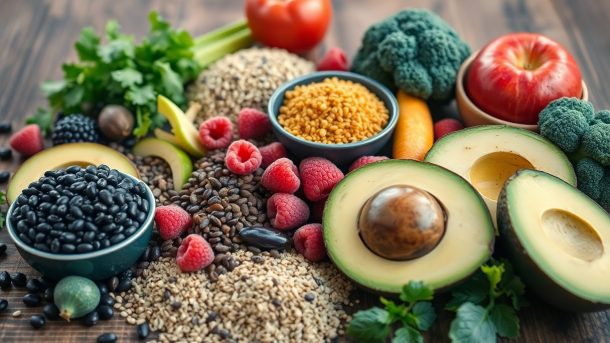
Nutrition plays a key role in your overall health, and dietary fiber is one of the most necessary components for maintaining a well-balanced diet. If you’re looking to boost your fiber intake, understanding which foods pack the highest fiber content can significantly benefit your digestive health and help you feel fuller for longer. This blog post will guide you through the top high-fiber foods you should incorporate into your meals for enhanced nutrition and overall wellness.

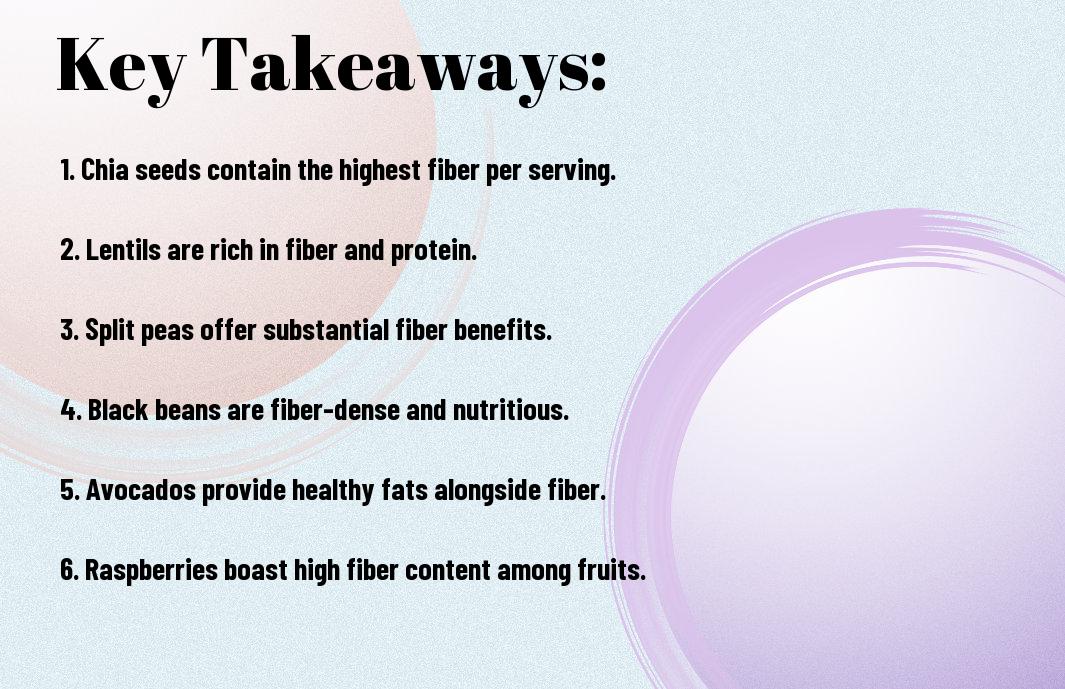
Key Takeaways:

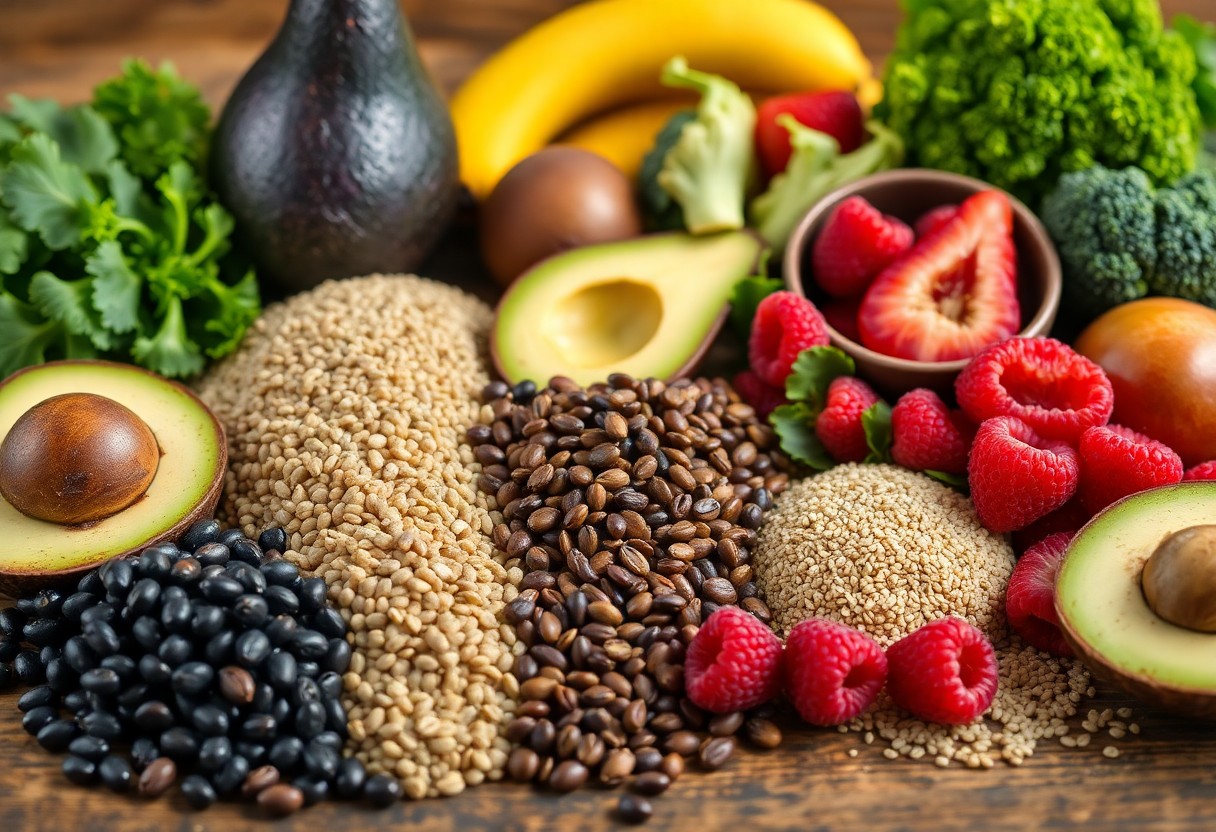
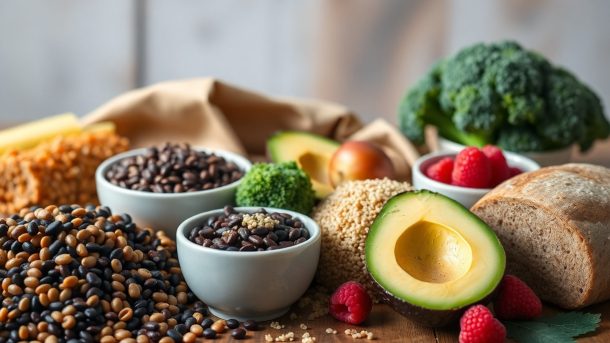
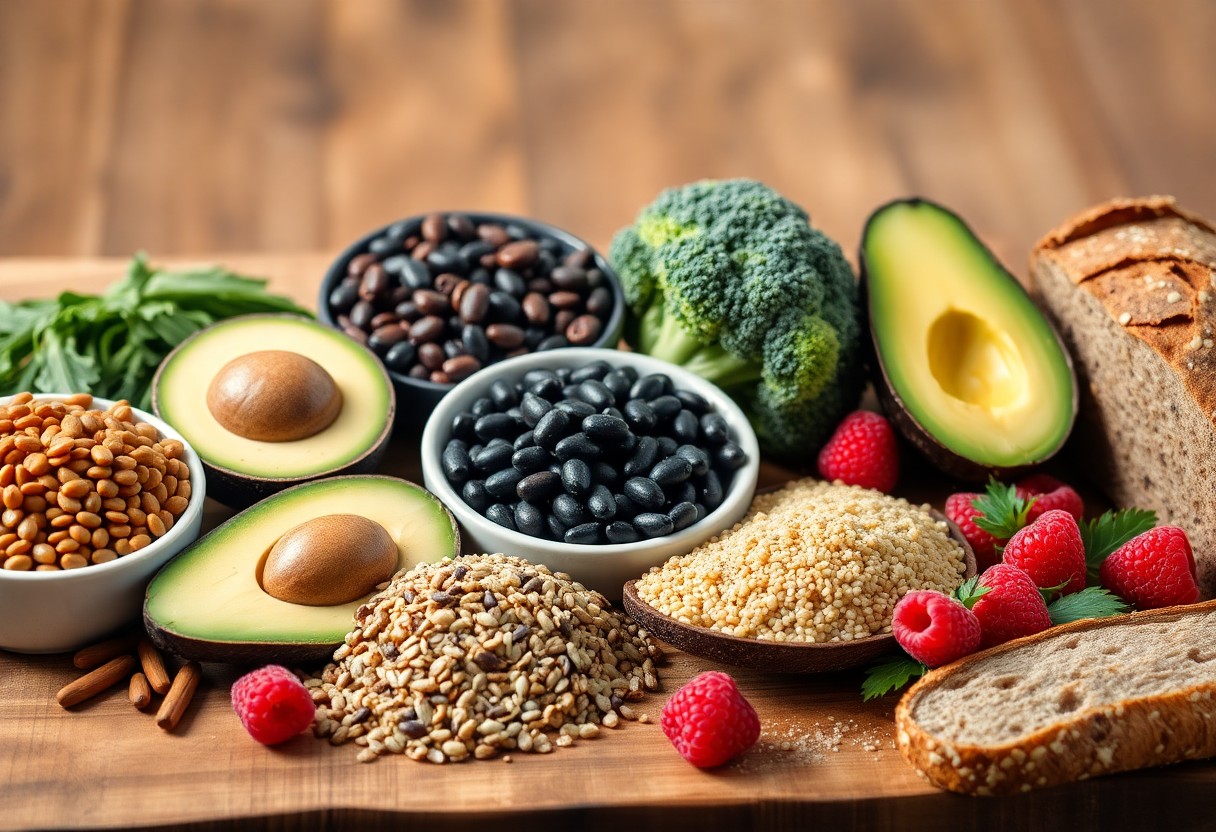
  • Legumes: Foods such as lentils, black beans, and chickpeas are among the highest in fiber content, providing substantial health benefits.
  • Fruits and Vegetables: Certain fruits like raspberries and vegetables such as artichokes and broccoli are excellent sources of dietary fiber.
  • Whole Grains: Foods like oats, quinoa, and barley are packed with fiber, which supports digestive health and helps maintain a balanced diet.

Understanding Fiber

Before exploring into the highest fiber foods, it’s important to understand what fiber is and its role in your diet. Fiber, a type of carbohydrate, plays a significant role in digestive health by supporting regular bowel movements and maintaining gut health. If you’re curious about high-fiber options, check out 29 High-Fiber Foods That Support Digestive Health.

Types of Dietary Fiber

For a better grasp of fiber, it’s important to know there are two main types: soluble and insoluble. Both types contribute differently to your diet and health. Here’s a breakdown:

Soluble Fiber Dissolves in water and can help lower cholesterol.
Insoluble Fiber Does not dissolve in water and promotes regular bowel movements.
Sources Fruits, vegetables, legumes, whole grains.
Benefits Supports heart health and digestive regularity.
Recommendations Include a mix of both in your diet.

After understanding the two fiber types, you can better incorporate them into your meals.

Health Benefits of Fiber

Fiber plays a significant role in maintaining your overall health. It aids digestion, helps control blood sugar levels, and can even assist in weight management. By including sufficient fiber in your diet, you’re likely to enjoy a healthier lifestyle.

This dietary component also contributes to reducing the risk of chronic diseases, including heart disease and diabetes. By incorporating a variety of fiber-rich foods, you can improve your gut health, which can lead to enhanced nutrient absorption and overall well-being.

Top Fiber-Rich Foods

Now that you understand the importance of fiber in your diet, it’s time to explore some of the top fiber-rich foods that can help you achieve optimal health. Incorporating a variety of these foods can not only boost your fiber intake but also support digestion and overall wellness. From fruits and vegetables to legumes and whole grains, you’ll find that there are plenty of delicious options available to enhance your meals.

Legumes and Pulses

Behind whole grains, legumes and pulses are among the best sources of dietary fiber. Varieties like lentils, chickpeas, and black beans pack a powerful fiber punch, helping to keep you full longer and support healthy digestion. Additionally, these foods are affordable and versatile, making them an easy addition to salads, soups, and stews.

Whole Grains

Before you probe your next meal, consider adding whole grains to your plate for an extra boost of fiber. Foods such as quinoa, brown rice, oatmeal, and whole wheat bread are not only rich in fiber but also provide a range of crucial nutrients that benefit your overall health. Whole grains can lower cholesterol levels, regulate blood sugar, and improve digestive health.

Even small changes, like swapping white rice for brown rice or choosing whole wheat pasta over regular pasta, can significantly increase your fiber intake and enhance your meal’s nutritional profile. Incorporating whole grains into your diet can help you maintain energy levels and promote a feeling of fullness, making them an excellent choice for weight management and digestive support.

Vegetables High in Fiber

Despite often being overlooked, vegetables are an excellent source of dietary fiber, which aids in digestion and supports overall health. Incorporating a variety of fiber-rich vegetables into your meals can help you meet your daily fiber goals while enhancing flavor and texture. From leafy greens to root vegetables, making these choices can significantly boost your nutrient intake and keep your digestive system functioning optimally.

Leafy Greens

Above all, leafy greens like spinach, kale, and Swiss chard are packed with fiber and necessary vitamins. These versatile vegetables can easily be added to salads, smoothies, or cooked dishes to enhance both nutrition and taste while supporting your gut health.

Cruciferous Vegetables

Across the varieties of cruciferous vegetables, you will find broccoli, cauliflower, Brussels sprouts, and cabbage, all rich in fiber. Incorporating these vegetables into your diet can help you achieve better digestive health while providing necessary nutrients.

Another benefit of cruciferous vegetables is their unique composition of antioxidants, which can help protect your body from oxidative stress. Eating a variety of these fiber-rich options can promote satiety, making them perfect for anyone looking to manage their weight while enjoying a delicious array of flavors in their meals.

Fruits That Pack a Fiber Punch

Not all fruits are created equal when it comes to fiber content. Some varieties offer a substantial amount of dietary fiber that can significantly contribute to your daily intake, helping to promote healthy digestion and keep you feeling full. Incorporating these fiber-rich fruits into your diet can enhance your overall health while satisfying your sweet tooth.

Berries

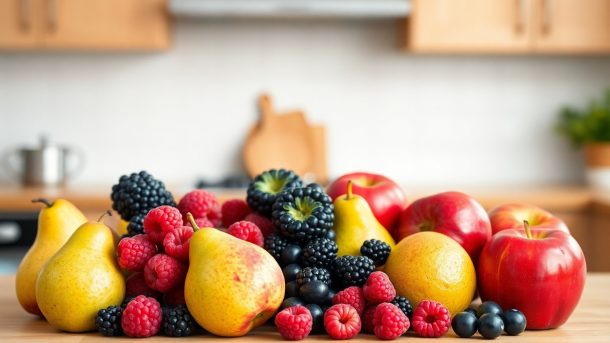
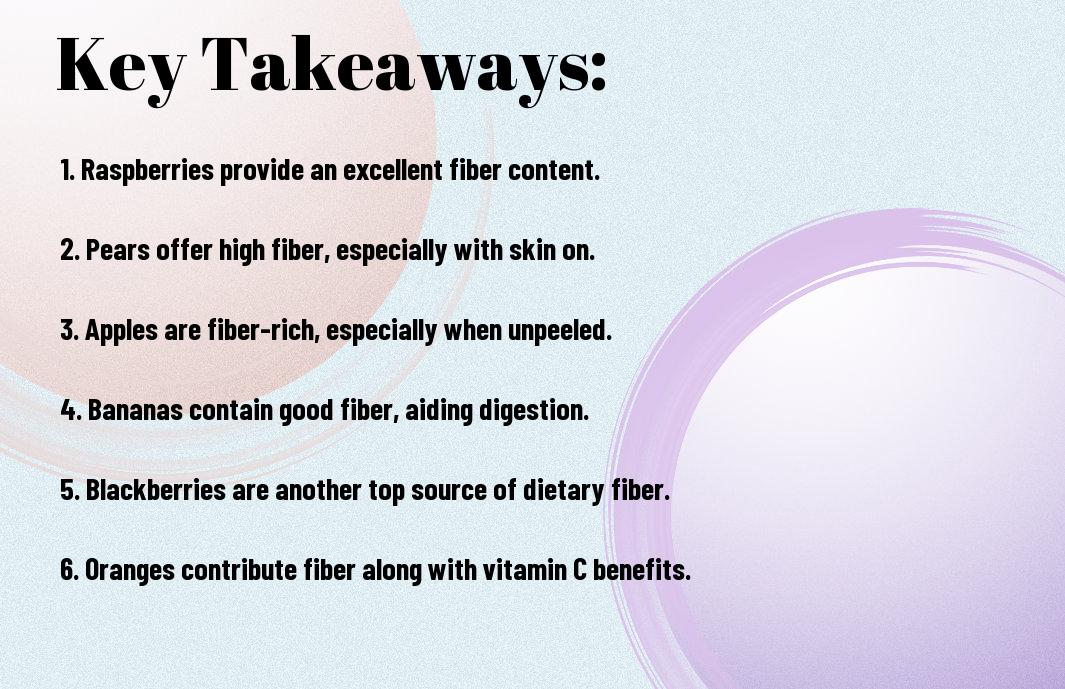
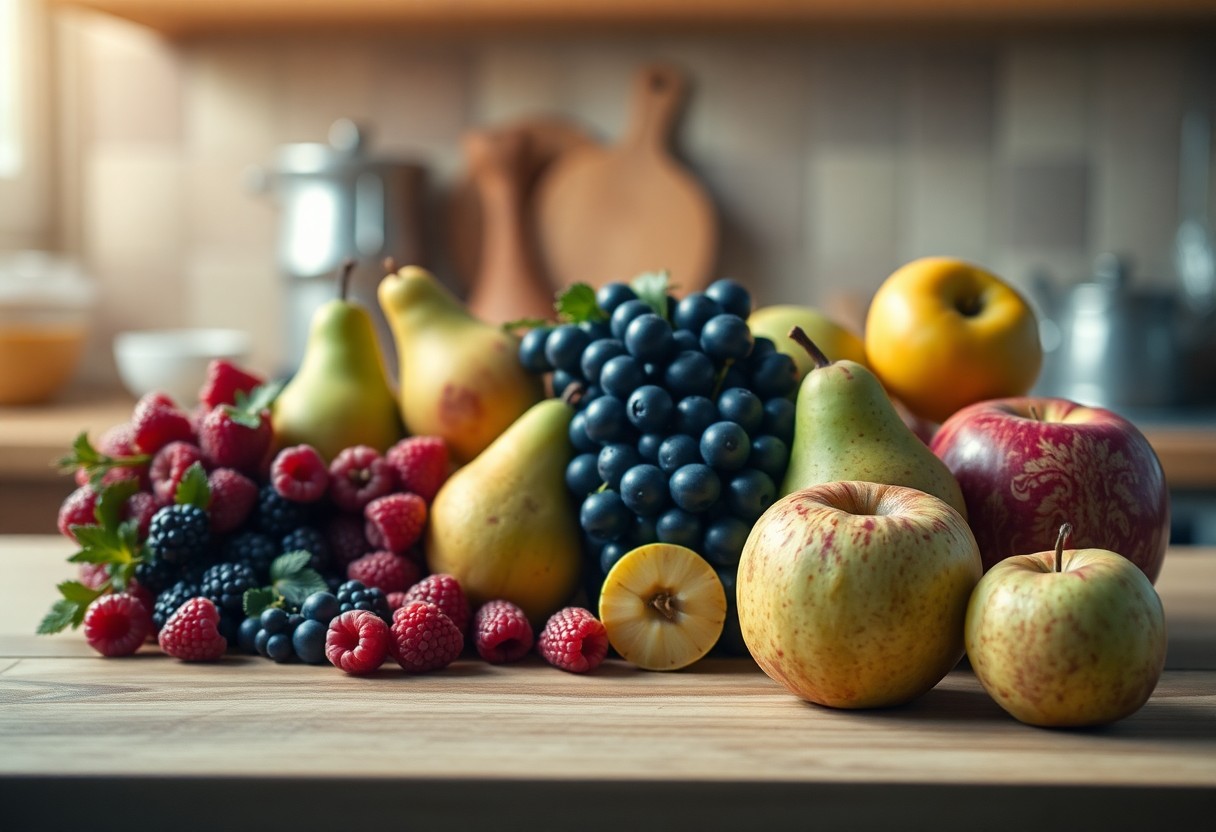
Between strawberries, raspberries, blueberries, and blackberries, berries stand out as fiber powerhouses. Just a cup of raspberries provides about 8 grams of fiber, while blackberries closely follow with 7 grams. Their vibrant colors and delicious flavors make it easy to include them in your meals or snacks, boosting your fiber intake effortlessly.

Apples and Pears

After berries, apples and pears are excellent choices to boost your fiber consumption. A medium-sized apple with its skin can provide around 4 grams of fiber, while a medium pear offers about 5 to 6 grams. Both fruits are versatile and can be enjoyed raw, added to salads, or incorporated into baked goods, making fiber intake tasty and enjoyable.

This versatility not only enhances your meals but also helps you achieve your nutritional goals. Choosing whole fruits rather than processed options ensures you get the maximum fiber benefits. Aim to keep the skins on for an added fiber boost, and consider mixing apples and pears into smoothies or oatmeal for a delicious, fiber-rich start to your day.

Nuts and Seeds as Fiber Sources

For those seeking to enhance your fiber intake, nuts and seeds are excellent options. Both offer a significant amount of fiber along with healthy fats, making them great for snacking or adding to meals. To discover 24 High-Fiber Foods For Optimal Health, consider incorporating a variety of nuts and seeds into your diet for maximum benefits.

Chia Seeds

Behind their tiny appearance, chia seeds pack a powerful fiber punch, providing around 10 grams of fiber per ounce. When you add them to your smoothies or puddings, they not only enhance the texture but also keep you feeling fuller longer, promoting overall digestive health.

Almonds and Walnuts

Seeds such as almonds and walnuts are fantastic sources of both fiber and nutrients. You can enjoy a handful as a quick snack, or sprinkle them on your salads and oatmeal for additional fiber and crunch. These nuts not only contribute to meeting your daily fiber goals but also provide heart-healthy fats for overall wellness.

This combination of fiber, protein, and healthy fats makes almonds and walnuts imperative additions to your pantry. Eating them regularly can aid in digestion, help maintain steady blood sugar levels, and support weight management, ultimately enhancing your overall health and vitality.

Tips for Increasing Fiber Intake

All you need to do is make small adjustments to your diet to boost your fiber intake effectively. Consider these strategies:

  • Start your day with a high-fiber breakfast, like oatmeal or whole grain cereal.
  • Incorporate beans or lentils into your salads and soups.
  • Swap white bread and pasta for whole grain versions.
  • Snack on fruits, vegetables, and nuts instead of processed snacks.
  • Gradually add fiber-rich foods to your meals to avoid digestive discomfort.

Any effort to increase your fiber intake can lead to long-term benefits for your health.

Gradual Introduction of Fiber

About introducing fiber into your diet gradually is vital to avoid potential digestive issues. Start with a small amount and gradually increase it over several days or weeks. This will help your body adjust without causing bloating or discomfort, making the transition smoother and more manageable for you.

Pairing with Other Nutrients

With fiber-rich foods, pairing them with other vital nutrients can enhance overall health. Foods high in protein, healthy fats, and vitamins complement fiber, making meals more balanced and satisfying.

And when you consume fiber alongside other nutrients, you may find that it improves satiety, keeping you fuller longer. For instance, pair your fiber-rich fruits with a dab of nut butter for healthy fats or mix legumes with whole grains for a complete protein source. This not only helps in nutrient absorption but also supports better digestion, making your meals more enjoyable and nutritious.

To wrap up

Upon reflecting, you will find that the highest fiber foods are typically plant-based, with beans, lentils, and certain fruits and vegetables leading the pack. Incorporating these foods into your diet can significantly boost your fiber intake, promoting digestive health and overall well-being. Prioritizing high-fiber foods, such as chia seeds and whole grains, can enhance your nutrient profile and support long-term health. By making informed choices about your food selections, you empower yourself to achieve better digestive harmony and improved vitality.

FAQ

Q: What is the highest fiber food?

A: The highest fiber food is typically considered to be chia seeds, which offer about 34 grams of fiber per 100 grams. Other notable high-fiber foods include split peas, lentils, black beans, and artichokes, all of which are excellent sources of dietary fiber.

Q: How can I incorporate high fiber foods into my diet?

A: You can incorporate high-fiber foods into your diet by adding beans and legumes to soups and salads, including whole grains like quinoa and barley in your meals, snacking on nuts and seeds, and consuming plenty of fruits and vegetables such as raspberries, pears, and broccoli. Smoothies that include spinach or kale can also boost fiber intake.

Q: What are the health benefits of consuming high fiber foods?

A: Consuming high-fiber foods has numerous health benefits, including improved digestion, better blood sugar control, reduced cholesterol levels, and enhanced weight management. High-fiber diets can also lower the risk of developing chronic diseases, such as heart disease and certain types of cancer.

Q: Can I get enough fiber from just fruits and vegetables?

A: While fruits and vegetables are excellent sources of fiber, relying solely on them may not provide enough fiber for optimal health. It’s beneficial to include a range of high-fiber foods such as whole grains, legumes, nuts, and seeds in your diet to meet the recommended daily fiber intake, which is about 25 grams for women and 38 grams for men.

Q: Are there any risks associated with consuming too much fiber?

A: Yes, consuming too much fiber, especially in a short period, can lead to digestive discomfort, bloating, gas, and cramps. It is advisable to increase fiber intake gradually and ensure adequate fluid consumption to help manage these effects. Always consult a healthcare provider if you experience severe discomforty after dietary changes.

What are the top 5 most eaten foods

Eaten across cultures and continents, certain foods dominate our diets worldwide. You might be surprised to discover which foods top the list of global consumption. Understanding these staples can provide insight into dietary trends and preferences that shape our culinary experiences. In this post, you’ll learn about the top five most eaten foods that have become imperative to your meals. For more information, you can check the Report: These Are The Most Eaten Foods in the World, 2023.

Key Takeaways:

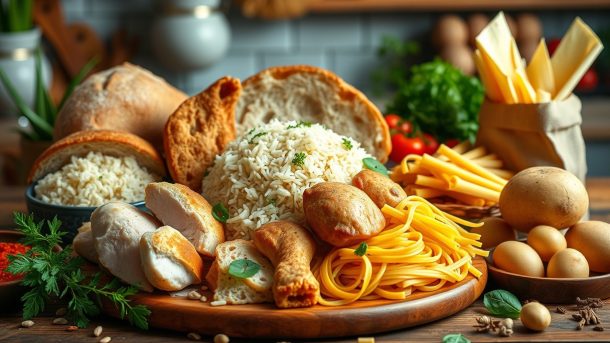
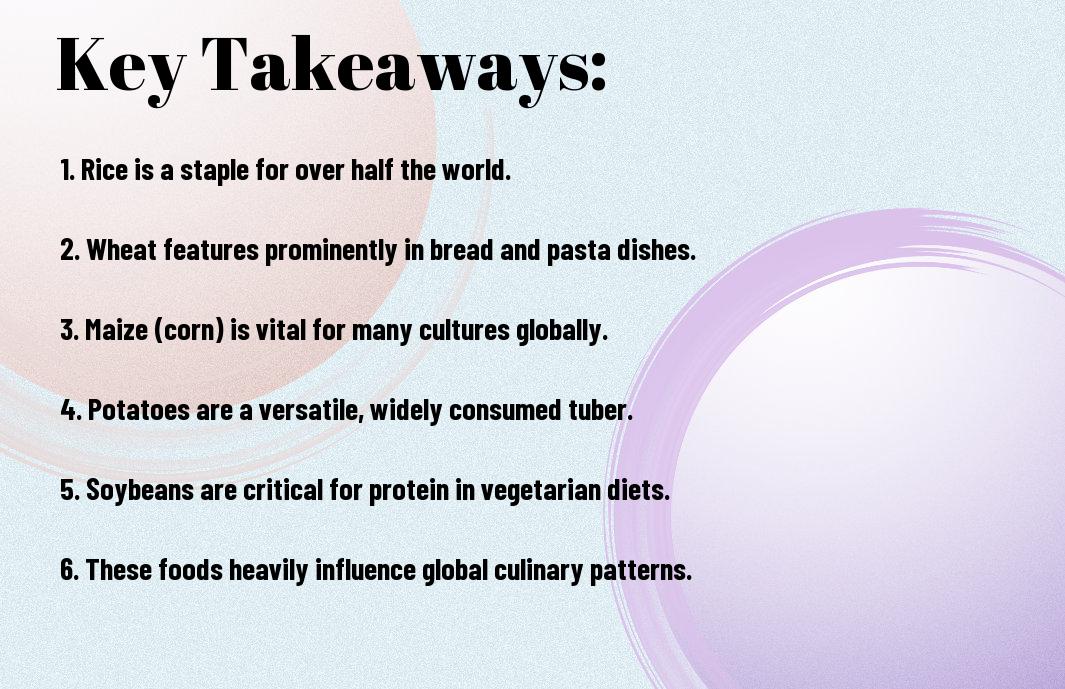
  • Rice: This staple food is consumed by more than half of the world’s population and is a primary source of carbohydrates in many regions.
  • Wheat: Integral in various forms like bread, pasta, and noodles, wheat is the second most consumed grain globally, playing a crucial role in various cuisines.
  • Meat: Particularly poultry, pork, and beef, meat remains one of the top sources of protein worldwide, with consumption patterns varying widely by culture.

Rice

The staple food for more than half of the world’s population, rice comes in many varieties and is cultivated in various climates. Rich in carbohydrates and a source of several important nutrients, rice plays a fundamental role in the diets of people around the globe.

Nutritional Value

Nutritional value of rice can vary depending on the type, but generally, it serves as a good source of energy. Brown rice offers more fiber, vitamins, and minerals compared to white rice, which has been milled to remove the bran and germ. You can enhance the nutritional profile of your meals by incorporating whole grain rice options.

Global Consumption Trends

Nutritional studies indicate that rice remains one of the most consumed grains worldwide, with Asia leading in production and consumption. As populations continue to grow, the demand for rice is expected to rise, compelling nations to innovate agricultural practices to ensure sufficient supply.

Global consumption trends show that rice is not just a dietary staple but is also influenced by regional preferences and economic factors. In recent years, you may have noticed a rise in popularity for varieties like basmati and jasmine, reflecting your evolving tastes and culinary interests.

Cultural Significance

For many cultures, rice is more than just food; it holds significant cultural and social importance. From ceremonies to daily meals, rice is often at the heart of various traditions, symbolizing prosperity and fertility.

Significance of rice varies greatly across different cultures. In some places, it is used in rituals or celebrations, while in others, it is a central dish that brings families together. Understanding your own cultural relationship with rice can deepen your appreciation for this versatile grain.

Wheat

Some may not realize that wheat is among the most consumed foods worldwide, forming the basis of countless diets. You can explore more about this topic in the article on the 10 Most Eaten Food In The World (No. 8 Will Surprise You ….

Varieties and Uses

Wheat comes in various types, including hard red, soft red, white, durum, and spelt, each serving distinct culinary purposes. You can find it in staples such as bread, pasta, and pastries, making it one of the most versatile grains available.

Health Benefits

Uses of wheat extend beyond just food; it also offers numerous health benefits. Regular consumption can aid in digestive health, boost energy levels, and provide imperative nutrients like fiber, vitamins, and minerals that your body needs for optimal functioning.

This grain contains vital nutrients, including B vitamins, iron, magnesium, and fiber, which helps in regulating blood sugar levels and supporting a healthy digestive system. By incorporating whole wheat into your diet, you can help maintain a balanced diet and potentially reduce the risk of chronic diseases, making it a valuable addition to your meals.

Economic Impact

An impressive aspect of wheat is its significant economic impact globally. It is a major agricultural commodity that provides livelihoods for millions of farmers and workers, influencing economies from local to international levels.

Impact of wheat cultivation and trade extends far beyond just filling plates; it plays a crucial role in food security and agricultural markets. With its demand constantly growing due to population increase, investing in wheat production promotes economic stability and growth, benefiting both producers and consumers.

Maize (Corn)

Unlike many other food staples, corn serves a multitude of purposes worldwide, from human consumption to industrial applications. It is fundamentally important in various cuisines and as a primary source of energy in animal feeds. Its versatility and adaptability have made it one of the most consumed foods globally.

Different Types of Maize

Different types of maize cater to diverse uses and preferences, enriching diets and industries alike:

Sweet Corn Consumed fresh, canned, or frozen, perfect for salads and sides.
Flint Corn Hard, glassy kernels, traditionally used for decoration and hominy.
Dent Corn Commonly used for animal feed, snacks, and cornmeal.
Popcorn Variety that expands and puffs when heated, popular snack.
White Corn Used primarily in tortillas and cornmeal, mild flavor.
  • Recognizing the variety of maize is important in understanding its wide-ranging significance.

Role in Animal Feed

One of the most critical functions of corn is its use as a primary ingredient in animal feed. As an energy-dense grain, corn supports the growth and health of livestock, contributing to the efficiency of meat, dairy, and egg production.

Role in animal feed extends beyond just energy provision. The nutrient-rich profile of corn, including carbohydrates, vitamins, and minerals, plays a vital role in promoting animal health. Additionally, its availability and affordability make it the go-to choice for farmers worldwide, ensuring that livestock can thrive and produce quality food products for consumers.

Influence on Global Cuisine

Role of maize in global cuisine cannot be overstated. It serves as a fundamental ingredient in numerous dishes, influencing culinary traditions from the Americas to Africa and Asia.

A variety of meals, from tortillas in Mexico to polenta in Italy, showcase the versatility of corn. Its presence transcends cultural boundaries, making it not only a staple for sustenance but a vital component of numerous ethnic dishes that bring communities together and highlight regional agricultural practices.

Potatoes

After centuries of cultivation, potatoes have become an crucial part of diets worldwide. Originating in the Andean region of South America, they were brought to Europe by Spanish explorers in the late 16th century. Potatoes quickly gained popularity due to their adaptability in various climates and their rich nutritional content, becoming a staple in many countries

Historical Background

On their arrival in Europe, potatoes were initially met with skepticism, often regarded with suspicion as food for the poor. However, their nutritional value soon became apparent, leading to their widespread adoption. Over the centuries, potatoes have played a significant role in global food security, contributing to population growth and preventing famine.

Versatility in Cooking

The versatility of potatoes makes them a beloved ingredient in kitchens around the world. They can be prepared in countless ways, including boiling, baking, frying, and mashing, allowing them to shine in various cuisines. You can enjoy a comforting bowl of mashed potatoes, crispy French fries, or a hearty potato soup, making them a staple for both simple and elaborate meals.

To truly appreciate the versatility of potatoes, consider their ability to complement a wide range of flavors and dishes. Whether you opt for classic potato salad, savory gratin, or spicy potato curry, these humble tubers can be tailored to suit your taste preferences. Their ability to absorb flavors and textures makes them an ideal base for a myriad of culinary creations, proving that potatoes are something you can never tire of.

Potential Health Risks

One important aspect to consider when incorporating potatoes into your diet is the potential health risks associated with their consumption. While they offer a wealth of nutrition, some cooking methods or excessive consumption can lead to health concerns, such as weight gain or increased blood sugar levels if eaten in large quantities.

Risks also arise from certain cooking methods, such as frying, which can significantly increase calorie and fat content. Moreover, the glycemic index of potatoes can contribute to spikes in blood sugar, particularly for those managing diabetes. Therefore, it’s crucial to balance your potato intake with other nutrient-rich foods and prefer healthier cooking options like baking or boiling to mitigate these risks.

Soybeans

For centuries, soybeans have become a staple in diets worldwide due to their versatility and nutritional benefits. As one of the most widely consumed legumes, they play a crucial role in both human diets and agriculture.

Nutritional Profile

Profile-wise, soybeans are abundant in protein, offering about 36 grams per cup, making them a vital source of plant-based protein for you. They are also rich in dietary fiber, vitamins, and crucial minerals like iron and calcium, supporting overall health and wellness.

Uses in Food Products

One of the remarkable aspects of soybeans is their plethora of uses in food products, serving as a base for various items. Whether you enjoy tofu, soy milk, tempeh, or soy sauce, you are likely benefiting from this versatile legume.

Food derived from soybeans offers numerous nutritional benefits and caters to diverse culinary traditions. You may consume soybeans directly or in processed forms, which provide a plant-based protein alternative that’s increasingly popular among vegetarians and vegans. The versatility of soy products allows them to be incorporated into everyday meals, highlighting their importance in global cuisines.

Environmental Considerations

Nutritional benefits aside, it’s crucial to consider the environmental impact of soybean production. High demand for soy can lead to deforestation and habitat loss, which significantly affects biodiversity and ecosystems.

Plus, sustainable farming practices and mindful consumption of soy products can mitigate negative environmental effects. As a conscious consumer, you can opt for certified organic or sustainably sourced soy products, helping to preserve natural resources while enjoying the benefits of this nutritious legume.

Summing up

Upon reflecting on the top five most consumed foods globally, you can appreciate the widespread appeal and nutritional value they offer. Rice, wheat, maize, potato, and soybeans dominate diets across cultures and regions, providing crucial calories and nutrients for billions. Understanding these staples helps you acknowledge the diverse culinary practices that exist and the importance of these foods in sustaining populations worldwide. By recognizing their significance, you enhance your appreciation for global food systems and the role these staples play in your own diet.

FAQ

Q: What are the top 5 most eaten foods globally?

A: The top 5 most eaten foods worldwide include rice, wheat, maize (corn), potatoes, and chicken. These foods are staples in many diets and play a crucial role in global food security.

Q: Why is rice considered one of the most consumed foods?

A: Rice is a staple food for more than half of the world’s population, especially in Asia. Its high carbohydrate content, versatility in cooking, and ability to grow in various climates contribute to its widespread consumption.

Q: How does wheat rank among the most eaten foods?

A: Wheat is the most widely cultivated cereal grain and is a primary ingredient in bread, pasta, and many baked goods. Its popularity is due to its adaptability in different climates and its role as a major source of energy and nutrients in many diets.

Q: What makes maize (corn) a top food source?

A: Maize is not only a staple food in many countries but also serves various purposes including animal feed, corn syrup, and biofuel. Its ability to adapt to various environmental conditions and its high yield make it a crucial crop globally.

Q: Why are potatoes included in the list of top foods consumed?

A: Potatoes are one of the most versatile and nutrient-rich foods, rich in carbohydrates, fiber, and vitamins. They can be prepared in numerous ways and are grown in many regions, making them a staple for many cultures.

Q: How has chicken become one of the most consumed meats worldwide?

A: Chicken is favored for its affordability, versatility, and lower fat content compared to other meats. It can be prepared in countless ways, making it a popular choice for households across different cultures around the world.

How to make food in 5 minutes

You have a busy schedule but still want to enjoy delicious meals? In this guide, I’ll show you how to whip up tasty dishes in just 5 minutes. With a few clever shortcuts and time-saving techniques, you can create satisfying meals that will impress your taste buds without spending hours in the kitchen. Let’s dive in and start cooking up some quick and easy dishes!

Key Takeaways:

  • Preparation is key: Prep ingredients and have a game plan before starting to make food in 5 minutes.
  • Utilize quick cooking methods: Opt for cooking techniques like stir-frying, grilling, or using a pressure cooker to make food quickly.
  • Keep it simple: Stick to recipes with minimal ingredients and straightforward cooking methods to ensure a quick meal in just 5 minutes.

Essential Ingredients and Tools

Pantry Staples for Quick Cooking

On your journey to making delicious food in just 5 minutes, having a well-stocked pantry is crucial. You can always rely on basic ingredients that are versatile and have a long shelf life. Staples like olive oil, canned beans, broth, pasta, rice, and spices can help you whip up a quick meal in no time. If you need some inspiration and tips, head over to Food In 5 Minutes for some amazing recipe ideas using pantry staples.

Must-Have Kitchen Gadgets for Speed

With the right kitchen gadgets, your cooking process can be even faster and more efficient. Investing in tools like a good quality chef’s knife, a food processor, a pressure cooker, and a microwave can significantly cut down your cooking time. These gadgets are designed to help you chop, blend, cook, and reheat your food quickly, making them crucial for anyone looking to make food in a hurry.

Staples like olive oil, canned beans, broth, pasta, rice, and spices can help you whip up a quick meal in no time. When combined with must-have kitchen gadgets like a chef’s knife, food processor, pressure cooker, and microwave, you’ll have everything you need to make delicious food in just 5 minutes. Recall, a well-stocked pantry and the right tools are the secret ingredients to becoming a master of quick cooking!

Choosing the Right Recipe

Identifying Quick-Cooking Proteins

On your quest to make a delicious meal in just 5 minutes, it’s crucial to choose proteins that cook up quickly. Opt for thinly sliced cuts of meat like chicken breast, shrimp, or fish fillets. These proteins will cook in no time, allowing you to whip up a flavorful dish in a matter of minutes.

Selecting Vegetables for Fast Prep

To ensure your meal is ready in a flash, select vegetables that require minimal prep time. Opt for pre-cut veggies like bell peppers, zucchini, or cherry tomatoes. These vegetables can be quickly chopped or thrown into a pan without much fuss, making them perfect for a speedy meal prep.

To further expedite the cooking process, consider using frozen vegetables, which are already pre-cut and ready to cook. This will save you even more time in the kitchen, allowing you to focus on creating a delicious dish in just minutes.

Identifying Quick-Cooking Grains

Cooking Techniques for Speed

After you have gathered all your ingredients, it’s time to get cooking! There are several techniques you can use to make delicious meals in just 5 minutes. By mastering these cooking methods, you’ll be able to whip up quick and tasty dishes in no time.

Mastering the Art of One-Pot Wonders

One of the quickest and easiest ways to cook a meal in a hurry is by making a one-pot wonder. Simply throw all your ingredients into one pot or skillet, and let them cook together. Not only does this save time on preparation and clean-up, but it also allows the flavors to meld together for a delicious dish that is ready in minutes.

The Power of Pressure Cooking

Cooking under pressure can significantly reduce cooking time while still producing flavorful and tender results. A pressure cooker uses steam and high pressure to cook food quickly, making it perfect for busy weeknights when you need to get dinner on the table fast. By using a pressure cooker, you can cook dishes that normally take hours in a fraction of the time.

Plus, pressure cooking retains more nutrients in your food compared to other cooking methods, making it a healthy choice for you and your family. With a pressure cooker in your kitchen, you can enjoy nutritious and delicious meals in a fraction of the time it would take with traditional cooking methods.

5-Minute Meal Ideas

Despite your busy schedule, it’s still possible to whip up delicious meals in just 5 minutes. With a few key ingredients and some quick cooking techniques, you can have a satisfying meal on the table in no time.

Breakfast Options: Omelets and More

Omelets are a fantastic quick and easy breakfast option. Simply whisk together some eggs, add your favorite fillings like cheese, vegetables, or cooked meats, and pour the mixture into a hot pan. In just a few minutes, you’ll have a fluffy and flavorful omelet ready to enjoy. Pair it with a slice of toast or a side of fresh fruit for a complete and balanced breakfast.

Lunch and Snack Ideas: Soups and Sandwiches

When you’re short on time for lunch or need a quick snack, soups and sandwiches are your best bet. A can of soup heated on the stove or in the microwave can be ready in minutes, providing a comforting and filling meal. Alternatively, you can quickly assemble a sandwich with your favorite bread, deli meats, cheeses, and veggies for a satisfying and portable lunch option.

Whether you’re craving something warm and hearty or a simple yet satisfying sandwich, these lunch and snack ideas are sure to keep you fueled throughout your busy day.

Quick and Easy Dinners: Pasta and Beyond

On those nights when you need a fast and delicious dinner, pasta is your best friend. Boil up some noodles, toss them with a jar of store-bought sauce, and top with grated cheese for a simple yet comforting meal. If you’re feeling adventurous, you can also sauté some garlic and veggies in olive oil to create a quick and flavorful pasta primavera.

This selection of quick and easy dinner ideas goes beyond pasta, offering you the opportunity to experiment with different ingredients and flavors to create a satisfying meal in just 5 minutes.

Meal Prep Hacks

Now, let’s talk about some meal prep hacks that can help you save time in the kitchen and still enjoy delicious meals. One of the best ways to cut down your cooking time during the week is by prepping ingredients in advance.

Pre-Chopping Ingredients for Later

Hacks like pre-chopping vegetables, fruits, and herbs can be a game-changer when it comes to making quick meals. Spend some time on the weekend washing, peeling, and chopping your favorite produce. Store them in airtight containers in the fridge, and you’ll have ready-to-use ingredients for salads, stir-fries, and sandwiches throughout the week. This simple hack can cut down your cooking time significantly and make it easier to whip up a meal in just a few minutes.

Cooking Proteins in Advance

Later, another time-saving meal prep hack is cooking proteins in advance. Whether it’s grilling chicken breasts, baking salmon fillets, or boiling eggs, having cooked proteins ready to go can speed up your meal preparation. Store them in the fridge or freezer, and you can easily add them to salads, wraps, or pasta dishes for a quick and satisfying meal. This hack not only saves you time but also ensures that you have a good source of protein on hand to fuel your body throughout the week.

Understanding the importance of meal prepping and incorporating these hacks into your routine can make a big difference in how quickly you can put together a meal. By prepping ingredients and cooking proteins in advance, you’ll have the foundation for a variety of quick and delicious dishes at your fingertips. So, roll up your sleeves, get prepping, and enjoy more time relaxing and less time stressing in the kitchen!

Time-Saving Tips and Tricks

Streamlining Your Kitchen Workflow

To make food in 5 minutes, you need to streamline your kitchen workflow. An organized kitchen makes cooking much quicker and easier. Keep your tools and ingredients within reach to avoid wasting time searching for them. Preparing your workspace before you start cooking will save you precious minutes in the kitchen. Additionally, having a plan and following a recipe will help you stay on track and not waste time figuring out what to do next.

The key to making food in a short amount of time is to work efficiently and methodically. The more you practice and streamline your cooking process, the faster you will become. Always remember that preparation is key to saving time in the kitchen.

Minimizing Cleanup for Maximum Efficiency

Maximum efficiency in the kitchen is achieved by minimizing cleanup. The less time you spend cleaning up, the more time you have to enjoy your delicious 5-minute meal. To make this happen, try to use fewer dishes and utensils while cooking. You can also clean as you go by washing dishes or putting ingredients away while your food is cooking.

Streamlining your cleanup process can significantly impact the overall efficiency of your cooking routine. By adopting good habits like wiping down counters as you finish using them and immediately washing pots and pans after use, you can cut down on the time spent cleaning up after your quick cooking sessions.

Conclusion

Now you have learned some quick and easy tips on how to make food in just 5 minutes. With a little bit of preparation and creativity, you can whip up a delicious meal in no time. Remember to keep your pantry stocked with versatile ingredients like canned beans, frozen vegetables, and quick-cooking grains to make meal prep even faster.

So the next time you find yourself short on time but still craving a home-cooked meal, don’t reach for that frozen dinner. Instead, use these tips to create a quick and satisfying meal that will leave you feeling satisfied and proud of your cooking skills. Bon appétit!

FAQ

Q: How can I make food in 5 minutes?

A: One quick and easy way to make food in 5 minutes is by preparing a simple salad with pre-cut vegetables and a dressing of your choice. You can also make a peanut butter and banana sandwich or a fruit smoothie for a quick meal.

Q: What are some other quick meal options I can make in 5 minutes?

A: Some other quick meal options you can make in 5 minutes include instant noodles with added veggies or protein, a quesadilla using tortillas and cheese, or a wrap with deli meat and vegetables. These options require minimal cooking time and can be easily assembled.

Q: How can I save time when preparing food in 5 minutes?

A: To save time when preparing food in 5 minutes, you can opt for pre-cut or pre-cooked ingredients, use kitchen tools like a microwave or toaster for quick cooking, and plan ahead by having vital pantry items stocked. Additionally, choosing simple recipes with minimal ingredients can help speed up the cooking process.

What foods are highest in fiber

Foods rich in fiber play an vital role in your overall health and well-being. By incorporating high-fiber options into your diet, you can improve digestion, regulate blood sugar, and even support heart health. This post will probe into the various foods that pack the most fiber, helping you make informed choices for a nutrient-dense diet. From fruits and vegetables to whole grains and legumes, you’ll discover how these foods can benefit your lifestyle and promote better health outcomes.

Key Takeaways:

  • Legumes: Foods like beans, lentils, and chickpeas are among the highest in fiber content, making them excellent choices for increasing dietary fiber.
  • Whole grains: Options such as oats, quinoa, and brown rice provide substantial amounts of fiber, contributing to digestive health.
  • Fruits and vegetables: Foods like raspberries, pears, and broccoli are fiber-rich, offering both nutrition and various health benefits.

The Importance of Fiber in Diet

A fiber-rich diet is imperative for maintaining optimal digestive health and overall well-being. Incorporating adequate amounts of fiber into your meals supports the regularity of bowel movements, aids in weight management, and helps to balance your blood sugar levels. It also plays a significant role in reducing the risk of chronic diseases like heart disease and diabetes. Focusing on fiber in your diet empowers you to improve your health significantly.

Health Benefits of Fiber

Below are several key health benefits associated with a high-fiber diet. Fiber helps regulate digestion, prevents constipation, and may reduce the risk of certain gastrointestinal diseases. Additionally, it contributes to heart health by lowering cholesterol levels, and it can aid in weight control by promoting a feeling of fullness. By ensuring you include ample fiber in your diet, you can enjoy these numerous health benefits.

Recommended Daily Intake

Intake recommendations for dietary fiber suggest aiming for 25 to 30 grams per day. This amount can vary based on age, sex, and individual health needs. By consciously including fiber-rich foods in your daily diet, you can easily achieve this target.

Adding a variety of fiber sources to your meals is a great approach to meeting your daily intake. Foods like fruits, vegetables, whole grains, legumes, and nuts are excellent choices. Not only do they provide imperative nutrients, but they also contain different types of fiber, ensuring you gain the full spectrum of fiber benefits. Planning your meals with these foods can help you reach and potentially exceed the recommended daily intake, enhancing your health and well-being.

High-Fiber Foods

While many are unaware, incorporating high-fiber foods into your diet can significantly enhance your overall health. Foods rich in fiber not only aid in digestion but also help maintain a healthy weight and reduce the risk of chronic diseases. To learn more about why dietary fiber is vital for a healthy diet, visit Dietary fiber: Essential for a healthy diet.

Fruits

Any fruit, especially those with skins, are excellent sources of fiber. Berries, apples, oranges, and pears can effortlessly boost your fiber intake while providing vital vitamins and antioxidants. Opting for whole fruits instead of juices is a simple way to maximize your fiber consumption.

Vegetables

Fruits and vegetables are both key players in a high-fiber diet. Vegetables like broccoli, Brussels sprouts, carrots, and sweet potatoes provide not only fiber but also a wealth of nutrients. They can be easily added to meals or enjoyed as snacks to boost your daily fiber intake.

At the core of a fiber-rich diet, vegetables stand out as a remarkable source due to their low calories and high nutrient density. Incorporating a variety of colorful vegetables into your meals can enhance fiber intake, improve digestion, and contribute to overall wellness. Consider steaming, roasting, or adding them to salads for an easy and nutritious fiber boost.

Whole Grains and Legumes

Now, incorporating whole grains and legumes into your diet is crucial for boosting fiber intake. Whole grains like oats, quinoa, and barley offer not just fiber but also a range of nutrients that support overall health. Legumes such as lentils, beans, and peas are not only high in fiber but also rich in protein, making them a fantastic addition to any meal. By including these foods, you can enhance digestion and promote a feeling of fullness.

Types of Whole Grains

Now, here are some popular types of whole grains you might consider adding to your diet:

  • Brown rice
  • Quinoa
  • Barley
  • Oats
  • Whole wheat bread

Knowing your options can help you make more informed dietary choices.

Whole Grain Fiber Content (per cup cooked)
Brown Rice 3.5 grams
Quinoa 5 grams
Barley 6 grams
Oats 4 grams
Whole Wheat Bread 2 grams

Benefits of Legumes

Between their high fiber content and other nutritional benefits, legumes are an excellent addition to your meals. Rich in protein, vitamins, and minerals, they help stabilize blood sugar and improve gut health. Incorporating legumes into salads, soups, and stews can enhance flavors while also making your meals more filling.

Further, their versatility enables you to enjoy them in various forms, whether as refried beans in tacos or lentil soup. The fiber found in legumes not only helps with digestion but also plays a significant role in heart health by reducing cholesterol levels. By adding legumes to your diet, you actively support your long-term health and well-being.

Nuts and Seeds

Not all snacks are created equal when it comes to nutrition, but nuts and seeds stand out as powerhouses of fiber. Incorporating these into your diet can aid digestion and promote a feeling of fullness, making them a fantastic addition to your meals and as grab-and-go snacks. Whether you enjoy them raw, roasted, or blended into your favorite dishes, nuts and seeds provide a delicious way to boost your fiber intake.

High-Fiber Nuts

On your quest for high-fiber nuts, consider varieties like almonds, pistachios, and pecans, which deliver impressive fiber content per serving. Snacking on just a handful can significantly enhance your daily fiber intake while also offering healthy fats and protein. Nut-based recipes are also a fantastic way to incorporate these fiber-filled treats into your diet.

Fiber-Rich Seeds

For those looking to increase their fiber intake, seeds like chia, flax, and pumpkin are excellent choices packed with nutrients. These tiny powerhouses not only provide fiber but also important fatty acids and proteins that contribute to a balanced diet. Adding them to smoothies, yogurt, and baked goods can elevate your fiber consumption easily.

Another great advantage of fiber-rich seeds is their versatility. Chia seeds, for instance, can absorb liquid and expand, making them perfect for puddings or as a thickening agent in smoothies. Flaxseeds, which can be ground for better nutrient absorption, can be added to oatmeal or sprinkled on salads. By incorporating a variety of seeds into your meals, you will ensure a well-rounded, fiber-rich diet that supports digestive health.

Supplements and Fortified Foods

Keep in mind that while whole foods are the most natural sources of fiber, supplements and fortified foods can help you meet your fiber intake goals. These options are especially beneficial if you struggle to consume enough fiber through your diet alone. They can easily be incorporated into your daily routine, providing a convenient way to enhance your fiber consumption.

Fiber Supplements

Above all, fiber supplements offer a concentrated source of fiber, available in various forms such as powders, capsules, and gummies. These can be particularly useful for individuals who have specific dietary restrictions or those who find it challenging to get enough fiber from food sources. However, it’s vital to incorporate them gradually into your diet to minimize digestive discomfort.

Fortified Products

Beside fiber supplements, fortified products can also be an excellent way to increase your fiber intake. Many manufacturers enrich cereals, bread, and snacks with additional fiber, making it easy to boost your consumption without altering your usual eating habits.

Fiber-fortified products often contain added fibers like inulin, psyllium, or oat bran, which can help you enjoy the benefits of increased fiber intake. When dicking out these products, check the nutrition labels to ensure they contain a substantial amount of fiber while also being low in added sugars and unhealthy fats. Incorporating these fortified options into your meals can create a practical approach to achieving a balanced diet.

Tips for Increasing Fiber Intake

Unlike many believe, adding fiber to your diet can be quite simple with a few strategic changes. Consider these tips to enhance your fiber intake:

  • Start your day with a high-fiber breakfast, such as oatmeal or whole-grain toast.
  • Incorporate legumes into soups and salads.
  • Choose whole grains over refined grains in all your meals.
  • Snack on fresh fruits, vegetables, or nuts instead of processed foods.
  • Add chia seeds or flaxseeds to smoothies or yogurt for a fiber boost.

Perceiving fiber as an vital part of your meals will facilitate healthier, more satisfying eating habits. For more ideas, check out 22 High-Fiber Foods You Should Eat.

Meal Planning Strategies

At the beginning of each week, plan your meals around high-fiber foods to ensure that you consistently include fiber-rich options. Aim to create a diverse menu that highlights fruits, vegetables, whole grains, and legumes, making grocery shopping easier and healthier. Additionally, prep your meals in advance, allowing you to have nutritious and fiber-packed meals ready to go.

Cooking Techniques

One effective way to increase fiber intake is through cooking methods that preserve or enhance the fiber content of foods. Steaming or roasting vegetables helps keep their nutrients intact, while using whole grains in your recipes maximizes fiber benefits. Additionally, avoid peeling fruits and vegetables when possible, as the skins often contain significant fiber.

The key to maximizing fiber in your cooking is to explore various techniques and ingredients that promote fiber retention. For example, cooking legumes like beans and lentils not only boosts your fiber intake but can also enhance the flavors of your dishes. Preparing whole grains like quinoa and barley as side dishes instead of white rice or pasta can significantly up your fiber content as well.

Final Words

From above, you can see that incorporating a variety of fiber-rich foods into your diet is easy and beneficial for your health. Whole grains, legumes, fruits, and vegetables play a key role in boosting your fiber intake and promoting digestive wellness. You can improve your overall well-being by selecting high-fiber options such as beans, oats, berries, and leafy greens. By making these nutritional choices, you’re setting the foundation for a healthier lifestyle.

FAQ

Q: What are the highest fiber foods that I can include in my diet?

A: Some of the highest fiber foods include legumes like lentils and black beans, whole grains such as oats and quinoa, fruits like raspberries and pears, vegetables such as broccoli and Brussels sprouts, and nuts and seeds including chia seeds and almonds. Incorporating these foods can significantly increase your daily fiber intake.

Q: How does fiber in food contribute to digestive health?

A: Fiber plays an vital role in maintaining digestive health by adding bulk to the stool, which aids in preventing constipation. It also promotes regular bowel movements and supports a healthy gut microbiome by acting as a prebiotic, nourishing the beneficial bacteria in your intestines.

Q: Are there different types of dietary fiber, and which foods provide them?

A: Yes, there are two main types of dietary fiber: soluble and insoluble. Soluble fiber, found in foods like oats, fruits, and legumes, can help lower cholesterol and stabilize blood sugar levels. Insoluble fiber, found in whole grains, nuts, and vegetables, aids in digestion and prevents constipation. Incorporating a variety of fiber-rich foods ensures you’re getting both types.

Q: How can I increase my fiber intake without drastic changes to my diet?

A: You can gradually increase your fiber intake by making simple adjustments, such as opting for whole grain bread and pasta instead of refined options, adding legumes to salads and soups, snacking on fruits and nuts, and including more vegetables in your meals. Introduce these changes slowly to allow your digestive system to adjust.

Q: Can consuming too much fiber be harmful, and how much should I aim for daily?

A: While fiber is important for health, consuming excessively high amounts suddenly can lead to digestive discomfort, such as bloating and gas. The recommended daily intake for adults is about 25 grams for women and 38 grams for men, though individual needs may vary. It’s best to gradually increase fiber and drink plenty of water to minimize any adverse effects.

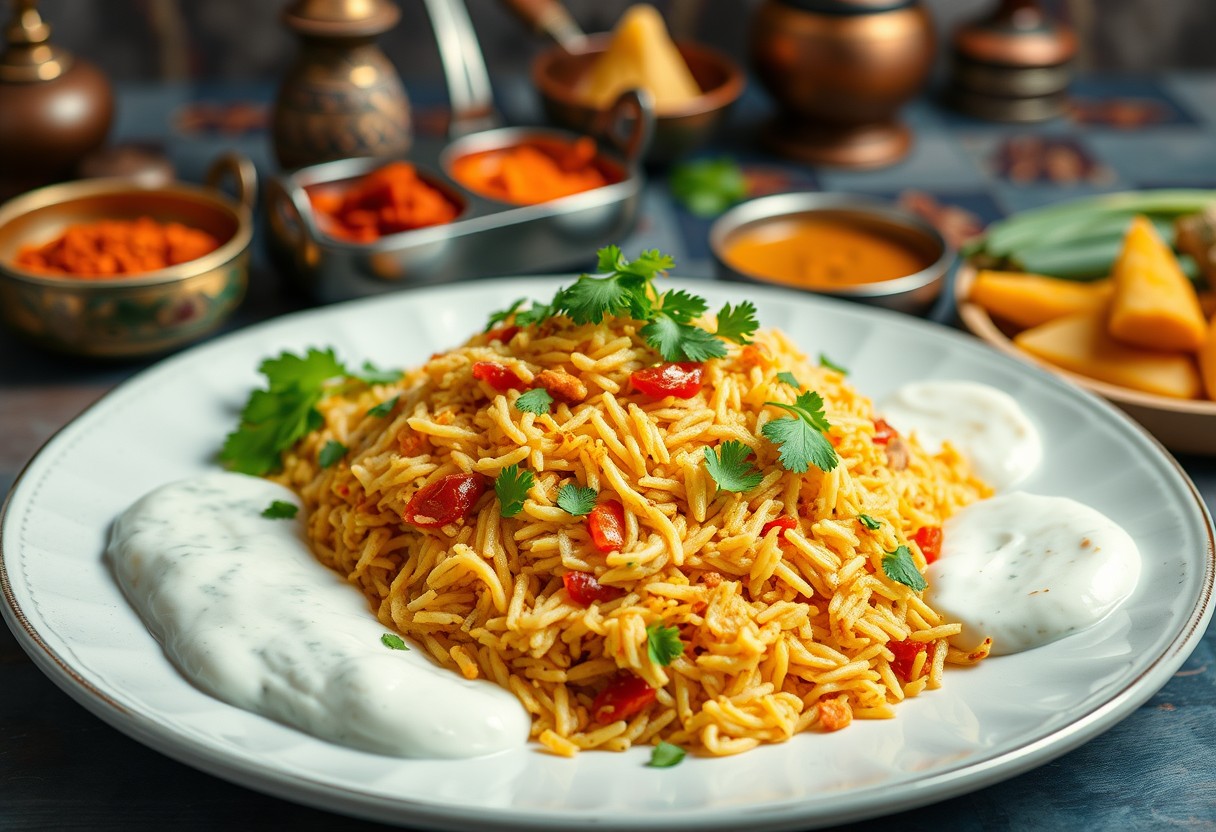
What is the traditional food of India

There’s a rich tapestry of flavors and ingredients that define the traditional food of India, each region offering its unique culinary delights. As you explore Indian cuisine, you’ll encounter an array of spices, grains, and cooking techniques that reflect the country’s diverse cultures and histories. From the aromatic curries of the North to the spicy seafood of the South, and the vibrant vegetarian dishes of the West, you’re sure to find something tantalizing to satisfy your palate. Understanding these traditional foods will not only deepen your appreciation of Indian culture but also inspire you to try your hand at these delightful recipes.

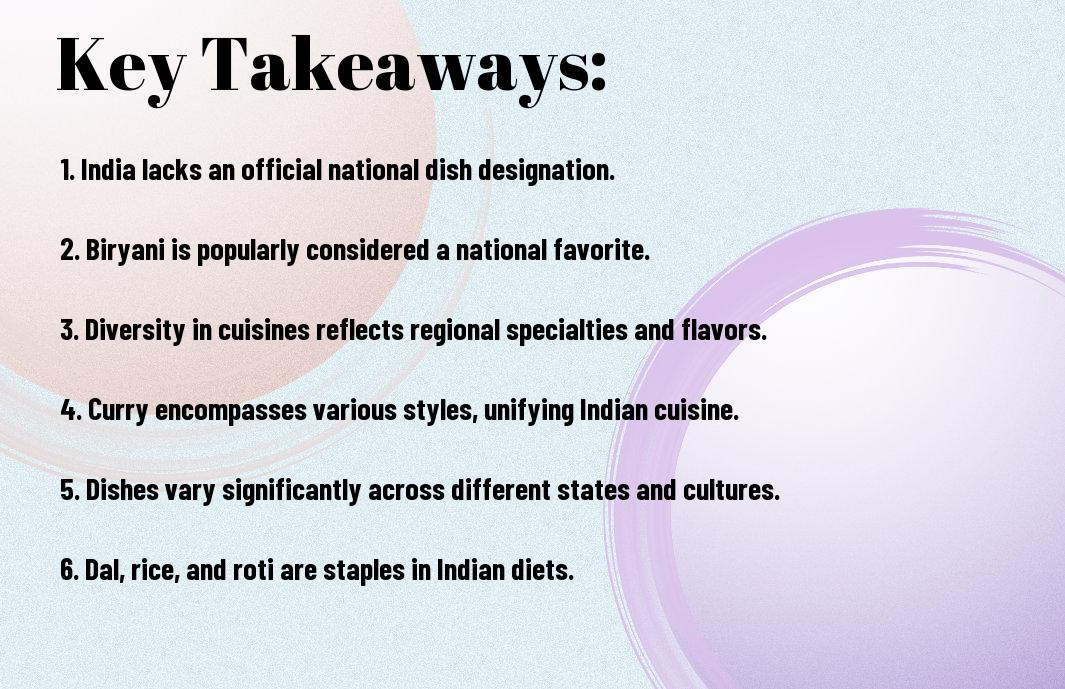
Key Takeaways:

  • Diverse Cuisines: India’s traditional food varies significantly across different regions, reflecting local ingredients, cultures, and customs.
  • Spices and Flavors: Indian cuisine is renowned for its use of a wide variety of spices, which contribute to its rich flavors and aromas.
  • Cultural Significance: Many traditional dishes are linked to festivals, rituals, and family gatherings, showcasing the cultural heritage of India.

Overview of Indian Cuisine

While exploring the culinary landscape of India, you will encounter a rich tapestry of flavors, ingredients, and traditions that define its cuisine. India’s food scene is incredibly diverse, offering something for everyone, from spicy curries to delectable sweets. For a deep investigate the various dishes and where to begin, check out A Comprehensive Guide to Indian Cuisine: List of Popular ….

Regional Diversity

On your journey through Indian cuisine, you will discover that the country is divided into distinct regions, each boasting its culinary specialties. From the spicy masalas of North India to the coconut-infused dishes of South India, every region reflects its unique climate, culture, and ingredients, making Indian food an extraordinarily varied experience.

Influences on Traditional Food

Traditional Indian food has been shaped by a multitude of influences, including historical, cultural, and geographical factors. These influences contribute to the complexity of flavors and cooking techniques you will find in Indian cuisine, making it both intriguing and diverse.

For instance, the trade routes established centuries ago introduced spices and ingredients from other parts of the world, while invasions and migrations brought new cooking styles and flavors into the mix. The British colonial period also left its mark on Indian food, leading to fusion dishes that combine both Indian and Western elements. This blend of influences is what makes Indian cuisine so fascinating and enjoyable for anyone looking to explore new tastes.

Key Ingredients in Indian Cooking

Some of the key ingredients that defineIndian cuisine are imperative for creating the rich flavors and textures you’ll find in traditional dishes. These ingredients reflect the diversity of the country’s culture, climate, and geography, making Indian cooking a delightful exploration of taste.

Spices and Herbs

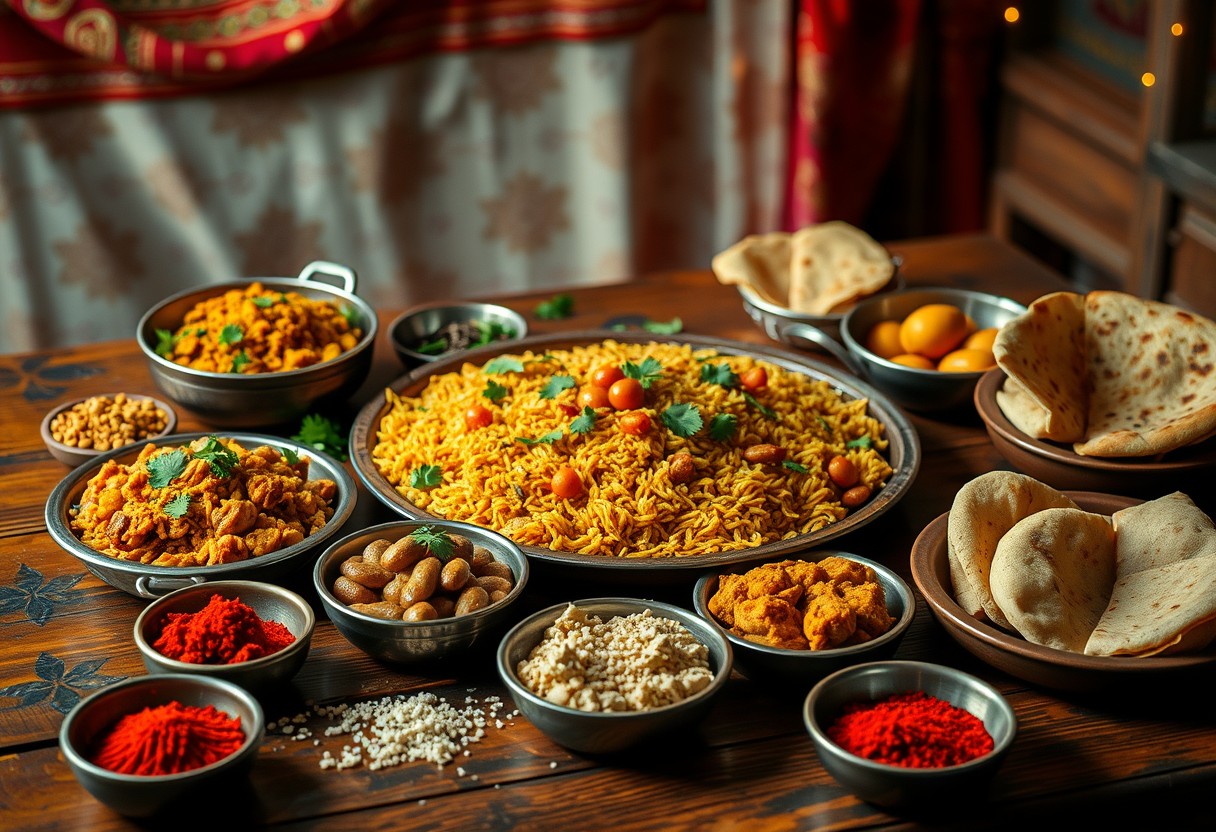
Spices are the backbone of Indian cooking, lending distinct flavors and aromas to your meals. From the heat of chili powder to the warmth of garam masala and the earthy essence of cumin, these spices are often used in combinations known as masalas. Fresh herbs like cilantro and mint add freshness, enhancing the appeal and complexity of your dishes.

Staple Food Products

An imperative part of your Indian culinary journey is recognizing the staple food products that serve as the foundation for countless meals. Rice and wheat are the two primary staples, with rice dominating in the south and east, while wheat is prevalent in the north and western regions. These are often accompanied by lentils, legumes, and a variety of vegetables, which together create a wholesome balance of nutrients in your diet.

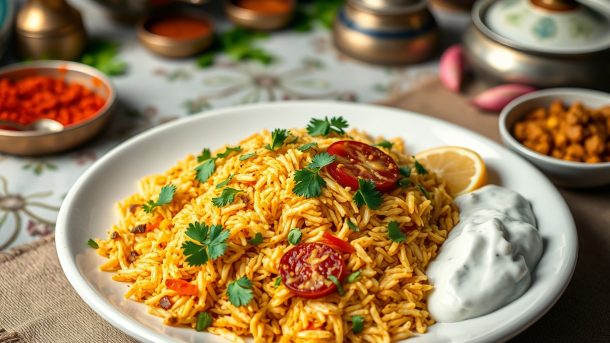
This variety in staple food products not only provides sustenance but also offers a canvas for flavors to blossom. You can experiment with different rice dishes like biryani or khichdi, and enjoy various roti or paratha variations made from whole wheat. Lentils, or dal, are frequently featured in meals, packed with protein, and paired with seasonal vegetables to round out your plate. Understanding these staples will enhance your appreciation of the rich tapestry of Indian cuisine.

Traditional Dishes of India

Despite the vast diversity of India, its traditional food reflects a rich tapestry of flavors and ingredients, meticulously shaped by its geography, culture, and history. Each region boasts its own unique dishes that captivate taste buds and create lasting memories. Let’s investigate into the traditional cuisines that define the culinary landscape of this incredible nation.

North Indian Cuisine

With its hearty and robust flavors, North Indian cuisine offers an array of dishes that are often rich in spices and aromas. You will find iconic foods like butter chicken, paneer tikka, and an assortment of naan breads that are typically enjoyed with rich gravies and lentils.

South Indian Cuisine

For those who delight in lighter, yet equally flavorful meals, South Indian cuisine presents a variety of dishes characterized by rice, lentils, and aromatic spices. Signature items include dosas, idlis, and sambars that are perfect for energizing any day.

Plus, South Indian meals often incorporate coconut and tamarind, enhancing the flavors of the dishes. The region’s love for fermented foods is prominent, with dosas being thin, crispy crepes made from fermented rice batter. Furthermore, the balance of spices ensures a healthful yet satisfying culinary experience.

East Indian Cuisine

The East Indian cuisine is distinctively marked by its emphasis on subtle flavors and use of mustard oil. You can relish dishes like fish curry, rasgulla, and a variety of rice preparations that connect you to the cultural roots of this vibrant region.

Cuisine from the East, particularly from Bengal, is renowned for its delicate flavors and focus on fish and rice. Dishes often feature ingredients like poppy seeds and fresh green chilies, and sweets play a significant role, with desserts like mishti doi elevating the culinary experience. You will find that each bite tells a story steeped in tradition and artful preparation.

West Indian Cuisine

To explore West Indian cuisine is to experience an explosion of spices and flavors, with dishes that vary from the coastal influence of seafood to the rich taints of Rajasthani fare. You can enjoy popular items like dhokla, bhaaji, and a myriad of curries that offer a taste of the vibrant cultures of the West.

Indian cuisine from the West is known for its innovative uses of spices and diverse ingredients, reflecting the region’s multifaceted heritage. You may find that seafood dishes from coastal states like Goa are aromatic and flavorful, while the vegetarian delights from Gujarat and Rajasthan are equally exciting, featuring unique combinations of lentils, grains, and vegetables that satisfy diverse palates.

Cultural Significance of Food in India

Many aspects of Indian culture revolve around food, making it a vital element of your social interactions and traditions. The flavors, preparation methods, and ingredients used often reflect regional identities and are passed down through generations. Understanding the cultural significance of food in India will enhance your appreciation of the diverse culinary landscape.

Festivals and Celebrations

For you, festivals in India often revolve around food. Special dishes are prepared to celebrate occasions, from Diwali sweets like ladoos to the elaborate feasts during Eid. Each celebration brings families together, reinforcing bonds while sharing traditional foods that hold historical importance.

Religious Influences

An integral aspect of Indian food culture is its rich tapestry of religious beliefs that shape dietary practices. Different religions have specific culinary customs that dictate what is prepared and consumed, reflecting your adherence to spiritual principles.

India is home to a multitude of religions, and each one significantly influences the way you experience food. For instance, Hinduism promotes vegetarianism, leading to a rich variety of plant-based dishes, while Muslim traditions encourage halal practices, emphasizing the importance of ritual slaughter and specific food handling. Sikhism encourages Langar, a communal meal served to all regardless of caste or creed, promoting equality through food. By understanding these religious influences, you can appreciate the deeper meanings behind the food served during various occasions. This cultural interplay enriches your experience and understanding of India’s diverse culinary heritage.

To wrap up

Taking this into account, understanding the traditional food of India allows you to appreciate the rich tapestry of flavors and cultural significance embedded in each dish. From aromatic biryanis to tangy curries, your taste buds are invited on a journey through diverse regions, each with its unique culinary heritage. Embracing the use of spices, herbs, and local ingredients, Indian cuisine not only offers nourishment but also tells the story of its people and their traditions. By exploring and savoring these dishes, you engage with a vital aspect of India’s identity and vibrant culture.

FAQ

Q: What are the main components of traditional Indian cuisine?

A: Traditional Indian cuisine is characterized by its diverse flavors, rich aromas, and a wide array of ingredients. Key components include various grains such as rice and wheat, legumes like lentils and chickpeas, a plethora of vegetables and fruits, dairy products like yogurt and ghee, and an extensive range of spices, including cumin, coriander, turmeric, and cardamom. Regional variations may emphasize different ingredients based on local agriculture and cultural influences.

Q: What are some popular traditional Indian dishes?

A: Some popular traditional Indian dishes include Biryani (a fragrant rice dish with spices and meat or vegetables), Masala Dosa (a crispy fermented crepe made from rice and lentils served with chutney and sambar), Butter Chicken (a creamy tomato-based curry), and Paneer Tikka (grilled marinated cheese). Other staples include various types of curries, roti (flatbread), and sweets like Gulab Jamun and Jalebi.

Q: How do regional differences affect traditional Indian food?

A: Regional differences significantly influence traditional Indian food due to variations in climate, agricultural practices, and cultural traditions. For example, northern India often features dairy-rich dishes and wheat products, while southern India is known for its rice-based meals and use of coconut. Eastern India has a strong emphasis on fish and sweets, while western India showcases a variety of spices and vegetarian cuisine. Each region has its unique cooking techniques and local specialities, resulting in a vibrant culinary landscape.

Q: Is traditional Indian food primarily vegetarian or non-vegetarian?

A: Traditional Indian food encompasses both vegetarian and non-vegetarian options. While a significant portion of the Indian population follows a vegetarian diet due to cultural and religious beliefs, many regions, particularly along the coasts and in tribal areas, feature a wide variety of non-vegetarian dishes. The diversity of the cuisine allows for delicious meals that cater to both dietary preferences, with vegetarian options often being rich in flavor and nutrition.

Q: What role do spices play in traditional Indian cooking?

A: Spices are fundamental to traditional Indian cooking, not only for their flavor-enhancing properties but also for their health benefits. Each spice has unique characteristics that contribute to the overall taste, aroma, and color of a dish. Common spices used in Indian cuisine, such as turmeric (known for its anti-inflammatory properties), cumin (aids digestion), and cardamom (often used as a digestive aid), add complexity and depth to dishes, making Indian food renowned for its vibrant flavors and healthful qualities.

What to eat with chicken and rice

With a plate of flavorful chicken and rice in front of you, the possibilities of what to pair it with are as abundant as the Mississippi River. You may want to consider adding some delicious side dishes to complement this classic dish. From a refreshing salad to hearty vegetables or even a creamy casserole, the choices are endless. If you need some inspiration, check out this list of 15+ Side Dishes for Chicken and Rice Casserole for some mouthwatering ideas to elevate your meal!

Key Takeaways:

  • Pairing with Vegetables: Incorporating vegetables such as broccoli, asparagus, bell peppers, or spinach adds both flavor and nutritional value to your chicken and rice dish.
  • Sauces and Flavors: Experiment with different sauces and seasonings to elevate the taste of your meal. Some popular options include teriyaki sauce, soy sauce, curry, or lemon garlic butter.
  • Texture Contrast: Adding crunchy elements like nuts or seeds, or creamy components like avocado or yogurt, can create a satisfying contrast of textures in your chicken and rice dish.

Classic Combinations

The Power of Pairing with Vegetables

A great way to enhance your chicken and rice meal is by pairing it with delicious vegetables. Not only do vegetables add flavor and texture to your dish, but they also provide necessary nutrients that your body needs. From crunchy bell peppers to tender broccoli, the possibilities are endless when it comes to combining vegetables with your chicken and rice. Whether you stir-fry them together or roast them in the oven, adding vegetables to your meal will take it to the next level.

The Comfort of Combining with Soups

On a cold winter day, there’s nothing more comforting than a steaming bowl of soup paired with your chicken and rice. Whether it’s a hearty chicken and vegetable soup or a creamy chicken and wild rice soup, the combination of flavors and textures is sure to warm you up from the inside out. The broth from the soup can also help keep your rice moist and flavorful, making each bite a comforting and satisfying experience.

With soups, you can experiment with different flavors and ingredients to create a meal that suits your taste preferences. Whether you prefer a spicy broth or a more mild and soothing soup, there are plenty of options to choose from when pairing with your chicken and rice. So next time you’re looking for a cozy and delicious meal, consider serving your chicken and rice alongside a bowl of your favorite soup.

Global Inspirations

Spicy Korean-Style with Kimchi

Some days, you may crave a spicy kick to your chicken and rice dish. An excellent choice for those times is to go Korean-style with kimchi. The tangy and spicy flavors of kimchi complement the simple chicken and rice perfectly, adding a burst of flavor that will wake up your taste buds.

Indian-Flavored with Naan and Spices

Some days, you might want to explore the exotic flavors of India with your chicken and rice. Indian cuisine offers a beautiful array of spices and flavors that can take your simple dish to a whole new level. Pair your chicken and rice with warm, fluffy naan bread and a medley of Indian spices for a truly unforgettable meal experience.

Kimchi is a traditional Korean side dish made of fermented vegetables, most commonly napa cabbage and Korean radishes, with a variety of seasonings. It adds a unique tangy and spicy flavor to dishes and is known for its probiotic benefits, aiding digestion and gut health.

Mexican Fiesta with Salsa and Avocado

Inspirations for your chicken and rice can also take a trip to Mexico with a vibrant fiesta of flavors. Adding salsa and creamy avocado slices to your dish can create a fiesta in your mouth, with the freshness of the salsa and the richness of the avocado complementing the chicken and rice beautifully.

Avocado adds a creamy and luxurious texture to your dish while also providing healthy fats and an array of nutrients like potassium and vitamins C, E, and K. Its mild flavor pairs well with the bold and zesty notes of salsa, creating a harmonious balance of flavors in your meal.

Protein-Packed Options

Adding Bacon for a Smoky Flavor

Bacon, the king of all meats, can take your chicken and rice to a whole new level with its rich and smoky flavor. Simply cook the bacon until it’s nice and crispy, then crumble it on top of your dish. The combination of the savory bacon with the tender chicken and fluffy rice is a match made in heaven. Your taste buds will thank you for this indulgent addition.

Grilled Shrimp for a Seafood Twist

To switch things up, why not add some grilled shrimp to your chicken and rice? The succulent shrimp bring a burst of seafood goodness to the dish, complementing the chicken and rice perfectly. Plus, shrimp is a great source of protein, making this a double whammy of protein power for your meal. Your taste buds will do a happy dance with this tasty twist.

Grilled shrimp not only adds a delicious seafood element to your chicken and rice but also brings a light and fresh touch to the dish. The smoky char from the grill enhances the flavor of the shrimp, making each bite a delightful experience. Including grilled shrimp in your meal rotation will surely keep things exciting and delicious!

Sliced Almonds for a Crunchy Texture

Sliced almonds are the perfect way to add a crunchy texture to your chicken and rice. Toasted to golden perfection, these little gems provide a nutty flavor and satisfying crunch that elevates every bite. Sprinkle a handful of sliced almonds on top of your dish and enjoy the delightful contrast they bring to the soft chicken and fluffy rice.

Adding sliced almonds not only enhances the texture of your meal but also introduces a dose of healthy fats and nutrients. These tiny but mighty nuts are packed with vitamin E, magnesium, and fiber, making them a nutritious and delicious addition to your protein-packed chicken and rice dish.

Flavorful Sauces and Marinades

Once again, you find yourself pondering what to eat with your trusty chicken and rice. Fear not, for a delicious solution lies in flavorful sauces and marinades that can take your dish to the next level. These additions can elevate the taste of your meal and bring a whole new dimension of flavor to the table.

Zesty Lemon and Herb Butter

The combination of zesty lemon and aromatic herbs in a buttery sauce can bring a burst of freshness to your chicken and rice. Simply melt butter in a pan, add freshly squeezed lemon juice, and toss in some chopped herbs like parsley, thyme, and oregano. Drizzle this flavorful mixture over your dish to add a citrusy kick and a fragrant herbaceous note that will liven up every bite.

Sweet and Sour Teriyaki Glaze

Marinades are a game-changer when it comes to infusing flavor into your chicken and rice. One classic option is a sweet and sour teriyaki glaze that combines soy sauce, mirin, brown sugar, garlic, and ginger. Let your chicken soak up this savory-sweet marinade before grilling or baking it to perfection. The result is a caramelized glaze that adds a delightful umami taste to your meal, making it a surefire hit at the dinner table.

Herb and citrus-based sauces can add a refreshing twist to your chicken and rice, while sweet and savory teriyaki glazes can bring a depth of flavor that will keep you coming back for more.

Spicy Chipotle Ranch Dressing

A spicy chipotle ranch dressing is a bold and zesty choice to pair with your chicken and rice. The creamy richness of ranch combined with the smoky heat of chipotle peppers creates a tantalizing sauce that will awaken your taste buds. Drizzle this dressing over your dish or use it as a dipping sauce for an extra kick of flavor that will leave you craving another bite.

Lemon and spice come together in a deliciously creamy chipotle ranch dressing that can add a fiery flair to your chicken and rice, giving it a southwestern twist that is sure to impress.

Crunchy Textures and Toppings

Crispy Fried Onions for a Savory Bite

Your chicken and rice dish can get an extra savory kick with a handful of crispy fried onions as a topping. These crunchy morsels not only add texture but also bring a depth of flavor that complements the tender chicken and fluffy rice. Simply sprinkle a generous serving of these golden delights over your meal for a satisfying crunch with every bite.

Toasted Pecans for a Nutty Flavor

Crunchy toasted pecans are the perfect way to elevate your chicken and rice to a whole new level. These nutty morsels add a rich and buttery flavor profile that pairs beautifully with the savory elements of the dish. Toasted pecans not only provide a satisfying crunch but also bring a touch of sophistication to your meal, making it a standout option for a special dinner or gathering.

Crunchy toasted pecans lend a delightful contrast to the soft chicken and rice, creating a harmonious balance of textures and flavors in every bite.

Fresh Scallions for a Pop of Color

An easy way to add a pop of freshness and color to your chicken and rice is by incorporating fresh scallions as a topping. These vibrant green onions not only brighten up the dish visually but also contribute a mild onion flavor that enhances the overall taste. Simply chop up some scallions and sprinkle them over your chicken and rice for a visually appealing presentation that will impress your guests.

Pecans are a versatile ingredient that can be used in both sweet and savory dishes, making them a fantastic addition to your culinary repertoire. When toasted to perfection, pecans offer a delightful crunch and a rich, nutty flavor that complements a wide range of dishes, including chicken and rice.

Healthy Twists and Variations

Cauliflower Rice for a Low-Carb Option

Twists are imperative when it comes to keeping your meals exciting and healthy. Cauliflower rice is a fantastic low-carb alternative to regular rice that pairs perfectly with chicken. Simply pulse cauliflower in a food processor until it resembles rice, then sauté it with your favorite herbs and seasonings. Not only does it add a delicious twist to your meal, but it also bumps up the veggie content and decreases the overall carb intake.

Quinoa and Black Bean Bowl for a Plant-Based Meal

Bowls have been all the rage recently, and for good reason – they offer a perfect balance of flavors and textures in one convenient dish. A quinoa and black bean bowl is a fantastic plant-based option to pair with your chicken and rice. The quinoa adds protein and fiber, while the black beans bring a hearty and satisfying element to the meal. Top it off with your favorite veggies, salsa, and avocado for a complete and nutritious dinner.

Plus, this quinoa and black bean bowl is not only delicious and filling but also packed with imperative nutrients to keep you energized and satisfied. It’s a versatile dish that you can customize with your favorite ingredients and enjoy time and time again.

Grilled Chicken and Pineapple Skewers for a Summer Treat

To add a touch of summer to your chicken and rice meal, why not try grilled chicken and pineapple skewers? This fun and flavorful twist on the classic dish is perfect for a barbecue or a warm evening. Simply alternate pieces of marinated chicken breast and fresh pineapple chunks on skewers, then grill them to juicy perfection. The sweet and tangy flavors of the pineapple complement the savory chicken, creating a mouthwatering combination that’s sure to please your taste buds.

Rice skewers are not only a delightful summer treat but also a great way to add a tropical flair to your meal. The slight char from the grill adds a smoky depth of flavor that pairs perfectly with the sweetness of the pineapple. It’s a simple yet impressive dish that will make you feel like you’re on a mini vacation in your own backyard.

To wrap up

Taking this into account, it’s clear that there are plenty of delicious options to pair with your chicken and rice. Whether you’re in the mood for something light and refreshing like a salad, or something heartier like roasted vegetables or a creamy sauce, the possibilities are endless. Experimenting with different flavors and textures can elevate a simple chicken and rice dish into a culinary masterpiece that will tantalize your taste buds.

So, the next time you find yourself wondering what to eat with chicken and rice, don’t be afraid to get creative. Mix and match ingredients, try new recipes, and have fun exploring the endless combinations that will keep your meals exciting and satisfying. Keep in mind, the kitchen is your playground, so go ahead and play with your food!

FAQ

Q: What are some side dishes that go well with chicken and rice?

A: Some delicious side dishes that pair well with chicken and rice include roasted vegetables, a fresh salad, garlic bread, steamed broccoli, or a side of fruit such as pineapple or mango.

Q: Can I add spices or herbs to my chicken and rice dish?

A: Yes, you can enhance the flavor of your chicken and rice dish by adding spices and herbs. Popular choices include garlic powder, onion powder, cumin, paprika, oregano, or parsley. Experiment with different combinations to find your favorite flavor profile.

Q: How can I make my chicken and rice meal more nutritious?

A: To make your chicken and rice meal more nutritious, consider incorporating ingredients such as quinoa or brown rice for added fiber and nutrients. You can also add a variety of vegetables such as bell peppers, spinach, or zucchini to increase the vitamins and minerals in your dish.

Which part of chicken is tasty

#Meat enthusiasts often wonder which part of the chicken is the most delicious for their taste buds. In terms of savoring the flavors of this poultry favorite, you can indulge in the succulent tenderness of the thighs, revel in the juiciness of the wings, or savor the versatility of the breast meat. Each part offers a unique texture and taste, allowing you to explore different culinary experiences with every bite. So, let’s examine into the world of chicken cuts and discover which one tantalizes your palate the most.

Key Takeaways:

  • Dark meat: is often considered more flavorful and juicier than white meat due to its higher fat content.
  • Chicken thighs: are a popular choice for many as they have a richer taste and remain tender when cooked.
  • Wings: are prized for their crispy skin and ability to hold sauces, making them a favorite for those who enjoy flavorful, indulgent bites.

The Anatomy of a Chicken

Before plunging into which part of the chicken is the tastiest, it’s imperative to understand the anatomy of this versatile bird. A chicken can be broken down into different cuts, each offering a unique texture and flavor profile. From the succulent breast to the flavorful thighs, each part has its own appeal.

Breast: The Most Popular Cut

The breast of the chicken is often considered the most popular cut. It’s lean, versatile, and cooks quickly, making it a favorite for many. Whether you grill it, bake it, or sauté it, the chicken breast remains juicy and tender when prepared correctly. Its mild flavor also makes it a great canvas for a variety of seasonings and marinades.

Thighs: Dark Meat Lovers Unite

With their higher fat content, the thighs of a chicken offer a more robust and flavorful experience compared to the breast. Dark meat lovers often prefer thighs for their juicy and tender texture. Whether you roast them until crispy or simmer them in a flavorful sauce, chicken thighs never fail to deliver a rich and indulgent taste.

Understanding the anatomy of a chicken and how each part contributes to the overall flavor and texture of the dish can help you appreciate the different cuts and choose the one that suits your taste preferences. Whether you prefer the lean tenderness of the breast or the rich juiciness of the thighs, there’s a part of the chicken that’s just right for you.

White Meat vs. Dark Meat

The Nutritional Difference

The Nutritional Difference

The most noticeable difference between white and dark meat is the fat content. White meat, found in the chicken’s breast and wings, is leaner and lower in calories. It contains less saturated fat, making it a healthier option if you are watching your cholesterol levels. On the other hand, dark meat, found in the chicken’s legs and thighs, has a higher fat content, which gives it a richer flavor and juicier texture.

White Meat Dark Meat
Leaner and lower in calories Higher fat content
Less saturated fat Richer flavor and juicier texture

Texture and Flavor Comparison

Texture and Flavor Comparison

To determine whether you prefer the texture and flavor of white meat or dark meat, it’s important to consider your personal preferences. White meat is known for its mild flavor and slightly drier texture compared to dark meat. On the other hand, dark meat has a more pronounced flavor and a tender, moist texture that many find more satisfying.

For instance,

White Meat Dark Meat
Mild flavor Pronounced flavor
Slightly drier texture Tender, moist texture

The Underrated Cuts

Many chicken enthusiasts often overlook some of the most flavorful parts of the bird. If you’re wondering which part of the chicken is truly delicious, you should check out the results of a poll on The Most Delicious Part of a Chicken, Ranked. You might be surprised to find that some underrated cuts are considered top favorites by many food lovers.

Wings: Spicy and Savory

Wings are often associated with game days and casual dining, but they pack a punch in the flavor department. These crispy and juicy morsels are perfect for dipping into your favorite sauces or enjoying as is. Whether you like them extra spicy or tangy, chicken wings are a crowd-pleaser that should not be underestimated in the culinary world.

Drumsticks: Fun to Eat and Flavorful

Underrated drumsticks are not only fun to eat but also bursting with juicy goodness. The meat near the bone offers a succulent and rich taste that is a favorite for many chicken connoisseurs. Drumsticks are versatile and can be grilled, fried, or baked to perfection, making them a must-try for those looking to elevate their chicken dining experience.

Understanding the unique cooking techniques and flavors that drumsticks offer can truly make you appreciate the art of preparing this underrated chicken cut. Whether you prefer them crispy or succulent, drumsticks are a delightful and satisfying option that should not be overlooked.

Gizzards: A Hidden Gem

Underrated gizzards are a hidden gem that deserves more attention. These small, flavorful cuts offer a unique texture and taste that can enhance the overall flavor profile of your chicken dishes. Whether braised, fried, or simmered in a stew, gizzards bring a rich and satisfying element to your culinary creations.

Gizzards may not be the first choice for many, but once you give them a try, you’ll discover a whole new world of flavors and culinary possibilities. Don’t miss out on exploring the deliciousness that gizzards have to offer in your next chicken dish.

The Richness of Organ Meats

Liver: A Nutrient-Dense Delicacy

After biting into a perfectly seared piece of chicken liver, you’ll experience a burst of rich flavors that are unparalleled. Not only is chicken liver incredibly tasty, but it is also a powerhouse of nutrients. Packed with iron, vitamin A, and protein, chicken liver is a nutrient-dense delicacy that your body will thank you for indulging in.

Heart: A Lean and Mean Protein Source

For a lean and mean protein source, look no further than the chicken heart. Tender and flavorful, chicken hearts are a delicacy that will surprise you with their taste and texture. They are also an excellent source of protein, making them a great option for those looking to up their protein intake without adding extra fat to their diet.

To truly appreciate the taste of chicken hearts, you can try marinating them in your favorite herbs and spices before grilling or sautéing them. This will enhance their natural flavors and make for a delicious and satisfying meal.

Kidneys: A Flavorful and Textured Treat

A true delicacy in the world of organ meats, chicken kidneys offer a unique and flavorful experience. With a rich, slightly gamey taste and a tender yet textured mouthfeel, chicken kidneys are a treat for the adventurous foodie. They can be cooked in a variety of ways, such as pan-seared with garlic and butter, or added to stews for an extra depth of flavor.

Richness: Chicken kidneys are a good source of important nutrients like vitamin B12, selenium, and iron. Including them in your diet can help you meet your nutritional needs while indulging in a flavorful and textured treat.

The Best Cooking Methods

Grilling: A Classic Summer Approach

Keep in mind that grilling chicken is a classic summer approach that brings out the smoky and charred flavors. One of the best techniques when grilling chicken is to marinate it beforehand to lock in the moisture and enhance the taste. Make sure to preheat the grill and cook the chicken over medium heat, turning occasionally until the internal temperature reaches 165°F for juicy and delicious results.

Roasting: Bringing Out the Natural Flavors

Roasting chicken in the oven is another fantastic method to bring out the natural flavors of the chicken. Roasting allows the chicken to cook evenly and develop a crispy outer layer while keeping the meat tender and juicy on the inside. To add more depth of flavor, you can stuff the chicken with herbs, garlic, and lemon before roasting it to perfection.

Roasting chicken is a versatile cooking method that can be used for whole chickens, chicken pieces, or even chicken breasts. Whether you prefer a simple herb seasoning or a more complex marinade, roasting will always result in a flavorful and satisfying meal.

Braising: Tender and Fall-Off-The-Bone

Methods for braising chicken involve cooking it low and slow in liquid, such as broth or wine, to achieve a tender and fall-off-the-bone texture. Braising is perfect for tougher cuts of chicken, like thighs and drumsticks, as the slow cooking process helps break down the connective tissues and infuse the meat with rich flavors. You can sear the chicken first to add a caramelized crust before simmering it in the flavorful liquid until it becomes fork-tender.

The braising method is perfect for creating comforting dishes like coq au vin or chicken cacciatore, where the chicken absorbs all the delicious flavors of the cooking liquid, resulting in a hearty and satisfying meal.

Regional and Cultural Influences

Korean-Style Fried Chicken

To experience the unique blend of sweet, savory, and spicy flavors in Korean-style fried chicken, you must try this popular dish. The chicken is typically double-fried to achieve an extra crispy exterior while maintaining a juicy interior. Coated in a sticky and tangy sauce made from a mix of soy sauce, garlic, ginger, and gochujang (Korean chili paste), each bite is a delicious explosion of flavors.

Indian-Inspired Tandoori Chicken

An Indian-inspired dish that has captured the hearts of many around the world is tandoori chicken. Marinated in a mixture of yogurt and spices such as cumin, coriander, and garam masala, the chicken is traditionally cooked in a tandoor, a clay oven. The result is tender, smoky, and flavorful chicken with a vibrant red hue that comes from the addition of spices like Kashmiri red chili powder.

Influences from Indian cuisine have influenced the way chicken is prepared and seasoned in various parts of the world. Tandoori chicken, with its bold flavors and aromatic spices, has become a favorite on menus globally, showcasing the diversity and richness of Indian culinary traditions.

Mexican-Flavored Chicken Mole

Chicken mole is a traditional Mexican dish that showcases the complexity and depth of Mexican cuisine. Mole sauce is a rich, dark concoction made from ingredients such as chili peppers, chocolate, nuts, and spices. The sauce is simmered for hours until it reaches a thick consistency, and then chicken pieces are simmered in it, allowing the flavors to meld together beautifully.

Understanding the cultural influences behind Mexican-flavored chicken mole allows you to appreciate the intricate balance of sweet, spicy, and savory flavors that make this dish a true culinary masterpiece. Whether you’re enjoying it with rice or tortillas, each bite tells a story of Mexico’s rich culinary heritage.

Final Words

Upon reflecting on the different parts of the chicken and their unique flavors, you might find yourself intrigued to explore the variety of tastes that each part offers. Whether it’s the juicy breast meat, flavorful thighs, tender wings, or succulent drumsticks, there is a part of the chicken to satisfy every palate. Don’t hesitate to try out different recipes and cooking methods to fully experience the deliciousness that each part has to offer.

Q: Which part of chicken is considered the tastiest?

A: The chicken thigh is often considered the tastiest part of the chicken due to its higher fat content, resulting in more juiciness and flavor when cooked.

Q: Is chicken breast a flavorful part of the chicken?

A: While chicken breast is a popular choice for its lean protein content, it is not as flavorful as other parts of the chicken such as the thigh or drumstick.

Q: How can I make other parts of the chicken equally tasty?

A: To make other parts of the chicken as tasty as the thigh, consider marinating the meat before cooking, using herbs and spices to enhance flavor, and cooking the chicken to the appropriate temperature to ensure juiciness.

What fruit is high in fiber

Many people seek to improve their digestive health and overall well-being by incorporating more fiber into their diets. One of the best ways to achieve this is through fruits that are naturally high in fiber. In this post, you’ll discover which fruits can help boost your fiber intake, why fiber is important for your health, and how you can easily add these delicious options to your daily meals. Get ready to explore the top fiber-rich fruits that can enhance your nutritional regimen and support your health goals.

Key Takeaways:

  • Berries are among the fruits highest in fiber, with raspberries and blackberries leading the way.
  • Pears stand out due to their high fiber content, especially when consumed with the skin.
  • also provide a significant amount of fiber, particularly when eaten whole and unpeeled.

The Importance of Fiber in Diet

Before you probe the world of high-fiber fruits, it’s important to understand the role fiber plays in your diet. Fiber is imperative for maintaining a healthy digestive system, regulating blood sugar levels, and supporting heart health. By incorporating sufficient fiber into your meals, you can enhance your overall well-being and promote a more balanced diet.

Health Benefits of Dietary Fiber

Before you overlook the significance of fiber, consider its numerous health benefits. A fiber-rich diet can help you maintain a healthy weight, reduce cholesterol levels, and lower the risk of developing certain chronic diseases. Furthermore, dietary fiber aids in promoting regular bowel movements, which is vital for digestive health.

Recommended Daily Fiber Intake

Daily recommendations suggest that you aim for around 25 grams of fiber if you are a woman and about 38 grams if you are a man. These guidelines emphasize the importance of meeting your body’s fiber needs for optimal health.

At the same time, age and lifestyle factors can modify your ideal fiber intake. For adults over 50, the recommended amount decreases slightly, to 21 grams for women and 30 grams for men. Integrating a variety of high-fiber fruits, vegetables, whole grains, and legumes into your meals will help you reach these targets effortlessly. Always listen to your body and adjust according to your dietary goals and personal health conditions.

Top High-Fiber Fruits

Clearly, incorporating high-fiber fruits into your diet can significantly boost your overall health. These fruits not only improve digestion but also aid in maintaining a healthy weight and reducing the risk of chronic diseases. Focusing on specific types can help you maximize fiber intake while enjoying delicious flavors.

Berries

At the forefront of high-fiber fruits are berries, such as raspberries, blackberries, and strawberries. These delicious fruits pack a powerful fiber punch, making them perfect for snack time or smoothies.

Apples and Pears

After berries, apples and pears are excellent choices for increasing your fiber intake. Their skin is where most of the fiber is found, so be sure to eat them unpeeled for the maximum benefits.

HighFiber fruits like apples and pears also provide vital vitamins and minerals that promote overall health. Their natural sweetness makes them versatile for snacking, baking, or adding to salads, helping you stay satisfied while enjoying a nutritious diet.

Bananas

To round out your fiber-rich fruit options, consider bananas, which not only offer a delightful taste but also contribute to your daily fiber goals seamlessly.

With their creamy texture and naturally sweet flavor, bananas are perfect for on-the-go snacking. Alongside fiber, they are rich in potassium, which supports heart health and muscle function, making them a balanced dietary choice.

Avocados

Below the surface, avocados are surprisingly high in fiber, providing a unique blend of healthy fats and nutrients that contribute to your overall wellness.

In fact, one avocado contains around 10 grams of fiber, making it an outstanding option for those looking to enhance their fiber intake. Including avocados in your meals adds creaminess and boosts satiety, ensuring you feel full and satisfied longer.

Lesser-Known High-Fiber Fruits

All fruits are not created equal when it comes to fiber content, and some lesser-known varieties can pack a valuable punch. Including these fruits in your diet can help boost your fiber intake while introducing exciting new flavors to your meals and snacks.

Kiwi

The kiwi is a small yet mighty fruit that boasts a high fiber content of around 2.1 grams per medium fruit. This unique fruit is not only tangy and delicious, but the actinidin enzyme it contains may also aid digestion, making it a great addition to your fiber-rich diet.

Figs

An excellent source of fiber, fresh figs offer approximately 1.4 grams per medium-sized fruit. Their natural sweetness and chewy texture make them ideal for eating on their own or incorporating into a variety of dishes.

Kiwi has a distinct, sweet-tart flavor that complements savory and sweet recipes alike. You can enhance your salads, smoothies, or yogurt bowls with slices of kiwi, or enjoy them fresh for a quick and nutritious snack. Rich in antioxidants and vitamin C, kiwi adds not only fiber but also a host of health benefits to your diet.

Pomegranates

An often overlooked fruit, pomegranates contain about 3.5 grams of fiber per half-cup of arils. Their juicy, tart seeds are a delightful addition to various dishes, providing both flavor and nutritional benefits.

This unique fruit not only adds fiber to your diet but is also packed with antioxidants that contribute to overall health. You can sprinkle pomegranate seeds over salads, mix them into yogurt, or enjoy them on their own. Their vibrant color and taste can elevate your meals while helping you meet your fiber goals.

How to Incorporate High-Fiber Fruits into Your Diet

Not only can you enjoy high-fiber fruits on their own, but you can also seamlessly integrate them into your meals. Explore 20 High-Fiber Fruits to Add to Your Diet for ideas, and try incorporating fruits like berries, pears, and apples in your breakfast bowls or as midday snacks. Whether you toss them into your smoothie, add them to salads, or even bake them into desserts, the options are endless for adding these nutritious fruits into your daily routine.

Smoothies and Juices

Behind every delicious smoothie lies an opportunity to boost your fiber intake. Blend your favorite high-fiber fruits, such as avocados, bananas, or raspberries, with spinach and yogurt for a nutritious and filling drink. Adding your choice of nuts or seeds can further enhance the texture while providing additional health benefits.

Salads and Snacks

Salads can become a vibrant canvas for high-fiber fruits, enhancing flavor while fortifying your meal. You can combine greens with slices of peaches or strawberries for a fresh salad sensation, or opt for a simple snack of apple slices with almond butter. These options not only provide fiber but also introduce a delightful taste.

With the right mix, salads can be both filling and flavorful. Adding high-fiber fruits such as chopped mango, pomegranate seeds, or orange segments will elevate your salads while delivering vital nutrients. Consider preparing a fruit salad, blending various high-fiber options for a refreshing snack that keeps you energized throughout the day.

Desserts and Breakfast Ideas

At breakfast, try topping your oatmeal or yogurt with a medley of high-fiber fruits like figs and blackberries. This adds a natural sweetness and a crunch that can make your morning routine more enjoyable. Don’t shy away from using fruits in your baking, either—substituting applesauce or mashed bananas can improve both texture and nutrition in your favorite recipes.

Another way to elevate your dessert game is with fruit-based treats. Consider baking a fruit crisp using plums and oats, or create a smoothie bowl topped with a rainbow of high-fiber fruits. These options are not just delicious; they can help you maximize your fiber intake while satisfying your sweet cravings.

Potential Challenges of High-Fiber Diets

For some individuals, adopting a high-fiber diet may lead to a few challenges that should be addressed. Increasing fiber intake too quickly can cause discomfort, bloating, and gas. It’s crucial to gradually introduce fiber-rich foods while ensuring you drink plenty of water to facilitate digestion. Being mindful of these aspects can help you enjoy the benefits of fiber without experiencing unpleasant side effects.

Digestive Issues and Adjustments

With a sudden increase in fiber, your digestive system may experience discomfort or irritation as it adjusts. It’s important to start slowly, incorporating fiber gradually into your meals. This will give your gut time to adapt and help minimize side effects like bloating and gas, making your transition into a fiber-rich diet much smoother.

Balancing Fiber Intake with Other Nutrients

Nutrients are crucial for maintaining your overall health, and while fiber is important, it shouldn’t overshadow the need for other vitamins and minerals in your diet. A varied diet that includes healthy fats, proteins, and carbohydrates will support your body’s functions and energy levels. Balancing your fiber intake with these other nutrients will ensure you reap the full benefits of your dietary choices.

Potential challenges arise when high fiber intake restricts your consumption of other vital nutrients. If you prioritize fiber-rich foods without considering balance, you may unintentionally limit your intake of crucial vitamins and minerals. Aim for a diverse diet that includes fruits, vegetables, whole grains, and proteins to nourish your body effectively. By doing so, you can enjoy the advantages of fiber while maintaining an overall balanced and healthful diet.

Final Words

Hence, incorporating fiber-rich fruits into your diet can significantly benefit your digestive health and overall well-being. You should consider adding options like raspberries, pears, and apples to your meals. For more ideas, check out the 7 Best High-Fiber Fruits You Should Eat, Dietitian-Approved. These fruits not only enhance your fiber intake but also provide vital vitamins and minerals to support your fitness journey.

FAQ

Q: What fruits are considered high in fiber?

A: Fruits that are commonly recognized for their high fiber content include raspberries, pears, apples, bananas, and blackberries. Raspberries, for instance, contain about 8 grams of fiber per cup, while a medium-sized pear offers around 5 to 6 grams.

Q: How does fiber in fruit benefit my health?

A: Fiber from fruits aids in digestion by promoting regular bowel movements and preventing constipation. Additionally, a high-fiber diet can help manage weight, lower cholesterol levels, and stabilize blood sugar levels, contributing to overall heart health.

Q: Can dried fruits provide the same fiber benefits as fresh fruits?

A: Yes, dried fruits can also be high in fiber; however, they are more calorie-dense and should be eaten in moderation. For example, dried figs and prunes have high fiber content. Nonetheless, be aware of added sugars in some dried fruit products.

Q: How can I incorporate high-fiber fruits into my diet?

A: Incorporating high-fiber fruits into your diet can be achieved in various ways. You can add them to smoothies, mix them into yogurt, use them in salads, or simply snack on them fresh. This not only enhances your fiber intake but also enhances the taste and nutrition of your meals.

Q: Is there a risk of consuming too much fiber from fruits?

A: While fiber is important for health, consuming excessively high amounts in a short period can lead to digestive issues such as bloating and gas. Gradually increasing fiber intake while drinking plenty of water can help the body adjust to higher fiber levels and minimize discomfort.

What is India's national dish

Just as every country showcases its unique culture through food, you may wonder what dish represents the rich culinary heritage of India. While India doesn’t officially designate a single national dish, numerous contenders, including biryani, khichdi, and dosa, reflect the country’s diverse palette. This post will guide you through the popular choices and their significance, helping you to appreciate what makes Indian cuisine an integral part of its identity.

Key Takeaways:

  • No Official National Dish: India does not have an officially designated national dish, reflecting its rich diversity in cuisine.
  • Popular Choices: Dishes like dal chawal, biryani, and roti are often cited as favorites among different regions.
  • Cultural Significance: The lack of a national dish highlights India’s various regional cuisines and the importance of local ingredients and traditions.

Historical Background

For centuries, India has been a melting pot of various cultures, and this rich history has significantly influenced what you may consider the national dish. The evolution of Indian cuisine is a reflection of the country’s diverse past, with a myriad of influences stemming from various invaders, traders, and travelers. Each group introduced their culinary practices, ingredients, and flavors, which merged with local traditions to create a unique culinary landscape that continues to evolve.

Evolution of Indian Cuisine

For you to fully appreciate India’s national dish, it’s necessary to understand how Indian cuisine has transformed over the centuries. From ancient times, spice trade routes played a critical role in bringing diverse ingredients and cooking techniques to the subcontinent. The amalgamation of various regional influences led to the development of distinct culinary styles, making Indian food a complex tapestry of flavors and traditions.

Influence of Regional Flavors

Historical developments have given rise to a fascinating tapestry of regional flavors that define Indian cuisine today. The diverse geography, climate, and culture across India have led you to discover a wide variety of tastes and ingredients. Each state boasts its own specialties; for instance, the coastal regions offer an abundance of seafood, while the northern areas are known for their rich gravies and bread. This diversity in ingredients and preparation methods has influenced many dishes commonly associated with India’s culinary identity.

Flavors from various regions harmoniously coexist, creating a vibrant culinary experience that captivates your senses. The use of spices is not only about taste but also reflects local customs and traditions, enhancing the authenticity of each dish. Whether it’s the fiery heat of South Indian curry or the fragrant aroma of North Indian biryani, these regional influences combine to form a rich, intricate cuisine that tells the story of India’s diverse heritage and evolution. You can sense each region’s history and culture through the remarkable flavors showcased in the nation’s beloved dishes.

Popular Dishes and Their Significance

Some of the most famous dishes reflect India’s rich culinary heritage and cultural diversity. These dishes are more than just sustenance; they embody the traditions, rituals, and flavors of the regions they come from. By exploring each of these dishes, you can gain a deeper understanding of India’s unique gastronomy and the significance it holds for its people.

Biryani: A Culinary Icon

Culinary enthusiasts around the world recognize Biryani as a fragrant and flavorful rice dish that boasts an array of spices, meats, and sometimes vegetables. Each region in India has its own signature version, from Hyderabadi to Kolkata, making it a beloved choice for celebrations and everyday meals alike.

Daal and Rice: The Comfort Food

Any Indian meal feels incomplete without Daal and Rice. This simple yet nourishing combination serves as the backbone of countless households across the country, offering warmth and comfort. It provides not only sustenance but also a sense of home, bringing families together at the dining table.

Biryani is often seen as a festive dish, abundant and luxurious, while Daal and Rice is cherished for its simplicity and health benefits. Its ease of preparation makes it a staple that you will often find in roadside dhabas or bustling homes. When you enjoy this dish, you partake in a culinary tradition that prioritizes nourishment and communal bonding.

Curry: A Diverse Staple

One cannot discuss Indian cuisine without mentioning curry, a category that encompasses a wide variety of flavorful dishes. Each state has its own unique take, incorporating local ingredients and spices that reflect their cultural influences. Curries range from rich and creamy to tangy and spicy, catering to every palate.

Significance extends beyond flavor; curry often represents hospitality and warmth, embodying the spirit of Indian cooking. You’ll find it served at celebrations, gatherings, and everyday meals, symbolizing community and togetherness. Each dish tells a story of heritage, unity, and the love poured into the meals that nourish both the body and spirit.

The Debate on India’s National Dish

Now, when it comes to identifying India’s national dish, the conversation often stirs emotions and opinions across the culinary landscape. As a diverse nation with a myriad of regional flavors, you might find it intriguing to explore the various dishes that have been proposed as candidates. From biryani to dosa, each region touts its own culinary pride. For a closer look, check out the Top 7 National Food of India, which highlights some of the most popular contenders.

Regional Variations

On one hand, India’s regional diversity offers a rich tapestry of culinary practices that make it challenging to pinpoint a single national dish. Different states pride themselves on unique ingredients, methods of cooking, and cultural traditions, resulting in endless variations of similar dishes. For example, while you might find a spicy paneer dish in Punjab, its counterpart in the South could be a milder, coconut-based version, showing how versatile Indian cuisine is.

National Identity and Cuisine

Cuisine plays an imperative role in shaping national identity. You may find that the flavors and dishes you grew up with are intricately linked to your cultural heritage. Understanding this, people often see specific foods as representations of their cultural roots—affecting how they perceive what could be considered a national dish. The essence of Indian cuisine lies in its ability to bring together multiple cultures under a single culinary umbrella.

To encapsulate India’s national identity through cuisine, think about how certain dishes transcend regional boundaries to become emblematic of the nation. Your personal experience with food is shaped by factors like family recipes, festivals, and communal gatherings, all of which add to the narrative of what it means to be Indian. This creates an emotional landscape where food is not just sustenance but a reflection of your heritage and shared experiences.

Perspectives from Chefs and Food Critics

Food professionals also play a significant role in the national dish debate, offering you insights into the ever-evolving culinary scene. Their perspectives reveal how trends, innovations, and international influences can shift the conversation about what should represent the country on a global stage.

For instance, celebrated chefs might argue that a modern interpretation of traditional foods can redefine national cuisine. They often highlight sustainability, seasonality, and regional ingredients, guiding you through a reimagined landscape of Indian cooking. As culinary traditions grow and change, your understanding of what constitutes the national dish is likely to evolve, shaped by the voices of those who create and critique our food.

Summing up

With these considerations, you can appreciate that India’s national dish, Khichdi, embodies the country’s rich cultural tapestry and emphasizes simplicity and health. This comforting dish, made primarily from rice and lentils, reflects the diverse yet unifying culinary traditions across India. To learn how to prepare this staple dish and understand its significance in Indian cuisine, visit Introducing Khichdi: India’s National Dish? – Buttered Veg.

FAQ

Q: What is India’s national dish?

A: India does not have an officially designated national dish. However, many people consider ‘Khichdi’ to be a representative dish due to its widespread popularity and cultural significance across various regions of the country.

Q: Why is Khichdi often regarded as India’s national dish?

A: Khichdi is a simple and nutritious dish made from rice and lentils, often spiced and cooked together. It is cherished for its comforting qualities, ease of preparation, and versatility. Families across India enjoy it, making it a unifying meal across various cultures and communities.

Q: Are there other dishes that are considered national dishes of India?

A: While Khichdi is widely recognized, other dishes like Biryani and Dosa are also prominent and celebrated in different regions. The diversity of India’s culinary landscape means that various food items resonate deeply with different communities, making it difficult to designate a single national dish.

Q: What are the primary ingredients in Khichdi?

A: The primary ingredients of Khichdi include rice, lentils (typically yellow split peas or moong dal), turmeric, and salt. It can also be customized with various vegetables and tempering spices for added flavor, such as cumin seeds and ghee.

Q: How has the perception of India’s national dish evolved over time?

A: The perception of a national dish has evolved with changing culinary trends and globalization. While traditional dishes like Khichdi remain beloved, international cuisine has gained popularity, leading to diverse representations of Indian food. As such, the concept of a national dish may vary among people and is often influenced by personal taste and regional preferences.

Skip to content