Overwhelmed by the myriad of cooking methods for chicken? In terms of your health, how you prepare your poultry matters. In this informative guide, you’ll discover the healthiest way to cook chicken to keep it delicious and nutritious. By making the right cooking choices, you can enjoy a tasty meal without compromising your health goals. Let’s explore the best practices for preparing chicken that your body will thank you for.
Key Takeaways:
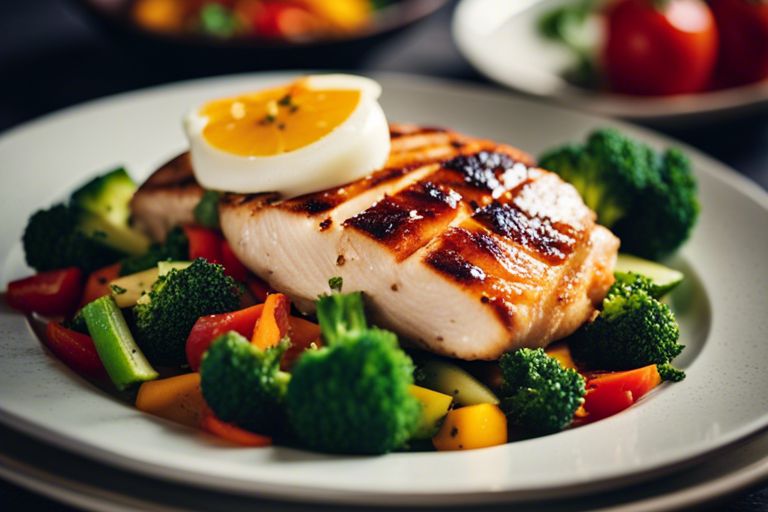
- Grilling or baking chicken is the healthiest way to cook it as these methods require little to no added fats.
- Avoid deep frying or pan frying chicken as these methods add unnecessary calories and unhealthy fats to the dish.
- Choose skinless, lean cuts of chicken and season with herbs and spices instead of heavy sauces to keep your meal healthy.
Nutritional Benefits of Chicken
High-Quality Protein
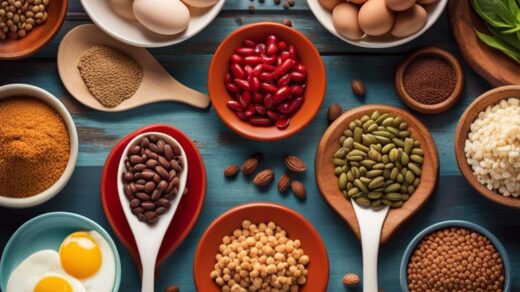
Chicken is an excellent source of high-quality protein, which is important for building and repairing tissues in your body. When you consume chicken, you are providing your body with all the necessary amino acids required for muscle growth and maintenance. This lean protein source can help you feel full and satisfied, making it a great option for those looking to manage their weight.
Rich in Vitamins and Minerals
Benefits outweigh the potential risks posed by unhealthy cooking methods. Chicken is rich in important vitamins and minerals such as B vitamins, which are crucial for energy production and brain function. Additionally, chicken contains important minerals like iron and zinc, which are important for immune function and overall health maintenance.
Protein is important for muscle growth, tissue repair, and overall health. Chicken is a great source of complete protein, providing all the important amino acids that your body needs to function properly. By incorporating chicken into your diet, you can ensure that you are getting an adequate amount of protein to support your body’s needs.
Cooking Methods to Avoid
Clearly, not all cooking methods are created equal when it comes to the healthiness of your chicken dishes. Some cooking techniques can actually strip the chicken of its nutrients, increase its calorie count, or introduce harmful compounds. Here are a few cooking methods you should avoid if you’re looking to keep your chicken dishes as healthy as possible.
Unhealthiest: Fried Chicken: The Unhealthiest Option
Unhealthiest, while undeniably delicious, fried chicken is one of the least healthy ways to cook chicken. When chicken is deep-fried, it absorbs a significant amount of oil, leading to a high calorie and fat content. Additionally, the breading used in fried chicken recipes often contains refined carbohydrates and added sugars, further contributing to its unhealthy profile. Regularly indulging in fried chicken can increase your risk of obesity, heart disease, and other health problems.
Chicken: Overcooking: A Nutrient-Killer
Methods such as overcooking can turn your once-healthy chicken dish into a nutrient-deprived meal. Overcooking chicken can lead to the loss of important vitamins and minerals, such as vitamin B6 and selenium. To avoid this, make sure to cook your chicken just until it reaches the appropriate internal temperature, using a meat thermometer to ensure it’s fully cooked without going overboard.
Healthier Cooking Options
Grilling: A Low-Fat, High-Flavor Method
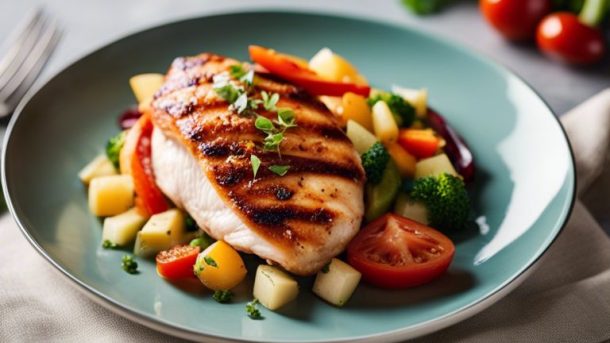
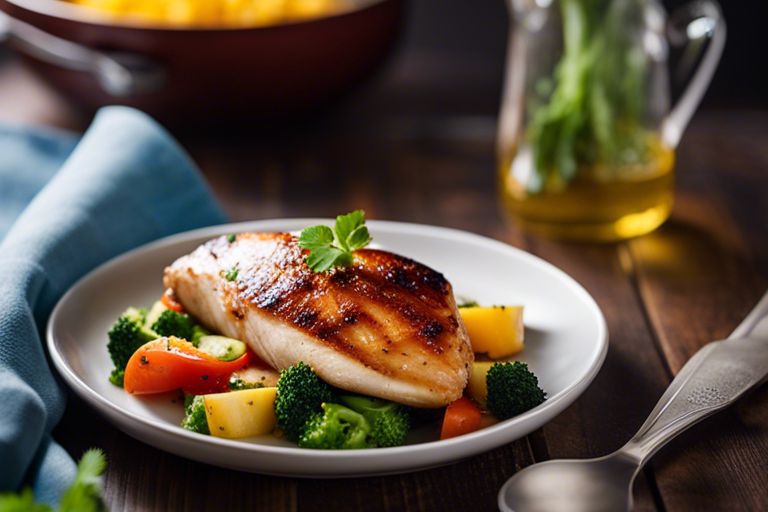
Not only is grilling a popular cooking method, but it’s also a healthier option when preparing chicken. Cooking chicken on the grill allows the excess fat to drip away from the meat, resulting in a lower-fat end product. The high heat of the grill also helps to give chicken a delicious smoky flavor without the need for extra fats or oils.
Roasting: Bringing Out the Natural Flavors
Bringing out the natural flavors of chicken through roasting is another healthy and tasty way to enjoy this protein. Roasting involves cooking chicken in the oven at a moderate temperature, allowing the meat to cook slowly and evenly. This method helps to retain the moisture and flavor of the chicken while minimizing the need for added fats or oils.
When roasting chicken, you can enhance the flavor by seasoning the meat with herbs, spices, and citrus before cooking. This not only adds depth to the taste but also boosts the nutritional value of the dish.
Poaching: A Moist and Tender Option
Natural juices and flavors are preserved when you poach chicken, making it a moist and tender cooking option. Poaching involves gently simmering chicken in liquid, such as broth or water, until it is cooked through. This method helps to keep the chicken juicy and flavorful without the need for additional fats.
Plus, poaching is a versatile technique that allows you to infuse the chicken with different flavors by using various herbs, spices, and aromatics in the poaching liquid. This creates a delicious and healthy dish that can be enjoyed on its own or used in salads, sandwiches, or wraps.
The Importance of Cooking Temperature
Once again, it is crucial to pay attention to the cooking temperature when preparing chicken. Cooking temperature plays a significant role in ensuring that your chicken is safe to eat and delicious to enjoy. Here’s why cooking temperature is so important:
| Food Safety | Taste and Texture |
| Proper cooking temperature helps avoid foodborne illnesses such as Salmonella and Campylobacter. | The right temperature ensures that the chicken is cooked to perfection, juicy on the inside and crispy on the outside. |
Food Safety: Avoiding Salmonella and Campylobacter
For optimal food safety, it is crucial to cook chicken to the right internal temperature. Chicken can be contaminated with harmful bacteria like Salmonella and Campylobacter, which can cause foodborne illnesses if not cooked thoroughly. To prevent these risks, make sure to cook your chicken to the recommended internal temperature.
Optimal Internal Temperature for Chicken
An imperative aspect of cooking chicken safely is knowing the optimal internal temperature to reach. The USDA recommends cooking chicken to an internal temperature of 165°F (73.9°C) to kill any harmful bacteria present. By using a food thermometer, you can ensure that your chicken reaches this safe temperature, reducing the risk of foodborne illnesses.
| Internal Temperature | Description |
| 165°F (73.9°C) | Safe minimum internal temperature to kill bacteria and ensure the chicken is fully cooked. |
With this knowledge, you can confidently cook chicken to the perfect temperature, ensuring both safety and delicious taste in every bite. Remember to always use a food thermometer to check the internal temperature and enjoy your chicken dishes with peace of mind.
Marinades and Seasonings: Adding Flavor Without Added Salt
Now let’s explore how you can add flavor to your chicken without relying on salt. Using marinades and seasonings is a great way to enhance the taste of your chicken while keeping it healthy.
Herbs and Spices: A Healthy Alternative to Salt
Healthy herbs and spices are a delicious way to season your chicken without adding extra salt. Herbs like rosemary, thyme, and oregano can bring a burst of flavor to your chicken dishes. Spices such as cumin, paprika, and turmeric can add depth and richness without the need for salt. Experiment with different herb and spice combinations to find your favorite flavor profile.
Acidic Marinades: Tenderizing without Added Fat
Tenderizing your chicken with acidic marinades is another way to infuse flavor without adding extra fat. Ingredients like lemon juice, vinegar, or yogurt can help break down the proteins in the chicken, resulting in a tender and flavorful dish. These acidic marinades not only enhance the taste of the chicken but also make it more succulent and juicy.
Salt should be used sparingly in your chicken recipes. While a pinch of salt can enhance flavors, relying too heavily on salt can lead to health problems like high blood pressure. By exploring alternative seasonings and tenderizing techniques, you can enjoy delicious and healthy chicken dishes without sacrificing flavor.
Cooking Chicken Breasts vs. Thighs
Breast Meat: Leaner but Drier
To cook chicken breasts, you can opt for methods like grilling, baking, or sautéing. These cuts are leaner than thighs, which makes them a popular choice for those watching their calorie intake. However, the lower fat content in chicken breasts can also make them prone to drying out if overcooked. To prevent this, make sure not to overcook your chicken breasts and consider using marinades or sauces to add moisture and flavor.
Thigh Meat: Higher in Fat but More Moist
As far as cooking chicken thighs, the higher fat content compared to breasts results in a more flavorful and moist end product. You can roast, braise, or grill chicken thighs to enhance their natural juiciness and tenderness. The slightly higher fat content also means they are more forgiving when it comes to cooking times, making them a great choice for beginners or those looking for a more forgiving cut of meat.
Another Meat
Another benefit of choosing chicken thighs is the richer flavor they offer compared to chicken breasts. The additional fat content not only contributes to moisture but also helps enhance the overall taste of the dish. If you’re looking to elevate the flavor of your chicken dish, consider using chicken thighs for a more indulgent and satisfying meal.

Final Words
As a reminder, when it comes to cooking chicken in a healthy way, it is important to choose methods that retain as many nutrients as possible while minimizing the consumption of added fats or oils. Baking or grilling chicken are great options that can help you maintain a balanced diet and reduce unnecessary intake of unhealthy fats. Remember to also follow proper cooking times and temperatures to ensure that your chicken is cooked thoroughly and safely. If you’re looking for more information on this topic, you can check out How Long Should You Cook a Chicken, and What Is … for additional insights.
Q: What is the healthiest way to cook chicken?
A: The healthiest way to cook chicken is by baking or grilling it. These methods require minimal added fat and retain more nutrients compared to frying or sautéing.
Q: Is it better to cook chicken with or without the skin?
A: It is generally healthier to cook chicken without the skin. The skin contains a significant amount of fat, so removing it before cooking can help reduce the overall calorie and fat content of the dish.
Q: What are some healthy seasoning options for cooking chicken?
A: Some healthy seasoning options for cooking chicken include herbs like rosemary, thyme, and oregano, as well as spices like paprika, garlic powder, and cumin. These seasonings add flavor without extra calories or sodium.