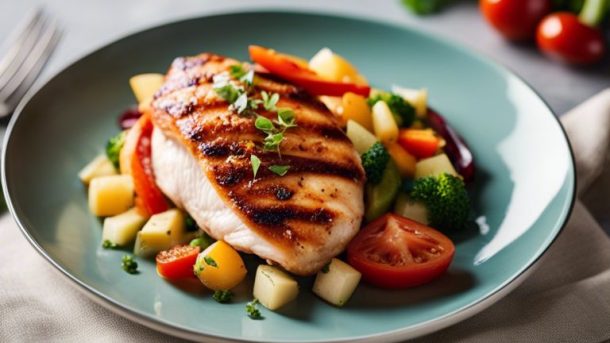
Grilling

What's the healthiest way to cook chicken

Overwhelmed by the myriad of cooking methods for chicken? In terms of your health, how you prepare your poultry matters. In this informative guide, you’ll discover the healthiest way to cook chicken to keep it delicious and nutritious. By making the right cooking choices, you can enjoy a tasty meal without compromising your health goals. Let’s explore the best practices for preparing chicken that your body will thank you for.
Key Takeaways:

  • Grilling or baking chicken is the healthiest way to cook it as these methods require little to no added fats.
  • Avoid deep frying or pan frying chicken as these methods add unnecessary calories and unhealthy fats to the dish.
  • Choose skinless, lean cuts of chicken and season with herbs and spices instead of heavy sauces to keep your meal healthy.

Nutritional Benefits of Chicken

High-Quality Protein

Chicken is an excellent source of high-quality protein, which is important for building and repairing tissues in your body. When you consume chicken, you are providing your body with all the necessary amino acids required for muscle growth and maintenance. This lean protein source can help you feel full and satisfied, making it a great option for those looking to manage their weight.

Rich in Vitamins and Minerals

Benefits outweigh the potential risks posed by unhealthy cooking methods. Chicken is rich in important vitamins and minerals such as B vitamins, which are crucial for energy production and brain function. Additionally, chicken contains important minerals like iron and zinc, which are important for immune function and overall health maintenance.

Protein is important for muscle growth, tissue repair, and overall health. Chicken is a great source of complete protein, providing all the important amino acids that your body needs to function properly. By incorporating chicken into your diet, you can ensure that you are getting an adequate amount of protein to support your body’s needs.

Cooking Methods to Avoid

Clearly, not all cooking methods are created equal when it comes to the healthiness of your chicken dishes. Some cooking techniques can actually strip the chicken of its nutrients, increase its calorie count, or introduce harmful compounds. Here are a few cooking methods you should avoid if you’re looking to keep your chicken dishes as healthy as possible.

Unhealthiest: Fried Chicken: The Unhealthiest Option

Unhealthiest, while undeniably delicious, fried chicken is one of the least healthy ways to cook chicken. When chicken is deep-fried, it absorbs a significant amount of oil, leading to a high calorie and fat content. Additionally, the breading used in fried chicken recipes often contains refined carbohydrates and added sugars, further contributing to its unhealthy profile. Regularly indulging in fried chicken can increase your risk of obesity, heart disease, and other health problems.

Chicken: Overcooking: A Nutrient-Killer

Methods such as overcooking can turn your once-healthy chicken dish into a nutrient-deprived meal. Overcooking chicken can lead to the loss of important vitamins and minerals, such as vitamin B6 and selenium. To avoid this, make sure to cook your chicken just until it reaches the appropriate internal temperature, using a meat thermometer to ensure it’s fully cooked without going overboard.

Healthier Cooking Options

Grilling: A Low-Fat, High-Flavor Method

Not only is grilling a popular cooking method, but it’s also a healthier option when preparing chicken. Cooking chicken on the grill allows the excess fat to drip away from the meat, resulting in a lower-fat end product. The high heat of the grill also helps to give chicken a delicious smoky flavor without the need for extra fats or oils.

Roasting: Bringing Out the Natural Flavors

Bringing out the natural flavors of chicken through roasting is another healthy and tasty way to enjoy this protein. Roasting involves cooking chicken in the oven at a moderate temperature, allowing the meat to cook slowly and evenly. This method helps to retain the moisture and flavor of the chicken while minimizing the need for added fats or oils.

When roasting chicken, you can enhance the flavor by seasoning the meat with herbs, spices, and citrus before cooking. This not only adds depth to the taste but also boosts the nutritional value of the dish.

Poaching: A Moist and Tender Option

Natural juices and flavors are preserved when you poach chicken, making it a moist and tender cooking option. Poaching involves gently simmering chicken in liquid, such as broth or water, until it is cooked through. This method helps to keep the chicken juicy and flavorful without the need for additional fats.

Plus, poaching is a versatile technique that allows you to infuse the chicken with different flavors by using various herbs, spices, and aromatics in the poaching liquid. This creates a delicious and healthy dish that can be enjoyed on its own or used in salads, sandwiches, or wraps.
The Importance of Cooking Temperature

Once again, it is crucial to pay attention to the cooking temperature when preparing chicken. Cooking temperature plays a significant role in ensuring that your chicken is safe to eat and delicious to enjoy. Here’s why cooking temperature is so important:

Food Safety Taste and Texture
Proper cooking temperature helps avoid foodborne illnesses such as Salmonella and Campylobacter. The right temperature ensures that the chicken is cooked to perfection, juicy on the inside and crispy on the outside.

Food Safety: Avoiding Salmonella and Campylobacter

For optimal food safety, it is crucial to cook chicken to the right internal temperature. Chicken can be contaminated with harmful bacteria like Salmonella and Campylobacter, which can cause foodborne illnesses if not cooked thoroughly. To prevent these risks, make sure to cook your chicken to the recommended internal temperature.

Optimal Internal Temperature for Chicken

An imperative aspect of cooking chicken safely is knowing the optimal internal temperature to reach. The USDA recommends cooking chicken to an internal temperature of 165°F (73.9°C) to kill any harmful bacteria present. By using a food thermometer, you can ensure that your chicken reaches this safe temperature, reducing the risk of foodborne illnesses.

Internal Temperature Description
165°F (73.9°C) Safe minimum internal temperature to kill bacteria and ensure the chicken is fully cooked.

With this knowledge, you can confidently cook chicken to the perfect temperature, ensuring both safety and delicious taste in every bite. Remember to always use a food thermometer to check the internal temperature and enjoy your chicken dishes with peace of mind.

Marinades and Seasonings: Adding Flavor Without Added Salt

Now let’s explore how you can add flavor to your chicken without relying on salt. Using marinades and seasonings is a great way to enhance the taste of your chicken while keeping it healthy.

Herbs and Spices: A Healthy Alternative to Salt

Healthy herbs and spices are a delicious way to season your chicken without adding extra salt. Herbs like rosemary, thyme, and oregano can bring a burst of flavor to your chicken dishes. Spices such as cumin, paprika, and turmeric can add depth and richness without the need for salt. Experiment with different herb and spice combinations to find your favorite flavor profile.

Acidic Marinades: Tenderizing without Added Fat

Tenderizing your chicken with acidic marinades is another way to infuse flavor without adding extra fat. Ingredients like lemon juice, vinegar, or yogurt can help break down the proteins in the chicken, resulting in a tender and flavorful dish. These acidic marinades not only enhance the taste of the chicken but also make it more succulent and juicy.

Salt should be used sparingly in your chicken recipes. While a pinch of salt can enhance flavors, relying too heavily on salt can lead to health problems like high blood pressure. By exploring alternative seasonings and tenderizing techniques, you can enjoy delicious and healthy chicken dishes without sacrificing flavor.

Cooking Chicken Breasts vs. Thighs

Breast Meat: Leaner but Drier

To cook chicken breasts, you can opt for methods like grilling, baking, or sautéing. These cuts are leaner than thighs, which makes them a popular choice for those watching their calorie intake. However, the lower fat content in chicken breasts can also make them prone to drying out if overcooked. To prevent this, make sure not to overcook your chicken breasts and consider using marinades or sauces to add moisture and flavor.

Thigh Meat: Higher in Fat but More Moist

As far as cooking chicken thighs, the higher fat content compared to breasts results in a more flavorful and moist end product. You can roast, braise, or grill chicken thighs to enhance their natural juiciness and tenderness. The slightly higher fat content also means they are more forgiving when it comes to cooking times, making them a great choice for beginners or those looking for a more forgiving cut of meat.

Another Meat

Another benefit of choosing chicken thighs is the richer flavor they offer compared to chicken breasts. The additional fat content not only contributes to moisture but also helps enhance the overall taste of the dish. If you’re looking to elevate the flavor of your chicken dish, consider using chicken thighs for a more indulgent and satisfying meal.

Final Words

As a reminder, when it comes to cooking chicken in a healthy way, it is important to choose methods that retain as many nutrients as possible while minimizing the consumption of added fats or oils. Baking or grilling chicken are great options that can help you maintain a balanced diet and reduce unnecessary intake of unhealthy fats. Remember to also follow proper cooking times and temperatures to ensure that your chicken is cooked thoroughly and safely. If you’re looking for more information on this topic, you can check out How Long Should You Cook a Chicken, and What Is … for additional insights.

Q: What is the healthiest way to cook chicken?

A: The healthiest way to cook chicken is by baking or grilling it. These methods require minimal added fat and retain more nutrients compared to frying or sautéing.

Q: Is it better to cook chicken with or without the skin?

A: It is generally healthier to cook chicken without the skin. The skin contains a significant amount of fat, so removing it before cooking can help reduce the overall calorie and fat content of the dish.

Q: What are some healthy seasoning options for cooking chicken?

A: Some healthy seasoning options for cooking chicken include herbs like rosemary, thyme, and oregano, as well as spices like paprika, garlic powder, and cumin. These seasonings add flavor without extra calories or sodium.

How do I make chicken taste better

Just like Julia Child always said, “With the right techniques, anyone can cook!” So, you’re ready to elevate your chicken dishes to a whole new level, and I’m here to show you how. Whether you’re grilling, baking, or sautéing your chicken, these simple tips and tricks will make your chicken taste better than ever before. From marinades to seasonings, get ready to impress your taste buds and your guests with delicious, flavorful chicken every time!

Key Takeaways:

  • Seasoning is key: Experiment with different herbs, spices, and marinades to enhance the flavor of your chicken.
  • Proper cooking techniques: Choose the appropriate cooking method (grilling, roasting, sautéing) to bring out the best flavor in your chicken.
  • Quality ingredients: Use high-quality chicken and fresh ingredients to ensure a delicious and flavorful dish.

Preparing for Flavor

Choosing the Right Chicken

With so many options available at the grocery store, it’s important to choose the right chicken for the best flavor. Opt for organic or free-range chicken if possible; they tend to have better texture and more natural flavors. Additionally, consider the cut – each part of the chicken offers a unique taste and texture. For example, chicken thighs are known for their juicy and tender meat, while chicken breasts are leaner but can dry out more easily if overcooked. Choose the cut that best suits your recipe to enhance the flavor of your dish.

Essential Pantry Staples

Essential pantry staples are the key to elevating the flavor of your chicken dishes. Make sure your pantry is stocked with basics like salt, pepper, olive oil, and a variety of herbs and spices. These ingredients can add depth and complexity to your chicken recipes. Additionally, ingredients like soy sauce, honey, garlic, and Dijon mustard can take your chicken marinades and sauces to the next level.

The right combination of pantry staples can transform a simple chicken breast into a gourmet meal. Experiment with different spices and seasonings to find your signature flavor profile and elevate your chicken dishes to a whole new level of deliciousness.

Marinating and Seasoning

Clearly, marinating and seasoning are imperative techniques to make your chicken taste better. By infusing flavors into the meat, you can elevate the taste and juiciness of your chicken dishes.

The Power of Acidic Ingredients

Acidic ingredients like lemon juice, vinegar, or yogurt break down the proteins in the chicken, making it more tender and allowing the flavors to penetrate deeper. Marinating chicken in acidic ingredients not only adds a tangy taste but also helps in tenderizing the meat, resulting in a more succulent dish.

Herbs and Spices: A World of Flavors

For herbs and spices, the options are endless. From classic choices like garlic, rosemary, and thyme to exotic blends like cumin, paprika, and turmeric, each herb and spice brings its own unique taste and aroma to your chicken dishes.

Understanding how to balance different herbs and spices is key to creating delicious chicken marinades. You can combine various herbs and spices to create a personalized flavor profile that suits your taste preferences.

The Magic of Marinades

Ingredients such as soy sauce, honey, olive oil, and Worcestershire sauce can work wonders in a marinade for chicken. These components not only add depth of flavor but also help in tenderizing the meat and locking in moisture during cooking.

For instance, marinating chicken in a mixture of soy sauce, ginger, and garlic can result in a flavorful and juicy dish with an Asian flair. Experiment with different marinade recipes to find your favorite combinations.

Cooking Methods Matter

Grilling: A Smoky Twist

Keep in mind that the cooking method you choose can greatly impact the flavor of your chicken. Grilling is a fantastic way to add a smoky twist to your chicken dishes. The high, direct heat of the grill not only cooks the chicken quickly but also imparts a delicious charred flavor that is unbeatable.

Roasting: Bringing Out the Best

Matter In the matter of roasting, it’s all about bringing out the best in your chicken. Roasting allows the flavors to develop slowly and evenly, resulting in tender and juicy meat with a beautifully crispy skin. The aromas that fill your kitchen as the chicken roasts to perfection are simply irresistible.

To truly elevate your roasted chicken, consider marinating the bird overnight or coating it with a flavorful herb and spice rub before popping it in the oven. This extra step will infuse your chicken with even more delicious flavors, making every bite a delightful experience.

Pan-Sealing: Crispy on the Outside, Juicy Within

One technique that can make a world of difference in your chicken dishes is pan-sealing. By searing the chicken in a hot pan before finishing it in the oven, you create a beautifully crispy crust on the outside while locking in all the juices, ensuring the meat remains tender and moist.

Juicy For the best results, make sure your pan is hot before adding the chicken to achieve that perfect sear. Once your chicken is golden brown on all sides, transfer it to the oven to finish cooking. The end result will be a mouthwatering chicken dish that is crispy on the outside and juicy within.

Adding Aromatics and Umami

Onions, Garlic, and Shallots: The Holy Trinity

Umami is the key to unlocking delicious flavors in your chicken dishes. When looking to enhance the taste of your chicken, turn to the holy trinity of onions, garlic, and shallots. These aromatic vegetables not only add depth to your dish but also bring out the savory richness of the chicken.

Mushrooms: Earthy and Savory

Shallots, with their delicate flavor, are a great addition when paired with mushrooms to create a savory and earthy umami profile in your chicken dishes. The combination of shallots and mushrooms adds a rich complexity that elevates the overall taste of your chicken.

Holy moly! Mushrooms are a fantastic way to introduce an earthy and savory taste to your chicken. Whether you opt for earthy cremini mushrooms or intense porcinis, adding mushrooms to your chicken dishes will take the flavor to a whole new level.

Soy Sauce and Fish Sauce: Umami Boosters

Any umami enthusiasts out there? Soy sauce and fish sauce are your best friends when it comes to boosting the savory taste of chicken. These umami-rich sauces add depth and complexity to your dishes, making your chicken irresistibly delicious.

It’s no secret that adding soy sauce and fish sauce to your chicken marinades or sauces will enhance the umami flavor profile. These sauces not only bring saltiness but also that coveted umami taste that will leave your taste buds singing.

Acidity and Brightness

Once again, when it comes to enhancing the flavor of chicken, acidity and brightness play a vital role. Adding a touch of acidity can elevate the taste of your chicken dishes to a whole new level.

Citrus: A Squeeze of Freshness

Freshness is key when it comes to using citrus to enhance the flavor of your chicken. A squeeze of lemon, lime, or orange can add a zesty and vibrant taste to your dish. The acidity in citrus fruits helps to tenderize the meat while brightening up the overall flavor profile.

Vinegars: Balancing Flavors

Flavors in vinegars such as balsamic, apple cider, or red wine vinegar can add complexity to your chicken dishes. They help to balance out rich or heavy flavors, cutting through the richness of the meat and adding a tangy kick to your dish.

This variety of vinegars allows you to experiment and find the perfect balance for your taste preferences. From a subtle hint to a bolder tang, vinegars can transform a simple chicken dish into a gourmet experience.

Tomatoes: A Burst of Flavor

With their natural acidity and sweetness, tomatoes can bring a burst of flavor to your chicken dishes. Whether using fresh tomatoes, sundried tomatoes, or tomato sauce, their rich umami taste can complement the savory notes of chicken beautifully.

The versatility of tomatoes allows you to create diverse chicken recipes, from classic tomato and basil combos to spicy tomato salsas. Experiment with different tomato varieties to discover your favorite flavor profiles for chicken dishes.

Texture and Crunch

Despite your best efforts to flavor your chicken, sometimes the texture can make all the difference in how enjoyable it is to eat. If you’re looking to elevate your chicken dishes, consider exploring different ways to add texture and crunch. For more tips on adding flavor to your chicken breast, check out 3 simple ways to add flavour to chicken breast.

Crispy Skin: The Ultimate Texture

Ultimate texture can be achieved by mastering the art of crispy chicken skin. Whether you’re roasting, grilling, or pan-searing your chicken, a crispy skin adds a delightful crunch with every bite. To achieve this, ensure your chicken skin is dry before cooking and that you use high heat to crisp it up. This simple step can take your chicken dish from ordinary to extraordinary.

Crunchy Toppings: Nuts, Seeds, and More

Crunchy toppings like nuts, seeds, or breadcrumbs can take your chicken to the next level. You can add a layer of crushed nuts or seeds on top of your chicken before baking or sprinkle some toasted breadcrumbs over your dish for that extra crunch. This not only enhances the texture but also adds a new depth of flavor to your chicken.

This simple addition can elevate your dish and provide a contrast to the tender meat, making each bite more interesting and satisfying.

Fresh Herbs: A Pop of Color and Flavor

Nuts, seeds, and fresh herbs can also contribute to the texture and flavor of your chicken dishes. By adding a handful of fresh herbs like basil, parsley, or cilantro at the end of cooking, you not only add a pop of color but also a burst of freshness and flavor. These herbs provide a refreshing contrast to the savory chicken, making the dish more vibrant and appealing.

Another way to incorporate fresh herbs is by making a herb-infused butter or oil to drizzle over your cooked chicken. This simple yet effective technique can enhance the overall taste and appearance of your dish, impressing your guests and elevating your chicken to a restaurant-quality level.

Summing up

Now that you have learned various tips and techniques on how to make chicken taste better, remember that practice makes perfect. Experiment with different seasonings, cooking methods, and marinades to find what works best for you and your taste buds. Don’t be afraid to get creative in the kitchen and have fun while exploring new flavors and ingredients. For more ideas on how to enhance the juiciness and flavor of your chicken, check out What are ways to make chicken taste more juicy and flavorful.

Q: How can I make chicken taste better?

A: There are several ways to enhance the flavor of chicken. You can marinate it in herbs, spices, and other seasonings before cooking. Another option is to brine the chicken in a saltwater solution to infuse it with flavor and keep it moist. Additionally, you can try using different cooking methods, such as grilling, roasting, or frying, to add variety to the taste.

Q: What herbs and spices go well with chicken?

A: Some popular herbs and spices that pair well with chicken include rosemary, thyme, oregano, basil, paprika, garlic, ginger, and cumin. You can also experiment with different seasoning blends, such as Cajun, Italian, or Mexican, to create unique flavors for your chicken dishes.

Q: How can I add moisture to chicken to make it more flavorful?

A: To keep chicken moist and flavorful, you can try brining it in a saltwater solution before cooking. You can also coat the chicken with a marinade or sauce to add moisture and enhance the taste. Cooking methods such as roasting the chicken with vegetables or braising it in a flavorful liquid can also help retain moisture and infuse the meat with additional flavor.

Skip to content