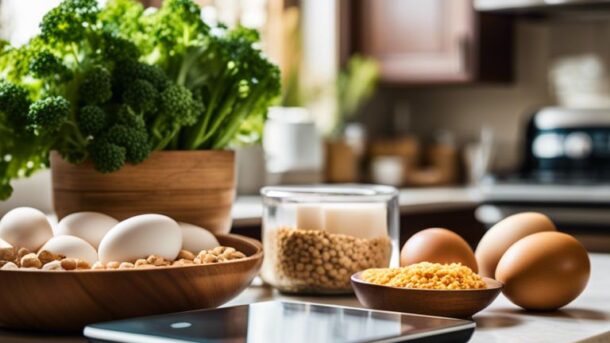
Protein intake is crucial for your fitness goals, but hitting 150g a day can seem daunting. However, with strategic meal planning and smart food choices, you can easily reach this target. Check out this helpful guide on how to hit 150g of protein daily? and discover practical tips and delicious recipes to make it easier for you to achieve your protein goals. You’ve got this!
Key Takeaways:
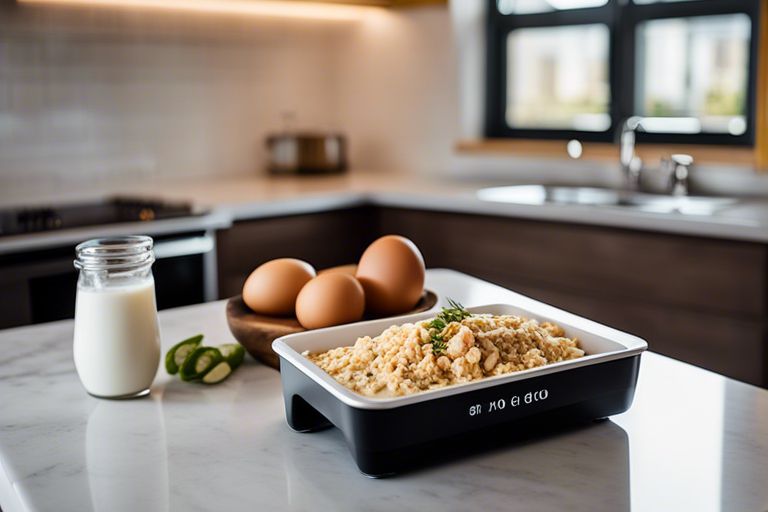
- Diversify protein sources: Incorporating a variety of protein-rich foods such as lean meats, poultry, fish, eggs, dairy, legumes, nuts, and seeds can help you reach your daily protein goal.
- Plan your meals and snacks: Preparing and portioning meals ahead of time can make it easier to ensure you are consuming enough protein throughout the day.
- Supplement when necessary: If you struggle to meet your protein requirements through whole foods alone, protein supplements like shakes, bars, or powders can be a convenient option to boost your intake.
Why 150g of Protein a Day?
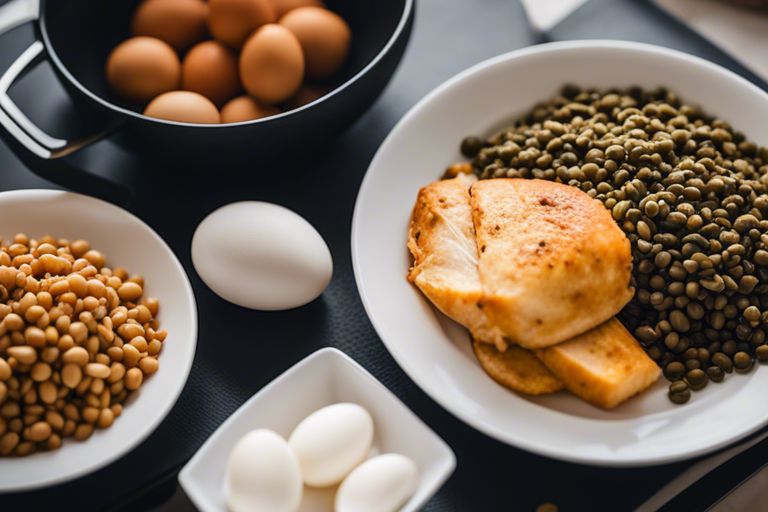
To achieve optimal muscle growth and repair, you need to consume an adequate amount of protein daily. Protein is crucial for your body’s ability to repair and build muscle tissues, especially after intense workouts. By consuming 150g of protein a day, you provide your muscles with the necessary building blocks to grow stronger and recover effectively.
The Importance of Protein for Muscle Growth and Repair
Protein plays a vital role in muscle growth and repair. When you exercise, tiny tears occur in your muscle fibers, and protein is imperative for repairing these tears and promoting muscle growth. By consuming 150g of protein a day, you ensure that your body has enough protein available to support these processes, leading to improved muscle tone and strength over time.
How Protein Affects Weight Loss and Maintenance
Protein can also significantly impact your weight loss and maintenance goals. A higher protein intake can help you feel fuller for longer periods, reducing your overall calorie intake and supporting weight loss efforts. Additionally, protein has a higher thermic effect compared to carbohydrates and fats, meaning your body burns more calories digesting and metabolizing protein, which can aid in maintaining a healthy weight.
A diet rich in protein can also help preserve lean muscle mass while promoting fat loss, which is crucial for achieving a lean and toned physique. By including 150g of protein in your daily diet, you can support your weight loss goals while maintaining muscle mass and overall metabolic health.
Calculating Your Daily Protein Needs
While What should I eat to consume 150gms of protein per day? gives you some insight into the types of foods you can include in your diet, it’s necessary to understand how to calculate your specific protein needs. Factors such as age, gender, weight, activity level, and fitness goals all play a role in determining the amount of protein your body requires daily.
Factors Affecting Protein Requirements
- Your age and gender influence your protein needs. Generally, men require more protein than women due to higher muscle mass.
- Your activity level also plays a significant role. Individuals who are highly active or engage in intense workouts may need more protein to support muscle repair and growth.
- Recognizing and adapting to these factors will help you determine the precise amount of protein you should consume daily to achieve your fitness goals.
How to Calculate Your Individual Protein Needs
One straightforward way to estimate your protein requirements is by using a formula that takes into account your weight and activity level. An easy method is to aim for 0.8 to 1 gram of protein per kilogram of body weight. For example, if you weigh 70kg, you would aim to consume between 56g to 70g of protein per day.
This approach provides a general guideline, but keep in mind that individual needs may vary. Factors like muscle mass, metabolism, and training intensity can all impact your protein requirements. If you are unsure about the ideal protein intake for your specific goals, consider consulting with a nutritionist or fitness expert to tailor a plan that suits your needs.
High-Protein Foods to Include in Your Diet
Lean Meats and Poultry
Include lean meats and poultry in your diet to boost your protein intake. Opt for skinless chicken breast, turkey, or lean cuts of beef like sirloin or tenderloin. These options are not only rich in protein but also low in fat, making them ideal choices for a high-protein diet.
Fish and Seafood
An excellent source of protein, fish and seafood should be a staple in your diet. Include fatty fish like salmon, tuna, or mackerel, which are not only high in protein but also rich in omega-3 fatty acids that are beneficial for your heart health. Seafood options like shrimp, scallops, and crab are also protein-packed and delicious additions to your meals.
Understanding the importance of incorporating fish and seafood into your diet is key to meeting your daily protein requirements. These options not only diversify your protein sources but also provide vital nutrients that support overall health.
Eggs and Dairy
An easy way to add protein to your diet is by including eggs and dairy products. Eggs are a versatile ingredient that can be enjoyed in various ways, such as scrambled, boiled, or as an omelette. Dairy options like Greek yogurt, cottage cheese, and low-fat milk are also excellent sources of protein that can be included in your meals or snacks.
Poultry like chicken and turkey are another great protein option that can be included in your diet. Whether grilled, baked, or sautéed, poultry is a lean protein source that can help you reach your daily protein goals.
Legumes and Plant-Based Options
Include legumes and plant-based protein options in your diet to cater to your dietary needs. Options such as lentils, chickpeas, black beans, and tofu are not only high in protein but also rich in fiber and other vital nutrients. Incorporating these plant-based options into your meals can help you meet your protein requirements while enjoying a variety of delicious dishes.
Another benefit of incorporating legumes and plant-based protein options into your diet is that they are often lower in saturated fats compared to animal sources of protein. This makes them a heart-healthy choice that can contribute to your overall well-being.
Meal Planning Strategies
Many people struggle to consume enough protein throughout the day to meet their daily goals. A strategic approach to meal planning can make it easier to reach your target of 150g of protein. Starting your day with a protein-packed breakfast sets the tone for the rest of the day.
Breakfast Ideas for a Protein-Packed Start
Strategies such as preparing overnight oats with protein powder, Greek yogurt with nuts and seeds, or a veggie omelet with lean chicken sausage can help you kickstart your morning with a protein boost. These breakfast options are not only delicious but also convenient for those with busy schedules, ensuring you start your day strong with the right nutrients to support your protein goals.
Lunch and Snack Options for Sustained Energy
Energy is key to maintaining your protein intake throughout the day. Lunch and snack options like grilled chicken salad with quinoa, protein-packed smoothies, or homemade protein bars can keep you energized and satisfied. These choices not only provide a good source of protein but also offer a balance of carbohydrates and healthy fats to keep you feeling full and focused until your next meal.
Lunch and snacks are crucial for staying on track with your protein intake. Be sure to include a protein source in each meal to help you reach your daily goal of 150g. Additionally, having healthy protein-rich snacks on hand can prevent you from reaching for less nutritious options when hunger strikes.
Dinner Recipes for a High-Protein Finish
Lunch and snacks are crucial for staying on track with your protein intake. Be sure to include a protein source in each meal to help you reach your daily goal of 150g. Additionally, having healthy protein-rich snacks on hand can prevent you from reaching for less nutritious options when hunger strikes.
Dinner Recipes for a High-Protein Finish
It’s necessary to end your day with a satisfying and high-protein dinner to ensure you meet your daily protein target. Dinner options like grilled salmon with quinoa and roasted vegetables, turkey chili with beans, or tofu stir-fry with edamame are delicious and fulfilling choices that can support your muscle recovery and growth while helping you reach your protein goal for the day.
Supplements and Powders
For optimal muscle growth and recovery, incorporating supplements and protein powders into your diet can be beneficial. They can help you reach your daily protein intake goals and support your fitness journey. One popular debate in the fitness community is whey protein versus plant-based options.
Whey Protein vs. Plant-Based Options
One common choice for supplementing protein intake is whey protein, derived from cow’s milk. It is a complete protein source containing all crucial amino acids and is quickly absorbed by the body, making it ideal for post-workout recovery. On the other hand, plant-based protein options like pea, rice, or hemp protein are suitable for those following a vegan or lactose-free diet. They can be just as effective in promoting muscle growth and recovery, although they may have slightly slower absorption rates compared to whey.
When to Take Protein Supplements for Maximum Effect
Whey protein supplements are most commonly taken immediately after a workout to help kickstart the muscle repair and recovery process. This timing allows your muscles to quickly absorb the protein and crucial nutrients needed to recover and grow stronger. However, protein powders can also be consumed at other times of the day to supplement your protein intake, such as in the morning or between meals. It’s crucial to listen to your body and adjust your intake based on your individual needs and fitness goals.
This way, you can maximize the benefits of protein supplements throughout the day and support your muscle-building and recovery efforts. Remember that consistency is key when it comes to achieving your protein intake goals and making progress in your fitness journey.
Overcoming Common Challenges
Despite your best intentions, you may encounter common challenges when trying to consume 150g of protein a day. It’s important to be prepared for these hurdles and have strategies in place to overcome them.
Dealing with Food Allergies and Intolerances
The key to managing food allergies and intolerances while aiming for 150g of protein a day is to diversify your protein sources. If you are allergic to or intolerant of a particular food, such as dairy or soy, focus on alternative protein-rich options like lean meats, fish, eggs, legumes, nuts, and seeds. Experiment with different sources to find what works best for you and your dietary restrictions.
Staying on Track While Eating Out or Traveling
On your journey to consuming 150g of protein a day, you may find it challenging to stay on track while eating out or traveling. To combat this, research restaurants in advance and choose ones that offer protein-rich options like grilled chicken, fish, or tofu. When traveling, pack portable protein snacks such as protein bars, nuts, or jerky to ensure you have options when healthy choices are limited.
For instance, you can also consider meal prepping before your trip to have protein-packed meals ready to go. This way, you can stay on track with your protein intake even when faced with limited food choices while on the road.
Final Words
Summing up, getting 150g of protein a day may seem like a daunting task at first, but with some planning and dedication, you can easily achieve this goal. By incorporating a variety of protein-rich foods such as lean meats, fish, eggs, dairy, legumes, and plant-based sources into your daily meals, you can ensure that you are meeting your protein needs. Remember to also consider supplementing with protein shakes or bars if needed, and to spread your protein intake throughout the day for optimal absorption and utilization by your body.
With the right strategies in place, you can make hitting your daily protein target a seamless part of your routine. By prioritizing your protein intake and paying attention to your dietary choices, you can support your fitness goals, muscle growth, and overall well-being. So, empower yourself with the knowledge and tools necessary to fuel your body properly, and watch as you crush your protein targets with ease!
FAQ
Q: How much protein do I need to get 150g per day?
A: To consume 150g of protein per day, you should aim to get around 1.2 to 2.2 grams of protein per kilogram of body weight, depending on your activity level and fitness goals.
Q: What are some good sources of protein to help reach 150g per day?
A: Good sources of protein to help reach 150g per day include lean meats like chicken and turkey, fish, eggs, dairy products, legumes, nuts, seeds, and protein supplements like whey or plant-based protein powders.
Q: How can I plan my meals to ensure I get 150g of protein every day?
A: To plan your meals for 150g of protein a day, you can break it down into smaller portions throughout the day. Include protein-rich foods in each meal and snack, such as adding protein to your breakfast with eggs or Greek yogurt, having a protein shake as a snack, and incorporating lean meats, fish, or plant-based proteins in your lunch and dinner.