Fitness

How to get 100g of protein a day

There’s a common misconception that getting 100g of protein a day is a daunting task, but with a bit of planning and some smart choices, you can easily reach this goal. By incorporating a variety of protein sources into your meals, such as lean meats, poultry, fish, dairy, legumes, and plant-based options, you can meet your daily protein needs without any hassle. In this blog post, we’ll explore simple and delicious ways for you to get 100g of protein a day to support your active lifestyle and help you achieve your fitness goals.

Key Takeaways:

  • Include protein in every meal: Ensure that protein-rich foods are a part of every meal to help you reach your daily goal of 100g protein.
  • Focus on lean sources: Opt for lean protein sources such as chicken, turkey, fish, tofu, and legumes to keep your diet low in unhealthy fats.
  • Use protein supplements if needed: If you struggle to reach your protein goal through whole foods, consider incorporating protein supplements like powders or bars into your diet.

Why 100g of Protein a Day Matters

The Importance of Protein for Muscle Growth and Repair

To truly understand why aiming for 100g of protein a day is important, you need to grasp the significance of protein in your diet. Any fitness enthusiast knows that protein is the building block for muscle growth and repair. When you engage in physical activities like weight lifting or high-intensity interval training, your muscles undergo stress and damage at a microscopic level. Protein steps in to repair and rebuild these muscles, making them stronger and more resilient in the process.

How Protein Affects Weight Loss and Management

Growth isn’t the only aspect where protein plays a crucial role; it also impacts your weight management journey. Protein is incredibly satiating, meaning it keeps you feeling full and satisfied for longer periods. As a result, you are less likely to indulge in unhealthy snacks or overeat during meals, ultimately aiding in weight loss. Additionally, a high-protein diet can boost your metabolism, helping you burn more calories throughout the day.

Another reason why protein intake is vital for weight management is its ability to help preserve lean muscle mass while losing fat. When you are on a calorie deficit to shed unwanted pounds, there is a risk of losing muscle along with fat. However, by consuming an adequate amount of protein, you can minimize muscle loss and primarily focus on reducing body fat, leading to a more toned and defined physique.

Protein-Rich Foods to Include in Your Diet

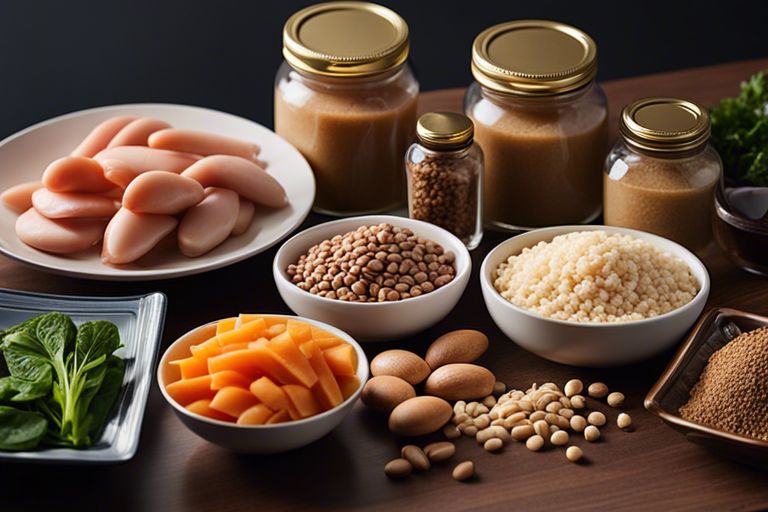
Lean Meats: Chicken, Turkey, and Fish

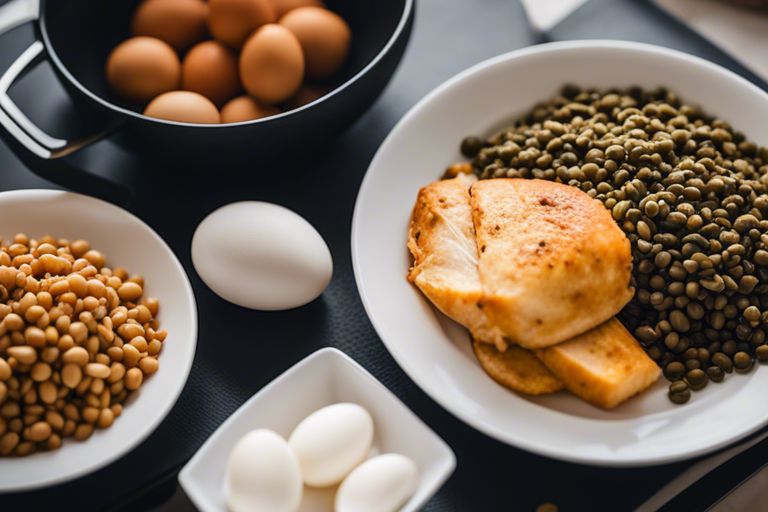
One of the most popular sources of lean protein is chicken. Skinless chicken breast is a fantastic option as it is low in fat and high in protein. Grilling, baking, or roasting chicken can create delicious and healthy meal options for you. Turkey is another excellent choice, especially ground turkey, which can be used in various recipes to boost your protein intake. Fish such as salmon, tuna, or tilapia are not only rich in protein but also provide crucial omega-3 fatty acids for heart health.

Eggs: A Convenient and High-Protein Food Option

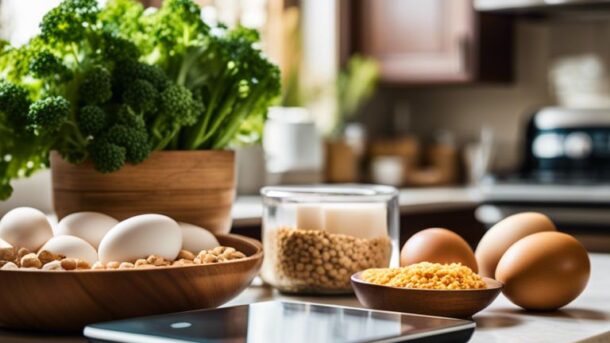
One versatile and convenient protein source is eggs. They are not only affordable but also easy to prepare in various ways. Whether boiled, scrambled, or poached, eggs can be a quick protein fix at any time of the day. You can even use egg whites to reduce the fat content while keeping the protein high.

Chicken is a great way to start your day as it provides you with a good amount of protein to kickstart your morning and keep you full until your next meal.

Legumes: Beans, Lentils, and Peas

Any type of legume, including beans, lentils, and peas, can be an excellent addition to your diet for a plant-based protein boost. These foods are not only high in protein but also rich in fiber, vitamins, and minerals. Whether adding chickpeas to your salads, lentils to your soups, or black beans to your burritos, legumes offer a diverse range of options to increase your protein intake.

A variety of legumes will not only provide you with a good amount of protein but also offer a wide range of crucial nutrients that are beneficial for your overall health. Make sure to include different types of legumes in your diet to get a mix of nutrients and flavors.

Nuts and Seeds: Almonds, Chia Seeds, and More

The addition of nuts and seeds like almonds, chia seeds, flaxseeds, and pumpkin seeds to your diet can be a great way to increase your protein intake. These foods are not only rich in protein but also supply healthy fats, fiber, and vitamins. Including a handful of nuts or seeds as a snack or topping your salads and yogurt with them can significantly boost your daily protein consumption.

Another way to incorporate nuts and seeds into your diet is by making homemade trail mix or adding them to your smoothies for an extra protein punch. Be mindful of portion sizes as nuts and seeds are calorie-dense, but they can be a flavorful and nutritious addition to your meals.

High-Protein Dairy and Alternatives

Milk, Greek Yogurt, and Cottage Cheese

Cottage cheese is a fantastic high-protein dairy option to incorporate into your daily diet. With a whopping 14 grams of protein per half-cup serving, it can be a versatile ingredient in your meals. You can enjoy cottage cheese on its own, mix it with fruits for a delicious snack, or add it to smoothies for a creamy texture that will keep you satisfied.

Protein-Rich Plant-Based Milk Alternatives

As far as protein-rich plant-based milk alternatives, there are plenty of options to choose from. Soy milk, almond milk, and oat milk are some popular choices that can provide you with a good amount of protein per serving. These dairy-free alternatives are not only delicious but also versatile. You can use them in your morning coffee, pour them over your cereal, or include them in your favorite recipes for added protein.

Protein-rich plant-based milk alternatives can be a great option for those who are lactose intolerant or following a vegan diet. They offer a similar creamy texture to traditional dairy milk and can be fortified with vitamins and minerals to provide you with a well-rounded nutritional profile.

Plant-Based Protein Sources

All protein is not created equal, and plant-based sources can be just as effective in helping you reach your daily protein goals. Here are some excellent plant-based protein sources to incorporate into your daily diet:

Tofu, Tempeh, and Seitan

Any of these plant-based protein options can be a delicious and versatile addition to your meals. Tofu, made from soybeans, is a great source of protein and can be used in stir-fries, salads, or smoothies. Tempeh, a fermented soy product, has a nutty flavor and firm texture, making it perfect for grilling or sautéing. Seitan, also known as wheat meat, is made from gluten and has a meaty texture that works well in dishes like stews and sandwiches.

Whole Grains: Quinoa, Brown Rice, and Whole Wheat

Tempeh, quinoa, brown rice, and whole wheat are all excellent sources of plant-based protein. Quinoa is a complete protein, meaning it contains all nine crucial amino acids your body needs. Brown rice and whole wheat are also good sources of protein and can be easily incorporated into meals like grain bowls, soups, and salads.

Rice, another common whole grain, is a great source of plant-based protein. It can be paired with beans or vegetables to create a balanced and protein-rich meal.

Vegetables High in Protein: Broccoli, Spinach, and More

Any dark, leafy green vegetable like broccoli or spinach is not only rich in vitamins and minerals but also surprisingly high in protein. Other vegetables like peas, Brussels sprouts, and edamame are also good sources of plant-based protein. Incorporating a variety of these vegetables into your meals can help you meet your daily protein needs.

Whole, plant-based foods are not only nutritious but also packed with protein to support your active lifestyle. By including a variety of plant-based protein sources in your diet, you can easily reach your daily protein goals while enjoying delicious and satisfying meals.

Meal Planning and Portion Control

Creating a Balanced Meal Plan with Protein-Rich Foods

For a successful journey towards consuming 100g of protein a day, meal planning is key. By strategically incorporating protein-rich foods into your meals, you can easily reach your daily target. Start by including a good source of protein in each meal, such as lean meats, poultry, fish, eggs, dairy products, legumes, nuts, and seeds. Aim to fill half of your plate with vegetables or fruits, a quarter with lean protein, and the remaining quarter with whole grains or starchy vegetables.

Measuring and Tracking Your Protein Intake

Protein intake can easily add up throughout the day, so it’s important to keep track of how much you are consuming. Invest in a food scale to accurately measure your portions of protein-rich foods. Apps like MyFitnessPal can also help you track your daily protein intake and ensure you are on target to reach 100g. Bear in mind, small adjustments in portion sizes can make a significant difference in hitting your protein goals.

It’s crucial to be mindful of hidden sources of protein in your diet. Foods like yogurt, cheese, and even vegetables contain some amount of protein that can contribute to your daily total. By paying attention to these sources and adjusting your meal plan accordingly, you can easily meet your 100g protein goal. Bear in mind, consistency is key, so keep track of your intake and adjust as needed to stay on track.

Supplements and Snacks

Now, if you’re looking to increase your protein intake, supplements and snacks can be convenient options to help you reach your daily target. If you need some inspiration and guidance, check out this 5-Day Sample High-Protein Meal Plans: Easy Ways to Eat … for some meal ideas and protein-packed recipes.

Protein Powders: Whey, Casein, and Plant-Based Options

To supplement your protein intake, protein powders can be a great addition to your diet. Whey protein is quickly absorbed by your body, making it ideal for post-workout recovery. Casein protein, on the other hand, is digested more slowly, providing a steady release of amino acids over time. Plant-based protein powders, such as pea or hemp protein, are excellent alternatives for those with dairy sensitivities or following a vegan diet. They can be easily added to smoothies, oatmeal, or baked goods to boost your protein intake.

High-Protein Snacks: Jerky, Energy Bars, and More

An important aspect of maintaining a high-protein diet is having protein-rich snacks readily available for when hunger strikes. Jerky, whether made from beef, turkey, or even plant-based sources like soy or seitan, is a convenient and portable option that can satisfy your cravings. Energy bars, such as protein bars or nut bars, are also great choices for a quick and easy protein boost on the go. Additionally, Greek yogurt, hard-boiled eggs, nuts, and seeds are nutritious snack options that are packed with protein to keep you feeling full and energized throughout the day.

For instance, you could prepare a batch of homemade protein balls using ingredients like oats, nut butter, protein powder, and honey for a delicious and protein-packed snack to munch on between meals. These snacks not only taste great but also help you meet your daily protein requirements without sacrificing flavor or convenience.

Final Words

Now that you know how to get 100g of protein a day, remember that it’s vital to balance your protein intake with a variety of other nutrients to maintain a healthy diet. Incorporating lean meats, poultry, fish, eggs, dairy, legumes, nuts, and seeds into your meals will help you reach your daily protein goal. Don’t forget to consult with a nutritionist or dietitian to ensure you’re meeting all your dietary requirements.

By making conscious choices about the foods you eat and planning your meals ahead of time, you can easily achieve your target of 100g of protein a day. Recall, it’s not just about reaching a number—it’s about nourishing your body and staying healthy in the long run. So, be mindful of what you put on your plate, and enjoy the journey to a well-balanced diet!

FAQ

Q: How can I get 100g of protein a day?

A: You can achieve 100g of protein a day by incorporating protein-rich foods such as lean meats, poultry, fish, eggs, dairy products, legumes, nuts, and seeds into your meals and snacks. Additionally, using protein supplements like protein powder can help you reach your protein goal.

Q: What are some high-protein foods to include in my diet?

A: Some high-protein foods to include in your diet are chicken breast, turkey, tofu, Greek yogurt, cottage cheese, lentils, chickpeas, almonds, and quinoa. These foods are not only rich in protein but also offer necessary nutrients for overall health.

Q: How can I track my protein intake to ensure I reach 100g per day?

A: You can track your protein intake using a food journal, a nutrition tracking app, or websites dedicated to nutritional information. Be mindful of portion sizes and read food labels to accurately measure the protein content of the foods you consume. Planning your meals ahead of time can also help you meet your protein goals.

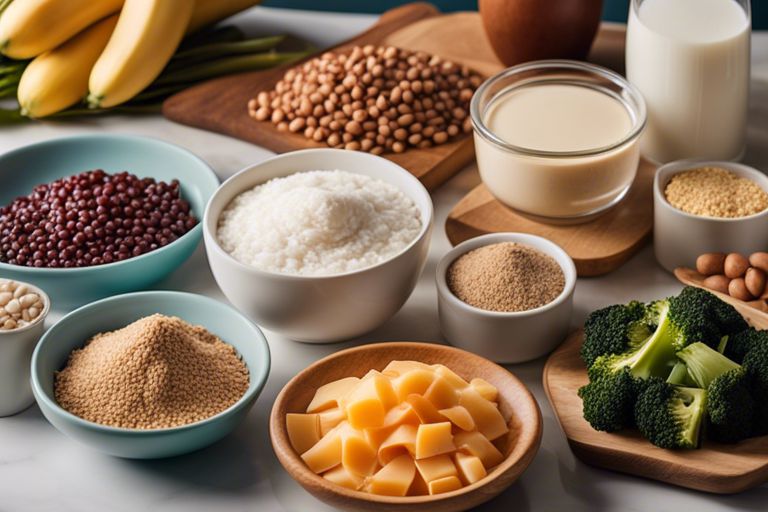
How to get 30g of protein

You’re eager to hit your protein goal, but unsure how to reach that magic number of 30g? Fear not, because I’m here to guide you through simple and effective ways to meet your protein needs throughout the day. By making strategic choices and incorporating protein-rich foods into your meals and snacks, you’ll be hitting that 30g target in no time. Let’s dive in and make getting enough protein a breeze!

Key Takeaways:

  • Include protein-rich foods: Incorporate sources like eggs, chicken breast, Greek yogurt, tofu, and lentils in your meals.
  • Snack smart: Opt for protein-rich snacks such as nuts, protein bars, edamame, or cottage cheese to boost your intake throughout the day.
  • Track your intake: Use apps or food journals to monitor your protein consumption and ensure you reach your daily goal of 30g.

Setting Your Protein Goals

A 30/30/30 Morning Routine: Steps, Benefits, Risks is a great way to kickstart your day and ensure you are getting the protein your body needs. But why is it important to aim for 30g of protein in your meals?

Why 30g of protein is important

On a typical day, your body requires a certain amount of protein to support muscle growth, repair tissues, and maintain overall health. Protein is imperative for various bodily functions, and consuming an adequate amount can help you feel fuller for longer, regulate your metabolism, and improve your workout performance.

Calculating your daily protein needs

Your daily protein needs can vary based on factors such as your age, weight, activity level, and fitness goals. To calculate how much protein you should be consuming each day, you can use a simple formula that takes into account your body weight and activity level.

Goals may differ for individuals who are looking to lose weight, build muscle, or simply maintain their current physique. It’s important to tailor your protein intake to align with your specific health and fitness objectives.

High-Protein Foods

You’re on a mission to reach that 30g protein goal, and high-protein foods are your best allies in this journey. Lean meats, eggs, dairy, legumes, nuts, and seeds are packed with protein to help you meet your daily target. Let’s examine into each category and discover the protein powerhouses within.

Lean meats: chicken, turkey, and fish

With their high protein content and low fat levels, lean meats like chicken, turkey, and fish are excellent choices to boost your protein intake. Skinless chicken breast, turkey cutlets, and fish fillets are not only delicious but also easy to incorporate into your meals. Grilling, baking, or pan-searing these meats can provide a flavorful and protein-rich addition to your diet.

Eggs: a convenient protein source

An imperative staple in any high-protein diet, eggs are a convenient and versatile source of protein. Not only are they easy to prepare, but they also offer a complete range of amino acids necessary for muscle growth and repair. Consider adding boiled eggs to your salads, whipping up a veggie omelet, or simply enjoying them scrambled for a quick protein fix.

Plus, eggs are not just for breakfast – they can be enjoyed at any time of the day. Hard-boiled eggs make a portable snack, while poached eggs can elevate a simple salad into a satisfying and protein-packed meal.

Dairy: milk, cheese, and yogurt

Eggs aren’t the only dairy products that can help you reach your protein goals. Milk, cheese, and yogurt are also rich sources of protein. A glass of milk or a serving of Greek yogurt can provide a quick and easy protein boost, while cheese can be sprinkled over salads or melted into dishes to add a delicious protein punch.

For instance, Greek yogurt is an excellent choice due to its higher protein content compared to regular yogurt. Opt for low-fat or non-fat varieties to keep your protein intake high without adding extra calories.

Legumes: beans, lentils, and peas

Lentils, beans, and peas are plant-based powerhouses when it comes to protein. These legumes are not only rich in protein but also high in fiber and various nutrients. Incorporating them into soups, salads, stews, or stir-fries can add a substantial protein boost to your meals without relying on animal-based sources.

Nuts and seeds: almonds, chia, and hemp

Foods like almonds, chia seeds, and hemp seeds are not only delicious but also packed with protein, healthy fats, and fiber. These nutrient-dense snacks can be sprinkled over yogurt, added to smoothies, or enjoyed on their own as a quick and satisfying protein-rich snack. Incorporating nuts and seeds into your diet can provide a convenient way to increase your daily protein intake, especially for those following a plant-based diet or looking for more variety in their protein sources.

Meal Planning for Protein

Unlike popular belief, getting 30g of protein in each meal doesn’t have to be complicated. With some deliberate meal planning, you can easily achieve your protein goals throughout the day. Let’s break down some meal ideas to help you reach that target.

Breakfast ideas: omelets, smoothies, and avocado toast

With breakfast being the most important meal of the day, it’s crucial to start strong with protein-packed options. Consider whipping up an omelet using eggs, spinach, and feta cheese or blending a smoothie with Greek yogurt, berries, and protein powder. If you prefer a simpler option, avocado toast topped with smoked salmon can also give you a good protein boost to kickstart your day.

Lunch and dinner options: grilled chicken, salmon, and quinoa bowls

Meal planning for lunch and dinner is where you can really up your protein intake. Grilled chicken breast or salmon fillet served with quinoa and a side of roasted vegetables make for a satisfying and protein-rich meal. Plus, these dishes are easy to prepare in advance, making it convenient to stick to your protein goals even on busy days.

Plus, adding a source of protein like grilled chicken, salmon, or quinoa to your meals not only helps you stay full and satisfied longer but also supports muscle recovery and overall health.

Snacking for protein: Greek yogurt, hard-boiled eggs, and beef jerky

Lunchtime or mid-afternoon snacks are perfect opportunities to sneak in more protein. Keep Greek yogurt, hard-boiled eggs, or beef jerky on hand for quick and easy protein pick-me-ups. These snacks are not only convenient but also delicious and nutritious, helping you stay energized and on track with your protein intake goals.

Breakfast, lunch, dinner, and snacks – with a bit of planning and creativity, you can easily ensure that each meal of your day is packed with the protein you need to reach your 30g goal. So, get creative, mix and match ingredients, and enjoy the journey to a protein-rich diet!

Supplements for Protein

Whey protein powder: benefits and drawbacks

The most well-known and widely used protein supplement is whey protein powder. It is a complete protein, meaning it contains all nine vital amino acids your body needs. Whey protein is quickly absorbed by your body, making it an excellent choice for post-workout recovery. It can help you meet your daily protein intake goals efficiently.

However, if you are lactose intolerant or have a milk allergy, whey protein may not be suitable for you. Some people also find that whey protein causes digestive issues such as bloating or gas. Always opt for high-quality whey protein powders to ensure you are getting a pure product without additives or fillers.

Plant-based protein powders: pea, rice, and hemp

If you follow a vegetarian or vegan diet, or if you have dairy sensitivities, plant-based protein powders are a great alternative. Pea, rice, and hemp protein powders are all excellent sources of protein and offer a complete amino acid profile. They are also easily digestible and can support muscle recovery and growth.

drawbacks

Plant-based protein powders may not have as high of a protein content per serving as whey protein, so you may need to use slightly more to reach your protein goals. Additionally, some plant-based protein powders may have a stronger taste that could take some time getting used to. Be sure to check the ingredients list for any potential allergens or additives before choosing a plant-based protein powder.

Protein bars: convenient but beware of added sugars

Protein bars are a convenient way to boost your protein intake on the go. They are easy to carry with you and can be a lifesaver when you need a quick snack. However, many protein bars are loaded with added sugars and artificial ingredients, which can negate the benefits of the protein they provide.

When choosing a protein bar, look for options with at least 20 grams of protein and minimal added sugars. Avoid bars with long ingredient lists full of unrecognizable additives. Opt for bars made with natural ingredients and sweetened with sources like honey or dates instead of refined sugars.

Sample Meal Plans

Vegetarian meal plan: 30g of protein per meal

Once again, you can easily meet your protein needs with a vegetarian meal plan. The key is to include a variety of plant-based protein sources in your meals. For example, you can have a tofu stir-fry with vegetables and quinoa for lunch, which will provide you with around 30g of protein. Snack on some Greek yogurt with almonds for an added protein boost.

Meat-lover’s meal plan: 30g of protein per meal

Plan your meat-lover’s meal to ensure you are getting enough protein in each serving. For example, you could have a grilled chicken breast with a side of black beans and avocado for dinner, which will give you the 30g of protein you need. Make sure to include lean meats and combine them with legumes or nuts for a balanced protein intake.

A meat-lover’s meal plan can be a great way to enjoy delicious and protein-packed meals while meeting your nutritional needs. By including a variety of protein-rich foods in your diet, you can easily reach your 30g protein goal per meal.

Quick and easy meal plan: 30g of protein per meal

Any busy individual can still achieve their protein intake goals with a quick and easy meal plan. For instance, you can have a tuna salad with chickpeas for a speedy lunch that provides you with 30g of protein. Snack on some cottage cheese with pineapple to keep your protein levels up throughout the day.

Protein doesn’t have to be complicated or time-consuming to incorporate into your meals. With some smart planning, you can easily achieve your 30g protein target per meal with quick and straightforward recipes.

Overcoming Protein Plateaus

Not seeing progress in your protein intake can be frustrating, especially when you feel like you’ve hit a plateau. However, there are several strategies you can implement to overcome these plateaus and reach your protein goals.

Increasing protein intake without increasing calories

With a focus on lean protein sources like chicken breast, turkey, and egg whites, you can increase your protein intake without significantly impacting your calorie count. These options help you stay within your daily caloric limits while still meeting your protein goals.

Changing your protein sources: rotating meats and fish

Any source of protein can become monotonous if you rely on it too heavily. By rotating your protein sources regularly, such as incorporating different cuts of meat or trying new types of fish, you can keep your meals interesting and ensure you’re getting a variety of nutrients.

Increasing the variety in your protein sources not only helps prevent flavor fatigue but also exposes your body to different micronutrients and amino acids that each type of meat or fish offers.

Adding protein-rich condiments: peanut butter and hummus

Sources of plant-based protein like peanut butter and hummus can be excellent additions to your meals or snacks to boost your protein intake. These condiments are not only delicious but also pack a protein punch, making them versatile options for meeting your daily protein needs.

Adding protein-rich condiments: peanut butter and hummus

In addition to being protein-rich, peanut butter and hummus are also rich in healthy fats and fiber, making them a nutritious addition to your diet. By incorporating these condiments into your meals, you can elevate the protein content while enjoying delicious flavors.

Conclusion

Conclusively, getting 30g of protein in your diet every day is achievable with a combination of nutritious foods and strategic meal planning. By incorporating high-protein sources like lean meats, poultry, fish, eggs, dairy products, legumes, nuts, and seeds into your meals, you can easily reach your protein intake goal. Additionally, utilizing protein supplements or protein-rich snacks can help you meet your protein requirements conveniently. Remember to balance your protein intake with other necessary nutrients for a well-rounded and healthy diet.

FAQ

Q: How can I get 30g of protein in one meal?

A: To get 30g of protein in one meal, you can include foods like 4 ounces of chicken breast (30g), 1 cup of Greek yogurt (20g), 1 cup of lentils (18g), or 3 ounces of salmon (21g). Combining a variety of protein sources can help you reach your goal.

Q: What are some plant-based sources of protein to help me reach 30g?

A: Plant-based sources of protein include foods like tofu (10g per 3 ounces), quinoa (8g per cup), edamame (17g per cup), chickpeas (15g per cup), and black beans (15g per cup). Including a mix of these foods in your meals can help you achieve your protein target.

Q: Are protein supplements a good option to help me get 30g of protein?

A: Protein supplements can be a convenient way to help you reach your protein intake goals, but it’s important to prioritize whole food sources of protein first. If you struggle to get enough protein from your diet, supplements like whey protein, pea protein, or protein bars can be used as a supplement, but should not replace whole foods entirely.

How to get 150g of protein a day

Protein intake is crucial for your fitness goals, but hitting 150g a day can seem daunting. However, with strategic meal planning and smart food choices, you can easily reach this target. Check out this helpful guide on how to hit 150g of protein daily? and discover practical tips and delicious recipes to make it easier for you to achieve your protein goals. You’ve got this!

Key Takeaways:

  • Diversify protein sources: Incorporating a variety of protein-rich foods such as lean meats, poultry, fish, eggs, dairy, legumes, nuts, and seeds can help you reach your daily protein goal.
  • Plan your meals and snacks: Preparing and portioning meals ahead of time can make it easier to ensure you are consuming enough protein throughout the day.
  • Supplement when necessary: If you struggle to meet your protein requirements through whole foods alone, protein supplements like shakes, bars, or powders can be a convenient option to boost your intake.

Why 150g of Protein a Day?

To achieve optimal muscle growth and repair, you need to consume an adequate amount of protein daily. Protein is crucial for your body’s ability to repair and build muscle tissues, especially after intense workouts. By consuming 150g of protein a day, you provide your muscles with the necessary building blocks to grow stronger and recover effectively.

The Importance of Protein for Muscle Growth and Repair

Protein plays a vital role in muscle growth and repair. When you exercise, tiny tears occur in your muscle fibers, and protein is imperative for repairing these tears and promoting muscle growth. By consuming 150g of protein a day, you ensure that your body has enough protein available to support these processes, leading to improved muscle tone and strength over time.

How Protein Affects Weight Loss and Maintenance

Protein can also significantly impact your weight loss and maintenance goals. A higher protein intake can help you feel fuller for longer periods, reducing your overall calorie intake and supporting weight loss efforts. Additionally, protein has a higher thermic effect compared to carbohydrates and fats, meaning your body burns more calories digesting and metabolizing protein, which can aid in maintaining a healthy weight.

A diet rich in protein can also help preserve lean muscle mass while promoting fat loss, which is crucial for achieving a lean and toned physique. By including 150g of protein in your daily diet, you can support your weight loss goals while maintaining muscle mass and overall metabolic health.

Calculating Your Daily Protein Needs

While What should I eat to consume 150gms of protein per day? gives you some insight into the types of foods you can include in your diet, it’s necessary to understand how to calculate your specific protein needs. Factors such as age, gender, weight, activity level, and fitness goals all play a role in determining the amount of protein your body requires daily.

Factors Affecting Protein Requirements

  • Your age and gender influence your protein needs. Generally, men require more protein than women due to higher muscle mass.
  • Your activity level also plays a significant role. Individuals who are highly active or engage in intense workouts may need more protein to support muscle repair and growth.
  • Recognizing and adapting to these factors will help you determine the precise amount of protein you should consume daily to achieve your fitness goals.

How to Calculate Your Individual Protein Needs

One straightforward way to estimate your protein requirements is by using a formula that takes into account your weight and activity level. An easy method is to aim for 0.8 to 1 gram of protein per kilogram of body weight. For example, if you weigh 70kg, you would aim to consume between 56g to 70g of protein per day.

This approach provides a general guideline, but keep in mind that individual needs may vary. Factors like muscle mass, metabolism, and training intensity can all impact your protein requirements. If you are unsure about the ideal protein intake for your specific goals, consider consulting with a nutritionist or fitness expert to tailor a plan that suits your needs.

High-Protein Foods to Include in Your Diet

Lean Meats and Poultry

Include lean meats and poultry in your diet to boost your protein intake. Opt for skinless chicken breast, turkey, or lean cuts of beef like sirloin or tenderloin. These options are not only rich in protein but also low in fat, making them ideal choices for a high-protein diet.

Fish and Seafood

An excellent source of protein, fish and seafood should be a staple in your diet. Include fatty fish like salmon, tuna, or mackerel, which are not only high in protein but also rich in omega-3 fatty acids that are beneficial for your heart health. Seafood options like shrimp, scallops, and crab are also protein-packed and delicious additions to your meals.

Understanding the importance of incorporating fish and seafood into your diet is key to meeting your daily protein requirements. These options not only diversify your protein sources but also provide vital nutrients that support overall health.

Eggs and Dairy

An easy way to add protein to your diet is by including eggs and dairy products. Eggs are a versatile ingredient that can be enjoyed in various ways, such as scrambled, boiled, or as an omelette. Dairy options like Greek yogurt, cottage cheese, and low-fat milk are also excellent sources of protein that can be included in your meals or snacks.

Poultry like chicken and turkey are another great protein option that can be included in your diet. Whether grilled, baked, or sautéed, poultry is a lean protein source that can help you reach your daily protein goals.

Legumes and Plant-Based Options

Include legumes and plant-based protein options in your diet to cater to your dietary needs. Options such as lentils, chickpeas, black beans, and tofu are not only high in protein but also rich in fiber and other vital nutrients. Incorporating these plant-based options into your meals can help you meet your protein requirements while enjoying a variety of delicious dishes.

Another benefit of incorporating legumes and plant-based protein options into your diet is that they are often lower in saturated fats compared to animal sources of protein. This makes them a heart-healthy choice that can contribute to your overall well-being.

Meal Planning Strategies

Many people struggle to consume enough protein throughout the day to meet their daily goals. A strategic approach to meal planning can make it easier to reach your target of 150g of protein. Starting your day with a protein-packed breakfast sets the tone for the rest of the day.

Breakfast Ideas for a Protein-Packed Start

Strategies such as preparing overnight oats with protein powder, Greek yogurt with nuts and seeds, or a veggie omelet with lean chicken sausage can help you kickstart your morning with a protein boost. These breakfast options are not only delicious but also convenient for those with busy schedules, ensuring you start your day strong with the right nutrients to support your protein goals.

Lunch and Snack Options for Sustained Energy

Energy is key to maintaining your protein intake throughout the day. Lunch and snack options like grilled chicken salad with quinoa, protein-packed smoothies, or homemade protein bars can keep you energized and satisfied. These choices not only provide a good source of protein but also offer a balance of carbohydrates and healthy fats to keep you feeling full and focused until your next meal.

Lunch and snacks are crucial for staying on track with your protein intake. Be sure to include a protein source in each meal to help you reach your daily goal of 150g. Additionally, having healthy protein-rich snacks on hand can prevent you from reaching for less nutritious options when hunger strikes.

Dinner Recipes for a High-Protein Finish

Lunch and snacks are crucial for staying on track with your protein intake. Be sure to include a protein source in each meal to help you reach your daily goal of 150g. Additionally, having healthy protein-rich snacks on hand can prevent you from reaching for less nutritious options when hunger strikes.

Dinner Recipes for a High-Protein Finish

It’s necessary to end your day with a satisfying and high-protein dinner to ensure you meet your daily protein target. Dinner options like grilled salmon with quinoa and roasted vegetables, turkey chili with beans, or tofu stir-fry with edamame are delicious and fulfilling choices that can support your muscle recovery and growth while helping you reach your protein goal for the day.

Supplements and Powders

For optimal muscle growth and recovery, incorporating supplements and protein powders into your diet can be beneficial. They can help you reach your daily protein intake goals and support your fitness journey. One popular debate in the fitness community is whey protein versus plant-based options.

Whey Protein vs. Plant-Based Options

One common choice for supplementing protein intake is whey protein, derived from cow’s milk. It is a complete protein source containing all crucial amino acids and is quickly absorbed by the body, making it ideal for post-workout recovery. On the other hand, plant-based protein options like pea, rice, or hemp protein are suitable for those following a vegan or lactose-free diet. They can be just as effective in promoting muscle growth and recovery, although they may have slightly slower absorption rates compared to whey.

When to Take Protein Supplements for Maximum Effect

Whey protein supplements are most commonly taken immediately after a workout to help kickstart the muscle repair and recovery process. This timing allows your muscles to quickly absorb the protein and crucial nutrients needed to recover and grow stronger. However, protein powders can also be consumed at other times of the day to supplement your protein intake, such as in the morning or between meals. It’s crucial to listen to your body and adjust your intake based on your individual needs and fitness goals.

This way, you can maximize the benefits of protein supplements throughout the day and support your muscle-building and recovery efforts. Remember that consistency is key when it comes to achieving your protein intake goals and making progress in your fitness journey.

Overcoming Common Challenges

Despite your best intentions, you may encounter common challenges when trying to consume 150g of protein a day. It’s important to be prepared for these hurdles and have strategies in place to overcome them.

Dealing with Food Allergies and Intolerances

The key to managing food allergies and intolerances while aiming for 150g of protein a day is to diversify your protein sources. If you are allergic to or intolerant of a particular food, such as dairy or soy, focus on alternative protein-rich options like lean meats, fish, eggs, legumes, nuts, and seeds. Experiment with different sources to find what works best for you and your dietary restrictions.

Staying on Track While Eating Out or Traveling

On your journey to consuming 150g of protein a day, you may find it challenging to stay on track while eating out or traveling. To combat this, research restaurants in advance and choose ones that offer protein-rich options like grilled chicken, fish, or tofu. When traveling, pack portable protein snacks such as protein bars, nuts, or jerky to ensure you have options when healthy choices are limited.

For instance, you can also consider meal prepping before your trip to have protein-packed meals ready to go. This way, you can stay on track with your protein intake even when faced with limited food choices while on the road.

Final Words

Summing up, getting 150g of protein a day may seem like a daunting task at first, but with some planning and dedication, you can easily achieve this goal. By incorporating a variety of protein-rich foods such as lean meats, fish, eggs, dairy, legumes, and plant-based sources into your daily meals, you can ensure that you are meeting your protein needs. Remember to also consider supplementing with protein shakes or bars if needed, and to spread your protein intake throughout the day for optimal absorption and utilization by your body.

With the right strategies in place, you can make hitting your daily protein target a seamless part of your routine. By prioritizing your protein intake and paying attention to your dietary choices, you can support your fitness goals, muscle growth, and overall well-being. So, empower yourself with the knowledge and tools necessary to fuel your body properly, and watch as you crush your protein targets with ease!

FAQ

Q: How much protein do I need to get 150g per day?

A: To consume 150g of protein per day, you should aim to get around 1.2 to 2.2 grams of protein per kilogram of body weight, depending on your activity level and fitness goals.

Q: What are some good sources of protein to help reach 150g per day?

A: Good sources of protein to help reach 150g per day include lean meats like chicken and turkey, fish, eggs, dairy products, legumes, nuts, seeds, and protein supplements like whey or plant-based protein powders.

Q: How can I plan my meals to ensure I get 150g of protein every day?

A: To plan your meals for 150g of protein a day, you can break it down into smaller portions throughout the day. Include protein-rich foods in each meal and snack, such as adding protein to your breakfast with eggs or Greek yogurt, having a protein shake as a snack, and incorporating lean meats, fish, or plant-based proteins in your lunch and dinner.

Skip to content