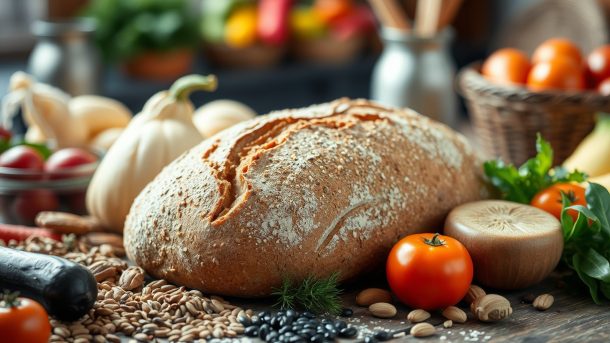
Whole

Is bread considered a whole food

Most people consider bread a staple in their diets, but you might wonder whether it qualifies as a whole food. Whole foods are minimally processed items that contain all their natural components, such as fiber, vitamins, and minerals. In this article, we will explore the different types of bread, their ingredients, and how they fit into the whole food category, helping you make informed choices about what you eat and how it impacts your health.

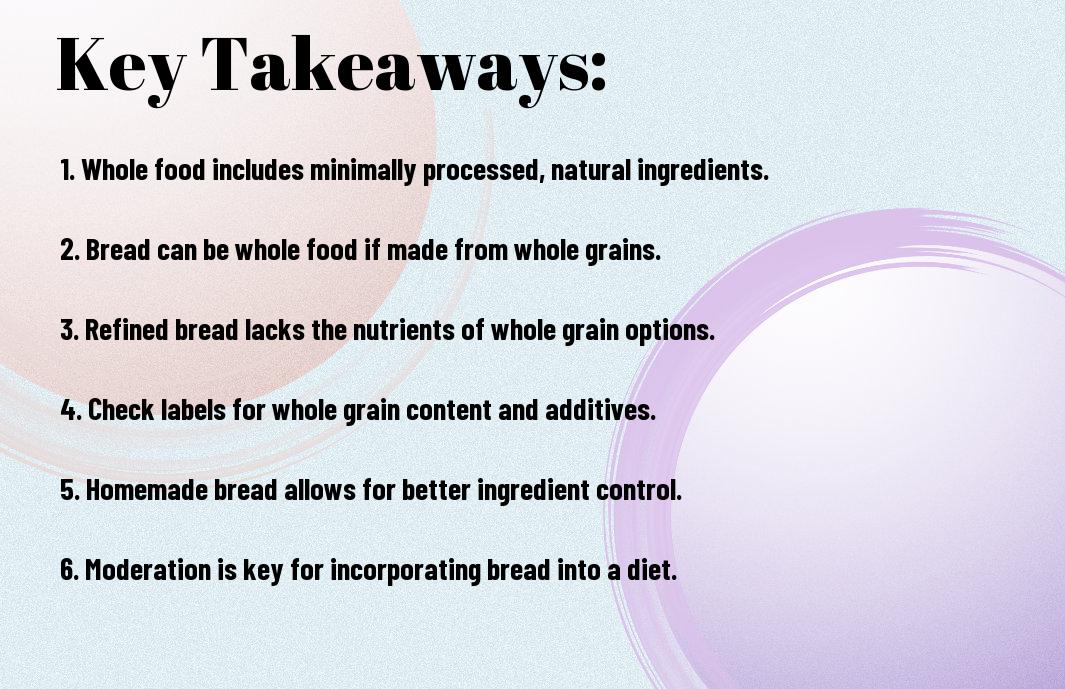
Key Takeaways:

  • Definition of Whole Food: Whole foods are minimally processed foods that are as close to their natural state as possible.
  • Types of Bread: Not all bread qualifies as a whole food; whole grain bread made from entire grains is considered whole food, while white bread is not.
  • Ingredients Matter: The presence of additives, preservatives, and artificial ingredients in some breads can disqualify them from being considered whole foods.
  • Nutritional Value: Whole grain breads typically offer higher nutritional benefits, including fiber, vitamins, and minerals compared to refined breads.
  • Health Implications: Choosing whole grain bread over refined varieties can contribute to better health outcomes, such as improved digestion and reduced risk of chronic diseases.

Defining Whole Foods

To understand whether bread is considered a whole food, you first need to probe into the definition of whole foods. Whole foods are natural foods that are minimally processed and refined, retaining their original nutrients and fiber. For a comprehensive insight into this concept, you can visit What Are Whole Foods?. These foods are usually recognizable in their natural form, including fruits, vegetables, whole grains, nuts, and seeds.

Characteristics of Whole Foods

Whole foods typically have a few key characteristics: they are unrefined or minimally processed, free from artificial additives, and often high in nutrients crucial for your body’s well-being. These foods also tend to be more flavorful and satisfying, as they contain fewer artificial ingredients and preservatives.

Nutritional Value of Whole Foods

Any food that qualifies as a whole food usually boasts a high nutritional value, contributing crucial vitamins, minerals, and antioxidants vital for your health. They are often rich in fiber, which supports digestion and helps maintain a healthy weight.

The nutritional benefits of whole foods extend beyond just vitamins and minerals; they also include higher levels of antioxidants and phytochemicals that play a crucial role in disease prevention and overall health. By incorporating whole foods into your diet, you can enhance your nutrient intake, improve your metabolic health, and support long-term well-being.

Types of Bread

Even within the world of bread, there is a wide variety of types that you may encounter. Understanding these types can help you make more informed choices about what you consume. Here’s a breakdown of the most common types of bread:

  • Whole Grain Bread
  • Refined Bread
  • Gluten-Free Bread
  • Sourdough Bread
  • Flatbread

Recognizing the differences among these types can facilitate healthier eating habits, tailored to your nutritional needs.

Type of Bread Description
Whole Grain Bread Made from whole grains, retaining all parts of the grain.
Refined Bread Made from refined grains, often lacking fiber and nutrients.
Gluten-Free Bread Made without gluten-containing grains, suitable for gluten-sensitive individuals.
Sourdough Bread Fermented bread using natural yeast, known for its tangy flavor.
Flatbread Thin bread that can be unleavened or leavened, often used in various cuisines.

Whole Grain Bread

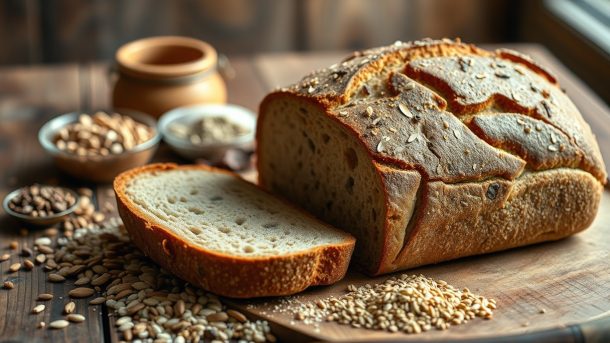
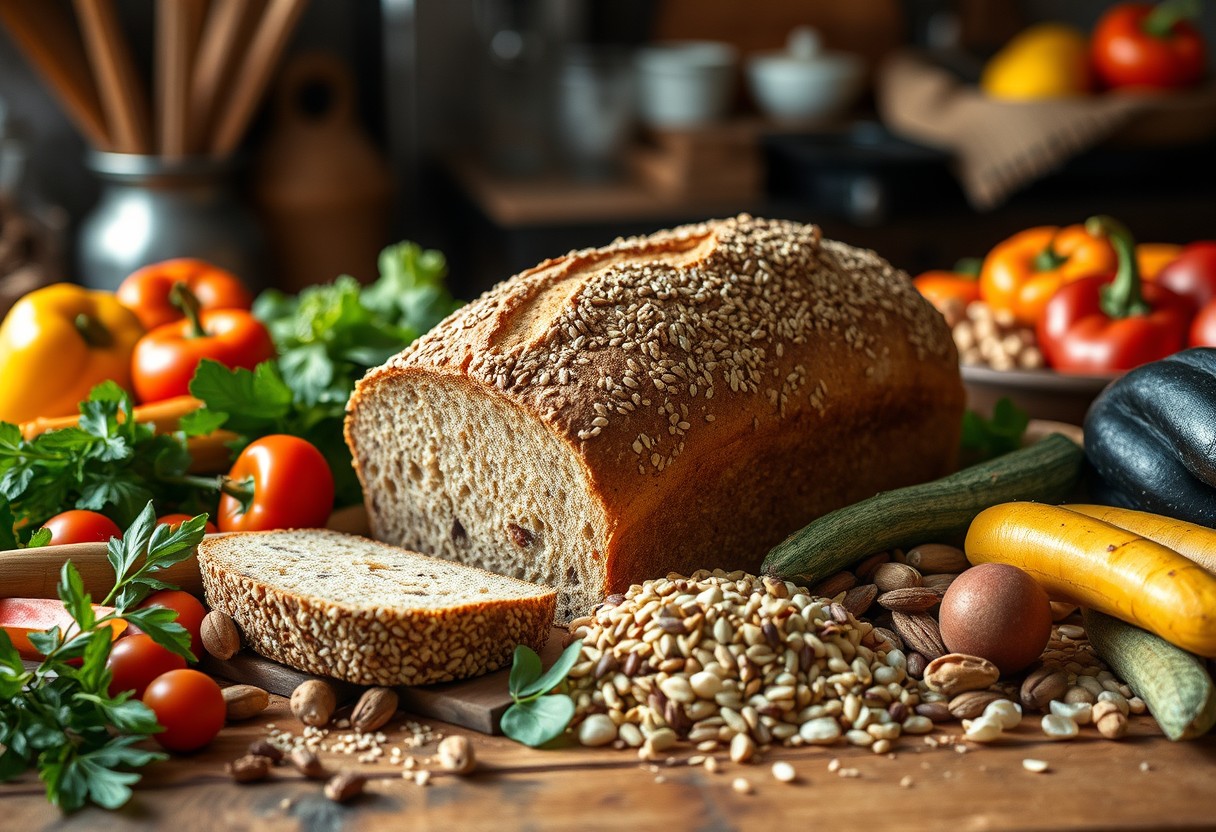
On your journey to healthier eating, whole grain bread is a staple you may want to consider. This type of bread is made from flour that contains all parts of the grain—the bran, germ, and endosperm. Because it retains these components, it is higher in fiber, vitamins, and minerals compared to bread made with refined grains. Whole grain bread can provide lasting energy and promote digestive health.

Refined Bread

To better understand refined bread, you should know that it is made from white flour, where the bran and germ are removed during processing. This results in a softer texture and longer shelf-life, but at the expense of imperative nutrients and fiber. Many people consume refined bread daily, often without realizing its potential negative impact on overall health.

With the removal of the grain’s outer layers, refined bread lacks the fiber and nutrients that whole grain options provide. Consequently, it can lead to rapid spikes in blood sugar levels and may leave you feeling hungry sooner. If you’re looking to improve your diet, cutting back on refined bread may be a beneficial step.

Gluten-Free Bread

For individuals with gluten sensitivities or celiac disease, gluten-free bread is a necessary alternative. Made without wheat, barley, or rye, these loaves use a variety of gluten-free grains such as rice, almond, or tapioca flour. Although gluten-free options can help maintain dietary restrictions, it’s important to check the ingredient list, as some alternatives may still be low in imperative nutrients.

For instance, gluten-free bread can sometimes rely on added sugars or starches to achieve a desirable texture and taste, which can undermine its health benefits. Being aware of these ingredients will help you select the best gluten-free option for your needs. Always look for products that prioritize whole ingredients to maintain nutritional value.
Bread in the Diet

All food groups play a vital role in your overall nutrition, and bread is often a staple in many diets. To better understand what foods belong to the Grains Group, you can visit What foods are in the Grains Group? Grains are crucial for providing energy and important nutrients, making them integral to a balanced meal plan.

Role of Bread in a Balanced Diet

With its rich carbohydrate content, bread serves as a significant energy source in your diet. It can contribute fiber, vitamins, and minerals, especially when you choose whole grain varieties. Incorporating bread mindfully allows you to enjoy its benefits while maintaining a nutritious balance in your meals.

Bread’s Impact on Health

Role of bread in your health can vary considerably based on the type you consume. Whole grain breads may help regulate blood sugar levels and improve digestive health due to their high fiber content. In contrast, refined white breads can lead to rapid spikes in blood sugar, making whole grain options a healthier choice.

Another factor to consider is the potential connection between bread consumption and weight management. While whole grain bread can keep you satisfied and help prevent overeating, excessive intake of refined bread can contribute to weight gain. Understanding how different types of bread affect your body is crucial in making informed dietary choices.

Bread Alternatives

With the growing awareness of health and dietary restrictions, many individuals are seeking bread alternatives that fit their lifestyle better. Options like gluten-free bread, cauliflower bread, or almond flour bread can provide variety and cater to specific nutritional needs without sacrificing taste.

Health-conscious choices in bread alternatives not only include gluten-free options but also low-carb varieties that can support your dietary goals. Experimenting with these alternatives allows you to enjoy your meals while ensuring that you’re making choices that align with your health objectives.
To wrap up

Upon reflecting, you can understand that the classification of bread as a whole food significantly depends on its ingredients. Whole grain bread, made from unrefined grains and containing minimal additives, aligns more closely with the definition of whole food, providing you with important nutrients. However, highly processed breads, filled with additives and refined grains, may lack nutritional value. Ultimately, it’s important for you to read labels carefully to make informed choices that support your health and dietary preferences.

FAQ

Q: Is bread considered a whole food?

A: Bread can be considered a whole food if it is made from whole grain ingredients, which means that all parts of the grain (the bran, germ, and endosperm) are retained during processing. Whole grain bread, such as whole wheat or oat bread, typically contains more nutrients and fiber than bread made from refined grains, which have had the bran and germ removed. However, many commercial breads contain added sugars, preservatives, and other ingredients that may not fit the definition of a whole food.

Q: What types of bread are considered whole food options?

A: Whole food options for bread include products labeled as “100% whole grain” or “whole wheat,” which indicate that they are made from whole grain flours. Additionally, breads made from sprouted grains, gluten-free whole grains like brown rice or quinoa, and sourdough bread made with whole grain flour can also be considered whole food options. When looking for whole food bread, always check the ingredient list to ensure that whole grains are listed as the first ingredient without excessive additives.

Q: How can I identify if a bread is not a whole food?

A: To identify if a bread is not a whole food, look for labels that indicate “white bread,” “enriched flour,” or any flour that is not specifically whole grain. Additionally, check for added sugars, preservatives, artificial ingredients, or a long list of unrecognizable ingredients. A bread that contains more than a few simple, whole-food ingredients (like whole grains, water, yeast, and salt) is likely to be processed and not considered a whole food.


Is cooked food a whole food

You may wonder whether cooked food can still be classified as whole food. Whole foods are typically defined as minimally processed foods that retain their natural nutrients and fiber. Cooking can alter the nutrient profile, sometimes enhancing bioavailability, while at other times diminishing vital nutrients. This post will explore the nuances of the definition of whole food and how cooking impacts the integrity and health benefits of your meals.

Key Takeaways:

  • Whole Foods Defined: Whole foods are unprocessed or minimally processed items that retain their natural state, such as fruits, vegetables, nuts, seeds, and whole grains.
  • Cooking Methods: Cooking can change the nutritional profile of foods, often enhancing digestibility but sometimes reducing certain vitamins and phytochemicals.
  • Impact on Nutrients: While some cooked foods may lose certain nutrients (like vitamin C), others, like lycopene in tomatoes, become more bioavailable when cooked.
  • Variety and Balance: A diet based on a variety of cooked and raw whole foods can provide balanced nutrition, potentially compensating for any losses during cooking.
  • Personal Preferences: Individual health goals and dietary preferences should guide choices; for some, cooked foods may be more appealing and accessible than raw options.

Understanding Whole Foods

Before entering into the fascinating world of whole foods, it’s vital to understand what they truly are and how they impact your health and nutrition. Whole foods are often lauded for their nutritional benefits, but how do you categorize them? Are all foods cooked or processed considered unwholesome? Let’s clarify these concepts.

Definition of Whole Foods

Understanding whole foods begins with a simple definition: these are foods that are minimally processed and free from artificial substances, preserving their natural state as much as possible. Examples include fruits, vegetables, whole grains, nuts, seeds, and legumes.

Characteristics of Whole Foods

The important characteristics of whole foods are their inherent nutritional value, minimal processing, and lack of added sugars, fats, and chemicals. You will recognize them as foods that are closer to nature, maintaining their original form and nutrient density.

Whole foods are nutrient-dense, meaning they provide a high amount of important vitamins, minerals, and other beneficial compounds relative to their calorie content. They often come with a range of health benefits, such as improved digestion and enhanced energy levels. You may also notice the absence of additives or preservatives, making their labels simple and straightforward. Choosing whole foods can lead to a more balanced diet and greater overall well-being.

Cooking Methods and Their Impact

One of the necessary aspects of cooking is how different methods can affect the nutritional profile of your food. Understanding these impacts can help you make better choices for your meals, contributing to overall health and wellness.

Nutrient Retention in Cooking

The way you cook your food can significantly determine how many nutrients are preserved. Methods like steaming and microwaving tend to retain more vitamins and minerals compared to boiling, where nutrients can leach into the water.

Cooking Techniques: Raw vs. Cooked

Impact on nutrient availability can vary greatly between raw and cooked foods. Certain nutrients, such as lycopene in tomatoes or beta-carotene in carrots, become more accessible when you cook them, enhancing their health benefits.

It’s important to recognize that not all cooked foods are superior to raw. While some nutrients become more bioavailable through cooking, others, like vitamin C, are often diminished. By balancing your intake of raw and cooked foods, you can maximize nutrient consumption while still enjoying a variety of flavors and textures in your diet.

The Debate: Cooked Food as Whole Food

Not everyone agrees on whether cooked food can be classified as a whole food. Whole foods are typically defined as those that are minimally processed and free from artificial ingredients. However, the cooking process often changes the structure of these foods, fueling the discussion. For a comprehensive look at whole foods, you can refer to [What are whole foods?](https://www.bhf.org.uk/informationsupport/heart-matters-magazine/nutrition/whole-foods).

Arguments for Cooked Food

Arguments supporting cooked food as whole food often highlight the benefits of cooking. Cooking can enhance the bioavailability of certain nutrients, making them easier for your body to absorb. Furthermore, heating food can break down tough fibers and make certain foods more palatable, thereby increasing your enjoyment and intake of nutritious ingredients.

Arguments Against Cooked Food

Food advocates against labeling cooked food as whole food often point out that cooking can decrease the nutrient content. Some vitamins, particularly heat-sensitive ones such as vitamin C, may be diminished when food is subjected to high temperatures. Consequently, you may miss out on optimal nutritional value when indulging in heavily cooked meals instead of consuming fresh, raw options.

For instance, specific cooking methods, such as boiling or frying, can lead to significant nutrient loss. Prolonged exposure to heat can destroy enzymes and vitamins crucial for your health. Additionally, highly processed cooked foods, such as packaged meals or those laden with artificial additives, stray further from the definition of whole foods, thereby raising concerns about their nutritional integrity. Understanding these arguments helps you make informed choices about your diet and the types of foods that align with your health objectives.

Practical Implications

After examining the nuances of cooked food in the context of whole foods, it becomes evident that understanding how these dietary choices impact your health is vital. For those interested in pursuing a more health-focused lifestyle, I recommend checking out the Whole Foods Diet Guide: Meal Plans and Shopping Lists. This guide can assist you in making better choices, allowing you to explore a spectrum of nutrient-dense options.

Making Informed Food Choices

Practical research and understanding of food labels can help you make more informed choices about which foods to include in your diet. Focusing on whole foods minimizes processed ingredients and enhances nutrient intake, providing your body with the vitamins and minerals it craves.

Balancing Raw and Cooked Foods

Food plays a crucial role in how your body processes nutrients. Striking the right balance between raw and cooked foods can offer you beneficial enzymes and nutrients while ensuring proper digestion and absorption. Each type of food comes with unique advantages, so combining both can help maximize your nutritional intake.

The key to effectively balancing raw and cooked foods lies in understanding the health benefits each option presents. Raw foods, such as fruits and vegetables, preserve enzymes and vitamins that can be lost during cooking. In contrast, cooked foods can enhance the availability of certain nutrients, such as lycopene in tomatoes. By diversifying your diet with a mix of both, you can promote optimal health while enjoying a wide range of flavors and textures.

Final Words

On the whole, understanding whether cooked food qualifies as a whole food depends on the ingredients and preparation methods you choose. Whole foods are typically those that are minimally processed and retain their natural state. If you prioritize cooking methods that preserve nutrients—like steaming or sautéing—while using whole, unprocessed ingredients, you can enjoy meals that align with the principles of whole foods. Ultimately, being mindful of your food choices will empower you to make informed decisions for your health and well-being.

FAQ

Q: Is cooked food considered a whole food?

A: Cooked food can be considered a whole food if the primary ingredients remain unprocessed and retain their natural state. Whole foods are foods that are in their natural form and have undergone minimal processing. For example, cooking vegetables can enhance their flavor and digestibility while still keeping them whole foods, as long as no additives or preservatives are included. However, if the cooked food contains significantly processed ingredients or additives, it may not qualify as a whole food.

Q: Can cooking affect the nutritional value of whole foods?

A: Yes, cooking can affect the nutritional value of whole foods. Some cooking methods can enhance nutrient absorption, such as steaming or roasting vegetables, which can break down cell walls and make nutrients more bioavailable. However, certain cooking methods, particularly boiling and frying, can lead to a loss of certain vitamins and minerals. It’s important to choose cooking methods that preserve the nutritional integrity of the food while providing safety and palatability.

Q: Are there types of cooked food that should be avoided for a whole food diet?

A: Yes, while cooked foods can be part of a whole food diet, there are certain types that should be avoided. Processed cooked foods, such as frozen meals, canned soups, or packaged snacks that contain artificial ingredients, preservatives, or excessive amounts of sugars and unhealthy fats, do not fit into the whole food category. For a strict whole food diet, focus on meals prepared from fresh, whole ingredients with minimal processing, such as home-cooked dishes using fruits, vegetables, whole grains, legumes, nuts, and seeds.

Is yogurt a whole food

There’s a growing interest in understanding whole foods and their role in a healthy diet, leading many to question whether yogurt qualifies as one. In this post, you’ll explore the definition of whole food, the composition of yogurt, and how it fits into your nutritional needs. By the end, you’ll have a clearer understanding of yogurt’s classification and its potential benefits for your health, ultimately helping you make informed choices for your diet.

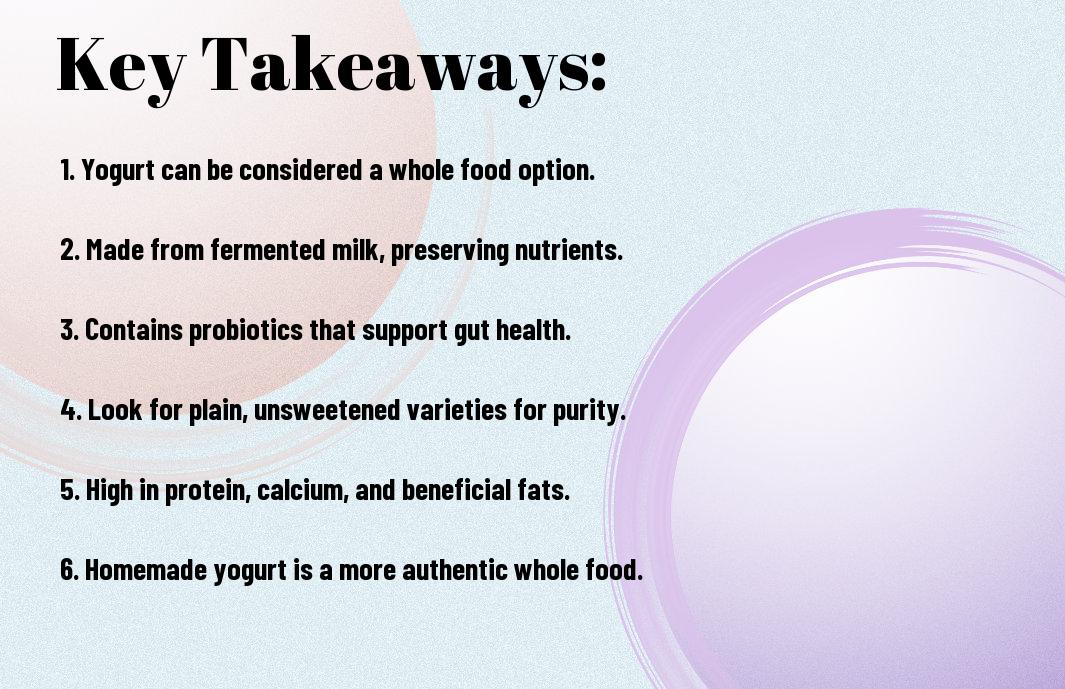
Key Takeaways:

  • Definition of Whole Food: Whole foods are minimally processed and remain as close to their natural state as possible.
  • Yogurt Variations: Not all yogurt is created equal; some may contain additives, sugars, and preservatives that detract from its whole food status.
  • Nutritional Benefits: Plain, unsweetened yogurt is rich in probiotics, protein, and important nutrients, aligning it closer to whole food principles.
  • Ingredients Matter: To consider yogurt as a whole food, look for options with few ingredients, mainly milk and live cultures.
  • Personal Choice: Ultimately, whether yogurt fits into a whole food diet depends on individual dietary choices and the specific type of yogurt consumed.

Understanding Whole Foods

For those seeking a healthier lifestyle, it’s crucial to understand what whole foods are and how they can impact your well-being. Whole foods refer to foods that are unprocessed or minimally processed, retaining their natural state. This means they are free from artificial substances, preservatives, and additives, providing you with the best nutritional benefits nature has to offer.

Definition of Whole Foods

Definitionally, whole foods are items that are in their most natural form. This includes fruits, vegetables, whole grains, nuts, seeds, and legumes. These foods contain crucial nutrients and are typically low in unhealthy fats, sugars, and sodium, making them a fundamental part of a balanced diet.

Nutritional Benefits of Whole Foods

Whole foods provide numerous nutritional benefits that can greatly enhance your health. Packed with vitamins, minerals, fiber, and antioxidants, they support your immune system, promote digestive health, and help maintain energy levels. Additionally, consuming whole foods can aid in weight management and reduce the risk of chronic diseases, making them a vital choice for your overall wellness.

Whole foods often contain higher nutritional values compared to their processed counterparts. Since they are rich in fiber, they help you feel full longer, which can be beneficial for weight control. Moreover, the natural antioxidants and phytochemicals found in whole foods can combat oxidative stress and inflammation in your body, leading to improved health outcomes. By incorporating more whole foods into your diet, you empower yourself to make healthier choices and boost your vitality.

The Composition of Yogurt

The composition of yogurt plays a significant role in determining whether it can be classified as a whole food. If you are exploring dietary options, you may find yourself intrigued by the question of Is a Whole Foods, Plant-Based Diet Right for You?. Understanding what goes into yogurt helps you make informed choices about its place in your nutrition.

Ingredients in Yogurt

Ingredients in yogurt primarily consist of milk and live bacterial cultures. While you might find variations in flavors and added sugars in commercial yogurts, traditional yogurt is crafted simply with whole milk and specific bacterial strains that promote fermentation. Always check the ingredient labels to ensure that you’re selecting products that align with your health goals.

Nutritional Profile of Yogurt

Nutritional content in yogurt is typically outstanding, as it provides a range of crucial nutrients that can benefit your overall health. The presence of protein, calcium, and probiotics contributes to various health advantages, such as supporting gut health and enhancing bone density.

It is worth noting that the nutritional profile can vary significantly between different types of yogurt. For example, Greek yogurt contains more protein compared to regular yogurt, making it a great option for muscle recovery. Additionally, choosing plain yogurt can help you avoid excess sugars found in flavored varieties, allowing you to enjoy the myriad benefits of yogurt while staying aligned with your dietary preferences.

Yogurt: Is It a Whole Food?

Many people wonder whether yogurt qualifies as a whole food. This question often hinges on the type of yogurt you are consuming, as not all yogurts are created equal.

Natural vs. Processed Yogurt

Food products like yogurt can be categorized into natural and processed forms. Natural yogurt is made with minimal ingredients, usually just milk and bacterial cultures. In contrast, processed yogurt often contains added sugars, artificial flavors, and preservatives, which can detract from its health benefits.

The Role of Probiotics in Yogurt

Natural yogurt is known for its probiotic content, which supports gut health. Probiotics are live bacteria that can enhance digestion and boost your immune system.

This beneficial component in yogurt helps maintain a balanced gut microbiome, which is crucial for overall health. By consuming yogurt rich in probiotics, you are not only enjoying a tasty treat but also potentially improving your digestion and nutrient absorption.

Yogurt’s Contribution to a Whole Food Diet

Yogurts can be an excellent addition to your whole food diet, providing a source of protein, calcium, and beneficial bacteria. When you choose high-quality yogurt, it can complement other whole foods and enhance your nutritional intake.

Plus, incorporating yogurt into your meals can add variety and flavor while supporting your health goals. Whether enjoyed as a snack or a base for smoothies and dressings, yogurt can seamlessly fit into a whole food diet, making it a versatile and delicious option.

To wrap up

The distinction of yogurt as a whole food largely depends on the type you choose. If you select yogurt that is minimally processed, without added sugars or artificial ingredients, it can indeed be considered a whole food that offers numerous health benefits. Understanding what constitutes a whole food can empower you to make informed dietary choices. For further insights into whole foods, you can explore the Whole Foods Diet Guide: Meal Plans and Shopping Lists.

FAQ

Q: Is yogurt considered a whole food?

A: Yogurt can be considered a whole food if it is made from whole ingredients and does not contain added sugars, artificial flavors, or preservatives. Whole food is often defined as food that is minimally processed and free from artificial substances. Natural yogurts made from whole milk and live cultures fit this definition and retain most of the nutrients found in the original milk.

Q: What kinds of yogurt are healthiest as whole foods?

A: The healthiest yogurts that qualify as whole foods typically include plain, unsweetened varieties made from whole milk or low-fat milk. Look for yogurts that contain live active cultures and minimal ingredients, ideally just milk and cultures. Greek yogurt, which is strained to remove excess whey, can also be a nutritious option, boasting higher protein content while still being considered a whole food when made from whole ingredients.

Q: Are there any downsides to yogurt that is not considered a whole food?

A: Yes, yogurt that is not considered a whole food often contains added sugars, artificial flavors, and other preservatives that can diminish its nutritional value. These additives may lead to increased calorie content and a higher glycemic index, potentially impacting blood sugar levels. Additionally, flavored yogurts may have lower levels of beneficial probiotics due to processing. It’s important to read labels to ensure the yogurt you choose aligns with whole food principles.

Is bread a whole food

Many people wonder whether bread fits into the category of whole foods, which are minimally processed and consumed in their natural state. As you navigate the world of nutrition and healthy eating, understanding what defines a whole food can help inform your choices. In this blog post, we will explore the composition of bread, its nutritional value, and the differences between whole grain and refined options, allowing you to make educated decisions about incorporating bread into your diet.

Key Takeaways:

  • Definition of Whole Food: Whole foods are minimally processed and free from artificial ingredients, which raises the question of whether all types of bread qualify.
  • Whole Grain Bread: Bread made from whole grains retains the bran, germ, and endosperm, making it more of a whole food compared to refined bread.
  • Refined Bread: White bread, often made from refined flour, loses nutrients during processing, making it less of a whole food.
  • Ingredient Transparency: For bread to be considered a whole food, it’s crucial to check the ingredient list for minimal processing and absence of additives.
  • Dietary Context: The classification of bread as a whole food can depend on individual dietary choices; what may be whole food for one person might not be for another.

Understanding Whole Foods

The classification of foods can often be perplexing, especially when it comes to understanding what constitutes whole foods. Whole foods are generally those that are minimally processed and free from artificial ingredients, preserving their natural state and nutritional integrity. For a deeper probe this topic, you might be interested in exploring whether whole grain bread is considered a whole food.

Definition of Whole Foods

For you to truly grasp the concept of whole foods, it is important to note that they include fruits, vegetables, whole grains, nuts, seeds, and legumes that are unprocessed or minimally processed. This definition varies somewhat based on context, but the emphasis remains on foods that retain their natural identity.

Nutritional Profile of Whole Foods

One of the significant advantages of whole foods is their exceptional nutritional profile. Whole foods are rich in imperative vitamins, minerals, antioxidants, and dietary fiber that support your overall health and wellbeing.

Plus, this nutrient-dense composition can help you maintain energy levels, improve digestion, and reduce the risk of chronic diseases. Eating whole foods not only fuels your body but also enhances your quality of life by promoting a balanced and healthy diet.

The Composition of Bread

There’s a lot more to bread than meets the eye. While it may seem straightforward, understanding its composition can shed light on whether it qualifies as a whole food. Bread is primarily made from a few basic ingredients, allowing you to appreciate its nutritional value and health implications.

Ingredients in Bread

Ingredients in bread typically include flour, water, salt, and yeast or other leavening agents. Whole wheat flour is favored for its higher fiber content, while refined white flour offers a softer texture. Depending on the type of bread and flavor, additional ingredients like sugar, fats, or seeds may also be included.

Types of Bread

Any discussion about bread must include its various types, each providing unique flavors, textures, and nutritional profiles. Here’s a quick overview of common bread types:

Type Description
Sourdough Leavened with naturally occurring lactobacilli and yeast.
Whole Grain Made from flour that contains the entire grain kernel.
Rye Denser than wheat bread, often used in traditional diets.
White Bread Made from refined flour; generally softer and lighter.
Multigrain Contains a variety of grains, often considered healthier.

Plus, each type of bread offers different health benefits or drawbacks. When choosing bread, consider how the ingredients affect your dietary needs and goals.

Benefit Detail
High Fiber Whole grain and multigrain bread are rich in fiber.
Low Glycemic Index Sourdough may have a lower glycemic index, affecting blood sugar levels.
Nutrient Content Whole grain and rye breads offer more vitamins and minerals.
Portion Control Due to density, certain types like rye may help with satiety.
Flavor Variety Diverse ingredients contribute to a wide array of flavors.

After understanding the composition and types of bread, you might find that the choice of bread impacts your overall diet significantly. Select options that align with your health objectives and personal taste preferences.

Whole Grain vs. Refined Bread

Now, let’s investigate into the distinctions between whole grain and refined bread. The difference lies primarily in the processing of the grains used, which significantly impacts their nutritional value. Whole grain bread is made from flour that contains the entire kernel, retaining valuable nutrients, while refined bread uses flour that has had the bran and germ removed, resulting in a loss of fiber, vitamins, and minerals.

Health Benefits of Whole Grain Bread

With its high fiber content, whole grain bread can enhance your digestive health, help maintain a healthy weight, and reduce the risk of chronic diseases like heart disease and type 2 diabetes. It also promotes stable blood sugar levels, allowing you to feel fuller for longer, making it a superior choice for your overall health.

Risks Associated with Refined Bread

Bread that is made from refined grains may offer a tempting taste and texture, but it comes with several health risks. Consuming refined bread regularly can lead to spikes in your blood sugar levels, increased hunger, and ultimately, weight gain due to less nutritional density and high glycemic index.

Benefits of refined bread often come at a cost, as it lacks crucial nutrients found in whole grains. You may experience rapid digestion and a quick release of sugar into your bloodstream, which can lead to energy crashes and frequent cravings. Over time, relying heavily on refined bread can contribute to obesity, inflammation, and increased risk of various diseases. It’s crucial to consider these factors when making choices about your dietary habits.

Debunking Myths about Bread

All too often, bread gets a bad rap in the health community, leading to various myths that can confuse you about its role in a balanced diet. Many dismiss bread outright, believing it’s the enemy of health and wellness. However, not all bread is created equal. For instance, what kind of pasta and bread is okay to eat on Whole Foods diet can actually provide you with beneficial nutrients when chosen wisely. Understanding these myths can help you make more informed choices about including bread in your meals.

Bread and Weight Gain

About the common belief that eating bread leads to weight gain—this is largely a misconception. Bread can be part of a balanced diet when consumed in moderation and when you focus on whole grain varieties. The key is your overall caloric intake and lifestyle habits, rather than solely focusing on bread itself.

Bread and Digestive Health

Gain insights into how bread can impact your digestive health. Many people associate bread with digestive discomfort, but this can be attributed to refined white bread rather than whole grain options. Whole grain bread is rich in fiber, which aids digestion and promotes gut health.

Health experts emphasize the importance of dietary fiber for maintaining a healthy digestive system. Whole-grain breads contain crucial fibers that support regular bowel movements and help to maintain a balanced gut microbiome. Choosing high-fiber breads can potentially alleviate issues like constipation and other digestive concerns, making it easier for you to enjoy this staple food responsibly.

Summing up

With this in mind, understanding whether bread qualifies as a whole food largely depends on the ingredients and the type of bread you choose. Whole grain or whole wheat breads, made from minimally processed grains, can be considered whole foods that offer nutritional benefits. However, many commercially available breads contain additives and refined ingredients that strip away their whole food status. To make informed choices for your health, look for breads labeled as 100% whole grain and free from unnecessary additives.

FAQ

Q: Is bread considered a whole food?

A: Bread can be classified as a whole food if it is made from whole grain ingredients without the addition of refined flours or artificial additives. Whole foods are typically those that are minimally processed and do not contain added sugars, preservatives, or unhealthy fats. Whole grain bread retains the bran, germ, and endosperm of the grain, providing more nutrients than bread made with refined flour. However, many commercially available breads are processed and may contain additives, so it’s imperative to read labels and choose whole grain options.

Q: What are the benefits of consuming whole grain bread compared to white bread?

A: Whole grain bread provides numerous health benefits compared to white bread. It is richer in fiber, which aids in digestion and helps maintain steady blood sugar levels. Whole grain bread also contains more vitamins and minerals, such as B vitamins, iron, magnesium, and antioxidants. The higher fiber content can promote feelings of fullness, making whole grain bread a better choice for weight management. On the other hand, white bread is made from refined flour, which has been stripped of many nutrients and can lead to quicker spikes in blood sugar.

Q: How can I identify whole grain bread when shopping?

A: To identify whole grain bread, look for products that specifically mention “100% whole grain” or “whole wheat” as the first ingredient on the label. Be cautious with terms like “multi-grain” or “wheat bread,” as these do not always mean the bread is made from whole grains. Additionally, check the ingredient list for the presence of whole grain flours and avoid those with refined or enriched flours listed first. It’s also helpful to look for breads that are high in fiber (at least 3 grams per slice) for added health benefits.

Is honey a whole food

Honey is often celebrated for its sweetness and potential health benefits, but you may wonder if it qualifies as a whole food. As you explore this topic, it’s important to understand what whole foods are and how honey fits into this category. Whole foods are minimally processed and retain their natural nutrients, making them a vital part of a healthy diet. To help you dive deeper, check out these 190 results for “honey” and discover more about this natural sweetener.

Key Takeaways:

  • Natural Product: Honey is a natural substance produced by bees through the nectar of flowers, indicating it is minimally processed.
  • Nutrient-Rich: It contains various nutrients, including vitamins, minerals, and antioxidants, making it a valuable addition to a balanced diet.
  • Not Refined: Unlike many processed sweeteners, honey does not undergo refining, which supports its classification as a whole food.
  • Potential Health Benefits: Honey has various health benefits, such as antibacterial properties and soothing effects on sore throats.
  • Caloric Content: While honey is a whole food, it’s important to consume it in moderation due to its high natural sugar content.

What is a Whole Food?

For anyone striving for a healthier lifestyle, understanding what constitutes a whole food is necessary. Whole foods are minimally processed foods that are as close to their natural state as possible. This means they retain most of their necessary nutrients and avoid additives or artificial ingredients typically found in processed foods.

Definition of Whole Foods

Food that is considered whole often includes fruits, vegetables, whole grains, nuts, seeds, and high-quality animal products. These foods are typically free from harmful preservatives and are rich in vitamins, minerals, and fiber, making them a pivotal part of a nutritious diet.

Nutritional Characteristics

Any whole food you include in your diet offers a wealth of nutrients in their most beneficial forms. These foods are dense in vitamins, minerals, antioxidants, and dietary fiber, which provide your body with the resources it needs to function optimally.

Characteristics of whole foods differentiate them from their processed counterparts; they are naturally low in added sugars, unhealthy fats, and sodium. Instead, whole foods offer necessary macronutrients and micronutrients, promoting overall health, minimizing the risk of chronic diseases, and aiding in weight management. By choosing whole foods, you not only fuel your body effectively but also support your long-term well-being.

Honey: Composition and Benefits

You may be wondering about the composition and health benefits of honey. It’s often touted as a natural sweetener with more to offer than just sweetness. For a community discussion on this topic, check out Honey : r/WholeFoodsPlantBased.

Nutritional Profile of Honey

On the surface, honey is primarily composed of sugars, including fructose and glucose, making it a quick source of energy. It also contains trace amounts of vitamins, minerals, and antioxidants. These compounds can vary depending on the floral source of the honey, contributing to its unique flavors and potential health benefits.

Health Benefits of Honey

For many, honey serves as more than just a natural sweetener; it is also valued for its health properties. Raw honey is known for its antioxidant, antimicrobial, and anti-inflammatory effects, which may support immune function and overall health.

It’s important to note that while honey has beneficial properties, moderation is key. The antioxidants found in honey, such as flavonoids and phenolic acids, have been linked to reducing the risk of chronic diseases. Additionally, the natural sugars in honey can provide instant energy and may aid in soothing sore throats. Always remember, however, that honey should not be given to children under one year due to the risk of botulism.

Honey’s Classification as a Whole Food

After exploring the various nutritional aspects of honey, you may wonder about its classification as a whole food. Whole foods are defined as foods that are minimally processed and free from additives, making them closer to their natural state. If you’re interested in high-quality honey, you can check out Honey at Whole Foods Market to find options that align with this definition.

Processing and Purity Standards

Processing plays a crucial role in determining the purity of honey. Raw honey is typically unfiltered and unpasteurized, preserving its natural enzymes, vitamins, and minerals. This aligns with whole food standards, as it maintains the integrity of the honey without adding or removing components.

Comparisons with Other Natural Sweeteners

Honey offers unique benefits compared to other natural sweeteners. Here’s how it stacks up:

Sweeteners Comparison

Sweetener Nutritional Benefits
Honey Rich in antioxidants, enzymes, and vitamins.
Maple Syrup Contains manganese and zinc.
Agave Nectar Low glycemic index but high in fructose.

When considering sweeteners for your diet, honeys provide not only sweetness but also additional health benefits due to their antioxidant properties and potential antimicrobial effects. By opting for raw honey, you ensure you’re selecting a sweetener that adheres to whole food principles while enhancing your meals naturally.

Conclusion

Now that you understand honey’s nutritional profile and its minimal processing, you can appreciate its classification as a whole food. While it offers natural sweetness and various health benefits, be mindful of moderation due to its high sugar content. Incorporating honey into your diet can enhance your meals and provide a wholesome alternative to refined sugars, as long as you choose quality, raw varieties. Ultimately, it’s your choice on how to best use honey within the framework of a balanced diet.

FAQ

Q: Is honey considered a whole food?

A: Yes, honey is generally considered a whole food. Whole foods are those that are minimally processed and free from additives or artificial substances. Honey is a natural sweetener produced by bees from the nectar of flowers and contains natural sugars, trace vitamins, minerals, and antioxidants. Although it does undergo some processing (such as filtering), it retains most of its natural properties, making it fit within the whole food category when consumed in moderation.

Q: What are the nutritional benefits of honey as a whole food?

A: Honey possesses various nutritional benefits that classify it as a whole food. It is primarily made up of natural sugars, such as fructose and glucose, which provide a quick source of energy. Honey also contains small amounts of vitamins (such as B vitamins), minerals (such as calcium and iron), and antioxidants that can help protect against cell damage. Additionally, certain types of honey, such as raw or Manuka honey, have been attributed with antibacterial and anti-inflammatory properties, enhancing their health benefits.

Q: Can honey be considered a healthier alternative to refined sugars?

A: Many people consider honey a healthier alternative to refined sugars due to its natural origins and additional nutrients. Unlike white sugar, which is highly processed and devoid of beneficial compounds, honey contains trace amounts of vitamins, minerals, and antioxidants. However, it’s important to consume honey in moderation, as it is still high in sugars and calories. While honey may offer certain benefits over refined sugars, it is necessary to be mindful of overall sugar intake for optimal health.

How to start a whole food diet

It’s time to commence on a journey towards healthier eating by starting a whole food diet. This approach focuses on consuming minimally processed foods that are rich in nutrients, promoting overall wellness. To help you understand the benefits and imperatives of this lifestyle change, explore What is a whole food diet? A beginner’s guide. Here, you’ll discover practical tips on how to integrate whole foods into your daily meals while enhancing your overall health and vitality.

Key Takeaways:

  • Focus on Whole Foods: Prioritize fresh fruits, vegetables, whole grains, nuts, seeds, and legumes while minimizing processed foods.
  • Meal Preparation: Plan and prepare meals in advance to avoid reliance on convenience foods that may contain additives or preservatives.
  • Read Labels: Educate yourself on food labels to identify and avoid hidden sugars, unhealthy fats, and artificial ingredients.
  • Gradual Changes: Transition slowly to a whole food diet by incorporating more whole foods gradually rather than making drastic changes.
  • Stay Hydrated: Drink plenty of water and consider herbal teas to stay hydrated, as whole foods can naturally be lower in added sugars found in beverages.

Understanding Whole Foods

The whole food diet focuses on consuming foods that are minimally processed and free from artificial ingredients. This approach emphasizes eating natural foods in their most authentic form, such as fruits, vegetables, whole grains, nuts, seeds, and legumes, creating a foundation for improved well-being.

Definition of Whole Foods

To put it simply, whole foods are foods that are in their natural state or have gone through minimal processing. These foods are free of additives, preservatives, and artificial flavors, providing you with crucial nutrients without the health risks of heavily processed options.

Benefits of a Whole Food Diet

Whole foods provide numerous health benefits, including improved digestion, increased energy levels, and enhanced overall vitality. By incorporating more whole foods into your diet, you can also reduce your risk of chronic diseases and promote better heart health, ultimately leading to a longer and more active life.

Foods rich in nutrients, fiber, and healthy fats contribute to maintaining a balanced diet that supports your body’s needs. You’ll find that whole foods not only provide crucial vitamins and minerals but also keep you satiated for longer periods, making it easier to manage your weight and cravings.

Common Misconceptions

For many, the term “whole food” can be misleading, leading to the belief that whole foods are time-consuming or overly complicated to incorporate into your diet. You might also think that a whole food diet is more expensive compared to standard diets, but that is not always the case.

With a little planning and creativity, you can discover that adopting a whole food diet can be both simple and cost-effective. Often, it involves making smarter choices at the grocery store, prioritizing seasonal produce, and preparing meals from scratch, which can enhance your culinary skills and save you money over time.

Getting Started with a Whole Food Diet

While transitioning to a whole food diet may seem daunting, it can be a rewarding journey towards improved health and well-being. To ease into this change, consider exploring resources like Unprocess Your Diet: 6 Tips to Help Clients Eat More … to give you valuable insights.

Assessing Your Current Diet

To begin, evaluate what you currently eat on a daily basis. Take note of the processed foods and ingredients that make up your meals. This assessment will provide you with a clearer picture of where you stand and what changes are necessary to move towards a whole food diet.

Setting Realistic Goals

Started setting achievable goals is crucial for your success. Instead of attempting a complete overhaul, aim to make gradual changes that fit into your lifestyle.

Whole food diets thrive on moderation and sustainability. It’s necessary to set goals that are realistic for you, such as incorporating one whole food meal a day or gradually phasing out processed snacks. This way, you can create lasting habits that promote healthier eating without feeling overwhelmed.

Planning Your Grocery List

Goals related to your whole food transition will be significantly aided by effective grocery planning. Start by creating a shopping list that prioritizes fresh produce, whole grains, lean proteins, and healthy fats.

Food budgeting can be another challenge, but you can maximize your grocery budget by choosing seasonal produce and buying in bulk. By planning ahead, you ensure your kitchen is stocked with healthy options, reducing the temptation to reach for processed items when hunger strikes.

Stocking Your Kitchen

Assessing your kitchen supplies is an important step in your transition to a whole food diet. Take inventory of what you have and identify items that don’t align with whole food principles.

List necessary pantry staples, such as nuts, seeds, whole grains, and legumes, to create a solid foundation for your meals. Additionally, remove processed foods or items high in sugar and preservatives to make space for wholesome ingredients that will guide you towards healthier eating choices.

Meal Preparation and Cooking

Despite the initial challenges of transitioning to a whole food diet, meal preparation and cooking can be enjoyable and rewarding. Understanding how to properly prepare your meals not only saves you time but also ensures you stick to your dietary goals.

Simple Whole Food Recipes

Cooking with whole foods doesn’t have to be complicated. Focus on utilizing fresh fruits, vegetables, whole grains, legumes, and nuts to create simple yet nourishing meals. Popular recipes like quinoa salad, vegetable stir-fry, and baked sweet potatoes can easily become staples in your kitchen.

Batch Cooking and Meal Prep Tips

Simple batch cooking is a time-saving strategy that allows you to prepare multiple meals at once. Here are some helpful tips:

  • Choose a day each week dedicated to meal prep.
  • Plan meals that use similar ingredients to prevent waste.
  • Cook large portions of grains and proteins to use throughout the week.
  • Invest in quality storage containers to keep meals fresh.
  • Thou shall enjoy the benefits of efficiency in your cooking routine.

Simply put, batch cooking and meal prep make it easier to adhere to your whole food diet. When you have nutritious meals readily available, you are less likely to reach for convenience foods. Consider these tips:

  • Set aside time each week to cook and portion meals.
  • Incorporate a variety of proteins, grains, and vegetables into your meals.
  • Label containers with dates to ensure freshness.
  • Create a freezer inventory checklist to keep track of meals.
  • Thou will discover that staying on track is simpler.

Incorporating Variety in Your Diet

For a balanced whole food diet, it’s crucial to incorporate variety in your meals. Eating a range of foods not only provides different nutrients but also keeps your meals interesting and enjoyable.

Meal rotation can enhance your dining experience and ensure you receive all necessary nutrients. Experiment with different grains like brown rice, quinoa, and farro; diversify your protein sources by including beans, lentils, and fish; and don’t hesitate to explore colorful vegetables and fruits. The key is to stay curious and open to trying new ingredients and recipes to keep your diet vibrant and diverse.

Maintaining a Whole Food Lifestyle

Unlike fad diets that promise quick results, maintaining a whole food lifestyle is about sustainability and nourishment. This approach encourages you to make mindful choices that align with your values while promoting your long-term health and well-being.

Overcoming Challenges

Challenges can arise as you commit to a whole food lifestyle, whether it’s finding the time to prepare meals or resisting the temptation of processed snacks. Acknowledging these hurdles and planning for them will empower you to stay consistent with your dietary choices.

Eating Out: Making Smart Choices

Eating out can be daunting when trying to stick to a whole food diet, but understanding your options can help you make informed decisions.

For instance, when dining at restaurants, you can ask for modifications to your meal or choose dishes that feature whole, unprocessed ingredients. Opting for a salad loaded with fresh vegetables, lean proteins, or whole grains can help ensure that you’re staying true to your dietary goals without sacrificing flavor.

Staying Motivated

Making a commitment to a whole food diet requires ongoing motivation and support. Remind yourself of your goals and the benefits you will reap by pursuing this lifestyle.

To maintain your motivation, consider joining a community of like-minded individuals or tracking your progress. Celebrate your successes, no matter how small, and keep revisiting your personal reasons for choosing a whole food lifestyle, which will bolster your commitment for the long haul.

Summing up

With these considerations, you can confidently start your whole food diet by focusing on natural, unprocessed ingredients while gradually eliminating refined foods from your meals. Prioritize fresh fruits, vegetables, whole grains, nuts, and seeds, and learn to read labels carefully to avoid unhealthy additives. Planning your meals and snacks in advance will help you stay committed, while experimenting with new recipes keeps your diet enjoyable. Keep in mind, small, consistent changes in your eating habits will lead to lasting results, ultimately enhancing your overall health and well-being.

FAQ

Q: What are whole foods and why should I consider a whole food diet?

A: Whole foods are natural, unprocessed foods that are free from additives, artificial ingredients, and preservatives. They typically include fruits, vegetables, whole grains, legumes, nuts, and seeds. A whole food diet focuses on consuming these nutrient-dense foods, which can enhance overall health, promote weight loss, improve digestion, and reduce the risk of chronic diseases. By emphasizing unprocessed items, whole food diets also encourage mindful eating and foster a more sustainable food system.

Q: How do I transition to a whole food diet without feeling overwhelmed?

A: Transitioning to a whole food diet can seem daunting, but you can simplify the process by taking gradual steps. Start by swapping out processed foods with whole food alternatives. For example, replace white rice with brown rice or quinoa, and choose whole grain bread over white bread. Gradually increase your intake of fruits and vegetables by incorporating them into every meal and snack. Meal planning and prepping can also help create a manageable routine. Additionally, focus on learning new recipes that highlight whole food ingredients, which can keep your meals exciting and enjoyable.

Q: What are some common challenges faced when starting a whole food diet, and how can I overcome them?

A: Some common challenges include cravings for processed foods, difficulty finding whole food options, and the temptation to revert to old eating habits. To overcome cravings, focus on finding satisfying whole food snacks—like fresh fruit, veggie sticks with hummus, or homemade energy bites. When shopping, consider visiting local farmers’ markets or joining a community-supported agriculture (CSA) program to access fresh produce. To maintain your commitment, keep your motivation strong by reading success stories from others who adopted a whole food diet or by tracking your progress. Being patient and allowing yourself some flexibility can make the transition smoother and more enjoyable.

Are oats whole food

Whole grains are imperative for a balanced diet, and oats are often a staple in many households. If you’re wondering whether oats qualify as a whole food, you’re not alone. Understanding the nutritional benefits of oats and their classification can help you make informed choices for your health. In this post, we’ll explore what defines whole foods and examine the characteristics of oats, so you can better integrate this nutritious grain into your meals.

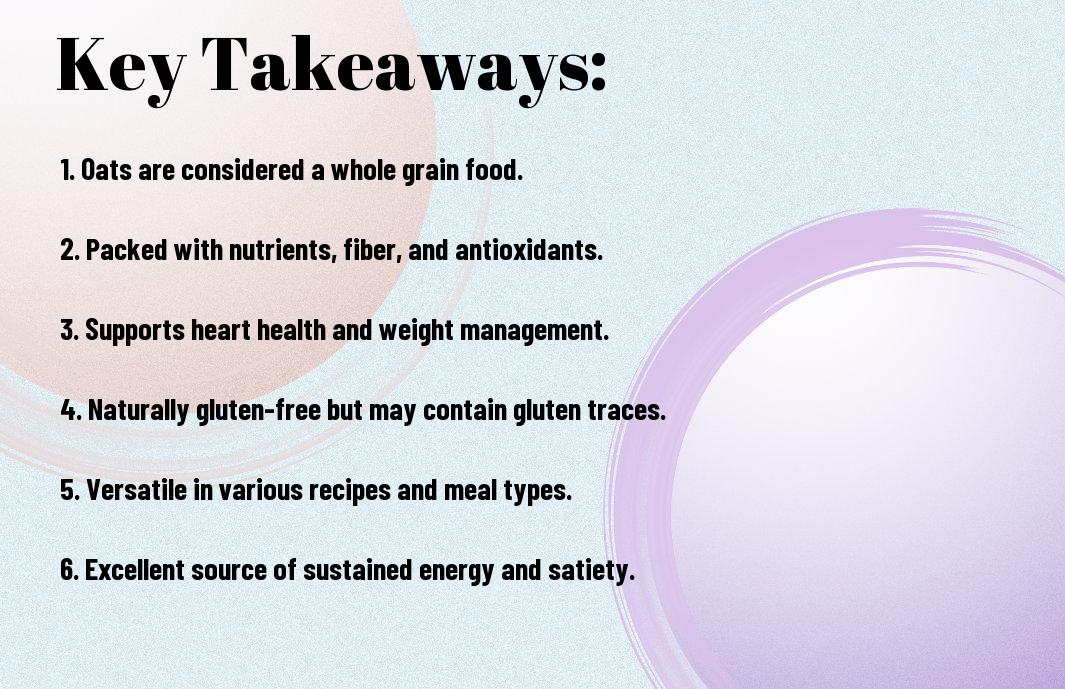
Key Takeaways:

  • Whole Food Classification: Oats are considered a whole food as they contain all parts of the grain, including the bran, germ, and endosperm.
  • Nutrient Density: Oats are rich in necessary nutrients such as fiber, protein, vitamins, and minerals, contributing to their status as a whole food.
  • Health Benefits: Consuming oats can support heart health, aid in digestion, and help regulate blood sugar levels, highlighting their wholesomeness.
  • Minimal Processing: Rolled and steel-cut oats are minimally processed, making them closer to their natural state compared to instant oats.
  • Variety of Uses: Oats can be incorporated into various meals, from breakfast to baking, making them a versatile choice in whole food diets.

Understanding Whole Foods

Before entering into the specifics of oats and their classification, it’s important to understand what whole foods are and why they play a crucial role in your diet.

Definition of Whole Foods

With whole foods, you are referring to foods that are minimally processed and free from artificial ingredients, preservatives, and additives. They are often in their natural state, retaining their imperative nutrients, fiber, and flavor, making them the foundation of a healthy diet.

Nutritional Benefits of Whole Foods

On focusing on whole foods, you benefit from a wide array of imperative nutrients, including vitamins, minerals, and antioxidants. These foods typically have a higher fiber content, which can support digestive health and promote satiety, helping you manage your weight more effectively.

Whole foods also contribute to reduced inflammation and lower risk of chronic diseases such as heart disease and diabetes. Including a variety of whole foods in your diet ensures that you receive a balanced intake of nutrients, thus positively impacting your overall health and well-being. By emphasizing whole foods, you invest in a lifestyle that supports energy, vitality, and longevity.

Oats: A Nutritional Overview

Some might wonder if oats are a whole food, but with their rich nutritional profile, they are certainly a staple in many healthy diets. Not only do they provide imperative nutrients, but they also offer various health benefits. For a great option, consider Organic Old Fashioned Whole Grain Rolled Oats, 32 oz, which are both wholesome and versatile.

Types of Oats

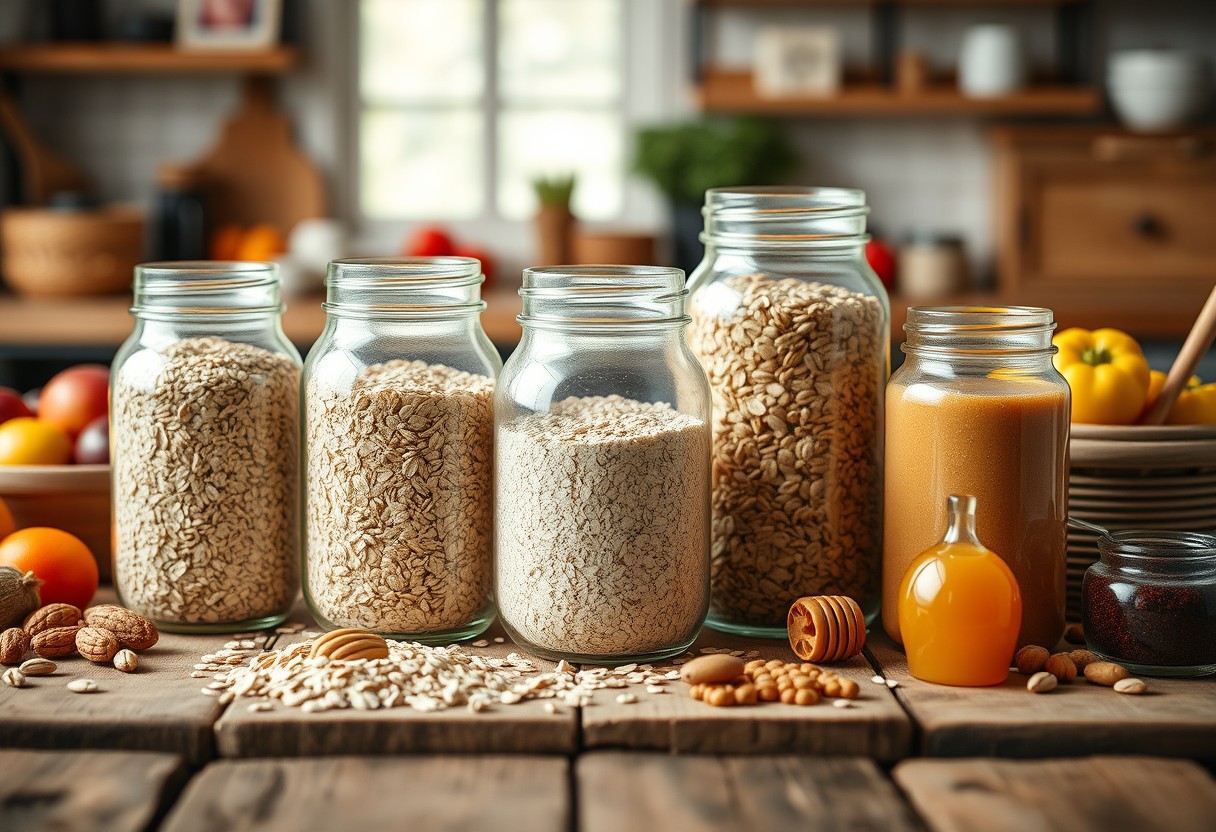
Any discussion about oats usually includes several types that cater to different preferences and cooking methods. Each type varies in texture, cooking time, and uses:

  • Whole Oat Groats
  • Steel-Cut Oats
  • Rolled Oats
  • Instant Oats
  • Oat Flour

The distinction between these forms can influence your cooking experience and the dish’s final texture.

Type of Oats Cooking Time
Whole Oat Groats 50-60 minutes
Steel-Cut Oats 20-30 minutes
Rolled Oats 5-10 minutes
Instant Oats 1-2 minutes
Oat Flour Not applicable

Nutritional Composition of Oats

With their rich blend of macronutrients and micronutrients, oats pack a powerful punch. They are particularly known for being high in fiber, protein, and imperative vitamins and minerals.

To give you a clearer picture, oats contain significant amounts of soluble fiber, particularly beta-glucan, which can help manage cholesterol levels and improve heart health. In addition, they provide a range of vitamins including B vitamins and minerals like iron, magnesium, and zinc, all imperative for your body’s overall functioning and health. The combination of these nutrients makes oats a powerful whole food to include in your diet.

Oats as Part of a Whole Food Diet

For those seeking to adopt a whole food diet, oats present a versatile and nutritious option. Incorporating oats into your daily meals can significantly enhance your overall nutritional profile, providing you with imperative vitamins, minerals, and fiber. By choosing whole grain oats, you ensure that you’re consuming a minimally processed food that supports your health goals and complements a well-rounded diet.

Role of Oats in Balanced Nutrition

Oats serve as a fantastic source of complex carbohydrates, offering sustained energy while being low in sugar. This makes them an ideal addition to breakfasts or snacks, helping you maintain your energy levels throughout the day. Additionally, they are rich in fiber, which can aid digestion and promote satiety, thus supporting balanced nutrition in your diet.

Health Benefits of Oats

Whole oats are not just filling; they also come with numerous health benefits that can impact your well-being positively. They are known to lower cholesterol levels, stabilize blood sugar, and promote heart health, making them a valuable addition to your diet.

With their high content of beta-glucans, oats can help reduce LDL cholesterol and may lower the risk of heart disease. They also provide antioxidants that fight inflammation, contribute to digestive health through their soluble fiber, and can even assist with weight management by promoting feelings of fullness. By including oats in your meals, you’re investing in your long-term health while enjoying a delightful and versatile food.

Final Words

Now that you have explored the nature of oats, you can confidently conclude that they are indeed a whole food. Rich in nutrients and health benefits, incorporating oats into your diet can enhance your overall well-being. As you focus on whole food options, remember that oats, in their minimally processed form, provide imperative fiber, vitamins, and minerals that support a balanced lifestyle. Embrace oats as a wholesome addition to your meals and reap the rewards of this nutritious grain.

FAQ

Q: Are oats considered a whole food?

A: Yes, oats are considered a whole food. A whole food is one that is minimally processed and is close to its natural state. Oats, particularly whole grain oats, retain their bran, germ, and endosperm, making them a source of fiber, vitamins, and minerals. For the healthiest option, look for less processed forms like steel-cut or rolled oats, rather than instant oats, which often have added sugars or preservatives.

Q: What are the health benefits of consuming whole oats?

A: Whole oats are rich in nutrients and offer several health benefits. They are a great source of dietary fiber, particularly beta-glucan, which can help lower cholesterol levels and improve heart health. Oats also provide important vitamins and minerals, including magnesium, phosphorus, and B vitamins. Additionally, they have a low glycemic index, which helps to maintain stable blood sugar levels, making them a great choice for those managing diabetes or looking to control their weight.

Q: How can I incorporate whole oats into my diet?

A: There are many delicious ways to incorporate whole oats into your diet. You can start your day with oatmeal for breakfast, topped with fruits, nuts, or seeds. Oats can also be used in smoothies for added nutrition, as a base for homemade granola, or as a flour substitute in baking recipes like muffins and pancakes. Additionally, oats can be added to savory dishes like meatloaf or veggie burgers to enhance texture and nutritional value.

Skip to content