Wellness

What is Health Food

Wellness starts with the food you consume. In terms of your health, choosing the right foods is crucial. Have you ever wondered what constitutes as health food? According to Healthy eating and diet guidelines, health food is nutrient-dense, low in unhealthy fats, sugars, and refined grains, and promotes overall well-being. Let’s explore the world of health food and how it can benefit your body and mind.

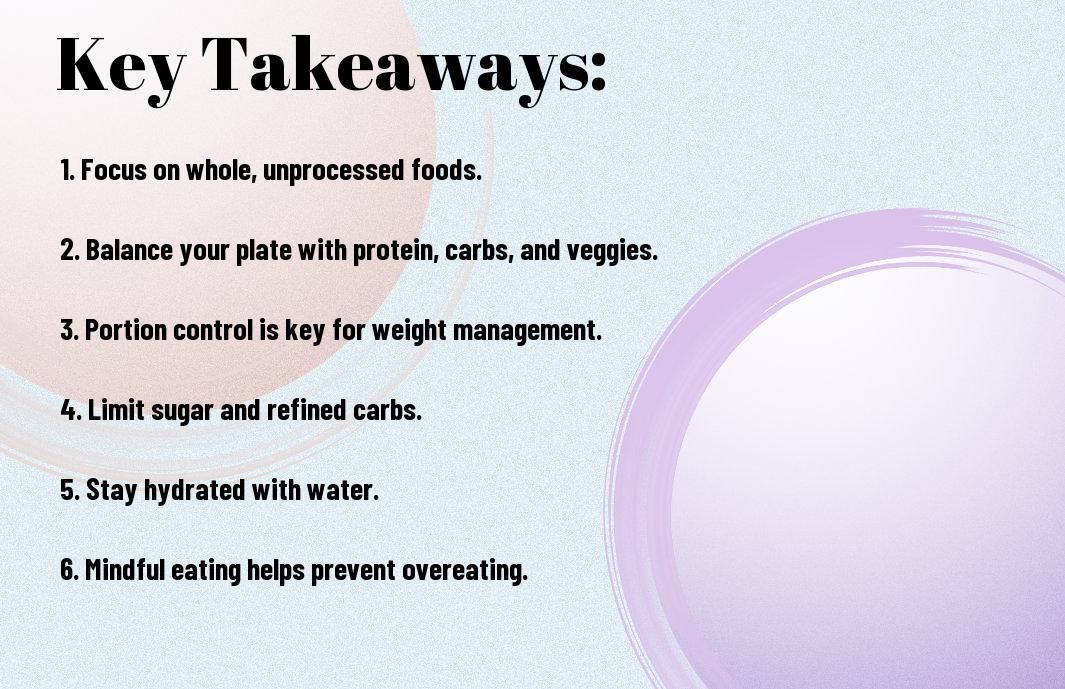
Key Takeaways:

  • Whole foods: Health food generally refers to foods that are minimally processed and made up of whole, natural ingredients.
  • Nutrient-dense: Health foods are rich in necessary nutrients like vitamins, minerals, and antioxidants, which are beneficial for overall wellbeing.
  • Low in additives: Health foods are often free from artificial ingredients, preservatives, and added sugars, making them a better choice for maintaining a healthy diet.

Defining Health Food

The Concept of Health Food

The concept of health food can vary depending on who you ask, but at its core, it refers to foods that are believed to be beneficial to your overall health and well-being. These foods are often nutrient-dense, meaning they provide a high amount of vitamins, minerals, and other important nutrients, with minimal unhealthy components like added sugars, unhealthy fats, and artificial additives.

Historical Context of Health Food

Historically, the idea of health food dates back centuries, with ancient civilizations like the Greeks and Romans valuing certain foods for their medicinal properties. In more recent times, the health food movement gained popularity in the late 19th and early 20th centuries, with the establishment of health food stores and the promotion of natural, whole foods for health and wellness.

It was during the 1960s and 1970s that the health food movement really took off, with an increased interest in organic farming, vegetarianism, and whole foods. This era saw the rise of iconic health food stores and the popularization of foods like tofu, yogurt, and granola as staples of a healthy diet.

Nutritional Value

While the term “health food” can encompass a wide range of items, one key aspect that defines it is its nutritional value. Understanding the nutrients present in your food can help you make informed choices that support your overall well-being.

Macronutrients: Carbohydrates, Proteins, and Fats

With carbohydrates, proteins, and fats being the primary macronutrients your body needs, it’s necessary to include a balance of these in your diet. Carbohydrates provide energy, proteins are crucial for building and repairing tissues, while fats play a role in cell function and hormone production.

Micronutrients: Vitamins and Minerals

The micronutrients, vitamins, and minerals are equally important, albeit needed in smaller quantities. These substances are vital for various functions in your body, such as bone health, immune system support, and energy production. Including a variety of fruits, vegetables, whole grains, and lean proteins in your diet can help ensure you get an adequate intake of these necessary nutrients.

The balance of vitamins and minerals in your diet can impact your overall health and well-being. It’s necessary to consume a variety of foods to ensure you’re meeting your body’s requirements for these vital nutrients.

Phytochemicals and Antioxidants

It’s not just about macronutrients and micronutrients when it comes to health food. Phytochemicals and antioxidants found in plant-based foods can also contribute to your well-being. These compounds have been linked to various health benefits, including reducing inflammation, supporting heart health, and protecting against certain diseases.

Carbohydrates rich in phytochemicals can be found in fruits, vegetables, whole grains, and legumes. Including a variety of colorful foods in your diet can help you benefit from the different types of phytochemicals that each plant food offers.

Fats play a crucial role in the absorption of certain antioxidants, such as vitamin E and beta-carotene. Choosing healthy fats like those found in avocados, nuts, and seeds can help ensure you’re getting the most out of these beneficial compounds.

Types of Health Food

Now, let’s examine the different types of health foods that can help you maintain a nutritious diet. Perceiving the benefits of incorporating these foods into your meals can significantly impact your overall well-being.

Fresh Fruits and Vegetables

Any nutritionist will tell you that fresh fruits and vegetables are important components of a healthy diet. Packed with vitamins, minerals, and antioxidants, these colorful foods help boost your immune system and reduce the risk of chronic diseases. By incorporating a variety of fruits and vegetables into your meals, you can ensure that your body receives a wide range of nutrients important for optimal health.

Whole Grains and Legumes

Legumes like beans, lentils, and chickpeas are excellent sources of protein and fiber. They are low in fat and high in nutrients, making them a great addition to plant-based diets. For instance, whole grains such as quinoa, brown rice, and oats provide important vitamins and minerals, as well as fiber that aids in digestion and helps you feel full longer.

Lean Proteins and Healthy Fats

Healthy proteins like skinless poultry, fish, and tofu are rich in important amino acids that support muscle growth and repair. Pairing these proteins with healthy fats from sources like avocados, nuts, and olive oil can help reduce inflammation in the body and improve heart health. Including a variety of lean proteins and healthy fats in your diet can help you feel satisfied and energized throughout the day.

Benefits of Health Food

Not all foods are created equal when it comes to their impact on your health. Choosing health foods can benefit you in various ways, from weight management to chronic disease prevention to mental health and mood enhancement.

Weight Management and Energy Boost

An important benefit of consuming health foods is their ability to help you manage your weight and boost your energy levels. Health foods are typically lower in unhealthy fats, sugars, and calories, making them ideal choices for maintaining a healthy weight. Additionally, these foods are rich in imperative nutrients, such as vitamins, minerals, and antioxidants, which can provide you with sustained energy throughout the day.

Chronic Disease Prevention and Management

Disease prevention and management are crucial aspects of maintaining overall health and well-being. Choosing health foods can significantly reduce your risk of developing chronic conditions such as heart disease, diabetes, and certain types of cancer.

For instance, incorporating a variety of fruits, vegetables, whole grains, lean proteins, and healthy fats into your diet can help regulate blood sugar levels, lower cholesterol, and reduce inflammation in the body, all of which play a key role in preventing and managing chronic diseases.

Mental Health and Mood Enhancement

An often overlooked benefit of consuming health foods is their positive impact on mental health and mood. Research has shown that a diet rich in fruits, vegetables, nuts, seeds, and fatty fish can help improve cognitive function, reduce symptoms of depression and anxiety, and enhance overall mood.

Another important aspect to consider is the connection between gut health and mental health. Health foods that support a healthy gut microbiome, such as probiotic-rich foods like yogurt and fermented vegetables, can help improve your mood and overall mental well-being.

Common Misconceptions

Many people have misconceptions about what constitutes health food. It’s important to understand the true meaning of healthy eating and not fall for marketing gimmicks or fad diets. If you’re unsure about what defines healthy food, you can learn more about it here.

Debunking Fad Diets and Quick Fixes

An important aspect of health food is debunking fad diets and quick fixes that promise unrealistic results. Be mindful of, sustainable health is achieved through long-term, balanced eating habits rather than short-term restrictive diets. Be wary of any diet that eliminates entire food groups or promotes drastic weight loss in a short period, as these approaches can be harmful to your health in the long run.

Separating Fact from Fiction in Health Food Marketing

Debunking myths in health food marketing is crucial for making informed choices about your diet. Manufacturers often use buzzwords like “natural,” “organic,” or “low-fat” to appeal to health-conscious consumers. However, these labels can be misleading, and it’s necessary to look beyond the marketing claims. Reading ingredient lists, nutritional information, and understanding food labels can help you separate fact from fiction and make better decisions for your health.

Incorporating Health Food into Your Lifestyle

Meal Planning and Grocery Shopping Tips

Shopping for health food can be made easier with a bit of planning. Keep a list of nutritious staples like whole grains, fresh fruits and vegetables, lean proteins, and healthy fats. Before heading to the store, plan your meals for the week to avoid impulse buys and ensure you have everything you need to create balanced, nutritious meals.

  • Focus on fresh, whole foods rather than processed items.
  • Choose a variety of colors when selecting fruits and vegetables to ensure you’re getting a range of nutrients.
  • Don’t shop on an empty stomach to avoid buying unhealthy snacks.

This mindful approach to shopping can help you incorporate health food seamlessly into your lifestyle, making it easier to stick to nutritious choices.

Cooking and Preparing Health Food at Home

Meal preparation plays a crucial role in incorporating health food into your lifestyle. With a little planning, you can save time and ensure that nutritious meals are readily available. Stock your kitchen with crucial tools like a good set of knives, cutting boards, and storage containers to make cooking and meal prep efficient and enjoyable.

Experiment with new recipes and cooking techniques to keep things interesting. Try roasting, grilling, steaming, or stir-frying your vegetables to bring out different flavors and textures. Making your meals at home allows you to control the ingredients and portion sizes, helping you maintain a healthy diet.

Eating Out and Ordering Health Food

One of the challenges of incorporating health food into your lifestyle is navigating restaurant menus and takeout options. Look for restaurants that offer fresh, locally sourced ingredients and prioritize whole foods. When dining out, opt for dishes that are grilled, roasted, or steamed rather than fried or sautéed in heavy oils.

Incorporating health food into your lifestyle doesn’t mean you have to give up dining out. By making mindful choices and being aware of portion sizes, you can enjoy restaurant meals while staying true to your commitment to healthy eating.

To wrap up

Following this exploration of what health food entails, you now have a better understanding of the importance of consuming nutrient-dense foods that provide important vitamins, minerals, and antioxidants to support your overall well-being. Remember that health food is not about strict dieting or deprivation; rather, it is about making informed choices that nourish your body and mind.

By focusing on whole, unprocessed foods, you can enhance your health, boost your immunity, and increase your energy levels. Incorporating a variety of fruits, vegetables, whole grains, lean proteins, and healthy fats into your diet can help you achieve optimal health and vitality. So next time you choose your meals, think about selecting foods that will nourish and sustain you in the long run.

Q: What is health food?

A: Health food is any food that is considered beneficial to one’s health. These foods are typically whole, minimally processed, and rich in nutrients such as vitamins, minerals, and antioxidants.

Q: How can I identify health food?

A: Health foods are often found in the produce section of the grocery store and include fruits, vegetables, whole grains, nuts, seeds, and lean proteins. Look for foods that are high in fiber, low in added sugars and unhealthy fats, and have a short ingredient list.

Q: What are the benefits of eating health food?

A: Eating health food can help improve overall health, boost energy levels, support weight management, and reduce the risk of chronic diseases such as heart disease, diabetes, and certain cancers. Additionally, a diet rich in health food can support a strong immune system and promote good digestion.

What to drink on a whole food diet

Many individuals journeying into a whole food diet often overlook the importance of their beverage choices. Staying hydrated is crucial, but understanding what drinks align with your dietary goals can enhance your overall well-being. While water should be your primary beverage, there are several nutrient-rich options to consider. For comprehensive guidance on this lifestyle, check out Everything You Need to Know About the Whole Foods Diet.

Key Takeaways:

  • Water is Essential: Staying hydrated with plenty of water is crucial on a whole food diet, as it supports overall health and aids in digestion.
  • Natural Juices: Opt for fresh, 100% fruit or vegetable juices without additives, which can provide vitamins and antioxidants while keeping your diet clean.
  • Herbal Teas: Incorporating herbal teas can offer flavor and health benefits without added sugars or preservatives, making them a great choice for a whole food lifestyle.

Understanding Whole Food Diets

The whole food diet emphasizes consuming foods that are as close to their natural state as possible. This approach encourages you to focus on foods that are minimally processed and free from artificial additives, preservatives, and refined ingredients. By incorporating whole foods into your meals, you can enhance your overall nutrition and improve your health.

Definition of Whole Foods

For you, whole foods are unrefined or minimally processed foods that include fruits, vegetables, whole grains, nuts, seeds, and legumes. These foods retain their natural nutrients and are typically free from artificial ingredients, making them an imperative component of a balanced diet.

Benefits of Whole Food Diets

Definition of a whole food diet goes beyond just what you eat; it also encompasses health and wellness benefits. You might find that adopting a whole food diet can lead to improved energy levels, better digestion, and enhanced mental clarity. By prioritizing these nutrient-dense foods, you can also support your immune system and promote long-term health.

Diets rich in whole foods have been linked to lower risks of chronic diseases, including heart disease, diabetes, and obesity. Additionally, the fiber and nutrients found in whole foods can help you maintain a healthy weight while keeping you feeling full and satisfied. Incorporating these types of foods into your meals can lead to a more balanced diet, ultimately resulting in a healthier lifestyle overall.

Beverages to Include

Little changes in your beverage choices can significantly enhance your whole food diet. Opting for natural, unprocessed drinks will help you stay hydrated, energized, and nourished. Here are some great beverages to include in your daily routine.

Water: The Essential Choice

Choice of beverage matters, and water is the most necessary drink you can have. It not only hydrates your body but also aids in digestion, removes toxins, and maintains overall bodily functions. Aim to drink plenty of water throughout the day to support your whole food lifestyle.

Herbal Teas: A Natural Alternative

To make your beverage repertoire exciting, consider herbal teas as a soothing and healthy option. They come in various flavors and offer numerous health benefits. From chamomile to peppermint, these natural alternatives are caffeine-free and can support better digestion and relaxation.

This diversity means you can enjoy a warm cup of herbal tea not just for pleasure, but also for their health-enhancing properties. Herbal teas can be a calming ritual that adds flavor without added sugars or calories, making them a perfect companion to your whole food diet.

Freshly Squeezed Juices: Nutrient Powerhouses

Powerhouses of nutrition, freshly squeezed juices can be an exciting component of your beverage options. They are loaded with vitamins and minerals extracted directly from fruits and vegetables, making them a delightful way to boost your intake of necessary nutrients.

Freshly prepared juices allow you to combine various fruits and vegetables, providing a concentrated source of nutrients and hydration. They can offer quick energy boosts and taste so much better than store-bought varieties, which often contain preservatives and added sugars.

Smoothies: Blending Health

With the convenience of blending, smoothies are an excellent choice for integrating more whole foods into your diet. You can blend fruits, vegetables, nuts, and seeds into a delicious drink that packs a nutritional punch.

Blending allows you to create a thick, creamy beverage that can serve as a meal replacement or a nourishing snack. You can customize your smoothies to include your favorite whole foods, ensuring you benefit from their fiber, vitamins, and minerals, making them a fantastic addition to your whole food journey.

Beverages to Limit or Avoid

Now that you’re exploring into the world of whole foods, it’s vital to know which beverages might undermine your healthy eating goals. For an in-depth look at whole-food, plant-based diets, check out the Whole-Foods, Plant-Based Diet: A Detailed Beginner’s Guide.

Sugary Drinks: The Hidden Dangers

Limit your intake of sugary drinks, as they are loaded with empty calories and can lead to weight gain, diabetes, and other health issues. These beverages, often high in sugar and low in nutrition, are not aligned with a whole food diet.

Processed Juices: More Harm Than Good

To maintain the integrity of your whole food diet, be cautious about processed juices, which often contain added sugars and preservatives that diminish their nutritional value.

Than simply relying on fruit juice for vitamins, it’s typically better to eat the whole fruit. Whole fruits provide fiber that helps slow sugar absorption, whereas processed juices can spike your blood sugar levels. When you choose juices, opt for freshly squeezed options without added sugars, or better yet, consume whole fruits.

Alcohol: Weighing the Pros and Cons

Avoid excessive alcohol consumption, as it can derail your wellness journey, but it’s worth considering the potential benefits and drawbacks.

Pros and Cons of Alcohol

Pros Cons
May provide social enjoyment Can contribute to weight gain
Some studies suggest moderate consumption might lower heart disease risk Increased risk of liver disease
Can enhance culinary flavors Interferes with nutrient absorption
Contains antioxidants in some types (like red wine) Can lead to addiction-related issues

Alcohol consumption can have mixed effects on your health, so consider moderation if you choose to indulge. The potential benefits can be outweighed by the risks if consumed irresponsibly. Prioritizing whole food choices can often take precedence over alcoholic options.

Artificially Sweetened Beverages: A Red Flag

For those following a whole food diet, artificially sweetened beverages should be avoided, as they contain synthetic ingredients that can disrupt your goals for holistic health.

Another concern with these products is that they may encourage your sweet tooth and lead to cravings for more sugary foods. Additionally, studies have suggested that artificial sweeteners might have adverse effects on your gut health, making it crucial to steer clear of these beverages to stay on track with your nutrition. Choose naturally sweetened beverages or stick to plain water, herbal teas, or fresh juices instead.

Practical Tips for Staying Hydrated

Despite the many options available, staying hydrated on a whole food diet can feel overwhelming. Here are some practical tips to help you maintain optimal hydration:

  • Carry a reusable water bottle to monitor your intake.
  • Set reminders to drink water throughout the day.
  • Infuse your water with fruits, herbs, or vegetables for added flavor.
  • Avoid dehydrating beverages such as sugary sodas and caffeine-heavy drinks.
  • Always drink a glass of water before meals.

Thou shall remain committed to your hydration goals for a healthier lifestyle.

Keeping It Simple: Flavoring Water

Hydrated individuals often enjoy a refreshing beverage experience by flavoring their water. Simple additions like slices of lemon, cucumber, berries, or fresh mint can make a significant difference. Not only do they enhance the taste, but they also contribute to your overall nutrient intake, making hydration feel less like a chore.

Meal Pairings: Optimal Beverage Choices

An excellent way to enhance your meals is by choosing the right beverages to pair with them. Water is always a great option, but herbal teas and infused waters can add an extra layer of enjoyment while complementing your whole food diet.

This means that when you consume a hearty vegetable stir-fry, a glass of ginger tea may uplift the flavors, whereas a lemon-infused water can brighten the taste of fish dishes. By considering how different beverages interact with your meal’s ingredients, you can make more mindful, enjoyable choices that align with your whole food diet.

DIY Beverage Recipes: Getting Creative

Recipes for homemade beverages allow you to explore unique flavors while staying within your whole food parameters. Experimenting with fresh ingredients such as fruits, herbs, and even spices can lead to delightful combinations that keep hydration interesting.

For instance, craft a refreshing basil lime drink by muddling fresh basil leaves with lime juice and adding sparkling water. Alternatively, you can prepare a simple berry fennel infusion by steeping fresh fennel fronds with mixed berries in water overnight. Not only do these DIY recipes enhance your hydration routine, but they also allow you to enjoy healthful ingredients.

Final Words

Summing up, when you launch on a whole food diet, your drink choices should align with the principles of whole and unprocessed nutrition. Focus on water as your primary beverage, but don’t overlook the benefits of herbal teas, homemade smoothies, and fresh-pressed juices made from whole fruits and vegetables. These options not only hydrate you but also supply crucial nutrients. Avoid sugary drinks and processed beverages to ensure you get the most out of your whole food journey. Recall, what you drink is just as vital as what you eat for optimal health.

FAQ

Q: What types of beverages are recommended on a whole food diet?

A: On a whole food diet, it’s recommended to consume beverages that are as close to their natural state as possible. This includes water, herbal teas, freshly squeezed juices, smoothies made with whole fruits and vegetables, and plant-based milks (like almond or oat milk) without added sugars or artificial ingredients. Avoid processed drinks like sugary sodas, energy drinks, and pre-packaged smoothies with additives.

Q: Can I drink coffee or tea on a whole food diet?

A: Yes, you can enjoy coffee and tea on a whole food diet in moderation. Opt for black coffee or herbal teas without added sweeteners or creamers. If you prefer, you can add a splash of plant-based milk or a natural sweetener like honey or maple syrup, but be mindful of the amounts to keep it aligned with whole food principles.

Q: Is alcohol allowed on a whole food diet?

A: Alcohol can be consumed in moderation on a whole food diet, but it’s imperative to choose options that fit within whole food guidelines. This means opting for natural wines without added sugars or preservatives and avoiding cocktails that contain processed mixers. Always ensure to drink responsibly and be aware of how alcohol can affect your health and well-being.

Q: What about flavored waters and store-bought juices?

A: Flavored waters often contain added sugars, artificial flavors, or preservatives, which are not compatible with a whole food diet. Similarly, many store-bought juices are processed and may contain added sugars or concentrates. If you want flavored water, consider infusing your water with fresh fruits, herbs, or vegetables. For juices, make your own at home using a juicer, ensuring they are made from whole fruits and vegetables without added ingredients.

Q: Are there any specific hydration recommendations on a whole food diet?

A: Staying hydrated is crucial while on a whole food diet. Aim to drink at least 8 cups (64 ounces) of water a day, though this can vary based on individual needs and activity levels. Always listen to your body and drink when you’re thirsty. Incorporating hydrating whole foods like fruits and vegetables can also contribute to your overall fluid intake.

Why avoid junk food

With the convenience and tempting flavors of junk food all around you, it can be challenging to resist indulging in these tasty but harmful treats. In this article, let’s explore into the reasons why avoiding junk food is crucial for your health and well-being. Discover how making mindful choices about what you eat can positively impact your overall health, energy levels, and longevity. Let’s explore the hidden dangers of junk food and empower you to make informed decisions about your diet for a healthier future.

Key Takeaways:

  • Poor Nutritional Value: Junk food is typically high in calories, saturated fats, sugars, and low in important nutrients like vitamins, minerals, and fiber.
  • Negative Health Effects: Regular consumption of junk food can lead to obesity, heart disease, diabetes, high blood pressure, and other serious health issues.
  • Impact on Mental Health: Eating junk food can also have a negative impact on mental health, contributing to mood swings, fatigue, and decreased cognitive function.

The Hidden Dangers of Junk Food

Your health is greatly impacted by the food choices you make. Junk food is filled with unhealthy ingredients that can have serious consequences on your well-being. It’s important to understand the hidden dangers of consuming these unhealthy food options.

Unhealthy Ingredients

Any time you indulge in junk food, you are exposing yourself to a variety of unhealthy ingredients such as artificial preservatives, additives, and trans fats. These can lead to weight gain, heart problems, and other health issues in the long run. Consuming junk food regularly can also increase your risk of developing chronic diseases like diabetes and hypertension.

High Sugar Content

An excessive amount of sugar is another peril of consuming junk food. Sugar can be found in high quantities in sodas, candies, and processed snacks. Overconsumption of sugar can not only lead to weight gain but also increase your risk of developing type 2 diabetes and other metabolic disorders. It’s imperative to be mindful of your sugar intake and opt for healthier alternatives to satisfy your sweet cravings.

Understanding the high sugar content in junk food is crucial for making informed choices about your diet. Reading labels and being aware of hidden sugars in processed foods can help you avoid potential health issues associated with excessive sugar consumption. By making conscious decisions to limit your intake of sugary junk foods, you can protect your overall health and well-being in the long term.

The Impact on Our Health

Weight Gain and Obesity

An unhealthy diet high in junk food can often lead to weight gain and obesity. Junk food is typically high in calories, unhealthy fats, sugars, and low in vital nutrients. Consuming these empty calories regularly can easily lead to overconsumption and eventually result in an unhealthy increase in body weight. The convenience and addictive nature of junk food can make it challenging to control portion sizes, leading to a surplus of calorie intake and subsequent weight gain.

Increased Risk of Chronic Diseases

One of the most significant impacts of regularly consuming junk food is the increased risk of chronic diseases such as type 2 diabetes, heart disease, and certain types of cancer. These diseases are often linked to poor diet choices, including the consumption of highly processed and sugary foods. The excessive intake of unhealthy fats and sugars in junk food can disrupt your body’s metabolism, raise your blood sugar levels, and lead to inflammation, increasing the risk of developing these serious health conditions.

It is vital to be mindful of the long-term effects of consuming junk food. Over time, the cumulative damage caused by a diet high in processed foods can have severe implications for your overall health and well-being. Making healthier food choices and limiting your intake of junk food can significantly reduce the risk of developing these chronic diseases.

Energy Crashes and Mood Swings

Any temporary pleasure derived from consuming junk food is often followed by energy crashes and mood swings. Foods high in sugar and refined carbs can cause rapid spikes and crashes in blood sugar levels, leaving you feeling fatigued, irritable, and craving more unhealthy snacks to boost your energy temporarily. This vicious cycle can disrupt your productivity, mood stability, and overall quality of life.

Plus, the excessive consumption of junk food can also affect your brain health and cognitive function. Research has shown that a diet high in processed foods is associated with a higher risk of mental health disorders such as depression and anxiety. By choosing nutritious, whole foods over junk food, you can support your mental well-being and maintain a more balanced and stable mood throughout the day.

The Consequences of Regular Consumption

Not only does indulging in junk food lead to immediate feelings of sluggishness and guilt, but it can also have long-term consequences on your health. According to Junk Foods to Avoid! – Precision Orthopedics & Sports Medicine, regular consumption of junk food can result in various health issues that may impact your overall well-being.

Nutrient Deficiencies

Deficiencies in imperative vitamins and minerals like calcium, iron, and vitamin D can occur when you rely heavily on junk food for your meals. These nutrient deficiencies can impair various bodily functions, leading to fatigue, weakened immunity, and poor bone health.

Gut Health Imbalance

With regular consumption of junk food, you disrupt the balance of good and bad bacteria in your gut. This imbalance can result in digestive issues such as bloating, gas, and even more serious conditions like irritable bowel syndrome (IBS). Additionally, a compromised gut health can impact your body’s ability to absorb nutrients properly.

Plus, the high levels of unhealthy fats and sugars in junk food can contribute to inflammation in the body, which is linked to chronic diseases like obesity, diabetes, and heart disease.

Skin Problems and Premature Aging

Nutrient deficiencies from a diet high in junk food can manifest on your skin, leading to issues like acne, dryness, and dullness. Additionally, the excess sugar in junk food can contribute to glycation, a process that accelerates aging by breaking down collagen and elastin in the skin.

Another consequence of regular consumption of junk food is the increased risk of developing wrinkles and fine lines prematurely. The lack of imperative nutrients and antioxidants in junk food can leave your skin more susceptible to damage from environmental factors and oxidative stress, speeding up the aging process.

The Psychological Factors Behind Junk Food Addiction

Many psychological factors contribute to the addiction to junk food. Here are some of the key reasons:

  • Emotional Eating
  • Convenience and Marketing Strategies
  • Social Pressures and Peer Influence

Emotional Eating

To start, emotional eating plays a significant role in the consumption of junk food. Turning to comfort foods like ice cream or pizza when you are feeling stressed, sad, or bored is a common habit. These foods often provide temporary relief and a sense of comfort, which can reinforce the behavior.

Convenience and Marketing Strategies

Factors like the easy accessibility of junk food and persuasive marketing strategies employed by food companies also contribute to the addiction. For instance, fast-food chains strategically place their restaurants near schools and workplaces, making it convenient for you to grab a quick, but unhealthy meal on the go.

Marketing tactics such as colorful packaging, catchy jingles, and celebrity endorsements can create a strong craving for these foods, even when you are not hungry. The constant bombardment of tempting advertisements can make it challenging to resist the urge to indulge in junk food regularly.

Social Pressures and Peer Influence

Behind the psychological factors of junk food addiction are social pressures and peer influence. When you see friends, family, or colleagues regularly consuming and enjoying junk food, you may feel pressured to join in. The desire to fit in or be part of a group can lead you to make unhealthy food choices, even if you know they are not good for your health.

For instance, in social gatherings or parties, the presence of junk food as the main snack option can make it difficult to opt for healthier alternatives. The fear of standing out or being judged may push you towards indulging in foods you would typically avoid.

The Benefits of a Balanced Diet

Improved Energy Levels

Unlike junk food, a balanced diet consisting of a variety of nutrient-dense foods provides you with sustained energy throughout the day. By fueling your body with the right mix of carbohydrates, protein, and healthy fats, you can avoid the energy crashes that often accompany consuming sugary and processed foods.

Enhanced Mental Clarity

One key benefit of a balanced diet is enhanced mental clarity. Diet plays a crucial role in cognitive function, memory, and overall brain health. By incorporating foods rich in antioxidants, omega-3 fatty acids, and vitamins, you can support optimal brain function and improve your concentration and focus.

To further boost your mental clarity, consider adding foods like blueberries, nuts, seeds, and fatty fish to your diet. These foods are known for their brain-boosting properties and can help enhance your cognitive abilities.

Stronger Immune System

Sticking to a balanced diet is necessary for maintaining a stronger immune system. Nutrient-rich foods such as fruits, vegetables, whole grains, and lean proteins provide the vitamins, minerals, and antioxidants your body needs to fend off infections and illnesses.

Energy levels are closely tied to the strength of your immune system. By consuming a variety of foods that support immune function, you can better protect your body against common colds, flu, and other illnesses, allowing you to feel your best year-round.

Making the Switch: Tips for a Healthier Lifestyle

Now that you’ve decided to cut out junk food from your diet, it’s time to make some positive changes towards a healthier lifestyle. Here are some practical tips to help you transition to a diet that promotes well-being:

  • Gradual Changes and Goal Setting: If you’re used to consuming a lot of junk food, sudden elimination may be challenging. Start by gradually reducing the amount of junk food you eat and replacing it with healthier options. Setting specific goals, such as “I will only have one sugary snack per day,” can help you stay on track. For more tips on eliminating junk food, you can refer to Six Ways to Eliminate Junk Food in Your Diet.

Gradual Changes and Goal Setting

One effective way to transition to a healthier diet is by making gradual changes and setting clear goals. Rather than drastically cutting out all junk food at once, start by identifying the worst offenders in your diet and slowly reducing their consumption. By setting achievable goals, you can track your progress and make sustainable changes over time. The key is to be patient with yourself and celebrate small victories along the way. The journey to a healthier lifestyle is a marathon, not a sprint.

Meal Planning and Grocery Shopping

For better control over your food choices, consider meal planning and thoughtful grocery shopping. By planning your meals ahead of time, you can ensure that you have healthy ingredients on hand and minimize the temptation to reach for quick, unhealthy options. Make a grocery list based on your planned meals and stick to it to avoid impulse buys that may derail your efforts. Additionally, try to shop the perimeter of the grocery store where fresh produce, lean proteins, and whole grains are typically located, while avoiding the center aisles filled with processed foods.

To create a sustainable healthy eating habit, consider investing time in planning your meals and snacks for the week. By doing so, you can ensure that you have nutritious options readily available and reduce the likelihood of resorting to junk food when hunger strikes. Additionally, making a detailed grocery list and sticking to it can help you avoid impulse purchases that may not align with your health goals. Keep in mind, a well-thought-out shopping trip can set the tone for a week of nutritious and satisfying meals.

Healthy Alternatives and Recipes

Lifestyle changes are more manageable when you have tasty and nutritious alternatives at your fingertips. Explore new recipes that feature whole, unprocessed ingredients and experiment with different cooking techniques to add variety to your meals. Stock up on fresh fruits and vegetables, whole grains, lean proteins, and healthy fats to create balanced and satisfying dishes that will keep you energized throughout the day.

Planning your meals around nutrient-dense foods like colorful vegetables, lean proteins, and whole grains can help you discover a whole new world of healthy and delicious eating. Incorporating flavorful herbs and spices, trying out new cooking methods like grilling or steaming, and exploring different cuisines can make your meals exciting and enjoyable. By focusing on whole foods and mindful preparation, you can elevate your eating experience and nourish your body with the nutrition it deserves.

Summing up

The harmful effects of consuming junk food are well-documented, and it is crucial to avoid these types of foods for the sake of your health. By steering clear of junk food, you are prioritizing your well-being and reducing your risk of developing various chronic diseases. Recall, you are what you eat, so choose wholesome and nutritious options that will nourish your body and mind.

FAQ

Q: Why should we avoid junk food?

A: Consuming junk food regularly can lead to various health issues such as obesity, heart disease, diabetes, and high blood pressure.

Q: What are the nutritional drawbacks of junk food?

A: Junk food is typically high in saturated fats, trans fats, sugar, and salt, while being low in important nutrients like vitamins, minerals, and fiber.

Q: How can avoiding junk food benefit overall health?

A: By avoiding junk food, you can improve your overall health, maintain a healthy weight, boost your energy levels, and reduce the risk of developing chronic diseases.

What foods eat daily

Wellness starts with the foods you eat daily. Your daily diet plays a crucial role in maintaining your overall health and well-being. By incorporating a variety of nutritious foods into your daily meals, you can provide your body with important nutrients it needs to function optimally. In this blog post, we’ll explore the top foods that you should be including in your daily diet to help you feel your best and support your health goals.

Key Takeaways:

  • Variety: It is important to eat a variety of foods daily to ensure you are getting all necessary nutrients for good health.
  • Balance: Creating balanced meals with a mix of protein, carbohydrates, healthy fats, fruits, and vegetables is vital for optimal nutrition.
  • Whole Foods: Choosing whole, unprocessed foods over processed options can help support overall health and well-being.

The Importance of Daily Nutrition

Why a Balanced Diet Matters

Daily nutrition plays a crucial role in maintaining your overall health and well-being. A balanced diet that includes a variety of nutrients such as vitamins, minerals, proteins, carbohydrates, and fats is important for your body to function properly. When you fuel your body with the right nutrients, you are providing it with the necessary building blocks to support your immune system, brain function, energy levels, and overall vitality.

The Consequences of Poor Eating Habits

Daily, consuming a diet high in processed foods, unhealthy fats, and sugars can have serious consequences on your health. Poor eating habits can lead to weight gain, a weakened immune system, increased risk of chronic diseases such as heart disease and diabetes, and low energy levels. Additionally, a lack of important nutrients in your diet can negatively impact your mood, cognitive function, and overall quality of life.

Another important point to consider is that poor eating habits not only affect your physical health but also your mental well-being. Research has shown that diets high in sugary and processed foods can contribute to mental health disorders such as anxiety and depression. Therefore, it’s important to pay attention to what you eat daily to not only nourish your body but also support your mental health.

Fruits and Vegetables

Even though most people are aware of the importance of fruits and vegetables in a healthy diet, many still struggle to consume an adequate amount each day. Fruits and vegetables are vital sources of vitamins, minerals, fiber, and antioxidants, all of which are imperative for maintaining good health and preventing chronic diseases.

The Rainbow on Your Plate

To ensure you are getting a wide variety of nutrients, aim to include fruits and vegetables of different colors in your daily meals. Each color group provides unique health benefits, so by eating a rainbow of produce, you can support your overall well-being. For example, red fruits and vegetables like tomatoes and strawberries are rich in lycopene, a powerful antioxidant that may help reduce the risk of certain cancers and heart disease.

Seasonal Eating for Optimal Nutrition

Nutrition experts often recommend focusing on seasonal fruits and vegetables as they tend to be fresher, tastier, and more nutritious. Seasonal produce is also more affordable and environmentally friendly since it doesn’t have to travel long distances to reach your plate. By eating seasonally, you can enjoy a varied diet throughout the year while maximizing the nutritional content of your meals.

With the abundance of fresh produce available during different times of the year, you can easily incorporate a wide range of fruits and vegetables into your diet. From juicy berries and stone fruits in the summer to hearty root vegetables and leafy greens in the fall and winter, seasonal eating allows you to experience the diverse flavors and textures of various produce while reaping the nutritional benefits they offer.

How to Incorporate More Fruits and Vegetables into Your Diet

Nutrition experts emphasize the importance of filling half your plate with fruits and vegetables at each meal to ensure you are getting an adequate intake of these nutritious foods. You can start your day with a fruit smoothie, pack crunchy vegetables as a snack, or add extra veggies to your main dishes. Experiment with different cooking methods like roasting, grilling, or sautéing to enhance the flavors of fruits and vegetables and make them more appealing to your taste buds.

Your health and well-being greatly depend on the quality of your diet, and incorporating more fruits and vegetables is a simple yet powerful way to nourish your body with imperative nutrients. By being mindful of the colors, seasons, and variety of produce you consume, you can optimize your nutrition and enjoy a vibrant and flavorful diet that supports your overall health.

Protein Power

The Role of Protein in Our Bodies

Keep in mind that proteins play a crucial role in our bodies. They are crucial for building and repairing tissues, making enzymes and hormones, and supporting overall immune function. Without an adequate amount of protein in your diet, your body may struggle to function optimally.

Best Sources of Plant-Based Protein

Plant-based proteins are an excellent option for incorporating protein into your daily diet. Foods like lentils, chickpeas, quinoa, tofu, and nuts are all rich sources of plant-based protein. These foods not only provide you with the protein you need but also offer crucial nutrients like fiber, vitamins, and minerals.

It’s important to note that while plant-based proteins can be just as nutritious as animal-based proteins, they may lack one or more crucial amino acids. To ensure you get all the necessary amino acids, it’s beneficial to combine different plant-based protein sources in your meals, such as beans with rice or hummus with whole-grain pita.

The Benefits of Lean Meat and Fish

Lean meats and fish are excellent sources of high-quality protein that are also low in saturated fats. Incorporating options like skinless chicken, turkey, salmon, or cod into your meals can provide you with crucial nutrients like omega-3 fatty acids, vitamin B12, and iron. These nutrients are vital for supporting heart health, boosting energy levels, and aiding in muscle recovery.

Lean meats and fish are also versatile in cooking, allowing you to experiment with different flavors and recipes while still benefitting from their protein-packed goodness. Whether grilled, baked, or poached, these protein sources can add a delicious element to your daily meals.

Whole Grains and Complex Carbohydrates

The Difference Between Whole and Refined Grains

Unlike refined grains, whole grains contain the entire grain kernel, which includes the bran, germ, and endosperm. This means they are packed with nutrients like fiber, vitamins, and minerals. Refined grains, on the other hand, have had the bran and germ removed, stripping away many of these crucial nutrients.

How to Choose the Right Bread and Pasta

One easy way to ensure you are choosing whole grains is to look for products that list “whole grain” as the first ingredient. You can also check the nutrition label and ingredient list to make sure the product is made with whole grains. Swap out white bread and pasta for whole grain options to increase your intake of fiber and nutrients.

Any time you are shopping for bread and pasta, remember that terms like “multi-grain” or “wheat” don’t necessarily mean the product is made with whole grains. It’s crucial to look for the words “whole grain” specifically on the packaging to make the best choice for your health.

The Benefits of Legumes and Root Vegetables

Grains like quinoa, brown rice, and oats, as well as legumes like lentils and chickpeas, are excellent sources of plant-based protein, fiber, and other crucial nutrients. Root vegetables like sweet potatoes and carrots are rich in vitamins, minerals, and antioxidants, making them valuable additions to your daily diet.

Right alongside whole grains, legumes, and root vegetables provide sustained energy, promote digestive health, and support overall well-being. Including a variety of these foods in your meals can help you feel satisfied and nourished throughout the day.

Healthy Fats and Oils

Despite the common misconception that all fats are bad for you, incorporating healthy fats and oils into your daily diet is imperative for overall well-being. According to The Top 10 Healthiest Foods You Should Eat Daily – Copeland’s, choosing the right fats can actually promote heart health, brain function, and inflammation reduction.

The Importance of Omega-3 and Omega-6 Fatty Acids

An imperative component of a healthy diet, Omega-3 and Omega-6 fatty acids play a crucial role in various bodily functions. Omega-3s are known for their anti-inflammatory properties and are commonly found in fatty fish like salmon, chia seeds, and walnuts. On the other hand, Omega-6 fatty acids, while also important, should be consumed in moderation to maintain a proper balance between the two types.

Navigating the World of Cooking Oils

Importance

In terms of cooking oils, it’s imperative to choose wisely to reap the benefits of healthy fats. Opt for oils like olive oil, avocado oil, and coconut oil, which are rich in monounsaturated fats and have been linked to numerous health benefits. Avoid oils high in trans fats and opt for those with a high smoke point for cooking at high temperatures like sautéing or frying.

The Benefits of Nuts and Seeds

Oils

The inclusion of nuts and seeds in your daily diet can provide you with a good source of healthy fats, vitamins, minerals, and fiber. Nuts like almonds, walnuts, and seeds such as flaxseeds and chia seeds are great options to sprinkle over salads, yogurt, or enjoy as a snack. Incorporating a variety of nuts and seeds can help boost heart health and provide imperative nutrients for overall well-being.

Cooking

Beverages and Snacks

The Impact of Sugary Drinks on Our Health

For many people, sugary drinks like soda, sweetened teas, and energy drinks are a regular part of their daily routine. However, these beverages can have a significant impact on your health. Consuming sugary drinks regularly can lead to weight gain, increased risk of type 2 diabetes, heart disease, and tooth decay. The high sugar content in these drinks can also cause blood sugar spikes and crashes, leaving you feeling fatigued and irritable.

How to Make Healthy Snacking a Habit

Beverages and snacks are often where many people struggle to make healthy choices. Instead of reaching for chips or cookies, try to incorporate nutrient-dense options like fresh fruits, vegetables, nuts, and seeds into your snacks. By planning ahead and having healthy options readily available, you can make snacking a positive part of your daily routine. Recall, making small, sustainable changes to your snacking habits can have a big impact on your overall health and well-being.

In terms of beverages, opt for water, herbal teas, or infused water instead of sugary drinks. These choices are not only hydrating but also packed with antioxidants and other beneficial nutrients. By choosing healthier beverage options, you can reduce your sugar intake and support your overall health.

The Benefits of Herbal Teas and Infused Water

Drinks like herbal teas and infused water offer a range of benefits for your health. Herbal teas can help with digestion, relaxation, and even boost your immune system. Infused water is a refreshing way to stay hydrated while enjoying the natural flavors of fruits, vegetables, and herbs. By incorporating these beverages into your daily routine, you can add variety to your diet and reap the health benefits they offer.

This chapter highlights the importance of making mindful choices when it comes to your daily beverages and snacks. By opting for nutrient-dense snacks and healthier drink options like herbal teas and infused water, you can support your overall health and well-being. Recall, small changes in your daily eating habits can lead to significant long-term benefits for your health.

Putting it All Together

Meal Planning for a Busy Lifestyle

For a busy lifestyle, meal planning is key to ensuring you eat balanced and nutritious meals each day. Take some time at the beginning of the week to plan out your meals. This way, you can make sure you have all the necessary ingredients on hand and avoid the temptation of unhealthy fast food options when you’re in a time crunch.

Tips for Eating Out and Ordering In

To maintain healthy eating habits even when eating out or ordering in, look for restaurants that offer lighter options like salads, grilled proteins, and vegetable-based dishes. When ordering in, choose dishes that are steamed, broiled, baked, or grilled rather than fried. Avoid creamy sauces and opt for dressings on the side to control portions.

  • Opt for grilled or steamed dishes
  • Choose dressings and sauces on the side

After indulging in a meal out, try to balance it out with lighter, healthier meals at home to stay on track with your nutrition goals.

How to Make Healthy Eating a Sustainable Habit

Eating healthy is not just a short-term fix but a long-term lifestyle choice. To make healthy eating a sustainable habit, incorporate a variety of whole foods, such as fruits, vegetables, whole grains, lean proteins, and healthy fats, into your daily meals. Try to cook at home more often so you have control over the ingredients and cooking methods used.

  • Focus on whole foods
  • Cook at home whenever possible

Plus, don’t be too hard on yourself if you occasionally indulge in less healthy options. It’s all about balance and consistency in the long run.

To wrap up

Ultimately, your daily food choices play a significant role in your overall health and well-being. By incorporating a variety of fruits, vegetables, whole grains, lean proteins, and healthy fats into your daily meals, you are providing your body with imperative nutrients and energy to thrive. Remember to stay hydrated with water and limit your intake of processed foods and added sugars to maintain a balanced diet.

FAQ

Q: What are some foods I should eat daily?

A: You should include a variety of foods in your daily diet, such as fruits, vegetables, whole grains, lean proteins, and healthy fats. Some specific examples include berries, spinach, quinoa, chicken breast, and avocado.

Q: How can I ensure I am getting all the necessary nutrients from my daily food intake?

A: To ensure you are getting all the necessary nutrients, aim for a balanced diet that includes a variety of food groups. Make sure to include different colored fruits and vegetables, whole grains, lean proteins, and healthy fats in your meals. You can also consult with a healthcare provider or a dietitian for personalized advice.

Q: Are there any foods I should limit in my daily diet?

A: While it’s important to enjoy a variety of foods, it’s also important to limit foods that are high in added sugars, saturated fats, and sodium. This includes sugary drinks, processed snacks, fried foods, and sweets. Opting for whole, minimally processed foods can help ensure you are making healthier choices.

How to eat healthy

With so much conflicting information about nutrition out there, it can be overwhelming to know what to eat to stay healthy. In this blog post, we will provide you with practical tips and advice on how to make healthier food choices and develop sustainable eating habits. By following these simple guidelines, you can take charge of your health and well-being through the power of nourishing foods.

Key Takeaways:

  • Balance your meals: Include a variety of fruits, vegetables, lean proteins, whole grains, and healthy fats in your diet to ensure you are getting all the imperative nutrients.
  • Watch portion sizes: Be mindful of portion sizes to avoid overeating and to maintain a healthy weight. Use smaller plates, bowls, and utensils to help control portion sizes.
  • Stay hydrated: Drink plenty of water throughout the day to stay hydrated and help your body function properly. Limit sugary drinks and opt for water, herbal teas, or infused water instead.

Setting Healthy Eating Goals

Identifying Your Motivations

Eating healthy starts with identifying your motivations. What drives you to want to eat better? Is it to have more energy, improve your overall health, or simply to feel better about yourself? By understanding the reasons behind your desire to eat healthier, you can set more specific and achievable goals for yourself.

Assessing Your Current Diet

An crucial step in setting healthy eating goals is assessing your current diet. Take a close look at what you eat on a daily basis. Are you consuming enough fruits and vegetables? How much processed foods and sugary drinks are part of your regular intake? Assessing your current diet can help you pinpoint areas that need improvement and guide you in making necessary changes for a healthier lifestyle.

Building a Balanced Plate

Clearly, maintaining a balanced plate is crucial for your overall health. To ensure you are getting the right nutrients, check out this Healthy eating basics | Heart and Stroke Foundation guide.

The Importance of Whole Foods

Foods that are minimally processed, such as fruits, vegetables, whole grains, lean proteins, and healthy fats, are necessary for your well-being. These whole foods are rich in vitamins, minerals, and antioxidants that support your body in functioning at its best. Incorporating these items into your diet can help reduce the risk of chronic diseases and improve your overall health.

Incorporating Variety and Color

For a truly balanced plate, aim to include a variety of colorful fruits and vegetables in your meals. Different colored produce contain different types of nutrients, so by eating a rainbow of fruits and veggies, you ensure you’re getting a wide array of vitamins and minerals necessary for your health. Additionally, the different flavors and textures will make your meals more interesting and enjoyable.

Portion Control and Mindful Eating

Control over portion sizes and adopting mindful eating habits are key components of maintaining a balanced plate. It’s necessary to listen to your body’s hunger and fullness cues, as well as to be aware of the portion sizes you are consuming. By slowing down during meals, savoring each bite, and paying attention to your body’s signals, you can prevent overeating and better regulate your food intake.

It’s all about nourishing your body with the right foods in the right amounts to promote optimal health and well-being. Bear in mind, building a balanced plate is not just about what you eat but also how you eat it. By being mindful of your food choices and eating habits, you can cultivate a healthier relationship with food and set yourself up for long-term wellness.

Navigating Nutrition Labels

Food packaging can be overwhelming with all the information displayed. After a brief scan, you might toss it in your cart without really understanding what’s inside. However, taking the time to decode food labels can help you make healthier choices for you and your family.

Decoding Food Labels

Food labels are a great tool for understanding what you are putting into your body. They provide valuable information on serving sizes, calories, nutrients, and ingredients. Pay attention to the serving size, as many packages contain more than one serving. This can impact the total calories, fats, and sugars you consume. Look for high amounts of added sugars, unhealthy fats, and artificial ingredients – these can lead to health issues when consumed in excess. Recall, the ingredients list is organized by quantity, so the first few ingredients are the most prevalent in the product.

Watching Out for Hidden Ingredients

One crucial aspect of reading food labels is keeping an eye out for hidden ingredients. Many processed foods contain additives like artificial colors, flavors, and preservatives that may pose health risks when consumed frequently. These ingredients can be disguised under names that are hard to pronounce or unfamiliar to most people. By choosing whole, minimally processed foods, you can avoid these hidden ingredients and opt for healthier alternatives.

One effective way to spot hidden ingredients is to look for terms like “hydrogenated oils,” “high-fructose corn syrup,” or “artificial flavors” in the ingredients list. These are red flags indicating the presence of potentially harmful additives. Recall, the fewer ingredients listed, the better. Opt for products with recognizable, whole-food ingredients to ensure you are making the best choices for your health.

Making Sense of Nutrient Claims

Decoding nutrient claims on food packaging can be tricky, as manufacturers often use terms like “low-fat” or “all-natural” to attract consumers. An important tip is to focus on the actual nutrient content rather than just the claim on the front of the package. For example, a product labeled “low-fat” may be high in sugar or sodium to compensate for flavor. Be sure to read the nutrition label to get the full picture of what you are consuming.

An crucial point to remember when evaluating nutrient claims is to consider your overall diet. Just because a product claims to be “high in fiber” or “vitamin-rich” doesn’t mean it’s the healthiest choice. Balance is key, so aim for a varied diet with a mix of nutrients from different food sources to ensure you are meeting your nutritional needs.

Hidden

Hidden ingredients in food products can sometimes be tricky to identify, as manufacturers may use terms that aren’t immediately recognizable. Common hidden ingredients include artificial sweeteners, MSG, and food colorings that may have negative effects on your health. Be vigilant when reading labels and opt for products with simple, transparent ingredient lists to avoid these hidden additives. Recall, your health is worth taking the time to decipher these labels for better-informed choices.

Stocking a Healthy Kitchen

Pantry Staples for Healthy Cooking

For an efficiently stocked and healthy kitchen, it’s important to have a range of pantry staples on hand. Items like whole grains (brown rice, quinoa), legumes (beans, lentils), nuts, seeds, and a variety of herbs and spices can form the foundation of countless nutritious meals. These ingredients are not only versatile but also provide important nutrients like fiber, protein, and healthy fats.

Fresh Produce: What to Buy and How to Store

An important aspect of maintaining a healthy kitchen is having a selection of fresh produce. Fruits and vegetables should make up a significant portion of your diet, providing important vitamins, minerals, and antioxidants. When choosing produce, opt for a variety of colorful options to ensure you’re getting a diverse range of nutrients. Store your produce properly – some items like bananas and tomatoes should be kept at room temperature, while others like leafy greens and berries are best stored in the fridge to prolong freshness.

This way, you’ll have access to nutritious ingredients for your meals, making it easier to incorporate them into your daily eating habits. Remember to wash your produce thoroughly before consuming to remove any dirt or pesticides.

Healthy Snacking Options

Stocking up on healthy snacking options is key to avoiding reaching for less nutritious choices when hunger strikes. Keep your pantry filled with items like raw nuts, seeds, whole fruit, and yogurt. For a quick grab-and-go option, pre-cut veggies like carrots and celery, paired with hummus or guacamole, can satisfy your snack cravings while also providing important nutrients.

Having these healthier options readily available in your kitchen can help you make better food choices throughout the day, supporting your overall health and wellness goals.

To make sure you have a range of choices, you can also prepare healthier snacks in advance, such as homemade trail mix or energy balls. This way, when hunger strikes, you have nutritious options on hand, making it easier to stick to your healthy eating plan.

Meal Planning and Prep

Unlike making last-minute meal decisions which can lead to unhealthy choices, meal planning can help you stay on track with your healthy eating goals. Creating a weekly meal plan allows you to think ahead and make deliberate choices about what you will eat, ensuring balanced meals and avoiding impulse decisions. Start by considering your schedule for the week, then plan your meals accordingly, taking into account your nutritional needs.

Creating a Weekly Meal Plan

The key to creating a successful weekly meal plan is to include a variety of nutrient-dense foods such as lean proteins, whole grains, fruits, and vegetables. By planning your meals in advance, you can make sure you have all the ingredients on hand, saving time and reducing the temptation to order takeout or grab unhealthy snacks. Remember to be flexible with your meal plan and allow some room for spontaneity or dining out occasionally.

Cooking in Bulk and Meal Prepping

An crucial part of meal planning is cooking in bulk and meal prepping. By preparing larger quantities of food in advance, you can save time during the week and always have healthy options ready to eat. Consider batch cooking staples like grains, proteins, and vegetables that you can mix and match to create a variety of meals. Invest in quality food storage containers to portion out your meals for easy grab-and-go access.

Creating a routine for meal prepping can significantly impact your ability to stick to your healthy eating habits. Spend some time each week chopping vegetables, marinating proteins, or assembling salads to streamline your meal preparation process. By having healthy options readily available, you can avoid the temptation of reaching for convenience foods when hunger strikes.

Healthy Eating on-the-go

onthego Maintaining a healthy diet while constantly on the move can be challenging, but with some planning, you can still make nutritious choices. Keep portable snacks like nuts, fruits, yogurt, or homemade energy bars on hand for quick and healthy options when you’re on-the-go. Invest in a good quality insulated lunch bag to carry your prepared meals and snacks with you wherever you are.

Healthy Eating is about making conscious choices that nourish your body and mind. With thoughtful meal planning, cooking in bulk, and preparing meals in advance, you can set yourself up for success in sticking to your healthy eating goals, even with a busy schedule. Recall, small steps taken each day towards healthier eating habits can lead to significant long-term benefits for your overall well-being.

Overcoming Common Challenges

Dealing with Food Cravings and Temptations

Not giving in to food cravings and temptations can be a challenge when trying to eat healthy. However, there are strategies you can use to help you stay on track. One tip is to have healthy snacks readily available, so when cravings strike, you have a nutritious option at your fingertips. Another idea is to practice mindful eating, where you pay attention to your hunger cues and choose foods that nourish your body instead of just satisfying a craving.

Eating Healthy on a Budget

To eat healthy on a budget, you can start by planning your meals and making a shopping list to avoid impulse buys. Buying seasonal produce and shopping at local markets can also help you save money while eating fresh, nutritious foods. Consider buying items like beans, lentils, and whole grains in bulk to get more bang for your buck and stretch your meals further.

A great way to stick to your healthy eating plan on a budget is to meal prep. This can help you avoid the temptation of ordering takeout or grabbing convenience foods when you’re short on time. By preparing meals in advance, you can control portion sizes and ensure you have nutritious options available throughout the week.

Staying Motivated and Accountable

A budget-friendly way to stay motivated and accountable on your healthy eating journey is to buddy up with a friend or family member who shares your goals. You can swap healthy recipes, exercise together, and check in with each other regularly to provide support and encouragement. Keeping a food journal can also help you track your progress and hold yourself accountable for your choices. Set realistic goals for yourself, celebrate your successes, and don’t be too hard on yourself if you slip up occasionally. Do not forget, it’s all about progress, not perfection.

Summing up

Taking this into account, the key to eating healthy lies in incorporating a variety of fruits, vegetables, whole grains, lean proteins, and healthy fats into your diet. Remember to focus on whole foods and limit processed foods high in added sugars, unhealthy fats, and sodium. Portion control is also vital to ensure you are not overeating even healthy foods.

By practicing mindful eating, meal planning, and staying hydrated, you can make significant strides towards a healthier diet and lifestyle. Bear in mind, it’s all about balance, moderation, and listening to your body to nourish it in the best way possible.

Q: Why is eating healthy important?

A: Eating healthy is important because it provides your body with vital nutrients required for optimal functioning, helps maintain a healthy weight, reduces the risk of chronic diseases, and boosts overall well-being.

Q: What are some tips for eating healthy?

A: Some tips for eating healthy include choosing a variety of fruits and vegetables, opting for whole grains over refined grains, limiting processed foods high in sugar and sodium, staying hydrated by drinking plenty of water, and practicing portion control.

Q: How can I start eating healthy?

A: You can start eating healthy by meal planning and prepping, reading food labels to make informed choices, cooking at home more often, gradually incorporating healthier foods into your diet, and seeking support from a registered dietitian or nutritionist if needed.

Tastes of Health UK Skip to content