Vegetable

Is a potato a whole food

Fiber is an imperative component of a healthy diet, and you might wonder if potatoes fit into this category as a whole food. In this blog post, we will explore the nutritional profile of potatoes, their benefits, and how they can be incorporated into your meals. You’ll learn why many people consider them a wholesome option, and if you’re following specific dietary guidelines, like the Whole30 program, discover how Potatoes Are Now Whole30-Approved (and Here’s Why). Understanding these aspects can help you make informed choices about the foods you consume.

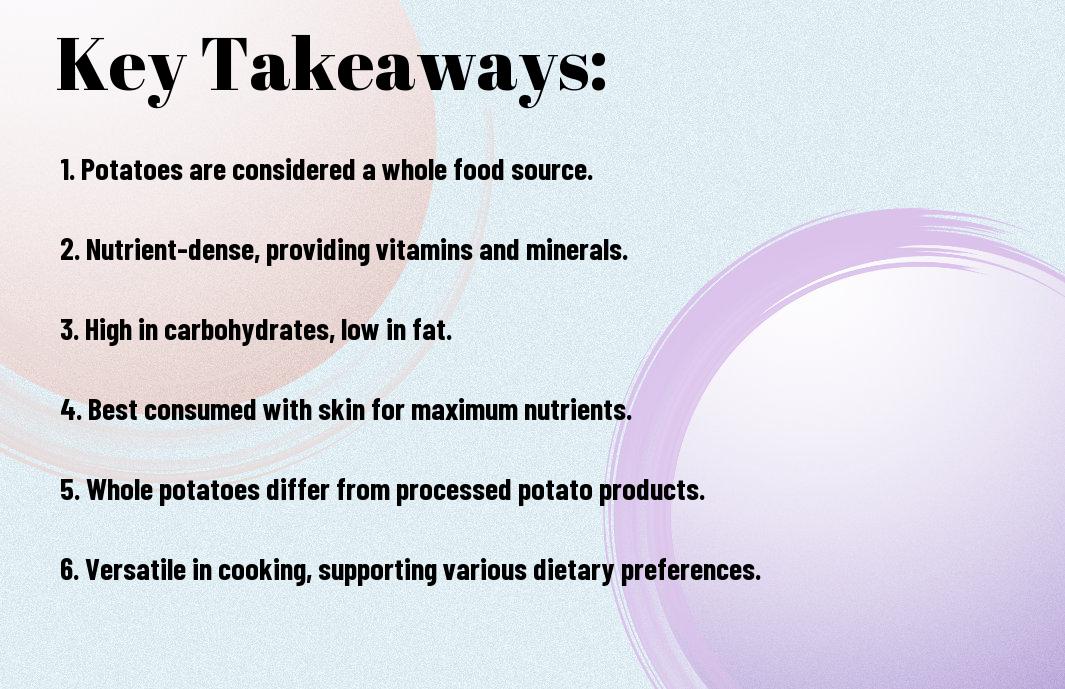
Key Takeaways:

  • Whole Food Classification: A potato is considered a whole food as it is a natural, unprocessed food that contains all its original parts.
  • Nutritional Value: Potatoes are packed with necessary nutrients, including vitamins, minerals, and fiber, making them a healthy addition to a balanced diet.
  • Culinary Versatility: Potatoes can be prepared in various ways, further highlighting their status as a whole food that can fit into different meals and cuisines.

Understanding Whole Foods

Definition of Whole Foods

On a fundamental level, whole foods are foods that are minimally processed and free from artificial ingredients. They are natural, nutrient-dense foods that retain their original form, such as fruits, vegetables, grains, nuts, and seeds. You should aim to incorporate these foods into your diet as they offer numerous health benefits compared to processed alternatives.

Health Benefits of Whole Foods

One of the key advantages of whole foods is that they are packed with important nutrients, fibers, and antioxidants that support overall health. By choosing whole foods, you empower your body with the vitamins and minerals it needs to function optimally and combat chronic diseases. You might find that incorporating these foods leads to improved digestion, better weight management, and enhanced energy levels.

Whole foods are beneficial because they provide your body with an array of nutrients without the added sugars, unhealthy fats, and preservatives commonly found in processed foods. This means better heart health, stable blood sugar levels, and a lower risk of obesity. Emphasizing whole foods in your diet supports your long-term well-being and helps you make healthier eating choices.

Examples of Whole Foods

Definition of whole foods includes an array of options such as fresh fruits, vegetables, whole grains, nuts, seeds, and legumes. You can also include minimally processed dairy and animal products like eggs and unprocessed meats. Incorporating these into your meals will help you maximize the benefits and flavor of your diet.

It is important to remember that whole foods come in many forms. Think of incorporating a variety of foods like leafy greens, berries, quinoa, and avocados into your daily meals. By diversifying your choices, you ensure a balanced intake of nutrients and enjoy a wide range of flavors and textures on your plate.

Nutritional Profile of Potatoes

There’s no denying that potatoes are a popular staple food around the world. Understanding their nutritional profile can help you make more informed dietary choices. Potatoes provide a range of macronutrients and micronutrients, which can be beneficial when included as part of a balanced diet.

Macronutrients in Potatoes

Profile of potatoes reveals that they are primarily composed of carbohydrates, making them a significant energy source. A medium-sized potato contains about 30 grams of carbohydrates, 2 grams of protein, and less than 1 gram of fat. This unique macronutrient composition makes them ideal for fueling your daily activities.

Micronutrients in Potatoes

Nutritional value extends beyond macronutrients; potatoes are also rich in vital micronutrients. They are a good source of vitamins C and B6, potassium, and magnesium, which are vital for various bodily functions. Including potatoes in your diet can contribute to improved nutrient intake.

This variety of micronutrients found in potatoes supports immune function, aids in energy metabolism, and helps regulate blood pressure. Incorporating potatoes into balanced meals can enhance your overall nutrient profile, ensuring you receive key vitamins and minerals vital for health.

Glycemic Index of Potatoes

Any discussion about potatoes should include their glycemic index (GI), which measures how quickly a carbohydrate-containing food raises your blood glucose levels. Potatoes typically have a medium to high GI, depending on the variety and cooking method.

Index indicates that foods with a high GI can cause rapid spikes in blood sugar, which may not be ideal for everyone. However, combining potatoes with healthy fats or proteins can slow down absorption, making their glycemic response more gradual. Being mindful of portion sizes and preparation methods can help you enjoy potatoes as part of a balanced diet.

Potatoes in the Diet

Keep in mind that potatoes can be a versatile and nutritious component of your diet, offering necessary vitamins and minerals. They are rich in vitamin C, vitamin B6, potassium, and fiber, allowing you to incorporate them into meals that support overall health while satisfying your palate.

Role of Potatoes in Nutrition

An important aspect of potatoes is their carbohydrate content, which provides a great source of energy. In addition to carbs, they contain antioxidants that can help protect your cells from damage and promote well-being. This combination makes potatoes a valuable addition to a balanced diet.

Cooking Methods and Their Impact on Health

Potatoes can be prepared in various ways, each affecting their nutritional profile and overall health benefits. From baking to frying, the healthfulness of your potato dishes can significantly change depending on how you cook them.

With cooking methods like boiling or steaming, you can preserve the most nutrients while keeping calories lower. Conversely, frying can add unhealthy fats and excess calories, potentially negating many of the health benefits potatoes offer. Being mindful of how you prepare your potatoes can help you maximize their health potential.

Potatoes vs. Other Carbohydrate Sources

The comparison between potatoes and other carbohydrate sources is key to understanding their value in your diet. While whole grains and legumes also provide beneficial nutrients, potatoes offer unique advantages in terms of their ease of preparation and satisfying texture.

The versatility of potatoes allows you to include them in a wide range of dishes, making them a convenient choice when balancing your carbohydrate intake. They can replace or complement other sources, such as rice or pasta, while still delivering vitamins and minerals your body needs for optimal health.
Conclusion

From above, you can see that a potato is considered a whole food, as it is minimally processed and contains a variety of necessary nutrients. Eating potatoes in their whole form allows you to benefit from their fiber, vitamins, and minerals without the additives found in more processed foods. By incorporating whole potatoes into your diet, you can enjoy a versatile and nutritious food that supports your overall health and well-being.

FAQ

Q: Is a potato considered a whole food?

A: Yes, a potato is considered a whole food. Whole foods are generally defined as foods that are minimally processed and are not significantly altered from their natural state. Potatoes, when consumed whole and not processed into forms like chips or fries, retain their nutritional value and are classified as whole foods due to their natural form and nutrient density.

Q: What nutritional benefits do whole potatoes offer?

A: Whole potatoes are rich in necessary nutrients such as vitamins C and B6, potassium, and dietary fiber. They also provide antioxidants and various phytonutrients. Eating potatoes in their whole form can contribute to a balanced diet and support digestive health due to their fiber content.

Q: Are sweet potatoes and regular potatoes both considered whole foods?

A: Yes, both sweet potatoes and regular potatoes are considered whole foods. They are both unprocessed and provide a range of nutrients. While they differ slightly in their flavor profiles and nutrient content, both types of potatoes can be included in a healthy diet as whole foods when prepared without excessive processing.

Q: Can potatoes be part of a healthy diet if they are high in carbohydrates?

A: Yes, potatoes can be part of a healthy diet even though they are high in carbohydrates. The carbohydrates found in potatoes are complex carbs, which provide energy and fiber. When eaten in moderation and as part of a balanced diet, whole potatoes can contribute positively to overall health. It’s important to consider how they are prepared and served, opting for methods like baking or boiling over frying.

Q: How should I prepare potatoes to maintain their whole food benefits?

A: To maintain the whole food benefits of potatoes, it is best to avoid high-fat cooking methods like frying. Instead, opt for healthier preparation methods such as baking, steaming, or boiling. Keeping the skins on can also enhance their fiber content and nutrient retention. Additionally, avoid adding excessive salt or rich sauces to keep them a healthy whole food option.

Which vegetable is high in protein

Most often, when you think of protein sources, vegetables might not be the first thing that comes to mind. However, you might be surprised to learn that there are vegetables that are actually high in protein content. In this informative blog post, you will discover which vegetable can help you meet your protein needs while maintaining a plant-based diet. Learn more about this nutrient-packed vegetable and how you can incorporate it into your meals to boost your protein intake.

Key Takeaways:

  • Lentils: are a vegetable high in protein, making them an excellent plant-based protein source.
  • Edamame: is another vegetable that is high in protein, providing a good source of necessary amino acids.
  • Brussels sprouts: are a surprising source of protein, making them a great addition to a high-protein diet.

The Importance of Protein in Vegetables

Your diet plays a crucial role in your overall health and well-being. Protein is an vital macronutrient that your body needs for various functions, such as building and repairing tissues, producing enzymes and hormones, and supporting immune function. While meat is a common source of protein, vegetables can also be a valuable source of this vital nutrient.

Why Vegetarians Need High-Protein Options

One of the challenges vegetarians face is ensuring they consume an adequate amount of protein since many traditional protein sources like meat, poultry, and fish are off-limits. Incorporating high-protein vegetables into your diet can help meet your protein needs and ensure you get all the vital amino acids your body requires to function optimally. By diversifying your vegetable intake and including protein-rich options, you can maintain a balanced and nutritious diet.

The Role of Protein in Plant-Based Diets

Plant-based diets have gained popularity due to their potential health benefits, including reducing the risk of chronic diseases and promoting weight loss. Legumes, nuts, seeds, and certain vegetables are excellent sources of protein for individuals following a plant-based diet. By incorporating a variety of these protein-rich vegetables into your meals, you can easily meet your protein requirements and enjoy a balanced and wholesome diet.

It’s vital to note that while vegetables might not provide as much protein per serving as animal-based foods, they can still contribute significantly to your daily protein intake when consumed regularly and in combination with other protein sources.

Top High-Protein Vegetables

Broccoli: A Surprising Source of Protein

Protein can come from unexpected sources, and one such vegetable is broccoli. You might not have known that broccoli is a good source of protein. It contains about 2.8 grams of protein per cup, making it a great addition to your high-protein vegetable list.

Spinach: The Popeye Effect

The legendary Popeye was onto something with his love for spinach. The leafy green vegetable is not only rich in iron but also a surprising source of protein. The protein content in spinach is around 5 grams per cup, making it a nutritious choice for boosting your protein intake.

The Popeye effect is real – incorporating spinach into your diet can provide you with an excellent source of protein along with vital vitamins and minerals. So, next time you’re looking to power up like Popeye, consider adding spinach to your meals!

Kale: The King of Leafy Greens

Broccoli isn’t the only leafy green that packs a protein punch. Kale, often hailed as the king of leafy greens, is another high-protein vegetable you should consider adding to your meals. With approximately 2.9 grams of protein per cup, kale is a nutrient-dense powerhouse that can help you meet your protein needs.

Understanding the protein content in vegetables like kale can broaden your options for meeting your dietary protein requirements. By incorporating kale into your diet, you not only boost your protein intake but also benefit from its array of vitamins, minerals, and antioxidants.

Legume Powerhouses

Unlike some other vegetables, legumes are known for their high protein content, making them an excellent addition to a balanced diet. Legumes such as lentils, chickpeas, and black beans are not only rich in protein but also packed with necessary nutrients.

Lentils: A High-Protein, Low-Calorie Option

Lentils are a fantastic source of plant-based protein that is also low in calories, making them a great option if you are looking to increase your protein intake without consuming too many calories. They are versatile and can be added to soups, salads, and stews to boost the protein content of your meals.

Chickpeas: More Than Just Hummus

On its own or in dishes like hummus, chickpeas are a versatile legume that can add a good amount of protein to your diet. Chickpeas are also high in fiber, which can help you feel full and satisfied after a meal. You can roast chickpeas for a crunchy snack or add them to curries and salads for a protein-packed meal.

Than

Black Beans: A Protein-Rich Addition to Any Meal

With their rich, meaty texture, black beans are a popular choice for adding protein to vegetarian and vegan dishes. They can be used in tacos, burritos, salads, or even blended into dips like black bean hummus. Black beans are not only high in protein but also a good source of fiber and iron, making them a nutritious choice for your meals.

LowCalorie

Cruciferous Vegetables

Cauliflower: A Low-Calorie, High-Protein Alternative

After exploring various vegetables, you’ll find that cauliflower is a standout option when looking for a low-calorie, high-protein alternative. With just 25 calories per cup, cauliflower is packed with important nutrients and contains about 2 grams of protein. This versatile vegetable can be roasted, mashed, or even turned into a gluten-free pizza crust, making it a delicious and nutritious addition to your meals.

Brussels Sprouts: A Nutrient-Dense Superfood

For a nutrient-dense superfood that is high in protein, Brussels sprouts are an excellent choice. These mini cabbages are not only rich in protein but also loaded with vitamins, minerals, and antioxidants. With about 3 grams of protein per cup, Brussels sprouts can help support your overall health and provide you with important nutrients to fuel your body.

With their impressive nutrient profile, Brussels sprouts are known for their cancer-fighting properties, anti-inflammatory effects, and ability to promote heart health. Including Brussels sprouts in your diet can help you meet your protein needs while also reaping the many health benefits they offer.

Cabbage: A Fermented Favorite

One of the lesser-known high-protein vegetables is cabbage, especially when it’s fermented. Sauerkraut, a popular fermented cabbage dish, is not only a tasty addition to your meals but also a great source of plant-based protein. Fermented cabbage is rich in probiotics, which can support gut health, aid digestion, and boost your immune system.

This fermented favorite is not only high in protein but also low in calories, making it a great option for those looking to increase their protein intake without compromising their calorie goals. Including fermented cabbage in your diet can help diversify your nutrient intake and enhance your overall well-being.

Root Vegetables

Sweet Potatoes: A High-Protein, Complex Carb

Keep in mind that sweet potatoes are not only a tasty addition to your meals but also a great source of protein. They are a complex carbohydrate that can help sustain your energy levels throughout the day. Plus, they are rich in fiber, vitamins, and minerals, making them a nutritious choice for your diet.

Carrots: More Than Just a Snack

For a vegetable commonly seen as a snack or a side dish, carrots pack quite a nutritional punch. They are not only crunchy and delicious but also high in protein compared to other vegetables. In addition to protein, carrots are a good source of vitamins A and C, as well as antioxidants that can benefit your overall health.

With their vibrant color and versatility in recipes, carrots can be a staple in your diet. Whether you enjoy them raw, roasted, or blended into soups and smoothies, you can easily incorporate this protein-rich root vegetable into your meals for a nutrient boost.

Beets: A Protein-Rich, Antioxidant-Rich Root

More than just a colorful addition to your plate, beets are a root vegetable that is surprisingly high in protein. They also contain a variety of antioxidants, such as betalains, which can help reduce inflammation and protect your cells from damage. Including beets in your diet can not only add a pop of color to your dishes but also boost your protein intake.

Carrots, like beets, are another root vegetable that you may not have realized is a good source of protein. By incorporating a variety of protein-rich root vegetables like carrots and beets into your meals, you can not only enjoy their unique flavors but also benefit from their nutritional value.

Other High-Protein Vegetables

For a comprehensive list of high-protein vegetables besides the ones mentioned earlier, you can check out Vegetables High in Protein: 19 Veggies and How to Eat More. This article provides a detailed breakdown of various protein-rich vegetables and delicious ways to incorporate them into your diet.

Asparagus: A Springtime Superfood

For a springtime boost of protein, consider adding asparagus to your meals. This versatile vegetable is not only a good source of protein but also packed with crucial nutrients like vitamins A, C, and K. Whether grilled, roasted, or sautéed, asparagus can add a flavorful and nutritious element to your dishes.

Mushrooms: A Fungi Favorite

To amp up your protein intake, mushrooms are a fantastic option to include in your meals. These fungi favorites are not only rich in protein but also provide an excellent source of antioxidants and vitamins. Incorporating mushrooms into stir-fries, salads, or soups can add a savory umami flavor to your dishes.

It’s worth noting that mushrooms come in various types, such as shiitake, button, or portobello, each offering a unique taste and texture to your culinary creations. Experimenting with different mushroom varieties can help you discover new flavors and textures while boosting your protein intake.

Green Peas: A High-Protein, Low-Calorie Snack

An excellent snack option for protein content without the excess calories is green peas. These tiny veggies are surprisingly high in protein and fiber, making them a satisfying and nutritious snack choice. You can enjoy green peas as a standalone snack, add them to salads, or incorporate them into soups and stews.

Understanding the protein content of various vegetables can help you diversify your diet and ensure you meet your daily protein requirements. Including high-protein veggies like asparagus, mushrooms, and green peas in your meals can enhance the nutritional value of your diet while adding delicious flavors to your dishes.

To wrap up

The exploration into which vegetable is high in protein has shed light on the fact that while vegetables are not typically known for being high in protein compared to animal products, there are still some standout options that can be a valuable addition to your diet. By incorporating protein-rich vegetables such as edamame, lentils, and chickpeas into your meals, you can easily boost your protein intake and enjoy the health benefits that come with a plant-based diet.

Be mindful of, it’s necessary to have a balanced diet that includes a variety of nutrients, including protein. By being mindful of your food choices and incorporating protein-rich vegetables into your meals, you can support your overall health and well-being while enjoying delicious and nutritious plant-based options.

Q: What are some vegetables that are high in protein?

A: Some vegetables that are high in protein include:

  • Edamame
  • Lentils
  • Chickpeas
  • Black beans
  • Green peas
  • Spinach

Q: How can I incorporate high-protein vegetables into my diet?

A: You can incorporate high-protein vegetables into your diet by:

  • Adding them to salads
  • Using them in soups or stews
  • Making vegetable stir-fries
  • Blending them into smoothies
  • Roasting them as a side dish

Q: Are high-protein vegetables a good alternative to meat for protein intake?

A: Yes, high-protein vegetables can be a good alternative to meat for protein intake, especially for vegetarians and vegans. They provide imperative amino acids and fiber, and can help diversify your diet and nutrient intake. Combining different high-protein vegetables with grains or nuts can create a complete protein source equivalent to animal protein. However, it’s important to ensure you’re consuming a variety of protein sources to meet your daily protein needs.

Skip to content