Types

What are the 7 types of foods

Over the years, you have probably heard various labels and categories of foods, but understanding the seven distinct types of food is crucial for maintaining a balanced diet. Each food type plays a unique role in nourishing your body and supporting your overall health. This guide will provide you with insights into these categories, so you can make informed choices for your nutrition journey. For more information, check out What Are the 7 Types of Nutrition?.

Key Takeaways:

  • Carbohydrates: These are necessary for providing energy, found in foods like bread, pasta, and fruits.
  • Proteins: Crucial for muscle repair and growth, proteins are rich in foods such as meat, beans, and nuts.
  • Fats: Important for hormone production and cellular health, healthy fats can be sourced from avocados, oils, and fish.

The Seven Types of Foods

Your understanding of nutrition is vital for maintaining a healthy lifestyle, and this begins with learning about the seven types of foods. Each type has its unique properties and benefits that play a crucial role in your overall health. To help you comprehend these categories better, here’s a breakdown:

Type of Food Key Benefits
Carbohydrates Provide energy
Proteins Build and repair tissues
Fats Support cell growth
Vitamins Enhance immune function
Minerals Keep bones strong
Fiber Promote digestive health
Water Maintain hydration

Perceiving the significance of each food type will guide your dietary choices.

Carbohydrates

Any discussion of nutrition begins with carbohydrates, as they are the body’s primary energy source. They can be classified into simple and complex forms, with simple carbohydrates providing quick bursts of energy and complex carbohydrates sustaining energy levels over longer periods.

Proteins

Proteins are vital nutrients that aid in building and repairing tissues in your body. They are composed of amino acids, which are vital for various bodily functions. You can obtain protein from both animal sources like meat and dairy and plant sources such as beans and nuts.

Foods rich in protein not only provide strength-building components for your muscles but also play a key role in hormone production, maintaining healthy skin, and supporting immune function. Including a balanced amount of protein in your diet can significantly improve your health and well-being.

Fats

An important macronutrient, fats help your body absorb certain vitamins and offer energy. They can be categorized into saturated, unsaturated, and trans fats, each affecting your health differently. Including healthy fats in moderation is vital for overall health.

The right balance of fats can improve heart health, support cell growth, and enhance brain function. Focus on incorporating sources of healthy fats, such as avocados, nuts, and olive oil, for optimal health benefits.

Vitamins

Types of vitamins are organic compounds that your body needs in small amounts to function correctly. Each vitamin has specific roles, such as boosting your immune system or enhancing skin health. They are found in a variety of food sources, including fruits, vegetables, and whole grains.

Understanding the various types of vitamins and their benefits can help you make informed dietary choices. Incorporating a wide range of colorful fruits and vegetables ensures that you receive a comprehensive assortment of vitamins vital for maintaining optimal health.

Minerals

Fats are not the only vital nutrients; minerals play a vital role in various bodily functions. They support processes like bone development and muscle contraction. Key minerals include calcium, potassium, and iron, which you can find in diverse sources like leafy greens, meats, and grains.

This vital knowledge about minerals underlines the importance of a well-rounded diet to support not just physical strength but overall wellbeing. By ensuring you consume a variety of mineral-rich foods, you enhance your body’s resilience and functionality.

Fiber

To maintain a healthy digestive system, fiber is vital. It allows for smooth digestion and helps regulate your body’s use of sugars, preventing spikes in hunger. You can find fiber in fruits, vegetables, whole grains, and legumes.

Fiber-rich foods can significantly contribute to weight management and reduce the risk of chronic diseases. By incorporating adequate fiber into your diet, you can promote satiety and support overall digestive health.

Water

Vitamins are water-soluble, meaning they dissolve in water and are excreted through urine. Hence, ensuring proper hydration is crucial, as water plays numerous roles in your body, including regulating body temperature and supporting cellular functions.

Understanding the role of water in your diet can enhance your overall well-being. Maintaining sufficient hydration is key to preventing dehydration and ensuring that all bodily functions operate smoothly.

Carbohydrates, proteins, fats, vitamins, minerals, fiber, and water are all integral to your health, and recognizing their various roles will empower your dietary decisions.

Importance of Balanced Nutrition

Many people underestimate the significance of balanced nutrition in their daily lives. A well-rounded diet not only provides vital nutrients that support overall health but also plays a crucial role in preventing chronic diseases. By incorporating a variety of foods from all food groups, you can ensure your body receives the necessary vitamins and minerals it needs to function optimally. This holistic approach to eating fosters better physical and mental well-being, empowering you to live a healthier, more energetic life.

Role of Macronutrients

For optimal health, you must include macronutrients—carbohydrates, proteins, and fats—in your daily diet. Each macronutrient serves a distinct purpose, providing energy for your daily activities and supporting the functioning of your body systems. Carbohydrates fuel your brain and muscles; proteins are vital for tissue repair and muscle growth; while fats support cellular health and hormone production.

Role of Micronutrients

The micronutrients you consume, including vitamins and minerals, are critical for your health and well-being. These nutrients, although needed in smaller amounts, play vital roles in various bodily functions, including immune response, bone health, and antioxidant protection. Ensuring you get a diverse range of micronutrients through varied food sources helps maintain your overall health and enhance your vitality.

This is especially important, as deficiencies in micronutrients can lead to serious health issues such as weakened immunity, poor bone density, and increased risk of chronic diseases. To ensure you’re meeting your micronutrient needs, focus on consuming fruits, vegetables, whole grains, nuts, and seeds. By paying attention to both macronutrient and micronutrient intake, you can achieve a balanced diet that supports your well-being in the long term.

Food Sources for Each Type

Once again, it’s crucial to understand the sources of various food types to create a balanced diet. By incorporating a range of foods from each category, you can better nourish your body and maintain optimal health.

Carbohydrate-Rich Foods

Any time you think of carbohydrate-rich foods, consider whole grains, fruits, and vegetables. These foods provide your body with the necessary energy needed for daily activities and can also support overall digestive health.

Protein Sources

Sources of protein are vital for muscle repair, immune function, and overall well-being. You can find high-quality protein in lean meats, fish, eggs, dairy products, legumes, and nuts.

Plus, it’s imperative to vary your protein sources to ensure you’re getting all the imperative amino acids your body needs. For instance, plant-based proteins like quinoa and soy offer complete proteins, making them great alternatives for vegetarians and vegans.

Healthy Fats

For your diet to be well-rounded, you must include healthy fats. These can be found in avocados, nuts, seeds, and olive oil, all of which contribute to heart health and provide imperative fatty acids.

Protein is imperative not just for muscle building but also for hormone production and nutrient absorption. Incorporating healthy fats into your meals can help you absorb fat-soluble vitamins and enhance the flavors of your dishes, making meals both nutritious and enjoyable.

To wrap up

Upon reflecting on the seven types of foods—carbohydrates, proteins, fats, vitamins, minerals, water, and fiber—you can appreciate the imperative roles each plays in your diet. Understanding these categories not only enhances your knowledge but helps you make informed food choices that support your health and well-being. By incorporating a variety of these foods into your meals, you ensure that your body receives the necessary nutrients it needs to function optimally. Note, a balanced diet is key to a healthy lifestyle.

FAQ

Q: What are the 7 types of foods?

A: The 7 types of foods are carbohydrates, proteins, fats, vitamins, minerals, fiber, and water. Each type plays a crucial role in maintaining bodily functions and overall health. Carbohydrates provide energy, proteins support growth and repair, fats supply vital fatty acids, vitamins and minerals are necessary for various biochemical processes, fiber aids digestion, and water is vital for hydration.

Q: Why are carbohydrates considered one of the main types of food?

A: Carbohydrates are vital as they serve as the body’s primary source of energy. They are broken down into glucose, which fuels our cells, tissues, and organs. Foods rich in carbohydrates include grains, fruits, vegetables, and legumes. A balanced intake of carbohydrates is necessary for optimal physical performance and cognitive function.

Q: How do proteins contribute to health?

A: Proteins are crucial for repairing and building tissues, producing enzymes and hormones, and supporting immune function. They are made up of amino acids, some of which are vital and must be obtained through diet. High-quality protein sources include meat, fish, dairy, beans, and legumes. Adequate protein intake is vital for growth, weight management, and overall health.

Q: What role do fats play in our diet?

A: Fats are important for providing energy, supporting cell growth, protecting organs, and aiding in the absorption of certain vitamins (A, D, E, and K). There are different types of fats, including saturated, unsaturated, and trans fats, with unsaturated fats being the healthiest option. Sources of healthy fats include avocados, nuts, seeds, and olive oil.

Q: Why are vitamins and minerals considered vital in the types of food?

A: Vitamins and minerals are micronutrients that support numerous biochemical processes in the body. Vitamins are organic compounds that help regulate metabolism, promote growth, and aid in immunity. Minerals such as calcium, potassium, and iron are vital for bone health, muscle function, and oxygen transport. A well-rounded diet rich in fruits, vegetables, whole grains, and lean proteins typically provides these crucial nutrients.

Q: What is the importance of fiber and water in our diet?

A: Fiber is vital for digestive health as it helps regulate bowel movements, lowers cholesterol levels, and may assist in controlling blood sugar levels. Water, on the other hand, is vital for maintaining hydration, regulating body temperature, and supporting all cellular functions. Consuming a diet high in fiber (such as fruits, vegetables, and whole grains) and adequate water intake is crucial for promoting overall health and well-being.


What are the 3 basic types of chicken

Just like choosing a book from a library, selecting the right type of chicken can be an adventure in itself. Whether you’re a poultry enthusiast or just curious, understanding the three fundamental types – broilers, layers, and dual-purpose chickens – is crucial. To dive deeper into the world of chickens and discover more about the different types available, check out What are the different types of chickens available?. Happy clucking, fellow chicken aficionado!

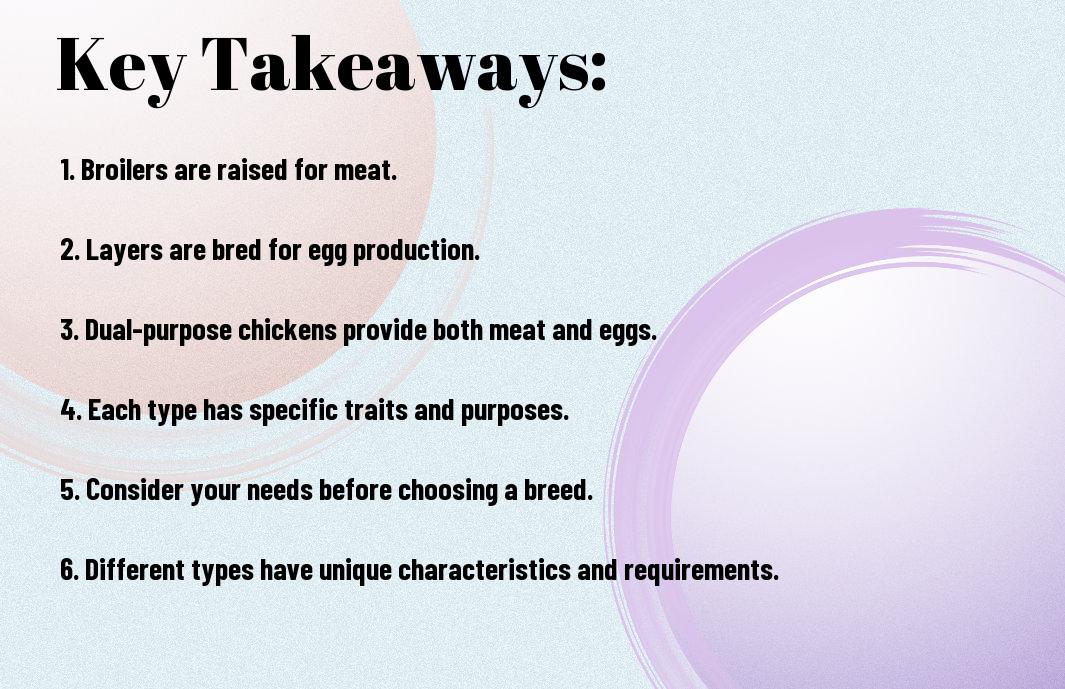
Key Takeaways:

  • Broilers: These are chickens typically raised for meat production and are known for their tender and juicy meat.
  • Laying Hens: These chickens are bred for their ability to produce eggs and are commonly kept for egg production.
  • Dual-Purpose Chickens: These chickens are raised for both meat and egg production, providing a good balance of qualities for backyard chicken keepers.

The Egg-cellent World of Chickens

Before delving into the three basic types of chickens, let’s explore the fascinating world of these feathered creatures. Chickens have a rich history that dates back thousands of years. They have played a vital role in societies around the world, providing food, feathers, and even companionship.

Brief History of Chicken Domestication

Any chicken enthusiast would appreciate the long and complex history of chicken domestication. It is believed that chickens were first domesticated in Southeast Asia around 8,000 years ago. From there, they spread to other parts of the world through trade and exploration. Over time, chickens have become one of the most widely domesticated animals on the planet.

Importance of Chickens in Modern Times

For centuries, chickens have been an crucial part of human life. Not only do they provide a steady supply of eggs and meat, but they also play a crucial role in sustainable agriculture. Chickens help control pests in gardens and fields, fertilize the soil with their droppings, and even provide therapy in some settings. Their versatility and adaptability make them invaluable in modern times.

Domestication of chickens has led to the development of various breeds tailored for specific purposes, such as egg production, meat quality, or ornamental value. These specialized breeds have further cemented the importance of chickens in today’s world, serving both practical and aesthetic purposes in agriculture and beyond.

Type 1: Leghorns

Even though there are various types of chickens, Leghorns stand out as one of the most popular choices for backyard coops. Known for their prolific egg-laying capabilities, Leghorns are a favorite among chicken enthusiasts.

Origin and Characteristics

Any chicken breeder can tell you that Leghorns originated in Italy and were introduced to the United States in the mid-1800s. These chickens are easily recognizable by their sleek, white feathers and bright red combs.

Egg-Laying Abilities

Type 1 chickens, like Leghorns, are champions when it comes to egg production. A single Leghorn hen can lay up to 280-320 large white eggs per year, making them an excellent choice if you’re looking to stock up on fresh eggs.

Temperament and Handling

The Leghorn’s spirited personality may surprise you – they are known to be active and independent birds. The Leghorn is not typically a cuddly breed, but they can be friendly if handled regularly from a young age.

The Leghorn’s independent nature means they are excellent foragers and do well in free-range environments. However, they can be flighty and may require some patience when trying to catch them.

Another important thing to note about Leghorns is their hardiness. They are known for their ability to adapt to various climates and environments, making them a great choice for beginner chicken keepers.

Type 2: Plymouth Rock

Many chicken enthusiasts have come to appreciate the Plymouth Rock as one of the classic heritage breeds in the poultry world. These chickens are known for their friendly demeanor, making them a great addition to any backyard flock.

Heritage and Popularity

An American breed, the Plymouth Rock chicken was first developed in the mid-19th century in Massachusetts. They quickly gained popularity for their dual-purpose qualities, being valued for both their egg-laying abilities and meat production. The breed’s striking black and white striped feathers make them easily recognizable in any flock.

Egg Production and Meat Quality

For egg production, Plymouth Rock hens are consistent layers of large brown eggs. Their meat is also highly regarded for its flavorful and tender quality, making them a favorite choice for those looking to raise chickens for both eggs and meat.

Heritage

Plymouth Rock chickens have a rich heritage that reflects their dual-purpose nature. They were originally bred to thrive in a farm setting where they could provide both a steady supply of eggs and delicious meat for the family table.

Broodiness and Mothering Instincts

Instincts

With their strong maternal instincts, Plymouth Rock hens are known to be excellent mothers. They are often broody, meaning they will diligently sit on and hatch a clutch of eggs. This makes them a valuable asset for those looking to hatch their own chicks naturally.

Type 3: Orpingtons

All around the world, Orpington chickens are known for their beautiful appearance and friendly demeanor. These birds have a fascinating history that dates back to their British roots while also boasting a global reach in popularity.

British Roots and Global Reach

An English breed developed in the late 1800s by William Cook, Orpingtons quickly gained popularity for their attractiveness and utility. Their fluffy feathers and gentle nature made them a favorite choice for backyard chicken keepers. Today, Orpingtons can be found in countries all over the world, loved for their docile temperament and striking appearance.

Feathered Friends: Temperament and Socialization

Reach out your hand to an Orpington, and you’ll likely be met with a friendly peck or a soft cluck. These chickens are known for their friendly and sociable nature, making them excellent additions to any flock. They get along well with other chickens and are often quite curious, happily following you around the yard as you go about your daily tasks.

Feathered friends, Orpingtons are also known for their calm and gentle demeanor towards humans. They enjoy being held and petted, making them ideal for those looking for a chicken that enjoys human interaction.

Egg-Laying Capacity and Color Variations

Friends, when it comes to egg-laying capacity, Orpingtons are decent layers, producing around 200 to 280 medium to large brown eggs per year. They are known to be consistent layers, providing you with a steady supply of fresh eggs for your morning omelets.

For instance, Orpingtons come in a variety of color variations, including black, blue, buff, and white. Each color variation adds a unique aesthetic appeal to your flock, allowing you to choose the one that best suits your preferences.

Comparing the Three

Despite all three types of chickens being popular choices for backyard farming, each type has its own distinct characteristics and qualities. Let’s compare the three types across different aspects to help you better understand which one might be the best fit for your needs.

Egg Production and Size Meat Quality and Flavor Profile

With Egg Production and Size

Concerning egg production, Leghorns are known to be the best layers, producing a large number of white eggs. On the other hand, Rhode Island Reds and Plymouth Rocks also lay a good number of brown eggs but not as many as Leghorns. In terms of egg size, Leghorns typically lay smaller eggs compared to the other two breeds.

Meat Quality and Flavor Profile

Concerning meat quality, Rhode Island Reds and Plymouth Rocks are known for their flavorful meat with a good balance of tenderness and juiciness. Leghorns, however, are not typically raised for meat production due to their smaller size and leaner meat.

For instance, if you are looking to raise chickens primarily for meat, Rhode Island Reds or Plymouth Rocks might be a better choice for you.

Space and Care Requirements

Concerning space and care requirements, Rhode Island Reds and Plymouth Rocks are generally more adaptable to various climates and living conditions. They are hardy breeds that can thrive in different environments with proper care and space. On the other hand, Leghorns are known to be more active and may require more space to roam and forage.

Flavor Profile

For instance, if you have limited space in your backyard or coop, Rhode Island Reds or Plymouth Rocks might be a better choice for you as they can adapt well to smaller living spaces.

Choosing the Right Breed

Purpose and Goal: Eggs, Meat, or Pets?

Keep in mind that the purpose you want your chickens to serve will dictate the breed you should choose. If you’re looking to have a steady supply of fresh eggs, breeds like Rhode Island Reds or Leghorns are excellent choices. On the other hand, if you’re more interested in meat production, breeds like Cornish Cross or Plymouth Rock are better suited. If you simply want chickens as pets, then Silkie chickens or Orpingtons are known for their friendly and docile nature.

Climate and Environment Considerations

To ensure the well-being of your chickens, it’s vital to consider your local climate and environment when selecting a breed. Any extreme weather conditions, such as excessive heat or cold, can impact the health and productivity of your chickens. For example, certain breeds like the Sussex or Wyandotte are more cold-hardy and can thrive in colder climates. On the other hand, Mediterranean breeds such as the Leghorn do well in hotter climates.

Climate and environment play a crucial role in the success of your chicken-raising endeavor. You should consider factors like temperature, humidity, and any potential predators in your area when choosing the right breed for your specific environment.

Space and Resource Availability

Breed selection is also influenced by the space and resources you have available for your chickens. Different breeds have varying space requirements and feed consumption rates. Some breeds, like the Bantams, are smaller in size and require less space compared to larger breeds like the Jersey Giant. If you have limited space, a smaller breed might be more suitable for your setup.

Consider the purpose of raising chickens when thinking about space and resource availability. If you’re mainly interested in eggs, you may opt for breeds that are efficient layers and require less food. However, if you’re looking to raise chickens for meat, breeds that grow quickly and efficiently convert feed to muscle mass may be more appropriate for your setup.

To wrap up

Conclusively, when it comes to chickens, there are three basic types that you should be familiar with: broilers, layers, and dual-purpose chickens. Each type serves a different purpose, whether it’s for meat production, egg laying, or a combination of both. If you’re interested in exploring more chicken breeds beyond these basics, you can check out this List of chicken breeds for further information.

FAQ

Q: What are the 3 basic types of chicken?

A: The three basic types of chicken are broilers, layers, and dual-purpose chickens.

Q: What are broilers?

A: Broilers are chickens raised for their meat. They are typically bred to grow quickly and produce tender, juicy meat.

Q: What are layers?

A: Layers are chickens bred for the purpose of laying eggs. They are known for their ability to produce a large number of eggs throughout the year.

What are the 3 types of chicken food

Types of chicken food are important to ensure your feathered friends stay healthy and happy. Just like humans, chickens also need a balanced diet to thrive. In this blog post, you will discover the three main types of chicken food that you can provide to your flock. By understanding and incorporating these types of chicken food into their diet, you can promote their overall well-being and egg production.

Key Takeaways:

  • Whole grains: Whole grains form a crucial part of a chicken’s diet providing necessary energy and nutrients.
  • Protein sources: Protein sources such as mealworms, crickets, or soybeans are important for muscle development and overall health of chickens.
  • Fruits and Vegetables: Fruits and vegetables offer important vitamins and minerals, aiding in boosting the immune system and promoting overall well-being in chickens.

Types of Chicken Food

For those who are new to raising chickens, understanding the different types of food they need is crucial for their health and productivity. There are three main types of chicken feed: layer feed, starter feed, and finisher feed. Each type is formulated to meet the specific nutritional needs of chickens at different stages of their life.

  • Layer Feed
  • Starter Feed
  • Finisher Feed

Assume that you want to learn more about the specific requirements of these different feeds, head over to What Are The Different Types of Chicken Feed?

Layer Feed

On the table below, you can see a breakdown of the nutritional requirements for layer feed:

Protein Calcium
16% 3.5%-4%
3.5%-4% 4.5%-5%
4.5%-5% 16%-20%
16%-20% 0.6%
0.6% 1%

Starter Feed

With starter feed, the nutritional requirements differ as chickens are in the early stages of life. This feed is formulated to provide the necessary nutrients for growth and development. It typically contains higher levels of protein and vital vitamins and minerals to support the young chickens.

Feed your chicks starter feed for the first 6-8 weeks of their lives to ensure they get the best start in life. This feed helps them establish a healthy foundation for growth and prepares them for transitioning to other types of feed.

Finisher Feed

Finisher feed is designed for chickens that are nearing the end of their growth cycle. This feed contains lower protein levels and helps chickens maintain a healthy weight while providing vital nutrients. It is crucial to switch to finisher feed when your chickens are close to reaching maturity to support their overall health and well-being.

Finisher feed is typically fed to chickens for the final 2-4 weeks before processing or when they reach the desired weight for meat production. This feed helps them develop the right amount of muscle and fat for high-quality meat production.

Chicken food is not one-size-fits-all, and understanding the specific needs of your chickens at different stages of their life is vital for their overall health and productivity.

Nutritional Requirements

While feeding your chickens, it’s crucial to understand their nutritional requirements to ensure they stay healthy and productive. Meeting their dietary needs will help them grow properly, produce quality eggs, and maintain overall well-being.

Protein Content

Content

Protein is an crucial nutrient for chickens as it assists in the development of feathers, muscles, and egg production. A typical laying hen requires around 16% to 18% protein in their diet. To meet this requirement, you can feed them a balanced diet that includes ingredients such as soybean meal, fishmeal, or dried insects.

Calcium and Phosphorus

One

Calcium and phosphorus are vital for eggshell formation and skeletal health in chickens. Laying hens, in particular, need a good source of calcium to produce strong eggshells. You can provide crushed oyster shells or limestone in a separate feeder to ensure they have access to calcium whenever they need it.

Plus

It’s important to maintain the right balance between calcium and phosphorus in your chicken’s diet. Too much phosphorus can interfere with calcium absorption, leading to health issues like soft eggshells. Make sure to provide a well-balanced feed or supplement to meet their calcium and phosphorus needs.

Vitamins and Minerals

Minerals

Chickens also require a mix of vitamins and minerals to support their immune system, metabolism, and overall health. Vitamin D is crucial for calcium absorption, while minerals like iron, zinc, and manganese play crucial roles in various bodily functions. Including a variety of fresh fruits, vegetables, and commercial poultry feeds in their diet can help meet these requirements.

Understanding

It’s important to regularly assess your chicken’s dietary needs and adjust their feed accordingly. Monitoring their health, egg production, and behavior can give you clues about whether they are getting the right nutrients. Consulting with a poultry nutritionist can also provide valuable insights into formulating the best diet for your chickens.

Characteristics of Each Type

Layer Feed: Laying Hens’ Needs

All poultry feeds are not created equal. Layer feed is specifically formulated to meet the nutritional needs of laying hens. These feeds are high in calcium to help strengthen eggshells and contain additional vitamins and minerals to support overall hen health. When you feed your laying hens a diet rich in layer feed, you are ensuring that they have the necessary nutrients for optimal egg production and health.

Starter Feed: Chicks’ Development

When you have young chicks, starter feed is necessary for their growth and development. This type of feed is specially designed to provide the right balance of protein, vitamins, and minerals needed for healthy chick development. It’s crucial to provide starter feed to your chicks from day one to support their rapid growth and ensure they have a strong foundation for a healthy life.

Understanding the importance of starter feed for your chicks is key to setting them up for success. By providing them with the necessary nutrients they need during this critical growth period, you are investing in their long-term health and well-being.

Finisher Feed: Broilers’ Growth

An necessary part of raising broiler chickens is feeding them finisher feed during the final stages of their growth. This type of feed is formulated to promote efficient weight gain and muscle development in broilers. Finisher feed typically has a higher protein content to support the rapid growth rate of broilers as they approach market weight.

Feed plays a crucial role in the growth and development of broiler chickens. By providing them with the right balance of nutrients in finisher feed, you can ensure that your broilers reach their full growth potential and produce high-quality meat for consumption.

Ingredients and Additives

Despite the simple image of chicken feed, there’s actually a variety of ingredients and additives that go into making a balanced diet for your flock. Let’s break down the key components that make up your chickens’ food.

Grains and Proteins

For grains and proteins, your chicken feed will typically contain a mix of corn, wheat, soybean meal, and other grains. These ingredients provide the vital carbohydrates and proteins that chickens need to stay healthy and produce eggs. It’s important to ensure that your chicken feed contains a good balance of grains and proteins to meet your flock’s nutritional needs.

Vitamins and Minerals Supplements

One important aspect of chicken feed is the inclusion of vitamins and mineral supplements. These additives ensure that your chickens are getting all the necessary nutrients for optimal health and egg production. Vitamins such as A, D, E, and B-complex, as well as minerals like calcium and phosphorus, are crucial for your chickens’ overall well-being.

With the right vitamins and minerals in their diet, your chickens will have strong bones, healthy feathers, and good eggshell quality. It’s important to choose a feed that is specifically formulated to meet the needs of your chickens at different stages of life, whether they are chicks, layers, or broilers.

Antibiotics and Hormones: Pros and Cons

On the topic of antibiotics and hormones in chicken feed, there are both pros and cons to consider. Here’s a breakdown of the advantages and disadvantages:

Pros Cons
Help prevent and treat diseases Potential for antibiotic resistance
Can improve growth and feed efficiency Concerns about hormone residues in meat and eggs
May reduce mortality rates Environmental impact of antibiotic use

Vitamins and minerals play a crucial role in the health and well-being of your flock. By ensuring that your chickens receive the necessary supplements in their diet, you can help them lead a healthy and productive life. Remember to choose a high-quality feed that is specially formulated to meet the nutritional needs of your specific flock.

Feeding Strategies

Once again, if you want to probe deeper into the various types of chicken feed available, you can check out this informative article on 9 Types of Chicken Feed Explained. Concerning feeding your chickens, there are different strategies you can adopt based on your preferences and goals.

Free-Range and Organic Options

On your farm, you may opt for free-range or organic chicken feed options. Free-range chickens have access to the outdoors, allowing them to forage for insects and plants in addition to their feed. Organic feed is made from ingredients that are grown without synthetic pesticides or fertilizers. These options can be beneficial if you prioritize natural and sustainable practices in your chicken farming.

Conventional Farming Methods

Options for conventional farming methods include feeding your chickens regular commercial feed that is widely available and formulated to meet the nutritional needs of chickens. This type of feed typically includes a mix of grains, vitamins, and minerals to ensure that your chickens receive a balanced diet.

The conventional method is straightforward and convenient, making it a popular choice for many chicken farmers. If you are looking for a hassle-free approach to feeding your chickens while ensuring they get all the necessary nutrients, this may be the option for you.

Mixing and Matching Feed Types

The strategies for mixing and matching feed types involve combining different feeds to create a custom blend that suits your chickens’ specific needs. This approach allows you to cater to individual preferences, maximize nutritional benefits, or address specific health concerns. You can experiment with various combinations to find the right balance for your flock.

Option 1 Option 2
Option 3 Option 4
Option 5 Option 6
Option 7 Option 8
Option 9 Option 10
  • Experiment with different feed combinations to find what works best for your chickens.
  • Adjust the ratios of each feed type based on your chickens’ response and health indicators.

Assume that by mixing and matching feed types, you can tailor your chickens’ diet to ensure they are healthy and thriving. Experiment with different options until you find the right balance that meets your flock’s needs.

Health Implications

Nutrient Deficiencies

An imperative aspect of keeping your chickens healthy is ensuring they receive the proper nutrients in their diet. An imbalance or deficiency in imperative nutrients can have severe health implications for your flock. For example, a lack of calcium can lead to thin-shelled or soft-shelled eggs, causing potential issues during laying and compromising the overall health of your chickens.

Overfeeding and Obesity

One common mistake that chicken owners make is overfeeding their flock. When you provide excessive amounts of food, your chickens may consume more calories than they can burn off, leading to obesity. This can result in various health problems, such as decreased egg production, joint issues, and an increased risk of other diseases.

This can be harmful to your chickens and may require adjustments to their diet and feeding schedule. Monitor your chickens’ body condition regularly to ensure they stay in a healthy range and adjust their food intake as needed.

Disease Prevention and Treatment

Nutrient deficiencies can also weaken your chickens’ immune system, making them more susceptible to diseases. By ensuring they receive a balanced diet rich in imperative nutrients, you can help boost their immune response and prevent common poultry illnesses. Additionally, certain nutrients, such as vitamin C and zinc, play a crucial role in supporting your chickens’ immune system and overall health.

A healthy diet and proper nutrition are vital factors in preventing diseases in your flock. By providing your chickens with a well-balanced diet, you can help them maintain optimal health and reduce the risk of illnesses that can impact their well-being.

Summing up

Drawing together, chicken food can be broadly categorized into three main types: starter feed, grower feed, and layer feed. It is crucial to select the right type of feed depending on the stage of your chicken’s life to ensure they receive the appropriate nutrients for growth and health. By understanding the nutritional needs of your chickens and providing them with the right type of feed, you can help them thrive and produce high-quality eggs or meat.

Q: What are the 3 types of chicken food?

A: The three types of chicken food are:

  1. Starter feed: This is a type of feed specially formulated for chicks, usually up to 8 weeks old. It is high in protein and necessary nutrients for growth.
  2. Grower feed: This feed is designed for adolescent chickens, typically from 8 weeks to 16 weeks old. It has a balanced amount of protein and other nutrients to support healthy development.
  3. Layer feed: Layer feed is for adult hens that are laying eggs. It contains higher levels of calcium and other vitamins to support egg production and shell quality.
Skip to content