Treatment

Is food poisoning painful

Just like any illness, food poisoning can bring about a range of uncomfortable symptoms that may vary from mild to severe. You might experience abdominal cramps, nausea, vomiting, and diarrhea, all of which can contribute to significant discomfort. Understanding these potential effects and recognizing when to seek medical attention is crucial for your recovery. In this post, we’ll explore the pain associated with food poisoning, the symptoms to watch for, and what you can do to alleviate your discomfort.

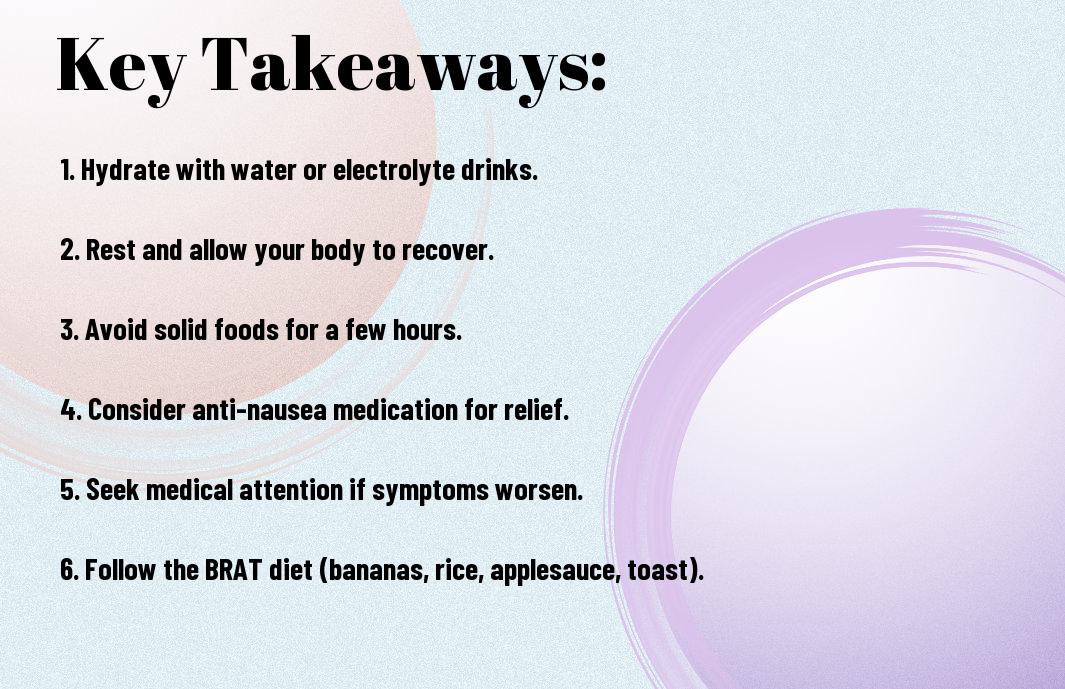
Key Takeaways:

  • Symptoms: Food poisoning can cause a range of painful symptoms, including abdominal cramps, nausea, and vomiting.
  • Severity: The level of pain experienced varies depending on the type of bacteria or virus causing the food poisoning.
  • Duration: Most food poisoning cases resolve within a few days, but symptoms can be particularly intense in the initial stages.

Understanding Food Poisoning

For many, food poisoning is an unpleasant experience that can lead to various health issues. This condition typically arises when you consume contaminated food or beverages that harbor harmful bacteria, viruses, or parasites. Understanding what food poisoning entails is crucial for prevention and quick recovery.

Definition of Food Poisoning

To be precise, food poisoning refers to an illness that occurs after eating food contaminated with pathogens or toxins. Symptoms can range from mild gastrointestinal discomfort to severe health complications, impacting your overall well-being. Recognizing the signs early is vital for effective treatment.

Common Causes

Poisoning can stem from various sources, commonly including improper food handling, undercooked meals, or expired ingredients. Inadequate refrigeration and unsanitary kitchen conditions also contribute significantly to the risk. Being aware of these causes can help you make informed decisions about your food consumption.

Food contamination often occurs due to a lack of hygiene during food preparation or storage. Cross-contamination can happen when raw ingredients, such as meat and vegetables, come into contact with one another improperly. Additionally, consuming unpasteurized dairy products, raw seafood, or fruits and vegetables that haven’t been washed properly can expose you to potentially harmful organisms. Awareness of these common causes can empower you to take proactive steps to minimize your risk of food poisoning.

Symptoms of Food Poisoning

Some common symptoms of food poisoning can surface within hours or days after consuming contaminated food or drink. These symptoms can vary in severity and duration. For a detailed list, refer to the 10 Signs and Symptoms of Food Poisoning.

Gastrointestinal Symptoms

Food poisoning often leads to various gastrointestinal symptoms, such as nausea, vomiting, diarrhea, and abdominal cramps. These symptoms occur as your body tries to expel the harmful pathogens you’ve ingested.

Systemic Symptoms

To add to gastrointestinal distress, food poisoning can trigger systemic symptoms. These can include fever, chills, and fatigue, which indicate that your body is fighting off the infection caused by contaminated food or beverage.

Symptoms like fever and chills may occur as your immune system responds to the toxins and pathogens in your body. You may also experience muscle aches and a general feeling of unwellness, signaling that your body is working hard to restore its balance.

Duration and Severity of Symptoms

Poisoning from contaminated food can lead to symptoms that last anywhere from a few hours to several days. The duration and severity depend on various factors, including the type of bacteria or virus involved and your overall health.

Symptoms can vary greatly depending on the individual and the specific cause of the food poisoning. Some people may experience mild discomfort, while others could find themselves facing severe illness requiring medical attention. Understanding how long you can expect your symptoms to last can help you gauge when to seek help.

Systemic symptoms can heighten the overall impact of food poisoning, making you feel like your entire body is affected. Pay attention to how your symptoms evolve and do not hesitate to consult a healthcare professional if you find them overwhelming or enduring.

Pain Associated with Food Poisoning

All individuals experience food poisoning differently, and pain is one of the most common symptoms. Understanding the types of pain you may encounter can help you better manage your condition.

Types of Pain Experienced

One prevalent aspect of food poisoning is the variety of pain sensations you may experience. Your discomfort can range in intensity and type, affecting your overall well-being.

Type of Pain Description
Abdominal Cramps Sharp, sharp muscle contractions in the stomach area.
Nausea An intense feeling of wanting to vomit, often coupled with discomfort.
Headaches Pain or discomfort felt in the head, potentially linked to dehydration.
Diarrhea Pain Achiness or cramps caused by bowel movements.
Muscle Aches Generalized soreness throughout the body, which can accompany food poisoning.

Perceiving the intensity of these painful experiences is imperative for determining treatment options.

Factors Influencing Pain Levels

Pain experiences can be highly variable and are influenced by several factors. Assessing these elements is crucial for understanding your condition better.

  • Your age and general health status.
  • The specific foodborne pathogen involved.
  • The severity of the exposure at the time.
  • Individual pain tolerance and sensitivity.
  • Time elapsed since symptom onset.

Recognizing these factors can aid in evaluating the severity of your symptoms and the need for medical attention.

Pain levels in food poisoning can fluctuate widely for each person. Various elements, including your pre-existing health conditions, can also influence how you perceive pain. If you already have digestive issues, you may be more sensitive to the discomfort caused by food poisoning. Additionally, your emotional state and mental health can affect pain perception.

  • Pre-existing conditions such as IBS or IBD.
  • Your stress and anxiety levels.
  • Hydration status, as dehydration can exacerbate discomfort.
  • Presence of any other concurrent illnesses.
  • Your medication use and interaction with symptoms.

Recognizing these influences can help you take proactive measures to alleviate pain during recovery.

Comparison with Other Medical Conditions

Pain associated with food poisoning can often be compared with discomfort from other medical ailments. Understanding these similarities can help you contextualize your experience.

Comparison of Pain Types

Condition Pain Type
Food Poisoning Abdominal cramps, headaches, diarrhea pain
Gastroenteritis Similar abdominal pain and nausea, often accompanied by fever.
Appendicitis Localized abdominal pain that may worsen over time.
Irritable Bowel Syndrome (IBS) Cramps, discomfort, and bloating triggered by certain foods.
Peptic Ulcers Sharp stomach pain that may vary with food intake.

Experienced pain from food poisoning might closely resemble symptoms from these other conditions, making it imperative to distinguish between them for effective treatment.

Pain associated with food poisoning shares some characteristics with other medical issues, emphasizing the need for careful monitoring. For instance, the intense abdominal cramps you feel might be similar to what someone with gastroenteritis experiences. However, the context of your symptoms plays a vital role. Distinguishing between these conditions aids in understanding whether further medical evaluation or treatment is warranted.

Comparison of Symptoms

Condition Common Symptoms
Food Poisoning Nausea, vomiting, diarrhea, abdominal pain
Gastroenteritis Diarrhea, vomiting, fever, abdominal cramps
Appendicitis Abdominal pain, fever, vomiting
Irritable Bowel Syndrome (IBS) Change in bowel habits, cramping, bloating
Peptic Ulcers Burning stomach pain, nausea, bloating

Prevention and Treatment

Your approach to preventing food poisoning involves understanding safe food handling practices and knowing when to seek medical attention. Effective prevention strategies can significantly reduce your risk of encountering foodborne illness, making it imperative to stay informed and vigilant.

Safe Food Handling Practices

To ensure your safety, always wash your hands before and after preparing food, cook meats to their recommended temperatures, and refrigerate perishables promptly. Additionally, avoid cross-contamination by using separate cutting boards for raw meats and fresh produce. These simple yet effective practices can help protect you from foodborne illnesses.

When to Seek Medical Attention

Prevention is key, but recognizing when to seek medical help is equally important. If you experience severe symptoms of food poisoning such as persistent vomiting, high fever, or dehydration, you should consult a healthcare professional immediately. Additionally, if symptoms last longer than 48 hours or if you are in a high-risk group such as pregnant women or the elderly, it’s crucial to get medical advice.

Safe handling of food and taking prompt action when symptoms arise can significantly improve your well-being. If you find yourself experiencing severe discomfort from suspected food poisoning, don’t hesitate to reach out to healthcare providers for guidance and treatment options. Your health and safety should always come first.

Conclusion

As a reminder, food poisoning can indeed be painful, often causing symptoms such as stomach cramps, nausea, and diarrhea that can lead to significant discomfort. It’s crucial for you to recognize these signs and take appropriate action, such as staying hydrated and seeking medical attention if necessary. By being mindful of food safety practices, you can reduce your risk of experiencing the painful effects of food poisoning in the future.

FAQ

Q: Is food poisoning painful?

A: Yes, food poisoning can often be painful. Many individuals experience symptoms such as stomach cramps, abdominal pain, and general discomfort, which are commonly associated with gastrointestinal distress. These sensations can vary in intensity based on the type of contaminant and individual health factors.

Q: What are the common symptoms of food poisoning?

A: Common symptoms of food poisoning include nausea, vomiting, diarrhea, stomach cramps, and fever. While some individuals may experience mild discomfort, others may endure severe pain and cramping as the body reacts to the harmful bacteria or toxins in contaminated food.

Q: How long does the pain from food poisoning last?

A: The duration of pain from food poisoning often varies depending on the severity and type of infection. Typically, symptoms can last anywhere from a few hours to several days. In most cases, pain and discomfort improve as the body eliminates the toxins or pathogens, usually within 24 to 48 hours for most mild cases.

Q: Are there any treatments for alleviating pain caused by food poisoning?

A: Yes, treatments for alleviating pain from food poisoning generally focus on staying hydrated, resting, and consuming bland foods as the gastrointestinal tract recovers. Over-the-counter medications may help relieve stomach cramps and discomfort. However, it is advised to consult with a healthcare professional, especially in severe cases of food poisoning.

Q: When should I seek medical help for food poisoning pain?

A: You should seek medical help if you experience severe abdominal pain, persistent vomiting, high fever, signs of dehydration, or if symptoms last longer than 48 hours. It’s necessary to obtain medical advice, particularly if you are part of a vulnerable group, such as young children, the elderly, or individuals with weakened immune systems.


What is the fastest way to resolve food poisoning

It’s crucial to know how to quickly alleviate the symptoms of food poisoning. When you find yourself experiencing nausea, vomiting, diarrhea, and stomach cramps after consuming contaminated food, there are steps you can take to help your body recover swiftly. In this article, you will learn the fastest ways to resolve food poisoning, so you can start feeling better and get back to your usual self in no time.

Key Takeaways:

  • Seek medical attention: If you suspect food poisoning, it is crucial to see a doctor to receive proper treatment and avoid complications.
  • Stay hydrated: Drink plenty of fluids such as water, clear broths, or electrolyte solutions to prevent dehydration caused by vomiting and diarrhea.
  • Avoid solid foods: Give your stomach time to rest by sticking to a bland diet of crackers, toast, and bananas until symptoms improve.

Identifying Food Poisoning

A crucial first step in resolving food poisoning is identifying the condition. Food poisoning occurs when you consume contaminated food or beverages that are tainted with harmful bacteria, viruses, parasites, or toxins. It can lead to a range of unpleasant symptoms that typically manifest within hours after consuming the contaminated food.

Common Symptoms

On your journey to resolving food poisoning quickly, it’s vital to recognize the common symptoms associated with this condition. Symptoms may include nausea, vomiting, diarrhea, stomach cramps, fever, and headache. These symptoms can vary in severity depending on the type of contaminant and your body’s response to it. In some cases, you may also experience dehydration due to the loss of fluids from vomiting and diarrhea.

When to Seek Medical Attention

To expedite the process of resolving food poisoning, it’s important to know when to seek medical attention. While most cases of food poisoning resolve on their own within a few days with rest and hydration, there are instances where medical intervention is necessary. If you experience severe or persistent symptoms such as high fever, blood in your stools, inability to keep liquids down, or signs of dehydration, it is crucial to seek medical help promptly.

Seeking medical attention is especially important for vulnerable populations such as young children, elderly individuals, pregnant women, and individuals with weakened immune systems, as they may be at higher risk of complications from food poisoning.

Causes of Food Poisoning

Some of the most common causes of food poisoning include bacterial contamination, viral infections, parasitic infections, and food handling errors.

Bacterial Contamination

On occasion, harmful bacteria can find their way into the food you eat. These bacteria can multiply rapidly in food left at room temperature, leading to food poisoning when consumed. Common culprits include Salmonella, E. coli, and Listeria.

Viral Infections

Any food that has been handled by someone infected with a virus can potentially spread the virus and cause food poisoning. Viral infections like norovirus are highly contagious and can easily spread through contaminated food or surfaces.

For instance, norovirus can survive on surfaces for weeks and is resistant to many common disinfectants, making it important to practice good hygiene and proper food handling to avoid contamination.

Parasitic Infections

Contamination of food or water with parasites such as Giardia or Cryptosporidium can also lead to food poisoning. These parasites can cause symptoms like nausea, diarrhea, and stomach cramps when ingested.

Food from contaminated water sources or improperly cooked meat can introduce these parasites into your system, causing illness.

Food Handling Errors

Food that is not stored, handled, or cooked properly can become a breeding ground for harmful bacteria or viruses. Cross-contamination, where juices from raw meat come into contact with cooked food, can also lead to food poisoning.

Another common error is not washing your hands before handling food, which can transfer bacteria and viruses from your hands to the food you are preparing, increasing the risk of food poisoning.

Home Remedies for Quick Relief

Once again, if you suspect you have food poisoning, it’s necessary to consult a healthcare professional. For more information on the diagnosis and treatment of food poisoning, you can refer to Food poisoning – Diagnosis and treatment.

Staying Hydrated

On the road to recovery from food poisoning, staying hydrated is crucial. Dehydration is a common concern with food poisoning due to vomiting and diarrhea. Sip on clear fluids like water, herbal teas, or electrolyte-rich drinks to replenish lost fluids and electrolytes.

Resting the Stomach

Resting your stomach is key to allowing it time to recover. Avoid solid foods for a while and opt for easy-to-digest options like broth-based soups or crackers. Give your stomach a break until you start feeling better and gradually introduce solid foods back into your diet.

Staying hydrated is necessary during food poisoning to prevent dehydration. Remember to drink small amounts of fluids frequently and avoid beverages that can worsen dehydration, such as caffeinated or alcoholic drinks.

Ginger and Other Natural Anti-Inflammatories

Any natural remedies that help calm inflammation in the stomach can aid in relieving symptoms of food poisoning. Ginger, in particular, has been known for its anti-inflammatory properties and can help soothe an upset stomach. Other options include peppermint tea or chamomile tea, which are gentle on the stomach.

Stomach-friendly foods and natural anti-inflammatories can provide relief from the discomfort caused by food poisoning. Be mindful of what you consume during recovery to support your stomach’s healing process.

Activated Charcoal

The use of activated charcoal is sometimes recommended to help bind toxins in the gut and prevent their absorption. Activated charcoal is known for its ability to adsorb toxins, making it a popular choice for relieving symptoms of food poisoning. However, consult with a healthcare provider before using it, as it may interact with certain medications or conditions.

The efficacy of activated charcoal in treating food poisoning lies in its ability to bind to toxins and prevent their absorption in the digestive system. It is necessary to use activated charcoal as directed and under medical supervision to avoid any potential side effects.

Natural

Medical Treatment Options

Antibiotics for Bacterial Infections

Medical treatment for food poisoning caused by bacterial infections often involves the use of antibiotics. If your healthcare provider determines that your symptoms are due to a bacterial infection, they may prescribe antibiotics to help your body fight off the harmful bacteria.

Anti-Diarrheal Medications

Medications can be used to help manage symptoms such as diarrhea that often accompany food poisoning. Anti-diarrheal medications work by slowing down the movement of your intestines, which can help reduce the frequency of diarrhea and make you more comfortable.

However, it’s important to note that while anti-diarrheal medications can provide relief from symptoms, they do not treat the underlying cause of food poisoning. It is imperative to consult with a healthcare professional before taking any medications to ensure they are appropriate for your specific situation.

IV Fluids for Severe Cases

Severe cases of food poisoning, especially those accompanied by persistent vomiting and diarrhea, may lead to dehydration. In such situations, intravenous (IV) fluids may be necessary to rehydrate your body and restore electrolyte balance. IV fluids deliver fluids directly into your bloodstream, helping to quickly replenish lost fluids and electrolytes.

To determine the appropriate treatment, it’s crucial to seek medical attention if you experience severe symptoms of food poisoning. Your healthcare provider will assess your condition and recommend the best course of action to help you recover quickly and safely.

Preventing Future Episodes

To What to Eat After Food Poisoning, it is crucial to take steps to prevent future episodes. By following safe food handling practices, you can reduce the risk of food poisoning and protect yourself from harmful bacteria. Additionally, avoiding high-risk foods can further lower the chances of falling ill from contaminated food sources.

Safe Food Handling Practices

With safe food handling practices, you can minimize the risk of food poisoning. Make sure to wash your hands thoroughly before and after handling food, especially raw meats. Keep utensils and surfaces clean by washing them with hot, soapy water. Separate raw foods from cooked foods to prevent cross-contamination, and cook foods to their recommended internal temperatures.

Avoiding High-Risk Foods

The best way to prevent food poisoning is to avoid high-risk foods such as raw or undercooked meats, seafood, and eggs. Dairy products that are unpasteurized and fruits and vegetables that are not thoroughly washed can also pose risks. By being mindful of these high-risk foods and ensuring they are cooked or handled properly, you can greatly reduce the likelihood of foodborne illnesses.

Preventing future episodes of food poisoning involves taking precautions to safeguard your health. By following safe food handling practices, avoiding high-risk foods, and boosting your immunity, you can significantly lower the risk of falling ill from contaminated foods.

Boosting Immunity

Immunity plays a crucial role in protecting your body from harmful bacteria that can cause food poisoning. To boost your immunity, make sure to maintain a balanced diet rich in fruits, vegetables, whole grains, and lean proteins. Stay hydrated, get regular exercise, and ensure an adequate intake of vitamins and minerals to support your immune system.

Plus, consider incorporating probiotics into your diet to promote healthy gut flora, which can aid in digestion and strengthen your body’s defenses against pathogens. By taking steps to boost your immunity, you can help protect yourself from foodborne illnesses and reduce the likelihood of experiencing food poisoning episodes in the future.

Complications and Long-Term Effects

Dehydration and Electrolyte Imbalance

LongTerm If food poisoning is severe and leads to continuous vomiting and diarrhea, you may experience dehydration and electrolyte imbalance. Dehydration occurs when your body loses more fluid than it takes in, while electrolyte imbalance refers to the disruption of minerals in your body that are important for various bodily functions. These complications can be dangerous if not addressed promptly.

Kidney Failure and Other Organ Damage

Imbalance In severe cases of food poisoning, kidney failure and other organ damage can occur. Kidney failure happens when your kidneys are unable to filter waste from your blood, leading to a buildup of toxins in your body. Other organs, such as the liver and heart, may also be affected by the toxins released during a severe food poisoning episode.

Other If kidney failure and organ damage occur as a result of food poisoning, you may require intensive medical treatment, including dialysis to support kidney function. It’s important to seek immediate medical attention if you experience symptoms of organ damage after a bout of food poisoning.

Chronic Health Conditions

Failure In some rare cases, food poisoning can lead to the development of chronic health conditions such as irritable bowel syndrome (IBS) or reactive arthritis. These conditions can cause long-lasting discomfort and may require ongoing medical management. If you notice persistent gastrointestinal issues or joint pain following a case of food poisoning, it’s crucial to consult with a healthcare provider for proper diagnosis and treatment.

Dehydration Overall, while most cases of food poisoning resolve on their own within a few days, it’s important to be aware of potential complications and long-term effects. Taking steps to prevent food poisoning, such as practicing proper food safety and hygiene, can help reduce your risk of experiencing severe symptoms or developing complications from contaminated food.

To wrap up

Hence, when facing food poisoning, the fastest way to resolve it is by staying hydrated, resting, and letting your digestive system clear out the toxins. It’s important to avoid solid foods for a while and stick to clear liquids to prevent further irritation. If symptoms persist or worsen, it’s crucial to seek medical attention to rule out any serious complications.

FAQ

Q: What are the symptoms of food poisoning?

A: Symptoms of food poisoning may include nausea, vomiting, abdominal cramps, diarrhea, fever, and weakness. It is important to seek medical attention if you experience severe symptoms or symptoms that worsen over time.

Q: How can I quickly resolve food poisoning symptoms?

A: The fastest way to resolve food poisoning is to stay hydrated by drinking plenty of water or electrolyte-replenishing drinks. Rest and avoid solid foods for a few hours to give your digestive system a break. If symptoms persist or worsen, seek medical attention.

Q: When should I seek medical help for food poisoning?

A: You should seek medical help for food poisoning if you experience severe symptoms such as high fever, bloody vomit or stool, dehydration, persistent vomiting that prevents you from keeping liquids down, or if your symptoms do not improve within a day or two.

How do you confirm food poisoning

Most of the time, you can confirm food poisoning based on the symptoms you experience after eating contaminated food. Nausea, vomiting, diarrhea, and abdominal pain are common signs. If you suspect food poisoning, it is crucial to stay hydrated and seek medical attention if symptoms worsen. To learn more about the symptoms, signs, and treatment of food poisoning, visit Food Poisoning (Foodborne Illness): Symptoms, Signs, …

Key Takeaways:

  • Symptoms: Pay attention to common symptoms such as nausea, vomiting, diarrhea, and stomach cramps which typically occur within hours of consuming contaminated food.
  • Timing: Consider the timing of the symptoms in relation to the last meal consumed. Food poisoning symptoms usually develop within a few hours to a few days after eating contaminated food.
  • Confirmation: Confirm food poisoning by seeking medical attention, providing a stool sample for analysis, and reporting the incident to your local health department if necessary.

Recognizing the Symptoms

The What You Should Know About Food Poisoning guide can help you identify the symptoms associated with food poisoning. One of the most common signs of food poisoning is an upset stomach, which can manifest as nausea, vomiting, or diarrhea. You may also experience abdominal cramps or pain, along with a general feeling of unease. In some cases, symptoms like fever, muscle aches, and headache may accompany gastrointestinal issues.

Common symptoms of food poisoning

One way to recognize food poisoning is through its common symptoms. These may include nausea, vomiting, diarrhea, abdominal cramping, and general discomfort. It’s necessary to pay attention to these signs, especially if they occur within a few hours of consuming contaminated food.

Severity of symptoms: when to seek medical attention

Food poisoning symptoms can vary in severity, with some cases causing mild discomfort while others can be more serious. If you experience severe dehydration, persistent vomiting, high fever, or blood in your stool, seek medical attention immediately. These signs may indicate a more severe form of food poisoning that requires medical intervention to prevent complications.

Identifying the Source

If you suspect that you’ve experienced food poisoning, it’s crucial to identify the source of the contamination to prevent further cases. Here are some key factors to consider when pinpointing the origin of foodborne illness.

Food handlers and preparation techniques

One crucial aspect to consider is the food handlers and the preparation techniques used in the kitchen. Improper handwashing, cross-contamination between raw and cooked foods, and inadequate cooking temperatures can all contribute to foodborne illnesses. By evaluating the hygiene practices of food handlers and the safety measures taken during food preparation, you can narrow down the potential sources of contamination.

High-risk foods and ingredients

Handlers should pay close attention to high-risk foods and ingredients that are more susceptible to contamination, such as raw meats, unpasteurized dairy products, and raw eggs. These items are known to harbor harmful bacteria like Salmonella, E. coli, and Listeria, which can cause severe food poisoning. By examining your recent food consumption and focusing on high-risk items, you can identify potential sources of contamination more effectively.

High-risk foods and ingredients are often the culprits behind foodborne illness outbreaks due to their susceptibility to bacterial growth. It’s crucial to handle these items with care, following proper food safety protocols to minimize the risk of contamination and subsequent food poisoning incidents.

Restaurant and food establishment inspections

Another crucial factor in identifying the source of food poisoning is the regular inspections and hygiene practices of restaurants and food establishments. Health inspectors conduct routine checks to ensure that these establishments comply with food safety regulations and maintain sanitary conditions. By reviewing inspection reports and evaluating the cleanliness and practices of the establishments you’ve visited, you can assess the likelihood of contamination occurring in these environments.

Restaurant and food establishment inspections play a vital role in preventing foodborne illnesses by upholding high standards of hygiene and safety protocols. These inspections help ensure that food handling practices are in line with regulatory requirements, reducing the risk of food contamination and subsequent cases of food poisoning.

Diagnostic Tests

Physical examination and medical history

Many times, medical professionals may begin the process of confirming food poisoning by conducting a physical examination and taking a detailed medical history. During the examination, your healthcare provider will check for symptoms such as dehydration, fever, and abdominal tenderness. Providing a thorough medical history, including details of what you ate and when you started experiencing symptoms, can help in the diagnosis.

Laboratory tests: stool samples and blood work

Tests such as stool samples and blood work are commonly used to confirm the presence of food poisoning. Stool samples can help identify bacteria, parasites, or viruses that may be causing your illness. Blood work may show signs of infection or inflammation in your body. These tests can provide valuable insights into the specific cause of your food poisoning and help guide treatment.

Understanding the results of these laboratory tests is crucial in confirming food poisoning. Your healthcare provider will interpret the findings and recommend appropriate treatment based on the specific pathogen identified. It’s important to follow your provider’s advice closely to ensure a full recovery.

Imaging tests: CT scans and X-rays

Imaging tests such as CT scans or X-rays are not typically used as first-line diagnostics for food poisoning. However, in severe cases where complications such as dehydration or perforation of the intestines are suspected, your healthcare provider may recommend these tests to assess the extent of damage and guide treatment decisions. These imaging tests can provide detailed images of your gastrointestinal tract, helping your healthcare team determine the best course of action.

The diagnostic process for confirming food poisoning may involve a combination of physical examination, medical history, laboratory tests, and in some cases, imaging tests. By undergoing these diagnostic evaluations, healthcare providers can accurately identify the cause of your illness and provide targeted treatment to help you recover quickly and effectively.

Medical Treatment and Care

Fluid replacement and hydration

Hydration is vital when treating food poisoning. Your body loses fluids through diarrhea and vomiting, which can lead to dehydration. It’s important to replenish these lost fluids by drinking plenty of water, clear broths, or oral rehydration solutions. Avoid caffeinated or alcoholic beverages as they can worsen dehydration.

Medications: antibiotics and anti-diarrheal drugs

One important thing to note is that most cases of food poisoning are caused by viruses and do not require antibiotics. However, in some cases of bacterial food poisoning, your healthcare provider may prescribe antibiotics. Another type of medication that may be used to manage symptoms is anti-diarrheal drugs, which help to control diarrhea. It is crucial to consult a healthcare provider before taking any medication, as some drugs can worsen certain types of food poisoning.

Hospitalization and supportive care

Medical intervention may be necessary in severe cases of food poisoning that lead to dehydration or other complications. Hospitalization allows for close monitoring of your condition and the administration of intravenous fluids and medications. In some cases, supportive care such as oxygen therapy or electrolyte replacement may be needed to help you recover. It’s vital to seek medical attention if you experience severe symptoms or if your symptoms do not improve after a few days.

Understanding the various treatment options for food poisoning is crucial to ensure a speedy recovery. Always follow your healthcare provider’s advice and take prescribed medications as directed. Remember to practice good hygiene and food safety measures to prevent future cases of food poisoning.

Home Remedies and Self-Care

Rest and hydration

Hydration is key when dealing with food poisoning. Make sure you drink plenty of water to prevent dehydration, which can occur due to vomiting and diarrhea. Rest is also crucial during this time to allow your body to recover.

Bland diet and nutritional supplements

An necessary aspect of managing food poisoning is to follow a bland diet. Stick to easily digestible foods like plain rice, toast, and bananas. Additionally, consider taking nutritional supplements to replenish any lost nutrients due to vomiting and diarrhea.

Proper nutrition is necessary for your body to recover from food poisoning. Including electrolyte-rich foods like bananas and kiwis can help restore the balance of minerals in your body. Consider consulting a healthcare provider for advice on the right supplements to take during this time.

Probiotics and gut health

With the disruption food poisoning causes in your gut, probiotics can help restore the balance of good bacteria. Incorporating probiotic-rich foods like yogurt or taking probiotic supplements can aid in improving your gut health and speeding up your recovery.

A balanced and nutritional diet combined with probiotics can help restore your gut health after food poisoning. Probiotics are beneficial bacteria that can aid in digestion and help strengthen your immune system. Including them in your diet can support your overall gastrointestinal health.

Prevention Strategies

Safe food handling and storage practices

Not properly handling and storing food can increase the risk of food poisoning. Wash your hands before and after handling food, and ensure that your cooking utensils and surfaces are clean. Keep raw meats separate from ready-to-eat foods to prevent cross-contamination. Refrigerate perishable foods promptly and follow expiration dates.

Cooking and reheating guidelines

The key to preventing foodborne illnesses is ensuring that food is cooked thoroughly. Use a food thermometer to check the internal temperature of meats, poultry, and seafood. Leftovers should be heated to a safe temperature before consumption. Reheat foods to at least 165°F (74°C) to kill any bacteria that may have grown during storage.

Reheating leftovers until they are steaming hot throughout is vital in killing any bacteria that might still be present. It’s important to cover and stir foods while reheating to ensure even distribution of heat and kill any remaining pathogens.

Personal hygiene and handwashing

Following proper hygiene practices is crucial in preventing foodborne illnesses. Wash your hands thoroughly with soap and water before preparing food, after using the bathroom, and after touching raw meat or poultry. Avoid touching your face, hair, or other body parts while cooking, to prevent the transfer of bacteria.

It’s also recommended to tie back long hair, remove jewelry, and wear clean clothes while cooking to minimize the risk of contamination. Practicing good personal hygiene and frequent handwashing are simple yet effective ways to reduce the spread of harmful bacteria in the kitchen.

Summing up

As a reminder, confirming food poisoning involves observing symptoms such as nausea, vomiting, diarrhea, and abdominal pain, especially if they occur shortly after consuming a questionable meal. It is crucial to seek medical attention if you suspect food poisoning, as healthcare professionals can conduct tests to identify the specific pathogen responsible for your illness. Remember to provide details about your symptoms, recent food consumption, and any known food recalls to aid in the diagnosis process.

By following these steps and working closely with medical professionals, you can confirm food poisoning and receive appropriate treatment to help you recover quickly. Stay vigilant about food safety practices to reduce the risk of foodborne illnesses in the future, and always trust your instincts if something feels off after a meal.

FAQ

Q: How do you confirm food poisoning?

A: Food poisoning is usually confirmed by a healthcare professional through a physical examination, reviewing symptoms, and possibly conducting tests such as a stool culture or blood tests to identify the specific bacteria or virus responsible for the illness.

Q: What are common symptoms of food poisoning?

A: Common symptoms of food poisoning include nausea, vomiting, diarrhea, stomach cramps, and fever. Symptoms typically develop within hours of consuming contaminated food and can vary depending on the type of bacteria or virus involved.

Q: When should I seek medical attention for suspected food poisoning?

A: If you suspect you have food poisoning and are experiencing severe symptoms such as persistent vomiting, dehydration, blood in your stool, high fever, or signs of shock, it is important to seek medical attention immediately. Your healthcare provider can provide proper treatment and guidance based on your specific symptoms and situation.

Skip to content