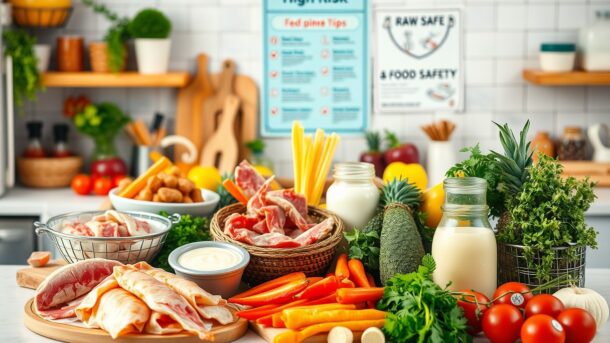
High-risk foods pose a significant threat to your health if not handled, stored, or cooked properly. Understanding these foods is crucial for preventing foodborne illnesses. Typically, high-risk foods are perishable items that provide a favorable environment for bacteria to thrive. By identifying and managing these foods in your kitchen, you can take proactive steps to ensure the safety of you and your loved ones. In this guide, you will learn about common high-risk foods, their characteristics, and necessary tips for safe handling.
Key Takeaways:
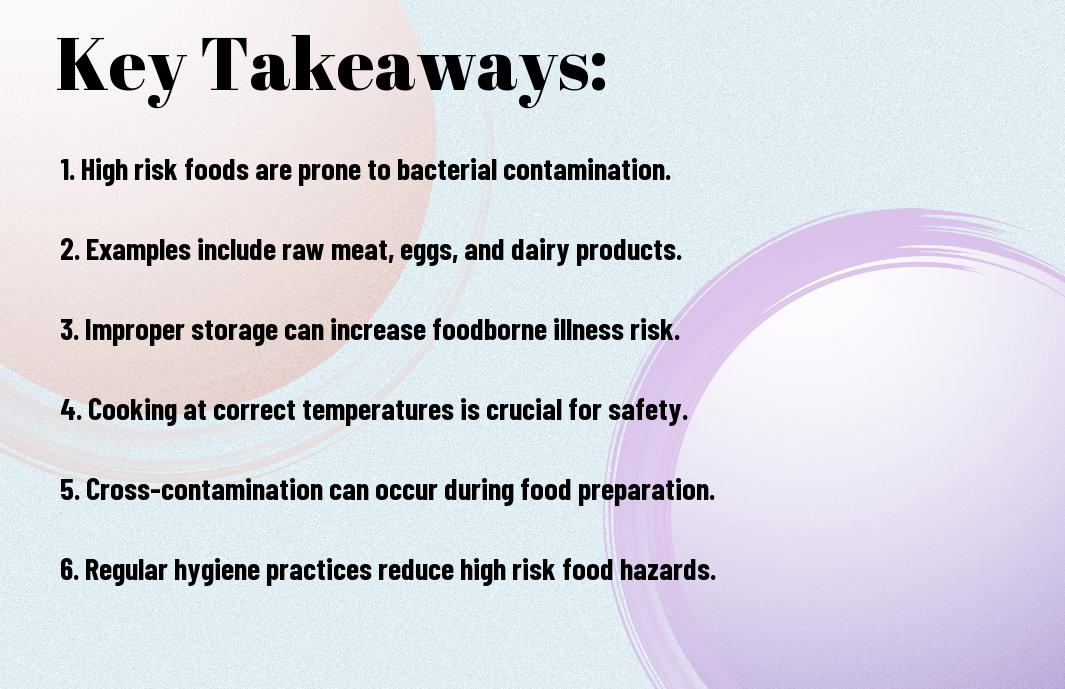
- High Risk Foods: These are foods that are more likely to cause foodborne illnesses due to their moisture content, pH level, and nutrient richness, making them ideal for bacterial growth.
- Examples: Common high risk foods include raw meat, poultry, seafood, dairy products, and cooked rice or pasta.
- Temperature Control: Proper storage and cooking temperatures are crucial to minimize the risk of foodborne pathogens. Foods should be kept out of the dange zone (between 40°F and 140°F).
- Cross-Contamination: Preventing cross-contamination is crucial. Use separate cutting boards and utensils for high risk foods and other food items to mitigate risks.
- Safe Handling: Adhering to hygiene practices like hand washing and using clean surfaces can help reduce the risk of foodborne illnesses from high risk foods.
Understanding High Risk Foods
To ensure food safety, it is crucial to recognize high risk foods that can harbor harmful bacteria and other pathogens. Understanding these foods helps you implement safe food handling practices to avoid potential health risks.
Definition of High Risk Foods
On a fundamental level, high risk foods are those that support the rapid growth of pathogenic microorganisms, which can lead to foodborne illnesses. They typically contain moisture and nutrients, making them ideal environments for bacteria to thrive.
Types of High Risk Foods
On the topic of types, high risk foods generally include perishable items that require careful storage and handling. Common examples are:
- Raw meat and poultry
- Seafood
- Dairy products
- Cooked rice and pasta
- Eggs
Knowing these categories can significantly reduce your likelihood of experiencing foodborne illnesses.
| Type | Description |
|---|---|
| Raw Meat | Includes beef, pork, and lamb that may contain harmful bacteria. |
| Seafood | Fish and shellfish that can spoil quickly if not stored properly. |
| Dairy | Milk, cheese, and yogurt can harbor bacteria if left out. |
| Cooked Grains | Rice and pasta can become a breeding ground for bacteria when improperly stored. |
| Eggs | Eggs need to be cooked thoroughly to eliminate pathogens. |
One of the critical factors in managing high risk foods is understanding their specific characteristics and storage requirements. These foods require refrigeration or proper cooking to minimize risks. Consider these key categories and their impacts:
- Meat should be stored below 40°F (4°C) to slow bacterial growth.
- Seafood must be consumed or frozen quickly after purchase.
- Dairy items need to remain refrigerated to stay safe.
- Cooked grains should be refrigerated within two hours if not consumed.
- Eggs must be cooked to the appropriate temperature.
Knowing these guidelines will empower you to handle high risk foods safely and effectively.
| Food Type | Safe Handling Tips |
|---|---|
| Raw Meat | Keep separate from other foods during preparation. |
| Seafood | Use within a day of purchase or freeze immediately. |
| Dairy | Always check expiration dates before use. |
| Cooked Grains | Use within 3-4 days or freeze for longer storage. |
| Eggs | Store in the refrigerator and cook thoroughly. |
Common High Risk Foods
Even the most careful food handlers can overlook high-risk foods that may harbor bacteria and pathogens if not stored or prepared correctly. Understanding these foods is important for food safety and preventing foodborne illnesses. Below are some commonly recognized high-risk foods that you should be aware of.
Dairy Products
Dairy products, such as milk, cheese, and yogurt, are excellent breeding grounds for harmful bacteria if not stored properly. Because they contain proteins and moisture, it’s important to maintain them at the appropriate temperatures to prevent spoilage and contamination.
Meat and Poultry
An important category of high-risk foods is meat and poultry, which can easily become contaminated during processing or handling. Improper cooking or storage may lead to dangerous bacteria like Salmonella and E. coli proliferating, which can cause severe foodborne illnesses.
With raw and undercooked meat and poultry, you must ensure that they are cooked to the proper internal temperatures to eliminate harmful pathogens. Always use separate cutting boards for raw meats and other foods to prevent cross-contamination.
Seafood
Foods such as fish and shellfish are also considered high-risk as they can harbor bacteria and viruses, particularly when raw or undercooked. Certain types of seafood can cause serious illnesses if not prepared safely.
Plus, many types of seafood can also be affected by harmful contaminants like mercury or Vibrio bacteria. It’s crucial to purchase seafood from reputable sources and ensure that it is cooked to recommended temperatures to avoid potential health risks.
Eggs
Dairy products, specifically eggs, are another common high-risk food. Eggs can carry Salmonella bacteria, which can lead to food poisoning if they are consumed raw or undercooked. Always check for freshness and ensure that they are stored correctly.
To minimize the risk of Salmonella, you should cook eggs thoroughly until both the yolk and white are firm. Additionally, consider buying pasteurized eggs if you plan to use them in recipes that require raw or lightly cooked eggs, especially for vulnerable groups such as pregnant women and the elderly.
Factors Contributing to High Risk Status
Keep in mind that various factors contribute to the high-risk status of certain foods. Understanding these elements can help you make informed decisions when handling and consuming food. Consider the following factors:
- Temperature Control
- pH Level
- Moisture Content
- Storage Conditions
Knowing these factors plays a significant role in preventing foodborne illnesses and ensuring food safety.
Temperature Control
Contributing to high-risk food status, temperature control is crucial in managing microbial growth. Foods that require refrigeration or cooking to specific temperatures can easily become hazardous if left at room temperature for prolonged periods.
Temperature Control Factors
| Temperature Range | Risk Level |
|---|---|
| 0°C to 4°C | Low |
| 4°C to 60°C | High |
| Above 60°C | Safe |
pH Level
With pH level playing a crucial role in food safety, foods with a neutral to slightly acidic pH (between 4.6 and 7.0) are susceptible to bacterial growth. This range allows for microorganisms like E. coli and Salmonella to thrive.
Factors affecting pH levels in foods can determine their safety status. Acidic foods, such as lemons or vinegar-based products, have a low risk profile, whereas neutral foods like meats and dairy can become breeding grounds for pathogens if not properly managed. Maintaining appropriate acid levels can prevent food spoilage and potential health risks.
Moisture Content
High moisture content in foods is another factor that enhances the risk of microbial growth. Foods with a water activity (aw) level above 0.85 are particularly vulnerable to spoilage due to bacteria, yeast, and molds thriving in these environments.
Status of moisture content is critical when assessing food safety. Foods with high moisture, such as fresh produce, cooked grains, and dairy products, must be handled with care. Reducing moisture through dehydration or proper cooking can significantly decrease the risk of foodborne illnesses.
Storage Conditions
Moisture retention and improper storage conditions are key contributors to the high-risk status of certain foods. If foods are not stored at the right temperature and humidity levels, they can spoil quickly, leading to a greater likelihood of contamination.
Content regarding storage conditions emphasizes the importance of keeping food away from moisture and maintaining temperature controls. Utilizing airtight containers, appropriate refrigeration, and observing expiration dates can help mitigate risks associated with high-risk foods.
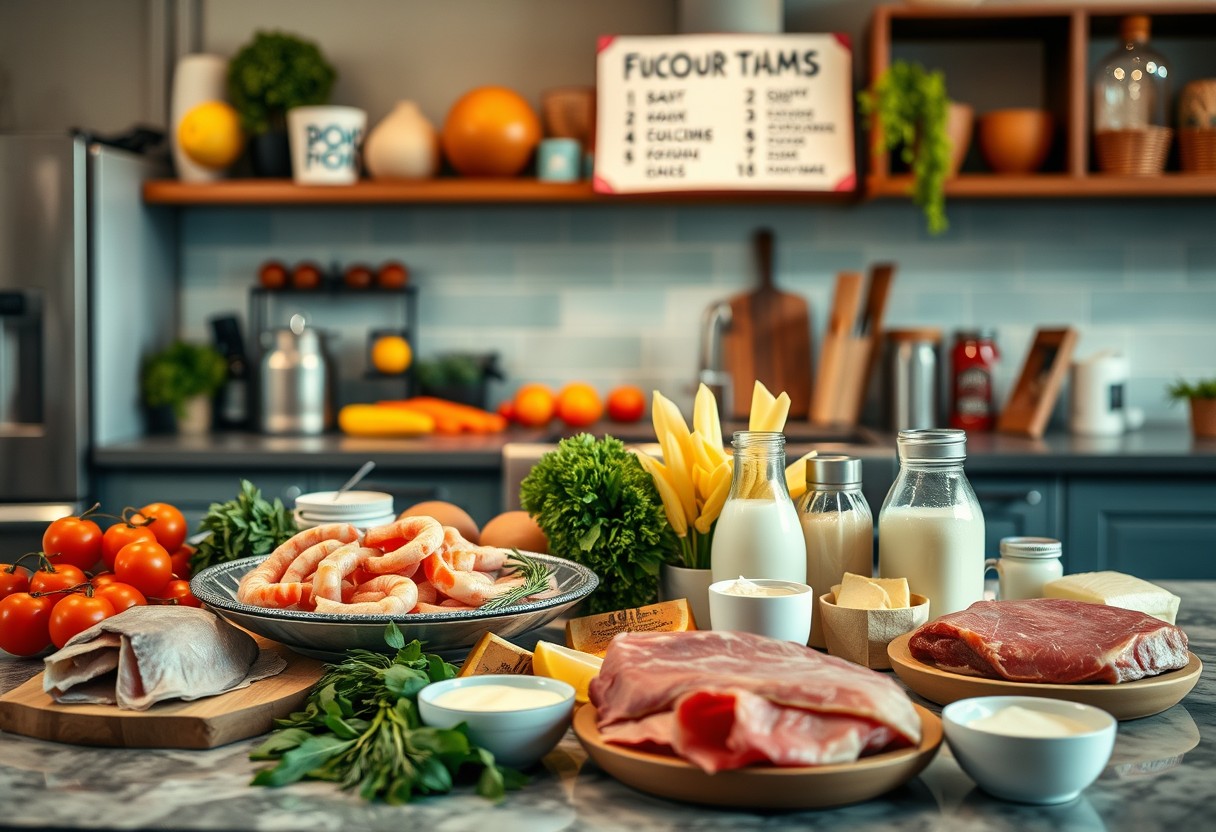
Safety Precautions and Best Practices
Unlike many foods, high-risk foods require careful handling to prevent foodborne illnesses. Understanding how to safely use these items is vital. For more information, check out What are High-Risk Foods and How Can I Use Them Safely?.
Proper Cooking Techniques
Precautions are vital when cooking high-risk foods. Always ensure that your food is cooked thoroughly to the appropriate internal temperature, which can kill harmful bacteria. Use a food thermometer to check that meats and other perishables reach safe temperatures, reducing the risk of foodborne illness significantly.
Safe Food Handling
To maintain safety when handling high-risk foods, it’s crucial to wash your hands frequently and keep your kitchen surfaces clean. Utilize separate cutting boards for raw meats and other foods to prevent cross-contamination. You should also limit the time perishable items remain at room temperature to further reduce risks.
Proper food handling doesn’t just encompass washing and cleanliness; it also involves being mindful of what you touch. Always use clean utensils and avoid placing cooked foods back onto surfaces that have touched raw foods. This level of awareness helps keep your meal preparation as safe as possible.
Storage Guidelines
Best practices in food storage include keeping high-risk foods refrigerated at all times, ideally below 5°C (41°F). Take care not to overcrowd your refrigerator, as good air circulation ensures that your food stays at safe temperatures and maintains quality.
With proper storage, it’s also important to understand the “first in, first out” rule. Rotate older items to the front and ensure that you consume or properly dispose of them before newer products. This method not only maximizes freshness but also enhances safety by minimizing the chances of spoilage and bacterial growth.
Final Words
Presently, understanding what constitutes high-risk foods is crucial for ensuring your health and safety. These foods, which often include meats, dairy products, and certain produce, can harbor bacteria and pathogens if not handled properly. By being aware of these risks and adopting safe food practices, you can significantly reduce the likelihood of foodborne illnesses. For more insights, you can explore The Difference Between High-Risk and Low-Risk Foods.
FAQ
Q: What are high risk foods?
A: High risk foods are perishable items that are more prone to bacterial growth and foodborne illnesses if not stored or cooked properly. These typically include moist, protein-rich foods like meat, poultry, fish, dairy products, and prepared ready-to-eat items such as salads and sandwiches. Foods that sit out at room temperature for extended periods can also fall into this category, making it crucial to handle them with care to prevent food poisoning.
Q: Why are high risk foods more likely to cause foodborne illness?
A: High risk foods provide an ideal environment for bacteria to grow due to their moisture content, pH level, and nutrient density. These factors support the replication of pathogens such as Salmonella, E. coli, and Listeria. If these foods are not cooked to appropriate temperatures or stored at safe temperatures (below 41°F for cold foods and above 135°F for hot foods), they become breeding grounds for harmful microorganisms, leading to a higher chance of foodborne illness.
Q: How can I safely handle and store high risk foods?
A: To safely handle and store high risk foods, follow these guidelines: First, always wash your hands before and after handling food. Keep raw and cooked foods separated to avoid cross-contamination. Store high risk foods in the refrigerator or freezer immediately after purchase, ensuring your fridge is at or below 41°F. When cooking, use a food thermometer to ensure food reaches the recommended internal temperatures (e.g., 165°F for poultry). Lastly, serve or consume these foods quickly, and refrigerate leftovers within two hours to minimize the risk of bacterial growth.