popular

What is India's most eaten food

Cuisine plays a pivotal role in defining the cultural landscape of India, where diverse flavors and ingredients mingle to create a culinary mosaic. As you explore the vast culinary heritage, you might wonder what dish holds the title of India’s most eaten food. Understanding this can deepen your appreciation for the country’s rich gastronomic traditions and offer insights into what fuels the daily lives of millions. Join us as we explore into the food that connects people across regions and social backgrounds—comforting, delicious, and deeply rooted in Indian culture.

Key Takeaways:

  • Rice: A staple food for a majority of the population, rice is a key component of Indian meals, especially in the southern and eastern regions.
  • Wheat: Widely consumed in the form of bread such as chapati and naan, wheat is necessary in northern and western India.
  • Diverse Cuisine: India’s culinary diversity means that food preferences vary significantly across regions, with local ingredients and traditions shaping what is most commonly eaten.

Overview of Indian Cuisine

Before submerging into what India’s most eaten food is, it’s vital to appreciate the rich tapestry of Indian cuisine that has evolved over centuries. The flavors, ingredients, and cooking techniques vary dramatically across regions, reflecting the country’s diverse cultural heritage. Whether you are a fan of spices or mild flavors, Indian cuisine offers something for everyone and showcases the gastronomic richness found throughout the subcontinent.

Diversity of Flavors

On your culinary journey through India, you will marvel at the incredible diversity of flavors. Each dish tells a story of the region’s history, traditions, and ingredients. You will encounter a harmonious balance of spices, ranging from the pungent and fiery to the aromatic and subtle, creating an explosion of taste that captivates your senses.

Regional Specialties

Cuisine plays a pivotal role in defining the unique identity of each Indian state. You will find that varying climates, agricultural practices, and cultural influences result in distinct regional specialties. Northern regions may boast rich, creamy gravies, while coastal areas offer fresh seafood and coconut-based dishes. The variety enhances your culinary experience as you explore India’s vast food landscape.

Understanding regional specialties is vital when appreciating Indian cuisine fully. Each state has its signature dishes that utilize local ingredients and traditional cooking methods. For instance, Punjab is famous for its buttery curries and tandoori breads, while Kerala is renowned for its use of coconut and spices in savory and sweet dishes. By familiarizing yourself with these specialties, you will gain insight into the diverse culinary landscape that shapes your perception of what India’s most eaten food could be.

The Staple Foods of India

Even amidst the diverse culinary landscape, staple foods hold a central place in India’s daily diet, often forming the foundation of meals across the country. These staples are not only imperative sources of energy but also reflect the rich agricultural heritage of the subcontinent.

Rice

Foods such as rice serve as a primary carbohydrate source for millions in India. Predominantly consumed in the southern and eastern regions, rice is versatile, appearing in various forms—from steamed and fried to being a key ingredient in famous dishes like biryani and payasam.

Wheat

On the other hand, wheat is another major staple, particularly in the northern and western parts of India. It is commonly used to make roti, paratha, and numerous other unleavened breads, which accompany a vast array of dishes.

Wheat’s significance as a staple extends beyond just its nutritional value. You will find it prevalent in countless regional dishes, with each area adopting its unique style—be it the flaky parathas of Punjab or the soft bhakris of Maharashtra. This adaptability ensures wheat remains integral to India’s culinary identity.

Lentils

For many Indians, lentils are an imperative protein source, often served as dal—a staple in every household. Rich in both flavor and nutrients, lentils come in various varieties, such as moong, masoor, and toor, each adding its part to the harmonious blend of Indian cuisine.

Staple foods like lentils not only cater to your nutritional needs but also offer a plethora of culinary options. The simplicity of prepping lentils allows for creative culinary expression, whether you prefer them spiced in a curry or served in a soup, making them a beloved component of your meals.

Popular Dishes Across India

Your culinary journey through India would be incomplete without exploring its most beloved dishes. From the aromatic spices to the diverse regional flavors, there is so much to discover. Curious about What to eat in India? Top 100 Indian Foods? Let’s investigate some of the popular dishes that define the Indian palate.

Biryani

Popular in various regions, Biryani is a fragrant rice dish cooked with spices and marinated meat or vegetables. Each variety, from Hyderabadi to Lucknowi, offers a unique flavor profile, making it a staple for special occasions and daily meals alike.

Dosa

One of the most cherished breakfast items, Dosa is a thin, crispy pancake made from fermented rice and lentil batter. This versatile dish can be served with a variety of fillings, including spiced potatoes or paneer, and is usually accompanied by chutneys and sambar.

Dosa is not just a dish, but an experience. Originating from South India, it has gained popularity across the country, with many regional variations. You can find plain Dosa, Masala Dosa, and even cheese Dosa in restaurants, catering to diverse taste preferences.

Curry Varieties

The Indian curry landscape is incredibly vast, combining elements from various regions. Curries can range from creamy and rich to tangy and spicy, utilizing different bases like tomatoes, coconut milk, or yogurt.

With thousands of varieties, each region boasts its own unique curry styles, such as North Indian curries typically enriched with dairy and spices, while South Indian curries often feature coconut and tamarind. Exploring these dishes will give you a taste of India’s culinary richness and diversity.

Cultural Significance of Food

Now, understanding the cultural significance of food in India is necessary to appreciate its diversity and richness. Food is not merely a necessity for survival; it is a vital part of social interactions, celebrations, and traditions. The way you consume food, the dishes you prepare, and the rituals surrounding meals all reflect the intricate tapestry of Indian society.

Festivals and Food

With every festival celebrated in India, specific dishes take center stage, symbolizing the occasion’s spirit and significance. Whether it’s the sweet treats of Diwali, the savory delights during Eid, or the elaborate feasts of Pongal, each festival offers you a glimpse into the myriad flavors and cooking styles that define the regional cuisines of India.

Traditional Eating Practices

For many Indians, traditional eating practices often reflect the values of sharing, respect, and harmony. Meals are typically communal, encouraging you to gather with family and friends, fostering bonds over shared experiences. The practice of eating with your hands, particularly in South Indian culture, emphasizes the connection with food and enhances your sensory experience as you savor every bite.

Food plays a crucial role in your daily life, offering a sense of identity and belonging. In traditional Indian households, meals often follow a specific order, starting with the simplest dishes and escalating to the more complex ones. Moreover, the custom of serving elders first showcases the respect held for them within your family structure, reinforcing social bonds. As you engage in these practices, you not only nourish your body but also connect with your culture and heritage on a deeper level.

Conclusion

Following this exploration of India’s culinary landscape, it’s clear that rice, lentils, and wheat-based breads dominate the everyday diet. As you navigate India’s diverse food offerings, you can appreciate how each region uniquely incorporates these staples into their meals. Understanding these preferences not only enhances your culinary knowledge but also enriches your experience when trying traditional Indian dishes. Embrace the vast flavors and textures that make Indian cuisine a remarkable highlight of your gastronomic journey.

FAQ

Q: What is India’s most eaten food?

A: The most eaten food in India varies by region and culture, but rice and wheat are staples for a majority of the population. Rice is predominantly consumed in the southern and eastern states, while wheat is more common in the northern and western regions. Additionally, various types of lentils, vegetables, and spices are staple ingredients that accompany these foods.

Q: How does the diversity of food reflect India’s culture?

A: India’s food diversity is a reflection of its rich cultural heritage, regional variations, and historical influences. Each state has its own unique cuisine, influenced by local ingredients, weather conditions, and traditions. For example, South India is known for its rice-based dishes and coconut, while North India features more wheat-based dishes accompanied by dairy products and meats.

Q: Are there any common dishes that are popular throughout India?

A: Yes, some common dishes are popular throughout India despite regional differences. Examples include biryani, a flavorful rice dish often made with meat or vegetables; paneer butter masala, a creamy curry made with Indian cottage cheese; and dosas, a type of fermented rice and lentil crepe. These dishes have become widespread due to their popularity and adaptability to different tastes.

Q: What role does street food play in India?

A: Street food plays a significant role in Indian cuisine, offering a wide variety of affordable and quick meal options. It is a beloved aspect of Indian culture, allowing people from various backgrounds to gather and enjoy flavorful snacks like pani puri, samosas, and chaat. Street food is not only popular among locals but also a must-try experience for tourists visiting India.

Q: How do dietary restrictions impact food choices in India?

A: Dietary restrictions in India are influenced by religion, culture, and personal choice. For example, many Hindus follow a vegetarian diet, while Muslims and Christians may avoid pork and beef, respectively. Additionally, some communities, like Jains, adhere to strict vegetarianism with further restrictions. These dietary practices shape what is commonly eaten in different regions and create a rich tapestry of culinary options that cater to diverse preferences.
What are the top 5 most eaten foods

Eaten across cultures and continents, certain foods dominate our diets worldwide. You might be surprised to discover which foods top the list of global consumption. Understanding these staples can provide insight into dietary trends and preferences that shape our culinary experiences. In this post, you’ll learn about the top five most eaten foods that have become imperative to your meals. For more information, you can check the Report: These Are The Most Eaten Foods in the World, 2023.

Key Takeaways:

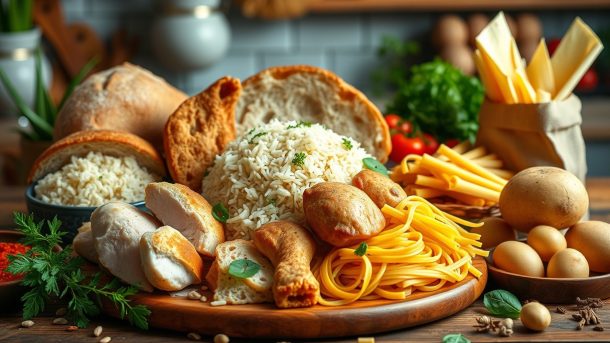
  • Rice: This staple food is consumed by more than half of the world’s population and is a primary source of carbohydrates in many regions.
  • Wheat: Integral in various forms like bread, pasta, and noodles, wheat is the second most consumed grain globally, playing a crucial role in various cuisines.
  • Meat: Particularly poultry, pork, and beef, meat remains one of the top sources of protein worldwide, with consumption patterns varying widely by culture.

Rice

The staple food for more than half of the world’s population, rice comes in many varieties and is cultivated in various climates. Rich in carbohydrates and a source of several important nutrients, rice plays a fundamental role in the diets of people around the globe.

Nutritional Value

Nutritional value of rice can vary depending on the type, but generally, it serves as a good source of energy. Brown rice offers more fiber, vitamins, and minerals compared to white rice, which has been milled to remove the bran and germ. You can enhance the nutritional profile of your meals by incorporating whole grain rice options.

Global Consumption Trends

Nutritional studies indicate that rice remains one of the most consumed grains worldwide, with Asia leading in production and consumption. As populations continue to grow, the demand for rice is expected to rise, compelling nations to innovate agricultural practices to ensure sufficient supply.

Global consumption trends show that rice is not just a dietary staple but is also influenced by regional preferences and economic factors. In recent years, you may have noticed a rise in popularity for varieties like basmati and jasmine, reflecting your evolving tastes and culinary interests.

Cultural Significance

For many cultures, rice is more than just food; it holds significant cultural and social importance. From ceremonies to daily meals, rice is often at the heart of various traditions, symbolizing prosperity and fertility.

Significance of rice varies greatly across different cultures. In some places, it is used in rituals or celebrations, while in others, it is a central dish that brings families together. Understanding your own cultural relationship with rice can deepen your appreciation for this versatile grain.

Wheat

Some may not realize that wheat is among the most consumed foods worldwide, forming the basis of countless diets. You can explore more about this topic in the article on the 10 Most Eaten Food In The World (No. 8 Will Surprise You ….

Varieties and Uses

Wheat comes in various types, including hard red, soft red, white, durum, and spelt, each serving distinct culinary purposes. You can find it in staples such as bread, pasta, and pastries, making it one of the most versatile grains available.

Health Benefits

Uses of wheat extend beyond just food; it also offers numerous health benefits. Regular consumption can aid in digestive health, boost energy levels, and provide imperative nutrients like fiber, vitamins, and minerals that your body needs for optimal functioning.

This grain contains vital nutrients, including B vitamins, iron, magnesium, and fiber, which helps in regulating blood sugar levels and supporting a healthy digestive system. By incorporating whole wheat into your diet, you can help maintain a balanced diet and potentially reduce the risk of chronic diseases, making it a valuable addition to your meals.

Economic Impact

An impressive aspect of wheat is its significant economic impact globally. It is a major agricultural commodity that provides livelihoods for millions of farmers and workers, influencing economies from local to international levels.

Impact of wheat cultivation and trade extends far beyond just filling plates; it plays a crucial role in food security and agricultural markets. With its demand constantly growing due to population increase, investing in wheat production promotes economic stability and growth, benefiting both producers and consumers.

Maize (Corn)

Unlike many other food staples, corn serves a multitude of purposes worldwide, from human consumption to industrial applications. It is fundamentally important in various cuisines and as a primary source of energy in animal feeds. Its versatility and adaptability have made it one of the most consumed foods globally.

Different Types of Maize

Different types of maize cater to diverse uses and preferences, enriching diets and industries alike:

Sweet Corn Consumed fresh, canned, or frozen, perfect for salads and sides.
Flint Corn Hard, glassy kernels, traditionally used for decoration and hominy.
Dent Corn Commonly used for animal feed, snacks, and cornmeal.
Popcorn Variety that expands and puffs when heated, popular snack.
White Corn Used primarily in tortillas and cornmeal, mild flavor.
  • Recognizing the variety of maize is important in understanding its wide-ranging significance.

Role in Animal Feed

One of the most critical functions of corn is its use as a primary ingredient in animal feed. As an energy-dense grain, corn supports the growth and health of livestock, contributing to the efficiency of meat, dairy, and egg production.

Role in animal feed extends beyond just energy provision. The nutrient-rich profile of corn, including carbohydrates, vitamins, and minerals, plays a vital role in promoting animal health. Additionally, its availability and affordability make it the go-to choice for farmers worldwide, ensuring that livestock can thrive and produce quality food products for consumers.

Influence on Global Cuisine

Role of maize in global cuisine cannot be overstated. It serves as a fundamental ingredient in numerous dishes, influencing culinary traditions from the Americas to Africa and Asia.

A variety of meals, from tortillas in Mexico to polenta in Italy, showcase the versatility of corn. Its presence transcends cultural boundaries, making it not only a staple for sustenance but a vital component of numerous ethnic dishes that bring communities together and highlight regional agricultural practices.

Potatoes

After centuries of cultivation, potatoes have become an crucial part of diets worldwide. Originating in the Andean region of South America, they were brought to Europe by Spanish explorers in the late 16th century. Potatoes quickly gained popularity due to their adaptability in various climates and their rich nutritional content, becoming a staple in many countries

Historical Background

On their arrival in Europe, potatoes were initially met with skepticism, often regarded with suspicion as food for the poor. However, their nutritional value soon became apparent, leading to their widespread adoption. Over the centuries, potatoes have played a significant role in global food security, contributing to population growth and preventing famine.

Versatility in Cooking

The versatility of potatoes makes them a beloved ingredient in kitchens around the world. They can be prepared in countless ways, including boiling, baking, frying, and mashing, allowing them to shine in various cuisines. You can enjoy a comforting bowl of mashed potatoes, crispy French fries, or a hearty potato soup, making them a staple for both simple and elaborate meals.

To truly appreciate the versatility of potatoes, consider their ability to complement a wide range of flavors and dishes. Whether you opt for classic potato salad, savory gratin, or spicy potato curry, these humble tubers can be tailored to suit your taste preferences. Their ability to absorb flavors and textures makes them an ideal base for a myriad of culinary creations, proving that potatoes are something you can never tire of.

Potential Health Risks

One important aspect to consider when incorporating potatoes into your diet is the potential health risks associated with their consumption. While they offer a wealth of nutrition, some cooking methods or excessive consumption can lead to health concerns, such as weight gain or increased blood sugar levels if eaten in large quantities.

Risks also arise from certain cooking methods, such as frying, which can significantly increase calorie and fat content. Moreover, the glycemic index of potatoes can contribute to spikes in blood sugar, particularly for those managing diabetes. Therefore, it’s crucial to balance your potato intake with other nutrient-rich foods and prefer healthier cooking options like baking or boiling to mitigate these risks.

Soybeans

For centuries, soybeans have become a staple in diets worldwide due to their versatility and nutritional benefits. As one of the most widely consumed legumes, they play a crucial role in both human diets and agriculture.

Nutritional Profile

Profile-wise, soybeans are abundant in protein, offering about 36 grams per cup, making them a vital source of plant-based protein for you. They are also rich in dietary fiber, vitamins, and crucial minerals like iron and calcium, supporting overall health and wellness.

Uses in Food Products

One of the remarkable aspects of soybeans is their plethora of uses in food products, serving as a base for various items. Whether you enjoy tofu, soy milk, tempeh, or soy sauce, you are likely benefiting from this versatile legume.

Food derived from soybeans offers numerous nutritional benefits and caters to diverse culinary traditions. You may consume soybeans directly or in processed forms, which provide a plant-based protein alternative that’s increasingly popular among vegetarians and vegans. The versatility of soy products allows them to be incorporated into everyday meals, highlighting their importance in global cuisines.

Environmental Considerations

Nutritional benefits aside, it’s crucial to consider the environmental impact of soybean production. High demand for soy can lead to deforestation and habitat loss, which significantly affects biodiversity and ecosystems.

Plus, sustainable farming practices and mindful consumption of soy products can mitigate negative environmental effects. As a conscious consumer, you can opt for certified organic or sustainably sourced soy products, helping to preserve natural resources while enjoying the benefits of this nutritious legume.

Summing up

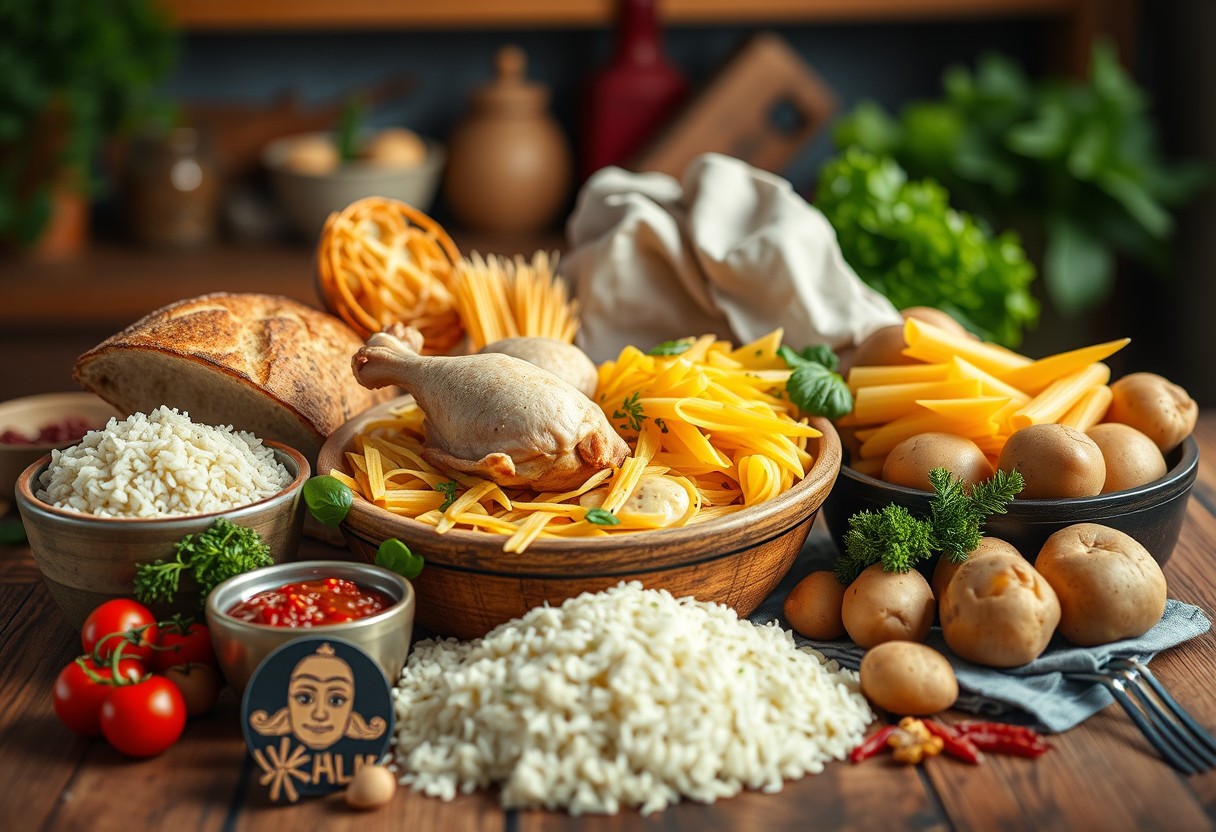
Upon reflecting on the top five most consumed foods globally, you can appreciate the widespread appeal and nutritional value they offer. Rice, wheat, maize, potato, and soybeans dominate diets across cultures and regions, providing crucial calories and nutrients for billions. Understanding these staples helps you acknowledge the diverse culinary practices that exist and the importance of these foods in sustaining populations worldwide. By recognizing their significance, you enhance your appreciation for global food systems and the role these staples play in your own diet.

FAQ

Q: What are the top 5 most eaten foods globally?

A: The top 5 most eaten foods worldwide include rice, wheat, maize (corn), potatoes, and chicken. These foods are staples in many diets and play a crucial role in global food security.

Q: Why is rice considered one of the most consumed foods?

A: Rice is a staple food for more than half of the world’s population, especially in Asia. Its high carbohydrate content, versatility in cooking, and ability to grow in various climates contribute to its widespread consumption.

Q: How does wheat rank among the most eaten foods?

A: Wheat is the most widely cultivated cereal grain and is a primary ingredient in bread, pasta, and many baked goods. Its popularity is due to its adaptability in different climates and its role as a major source of energy and nutrients in many diets.

Q: What makes maize (corn) a top food source?

A: Maize is not only a staple food in many countries but also serves various purposes including animal feed, corn syrup, and biofuel. Its ability to adapt to various environmental conditions and its high yield make it a crucial crop globally.

Q: Why are potatoes included in the list of top foods consumed?

A: Potatoes are one of the most versatile and nutrient-rich foods, rich in carbohydrates, fiber, and vitamins. They can be prepared in numerous ways and are grown in many regions, making them a staple for many cultures.

Q: How has chicken become one of the most consumed meats worldwide?

A: Chicken is favored for its affordability, versatility, and lower fat content compared to other meats. It can be prepared in countless ways, making it a popular choice for households across different cultures around the world.

Which food is very popular in India

Many culinary delights await you in India, a land known for its rich and diverse food culture. From the spicy curries of the south to the delectable sweets of the north, Indian cuisine offers something for everyone. If you are curious about what makes Indian food so special, you might want to explore The Top 10 Best Indian Dishes And Recipes to get a taste of this vibrant culinary heritage.

Key Takeaways:

  • Variety: India is known for its diverse cuisine, with various regional dishes that cater to different tastes and preferences.
  • Spices: Indian food is famous for its rich use of spices, which enhance flavors and create unique dishes.
  • Popular Dishes: Iconic dishes such as Biryani, Butter Chicken, and Dosa are widely loved both in India and internationally.

Popular Indian Cuisines

Your culinary journey through India is bound to be exciting, as the country offers a rich tapestry of flavors and dishes. Each region has its own unique styles and specialties that showcase the diversity of Indian cuisine.

North Indian Dishes

Any exploration of North Indian cuisine will introduce you to hearty dishes like butter chicken, naan, and an array of rich, creamy curries. This region is known for its use of dairy, vibrant spices, and tandoori cooking techniques that create a delightful gastronomic experience.

South Indian Delicacies

On the other hand, South Indian delicacies offer a lighter yet flavorful approach to dining, featuring dishes like dosa, idli, and sambar. These dishes are characterized by the use of rice and lentils, along with coconut and curry leaves, which enhance their aromatic qualities.

The uniqueness of South Indian cuisine lies in its distinctive preparation methods and regional variations. From the crispy dosas of Karnataka to the spicy Chettinad chicken from Tamil Nadu, each dish reflects the local culture and ingredients available, promising a memorable experience for your taste buds.

East Indian Flavors

With its focus on seafood, rice, and mustard oil, East Indian flavors present a different yet enticing culinary experience. Biryani, pitha, and fish curry are just a few examples of the delicious dishes hailing from this region, often accompanied by stylish regional twists.

Plus, the Eastern states, especially West Bengal, are famed for their sweets like rasgulla and sandesh, adding a delightful conclusion to any meal. The influence of Bengali cuisine enriches your culinary repertoire, offering flavors that are both subtle and intense.

West Indian Specialties

Southwestern cuisine features a diverse array of dishes such as pav bhaji, dhokla, and vindaloo, representing the bold and vibrant flavors of this coastal region. West Indian specialties are often characterized by a unique mix of spices and fresh ingredients.

Cuisines like Gujarati and Maharashtrian present a delectable array of vegetarian options, while Goan cuisine is heavily influenced by seafood and Portuguese flavors. Each dish tells a story of the local culture and uses techniques that have been passed down through generations, making each bite a true reflection of the region’s heritage.

Street Food Culture

Little do many realize that India’s street food culture is a vibrant tapestry of flavors, aromas, and culinary creativity. The bustling streets across cities and towns are filled with vendors serving delicious snacks that are both affordable and satisfying. Street food is not just a meal; it’s an experience that showcases the country’s diverse culinary heritage.

Iconic Street Foods

The rich variety of iconic street foods in India is truly mesmerizing, ranging from spicy pani puri to the crispy aloo tikki. Each dish comes with its unique set of flavors and textures, making every bite a delightful journey. Not only are these foods delicious, but they also reflect the local culture and traditions, inviting you to explore a world of taste.

Regional Variations

One of the most fascinating aspects of Indian street food is its regional variations. Each state boasts its specialties, showcasing local ingredients and culinary styles, which adds to the rich tapestry of flavors. From Mumbai’s vada pav to Kolkata’s kathi rolls, you can find a unique street food dish tailored to the region’s palate.

Variations in street food across India ensure a diverse range of options for your taste buds. For instance, the spiciness of street food in the south contrasts with the milder flavors found in the north. Coastal regions introduce fresh seafood, while northern states offer a plethora of wheat-based snacks. These regional delicacies not only satisfy your hunger but also give you a taste of the cultural essence of each locality.

Importance in Daily Life

On a daily basis, street food plays a significant role in the lives of many Indians, acting as a convenient and affordable meal option. Whether you’re rushing to work or seeking a late-night snack, these street vendors have something to offer for every occasion, making them an integral part of everyday living.

With the fast-paced lifestyle many people lead, street food also provides a sense of community and connection. As you gather with friends at a local stall after a long day, sharing stories over delicious samosas or spicy bhel puri strengthens social bonds. These casual dining experiences create lasting memories, making street food an vital aspect of India’s culinary and social landscape.

Festive Foods

After exploring the culinary richness of India, it’s important to highlight the vibrant festive foods that play a crucial role in the country’s celebrations. Each festival comes with its own unique set of dishes, showcasing regional diversity and cultural significance. This is where food becomes a medium to connect with loved ones and honor traditions.

Traditional Sweets

With every festival, traditional sweets are an integral part of the celebration, symbolizing joy and prosperity. Popular treats like Gulab Jamun, Jalebi, and Ladoo are made with rich ingredients, often shared among family and friends. These confections are not only delicious but also carry the essence of festivity, marking special occasions with sweetness.

Savory Dishes for Celebrations

Celebrations in India are often accompanied by a variety of savory dishes that tantalize your taste buds. From biryanis to samosas, each dish is thoughtfully prepared, infused with spices that reflect the regional flavors of the country. These dishes are typically served during gatherings and add a savory depth to the celebratory atmosphere.

Another reason these savory dishes are cherished during celebrations is their role in communal dining. Families and friends gather around, savoring elaborate platters of dishes like Paneer Tikka or Chole Bhature. This not only enhances the festive experience but also fosters a sense of togetherness, making your celebrations unforgettable. Embracing these savory delights during festivals allows you to enjoy the rich tapestry of India’s culinary heritage while creating lasting memories.

Summing up

The array of popular foods in India is as diverse as its culture, and as you explore the culinary landscape, you will find iconic dishes like biryani, butter chicken, and dosa that capture the essence of Indian flavors. Each region offers unique specialties, so you can enjoy street food like chaat or indulge in sweet treats like gulab jamun. Embracing these dishes will not only satisfy your palate but also give you a deeper understanding of India’s rich heritage. Whatever your preference, there is a delicious Indian dish waiting for you to discover.

FAQ

Q: What is the most popular food in India?

A: One of the most popular foods in India is Biryani. Biryani is a fragrant rice dish made with basmati rice, a blend of spices, and marinated meat (like chicken, lamb, or fish) or vegetables. Each region of India has its own version of Biryani, with unique ingredients and preparation methods, making it a beloved dish across the country.

Q: What vegetarian dishes are popular in India?

A: India is known for its diverse and rich vegetarian cuisine. Some popular vegetarian dishes include Paneer Tikka (grilled cheese cubes marinated in spices), Dal Makhani (a creamy lentil dish), and Chole Bhature (spiced chickpeas served with deep-fried bread). Additionally, regional specialties like Masala Dosa (a crispy rice crepe filled with spiced potatoes) are widely enjoyed.

Q: Are there any street foods that are popular in India?

A: Yes, India is famous for its vibrant street food culture. Some of the most popular street foods include Pani Puri (crisp hollow puris filled with spicy water), Vada Pav (a potato fritter served in a bun), and Pav Bhaji (a spicy vegetable mash served with buttered bread). Street food vendors can be found in nearly every city, offering these delicious quick bites to locals and tourists alike.

Q: Which Indian dishes are popular during festivals?

A: During Indian festivals, special dishes are prepared to celebrate the occasion. For example, during Diwali, sweets like Gulab Jamun (deep-fried dough balls soaked in sugar syrup) and Jalebi (syrupy, spiral-shaped fried batter) are popular. At Pongal, a harvest festival in South India, dishes like Pongal (a rice and lentil dish) and various savory and sweet rice preparations are cherished.

Q: What are some popular desserts in India?

A: Indian cuisine features a wide variety of delectable desserts. Some iconic sweets include Rasgulla (soft, spongy cheese balls soaked in sugar syrup), Kheer (rice pudding made with milk, sugar, and cardamom), and Barfi (a fudge-like sweet made from condensed milk and flavored with various ingredients). Each region has its own traditional sweets that are enjoyed on different occasions throughout the year.

What are the 10 most popular foods

Ever wondered what the 10 most popular foods are that grace plates all around the globe? From crispy fries to mouth-watering pizza, the world is full of delicious options that satisfy your taste buds. In this article, you’ll discover the ultimate list of crowd-pleasing foods that you just can’t resist. So, grab a seat and get ready to tantalize your taste buds with these flavorful and beloved dishes that have stood the test of time.

Key Takeaways:

  • Asian cuisine: Foods such as sushi, ramen, and dumplings continue to be popular worldwide.
  • Fast food favorites: Burgers, pizza, and fries top the list of most loved fast foods globally.
  • Mediterranean delights: Dishes like hummus, falafel, and kebabs are gaining popularity for their delicious flavors and healthy ingredients.

The Criteria

Defining Popularity

Before we investigate the list of the 10 most popular foods, we need to establish what exactly we mean by “popular.” In terms of food, popularity can be measured in various ways. It could be based on consumption rates, social media trends, cultural significance, or even personal preferences. Any food that is widely loved and consumed by a large number of people could be considered popular.

So as we explore the most popular foods, keep in mind that popularity is subjective and can vary based on different factors like region, age group, or even current food trends.

Sources and Methodology

Methodology plays a critical role in determining the popularity of foods. To curate a list of the 10 most popular foods, you need to consider a wide range of sources. This could include market research data, social media analytics, restaurant trends, or even historical and cultural significance. By analyzing these sources, you can get a comprehensive view of what foods are truly popular in today’s world.

It’s important to note that the methodology used to determine the popularity of foods is constantly evolving. As new trends emerge and tastes change, what was once considered popular may shift over time. So, when looking at the top 10 most popular foods, remember that these rankings are a snapshot in time and may change in the future.

The Top 10

Now let’s probe the top 10 most popular foods that people across the globe just can’t seem to get enough of!

#10: Pizza

With its delicious combination of gooey cheese, savory tomato sauce, and endless topping possibilities, pizza has earned its spot as a favorite comfort food for many. Whether you prefer classic pepperoni or opt for more adventurous choices like BBQ chicken or pineapple, there’s a slice of pizza out there for everyone.

#9: Burgers

Burgers are a quintimportant American food that has found its way onto menus worldwide. Whether you’re grabbing a quick bite at a fast-food joint or indulging in a gourmet creation at a trendy restaurant, burgers offer a satisfying combination of juicy meat, fresh toppings, and a soft bun that never fails to hit the spot. Understanding the appeal of burgers is easy – they’re simple, delicious, and endlessly customizable to suit any palate.

#8: Tacos

Pizza may reign supreme in comfort foods, but tacos hold a special place in the hearts of many food lovers. The versatility of tacos allows for a wide range of flavor combinations, from traditional carne asada to inventive fusion creations. The best part? Tacos are easy to eat on the go, making them the perfect choice for a quick and tasty meal. The variety of textures and flavors in each bite of a taco is a culinary experience like no other.

#7: Chicken Wings

For a dish that packs a flavorful punch, look no further than chicken wings. Whether you like them spicy, sweet, or tangy, there’s a wing sauce out there to satisfy your cravings. Wings are a staple at sports bars, parties, and casual gatherings, making them a go-to choice for social snacking. Wings are versatile, satisfying, and undeniably addictive.

#6: Mac and Cheese

Chicken and cheese – a classic comfort food that brings back memories of childhood meals and cozy evenings at home. Whether you prefer the classic elbow macaroni with a creamy cheese sauce or enjoy experimenting with gourmet versions featuring lobster or truffle oil, mac and cheese is a timeless favorite. The rich and cheesy flavors paired with the comforting warmth of pasta make mac and cheese a beloved dish across generations.

#5: Fried Chicken

An American classic, fried chicken has captured the hearts (and taste buds) of food enthusiasts worldwide. With its crispy, golden exterior and juicy, tender meat inside, fried chicken offers a satisfying contrast of textures and flavors in every bite. A true comfort food, fried chicken is perfect for picnics, family gatherings, or an indulgent meal at home.

#4: BBQ Ribs

Wings are a staple at gatherings and events, known for their finger-licking goodness and variety of sauces and flavors. Ribs are a favorite for those who enjoy meaty, smoky dishes with a touch of sweetness or heat. Whether you prefer baby back ribs or spare ribs, the tender, fall-off-the-bone meat paired with tangy BBQ sauce is a winning combination that keeps people coming back for more.

#3: Sushi

Tacos may be a popular choice for lunch or dinner, but sushi takes the crown for a sophisticated and artful dining experience. For instance, the precise knife skills and fresh ingredients used in sushi preparation make each bite a culinary masterpiece. Whether you prefer traditional nigiri, creative rolls, or delicate sashimi, sushi offers a wide range of flavors and textures that appeal to both sushi purists and adventurous eaters.

Steak

The Champion of Champions

An indulgent and timeless classic, steak holds a special place in the hearts of many. The mere mention of this savory dish can make your mouth water as you imagine the succulent and juicy meat cooked to perfection.

Whether you prefer it rare, medium-rare, or well-done, there’s nothing quite like sinking your teeth into a flavorful, seared steak. The sizzle as it hits the hot grill, the aroma wafting through the air, and the anticipation of that first delicious bite – it’s a culinary experience like no other.

Regional Favorites

Once again, when it comes to popular foods, regional favorites play a significant role in shaping culinary traditions and preferences around the world. Let’s explore some of the most beloved regional dishes that have gained widespread popularity.

American Classics

Classics like hamburgers, hot dogs, macaroni and cheese, and apple pie hold a special place in American cuisine. These iconic dishes have become staples at family gatherings, backyard BBQs, and diners across the country. The nostalgia and comfort they bring make them enduring favorites for many Americans.

International Inspirations

American cuisine is a melting pot of international flavors, thanks to the diverse cultural influences that have shaped it over the years. From Italian pizza and pasta to Mexican tacos and Japanese sushi, there is no shortage of international inspirations in American kitchens. The blend of global flavors adds excitement and variety to the culinary landscape, making it a true reflection of the country’s multicultural identity.

For instance, the love for Indian curry dishes like chicken tikka masala and Thai noodles like pad Thai has soared in recent years, showcasing the growing appreciation for bold and exotic flavors from around the world.

Fusion Feasts

One of the most exciting culinary trends in recent years has been the rise of fusion cuisine, blending different culinary traditions to create innovative and delicious dishes. You’ll find unique combinations like Korean BBQ tacos, sushi burritos, and Tex-Mex egg rolls that bring together the best of multiple worlds in one flavorful bite.

Favorites like these not only cater to adventurous foodies looking for new taste experiences but also highlight the endless possibilities when it comes to culinary creativity and cross-cultural exchange. Whether you’re craving a twist on a classic dish or an entirely new flavor sensation, fusion feasts are sure to tantalize your taste buds and leave you wanting more.

The Psychology of Food Choice

Many individuals around the world enjoy exploring different cuisines and flavors, as evidenced by The world’s 50 best foods. The psychology of food choice is a fascinating subject that probes into the reasons behind why we are drawn to specific dishes and flavors. It goes beyond simple hunger and examines the emotional, social, and cultural factors that influence what we choose to eat.

Comfort Food

An necessary aspect of food choice is seeking comfort in what we eat. Comfort food is often associated with nostalgic feelings and emotional connections. These foods are not only satisfying to your taste buds but also provide a sense of familiarity and security. Whether it’s a bowl of warm soup on a cold day or a decadent dessert after a long week, comfort foods can evoke positive emotions and offer a sense of well-being.

Social Influence

On a broader scale, our food choices can also be influenced by social factors. Dining habits are often shaped by the people we surround ourselves with, whether it’s family, friends, or colleagues. You may find yourself trying new foods or adopting certain dietary preferences based on the recommendations of those around you. Social gatherings and cultural traditions can also play a significant role in influencing what you choose to eat.

Understanding the impact of social influence on food choices can help you become more aware of how your environment shapes your eating habits. By recognizing these influences, you can make mindful decisions about what you consume and how it aligns with your personal preferences and values.

Cultural Significance

For many cultures, food is more than just nourishment—it is a symbol of heritage, tradition, and identity. Different regions around the world have their own culinary customs and specialties that hold profound cultural significance. Exploring these foods can offer you a glimpse into the history and values of a particular community, allowing you to connect with and appreciate diverse cultural perspectives through the universal language of food.

Choice: By embracing the cultural significance of various foods, you can expand your culinary horizons and develop a deeper appreciation for the rich tapestry of global cuisine. Whether you’re savoring traditional dishes from your own heritage or exploring exotic flavors from far-off lands, each bite you take tells a story and opens a window to a world of flavors waiting to be discovered.

The Impact of Popularity

Despite the widespread popularity of certain foods, it is important to consider the impact that this popularity can have on various aspects of our lives.

Economic Effects

On an economic level, the popularity of certain foods can lead to fluctuations in prices and availability. Increased demand for a particular food item can drive up prices, making it less accessible to those with lower income levels. This can create inequalities in food access and affordability, impacting the overall health and well-being of certain populations.

Environmental Concerns

Effects on the environment due to the popularity of certain foods are another significant consideration. Mass production of popular foods can lead to deforestation, habitat destruction, and increased greenhouse gas emissions. The intensive farming practices required to meet the demand for these foods can contribute to soil degradation and water pollution, further harming ecosystems.

The environmental impact of food production is a critical issue that needs to be addressed to ensure the sustainability of our food systems and the health of our planet.

Health Implications

The popularity of certain foods can also have implications for public health. Foods high in added sugars, unhealthy fats, and sodium are often the most popular choices, leading to an increase in conditions such as obesity, diabetes, and cardiovascular disease. The convenience and widespread availability of these foods can make it challenging for individuals to make healthier choices and maintain a balanced diet.

For optimal health, it is important to be mindful of the foods you consume and strive to incorporate a variety of nutrient-dense options into your diet.

Another aspect to consider when examining the health implications of popular foods is the impact of food marketing and industry influence on consumer choices. Companies often heavily promote processed and unhealthy foods, leading to their increased popularity despite their negative effects on health.

The Future of Food Trends

Not only are food trends constantly evolving, but the future of cuisine is also taking an exciting turn with emerging global flavors and innovative culinary concepts.

Emerging Cuisines

One of the most intriguing aspects of the future of food trends is the rise of emerging cuisines from around the world. As globalization continues to connect cultures, you can expect to see a fusion of traditional recipes with modern twists, creating new and exciting flavor profiles for you to explore.

Changing Consumer Habits

An important factor driving the future of food trends is the changing consumer habits. As people become more health-conscious and environmentally aware, you will see a shift towards plant-based diets, sustainable sourcing, and a focus on organic and locally sourced ingredients.

For instance, with the growing awareness of the impact of food production on the environment, you may notice more restaurants and food companies offering eco-friendly options and reducing food waste through innovative practices.

Technological Innovations

On the horizon of the culinary world are technological innovations that will revolutionize the way we grow, prepare, and consume food. From vertical farming and lab-grown meat to advanced cooking techniques and smart kitchen appliances, you can expect a blend of tradition and technology to shape the future of food.

It is exciting to think about how these advancements will not only make food production more efficient but also open up new possibilities for creative and sustainable culinary experiences for you to enjoy.

To wrap up

Upon reflecting on the 10 most popular foods, you may have discovered some new dishes to try or been reminded of old favorites. Whether you’re a fan of pizza or sushi, burgers or tacos, these popular foods offer a wide range of flavors and cultural influences to enjoy. Exploring different cuisines can be a delicious adventure, allowing you to expand your palate and culinary horizons. So why not treat yourself to a new dish and savor the experience of trying something different?

Q: What are the 10 most popular foods?

A: The 10 most popular foods vary globally, but some commonly popular foods include pizza, pasta, burgers, sushi, tacos, fried chicken, ice cream, chocolate, curry, and dumplings.

Q: Are these popular foods different in different countries?

A: Yes, popular foods can vary greatly from country to country and even region to region. For example, while pizza and pasta are popular in Italy, sushi is a favorite in Japan, and tacos are beloved in Mexico.

Q: Are there any health benefits to these popular foods?

A: Some popular foods can offer health benefits depending on their ingredients and preparation. For example, sushi can be a good source of omega-3 fatty acids, while tacos made with lean protein and fresh veggies can be a nutritious option. However, foods like pizza and burgers should be consumed in moderation due to their high fat and calorie content.

Skip to content