Poisoning

What are the first signs of food poisoning

With an increasing number of foodborne illnesses reported each year, it’s important for you to recognize the early signs of food poisoning. These symptoms can manifest suddenly and vary in severity, impacting your daily life. By understanding what to look for, you can take prompt action to safeguard your health and seek medical attention when necessary. This article will guide you through the common early indicators you should be aware of, ensuring you are equipped to react appropriately if you suspect food poisoning.

Key Takeaways:

  • Nausea: One of the initial symptoms often experienced after consuming contaminated food.
  • Vomiting: This may occur shortly after nausea and is a common reaction to eliminate harmful substances.
  • Diarrhea: Frequent loose or watery stools can develop as the body tries to rid itself of toxins.

Understanding Food Poisoning

Before experiencing the discomfort of food poisoning, it’s important to grasp its nature. Food poisoning occurs when you consume contaminated food or beverages, potentially leading to a range of unpleasant symptoms. Awareness of this condition can equip you to make safer food choices and understand the risks associated with certain foods.

Definition and Causes

About food poisoning, it is defined as an illness resulting from ingesting pathogens, such as bacteria, viruses, or parasites, present in contaminated food or drinks. Common causes include improper food handling, undercooked meals, and cross-contamination, which can put you at risk for these infections.

Common Pathogens

Foodborne illnesses can be attributed to various pathogens, including bacteria such as Salmonella, E. coli, and Listeria. Viruses like Norovirus and parasites like Giardia are also common offenders. Each of these pathogens can lead to severe gastrointestinal symptoms and other health complications.

In addition to bacteria, viruses, and parasites, contaminated food can also host toxins produced by some pathogens, leading to food poisoning. You may encounter these harmful germs in raw or undercooked meats, unwashed fruits and vegetables, or improperly stored leftovers. Understanding the origins of these pathogens can empower you in preventing potential foodborne illnesses.

Early Symptoms of Food Poisoning

There’s a range of early symptoms that can indicate food poisoning. These symptoms often appear within hours or days after consuming contaminated food or beverages. You might experience nausea, vomiting, diarrhea, abdominal cramps, and fatigue. Staying alert to these signs can help you manage your condition more effectively and seek medical attention if necessary.

Gastrointestinal Signals

For many individuals, gastrointestinal signals are the first indicators of food poisoning. You may notice sudden stomach pain or cramping, followed by symptoms such as diarrhea and vomiting. These reactions occur as your body attempts to rid itself of the harmful substances you’ve ingested, and they can vary in intensity and duration.

Systemic Reactions

Behind gastrointestinal symptoms, systemic reactions can manifest as part of the body’s overall response to food poisoning. These reactions might include fever, chills, fatigue, and muscle aches, which suggest that your immune system is actively fighting off infection. It’s crucial to pay attention to how your body feels during this time.

Gastrointestinal issues can lead you to overlook systemic reactions as you focus on immediate discomfort. However, systemic responses often signal that your body is experiencing a more significant infection. If combined with gastrointestinal symptoms, these immune-related reactions may indicate a severe case of food poisoning or specific pathogens such as Salmonella or E. coli. Monitor your symptoms closely, as severe systemic reactions may necessitate urgent medical care.

Factors Influencing Severity

After experiencing the initial symptoms of food poisoning, various factors can influence the severity of your condition. These factors include:

  • Type of contaminant
  • Individual health status
  • Amount of contaminated food consumed
  • Time elapsed since consumption

The combination of these elements can determine how your body reacts.

Type of Contaminant

By understanding the type of contaminant that caused your food poisoning, you can gauge potential severity. Common contaminants include bacteria, viruses, and parasites, each varying in potency and symptoms they provoke. For instance, E. coli may lead to severe gastrointestinal distress, while Norovirus typically causes milder symptoms.

Individual Health Status

The severity of food poisoning can largely depend on your individual health status. If you have pre-existing conditions, such as a weakened immune system or chronic illnesses, your body may struggle more to combat the infection, leading to heightened symptoms and complications.

Individual health conditions can significantly affect your response to foodborne illnesses. For those with conditions like diabetes, heart disease, or autoimmune disorders, risks increase due to compromised immune functions. Old age and pregnancy also heighten vulnerability. It’s necessary to consider your health history, as it may impact recovery and the likelihood of complications stemming from food poisoning.

Frequently Affected Foods

Not all foods carry the same risk for food poisoning, but a few types appear more frequently in incidents. Common culprits include undercooked meats, raw eggs, unpasteurized dairy, leafy greens, and shellfish. Eating these foods, especially when they are improperly handled or not cooked to the correct temperatures, increases your likelihood of experiencing foodborne illness. Being aware of these high-risk items can help you make safer choices in your diet.

High-Risk Categories

HighRisk foods typically include meats, especially poultry and beef, as well as seafood and eggs, which can harbor harmful pathogens. Additionally, dairy products that are not pasteurized are at greater risk. Vegetables, particularly when consumed raw or minimally processed, can also contribute to foodborne illnesses. Understanding these categories can guide you in selecting safer foods and preparing meals properly.

Safe Food Handling Practices

Foods must be handled properly to minimize the risk of contamination. Always wash your hands before and after handling food, and be sure to clean all utensils and surfaces that come into contact with raw ingredients. Cook meats to their recommended temperatures, refrigerate perishables promptly, and avoid cross-contamination by keeping raw and cooked foods separate.

Hence, incorporating safe food handling practices is important for safeguarding your health. You should consistently wash your hands before preparing meals, use separate cutting boards for raw meats and vegetables, and make sure to cook foods to the right temperatures. Storing leftovers correctly and consuming them within recommended timeframes further reduces the risk of foodborne illnesses. Adopting these habits ensures a safer and healthier dining experience for you and your loved ones.

When to Seek Medical Attention

For those experiencing potential food poisoning symptoms, it’s important to know when to seek medical attention. If you find that your symptoms are severe or worsening—such as persistent vomiting, high fever, or signs of dehydration—it’s vital to consult a healthcare professional. Additionally, if symptoms last more than 48 hours or if you notice blood in your stools, do not hesitate to seek medical help immediately to ensure appropriate treatment.

Warning Signs

Before you dismiss your discomfort, be aware of specific warning signs that indicate a need for urgent medical care. Symptoms such as difficulty breathing, chest pain, severe abdominal pain, or confusion should never be ignored. These indicators may suggest a more serious condition requiring immediate attention, so trusting your instincts is crucial.

At-Risk Populations

At certain times, specific groups of individuals are at a higher risk for severe food poisoning complications. This includes young children, the elderly, pregnant women, and individuals with weakened immune systems. If you belong to any of these demographics, it’s crucial to be vigilant and seek medical advice sooner, as your body may not cope with the infection as effectively as healthier adults.

Populations such as young children and the elderly may have less robust immune responses, making them more susceptible to the severe effects of food poisoning. Pregnant women must also exercise caution since foodborne illnesses can negatively impact both mother and fetus. Individuals with chronic illnesses or weakened immune systems face similar risks, making it vital for these populations to seek medical help at the first sign of concerning symptoms.

Prevention Strategies

Now that you understand the signs of food poisoning, implementing effective prevention strategies is vital. Start by ensuring that you handle, prepare, and store food safely. Awareness of the conditions that lead to foodborne illnesses can save you from potential health complications. Always prioritize cleanliness and proper cooking techniques.

Food Safety Guidelines

Across various food preparation settings, adhering to food safety guidelines is vital. This includes washing hands frequently, maintaining clean surfaces, and avoiding cross-contamination. Keeping food at safe temperatures can drastically reduce the chances of foodborne pathogens proliferating, helping you enjoy your meals without worry.

Personal Hygiene Practices

By following good personal hygiene practices, you can greatly reduce the risk of food contamination. Always wash your hands thoroughly before and after handling food, and keep your nails trimmed and clean. Wearing clean clothing and an apron can also minimize the risk of introducing harmful bacteria into your cooking environment.

Also, consider your kitchen habits—make it a point to tie back long hair and avoid touching your face while preparing food. Clean your utensils and cutting boards frequently, especially after handling raw meat or produce. Implementing these personal hygiene practices can significantly enhance the safety of your food and protect you from food poisoning risks.

Conclusion

Considering all points, recognizing the early symptoms of food poisoning, such as nausea, vomiting, diarrhea, and stomach cramps, can help you take timely action. If you experience any of these signs after eating, it’s vital to stay hydrated and consult a healthcare professional if symptoms persist. For more detailed information on the symptoms, causes, and treatment of food poisoning, you can visit Food poisoning – symptoms, causes and treatment.

FAQ

Q: What are the first signs of food poisoning?

A: The initial signs of food poisoning can vary depending on the type of bacteria or virus involved. Common early symptoms include nausea, vomiting, diarrhea, stomach cramps, and fever. These symptoms may appear within hours or days after consuming contaminated food or beverages.

Q: How quickly can food poisoning symptoms appear?

A: Symptoms of food poisoning can manifest within a few hours to several days after exposure to contaminated food or drink. For instance, Staphylococcus aureus may cause symptoms within 1 to 6 hours, while other pathogens, such as Salmonella or E. coli, may take 12 to 72 hours before symptoms are evident.

Q: Are there specific high-risk foods that can cause food poisoning?

A: Yes, certain foods are more likely to cause food poisoning. High-risk items include raw or undercooked meats, poultry, and seafood; unpasteurized dairy products; eggs; and fresh produce that has not been thoroughly washed. It’s important to handle and cook these foods properly to minimize the risk of food poisoning.

Q: Can food poisoning symptoms be mistaken for other illnesses?

A: Yes, symptoms of food poisoning can often resemble those of other illnesses, such as the stomach flu or other gastrointestinal infections. Nausea, vomiting, and diarrhea are common to many conditions. However, if these symptoms persist or worsen, it’s important to seek medical advice for a proper diagnosis.

Q: When should someone seek medical attention for food poisoning?

A: Medical attention should be sought if symptoms are severe or persistent. Signs that warrant a visit to a healthcare professional include prolonged vomiting or diarrhea, high fever, signs of dehydration (such as dry mouth and excessive thirst), or bloody stools. Vulnerable populations, such as pregnant women, the elderly, or individuals with weakened immune systems, should seek medical help sooner if they experience food poisoning symptoms.
What color is food poisoning vomit

Food poisoning can cause a range of symptoms, including vomiting, which can vary in color. You may wonder what the color of vomit indicates about the severity and type of foodborne illness you are experiencing. This post will provide you with imperative information about the different colors of vomit associated with food poisoning, helping you better understand your symptoms and when to seek medical attention. From green and yellow to blood-tinged hues, knowing what to look for can aid in your recovery and ensure your well-being.

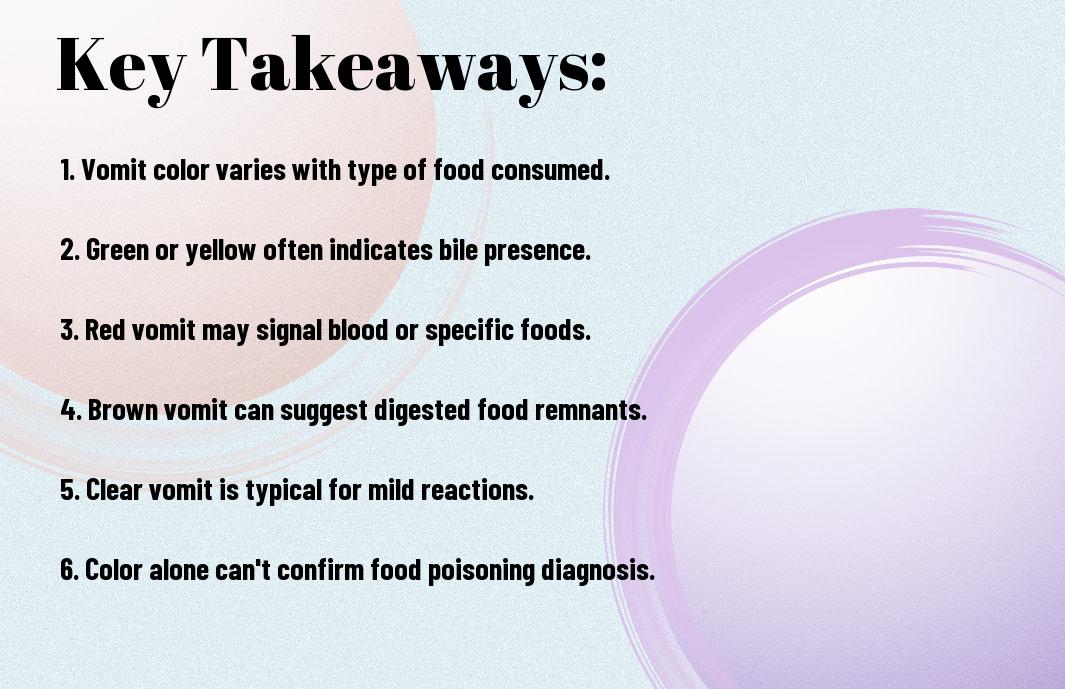
Key Takeaways:

  • Color Variation: Food poisoning vomit can vary in color, often appearing yellow, green, or brown, depending on the type of food consumed and the person’s digestive state.
  • Presence of Blood: Vomiting blood, indicated by red or dark brown color, may signal a serious condition requiring immediate medical attention.
  • Severity Indication: The color and consistency of vomit can indicate the severity of food poisoning; lighter colors may suggest milder cases, while darker hues often point to more severe reactions.

Understanding Food Poisoning

Your knowledge of food poisoning can help you avoid potential health risks. Food poisoning occurs when you consume contaminated food or beverages, leading to a range of symptoms that can manifest within hours or days. Understanding the causes and symptoms can empower you to make safer food choices.

Definition and Causes

Below are several reasons why you may experience food poisoning. Common culprits include bacteria like Salmonella, E. coli, and Listeria, as well as viruses such as Norovirus. Improper food handling, cooking, or storage can lead to contamination, making you susceptible to foodborne illnesses.

Common Symptoms

Common symptoms of food poisoning include nausea, vomiting, diarrhea, abdominal pain, and fever. These symptoms can vary in severity, depending on the type of contaminant and your individual health.

This condition can lead to dehydration and other complications if not managed properly. In general, symptoms can last from a few hours to several days. It is important to stay hydrated and seek medical attention if your symptoms persist or worsen, ensuring that you address any serious health concerns promptly.

The Color of Vomit

One common aspect of food poisoning is the color of vomit, which can vary significantly based on various factors. These colors can range from clear to yellow, green, or brown, and can often provide insight into the source of the gastrointestinal distress. It is important to pay attention to the vomit color as it may indicate the severity of your condition and the presence of specific toxins or irritants in your system.

Factors Influencing Vomit Color

On your journey to understanding vomit color, several factors influence its appearance. These include:

  • Diet: The foods you consumed prior to vomiting
  • Hydration levels: Dehydration can lead to concentrated vomit
  • Medical conditions: Underlying health issues may alter vomit color

Perceiving these variations offers valuable context for your symptoms and may prompt you to seek medical advice.

Interpretation of Vomit Colors

Across various contexts, the interpretation of vomit colors can provide vital clues about your health. Understanding what each color may signify can aid in better assessing your condition and determining the urgency of your situation.

Further exploration into vomit colors highlights specific meanings. For instance, green or yellow vomit may indicate the presence of bile, which typically suggests that your stomach is empty. Brown vomit may be a sign of digested blood, prompting immediate medical attention. Clear vomit could hint at excessive water intake or an empty stomach. Recognizing these indicators will empower you to respond appropriately if food poisoning occurs.

Specific Colors and Their Significance

For many, the color of vomit can signal the underlying cause of food poisoning. Understanding these colors may help you gauge the severity of your condition and whether you need to seek medical attention. Colors like green, yellow, red, and brown each hold significance that you should be aware of, as they can inform you about what’s happening inside your body. Being knowledgeable about these indicators can aid you in making informed decisions about your health.

Green or Yellow Vomit

Specific shades of vomit, such as green or yellow, often indicate that your body is expelling bile. This typically happens when your stomach is empty, and your digestive system is reacting strongly to the toxins. If you notice these colors, it may suggest your food poisoning episode is particularly severe, highlighting the need for careful monitoring of your symptoms and hydration levels.

Red or Brown Vomit

Against common assumptions, red or brown vomit can be alarming and suggests the presence of blood or old blood in the gastrointestinal tract. This discoloration may arise from severe irritation or damage, requiring immediate medical evaluation to determine the underlying cause.

Consequently, if you experience red or brown vomit, it’s necessary to pay close attention to other symptoms you might be encountering, such as abdominal pain or dizziness. These can indicate more severe conditions, such as gastrointestinal bleeding, warranting urgent attention from a healthcare professional. Always prioritize your health and consult a doctor if you observe these troubling signs.

Diagnosis and Treatment

Despite the discomfort food poisoning causes, diagnosing the condition typically involves a thorough review of your symptoms and potential exposure to contaminated food. Healthcare providers may suggest testing your stool to identify the specific pathogen responsible. Treatment often focuses on hydration and rest, as most cases resolve without the need for medication. In severe instances, antibiotics or other therapies may be necessary, especially if a bacterial infection is involved.

When to Seek Medical Help

For certain symptoms such as persistent vomiting, high fever, or signs of dehydration like dry mouth and dizziness, seeking medical assistance promptly is important. If your symptoms worsen or do not improve within a few days, contact a healthcare professional for further evaluation and potential treatment options.

Preventive Measures

When preparing or consuming food, maintaining proper hygiene is important to reduce the risk of food poisoning. Ensure that you wash your hands thoroughly before and after handling food, cook meals to the appropriate temperatures, and store leftovers promptly in the refrigerator.

Plus, be vigilant about the food you purchase; always check expiration dates and prefer to buy from reputable sources. Avoid cross-contamination by using separate cutting boards and utensils for raw and cooked foods. Understanding safe food handling practices can significantly lower your chances of experiencing foodborne illnesses.

Personal Accounts and Case Studies

Many individuals have documented their experiences with food poisoning, shedding light on the various symptoms and colors of vomit they encountered. Here are some case studies to consider:

  • Case Study 1: A 30-year-old male reported bright yellow vomit after consuming undercooked fish, diagnosed with Vibrio parahaemolyticus infection.
  • Case Study 2: A family of four exhibited dark green vomit after a picnic, linked to spoiled mayonnaise-based dishes.
  • Case Study 3: An 18-year-old female experienced brown vomit after eating beef tacos contaminated with E. coli.
  • Case Study 4: A child showed clear, watery vomit following consumption of expired dairy products, confirmed as a case of norovirus.

Anecdotal Experiences

Along your journey through various dining experiences, you may hear anecdotes from friends and family about their own food poisoning episodes. These stories often highlight unusual colors of vomit and emphasize the distressing effects of contaminated food on personal health.

Expert Opinions

Around the world, health professionals emphasize the importance of understanding the symptoms associated with food poisoning. They often note that the color of your vomit can provide insights into the type of foodborne illness you may be dealing with.

Plus, experts state that the analysis of vomit color can indicate the severity and type of food poisoning, as greens may suggest spoiled vegetables while browns can indicate gastrointestinal bleeding. Understanding this information can empower you to seek the appropriate medical care early, ensuring better health outcomes in the event of a foodborne illness.

Myth vs. Reality

Keep in mind that many misconceptions surround the color of vomit associated with food poisoning. People often believe that specific colors directly indicate the severity or type of food poisoning. However, this is not always the case, as various factors can influence vomit color, making it necessary to look beyond just the hue for accurate information.

Misconceptions about Vomit Color

Before stepping into the reality of vomit color, it’s necessary to unpack some common misconceptions. Many assume that green or yellow vomit always signals a severe health issue, while others believe that different colors can reveal the specific type of food poisoning. These beliefs, while prevalent, can lead to unnecessary panic and misinterpretation of symptoms.

Facts to Consider

After debunking those myths, it’s vital to focus on facts that contribute to the understanding of vomit color during food poisoning. The color of vomit can vary due to several elements, including the contents of your stomach, hydration levels, and the specific food that caused the reaction. It’s important to consider these factors rather than jumping to conclusions based solely on color.

To make informed decisions regarding your health, observe all symptoms, not just vomit color. Various conditions can influence coloration, such as bile presence or the type of food consumed. If you experience persistent vomiting, especially accompanied by other alarming symptoms like fever or dehydration, seek medical attention. Relying solely on vomit color may divert your focus from recognizing the overall health issue at hand.

Conclusion

Presently, understanding the color of food poisoning vomit can help you identify possible health issues. Typically, vomit can vary in color from clear to yellow, green, brown, or even red, depending on what you have consumed and the severity of your condition. If you are concerned about your symptoms, it’s advisable to consult a healthcare professional. You can refer to a detailed Vomit Color Chart: Throwing-Up Yellow, Green, Black or Red to better understand the implications of your vomit color.

FAQ

Q: What color is food poisoning vomit?

A: Food poisoning vomit can vary in color, commonly appearing yellow, green, or even brown. The color can be influenced by the type of food consumed and how long it’s been in the stomach. Yellow vomit is often bile, which indicates that the stomach is empty, while greenish hues may indicate the presence of bile or undigested food. Brown vomit may result from partially digested food mixed with bile.

Q: Why does the color of vomit change with food poisoning?

A: The color of vomit can change due to several factors, including the type of food that was ingested, the time it’s spent in the digestive system, and the body’s reaction to toxins. When food is vomited, digestive juices, including bile, can mix with the contents, altering the color depending on what was eaten and how long it’s been in the stomach.

Q: Is green vomit a sign of food poisoning?

A: While green vomit can be a symptom of food poisoning, it does not exclusively indicate this condition. Green vomit is often associated with bile, which can occur when the body expels stomach contents due to irritation or infection, including foodborne illnesses. Other causes, such as certain medical conditions or bile reflux, can also lead to green vomit.

Q: Can the color of vomit indicate the severity of food poisoning?

A: The color of vomit itself does not directly indicate the severity of food poisoning. However, it can provide some insight into the body’s state. If vomiting is accompanied by blood or a persistent change in color, it may suggest a more serious condition that warrants medical attention. It’s important to assess other symptoms, such as dehydration and abdominal pain, for a better evaluation.

Q: When should I seek medical help for vomit color changes?

A: You should seek medical assistance if vomit appears consistently in unusual colors, such as red or dark brown, which can indicate blood or digested blood. Additionally, if vomiting persists for an extended time, is accompanied by severe abdominal pain, fever, or signs of dehydration (such as reduced urination or dry mouth), it is advisable to consult a healthcare professional for guidance and treatment.

What is the fastest way to flush out food poisoning

Most people who experience food poisoning want immediate relief and a swift recovery. Understanding how to flush out the toxins effectively can help alleviate your symptoms and restore your health. In this guide, you will discover practical steps you can take to expedite the detoxification process, maintain hydration, and manage your recovery more efficiently. By following these recommendations, you can help your body eliminate harmful substances and feel better in no time.

Key Takeaways:

  • Hydration: Stay well-hydrated by drinking plenty of water or clear fluids to help flush out toxins from your system.
  • Rest: Allow your body to recover by getting enough rest, which can expedite the healing process.
  • Ginger or Peppermint: Consider consuming ginger or peppermint tea, as these can help soothe nausea and improve digestion.
  • Avoid Solid Foods: Initially, stick to a bland diet; avoid solid foods until symptoms subside to reduce strain on your digestive system.
  • Seek Medical Attention: If symptoms persist for more than a couple of days or worsen, don’t hesitate to contact a healthcare professional.

Understanding Food Poisoning

The term food poisoning refers to an illness that arises from consuming contaminated food or beverages. It’s often caused by bacteria, viruses, or parasites that can lead to various uncomfortable symptoms. Understanding the underlying causes, identifiable symptoms, and the necessary treatment is imperative for navigating this unpleasant experience.

Common Causes

Causes of food poisoning typically include undercooked meats, contaminated fruits and vegetables, unpasteurized dairy products, and improper food handling practices. You can inadvertently expose yourself to harmful pathogens through cross-contamination and inadequate refrigeration. Understanding these risks can help you make safer food choices.

Symptoms to Look Out For

With food poisoning, you might experience a range of symptoms, including nausea, vomiting, diarrhea, abdominal cramps, and fever. Some individuals may experience more severe reactions, which can require medical intervention. Knowing these symptoms is crucial for recognizing when you need to act quickly.

A clear understanding of the symptoms not only helps you manage your comfort but also determines when to seek medical attention. While most cases of food poisoning resolve within a few days, severe symptoms—such as persistent high fever, dehydration, and bloody stools—indicate a more serious condition. If you encounter these alarming signs, it is vital to consult a healthcare professional for further evaluation and treatment.

Immediate Actions to Take

You should take immediate action if you suspect food poisoning to help minimize symptoms and discomfort. Start by implementing vital measures that can aid in flushing out the toxins from your system effectively.

Hydration and Electrolyte Balance

Any instance of food poisoning can lead to dehydration due to vomiting and diarrhea. It’s crucial to replenish lost fluids and electrolytes by drinking clear fluids, such as water, broth, or electrolyte solutions. Aim for small sips frequently to prevent overwhelming your stomach.

Resting the Digestive System

On feeling the symptoms of food poisoning, it’s vital to allow your digestive system to rest. Avoid solid foods for several hours, giving your body time to recover from the stress caused by the illness.

Actions you take to rest your digestive system include refraining from eating until you are feeling better, which can help minimize irritation and allow your body to focus on healing. Once symptoms begin to subside, begin with bland, easy-to-digest foods, such as bananas, rice, applesauce, and toast (often referred to as the BRAT diet). This gradual reintroduction of food can support your recovery while ensuring that your digestive system is not overwhelmed.

Home Remedies and Treatments

Your journey to recovery from food poisoning may be supported with various home remedies and treatments. It’s imperative to stay well-hydrated and gently nourish your body as you heal. For a comprehensive guide on How To Recover From Food Poisoning Fast, consider seeking professional advice as well.

Natural Remedies to Support Recovery

One effective way to enhance your recovery is through natural remedies. Ginger tea can help soothe your stomach, while peppermint is known to ease nausea. Additionally, consuming clear broths can provide hydration and imperative nutrients without overwhelming your digestive system.

Over-the-Counter Medications

One option to alleviate your symptoms involves over-the-counter medications. These can be beneficial in managing discomfort such as diarrhea and nausea, enabling you to feel more at ease during recovery.

With various options available, medications like loperamide can reduce diarrhea, while bismuth subsalicylate can help calm your stomach and prevent further digestive issues. However, you should consult a healthcare professional before using these remedies, especially if your symptoms persist or worsen. Always ensure you follow the recommended dosages to avoid potential complications.

When to Seek Medical Help

Many individuals can manage mild cases of food poisoning at home, but it’s important to recognize when professional intervention is necessary. If your symptoms worsen or persist, seeking medical help can be crucial in preventing complications and ensuring your well-being.

Signs of Severe Food Poisoning

Signs of severe food poisoning include high fever, prolonged vomiting, severe abdominal pain, or blood in your stool. If you experience these symptoms, it’s vital to act quickly, as they may indicate a more serious infection that requires urgent medical care.

Professional Treatments Available

On the other hand, professional treatments for food poisoning typically involve rehydration therapies, medications to ease symptoms, and, in some cases, antibiotics to combat bacterial infections. Healthcare providers may also conduct tests to identify the specific pathogen causing your condition, allowing for targeted treatment.

Seek medical attention if your symptoms escalate or if you belong to a high-risk group, such as pregnant women, the elderly, or individuals with compromised immune systems. Medical professionals can provide tailored interventions based on the severity of your symptoms and help rule out any underlying complications, ensuring a quicker and more effective recovery.

FAQ

Q: What are the initial steps to take if I suspect food poisoning?

A: If you suspect food poisoning, the first step is to stop eating any additional food. Stay hydrated by drinking plenty of fluids, such as water or electrolyte solutions, to replace lost fluids. Rest is vital as your body needs energy to combat the illness. If symptoms persist for more than 24 hours, or if you experience severe symptoms like high fever, bloody diarrhea, or dehydration, seek medical attention immediately.

Q: Are there any specific foods or remedies that can help flush out food poisoning quickly?

A: While there isn’t a universal ‘quick fix’ for food poisoning, certain remedies may help alleviate symptoms. Clear fluids like broth or non-caffeinated drinks can aid hydration. Ginger tea may help settle your stomach and reduce nausea. Bananas, rice, applesauce, and toast (the BRAT diet) are gentle foods that can be reintroduced slowly as your stomach begins to feel better. Avoid dairy, caffeine, alcohol, and fatty foods until you’re back to normal.

Q: How long does it typically take to recover from food poisoning, and when should I be concerned?

A: Recovery from food poisoning can vary depending on the pathogen involved but typically occurs within a few days to a week. If symptoms such as vomiting, diarrhea, or nausea worsen or persist beyond 48 hours, or if you show signs of severe dehydration (like extreme thirst, dry mouth, little or no urination, or dizziness), it’s crucial to seek medical help. Some types of food poisoning may require more intensive treatment, so don’t hesitate to consult a healthcare professional.

Which food poisoning comes on quickly

Many people wonder about the speed at which food poisoning symptoms can appear after consuming contaminated food. Understanding these timelines is crucial for safeguarding your health. Certain foodborne pathogens can cause symptoms to manifest within hours of ingestion, which may leave you feeling unwell and uncertain about the source of your illness. In this post, you’ll learn about the specific types of food poisoning that are known for their rapid onset, enabling you to make informed choices and recognize when to seek help.

Key Takeaways:

  • Incubation Period: Some food poisoning cases can present symptoms within hours, often linked to pre-formed toxins.
  • Common Culprits: Bacteria such as Staphylococcus aureus and Bacillus cereus are known to cause rapid onset of symptoms.
  • Symptoms: Quick onset often leads to nausea, vomiting, and diarrhea, typically occurring within 1-6 hours of consuming contaminated food.
  • Food Sources: Foods like improperly stored cooked meats, dairy products, and rice dishes are frequent sources.
  • Prevention: Safe food handling, proper cooking, and cooling practices are vital to minimize risks of rapid food poisoning.

Types of Food Poisoning

While many types of food poisoning can affect you, it’s crucial to understand the various origins of these illnesses. The speed at which symptoms appear largely depends on the type of contaminant. Here are the main types of food poisoning:

  • Bacterial Infections
  • Viral Infections
  • Parasitic Infections
  • Toxin-mediated Infections
  • Chemical Poisoning

Knowing the specific type of food poisoning can help you respond quickly and effectively, should you be affected.

Type of Infection Common Pathogen
Bacterial Salmonella, E. coli
Viral Norovirus, Hepatitis A
Parasitic Giardia, Trichinella
Toxin-mediated Clostridium botulinum
Chemical Heavy metals, Pesticides

Bacterial Infections

Bacterial food poisoning occurs when you consume food contaminated with harmful bacteria. Common culprits include Salmonella, Listeria, and E. coli. Symptoms can appear within hours to a few days after exposure and may include nausea, vomiting, diarrhea, and abdominal cramps.

Viral Infections

With viral infections, the most common perpetrators are Norovirus and Hepatitis A. These viruses can be transmitted through contaminated food or water. Symptoms typically manifest within 12 to 48 hours after exposure and can include diarrhea, vomiting, and fever.

To effectively prevent viral infections, you should maintain proper hygiene, wash your hands regularly, and ensure that food is cooked thoroughly. Since viruses can spread easily in communal settings, being cautious is crucial, especially during outbreaks.

Parasitic Infections

Infections caused by parasites like Giardia and Trichinella can lead to gastrointestinal symptoms. These infections often result from consuming undercooked or contaminated food. Symptoms may vary but commonly include diarrhea, weight loss, and fatigue.

Infections can also linger, leading to chronic gastrointestinal issues if left untreated. Thus, it’s vital to seek medical advice if you suspect a parasitic infection after consuming suspicious food.

For further information on a specific type of food poisoning, such as Staphylococcal Food Poisoning, you can explore reputable sources that provide detailed insights into causes, symptoms, and preventive measures.

Symptoms and Onset Times

You may experience food poisoning symptoms that can vary significantly based on the type of pathogen involved. Understanding the timing of these symptoms is crucial for identifying the source of the illness. For more detailed information on Food Poisoning, consider looking into available resources that discuss specific pathogens and their associated symptoms.

Rapid Onset Symptoms

On average, if you have contracted a foodborne illness from a bacterial infection like Staphylococcus aureus or Bacillus cereus, symptoms can appear within a few hours of ingestion. These can include nausea, vomiting, abdominal cramps, and diarrhea, and may require immediate attention.

Delayed Onset Symptoms

On the other hand, some foodborne illnesses caused by pathogens like Salmonella or Listeria can take longer to manifest. You may not notice symptoms until 6 to 72 hours after consuming contaminated food.

Onset times for delayed symptoms can provide crucial clues about your illness. For instance, if you consumed food from a questionable source and experience nausea or diarrhea days later, it may point toward a specific type of food poisoning. Being aware of these time frames can help you assess potential sources and seek medical advice more effectively.

Severity of Symptoms

Symptoms can range from mild to severe, and their severity is often influenced by factors such as the type of pathogen and your overall health. You may find certain infections result in more serious complications.

It is crucial to monitor the severity of your symptoms, as severe cases can lead to dehydration or even hospitalization, particularly in vulnerable populations such as young children, the elderly, or those with compromised immune systems. Understanding the potential severity associated with different foodborne illnesses will help you respond appropriately to your condition.

Common Sources of Rapid-Onset Food Poisoning

All foodborne illnesses can ruin your day, but some sources are notorious for causing rapid-onset food poisoning. By being aware of these common culprits, you can take proactive steps to keep your meals safe and enjoyable.

Contaminated Dairy Products

On many occasions, contaminated dairy products such as milk, cheese, and yogurt can harbor harmful bacteria like Salmonella and Listeria. These microorganisms thrive in warm conditions, often leading to rapid food poisoning symptoms shortly after consumption. Always check expiration dates and ensure proper refrigeration to minimize risks.

Undercooked Meat

Rapid onset food poisoning is often linked to undercooked meat, particularly poultry and ground beef. When meat is not cooked thoroughly, it may harbor dangerous pathogens like E. coli and Salmonella, which can cause severe gastrointestinal distress as early as a few hours after ingestion.

Sources of this type of food poisoning are widespread in eateries that serve undercooked or raw meat dishes. It’s crucial for you to ensure that meat is cooked to the safe recommended temperatures. Always use a food thermometer, and avoid cross-contamination in your kitchen to prevent these pathogens from thriving in your meals.

Raw Seafood

The risks associated with raw seafood, such as sushi and oysters, cannot be underestimated. Consuming these items can expose you to bacteria and viruses like Vibrio and Norovirus, leading to rapid-onset food poisoning. It’s vital to choose reputable sources and ensure that seafood is properly handled and stored.

Products obtained from reliable vendors greatly reduce your risk of illness. Opt for seafood that is frozen or cooked thoroughly to eliminate harmful pathogens. When dining out, ask about the source of the seafood and ensure it meets safety standards before indulging in any raw preparations.

Prevention and Safety Measures

Many people underestimate the importance of food safety, but implementing proper prevention measures is crucial to avoiding food poisoning. By understanding and practicing safe food handling, cooking temperatures, and storage practices, you can significantly reduce the risk of illness.

Proper Food Handling

Any time you prepare food, hygiene is necessary. Always wash your hands thoroughly with soap and water before and after handling food. Keep your cooking surfaces clean, separate raw and cooked foods, and use different utensils for these items to minimize cross-contamination.

Cooking Temperatures

On the topic of cooking, it is vital to use food thermometers to ensure that your food reaches safe internal temperatures. Below, you’ll find safe cooking temperatures for various types of foods.

Safe Cooking Temperatures

Food Type Recommended Temperature
Poultry (chicken, turkey) 165°F (74°C)
Ground meats (beef, pork) 160°F (71°C)
Beef, pork, lamb, veal (steaks, chops, roasts) 145°F (63°C)
Fish and shellfish 145°F (63°C)

To further ensure food safety, always allow enough cooking time for food items to reach the recommended temperatures. This action is necessary as it helps eliminate harmful bacteria that may cause food poisoning, ensuring your meals are safe to eat.

Safe Storage Practices

Safety in food storage is crucial to combat foodborne illnesses. Store raw meats on the bottom shelves of your refrigerator to prevent juices from dripping onto other foods, and always ensure your fridge is set to 40°F (4°C) or lower.

Handling leftover food properly is also vital. Make sure to refrigerate leftovers promptly within two hours of cooking, and consume or freeze them within three to four days to maintain freshness and safety.

Conclusion

Now that you understand which food poisoning comes on quickly, it’s crucial to be aware of the risks associated with foods, particularly those linked to Staphylococcal Food Poisoning. This type of foodborne illness can manifest rapidly, often within hours of consumption. To protect yourself, you’ll want to practice safe food handling and stay informed about proper food storage techniques. For further insights, you can explore Staphylococcal Food Poisoning – an overview.

FAQ

Q: What types of food poisoning have rapid onset symptoms?

A: Food poisoning that presents symptoms quickly, typically within hours of consumption, is often caused by pathogens such as Staphylococcus aureus and Bacillus cereus. Symptoms from Staphylococcus aureus usually start 1-6 hours after eating contaminated food, with nausea, vomiting, and abdominal cramps being common. Bacillus cereus can cause illness in similar timeframes, particularly through its emetic (vomiting) toxin, which is often associated with fried rice left at room temperature.

Q: How can I prevent food poisoning that occurs quickly?

A: Preventing rapid-onset food poisoning involves practicing good food safety habits. To reduce the risk, ensure that food is cooked to the correct temperatures, avoid leaving perishable foods out at room temperature for more than 2 hours, and refrigerate leftovers promptly. Regular hand washing, keeping cooking surfaces clean, and avoiding cross-contamination between raw and cooked foods are also critical measures to prevent quick-onset foodborne illnesses.

Q: What should I do if I suspect I have rapid-onset food poisoning?

A: If you suspect you have food poisoning with quick onset symptoms, it’s important to hydrate and rest. Mild cases may resolve on their own within a day or two. However, if symptoms are severe, such as prolonged vomiting, bloody diarrhea, high fever, or dehydration, seek medical attention immediately. Providing a detailed account of the foods you consumed and the timeline of symptoms can help healthcare providers diagnose and treat your condition effectively.

Can food poisoning recover by itself

Many of you may wonder if food poisoning can resolve on its own without medical intervention. Concerning food poisoning, it’s crucial to understand its symptoms, causes, and treatment options to ensure a quick and safe recovery. To learn more about food poisoning treatment and what to expect, check out this informative article on Food Poisoning Treatment: What to Expect.

Key Takeaways:

  • Food poisoning can resolve on its own: In most cases, mild cases of food poisoning can resolve without medical intervention.
  • Stay hydrated: It is important to stay hydrated while recovering from food poisoning to prevent dehydration.
  • Consult a doctor if symptoms persist: If symptoms of food poisoning persist or worsen, it is important to seek medical attention for proper diagnosis and treatment.

What is Food Poisoning?

Definition and Causes

The term ‘food poisoning’ refers to illnesses caused by consuming contaminated food or beverages. This contamination can occur due to bacteria, viruses, parasites, or their toxins. Common causes include improper food handling, storage, or cooking; consuming raw or undercooked foods; and cross-contamination.

Common Symptoms

Common symptoms of food poisoning include nausea, vomiting, diarrhea, stomach cramps, and fever. These symptoms can vary depending on the type of contaminant and the individual’s tolerance level. In severe cases, food poisoning can lead to dehydration and require medical attention.

Plus, symptoms of food poisoning typically appear within hours to a few days after consuming contaminated food or beverages. It is imperative to stay hydrated and rest to help your body recover. If symptoms persist or worsen, seek medical help.

The Body’s Natural Response

Immune System Reaction

An vital component of your body’s natural response to food poisoning is your immune system. When harmful bacteria or toxins enter your system through contaminated food, your immune system kicks into gear to fight off the invaders. Symptoms like nausea, vomiting, and diarrhea are actually signs that your body is working hard to get rid of the offending pathogens.

Self-Recovery Mechanisms

To aid in your recovery, your body employs various mechanisms to help flush out the toxins and bacteria causing the food poisoning. One of these mechanisms is increased fluid intake, which helps to rehydrate your body and assist in the elimination of the harmful substances. Additionally, your body may induce vomiting and diarrhea as a way to expel the toxins quickly.

It is important to support your body’s self-recovery mechanisms by staying well-hydrated and getting plenty of rest. In most cases, mild to moderate cases of food poisoning will resolve on their own within a few days as your body successfully fights off the infection.

Factors Affecting Recovery

After experiencing food poisoning, several factors can influence your recovery. Here are some key aspects to consider:

  • Severity of Poisoning: The severity of your food poisoning can impact how quickly you recover. Mild cases may resolve on their own within a few days, while more severe cases may require medical treatment. Knowing when to seek medical help is crucial. For more information on treatment options, you can visit Treatment for Food Poisoning – NIDDK.

Recovery: Severity of Poisoning

On the journey to recovery, the severity of your food poisoning plays a significant role in determining the timeline and required interventions.

Individual Health Status

On a personal level, your individual health status can also affect how quickly you bounce back from food poisoning. Factors such as your overall health, immune system strength, and any pre-existing conditions can impact your recovery process.

For instance, individuals with weakened immune systems or underlying health issues may take longer to recover from food poisoning compared to those who are generally healthy. It’s necessary to listen to your body and seek medical attention if needed.

Timely Medical Intervention

Poisoning can sometimes be severe and may require prompt medical intervention to ensure a full recovery. Timely medical treatment, such as intravenous fluids or medication, can help alleviate symptoms and prevent complications.

For instance, if you experience persistent vomiting, high fever, dehydration, or bloody stools, seeking medical assistance promptly is crucial. Keep in mind, your health is paramount, and getting the necessary medical care can speed up your recovery process.

Can Food Poisoning Recover on Its Own?

Mild Cases: When Recovery is Possible

Food poisoning can vary in severity, with mild cases often resolving on their own. If you are experiencing mild symptoms such as nausea, vomiting, and diarrhea, your body may be able to fight off the infection without medical intervention. It is important to stay hydrated and get plenty of rest to help your body recover.

Moderate Cases: When Medical Attention is Crucial

On the other hand, moderate cases of food poisoning may require medical attention. If your symptoms persist or worsen, it is important to seek help from a healthcare provider. In some cases, antibiotics or other medications may be necessary to treat the infection and prevent complications.

It is important to monitor your symptoms closely and seek medical help if you experience severe abdominal pain, high fever, or bloody diarrhea. These could be signs of a more serious infection that requires immediate treatment to avoid potential complications.

Severe Cases: When Hospitalization is Necessary

When food poisoning leads to severe dehydration, organ dysfunction, or other serious complications, hospitalization may be necessary. In these cases, you may require intravenous fluids, antibiotics, and other intensive treatments to help your body recover and prevent further harm.

When experiencing severe symptoms such as extreme lethargy, confusion, or difficulty breathing, do not hesitate to seek emergency medical care. Prompt treatment can make a significant difference in your recovery and prevent long-term health consequences.

Complications and Risks

Dehydration and Electrolyte Imbalance

Now, if you experience food poisoning, it’s imperative to be aware of potential complications such as dehydration and electrolyte imbalance. Vomiting and diarrhea can lead to significant fluid loss, which in turn can result in dehydration. Dehydration can be serious, especially for young children, older adults, and individuals with weakened immune systems.

Long-term Health Consequences

Any delay in seeking treatment for food poisoning can result in long-term health consequences. With severe cases, food poisoning can lead to complications such as kidney damage, chronic arthritis, and even neurological disorders. It’s crucial to monitor your symptoms and seek medical attention if they worsen or persist.

With imbalance in electrolytes and dehydration from food poisoning, your body may struggle to function properly. This can lead to weakness, confusion, irregular heartbeats, and even seizures. If you experience any of these symptoms, it’s important to seek medical care immediately.

Increased Risk of Future Infections

Infections caused by certain foodborne pathogens can also increase your risk of future infections. To prevent this, it’s crucial to practice good food hygiene and ensure that you are consuming properly cooked and stored foods. By taking these precautions, you can reduce your risk of contracting foodborne illnesses in the future.

To avoid complications and reduce the risk of future infections, it’s imperative to follow proper food safety guidelines. This includes storing food at the correct temperatures, avoiding cross-contamination, and washing your hands thoroughly before handling food. By being vigilant about food safety practices, you can protect yourself and your loved ones from foodborne illnesses.

Preventing Food Poisoning

Safe Food Handling Practices

Not practicing safe food handling can increase your risk of food poisoning. Make sure to wash your hands thoroughly before and after handling food, especially raw meats and vegetables. Use separate cutting boards for raw meats and ready-to-eat foods to prevent cross-contamination. Cook foods to their recommended internal temperatures and refrigerate leftovers promptly.

Proper Hygiene and Storage

Food poisoning can also be prevented by maintaining proper hygiene and storage practices. Any perishable foods should be refrigerated promptly and stored at the correct temperature to prevent bacterial growth. Check expiration dates on food packages and discard any items that are past their prime.

Another important aspect of proper hygiene and storage is to clean your refrigerator regularly to prevent any cross-contamination between different foods. Make sure to store raw meats on the bottom shelf to avoid any drips onto ready-to-eat foods below.

Avoiding High-Risk Foods

With food poisoning, prevention is key. Avoiding high-risk foods like raw or undercooked meats, unpasteurized dairy products, and raw shellfish can significantly reduce your chances of getting sick. Opt for pasteurized dairy products and fully cooked meats to minimize your risk.

Handling fruits and vegetables with care is also important in preventing food poisoning. Wash produce thoroughly before consuming, especially if you plan to eat it raw. This simple step can help remove any potential bacteria or contaminants present on the surface of the produce.

Conclusion

Following this discussion, it is important to note that while mild cases of food poisoning can often resolve on their own with rest and hydration, it is crucial to seek medical attention if symptoms persist or worsen. It is always better to err on the side of caution when it comes to your health. Prompt treatment can help prevent dehydration and other complications that may arise from food poisoning.

Bear in mind, your well-being is of the utmost importance. If you suspect you have food poisoning and are unsure of the severity of your symptoms, do not hesitate to consult a healthcare professional. They can provide guidance on the best course of action to ensure a speedy recovery and prevent further complications.

FAQ

Q: Can food poisoning recover by itself?

A: In most cases, food poisoning will resolve on its own within a few days. However, it is important to stay hydrated and get plenty of rest. If symptoms persist or worsen, it is advisable to consult a healthcare provider.

Q: What are the common symptoms of food poisoning?

A: Common symptoms of food poisoning include nausea, vomiting, diarrhea, stomach cramps, and fever. These symptoms can vary in severity depending on the type of bacteria or virus causing the food poisoning.

Q: When should I seek medical help for food poisoning?

A: You should seek medical help for food poisoning if you experience severe symptoms such as persistent vomiting, high fever, bloody stools, dehydration, or signs of neurological symptoms. It is always better to consult a healthcare provider if you are unsure about the severity of your condition.

Does food poisoning cause fever

It’s necessary to understand the relationship between food poisoning and fever. When your body detects harmful bacteria or viruses from contaminated food, it can trigger a response that includes a rise in body temperature. This fever is your body’s way of fighting off the infection. In this blog post, we will explore the connection between food poisoning and fever, symptoms to watch out for, and when to seek medical attention. So, if you’ve ever wondered whether food poisoning can cause fever, keep reading to find out more.

Key Takeaways:

  • Food poisoning can cause fever: In many cases, food poisoning can lead to a fever as the body tries to fight off the infection caused by consuming contaminated food.
  • Fever is a common symptom of food poisoning: Along with symptoms like nausea, vomiting, and diarrhea, fever is a common indicator of food poisoning and can help in diagnosing the condition.
  • Consult a healthcare professional: If you suspect you have food poisoning and are experiencing a fever, it is important to seek medical advice for proper diagnosis and treatment.

What is Food Poisoning?

The world of food poisoning can be a scary one to navigate. Before we research into the different aspects of this topic, it’s important to understand what food poisoning actually is.

Definition and Causes

The term “food poisoning” refers to an illness caused by consuming contaminated food or water. The source of contamination could be bacteria, viruses, parasites, or toxins produced by these germs. Food poisoning can occur at any stage, from production to preparation to storage. The most common causes include improper food handling, inadequate cooking, and cross-contamination.

Common Types of Food Poisoning

To shed more light on the subject, here are some common types of food poisoning you should be aware of:

  • Salmonella
  • E. coli
  • Listeria
  • Norovirus
  • Botulism

The symptoms of food poisoning can vary depending on the type of contaminant involved. Common symptoms include nausea, vomiting, diarrhea, abdominal pain, and fever. The treatment for food poisoning typically involves staying hydrated and allowing the illness to run its course, although in severe cases, medical intervention may be necessary.

What is Fever?

Definition and Symptoms

One of the ways your body responds to an infection or illness is by developing a fever. Fever is a temporary increase in your body temperature, usually a sign that your immune system is fighting off an infection. Symptoms of a fever include feeling hot to the touch, shivering, sweating, and general discomfort.

How Fever Relates to Infection

Symptoms may vary depending on the underlying cause of the fever. Infections from bacteria, viruses, or fungi can trigger the body to release chemicals that raise the temperature set point in your brain, leading to a fever. This elevated body temperature creates an inhospitable environment for pathogens, aiding in your body’s defense mechanisms against the infection.

How Fever Relates to Infection

Fever is your body’s way of fighting off infections and is often a sign that your immune system is actively working to protect you. By increasing your body temperature, fever can help to speed up the activities of white blood cells and other immune responses, ultimately aiding in the healing process. In some cases, a fever may also help your body to recover more quickly from an illness.

The Connection Between Food Poisoning and Fever

Many people wonder whether food poisoning can cause a fever. The answer is yes, it can. When your body detects harmful bacteria or toxins from contaminated food, it triggers an immune response that can lead to symptoms such as fever. Let’s explore how food poisoning can trigger a fever and the role of toxins and infection in this process.

How Food Poisoning Triggers Fever

Fever is your body’s natural response to infections or toxins. When you consume contaminated food, such as undercooked meat or unpasteurized dairy, harmful bacteria like Salmonella or E. coli can enter your system. Your body recognizes these invaders as dangerous and releases chemicals to fight them off. This immune response can lead to an increase in body temperature, resulting in a fever.

The Role of Toxins and Infection

Poisoning from toxins produced by bacteria like Staphylococcus aureus can also cause fever. These toxins can disrupt your body’s normal functions, leading to symptoms like nausea, vomiting, and fever. In some cases, the presence of infection along with these toxins can worsen the symptoms and prolong the duration of your illness.

Another important aspect to consider is the severity of the food poisoning. Mild cases may only result in a slight fever, while more severe cases can lead to high fever, dehydration, and other complications. It is crucial to seek medical attention if you suspect food poisoning, especially if you experience persistent fever or severe symptoms.

Symptoms of Food Poisoning-Induced Fever

Common Symptoms

The symptoms of food poisoning can vary depending on the source of contamination and your body’s response. The most common symptoms include nausea, vomiting, diarrhea, abdominal cramps, and fever. If you have food poisoning-induced fever, your body temperature may rise above the normal range of 98.6 degrees Fahrenheit (37 degrees Celsius). The fever is your body’s way of fighting off the harmful bacteria or toxins that have entered your system through contaminated food.

Severe Symptoms and Complications

Any serious case of food poisoning can lead to severe symptoms and complications that require immediate medical attention. Symptoms such as dehydration, severe abdominal pain, bloody stools, and high fever are indicators of a more critical condition. In some cases, foodborne illnesses can progress to more severe complications like organ damage or septicemia if left untreated.

For instance, certain types of bacteria like E. coli and Salmonella can cause severe dehydration due to excessive fluid loss from vomiting and diarrhea. If not addressed promptly, dehydration can lead to electrolyte imbalances, kidney failure, or even death. Therefore, it is crucial to seek medical help if you experience any of these severe symptoms.

Diagnosis and Treatment

After reading the blog post Are You Sure It Wasn’t Food Poisoning?, you might be wondering about the diagnosis and treatment for food poisoning in case you experience symptoms like fever.

Medical Tests and Examinations

Examinations for food poisoning may involve a physical exam by a healthcare provider to assess your symptoms and medical history. In some cases, your doctor may order laboratory tests, such as a stool culture, blood tests, or urine tests, to determine the exact cause of your illness. These tests can help identify the specific bacteria, virus, or parasite responsible for the food poisoning.

Treatment Options and Home Remedies

Medical treatment for food poisoning often focuses on managing symptoms like fever, nausea, and diarrhea. Your doctor may recommend staying hydrated with water or electrolyte drinks, resting, and avoiding solid foods until your symptoms improve. In some cases, if dehydration is severe, you may need intravenous (IV) fluids to replenish lost fluids and electrolytes. Options for home remedies may include consuming bland foods like toast, rice, bananas, and applesauce to ease digestion and gradually reintroduce solid foods as you recover.

Prevention is Key

For overall well-being and to avoid the discomfort of food poisoning, prevention is necessary. By following safe food handling practices and being cautious about high-risk foods, you can significantly reduce your chances of falling ill from contaminated food.

Safe Food Handling Practices

Safe food handling practices are crucial in preventing foodborne illnesses. Always wash your hands thoroughly before and after handling food, and make sure to keep your kitchen surfaces, utensils, and cutting boards clean. Separate raw meats from other foods to prevent cross-contamination, and ensure that meat and seafood are cooked to the proper internal temperatures. Refrigerate leftovers promptly and avoid consuming expired or spoiled foods.

Avoiding High-Risk Foods

Practices such as avoiding raw or undercooked meats, unpasteurized dairy products, and raw sprouts can help lower your risk of food poisoning. These foods are more likely to harbor harmful bacteria such as E. coli and Salmonella, which can cause foodborne illnesses. Additionally, be cautious with buffet-style or potluck meals, as these environments can increase the risk of cross-contamination.

Prevention is key when it comes to food poisoning. By being mindful of safe food handling practices and avoiding high-risk foods, you can protect yourself and your loved ones from the unpleasant symptoms of foodborne illnesses.

To wrap up

On the whole, it is important to note that while food poisoning can indeed cause fever, it is not always a definitive symptom. Other common symptoms such as nausea, vomiting, diarrhea, and abdominal pain are more indicative of food poisoning. However, if you do experience a fever along with these symptoms after consuming questionable food, it is advisable to seek medical attention to determine the underlying cause and receive appropriate treatment. Remember to always practice good food safety habits to prevent food poisoning in the first place.

Q: Can food poisoning cause fever?

A: Yes, food poisoning can cause fever. Fever is a common symptom of food poisoning, often occurring along with other symptoms such as nausea, vomiting, diarrhea, and abdominal pain.

Q: How long does a fever last with food poisoning?

A: The duration of a fever caused by food poisoning can vary depending on the type of bacteria or toxin ingested. In general, fever associated with food poisoning may last anywhere from a few hours to several days.

Q: When should I seek medical attention for fever related to food poisoning?

A: It is advisable to seek medical attention if you have a fever along with severe symptoms such as persistent vomiting, diarrhea, dehydration, bloody stools, or if the fever is accompanied by other serious symptoms. Additionally, if the fever persists for more than a couple of days, it is recommended to consult a healthcare professional.

Can we eat curd in food poisoning

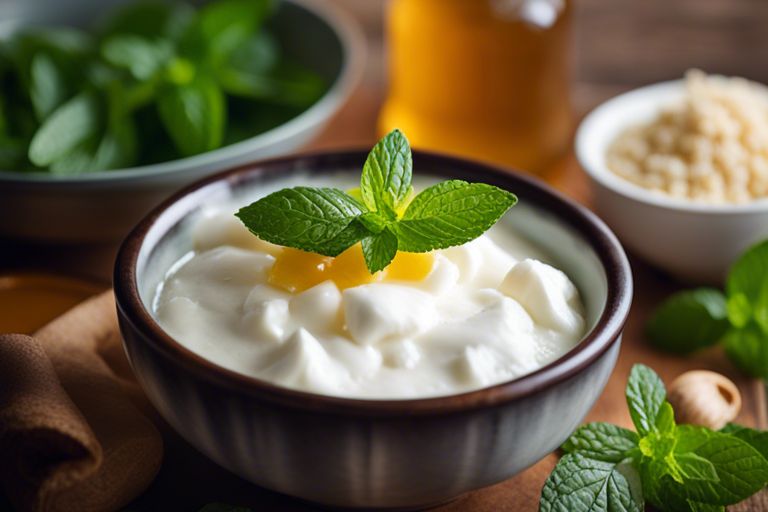
Poisoning can be a distressing experience, leaving you wondering what to eat to soothe your stomach. Concerning food poisoning, certain foods like curd can either worsen or improve your symptoms. While curd is generally safe to consume during food poisoning, it’s vital to consider the cause of the poisoning and your specific symptoms before adding it to your diet. Let’s explore whether curd can be your friend or foe when battling food poisoning.

Key Takeaways:

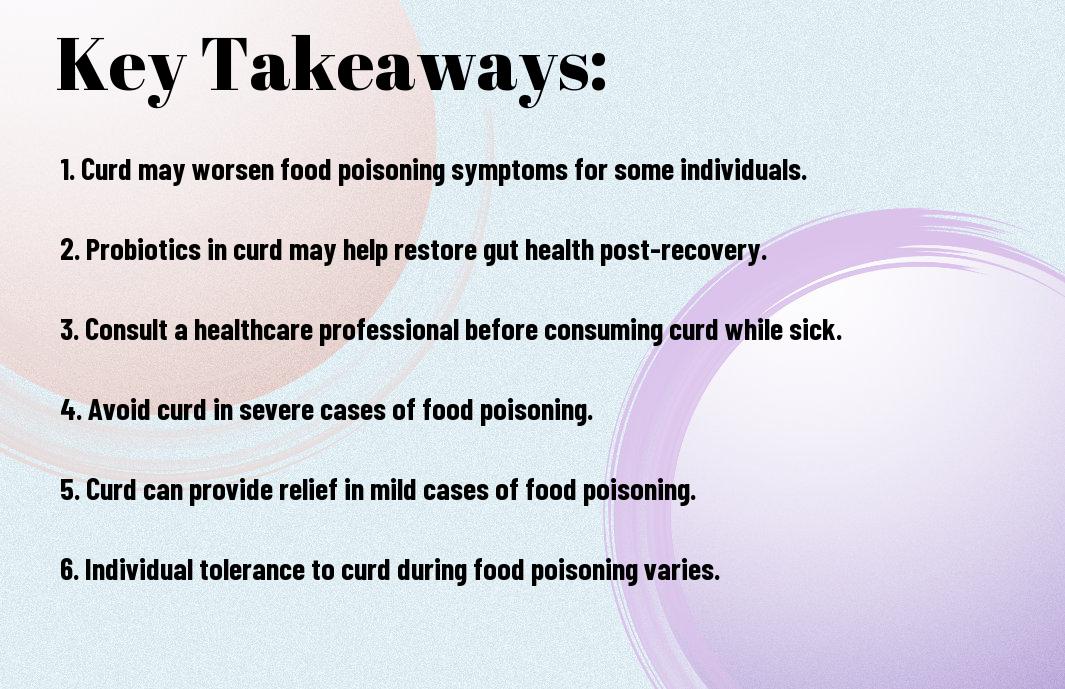
  • Curd can aggravate food poisoning: Consuming curd during food poisoning can worsen the symptoms as it is a dairy product that can be difficult to digest while the stomach is already compromised.
  • It may not be the best choice: Although some people believe that curd can help in reducing inflammation in the stomach during food poisoning, it is generally not recommended due to the risk of exacerbating the condition.
  • Stick to bland, easily digestible foods: When dealing with food poisoning, it is better to opt for bland and easily digestible foods such as plain rice, toast, and clear broth to help soothe the stomach and aid in recovery.

The Benefits of Curd

Before exploring whether you can eat curd when experiencing food poisoning, it’s vital to understand the benefits this dairy product can offer. For centuries, curd has been used as a natural remedy for various health issues, including food poisoning. According to Home Remedies For Food Poisoning – By Dr. Harendra Ji, curd contains vital nutrients and active cultures that can aid in the healing process.

Probiotics and Gut Health

Curd is rich in probiotics, which are beneficial bacteria that support your gut health. These live cultures can help restore the balance of good bacteria in your digestive system, which may be disrupted during food poisoning. By consuming curd, you introduce these healthy bacteria into your gut, potentially speeding up the recovery process.

Soothing Digestive Issues

On top of the probiotics, curd also has a soothing effect on your digestive system. The cool temperature and creamy texture of curd can help calm inflammation and irritation in your gut, providing relief from symptoms like nausea, vomiting, and diarrhea. Including curd in your diet when you have food poisoning may help ease discomfort and promote healing.

With its nutrient content, probiotics, and soothing properties, curd can be a valuable addition to your diet when dealing with food poisoning. Incorporating this dairy product into your meals may help support your gut health and alleviate digestive issues, aiding in a quicker recovery.

Food Poisoning 101

Some instances of food poisoning can leave you feeling miserable, with symptoms ranging from mild discomfort to severe illness. It’s important to understand the causes, symptoms, and common types of food poisoning to protect yourself and your loved ones.

Causes and Symptoms

On occasion, food can become contaminated with harmful bacteria, viruses, parasites, or toxins, leading to food poisoning. Common symptoms of food poisoning include nausea, vomiting, diarrhea, abdominal pain, fever, and weakness. These symptoms can appear within hours of consuming contaminated food and may vary in severity.

Common Types of Food Poisoning

  • Salmonella
  • E. coli
  • Listeria
  • Norovirus

Any type of food can potentially cause food poisoning if not handled or cooked properly. Salmonella, E. coli, Listeria, and Norovirus are among the most common types of food poisoning. Each of these pathogens can cause a range of symptoms, from mild digestive upset to serious illness.

Salmonella Raw poultry, eggs, and produce
E. coli Undercooked ground beef, raw fruits and vegetables
Listeria Soft cheeses, deli meats, sprouts
Norovirus Contaminated water, ready-to-eat foods

Recognizing the symptoms of food poisoning and seeking prompt medical attention is crucial in preventing complications and aiding recovery. It is imperative to stay well-informed about food safety practices to reduce the risk of foodborne illnesses.

Can Curd Help in Food Poisoning?

After experiencing the symptoms of food poisoning, you may wonder if curd can aid in your recovery. Let’s explore the potential benefits of curd in dealing with food poisoning.

The Role of Probiotics in Recovery

One way curd may help in food poisoning is through its probiotic content. Probiotics are beneficial bacteria that can help restore the balance of good bacteria in your gut. When you consume curd, you are introducing these healthy bacteria into your digestive system, which may help to improve your gut health and aid in the recovery process.

Curd as a Natural Remedy

Remedy

Another reason curd is considered a natural remedy for food poisoning is its soothing properties. Curd has a cooling effect on the digestive system, which can help calm inflammation and discomfort in your gut. Additionally, the smooth texture of curd can be easy on your stomach, making it a gentle option to consume when you are recovering from food poisoning.

Food poisoning can leave you feeling weak and dehydrated. Including curd in your diet can also help replenish lost nutrients and electrolytes, providing your body with the nourishment it needs to recover efficiently.

How Curd Works Against Food Poisoning

Unlike many other foods that you may be wary of consuming during food poisoning, curd can actually be beneficial. It has probiotics, which are good bacteria that can help restore the balance in your gut and aid in digestion.

Restoring Gut Balance

Balance is key when it comes to recovering from food poisoning. The probiotics in curd help replenish the healthy bacteria in your gut that might have been depleted due to the illness. This can help speed up the recovery process and ease symptoms like diarrhea or stomach cramps. Including curd in your diet can promote a healthy gut environment and support your body in fighting off the toxins.

Reducing Inflammation

Restoring your gut health is crucial in reducing inflammation in your body. Curd contains anti-inflammatory properties that can help soothe the digestive system and reduce any irritation caused by food poisoning. By consuming curd, you are helping to calm down the inflammatory response and give your gut the chance to heal.

Reducing inflammation is important during food poisoning as it can help alleviate symptoms such as bloating, nausea, and discomfort. Curd can be a soothing and gentle option to include in your diet as you recover from the effects of consuming contaminated food.

Precautions and Considerations

Choosing the Right Type of Curd

Choosing the right type of curd is important when considering consuming it during food poisoning. Opt for fresh, plain curd without any added flavorings or sugar. The live cultures present in plain curd can help in restoring the balance of good bacteria in your gut, aiding in the recovery process.

Storage and Handling

An important aspect to consider when including curd in your diet during food poisoning is proper storage and handling. Ensure that the curd is stored in the refrigerator at the recommended temperature to maintain its freshness and prevent the growth of harmful bacteria. Additionally, always use a clean spoon to take out the required amount of curd to avoid contamination.

This will help in preserving the integrity of the curd and reduce the risk of further contamination during food poisoning. By following these storage and handling guidelines, you can safely incorporate curd into your diet as a source of probiotics to aid in your recovery.

Combining Curd with Other Remedies

Once again, when dealing with food poisoning, it is crucial to combine curd with other remedies to aid your recovery. Remember to refer to resources like What to Eat While Recovering From Food Poisoning for a comprehensive guide on food choices during this time.

Herbal Teas and Spices

Remedies such as herbal teas and spices can complement the benefits of curd in combating food poisoning. Herbal teas like ginger or peppermint can help soothe your stomach and alleviate nausea and cramps. Additionally, spices like cumin, coriander, and fennel can aid digestion and reduce bloating or gas, enhancing the overall effectiveness of curd in your recovery process.

Rest and Hydration

One crucial aspect of recovering from food poisoning is rest and hydration. Make sure you give your body the time it needs to heal by resting adequately. Hydrating with water, clear broths, or electrolyte-rich beverages can help flush out toxins and maintain your body’s fluid balance, supporting the curd in replenishing beneficial gut bacteria and promoting digestion.

For instance, sipping on warm herbal teas or consuming hydrating foods like watermelon can further boost your hydration levels and aid in the recovery process alongside curd.

Summing up

Conclusively, when it comes to food poisoning, it is generally safe to consume curd. In fact, curd can help restore the healthy bacteria in your gut and aid in digestion. However, it is important to assess your symptoms and consult a healthcare professional if you are unsure about whether to eat curd or any other dairy products while recovering from food poisoning. Remember to listen to your body and make choices that support your recovery.

Q: Is it safe to eat curd during food poisoning?

A: In most cases, it is safe to eat curd during food poisoning as it contains probiotics that can help restore the balance of good bacteria in the gut. However, if you are experiencing severe symptoms like vomiting and diarrhea, it is best to consult a healthcare professional before consuming curd.

Q: How can curd help during food poisoning?

A: Curd contains live cultures of beneficial bacteria that can help improve digestion and boost the immune system. These probiotics can aid in restoring the balance of gut flora that may have been disrupted during food poisoning, promoting better overall gut health.

Q: Are there any types of curd that should be avoided during food poisoning?

A: While plain, unsweetened curd is generally safe to eat during food poisoning, it is best to avoid flavored or sweetened varieties that may contain added sugars or artificial ingredients. These additives can potentially worsen symptoms of food poisoning and disrupt the healing process of the gut.

Can food poisoning affect urine

Your urine, while often overlooked, can actually provide valuable insights into your health. In the case of food poisoning, the toxins produced by bacteria or viruses can indeed impact the color, smell, and frequency of your urine. Understanding these changes can help you recognize the signs of food poisoning early on and take appropriate action to recover quickly. Let’s research into how food poisoning can affect your urine and what it signifies for your overall well-being.

Key Takeaways:

  • Food poisoning can affect urine color: Consuming contaminated food can lead to changes in urine color, such as dark yellow or orange due to dehydration or presence of toxins in the body.
  • Dehydration is a common symptom of food poisoning: Dehydration can cause urine to become more concentrated and darker in color, indicating the body’s need for more fluids.
  • Presence of blood in urine may indicate severe food poisoning: In severe cases of food poisoning, especially if it affects the kidneys or urinary tract, blood may appear in the urine, which requires immediate medical attention.

What is Food Poisoning?

While you have probably heard of food poisoning before, you may not be entirely clear on what it actually is. Food poisoning is a condition caused by consuming contaminated food or beverages. This contamination can occur due to bacteria, viruses, parasites, or toxins that have contaminated the food during preparation or storage.

Definition and Causes

On your journey to understanding food poisoning, it’s crucial to know that it is not a single type of illness but rather a broad term encompassing various conditions that result from ingesting harmful substances. The most common causes of food poisoning include bacteria like Salmonella, Campylobacter, and E. coli, viruses such as norovirus and hepatitis A, and parasites like Giardia and Cryptosporidium. These organisms can find their way into your food through improper handling, cooking, or storage.

Common Types of Food Poisoning

To probe deeper into food poisoning, let’s explore some of the common types that you may encounter. Here are five prevalent types of food poisoning:

1. Salmonellosis Caused by the Salmonella bacteria found in contaminated food, especially poultry, eggs, and unpasteurized milk.
2. Campylobacter Infection Linked to consuming undercooked poultry or contaminated water.
3. E. coli Infection Usually contracted from eating undercooked ground beef or contaminated produce.
4. Norovirus Infection Often spread through contaminated food or water and causes stomach flu-like symptoms.
5. Listeriosis Caused by the Listeria bacteria found in unpasteurized dairy products and deli meats.

After experiencing symptoms of food poisoning, it’s crucial to seek medical attention if they persist or worsen. Importantly, proper hydration is crucial to prevent dehydration caused by vomiting and diarrhea.

The Urinary System

Overview of Urine Production

Some of the body’s waste products are filtered out of your blood by your kidneys. To produce urine, the kidneys extract waste and excess substances from the blood through tiny filtering units called nephrons. These waste products, along with water and electrolytes, then form urine, which travels to your bladder through tubes called ureters.

Functions of the Kidneys

Kidneys play a crucial role in maintaining your body’s overall health. They not only filter waste from your blood to produce urine but also help regulate blood pressure, balance electrolytes, and stimulate the production of red blood cells. Additionally, the kidneys play a role in activating Vitamin D, necessary for maintaining healthy bones.

A common misconception is that the kidneys only function to filter waste, but they have a variety of necessary functions that are vital for your well-being. So, taking care of your kidneys is crucial for overall health.

The Connection Between Food Poisoning and Urine

How Toxins Affect the Urinary System

Connection. All food poisoning results from consuming contaminated food or beverages that contain harmful bacteria, viruses, parasites, or toxins. When these toxins enter your body, they can affect various organs, including your urinary system. The toxins can put a strain on your kidneys as they work to filter out and eliminate these harmful substances from your body through urine.

Changes in Urine Color and Odor

An important aspect of the connection between food poisoning and urine is the changes it can cause in the color and odor of your urine. When your body is trying to rid itself of toxins from the food poisoning, you may notice changes such as darker urine or a strong odor. These changes can be a sign that your body is working hard to eliminate the toxins, and it is crucial to stay hydrated to help flush them out more effectively.

Plus, if you experience persistent changes in your urine color or odor after suspected food poisoning, it is vital to seek medical attention. These changes could indicate a more severe issue or complication that needs to be addressed by a healthcare professional.

Symptoms of Food Poisoning in Urine

Many times, the effects of food poisoning can manifest in various ways, including changes in your urine. Watching out for unusual urine characteristics can sometimes provide valuable clues that you may have contracted food poisoning.

Abnormal Urine Characteristics

To identify potential food poisoning symptoms in your urine, pay attention to any abnormal characteristics such as unusual color, strong odor, cloudiness, or the presence of blood. These changes could be a sign that your body is trying to eliminate toxins through your urinary system.

Increased Urination Frequency

Urine may be produced more frequently if you are experiencing food poisoning. This increase in urination frequency could be your body’s way of flushing out the harmful substances that have entered your system. It is vital to stay hydrated during this time to help support your body’s detoxification process.

Another common symptom related to food poisoning and urine is urgency and incontinence. If you find yourself rushing to the bathroom more often and having difficulty holding your urine, it could be a result of the body’s response to the toxins ingested.

How Food Poisoning Affects Kidney Function

Acute Kidney Injury

Not all cases of food poisoning will affect your kidney function, but in some instances, particularly severe cases, it can lead to acute kidney injury. Acute kidney injury occurs when your kidneys suddenly become unable to filter waste products from your blood. This can be caused by infections or toxins, like those found in certain types of food poisoning.

On the bright side, in most cases of food poisoning, your kidneys will recover fully once the infection passes. However, it is necessary to stay hydrated and seek medical attention if you experience symptoms such as decreased urine output, swelling, or persistent nausea and vomiting, as these could be signs of acute kidney injury.

Chronic Kidney Disease

Chronic kidney disease is a long-term condition where your kidneys are unable to function correctly. While most cases of food poisoning do not lead to chronic kidney disease, repeated episodes of severe food poisoning or certain types of foodborne infections can increase your risk of developing this condition.

Chronic kidney disease is a serious condition that requires ongoing management, including dietary changes, medications, and sometimes dialysis or kidney transplant. It is necessary to protect your kidney health by practicing good food safety habits and seeking prompt treatment for any severe cases of food poisoning.

Function: Your kidneys play a crucial role in filtering waste and excess fluids from your blood, regulating blood pressure, and producing necessary hormones. Ensuring your kidneys are healthy is vital for your overall well-being and longevity.

Complications and Risks

Dehydration and Electrolyte Imbalance

An important complication of food poisoning is dehydration and electrolyte imbalance. After experiencing food poisoning, you may have frequent diarrhea and vomiting, leading to a significant loss of fluids and necessary electrolytes such as sodium and potassium. This imbalance can affect your kidneys’ ability to function properly and regulate urine production.

Sepsis and Kidney Failure

For some people, severe cases of food poisoning can result in sepsis and kidney failure. Sepsis is a potentially life-threatening condition where the body’s response to infection causes widespread inflammation. This can lead to impaired kidney function, affecting their ability to filter waste and produce urine properly.

In cases of sepsis and kidney failure due to food poisoning, immediate medical attention is crucial. If you experience symptoms such as extreme fatigue, confusion, decreased urine output, or abdominal pain after a bout of food poisoning, seek medical help promptly.

Complications

Complications from food poisoning affecting urine can range from mild dehydration to more severe conditions like sepsis and kidney failure. It is necessary to monitor your symptoms closely and seek medical advice if you experience any concerning signs or symptoms after a suspected episode of food poisoning.

Prevention and Treatment

Food Safety Tips

Keep your kitchen clean and sanitized to prevent cross-contamination between raw and cooked foods. Cook meats thoroughly, and make sure to wash fruits and vegetables before consumption. Refrigerate leftovers promptly and avoid consuming expired or spoiled foods. When dining out, choose reputable restaurants with good hygiene practices.

  • Avoid consuming undercooked meats or eggs.
  • Always wash your hands before handling food.
  • Store raw meats at the bottom of the refrigerator to prevent juices from dripping onto other foods.

Assume that all foods, even those that appear fresh, can harbor harmful bacteria that can lead to food poisoning if not handled properly.

Medical Intervention and Antibiotics

The use of antibiotics for food poisoning treatment is usually reserved for severe cases or specific bacterial infections. In most cases, food poisoning is self-limiting, and your body can clear the infection on its own without the need for medical intervention. However, if you experience persistent symptoms, such as high fever, blood in your stools, or dehydration, seek medical attention.

Food poisoning caused by certain bacteria, such as Salmonella or E. coli, may require antibiotics to clear the infection and prevent complications. Your healthcare provider will determine the appropriate course of treatment based on the type of bacteria causing the food poisoning and your overall health status.

Treatment

If you suspect you have food poisoning, the best course of action is to stay hydrated and rest. Drink plenty of fluids to prevent dehydration and avoid solid foods until your symptoms improve. In severe cases, medical treatment may be necessary to manage symptoms and provide relief. Consult a healthcare professional if your symptoms persist or worsen.

Summing up

So, can food poisoning affect urine? In short, yes. The presence of certain toxins in food poisoning can lead to symptoms like dehydration, changes in urine color, and even the presence of blood in the urine. It’s important to pay attention to these signs and seek medical attention if you suspect food poisoning may be affecting your urine.

Recall, staying well-hydrated and seeking treatment promptly can help alleviate these symptoms and prevent further complications. Your health is important, so listen to your body and take action if you notice any unusual changes in your urine after a bout of food poisoning.

FAQ

Q: Can food poisoning affect urine?

A: Yes, food poisoning can affect urine. Symptoms of food poisoning such as dehydration, fever, and changes in electrolyte levels can impact the color and odor of urine.

Q: How does food poisoning impact urine color?

A: Food poisoning can lead to dehydration, causing urine to become more concentrated and darker in color. In some cases, substances produced by the body in response to food poisoning can also change the color of urine.

Q: Are there any other ways food poisoning can affect urine?

A: Yes, food poisoning can also affect the odor of urine. Changes in metabolism and the body’s response to toxins can lead to a distinct and often unpleasant smell in the urine during and after a food poisoning episode.

How to relieve gas from food poisoning

Just faced a bout of food poisoning and now dealing with uncomfortable gas? You’re not alone. Gas is a common symptom of food poisoning that can leave you feeling bloated and uneasy. In this informative guide, we’ll explore simple yet effective ways to relieve gas and get you back on track to feeling better in no time. Let’s dive in and ease that gas discomfort for you!

Key Takeaways:

  • Drink fluids: Staying hydrated can help relieve gas and aid in flushing out toxins from food poisoning.
  • Avoid carbonated beverages: Carbonated drinks can worsen gas symptoms, so it’s best to stick to water or herbal teas.
  • Consider over-the-counter remedies: Some over-the-counter medications like simethicone can help reduce gas and bloating caused by food poisoning.

Identifying the Culprits

While dealing with gas from food poisoning, it’s crucial to identify the culprits that may have caused your discomfort. Common food poisoning causes can range from contaminated foods like undercooked meats, unpasteurized dairy products, or improperly washed fruits and vegetables.

Common Food Poisoning Causes

Identifying the source of your food poisoning can help you take necessary precautions to prevent future occurrences. Bacteria like E.coli and Salmonella are often found in raw or undercooked foods and are known to cause food poisoning symptoms such as gas, bloating, and stomach pain.

How to Recognize Gas-Related Symptoms

One way to identify gas-related symptoms from food poisoning is to pay attention to when the symptoms arise. Gas from food poisoning typically occurs soon after consuming contaminated food and may be accompanied by other digestive issues like diarrhea or nausea.

The key to managing gas-related symptoms from food poisoning is to stay hydrated, rest, and avoid foods that may further irritate your digestive system. When in doubt, it’s always best to consult with a healthcare provider to ensure proper treatment and recovery.

Quick Relief Remedies

Over-the-Counter Medications

OvertheCounter – If you’re looking for quick relief from gas caused by food poisoning, over-the-counter medications like simethicone can be helpful. These medications work by breaking down gas bubbles, making it easier for your body to pass them. Be sure to follow the dosage instructions on the packaging and consult with a healthcare provider if you have any underlying health conditions or are taking other medications.

Natural Antacids and Digestive Enzymes

Relief – Natural antacids like activated charcoal and digestive enzymes such as alpha-galactosidase can also provide relief from gas. Activated charcoal can help absorb gas in the digestive tract, while alpha-galactosidase can help break down complex carbohydrates that may be causing gas. These natural remedies are generally considered safe but consult with a healthcare provider before trying them, especially if you are pregnant or have any medical conditions.

Enzymes: Natural antacids and digestive enzymes can be found in supplement form at health food stores or online. They are often used to support digestion and relieve symptoms of gas and bloating. However, it’s necessary to use them as directed and not exceed the recommended dosage.

Home Remedies for Gas Relief

For – If you prefer natural home remedies, there are several options to help relieve gas from food poisoning. Peppermint tea, ginger, and fennel seeds are known for their gas-relieving properties. You can brew a cup of peppermint tea or chew on fennel seeds after meals to aid digestion and reduce gas. Ginger can be consumed in various forms like tea, capsules, or freshly grated in water.

Plus: These home remedies not only provide relief from gas but also have other health benefits. For example, peppermint tea can help soothe an upset stomach, while ginger has anti-inflammatory properties that may help with digestion and overall gut health.

Dietary Changes for Gas Relief

Bland Diet for Food Poisoning Recovery

Your body is recovering from food poisoning, and your digestive system may be sensitive. During this time, it’s best to stick to a bland diet to avoid upsetting your stomach further. Opt for easily digestible foods like plain toast, rice, bananas, and cooked apples. These foods are gentle on your stomach and can help soothe any discomfort you may be experiencing.

Foods to Avoid for Gas Prevention

Relief from gas can be achieved by avoiding certain foods that can exacerbate bloating and discomfort. Foods high in fiber like beans, broccoli, and cabbage can produce excess gas in your digestive system. Carbonated beverages, fried or fatty foods, and artificial sweeteners can also contribute to gas and bloating. Steering clear of these foods until your digestive system has fully recovered can help alleviate gas and discomfort.

Plus, dairy products for some individuals can be hard to digest, leading to gas and bloating. If you suspect dairy is causing your gas issues, try cutting back on dairy products like milk, cheese, and ice cream to see if it helps reduce your symptoms.

Probiotic-Rich Foods for Gut Health

Health and balance in your gut can be maintained by incorporating probiotic-rich foods into your diet. Foods like yogurt, kefir, sauerkraut, and kimchi contain beneficial bacteria that can aid digestion and promote a healthy gut flora. Including these foods in your diet can help restore balance to your digestive system and alleviate gas and bloating.

Avoid antibiotics if possible when trying to replenish your gut with probiotics, as they can kill off the good bacteria along with the bad. Opt for probiotic supplements or naturally probiotic-rich foods to help maintain a healthy gut.

Hydration and Electrolyte Balance

Importance of Staying Hydrated

After experiencing food poisoning, your body may have lost a lot of fluids through vomiting and diarrhea. An crucial part of recovering from food poisoning is staying hydrated. Drinking plenty of water helps replenish the fluids lost and prevents dehydration. Dehydration can worsen the symptoms of food poisoning and prolong your recovery time.

Electrolyte-Rich Drinks for Replenishment

Electrolyte-rich drinks such as sports drinks or oral rehydration solutions can be beneficial in replenishing lost electrolytes like sodium and potassium, especially if you’ve been experiencing diarrhea or vomiting. These drinks help restore the electrolyte balance in your body and aid in recovery. They are readily available in most supermarkets and can be a convenient way to boost your electrolyte levels.

Staying hydrated is crucial in helping your body recover from food poisoning. Water is crucial, but if you’ve been experiencing severe symptoms, consider incorporating electrolyte-rich drinks to help restore the balance of electrolytes in your body.

Avoiding Dehydration Triggers

Staying away from dehydration triggers is crucial when recovering from food poisoning. Avoid caffeinated beverages and alcohol, as they can contribute to dehydration. These drinks can irritate your stomach and exacerbate symptoms, making it harder for your body to recover. Stick to clear fluids like water, herbal teas, and electrolyte-rich beverages to support your recovery.

Replenishment: Remember to prioritize staying hydrated, especially when you are recovering from food poisoning. By choosing the right fluids and electrolyte-rich drinks, you can help your body restore its balance and recover more quickly.

Gut-Friendly Supplements

Keep your gut health in check with the help of gut-friendly supplements to relieve gas caused by food poisoning. These supplements can aid in restoring your gut health, supporting good bacteria growth, and providing relief from digestive discomfort.

Probiotics for Gut Health Restoration

Restoration: Probiotics are beneficial bacteria that can help restore the balance of your gut microbiota after a bout of food poisoning. By taking probiotic supplements, you introduce good bacteria back into your system, which can aid in digestion, boost your immune system, and reduce bloating and gas.

Prebiotics for Gut Bacteria Support

Probiotics: Prebiotics are non-digestible fibers that act as food for the good bacteria in your gut. By consuming prebiotic supplements, you can support the growth and activity of beneficial bacteria in your digestive system. This can help improve digestion, reduce gas and bloating, and promote overall gut health.

Plus, prebiotics work hand in hand with probiotics, as they provide the necessary nourishment for the probiotic bacteria to thrive and exert their beneficial effects on your gut health.

Digestive Enzyme Supplements for Relief

One: Digestive enzyme supplements can also be beneficial in relieving gas and bloating caused by food poisoning. These supplements contain enzymes that help break down carbohydrates, proteins, and fats in your food, aiding in digestion and reducing the risk of gas production.

Enzyme: By taking digestive enzyme supplements with your meals, you can support your body’s natural digestive process and alleviate discomfort associated with food poisoning-related gas and bloating.

Lifestyle Changes for Prevention

Food Handling and Storage Tips

For Food poisoning – Diagnosis and treatment, practicing proper food handling and storage is crucial in preventing food poisoning. Always ensure that you store raw meats away from ready-to-eat foods to avoid cross-contamination. Keep your refrigerator below 40°F (4°C) and use perishable items before their expiration dates.

  • Storage leftovers in airtight containers to maintain freshness and prevent bacterial growth.
  • When in doubt, throw it out! If you suspect food may be spoiled, it’s safer to discard it than risk food poisoning.

Any leftovers should be reheated to an internal temperature of 165°F (74°C) to kill any potential bacteria.

Cooking and Preparation Methods for Safety

Tips for safe cooking and food preparation include washing your hands thoroughly before handling food, using separate cutting boards for raw meats and fresh produce, and cooking food to the recommended internal temperatures. Avoid cross-contamination by cleaning surfaces and utensils with hot, soapy water after preparing raw meats.

Avoid consuming undercooked meats, eggs, and seafood, as these can harbor harmful bacteria that may cause food poisoning.

Reducing Stress for Gut Health

Storage can play a role in reducing stress on your gut health. Organize your pantry and refrigerator to make healthy food choices easily accessible. Having a well-stocked kitchen with fresh fruits, vegetables, and lean proteins can help you make nutritious meals without added stress.

The right dietary choices, such as incorporating probiotics and fiber-rich foods, can also support a healthy gut microbiome, reducing the risk of digestive issues like gas from food poisoning.

To wrap up

Presently, you have learned various methods to relieve gas caused by food poisoning. By avoiding gas-producing foods, staying hydrated, trying over-the-counter remedies, and seeking medical attention if necessary, you can alleviate discomfort and aid in your recovery process. Remember to listen to your body and take care of yourself during this time of need. Hopefully, by following these tips, you can find relief and start feeling better soon.

FAQ

Q: What are the common symptoms of gas from food poisoning?

A: Common symptoms of gas from food poisoning include bloating, cramping, flatulence, and abdominal discomfort.

Q: How can I relieve gas caused by food poisoning?

A: You can relieve gas caused by food poisoning by drinking plenty of water, taking over-the-counter gas relief medications, avoiding foods that may aggravate gas, and trying gentle exercises like walking to help move gas through your system.

Q: When should I seek medical help for gas from food poisoning?

A: You should seek medical help if you experience severe abdominal pain, persistent vomiting, bloody diarrhea, high fever, or signs of dehydration along with gas from food poisoning. These could indicate a more serious condition that requires medical attention.

Skip to content