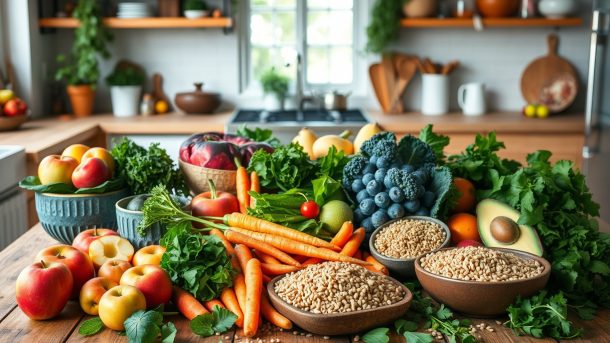
organic

What is considered a whole food

Many people are curious about what defines a whole food and why it matters for your health. Whole foods are those that are minimally processed and free from artificial additives, providing you with crucial nutrients in their most natural state. By focusing on whole foods in your diet, you can enhance your overall well-being, support better digestion, and maintain a healthy weight. In this blog post, you will learn the key characteristics of whole foods and how they can positively impact your lifestyle.

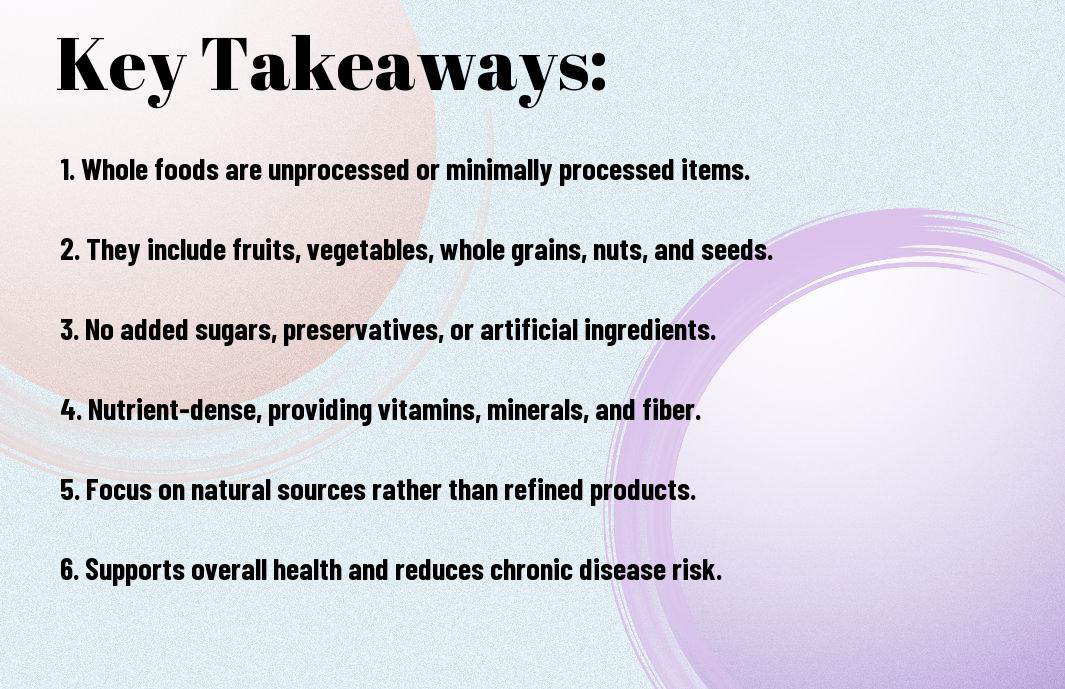
Key Takeaways:

  • Minimally Processed: Whole foods are foods that have undergone little to no processing, preserving their natural state and nutritional content.
  • Natural Origin: They come from natural sources, such as plants and animals, and include fruits, vegetables, whole grains, nuts, seeds, and lean proteins.
  • Nutrient-Dense: Whole foods are typically rich in imperative nutrients, providing vitamins, minerals, and fiber, which contribute to overall health and well-being.
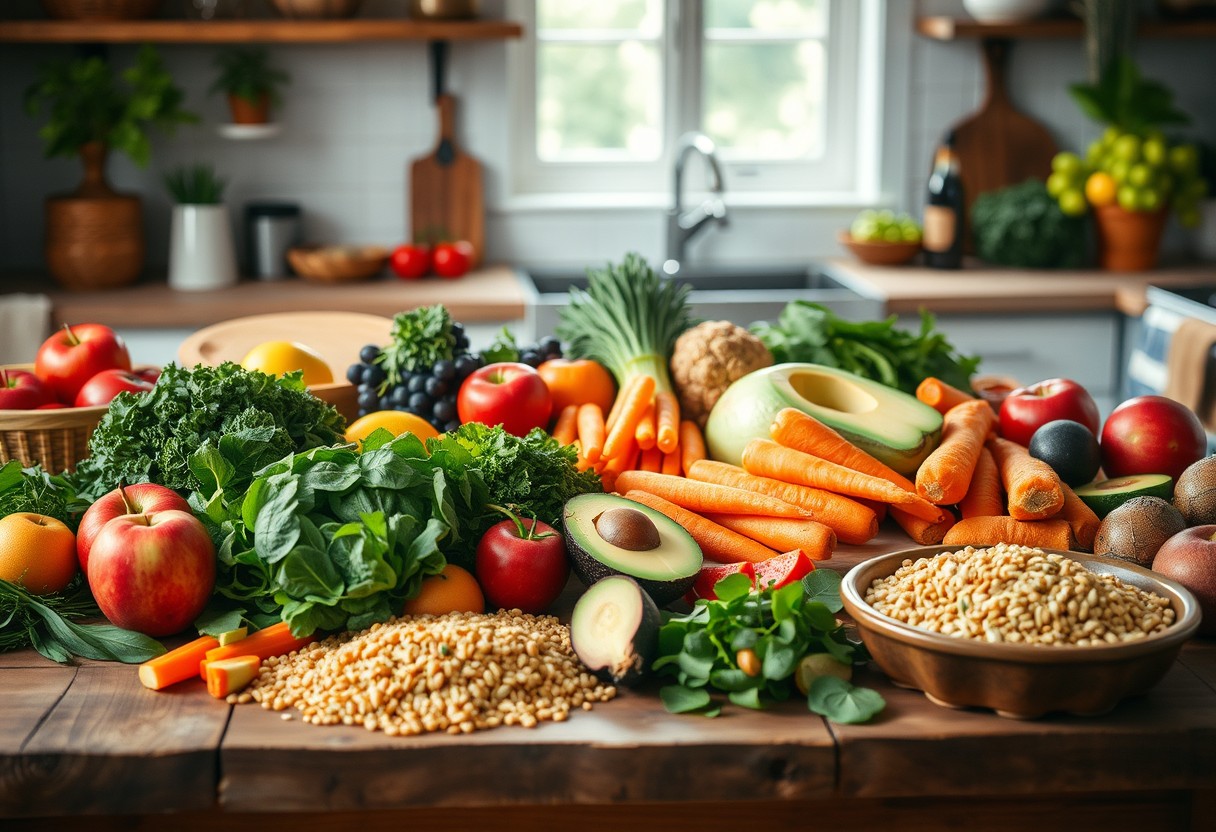
Understanding Whole Foods

While navigating the world of nutrition, understanding what constitutes whole foods is imperative for making healthier choices. Whole foods are minimally processed and are typically free from additives, preservatives, and artificial ingredients. They retain the majority of their natural state and nutritional value, helping you fuel your body effectively.

Definition of Whole Foods

The definition of whole foods revolves around natural ingredients that have undergone little to no processing. These foods are often in their original form and provide the vital nutrients your body requires for optimum health.

Types of Whole Foods

Types of whole foods can generally be categorized into various groups that promote a balanced diet. Here’s a breakdown of some main categories:

Type Examples
Fruits Apples, Bananas, Berries
Vegetables Carrots, Spinach, Broccoli
Whole Grains Brown Rice, Quinoa, Oats
Nuts and Seeds Almonds, Chia Seeds, Walnuts
Legumes Beans, Lentils, Peas

For instance, when you choose whole foods over processed options, you are selecting items like fresh fruits, vegetables, whole grains, nuts, and legumes. Each category contributes unique nutrients and benefits to your diet, enhancing your overall health.

  • Focusing on whole food options often leads to increased energy levels.
  • They help improve digestive health due to their high fiber content.
  • Whole foods can reduce the risk of chronic diseases.
  • They promote healthy weight management through nutrient density.
  • Perceiving whole foods as the foundation of your meals allows for greater health improvement.

Importantly, whole foods are integral to a balanced diet and contribute to long-term well-being. By incorporating more whole foods into your eating habits, you empower your body to thrive and maintain optimal health.

Nutritional Benefits

Now that you understand what whole foods are, it’s important to investigate into their nutritional benefits. Whole foods are packed with vital nutrients that support your overall health. They provide the proper balance of vitamins, minerals, and fiber crucial for maintaining optimal body function. For more insights, check out What is a whole-food, plant-based diet and why should you ….

Vitamins and Minerals

The nutritional profile of whole foods is one of their most significant benefits. They are rich in vital vitamins and minerals that play a vital role in bodily functions, from building strong bones to boosting your immune system. Incorporating a variety of these foods in your meals ensures you receive a comprehensive range of nutrients necessary for your well-being.

Fiber Content

Any discussion of whole foods must highlight their remarkable fiber content. Whole foods provide both soluble and insoluble fiber, which are vital for digestive health and can help you feel fuller longer. This can assist you in managing your weight and reducing the risk of chronic diseases.

Content from whole foods can significantly enhance your diet by improving digestion and promoting regular bowel movements. High-fiber options, such as fruits, vegetables, whole grains, and legumes, help regulate blood sugar levels and lower cholesterol. By consuming a fiber-rich diet, you support your gut health and ensure a more effective absorption of nutrients in your body.

Whole Foods vs. Processed Foods

For anyone looking to improve their diet, understanding the distinction between whole foods and processed foods is necessary. Whole foods are natural and unrefined, whereas processed foods have undergone various methods of alteration that strip them of their nutrients. If you’re curious about the differences between whole foods vs processed foods, you’re on the right track to making better food choices.

Differences in Nutritional Value

On average, whole foods offer a higher nutritional value compared to processed foods. Whole foods, such as fruits, vegetables, whole grains, and lean proteins, retain their necessary vitamins, minerals, and fiber. In contrast, processed foods often contain added sugars, unhealthy fats, and preservatives, leading to reduced nutrient density.

Impact on Health

For your overall health and well-being, the impact of food choices cannot be overstated. Consuming whole foods can enhance your health by promoting better digestion, stabilizing blood sugar levels, and reducing the risk of chronic diseases. On the other hand, a diet high in processed foods can lead to weight gain and increase the chances of developing conditions such as heart disease and diabetes.

Value the power of whole foods in your diet. By prioritizing these natural options, you support your body’s health through better nutrient absorption and fewer empty calories. Recall, the food you consume directly influences your energy levels, mood, and long-term health. Make conscious choices to embrace whole foods, and you’ll reap the benefits for years to come.

How to Incorporate Whole Foods into Your Diet

Not only can incorporating whole foods into your diet enhance your overall health, but it can also be a delicious and satisfying experience. Embracing these nutrient-rich options requires some thoughtful planning and smarter shopping choices.

Meal Planning Strategies

An effective way to ensure you’re eating more whole foods is to dedicate time to meal planning. Outline your meals for the week, focusing on including a variety of whole grains, fruits, vegetables, and lean proteins. This will help you stay organized and ensure you have all the necessary ingredients on hand, reducing the temptation to opt for less healthy choices.

Shopping Tips

An important aspect of incorporating whole foods into your diet is knowing how to navigate the grocery store. Start by making a shopping list that emphasizes whole foods, which will guide your selections and help you avoid the aisles filled with processed items. Prioritize shopping the perimeter of the store, where fresh produce, dairy, and meat are usually located. Any choices you make should focus on whole, unprocessed ingredients.

For instance, when shopping, consider the following tips to enhance your whole food intake:

  • Choose seasonal fruits and vegetables for peak freshness and flavor.
  • Opt for whole grains like quinoa, brown rice, or oats instead of refined options.
  • Select items with minimal ingredients, ideally nothing artificial.
  • Look for bulk bins for nuts, seeds, and grains to save money and reduce packaging waste.
  • Buy from local farmers’ markets to support sustainable agriculture.

Any time spent learning about whole food shopping means a healthier diet for you.
Summing up

Drawing together the crucial components of whole foods, it’s important to recognize that these are minimally processed foods that retain their natural nutrients. You should look for items like fresh fruits and vegetables, whole grains, nuts, seeds, and legumes, as they provide the vitamins, minerals, and fiber your body needs. When you prioritize whole foods in your diet, you support better health and well-being, making informed choices for your nutrition and overall lifestyle.

FAQ

Q: What is considered a whole food?

A: Whole foods are foods that are in their most natural state, minimally processed, and free from artificial substances. This includes fruits, vegetables, whole grains, nuts, seeds, legumes, and animal products that are unprocessed or minimally processed.

Q: Are all unprocessed foods considered whole foods?

A: Not all unprocessed foods are considered whole foods. For instance, some foods may be unprocessed but still contain added sugars or preservatives. Whole foods are specifically those that are not only unprocessed but also do not contain any additives, maintaining their natural composition.

Q: Can you provide examples of whole foods?

A: Yes, examples of whole foods include fresh fruits like apples and bananas, vegetables like spinach and carrots, whole grains such as brown rice and quinoa, as well as nuts like almonds and walnuts. They also include legumes like lentils and chickpeas, and animal products like eggs and pure meats without additives.

Q: Is it important to include whole foods in my diet?

A: Yes, incorporating whole foods into your diet is important for optimal health. Whole foods are rich in necessary nutrients, fiber, and antioxidants, which can help improve digestion, provide sustained energy levels, and reduce the risk of chronic diseases.

Q: How can I identify whole foods when shopping?

A: To identify whole foods while shopping, look for items that have minimal ingredients, ideally just one. Choose fruits and vegetables that are fresh and seasonal, select whole grains like brown rice or oats without additives, and opt for meat and dairy products that are labeled as organic or grass-fed without added hormones or antibiotics.

What are Whole Foods meals

Over the past few years, you may have heard the term “Whole Foods meals” frequently in health and nutrition discussions. These meals emphasize whole, minimally processed ingredients that provide maximum nutritional benefits, ensuring your body receives the imperative vitamins and minerals it needs. By incorporating whole foods into your diet, you can enhance your overall well-being while enjoying delicious flavors. In this blog post, you will discover the core principles of Whole Foods meals, their health benefits, and practical tips for incorporating them into your daily routine.

Key Takeaways:

  • Quality Ingredients: Whole Foods meals emphasize fresh, organic, and minimally processed ingredients.
  • Diverse Options: The meal offerings include various dietary preferences, such as vegan, gluten-free, and ketogenic choices.
  • In-Store Prepared Meals: Customers can find ready-to-eat meals prepared by Whole Foods chefs, designed for convenience without sacrificing quality.
  • Seasonal Specials: The menu frequently changes to feature seasonal produce and ingredients, ensuring meals are fresh and relevant.
  • Nutrition Focus: Whole Foods meals aim to provide balanced nutrition, aligning with health-conscious lifestyles and dietary guidelines.

Understanding Whole Foods Meals

Your journey into healthy eating begins with understanding what whole foods meals are. These meals consist primarily of whole, unprocessed foods that are free from additives and preservatives. They focus on incorporating natural foods such as fruits, vegetables, whole grains, nuts, seeds, and lean proteins, thereby maximizing both flavor and nutrition in your diet.

Definition of Whole Foods

Understanding whole foods means recognizing that these are foods in their most natural state. Whole foods are minimally processed and often organic, meaning they retain the imperative nutrients necessary for optimal health. By incorporating these kinds of foods into your meals, you can ensure that you are nourishing your body with the best possible ingredients.

Nutritional Benefits

For those looking to improve their diet, whole foods meals offer a multitude of nutritional benefits. Consuming foods rich in vitamins, minerals, and fiber helps to fuel your body and reduce the risk of chronic illnesses. Additionally, when you eat whole foods, you are likely to consume fewer unhealthy additives and sugars, allowing for better overall health.

Understanding the nutritional benefits of whole foods meals extends beyond just individual health; it contributes to a sustainable lifestyle. Whole foods can improve digestion, enhance energy levels, and support a healthy weight. By choosing whole foods over processed options, you can experience natural shifts in mood and vitality, reinforcing your commitment to your well-being.

Components of a Whole Foods Meal

It is vital to understand the various components that make up a Whole Foods meal, as they contribute to a balanced and nutritious diet. You can explore delicious options through resources like 30 Days of Healthy Whole Food Dinners. A well-structured meal typically includes protein sources, whole grains, fruits and vegetables, and healthy fats.

Protein Sources

On your journey toward a balanced Whole Foods meal, focus on incorporating high-quality protein sources. Opt for lean meats, fish, beans, lentils, and nuts to ensure you’re fueling your body with the necessary building blocks for muscle repair and overall health.

Whole Grains

Components of a Whole Foods meal also include whole grains, which are a vital source of fiber, vitamins, and minerals. Whole grains like quinoa, brown rice, and barley provide sustained energy and improve digestion, making them a perfect addition to your plate.

A Whole Foods approach encourages you to choose less processed options. Instead of white bread or pasta, opt for whole-grain alternatives that retain their nutrient-rich bran and germ. This not only enhances the flavor of your meals but also contributes to better health outcomes overall.

Fruits and Vegetables

Components of a nutritious Whole Foods meal also emphasize the importance of fruits and vegetables. These foods are packed with vital vitamins, minerals, and antioxidants, so you should aim to include a variety of colors and types in your diet to maximize their health benefits.

Vegetables play a crucial role in providing necessary fiber, which aids digestion and helps maintain a healthy weight. To make your meals vibrant and enticing, try to rotate different seasonal produce, ensuring you enjoy an array of nutrients while keeping your taste buds excited.

Healthy Fats

Grains are another important component, but they should be complemented with healthy fats to promote nutrient absorption and support overall health. Incorporate sources like avocados, olive oil, nuts, and seeds into your meals to enhance flavor and texture.

Another key element of your Whole Foods meal is recognizing the role of healthy fats in your diet. These fats support heart health and help maintain cognitive function. By using natural sources of fat, you can create delicious dressings and dips, turning ordinary veggies and grains into mouthwatering dishes.

Preparing Whole Foods Meals

After embracing the whole foods lifestyle, preparing healthy meals becomes a delightful and rewarding experience. With a few strategies and techniques, you can easily whip up nutritious dishes that align with your goals. From meal planning to shopping tips, ensuring you have everything you need is imperative for success.

Meal Planning Strategies

With effective meal planning, you can streamline your cooking process and make healthier choices more accessible. By dedicating some time each week to outline your meals, you’ll reduce the stress of daily cooking while saving both time and money.

Cooking Techniques

For optimal flavors and nutritional value in your whole foods meals, employing diverse cooking techniques is crucial. Steaming, roasting, and sautéing, for example, preserve the natural textures and tastes of ingredients, allowing you to create vibrant, satisfying dishes.

Understanding different cooking methods can elevate your meals from mundane to extraordinary. Techniques like grilling add a smoky flavor, while slow cooking can infuse your dishes with depth. Experimenting with various approaches allows you to find your favorites, making the cooking process enjoyable and fulfilling.

Tips for Shopping

Strategies for shopping for whole foods go beyond simply choosing fresh produce. Focusing on seasonal items, shopping from local farmers’ markets, and selecting organic options when possible can greatly enhance your meal quality. Consider the following tips:

  • Create a shopping list before heading to the store.
  • Choose bulk items to save money and reduce packaging waste.
  • Explore the perimeter of the store, where whole foods are typically located.

Assume that planning your shopping trip ahead will lead to better choices and less impulse buying.

Meal shopping can become a straightforward process with the right approach. Keeping an eye out for sales, using coupons, and buying in-season produce can help you maximize your budget while providing healthy options. Additionally, consider these strategies:

  • Build relationships with local farmers or join a community-supported agriculture program.
  • Stock up on frozen fruits and vegetables to avoid waste.
  • Avoid shopping when hungry to reduce impulse buys.

Assume that taking these steps will make your shopping experiences more efficient and enjoyable.

To wrap up

Taking this into account, understanding what Whole Foods meals entail can significantly enhance your dietary choices. By focusing on unprocessed, natural ingredients, you can support your overall health and well-being. Whole Foods meals prioritize freshness and flavor while embracing nutritional balance, making them a great addition to your diet. For a comprehensive overview, you can refer to the Whole Foods Diet Guide: Meal Plans and Shopping Lists to assist you in crafting delicious, wholesome meals at home.

FAQ

Q: What are Whole Foods meals?

A: Whole Foods meals refer to dishes made primarily from whole, minimally processed ingredients. This means they focus on the use of fresh fruits and vegetables, whole grains, lean proteins, and healthy fats while avoiding additives, preservatives, and refined ingredients. Whole Foods meals emphasize nutrient density and flavor, making them a nutritious choice for consumers looking to maintain a healthy diet.

Q: How can I incorporate Whole Foods meals into my diet?

A: To incorporate Whole Foods meals into your diet, start by planning your meals around whole ingredients. Focus on cooking from scratch using fresh produce, whole grains, and natural protein sources such as beans, nuts, and lean meats. You can also explore various cooking methods like steaming, grilling, and roasting to enhance the natural flavors of your ingredients. Additionally, visiting Whole Foods Market or similar grocery stores can provide you with packaged meal options that align with this philosophy.

Q: Are Whole Foods meals suitable for special diets?

A: Yes, Whole Foods meals can be easily adapted to suit various dietary preferences and restrictions, including vegetarian, vegan, gluten-free, and paleo diets. The fundamental principle of using whole, unprocessed ingredients allows for flexibility in meal preparation. For instance, a Whole Foods meal can be vegan by prioritizing plant-based ingredients, or it can be gluten-free by selecting grains like quinoa or brown rice. It’s important to read ingredient labels and plan carefully to meet your specific dietary needs.

Skip to content