Oats

Are oats whole food

Whole grains are imperative for a balanced diet, and oats are often a staple in many households. If you’re wondering whether oats qualify as a whole food, you’re not alone. Understanding the nutritional benefits of oats and their classification can help you make informed choices for your health. In this post, we’ll explore what defines whole foods and examine the characteristics of oats, so you can better integrate this nutritious grain into your meals.

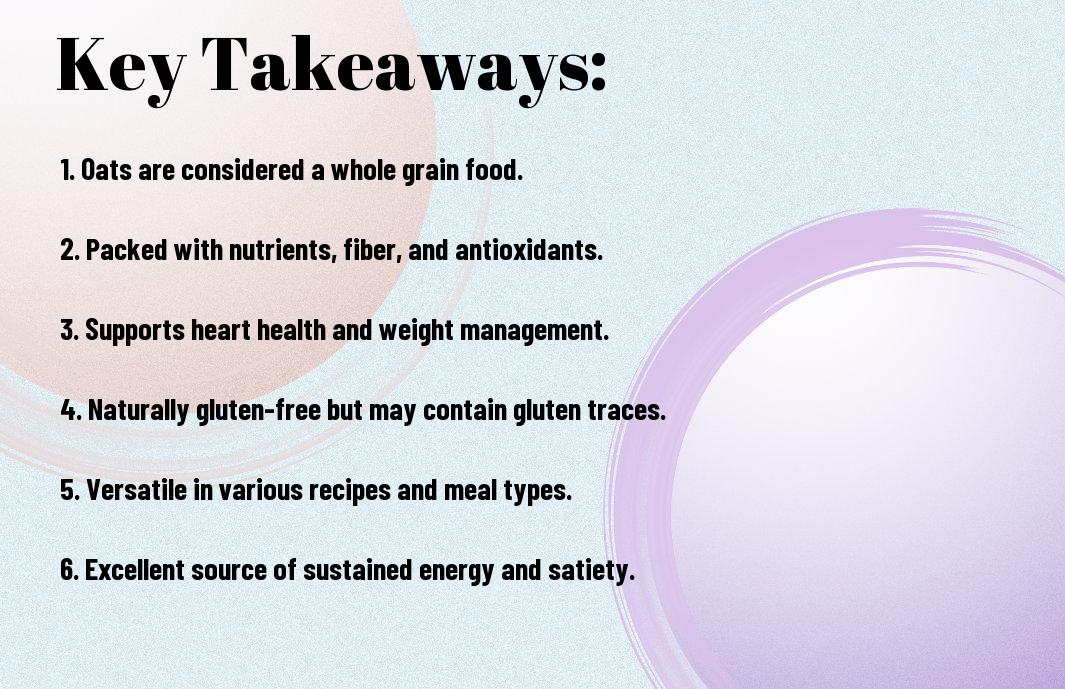
Key Takeaways:

  • Whole Food Classification: Oats are considered a whole food as they contain all parts of the grain, including the bran, germ, and endosperm.
  • Nutrient Density: Oats are rich in necessary nutrients such as fiber, protein, vitamins, and minerals, contributing to their status as a whole food.
  • Health Benefits: Consuming oats can support heart health, aid in digestion, and help regulate blood sugar levels, highlighting their wholesomeness.
  • Minimal Processing: Rolled and steel-cut oats are minimally processed, making them closer to their natural state compared to instant oats.
  • Variety of Uses: Oats can be incorporated into various meals, from breakfast to baking, making them a versatile choice in whole food diets.
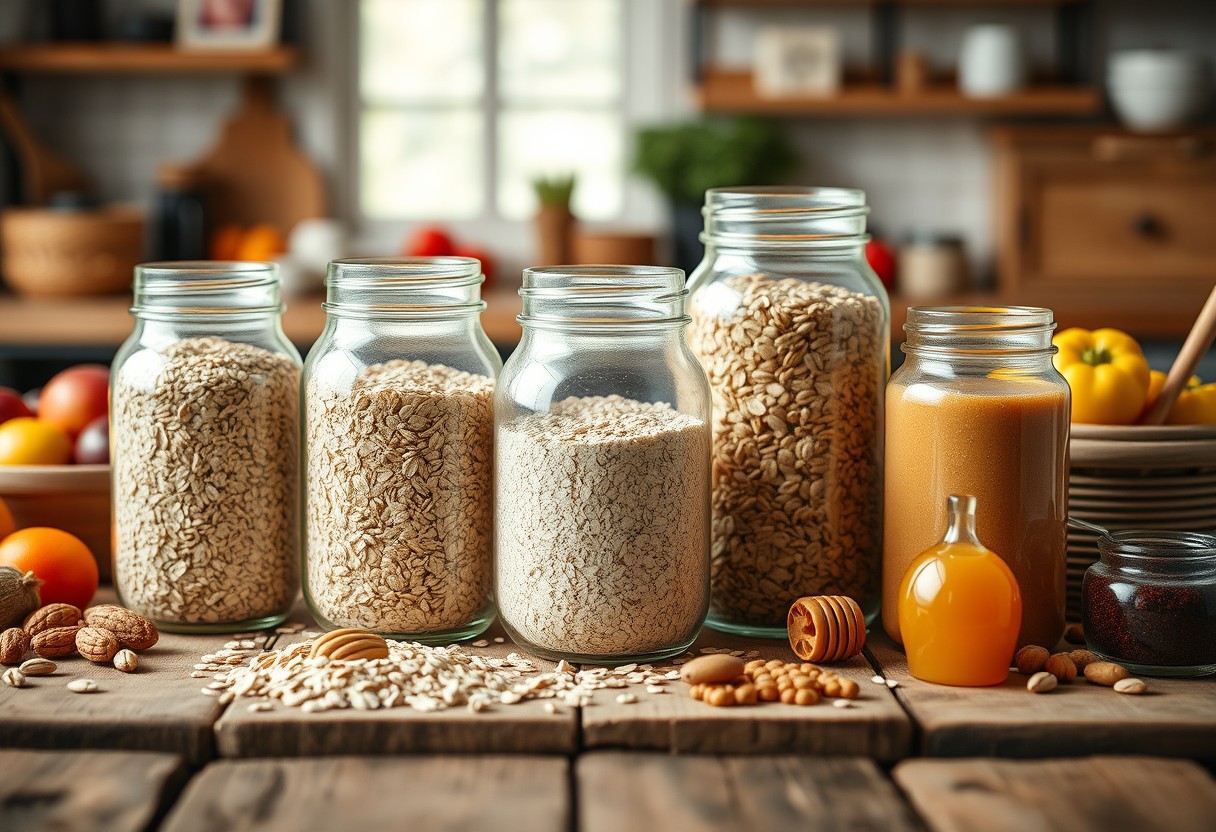
Understanding Whole Foods

Before entering into the specifics of oats and their classification, it’s important to understand what whole foods are and why they play a crucial role in your diet.

Definition of Whole Foods

With whole foods, you are referring to foods that are minimally processed and free from artificial ingredients, preservatives, and additives. They are often in their natural state, retaining their imperative nutrients, fiber, and flavor, making them the foundation of a healthy diet.

Nutritional Benefits of Whole Foods

On focusing on whole foods, you benefit from a wide array of imperative nutrients, including vitamins, minerals, and antioxidants. These foods typically have a higher fiber content, which can support digestive health and promote satiety, helping you manage your weight more effectively.

Whole foods also contribute to reduced inflammation and lower risk of chronic diseases such as heart disease and diabetes. Including a variety of whole foods in your diet ensures that you receive a balanced intake of nutrients, thus positively impacting your overall health and well-being. By emphasizing whole foods, you invest in a lifestyle that supports energy, vitality, and longevity.

Oats: A Nutritional Overview

Some might wonder if oats are a whole food, but with their rich nutritional profile, they are certainly a staple in many healthy diets. Not only do they provide imperative nutrients, but they also offer various health benefits. For a great option, consider Organic Old Fashioned Whole Grain Rolled Oats, 32 oz, which are both wholesome and versatile.

Types of Oats

Any discussion about oats usually includes several types that cater to different preferences and cooking methods. Each type varies in texture, cooking time, and uses:

  • Whole Oat Groats
  • Steel-Cut Oats
  • Rolled Oats
  • Instant Oats
  • Oat Flour

The distinction between these forms can influence your cooking experience and the dish’s final texture.

Type of Oats Cooking Time
Whole Oat Groats 50-60 minutes
Steel-Cut Oats 20-30 minutes
Rolled Oats 5-10 minutes
Instant Oats 1-2 minutes
Oat Flour Not applicable

Nutritional Composition of Oats

With their rich blend of macronutrients and micronutrients, oats pack a powerful punch. They are particularly known for being high in fiber, protein, and imperative vitamins and minerals.

To give you a clearer picture, oats contain significant amounts of soluble fiber, particularly beta-glucan, which can help manage cholesterol levels and improve heart health. In addition, they provide a range of vitamins including B vitamins and minerals like iron, magnesium, and zinc, all imperative for your body’s overall functioning and health. The combination of these nutrients makes oats a powerful whole food to include in your diet.

Oats as Part of a Whole Food Diet

For those seeking to adopt a whole food diet, oats present a versatile and nutritious option. Incorporating oats into your daily meals can significantly enhance your overall nutritional profile, providing you with imperative vitamins, minerals, and fiber. By choosing whole grain oats, you ensure that you’re consuming a minimally processed food that supports your health goals and complements a well-rounded diet.

Role of Oats in Balanced Nutrition

Oats serve as a fantastic source of complex carbohydrates, offering sustained energy while being low in sugar. This makes them an ideal addition to breakfasts or snacks, helping you maintain your energy levels throughout the day. Additionally, they are rich in fiber, which can aid digestion and promote satiety, thus supporting balanced nutrition in your diet.

Health Benefits of Oats

Whole oats are not just filling; they also come with numerous health benefits that can impact your well-being positively. They are known to lower cholesterol levels, stabilize blood sugar, and promote heart health, making them a valuable addition to your diet.

With their high content of beta-glucans, oats can help reduce LDL cholesterol and may lower the risk of heart disease. They also provide antioxidants that fight inflammation, contribute to digestive health through their soluble fiber, and can even assist with weight management by promoting feelings of fullness. By including oats in your meals, you’re investing in your long-term health while enjoying a delightful and versatile food.
Final Words

Now that you have explored the nature of oats, you can confidently conclude that they are indeed a whole food. Rich in nutrients and health benefits, incorporating oats into your diet can enhance your overall well-being. As you focus on whole food options, remember that oats, in their minimally processed form, provide imperative fiber, vitamins, and minerals that support a balanced lifestyle. Embrace oats as a wholesome addition to your meals and reap the rewards of this nutritious grain.

FAQ

Q: Are oats considered a whole food?

A: Yes, oats are considered a whole food. A whole food is one that is minimally processed and is close to its natural state. Oats, particularly whole grain oats, retain their bran, germ, and endosperm, making them a source of fiber, vitamins, and minerals. For the healthiest option, look for less processed forms like steel-cut or rolled oats, rather than instant oats, which often have added sugars or preservatives.

Q: What are the health benefits of consuming whole oats?

A: Whole oats are rich in nutrients and offer several health benefits. They are a great source of dietary fiber, particularly beta-glucan, which can help lower cholesterol levels and improve heart health. Oats also provide important vitamins and minerals, including magnesium, phosphorus, and B vitamins. Additionally, they have a low glycemic index, which helps to maintain stable blood sugar levels, making them a great choice for those managing diabetes or looking to control their weight.

Q: How can I incorporate whole oats into my diet?

A: There are many delicious ways to incorporate whole oats into your diet. You can start your day with oatmeal for breakfast, topped with fruits, nuts, or seeds. Oats can also be used in smoothies for added nutrition, as a base for homemade granola, or as a flour substitute in baking recipes like muffins and pancakes. Additionally, oats can be added to savory dishes like meatloaf or veggie burgers to enhance texture and nutritional value.

Do oats have protein

Nutrition. Have you ever wondered if oats are a good source of protein? In this article, we will examine the details to explore the protein content of oats and how they can fit into your diet. So, if you’re curious about whether oats can help you meet your protein needs, keep reading to find out more!

Key Takeaways:

  • Oats are not a significant source of protein: While oats do contain some amount of protein, they are not considered a high protein food compared to sources like meat, eggs, or legumes.
  • Oats are a good source of other nutrients: Oats are rich in fiber, vitamins, and minerals such as iron and magnesium, making them a nutritious addition to your diet.
  • To increase the protein content: You can pair oats with protein-rich foods like nuts, seeds, Greek yogurt, or protein powder to make a more balanced meal.

The Nutritional Profile of Oats

Macronutrient Breakdown

On a closer look at the macronutrient breakdown of oats, you’ll find that they are a great source of carbohydrates, with about 66% of their total content coming from carbs. Oats also contain a good amount of fiber, which helps with digestion and keeping you feeling fuller for longer. In terms of protein, oats do have protein but in smaller quantities compared to other sources like meat or legumes.

Micronutrient Content

Any discussion about the nutritional profile of oats wouldn’t be complete without mentioning their rich micronutrient content. Oats are packed with important minerals like manganese, phosphorus, magnesium, and zinc. These minerals play crucial roles in maintaining various bodily functions and supporting overall health.

Another important micronutrient found in oats is iron, which is important for carrying oxygen throughout your body. Including oats in your diet can help you meet your daily iron needs, especially if you follow a plant-based diet and need alternative sources of this important mineral.

Protein Content in Oats

Little do you know that oats can actually be a great source of protein. While they are commonly known for their high fiber content, oats also pack a decent amount of protein.

Amount of Protein per Serving

Content You might be surprised to learn that a 1-cup serving of cooked oats contains about 6 grams of protein. This might not seem like a lot compared to other protein sources, but for a grain, oats are a significant source of this vital nutrient.

Comparison to Other Grains

Comparison To put things into perspective, let’s compare the protein content of oats to other grains.

Oats (1 cup, cooked)
Quinoa (1 cup, cooked)
6 grams 8 grams

To give you a clearer picture, quinoa, often hailed for its protein content, contains about 8 grams of protein per cup cooked. While quinoa edges out oats slightly in the protein department, oats are still a respectable source of this macronutrient.

Types of Oats and Their Protein Content

After understanding the importance of protein in your diet, you may wonder about the protein content in different types of oats. Oats come in various forms, each offering a unique texture and flavor profile. Here’s a breakdown of the protein content in different types of oats:

  • Rolled Oats
  • Steel-Cut Oats
  • Instant Oats

Rolled Oats

The protein content in rolled oats is slightly lower compared to other varieties of oats. However, rolled oats are a popular choice for breakfast due to their convenience and versatility in recipes. One cup of rolled oats typically contains around 8 grams of protein. Additionally, rolled oats are rich in fiber, making them a nutritious choice to start your day.

After consuming rolled oats, your body can benefit from a steady release of energy due to their complex carbohydrates. These oats are also known to aid in digestion and keep you feeling full for longer periods.

Steel-Cut Oats

Oats are the least processed among the various oat varieties, preserving their natural nutrients, including protein. Steel-cut oats have a slightly higher protein content than rolled oats, with around 5 grams of protein per serving. The texture of steel-cut oats is heartier and chewier compared to rolled oats, offering a more satisfying meal experience.

This type of oats takes longer to cook but provides a dense and fulfilling breakfast option. Steel-cut oats are a great choice if you prefer a more substantial meal that will keep you fueled throughout the morning.

Instant Oats

The protein content in instant oats is similar to rolled oats, around 8 grams per cup. Instant oats are processed to cook faster than other varieties, making them a convenient option for busy mornings. While they may not have the same texture as rolled or steel-cut oats, instant oats are a quick and easy way to incorporate oats into your diet.

The convenience of instant oats makes them a popular choice for those with hectic schedules. You can customize your instant oats with toppings like fruits, nuts, or seeds to enhance the flavor and nutritional profile of your meal.

Another important factor to consider when choosing oats is the fiber content, which plays a significant role in supporting your digestive health and keeping you satisfied. Incorporating a variety of oats into your diet can help you meet your protein needs while enjoying the many health benefits that oats offer.

Factors Affecting Protein Absorption

Keep in mind that several factors can influence how effectively your body absorbs protein from oats.

  • Phytic Acid and Its Impact
  • Cooking and Processing Methods

Phytic Acid and Its Impact

With oats containing phytic acid, a compound that can bind to minerals like iron, zinc, and calcium, it may hinder the absorption of these nutrients in your body. To mitigate this, consider soaking your oats overnight before cooking them. This process helps reduce the phytic acid content, making the nutrients more accessible for absorption. For more information on how to optimize the nutritional benefits of oats, you can check out 7 Oatmeal Mistakes to Avoid.

Cooking and Processing Methods

For the best protein absorption from oats, pay attention to how you cook and process them. The way oats are cooked can impact their nutritional profile. The more processed the oats, the more likely they are to have a reduced protein content. Opt for steel-cut or rolled oats instead of instant varieties for a higher protein content. The cooking method you choose can also affect protein absorption.

The key to maximizing the protein content in your oats is to prepare them using cooking methods that help retain nutrients. Avoid overcooking or overheating oats, as this can lead to nutrient loss. The way you prepare your oats can significantly impact the protein your body absorbs, so be mindful of your cooking techniques. Perceiving the various factors affecting protein absorption can help you optimize the nutritional benefits of incorporating oats into your diet.

Benefits of Oat Protein

Not only are oats a great source of fiber, but they also contain a decent amount of protein. Oat protein can offer various benefits to your overall health and well-being, making it a valuable addition to your diet.

Satiety and Weight Management

Benefits of oat protein include aiding in satiety and weight management. Protein is known to help you feel full and satisfied after a meal, which can prevent overeating and ultimately support your weight loss or maintenance goals. By incorporating oat protein into your meals or snacks, you can stay fuller for longer periods, helping you avoid unhealthy cravings and unnecessary snacking throughout the day.

Muscle Function and Recovery

An additional benefit of oat protein is its role in supporting muscle function and recovery. Including oat protein in your post-workout meals or snacks can aid in muscle repair and growth. The amino acids found in oat protein are necessary for rebuilding muscle tissue that may have been broken down during exercise, helping you recover faster and perform better in your next workout.

This can be especially beneficial if you engage in regular physical activity or strength training, as adequate protein intake is crucial for maintaining and building muscle mass. By incorporating oat protein into your diet, you can support your fitness goals and overall muscle health.

Oat Protein vs. Animal-Derived Protein

Now, let’s probe into the comparison between oat protein and animal-derived protein. One aspect to consider is the amino acid profiles of these two protein sources.

Comparison of Amino Acid Profiles

Oat Protein Animal-Derived Protein
Oats contain all imperative amino acids but are lower in lysine and higher in methionine. Animal-derived proteins like meat, eggs, and dairy typically have a more complete amino acid profile, providing all imperative amino acids in sufficient quantities.

Vegetarian and Vegan Perspectives

Any discussion about protein sources would be incomplete without considering the perspective of vegetarians and vegans. Many individuals following a plant-based diet rely on sources like oats for their protein intake.

For instance, if you are a vegetarian or vegan looking to increase your protein consumption, incorporating oat protein into your diet can be a beneficial and sustainable option. Oats not only provide protein but also offer additional nutrients such as fiber, vitamins, and minerals that are imperative for overall health.

Final Words

Drawing together all the information we have covered, you now understand that oats do indeed contain a fair amount of protein, making them a valuable source for vegetarians and vegans looking to increase their protein intake. Do not forget, incorporating oats into your diet in various forms such as oatmeal, granola bars, or smoothies can provide you with a nutritious and delicious way to boost your protein levels.

So next time you are looking for a healthy and versatile ingredient to add to your meals, consider reaching for a bowl of oats. Not only will you be enjoying a tasty and satisfying dish, but you will also be fueling your body with vital nutrients, including protein, to support your overall health and well-being.

FAQ

Q: Do oats have protein?

A: Yes, oats are a good source of plant-based protein. One cup of cooked oats contains around 6 grams of protein.

Q: How does the protein in oats benefit the body?

A: The protein in oats helps in building and repairing tissues, supports muscle growth and recovery, and helps in maintaining a healthy immune system.

Q: Can oats be a suitable protein source for vegetarians and vegans?

A: Yes, oats can be a great protein source for vegetarians and vegans as they provide vital amino acids and are easily included in various meals like oatmeal, smoothies, and energy bars.

Skip to content