Natural

Is honey a whole food

Honey is often celebrated for its sweetness and potential health benefits, but you may wonder if it qualifies as a whole food. As you explore this topic, it’s important to understand what whole foods are and how honey fits into this category. Whole foods are minimally processed and retain their natural nutrients, making them a vital part of a healthy diet. To help you dive deeper, check out these 190 results for “honey” and discover more about this natural sweetener.

Key Takeaways:

  • Natural Product: Honey is a natural substance produced by bees through the nectar of flowers, indicating it is minimally processed.
  • Nutrient-Rich: It contains various nutrients, including vitamins, minerals, and antioxidants, making it a valuable addition to a balanced diet.
  • Not Refined: Unlike many processed sweeteners, honey does not undergo refining, which supports its classification as a whole food.
  • Potential Health Benefits: Honey has various health benefits, such as antibacterial properties and soothing effects on sore throats.
  • Caloric Content: While honey is a whole food, it’s important to consume it in moderation due to its high natural sugar content.

What is a Whole Food?

For anyone striving for a healthier lifestyle, understanding what constitutes a whole food is necessary. Whole foods are minimally processed foods that are as close to their natural state as possible. This means they retain most of their necessary nutrients and avoid additives or artificial ingredients typically found in processed foods.

Definition of Whole Foods

Food that is considered whole often includes fruits, vegetables, whole grains, nuts, seeds, and high-quality animal products. These foods are typically free from harmful preservatives and are rich in vitamins, minerals, and fiber, making them a pivotal part of a nutritious diet.

Nutritional Characteristics

Any whole food you include in your diet offers a wealth of nutrients in their most beneficial forms. These foods are dense in vitamins, minerals, antioxidants, and dietary fiber, which provide your body with the resources it needs to function optimally.

Characteristics of whole foods differentiate them from their processed counterparts; they are naturally low in added sugars, unhealthy fats, and sodium. Instead, whole foods offer necessary macronutrients and micronutrients, promoting overall health, minimizing the risk of chronic diseases, and aiding in weight management. By choosing whole foods, you not only fuel your body effectively but also support your long-term well-being.

Honey: Composition and Benefits

You may be wondering about the composition and health benefits of honey. It’s often touted as a natural sweetener with more to offer than just sweetness. For a community discussion on this topic, check out Honey : r/WholeFoodsPlantBased.

Nutritional Profile of Honey

On the surface, honey is primarily composed of sugars, including fructose and glucose, making it a quick source of energy. It also contains trace amounts of vitamins, minerals, and antioxidants. These compounds can vary depending on the floral source of the honey, contributing to its unique flavors and potential health benefits.

Health Benefits of Honey

For many, honey serves as more than just a natural sweetener; it is also valued for its health properties. Raw honey is known for its antioxidant, antimicrobial, and anti-inflammatory effects, which may support immune function and overall health.

It’s important to note that while honey has beneficial properties, moderation is key. The antioxidants found in honey, such as flavonoids and phenolic acids, have been linked to reducing the risk of chronic diseases. Additionally, the natural sugars in honey can provide instant energy and may aid in soothing sore throats. Always remember, however, that honey should not be given to children under one year due to the risk of botulism.

Honey’s Classification as a Whole Food

After exploring the various nutritional aspects of honey, you may wonder about its classification as a whole food. Whole foods are defined as foods that are minimally processed and free from additives, making them closer to their natural state. If you’re interested in high-quality honey, you can check out Honey at Whole Foods Market to find options that align with this definition.

Processing and Purity Standards

Processing plays a crucial role in determining the purity of honey. Raw honey is typically unfiltered and unpasteurized, preserving its natural enzymes, vitamins, and minerals. This aligns with whole food standards, as it maintains the integrity of the honey without adding or removing components.

Comparisons with Other Natural Sweeteners

Honey offers unique benefits compared to other natural sweeteners. Here’s how it stacks up:

Sweeteners Comparison

Sweetener Nutritional Benefits
Honey Rich in antioxidants, enzymes, and vitamins.
Maple Syrup Contains manganese and zinc.
Agave Nectar Low glycemic index but high in fructose.

When considering sweeteners for your diet, honeys provide not only sweetness but also additional health benefits due to their antioxidant properties and potential antimicrobial effects. By opting for raw honey, you ensure you’re selecting a sweetener that adheres to whole food principles while enhancing your meals naturally.

Conclusion

Now that you understand honey’s nutritional profile and its minimal processing, you can appreciate its classification as a whole food. While it offers natural sweetness and various health benefits, be mindful of moderation due to its high sugar content. Incorporating honey into your diet can enhance your meals and provide a wholesome alternative to refined sugars, as long as you choose quality, raw varieties. Ultimately, it’s your choice on how to best use honey within the framework of a balanced diet.

FAQ

Q: Is honey considered a whole food?

A: Yes, honey is generally considered a whole food. Whole foods are those that are minimally processed and free from additives or artificial substances. Honey is a natural sweetener produced by bees from the nectar of flowers and contains natural sugars, trace vitamins, minerals, and antioxidants. Although it does undergo some processing (such as filtering), it retains most of its natural properties, making it fit within the whole food category when consumed in moderation.

Q: What are the nutritional benefits of honey as a whole food?

A: Honey possesses various nutritional benefits that classify it as a whole food. It is primarily made up of natural sugars, such as fructose and glucose, which provide a quick source of energy. Honey also contains small amounts of vitamins (such as B vitamins), minerals (such as calcium and iron), and antioxidants that can help protect against cell damage. Additionally, certain types of honey, such as raw or Manuka honey, have been attributed with antibacterial and anti-inflammatory properties, enhancing their health benefits.

Q: Can honey be considered a healthier alternative to refined sugars?

A: Many people consider honey a healthier alternative to refined sugars due to its natural origins and additional nutrients. Unlike white sugar, which is highly processed and devoid of beneficial compounds, honey contains trace amounts of vitamins, minerals, and antioxidants. However, it’s important to consume honey in moderation, as it is still high in sugars and calories. While honey may offer certain benefits over refined sugars, it is necessary to be mindful of overall sugar intake for optimal health.

What is the fastest way to cure food poisoning naturally

Just experienced the discomfort of food poisoning? Embark on a natural path to wellness with these expert-backed remedies. You’ll find yourself swiftly alleviating symptoms and promoting healing in a way that is gentle and effective for your body. Here, we explore into the quickest and safest ways to recover from food poisoning naturally, allowing your body to bounce back to health with ease.

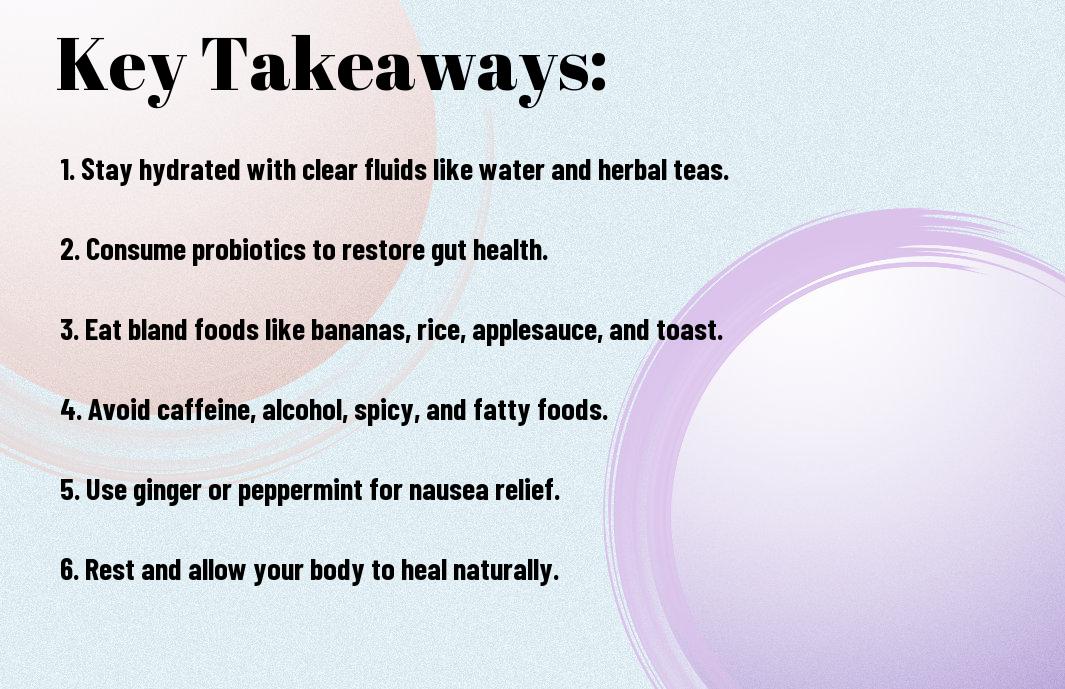
Key Takeaways:

  • Stay hydrated: Drinking plenty of water helps flush out toxins and replenish fluids lost due to vomiting and diarrhea.
  • BRAT diet: Following a diet of bananas, rice, applesauce, and toast can help soothe the digestive system and provide easy-to-digest foods.
  • Probiotics: Consuming probiotic-rich foods like yogurt can help restore healthy bacteria in the gut and aid in faster recovery from food poisoning.

Identifying Food Poisoning Symptoms

Common signs and symptoms

With food poisoning, you may experience a range of symptoms that can vary depending on the type of bacteria or virus causing the infection. Common signs include nausea, vomiting, diarrhea, stomach cramps, and fever. These symptoms typically appear within a few hours to a few days after consuming contaminated food.

When to seek medical attention

Symptoms of food poisoning can range from mild discomfort to severe illness. If you experience persistent vomiting, bloody diarrhea, dehydration, high fever, or symptoms lasting more than 48 hours, it is important to seek medical attention. Severe cases of food poisoning can lead to complications and may require medical intervention.

To ensure your safety and well-being, it is vital to seek medical attention if you are experiencing severe symptoms of food poisoning. Your healthcare provider can assess your condition, provide appropriate treatment, and offer guidance on how to manage your symptoms at home.

Causes of Food Poisoning

Even though food poisoning can have various causes, the most common culprits are bacterial, viral, and parasitic contamination, as well as mistakes in food handling and preparation.

Bacterial contamination

On the bacterial front, food poisoning is often caused by bacteria such as Salmonella, E. coli, and Listeria. These harmful bacteria can contaminate food at any stage, from production to preparation. Improper cooking, cross-contamination, and inadequate storage temperatures can all contribute to bacterial growth and foodborne illnesses.

Viral contamination

An array of viruses like norovirus and hepatitis A can also lead to food poisoning. These viruses are highly contagious and can easily spread through contaminated food or water. Symptoms of viral food poisoning typically include nausea, vomiting, and diarrhea, and the illness can spread rapidly in settings like schools, cruise ships, or communal living spaces.

The best defense against viral contamination is practicing good hygiene, such as washing your hands thoroughly and avoiding contact with potentially infected individuals.

Parasitic contamination

The presence of parasites like Giardia and Cryptosporidium in food or water sources can also result in food poisoning. These parasites are often found in contaminated water or undercooked food, especially in settings with poor sanitation. Symptoms of parasitic contamination may include prolonged diarrhea, abdominal pain, and dehydration. Proper water filtration and thorough cooking can help prevent parasitic infections.

Parasitic contamination can be particularly dangerous for individuals with weakened immune systems, such as the elderly or those with chronic illnesses.

Food handling and preparation mistakes

One common factor in food poisoning outbreaks is mistakes in food handling and preparation. Cross-contamination of raw and cooked foods, improper storage temperatures, and inadequate cooking techniques can all increase the risk of contamination. It is crucial to follow proper food safety protocols, such as washing fruits and vegetables, cooking meats to the correct internal temperature, and storing leftovers promptly in the refrigerator.

Natural Remedies for Food Poisoning

Once again, if you’re looking for natural remedies to help with food poisoning, you can try a few methods to alleviate your symptoms. For more information on treatment options, you can refer to Food Poisoning: Treatment Options.

Stay hydrated with coconut water and electrolyte-rich drinks

Water is vital for flushing out toxins from your system when you have food poisoning. In addition to water, coconut water is an excellent choice as it is rich in electrolytes that can help replenish your body’s fluids. You can also try other electrolyte-rich drinks like sports drinks or clear broths to stay hydrated and maintain your electrolyte balance.

Ginger and its anti-inflammatory properties

One way to soothe the inflammation and discomfort caused by food poisoning is by consuming ginger. Ginger has potent anti-inflammatory properties that can help reduce nausea, vomiting, and stomach cramps. You can make ginger tea by steeping fresh ginger slices in hot water or chew on a small piece of ginger to ease your symptoms.

Activated charcoal for toxin absorption

Electrolyte-rich fluids are crucial for staying hydrated and maintaining your body’s balance, especially during food poisoning. Activated charcoal is known for its ability to absorb toxins in the digestive tract, which can help alleviate symptoms of food poisoning. You can take activated charcoal supplements or capsules to help reduce the duration and severity of your symptoms.

Probiotics for gut health restoration

An crucial aspect of recovering from food poisoning is restoring your gut health. Probiotics are beneficial bacteria that can help replenish the good bacteria in your digestive system, which may have been depleted due to food poisoning. You can take probiotic supplements or consume probiotic-rich foods like yogurt, kefir, or sauerkraut to promote the balance of bacteria in your gut and aid in your recovery.

Understanding the natural remedies available for food poisoning can help you alleviate your symptoms and support your body’s healing process. Incorporating these remedies into your recovery plan can help you recover more quickly and effectively from food poisoning. Remember to consult with a healthcare provider if your symptoms persist or worsen.

Dietary Changes for Recovery

Bland diet: bananas, rice, applesauce, and toast (BRAT)

After experiencing food poisoning, your digestive system may be sensitive and in need of gentle foods to promote healing. An effective way to soothe your stomach and help ease diarrhea is by following a bland diet consisting of bananas, rice, applesauce, and toast, commonly known as the BRAT diet. These foods are easy to digest and can help bulk up your stool, potentially reducing the frequency of diarrhea episodes.

Electrolyte-rich foods: coconut water, sports drinks, and broth

Broth, such as chicken or vegetable broth, can be incredibly beneficial during recovery from food poisoning due to its electrolyte content. Electrolytes are crucial minerals that help maintain proper fluid balance in your body, which can be disrupted by vomiting and diarrhea. In addition to broth, coconut water and sports drinks can also help replenish electrolytes lost during illness, aiding in hydration and recovery.

When recovering from food poisoning, staying hydrated is crucial to prevent further complications. Drinking plenty of water and electrolyte-rich beverages can help restore the balance of fluids and minerals in your body, promoting faster recovery.

Avoiding irritants: spicy, fatty, or heavy foods

Coconut oil, heavy spices, and fatty foods can irritate your already sensitive digestive system further, potentially exacerbating symptoms of food poisoning. To aid in your recovery, it is best to avoid these irritants until your stomach has fully healed. Opt for bland, easy-to-digest foods instead to give your gut a chance to recuperate.

Rice can be a great option to include in your diet during recovery from food poisoning. It is gentle on the stomach, easy to digest, and can help bind loose stools. Additionally, rice provides energy without putting additional strain on your digestive system, making it a suitable choice for easing back into eating after being ill.

Incorporating probiotic-rich foods: yogurt, kefir, and kimchi

One way to support your gut health during and after food poisoning is by incorporating probiotic-rich foods into your diet. Foods like yogurt, kefir, and kimchi contain beneficial bacteria that can help restore the balance of your gut flora, which may have been disrupted by the illness. Probiotics can aid in digestion and strengthen your immune system, promoting overall recovery.

Bland foods like yogurt, kefir, and kimchi can be soothing to your stomach while providing a dose of beneficial bacteria to support your digestive health. Including these probiotic-rich foods in your diet post-food poisoning can help speed up your recovery and prevent future digestive issues.

Home Remedies for Food Poisoning Relief

Despite the discomfort of food poisoning, there are natural ways to ease your symptoms and promote recovery. For more detailed information on natural home remedies for food poisoning, you can visit Natural Home Remedies for Food Poisoning. Here are some effective home remedies you can try to alleviate your discomfort:

Rest and relaxation techniques

An important aspect of recovering from food poisoning is to allow your body to rest and heal. Make sure you get plenty of rest and relaxation during this time. Stress can hinder your recovery process, so practicing relaxation techniques such as deep breathing, meditation, or gentle yoga can help calm your mind and body.

Heat therapy: warm baths and compresses

Therapy. If you are experiencing stomach cramps or muscle aches due to food poisoning, applying heat therapy can help alleviate discomfort. Taking a warm bath or using a warm compress on your abdominal area can help relax your muscles and provide relief.

Heat therapy can also help stimulate blood flow to the affected areas, promoting healing and reducing inflammation. Remember not to use extremely hot temperatures to avoid skin irritation or burns. Additionally, make sure to stay hydrated by drinking water or electrolyte-rich fluids.

Aromatherapy: peppermint, ginger, and chamomile

Home. Aromatherapy can be beneficial in easing symptoms of nausea and promoting digestion. Peppermint, ginger, and chamomile important oils are known for their calming and digestive properties. You can inhale the scents directly from the bottle, add a few drops to a diffuser, or dilute them with a carrier oil for a gentle abdominal massage.

This natural approach can help soothe your stomach, reduce nausea, and promote overall relaxation. Remember to use high-quality important oils and perform a patch test before applying them to your skin to avoid any allergic reactions.

Herbal teas: ginger, peppermint, and chamomile

Heat. Herbal teas are a comforting way to stay hydrated and alleviate symptoms of food poisoning. Ginger, peppermint, and chamomile teas have been traditionally used to ease digestive discomfort, reduce nausea, and promote overall well-being.

Food. You can sip on these warm teas throughout the day to support your recovery. Ginger is known for its anti-inflammatory properties, peppermint can help soothe your stomach, and chamomile has a calming effect on the body. These herbal teas can also aid in relieving bloating and indigestion, making them a gentle and effective remedy for food poisoning.

Preventing Food Poisoning in the Future

Safe food handling practices

For safe food handling practices, always wash your hands thoroughly before and after handling food. Use separate cutting boards for raw meat, poultry, and seafood to avoid cross-contamination with other foods. Ensure that foods are cooked to the proper internal temperature and refrigerate leftovers promptly to prevent bacterial growth.

Proper food storage and refrigeration

Preventing food poisoning also involves proper food storage and refrigeration. Keep your refrigerator at 40°F or below and your freezer at 0°F to slow the growth of bacteria. Store raw meats on the bottom shelf to prevent juices from dripping onto other foods, and use a refrigerator thermometer to ensure temperatures are adequate.

Another tip for proper food storage is to label and date leftovers to track how long they have been in the fridge. By following these practices, you can reduce the risk of foodborne illnesses in your household.

Avoiding high-risk foods: raw or undercooked meat, eggs, and fish

Food poisoning can be avoided by being cautious with high-risk foods like raw or undercooked meat, eggs, and fish. Make sure to cook these foods thoroughly to kill any harmful bacteria that may be present. Avoid consuming unpasteurized dairy products and raw sprouts, which can also harbor harmful pathogens.

Food safety authorities recommend avoiding raw or undercooked foods, particularly for young children, pregnant women, the elderly, and individuals with weakened immune systems. By being mindful of the risks associated with certain foods, you can protect yourself and your loved ones from potential foodborne illnesses.

Washing hands frequently and correctly

With washing hands frequently and correctly, you can significantly reduce the risk of food poisoning. Always wash your hands before preparing food, after handling raw meats, and after using the restroom. Use warm water and soap, lathering for at least 20 seconds, and dry your hands thoroughly with a clean towel.

Conclusion

Upon reflecting on the fastest ways to cure food poisoning naturally, it is important to prioritize rest, hydration, and incorporating herbal remedies to support your body’s healing process. By giving your digestive system a break, staying hydrated, and consuming ginger, peppermint, or chamomile tea, you can ease symptoms and promote recovery.

Remember to listen to your body’s signals and seek medical attention if symptoms worsen or persist. By taking proactive steps to care for yourself and utilizing natural remedies, you can help alleviate food poisoning symptoms and support your body’s natural ability to heal.

FAQ

Q: What is food poisoning and how do I know if I have it?

A: Food poisoning occurs when you consume food or water contaminated with bacteria, parasites, viruses, or toxins. Symptoms usually include nausea, vomiting, diarrhea, stomach cramps, and fever. If you suspect you have food poisoning, it is important to seek medical attention.

Q: What is the fastest way to cure food poisoning naturally?

A: The fastest way to cure food poisoning naturally is by letting your digestive system rest. Drink clear fluids such as water, herbal teas, or electrolyte beverages to stay hydrated and replace lost fluids. Eat bland foods like toast, crackers, bananas, and rice to help settle your stomach. Avoid dairy, fatty, spicy, or heavy foods until you feel better.

Q: When should I seek medical help for food poisoning?

A: You should seek medical help for food poisoning if you experience severe symptoms such as high fever, bloody stools, dehydration, prolonged vomiting or diarrhea, intense abdominal pain, or if your symptoms do not improve within a few days. Pregnant women, young children, older adults, and individuals with weakened immune systems should seek medical attention promptly.

How to heal food poisoning naturally

Overwhelmed by food poisoning symptoms? You can heal naturally by utilizing remedies like ginger, peppermint, and probiotics. This article will guide you through the process of soothing your stomach and aiding your body’s recovery. For more information on food poisoning treatment options, check out Food Poisoning: Treatment Options. Let’s start your journey to feeling better!

Key Takeaways:

  • Stay Hydrated: Drink plenty of water and clear fluids to help flush out toxins and prevent dehydration.
  • Follow the BRAT Diet: Eat bananas, rice, applesauce, and toast to help ease stomach discomfort and promote healing.
  • Use Herbal Remedies: Ginger, peppermint, and chamomile can help soothe digestive issues and reduce nausea associated with food poisoning.

Identifying Food Poisoning

The first step in healing from food poisoning is being able to recognize the symptoms. Food poisoning can be caused by consuming contaminated food or beverages that contain harmful bacteria, viruses, parasites, or toxins. Common Symptoms

Common Symptoms

Food poisoning can manifest with various symptoms, such as nausea, vomiting, diarrhea, abdominal cramps, and fever. These symptoms typically appear within a few hours to a few days after consuming the contaminated food. In more severe cases, you may experience dehydration, muscle aches, and blood in the stool.

Differentiating from Other Illnesses

Symptoms of food poisoning can sometimes be confused with those of other illnesses, such as the stomach flu or a viral infection. However, there are key differences that can help you distinguish between food poisoning and other illnesses. Food poisoning is usually linked to a recent meal, especially if others who ate the same food also exhibit symptoms. Additionally, symptoms of food poisoning tend to onset rapidly after consuming the contaminated food.

Natural Remedies for Food Poisoning

Rehydration Therapy

Food poisoning often leads to dehydration due to vomiting and diarrhea. Rehydration therapy is imperative to replace lost fluids and electrolytes. You can make a simple rehydration solution at home by mixing 1 teaspoon of salt and 3 teaspoons of sugar in 1 liter of clean water. Sip this solution frequently to stay hydrated and aid in recovery.

Herbal Teas for Soothing the Stomach

The calming properties of herbal teas can help soothe your upset stomach and provide relief from food poisoning symptoms. Peppermint tea, ginger tea, and chamomile tea are known for their digestive benefits and can help alleviate nausea and abdominal discomfort. Drinking warm herbal teas throughout the day can also keep you hydrated and promote relaxation.

The warmth of herbal teas can be comforting to your stomach, while the natural ingredients can help reduce inflammation and promote overall digestive health. Choose organic, caffeine-free teas for the best results.

Probiotics for Gut Health

This subsection focuses on incorporating probiotic-rich foods like yogurt, kefir, sauerkraut, and kimchi into your diet to promote a healthy gut microbiome. Probiotics are beneficial bacteria that can help restore the balance of your gut flora after a bout of food poisoning. Including these fermented foods in your meals can aid in digestion, boost your immune system, and support overall gut health.

Natural probiotic sources like yogurt contain live cultures that can replenish the good bacteria in your gut, which may have been depleted due to food poisoning. Adding probiotic-rich foods to your diet not only helps in recovery but also prevents future digestive issues.

Dietary Changes for Recovery

Bland Diet for Easy Digestion

One of the best ways to ease your digestive system after experiencing food poisoning is to follow a bland diet. This diet consists of simple, easily digestible foods that are gentle on your stomach. Examples of bland foods include plain rice, boiled potatoes, toast, applesauce, and bananas. These foods can help calm your irritated stomach and provide you with important nutrients to aid in your recovery.

Avoiding Irritating Foods

With food poisoning, it’s crucial to avoid certain foods that can further irritate your digestive system. Stay away from spicy foods, greasy or fried dishes, dairy products, caffeine, and alcohol. These items can exacerbate your symptoms and prolong your recovery time. Opt for plain, non-acidic foods instead to allow your stomach to settle and heal.

Easy-to-digest foods can help give your digestive system a break and promote quicker recovery from food poisoning. By eliminating irritating foods like spicy or fatty dishes, you can prevent further discomfort and allow your body to focus on healing. Remember to listen to your body and choose foods that make you feel better rather than worse during this time.

Incorporating Nutrient-Rich Foods

Anytime you’re recovering from an illness like food poisoning, it’s important to incorporate nutrient-rich foods into your diet. Opt for foods that are high in vitamins and minerals to support your immune system and aid in the healing process. Include plenty of fruits and vegetables, lean proteins like chicken or fish, whole grains, and probiotic-rich foods like yogurt or kefir to help restore balance in your gut.

Bland foods don’t have to be boring or lack nutrition. You can still enjoy a variety of nutrient-dense options while following a bland diet to recover from food poisoning. Focus on incorporating foods that are easy on your stomach but packed with important nutrients to help you feel better faster.

Home Remedies for Quick Relief

Ginger for Nausea and Inflammation

For quick relief from nausea and inflammation caused by food poisoning, ginger can be your best friend. Ginger is a natural remedy that has been used for centuries to alleviate digestive issues and reduce inflammation in the body. You can consume ginger in various forms, such as ginger tea, ginger supplements, or simply chewing on fresh ginger slices. The active compounds in ginger can help soothe your stomach, reduce nausea, and ease inflammation, making you feel better faster.

Activated Charcoal for Toxin Absorption

For quick relief from food poisoning symptoms, activated charcoal can be a powerful natural remedy. Activated charcoal works by binding to toxins in the stomach and intestines, helping to prevent their absorption into the bloodstream. You can find activated charcoal supplements in health food stores or pharmacies. It is important to follow the recommended dosage instructions to avoid any potential side effects.

Absorption of toxins in the gastrointestinal tract can help alleviate symptoms like diarrhea, cramps, and bloating. Activated charcoal is a natural and safe way to quickly reduce the impact of food poisoning on your body.

Rest and Relaxation Techniques

After experiencing food poisoning, your body needs time to rest and recover. Engaging in relaxation techniques such as deep breathing, meditation, or gentle yoga can help calm your mind and body, reducing stress and promoting healing. Make sure to drink plenty of fluids and get enough rest to allow your body to focus on fighting off the toxins and recuperating from the illness.

With proper rest and relaxation, you can support your body’s natural healing processes and recover from food poisoning more quickly. Remember to listen to your body and give it the care and attention it needs during this time of recovery.

Preventing Future Episodes

Safe Food Handling Practices

The key to preventing food poisoning in the future is to practice safe food handling at all times. Wash your hands thoroughly before and after handling food, especially raw meats. Use separate cutting boards for raw meats and produce to avoid cross-contamination. Make sure to cook foods to their recommended internal temperatures and refrigerate leftovers promptly.

Avoiding High-Risk Foods

For preventing future episodes of food poisoning, it is crucial to be mindful of high-risk foods such as raw or undercooked eggs, meats, seafood, and unpasteurized dairy products. These foods are more likely to harbor harmful bacteria that can cause foodborne illnesses. By avoiding these high-risk foods or ensuring they are cooked thoroughly, you can significantly reduce your risk of getting sick from food poisoning.

Handling risky foods properly is imperative to prevent food poisoning. Always follow proper storage guidelines for perishable items, such as keeping raw meats on the bottom shelf of the refrigerator to prevent juices from dripping onto other foods. When marinating meats, do so in the fridge and not at room temperature to avoid bacterial growth. By being vigilant with food handling practices, you can decrease the likelihood of future food poisoning episodes.

Boosting Immune Function

One way to prevent future episodes of food poisoning is to focus on boosting your immune function. Eating a balanced diet rich in fruits, vegetables, whole grains, and lean proteins can provide your body with imperative nutrients to support a healthy immune system. Additionally, staying hydrated, getting enough sleep, and managing stress can also help strengthen your body’s defenses against foodborne pathogens.

Episodes of food poisoning can be distressing, but by implementing these preventive measures and being mindful of safe food handling practices, you can significantly reduce your risk of experiencing foodborne illnesses in the future. Remember that your health is in your hands, and taking proactive steps to prevent food poisoning is key to enjoying safe and nourishing meals.

When to Seek Medical Attention

Severe Symptoms to Watch For

Attention: Unlike mild cases of food poisoning that typically resolve on their own within a few days, severe symptoms may indicate a more serious condition that requires medical attention. If you experience any of the following symptoms, it is crucial to seek help immediately:

  • High fever (above 101.5°F)
  • Bloody stools
  • Prolonged vomiting that prevents you from keeping liquids down
  • Significant dehydration, such as dark urine and dizziness

After experiencing any of these severe symptoms, do not hesitate to contact a healthcare provider or visit the nearest emergency room for prompt evaluation and treatment.

Risk Factors for Complications

Any underlying health conditions can increase your risk of developing complications from food poisoning. Factors that may elevate your risk include:

  • Weak immune system (e.g., HIV/AIDS, cancer treatment)
  • Elderly age
  • Infants and young children

After considering these risk factors, it is important to monitor your symptoms closely and seek medical attention promptly if you fall into any of these high-risk categories.

Knowing When to Consult a Doctor

Complications: The most crucial factor in determining when to consult a doctor for food poisoning is your overall well-being. If you are experiencing severe symptoms, persistent vomiting or diarrhea, or dehydration that does not improve with oral rehydration solutions, it is time to seek medical help.

Conclusion

On the whole, natural remedies can be effective in helping you heal from food poisoning. Remember to stay hydrated, consume easily digestible foods, and try some of the remedies mentioned in this article such as ginger tea, apple cider vinegar, and activated charcoal. However, it is crucial to consult a healthcare professional if your symptoms persist or worsen, as severe cases of food poisoning may require medical treatment.

Q: What are some natural remedies for food poisoning?

A: Some natural remedies for food poisoning include ginger tea, activated charcoal, apple cider vinegar, probiotics, and herbal teas like peppermint or chamomile.

Q: Is it safe to treat food poisoning at home?

A: In most cases, mild food poisoning can be safely treated at home with natural remedies and plenty of rest. However, if symptoms persist or worsen, it is important to seek medical attention.

Q: How can I prevent food poisoning in the first place?

A: To prevent food poisoning, practice good food hygiene by washing hands and surfaces regularly, cooking meat and eggs thoroughly, refrigerating perishable foods promptly, and avoiding cross-contamination between raw and cooked foods.

Skip to content