Main

What are the 5 main foods

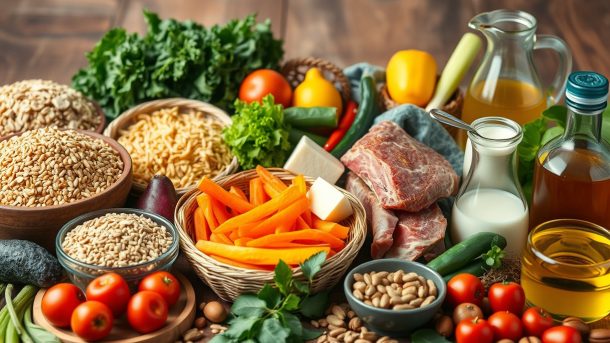
It’s necessary to understand the five main food groups that should make up your daily diet for a healthy and balanced lifestyle. By incorporating these key food groups into your meals, you can ensure that you are getting all the necessary nutrients to support your overall health and well-being. Let’s explore the five main foods that should be on your plate every day.

Key Takeaways:

  • Fruits and Vegetables: Consuming a variety of fruits and vegetables is crucial for a well-balanced diet due to their high nutrient content.
  • Grains: Whole grains like brown rice and whole wheat provide fiber, vitamins, and minerals, promoting heart health and digestion.
  • Proteins: Protein sources such as lean meats, poultry, fish, dairy, beans, and nuts are important for muscle development, cell repair, and overall health.
  • Dairy: Dairy products like milk, cheese, and yogurt are rich in calcium and vitamin D, crucial for bone health and overall well-being.
  • Fats and Oils: Healthy fats found in olive oil, avocados, and nuts are important for brain health, hormone production, and absorbing certain vitamins.

The Importance of a Balanced Diet

While it may seem overwhelming to constantly think about what you eat, the truth is that maintaining a balanced diet is crucial for your overall health and well-being. By ensuring you consume a variety of foods that provide necessary nutrients, you can support your body’s functions and prevent the onset of various health conditions.

Why Nutrition Matters

Matters – Proper nutrition is the foundation of good health. Each food you consume plays a role in providing your body with the necessary vitamins, minerals, and macronutrients it needs to function optimally. A balanced diet helps you maintain a healthy weight, boosts your immune system, improves your energy levels, and reduces the risk of chronic diseases such as heart disease, diabetes, and certain cancers.

The Consequences of a Poor Diet

Consequences – Not paying attention to your dietary choices can have serious repercussions on your health. A poor diet lacking necessary nutrients can lead to deficiencies, weaken your immune system, and increase your risk of developing various health issues. Weight gain, fatigue, mood swings, and digestion problems are common signs that your body is not getting the nutrition it needs to thrive.

To mitigate the consequences of a poor diet, it’s important to prioritize consuming a variety of nutrient-dense foods. By focusing on whole foods such as fruits, vegetables, whole grains, lean proteins, and healthy fats, you can provide your body with the building blocks it requires to function at its best.

Food Group 1: Leafy Greens

If you want to boost your health and well-being, leafy greens should be a staple in your diet. These nutrient-dense vegetables are packed with vitamins, minerals, and antioxidants that can help improve your overall health.

The Nutritional Power of Leafy Greens

To start with, leafy greens are an excellent source of vitamins A, C, and K, as well as folate and potassium. They also contain fiber, which is important for digestion and can help you feel full and satisfied. In addition, the antioxidants found in leafy greens can help protect your cells from damage caused by free radicals, which may reduce the risk of chronic diseases.

Top Leafy Greens to Include in Your Diet

With a variety of leafy greens to choose from, it’s easy to incorporate them into your meals. Spinach, kale, Swiss chard, arugula, and romaine lettuce are some of the most popular options that you can easily add to salads, smoothies, stir-fries, or soups. These greens not only add flavor and texture to your dishes but also provide numerous health benefits.

Leafy greens are versatile and can be enjoyed raw or cooked, making them a convenient and delicious way to enhance your diet. Try experimenting with different varieties to find the ones you enjoy most and reap the nutritional benefits they offer.

Food Group 2: Whole Grains

All grains are not created equal when it comes to your health. Whole grains, unlike refined grains, contain the entire grain kernel, including the germ, bran, and endosperm. This means they retain valuable nutrients like fiber, vitamins, and minerals, which are often lost during the refining process. Incorporating whole grains into your diet can have a wide range of benefits for your overall health.

The Benefits of Whole Grains

Grains such as brown rice, quinoa, whole wheat, oats, and barley provide crucial nutrients like fiber, which helps to regulate digestion and keep you full longer. Whole grains have also been linked to a reduced risk of heart disease, diabetes, and certain types of cancer. Including a variety of whole grains in your diet can help you meet your daily nutrient requirements and contribute to a balanced and healthy eating pattern.

Choosing the Right Whole Grains

Grains come in many forms, so it’s crucial to choose the right ones to maximize their health benefits. When opting for whole grain products, look for labels that specify “100% whole grain” or “100% whole wheat” to ensure you’re getting the most nutrients possible. Additionally, opt for whole grains that are minimally processed and free of added sugars or unhealthy fats to reap the full benefits of these nutritious foods.

Whole grains can be easily incorporated into your meals by swapping out refined grains for whole grain alternatives. For example, try replacing white rice with quinoa, or choosing whole grain bread over white bread. Experiment with different types of whole grains to discover new flavors and textures that can add variety to your diet while boosting your overall health.

Food Group 3: Berries

Once again, we turn our attention to the vibrant world of berries, a delicious and nutritious food group that packs a powerful punch when it comes to health benefits. Berries are not only delightful to the taste buds but also offer a range of advantages for your well-being.

The Antioxidant Power of Berries

Food rich in antioxidants is vital for your body’s defense against harmful molecules known as free radicals. Berries are loaded with antioxidants such as anthocyanins, quercetin, and vitamin C, which help protect your cells from damage and reduce inflammation in your body.

Berries for Brain Health and Beyond

On top of their antioxidant properties, berries have been linked to improved brain function, including better memory and focus. For instance, research suggests that consuming berries regularly may delay brain aging and help protect against cognitive decline as you age. So, make sure to include a variety of berries in your diet to nourish both your body and mind.

Food Group 4: Nuts and Seeds

After learning about the five main food groups that contribute to healthy eating (The five main food groups – Healthy eating), let’s look into the benefits of including nuts and seeds in your diet.

The Healthy Fats in Nuts and Seeds

Nuts and seeds are rich sources of healthy fats, including monounsaturated and polyunsaturated fats. These fats are important for supporting cell growth, brain function, and providing energy. Additionally, nuts and seeds contain omega-3 fatty acids, which are known for their anti-inflammatory properties and heart health benefits.

Snacking Smart with Nuts and Seeds

Nuts and seeds make for convenient and nutritious snacks. They are packed with nutrients like protein, fiber, vitamins, and minerals, making them a satisfying option to curb your hunger between meals. Snacking on nuts and seeds can help stabilize your blood sugar levels, keeping you feeling full and satisfied throughout the day.

When choosing nuts and seeds for snacking, opt for unsalted varieties to control your sodium intake. You can mix and match different nuts and seeds to create your own customized snack mix, adding a variety of flavors and textures to keep things interesting.

Food Group 5: Fatty Fish

The Omega-3 Richness of Fatty Fish

Not all fats are bad for you! Fatty fish are packed with omega-3 fatty acids, which are necessary for your overall health. These healthy fats play a crucial role in brain function and have been linked to reducing the risk of heart disease. When you include fatty fish like salmon, mackerel, or sardines in your diet, you’re not only enjoying a delicious meal but also nourishing your body with important nutrients.

Cooking Fatty Fish for Maximum Nutrition

Fish is a versatile protein that can be prepared in various ways to maximize its nutritional benefits. Grilling, baking, or broiling fatty fish are great cooking methods that preserve the omega-3 content and prevent the loss of nutrients. By avoiding deep-frying or heavy cream sauces, you can ensure that you’re getting the most out of your fatty fish dish.

Understanding the best cooking methods for fatty fish can help you maintain its nutritional value and enjoy a tasty meal that is good for your health. By incorporating these cooking techniques into your meal preparation, you can savor the richness of omega-3 fatty acids in every bite.

Conclusion

To wrap up, understanding the five main food groups is vital for maintaining a balanced and nutritious diet. By incorporating fruits, vegetables, grains, protein, and dairy into your meals, you ensure that your body receives the necessary nutrients to support overall health and well-being. For more information on the importance of these food groups, you can visit Back to Basics: All About MyPlate Food Groups provided by the USDA.

FAQ

Q: What are the 5 main food groups?

A: The 5 main food groups are fruits, vegetables, grains, protein foods, and dairy.

Q: Why is it important to include foods from all 5 main food groups in your diet?

A: Including foods from all 5 main food groups in your diet ensures that you are getting a wide variety of nutrients necessary for overall health and well-being.

Q: Can you give examples of foods from each of the 5 main food groups?

A: Sure! Examples of foods from each group include:
1. Fruits – apples, oranges, berries
2. Vegetables – spinach, carrots, bell peppers
3. Grains – whole wheat bread, brown rice, oats
4. Protein foods – chicken, beans, nuts
5. Dairy – milk, cheese, yogurt
What are the 6 main foods

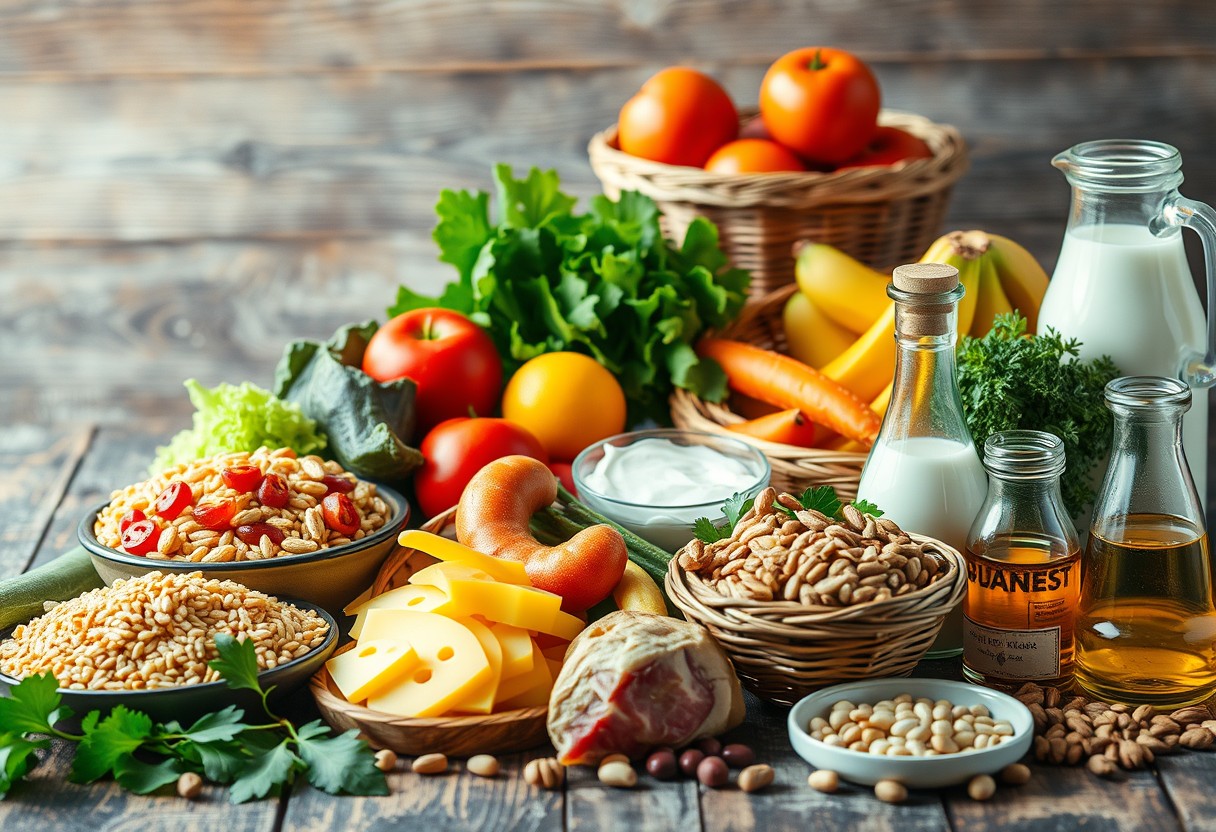
Mainly, understanding the six main food groups is crucial for maintaining a balanced diet and optimal health. You may wonder how these categories contribute to your overall well-being and nutritional needs. Each food group offers unique benefits and crucial nutrients that support your body’s functions. In this blog post, you’ll discover what these six fundamental foods are and how incorporating them into your meals can enhance your diet, promote health, and improve your quality of life.

Key Takeaways:

  • Protein: Essential for muscle growth and repair; sources include meat, fish, eggs, and legumes.
  • Carbohydrates: Primary energy source; found in grains, fruits, and vegetables, vital for brain function.
  • Fats: Necessary for absorbing vitamins; healthy sources include nuts, avocados, and olive oil.

Understanding Food Groups

Before submerging into the specifics of main foods, it’s important to comprehend the concept of food groups. These classifications help you understand the nutritional value of what you consume, ensuring a balanced diet that supports your overall health.

Definition of Food Groups

Groups of foods are categorized based on their nutritional content and health benefits. These classifications typically include grains, fruits, vegetables, proteins, dairy, and fats, each offering unique nutrients vital to your body’s functions.

Importance of Food Diversity

Food diversity enriches your diet by incorporating various nutrients important for optimal health. A wide range of foods ensures that you receive adequate vitamins, minerals, and other beneficial compounds, reducing the risk of nutrient deficiencies and promoting well-being.

Groups of diverse foods play a crucial role in maintaining your health. A varied diet encourages a balance of macronutrients and micronutrients, which supports bodily functions and boosts your immune system. Moreover, different foods provide unique antioxidants and phytochemicals that protect against chronic diseases. By embracing food diversity, you’re not only making your meals more enjoyable but also fostering a healthier lifestyle.

The 6 Main Foods

There’s a lot of information out there about nutrition, but understanding the The Six Basic Nutrients | Virginia Family Nutrition Program can help simplify your dietary choices. The six main food groups each provide unique benefits and necessary nutrients that support your overall health.

Grains

Main sources of energy, grains are imperative for a balanced diet. They provide carbohydrates, fiber, and various vitamins and minerals. Incorporating whole grains like brown rice, quinoa, and whole wheat bread into your meals can help you maintain a healthy energy level throughout the day.

Fruits

Foods rich in vitamins and antioxidants, fruits are nature’s sweet treat. They provide necessary nutrients and hydration while being low in calories. Incorporating a variety of fruits not only supports your immune system but also helps you manage your weight effectively.

Another great aspect of fruits is their versatility; you can enjoy them fresh, frozen, or dried. Whether added to a smoothie, salad, or as a snack, fruits like berries, oranges, and apples can enhance your meals while providing your body with imperative nutrients.

Vegetables

One of the most nutrient-dense food groups, vegetables are packed with vitamins, minerals, and fiber. They play a crucial role in maintaining your body’s health by helping prevent chronic diseases and promoting digestive health. Aim to fill half your plate with colorful vegetables at each meal.

This variety ensures that you receive a wide range of nutrients while adding delicious flavors and textures to your dishes. Leafy greens, cruciferous vegetables, and root vegetables are all excellent choices that contribute to your overall health.

Protein Sources

Main components of a healthy diet, protein sources help build and repair body tissues. They are critical for muscle growth, hormone production, and enzyme function. Including a balance of animal and plant-based proteins can enhance your meals and support your body’s needs.

Understanding the different types of protein sources, such as lean meats, fish, legumes, and nuts, allows you to select the best options for your lifestyle. Each source contributes various additional nutrients, making it important to have a mix for optimal health.

Dairy Products

Protein-rich and a key source of calcium, dairy products provide imperative nutrients needed for strong bones and teeth. Including items like milk, yogurt, and cheese in your diet can help you meet your daily dietary requirements, contributing to overall health and vitality.

Vegetables also play a role in complementing dairy, as certain dishes can pair both for added nutrients. Incorporating a variety of dairy options can enrich your meals, providing not only protein but also probiotics found in fermented dairy products like yogurt.

Fats and Oils

Any healthy diet should include imperative fats and oils, which provide energy and support cell function. Healthy fats, such as those found in avocados, olive oil, and nuts, are crucial for absorbing fat-soluble vitamins and promoting heart health.

Products such as nut butters and seeds can also be excellent sources of healthy fats, adding flavor and texture to your meals while ensuring you get the necessary nutrients in your diet.

Nutritional Benefits of Each Food

Not surprisingly, each food group plays a crucial role in your diet, providing unique health benefits that support overall wellness.

Grains: Energy and Fiber

Energy is the primary benefit of incorporating grains into your meals. Whole grains, in particular, are packed with fiber, which can aid in digestion and promote a feeling of fullness. This balance helps maintain steady energy levels, making grains a vital part of a healthy lifestyle.

Fruits: Vitamins and Antioxidants

Any discussion of healthy eating would be incomplete without mentioning fruits, which are rich sources of important vitamins and antioxidants. These nutrients help protect your cells from damage and support your immune system, contributing to overall health.

Antioxidants found in fruits, such as vitamin C and flavonoids, play a significant role in reducing inflammation and may lower the risk of chronic diseases. By incorporating a variety of fruits into your daily diet, you can enhance your nutritional intake while enjoying delicious flavors.

Vegetables: Minerals and Phytochemicals

Benefits of consuming vegetables are abundant, as they provide important minerals and phytochemicals that support various body functions. Vegetables are low in calories yet high in important nutrients, making them an ideal choice for maintaining a healthy weight.

Nutritional research indicates that phytochemicals in vegetables, such as carotenoids and glucosinolates, can have protective effects against certain diseases. Including a diverse array of colorful vegetables in your meals not only boosts your nutrient intake but also adds vibrancy to your plate.

Protein Sources: Muscle Health

Nutritional benefits derived from protein sources are vital for your muscle health and overall physical performance. Adequate protein intake aids muscle repair and growth, making it a necessary component of your diet, especially if you’re active.

With lean meats, legumes, nuts, and dairy products as part of your protein sources, you can optimize your intake of important amino acids, which are crucial for muscle function. Ensuring you have a balanced intake of these proteins will help you achieve your fitness goals.

Dairy Products: Bone Strength

Each serving of dairy products contributes to your bone strength due to their high content of calcium and vitamin D. These nutrients play a critical role in maintaining bone density and can help prevent osteoporosis later in life.

Fruits and vegetables are also contributing factors to bone health, as they contain additional nutrients that support calcium absorption. Incorporating a range of dairy products into your meals can provide you with the necessary building blocks for robust skeletal health.

Fats and Oils: Essential Fatty Acids

To understand the role of fats and oils in your diet, it’s important to recognize that they provide critical important fatty acids your body cannot produce on its own. These fats support various bodily functions, including nutrient absorption and hormone production.

Phytochemicals in healthy fats, such as omega-3 and omega-6 fatty acids, may reduce inflammation and improve heart health. By choosing sources of healthy fats, like avocados, nuts, and olive oil, you can enhance your overall nutrient profile while enjoying the flavor they provide.

Final Words

To wrap up, understanding the six main food groups—grains, vegetables, fruits, dairy, protein, and fats—empowers you to make informed dietary choices. Each group plays a crucial role in providing vital nutrients that support your overall health and well-being. By balancing your meals with a variety of foods from these categories, you can optimize your nutrition and enjoy a healthier lifestyle. Recall, mindful eating not only fuels your body but also supports your long-term wellness goals.

FAQ

Q: What are the 6 main food groups?

A: The six main food groups are carbohydrates, proteins, fats, vitamins, minerals, and water. Each group plays a crucial role in maintaining overall health and wellbeing.

Q: Why are carbohydrates considered one of the main food groups?

A: Carbohydrates are a primary source of energy for the body. They are found in foods such as grains, fruits, vegetables, and legumes. Carbohydrates break down into glucose, which is used by our cells for energy, making them crucial for typical bodily functions.

Q: How do proteins contribute to our diet?

A: Proteins are important for building and repairing tissues, making enzymes, hormones, and other body chemicals. They are composed of amino acids and can be found in animal products like meat, dairy, and eggs, as well as in plant sources like beans, lentils, and nuts.

Q: What role do fats play in a healthy diet?

A: Fats are crucial for various bodily functions, including hormone production, nutrient absorption, and providing energy. Healthy fats, such as those from avocados, nuts, seeds, and olive oil, are crucial for maintaining heart health and overall nutrition.

Q: Why are vitamins and minerals important food groups?

A: Vitamins and minerals are micronutrients that support numerous bodily functions, including immune system function, bone health, and blood pressure regulation. Each vitamin and mineral serves specific roles, and a varied diet helps ensure that we get adequate amounts of these nutrients.

Q: How does water fit into the six main food groups?

A: Water is vital for life and makes up a significant portion of our body. It aids in digestion, absorption of nutrients, and regulation of body temperature. Staying well-hydrated is crucial for maintaining optimal health and supporting the functions of all other food groups.

What is the main dish of India

Most people wonder about the defining dish of India, a country renowned for its diverse and vibrant culinary landscape. While there is no single main dish that represents the entire nation, the essence of Indian cuisine often focuses on rice or roti paired with various curries, dals, and vegetables. To explore more about traditional Indian flavors, you can check out 49 Traditional Indian Foods to Taste in 2024. Understanding these staples will enhance your appreciation for India’s rich food culture.

Key Takeaways:

  • Diversity: India boasts a vast and diverse array of main dishes that vary by region, influenced by local ingredients, cultures, and traditions.
  • Rice and Roti: In many parts of India, rice and roti (flatbread) are staple main dishes, often served with a variety of curries and vegetables.
  • Curry Varieties: Indian cuisine is famous for its rich and aromatic curries, with each region having its unique spices and cooking methods.
  • Vegetarian Options: A significant portion of Indian cuisine is vegetarian, reflecting cultural and religious practices that emphasize plant-based diets.
  • Regional Specialties: Each state in India has its signature dishes, such as biryani from Hyderabad, dosa from South India, and paneer from Punjab.

The Essence of Indian Cuisine

While exploring Indian cuisine, you’ll discover a vibrant tapestry of flavors, aromas, and textures that reflect the diverse culture of this vast country. Known for its rich spices and intricate preparation methods, Indian food is more than just sustenance; it embodies tradition, history, and the warmth of communal dining. If you’re New to Indian food what should I try? : r/IndianFood, you are in for an unforgettable culinary journey!

Historical Influences

On your exploration of Indian cuisine, you’ll find that its history is deeply intertwined with various invasions, trade routes, and cultural exchanges. From the Mughal influence that introduced rich gravies and biryanis to the European impact on cooking techniques, these historical factors have shaped what we now recognize as Indian food today.

Regional Diversity

For anyone looking to understand the essence of Indian cuisine, recognizing its regional diversity is crucial. Each state boasts its unique herbs, spices, and cooking methods, resulting in a wide array of dishes distinct to their locality. This variety allows you to experience a plethora of flavors and textures in Indian cooking.

Regional Indian cuisine can be categorized into various segments, such as North Indian, South Indian, East Indian, and West Indian, each bringing its own specialties. For instance, North India is famous for its buttery dals and naan, while South India is renowned for its rice-based dishes and hearty sambar. East India offers delicious fish curries and sweets like rasgulla, whereas West India showcases spicy vindaloos and fresh seafood. This remarkable diversity illustrates that Indian cuisine is not a monolith; it evolves with the land and people, offering an exquisite experience for your palate.

Iconic Indian Dishes

Clearly, Indian cuisine is a vibrant tapestry of flavors, colors, and aromas, with each dish telling a unique story. Among the most iconic dishes are Biryani, various curries, Dosas, Idlis, and Tandoori specialties, each representing the diverse culinary landscape of India.

Biryani

An aromatic rice dish, Biryani is a luxurious blend of basmati rice, fragrant spices, and tender meat or vegetables. Its roots trace back to Persian cuisine, but it has become a deeply entrenched staple in Indian gastronomy. Each region offers its own distinct take on Biryani, making it universally loved and celebrated.

Curry Varieties

An indispensable part of Indian meals, curry varieties range from creamy and rich to tangy and spicy. The beauty of curry lies in its versatility; whether it’s the classic butter chicken, tangy fish curry, or tangy lemon dal, there’s a curry to suit every palate and dietary preference.

Varieties of curry are influenced by local ingredients, regional spices, and cultural traditions. You might encounter North Indian kormas, South Indian sambar, or East Indian mustard fish curry. Each curry tells a story of the region it comes from, offering a taste of local history and culture in every bite.

Dosas and Idlis

Indian breakfast staples, Dosas and Idlis are savory delights made from fermented rice and lentil batter. Dosas are thin, crispy crepes served with chutneys and sambar, while Idlis are soft, fluffy steamed cakes enjoyed with similar accompaniments. You’ll find these dishes to be filling yet light, perfect for starting your day.

A common sight at South Indian breakfast tables, Dosas and Idlis are not just delicious; they are also nutritious. The fermentation process increases the bioavailability of nutrients, making them easier to digest. Both dishes exemplify the South Indian philosophy of food – simple ingredients that cater to health and wellness.

Tandoori Dishes

Dosas often take a backseat to Tandoori dishes, which are grilled or baked in a traditional clay oven called a tandoor. These dishes, typically featuring marinated meats or vegetables, are known for their smoky flavor and vibrant hues, resulting from the use of spices and natural colors.

It is through the tandoor that meats are transformed into succulent treats, while naan breads and tandoori vegetables emerge with a unique charred flavor. The art of Tandoori cooking highlights the significance of traditional techniques, ensuring a memorable experience that tantalizes your taste buds.

Accompaniments and Side Dishes

Despite the richness of India’s main dishes, the accompaniments and side dishes play an equally vital role in enhancing the culinary experience. These side dishes not only add layers of flavor and texture to your meal but also contribute to the overall balance and nutrition. Here are some key accompaniments you should consider.

Raita

Side dishes like raita are important to cooling your palate, especially when enjoying spicy Indian cuisine. Made primarily from yogurt and various other ingredients like cucumber, mint, or spices, raita complements your main dish beautifully. This creamy side adds a refreshing contrast, making your dining experience more enjoyable.

Sambar

One of the most beloved accompaniments in South Indian cuisine is sambar. This thick, spicy lentil soup is blended with vegetables and flavored with a unique mix of spices, making it a flavorful addition to any meal. Sambar is often served with rice, idli, or dosa, enhancing the overall experience of your main dish.

Sambar is not just a dish; it represents the quintimportant flavors of South Indian cooking. Its combination of lentils, vegetables, and a special blend of spices known as sambar powder results in a rich, hearty flavor. You may find variations of sambar that include different types of vegetables, but the basic recipe remains a staple in many households. When paired with rice or bread, it offers a wholesome meal that is both satisfying and nutritious.

Naan and Roti

On the bread side, naan and roti are staples that should never be overlooked. These unleavened flatbreads serve as the perfect accompaniment to your curries, absorbing the rich gravies and enhancing your overall enjoyment of the meal. While naan is fluffy and often made with refined flour, roti is thinner and typically crafted from whole wheat.

For instance, naan can be stuffed with ingredients like garlic, cheese, or even potatoes, elevating its flavor. Roti, with its health benefits, is a great choice if you prefer something lighter. Both options provide different textures and flavors, allowing you to diversify your meal experience. Choosing between naan and roti can depend on personal preference or the specific profile of the dish you’re pairing it with, ensuring that every meal remains delightful.

Summing up

Presently, you can explore the rich culinary heritage of India, where the main dish often varies by region but consistently highlights flavors, spices, and diverse ingredients. Popular staples like Biryani, Paneer Tikka, and Daal offer a glimpse into Indian cuisine’s vastness and depth. By understanding these key dishes, you can enhance your dining experience and appreciation of Indian culture. For a closer look at traditional recipes and to elevate your culinary skills, check out this collection of Indian Main Dishes.

FAQ

Q: What is the main dish of India?

A: India does not have a single main dish due to its vast diversity in culture and cuisine. However, some popular dishes that represent Indian cuisine include Biryani, a fragrant rice dish often made with meat or vegetables and aromatic spices, and Curry, a dish that can vary widely in ingredients and flavors depending on the region. Other notable mentions include Dosa, a fermented crepe made from rice batter and lentils, and Tandoori Chicken, which is marinated in yogurt and spices before being cooked in a tandoor (clay oven).

Q: How does regional diversity influence the main dishes in India?

A: Regional diversity significantly influences the main dishes in India, as each state has its own unique ingredients, cooking techniques, and cultural traditions. For instance, Northern India is known for its wheat-based dishes like Chapati and Naan, while Southern India predominantly features rice dishes like Idli and Sambar. The Western states often incorporate lentils and vegetarian dishes, while Eastern India is famous for its seafood and sweets. This regional variety makes Indian cuisine incredibly diverse and flavorful.

Q: Are there any vegetarian main dishes that are considered staples in India?

A: Yes, India has a rich tradition of vegetarian cuisine, with several staple dishes that are enjoyed across the country. Some of the most popular vegetarian main dishes include Paneer Tikka, a marinated grilled cheese dish; Chole Bhature, a combination of spicy chickpeas and fried bread; and Rajma, which consists of kidney beans in a thick tomato gravy. More minimalistic yet classic is the Thali, a platter with a variety of vegetarian dishes served with rice and flatbreads, offering a satisfying and well-rounded meal.

Skip to content