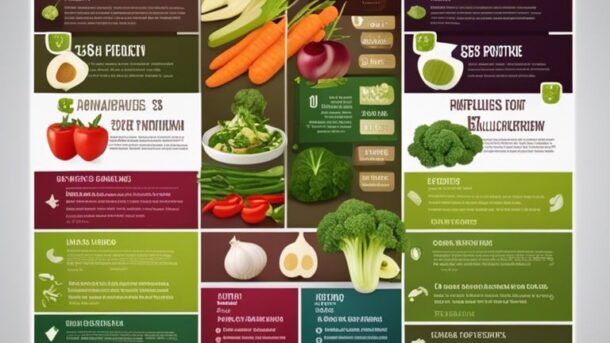
It’s vital to know which vegetables pack a protein punch for your balanced diet. Michael Pollan’s wisdom on food and nutrition can guide you in choosing plant-based sources rich in protein. Learn about the top vegetables that can boost your protein intake and contribute to a healthier you.
Key Takeaways:
- Lentils: A great source of plant-based protein, with approximately 9 grams of protein per half cup serving.
- Edamame: Contains around 8.5 grams of protein per half cup serving and is also rich in fiber and vitamins.
- Chickpeas: Also known as garbanzo beans, these legumes pack about 7.25 grams of protein per half cup serving.
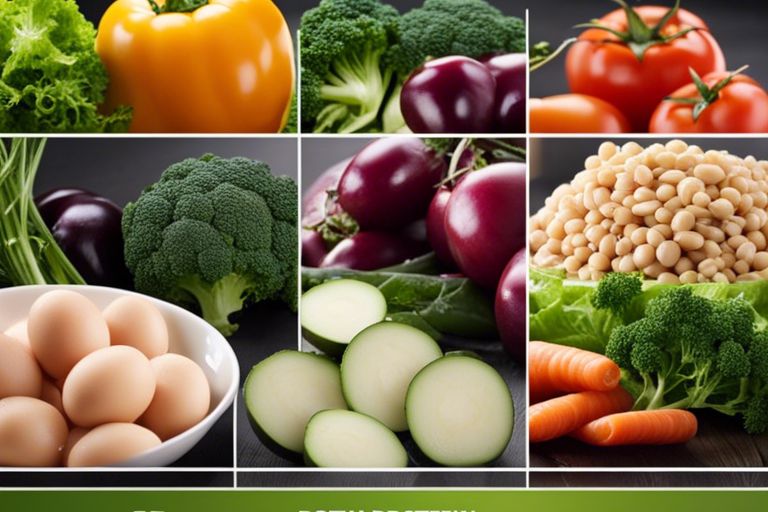
Protein-Rich Vegetables Overview
Importance of Protein in a Plant-Based Diet
A diet rich in protein is necessary for overall health and well-being. Protein helps build and repair tissues in the body, supports immune function, and plays a crucial role in enzyme and hormone production. When following a plant-based diet, it’s important to ensure you are consuming an adequate amount of protein to meet your daily nutritional needs.
Debunking the Myth: Vegetables as a Poor Source of Protein
Contrary to popular belief, vegetables can be a great source of protein. While they may not contain as much protein per serving as animal products, many vegetables are still packed with necessary amino acids and nutrients that contribute to your protein intake. Incorporating a variety of protein-rich vegetables into your meals can help you meet your protein requirements and maintain a balanced diet.
To debunk the myth that vegetables are a poor source of protein, consider including vegetables like broccoli, spinach, peas, and edamame in your meals. These vegetables are not only delicious but also offer a significant amount of protein per serving. By incorporating a diverse range of vegetables into your diet, you can ensure you are consuming an adequate amount of protein to support your health and well-being.
Leafy Greens
Spinach: A Protein Powerhouse
One leafy green vegetable that stands out for its protein content is spinach. Not only is spinach rich in vitamins and minerals, but it also packs a protein punch. Adding spinach to your salads, smoothies, or cooked dishes can help increase your protein intake while enjoying its delicious taste.
Kale: A Close Second in Protein Content
An excellent alternative to spinach is kale, which comes in a close second in terms of protein content. Kale is not only versatile but also a nutritional powerhouse, providing necessary nutrients like iron, vitamin C, and calcium in addition to protein. Including kale in your diet can benefit your overall health and keep your protein levels in check.
Plus, kale is easy to incorporate into your meals, whether sautéed, blended into a smoothie, or baked as kale chips. Its slightly bitter taste adds a unique flavor dimension to your dishes, making it a versatile option for boosting your protein intake.
Collard Greens: A Nutrient-Dense Option
An often overlooked leafy green, collard greens are another great vegetable high in protein. Collard greens are not only packed with protein but also contain fiber, vitamins A, K, and C, and minerals like calcium and manganese. Incorporating collard greens into your diet can provide a nutrient-dense option to support your protein needs and overall health.
Option: Try adding sautéed collard greens to your stir-fries, soups, or as a side dish to your protein source for a delicious and nutritious meal. The versatility and nutritional value of collard greens make them a fantastic addition to your protein-rich vegetable options.
Cruciferous Vegetables
Broccoli: A Protein-Rich Cancer Fighter
To maximize the protein content in your diet, turn to broccoli, a cruciferous vegetable that packs a powerful nutritional punch. Not only is broccoli low in calories, making it a great option for weight management, but it is also high in protein, aiding in muscle repair and growth. In addition to its protein content, broccoli is rich in vitamins, minerals, and antioxidants, making it a cancer-fighting superstar. Including broccoli in your meals regularly can help boost your protein intake while supporting overall health.
Cauliflower: A Low-Calorie, High-Protein Option
To add a low-calorie, high-protein option to your plate, consider incorporating cauliflower into your meals. Cauliflower is not only versatile but also a great source of plant-based protein. With its mild flavor, cauliflower can be easily added to stir-fries, salads, and even blended into a creamy soup for a nutritious boost. Packed with fiber, vitamins, and minerals, cauliflower is a fantastic choice for those looking to increase their protein intake without consuming excess calories.
ProteinRich Cauliflower is a cruciferous vegetable that provides an impressive amount of protein per serving, making it a valuable addition to vegetarian and plant-based diets. With around 2 grams of protein per cup, cauliflower can help you reach your daily protein goals while keeping your meals light and satisfying.
Brussels Sprouts: A Nutrient-Dense Snack
Cruciferous Brussels sprouts are not only a delicious addition to your meals but also a nutrient-dense snack that can help boost your protein intake. These small, cabbage-like vegetables are rich in protein, fiber, vitamins, and minerals, making them a must-have in your diet. Whether roasted, steamed, or sautéed, Brussels sprouts are a versatile and flavorful way to add more protein to your day.
Sprouts Brussels sprouts are particularly high in protein compared to other vegetables, making them an excellent choice for vegetarians and vegans looking to meet their protein needs. With over 3 grams of protein per cup, Brussels sprouts can contribute to muscle repair and growth while keeping you feeling full and satisfied.
Root Vegetables
Not all protein-rich vegetables come in the form of leafy greens or legumes; root vegetables also pack a protein punch. These nutrient-dense veggies can be a great addition to your diet for a boost in protein content.
Beets: A Sweet and Savory Protein Source
To start, beets are not only vibrant and delicious but also provide a surprising amount of protein. Their rich, earthy flavor makes them a versatile ingredient in both savory and sweet dishes. You can enjoy beets roasted, steamed, or even pickled for a tasty protein source that adds a pop of color to your plate.
Sweet Potatoes: A Complex Carb with a Protein Boost
An excellent source of complex carbohydrates, sweet potatoes are also surprisingly rich in protein. This nutrient-dense root vegetable not only satisfies your carb cravings but also provides a protein boost to help you stay fuller for longer. Enjoy sweet potatoes baked, mashed, or roasted for a delicious and nutritious addition to your meals.
An imperative thing to note about sweet potatoes is that they are also high in fiber, vitamins, and minerals, making them a well-rounded addition to any diet.
Carrots: A Crunchy and Protein-Rich Snack
Understanding that carrots are not just for rabbits, you can incorporate these crunchy veggies into your diet for a protein-rich snack option. Carrots are not only low in calories but also contain a decent amount of protein, making them a satisfying and nutritious snack choice.
An easy way to enjoy carrots as a protein-rich snack is to pair them with hummus or your favorite nut butter for a balanced and filling treat.
Plus, carrots are packed with antioxidants and imperative nutrients like vitamin A, making them a great choice for supporting overall health and well-being.
Allium Vegetables
Many Allium vegetables are not only flavorful additions to your dishes but also surprisingly high in protein. Here are some of the protein-rich options within this vegetable group:
Garlic: A Flavorful and Protein-Rich Addition
To boost the protein content of your meals, consider adding garlic. Despite its small size, garlic packs a protein punch along with its renowned taste. Incorporating garlic into your dishes not only enhances the flavor but also provides you with an extra protein boost.
Onions: A Pungent and Nutrient-Dense Option
Nutrient-Dense Onions are a versatile and nutrient-dense option to incorporate into your meals. They not only add depth and flavor to your dishes but also provide a good amount of protein. With their myriad of varieties, you can choose from red, white, yellow, or sweet onions to suit your taste preferences and increase your protein intake.
With Onions being a staple in many culinary traditions, they are an excellent choice for boosting the protein content of your dishes. Whether sautéed, caramelized, or enjoyed raw in salads, incorporating onions into your meals is a simple and delicious way to increase your protein consumption.
Shallots: A Mild and Protein-Rich Flavor Enhancer
Addition Shallots, with their mild flavor profile, are another protein-rich option to consider incorporating into your cooking. Despite their small size, shallots pack a good amount of protein, making them a valuable addition to your dishes for both taste and nutrition purposes.
Understanding that shallots can be a great way to enhance the protein content of your meals can inspire you to experiment with these versatile vegetables in various recipes. Whether used in dressings, sauces, or as a topping, shallots can elevate the protein content of your dishes while adding a unique flavor profile.
Other High-Protein Vegetables
Mushrooms: A Fungi-Based Protein Source
Source: Your exploration of protein-rich vegetables should include mushrooms. While not a vegetable in the traditional sense, mushrooms are fungi that offer a unique and savory umami flavor to your dishes. They are a great source of protein, especially for those following a plant-based diet. Some varieties like shiitake and oyster mushrooms are known to have higher protein content compared to others.
Corn: A Protein-Rich Grain
Mushrooms: Another surprising vegetable with high protein content is corn. This staple grain is often underestimated for its protein content, but it can be a valuable addition to your diet. Corn is not only delicious and versatile but also provides a decent amount of protein per serving.
Another imperative aspect to consider about corn is that it is a complete protein when combined with beans or legumes. This means that when you pair corn with another plant-based protein source like black beans, you create a wholesome and nutritious meal that contains all the imperative amino acids your body needs.
Peas: A Legume with a High Protein Content
One vegetable you shouldn’t overlook when seeking high-protein options is peas. These tiny green gems pack a surprising amount of protein for their size. Whether you opt for fresh peas in the pod, frozen peas, or even pea protein powder, you can easily incorporate this legume into various dishes to boost your protein intake.
It’s worth noting that peas are not only rich in protein but also high in fiber and other imperative nutrients like vitamin C and vitamin K. So, adding peas to your meals not only increases the protein content but also contributes to a well-rounded and nutritious diet.
Final Words
Summing up, understanding which vegetables are high in protein can be beneficial for incorporating more plant-based sources of this necessary nutrient into your diet. By including protein-rich vegetables such as spinach, broccoli, and Brussels sprouts in your meals, you can increase your protein intake while enjoying the many health benefits that these vegetables offer. To learn more about the top 10 high-protein vegetables and how to incorporate them into your diet, check out High protein vegetables: The top 10 and how to eat them.
FAQ
Q: What vegetables are high in protein?
A: Some vegetables that are high in protein include edamame, lentils, chickpeas, black beans, and spinach. These vegetables are great sources of plant-based protein.
Q: How can I incorporate high-protein vegetables into my diet?
A: You can incorporate high-protein vegetables into your diet by adding them to salads, soups, stir-fries, and wraps. You can also blend them into smoothies or make veggie burgers with them.
Q: Are high-protein vegetables suitable for vegetarians and vegans?
A: Yes, high-protein vegetables are suitable for vegetarians and vegans as they provide a plant-based source of protein. They can help meet your daily protein requirements without consuming animal products.


