India

Which is the tastiest food in India

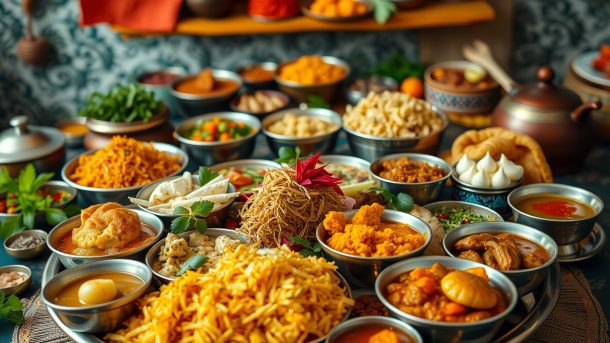
With a rich tapestry of flavors and regional specialties, Indian cuisine offers some of the most delectable dishes in the world. From the spicy curries of the North to the tangy seafood of the South, you’re bound to find something that tantalizes your palate. For a comprehensive guide on what to eat in India, be sure to check out What to eat in India? Top 100 Indian Foods, which can help you explore the culinary delights that await you in this vibrant country.

Key Takeaways:

  • Diversity: India’s culinary landscape is incredibly diverse, with each region offering its own unique flavors and specialties, such as dosas from the south and biryani from the north.
  • Spices: The use of spices is a hallmark of Indian cuisine, which contributes to its rich flavor profiles and aromatic dishes.
  • Street Food: Street food is an integral part of Indian culture, with popular items like pani puri and chaat known for their bold flavors and widespread appeal.

Regional Cuisines of India

Before venturing into the incredible diversity of Indian cuisine, it’s vital to understand how the geography, climate, and culture of various regions contribute to uniquely flavored dishes. Each area boasts special ingredients, traditional cooking methods, and a plethora of recipes that are often passed down through generations.

North Indian Delicacies

Any discussion about Indian cuisine would be incomplete without mentioning the rich and hearty dishes from North India. This region is known for its rich gravies, aromatic spices, and naan breads, making meals satisfying and flavorful. Signature dishes like butter chicken, biryani, and various dals are widely loved across the country.

South Indian Specialties

Cuisines from the South reflect a fusion of flavors, primarily featuring rice, lentils, and coconut. Dishes like dosas, idlis, and rasam showcase the region’s love for fermented foods and tangy tastes, while the use of mustard seeds and curry leaves adds depth to every meal.

South Indian food is not only delicious but also incredibly diverse. You can find variations in Tamil Nadu, Kerala, Andhra Pradesh, and Karnataka, each bringing its unique spin. From the fiery Chettinad curries in Tamil Nadu to the Malabar biryani in Kerala, every dish tells a story about the local culture and traditions.

East Indian Flavors

Indian food lovers cannot overlook the beloved flavors emerging from East India. With its emphasis on sweetness and freshness, this region offers dishes like macher jhol (fish curry) and pitha (rice cakes) that highlight locally sourced ingredients.

For instance, the significance of mustard oil in Bengali cuisine adds a distinct taste to many dishes, and using fresh produce makes these meals stand out. Additionally, sweets like rasgulla and sandesh showcase the innate love for desserts, making your East Indian experience memorable.

West Indian Dishes

Specialties from West India boast a vibrant mix of spices and flavors, thanks to its geographical diversity and cultural richness. Dishes like dhokla, pav bhaji, and Goan fish curry demonstrate the region’s love for tangy, spicy ingredients, making every bite an adventure.

West Indian cuisine is a delightful blend of sweet, salty, and spicy flavors. You’ll find dishes influenced by Portuguese, Mughlai, and local traditions. Maharashtra’s vada pav, Gujarat’s thali, and Rajasthan’s dal baati churma showcase a unique culinary heritage that you won’t want to miss out on.

Popular Indian Dishes

Even though Indian cuisine is vast and diverse, certain dishes stand out as iconic symbols of the country’s culinary heritage. Each dish tells a unique story of flavors, textures, and regional influences. Let’s explore some of the most popular Indian dishes that you definitely need to try.

Biryani

One of the most celebrated dishes in India is Biryani, a fragrant rice dish that combines spices, marinated meat, and sometimes vegetables. Each region adds its twist, making it a versatile dish that caters to various tastes.

Dosa

Popular in South India, Dosa is a savory crepe made from fermented rice and lentil batter. Its crisp texture and ability to pair with numerous chutneys and sambar make it a favorite breakfast option for many.

It’s often enjoyed with a variety of fillings, such as spiced potatoes or paneer, allowing for different flavor combinations. The versatility doesn’t end there; you can savor Dosa in many forms, from the traditional plain version to the innovative cheese or spring roll dosas.

Rogan Josh

The rich and aromatic Rogan Josh originates from Kashmiri cuisine, featuring tender lamb pieces cooked in a spiced yogurt-based gravy. The vibrant red color, enhanced by the Kashmiri chili, makes it a feast for the eyes as well as the palate.

Josh is a dish that embodies the essence of slow cooking, allowing the spices to blend harmoniously. Cooked with a perfect balance of flavors, it’s best enjoyed with naan or steamed rice, making every meal a special occasion.

Butter Chicken

Biryani lovers often rave about Butter Chicken, a delectable dish that features tender chicken pieces simmered in a creamy tomato sauce infused with warm spices. This dish has become a global favorite, representing the best of North Indian cuisine.

With its rich, velvety sauce and mildly spiced flavors, Butter Chicken is perfect for those who enjoy a comforting yet flavorful experience. Pairing it with naan or basmati rice elevates your meal, making it a luxurious treat you won’t forget.

Samosa

Indian street food enthusiasts will appreciate Samosas, deep-fried pastries filled with spiced potatoes, peas, and sometimes meat. Their crispy exterior and savory filling make them a popular snack enjoyed by many.

Rogan or not, Samosas come in various styles, including baked versions and different fillings. Whether eaten on their own or dipped in tangy tamarind chutney, these aromatic bites are irresistible and a must-try on your culinary journey through India.

Street Food: A Culinary Delight

Your adventure through the rich tapestry of Indian cuisine would be incomplete without indulging in its vibrant street food culture. Each bite offers a glimpse into local traditions, flavors, and a sense of community that can only be found on bustling streets. From spicy snacks to savory rolls, Indian street food reflects the diverse culinary heritage of the country, promising a delightful treat for every palate.

Pani Puri

The tantalizing Pani Puri is a must-try when exploring Indian street food. These crispy, hollow puris are filled with a mixture of tangy tamarind water, chickpeas, and potatoes, creating a burst of flavors that dance on your taste buds. Whether you enjoy them spicy or mild, Pani Puri is a joyous experience that brings people together.

Vada Pav

Food lovers can’t resist the charm of Vada Pav, often dubbed as Mumbai’s favorite street food. This delectable sandwich features a spiced potato filling, encased in a soft bun, and served with chutneys and fried green chilies. It embodies a delightful combination of textures and flavors that keep you coming back for more.

Vada Pav isn’t just food; it’s a symbol of Mumbai’s vibrant street food scene. Found at roadside stalls, each vendor adds their unique twist to the classic recipe. The crunch of crispy fried green chilies complements the softness of the bun, while the tangy chutneys elevate the taste, making Vada Pav an irresistible quick snack on the go.

Chaat Variations

Street food in India would feel incomplete without Chaat variations. These savory snacks, often topped with yogurt and various chutneys, are a delightful explosion of flavors. From Sev Puri to Bhel Puri, every Chaat offers a unique combination of crispiness, tanginess, and spice that will tantalize your taste buds.

This crowd-pleasing dish stands out for its versatility, allowing you to mix and match ingredients based on your personal preference. Chaat stalls are commonplace in markets and street corners, each serving their signature spins that cater to local tastes, ensuring that your culinary journey through India is both exciting and delicious.

Kathi Rolls

Food enthusiasts shouldn’t miss Kathi Rolls, a popular street food that originated in Kolkata. These delicious wraps feature marinated meats or vegetables, sautéed with spices and rolled in a flaky paratha, making them a perfect on-the-go snack. The combination of flavors and textures will leave you craving more.

For instance, Kathi Rolls are notable for their portability and adaptability. Many vendors take pride in their unique recipes, offering a variety of fillings, from succulent kebabs to spicy paneer. Garnished with onions, green chilies, and tangy sauces, each roll presents an explosion of flavors that captures the essence of street food in India, exemplifying your culinary adventure through this rich culture.

Influence of Spices

Despite the diversity of Indian cuisine, one unifying element that binds it all together is the extensive use of spices. Spices not only enhance the flavor of the dishes but also play a crucial role in the overall dining experience. From fiery curries to aromatic rice dishes, the right blend of spices transforms simple ingredients into a mesmerizing feast for your senses.

Common Spices Used

The Indian culinary palette is rich with a variety of spices, each contributing its unique flavor. Common spices include cumin, coriander, turmeric, cardamom, and mustard seeds. These spices serve as the foundation for many dishes, establishing the base flavor profiles that define regional cuisines across the country.

The Role of Aromatics

The use of aromatics in Indian cooking is crucial, as they provide depth and complexity to your meals. Ingredients such as onions, garlic, and ginger are often sautéed at the beginning of the cooking process. This aromatic base not only intensifies flavors but also creates a wonderful aroma that appeals to your senses and sets the stage for an enjoyable dining experience.

Role of aromatics goes beyond just initial flavor; they also help to balance the richness of spices and meats in your dish. By incorporating these crucial elements, you can create a harmonious blend that accentuates the freshness of vegetables and the zest of spices, resulting in a delightful culinary experience for you and your guests.

Health Benefits of Indian Spices

Benefits of Indian spices extend far beyond their delicious taste. Many spices boast antioxidant, anti-inflammatory, and antimicrobial properties, making them incredibly beneficial for your health. Incorporating spices like turmeric and ginger into your meals not only elevates flavor but also supports your well-being.

Aromatics like garlic and turmeric have been embraced for centuries due to their numerous health benefits. By adding these ingredients to your diet, you can potentially lower cholesterol levels, improve digestion, and boost your immune system. It’s clear that the spice not only enriches your food but also contributes positively to your overall health and wellness.

To wrap up

Conclusively, discovering the tastiest food in India is a delicious journey that promises a flavor explosion in every bite. From the rich spices of biryani to the comforting warmth of butter chicken, your palate is bound to be delighted. You can explore more about these culinary wonders by visiting The Top 10 Best Indian Dishes And Recipes. This guide will help you uncover the diverse tastes that make Indian cuisine truly exceptional.

FAQ

Q: What are some of the tastiest dishes in India?

A: India is known for its diverse cuisine, with each region offering its own specialties. Some of the tastiest dishes include:

  • Biryani: A fragrant rice dish cooked with spices, meat, or vegetables.
  • Butter Chicken: A creamy tomato-based curry that is rich and flavorful.
  • Masala Dosa: A crispy, fermented rice crepe filled with spiced potatoes.
  • Rogan Josh: A flavorful lamb curry from Kashmir, known for its beautiful red color.
  • Pani Puri: A popular street snack consisting of hollow puris filled with spiced water and chutneys.

Q: Which region in India has the tastiest food?

A: It’s difficult to pinpoint one region as the tastiest, as each area has unique flavors and dishes. However, many food lovers rave about:

  • Punjab: Known for rich and buttery dishes like butter chicken and sarson da saag.
  • West Bengal: Famous for its fish dishes and sweets like rasgulla and sandesh.
  • Gujarat: Renowned for its vegetarian thalis, with a balance of sweet, salty, and spicy.

Ultimately, taste is subjective, and it often comes down to personal preference.

Q: How does Indian street food compare to restaurant food?

A: Indian street food is often considered some of the most flavorful and authentic cuisine you’ll find, thanks to its bold spices and cooking techniques. Street vendors frequently serve dishes like:

  • Chaat: A savory snack made with potatoes, chickpeas, and tangy chutneys.
  • Vada Pav: A spicy potato fritter served in a bun, often enjoyed with chutneys.
  • Bhel Puri: A light and crunchy snack made from puffed rice, vegetables, and tangy sauce.

While restaurant food can offer a more refined dining experience, the heart of Indian cuisine is often found on the streets.

Q: Are there vegetarian options among the tastiest foods in India?

A: Absolutely! India boasts a rich variety of vegetarian dishes considered some of the tastiest foods available. Examples include:

  • Paneer Tikka: Grilled cubes of paneer marinated in spices.
  • Chana Masala: A tangy chickpea curry that is both hearty and flavorful.
  • Palak Paneer: A creamy spinach curry with paneer cheese.

The country’s vegetarian cuisine is incredibly diverse, making it a paradise for non-meat eaters.

Q: What is the role of spices in making Indian food tasty?

A: Spices play a crucial role in elevating the taste of Indian food, as they are not just used for flavor but also for color, aroma, and medicinal purposes. Common spices include:

  • Cumin: Adds a warm, earthy flavor.
  • Coriander: Offers a fresh, citrusy taste.
  • Turmeric: Provides a golden color and is known for its health benefits.
  • Garam Masala: A blend of spices that gives depth and warmth to dishes.

The art of balancing these spices is key to creating the rich and diverse flavors that Indian cuisine is celebrated for.

What are 5 traditional foods in India

It’s necessary to explore the rich and diverse culinary heritage of India, where each dish tells a story of its region and culture. You will discover that traditional Indian foods are not just meals but a celebration of spices, flavors, and techniques passed down through generations. In this post, you’ll learn about five iconic dishes that reflect the essence of Indian cuisine, giving you insight into the ingredients and traditions that shape your dining experience.

Key Takeaways:

  • Biryani: A flavorful rice dish cooked with marinated meat and aromatic spices, biryani varies by region and is often considered a complete meal.
  • Dosa: A fermented crepe made from rice batter and black lentils, dosa is popular in South India and is often served with chutneys and sambar.
  • Paneer Tikka: A popular vegetarian dish made from marinated cubes of paneer (Indian cheese) grilled or baked, typically served as an appetizer.

Biryani

Before submerging into the fragrant world of Biryani, it’s imperative to explore the diverse culinary traditions of India. This beloved dish, known for its rich flavors and aromatic spices, is a staple that you simply must try. If you’re curious about more traditional Indian foods to explore, check out 49 Traditional Indian Foods to Taste in 2024.

Origin and History

Any discussion of Biryani would be incomplete without acknowledging its profound history. The dish is believed to have originated in Persia and made its way to the Indian subcontinent through the Mughals. As it traversed various regions, the recipe diversified, incorporating local ingredients and cooking techniques, making it a quintimperative part of Indian cuisine.

Regional Variations

Any seasoned food lover would appreciate the numerous regional variations of Biryani found across India. From the Hyderabadi Biryani, known for its saffron and rich flavor, to the Kolkata Biryani, which features potatoes and boiled eggs, each variant tells a unique story and reflects local tastes.

For instance, in South India, you might encounter the spicy and tangy versions of Biryani, while in North India, the dish is often prepared with rich, creamy gravies and aromatic spices. The diversity of ingredients and preparation methods offers you a delightful culinary journey, showcasing the adaptability of this classic dish to regional preferences and available resources.

Dosa

Assuming you are exploring the diverse flavors of Indian cuisine, dosa is a must-try. This crispy and savory crepe is a staple in South Indian households and is loved by many across the country. Made primarily from fermented rice and lentil batter, dosa is not only delicious but also nutritious. Its versatility allows it to be enjoyed in various forms, making it a quintcrucial dish that embodies India’s rich culinary heritage.

Ingredients and Preparation

The batter for dosa typically consists of rice and urad dal (black gram), which are soaked, ground, and fermented overnight. This fermentation process contributes to its distinct tangy flavor while ensuring a fluffy texture. Once the batter is ready, you spread a ladleful on a hot griddle, allowing it to cook until crispy and golden brown.

Accompaniments

Dosa is often served with a unique array of accompaniments that enhance its flavor profile. Popular choices include coconut chutney, tomato chutney, and sambar—an aromatic lentil soup with vegetables. These side dishes not only add taste but also provide a nutritious balance to the meal.

Ingredients play a crucial role in elevating the dining experience when enjoying dosa. You might want to experiment with various chutneys, as each offers a unique twist. Coconut chutney, made from fresh grated coconut, pairs beautifully with the dosa’s crisp texture, while spicy tomato chutney can add a zesty kick. Sambar’s rich, hearty flavor complements the dosa, making each bite a delightful culinary adventure.

Paneer Tikka

Unlike many other Indian dishes that may seem complicated, Paneer Tikka is a delightful, meat-free option. Originating from the northern states of India, this popular appetizer consists of marinated paneer cubes grilled to perfection. It’s a perfect introduction to the array of flavors found in Traditional Food in India: 20 Dishes To Fill A Hungry Belly. This dish is not only delicious but also widely enjoyed, making it a staple at many Indian gatherings.

Preparation Method

With a simple blend of spices, yogurt, and a touch of lemon juice, you can create a marinade that infuses the paneer with flavors. Toss the cubed paneer along with colorful bell peppers and onions in this marinade, then skewer them before grilling or baking. The result is a smoky, savory dish that delights your taste buds.

Health Benefits

An excellent source of protein, paneer offers numerous health benefits that make it a fantastic addition to your diet. Rich in calcium, it promotes bone health and can aid in maintaining a healthy weight when consumed in moderation.

Paneer is also beneficial for your skin and can help in muscle repair and growth due to its high protein content. The use of yogurt in the marinade adds probiotics, which can improve gut health and digestion. Overall, Paneer Tikka not only tantalizes your palate but also contributes to your well-being, making it a smart choice for a nutritious meal.

Samosa

For many people, samosas are a quintcrucial Indian snack that perfectly encapsulates the nation’s diverse culinary heritage. These deep-fried, triangular pastries are typically filled with a blend of spiced potatoes, peas, and sometimes meat, making them a beloved treat across the country. Whether enjoyed as an appetizer or a street food delight, samosas are sure to tantalize your taste buds with their crunchy exterior and savory filling.

Filling Options

To cater to different palates, samosas can be filled with a variety of ingredients beyond the classic potato and pea mixture. You might encounter options like spiced lentils, onions, or even sweet fillings such as coconut or chocolate, providing a delicious twist on the traditional preparation.

Cultural Significance

The samosa holds a special place in Indian culture, often served at gatherings, celebrations, and festivals. Its popularity transcends regional boundaries, making it a staple snack across various communities in India.

With its rich history and deep cultural ties, the samosa is not just a food item but a symbol of togetherness and celebration in India. You’ll find samosas at weddings, parties, and street stalls, where they bring people together over shared experiences. It’s a dish that evokes fond memories for many, making it an integral part of the Indian culinary landscape that you simply cannot overlook.

To wrap up

Taking this into account, you’ll find that exploring India’s culinary landscape reveals a rich tapestry of flavors and traditions through iconic dishes like Biryani, Dosa, Butter Chicken, Paneer Tikka, and Chole Bhature. Each of these foods not only represents regional ingredients but also offers a glimpse into the cultural heritage of India. By trying these traditional dishes, you can enhance your understanding of Indian cuisine and its significance in the lives of its people. Enjoy the journey through these delicious experiences!

FAQ

Q: What are some traditional foods in India?

A: India is renowned for its rich culinary heritage, and traditional foods vary across different regions. Here are five popular traditional dishes:

Q: What is Biryani?

A: Biryani is a flavorful, aromatic rice dish cooked with layers of marinated meat (like chicken, mutton, or fish), spices such as saffron, and sometimes vegetables. Originating from Persian cuisine, biryani has many regional variations, with Hyderabadi and Lucknowi (Awadhi) biryanis being particularly famous.

Q: What is Masala Dosa?

A: Masala Dosa is a South Indian dish made from fermented rice and lentil batter, cooked into a thin crepe. It is filled with a spiced potato mixture and usually served with coconut chutney and sambar (a lentil-based vegetable stew). It is a popular breakfast item in Southern India.

Q: What is Rogan Josh?

A: Rogan Josh is a traditional Kashmiri dish, consisting of tender lamb or goat cooked in a rich and aromatic gravy made with yogurt, garlic, and a blend of spices, including Kashmiri red chili. It’s part of the famous ‘Wazwan’ feast from Kashmir and is renowned for its deep flavors and vibrant color.

Q: What is Paneer Tikka?

A: Paneer Tikka is a popular vegetarian starter, where cubes of paneer (Indian cottage cheese) are marinated in yogurt and spices, then skewered and grilled or baked. It’s often served with mint chutney and is a favorite at Indian gatherings and festivals.

Q: What is Khichdi?

A: Khichdi is a comfort food made from a mixture of rice and lentils, cooked together with spices and sometimes vegetables. It’s often considered a wholesome meal, especially for those feeling unwell. Khichdi is simple, nutritious, and enjoyed across India in various forms, each unique to its region.

How many cuisines are there in India

Over a billion people and a myriad of cultural influences converge to create India’s vast culinary landscape. As you examine into the question of how many cuisines exist in this vibrant country, you’ll discover that the answer is as complex as the flavors themselves. From the spicy dishes of the south to the rich, creamy curries of the north, each region boasts its own culinary identity. Join us as we explore the diversity of Indian cuisines and uncover the fascinating stories behind them.

Key Takeaways:

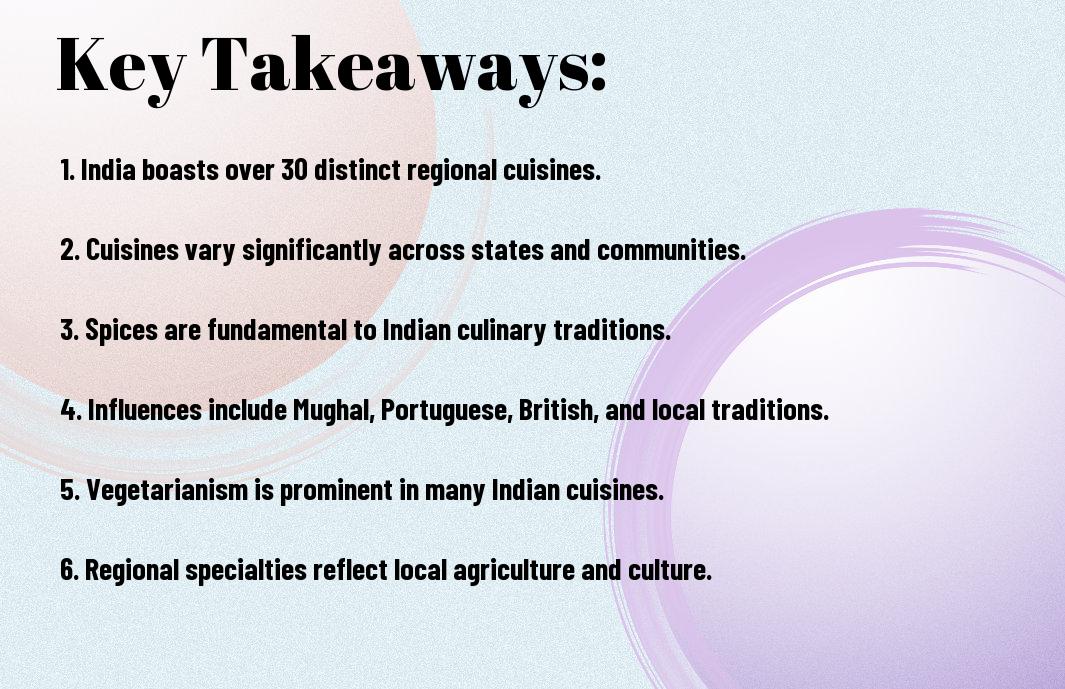
  • Diversity: India is home to over 30 distinct cuisines, each characterized by unique flavors, ingredients, and cooking techniques.
  • Regional Specialties: Cuisines vary significantly across regions, including Northern, Southern, Eastern, and Western styles, reflecting local traditions and agricultural products.
  • Influences: Indian cuisines have been shaped by historical events, trade routes, and cultural exchanges, resulting in a multitude of fusion foods and innovative culinary practices.

Overview of Indian Cuisines

While exploring the vast landscape of Indian cuisine, you will find an intricate tapestry of flavors, ingredients, and cooking techniques that reflect the country’s rich history and diverse culture. For those seeking a deeper understanding of this culinary world, check out A Comprehensive Guide to Indian Cuisine: List of Popular ….

Regional Diversity

One of the most fascinating aspects of Indian cuisine is its regional diversity. Each region boasts its own distinct cooking styles, ingredients, and traditional dishes, which can vary significantly from one area to another. Whether you’re savoring the spicy curries of the South or enjoying the sweet treats of the North, you will discover unique flavors that represent local agricultural practices and cultural influences.

Cultural Influences

Overview of Indian cuisines reveals a melting pot of cultural influences, including those from ancient civilizations, trade, and colonization. Over the centuries, various regions have embraced diverse culinary traditions, from Persian and Mughal to Portuguese and British, resulting in a rich and complex culinary heritage. As you explore dishes across the country, you’ll notice these cultural threads woven into the fabric of Indian cooking.

Diversity in Indian cuisine is not just limited to regional specialties; it is also shaped by factors such as religion, festivals, and family traditions. You’ll see how vegetarianism is prevalent in many communities, inspired by spiritual beliefs, while other regions embrace meat-based dishes due to their diverse cultural backgrounds. This intricate blend of influences ensures that Indian cuisine remains a vibrant and evolving culinary landscape.

Major Cuisines of India

Some of the most prominent cuisines in India are deeply rooted in the diverse cultures and traditions of the region. Each cuisine tells a story of the local ingredients, cooking techniques, and history that you will surely appreciate as you explore the variety offered across the country.

North Indian Cuisine

With its rich and hearty dishes, North Indian cuisine features a wide array of flavors, spices, and textures. You will find iconic dishes such as butter chicken, paneer tikka, and biryani, often enjoyed with naan or rice. The use of creamy sauces and a variety of lentils reflects the region’s agricultural bounty.

South Indian Cuisine

With a strong emphasis on rice, lentils, and coconut, South Indian cuisine is known for its bold flavors and vibrant dishes. You can relish items like dosa, idli, and sambar, often paired with tangy chutneys. The use of spices such as mustard seeds, curry leaves, and tamarind brings a unique taste to each dish.

South Indian cuisine offers a delightful variety of vegetarian dishes, making it well-loved by both locals and visitors. You will notice that meals are typically served on banana leaves, enhancing the traditional experience. Don’t forget to indulge in the sweet treats like payasam and Mysore pak, which perfectly round off your culinary journey.

East Indian Cuisine

Major influences in East Indian cuisine come from the regions of Bengal and Odisha, where you will encounter an abundance of fish, rice, and lentils. Signature dishes like macher jhol (fish curry) and pakhala (fermented rice) highlight the unique flavors that define this cuisine, often accentuated by mustard oil and fresh herbs.

North Indian culinary traditions find their way into East Indian cuisine as well, creating a delightful fusion. You may also appreciate the dessert culture here, with sweets like rasgulla and sandesh that are famous worldwide. The interplay of spices and seasonal ingredients ensures a constantly evolving menu, enticing food lovers to explore further.

West Indian Cuisine

North Indian cuisine showcases a delightful variety of flavors, characterized by the diverse ingredients and cooking styles found across the Western states. You will enjoy dishes like dhokla from Gujarat, spicy pav bhaji from Maharashtra, and rich Goan curries influenced by Portuguese flavors.

Cuisine from the West includes dishes that not only offer a melange of spices but also highlight fresh seafood and vegetarian specialties. The use of jaggery, coconut, and peanuts creates a diverse palette that you won’t want to miss. Furthermore, the famous street food culture in this region presents a vibrant experience that speaks volumes about its culinary heritage.

Influential Factors in Indian Cuisine

Many elements come together to shape the diverse and rich landscape of Indian cuisine. Understanding these influential factors can deepen your appreciation and knowledge of what makes Indian food so unique. Here are some key influences:

  • Geography
  • Religion and Festivals
  • Historical Events
  • Climate
  • Local Ingredients

Perceiving these factors can help you appreciate the variety that Indian cuisine offers. If you want to explore more about the diverse dishes of India, check out 31 Dishes That Define the 31 Cuisines of India.

Geography

With its vast expanse, India boasts a multitude of geographic regions, each contributing distinct flavors and cooking methods. From the coastal regions using fresh seafood to the deserts utilizing dried ingredients, geography plays a crucial role in determining what you will find on your plate.

Religion and Festivals

Factors like religion and festivals significantly shape the culinary landscape of India. Different communities observe varying dietary restrictions and preferences based on their faith. For example, Hindu festivals often feature vegetarian fare, while Muslim celebrations may include elaborate meat dishes.

Plus, these religious and cultural festivals introduce unique dishes that are prepared only during special occasions. Festivals like Diwali, Eid, and Pongal see a range of dishes being crafted, often invoking traditions and age-old recipes passed down through generations, enriching your experience of Indian cuisine.

Historical Events

Indian cuisine is also deeply influenced by its historical events, which brought together various cultures and culinary techniques. The advent of trade, invasions, and colonialism introduced new ingredients and methods that have become integral to many regional dishes.

This blending of culinary traditions shaped what you now think of as Indian food. Historical events like the Mughal Empire’s influence led to the emergence of rich and aromatic dishes, while colonial encounters introduced spices and techniques from the West, further diversifying the palette of Indian cuisine.

Summing up

Drawing together the rich tapestry of Indian cuisine, you find that there are over 30 major regional cuisines, each with its own distinctive flavors and ingredients. From the spicy curries of South India to the robust dishes of North India, your culinary journey through the country promises an unparalleled diversity of tastes and experiences. As you explore these various cuisines, you will discover not only the regional differences but also the cultural significance and traditions that shape Indian cooking, making it a truly magnificent gastronomic landscape.

FAQ

Q: How many major cuisines are recognized in India?

A: India is known for its rich and diverse culinary landscape, which is often categorized into several major cuisines. Generally, there are eight recognized major cuisines in India, corresponding to different regions: Punjabi, Mughlai, Gujarati, Rajasthani, South Indian, Bengali, Assamese, and Kashmiri. Each of these cuisines reflects the culture, climate, and ingredients local to its region.

Q: Why is Indian cuisine so diverse?

A: Indian cuisine is diverse due to India’s vast geography, climate variations, and the cultural influences from different historical periods, including indigenous traditions, regional availability of ingredients, and the significance of religion and festivals. This diversity allows for a wide array of flavors, cooking techniques, and culinary styles across the country.

Q: Are there regional variations within each Indian cuisine?

A: Yes, within each of the eight major cuisines, there are numerous regional variations. For instance, South Indian cuisine includes sub-categories like Tamil, Telugu, and Kerala cuisine, each with unique dishes and cooking methods. Similarly, vegetarian and non-vegetarian versions of the same dish can differ greatly even within the same state, influenced by local customs and preferences.

Q: What role do spices play in Indian cuisines?

A: Spices are a fundamental aspect of Indian cuisines, contributing not only to the flavor but also to the aroma and color of the dishes. India is known as the land of spices, with each region having its own distinct blend of spices that define its cuisine. Common spices include cumin, coriander, turmeric, and garam masala, each playing a key role in the culinary identity of a particular cuisine.

Q: How do cultural factors influence Indian cuisines?

A: Cultural factors such as religion, festivals, and traditions significantly influence Indian cuisines. For example, many Hindu households are vegetarian due to religious beliefs, which has led to a wide variety of vegetarian dishes. Additionally, certain festivals feature specific foods that are culturally significant, exemplifying the interrelation of culture and cuisine. Moreover, regional festivals and traditions may result in unique dishes being popularized in different areas throughout the year.

What is India specially known for

Culture is the heart of India, a country famed for its rich tapestry woven from diverse traditions, languages, and religions. You will find that India is renowned for its vibrant festivals, exquisite cuisine, and ancient art forms, all of which reflect its historical significance and modern evolution. Whether it’s the majestic architecture of the Taj Mahal, the spirituality of its many temples, or the colorful celebrations of Diwali and Holi, your journey through India will reveal a depth of heritage that continues to inspire and fascinate people worldwide.

Key Takeaways:

  • Diverse Culture: India is renowned for its rich and diverse cultural heritage, encompassing various languages, religions, festivals, and traditions.
  • Historical Landmarks: The country is home to iconic historical sites, such as the Taj Mahal, showcasing its architectural grandeur and historical significance.
  • Culinary Variety: India offers a vast array of cuisines known for their bold flavors and unique spices, making it a culinary paradise for food lovers.

Rich Cultural Heritage

The rich cultural heritage of India is a tapestry woven from diverse traditions, languages, and customs, making it a land of unparalleled cultural significance. With a deep-rooted history, India is renowned for its unique practices, which you can explore further in this interesting article on 16 Unique Culture of India: Customs & Indian Traditions.

Traditional Arts and Crafts

Any exploration of India’s cultural heritage leads you to its vibrant traditional arts and crafts, which vary from region to region. From intricate handloom weaving to exquisite pottery, each craft reflects the local traditions and artistry that have been passed down through generations.

Festivals and Celebrations

One of the most captivating aspects of Indian culture is its myriad of festivals and celebrations. These events not only mark significant occasions in the calendar but also showcase the country’s incredible diversity and unity in diversity.

Rich in color and sound, India’s festivals like Diwali, Holi, Eid, and Christmas bring people together, transcending boundaries of religion and region. During these celebrations, you can experience an amalgamation of joy, feasting, music, and dance, making every festival a feast for the senses. The sense of community and togetherness you feel during these festive occasions exemplifies the cultural richness that India proudly cherishes.

Diverse Cuisine

Any visit to India promises a culinary adventure, where you will discover an incredible array of flavors and ingredients that reflect its rich cultural heritage. The country is a true melting pot of spices, traditions, and cooking techniques, with each region offering unique dishes that highlight local produce and historical influences. From the aromatic curries of the north to the fiery seafood of the south, Indian cuisine invites you to explore a world of tastes that evoke the essence of its diverse communities.

Regional Specialties

At every corner of India, you will find regional specialties that showcase the unique agricultural bounty and historical influences of the area. In the Punjab, enjoy buttery naan and rich butter chicken, while in West Bengal, savor the delicate fish curry known as “shorshe ilish.” The coastal regions, like Goa, tantalize you with spicy vindaloo and prawn curry, while the streets of Mumbai lure you in with flavorful street food like vada pav and pav bhaji. Each dish tells a story of its place, allowing you to taste the heart of India where you are.

Global Influence of Indian Food

One of the most fascinating aspects of Indian cuisine is its global influence, transcending borders to capture the appetites of food lovers worldwide. From the aromatic spice blends used in curry powders to the popularity of naan and biryani in restaurants across the globe, Indian food has made a significant impact on international dining.

Due to its vibrant colors and bold flavors, Indian cuisine has won the hearts of many, leading to the emergence of Indian restaurants in cities far beyond its borders. You will find Indian dishes embraced in diverse culinary fusions, such as Indian-inspired tacos and sushi rolls. The globalization of Indian food reflects not just a flavor of spices but also a cultural exchange, where your taste buds can experience the essence of a rich culinary tradition right in your hometown.

Historical Landmarks

Your journey through India is incomplete without exploring its myriad historical landmarks, each telling stories of rich cultural heritage and remarkable pasts. From ancient forts to majestic palaces, these sites encapsulate the essence of India’s history and artistry, inviting you to explore the legacies left behind by dynasties and civilizations. Whether it’s the awe-inspiring ruins of Hampi or the architectural wonder of Agra Fort, each landmark offers a unique glimpse into the vibrant tapestry of India’s past.

UNESCO World Heritage Sites

With 40 UNESCO World Heritage Sites, India stands as a testament to its historical and cultural treasures. These sites range from the stunning temples of Khajuraho to the breathtaking landscapes of the Western Ghats, each representing a unique aspect of India’s diverse heritage. As you visit these sites, you’ll not only appreciate their beauty but also understand their significance in the global context of history and preservation.

Architectural Marvels

At every corner of India, you encounter architectural marvels that blend artistry with engineering prowess. Landmarks like the Taj Mahal and the intricate carvings of the Hoysala temples showcase India’s rich craftsmanship and attention to detail. Each structure tells a story of the time it was built, reflecting the social and cultural dynamics of its era.

This captivating diversity in architecture ranges from the simple elegance of ancient temples to the grandeur of Mughal palaces. The use of various materials—like sandstone, marble, and intricate tile work—adds depth to the aesthetic appeal. Beyond sheer beauty, these architectural wonders capture the spirit of innovation, as designers fused traditional styles with unique local elements, making every structure a masterpiece worthy of admiration and reflection.

Spiritual and Religious Diversity

After centuries of coexistence, India stands as a testament to spiritual and religious diversity, showcasing a rich tapestry of beliefs and practices. You will find an array of traditions, philosophies, and spiritual paths, each contributing to the nation’s cultural mosaic. This unique blend encourages mutual respect and understanding, making it a fascinating place for those keen to explore the depths of human spirituality.

Major Religions Practiced

Religious practices in India are incredibly varied and include Hinduism, Buddhism, Jainism, Sikhism, Islam, and Christianity, among others. You will encounter vibrant festivals, rituals, and ceremonies reflecting the deep-rooted faith of millions. Each religion offers distinctive teachings and community experiences, enriching your understanding of the world around you.

Pilgrimage Sites

Beside daily worship and rituals, India’s wealth of pilgrimage sites draws millions of devotees seeking spiritual solace and enlightenment. These sacred locations greatly enhance your spiritual journey, allowing you to connect with centuries of history and tradition.

Sites such as Varanasi, Haridwar, Amritsar, and Bodh Gaya are just a few examples where you can immerse yourself in profound spiritual experiences. Each destination holds historical significance and boasts unique architectural beauty, inviting you to reflect and find peace. Exploring these pilgrimage sites not only enriches your spiritual understanding but also connects you with like-minded individuals sharing similar quests for meaning and connection.

Contributions to Science and Technology

Many recognize India as a remarkable contributor to science and technology, with a legacy that spans centuries. Your understanding of this nation’s innovations will reveal how they have impacted various fields, from mathematics to space exploration. Indian scholars have historically enhanced global knowledge, and modern advancements continue to shape the technological landscape today.

Historic Innovations

The ancient Indians made significant strides in various scientific fields, including mathematics, astronomy, and medicine. You will find that mathematicians like Aryabhata and Brahmagupta laid the groundwork for concepts such as zero and algebra, which have shaped mathematical understanding worldwide. These innovations form the bedrock upon which many modern scientific developments stand.

Modern Advancements

Across the 21st century, India has emerged as a hub of technological innovation and scientific research. Your awareness of India’s achievements in space exploration, information technology, and pharmaceuticals showcases how the country is at the forefront of addressing global challenges, from healthcare to sustainable development.

Further pursuing advancements, India’s space agency, ISRO, has made headlines with missions such as Mangalyaan and Chandrayaan, which demonstrate India’s capabilities in interplanetary exploration. In the tech sector, India dominates the global software industry, providing cutting-edge services and solutions. With a thriving startup ecosystem and a focus on research and development, you can see how India continues to contribute solutions addressing various societal challenges and push the boundaries of what is possible in science and technology.

Natural Wonders

Despite being known for its rich culture and history, India is home to a myriad of natural wonders that will captivate your senses. From the majestic Himalayas to the serene backwaters of Kerala, the diversity of its landscapes is truly breathtaking. For an in-depth exploration of this enchanting land, check out What is India Famous For? 23 Lesser-Known Facts about ….

Unique Biodiversity

One of the most striking features of India is its unique biodiversity. You can find a vast range of ecosystems, from lush tropical rainforests to arid deserts, supporting countless species of flora and fauna. This rich biological tapestry is home to several endangered species, making India a vital area for conservation efforts.

Scenic Landscapes

Between the towering peaks of the Himalayas and the golden sands of the Thar Desert, India’s landscapes offer a feast for the eyes. From lush greenery in the Western Ghats to the breathtaking beaches of Goa, you will find diverse terrains that invite exploration and provide a remarkable backdrop for your adventures.

With its varying climates and topographies, India showcases stunning panoramic views that you won’t want to miss. The vibrant colors of the sunset over the Ganges, the tranquil beauty of the Dal Lake, and the sprawling tea gardens of Darjeeling are just a few examples of the picturesque landscapes that will leave you in awe. Each region holds its own charm, inviting you to immerse yourself in nature’s beauty.

Final Words

So, as you explore the rich tapestry of culture, history, and diversity that India offers, you will come to appreciate its vibrant traditions, exquisite cuisine, and spiritual heritage. From the awe-inspiring architecture of ancient temples to the bustling markets filled with rich textiles, you will find something that resonates with your interests. India is not just a destination; it is an experience that will deepen your understanding of the world. Your journey through this colorful nation will undeniably leave a lasting impression.

FAQ

Q: What is India specially known for in terms of its cultural heritage?

A: India is known for its rich cultural heritage that showcases an array of traditions, languages, and art forms. With over 2,000 distinct ethnic groups and more than 1,600 spoken languages, Indian culture is incredibly diverse. Traditional art forms, like classical dances such as Bharatanatyam and Kathak, and visual arts like Madhubani paintings, highlight its artistic wealth. The country also celebrates a multitude of festivals, each reflecting its varied cultural influences, from Diwali, the Festival of Lights, to Eid and Christmas.

Q: What are some of the iconic cuisines that India is famous for?

A: Indian cuisine is renowned worldwide for its bold flavors, aromatic spices, and diverse regional dishes. Each region boasts unique culinary traditions, such as North Indian cuisine known for its rich curries and breads like naan and paratha, while South Indian food features dosas and idlis. Additionally, Andhra Pradesh is known for its spicy dishes, Bengal for its sweets like rasgulla, and Maharashtra for its street food such as vada pav. The use of spices, including cumin, coriander, and cardamom, plays a significant role in creating the distinct taste of Indian food.

Q: In what ways is India recognized for its contributions to spirituality and philosophy?

A: India is recognized as a global center for spirituality and philosophical thought, being the birthplace of major religions such as Hinduism, Buddhism, Jainism, and Sikhism. Philosophical traditions such as Vedanta and Yoga have gained worldwide acceptance, emphasizing the pursuit of knowledge and inner peace. Spiritual landmarks like Varanasi, the Ganges River, and temples like the Golden Temple in Amritsar attract millions of pilgrims and tourists seeking spiritual experiences. The concepts of meditation and mindfulness have also gained popularity, predominantly attributed to Indian philosophy.

Q: What are some significant historical sites that India is known for?

A: India boasts a plethora of historical sites that reflect its rich past and architectural marvels. The Taj Mahal in Agra is globally recognized as a symbol of love and is a UNESCO World Heritage Site. Other notable sites include the forts and palaces of Rajasthan, ancient temples in Khajuraho, and the ruins of Hampi. The country is dotted with historic cities like Delhi, with its blend of Mughal and British architecture, and Varanasi, one of the oldest living cities in the world. These sites contribute significantly to understanding India’s historical narrative and architectural evolution.

Q: What role does India’s wildlife and natural beauty play in its global identity?

A: India is known for its diverse wildlife and breathtaking natural landscapes, making it a prime destination for eco-tourism. The country is home to numerous national parks and wildlife sanctuaries, such as Ranthambore and Jim Corbett National Park, which protect species like the Bengal tiger, Indian elephant, and one-horned rhinoceros. India’s varied geography includes the majestic Himalayas, the lush Western Ghats, and beautiful beaches along the coastline. This rich biodiversity and natural beauty enhance India’s appeal as a destination for nature lovers and adventure travelers.

What is India traditional food

Over thousands of years, India has cultivated a rich tapestry of traditional foods that reflect its diverse cultures, regions, and culinary practices. You will discover that Indian traditional food is not just about spices and flavors; it represents a deep connection to the land, its history, and the people. From aromatic curries to delectable sweets, these dishes are often prepared with age-old recipes and local ingredients. This blog post will guide you through the imperative aspects of traditional Indian cuisine, helping you appreciate its significance in global gastronomy.

Key Takeaways:

  • Diversity: India’s traditional food reflects a rich variety of regional cuisines shaped by geography, culture, and history.
  • Spices: The use of spices like cumin, coriander, turmeric, and cardamom is central to enhancing flavors and providing health benefits.
  • Vegetarianism: A significant portion of traditional Indian cuisine is vegetarian, influenced by cultural and religious practices, especially in Hinduism.
  • Cooking Techniques: Traditional cooking methods include tandoor baking, slow cooking, and steaming, which contribute to the unique flavors and textures of Indian dishes.
  • Festivals and Rituals: Food plays a vital role in celebrations and rituals, with different sweets and dishes prepared for festivals like Diwali and Holi.

Historical Background

The historical evolution of traditional Indian food is a fascinating journey shaped by various influences over millennia. From ancient civilizations to colonial rule, each epoch has left a lasting imprint on the culinary landscape of India. By exploring these historical contexts, you can better appreciate the depth and richness of Indian cuisine today.

Ancient Influences

Influences from ancient civilizations such as the Indus Valley and Vedic cultures laid the foundation for what we now recognize as traditional Indian food. The availability of local ingredients, alongside the introduction of grain cultivation and diverse agricultural practices, shaped the early dietary habits. As a result, you see a mix of regional flavors and cooking techniques that form the core of India’s culinary heritage.

Colonial Impact

Influences from colonial powers significantly transformed Indian cuisine, introducing new ingredients and cooking methods. The arrival of British, Dutch, and Portuguese traders brought spices, vegetables, and even techniques like baking that were previously unknown in India.

It is vital to note that colonial impact was not merely about the introduction of foreign elements; it also led to the fusion of traditional recipes with Western ingredients, leading to the birth of unique dishes. This blending process created an entirely new culinary dimension, enhancing the complexity and diversity of Indian cuisine as you know it today. By understanding these historical layers, you can appreciate how traditional Indian food continues to evolve while retaining its authentic roots.

Regional Cuisines

Clearly, India’s culinary landscape is as diverse as its culture, with each region offering unique flavors and cooking styles that reflect local traditions and ingredients. Exploring these regional cuisines not only enriches your palate but also provides insight into the’s rich heritage.

North Indian Cuisine

On your journey through North Indian cuisine, you will discover dishes that are hearty and often cooked with rich gravies. Staples like naan, biryani, and butter chicken are common, reflecting the use of dairy products, spices, and flavorful meats. This region is known for its warm and robust flavors, perfect for the colder climate.

South Indian Cuisine

South Indian cuisine is distinguished by its vibrant use of rice, lentils, and a plethora of spices, offering a range of vegetarian and non-vegetarian options. Dishes like dosas, idlis, and sambar are foundational and showcase the region’s emphasis on flavors that are tangy and aromatic.

North Indian dishes are typically heavier, relying on rich gravies made with cream, tomatoes, and abundant spices. In contrast, South Indian meals feature lighter ingredients, utilizing fermented batter for dosas and rice for idlis, often accompanied by coconut chutneys and tangy sambar. The variety in textures and tastes ensures a sensory delight.

East Indian Cuisine

Regional cuisine in East India is characterized by its seafood, rice, and unique flavors, influenced by the various cultures that reside in the region. Popular dishes include fish curry, rasgulla, and a range of vegetarian preparations that highlight local vegetables and spices.

Indian East Indian cuisine takes pride in its coastal ingredients and fragrant spices, with Bengal being particularly famous for its fish dishes. The use of mustard oil and poppy seeds enhances the taste, while sweets like rasgullas and sandesh are integral parts of the region’s culinary offerings, making it a paradise for both savory and sweet lovers.

West Indian Cuisine

To experience West Indian cuisine is to indulge in a variety of dishes that are as colorful as the landscapes of the region. It combines rich, spicy flavors and unique ingredients, with staples like dal bati churma and dhokla representing the diverse culinary practices found here.

This region’s cuisine varies dramatically from state to state, with Gujarat favoring vegetarian dishes and Maharashtra known for its seafood and spicy curries. The use of ingredients like coconut, peanuts, and jaggery further enriches the flavors, ensuring that West Indian cuisine stands out in its boldness and vibrancy.

Traditional Ingredients

After exploring the rich tapestry of Indian cuisine, it is crucial to probe into the traditional ingredients that make these dishes so unique. From aromatic spices to hearty grains, each component plays a crucial role in defining the flavors of India. If you’re interested in discovering Traditional Indian Dishes That Are Loved Across The Globe, understanding these ingredients can enhance your culinary knowledge and appreciation.

Spices and Herbs

Any discussion about Indian cuisine would be incomplete without mentioning its myriad spices and herbs. These ingredients are responsible for the bold flavors and vibrant colors characteristic of the dishes. Common examples include cumin, coriander, turmeric, and cardamom, each contributing its own unique aroma and taste to create a mouthwatering experience.

Grains and Pulses

Grains are the cornerstone of Indian meals, with rice and various types of wheat forming the base. They provide crucial carbohydrates and are often paired with lentils, which are rich in protein. You’ll find that each region has its own preferred grains, ranging from basmati rice in the north to the coarser varieties found in the south.

To truly appreciate the significance of grains and pulses in Indian cooking, consider that they not only satisfy hunger but also foster a sense of community. Meals often revolve around shared dishes, featuring staples like dal (lentil stew) and various kinds of bread, which are integral to family and social gatherings.

Dairy Products

Grains form the base of your meals, and dairy products complement them perfectly. Yogurt, paneer (fresh cheese), and ghee (clarified butter) are commonly used ingredients that add creaminess and depth to many Indian dishes. They also help balance the heat from spices, providing a more rounded flavor profile.

It’s worth noting that dairy products play a significant role in traditional Indian cooking. They are not just used for flavor but also for their health benefits, as they are an excellent source of calcium and probiotics. Incorporating these ingredients into your meals can enhance both taste and nutrition, making your culinary experience more wholesome.

Cooking Techniques

Unlike many other cuisines, Indian traditional food is characterized by a diverse range of cooking techniques that elevate the flavors and showcase the country’s rich culinary heritage. From grilling to slow cooking, the methods vary regionally and are often influenced by local ingredients. If you’re curious about the array of Indian dishes to explore, check out 49 Traditional Indian Foods to Taste in 2024.

Tandoor Cooking

Any discussion of Indian cooking techniques would be incomplete without mentioning the tandoor, a traditional clay oven. This method not only imparts a distinctive smoky flavor to the food but also helps lock in moisture, making dishes like tandoori chicken and naan notably succulent and aromatic.

Slow Cooking Methods

An crucial part of Indian cooking involves slow cooking, which allows spices to meld beautifully and flavors to deepen. This technique is vital in dishes like biryani and various curries, where patience pays off in layers of complexity.

With slow cooking, you’re not just preparing a meal; you’re engaging in a process that nurtures the food, making it tender and rich in taste. This method often involves simmering ingredients over low heat for extended periods, enabling the spices to infuse thoroughly and creating a harmonious balance of flavors that is a hallmark of Indian cuisine.

Fermentation and Curing

To preserve food and enhance flavors, fermentation and curing are widely practiced in Indian cooking. These techniques not only increase shelf life but also enrich the nutritional profile and taste of various dishes, like dosa and idli.

Methods such as fermentation involve transforming ingredients through the action of bacteria and yeast, resulting in tangy flavors and increased digestibility. Curing, on the other hand, can be seen in the preparation of pickles and certain types of cheeses, adding a unique, savory depth to your meals that is iconic in Indian cuisine.

Final Words

Conclusively, understanding India’s traditional food is crucial for appreciating its rich cultural heritage. You’ll discover that each dish tells a story, reflecting regional diversity, local ingredients, and historical influences. Whether you’re savoring a spicy curry or a sweet treat, each bite is an invitation to connect with the vibrant tapestry of Indian traditions. So, as you explore Indian cuisine, remember that it’s not just about the flavors, but also about the cultural significance and communal bonds tied to each meal, enriching your culinary journey.

FAQ

Q: What are some popular traditional Indian dishes?

A: India is renowned for its diverse and rich culinary heritage. Some popular traditional dishes include:

  • Biriyani: A fragrant rice dish cooked with spices, meat (such as chicken, lamb, or beef), and occasionally vegetables.
  • Dal Makhani: A creamy lentil dish made with black lentils and kidney beans, cooked slowly with spices and butter.
  • Samosas: Deep-fried pastries stuffed with spiced potatoes, peas, or meat, often served with chutney.
  • Butter Chicken: A rich and creamy tomato-based curry with marinated chicken, often served with naan bread.
  • Idli: Steamed rice cakes typically served with sambar (a spicy lentil soup) and coconut chutney.

Q: How does regional diversity influence traditional Indian food?

A: India’s culinary landscape is vast and varied, heavily influenced by regional resources, climate, and culture. Different states and regions in India have their unique flavors and cooking styles. For example:

  • North India: Known for rich gravies, breads (like naan and roti), and dairy-based dishes, with dishes like paneer tikka and chole bhature.
  • South India: Renowned for its rice-based dishes, dosa (fermented crepes), and sambhar, often featuring a mix of spices and coconut.
  • East India: Famous for sweets like rasgulla and sandesh, and seafood dishes from Bengal, often flavored with mustard and poppy seeds.
  • West India: Includes a variety of flavors, with Gujarati cuisine known for its sweet and savory dishes, while Rajasthani cuisine features spicy lentils and bread.

Q: What is the significance of spices in traditional Indian cooking?

A: Spices play a crucial role in Indian cuisine, not only for flavoring but also for their health benefits. Spices like turmeric, cumin, coriander, and garam masala are staples that enhance taste and aroma. Additionally:

  • Health Benefits: Many spices are known for their medicinal properties; for instance, turmeric does have anti-inflammatory benefits, while cumin aids digestion.
  • Preservation: Historically, spices were used to preserve food, which was particularly important in the warm climates of India.
  • Cultural Significance: Spices carry cultural weight, often reflecting regional customs and traditions in their use and preparation methods.

What is the main dish of India

Most people wonder about the defining dish of India, a country renowned for its diverse and vibrant culinary landscape. While there is no single main dish that represents the entire nation, the essence of Indian cuisine often focuses on rice or roti paired with various curries, dals, and vegetables. To explore more about traditional Indian flavors, you can check out 49 Traditional Indian Foods to Taste in 2024. Understanding these staples will enhance your appreciation for India’s rich food culture.

Key Takeaways:

  • Diversity: India boasts a vast and diverse array of main dishes that vary by region, influenced by local ingredients, cultures, and traditions.
  • Rice and Roti: In many parts of India, rice and roti (flatbread) are staple main dishes, often served with a variety of curries and vegetables.
  • Curry Varieties: Indian cuisine is famous for its rich and aromatic curries, with each region having its unique spices and cooking methods.
  • Vegetarian Options: A significant portion of Indian cuisine is vegetarian, reflecting cultural and religious practices that emphasize plant-based diets.
  • Regional Specialties: Each state in India has its signature dishes, such as biryani from Hyderabad, dosa from South India, and paneer from Punjab.

The Essence of Indian Cuisine

While exploring Indian cuisine, you’ll discover a vibrant tapestry of flavors, aromas, and textures that reflect the diverse culture of this vast country. Known for its rich spices and intricate preparation methods, Indian food is more than just sustenance; it embodies tradition, history, and the warmth of communal dining. If you’re New to Indian food what should I try? : r/IndianFood, you are in for an unforgettable culinary journey!

Historical Influences

On your exploration of Indian cuisine, you’ll find that its history is deeply intertwined with various invasions, trade routes, and cultural exchanges. From the Mughal influence that introduced rich gravies and biryanis to the European impact on cooking techniques, these historical factors have shaped what we now recognize as Indian food today.

Regional Diversity

For anyone looking to understand the essence of Indian cuisine, recognizing its regional diversity is crucial. Each state boasts its unique herbs, spices, and cooking methods, resulting in a wide array of dishes distinct to their locality. This variety allows you to experience a plethora of flavors and textures in Indian cooking.

Regional Indian cuisine can be categorized into various segments, such as North Indian, South Indian, East Indian, and West Indian, each bringing its own specialties. For instance, North India is famous for its buttery dals and naan, while South India is renowned for its rice-based dishes and hearty sambar. East India offers delicious fish curries and sweets like rasgulla, whereas West India showcases spicy vindaloos and fresh seafood. This remarkable diversity illustrates that Indian cuisine is not a monolith; it evolves with the land and people, offering an exquisite experience for your palate.

Iconic Indian Dishes

Clearly, Indian cuisine is a vibrant tapestry of flavors, colors, and aromas, with each dish telling a unique story. Among the most iconic dishes are Biryani, various curries, Dosas, Idlis, and Tandoori specialties, each representing the diverse culinary landscape of India.

Biryani

An aromatic rice dish, Biryani is a luxurious blend of basmati rice, fragrant spices, and tender meat or vegetables. Its roots trace back to Persian cuisine, but it has become a deeply entrenched staple in Indian gastronomy. Each region offers its own distinct take on Biryani, making it universally loved and celebrated.

Curry Varieties

An indispensable part of Indian meals, curry varieties range from creamy and rich to tangy and spicy. The beauty of curry lies in its versatility; whether it’s the classic butter chicken, tangy fish curry, or tangy lemon dal, there’s a curry to suit every palate and dietary preference.

Varieties of curry are influenced by local ingredients, regional spices, and cultural traditions. You might encounter North Indian kormas, South Indian sambar, or East Indian mustard fish curry. Each curry tells a story of the region it comes from, offering a taste of local history and culture in every bite.

Dosas and Idlis

Indian breakfast staples, Dosas and Idlis are savory delights made from fermented rice and lentil batter. Dosas are thin, crispy crepes served with chutneys and sambar, while Idlis are soft, fluffy steamed cakes enjoyed with similar accompaniments. You’ll find these dishes to be filling yet light, perfect for starting your day.

A common sight at South Indian breakfast tables, Dosas and Idlis are not just delicious; they are also nutritious. The fermentation process increases the bioavailability of nutrients, making them easier to digest. Both dishes exemplify the South Indian philosophy of food – simple ingredients that cater to health and wellness.

Tandoori Dishes

Dosas often take a backseat to Tandoori dishes, which are grilled or baked in a traditional clay oven called a tandoor. These dishes, typically featuring marinated meats or vegetables, are known for their smoky flavor and vibrant hues, resulting from the use of spices and natural colors.

It is through the tandoor that meats are transformed into succulent treats, while naan breads and tandoori vegetables emerge with a unique charred flavor. The art of Tandoori cooking highlights the significance of traditional techniques, ensuring a memorable experience that tantalizes your taste buds.

Accompaniments and Side Dishes

Despite the richness of India’s main dishes, the accompaniments and side dishes play an equally vital role in enhancing the culinary experience. These side dishes not only add layers of flavor and texture to your meal but also contribute to the overall balance and nutrition. Here are some key accompaniments you should consider.

Raita

Side dishes like raita are important to cooling your palate, especially when enjoying spicy Indian cuisine. Made primarily from yogurt and various other ingredients like cucumber, mint, or spices, raita complements your main dish beautifully. This creamy side adds a refreshing contrast, making your dining experience more enjoyable.

Sambar

One of the most beloved accompaniments in South Indian cuisine is sambar. This thick, spicy lentil soup is blended with vegetables and flavored with a unique mix of spices, making it a flavorful addition to any meal. Sambar is often served with rice, idli, or dosa, enhancing the overall experience of your main dish.

Sambar is not just a dish; it represents the quintimportant flavors of South Indian cooking. Its combination of lentils, vegetables, and a special blend of spices known as sambar powder results in a rich, hearty flavor. You may find variations of sambar that include different types of vegetables, but the basic recipe remains a staple in many households. When paired with rice or bread, it offers a wholesome meal that is both satisfying and nutritious.

Naan and Roti

On the bread side, naan and roti are staples that should never be overlooked. These unleavened flatbreads serve as the perfect accompaniment to your curries, absorbing the rich gravies and enhancing your overall enjoyment of the meal. While naan is fluffy and often made with refined flour, roti is thinner and typically crafted from whole wheat.

For instance, naan can be stuffed with ingredients like garlic, cheese, or even potatoes, elevating its flavor. Roti, with its health benefits, is a great choice if you prefer something lighter. Both options provide different textures and flavors, allowing you to diversify your meal experience. Choosing between naan and roti can depend on personal preference or the specific profile of the dish you’re pairing it with, ensuring that every meal remains delightful.

Summing up

Presently, you can explore the rich culinary heritage of India, where the main dish often varies by region but consistently highlights flavors, spices, and diverse ingredients. Popular staples like Biryani, Paneer Tikka, and Daal offer a glimpse into Indian cuisine’s vastness and depth. By understanding these key dishes, you can enhance your dining experience and appreciation of Indian culture. For a closer look at traditional recipes and to elevate your culinary skills, check out this collection of Indian Main Dishes.

FAQ

Q: What is the main dish of India?

A: India does not have a single main dish due to its vast diversity in culture and cuisine. However, some popular dishes that represent Indian cuisine include Biryani, a fragrant rice dish often made with meat or vegetables and aromatic spices, and Curry, a dish that can vary widely in ingredients and flavors depending on the region. Other notable mentions include Dosa, a fermented crepe made from rice batter and lentils, and Tandoori Chicken, which is marinated in yogurt and spices before being cooked in a tandoor (clay oven).

Q: How does regional diversity influence the main dishes in India?

A: Regional diversity significantly influences the main dishes in India, as each state has its own unique ingredients, cooking techniques, and cultural traditions. For instance, Northern India is known for its wheat-based dishes like Chapati and Naan, while Southern India predominantly features rice dishes like Idli and Sambar. The Western states often incorporate lentils and vegetarian dishes, while Eastern India is famous for its seafood and sweets. This regional variety makes Indian cuisine incredibly diverse and flavorful.

Q: Are there any vegetarian main dishes that are considered staples in India?

A: Yes, India has a rich tradition of vegetarian cuisine, with several staple dishes that are enjoyed across the country. Some of the most popular vegetarian main dishes include Paneer Tikka, a marinated grilled cheese dish; Chole Bhature, a combination of spicy chickpeas and fried bread; and Rajma, which consists of kidney beans in a thick tomato gravy. More minimalistic yet classic is the Thali, a platter with a variety of vegetarian dishes served with rice and flatbreads, offering a satisfying and well-rounded meal.

Tastes of Health UK Skip to content