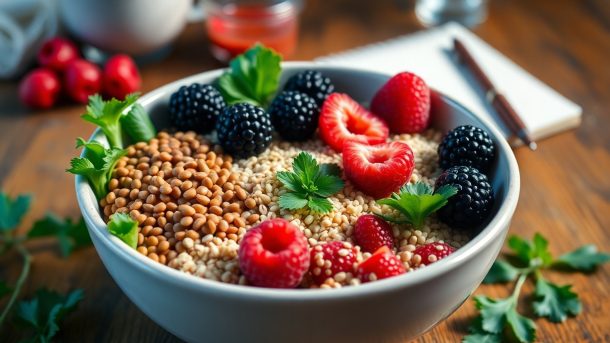
Increase

How can I increase my fibre fast

With the rising awareness of the benefits of dietary fibre, you may be looking for ways to boost your intake quickly. Increasing your fibre can improve digestion, support weight management, and enhance overall health. In this guide, you’ll discover practical tips and food options that will help you increase your fibre intake efficiently, allowing you to reap the benefits without feeling overwhelmed. Embrace these strategies as you work towards a healthier lifestyle and enjoy the advantages that come with increased fibre in your diet.

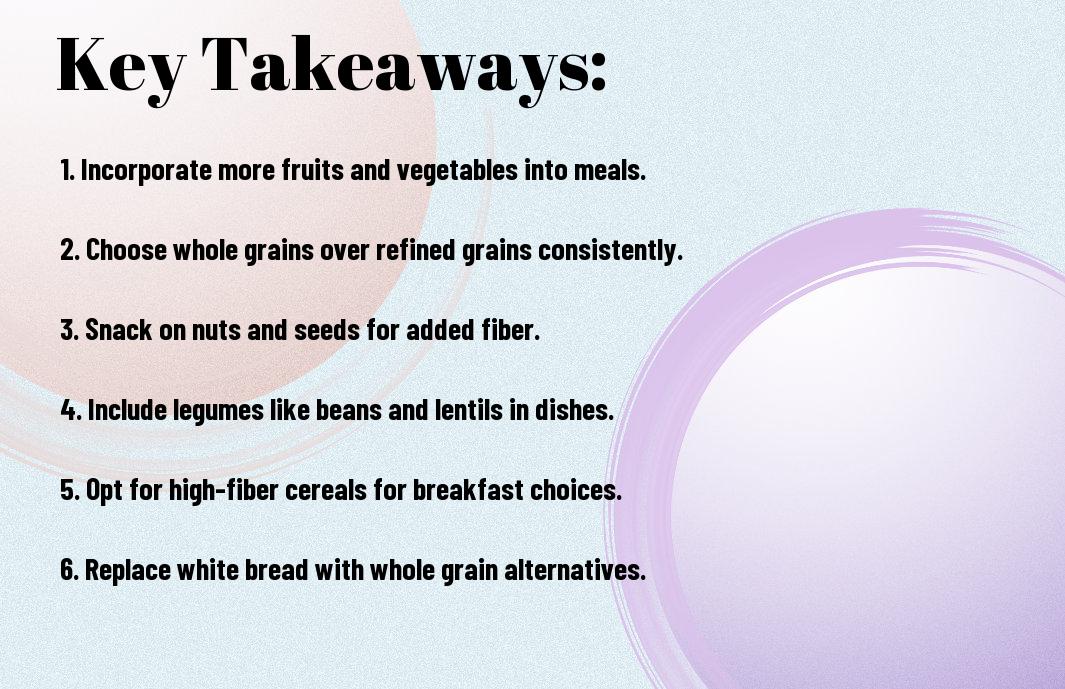
Key Takeaways:

  • Incorporate High-Fiber Foods: Adding foods such as beans, lentils, whole grains, fruits, and vegetables to your diet can quickly boost your fiber intake.
  • Choose Whole Grains: Swap refined grains for whole grains like brown rice, quinoa, and whole-grain bread for an immediate increase in fiber levels.
  • Snack Smart: Opt for snacks like nuts, seeds, or popcorn, which are not only tasty but also provide a good source of dietary fiber.

Understanding Dietary Fiber

Your diet plays a significant role in ensuring adequate fiber intake. Dietary fiber consists of plant-based carbohydrates that your body cannot digest. It is classified into two main types: soluble and insoluble fiber, each offering unique health benefits. By understanding fiber, you can make informed dietary choices to enhance your overall health.

Types of Fiber

Your fiber intake includes different types, each with distinct properties and benefits:

  • Soluble Fiber: Dissolves in water and helps lower cholesterol.
  • Insoluble Fiber: Does not dissolve in water and supports digestive health.
  • Fermentable Fiber: Can be fermented by bacteria in the gut and promotes gut health.
  • Functional Fiber: Added to foods for health benefits.
  • Dietary Fiber: Naturally found in whole foods like fruits and vegetables.

The variety of fiber types available can enhance your health in multiple ways.

Type of Fiber Source
Soluble Fiber Oats, beans, apples
Insoluble Fiber Whole grains, nuts
Fermentable Fiber Chicory root, asparagus
Functional Fiber Psyllium husk, inulin
Dietary Fiber Vegetables, fruits

Health Benefits of Fiber

Dietary fiber is associated with numerous health benefits, including improved digestion and reduced risk of chronic diseases. It can help control blood sugar levels, promote a healthy weight, and enhance gut health through regular bowel movements.

With an adequate intake of fiber, you not only support your digestive health but also provide your body with important nutrients. Studies have shown that fiber-rich diets can lower the risk of heart disease, diabetes, and certain types of cancer. By incorporating more fiber into your meals, you can enjoy these preventive benefits while optimizing your overall health. So, consider adding fiber-rich foods to your diet for improved well-being.
Assessing Your Current Fiber Intake

Assuming you want to increase your fiber intake quickly, the first step is to assess your current consumption. Start by keeping a food diary for a week to track the total amount of fiber in your meals and snacks. Most adults should aim for a specific daily target, and knowing where you currently stand will help you identify gaps in your diet and set realistic goals for improvement.

Common Sources of Fiber

Around your kitchen, you can find numerous sources of dietary fiber. Foods like fruits, vegetables, whole grains, legumes, nuts, and seeds are excellent options. Incorporating these items into your meals can significantly boost your fiber intake without needing drastic changes to your diet.

Recommended Daily Intake

Against the backdrop of dietary guidelines, adults should aim for a daily fiber intake of 25 to 30 grams, depending on individual needs and lifestyle factors. While many people fall short of this target, increasing your fiber intake can lead to numerous health benefits, including improved digestion and better heart health.

Another way to understand the recommended daily intake is to realize that you may require more fiber if you have specific health concerns, are pregnant, or are very active. Tailoring your fiber intake to your lifestyle not only enhances your overall health but also supports your body’s unique needs, ensuring you reap the full benefits of fiber.

Quick Ways to Increase Fiber Intake

All it takes is a simple shift in your eating habits to boost your fiber intake. Start by incorporating fiber-rich foods into your daily routine, making sure to choose a variety of sources. This not only enhances your overall diet but also improves digestive health and can help you feel fuller for longer.

Incorporating Whole Grains

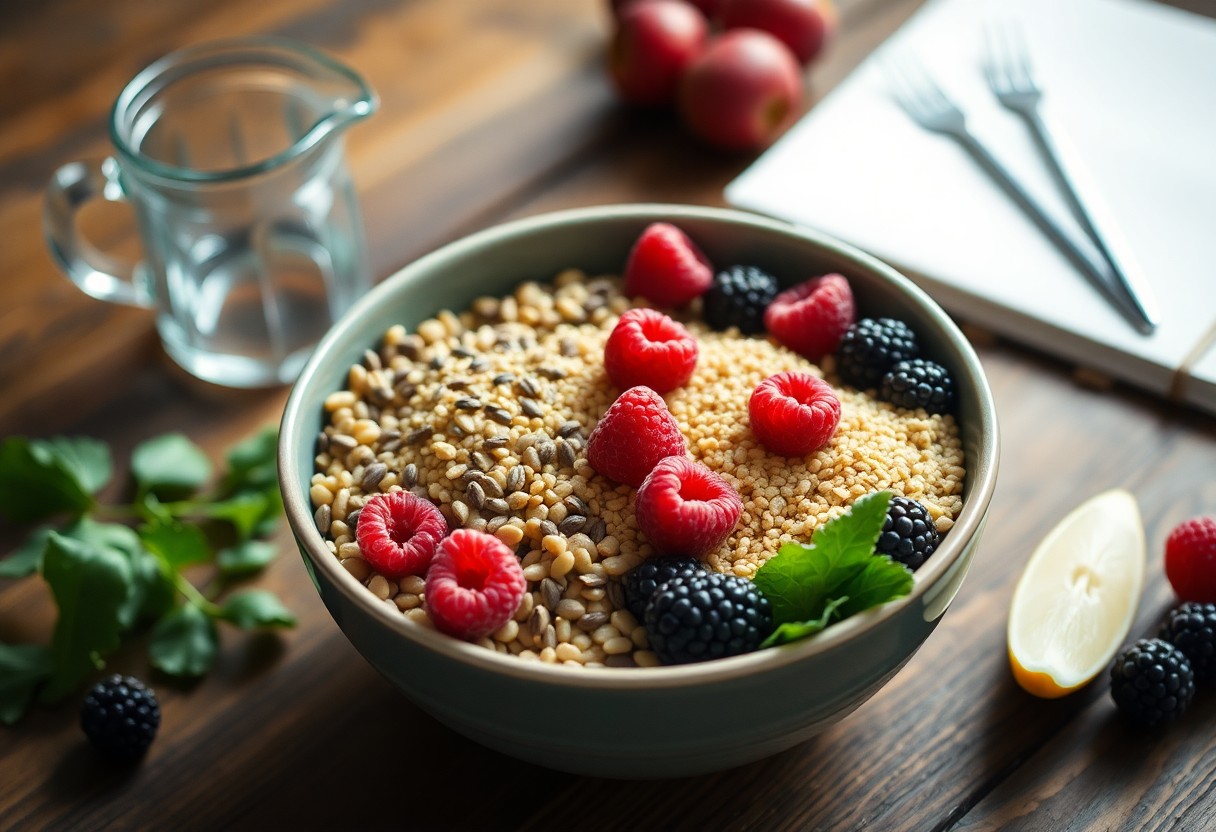
To elevate your fiber intake, focus on incorporating whole grains into your meals. Replace white bread and pasta with whole grain options like brown rice, quinoa, or whole grain bread. These alternatives provide more fiber per serving, supporting better digestion and overall health.

Adding Fruits and Vegetables

Below your plate can become a bright display of fiber-rich fruits and vegetables. Aim to fill half your plate with colorful produce at every meal. Incorporating a variety of fruits and vegetables not only ensures a good fiber intake but also provides imperative vitamins and minerals for overall health.

A consistent approach to adding fruits and vegetables to your diet can lead to significant increases in fiber. Snack on raw veggies, add berries to your breakfast, or toss leafy greens into your salads. Each small adjustment contributes to your daily fiber goal while enhancing the nutrition of your meals.

High-Fiber Snacks to Consider

Not all snacks are created equal when it comes to fiber content. Opt for snacks that naturally pack a punch with fiber; this will not only satisfy your hunger but also contribute to your daily intake. Think about swapping out chips for roasted chickpeas, or choosing whole-grain popcorn instead of regular varieties. These small changes can make a significant difference in boosting your fiber levels quickly.

Nutritious Snack Ideas

With a variety of options available, nutritious snacks can be both delicious and fiber-rich. Consider munching on raw veggies with hummus, or indulge in a handful of almonds for a satisfying crunch. Try adding fruits like apples or pears, which are excellent sources of dietary fiber. Yogurt topped with chia seeds or flaxseeds also makes for a tasty, fiber-filled snack that keeps you full.

Smart Shopping Tips

Snack smartly by focusing on whole, unprocessed foods that are high in fiber. When you shop, look for items that list whole grains as the first ingredient. Check nutrition labels for fiber content, aiming for at least 3 grams per serving. Fresh fruits and vegetables, nuts, and seeds should be top of your shopping list to help you make healthy choices.

  • Choose whole-grain options whenever possible.
  • Opt for snacks with minimal added sugars and preservatives.
  • Explore the bulk section for dried fruits and nuts for more cost-effective choices.

Knowing these tips can help you stock your pantry with high-fiber snacks that align with your health goals.

The more informed you are while shopping, the more you can incorporate fiber into your diet without sacrificing flavor. Read product labels carefully and choose snacks that have an abundance of whole ingredients. Explore different brands to find your favorites and keep your snack options exciting.

  • Stay updated on snack trends to discover newly launched fiber-rich products.
  • Participate in local farmers’ markets to find seasonal, fiber-dense produce.
  • Invest in some pantry staples like oats and beans to boost fiber effortlessly.

Knowing this, you’ll be well-equipped to make healthier snack choices fast.

Meal Planning for Higher Fiber

After determining your fiber goals, you can create a meal plan that incorporates a variety of high-fiber foods. Focus on including whole grains, legumes, fruits, and vegetables in your daily meals. Planning ahead not only helps you meet your fiber targets but also encourages healthier eating habits. Think about your schedule and prepare meals in advance, so you always have nutritious options on hand.

Sample Menus

Higher fiber menus can make a significant impact on your daily intake. Consider starting your day with oatmeal topped with berries, enjoying a lentil soup for lunch, and having quinoa with roasted vegetables for dinner. Ensure your snacks include almonds or carrots with hummus to keep your fiber levels elevated.

Cooking Tips for Fiber-Rich Meals

Meal preparation can enhance your fiber intake significantly. Opt for cooking methods like steaming or roasting vegetables, which preserve their nutrients. When baking, substitute white flour with whole wheat or almond flour for added fiber. Incorporate beans and legumes into salads or soups to boost fiber content.

  • Experiment with different grains like barley, farro, or brown rice.
  • Blend fruits into smoothies for an easy fiber addition.
  • Choose fruits and vegetables with edible skins, like apples or potatoes.
  • Any meal can be enhanced by including seeds such as chia or flaxseeds.

Planning your cooking around fiber-rich ingredients helps create a foundation for healthier meals. Here are some tips to optimize your cooking:

  • Soak beans before cooking to facilitate tenderness and digestibility.
  • Chop vegetables into smaller pieces to maximize cooking time and flavor.
  • Serve high-fiber foods in combination with lean proteins for balanced meals.
  • Any recipe can be modified to include more fiber by adding nuts, seeds, or whole grains.

Potential Challenges and Solutions

Despite your determination to increase your fiber intake, you might encounter some challenges along the way. These could range from unexpected digestive issues to difficulty finding high-fiber foods in your local market. Recognizing these potential hurdles is the first step. Familiarize yourself with How to Increase Fiber Intake Without Side Effects to navigate these challenges effectively.

Digestive Adjustments

Before making significant changes to your diet, your body may need time to adjust to the increased fiber. Start gradually by adding small amounts of high-fiber foods and ensure you are drinking plenty of water to aid digestion.

Tips for Staying on Track

On your journey to increase fiber, staying motivated can be a challenge, but setting achievable goals can help. Consider the following tips to keep you focused:

  • Plan your meals around fiber-rich foods.
  • Carry nutritious snacks for those busy days.
  • Track your progress to identify what works best for you.

Perceiving challenges as opportunities for growth will aid your transition to a higher fiber diet.

In addition, creating a routine that includes fiber-rich meals can ensure you stay on track. Think about incorporating the following strategies:

  • Experiment with different high-fiber recipes to find what you enjoy.
  • Join a support group or an online community for fiber enthusiasts.
  • Set weekly challenges to motivate yourself.

Perceiving your journey positively can make the experience enjoyable and rewarding.

Conclusion

With this in mind, you can quickly increase your fiber intake by incorporating high-fiber foods such as fruits, vegetables, whole grains, legumes, and nuts into your meals and snacks. Start your day with a fiber-rich breakfast, choose whole grain options for lunch and dinner, and add seeds or nuts to your salads and yogurt. Additionally, consider adding a fiber supplement if needed. By making these simple dietary adjustments, you will enhance your overall digestive health and well-being in no time.

FAQ

Q: What foods are best for quickly increasing my fiber intake?

A: To quickly boost your fiber intake, incorporate foods such as beans, lentils, chia seeds, flaxseeds, and whole grains like oats and quinoa. Fruits like raspberries, pears, and apples, alongside vegetables like broccoli, carrots, and sweet potatoes, can also significantly contribute to your daily fiber goal.

Q: How can I add more fiber to my meals without drastically changing my diet?

A: Gradually increase fiber by making small adjustments to your current meals. For instance, switch to whole grain bread or pasta, add beans to salads or soups, sprinkle seeds on yogurt or smoothies, and snack on fruits or raw veggies instead of processed snacks.

Q: Are there any tips for ensuring I drink enough water while increasing my fiber?

A: Staying well-hydrated is important when increasing fiber consumption. Aim to drink a glass of water with each high-fiber meal or snack. Set reminders throughout the day to drink water, and try carrying a reusable water bottle with you to make it easier to stay on track.

Q: Can fiber supplements help me increase my fiber intake quickly?

A: Fiber supplements can be an effective way to boost your fiber intake, especially if you are struggling to get enough from foods alone. Choose a supplement that contains both soluble and insoluble fiber, and consult with a healthcare professional for personalized advice.

Q: What potential challenges should I expect when increasing fiber and how can I manage them?

A: As you increase fiber, you may experience digestive discomfort such as bloating or gas. To manage this, introduce fiber gradually over a few days, ensuring to combine it with adequate hydration. Also, choose a variety of fiber types to aid digestion and maintain a balanced diet.
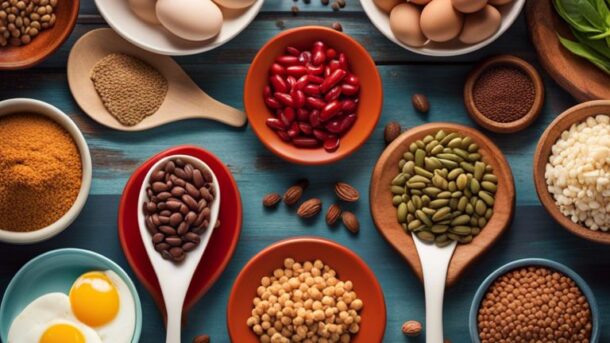
How to increase protein in body naturally

With the right dietary choices and lifestyle habits, you can naturally boost the protein levels in your body. Increasing your protein intake is important for building and repairing tissues, supporting muscle growth, and maintaining overall health. In this blog post, we will provide you with effective ways to increase protein levels in your body through simple and practical tips.

Key Takeaways:

  • Incorporate protein-rich foods: Include sources like lean meat, poultry, fish, eggs, dairy, legumes, nuts, and seeds in your diet to boost protein intake.
  • Choose whole foods: Opt for whole foods over processed ones as they are usually higher in protein content and provide additional nutrients.
  • Snack smartly: Have protein-rich snacks like Greek yogurt, cottage cheese, boiled eggs, or protein bars to increase your protein intake throughout the day.

Importance of Protein

Role of Protein in the Body

A critical component of your body, protein plays a crucial role in various functions necessary for your overall health and well-being. Proteins are made up of amino acids, commonly referred to as the building blocks of life. They are necessary for the growth and repair of tissues, making them vital for maintaining muscle mass, bone health, and healthy skin.

Consequences of Protein Deficiency

Protein deficiency can have serious implications on your health. Without an adequate amount of protein in your diet, your body may start breaking down muscle mass for energy. This can lead to muscle weakness, fatigue, and a compromised immune system. Additionally, protein deficiency can slow down wound healing and affect your body’s ability to recover from illness or injury.

It is important to note that protein deficiency can also affect your hair, skin, and nail health. You may notice that your hair becomes brittle, your skin loses its elasticity, and your nails become weaker. To prevent these consequences, ensure you are consuming enough protein-rich foods in your daily diet.

Dietary Sources of Protein

Animal-Based Protein Sources

If you are looking to increase your protein intake naturally, animal-based sources are an excellent option. Sources such as lean meats, poultry, fish, eggs, and dairy products are rich in high-quality protein. These foods provide crucial amino acids that are important for building and repairing muscles in your body. Including a variety of animal-based proteins in your diet can help you meet your daily protein requirements.

Plant-Based Protein Sources

One of the best ways to increase your protein intake naturally is to incorporate plant-based protein sources into your diet. Foods like beans, lentils, tofu, tempeh, nuts, seeds, and whole grains are great alternatives for those following a vegetarian or vegan diet. These plant-based sources are not only rich in protein but also provide fiber, vitamins, and minerals that are beneficial for your overall health.

Plant-based proteins can be just as effective in helping you reach your protein goals as animal-based proteins. By including a variety of plant-based sources in your meals, you can ensure that you are getting all the crucial amino acids your body needs for optimal functioning.

High-Protein Foods to Include in Your Diet

Your diet should include a mix of both animal and plant-based high-protein foods to ensure you are meeting your protein needs. Foods such as chicken, turkey, salmon, tofu, quinoa, Greek yogurt, nuts, and seeds are excellent choices to boost your protein intake. Including these foods in your meals can help you maintain muscle mass, support weight management, and keep you feeling full and satisfied throughout the day.

Sources of high-protein foods are readily available and can be easily incorporated into your daily meals and snacks. By planning your meals around these protein-rich foods, you can optimize your nutrient intake and support your overall health and wellness goals.

Meal Planning for Protein Intake

Many people struggle with getting enough protein in their diet, but with proper meal planning, you can easily increase your protein intake. Here are some ideas to help you boost your protein levels throughout the day.

Breakfast Ideas for Boosting Protein

Meal planning for protein intake should start with your breakfast. Including protein-rich foods like eggs, Greek yogurt, protein smoothies, or oatmeal with nuts and seeds can help kickstart your day with a protein boost. These options are not only delicious but also easy to prepare, making it convenient for you to increase your protein intake in the morning.

Lunch and Snack Options for Protein-Rich Meals

Any meal planning for protein intake should also consider your lunch and snacks. Incorporating lean protein sources such as grilled chicken, tuna salad, quinoa, or chickpeas into your meals can help you stay full and satisfied while meeting your protein needs. Snacking on options like nuts, Greek yogurt, or protein bars can also be a great way to increase your protein intake throughout the day.

Planning your meals and snacks ahead of time can help you ensure that you are getting enough protein in your diet. By including a variety of protein-rich foods in your meals, you can easily meet your daily protein requirements and support your overall health and fitness goals.

Dinner Recipes for High-Protein Consumption

Boosting your protein intake during dinner is necessary for meeting your daily requirements. Including meals like grilled salmon, tofu stir-fry, lentil soup, or lean beef can help you increase your protein consumption at the end of the day. These dinner recipes are not only tasty but also packed with protein to help you reach your daily goals.

Planning your dinners with protein-rich ingredients can help you ensure that you end your day on a high-protein note. By including a variety of protein sources in your meals, you can optimize your protein intake and support your body’s muscle growth and repair processes.

Lifestyle Changes for Protein Production

Once again, if you want to increase protein production in your body naturally, you can make some lifestyle changes that promote protein synthesis. One way to do this is by incorporating high-protein foods into your diet. You can find a list of 39 high-protein foods here to help you make better choices when it comes to your nutrition.

Exercise and Resistance Training for Muscle Growth

Resistance training is key when it comes to promoting muscle growth and increasing protein production in your body. By engaging in activities like weightlifting or bodyweight exercises, you create micro-tears in your muscles that then need to be repaired. This repair process requires protein synthesis, leading to bigger and stronger muscles over time.

Sleep and Recovery for Protein Synthesis

To maximize protein synthesis, you need to prioritize sleep and recovery. During deep sleep, your body goes into repair and recovery mode, which includes synthesizing proteins for muscle repair and growth. Aim for 7-9 hours of quality sleep each night to support optimal protein synthesis. Another way to enhance recovery is by incorporating rest days into your workout routine to give your muscles time to repair and grow.

Reducing Stress for Optimal Protein Function

One effective lifestyle change you can make to promote protein production in your body is to reduce your stress levels. When you are stressed, your body releases cortisol, a hormone that can inhibit protein synthesis. By managing stress through activities like meditation, yoga, or deep breathing exercises, you can optimize your body’s protein function and promote muscle growth. Keep in mind, stress management is a key component of overall health and wellness.

Supplements and Vitamins for Protein Support

Keep 4 Ways To Increase Your Protein Intake for a Healthier You in mind as you look for supplements and vitamins to support your protein intake. These can help you meet your dietary goals and optimize your overall health and wellness.

Protein Powder and Its Benefits

Powdered protein supplements are a convenient and effective way to increase your protein intake. They come in various forms, such as whey, casein, and plant-based proteins like pea or rice protein. Protein powder can be easily added to smoothies, oatmeal, or baked goods to boost your protein consumption. Additionally, protein powder supplements are often low in fat and carbs, making them a popular choice for those looking to increase their protein intake without consuming extra calories.

Vitamin D and Its Role in Protein Metabolism

Benefits of Vitamin D extend beyond bone health—it also plays a crucial role in protein metabolism. Vitamin D helps regulate muscle function and protein synthesis in the body, which are vital for muscle growth and repair. Adequate levels of Vitamin D can improve your body’s ability to utilize dietary protein, making it an important nutrient to consider when looking to increase your protein intake.

Understanding the importance of Vitamin D in protein metabolism can motivate you to ensure you are getting enough of this vital nutrient. Including Vitamin D-rich foods like fatty fish, egg yolks, and fortified dairy products in your diet can help support your protein goals and overall health.

Other Supplements for Enhanced Protein Absorption

Powdered digestive enzymes, probiotics, and amino acids are other supplements that can enhance protein absorption in your body. These supplements can help improve your digestion and nutrient absorption, ensuring that the protein you consume is effectively utilized by your body. Consider incorporating these supplements into your daily routine to maximize the benefits of your protein-rich diet.

Vitamins and minerals like Vitamin C, Vitamin B6, and magnesium can also support protein metabolism and utilization in the body. Including a variety of nutrient-rich foods and considering targeted supplementation can help you optimize your protein intake and support your overall health and fitness goals.

Common Mistakes to Avoid

Overconsumption of Processed Foods

One common mistake to avoid when trying to increase protein in your body naturally is overconsuming processed foods. These foods are often high in unhealthy fats, sugars, and additives, which can hinder your body’s ability to properly absorb and utilize the protein it needs.

Inadequate Hydration for Protein Function

To ensure your body can effectively use the protein you consume, it is important to maintain adequate hydration levels. Dehydration can impair protein function and metabolism, leading to decreased muscle growth and overall performance in your body.

It is recommended to drink at least 8-10 glasses of water a day to support your body’s protein functions and overall health.

Ignoring Individual Protein Needs

Foods that work well for increasing protein levels in one person may not always work for another. Ignoring your individual protein needs can lead to either consuming too little or too much protein, both of which can have negative impacts on your body’s health and performance.

Individual protein needs can vary based on factors such as age, weight, activity level, and fitness goals. It is important to tailor your protein intake to meet your specific requirements for optimal results.

Conclusion

Taking this into account, increasing protein in your body naturally can be achieved through incorporating protein-rich foods like lean meats, fish, eggs, dairy, legumes, nuts, and seeds into your diet. Additionally, focusing on protein sources that are also low in saturated fats and processed sugars can help you maintain a balanced and healthy diet.

Remember to also include regular physical activity in your routine to help your body utilize the protein effectively. By making these simple adjustments to your diet and lifestyle, you can naturally increase your protein intake and support overall health and wellness.

FAQ

Q: What are some natural ways to increase protein in the body?

A: Some natural ways to increase protein in the body include consuming protein-rich foods such as lean meats, eggs, dairy products, beans, legumes, nuts, and seeds. You can also increase protein intake by adding protein powder to smoothies or meals, incorporating Greek yogurt or cottage cheese into your diet, and snacking on protein-rich foods like hard-boiled eggs or edamame.

Q: How important is protein for the body?

A: Protein is crucial for the body as it plays a crucial role in building and repairing tissues, making enzymes and hormones, and supporting immune function. Adequate protein intake is necessary for muscle growth, maintaining a healthy metabolism, and overall well-being. Without enough protein, the body may experience muscle loss, weakened immune system, and other health issues.

Q: Can a vegetarian or vegan diet provide enough protein naturally?

A: Yes, a vegetarian or vegan diet can provide enough protein naturally by incorporating plant-based protein sources such as beans, lentils, tofu, tempeh, chickpeas, quinoa, nuts, and seeds. It is important for vegetarians and vegans to include a variety of protein-rich foods in their diet to ensure they are meeting their daily protein needs. Additionally, plant-based protein powders can also be used to supplement protein intake if needed.

Skip to content