#Home

How can I get instant relief from food poisoning at home

It’s not uncommon to experience food poisoning, and the discomfort can be overwhelming. Fortunately, there are several effective remedies you can try at home to alleviate your symptoms and support your recovery. In this guide, you will learn about practical steps you can take, including diet adjustments, hydration techniques, and natural remedies that can help you feel better quickly. Understanding what to do in these situations can empower you to address food poisoning swiftly and safely from the comfort of your home.

Key Takeaways:

  • Stay Hydrated: Drink plenty of fluids, such as water or electrolyte drinks, to prevent dehydration.
  • Rest Your Stomach: Avoid solid food for a few hours and gradually reintroduce bland foods like rice or bananas.
  • Use Anti-nausea Remedies: Consider over-the-counter options like ginger tea or peppermint to help alleviate nausea.
  • Apply Heat: A warm compress on your stomach can help reduce cramps and discomfort.
  • Seek Medical Attention: If symptoms persist for more than 48 hours or worsen, consult a healthcare professional.

Understanding Food Poisoning

Your body can be impacted negatively by the consumption of contaminated food or beverages, commonly known as food poisoning. This condition results from bacteria, viruses, or parasites that may infiltrate your food. To find appropriate relief methods, it’s important to understand food poisoning and its effects. For more information on effective treatment, visit Treatment for Food Poisoning – NIDDK.

Common Causes of Food Poisoning

For many, food poisoning arises from improperly cooked or handled food. Common sources include raw or undercooked meat, seafood, eggs, and unwashed fruits and vegetables. Contaminated water or cross-contamination during food preparation are also primary culprits.

Symptoms to Watch For

With food poisoning, you may experience a range of symptoms, with severity varying by individual and specific pathogen involved. Common indicators include nausea, vomiting, diarrhea, abdominal cramps, and fever. Recognizing these symptoms is critical for managing your condition effectively.

Another crucial aspect to be aware of is that symptoms can develop within hours or even days after consuming contaminated food. While most people recover without medical intervention, monitoring your symptoms closely is important. If they worsen or persist, you should seek professional medical advice to ensure there are no serious complications.

Immediate Home Remedies

Some effective home remedies can provide instant relief from the discomfort of food poisoning. By utilizing common household ingredients, you can soothe your symptoms and promote recovery without the need for medication.

Hydration Techniques

Home hydration is crucial when you’re suffering from food poisoning. Your body loses fluids rapidly through vomiting and diarrhea, so replenishing these lost fluids is vital. Drink clear liquids like water, broth, or oral rehydration solutions to avoid dehydration and help your digestive system recover more effectively.

Ginger and Peppermint Benefits

One popular remedy for easing food poisoning symptoms is ginger and peppermint. Both ingredients have natural properties that calm the stomach and reduce nausea, making them effective in promoting comfort during your recovery.

Benefits of ginger include its anti-inflammatory properties and ability to reduce nausea, while peppermint works as a muscle relaxant, easing stomach cramps and spasms. Together, they form a potent duo that can help settle your stomach and find relief from the discomfort associated with food poisoning.

Apple Cider Vinegar Solutions

To further aid your recovery, apple cider vinegar solutions can be beneficial. Diluting one to two tablespoons of apple cider vinegar in a glass of water can help restore the natural acidity in your stomach, promoting better digestion and alleviating some symptoms of food poisoning.

This natural remedy not only helps to soothe your stomach but also may have antibacterial properties that can combat the toxins responsible for your food poisoning. Ensure to drink it slowly to avoid further irritation of your digestive tract.

Baking Soda for Neutralizing Stomach Acid

Peppermint tea can also be accompanied by baking soda to neutralize stomach acid. Mixing half a teaspoon of baking soda in a glass of water can help alleviate heartburn and discomfort caused by excess stomach acid during a bout of food poisoning.

A simple solution of baking soda works by balancing the pH levels in your stomach, ultimately providing relief from queasiness and helping to settle your stomach after a distressing episode. However, use it sparingly to avoid undue strain on your digestive system.

Foods to Consume and Avoid

Unlike other illnesses, food poisoning requires careful attention to what you eat. Your dietary choices can significantly impact your recovery, making it crucial to select appropriate foods while avoiding others that could exacerbate your symptoms.

Recommended Foods for Recovery

With a focus on hydration and easy-to-digest foods, you should consider consuming plain rice, toast, bananas, and applesauce. These bland options can help settle your stomach while providing crucial nutrients. Additionally, clear broths can keep you hydrated while avoiding irritation to your digestive system.

Foods to Steer Clear Of

Consume caution when it comes to rich, greasy, or spicy foods, as these can further irritate your digestive tract. Foods that are high in fiber, such as whole grains and certain fruits, should also be avoided until your symptoms improve.

For instance, dairy products, caffeine, and alcohol can worsen your condition by causing further dehydration or triggering intolerances in a sensitive digestive system. It’s crucial to listen to your body and temporarily avoid any foods that may cause discomfort while you recover from food poisoning.

When to Seek Medical Attention

Many individuals experience mild food poisoning that can be managed at home, but there are cases when you need to seek medical attention. If your symptoms persist or worsen, it is crucial to consult a healthcare provider. Here Are The Best Ways To Treat Food Poisoning, but knowing when to seek expert help is equally imperative for your health.

Warning Signs of Severe Food Poisoning

Signs that you may be experiencing severe food poisoning include high fever (above 101.5°F), prolonged vomiting or diarrhea lasting more than three days, blood in your stool, severe dehydration, and neurological symptoms like blurred vision or muscle weakness. These symptoms warrant immediate medical attention.

Consult a Healthcare Professional

Warning: If you experience any of the severe symptoms mentioned, you should seek immediate medical attention. It is also advisable to reach out to a healthcare professional if you are in a high-risk group—such as pregnant women, elderly individuals, or those with weakened immune systems—or if you are unsure of the severity of your condition.

The sooner you consult a healthcare provider, the better the chance of minimizing complications and addressing any serious issues that may arise from food poisoning. They will guide you on the necessary tests, treatment options, and, if needed, further interventions to ensure your health is safeguarded.

Q: What are some immediate home remedies for food poisoning?

A: There are several home remedies you can try for instant relief from food poisoning. First, stay hydrated by sipping on clear fluids such as water, herbal teas, or clear broths to help replace lost fluids. Ginger tea is also beneficial, as ginger may help soothe your stomach. Additionally, apple cider vinegar mixed with water can help to alleviate nausea. Try taking small sips every few minutes. Resting and avoiding solid foods until symptoms subside is also important. Once you feel ready, gradually introduce bland foods like toast or bananas.

Q: How can I alleviate abdominal pain caused by food poisoning at home?

A: For relief from abdominal pain due to food poisoning, you can apply a warm compress or heating pad to your stomach area. The heat can help to reduce cramping and discomfort. Additionally, consider sipping on peppermint tea or ginger ale, as both can have a calming effect on the stomach. Over-the-counter medications like bismuth subsalicylate (Pepto-Bismol) may also offer symptom relief, but always be sure to consult your healthcare provider before taking any medications, especially if symptoms are severe or persistent.

Q: When should I seek medical help for food poisoning instead of treating it at home?

A: While many cases of food poisoning can be managed at home, you should seek medical help if you experience severe symptoms such as high fever (over 101.5°F), prolonged vomiting or diarrhea for more than 24 hours, blood in your stool, or signs of dehydration (such as extreme thirst, dry mouth, dizziness, or little to no urination). If you have a weakened immune system or are pregnant, it’s also advised to consult a healthcare professional as food poisoning can pose additional risks.
What is the most common place to get food poisoning

You might be surprised to learn that certain environments pose a higher risk for food poisoning than others. Understanding where foodborne illnesses are most commonly contracted can help you make safer food choices. From restaurants to grocery stores, specific locations can harbor bacteria or viruses that lead to foodborne diseases. This informative guide will outline the places where you are most likely to encounter food poisoning, empowering you to protect yourself and your loved ones from potential health risks.

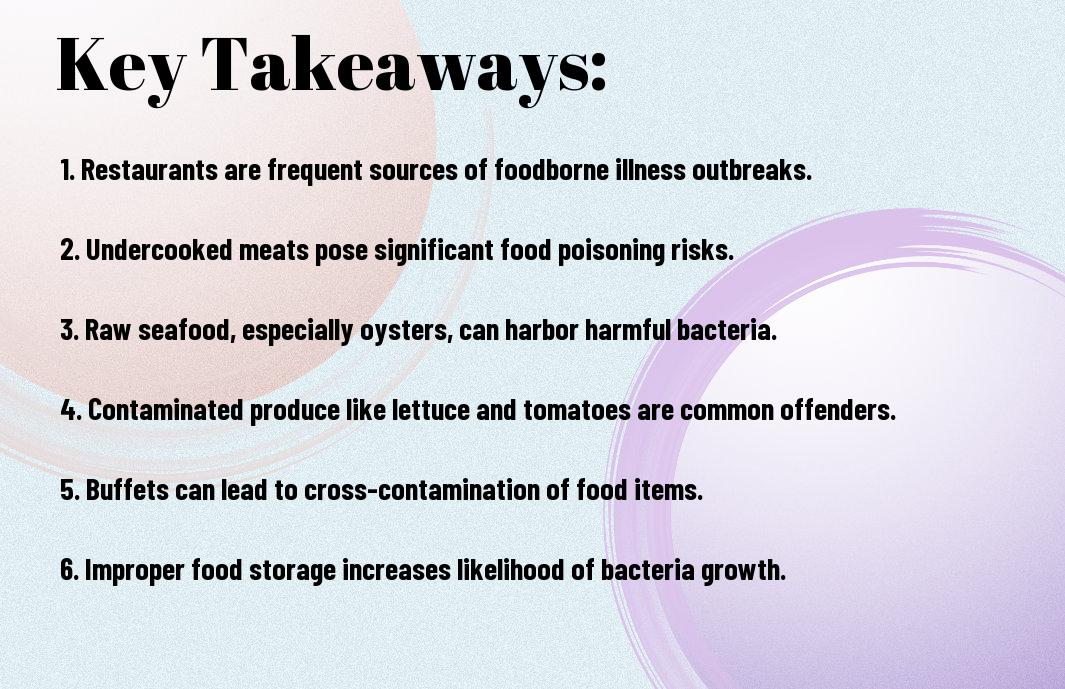
Key Takeaways:

  • Restaurants: Dining out, especially in busy restaurants, increases the risk of food contamination and foodborne illnesses.
  • Home Kitchens: Improper food handling, undercooked meats, and cross-contamination at home can lead to food poisoning.
  • Street Vendors: Eating from street food vendors can be risky, particularly if hygiene practices are not followed.
  • Buffets: Foods that sit out for extended periods at buffets can become breeding grounds for bacteria.
  • Processed Foods: Refrigerated or frozen processed foods can cause food poisoning if not stored or cooked properly.

Understanding Food Poisoning

While food poisoning can be a frightening experience, understanding it can help you prevent it in the future. It arises when you consume food or beverages contaminated with harmful bacteria, viruses, or parasites. The intensity of symptoms can vary, and awareness of the signs is crucial for timely intervention.

Definition and Symptoms

Symptoms of food poisoning typically include nausea, vomiting, diarrhea, abdominal pain, and sometimes fever. These manifestations can manifest within hours or days after ingestion, depending on the source of contamination. Recognizing these symptoms early can aid you in seeking necessary medical care.

Causes of Food Poisoning

The primary causes of food poisoning are the consumption of undercooked meat, unwashed fruits and vegetables, and contaminated water. Additionally, improper food handling and storage contribute significantly to the risk of contamination.

Food can become a vehicle for pathogens due to several factors. For instance, improper cooking temperatures can fail to kill harmful bacteria, while cross-contamination can occur when raw and cooked foods come in contact. Furthermore, the use of outdated or contaminated ingredients may introduce viruses or parasites into your meals. Understanding these causes is necessary for improving your food safety practices and protecting your health.

Common Sources of Food Poisoning

Assuming you want to keep your dining experiences safe and pleasant, understanding the common sources of food poisoning is crucial. According to health professionals, a variety of foods can lead to foodborne illnesses. You can find a comprehensive overview of the Top 9 Foods Most Likely to Cause Food Poisoning that you should be aware of.

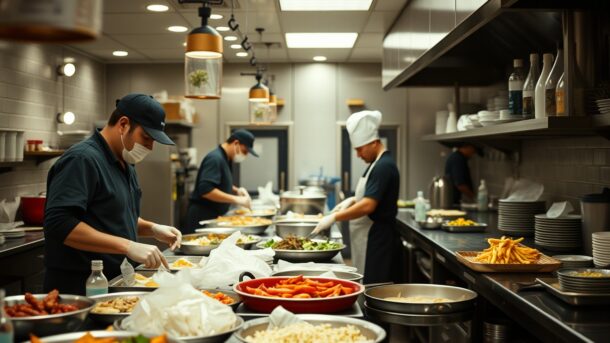
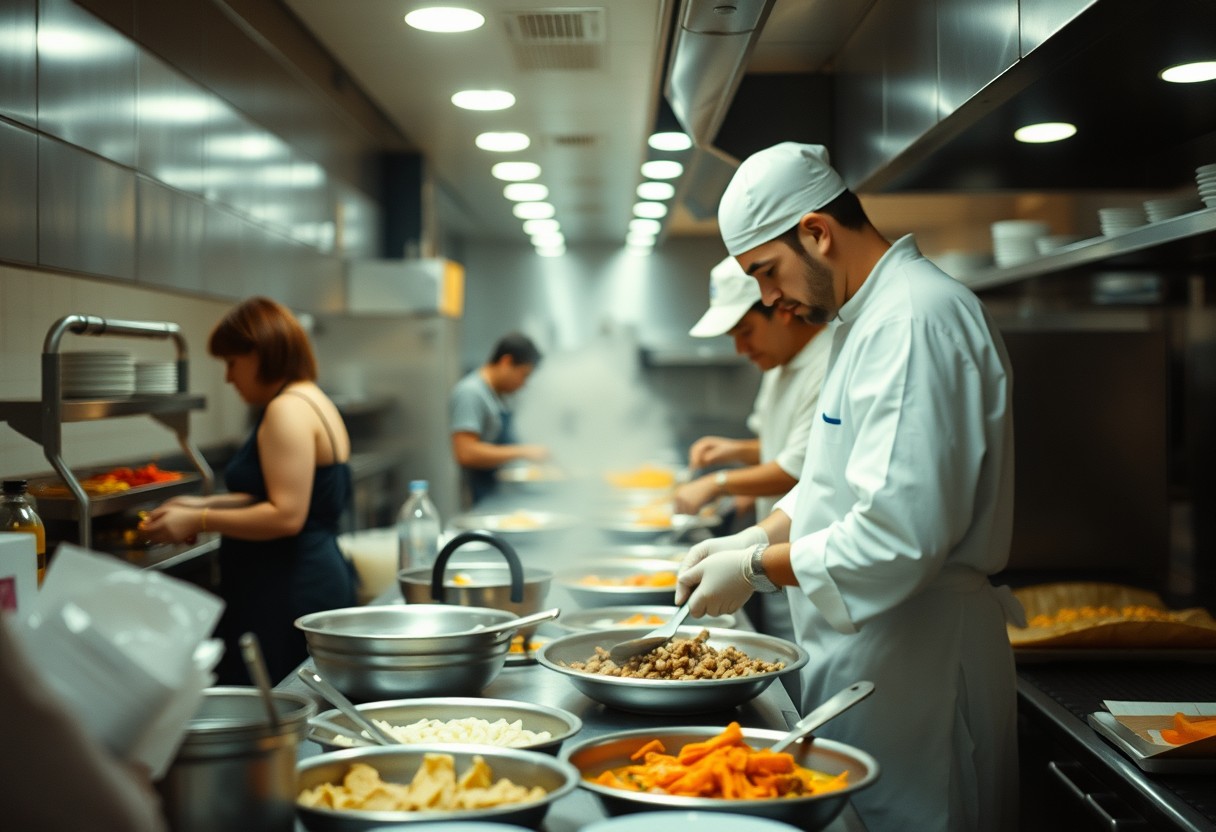
Restaurants

Restaurants are frequent hotspots for food poisoning due to the high volume of food prepared and served. Poor hygiene practices, such as improper hand washing and inadequate food storage temperatures, can increase your risk of exposure to harmful bacteria.

Home Cooking

The average home kitchen can also pose a risk for food poisoning if food safety practices are overlooked. You may compromise your health if you do not cook certain foods to the proper internal temperatures or if you cross-contaminate raw and cooked items.

Another critical aspect of home cooking involves the storage of leftovers. It’s important to refrigerate leftovers promptly and consume them within a few days to reduce the risk of bacterial growth, which can lead to foodborne illnesses.

Street Food

Cooking and serving food in open-air environments can increase the chances of contamination. Street food vendors might sometimes have less stringent hygiene practices, making it crucial to choose vendors who appear to uphold cleanliness standards.

Street food can also be surprisingly delicious and convenient, but you should always prioritize food safety. Opting for freshly prepared items and paying attention to how the vendor handles food can help mitigate the risks associated with eating on the go.

Food Markets

To avoid food poisoning, you should be careful when purchasing items from food markets, especially when it comes to fresh produce and meats. Improper handling or storing can lead to contamination.

It is crucial to inspect the quality of foods before buying. Choose fruits and vegetables that appear fresh and are free from blemishes. Additionally, ensure that any meat products are kept at the correct temperature to minimize health risks.

Buffets

The risk of food poisoning can increase in buffet-style dining due to the prolonged exposure that food can have to room temperature. Items left out can allow bacteria to thrive, which is particularly concerning if you are not vigilant.

Food should ideally be kept at proper temperatures, both hot and cold. When dining at a buffet, be sure to select items that are freshly replenished and avoid those that seem to have been sitting out for extended periods.

High-Risk Foods

All types of food carry some risk of contamination, but certain categories are particularly notorious for causing food poisoning. Understanding these high-risk foods can help you take the necessary precautions to protect yourself and your loved ones from potential illness.

Poultry

HighRisk poultry, such as chicken and turkey, is known for harboring harmful bacteria like Salmonella and Campylobacter. These pathogens are often present in raw or undercooked poultry, making it crucial to ensure that all poultry products are cooked thoroughly to an internal temperature of 165°F (75°C).

Seafood

One of the most frequently cited sources of food poisoning, seafood can be contaminated with bacteria, viruses, and parasites. Products such as fish and shellfish can harbor pathogens that lead to illnesses, making it necessary to choose fresh seafood and ensure it’s cooked properly.

The importance of cooking seafood cannot be overstated; certain types, like shellfish, can transmit viruses like Hepatitis A if consumed raw or undercooked. Always opt for reputable suppliers and be mindful of proper storage and cooking techniques to mitigate risks.

Eggs

To many, eggs are a staple ingredient in the kitchen, but they can also be a source of Salmonella bacteria if not handled properly. It’s crucial to cook eggs thoroughly and store them at the correct temperature to reduce the risk of foodborne illness.

Foods such as poached or soft-cooked eggs can pose a greater risk since the yolk may remain runny. To safeguard your health, consider using pasteurized eggs for recipes that require raw or lightly cooked eggs, ensuring your meals are both delicious and safe.

Dairy Products

Eggs, while often a concern, are not the only high-risk food. Dairy products, especially unpasteurized milk and cheeses, can also carry harmful bacteria like Listeria and E. coli. Always opt for pasteurized dairy items to reduce health risks associated with foodborne illnesses.

For instance, soft cheeses made from unpasteurized milk are more likely to be contaminated. By ensuring you choose pasteurized products, you can enjoy the benefits of dairy without putting yourself at unnecessary risk.

Raw Produce

An often-overlooked source of food poisoning, raw produce such as fruits and vegetables can be contaminated with pathogens from soil, water, or handling. You should always wash your produce thoroughly before consumption to minimize the risk of illness.

Products like leafy greens, tomatoes, and sprouts are frequent culprits in foodborne outbreaks. Washing your vegetables and purchasing from reliable sources can greatly reduce the chances of contamination and keep your meals safe and enjoyable.

Prevention and Safety Measures

Unlike many common illnesses, food poisoning can often be prevented with proper caution and safety measures. To enhance your understanding of foodborne illnesses, check out A cool guide of what causes food poisoning in the US (CDC). By implementing simple practices in your kitchen, you can greatly reduce the risk of foodborne pathogens affecting your health.

Safe Food Handling Practices

With a few mindful steps, you can ensure your food handling practices are up to standard. Always wash your hands before and after handling food, and be careful to separate raw meats from other foods to avoid cross-contamination.

Proper Cooking Temperatures

The correct cooking temperatures are pivotal in eradicating harmful bacteria. Below is a table of safe minimum cooking temperatures for various foods:

Safe Minimum Cooking Temperatures

Food Type Temperature (°F)
Beef, Pork, Lamb 145
Poultry 165
Ground Meats 160
Fish and Shellfish 145

Safe cooking temperatures not only enhance flavor but also, more importantly, ensure that harmful bacteria are eliminated. Always use a food thermometer to accurately measure temperatures and cook food thoroughly.

Regular Kitchen Hygiene

Handling cleanliness in the kitchen is important for preventing food poisoning. Maintain clean surfaces, utensils, and equipment by regularly washing them with hot, soapy water.

Food particles and bacteria can linger on surfaces, leading to contamination. Always keep your kitchen well-organized and sanitized to minimize the chances of harmful organisms finding their way into your meals.

Safe Food Storage

With proper food storage, you can extend the shelf life of your groceries and keep them safe from spoilage. Store perishables in the refrigerator and adhere to expiration dates to ensure freshness.

To prevent foodborne illness, make sure to cool leftovers promptly and avoid leaving them out at room temperature for too long. Keeping your food stored correctly lowers the risk of contamination and helps maintain its quality.

Final Words

On the whole, when considering the most common places where you can get food poisoning, you should be particularly cautious at restaurants and food markets, where improper food handling and cross-contamination often occur. It’s crucial to pay attention to cleanliness, food preparation practices, and your own choices, as many outbreaks have originated from undercooked meats, contaminated produce, or inadequate refrigeration. By being vigilant and informed, you can greatly reduce your risk of foodborne illnesses in these environments.

FAQ

Q: What are the most common places to get food poisoning?

A: Food poisoning can occur at various locations, but the most common places include restaurants, homes, and grocery stores. Restaurants can have a high risk due to large volumes of food preparation and the potential for cross-contamination. Home kitchens may also pose a risk if food is not handled properly, while grocery stores can be sources of foodborne pathogens if food products are improperly stored or if cleanliness standards are not maintained.

Q: What types of food are most associated with food poisoning?

A: Certain types of food are more commonly associated with food poisoning, including raw or undercooked meat, poultry, seafood, and eggs. Dairy products, especially unpasteurized milk and cheese, can also be significant sources. Additionally, fruits and vegetables contaminated with bacteria, often due to improper handling during processing, can lead to foodborne illnesses. It’s important to ensure that these foods are cooked and stored at the right temperatures to minimize the risk of food poisoning.

Q: How can I reduce my risk of food poisoning?

A: To reduce the risk of food poisoning, always practice safe food handling techniques. This includes washing your hands before and after handling food, cooking foods to the proper internal temperatures, and avoiding cross-contamination by using separate cutting boards for raw meats and other foods. Also, be cautious when dining out by choosing restaurants that follow good hygiene practices, and always check expiration dates when purchasing food from grocery stores.

How to check poison in food at home

You value the safety of your family and want to ensure that the food you serve is free from harmful substances. In this informative guide, we will discuss simple ways for you to check for poison in your food right in your own kitchen. By following these easy steps, you can feel confident in the quality of the food you prepare and consume.

Key Takeaways:

  • Use Your Senses: Use your senses of sight, smell, and taste to detect any signs of spoilage or contamination in the food.
  • Understand Expiry Dates: Check the expiry dates on food packaging and discard items that have passed their expiration date.
  • Perform Simple Tests: Perform simple tests like the sniff test, taste test, and visually inspecting the food to ensure its safety for consumption.

Common Types of Food Poisoning

Your health is paramount, and being aware of common types of food poisoning can help you stay safe.

  • Bacterial Contamination
  • Viral Contamination
  • Chemical Contamination

Perceiving the signs of food poisoning early on can make a significant difference in your well-being and recovery.

Bacterial Contamination

Contamination from bacteria such as Salmonella, E. coli, and Listeria can occur in various food items. These bacteria can multiply rapidly in food that is not stored or cooked properly, leading to foodborne illnesses. Symptoms of bacterial contamination may include diarrhea, vomiting, and stomach cramps.

Inadequate cooking, improper storage temperatures, and cross-contamination between raw and cooked foods are common causes of bacterial contamination in the kitchen.

Viral Contamination

On the other hand, viral contamination, such as norovirus and hepatitis A, can also pose a threat to food safety. These viruses are highly contagious and can spread easily through contaminated food or water. Symptoms of viral contamination may include nausea, fever, and fatigue.

Common sources of viral contamination in food include infected food handlers who do not practice proper hygiene, as well as contaminated water used in food preparation.

Chemical Contamination

Food can also be contaminated by chemicals such as pesticides, heavy metals, and food additives. These contaminants can enter the food supply chain through various means, including agricultural practices, food processing, and packaging. Ingesting foods contaminated with chemicals can lead to poisoning and long-term health effects.

With the rise of industrialized agriculture and food production, the risk of chemical contamination in food has increased. It is imperative to be mindful of where your food comes from and how it is produced to reduce the risk of chemical contamination in your diet.

Visual Inspection

Clearly, one way to determine if your food is safe to eat is through visual inspection. While modern technology offers devices like the Pocket device for food poisoning detection, you can also rely on your senses to assess the food’s condition.

Check for Slime or Mold

An easy way to visually inspect food for potential contamination is by checking for slime or mold. Any signs of sliminess or mold growth indicate that the food has started to spoil and should be discarded immediately to avoid the risk of food poisoning.

Look for Unusual Odors

Check the food for any unusual odors that may indicate spoilage or contamination. Certain foods, when spoiled, emit a strong and unpleasant smell that is a clear sign that they are no longer safe to eat. Trust your sense of smell to alert you to any potential dangers lurking in your food.

The presence of an unusual odor can be a warning sign that the food has gone bad, even if it looks fine at first glance. If you detect any off-putting smells coming from your food, it’s best to err on the side of caution and throw it away to prevent any potential health risks.

Inspect for Insect Infestation

One aspect of visual inspection involves checking for signs of insect infestation in your food storage areas. Insects such as pantry moths or beetles can contaminate your food supply, leading to potential health hazards if consumed accidentally.

For instance, if you notice small holes in food packaging, webbing, or tiny fecal pellets, it’s likely that insects have infiltrated your food storage. In such cases, it’s important to discard the infested items and thoroughly clean the storage area to prevent further contamination of other food items.

Smell and Taste Tests

Identify Off Smells

On a regular basis, you should be checking the smell of your food before consuming it. If you notice any off smells such as a rancid odor, ammonia-like smell, or a moldy scent coming from your food, it is best to steer clear of it. These are indicators that the food may have spoiled or been contaminated in some way.

Be Cautious of Unusual Tastes

For unusual tastes in your food, such as bitter, metallic, or soapy flavors, it is important to be cautious. These flavors are often associated with chemical contamination or spoilage. If you detect any strange tastes in your food, it is advisable to refrain from eating it.

Furthermore, if you come across any food that tastes different than usual or has an unfamiliar flavor, err on the side of caution and avoid consuming it. Unusual tastes can sometimes be an indication of contamination or spoilage that could potentially be harmful to your health.

Trust Your Instincts

Understanding that your sense of smell and taste are powerful tools in detecting tainted food, it is crucial to trust your instincts. If something doesn’t smell right or tastes off, it’s best to listen to your body’s warning signals and avoid eating the food. Your body’s natural defense mechanisms are designed to protect you from consuming harmful substances.

On top of that, always pay attention to any gut feelings or instincts you may have about a particular food item. If you have a strong feeling that something is wrong with the food, it’s better to be safe than sorry and discard it.

Kitchen Safety Precautions

Handle Food Safely

Precautions should always be taken when handling food in your kitchen. Make sure to wash your hands thoroughly before and after handling food to prevent the spread of any contaminants. Additionally, use separate cutting boards and utensils for raw meats and fresh produce to avoid cross-contamination.

Store Food Properly

An important aspect of kitchen safety is storing food properly to prevent the growth of harmful bacteria. Ensure that your refrigerator is set to the appropriate temperature to keep perishable foods fresh. Seal leftovers in airtight containers and discard any expired items to maintain food safety.

This includes properly organizing your refrigerator to avoid any spills that could lead to contamination. Raw meat should always be stored on the lowest shelf to prevent any drips onto other foods.

Clean and Sanitize Surfaces

This step is vital to avoid food poisoning. Regularly clean and sanitize all kitchen surfaces, including countertops, cutting boards, and utensils. Use hot, soapy water to clean surfaces thoroughly, and then sanitize with a mixture of water and bleach to kill any lingering bacteria.

Surfaces where you prepare food should be sanitized after every use to prevent the spread of harmful bacteria. Pay special attention to areas where raw meat or eggs have been in contact to avoid cross-contamination.

Common Poisonous Substances

Now, let’s explore some common poisonous substances that may be found in food. These substances can have serious health implications if consumed in large quantities or over extended periods of time.

Heavy Metals

On the list of common poisonous substances found in food are heavy metals like lead, mercury, cadmium, and arsenic. These metals can contaminate food through various sources such as soil, water, air, or industrial pollution. Regular consumption of food contaminated with heavy metals can lead to severe health issues like organ damage, neurological problems, and even cancer.

Pesticide Residues

One of the most common ways food can become contaminated is through pesticide residues. Pesticides are chemicals used to protect crops from pests, but residues can remain on the produce even after washing. Exposure to high levels of pesticide residues in food has been linked to adverse health effects, including hormone disruption, developmental issues, and even cancer.

With the rise of industrial agriculture, the use of pesticides has become widespread, increasing the potential for contamination in our food supply. It is necessary to be mindful of the fruits and vegetables you consume and consider purchasing organic produce to minimize exposure to pesticide residues.

Food Additives

The use of food additives in processed foods is another concern when it comes to potential poisoning. Additives like artificial sweeteners, preservatives, and food colorings can have harmful effects on health, especially when consumed in excess. Common symptoms of food additive poisoning include headaches, allergic reactions, and digestive issues.

The best way to avoid consuming harmful food additives is to opt for whole, unprocessed foods whenever possible. Reading food labels carefully and choosing products with minimal ingredients can help reduce your exposure to these potentially toxic substances.

Pesticide residues, heavy metals, and food additives are just a few examples of common poisonous substances that can be found in food. By being vigilant about the foods you consume and making informed choices, you can better protect yourself and your family from potential harm.

Advanced Testing Methods

Many advanced testing methods can be used to check for poison in food at home. Here are some techniques you can employ:

  1. pH Testing
    Method Use
    pH Strips Determine the acidity or alkalinity of a substance
  2. Enzyme-Linked Immunosorbent Assay (ELISA)

    With Enzyme-Linked Immunosorbent Assay (ELISA), you can detect the presence of specific proteins or toxins in food. This method involves using antibodies to bind to the target substance, which is then detected through color changes or fluorescence.

    Testing: The Enzyme-Linked Immunosorbent Assay (ELISA) is highly sensitive and can detect even trace amounts of poison in food. It is commonly used in laboratories for food safety testing.

    Gas Chromatography-Mass Spectrometry (GC-MS)

    An advanced technique, Gas Chromatography-Mass Spectrometry (GC-MS) can separate and analyze complex mixtures of chemicals in food. This method is highly accurate and can identify specific compounds present, including toxins or contaminants.

    Assay: Gas Chromatography-Mass Spectrometry (GC-MS) is a powerful tool for detecting poisons in food due to its ability to separate and analyze compounds with high precision. It is frequently employed in forensic and research settings for food analysis.

    Conclusively

    By following the methods outlined in this article on how to check poison in food at home, you can protect yourself and your loved ones from potential harm caused by contaminated or unsafe food. Remember to always be vigilant when purchasing and preparing food, and to follow proper food safety guidelines to minimize the risk of ingesting harmful substances.

    It is important to stay informed and educated about the sources of food poisoning and the potential dangers that may lurk in the food we consume. By taking proactive steps to ensure the safety of the food you eat, you can help safeguard your health and well-being, as well as that of your family. Stay safe and enjoy your meals with peace of mind knowing that you have the knowledge to identify and prevent food poisoning risks in your own home.

    Q: Why is it important to check for poison in food at home?

    A: It is important to check for poison in food at home to ensure the safety and well-being of yourself and your family. Consuming contaminated food can lead to serious health issues and even death.

    Q: How can I check for poison in food at home?

    A: One way to check for poison in food at home is to look for any unusual changes in the color, texture, or smell of the food. You can also use a home testing kit to detect common food contaminants.

    Q: What should I do if I suspect that food may be poisoned?

    A: If you suspect that food may be poisoned, do not consume it. Contact a poison control center or seek medical help immediately. It is important to act quickly to prevent further harm.

Skip to content