High

Are carrots high in fiber

Over the years, you may have heard various claims about the health benefits of carrots, particularly their fiber content. Understanding whether carrots are high in fiber can help you make informed dietary choices. In this post, we’ll probe into the nutritional profile of carrots, exploring their fiber content and how they can contribute to your overall digestive health. Get ready to enhance your knowledge about this vibrant vegetable and its impact on your well-being.

Key Takeaways:

  • Carrots contain dietary fiber: Carrots are a good source of fiber, which is beneficial for digestive health.
  • Fiber content varies: The fiber content in carrots can vary depending on how they are prepared and consumed (raw, cooked, or juiced).
  • Contributes to daily intake: Incorporating carrots into your diet can help in meeting the recommended daily fiber intake, which is crucial for overall health.

Nutritional Profile of Carrots

The nutritional profile of carrots makes them a valuable addition to your diet. They are low in calories and packed with crucial nutrients that support your overall health.

Macro-nutrients

Carrots are primarily made up of carbohydrates, providing approximately 10 grams per medium-sized carrot. They contain minimal protein and fat, making them a low-calorie food choice, while also offering dietary fiber that aids digestion and promotes satiety.

Micro-nutrients

On the micro-nutrient front, carrots are a rich source of vitamins and minerals, including vitamin A, vitamin K, potassium, and antioxidants, which are crucial for maintaining your health and well-being.

Understanding the micro-nutrient content of carrots highlights their role in promoting good vision, supporting immune function, and maintaining healthy skin. Vitamin A, in particular, is crucial for eye health, helping prevent conditions such as night blindness. By incorporating carrots into your meals, you can ensure you’re receiving these vital nutrients effectively.

Fiber Content in Carrots

While you may enjoy snacking on carrots, you might be wondering about their fiber content. Carrots are indeed a great source of dietary fiber, which is necessary for maintaining digestive health. If you’re looking to incorporate more high-fiber foods into your diet, consider checking out this resource on High-fiber foods – Nutrition and healthy eating.

Types of Fiber

Any diet rich in fiber includes two main types: soluble and insoluble fiber. Each type plays an important role in your overall health.

  • Soluble fiber helps lower cholesterol and stabilize blood sugar levels.
  • Insoluble fiber promotes regular bowel movements and aids in digestion.
  • Both types contribute to a feeling of fullness, which may assist in weight management.
  • Fiber from carrots primarily consists of insoluble fiber.
  • Perceiving these benefits will encourage you to include more fiber-rich foods in your meals.
Type of Fiber Function
Soluble Fiber Lowers cholesterol and regulates blood sugar.
Insoluble Fiber Promotes regular digestion and bowel health.
Dietary Contribution Essential for weight management and fullness.
Sources Includes oats, fruits, and vegetables.
Carrots’ Role Rich in mainly insoluble fiber.

Comparison with Other Vegetables

Comparison of carrots with other vegetables can be quite enlightening when considering their fiber content. Generally, you’ll find that carrots offer a moderate amount of fiber compared to other veggie options.

Vegetables Fiber Content per 100g

Vegetable Fiber (g)
Carrots 2.8
Broccoli 2.6
Spinach 2.2
Brussels Sprouts 3.8
Cauliflower 2.0

For instance, while carrots contain approximately 2.8 grams of fiber per 100 grams, other vegetables like Brussels sprouts lead with about 3.8 grams. This shows that while carrots are a healthy option, some alternatives provide a higher fiber yield.

Additional Comparison of Fiber Content

Vegetable Fiber Difference (g)
Carrots vs. Broccoli +0.2
Carrots vs. Spinach +0.6
Carrots vs. Brussels Sprouts -1.0
Carrots vs. Cauliflower +0.8

Ultimately, you should consider mixing various vegetables into your diet to ensure you’re getting a range of nutrients and fiber benefits. Choosing diverse options will maximize your overall fiber intake and promote better digestive health.

Health Benefits of Consuming Fiber

Unlike many other nutrients, fiber offers a range of health benefits that can significantly contribute to your overall well-being. Incorporating foods high in fiber: Boost your health with fiber-rich foods into your diet is an effective way to harness these advantages.

Digestive Health

Any fiber-rich food, such as carrots, can improve your digestive health by promoting regular bowel movements and preventing constipation. Fiber adds bulk to your stool, making it easier for your body to eliminate waste efficiently.

Heart Health

Heart health is another crucial area where integrating fiber into your diet can make a significant difference. Consuming adequate amounts of soluble fiber can help lower your cholesterol levels, thus decreasing your risk of heart disease.

A diet rich in fiber not only improves your cholesterol levels but also helps regulate blood pressure and inflammation. Whole foods like fruits, vegetables, and whole grains contain nutrients that work together with fiber to promote better heart health, protecting you against cardiovascular issues.

Weight Management

The role of fiber in weight management can greatly benefit you if you’re looking to maintain or lose weight. High-fiber foods keep you feeling fuller for longer, which can help reduce overall calorie intake.

To effectively manage your weight, incorporating fiber into your meals can help you feel satisfied without consuming excess calories. Foods rich in fiber tend to be less energy-dense, meaning you can enjoy larger portions while still staying within your dietary goals.

Final Words

With this in mind, you can confidently include carrots as a nutritious part of your diet, as they are indeed a great source of fiber. Their high fiber content not only aids in digestion but also helps you feel fuller for longer, supporting your overall health. By incorporating carrots into your meals, you can enjoy their numerous health benefits while boosting your fiber intake. Bear in mind, a balanced diet rich in fiber is vital for maintaining your well-being, and carrots can play a significant role in that journey.

FAQ about Carrots and Fiber

Q: Are carrots high in fiber compared to other vegetables?

A: Carrots are a good source of dietary fiber, but they are not the highest among all vegetables. On average, a medium-sized raw carrot (about 61 grams) contains approximately 1.7 grams of fiber. Compared to vegetables like broccoli or Brussels sprouts, which can have around 4 grams of fiber per cup, carrots are moderately high in fiber but not the top choice for fiber content.

Q: What health benefits do the fiber in carrots provide?

A: The fiber in carrots provides numerous health benefits, including promoting digestive health by preventing constipation and encouraging regular bowel movements. It can also help manage weight by increasing the feeling of fullness, thereby reducing overall calorie intake. Additionally, dietary fiber contributes to heart health by helping to lower cholesterol levels and stabilize blood sugar levels.

Q: How can I include more carrots in my diet to increase fiber intake?

A: There are many ways to include more carrots in your diet. You can eat them raw as snacks, add shredded carrots to salads, steam or roast them as a side dish, or blend them into soups and smoothies. Incorporating carrots into baked goods, like muffins or breads, is also a great way to boost fiber content. Aim for a variety of preparations to keep your meals interesting.

Q: Do cooked carrots have more or less fiber than raw carrots?

A: Cooking carrots can slightly reduce their fiber content, but the difference is minimal. Generally, raw carrots retain their crispy texture and high fiber levels, while cooking them softens the fiber structure. However, cooking can also enhance the bioavailability of certain nutrients, so both raw and cooked carrots offer health benefits. To maximize fiber intake, consider a balance of both forms in your diet.

Q: Can carrot juice be a good source of fiber?

A: Carrot juice is not a good source of fiber compared to whole carrots. During the juicing process, most of the fiber is eliminated, leaving mostly the juice and nutrients like vitamins and minerals. If you want to benefit from the fiber in carrots, consuming them whole or in other forms (like smoothies, which include the pulp) is a better option than drinking juice alone.

What are high risk foods

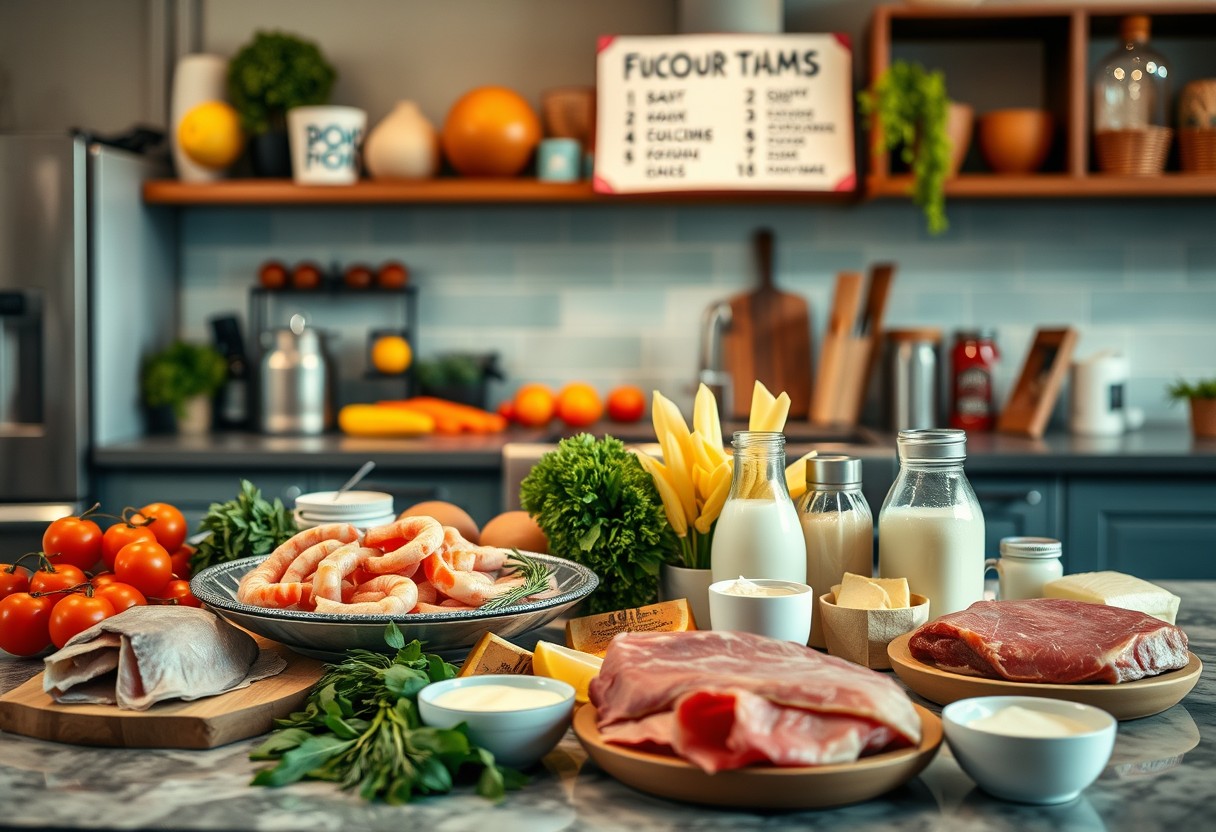
High-risk foods pose a significant threat to your health if not handled, stored, or cooked properly. Understanding these foods is crucial for preventing foodborne illnesses. Typically, high-risk foods are perishable items that provide a favorable environment for bacteria to thrive. By identifying and managing these foods in your kitchen, you can take proactive steps to ensure the safety of you and your loved ones. In this guide, you will learn about common high-risk foods, their characteristics, and necessary tips for safe handling.

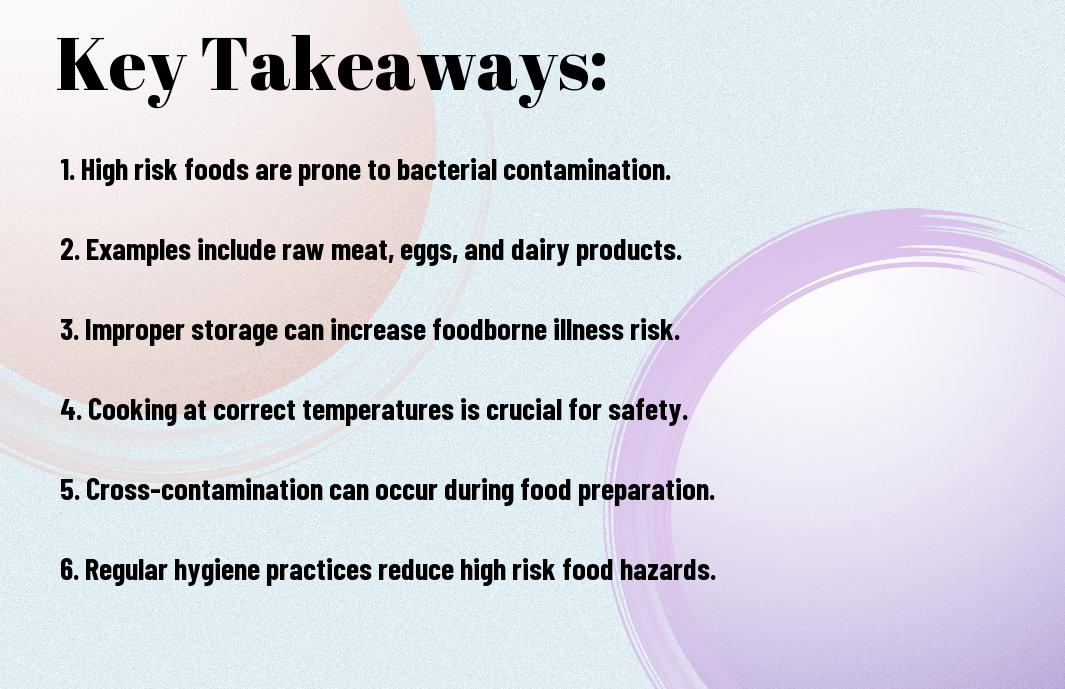
Key Takeaways:

  • High Risk Foods: These are foods that are more likely to cause foodborne illnesses due to their moisture content, pH level, and nutrient richness, making them ideal for bacterial growth.
  • Examples: Common high risk foods include raw meat, poultry, seafood, dairy products, and cooked rice or pasta.
  • Temperature Control: Proper storage and cooking temperatures are crucial to minimize the risk of foodborne pathogens. Foods should be kept out of the dange zone (between 40°F and 140°F).
  • Cross-Contamination: Preventing cross-contamination is crucial. Use separate cutting boards and utensils for high risk foods and other food items to mitigate risks.
  • Safe Handling: Adhering to hygiene practices like hand washing and using clean surfaces can help reduce the risk of foodborne illnesses from high risk foods.

Understanding High Risk Foods

To ensure food safety, it is crucial to recognize high risk foods that can harbor harmful bacteria and other pathogens. Understanding these foods helps you implement safe food handling practices to avoid potential health risks.

Definition of High Risk Foods

On a fundamental level, high risk foods are those that support the rapid growth of pathogenic microorganisms, which can lead to foodborne illnesses. They typically contain moisture and nutrients, making them ideal environments for bacteria to thrive.

Types of High Risk Foods

On the topic of types, high risk foods generally include perishable items that require careful storage and handling. Common examples are:

  • Raw meat and poultry
  • Seafood
  • Dairy products
  • Cooked rice and pasta
  • Eggs

Knowing these categories can significantly reduce your likelihood of experiencing foodborne illnesses.

Type Description
Raw Meat Includes beef, pork, and lamb that may contain harmful bacteria.
Seafood Fish and shellfish that can spoil quickly if not stored properly.
Dairy Milk, cheese, and yogurt can harbor bacteria if left out.
Cooked Grains Rice and pasta can become a breeding ground for bacteria when improperly stored.
Eggs Eggs need to be cooked thoroughly to eliminate pathogens.

One of the critical factors in managing high risk foods is understanding their specific characteristics and storage requirements. These foods require refrigeration or proper cooking to minimize risks. Consider these key categories and their impacts:

  • Meat should be stored below 40°F (4°C) to slow bacterial growth.
  • Seafood must be consumed or frozen quickly after purchase.
  • Dairy items need to remain refrigerated to stay safe.
  • Cooked grains should be refrigerated within two hours if not consumed.
  • Eggs must be cooked to the appropriate temperature.

Knowing these guidelines will empower you to handle high risk foods safely and effectively.

Food Type Safe Handling Tips
Raw Meat Keep separate from other foods during preparation.
Seafood Use within a day of purchase or freeze immediately.
Dairy Always check expiration dates before use.
Cooked Grains Use within 3-4 days or freeze for longer storage.
Eggs Store in the refrigerator and cook thoroughly.

Common High Risk Foods

Even the most careful food handlers can overlook high-risk foods that may harbor bacteria and pathogens if not stored or prepared correctly. Understanding these foods is important for food safety and preventing foodborne illnesses. Below are some commonly recognized high-risk foods that you should be aware of.

Dairy Products

Dairy products, such as milk, cheese, and yogurt, are excellent breeding grounds for harmful bacteria if not stored properly. Because they contain proteins and moisture, it’s important to maintain them at the appropriate temperatures to prevent spoilage and contamination.

Meat and Poultry

An important category of high-risk foods is meat and poultry, which can easily become contaminated during processing or handling. Improper cooking or storage may lead to dangerous bacteria like Salmonella and E. coli proliferating, which can cause severe foodborne illnesses.

With raw and undercooked meat and poultry, you must ensure that they are cooked to the proper internal temperatures to eliminate harmful pathogens. Always use separate cutting boards for raw meats and other foods to prevent cross-contamination.

Seafood

Foods such as fish and shellfish are also considered high-risk as they can harbor bacteria and viruses, particularly when raw or undercooked. Certain types of seafood can cause serious illnesses if not prepared safely.

Plus, many types of seafood can also be affected by harmful contaminants like mercury or Vibrio bacteria. It’s crucial to purchase seafood from reputable sources and ensure that it is cooked to recommended temperatures to avoid potential health risks.

Eggs

Dairy products, specifically eggs, are another common high-risk food. Eggs can carry Salmonella bacteria, which can lead to food poisoning if they are consumed raw or undercooked. Always check for freshness and ensure that they are stored correctly.

To minimize the risk of Salmonella, you should cook eggs thoroughly until both the yolk and white are firm. Additionally, consider buying pasteurized eggs if you plan to use them in recipes that require raw or lightly cooked eggs, especially for vulnerable groups such as pregnant women and the elderly.

Factors Contributing to High Risk Status

Keep in mind that various factors contribute to the high-risk status of certain foods. Understanding these elements can help you make informed decisions when handling and consuming food. Consider the following factors:

  • Temperature Control
  • pH Level
  • Moisture Content
  • Storage Conditions

Knowing these factors plays a significant role in preventing foodborne illnesses and ensuring food safety.

Temperature Control

Contributing to high-risk food status, temperature control is crucial in managing microbial growth. Foods that require refrigeration or cooking to specific temperatures can easily become hazardous if left at room temperature for prolonged periods.

Temperature Control Factors

Temperature Range Risk Level
0°C to 4°C Low
4°C to 60°C High
Above 60°C Safe

pH Level

With pH level playing a crucial role in food safety, foods with a neutral to slightly acidic pH (between 4.6 and 7.0) are susceptible to bacterial growth. This range allows for microorganisms like E. coli and Salmonella to thrive.

Factors affecting pH levels in foods can determine their safety status. Acidic foods, such as lemons or vinegar-based products, have a low risk profile, whereas neutral foods like meats and dairy can become breeding grounds for pathogens if not properly managed. Maintaining appropriate acid levels can prevent food spoilage and potential health risks.

Moisture Content

High moisture content in foods is another factor that enhances the risk of microbial growth. Foods with a water activity (aw) level above 0.85 are particularly vulnerable to spoilage due to bacteria, yeast, and molds thriving in these environments.

Status of moisture content is critical when assessing food safety. Foods with high moisture, such as fresh produce, cooked grains, and dairy products, must be handled with care. Reducing moisture through dehydration or proper cooking can significantly decrease the risk of foodborne illnesses.

Storage Conditions

Moisture retention and improper storage conditions are key contributors to the high-risk status of certain foods. If foods are not stored at the right temperature and humidity levels, they can spoil quickly, leading to a greater likelihood of contamination.

Content regarding storage conditions emphasizes the importance of keeping food away from moisture and maintaining temperature controls. Utilizing airtight containers, appropriate refrigeration, and observing expiration dates can help mitigate risks associated with high-risk foods.

Safety Precautions and Best Practices

Unlike many foods, high-risk foods require careful handling to prevent foodborne illnesses. Understanding how to safely use these items is vital. For more information, check out What are High-Risk Foods and How Can I Use Them Safely?.

Proper Cooking Techniques

Precautions are vital when cooking high-risk foods. Always ensure that your food is cooked thoroughly to the appropriate internal temperature, which can kill harmful bacteria. Use a food thermometer to check that meats and other perishables reach safe temperatures, reducing the risk of foodborne illness significantly.

Safe Food Handling

To maintain safety when handling high-risk foods, it’s crucial to wash your hands frequently and keep your kitchen surfaces clean. Utilize separate cutting boards for raw meats and other foods to prevent cross-contamination. You should also limit the time perishable items remain at room temperature to further reduce risks.

Proper food handling doesn’t just encompass washing and cleanliness; it also involves being mindful of what you touch. Always use clean utensils and avoid placing cooked foods back onto surfaces that have touched raw foods. This level of awareness helps keep your meal preparation as safe as possible.

Storage Guidelines

Best practices in food storage include keeping high-risk foods refrigerated at all times, ideally below 5°C (41°F). Take care not to overcrowd your refrigerator, as good air circulation ensures that your food stays at safe temperatures and maintains quality.

With proper storage, it’s also important to understand the “first in, first out” rule. Rotate older items to the front and ensure that you consume or properly dispose of them before newer products. This method not only maximizes freshness but also enhances safety by minimizing the chances of spoilage and bacterial growth.

Final Words

Presently, understanding what constitutes high-risk foods is crucial for ensuring your health and safety. These foods, which often include meats, dairy products, and certain produce, can harbor bacteria and pathogens if not handled properly. By being aware of these risks and adopting safe food practices, you can significantly reduce the likelihood of foodborne illnesses. For more insights, you can explore The Difference Between High-Risk and Low-Risk Foods.

FAQ

Q: What are high risk foods?

A: High risk foods are perishable items that are more prone to bacterial growth and foodborne illnesses if not stored or cooked properly. These typically include moist, protein-rich foods like meat, poultry, fish, dairy products, and prepared ready-to-eat items such as salads and sandwiches. Foods that sit out at room temperature for extended periods can also fall into this category, making it crucial to handle them with care to prevent food poisoning.

Q: Why are high risk foods more likely to cause foodborne illness?

A: High risk foods provide an ideal environment for bacteria to grow due to their moisture content, pH level, and nutrient density. These factors support the replication of pathogens such as Salmonella, E. coli, and Listeria. If these foods are not cooked to appropriate temperatures or stored at safe temperatures (below 41°F for cold foods and above 135°F for hot foods), they become breeding grounds for harmful microorganisms, leading to a higher chance of foodborne illness.

Q: How can I safely handle and store high risk foods?

A: To safely handle and store high risk foods, follow these guidelines: First, always wash your hands before and after handling food. Keep raw and cooked foods separated to avoid cross-contamination. Store high risk foods in the refrigerator or freezer immediately after purchase, ensuring your fridge is at or below 41°F. When cooking, use a food thermometer to ensure food reaches the recommended internal temperatures (e.g., 165°F for poultry). Lastly, serve or consume these foods quickly, and refrigerate leftovers within two hours to minimize the risk of bacterial growth.

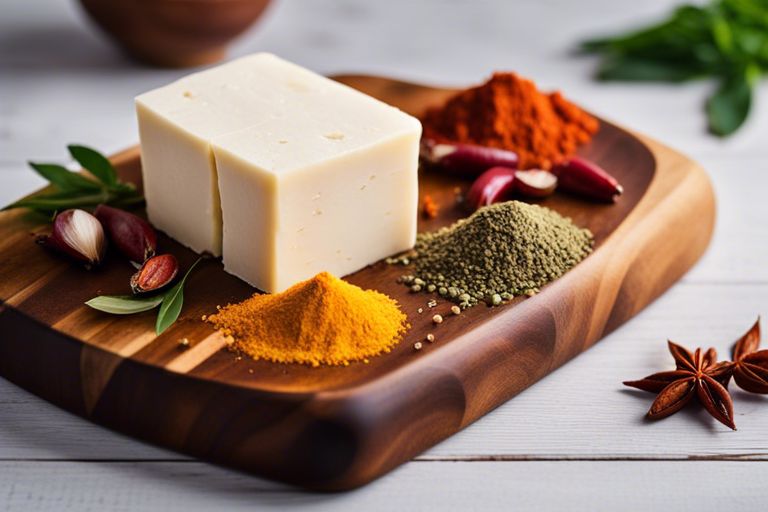
Is paneer high in protein

Over, you may be curious about whether paneer is high in protein. Let’s investigate into this creamy Indian cottage cheese and uncover its protein content. Paneer, although a dairy product, is indeed a rich source of protein. In this article, we will explore just how protein-packed paneer really is and why it can be a beneficial addition to your diet.

Key Takeaways:

  • Paneer is a good source of protein: Paneer is a fresh cheese that is high in protein, making it a good option for those looking to increase their protein intake.
  • Protein content in paneer: Paneer contains about 18 grams of protein per 100 grams, which is relatively high compared to other dairy products.
  • Benefits of consuming high-protein paneer: Including paneer in your diet can help in muscle building, weight management, and overall health and wellbeing.

Nutritional Profile of Paneer

The nutritional profile of paneer is necessary to understand why it is often considered a valuable addition to your diet. Let’s examine into the details of the protein content and other necessary nutrients found in paneer.

Protein Content

An important aspect of paneer is its protein content. Paneer is a rich source of protein, making it a popular choice for vegetarians and those looking to increase their protein intake. Protein is crucial for various functions in your body, such as building and repairing tissues, supporting immune function, and providing energy.

Other Essential Nutrients

Aside from protein, paneer also contains a variety of other necessary nutrients that are beneficial for your overall health. These nutrients include calcium, phosphorus, selenium, vitamin B12, and riboflavin. Calcium is necessary for maintaining strong bones and teeth, while vitamin B12 is important for the formation of red blood cells and neurological function.

Content: Including paneer in your diet can help you meet your daily protein requirements and provide you with necessary nutrients that support your overall health and well-being. Consider incorporating paneer into your meals as a nutritious and versatile ingredient.

Comparison with Other Dairy Products

Milk and Whey

With paneer being a popular dairy product, you might wonder how it compares to other dairy options like milk and whey. Let’s break down the protein content in a simple comparison:

Dairy Product Protein Content per 100g
Milk 3.2g
Whey 11g

Cheese and Yogurt

On the other hand, when comparing paneer to cheese and yogurt, here’s what you need to know:

Dairy Product Protein Content per 100g
Cheese 18g
Yogurt 5g

Understanding the protein content in different dairy products can help you make informed choices when planning your meals. While paneer is a good source of protein, cheese stands out as having a higher protein content per 100g.

Factors Affecting Protein Content in Paneer

All factors affecting the protein content in paneer need to be considered to understand its nutritional value fully. Here are some key factors to keep in mind:

  • Milk Source – The type of milk used in making paneer can significantly impact its protein content. The protein content in paneer made from whole milk will be higher compared to paneer made from low-fat or skim milk. If you want the most protein in your paneer, choose paneer made from whole milk.
  • Manufacturing Process – The way paneer is made can also affect its protein content. The more concentrated the milk is before curdling, the higher the protein content in the final paneer product.

Recognizing the role these factors play can help you make informed decisions about the paneer you consume. For more information on the protein content in paneer, check out How much protein is in paneer.

Type of Milk Used

Milk source is crucial when it comes to the protein content in paneer. The type of milk used directly impacts the protein levels in the final product. Whole milk contains more fat and protein, resulting in higher protein content in paneer made from it. On the other hand, low-fat or skim milk will yield paneer with lower protein content.

Manufacturing Process

Used in paneer making directly impacts its protein content. The process of curdling and straining milk to separate the curds results in varying protein levels in paneer. If the milk is more concentrated before curdling, the protein content in the final paneer will be higher. Therefore, the manufacturing process plays a significant role in determining the protein content of paneer.

Factors Affecting Protein Content in Paneer

Health Benefits of High-Protein Paneer

Once again, paneer proves to be a versatile ingredient that offers numerous health benefits, especially when it comes to being a rich source of protein. Protein is important for various functions in your body, including muscle growth and repair.

Muscle Growth and Repair

Muscle maintenance and growth are crucial for overall health and well-being. Paneer, being high in protein, can help support these processes in your body. When you consume paneer regularly, you provide your muscles with the necessary amino acids to repair and grow stronger after workouts or daily activities.

Weight Management

Health experts often recommend including protein-rich foods in your diet to aid in weight management. Paneer can be a great addition to your meals as it helps you feel full and satisfied for longer periods. This can reduce your overall calorie intake and prevent overeating, ultimately supporting your weight management goals.

Additionally, protein has a high thermic effect, meaning your body burns more calories to digest protein compared to fats or carbohydrates. By incorporating paneer into your meals, you can potentially boost your metabolism and support your weight loss efforts.

Incorporating Paneer into a High-Protein Diet

Now, if you are looking to boost your protein intake by incorporating paneer into your diet, there are various ways you can do so. According to a study published in Paneer—An Indian soft cheese variant: a review – PMC, paneer is a rich source of protein, making it a great addition to your meals.

Recipes and Meal Ideas

Any paneer lovers can enjoy this versatile ingredient in a variety of dishes. Try adding paneer to salads, stir-fries, curries, or even grilled as a delicious topping for your favorite dishes. Paneer can also be crumbled and used as a filling for wraps or sandwiches, providing a protein-packed alternative to your usual choices.

Combining with Other Protein Sources

The key to creating a balanced high-protein meal is to combine paneer with other protein sources. By pairing paneer with foods like lentils, chickpeas, tofu, or nuts, you can create a complete amino acid profile that will benefit your body. The combination of different protein sources ensures that you are getting a variety of nutrients and amino acids vital for muscle recovery and overall health.

Understanding the importance of combining paneer with other protein sources can help you maximize the benefits of a high-protein diet. Including a mix of protein-rich foods in your meals ensures that you are meeting all your nutritional needs and supporting your fitness goals.

Debunking Common Myths

Is Paneer Too High in Fat?

After examining the nutritional content of paneer, you might have concerns about its fat content. While it’s true that paneer is a dairy product and does contain fats, not all fats are created equal. Paneer is rich in saturated fats, which, when consumed in moderation, can be a part of a healthy diet. It’s imperative to remember that fats are necessary for various bodily functions and can help keep you feeling full and satisfied.

Does Paneer Contain Hormones?

An important myth to address is the concern that paneer contains hormones. Myths about hormones in dairy products have circulated, leading to confusion about their safety for consumption. Rest assured, paneer does not contain added hormones. The hormones naturally found in dairy products are not a cause for concern and are present in safe levels that do not pose a risk to your health.

To clarify, dairy animals, including cows that produce milk for paneer, may be given hormones to improve production efficiency. However, strict regulations and testing ensure that the milk and dairy products, such as paneer, that reach your table are safe for consumption. When choosing a quality paneer product, look for trusted sources and organic options to further alleviate any concerns about hormones.

To wrap up

Considering all points discussed in the article, it is clear that paneer is indeed high in protein and can be a great addition to your diet if you are looking to increase your protein intake. However, it is important to remember that moderation is key, as paneer is also high in fat and calories. Incorporating paneer into your meals in a balanced way can provide you with a healthy dose of protein along with other necessary nutrients.

FAQ

Q: Is paneer high in protein?

A: Yes, paneer is considered to be a good source of protein. It is a dairy product that contains high levels of protein, making it a popular choice for vegetarians and those looking to increase their protein intake.

Q: How much protein does paneer contain?

A: Paneer is a rich source of protein, with approximately 18 grams of protein per 100 grams serving. This makes it a valuable addition to a balanced diet, especially for individuals looking to meet their daily protein requirements.

Q: Are there any other nutritional benefits to consuming paneer?

A: In addition to being high in protein, paneer also provides imperative nutrients such as calcium, phosphorus, and Vitamin D. These nutrients are important for bone health and overall well-being, making paneer a nutritious choice for individuals of all ages.

Is cabbage high in protein

When considering protein, you might be surprised to learn that cabbage, while a nutritious vegetable, is not particularly high in protein content. Despite its many health benefits and versatility in cooking, cabbage is not a significant source of protein. However, it can still be a valuable part of a balanced diet when paired with other protein-rich foods. Let’s explore the protein content of cabbage and how it can fit into your diet.

Key Takeaways:

  • Cabbage is not high in protein: Cabbage is a low-protein vegetable with only a small amount of protein per serving.
  • Protein content in cabbage: Cabbage contains about 1 gram of protein per 1 cup serving, which is relatively low compared to other sources of protein.
  • Rich in other nutrients: While not high in protein, cabbage is rich in vitamins, minerals, and fiber, making it a nutritious addition to a balanced diet.

Nutritional Profile of Cabbage

Macronutrient Breakdown

Before we probe into the specific breakdown of cabbage’s macronutrients, it’s necessary to understand the basics. Macronutrients are the nutrients that provide energy and are required in large amounts in your diet. Cabbage is a low-calorie vegetable with a significant portion of its calories coming from carbohydrates. However, don’t fret – the carbs in cabbage are mostly fiber, which is beneficial for your digestion and overall health.

Vitamin and Mineral Content

Any analysis of cabbage’s nutritional profile would be incomplete without mentioning its impressive vitamin and mineral content. Cabbage is rich in necessary nutrients such as vitamin K, vitamin C, and vitamin B6. It also contains minerals like manganese, potassium, and calcium, which are vital for various bodily functions.

With such a diverse array of vitamins and minerals, incorporating cabbage into your diet can provide a significant boost to your overall health and wellness. Vitamin K, for example, is crucial for bone health and blood clotting, while vitamin C acts as a powerful antioxidant, helping to protect your cells from damage. Additionally, minerals like potassium contribute to maintaining healthy blood pressure levels.

Another Point to Note

Another noteworthy aspect of cabbage’s nutritional profile is its high water content. Staying hydrated is necessary for your body to function optimally, and consuming water-rich foods like cabbage can contribute to your daily fluid intake. So, in addition to its impressive array of vitamins and minerals, cabbage also helps keep you hydrated, further supporting your overall health.

Protein Content in Cabbage

Amount of Protein per Serving

Amount of protein per serving of cabbage may vary slightly depending on the preparation method and the specific type of cabbage. On average, a one-cup serving of raw chopped cabbage contains around 1 gram of protein. This amount constitutes a small portion of your daily protein needs, but when combined with other protein sources, cabbage can contribute to your overall protein intake.

Comparison to Other Vegetables

When compared to other vegetables, cabbage is not considered a high-protein option. However, it still provides some protein content along with a variety of necessary nutrients. Below is a comparison of the protein content in one cup servings of various vegetables:

Vegetable
Protein (per one cup serving)

Serving

Understanding

While cabbage may not be the highest protein vegetable, it still offers nutritional benefits and can be a valuable addition to a well-rounded diet. Incorporating a variety of vegetables in your meals ensures that you receive a wide range of vitamins, minerals, and antioxidants necessary for overall health and well-being.

Factors Affecting Protein Content

Not all cabbages are created equal when it comes to their protein content. Several factors can influence the protein levels in cabbage. Here are some key considerations:

Variety of Cabbage

  • Protein content can vary based on the variety of cabbage you choose. While all types of cabbage are nutritious, some varieties may have slightly higher protein content than others.

Growing Conditions

Affecting the growth of cabbage, the conditions in which it is cultivated can impact its protein levels. Factors such as soil quality, temperature, and sunlight exposure can all play a role in determining the protein content of the cabbage you consume. Recognizing these variables can help you make informed choices when selecting cabbage for its protein content.

Cooking Methods

Cooking methods can also affect the protein content of cabbage. The way you prepare cabbage, whether raw, steamed, boiled, or stir-fried, can impact the retention of nutrients, including protein. Choosing the right cooking method can help you preserve the protein content of cabbage to enjoy its nutritional benefits to the fullest.

Conditions such as cooking time and temperature can also influence the protein levels in cabbage. Overcooking cabbage can lead to a loss of nutrients, including protein. By being mindful of how you cook cabbage, you can ensure that you retain as much protein as possible while preparing a delicious and nutritious meal.

Health Benefits of Cabbage

Many health benefits are associated with incorporating cabbage into your diet. From its potential anti-inflammatory properties to its digestive health benefits and cancer-fighting compounds, cabbage is a versatile and nutritious vegetable that can support your overall well-being.

Anti-Inflammatory Properties

To start, cabbage contains powerful antioxidants like vitamin C and sulfur compounds that can help reduce inflammation in the body. By including cabbage in your meals, you may experience a decrease in inflammatory markers, which can be beneficial for conditions such as arthritis and heart disease.

Digestive Health

Any gut health enthusiast will appreciate the fiber content found in cabbage. Fiber plays a crucial role in supporting healthy digestion by promoting regular bowel movements and feeding beneficial gut bacteria. Additionally, the presence of probiotics in fermented cabbage dishes like sauerkraut can further enhance digestive health by introducing beneficial bacteria into your gut microbiome.

Plus, cabbage contains compounds like glucosinolates, which have been studied for their potential cancer-fighting properties. These compounds can help protect your cells from damage and reduce the risk of certain types of cancer, making cabbage a valuable addition to a cancer-preventive diet.

Cancer Prevention

One of the key compounds in cabbage that contributes to its cancer-fighting potential is sulforaphane. This powerful antioxidant has been shown to help inhibit the growth of cancer cells and even induce their self-destruction. By regularly consuming cabbage, you are supplying your body with this important compound that can help reduce your risk of developing cancer.

It is important to note that while cabbage offers numerous health benefits, it is most effective when consumed as part of a balanced diet rich in a variety of fruits and vegetables. By incorporating cabbage into your meals regularly, you can enjoy its nutritional perks and support your overall health and well-being.

Cabbage in a Balanced Diet

Unlike protein-rich foods like meat, eggs, or beans, cabbage is not a high-protein vegetable. However, cabbage is a versatile and nutritious addition to a balanced diet.

Combining Cabbage with Protein-Rich Foods

Diet diversification is necessary to ensure that you are getting a variety of nutrients in your meals. While cabbage may not be high in protein, you can easily combine it with protein-rich foods to create a well-rounded dish. For example, adding grilled chicken, chickpeas, tofu, or quinoa to a cabbage salad can boost the protein content and make it a more satisfying meal.

Meal Ideas Featuring Cabbage

Featuring cabbage in your meals can add crunch, flavor, and a nutritional boost. Whether you sauté it, roast it, or enjoy it raw in salads, cabbage is a versatile vegetable that can complement a wide range of dishes.

Balanced meals should include a variety of food groups to ensure that you are meeting your nutritional needs. Incorporating cabbage into your diet is a great way to increase your vegetable intake and add a pop of color to your plate.

Debunking Common Myths

For centuries, cabbage has been a staple vegetable in many diets around the world. Despite its numerous health benefits, there are some common myths surrounding its protein content that may have led you to underestimate its nutritional value.

Cabbage as a Complete Protein Source

On the topic of protein content, cabbage may not be as high as other sources like meat or legumes, but it is still a valuable addition to your diet. While it is not considered a complete protein on its own, meaning it does not contain all necessary amino acids, you can easily pair it with other protein sources to create a balanced meal. By combining cabbage with complementary proteins such as beans, tofu, or quinoa, you can enhance the overall protein quality of your dish.

The Role of Cabbage in a Vegetarian Diet

Complete protein sources are crucial for individuals following a vegetarian or vegan diet to ensure they are obtaining all necessary amino acids. While cabbage may not be a complete protein on its own, it can still play a valuable role in your vegetarian diet. Adding cabbage to dishes rich in complementary proteins can help you achieve a well-rounded meal that meets your protein needs.

Additionally, cabbage is a versatile and nutrient-dense vegetable that offers a range of vitamins, minerals, and antioxidants to support your overall health. Including cabbage in your vegetarian diet can contribute to your daily nutrient intake and add delicious flavor and texture to your meals.

Final Words

With this in mind, while cabbage is not particularly high in protein compared to other foods, it still offers a range of health benefits and can be a valuable addition to your diet. If you are looking to boost your protein intake, you may want to consider incorporating other protein-rich foods into your meals. However, don’t underestimate the power of cabbage in providing necessary nutrients and fiber that can contribute to your overall well-being. To learn more about the nutritional content of cabbage, you can check out the information provided by the FoodData Central – USDA.

Q: Is cabbage a good source of protein?

A: Cabbage is relatively low in protein compared to other foods. While it does contain some protein, the amount is not significant enough to be considered a high-protein food.

Q: How much protein is in cabbage?

A: One cup of chopped cabbage contains about 1 gram of protein. This is a relatively small amount compared to other protein-rich foods like meat, fish, eggs, and legumes.

Q: What are the other benefits of eating cabbage?

A: While cabbage may not be high in protein, it is a nutritious vegetable that offers other health benefits. Cabbage is a good source of vitamins K, C, and B6, as well as fiber and antioxidants. Including cabbage in your diet can help support overall health and well-being.

Which vegetable is high in protein

Most often, when you think of protein sources, vegetables might not be the first thing that comes to mind. However, you might be surprised to learn that there are vegetables that are actually high in protein content. In this informative blog post, you will discover which vegetable can help you meet your protein needs while maintaining a plant-based diet. Learn more about this nutrient-packed vegetable and how you can incorporate it into your meals to boost your protein intake.

Key Takeaways:

  • Lentils: are a vegetable high in protein, making them an excellent plant-based protein source.
  • Edamame: is another vegetable that is high in protein, providing a good source of necessary amino acids.
  • Brussels sprouts: are a surprising source of protein, making them a great addition to a high-protein diet.

The Importance of Protein in Vegetables

Your diet plays a crucial role in your overall health and well-being. Protein is an vital macronutrient that your body needs for various functions, such as building and repairing tissues, producing enzymes and hormones, and supporting immune function. While meat is a common source of protein, vegetables can also be a valuable source of this vital nutrient.

Why Vegetarians Need High-Protein Options

One of the challenges vegetarians face is ensuring they consume an adequate amount of protein since many traditional protein sources like meat, poultry, and fish are off-limits. Incorporating high-protein vegetables into your diet can help meet your protein needs and ensure you get all the vital amino acids your body requires to function optimally. By diversifying your vegetable intake and including protein-rich options, you can maintain a balanced and nutritious diet.

The Role of Protein in Plant-Based Diets

Plant-based diets have gained popularity due to their potential health benefits, including reducing the risk of chronic diseases and promoting weight loss. Legumes, nuts, seeds, and certain vegetables are excellent sources of protein for individuals following a plant-based diet. By incorporating a variety of these protein-rich vegetables into your meals, you can easily meet your protein requirements and enjoy a balanced and wholesome diet.

It’s vital to note that while vegetables might not provide as much protein per serving as animal-based foods, they can still contribute significantly to your daily protein intake when consumed regularly and in combination with other protein sources.

Top High-Protein Vegetables

Broccoli: A Surprising Source of Protein

Protein can come from unexpected sources, and one such vegetable is broccoli. You might not have known that broccoli is a good source of protein. It contains about 2.8 grams of protein per cup, making it a great addition to your high-protein vegetable list.

Spinach: The Popeye Effect

The legendary Popeye was onto something with his love for spinach. The leafy green vegetable is not only rich in iron but also a surprising source of protein. The protein content in spinach is around 5 grams per cup, making it a nutritious choice for boosting your protein intake.

The Popeye effect is real – incorporating spinach into your diet can provide you with an excellent source of protein along with vital vitamins and minerals. So, next time you’re looking to power up like Popeye, consider adding spinach to your meals!

Kale: The King of Leafy Greens

Broccoli isn’t the only leafy green that packs a protein punch. Kale, often hailed as the king of leafy greens, is another high-protein vegetable you should consider adding to your meals. With approximately 2.9 grams of protein per cup, kale is a nutrient-dense powerhouse that can help you meet your protein needs.

Understanding the protein content in vegetables like kale can broaden your options for meeting your dietary protein requirements. By incorporating kale into your diet, you not only boost your protein intake but also benefit from its array of vitamins, minerals, and antioxidants.

Legume Powerhouses

Unlike some other vegetables, legumes are known for their high protein content, making them an excellent addition to a balanced diet. Legumes such as lentils, chickpeas, and black beans are not only rich in protein but also packed with necessary nutrients.

Lentils: A High-Protein, Low-Calorie Option

Lentils are a fantastic source of plant-based protein that is also low in calories, making them a great option if you are looking to increase your protein intake without consuming too many calories. They are versatile and can be added to soups, salads, and stews to boost the protein content of your meals.

Chickpeas: More Than Just Hummus

On its own or in dishes like hummus, chickpeas are a versatile legume that can add a good amount of protein to your diet. Chickpeas are also high in fiber, which can help you feel full and satisfied after a meal. You can roast chickpeas for a crunchy snack or add them to curries and salads for a protein-packed meal.

Than

Black Beans: A Protein-Rich Addition to Any Meal

With their rich, meaty texture, black beans are a popular choice for adding protein to vegetarian and vegan dishes. They can be used in tacos, burritos, salads, or even blended into dips like black bean hummus. Black beans are not only high in protein but also a good source of fiber and iron, making them a nutritious choice for your meals.

LowCalorie

Cruciferous Vegetables

Cauliflower: A Low-Calorie, High-Protein Alternative

After exploring various vegetables, you’ll find that cauliflower is a standout option when looking for a low-calorie, high-protein alternative. With just 25 calories per cup, cauliflower is packed with important nutrients and contains about 2 grams of protein. This versatile vegetable can be roasted, mashed, or even turned into a gluten-free pizza crust, making it a delicious and nutritious addition to your meals.

Brussels Sprouts: A Nutrient-Dense Superfood

For a nutrient-dense superfood that is high in protein, Brussels sprouts are an excellent choice. These mini cabbages are not only rich in protein but also loaded with vitamins, minerals, and antioxidants. With about 3 grams of protein per cup, Brussels sprouts can help support your overall health and provide you with important nutrients to fuel your body.

With their impressive nutrient profile, Brussels sprouts are known for their cancer-fighting properties, anti-inflammatory effects, and ability to promote heart health. Including Brussels sprouts in your diet can help you meet your protein needs while also reaping the many health benefits they offer.

Cabbage: A Fermented Favorite

One of the lesser-known high-protein vegetables is cabbage, especially when it’s fermented. Sauerkraut, a popular fermented cabbage dish, is not only a tasty addition to your meals but also a great source of plant-based protein. Fermented cabbage is rich in probiotics, which can support gut health, aid digestion, and boost your immune system.

This fermented favorite is not only high in protein but also low in calories, making it a great option for those looking to increase their protein intake without compromising their calorie goals. Including fermented cabbage in your diet can help diversify your nutrient intake and enhance your overall well-being.

Root Vegetables

Sweet Potatoes: A High-Protein, Complex Carb

Keep in mind that sweet potatoes are not only a tasty addition to your meals but also a great source of protein. They are a complex carbohydrate that can help sustain your energy levels throughout the day. Plus, they are rich in fiber, vitamins, and minerals, making them a nutritious choice for your diet.

Carrots: More Than Just a Snack

For a vegetable commonly seen as a snack or a side dish, carrots pack quite a nutritional punch. They are not only crunchy and delicious but also high in protein compared to other vegetables. In addition to protein, carrots are a good source of vitamins A and C, as well as antioxidants that can benefit your overall health.

With their vibrant color and versatility in recipes, carrots can be a staple in your diet. Whether you enjoy them raw, roasted, or blended into soups and smoothies, you can easily incorporate this protein-rich root vegetable into your meals for a nutrient boost.

Beets: A Protein-Rich, Antioxidant-Rich Root

More than just a colorful addition to your plate, beets are a root vegetable that is surprisingly high in protein. They also contain a variety of antioxidants, such as betalains, which can help reduce inflammation and protect your cells from damage. Including beets in your diet can not only add a pop of color to your dishes but also boost your protein intake.

Carrots, like beets, are another root vegetable that you may not have realized is a good source of protein. By incorporating a variety of protein-rich root vegetables like carrots and beets into your meals, you can not only enjoy their unique flavors but also benefit from their nutritional value.

Other High-Protein Vegetables

For a comprehensive list of high-protein vegetables besides the ones mentioned earlier, you can check out Vegetables High in Protein: 19 Veggies and How to Eat More. This article provides a detailed breakdown of various protein-rich vegetables and delicious ways to incorporate them into your diet.

Asparagus: A Springtime Superfood

For a springtime boost of protein, consider adding asparagus to your meals. This versatile vegetable is not only a good source of protein but also packed with crucial nutrients like vitamins A, C, and K. Whether grilled, roasted, or sautéed, asparagus can add a flavorful and nutritious element to your dishes.

Mushrooms: A Fungi Favorite

To amp up your protein intake, mushrooms are a fantastic option to include in your meals. These fungi favorites are not only rich in protein but also provide an excellent source of antioxidants and vitamins. Incorporating mushrooms into stir-fries, salads, or soups can add a savory umami flavor to your dishes.

It’s worth noting that mushrooms come in various types, such as shiitake, button, or portobello, each offering a unique taste and texture to your culinary creations. Experimenting with different mushroom varieties can help you discover new flavors and textures while boosting your protein intake.

Green Peas: A High-Protein, Low-Calorie Snack

An excellent snack option for protein content without the excess calories is green peas. These tiny veggies are surprisingly high in protein and fiber, making them a satisfying and nutritious snack choice. You can enjoy green peas as a standalone snack, add them to salads, or incorporate them into soups and stews.

Understanding the protein content of various vegetables can help you diversify your diet and ensure you meet your daily protein requirements. Including high-protein veggies like asparagus, mushrooms, and green peas in your meals can enhance the nutritional value of your diet while adding delicious flavors to your dishes.

To wrap up

The exploration into which vegetable is high in protein has shed light on the fact that while vegetables are not typically known for being high in protein compared to animal products, there are still some standout options that can be a valuable addition to your diet. By incorporating protein-rich vegetables such as edamame, lentils, and chickpeas into your meals, you can easily boost your protein intake and enjoy the health benefits that come with a plant-based diet.

Be mindful of, it’s necessary to have a balanced diet that includes a variety of nutrients, including protein. By being mindful of your food choices and incorporating protein-rich vegetables into your meals, you can support your overall health and well-being while enjoying delicious and nutritious plant-based options.

Q: What are some vegetables that are high in protein?

A: Some vegetables that are high in protein include:

  • Edamame
  • Lentils
  • Chickpeas
  • Black beans
  • Green peas
  • Spinach

Q: How can I incorporate high-protein vegetables into my diet?

A: You can incorporate high-protein vegetables into your diet by:

  • Adding them to salads
  • Using them in soups or stews
  • Making vegetable stir-fries
  • Blending them into smoothies
  • Roasting them as a side dish

Q: Are high-protein vegetables a good alternative to meat for protein intake?

A: Yes, high-protein vegetables can be a good alternative to meat for protein intake, especially for vegetarians and vegans. They provide imperative amino acids and fiber, and can help diversify your diet and nutrient intake. Combining different high-protein vegetables with grains or nuts can create a complete protein source equivalent to animal protein. However, it’s important to ensure you’re consuming a variety of protein sources to meet your daily protein needs.

Which fruits are high in protein

Many of you may be surprised to learn that certain fruits are actually high in protein, making them a valuable addition to your diet. If you are looking to incorporate more protein-rich fruits into your meals, check out this list of 15 High Protein Fruits to Include in Your Diet on Cook Unity.

Key Takeaways:

  • Berries: While not traditionally thought of as high-protein fruits, berries such as blackberries, raspberries, and strawberries do contain some protein.
  • Avocado: Avocado is a fruit that is rich in healthy fats and also contains a small amount of protein, making it a nutritious choice.
  • Grapefruit: Grapefruit is another fruit that contains a small amount of protein, along with vitamin C and other important nutrients.

The Protein Content of Fruits

Why Fruits are Often Overlooked as a Protein Source

While fruits are not typically associated with protein-rich foods, they do contain some amount of this important macronutrient. Fruits are often overlooked as a protein source because they are more commonly known for their vitamins, minerals, and fiber content. However, some fruits like guava, avocados, and apricots can provide a decent amount of protein in your diet.

The Importance of Protein in a Balanced Diet

Any nutritionist will tell you that getting enough protein in your diet is important for overall health and well-being. Protein plays a crucial role in building and repairing tissues, making enzymes and hormones, and is an important building block for bones, muscles, cartilage, skin, and blood. Incorporating a variety of protein sources, including fruits, into your meals can help you meet your daily protein needs and support your overall health.

An adequate intake of protein is crucial for maintaining muscle mass, especially as you age. Including protein-rich fruits like guava, avocados, and apricots in your diet can help you meet your protein needs while also enjoying the delicious flavors and nutritional benefits that fruits have to offer.

Top 10 High-Protein Fruits

Avocado: A Fruit with a High Protein Content

If you think avocados are just packed with healthy fats, think again! An avocado is a unique fruit that is surprisingly high in protein. This creamy fruit contains about 4 grams of protein per cup, making it a great option to add to salads, sandwiches, or enjoy as guacamole.

Guavas: A Tropical Fruit Rich in Protein

An exotic fruit, guavas are not only delicious but also surprisingly high in protein content. With about 4.2 grams of protein per cup, guavas are a tropical delight that can be enjoyed fresh or included in smoothies and fruit salads.

Guavas are also a good source of dietary fiber, vitamin C, and antioxidants, making them a nutritious choice to support your overall health and well-being. You can enjoy guavas as a refreshing snack or incorporate them into your favorite recipes for a flavorful twist.

Apricots: A Sweet and Nutritious Fruit Option

The humble apricot may be small, but it packs a nutritional punch, including a surprising amount of protein. With approximately 2 grams of protein per cup, apricots are a delicious and sweet way to boost your protein intake.

It’s not just the protein content; apricots are rich in vitamins A and C, as well as dietary fiber, making them a nutritious choice for snacking or adding to both sweet and savory dishes. Including apricots in your diet can also support healthy digestion and immune function.

Prunes: Dried Plums with a Surprising Amount of Protein

Apricots are not the only dried fruit option high in protein; prunes, which are dried plums, also contain a good amount of this necessary nutrient. With around 2.5 grams of protein per cup, prunes offer a convenient and nutritious way to increase your protein intake.

Content – Prunes are also rich in dietary fiber, vitamins, and minerals, making them a great choice for supporting digestive health and providing a natural source of energy. You can enjoy prunes on their own as a snack, or use them in recipes like baked goods, sauces, and stews for added sweetness and nutrition.

Raisins: Another Dried Fruit with a High Protein Content

Rich in both flavor and nutrients, raisins are another dried fruit option that can boost your protein intake. With approximately 4 grams of protein per cup, these sweet and chewy treats are a convenient way to add extra protein to your diet.

With – Raisins are also a good source of dietary fiber, vitamins, and minerals, making them a wholesome snack choice to satisfy your sweet cravings while providing necessary nutrients. Add raisins to oatmeal, yogurt, salads, or baked goods for a flavorful and nutritious twist.

Bananas: A Convenient and Protein-Rich Snack

Dried – Bananas are not only a convenient snack option but also surprisingly rich in protein. With around 1.3 grams of protein per medium banana, this tropical fruit is a portable and delicious way to increase your protein intake throughout the day.

Tropical – Bananas are also a good source of vitamins C and B6, potassium, and dietary fiber, making them a nutritious choice for supporting heart health, digestion, and energy levels. Enjoy bananas on their own, sliced over oatmeal or yogurt, or blended into smoothies for a quick and satisfying snack.

Figs: A Fruit with a High Protein-to-Calorie Ratio

One – Figs are a unique fruit that offers a high protein-to-calorie ratio, making them a smart choice for those looking to increase their protein intake without consuming excess calories. With approximately 5 grams of protein per cup, figs are a nutrient-dense option to support your overall health.

Raisins – Figs are also a good source of dietary fiber, vitamins, and minerals, including potassium and magnesium. Including figs in your diet can help regulate digestion, support bone health, and provide a natural source of energy to fuel your day. Add fresh figs to salads, cheese platters, or enjoy them on their own for a satisfying and nutritious snack.

Dates: A Natural Sweetener with a Good Amount of Protein

With – Dates are not only a delicious natural sweetener but also a surprising source of protein. With approximately 3 grams of protein per cup, dates offer a nutritious way to add sweetness and flavor to your favorite dishes while boosting your protein intake.

ProteintoCalorie – Dates are also rich in dietary fiber, vitamins, and minerals, making them a wholesome choice to support digestive health, immune function, and overall well-being. You can enjoy dates as a natural sweet treat, use them in baking, or add them to smoothies for a nutritious and delicious twist.

Pomegranates: A Fruit with a High Protein Content and Antioxidant Properties

Once again, nature surprises us with its bountiful gifts. Pomegranates, with their ruby red seeds bursting with juicy goodness, are not only a delicious treat but also a surprising source of protein. While most fruits are not known for their protein content, pomegranates stand out as an exception, making them a unique addition to your diet.

Aside from their protein content, pomegranates are also packed with antioxidant properties. Antioxidants are imperative for combating oxidative stress in your body, helping to reduce inflammation and lower the risk of chronic diseases. Including pomegranates in your diet can provide you with a tasty way to boost your protein intake while reaping the benefits of their powerful antioxidants.

Acai Berries: A Tropical Fruit with a High Protein Content and Nutrient-Dense Profile

Profile: In the matter of nutrient-dense fruits with a high protein content, acai berries are at the top of the list. These tropical gems may be small, but they are packed with imperative nutrients that can benefit your overall health. Acai berries are not only rich in protein, but they also contain a wide range of vitamins, minerals, and antioxidants that can support your well-being.

How to Incorporate High-Protein Fruits into Your Diet

Adding Avocado to Your Breakfast Omelette

After discovering that avocados are a surprisingly good source of protein, you can easily incorporate this creamy fruit into your morning routine. Adding slices of avocado to your breakfast omelette not only enhances the flavor and texture but also boosts the protein content of your meal. The combination of eggs and avocado provides a satisfying and nutrient-dense start to your day.

Using Guavas in Smoothies and Salads

Avocado is not the only high-protein fruit you can enjoy in various dishes. Guavas, with their unique tropical flavor and impressive protein content, are perfect for adding to smoothies and salads. Blend guava slices into your favorite smoothie recipe for a refreshing and protein-packed drink, or toss diced guavas into your salads for a delightful combination of flavors and nutrients.

Guavas are not only a tasty addition to your meals but also a rich source of dietary fiber, vitamins, and minerals. Incorporating guavas into your diet can help support your overall health and well-being.

Snacking on Dried Fruits Like Apricots and Prunes

Using dried fruits like apricots and prunes as a snack is a convenient way to increase your protein intake throughout the day. These dried fruits are not only delicious but also packed with protein, making them a satisfying and healthy snack option. Keep a bag of dried apricots or prunes with you for a quick and nutritious pick-me-up whenever hunger strikes.

Understanding the protein content of dried fruits can help you make better snack choices and ensure you are getting the nutrients your body needs to thrive.

Incorporating Bananas into Your Post-Workout Routine

After a workout, it’s crucial to refuel your body with nutrients, including protein, to support muscle recovery and growth. Adding bananas to your post-workout routine is a simple and delicious way to boost your protein intake. Bananas are not only a convenient and portable snack but also provide a good amount of protein to aid in your post-exercise recovery.

Incorporate bananas into your post-workout smoothie or enjoy them with a serving of nuts for a well-rounded and protein-rich snack that will help you replenish your energy levels and support your fitness goals.

Using Figs as a Natural Sweetener in Baked Goods

Natural sweeteners like figs can elevate the protein content of your baked goods while adding a touch of natural sweetness. Incorporating figs into recipes such as muffins, bread, or energy bars not only enhances the flavor profile but also boosts the protein content of these treats. Replace processed sugars with mashed figs for a healthier and protein-rich alternative that your taste buds will love.

Breakfast recipes like fig and almond flour pancakes or fig and walnut oatmeal are excellent ways to enjoy the protein benefits of this versatile fruit while starting your day on a delicious and nutritious note.

The Benefits of High-Protein Fruits

Many fruits are not only delicious but also packed with protein, offering numerous benefits to support your overall health and well-being. Here are some key advantages of incorporating high-protein fruits into your diet:

Supporting Muscle Growth and Repair

On a cellular level, protein is vital for building and repairing tissues, making it crucial for muscle growth and recovery. High-protein fruits can provide you with the necessary amino acids to support these processes, helping you maintain and strengthen your muscles, especially after workouts or physically demanding activities.

Aiding in Weight Management

Management of your weight can be easier with the help of high-protein fruits. These fruits can help you feel full and satisfied for longer periods, reducing the chances of overeating or snacking on unhealthy options throughout the day. By incorporating protein-rich fruits into your meals and snacks, you can better manage your caloric intake and support your weight loss or maintenance goals.

The incorporation of high-protein fruits in your diet can aid in weight management by offering a nutrient-dense and satisfying option that promotes satiety and reduces cravings for less nutritious foods. By including these fruits in your meals, you can support your body’s needs while keeping your caloric intake in check.

Reducing Inflammation and Improving Overall Health

Management of inflammation is crucial for maintaining optimal health and preventing chronic diseases. High-protein fruits contain vital nutrients and antioxidants that can help reduce inflammation in your body, promoting better overall health and well-being. By including these fruits in your diet, you can support your immune system and potentially lower your risk of developing inflammatory conditions.

Fruits high in protein can play a significant role in reducing inflammation and improving your overall health due to their rich antioxidant content and anti-inflammatory properties. By enjoying a variety of high-protein fruits regularly, you can enhance your body’s defense mechanisms and promote long-term wellness.

Supporting Healthy Bones and Teeth

MuscleBy consuming high-protein fruits, you not only support your muscles but also contribute to the health of your bones and teeth. These fruits provide vital nutrients like calcium, phosphorus, and vitamin C, which are vital for bone density and strength. Including protein-rich fruits in your diet can help you maintain strong bones and teeth, reducing the risk of osteoporosis and dental issues in the future.

ImprovingThe regular consumption of high-protein fruits can improve the health of your bones and teeth by providing vital nutrients that support bone density and dental health. By including these fruits in your balanced diet, you can enhance your overall skeletal structure and oral well-being.

Comparing the Protein Content of Fruits to Other Foods

Not all fruits are high in protein compared to other foods like nuts, seeds, lean meats, and legumes. To help you understand where fruits stand in terms of protein content, let’s compare them to these other food groups.

How Fruits Stack Up Against Nuts and Seeds

Seeds

When comparing the protein content of fruits to nuts and seeds, you will find that nuts and seeds generally contain higher levels of protein. For example, a serving of pumpkin seeds has about 7 grams of protein, while sunflower seeds have around 6 grams per serving. In contrast, most fruits have less than 1 gram of protein per serving.

Comparing the Protein Content of Fruits to Lean Meats

Any comparison between the protein content of fruits and lean meats will show that lean meats are a much more concentrated source of protein. For instance, a 3-ounce serving of chicken breast contains about 25 grams of protein, whereas a medium apple has only around 0.5 grams.

With this significant difference in mind, it is vital to incorporate a variety of protein sources into your diet to meet your daily protein requirements adequately.

The Protein Content of Fruits vs. Legumes

To understand how fruits stack up against legumes in terms of protein content, it’s important to note that legumes are among the highest plant-based sources of protein. While fruits like bananas or berries have minimal protein content, legumes such as lentils, chickpeas, and black beans offer a substantial amount of protein per serving. By incorporating legumes into your meals, you can increase your protein intake while enjoying the nutritional benefits they provide.

Understanding the protein content of fruits in comparison to other food groups can help you make informed choices when planning your meals to ensure you meet your protein needs through a well-rounded diet. By incorporating a variety of protein sources, including nuts, seeds, lean meats, legumes, and fruits, you can create balanced and nutritious meals that support your overall health and well-being.

Debunking Common Myths About Fruit and Protein

The Myth that Fruits are Too High in Sugar

One common misconception about fruits is that they are too high in sugar to be considered a good source of protein. While it is true that fruits contain natural sugars, they also provide imperative nutrients like fiber, vitamins, and antioxidants that are important for your overall health. By including a variety of fruits in your diet, you can benefit from their nutritional value without consuming excessive amounts of sugar.

The Misconception that Fruits are Not Filling

Sugar

For instance, fruits like berries and apples are rich in fiber, which can help you feel full and satisfied after eating them. The water content in fruits also adds bulk to your diet, promoting a feeling of fullness. Including fruits as part of your meals or snacks can help you manage your hunger levels and avoid overeating.

The False Idea that Fruits are Not a Good Source of Protein

Common

To debunk the myth that fruits are not a good source of protein, it’s important to note that while fruits may not be as protein-dense as animal products, they still provide some amount of this imperative nutrient. Certain fruits like guava, avocados, and dried apricots contain higher levels of protein compared to others. By incorporating a variety of protein-rich fruits into your diet, you can contribute to your daily protein intake in a healthy way.

To wrap up

Upon reflecting on the list of high-protein fruits, you might be surprised to learn that fruits can actually be a good source of protein. Incorporating these fruits into your diet can add variety and nutritional benefits to your meals. If you’re looking for ways to boost your protein intake without relying solely on animal sources, these high-protein fruits could be a great addition to your diet. To learn more about these fruits and how to incorporate them into your meals, check out 17 High Protein Fruits, and How to Incorporate Them Into ….

FAQ

Q: Which fruits are high in protein?

A: Some fruits that are relatively high in protein include guava, avocado, and mulberries. While fruits are not typically a high protein food group, these options can provide a small amount of protein compared to other fruits.

Q: How can I incorporate high protein fruits into my diet?

A: High protein fruits can be easily incorporated into your diet by adding them to smoothies, salads, or yogurt bowls. You can also enjoy them as a snack on their own or paired with nuts or seeds for a protein-rich snack.

Q: Are high protein fruits a good option for vegetarians and vegans?

A: Yes, high protein fruits can be a good option for vegetarians and vegans to help meet their daily protein needs. While fruits alone may not provide a significant amount of protein, incorporating a variety of high protein fruits into your diet along with other plant-based protein sources can help ensure you are meeting your protein requirements.

Tastes of Health UK Skip to content