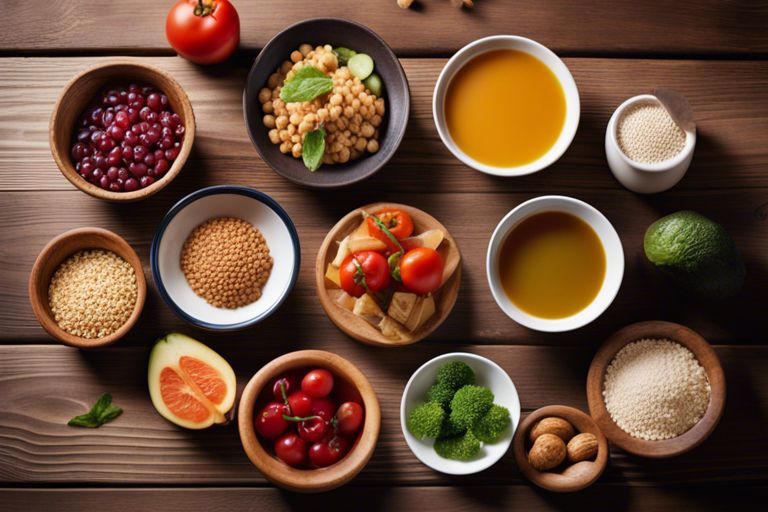
Just incorporating more fiber into your diet can significantly improve your overall health and well-being. Understanding the benefits of fiber-rich foods and how to integrate them into your meals is imperative. This guide will provide you with practical tips, food suggestions, and strategies to increase your fiber intake effortlessly. Whether you’re looking to enhance digestive health, manage weight, or boost energy levels, you will find the information you need to make fiber a staple in your diet.
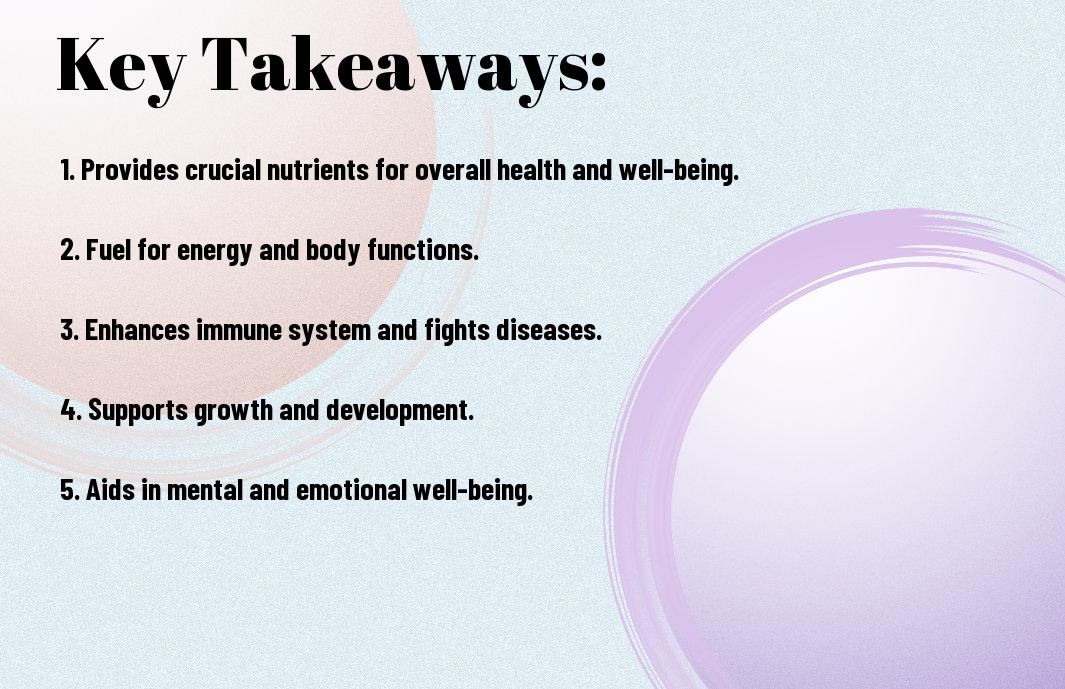
Key Takeaways:
- Incorporate whole grains: Choose whole grain breads, cereals, and pasta, which are high in fiber compared to their refined counterparts.
- Increase fruits and vegetables: Aim to include a variety of fresh, dried, or frozen fruits and vegetables in your meals and snacks.
- Snack smartly: Opt for fiber-rich snacks like nuts, seeds, and legumes to boost your fiber intake throughout the day.
Understanding Fiber
A fiber is a vital component of a healthy diet, promoting digestive health and contributing to overall well-being. It comes in two forms: soluble and insoluble, each offering unique health benefits. Incorporating a variety of fiber-rich foods can help you achieve optimal fiber intake, which is important for maintaining a healthy gut and regulating blood sugar levels.
Types of Fiber
The following table breaks down the types of fiber:
| Type of Fiber | Description |
| Soluble Fiber | Dissolves in water, forming a gel-like substance |
| Insoluble Fiber | Does not dissolve in water, adding bulk to your stool |
| Sources | Fruits, vegetables, legumes, whole grains |
| Benefits | Improves digestion, regulates blood sugar |
| Daily Intake | Recommended 25g for women, 38g for men |
- Include oats, beans, and avocados for soluble fiber.
- Whole grains, nuts, and seeds provide insoluble fiber.
- Vegetables like broccoli and carrots offer both types.
- Stay hydrated to aid in fiber digestion.
- Assume that a balanced approach will yield the best results.
Health Benefits of Fiber
Beside aiding digestion, fiber can lower cholesterol levels and support heart health. By incorporating fiber into your daily meals, you can help regulate your weight and maintain steady blood sugar levels, which is particularly beneficial if you have diabetes or are at risk. A fiber-rich diet can also keep you feeling full longer, reducing the urge to snack on unhealthy foods.
It’s important to understand that the health benefits of fiber extend beyond just digestive health. Increased fiber intake has been linked to a lowered risk of heart disease, stroke, and some types of cancer. Additionally, fiber helps in supporting a balanced gut microbiome, promoting beneficial bacteria that contribute to overall health. By prioritizing fiber in your diet, you can enjoy these health advantages while improving your dietary habits.

Daily Fiber Requirements
Even though each individual’s needs may vary, it is generally recommended that adults consume about 25 to 30 grams of fiber per day for optimal health. To better understand Dietary fibre, consider tailoring your intake based on age, gender, and level of physical activity to meet your specific nutritional goals.
Recommended Intake
By incorporating a range of high-fiber foods into your daily meals, you can easily achieve the recommended intake. Make it a habit to check food labels and make conscious choices that help you reach your fiber goals.
Sources of Fiber
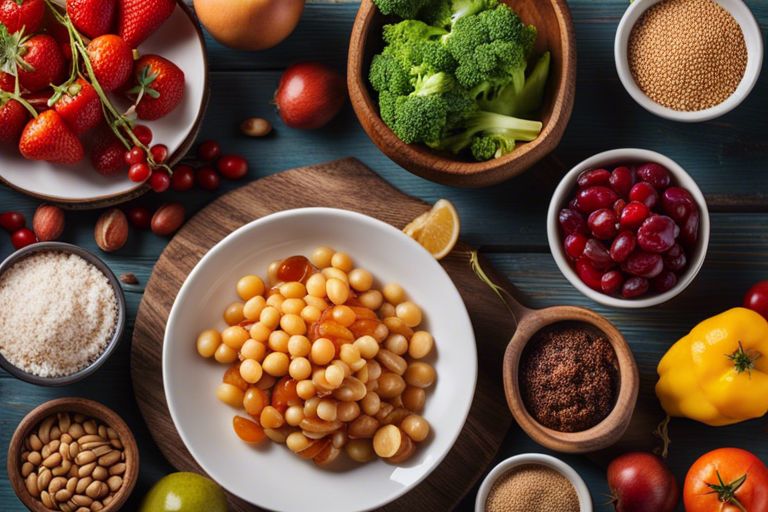
With numerous foods available, you can easily find fiber-rich options to enhance your diet. Fruits, vegetables, whole grains, legumes, nuts, and seeds are all excellent sources that contribute to your fiber intake.
But it’s not just about variety; ensuring that you include diverse sources is vital to keep your meals enjoyable and interesting. Incorporate beans in salads, oatmeal for breakfast, and snacks like almonds or apples to meet your daily fiber needs without feeling deprived. The key is to integrate these foods gradually into your routine, allowing your body to adjust to the increase in fiber intake.

Ways to Increase Fiber Intake
For those seeking to boost their fiber consumption, there are various effective strategies you can implement in your daily routine. Start by gradually incorporating a wider variety of high-fiber foods into your meals and snacks. This approach not only enhances your digestive health but also improves your overall well-being.
Incorporating Whole Foods
For a significant increase in your fiber intake, focus on whole foods, such as fruits, vegetables, legumes, and whole grains. These foods are packed with nutrients and fiber, making them excellent choices for every meal. Snacking on nuts or adding beans to salads can easily elevate your fiber levels.
Fiber Supplements
Any time you find it challenging to meet your daily fiber needs through food alone, fiber supplements can be a convenient option. They come in various forms, including powders, capsules, and chewy bars, allowing you to choose what works best for you.
Due to busy lifestyles or dietary restrictions, you might occasionally struggle to consume enough fiber from whole foods. In such cases, fiber supplements can provide a practical alternative. They help you achieve your daily fiber goals without significantly altering your diet. However, it’s crucial to choose high-quality products and to consult with a healthcare professional if needed to ensure they align with your health goals.
Meal Planning for Fiber
Now that you understand the importance of fiber for your overall health, meal planning becomes crucial in incorporating it into your diet. Start by selecting your favorite high-fiber foods and create a weekly menu that includes a balance of fruits, vegetables, legumes, whole grains, nuts, and seeds. This approach not only ensures you’re getting adequate fiber but also helps streamline your grocery shopping and cooking processes, making healthy eating more convenient and enjoyable.
High-Fiber Breakfast Options
Meal planning for breakfast can set a positive tone for your day. Consider starting with oatmeal topped with fruits and nuts, whole grain toast with avocado, or a smoothie made with leafy greens and chia seeds. These options are not only delicious but also provide a hearty dose of fiber to fuel your morning activities.
High-Fiber Lunch and Dinner Ideas
After breakfast, it’s important to keep the fiber flowing throughout your day. Incorporate meals like quinoa salads packed with vegetables, lentil soups, or stir-fries with brown rice and beans. These dishes will not only satisfy your hunger but will also contribute significantly to your daily fiber intake.
Even simple modifications to your lunch and dinner can make a big difference. Try adding extra vegetables to your meals, swapping white rice for quinoa or brown rice, and including legumes in salads or smoothies. This way, you can easily boost your fiber intake while enjoying a variety of flavors and textures in your meals.
Tips for Adjusting to a High-Fiber Diet
Your body may need some time to get used to a high-fiber diet, so consider these tips for easing the transition:
- Increase fiber intake gradually.
- Mix different sources of fiber.
- Monitor your body’s responses.
- Consult with a healthcare professional if needed.
After a week or so, you should feel more comfortable with your new fiber consumption.
Gradual Changes
On your journey to a higher fiber intake, introduce fiber-rich foods slowly into your meals. Start by adding a small portion of beans or whole grains, gradually increasing the amount over several days or weeks. This approach helps your digestive system adapt without causing discomfort or gas.
Staying Hydrated
Hydrated individuals need to boost their fluid intake alongside fiber to aid digestion and prevent bloating. Aim to drink plenty of water throughout the day, especially as you increase your fiber consumption.
Adjusting your hydration habits can significantly impact how well your body handles a higher fiber diet. Experts suggest drinking at least eight 8-ounce glasses of water daily, but you might need more as your fiber intake rises. Consider herbal teas, soups, or even fiber-rich fruits that contain water to enhance your hydration and support overall digestive health.
Common Myths About Fiber
To enjoy the benefits of fiber, it’s important to debunk some common myths surrounding it. Many people believe that fiber is only beneficial for digestion, while others think it’s unnecessary if you’re not experiencing digestive issues. Additionally, some may think that only bran-rich foods are a good source of fiber, overlooking the variety found in fruits, vegetables, legumes, and whole grains. Understanding these misconceptions is vital for enhancing your dietary choices.
Misconceptions
Besides the idea that fiber is only good for digestion, there’s a prevalent belief that consuming fiber can lead to excessive bloating and discomfort. While it is true that they can cause symptoms for some, this usually stems from not increasing fiber intake gradually or not drinking enough water.
Clarifying Facts
Clarifying the facts can empower you to make better dietary choices. Fiber comes in two types: soluble and insoluble, both of which play distinct roles in your health. Soluble fiber helps regulate blood sugar and lower cholesterol, while insoluble fiber promotes healthy bowel movements. Moreover, a well-rounded diet that includes a variety of fiber sources can improve your overall nutrient intake and support heart health.
A diverse range of plant-based foods provides different types of fiber, which is imperative for maintaining gut health. Consuming fruits like apples and berries, vegetables like broccoli and carrots, and legumes like lentils and beans will not only help you meet your fiber goals but also deliver important vitamins and minerals. When you incorporate fiber gradually and drink water throughout the day, you can minimize potential digestive discomfort while reaping the numerous health benefits fiber offers.
To wrap up
Ultimately, incorporating more fiber into your diet is a straightforward process that can significantly enhance your overall health. Focus on including a variety of fruits, vegetables, whole grains, legumes, and nuts in your meals. You can also make gradual changes, such as swapping white bread for whole grain or adding beans to your salads. For more tips and guidance, check out How to get more fiber in your diet – Harvard Health. By prioritizing fiber, you’ll support your digestive health and feel more satisfied with your meals.
FAQ
Q: What are some high-fiber foods I can add to my diet?
A: There are many delicious foods that are high in fiber. Some excellent options include legumes such as beans and lentils, whole grains like oats and brown rice, fruits such as apples and berries, vegetables like broccoli and carrots, and nuts and seeds. Incorporating a variety of these foods into your meals and snacks can help increase your fiber intake significantly.
Q: How can I gradually increase my fiber intake?
A: To successfully increase your fiber intake, it’s best to do so gradually. Start by adding one or two high-fiber foods to your meals each day. For instance, if you usually eat white bread, try switching to whole grain bread. You can also combine fiber-rich foods with those you already enjoy. This will help your digestive system adjust to the increased fiber without causing discomfort.
Q: Are there any tips for making high-fiber meals more enjoyable?
A: Yes, there are many creative ways to make high-fiber meals more enjoyable! Experiment with flavors by incorporating herbs, spices, and healthy fats. For example, add a sprinkle of cinnamon to oatmeal, mix nuts into yogurt, or create a colorful salad with a variety of vegetables and beans. Trying different recipes and cooking methods can also keep your meals interesting and satisfying.
Q: What role does hydration play when consuming more fiber?
A: Staying hydrated is important when increasing fiber intake. Fiber absorbs water, which helps it move smoothly through your digestive system. Without adequate hydration, you may experience discomfort, such as bloating or constipation. Drinking plenty of water throughout the day can support your body in processing the additional fiber efficiently.
Q: Can too much fiber be harmful, and how much do I need daily?
A: While fiber is beneficial to health, consuming too much at once can lead to digestive issues, such as gas, bloating, or cramping. Generally, adults should aim for about 25 grams of fiber per day for women and 38 grams for men. It’s best to adjust your intake based on your individual tolerance and to spread your fiber consumption evenly across meals. If you’re unsure, consulting a healthcare professional can provide personalized guidance.