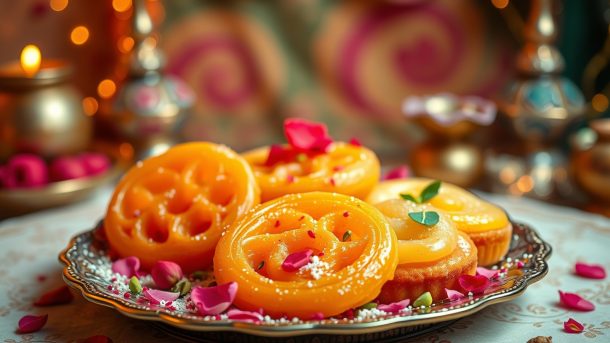
It’s vital to explore the rich culinary heritage of India, particularly when it comes to desserts. You may be surprised to learn that the national sweet of India is none other than ‘Gulab Jamun’, a delightful treat made from khoya (dried milk) and infused with rose water. This iconic sweet holds a special place in the hearts of many, symbolizing festive celebrations and cherished moments. In this post, you’ll discover more about its origins, cultural significance, and why it continues to be a favorite across the nation.
Key Takeaways:
- Gulab Jamun is widely regarded as the national sweet of India, celebrated for its rich, sugary flavor and soft texture.
- Traditionally made from khoya (dried milk) and flavored with cardamom and rose water, it is deep-fried and soaked in sugar syrup.
- Cultural significance – Gulab Jamun is an integral part of Indian festivals, weddings, and celebrations, symbolizing joy and hospitality.
The Origins of India’s National Sweet
As you explore the roots of India’s national sweet, you’ll discover a rich tapestry of culture and tradition. The sweet has transcended generations, becoming a symbol of celebration and hospitality across the nation. Its historical connections date back centuries, finding mention in ancient texts and royal kitchens, highlighting its significance in Indian society.
Historical Significance
Any discussion about India’s national sweet must include its historical significance. This delicacy has been prepared for centuries, often associated with religious ceremonies, festivals, and communal feasts. It embodies the spirit of joy and togetherness, marking special occasions and milestones in people’s lives.
Regional Variations
Any food lover will appreciate the diverse regional variations of India’s national sweet, which showcase the unique ingredients and methods used across the subcontinent. Each region adds its own twist, resulting in a delightful array of textures and flavors that reflect local cultures and traditions.
The variations of India’s national sweet are vast and intriguing, with each state proudly presenting its own unique version. For instance, in the north, you might find the indulgent, rich gulab jamun, while down south, the delectable mysore pak takes center stage. The west offers the famed peda, while the east boasts the soft and sweet rasgulla. These regional interpretations not only highlight local tastes and preferences but also tell stories of the communities that cherish them.

Key Ingredients and Preparation
Little do many know that the national sweet of India, often celebrated for its rich flavors, relies on a few key ingredients to achieve its unique taste. Typically, you will find staples such as milk and sugar, which form the base of many Indian sweets. Additionally, cardamom, ghee, and various nuts play a crucial role in enhancing the flavor profile. Depending on the regional variations, ingredients like saffron or coconut may also be included, giving each dessert its distinctive character.
Common Ingredients
An vital aspect of Indian sweets lies in their common ingredients. Milk is the heart of many desserts, while sugar adds sweetness. Spices like cardamom provide aromatic depth, and ghee contributes richness. Nuts like almonds and pistachios are frequently used, not only for flavor but also for garnishing, giving a beautiful finish to these treats.
Traditional Cooking Techniques
On your culinary journey, you’ll discover that traditional cooking techniques are vital in creating the perfect Indian sweet. Slow cooking, for instance, helps to caramelize the sugar and meld the flavors harmoniously. Techniques such as simmering, reducing, and kneading are often employed to achieve the desired textures, while methods like tempering add aromatic elements to the recipes.
Ingredients play a significant role in shaping the final product of your dessert. You may find that the process involves boiling milk until it thickens, whisking it into different forms or even churning it to create various textures. Each step requires patience and care, ensuring that the flavors develop fully. With every technique, you’re not just preparing a dish; you’re engaging in a tradition that has been passed down through generations, celebrating India’s rich culinary heritage.
Cultural Importance
After exploring the origins and variations of India’s national sweet, you may realize that its cultural significance goes beyond mere taste. National Sweet of India: Jalebi is deeply embedded in various traditions and societal customs, reflecting the rich tapestry of Indian culture.
Festivals and Celebrations
Importance of sweets like jalebi during festivals cannot be overstated. During Diwali, Holi, and other celebrations, it is traditionally prepared and distributed among family and friends, symbolizing joy and togetherness.
Social and Religious Significance
On a broader scale, jalebi holds deep social and religious significance in your daily life. It serves as a common offering during religious rituals and gatherings, portraying blessings and goodwill.
Understanding the social and religious importance of jalebi, it becomes clear that it’s more than just a dessert. It’s a medium for expressing love, hospitality, and community spirit. This iconic sweet often accompanies various religious occasions, serving as a token of devotion and celebration, creating lasting bonds among individuals. Whether it’s a wedding feast or a community gathering, jalebi has the power to unite people across different backgrounds through its sweetness and cultural heritage.

To wrap up
Hence, as you explore the rich culinary landscape of India, you’ll discover that the national sweet, Gulab Jamun, holds a special place in the hearts of many. With its melt-in-your-mouth texture and delightful sweetness, it symbolizes celebration and joy in Indian culture. Understanding the significance of Gulab Jamun not only enhances your appreciation for Indian sweets but also allows you to engage more deeply with the traditions and festivities that define the nation. So, the next time you enjoy this treat, you’ll savor not just its flavor, but its cultural richness too.
FAQ
Q: What is the national sweet of India?
A: The national sweet of India is Gulab Jamun, a popular dessert made from milk solids, often flavored with rosewater and served in a sugary syrup. Its soft, melt-in-the-mouth texture and rich flavor make it a favorite across the country.
Q: How is Gulab Jamun prepared?
A: Gulab Jamun is typically prepared by making a dough from khoya (reduced milk) and flour, which is then shaped into small balls. These balls are deep-fried until golden brown and soaked in a syrup made from sugar, water, and flavored with cardamom and rose essence.
Q: Are there different variations of Gulab Jamun in India?
A: Yes, there are several regional variations of Gulab Jamun in India. Some common variations include using paneer (Indian cheese) instead of khoya, and others may incorporate flavors like saffron or nuts. Each region may also have its way of preparing and presenting the sweet.
Q: Why is Gulab Jamun considered the national sweet of India?
A: Gulab Jamun is considered the national sweet of India due to its widespread popularity and its presence at various celebrations and festivals. It represents the rich culinary traditions of India, enjoyed by people of all ages, and is often associated with happiness and festive occasions.
Q: Can Gulab Jamun be made vegan?
A: Yes, Gulab Jamun can be made vegan by substituting traditional ingredients with plant-based alternatives. For example, khoya can be replaced with coconut cream or cashew cream, and instead of milk, plant-based milk can be used. This makes it possible for those following a vegan diet to enjoy this delightful sweet.